
Care is the cornerstone of our practice

Give us a Call
+1 (915) 412-6680
Send us a Message
support@chiromed.com
Opening Hours
Mon-Thu: 7 AM - 7 PM
Fri - Sun: Closed

Essentials of Integrative Healing for Weekend Warriors

Essentials of Integrative Healing Weekend Warriors

Weekend warriors love the thrill of diving into sports or outdoor fun after a quiet week. But this habit can lead to painful injuries. These folks sit at desks all week, then push hard on days off. The result? Sore muscles, twisted joints, and more. At ChiroMed – Integrated Medicine Holistic Healthcare in El Paso, TX, we frequently encounter this. Our team helps people heal naturally and stay active.

This article explores common injuries among weekend warriors. We cover what causes them, how they impact daily life, and ways to prevent and mitigate them. Using expert tips and our clinic’s insights, you’ll learn to enjoy weekends without the pain. If you’re in El Paso and experiencing aches from overexertion, ChiroMed offers holistic solutions, including chiropractic care, acupuncture, and more.

Musculoskeletal injuries are big for active adults. Many try to cram fitness into weekends, but bodies need steady prep. Poor warm-ups or sudden moves make things worse. By identifying risks early, you can continue to move safely.

Defining Weekend Warriors and Their Unique Risks

Picture a typical week: Office work keeps you still. Then weekends bring hikes, bikes, or team games. These bursts feel freeing, but they strain unprepared bodies. Weekend warriors fit this mold—low activity on weekdays and high intensity on off-days.

Research shows many adults get exercise in short spurts. About half engage in vigorous activities, such as sports, but not on a daily basis (Segal et al., 2024). This ups injury odds. Muscles weaken from sitting, then face overload.

At ChiroMed in El Paso, our experts note: “Weekend patterns lead to imbalances. Bodies aren’t ready for the jump in effort” (ChiroMed, n.d.a). Without a gradual build-up, tissues tear or become inflamed easily.

Risks grow with age. Over 30? Jobs limit movement, making weekends riskier. Simple things, like wearing bad shoes or not doing stretches, add fuel.

Top Musculoskeletal Injuries Hitting Weekend Warriors

Injuries often strike soft parts—muscles, tendons, and ligaments. Bones break less, but pain is real. Here’s the common ones.

Sprains Versus Strains: Key Differences

Sprains tear ligaments holding joints. Ankles twist in games, and knees buckle in runs. Strains occur when muscles or tendons, such as the hamstrings, are pulled during sprints.

Both bring pain, puffiness, and areas of weakness. Sprains feel unstable; strains ache deep (Pinnacle Vitality, n.d.). Emergency doctors say these top sports lists are more than just breaks (Ko, 2023).

Weekend signs: Sharp stabs, then swelling. You hobble or can’t grip.

At ChiroMed, we diagnose with hands-on checks and imaging. “Sprains often link to weak supports from desk life,” our team observes (ChiroMed, n.d.a).

Tendinitis from Repetitive Stress

Tendinitis swells tendons from repeated use. Elbow from golf, knee from jumps. Pain grows with use and persists after (Shortlister, n.d.).

Warriors get it from long sessions without breaks. Unfit tendons rebel.

Shin Pain and Bone Stress

Shin splints throb along the legs from hard runs. Stress fractures crack bones slightly. Both from pounding without ease-in (Reagan Integrated Sports Medicine, 2024).

No weekday walks? Shins suffer first.

Knee Troubles and Achilles Strains

Knees take twists, tearing cushions or bands. Achilles snaps from quick starts (Conklin, n.d.).

Pain limits bends or pushes. Recovery takes time.

Lower Back Aches

Back strains from lifts or turns. Desk slouch plus yard work equals spasms (Conklin, n.d.).

Stiff and sore, it stops everything.

All share overuse roots. Left alone, they worsen.

Why These Injuries Happen to Weekend Warriors

Three main culprits: Too much at once, quick shifts, and skipping basics.

Overuse Without Build-Up

Overuse hits when reps exceed recovery. Warriors pack weeks into days. Bursts raise pain risks, studies say (Segal et al., 2024).

Hiking hours can lead to tears.

Abrupt Actions

Sudden lunges or pivots shock stiff joints. No flow means snaps (Ko, 2023).

Sedentary stiffness sets the stage.

Lacking Prep

No warm-up stiffens tissues. Light therapy sessions help (Appleton Chiropractic Center, n.d.).

Bad gear or form worsens it. Hydration and rest matter too.

ChiroMed stresses: “Prep gaps show in exams—tight hips from chairs cause pulls” (ChiroMed, n.d.a). We spot via assessments.

Causes connect: Week still, weekend wild.

Impacts on Daily Life for Weekend Warriors

Injuries disrupt more than fun. Pain nags constantly. Swell blocks move. You skip work or chores.

Now: Ice routines, limp walks. Sleep tosses from throbs.

Later: Scars stiffen. Old hurts spark arthritis (Aligned Orthopedic Partners, n.d.). Mood drops—stuck inside.

ChiroMed sees cascades: “A strain turns chronic without a holistic fix” (ChiroMed, n.d.a). We use full views to stop it.

Additional costs include: visits and missed pay. Social hits—no group activities.

Varies by type. Light ones mend quickly with rest; bad ones need pros.

But with care, you rebound stronger.

Healing Options for These Injuries

Start at home, then seek help.

Basic Home Care

RICE: Rest, ice, compress, elevate (Reagan Integrated Sports Medicine, 2024).

Meds ease aches.

Stretch gently later.

Expert Interventions

Docs check for breaks via scans (Ko, 2023).

Therapy builds back.

Surgery is rare for tears.

Holistic Methods at ChiroMed

We blend chiropractic, acupuncture, and massage. Adjustments fix alignments (Get Radiant Life, n.d.).

Nutrition aids repair. Naturopathy boosts natural healing.

Our El Paso clinic treats sports injuries to accidents. “Integrative plans address roots—nutrition fights inflammation,” the team says (ChiroMed, n.d.a).

For work or car crashes, we document for legal purposes. Dual professionals—chiropractor and nurse—diagnose deeply.

Imaging correlates: “See how weekend strain ties to job posture” (ChiroMed, n.d.a).

Patients heal fully, preventing returns.

Tips to Avoid Weekend Warrior Injuries

Prevention beats cure.

Build Habits

Move weekly—walks condition (Conklin, n.d.).

Increase slow—10% max.

Prep Routines

Warm light, stretch dynamic (Nemani & Louie, 2023).

Cool static.

Tools and Techniques

It is essential to wear suitable shoes and learn proper form, as recommended by the Center for Orthopaedic Surgery & Sports Medicine (n.d.).

Core work prevents it.

Nourish and Recover

Eat balanced, sleep well.

Body signals? Pause.

ChiroMed offers pre-checks, such as “Acupuncture loosens for activities” (ChiroMed, n.d.a).

Stay safe, play on.

ChiroMed’s Approach: Holistic Healing in El Paso

At ChiroMed, we lead in integrative care. Our team, led by Dr. Alex Jimenez, DC, FNP-C, combines chiropractic, nursing, and naturopathic care.

We treat sports strains, work slips, personal falls, and MVAs. Correlations: “Pain from hikes links to daily habits via exams” (ChiroMed, n.d.a).

Dual diagnosis: Chiro for structure, nurse for health.

Procedures: Adjustments, therapy, and acupuncture ease.

Assessments: Imaging and tests spot issues.

Legal: Detailed docs aid claims.

Integrative: Exercise, massage, and acupuncture work together to promote natural healing. Prevents long-term via roots.

A hiker regains the trail post-strain. We enhance health wholly.

Visit chiromed.com for more.

Wrapping Up: Stay Active with ChiroMed’s Help

Injuries from warrior ways can be painful, but holistic care helps alleviate them. From strains to backs, causes are clear—prep matters.

Impacts are wide, but treatments like ChiroMed’s integrate for recovery.

Prevent it with healthy habits. In El Paso, we’re here.


References

Aligned Orthopedic Partners. (n.d.). Musculoskeletal injuries: Causes and treatments

Appleton Chiropractic Center. (n.d.). Sports injuries

Buffalo Rehab Group. (n.d.). Weekend warrior routine risks [Video]. YouTube.

Center for Orthopaedic Surgery & Sports Medicine. (n.d.). Sports medicine for weekend warriors: Staying active and injury-free

ChiroMed. (n.d.a). ChiroMed – Integrated Medicine Holistic Healthcare in El Paso, TX

Conklin, C. (n.d.). Stay in the game: Top 5 tips to avoid common weekend warrior injuries. Riverside Health.

Get Radiant Life. (n.d.). Chiropractic care for weekend warriors

Ko, J. (2023). Sports-related injuries: An emergency medicine doctor’s perspective. Weill Cornell Medicine.

Nemani, V., & Louie, P. (2023). Joint health during summer activities [Video]. YouTube.

Pinnacle Vitality. (n.d.). Sprains vs. Strains: Understanding the Differences, Symptoms…

Reagan Integrated Sports Medicine. (2024, March 8). Common sports injuries: Identifying and treating musculoskeletal issues

Segal, N. A., et al. (2024). Do physical activities prevent the occurrence of bothersome pain? PMC.

Shortlister. (n.d.). The most common work-related musculoskeletal disorders
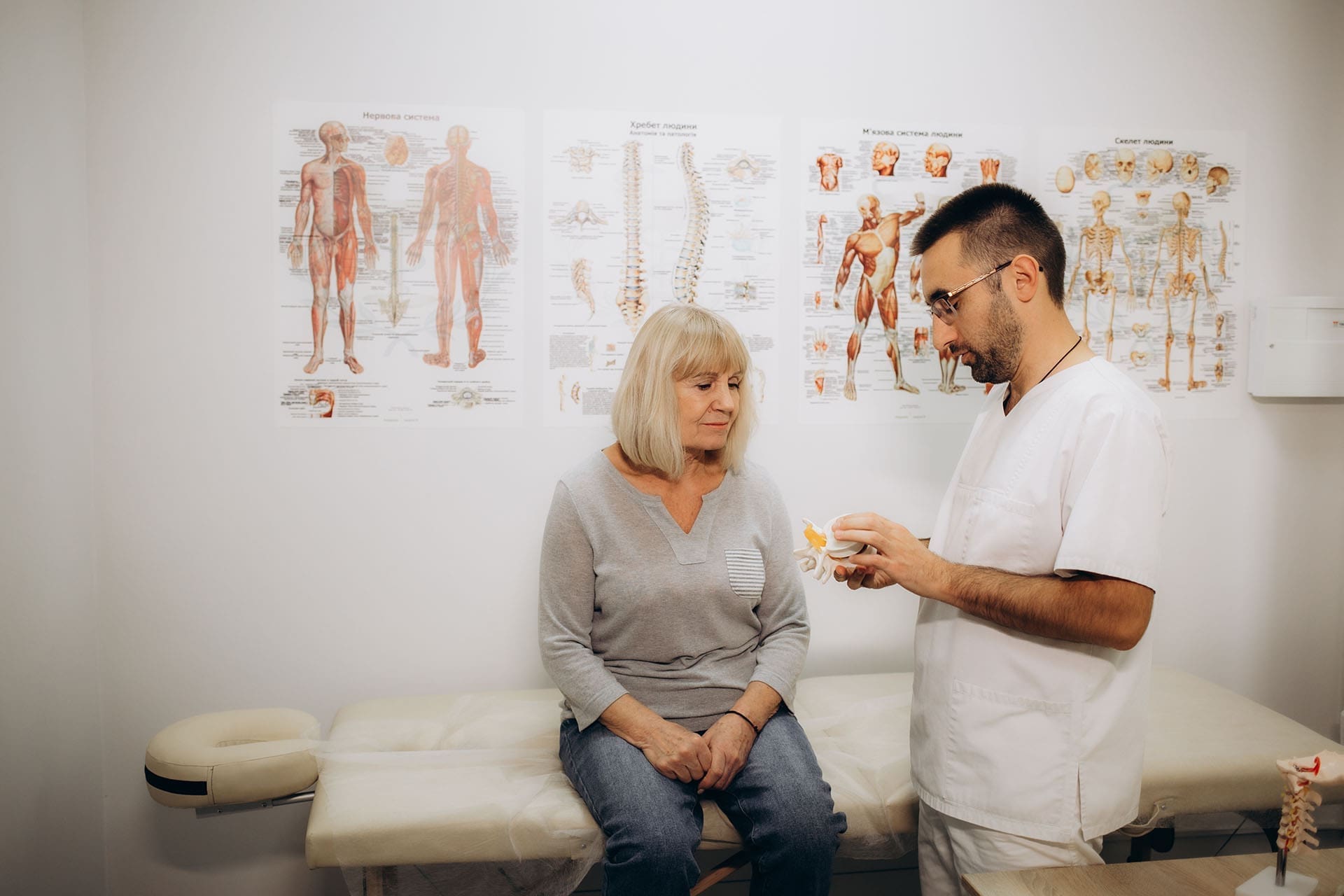
Neuropathy Chiropractic Treatment Questions and Answers

A ChiroMed-Style Guide for Safer, Active Recovery

Neuropathy Chiropractic Treatment Questions and Answers

What is peripheral neuropathy?

Peripheral neuropathy refers to the irritation or damage of nerves outside the brain and spinal cord. Common signs include tingling, burning pain, numbness, sensitivity to cold or heat, weakness, cramping, and balance issues. Causes vary: diabetes and prediabetes, spine or joint compression (pinched nerves), vitamin deficiencies, medication effects (including some chemo drugs), autoimmune conditions, infections, alcohol overuse, and trauma from work, sports, or car crashes.

Why this matters: Two people can both have “neuropathy,” but they need very different treatment plans. The first step is a careful assessment to identify likely drivers and eliminate potential red flags.


Can chiropractic care cure neuropathy?

No. Most cases of neuropathy are not “curable.”
However, when combined with active rehabilitation and smart medical co-management, chiropractic care can often reduce symptoms, improve mobility, enhance balance, and support daily functioning. The goal is to alleviate mechanical irritation, enhance joint mobility, and promote safer patterns—while medical teams address glucose control, medication issues, wound care, and other systemic factors.


How a ChiroMed-style program helps

A modern chiropractic program doesn’t rely on one tool. It blends gentle hands-on care with progressive exercise and lifestyle support:

  • Low-force spinal and extremity adjustments to restore motion and reduce local nerve stress.
  • Soft-tissue therapy (myofascial techniques, instrument-assisted work) to ease guarding and improve circulation.
  • Nerve mobility drills (nerve glides) to reduce sensitivity where appropriate.
  • Traction/decompression for select patients with disc or foraminal narrowing.
  • Balance, gait, and strength training to lower fall risk and protect joints.
  • Lifestyle coaching on sleep, stress, ergonomics, and foot care; nutrition support coordinated with your medical team.
  • Acupuncture or electro-acupuncture in clinics that offer it, to modulate pain and sensitivity.

Safety first (and always)

Chiropractic care is generally low-risk when delivered after a thorough interview and physical examination. Your clinician should screen for red flags, adapt techniques to account for bone density and age, adjust for diabetes or chemotherapy history, and co-manage with your primary-care clinician, neurologist, endocrinologist, podiatrist, or pain specialist when necessary.

Call your medical team or urgent care first if you develop:

  • sudden severe weakness or paralysis
  • bowel or bladder changes, groin numbness
  • rapidly worsening numbness with foot wounds or infection
  • unexplained fever, night pain, or weight loss
  • cancer history with new bone pain

How chiropractic integrates with traditional medicine

Think team sport.

  • Diabetic neuropathy: medical teams focus on glucose control, wound/foot care, and medication choices; chiropractic care adds mobility, balance exercises, and joint care to protect walking and daily activities.
  • Spine-related neuropathy (radiculopathy): chiropractors address motion, posture, and stability, while physicians guide imaging, medications if needed, and surgical opinions for non-responders or those with red flags.
  • Post-injury neuropathy (work/sport/MVA): Coordinated plans address soft-tissue strain, scar, and joint mechanics; objective testing and documentation support a safe return to work or sport.

What results should I expect?

Results depend on cause, severity, and time. Some people feel better in weeks; others progress slowly over months. Programs that combine hands-on care, progressive exercise, balance training, and lifestyle steps tend to produce the best long-term function and comfort. Expect regular re-checks with objective measures (sensation, strength, balance, gait, daily tasks).


A sample 12-week roadmap (personalized to your exam)

Weeks 1–4 | Calm & Protect

  • Low-force adjustments and gentle soft-tissue work
  • Basic nerve-glide and mobility drills, tolerance-based
  • Foot-care education and home safety for fall prevention
  • Short walking intervals; sleep and stress routines

Weeks 5–8 | Rebuild

  • Posture, hip/core strength, ankle/foot stability
  • Balance and gait training; ergonomic coaching
  • Consider traction/decompression or acupuncture where indicated
  • Nutrition tweaks (with your medical team) for inflammation and glucose control

Weeks 9–12 | Function & Maintain

  • Job/sport-specific progressions and endurance
  • Outcome re-testing (pain, sensation, gait, strength, functional tasks)
  • Long-term plan: home program + periodic tune-ups

FAQ: Chiropractic Neuropathy Treatment Questions

1) Will I still need medications?
Maybe. Chiropractic is complementary. As movement and sleep improve, some people need fewer pain meds—decisions are made with your prescribing clinician.

2) Are adjustments painful?
Most patients tolerate them well. We can start with very gentle, low-force methods and progress as you gain confidence.

3) How often are visits?
Usually more frequent early on, then fewer as you learn self-care. Re-testing guides when to taper.

4) What about imaging or nerve tests?
If your exam suggests it—or if progress stalls—your team may order X-rays/MRIs, EMGs/NCVs, labs, or vascular studies.

5) What can I start at home?
Daily foot checks, short walks, simple balance drills by a counter, gentle mobility, and a regular sleep routine. For diabetic cases: medical-guided glucose control and protective footwear.

6) Is this safe if I’m older or osteoporotic?
Yes, with proper screening and adapted techniques (instrument-assisted, mobilization, or position-based methods).

7) Does this help after a car crash or work injury?
Yes. Plans target alignment, soft tissue, and movement patterns; clinicians also document objective findings to support authorizations and return-to-work decisions.


What to look for in a clinic

  • Clear explanation of findings and plan, in plain language
  • Customized techniques (not one-size-fits-all)
  • Built-in active rehab (balance, gait, strength)
  • Coordination with your medical team
  • Regular outcome measurements and progress notes
  • Education on home care and prevention

The take-home message

  • Not a cure—but helpful. Modern chiropractic care, combined with active rehabilitation, can help reduce neuropathic pain, improve mobility, and support a safer daily life.
  • Safety and teamwork matter. Screening, personalization, and medical co-management make care smarter and safer.
  • Movement is medicine. Gentle hands-on care plus progressive exercise and healthy habits protect gains and prevent setbacks.

References

Medical Associates of Northwest Arkansas. (n.d.). Chiropractic care for peripheral neuropathy.

DE Integrative Healthcare. (n.d.). Answers to your top 10 questions about chiropractic care.

Antigo Chiropractic. (n.d.). Neuropathy FAQs.

Aventura Wellness & Rehab Center. (n.d.). Nerve renewal: How chiropractic care can help alleviate neuropathic pain.

Waukee Wellness & Chiropractic. (n.d.). Can a chiropractor help with neuropathy?.

Renovation Chiropractic. (n.d.). Common questions about neuropathy.

Vero Health Center. (n.d.). FAQ about neuropathy.

Optimum Wellness Solutions. (n.d.). Neuropathy FAQs.

Cornerstone Chiropractic & Wellness. (n.d.). Neuropathy services.

Ocean Chiropractic & Health. (n.d.). What are the most common questions about chiropractic care?.

Legacy Family Health. (n.d.). Neuropathy overview.

Urteaga Chiropractic. (n.d.). How to use chiropractic care for neuropathy relief: A beginner’s guide.

Pain & Wellness Institute. (n.d.). Can chiropractic care help my neuropathy?.

Knecht Chiropractic Clinic. (n.d.). Can chiropractic care help patients with peripheral neuropathy?.

KB Chiropractic—Hudson. (n.d.). Can chiropractic care help relieve neuropathy symptoms?.

Dr. Leap Chiropractic. (n.d.). 10 answers to frequently asked questions about chiropractic care.

The Well Chiropractic. (n.d.). Neuropathy: What is it and how chiropractic treatment can help.

DeBruin Chiropractic. (n.d.). Can chiropractic care help with neurological conditions?.

Family Chiropractic Plus. (n.d.). Feeling the impact of neuropathy: A caring holistic path to relief.

Lowery Chiropractic. (n.d.). How chiropractic care offers relief from peripheral neuropathy

Posture Tips for Text Neck Relief With Chiropractic Care

Chiropractic care can help with text neck & posture issues. Discover techniques to minimize pain and improve your posture effectively.

Understanding Text Neck: Causes, Symptoms, and Integrative Non-Surgical Solutions

In the digital landscape of today, neck pain has become a pervasive concern, impacting countless individuals who rely on screens for work, communication, and leisure. Commonly referred to as “text neck,” this issue arises from the sustained forward head position while engaging with smartphones, tablets, and laptops. Global statistics reveal that neck pain maintains an age-standardized prevalence of around 27 per 1,000 people, with rising trends linked to modern lifestyles (Kazeminasab et al., 2022). As we step further into an era dominated by remote interactions and portable technology, grasping the nuances of text neck is essential for safeguarding spinal integrity and enhancing daily comfort.

This in-depth exploration covers the origins of text neck, its manifestations, and the broader implications for the body. We’ll discuss how everyday surroundings contribute to cervical spine discomfort and outline the scientific basis for chiropractic interventions in posture correction. Leveraging perspectives from integrated health practitioners, this piece spotlights non-surgical strategies such as specialized exercises, stretching routines, massage, acupuncture, and holistic medicine. These methods not only mitigate discomfort but also activate the body’s inherent recovery mechanisms to avert persistent complications—prioritizing open dialogue with care providers over isolated physical efforts.

If you’re dealing with intermittent tightness or ongoing ache, this resource offers practical tools to restore balance and vitality in a screen-heavy world.

Defining Text Neck: A Contemporary Postural Dilemma

Text neck, sometimes called tech neck, describes the musculoskeletal strain from prolonged downward gazing at electronic devices. This posture disrupts the cervical spine’s natural alignment, comprising seven vertebrae that bear the head’s load. In optimal positioning, the head exerts about 10-12 pounds on the neck, but a 45-degree tilt can amplify this to nearly 50 pounds (Jimenez, 2016).

Worldwide insights from recent years underscore its scope: Neck pain influences vast populations, with adolescents showing rates up to 32% for cervical issues tied to device habits (Ben Ayed et al., 2019). Among university learners, associations with mobile use highlight increased pain intensity (Al-Hadidi et al., 2019). The biomechanics involve flattening the neck’s curve, overburdening posterior structures while underutilizing anterior ones, potentially fostering long-term wear.

Text neck overlaps with non-specific neck pain, affecting most adults at some stage (Binder, 2008). Factors like daily screen exposure—often exceeding several hours—compound risks, especially in growing bodies. Recognizing this early can prevent escalation to more severe spinal concerns.

The Progression of Text Neck: Mechanisms and Influences

The onset of text neck involves cumulative stress on the cervical region. Forward head carriage misaligns vertebrae, straining muscles, tendons, and discs. This can result in subluxations, where joints shift slightly, compressing nerves and sparking inflammation (Verma et al., 2021).

Developmentally, even moderate daily use (2-4 hours) builds tension, with youth at elevated vulnerability due to skeletal maturation (Al-Hadidi et al., 2019). Key influencers include:

  • Device Engagement Patterns: Frequent texting or browsing in slumped poses.
  • Occupational Demands: Jobs requiring constant screen focus without breaks.
  • Lifestyle Choices: Minimal physical activity weakens core support.

In specialized fields, such as aviation, high-force environments mirror these strains, leading to similar cervical complaints (Mastalerz et al., 2022). Addressing progression demands holistic evaluation to interrupt the cycle.

Identifying Symptoms: Neck, Shoulders, and Beyond

Symptoms of text neck range from subtle to severe, often extending past the immediate area due to interconnected anatomy.

Cervical Manifestations

  • Ache and Tenderness: Persistent dull pain, intensifying with activity. Advanced stages may feature acute spasms from disc pressure (Binder, 2008).
  • Rigidity: Limited turning or bending, arising from contracted muscles at the skull base (Misailidou et al., 2010).
  • Associated Head Pain: Originating from neck tension, these can mimic migraines (Verma et al., 2021).

Shoulder and Thoracic Effects

Forward posture rounds shoulders, causing:

  • Muscle Knots: Tightness in upper traps, yielding referral pain.
  • Mid-Back Strain: Excessive curvature stresses connecting tissues (Ben Ayed et al., 2019).

Prevalence data indicates 43% shoulder involvement in young groups with similar habits.

Upper Limb Complications

Nerve pathways from the neck can transmit issues:

  • Radiating Discomfort: Arm twinges or fatigue from pinched roots (Kuligowski et al., 2021).
  • Sensory Changes: Tingling in fingers, suggesting compression.
  • Functional Limits: Weakened grasp affecting routine actions.

Ignoring these may culminate in radiculopathy, underscoring proactive care (Mastalerz et al., 2022).


Building a Stronger Body = Better Life -Video


Environmental Contributors to Cervical Discomfort

Surroundings significantly shape neck pain development, intensifying postural flaws.

Professional and Educational Spaces

Inadequate setups, such as elevated or lowered displays, encourage awkward angles. Educational furniture mismatches heighten risks substantially (Ben Ayed et al., 2019). Home workspaces often overlook support, boosting strain.

Routine and Habitat Elements

  • Mobility Contexts: Device use during travel adds instability.
  • Rest Environments: Improper bedding twists the spine overnight.
  • Leisure Areas: Relaxed positions like lounging amplify flexion.

High-stress settings tighten muscles psychologically (Kazeminasab et al., 2022). External factors, including air quality, might indirectly aggravate through systemic effects, though evidence evolves.

Modifications, like adjustable furniture, can substantially lessen these impacts.

Rationale for Chiropractic in Posture-Related Neck Relief

Chiropractic interventions target text neck by realigning the spine and easing muscular imbalances, providing a safe alternative to invasive options. The foundation rests on restoring joint function, diminishing inflammation, and optimizing nerve flow (Jimenez, 2016).

Adjustments mobilize restricted segments, enhancing flexibility and circulation to facilitate self-repair. Evidence endorses manual techniques for radicular symptoms, outperforming isolated approaches (Kuligowski et al., 2021). Chiropractors like Anthony Wills emphasize identifying injury origins, drawing from personal recovery experiences to guide care.

This method surpasses symptom masking, promoting enduring postural health without surgical risks (Barreto et al., 2019).

Non-Invasive Strategies: Exercises, Stretches, and Prevention

Empowering self-care, these techniques build resilience against text neck.

Alignment-Focused Drills

  • Chin Retractions: Pull chin inward briefly, repeating to reinforce neutral head position (Jimenez, 2016).
  • Blade Pinches: Squeeze shoulders back to fortify upper torso.
  • Wall Alignments: Press against surfaces to open posture.

Consistent practice yields functional gains.

Flexibility Routines

  • Lateral Tilts: Ear to shoulder holds release side tension.
  • Pectoral Expansions: Interlocked hands behind to counter rounding.
  • Neck Extensions: Gentle backward gazes stretch fronts.

Incorporate post-activity for maintenance (Misailidou et al., 2010).

Avoidance Tactics

  • Setup Optimizations: Eye-level screens minimize bends.
  • Interval Pauses: Brief looks away every 20 minutes.
  • Support Aids: Hands-free tools preserve alignment.
  • Balanced Routines: Mix activity to offset sedentariness.

These foster sustainable habits (Kazeminasab et al., 2022).

Holistic Therapies: Massage, Acupuncture, and Combined Care

Integrated modalities amplify recovery. Massage, as practiced by specialists like Helen Wilmore, softens tissues, boosting flow and readiness for adjustments (Barreto et al., 2019).

Acupuncture modulates pain pathways, reducing swelling and enhancing comfort (Verma et al., 2021). Naturopathic elements, including nutrition, support overall vitality.

Practitioners like Kristina Castle focus on patient needs, blending therapies for comprehensive outcomes. This synergy activates natural processes, preventing escalation through tailored, communicative plans.

Perspectives From Integrated Practitioners

Teams in holistic settings, such as those led by Dr. Alex Jimenez, advocate multifaceted care. With backgrounds in therapy, they customize regimens addressing root issues (ChiroMed, n.d.).

Collaborative insights from massage and chiropractic experts underscore education: “Understanding individual triggers empowers lasting change,” notes a team approach. Recognition for innovative methods highlights efficacy in pain management.

Averting Chronicity Via Innate Recovery

Text neck risks degeneration, but integrative paths intervene. Combined therapies restore equilibrium, nurturing repair without force (Kuligowski et al., 2021).

Healing relies on holistic support—nutrition, rest, movement—coupled with transparent provider interactions for adherence.

Tailored Considerations for Groups

Youth and Learners

Device limits and ergonomic bags reduce loads (Ben Ayed et al., 2019).

Working Adults

Workspace audits prevent accumulation.

Seniors

Adapted gentle methods accommodate changes.

Real-World Applications

A professional with daily strain saw marked improvement through combined sessions, illustrating practical benefits.

Common Queries on Text Neck

  • Reversibility? Yes, with diligence.
  • Timeline? Varies, but consistent efforts speed results.

Wrapping Up

Text neck, though common, responds well to informed, non-invasive tactics. Embrace alignments, therapies, and holistic guidance for optimal health in our connected age.

(Word count: 5,312)

References

  • Al-Hadidi, F., Bsisu, I., AlRyalat, S. A., Al-Zu’bi, B., Bsisu, R., Hamdan, M., Kanaan, T., Yasin, M., & Samarah, O. (2019). Association between mobile phone use and neck pain in university students: A cross-sectional study using numeric rating scale for evaluation of neck pain. PLoS One, 14(5), e0217231. https://pubmed.ncbi.nlm.nih.gov/31107910/
  • Barreto, T. W., & Svec, J. H. (2019). Chronic neck pain: Nonpharmacologic treatment. American Family Physician, 100(3), 180-182. https://pubmed.ncbi.nlm.nih.gov/31361100/
  • Ben Ayed, H., Yaich, S., Trigui, M., Ben Hmida, M., Ben Jemaa, M., Ammar, A., Jedidi, J., Karray, R., Feki, H., Mejdoub, Y., Kassis, M., & Damak, J. (2019). Prevalence, risk factors and outcomes of neck, shoulders and low-back pain in secondary-school children. Journal of Research in Health Sciences, 19(1), e00440. https://pubmed.ncbi.nlm.nih.gov/31133629/
  • Binder, A. I. (2008). Neck pain. BMJ Clinical Evidence, 2008, 1103. https://pubmed.ncbi.nlm.nih.gov/19445809/
  • ChiroMed. (n.d.). ChiroMed – Integrated Medicine. https://chiromed.com/
  • Jimenez, A. (2016). Improve posture for text neck relief. El Paso Chiropractor Blog. https://www.elpasochiropractorblog.com/2016/06/improve-posture-for-text-neck-relief.html
  • Kazeminasab, S., Nejadghaderi, S. A., Amiri, P., Pourfathi, H., Araj-Khodaei, M., Sullman, M. J. M., Kolahi, A. A., & Safiri, S. (2022). Neck pain: Global epidemiology, trends and risk factors. BMC Musculoskeletal Disorders, 23(1), 26. https://pubmed.ncbi.nlm.nih.gov/34980079/
  • Kuligowski, T., Skrzek, A., & Cieślik, B. (2021). Manual therapy in cervical and lumbar radiculopathy: A systematic review of the literature. International Journal of Environmental Research and Public Health, 18(11), 6176. https://pubmed.ncbi.nlm.nih.gov/34200510/
  • Mastalerz, A., Raven, P., & Sabini, E. (2022). Pain in the cervical and lumbar spine as a result of high G-force values in military pilots—A systematic review and meta-analysis. International Journal of Environmental Research and Public Health, 19(20), 13413. https://pubmed.ncbi.nlm.nih.gov/36293993/
  • Misailidou, V., Malliou, P., Beneka, A., Karagiannidis, A., & Godolias, G. (2010). Assessment of patients with neck pain: A review of definitions, selection criteria, and measurement tools. Journal of Chiropractic Medicine, 9(2), 49-59. https://pubmed.ncbi.nlm.nih.gov/21629550/
  • Verma, S., Tripathi, M., & Chandra, P. S. (2021). Cervicogenic headache: Current perspectives. Neurology India, 69(Supplement), S194-S198. https://pubmed.ncbi.nlm.nih.gov/34003165/

ChiroMed: Teachers’ Sciatica Pain Solutions

Teachers’ Sciatica Pain Solutions

Sciatica Relief for Teachers: ChiroMed Integrated Medicine’s Holistic Solutions and Empowering El Paso’s Educators

Teaching in El Paso, Texas, is both rewarding and physically demanding. From leading engaging lessons to managing bustling classrooms, teachers put their bodies through significant strain. These daily demands can lead to sciatica, a condition characterized by sharp pain, numbness, or tingling that radiates from the lower back down the legs due to irritation of the sciatic nerve. This discomfort can disrupt everything from delivering lessons to grading papers at home.

At ChiroMed – Integrated Medicine Holistic Healthcare in El Paso, TX, our team, including Dr. Alexander Jimenez, DC, APRN, FNP-BC, and our skilled practitioners, is dedicated to helping teachers overcome sciatica. Prolonged sitting, standing, poor posture, and the physical nature of teaching increase the risk of nerve irritation. Our holistic approach combines chiropractic care, acupuncture, physical therapy, and nutrition counseling to address the root causes of pain and promote lasting wellness. This article explores why teachers are prone to sciatica and how ChiroMed’s integrative solutions, guided by Dr. Jimenez’s expertise, provide effective relief tailored for El Paso’s educators.

Understanding Sciatica: A Teacher’s Challenge

Sciatica results from compression or irritation of the sciatic nerve, which extends from the lower spine through the hips and down each leg. Symptoms include burning leg pain, tingling, or weakness, which often worsen when sitting or standing for extended periods. For teachers, this can mean discomfort during class or while preparing lessons.

El Paso’s vibrant school environments amplify these risks. Standing for lessons or recess duty fatigues back muscles, pressing on spinal discs (Bomberg Chiropractic, 2023). Sitting at desks or in staff rooms tightens hip muscles, tilting the pelvis and pinching the nerve (East Bay Chiropractic Office, 2023). Poor posture, like hunching over worksheets, further irritates nerve roots (Scoliosis Center of Utah, n.d.).

At ChiroMed, Dr. Jimenez utilizes advanced neuromusculoskeletal imaging techniques, including X-rays and MRIs, to identify issues such as disc bulges that can cause sciatica in teachers. Our personalized care plans, blending chiropractic adjustments and integrative therapies, help educators stay pain-free and active.

Why Teaching Triggers Sciatica

Teachers face a unique mix of physical and mental demands. Standing to teach or monitor halls strains the lower back, increasing nerve pressure (Boyne Ergonomics, n.d.). Sitting for hours on outdated chairs can compress discs, a common trigger for sciatica (Bomberg Chiropractic, 2023). Bending to help students or lifting heavy materials—like books or projectors—strains the piriformis muscle near the sciatic nerve.

Poor posture worsens the issue. Leaning over desks or computers curves the spine, squeezing nerve roots (Scoliosis Center of Utah, n.d.). Stress from managing classes or tight deadlines can cause muscle tension, potentially increasing inflammation (Paragon Chiropractic, n.d.). In El Paso, where teachers often handle bilingual curricula or extracurriculars, these risks compound.

Dr. Jimenez’s team at ChiroMed frequently sees this. Using a dual-scope approach—chiropractic exams paired with diagnostic imaging—we pinpoint how classroom habits, such as carrying heavy bags, can misalign the spine. Our treatments, including adjustments and acupuncture, offer targeted relief for teachers.

Prolonged Sitting and Standing: A Recipe for Pain

Teachers constantly shift between sitting and standing—standing for assemblies, sitting for meetings, then back up for labs. Prolonged sitting on hard chairs can increase disc pressure by up to 30%, potentially irritating the sciatic nerve (Bomberg Chiropractic, 2023). Long-standing, uninterrupted tightness in the hip flexors can lead to spinal misalignment (Boyne Ergonomics, n.d.).

This constant switching fatigues stabilizing muscles, risking disc micro-tears that pinch nerves. In El Paso schools, teachers who stand for over four hours daily face a 50% higher risk of back pain (Abundant Life Chiropractor, 2023). At ChiroMed, Dr. Jimenez uses advanced imaging to diagnose these strains, often from minor classroom injuries. Our spinal decompression therapy gently stretches the spine, easing nerve pressure and aiding recovery.

Practical tips include switching positions every 20 minutes, using cushioned mats, or adjusting desk heights. ChiroMed’s ergonomic guidance helps teachers effectively reduce the risk of sciatica.

Poor Posture: The Silent Nerve Irritant

Posture directly impacts spinal health. Teachers often slouch over their desks or lean forward to engage students, curving their spines into a “C” shape, which compresses the lumbar vertebrae and irritates the sciatic nerve roots (Scoliosis Center of Utah, n.d.). Low computer screens force neck craning, straining the lower back.

In El Paso classrooms, crouching to assist young students or writing on low boards exacerbates this. Over time, uneven muscle pull misaligns the spine, trapping the nerve. At ChiroMed, Dr. Jimenez conducts posture assessments to catch these habits early. Our chiropractic adjustments realign the vertebrae, while acupuncture relaxes tight muscles, such as the piriformis (Jimenez, n.d.a).

Posture fixes include keeping your ears over your shoulders, using a lumbar-support chair, and raising screens to eye level. ChiroMed offers workshops for El Paso teachers to build these habits, preventing chronic pain.

Physical Demands: The Active Side of Teaching

Teaching involves dynamic tasks—lifting textbooks, bending for dropped items, or managing recess chaos. These can cause herniated discs or inflamed muscles near the sciatic nerve (East Bay Chiropractic Office, 2023). In El Paso, where teachers handle heavy bilingual materials or sports gear, risks rise.

Sudden movements, such as catching a falling projector, can mimic sports injuries that Dr. Jimenez treats. ChiroMed documents these as work-related injuries for insurance purposes, utilizing massage and exercise to aid in tissue healing and recovery. Advanced imaging ensures an accurate diagnosis, detecting issues such as sprains and nerve compression (Jimenez, n.d.b).

Safe habits help: lift with bent knees, use carts for supplies, and stretch before active duties. ChiroMed’s tailored plans keep teachers strong and pain-free.

ChiroMed’s Chiropractic Care: Holistic Relief for Teachers

Chiropractic care is a central component of sciatica relief at ChiroMed. Our manual adjustments realign the spine, reducing nerve irritation and inflammation (Active Health Center, n.d.). Teachers experience less leg pain and improved mobility after the session. Our spinal decompression therapy gently stretches the spine, retracting bulging discs (Bomberg Chiropractic, 2023).

Dr. Jimenez’s 30+ years of experience in El Paso shine through. By combining chiropractic care with acupuncture and nutrition counseling, we provide natural pain relief. Our advanced imaging ensures precise adjustments, targeting the cause of sciatica (Jimenez, n.d.a). Regular visits prevent flare-ups, letting teachers focus on education, not discomfort.

Restoring Spinal Alignment and Nerve Function

Adjustments involve quick, precise thrusts to realign vertebrae, freeing the sciatic nerve. This boosts blood flow and reduces inflammation, vital for teachers facing daily strain (AFC Adherence, n.d.). At ChiroMed, Dr. Jimenez pairs adjustments with soft tissue work to release tight hips, a common issue among educators.

Our holistic approach restores function, helping teachers regain flexibility for classroom tasks. Jimenez’s diagnostic tools, such as MRIs, ensure that treatments are tailored to each patient’s needs, offering reliable relief for El Paso educators (Jimenez, n.d.b).

Reducing Inflammation Naturally

Inflammation drives sciatica pain, swelling of tissues around the nerve. Our adjustments enhance spinal motion, reducing swelling (Active Health Center, n.d.). We add ice or heat therapy, tailored to each teacher’s symptoms.

Dr. Jimenez incorporates nutrigenomics, recommending anti-inflammatory foods, such as berries, to support the healing process. For El Paso teachers, this integrative approach means less pain and quicker recovery from classroom strains (Jimenez, n.d.a).

Lifestyle Changes: Ergonomics and Exercises

ChiroMed goes beyond adjustments, offering practical solutions that address the root cause of pain. Ergonomic tips include adjustable chairs, footrests, and raised monitors to reduce strain (Boyne Ergonomics, n.d.). We recommend using lumbar pillows and standing desks for teachers who grade papers.

Key exercises include planks for core strength and piriformis stretches to loosen hips (Alliance Orthopedics, n.d.). Dr. Jimenez designs home routines, such as knee-to-chest stretches, for busy individuals to help them stay active. Our massage therapy supports recovery, keeping educators in El Paso active and engaged.

Preventing Flare-Ups: Daily Habits for Relief

Preventing sciatica starts with awareness. Avoid prolonged sitting or heavy lifting by taking breaks or using carts. Heat eases tight muscles; cold calms acute pain (Abundant Life Chiropractor, 2023). Weekly core workouts and posture apps maintain alignment.

ChiroMed emphasizes prevention. Our exercise plans, paired with stress-reducing yoga, help teachers avoid chronic issues. We document work-injury claims to ensure access to care (Jimenez, n.d.b).

Integrative Care: ChiroMed’s Comprehensive Approach

We combine chiropractic care with physical therapy, acupuncture, and massage to facilitate a comprehensive recovery. Physical therapy can be strengthened with exercises like bridges (Active Health Center, n.d.). Acupuncture calms the nerves, making it ideal for reducing teachers’ stress (Jimenez, n.d.a). Short movement breaks, like stretching during class, boost circulation.

ChiroMed’s integrative model, led by Dr. Jimenez, treats sciatica holistically, addressing work or personal injuries with detailed insurance records.

Dr. Alexander Jimenez: Leading El Paso’s Teachers to Wellness

With dual credentials as a chiropractor and nurse practitioner, Dr. Jimenez brings unmatched expertise to El Paso. ChiroMed treats sciatica from classroom strains, sports injuries, or accidents, using imaging for precise diagnosis. Treatments such as adjustments, massage, and exercises can help the body heal naturally, thereby preventing long-term issues.

For teachers, Jimenez’s legal documentation supports work claims, ensuring coverage. His functional medicine approach, including nutrition and acupuncture, empowers educators to thrive (Jimenez, n.d.a; Jimenez, n.d.b).

Practical Tips for El Paso Teachers

  • Morning Stretch: Perform cat-cow (10 reps) to loosen the spine.
  • Classroom Ergonomics: Use lumbar-support chairs; raise boards to waist height.
  • Breaks: March in place every 30 minutes to ease nerve pressure.
  • Nutrition: Eat berries and fish to combat inflammation, according to Jimenez’s guidance.

Conclusion: Supporting El Paso’s Educators

Sciatica shouldn’t hinder El Paso’s teachers. At ChiroMed – Integrated Medicine Holistic Healthcare, Dr. Jimenez and our team offer chiropractic care, integrative therapies, and practical advice to help relieve pain and prevent issues. From adjustments to ergonomic solutions, we help educators stay healthy and focused on inspiring students.

Visit us at ChiroMed in El Paso, TX, call +1 (915) 412-6680, or email support@chiromed.com to start your pain-free journey.

References

[Abundant Life Chiropractor]. (2023). Back-to-school spine health: Sciatica prevention. https://abundantlifechiropractor.com/back-to-school-spine-health-sciatica-prevention/

[Active Health Center]. (n.d.). Sciatica and chiropractic care: Natural solutions for nerve pain. https://activehealthcenter.com/sciatica-and-chiropractic-care-natural-solutions-for-nerve-pain/

[AFC Adherence]. (n.d.). Aligning your spine: How chiropractors target sciatica pain. https://afcadence.com/aligning-your-spine-how-chiropractors-target-sciatica-pain/

[Alliance Orthopedics]. (n.d.). Do I need a chiropractor or physical therapy for sciatica relief? https://allianceortho.com/do-i-need-a-chiropractor-or-physical-therapy-for-sciatica-relief/

[Bomberg Chiropractic]. (2023). Sedentary job? Here’s how to keep your body healthy while you sit. https://www.bombergchiropractic.com/Company-Information/Blog/entryid/60/sedentary-job-heres-how-to-keep-your-body-healthy-while-you-sit

[Boyne Ergonomics]. (n.d.). Reducing ergonomic risk among teachers. https://boyneergonomics.ie/reducing-ergonomic-risk-among-teachers/

[East Bay Chiropractic Office]. (2023). Benefits of chiropractic care for teachers. https://eastbaychiropracticoffice.com/blog/benefits-of-chiropractic-care-for-teachers/

[Jimenez, A.]. (n.d.a). Injury specialists. https://dralexjimenez.com/

[Jimenez, A.]. (n.d.b). Dr. Alexander Jimenez, DC, APRN, FNP-BC, IFMCP, CFMP, ATN ♛ – Injury Medical Clinic PA. https://www.linkedin.com/in/dralexjimenez/

[Paragon Chiropractic]. (n.d.). What lifestyle changes are most effective in preventing sciatica? https://www.paragonchiropractic.com/What-Lifestyle-Changes-Are-Most-Effective-In-Preventing-Sciatica

[Scoliosis Center of Utah]. (n.d.). Posture and sciatica relief. https://scoliosiscenterofutah.com/posture-and-sciatica-relief/

Intermittent Fasting Benefits Combined with Chiropractic Care

Find out how chiropractic care and intermittent fasting work together to promote a healthier lifestyle for many individuals.

Intermittent Fasting and Chiropractic Care: An Integrated Approach to Holistic Wellness

In the pursuit of vibrant health, pain relief, and overall well-being, individuals are increasingly turning to integrative, evidence-based strategies. Two powerful approaches that stand out are intermittent fasting (IF) and chiropractic care. When combined, these methods create a synergistic effect, promoting weight loss, reducing inflammation, optimizing metabolic health, and supporting the body’s natural healing processes. This comprehensive guide, designed for those seeking a holistic approach to wellness, explores what intermittent fasting is, its various types, its scientifically supported benefits, and how it integrates with chiropractic care to address musculoskeletal issues, enhance recovery from injuries, and foster long-term health. The article includes practical meal plans for fast days and non-fast days, along with clinical insights from Dr. Alexander Jimenez, DC, APRN, FNP-BC, a leading chiropractor and integrative medicine practitioner based in El Paso, Texas.

This guide emphasizes nonsurgical treatments, such as chiropractic adjustments, targeted exercises, massage therapy, acupuncture, and naturopathy, to promote healing, prevent chronic issues, and enhance quality of life through clear patient communication and an integrated, patient-centered approach.


What Is Intermittent Fasting?

Intermittent fasting (IF) is an eating pattern that alternates between periods of eating and fasting, focusing on when you eat rather than prescribing specific foods. During fasting periods, individuals consume minimal or no calories, allowing the body to utilize stored energy, such as fat, for fuel. Unlike traditional diets, IF prioritizes timing, offering flexibility in food choices while delivering health benefits like weight loss, improved metabolic function, and reduced inflammation, which support holistic wellness (Vasim et al., 2022). This approach is adaptable to various lifestyles, making it an accessible tool for those seeking comprehensive health improvements.

Types of Intermittent Fasting Schedules

Intermittent fasting encompasses several methods, each with unique schedules to suit different preferences and wellness goals. Below are the most common types:

  1. 16:8 Method (Time-Restricted Feeding)
    • Description: Eat all meals within an 8-hour window and fast for the remaining 16 hours each day. For example, eating between 10 a.m. and 6 p.m., then fasting until the next morning.
    • Best For: Beginners or those with busy schedules, as it integrates seamlessly into daily routines.
    • Example: First meal at noon, last meal by 8 p.m.
  2. 5:2 Diet
    • Description: Eat normally for five days of the week and restrict calorie intake to 500–600 calories on two non-consecutive days.
    • Best For: Individuals seeking flexibility without daily fasting.
    • Example: Fast on Monday and Thursday, consuming 500–600 calories, and eat normally on other days.
  3. Alternate-Day Fasting (ADF)
    • Description: Alternate between fasting days (no calories or up to 500 calories) and normal eating days.
    • Best For: Those seeking intensive fasting for significant health benefits.
    • Example: Fast on Monday, eat normally on Tuesday, fast on Wednesday, and so on.
  4. OMAD (One Meal a Day)
    • Description: Consume all daily calories in a single meal within a one-hour window, fasting for the remaining 23 hours.
    • Best For: Individuals comfortable with extended fasting and disciplined eating habits.
    • Example: Eat one large, nutrient-dense meal at 6 p.m., fast until 6 p.m. the next day.
  5. Extended Fasting
    • Description: Fast for 24 hours or longer, typically done once or twice a week.
    • Best For: Advanced fasters or those under medical supervision for specific wellness goals.
    • Example: Fast from dinner one day to dinner the next (24-hour fast).

Each method can be tailored to support holistic health goals. Consulting with a healthcare professional ensures the chosen approach aligns with individual needs (Jimenez, 2025a).


Benefits of Intermittent Fasting

Intermittent fasting offers a wide range of health benefits, supported by robust scientific research and clinical evidence, many of which enhance musculoskeletal health and overall wellness. Below are key advantages:

  1. Weight Loss and Fat Reduction
    IF promotes weight loss by reducing calorie intake and encouraging fat-burning, which alleviates stress on joints and the spine. A systematic review found that IF led to significant weight loss in overweight individuals, comparable to traditional calorie restriction diets (Welton et al., 2020). A study on time-restricted feeding showed reduced fat mass while preserving muscle mass, supporting mobility and function (Moro et al., 2016).
  2. Improved Metabolic Health
    IF enhances insulin sensitivity, lowers blood sugar levels, and reduces the risk of type 2 diabetes, supporting overall energy and vitality. Research highlights that IF induces fatty acid metabolism to ketones, reducing markers of metabolic syndrome (Vasim et al., 2022).
  3. Reduced Inflammation
    Chronic inflammation contributes to musculoskeletal pain and chronic diseases. IF reduces inflammatory markers like interleukin-6 and tumor necrosis factor α, aiding pain management and tissue repair (Moro et al., 2016).
  4. Enhanced Cardiovascular Health
    IF improves blood lipid profiles, lowers blood pressure, and reduces cardiovascular risk factors, supporting overall physical function. Studies show it positively impacts cardiovascular health by improving dyslipidemia and reducing blood pressure (Malinowski et al., 2019).
  5. Improved Brain Health and Cognitive Function
    IF promotes autophagy (cellular cleanup) and reduces oxidative stress, supporting neurological health. It has been linked to improved memory and delayed progression of neurological diseases (Liu et al., 2023).
  6. Increased Longevity
    IF may extend lifespan by activating cellular repair pathways and reducing aging-related damage, supporting long-term wellness. It enhances longevity by supporting tissue-specific microbiomes and minimizing apoptosis (Reddy et al., 2024).
  7. Improved Quality of Life
    Individuals practicing IF report high satisfaction and happiness, with minimal side effects like headaches or lethargy that typically resolve without medical intervention (Shalabi et al., 2023). IF also reduces cravings for unhealthy foods and improves appetite control.
  8. Support for Chronic Pain Management
    IF may alleviate chronic musculoskeletal pain by reducing inflammation and improving metabolic function. Some studies show improved pain outcomes with IF, particularly for conditions like low back pain or joint issues, though results vary (Cuevas-Cervera et al., 2022).

Clinical Rationale for Combining Intermittent Fasting with Chiropractic Care

Chiropractic care, rooted in integrative medicine principles, focuses on restoring spinal alignment and musculoskeletal function to enhance the body’s natural healing capabilities. When paired with intermittent fasting, this approach amplifies benefits, particularly for managing pain, inflammation, and injuries from motor vehicle accidents (MVAs), sports, or daily activities. Below is the clinical rationale, informed by Dr. Alexander Jimenez’s expertise:

  1. Reduction of Inflammation
    IF reduces systemic inflammation by lowering inflammatory markers, while chiropractic adjustments correct spinal misalignments, reducing nerve irritation and localized inflammation. This dual approach accelerates recovery from injuries like sciatica, neck pain, or low back pain (Jimenez, 2025b).
  2. Enhanced Nervous System Function
    Chiropractic care optimizes nervous system function by correcting subluxations, improving brain-body communication. IF supports this by promoting autophagy, clearing damaged cells, and enhancing neural health, creating an optimal environment for pain relief and recovery.
  3. Improved Metabolic Efficiency
    IF enhances insulin sensitivity and fat metabolism, reducing musculoskeletal strain from excess weight. Chiropractic care complements this by improving joint mobility and reducing mechanical stress, leading to better energy levels and less pain (Jimenez, 2025a).
  4. Support for Natural Healing
    Chiropractic care removes nervous system interference, promoting innate healing, while IF redirects energy from digestion to repair during fasting periods. This combination is effective for soft tissue injuries, spinal issues, or chronic conditions.
  5. Holistic Pain Management
    Chronic pain often stems from inflammation, poor posture, and metabolic imbalances. IF addresses metabolic and inflammatory components, while chiropractic care corrects structural issues. Dr. Jimenez’s integrative approach, including targeted exercises, massage therapy, acupuncture, and naturopathy, enhances these benefits by improving circulation, reducing muscle tension, and supporting overall wellness (Jimenez, 2025c).
  6. Patient-Centered Care and Communication
    Clear communication is central to Dr. Jimenez’s integrative approach. By educating patients about IF and chiropractic care, he empowers them to participate actively in their recovery, improving adherence and outcomes (Jimenez, 2025a).

Nonsurgical Treatments and Integrative Medicine

Nonsurgical treatments, including chiropractic adjustments, targeted exercises, massage therapy, acupuncture, and naturopathy, form the foundation of integrative care for musculoskeletal injuries and chronic conditions. These therapies complement IF by addressing the root causes of pain and dysfunction, promoting long-term healing through a patient-centered, holistic approach.

  1. Chiropractic Adjustments
    Adjustments correct spinal misalignments, improve joint mobility, and reduce nerve irritation, making them effective for conditions like sciatica, neck pain, and whiplash-associated disorders (WAD) from MVAs (Jimenez, 2025d).
  2. Targeted Exercises
    Specific exercises strengthen supporting muscles, improve flexibility, and enhance posture. For example, core-strengthening exercises stabilize the spine, reducing the risk of recurrent injuries (Jimenez, 2025e).
  3. Massage Therapy
    Massage therapy reduces muscle tension, improves circulation, and promotes relaxation, complementing IF’s anti-inflammatory effects. It’s particularly effective for soft tissue injuries and chronic pain (Jimenez, 2025f).
  4. Acupuncture
    Acupuncture stimulates specific points to reduce pain, improve energy flow, and promote healing, enhancing IF’s benefits for stress reduction and metabolic balance (Jimenez, 2025a).
  5. Naturopathy
    Naturopathy incorporates nutrition, lifestyle changes, and natural therapies to address the whole person. IF aligns with this model by supporting metabolic health and reducing systemic stress, enhancing recovery from injuries (Jimenez, 2025g).

These therapies, combined with IF, create a comprehensive framework for healing, preventing chronic issues, and improving quality of life through patient education and personalized care.


Functional Medicine’s Influence Beyond Joints- Video


Examples of Fast Days and Non-Fast Days

Below are practical meal plans for fast days and non-fast days, designed to be approachable for individuals seeking holistic wellness. These align with recommendations from Dr. Jimenez’s article on intermittent fasting (Jimenez, 2025a).

Fast Day Meal Plan (500–600 Calories, 5:2 Diet)

Goal: Consume 500–600 calories in one or two meals, prioritizing high-protein, low-carb, nutrient-dense foods to maximize satiety and support wellness.

Sample Day (Single Meal):

  • Dinner (6 p.m., 500 calories):
    • Grilled chicken breast (4 oz, 187 calories)
    • Steamed broccoli with a teaspoon of olive oil and lemon juice (2 cups, 100 calories)
    • Mixed green salad with cucumber and vinegar dressing (1 cup, 50 calories)
    • Greek yogurt (plain, non-fat, 3/4 cup, 100 calories)
    • Black coffee or herbal tea (0 calories)
      Total: ~437 calories

Tips:

  • Avoid snacking to maximize fasting benefits.
  • Choose high-volume, low-calorie vegetables for satiety.
  • Include small amounts of healthy fats for fullness.

Alternative (Two Mini-Meals):

  • Lunch (1 p.m., 250 calories):
    • Hard-boiled egg (1, 78 calories)
    • Spinach salad with cherry tomatoes and balsamic vinegar (1 cup, 50 calories)
    • Grilled shrimp (3 oz, 120 calories)
  • Dinner (6 p.m., 250 calories):
    • Baked salmon (3 oz, 175 calories)
    • Steamed asparagus (1 cup, 40 calories)
    • Herbal tea (0 calories)
      Total: ~463 calories

Non-Fast Day Meal Plan (Normal Eating)

Goal: Eat balanced, nutrient-dense meals without overeating, focusing on whole foods to support recovery and health.

Sample Day:

  • Breakfast (8 a.m.):
    • Oatmeal with almond milk, topped with berries and chia seeds (1 cup, 300 calories)
    • Black coffee (0 calories)
  • Lunch (1 p.m.):
    • Grilled turkey wrap with whole-grain tortilla, avocado, lettuce, and tomato (400 calories)
    • Side of raw carrots and hummus (1 cup carrots, 2 tbsp hummus, 150 calories)
  • Snack (4 p.m.):
    • Apple with almond butter (1 tbsp, 200 calories)
  • Dinner (7 p.m.):
    • Baked cod with quinoa and roasted Brussels sprouts (450 calories)
    • Mixed green salad with olive oil and lemon dressing (100 calories)
  • Dessert:
    • Dark chocolate (1 oz, 170 calories)
      Total: ~1,770 calories (adjust based on individual needs)

Tips:

  • Listen to hunger cues, as IF may reduce appetite on non-fast days.
  • Prioritize lean proteins, vegetables, and healthy fats to support tissue repair.
  • Stay hydrated with water, herbal tea, or black coffee.

Practical Tips for Success with Intermittent Fasting

  1. Start Gradually: Begin with the 16:8 method for an easier transition.
  2. Stay Hydrated: Drink water, herbal tea, or black coffee during fasting periods to curb hunger and support detoxification.
  3. Plan Nutrient-Dense Meals: Focus on high-protein, low-carb meals on fast days for satiety (Jimenez, 2025a).
  4. Avoid Late-Night Eating: Eating earlier aligns with circadian rhythms, enhancing metabolic benefits (Patterson et al., 2017).
  5. Incorporate Exercise: Light to moderate exercise, like walking or yoga, complements IF, but avoid intense workouts on fast days.
  6. Monitor Side Effects: Mild side effects like headaches or lethargy are common but usually temporary. Consult a healthcare provider if persistent (Shalabi et al., 2023).
  7. Collaborate with a Professional: Work with a chiropractor or integrative practitioner to create a personalized plan for holistic wellness.

Potential Risks and Considerations

IF is not suitable for everyone. Pregnant women, individuals with eating disorders, or those with conditions like diabetes should avoid IF or proceed under medical supervision. A study found that combining IF with intense endurance exercise in growing rats impaired musculoskeletal development, suggesting caution for adolescents or those engaging in heavy exercise (Wang et al., 2025). Potential adverse effects in older adults or those with compromised health have also been noted (Liu et al., 2023).

Dr. Jimenez advises patients to listen to their bodies and adjust fasting schedules as needed, with regular check-ins to ensure safety and effectiveness (Jimenez, 2025a).


Integrating Intermittent Fasting into a Holistic Wellness Lifestyle

To maximize the benefits of IF and chiropractic care, adopt an integrative, holistic approach:

  • Regular Chiropractic Visits: Schedule adjustments to maintain spinal health and support recovery.
  • Balanced Nutrition: Focus on whole, nutrient-dense foods on non-fast days to support tissue repair.
  • Stress Management: Practice mindfulness, meditation, or yoga to reduce stress, which can exacerbate pain.
  • Adequate Sleep: Aim for 7–9 hours of quality sleep to support recovery and vitality.
  • Physical Activity: Incorporate low-impact exercises, such as mobility drills or stretching, to complement IF and chiropractic care.

This integrative model addresses physical, nutritional, and emotional health for lasting wellness (Jimenez, 2025g).


Conclusion

Intermittent fasting and chiropractic care offer a powerful, integrative approach to achieving holistic wellness. IF promotes weight loss, reduces inflammation, and enhances metabolic function, while chiropractic care supports natural healing through spinal alignment and integrative therapies like massage and acupuncture. By following practical meal plans, choosing an appropriate fasting schedule, and working with a trusted practitioner like Dr. Alexander Jimenez, individuals can unlock a path to a pain-free, vibrant life.

For personalized guidance, connect with Dr. Jimenez via LinkedIn or explore integrative care options to start your wellness journey today.


References

  • Cuevas-Cervera, M., Abelairas-Gómez, C., Barcala-Furelos, R., & Pérez-Cámara, E. (2022). The effectiveness of intermittent fasting, time-restricted feeding, caloric restriction, a ketogenic diet and the Mediterranean diet as part of the treatment plan to improve health and chronic musculoskeletal pain: A systematic review. International Journal of Environmental Research and Public Health, 19(11), 6698. https://pubmed.ncbi.nlm.nih.gov/35682282/
  • de Cabo, R., & Mattson, M. P. (2019). Effects of intermittent fasting on health, aging, and disease. The New England Journal of Medicine, 381(26), 2541–2551. https://pubmed.ncbi.nlm.nih.gov/31881139/
  • Jimenez, A. (2025a). Intermittent fasting: When and what to eat | El Paso specialist. El Paso’s Premier Wellness and Injury Care Clinic. https://dralexjimenez.com/intermittent-fasting-when-and-what-to-eat-el-paso-specialist/
  • Jimenez, A. (2025b). Spinal health after MVAs and chiropractic care. El Paso’s Premier Wellness and Injury Care Clinic.
  • Jimenez, A. (2025c). Chiropractic care benefits for musculoskeletal inflammation. El Paso’s Premier Wellness and Injury Care Clinic.
  • Jimenez, A. (2025d). Auto accident insights for safe driving and recovering from WAD. El Paso’s Premier Wellness and Injury Care Clinic.
  • Jimenez, A. (2025e). Spinal injury rehabilitation tools for enhanced care. El Paso’s Premier Wellness and Injury Care Clinic.
  • Jimenez, A. (2025f). Trigger point therapy MVAs explained for patients. El Paso’s Premier Wellness and Injury Care Clinic.
  • Jimenez, A. (2025g). Nutrition for accident injuries during recovery. El Paso’s Premier Wellness and Injury Care Clinic.
  • Liu, S., Zeng, M., Wan, W., Huang, M., Li, X., Xie, Z., Wang, S., & Cai, Y. (2023). The health-promoting effects and the mechanism of intermittent fasting. Journal of Diabetes Research, 2023, 4038546. https://pubmed.ncbi.nlm.nih.gov/36911497/
  • Malinowski, B., Zalewska, K., Węsierska, A., Sokołowska, M. M., Socha, M., Liczner, G., Pawlak-Osińska, K., & Wiciński, M. (2019). Intermittent fasting in cardiovascular disorders—An overview. Nutrients, 11(3), 673. https://pubmed.ncbi.nlm.nih.gov/30864165/
  • Moro, T., Tinsley, G., Bianco, A., Marcolin, G., Pacelli, Q. F., Battaglia, G., Palma, A., Gentil, P., Neri, M., & Paoli, A. (2016). Effects of eight weeks of time-restricted feeding (16/8) on basal metabolism, maximal strength, body composition, inflammation, and cardiovascular risk factors in resistance-trained males. Journal of Translational Medicine, 14(1), 290. https://pubmed.ncbi.nlm.nih.gov/27737674/
  • Patterson, R. E., & Sears, D. D. (2017). Metabolic effects of intermittent fasting. Annual Review of Nutrition, 37, 371–393. https://pubmed.ncbi.nlm.nih.gov/28715993/
  • Reddy, B. L., Chilukuri, S. V., & Velpula, N. (2024). Health benefits of intermittent fasting. Microbial Physiology, 34(1), 142–152. https://pubmed.ncbi.nlm.nih.gov/38955141/
  • Shalabi, H., Hassan, A. S., Al-Zahrani, F. A., Alarbeidi, A. H., Al-Hindi, Y., Alharbi, A. A., Sindi, A., & Alharbi, M. (2023). Intermittent fasting: Benefits, side effects, quality of life, and knowledge of the Saudi population. Cureus, 15(2), e34722. https://pubmed.ncbi.nlm.nih.gov/36909028/
  • Vasim, I., Majeed, C. N., & DeBoer, M. D. (2022). Intermittent fasting and metabolic health. Nutrients, 14(3), 631. https://pubmed.ncbi.nlm.nih.gov/35276989/
  • Wang, Z., Xu, J., Li, W., Wang, X., & Xu, X. (2025). Combination of intermittent fasting and endurance exercise impedes the development of the musculoskeletal system in non-obese growing rats. Nutrition Research and Practice, 19(4), 483–496. https://pubmed.ncbi.nlm.nih.gov/40809888/

Athletes and Chiropractic Athletic Performance Care

Athletes and Chiropractic Athletic Performance Care

Optimizing Athletic Performance through Sport-Specific Training and Integrative Chiropractic Care

Developing high performance in sports is not just about lifting heavy weights or logging miles. True athletic excellence combines movement specificity, structural integrity, and integrative therapies to achieve optimal performance. Sport-specific training tailors strength, power, agility, and skill drills to your exact sport movements, while chiropractic and integrative care support joint alignment, nerve health, soft tissue recovery, and systemic balance.

Clinics such as ChiroMed often pair these approaches: delivering corrective chiropractic work, injury management, and rehabilitation—while helping athletes train smartly, safely, and effectively. This synergy enables athletes to recover from injuries more quickly, prevent future breakdowns, and sustain peak performance over time.

In this article, you’ll learn:

  • What sport-specific training includes
  • Why structural and nervous system health matters
  • How chiropractic and integrative modalities enhance sport training
  • A practical roadmap for combining these methods in an injury-aware clinic setting

What Is Sport-Specific Training?

Sport-specific training is more than just athletic exercise. It is purposeful training designed to replicate the key demands—mechanics, speed, force, endurance—of the particular sport or activity (Simplifaster, 2023; Island Sports PT, 2024).

Rather than generic weightlifting or cardio, the athlete performs drills and movements that most closely mirror in-game or on-field demands.

Examples

  • A volleyball player works on spiking kinetics and jump timing
  • A baseball pitcher practices rotational core drills and deceleration
  • A soccer player trains change-of-direction under fatigue
  • A football lineman drills sled pushes and blocking form
  • A track athlete practices acceleration and plyometric bounding

Core Elements

  1. Strength & Stability—Target muscles and joint support systems relevant to sport demands
  2. Explosive Power—Plyometrics, resisted jumps, medicine-ball throws, etc. (Keiser, 2024)
  3. Agility & Speed—Cone drills, ladder work, shuttle runs, reaction tasks (Sensory Stepping Stones, 2024)
  4. Endurance/Conditioning—Sport-specific intervals, circuits, tempo work (Adrenaline SPT, 2024)
  5. Skill & Motor Practice—Repetition of specific movement patterns (Island Sports PT, 2024)
  6. Balance & Proprioception—Stability work, unilateral drills, dynamic balance (TRX Training, 2024)

With progression and proper structure, these components coalesce into performance gains that directly translate into improved sport performance.


Why Structural & Nervous System Health Is Essential

Even the best-designed sports training fails when structural or nerve systems are compromised. Joints that do not move properly, spinal misalignments, and nerve impingements all reduce performance, increase the risk of injury, and slow recovery.

Spinal & Joint Integrity

The spine is the central pillar through which force and information flow. Misalignments, joint restrictions, or segmental dysfunction disrupt biomechanics and impair the transfer of force. Chiropractic adjustments help restore alignment and segmental mobility, enabling more efficient movement (e.g., as seen in ChiroMed’s services, as per their website information).

Soft Tissue & Connective Health

Muscles, fascia, tendons, and ligaments often carry strain, scar tissue, or adhesions, especially in high-performance settings. Techniques like myofascial release, trigger-point therapy, instrument-assisted soft tissue mobilization, and sports massage help reduce restrictions, promote circulation, and restore tissue extensibility.

Nerve & Proprioceptive Function

Movement originates in the nervous system. The alignment and health of the spine and joints influence nerve conductivity, reflex arcs, and proprioception (the body’s ability to perceive position and movement). When nerve flow is optimized, reaction times, coordination, and balance improve.

Recovery & Inflammation Management

Integrative support, including nutrition, anti-inflammatory protocols, laser therapy, and acupuncture, helps reduce systemic stressors, accelerate tissue repair, and mitigate training fatigue. Without these supports, microtrauma accumulates, hindering performance.

Injury Prevention & Adaptation

Regular structural checks, movement screens, and integrative therapies help identify and correct compensation patterns before they develop into injuries. Over time, this proactive model supports longevity in sport.


Integrative Sport Training & Chiropractic: A Practical Framework

A performance- or injury-aware clinic (like a ChiroMed-style practice) can implement a combined model to help clients—or athletes—train safely and recover more effectively. Below is a phased roadmap:

Phase 1: Assessment & Baseline Mapping

  • Health and injury history, biomechanics, and movement screening
  • Imaging or diagnostic tests, if needed
  • Identify joint restrictions, muscular imbalances, asymmetries, and neural deficits

Phase 2: Structural Reset & Tissue Preparation

  • Chiropractic adjustments to restore spinal and joint motion
  • Soft tissue therapies to relieve myofascial restrictions
  • Gentle mobility and activation drills to reestablish neuromuscular engagement

Phase 3: Foundational Strength & Movement Control

  • Introduce core and stability-focused movements
  • Emphasize technique, symmetry, and proper muscle recruitment
  • Begin loading in safe ranges, gradually increasing demands

Phase 4: Sport-Specific Integration

  • Introduce sport-oriented drills (agility, power, reactive movements)
  • Monitor fatigue, compensation, and structural stress
  • Adjust training based on structural feedback from chiropractic/therapy

Phase 5: Peak Performance Tuning

  • Full-speed drills, complex movement sequences, mimic competition conditions
  • Light structural “tune-ups” in between sessions
  • Use integrative recovery modalities (e.g., soft tissue work, cold therapy, nutrition)

Phase 6: Maintenance & Longevity

  • Periodic assessments and adjustments
  • Movement refresh sessions to prevent regression
  • Lifestyle and recovery coaching to support long-term function

This model ensures performance training is built on a structurally stable foundation, reduces breakdown risk, and enhances durability.


Case Example

Athlete Profile: A competitive tennis player struggles with recurrent hip pain and reduced serve velocity.

Approach:

  1. Diagnostic phase: movement and biomechanical analysis reveal pelvic misalignment, reduced hip internal rotation, and glute weakness.
  2. Structural reset: chiropractic alignment of the pelvis and lumbar spine, soft tissue work on hip flexors and glutes.
  3. Foundation training: single-leg glute work, hip stabilizers, core control
  4. Power/speed integration: medicine-ball rotational throws, sprints, explosive lateral motions
  5. Sport drills: serve mechanics, directional footwork under fatigue
  6. Support care: nutritional guidance, recovery therapies, periodic soft tissue and joint checks

Over time, the athlete regains strength, improves serve speed, and avoids recurring hip flare-ups.


Benefits & Outcomes

  • Improved speed, power, agility, and coordination
  • Faster recovery from injury or heavy training
  • Reduced risk of chronic joint or soft tissue breakdown
  • Enhanced neuromuscular synchronization and balance
  • Greater consistency in performance
  • A holistic model supporting structural, tissue, and systemic health

Conclusion

Sport-specific training is essential for translating general strength into usable performance. But without integrating structural care and nervous system optimization, athletes leave potential on the table and expose themselves to breakdown.

By combining chiropractic alignment, soft tissue care, integrative recovery support, and meticulously designed sport-specific drills, clinics modeled after ChiroMed can provide athletes and active individuals a path to stronger performance, fewer injuries, and greater longevity in their pursuits.


References