
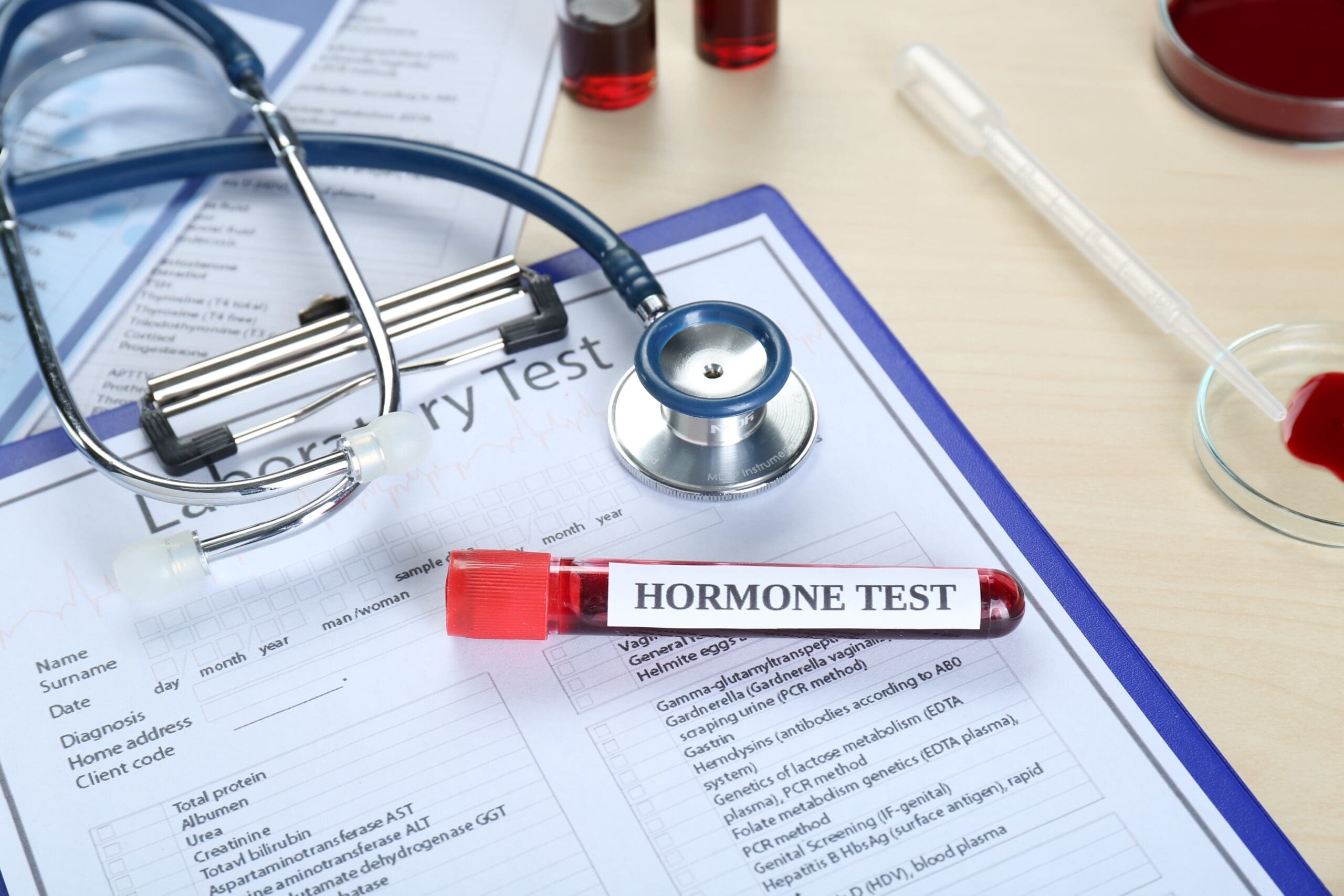
DHEA: Enhancing Your Well-Being With Hormonal Health
Unlock your potential with insights on hormonal health and DHEA as well as its impact on your body’s functions.
Abstract
As a clinician in integrative musculoskeletal and metabolic health, I have spent decades helping patients navigate hormone optimization, metabolic dysfunction, and chronic symptoms that defy quick fixes. In this educational post, I share an evidence-based, first-person roadmap that blends functional endocrinology, integrative chiropractic care, and primary care protocols. I cover how and why sex hormone binding globulin (SHBG) modifies testosterone bioavailability, why we generally avoid suppressing SHBG, and how to navigate SHBG-driven symptoms clinically. I explain polycystic ovary syndrome (PCOS) through a gut–metabolic–endocrine lens, including practical treatment sequencing with GLP-1s, metformin, spironolactone, thyroid hormone, and progesterone optimization, along with nutrition, probiotics, and careful testosterone dosing where appropriate. For men considering testosterone therapy, I outline modern prostate-specific antigen (PSA) strategies that reduce unnecessary biopsies, emphasizing percent-free PSA, PSA velocity, and prostate MRI. Finally, I detail the central nervous system and immunometabolic roles of DHEA, how to test and dose it, and how to integrate it safely into comprehensive hormone care. Throughout, I share clinical observations from my practice and colleagues, focusing on how integrative chiropractic care supports these protocols through autonomic regulation, movement prescription, and anti-inflammatory strategies.
Introduction: Building A Foundation For Smarter Hormone Care
I learned early in my career that “just dosing the pellet” or “just raising the lab number” isn’t enough. My real training came while managing patients over months and years—especially those with “great labs” but persistent fatigue, brain fog, low libido, acne, hirsutism, or sleep disruption. When a patient’s serum looks ideal, yet they still do not feel well, physiology is telling us to widen the lens.
Core lesson from experience:
Hormone signaling depends on more than the hormone molecule. It depends on receptor expression and sensitivity, membrane and nuclear co-activators, nutrient status, thyroid conversion, inflammatory tone, insulin, and the microbiome.
Patients with optimal total testosterone can feel poorly if free fractions are low, androgen receptors are dysregulated by inflammation, or if thyroid and vitamin D are suboptimal.
A vivid case taught me the leverage of micronutrients. Years ago, a long-time patient told me her hormone therapy “just wasn’t working.” Her labs were good; her symptoms were not. We discovered she had stopped taking her vitamin D. I asked her to restart it daily, and if she felt no improvement within three to four months, I promised a refund. She returned about three and a half months later, noticeably improved. “I will never stop vitamin D again.” That experience mirrors the literature showing that vitamin D is a co-regulator of hormone receptor activity and immune tone, impacting how hormones “land” at the tissue level.
In this guide, I’ll walk you through the why beneath the what, so each clinical step is anchored to physiology and research. I’ll also show how integrative chiropractic care fits: regulating autonomic balance, improving movement and sleep, reducing nociceptive input, and lowering systemic inflammation—all of which support endocrine therapies.
Understanding Sex Hormone Binding Globulin SHBG) and Testosterone Bioavailability
Why SHBG Matters
SHBG binds circulating androgens and estrogens—particularly testosterone—governing how much hormone is free and bioactive.
High SHBG can trap testosterone, lowering free testosterone and causing symptoms despite normal or high total testosterone.
Low SHBG often signals metabolic dysfunction. It correlates with insulin resistance, risk of fatty liver, and cardiometabolic disease.
Key Physiology
SHBG is produced in the liver. It is upregulated by estrogens, hyperthyroidism, low insulin, alcohol intake, and lower body mass; downregulated by androgens, insulin, obesity, and hepatic steatosis.
SHBG acts as more than a passive binding protein. Several studies have associated low SHBG with increased risk of type 2 diabetes and all-cause mortality, suggesting it serves as a biomarker of metabolic risk and possibly as a modulator of steroid signaling in hepatocytes and peripheral tissues (Ding et al., 2009; Laaksonen et al., 2004).
Clinical Reasoning: Do Not Reflexively Lower SHBG
Because low SHBG is linked to metabolic syndrome and increased cardiometabolic risk, attempting to suppress SHBG to “raise free T” can be counterproductive.
Instead, we:
Optimize total testosterone within evidence-based ranges to “outcompete” high SHBG.
Address contributors to high SHBG (excess estradiol, alcohol, low protein intake, hyperthyroid states, certain medications) when appropriate.
Improve receptor sensitivity and steroid signaling (thyroid, vitamin D, inflammation, insulin sensitivity).
In selected cases, use targeted nutraceuticals that support androgen economy and estrogen metabolism.
Practical Strategies to Overcome High SHBG
Raise testosterone dose carefully and symptom-guided while monitoring free T and estradiol.
Support hepatic estrogen metabolism and androgen bioavailability:
Nutrients such as diindolylmethane DIM and shilajit may assist estrogen metabolism and mitochondrial function. In my own n-of-1 testing with a compound containing shilajit and DIM, I observed improved free testosterone near the trough period. While anecdotal, this aligns with data indicating that DIM supports phase I estrogen metabolism and that shilajit may influence mitochondrial dynamics and steroidogenesis (Zhu et al., 2020; Pacchetti et al., 2021).
Address lifestyle levers:
Moderate alcohol, ensure adequate dietary protein, optimize thyroid status, and maintain resistance training to enhance androgen receptor density and insulin sensitivity.
Why Integrative Chiropractic Care Helps Here
By reducing musculoskeletal pain and improving movement patterns, we lower sympathetic overdrive. Chronic sympathetic dominance elevates cortisol levels and impairs signaling along the gonadal axis.
Manual therapies, nerve glides, and graded exercise can improve sleep quality and inflammatory tone, enhancing hormone receptor sensitivity over time. In practice, we see better outcomes when patients combine hormonal optimization with structured movement, fascial care, and recovery protocols.
SHBG As A Metabolic Biomarker
Low SHBG often precedes elevations in A1c and fasting glucose, flagging early insulin resistance (Perry et al., 2010).
In women, higher SHBG is associated with lower insulin resistance risk; the opposite trend is observed with low SHBG and high BMI (Ding et al., 2009).
Takeaway
Use SHBG diagnostically, not just therapeutically. Let it inform your metabolic plan. Avoid “chasing free T” by artificially suppressing SHBG; treat the person, not just the lab.
PCOS Root-Cause Thinking: Gut Dysbiosis, Insulin Resistance, Androgen Excess
The Modern PCOS Lens
PCOS is the most common endocrine disorder in women and is frequently misdiagnosed. Not all patients present with the classic triad of obesity, hirsutism, and oligomenorrhea. About half are not overweight.
Many women display a PCOS-like phenotype without ovarian cysts: hyperandrogenic symptoms, acne, irregular cycles, infertility, and insulin resistance.
The Rotterdam criteria: diagnosis requires two of three:
Oligo/anovulation
Clinical or biochemical hyperandrogenism
Polycystic ovarian morphology
Physiology: Gut–Immune–Endocrine Crosstalk
Emerging evidence implicates gut dysbiosis, increased intestinal permeability, and metabolic inflammation as upstream drivers that worsen insulin resistance, elevate LH relative to FSH, and promote ovarian androgen excess (Qi et al., 2019; Lindheim et al., 2017).
Hyperinsulinemia lowers SHBG and directly stimulates ovarian theca cells to produce androgens, increasing free testosterone despite “normal” total testosterone.
Vitamin D, thyroid function, and micronutrients influence androgen receptor function and ovarian steroidogenesis.
Clinical Picture I See Often
Baseline total testosterone is low-to-normal, but free testosterone is disproportionately high because SHBG is suppressed by insulin.
LH: FSH ratio may be >2:1 in some patients. Although the literature debates its reliability, it can be supportive when considered alongside other features.
Symptoms: acne, hirsutism, hair shedding, irregular cycles, subfertility, mood changes, and abdominal weight gain.
An Integrative Treatment Plan That Works
Fix the gut basics first.
Ensure regular bowel movements, basic elimination diet counseling, and introduce a quality probiotic.
While patients vary in readiness for diet change, I begin with a high-quality, multi-strain probiotic and foundational nutrition coaching. Our team has observed favorable outcomes with formulas enriched for Lactobacillus and Bifidobacterium species that support barrier integrity and short-chain fatty acid production. As noted in our nutrition education resources, formulations designed to support the GI barrier and immune crosstalk can accelerate symptom relief.
Why this works
Reducing dysbiosis and LPS translocation lowers systemic inflammation and insulin resistance, thereby reducing ovarian androgen output and raising SHBG, which decreases free androgen excess.
Improved gut function enhances the absorption of micronutrients (iodine, selenium, zinc, magnesium) necessary for thyroid hormone conversion and steroidogenesis.
Target insulin resistance
Metformin: titrate slowly to 2,000 mg/day as tolerated. Start at 500 mg with the evening meal, then stepwise add 500 mg every 1–2 weeks to minimize GI upset. The goal is 1,000 mg twice daily, extended-release when possible.
GLP-1/GIP receptor agonists: semaglutide, tirzepatide, or class peers, if accessible and clinically appropriate. These agents reduce appetite, weight, and inflammation, and improve insulin sensitivity, thereby raising SHBG and lowering free testosterone.
Why this works
Lower insulin levels reduce theca cell androgen production, increase SHBG synthesis in the liver, and restore ovulatory signaling. Over time, menses regularity and ovulatory function return. In my practice, I have seen cycle normalization and improved fertility after 12–36 months of diligent metabolic and hormonal care.
Manage androgenic symptoms while root causes are addressed
Spironolactone for hirsutism and acne in PCOS:
Typical PCOS dose: 100 mg/day. This is one of the few contexts where I use 100 mg in women because androgen excess is both a symptom generator and a psychosocial burden.
For non-PCOS androgenic symptoms, I generally avoid >50 mg/day to prevent excessive androgen blockade and sexual side effects.
Topical options can support acne management.
Expect 6–12 months before a significant improvement in hirsutism due to hair cycle biology.
Protect pregnancy and fertility.
Progesterone support is critical. PCOS patients are frequently progesterone-deficient during early gestation.
I often target at least 200 mg nightly micronized progesterone; in some cases, an additional 100 mg during the day is required.
I aim for luteal progesterone levels above 20 ng/mL, with 24 ng/mL often providing greater clinical reassurance when measured appropriately during the cycle.
Thyroid optimization matters. Subclinical hypothyroidism can disrupt ovulation and increase miscarriage risk. Target symptom-guided euthyroidism with appropriate T4/T3 conversion support, ferritin >50–70 ng/mL, selenium 100–200 mcg/day, and vitamin D optimization.
Testosterone therapy in women with possible PCOS phenotype
If testosterone is indicated for symptomatic women who “look like PCOS” or have insulin resistance, start low and go slow.
In my practice, I avoid starting doses above approximately 75–87.5 mg when using implants in such patients and titrate carefully. These women are more sensitive to free T spikes due to low SHBG and hair follicle sensitivity. Overshooting increases acne and hirsutism.
Lifestyle and integrative chiropractic care
Sleep: normalize circadian rhythm to lower cortisol and improve insulin sensitivity.
Movement: emphasize resistance training and low-impact aerobic conditioning to increase GLUT4 signaling and androgen receptor density in skeletal muscle.
Chiropractic integration: manual therapy and corrective exercise downregulate pain signaling and sympathetic tone, improving adherence to activity and nutrition. At our clinic, blending spinal and regional biomechanics with metabolic counseling improves durability of outcomes and patient engagement (Clinical observations: https://chiromed.com/; https://www.linkedin.com/in/dralexjimenez/).
PCOS Outcomes
With sustained care for the gut, metabolism, and hormones, many women regain regular cycles and ovulation over 12–36 months. I have followed patients who conceived naturally after years of infertility once insulin and inflammation were reduced, thyroid and progesterone were optimized, and lifestyle became sustainable.
PSA, Percent-Free PSA, PSA Velocity, And Prostate MRI In Men On Or Considering Testosterone
What Changed in the Last Decade
PSA alone is an imperfect cancer biomarker: specific but not sensitive. Many nonmalignant factors raise PSA: prostate massage, ejaculation, cycling, prostatitis, and benign prostatic hyperplasia BPH.
Percent-free PSA improves sensitivity. A lower percent-free PSA indicates a higher likelihood of prostate cancer.
PSA velocity matters. A rapid rise from baseline is more concerning than an isolated value.
How I Screen and Refer
Baseline PSA before initiating testosterone therapy in men, with shared decision-making consistent with American Urological Association guidance (AUA, 2023).
If PSA is elevated or rises rapidly, automatically reflex to percent-free PSA when the lab allows. Many laboratories can set an auto-reflex rule when PSA exceeds 4.0 ng/mL; you can request this configuration.
Interpreting Percent-Free PSA
Percent-free PSA <10%: higher likelihood of malignancy; urology referral and/or prostate MRI is strongly considered.
Percent-free PSA 10–25%: intermediate zone; evaluate for prostatitis symptoms, consider empiric management and repeat testing, and consider MRI based on shared decision-making.
Percent-free PSA >25%: lower likelihood; monitor and reassess.
Remember Finasteride
5-alpha-reductase inhibitors (finasteride/dutasteride) reduce PSA by ~50%. Double the measured PSA to estimate the “true” value for risk assessment.
PSA Velocity Example
A jump from 0.9 to 2.9 ng/mL over a year represents a significant increase associated with a higher risk. Some urology practices may not act on a “low” absolute PSA, but the velocity and low percent-free PSA can justify expedited evaluation.
Multi-parametric has become the preferred next step
Multi-parametric prostate MRI is now a gold-standard triage tool. It detects clinically significant lesions, grades risk with PI-RADS, and can identify prostatitis or prominent BPH.
MRI can reduce unnecessary biopsies and better target biopsies when indicated (Ahmed et al., 2017; Kasivisvanathan et al., 2018).
MRI is not confounded by recent ejaculation or prostate manipulation in the way total PSA can be. Percent-free PSA also remains stable relative to such perturbations.
Clinical Pathway I Use
Baseline PSA and DRE as indicated.
If PSA is above the threshold or velocity is high:
Order percent-free PSA.
If percent-free PSA <10% or MRI PI-RADS suggests a clinically significant lesion: refer to urology for targeted biopsy.
If MRI shows prostatitis/BPH without suspicious lesions, treat and monitor; repeat PSA/percent-free PSA after an appropriate interval.
Testosterone therapy after prostate cancer workup
Current guidance allows resumption or initiation of testosterone therapy in select men with a normalizing PSA and no active disease, via shared decision-making with urology (AUA, 2018 update; Pastuszak & Khera, 2015). The dogma of indefinite deferral has softened with better risk stratification.
DHEA: Beyond A Precursor—Neurosteroid, Immunomodulator, And Metabolic Ally
What We Now Know
Dehydroepiandrosterone DHEA and its sulfated form DHEA-S are not merely precursors. DHEA acts as a neurosteroid with receptors and modulatory effects in the central nervous system and immune system (Maninger et al., 2009; Labrie et al., 2005).
DHEA declines steeply with age—more sharply than testosterone—and this decline correlates with changes in mood, immune robustness, bone turnover, and cardiometabolic health.
Physiology Highlights
Source: adrenal zona reticularis and, to a lesser degree, CNS synthesis.
Conversion: DHEA interconverts with androstenedione and downstream sex steroids; however, DHEA exerts independent effects on GABAergic, glutamatergic, and sigma-1 receptors, and modulates neuroinflammation.
Immune: DHEA enhances natural killer cell activity and can counter-regulate cortisol’s catabolic and immunosuppressive effects (Kharigaokar et al., 2022).
Vascular: associations with endothelial function and modulation of atherosclerosis risk have been reported, especially in women (Shufelt et al., 2010).
Clinical Uses I Have Found Most Impactful
Residual low energy, blunted libido, and low resilience despite optimized thyroid and sex steroids—especially in women—often reflect low DHEA-S.
Chronic stress phenotype with central adiposity, sleep disruption, and anxiety may show high cortisol/low DHEA-S. Repleting DHEA-S can rebalance the cortisol–DHEA axis and improve stress tolerance.
Testing and Target Ranges
Test DHEA-S, not just DHEA. DHEA-S is more stable and better reflects adrenal throughput.
Laboratory “normal” ranges are wide and population-based. I individualize within the upper-normal tertile for symptom relief while monitoring for androgenic side effects.
Women: I often aim for mid-to-upper range appropriate for age, not exceeding the lab’s upper limit without a clear rationale.
Men: similar philosophy—optimize within age-adjusted upper-normal if symptomatic and low at baseline.
Dosing Strategy
Start low, reassess, titrate slowly. For compounded prescription-grade DHEA, I prefer quality-controlled products to ensure accurate dosing.
Women: 5–25 mg/day, commonly 10–20 mg/day. Start at the lower end in younger women or those prone to acne/hair shedding.
Men: 25–50 mg/day, commonly 25–40 mg/day.
Recheck DHEA-S in 6–8 weeks and monitor lipids, liver enzymes, and androgenic symptoms.
Limitations:
In PCOS, DHEA-S may already be elevated; avoid adding DHEA without a documented deficiency.
Watch for acne, oily skin, or hair changes; these suggest excess conversion to DHT.
Why It Works
DHEA’s neurosteroid effects can improve motivation and sexuality beyond what testosterone alone provides. DHEA also contributes to local intracrine androgen/estrogen balance in tissues, including the brain, bone, and vaginal mucosa (Labrie et al., 2017).
In my practice, layering DHEA into a well-structured program has repeatedly improved libido and mood in patients (especially women) who were otherwise optimized on thyroid and sex steroids.
Integrative Chiropractic Care: The Missing Link In Hormone Outcomes
The Autonomic–Endocrine Connection
Pain, poor sleep, and immobility drive sympathetic dominance and HPA axis activation. Elevated cortisol impairs gonadal function, thyroid conversion, and insulin sensitivity.
By restoring joint mechanics, reducing nociceptive signaling, and promoting diaphragmatic breathing and parasympathetic tone, integrative chiropractic care improves the neuroendocrine environment in which hormone therapies can work.
How We Implement It
Manual therapy to reduce segmental dysfunction and myofascial tension.
Individualized corrective exercise to build strength and insulin sensitivity, particularly gluteal and posterior-chain dominance for metabolic health.
Recovery protocols: sleep hygiene, vagal stimulation through paced breathing, and light exposure strategies.
Nutrition and supplementation guidance: vitamin D sufficiency, omega-3 intake, magnesium repletion, and protein adequacy—all essential for hormone receptor function and musculoskeletal repair.
Observed benefits in the clinic
Patients marrying hormone therapy with structured musculoskeletal care report more stable energy, better sleep, superior adherence to resistance training, and more durable symptom control. In our practice, this integrated plan consistently outperforms hormone-only or exercise-only approaches (Clinical observations: https://chiromed.com/; https://www.linkedin.com/in/dralexjimenez/).
Putting It All Together: A Stepwise Protocol
Assessment
History and goals; menstrual and fertility history; sexual function; sleep, pain, stress.
Labs:
CBC, CMP, fasting insulin, fasting glucose, A1c, lipid panel, and hs-CRP.
Thyroid panel with TSH, free T4, free T3, thyroid antibodies as indicated.
25-hydroxyvitamin D.
Total testosterone, free testosterone, estradiol, SHBG.
DHEA-S.
In men: PSA with reflex percent-free PSA if available; note finasteride.
Body composition and blood pressure; consider continuous glucose monitoring for insulin resistance phenotypes.
Interventions
Gut and lifestyle:
Regular bowel movements, probiotic initiation, fiber 25–35 g/day, protein 1.2–1.6 g/kg/day, omega-3 repletion, and vitamin D to 40–60 ng/mL.
Resistance training 2–4x/week; low-impact cardio; sleep 7.5–8.5 hours; alcohol moderation.
Integrative chiropractic care to decrease pain, normalize movement, and support autonomic balance.
Insulin resistance:
Metformin was titrated to 2,000 mg/day as tolerated.
GLP-1 or GLP-1/GIP agonists where appropriate and accessible.
Androgen management:
For PCOS: spironolactone 100 mg/day for hirsutism/acne; expect 6–12 months for maximal hair effects.
Testosterone in women with PCOS phenotype: start low-dose and titrate cautiously; monitor free T and symptoms.
Thyroid and progesterone:
Optimize thyroid status; address ferritin, selenium, and zinc.
Progesterone support in PCOS, especially if pregnancy is a goal; aim for luteal adequacy.
DHEA:
Add if DHEA-S is low and symptoms persist; start low and titrate based on lab and symptom feedback.
Monitoring
Reassess labs at 8–12 weeks for medication changes; 3–6 months for broader interventions.
In men on testosterone: PSA and percent-free PSA per guideline intervals; consider MRI if risk signals appear.
Track patient-reported outcomes: energy, libido, sleep, menses regularity, skin/hair changes, and training capacity.
Why This Works: The Physiology In One View
Lower insulin raises SHBG and dampens ovarian and adrenal androgen excess.
Vitamin D and thyroid hormones optimize receptor transcription and mitochondrial function, amplifying the hormonal signal.
DHEA restores neurosteroid tone and immune balance, reducing the “stress drag” on the HPG axis.
Movement and manual care improve insulin sensitivity and vagal tone, lowering cortisol and improving receptor responsiveness.
PSA strategies that include percent-free PSA and MRI provide safer testosterone care for men by reducing false positives and unnecessary biopsies.
Closing Thoughts
I began this work focused on “getting the number right.” Over the years, I learned that the patient gets better when we get the physiology right. That means connecting the gut and liver to hormones, sleep to insulin, vitamin D to receptors, pain to cortisol, and movement to mitochondrial health. When you put these pieces together—root-cause metabolic care, precise hormone management, DHEA where it belongs, modern PSA strategy, and integrative chiropractic support—the results compound.
Citations
- Ahmed, H. U., El-Shater Bosaily, A., Brown, L. C., Gabe, R., Kaplan, R., Parmar, M.K., multi-parametric M. (2017). Diagnostic accuracy of multi-parametric MRI and TRUS biopsy in prostate cancer PROMIS: a paired validating confirmatory study. The Lancet. https://doi.org/10.1016/S0140-6736(16)32401-1
- American Urological Association. (2018, updated 2023). Early Detection of Prostate Cancer: AUA Guideline. https://www.auanet.org/guidelines/early-detection-of-prostate-cancer
- Ding, E. L., Song, Y., Malik, V. S., & Liu, S. (2009). Sex differences of endogenous sex hormones and risk of type 2 diabetes: a systematic review and meta-analysis. JAMA. https://doi.org/10.1001/jama.2009.130
- Kasivisvanathan, V., Rannikko, A. S., Borghi, M., Panebianco, V., Mynderse, L. A., Vaarala, M. H., … & PRECISION Study Group. (2018). MRI-targeted or standard biopsy for prostate cancer diagnosis. The New England Journal of Medicine. https://doi.org/10.1056/NEJMoa1801993
- Labrie, F., Luu-The, V., Labrie, C., & Simard, J. (2005). DHEA and intracrinology. The Journal of Steroid Biochemistry and Molecular Biology. https://doi.org/10.1016/j.jsbmb.2005.08.002
- Labrie, F., Archer, D. F., Koltun, W., Vachon, A., Young, D., Frenette, L., … & Plante, M. (2017). Efficacy of intravaginal DHEA on moderate to severe dyspareunia. Menopause. https://doi.org/10.1097/GME.0000000000000801
- Laaksonen, D. E., Niskanen, L., Punnonen, K., Nyyssönen, K., Tuomainen, T. P., Valkonen, V. P., … & Salonen, J. T. (2004). Sex hormones, SHBG, and metabolic syndrome in middle-aged men. Diabetes Care. https://doi.org/10.2337/diacare.27.5.1036
- Maninger, N., Wolkowitz, O. M., Reus, V. I., Epel, E. S., & Mellon, S. H. (2009). Neurobiological and neuropsychiatric effects of dehydroepiandrosterone DHEA and DHEA-sulfate DHEAS. CNS Drugs. https://doi.org/10.2165/00023210-200923070-00004
- Pastuszak, A. W., & Khera, M. (2015). Testosterone therapy after prostate cancer. The Journal of Urology. https://doi.org/10.1016/j.juro.2014.09.110
- Perry, J. R., Weedon, M. N., Langenberg, C., Jackson, A. U., Lyssenko, V., Sparsø, T., … & Frayling, T. M. (2010). Genetic evidence that raised sex hormone binding globulin SHBG) Levels reduce the risk of type 2 diabetes. Human Molecular Genetics. https://doi.org/10.1093/hmg/ddq316
- Qi, X., Yun, C., Pang, Y., & Qiao, J. (2019). The impact of the gut microbiota on the reproductive system. Molecular Human Reproduction. https://doi.org/10.1093/molehr/gaz013
- Shufelt, C., Bretsky, P., Almeida, C. M., Johnson, B. D., Shaw, L. J., Azziz, R., & Bairey Merz, C. N. (2010). DHEA-S levels and cardiovascular disease mortality in postmenopausal women. The Journal of Clinical Endocrinology & Metabolism. https://doi.org/10.1210/jc.2010-0302
- Zhu, B. T., Lee, A. J., & Conney, A. H. (2020). Effects of indole-3-carbinol and its dimer diindolylmethane on estrogen metabolism. Journal of Cellular Biochemistry. https://doi.org/10.1002/jcb.29488
- Pacchetti, B., Ghezzi, L., & Galimberti, D. (2021). Shilajit: a herbo-mineral exudate for mitochondrial health. Frontiers in Pharmacology. https://doi.org/10.3389/fphar.2021.656924
Refermulti-parametric
- Ahmed, H. U., et al. Diagnostic accuracy of multi-parametric MRI and TRUS biopsy in prostate cancer PROMIS: a paired validating confirmatory study. The Lancet. https://doi.org/10.1016/S0140-6736(16)32401-1
- American Urological Association. Early Detection of Prostate Cancer: AUA Guideline. https://www.auanet.org/guidelines/early-detection-of-prostate-cancer
- Ding, E. L., et al. Sex differences of endogenous sex hormones and risk of type 2 diabetes: a systematic review and meta-analysis. JAMA. https://doi.org/10.1001/jama.2009.130
- Kasivisvanathan, V., et al. MRI-targeted or standard biopsy for prostate cancer diagnosis. The New England Journal of Medicine. https://doi.org/10.1056/NEJMoa1801993
- Labrie, F., et al. DHEA and intracrinology. The Journal of Steroid Biochemistry and Molecular Biology. https://doi.org/10.1016/j.jsbmb.2005.08.002
- Labrie, F., et al. Efficacy of intravaginal DHEA on moderate to severe dyspareunia. Menopause. https://doi.org/10.1097/GME.0000000000000801
- Laaksonen, D. E., et al. Sex hormones, SHBG, and metabolic syndrome in middle-aged men. Diabetes Care. https://doi.org/10.2337/diacare.27.5.1036
- Maninger, N., et al. Neurobiological and neuropsychiatric effects of dehydroepiandrosterone DHEA and DHEA-sulfate DHEAS. CNS Drugs. https://doi.org/10.2165/00023210-200923070-00004
- Pastuszak, A. W., & Khera, M. Testosterone therapy after prostate cancer. The Journal of Urology. https://doi.org/10.1016/j.juro.2014.09.110
- Perry, J. R., et al. Genetic evidence that raised sex hormone binding globulin SHBG) Levels reduce the risk of type 2 diabetes. Human Molecular Genetics. https://doi.org/10.1093/hmg/ddq316
- Qi, X., et al. The impact of the gut microbiota on the reproductive system. Molecular Human Reproduction. https://doi.org/10.1093/molehr/gaz013
- Shufelt, C., et al. DHEA-S levels and cardiovascular disease mortality in postmenopausal women. The Journal of Clinical Endocrinology & Metabolism. https://doi.org/10.1210/jc.2010-0302
- Zhu, B. T., et al. Effects of indole-3-carbinol and its dimer diindolylmethane on estrogen metabolism. Journal of Cellular Biochemistry. https://doi.org/10.1002/jcb.29488
- Pacchetti, B., et al. Shilajit: a herbo-mineral exudate for mitochondrial health. Frontiers in Pharmacology. https://doi.org/10.3389/fphar.2021.656924
SEO tags: SHBG, free testosterone, testosterone therapy, PCOS, insulin resistance, GLP-1, metformin, spironolactone, progesterone, thyroid optimization, DHEA, DHEA-S, neurosteroid, PSA, percent-free PSA, PSA velocity, prostate MRI, integrative chiropractic, functional endocrinology, vitamin D, women’s health, men’s health, fertility, hirsutism, acne, Rotterdam criteria, metabolic syndrome, gut dysbiosis, microbiome, autonomic regulation, clinical protocol
Post Disclaimer
General Disclaimer, Licenses and Board Certifications *
Professional Scope of Practice *
The information herein on "DHEA: Enhancing Your Well-Being With Hormonal Health" is not intended to replace a one-on-one relationship with a qualified health care professional or licensed physician and is not medical advice. We encourage you to make healthcare decisions based on your research and partnership with a qualified healthcare professional.
Blog Information & Scope Discussions
Welcome to El Paso's Premier Wellness and Injury Care Clinic & Wellness Blog, where Dr. Alex Jimenez, DC, FNP-C, a Multi-State board-certified Family Practice Nurse Practitioner (FNP-BC) and Chiropractor (DC), presents insights on how our multidisciplinary team is dedicated to holistic healing and personalized care. Our practice aligns with evidence-based treatment protocols inspired by integrative medicine principles, similar to those on this site and on our family practice-based chiromed.com site, focusing on naturally restoring health for patients of all ages.
Our areas of multidisciplinary practice include Wellness & Nutrition, Chronic Pain, Personal Injury, Auto Accident Care, Work Injuries, Back Injury, Low Back Pain, Neck Pain, Migraine Headaches, Sports Injuries, Severe Sciatica, Scoliosis, Complex Herniated Discs, Fibromyalgia, Chronic Pain, Complex Injuries, Stress Management, Functional Medicine Treatments, and in-scope care protocols.
Our information scope is multidisciplinary, focusing on musculoskeletal and physical medicine; wellness, contributing etiological viscerosomatic disturbances within clinical presentations, associated somato-visceral reflex clinical dynamics; subluxation complexes, sensitive health issues, and functional medicine articles, topics, and discussions.
We provide and facilitate clinical collaboration with specialists across disciplines. Each specialist is governed by their professional scope of practice and licensure jurisdiction. We use functional health & wellness protocols to treat and support care for musculoskeletal injuries or disorders.
Our videos, posts, topics, and insights address clinical matters and issues that directly or indirectly relate to our clinical scope of practice.
Our office has made a reasonable effort to provide supportive citations and has identified relevant research studies that support our posts. We provide copies of supporting research studies upon request to regulatory boards and the public.
We understand that we cover matters that require an additional explanation of how they may assist in a particular care plan or treatment protocol; therefore, to discuss the subject matter above further, please feel free to ask Dr. Alex Jimenez, DC, APRN, FNP-BC, or contact us at 915-850-0900.
We are here to help you and your family.
Blessings
Dr. Alex Jimenez DC, MSACP, APRN, FNP-BC*, CCST, IFMCP, CFMP, ATN
email: [email protected]
Multidisciplinary Licensing & Board Certifications:
Licensed as a Doctor of Chiropractic (DC) in Texas & New Mexico*
Texas DC License #: TX5807, Verified: TX5807
New Mexico DC License #: NM-DC2182, Verified: NM-DC2182
Multi-State Advanced Practice Registered Nurse (APRN*) in Texas & Multi-States
Multi-state Compact APRN License by Endorsement (42 States)
Texas APRN License #: 1191402, Verified: 1191402 *
Florida APRN License #: 11043890, Verified: APRN11043890 *
Colorado License #: C-APN.0105610-C-NP, Verified: C-APN.0105610-C-NP
New York License #: N25929, Verified N25929
License Verification Link: Nursys License Verifier
* Prescriptive Authority Authorized
ANCC FNP-BC: Board Certified Nurse Practitioner*
Compact Status: Multi-State License: Authorized to Practice in 40 States*
Graduate with Honors: ICHS: MSN-FNP (Family Nurse Practitioner Program)
Degree Granted. Master's in Family Practice MSN Diploma (Cum Laude)
Dr. Alex Jimenez, DC, APRN, FNP-BC*, CFMP, IFMCP, ATN, CCST
(Board Certified: Family Practice Nurse Practitioner—Multistate)*
(Licensed Nurse Practitioner & Chiropractor - Multistate)*
Clinical Director
Digital Business Card
Dr. Maria Cardenas, MD
(Board Certified: Internal Medicine)
(Licensed Medical Doctor)
Medical Director, Clinical Director & Collaborative Physician
NPI # 1164426749
MD License #: J2933
Licenses and Board Certifications:
MD: Medical Doctor
DC: Doctor of Chiropractic
APRNP: Advanced Practice Registered Nurse
FNP-BC: Family Practice Specialization (Multi-State Board Certified)
RN: Registered Nurse (Multi-State Compact License)
CFMP: Certified Functional Medicine Provider
MSN-FNP: Master of Science in Family Practice Medicine
MSACP: Master of Science in Advanced Clinical Practice
IFMCP: Institute of Functional Medicine
CCST: Certified Chiropractic Spinal Trauma
ATN: Advanced Translational Neutrogenomics
Memberships & Associations:
TCA: Texas Chiropractic Association: Member ID: 104311
AANP: American Association of Nurse Practitioners: Member ID: 2198960
ANA: American Nurse Association: Member ID: 06458222 (District TX01)
TNA: Texas Nurse Association: Member ID: 06458222
NPI: 1205907805
| Primary Taxonomy | Selected Taxonomy | State | License Number |
|---|---|---|---|
| No | 111N00000X - Chiropractor | NM | DC2182 |
| Yes | 111N00000X - Chiropractor | TX | DC5807 |
| Yes | 363LF0000X - Nurse Practitioner - Family | TX | 1191402 |
| Yes | 363LF0000X - Nurse Practitioner - Family | FL | 11043890 |
| Yes | 363LF0000X - Nurse Practitioner - Family | CO | C-APN.0105610-C-NP |
| Yes | 363LF0000X - Nurse Practitioner - Family | NY | N25929 |
Dr. Alex Jimenez, DC, APRN, FNP-BC*, CFMP, IFMCP, ATN, CCST
(Board Certified: Family Practice Nurse Practitioner—Multistate)*
(Licensed Nurse Practitioner & Chiropractor - Multistate)*
Clinical Director
Digital Business Card
Dr. Maria Cardenas, MD
(Board Certified: Internal Medicine)*
(Licensed Medical Doctor)*
Medical Director, Clinical Director & Collaborative Physician
NPI # 1164426749
MD License #: J2933
📆 Schedule Appointment: Schedule 24/7 (Click Here)