Massage Before or After Exercise? A Chiropractor’s Guide for Smarter Training
The short answer
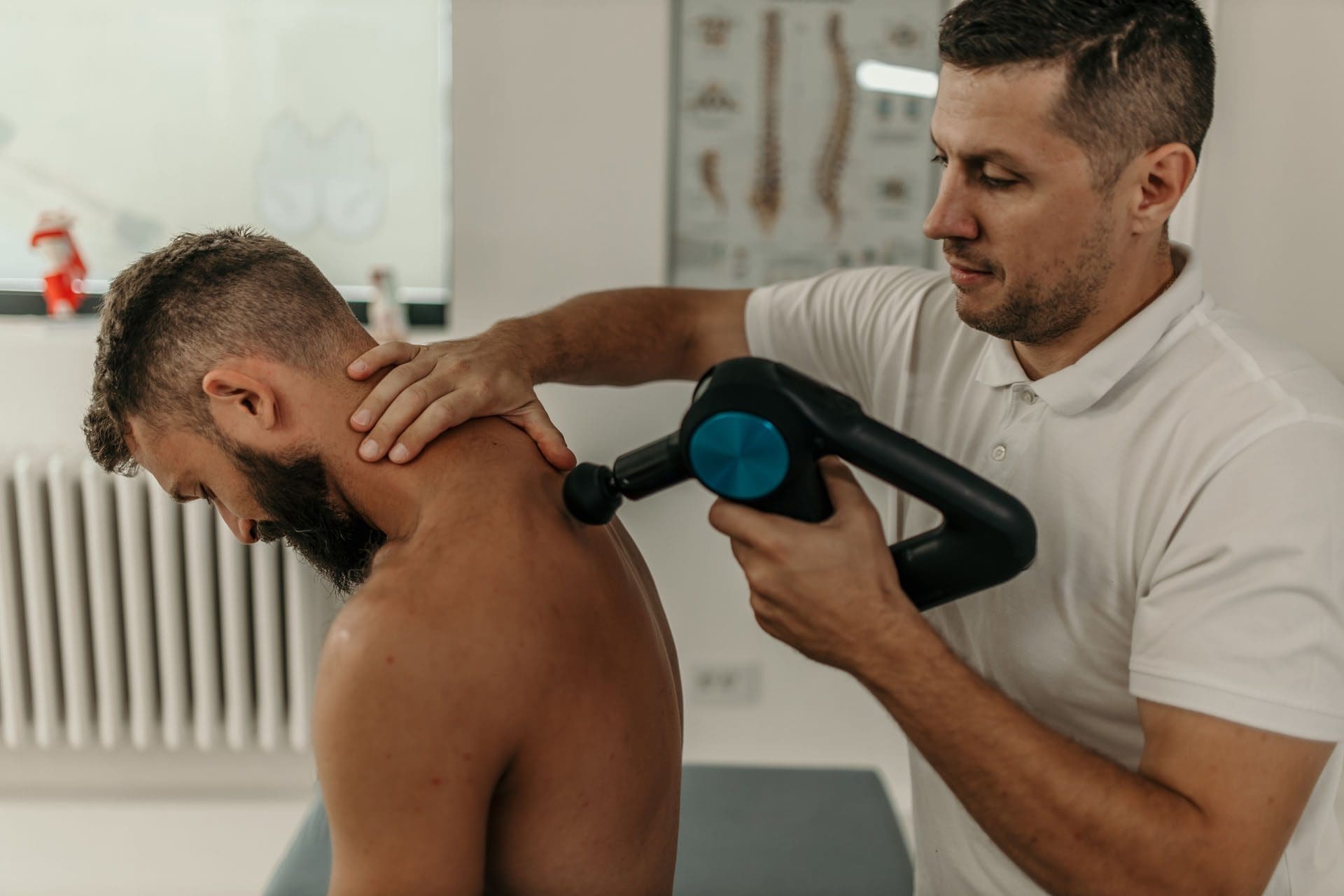
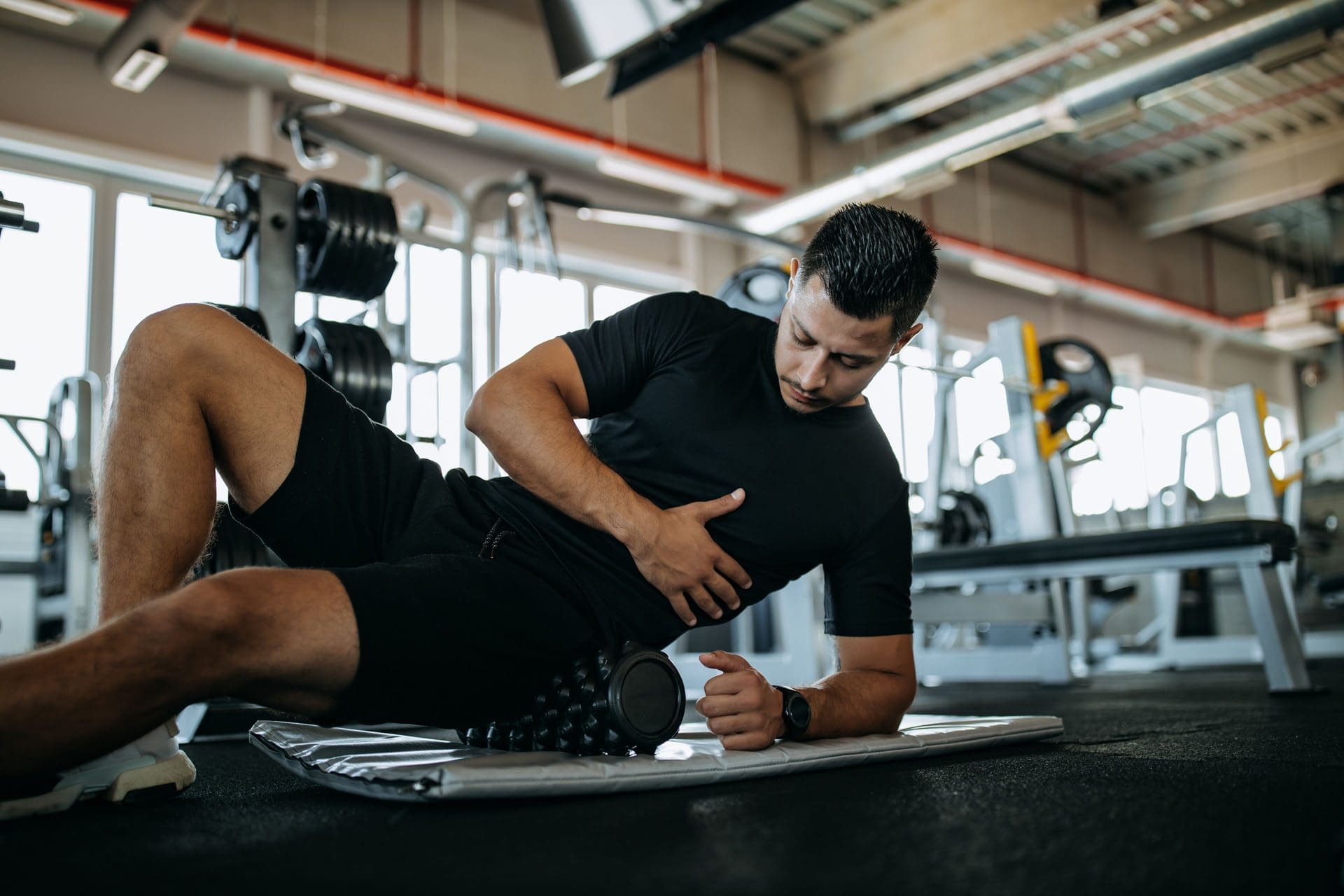
Before a workout: Choose a short, light massage to boost blood flow and loosen tight spots. Keep it brief and gentle so your muscles stay responsive. Avoid deep tissue right before training. (Marathon Handbook, 2023; One Peloton, 2024; Mine & Nakayama, 2018; Dakić et al., 2023). Marathon Handbook+1
After a workout: Massage is best for recovery—it can reduce soreness (DOMS), promote relaxation, and support healthy circulation. (Verywell Fit, 2022; PureGym, 2025; Northwich Foot Clinic, 2023). Verywell Fit+2PureGym+2
Chiropractic + massage together: Working soft tissue and joints often leads to better mobility and longer-lasting relief than either alone. (The Joint, 2025; Link Chiropractic Clinic, 2025; ChiroSports USA, 2025; Tucson Sports Recovery, 2025). tucsonsportsrecovery.com+3The Joint Chiropractic+3Link Chiropractic Clinic+3
Why timing matters
Your goals change across the workout:
Preparation (pre-workout): You want muscles warm and responsive. Light massage can increase local circulation and ease stiffness without “dampening” power. (Marathon Handbook, 2023). Marathon Handbook
Recovery (post-workout): You want soreness down and relaxation up. Massage can support blood and lymph flow and help you bounce back. (Verywell Fit, 2022; PureGym, 2025). Verywell Fit+1
Deep, lengthy pre-event massage can temporarily reduce explosive strength or speed, likely by over-relaxing muscle and nervous-system readiness. Save deep work for after training or rest days. (Mine & Nakayama, 2018; Dakić et al., 2023).
How to use massage around your workout
If your goal is performance prep
Do: 5–10 minutes of light, rhythmic strokes on the muscles you’re about to use (calves, quads, glutes, pecs, lats), then a dynamic warm-up (leg swings, skips, carioca). (Marathon Handbook, 2023). Marathon Handbook
Skip: Deep tissue or long trigger-point holds right before heavy lifts or sprints. (Mine & Nakayama, 2018; Dakić et al., 2023).
If your goal is faster recovery
Do: 10–20 minutes after training with moderate pressure on the muscles you worked. Earlier is often better for easing next-day soreness. (PureGym, 2025; Verywell Fit, 2022). PureGym+1
Big events (long runs/rides): Start with light recovery work the same day; consider deeper work 24–48 hours later if you’re very sore. (Marathon Handbook, 2023). Marathon Handbook
Why pair massage with chiropractic care?
Massage targets muscles and fascia; chiropractic care optimizes joint alignment, spinal mechanics, and nervous-system signaling. Used together, they can:
Enhance mobility and flexibility (muscles relax; joints move better).
Reduce pain and stiffness more effectively than either alone.
Help adjustments “hold” longer because surrounding soft tissues are calmer and more balanced. (The Joint, 2025; Link Chiropractic Clinic, 2025; ChiroSports USA, 2025). The Joint Chiropractic+2Link Chiropractic Clinic+2
Which order?
Massage before an adjustment, if you’re tight or guarded, to reduce resistance.
Massage after an adjustment to help tissues adapt to the new joint position.
For ongoing pain or rehab, using both during the same week (often on different days) works well. (Tucson Sports Recovery, 2025). tucsonsportsrecovery.com
Brief light massage pre-session for stiffness → train → 10–20 min recovery work after. Save deep tissue for rest days. (Marathon Handbook, 2023; Northwich Foot Clinic, 2023). Marathon Handbook+1
Recovery day
Deeper tissue work + mobility and easy cardio (walk/spin) to flush. (Verywell Fit, 2022). Verywell Fit
Safety and sensible limits
Skip or modify massage if you have open wounds, fever, active skin infection, uncontrolled hypertension, or suspected DVT. If you notice new numbness, weakness, or severe pain, get a licensed clinical evaluation first; imaging may be appropriate before manual care. (The Joint, 2025; Tucson Sports Recovery, 2025). The Joint Chiropractic+1
Simple decision guide
Want to feel loose and ready? → Light massage before exercise + dynamic warm-up. (Marathon Handbook, 2023). Marathon Handbook
Want to recover faster? → Post-workout massage the same day. (PureGym, 2025; Verywell Fit, 2022). PureGym+1
Need lasting relief? → Combine massage + chiropractic to address soft tissue and joint alignment together. (Link Chiropractic Clinic, 2025; ChiroSports USA, 2025). Link Chiropractic Clinic+1
References
Dakić, M., et al. (2023). The effects of massage therapy on sport and exercise performance and recovery.Sports, 11(6), 110. https://www.mdpi.com/2075-4663/11/6/110
Mine, K., & Nakayama, T. (2018). Is pre-performance massage effective to improve maximal muscle strength and functional performance? A systematic review.Journal of Physical Therapy Science.https://pmc.ncbi.nlm.nih.gov/articles/PMC6159489/
Discover effective solutions for heel pain through chiropractic care that focuses on the Achilles tendon recovery.
Understanding Achilles Tendon Heel Pain: A Comprehensive Guide to Chiropractic Care and Natural Recovery
Achilles tendon discomfort is among the most prevalent complaints among weekend warriors, athletic people, and even those who lead sedentary lives. Your quality of life may be greatly affected by this crippling illness, which makes it difficult to run, walk, or even stand comfortably. Chiropractic therapy provides a thorough, non-invasive method of treating the underlying reasons of Achilles tendon discomfort and encouraging natural healing, while many individuals instantly consider drugs or surgery as remedies. With an emphasis on how chiropractic care may restore function and lessen suffering, this book examines the anatomy, biomechanics, etiology, and evidence-based therapies for heel pain caused by the Achilles tendon. “
Understanding the Achilles Tendon: The Body’s Strongest and Most Vulnerable Tendon
The Achilles tendon holds the distinction of being both the largest and strongest tendon in the human body, yet it remains paradoxically one of the most commonly injured structures in the lower extremity. This remarkable structure connects the powerful calf muscles to the heel bone, creating a critical link in the kinetic chain that allows us to walk, run, jump, and stand on our toes.
Despite its impressive strength, the Achilles tendon is uniquely vulnerable to injury. Research shows that this tendon can bear loads up to 12 times body weight during running and up to 3,500 Newtons of force before rupture. However, a hypovascular area exists approximately 2 to 6 centimeters proximal to the calcaneal insertion, where blood supply is significantly reduced. This zone of poor vascularity makes the tendon particularly susceptible to degenerative changes and injury.
Understanding the complexity of the Achilles tendon helps us appreciate why a comprehensive, whole-body approach like chiropractic care can be so effective. Rather than simply treating the symptoms at the site of pain, chiropractors evaluate the entire musculoskeletal system to identify biomechanical imbalances that may contribute to excessive stress on the tendon.
Anatomy and Biomechanics of the Achilles Tendon: A Marvel of Engineering
Structural Composition
The Achilles tendon, also known as the calcaneal tendon or triceps surae tendon, is formed by the confluence of three muscles: the gastrocnemius (with its medial and lateral heads) and the soleus muscle. The gastrocnemius originates from the posterior aspect of the femoral condyles, while the soleus arises from the posterior surface of the fibula and medial border of the tibia. These muscles coalesce distally to form the common Achilles tendon, which inserts onto the middle portion of the posterior calcaneal surface.
Compositionally, the Achilles tendon consists of approximately 95% type I collagen fibers, which provide exceptional tensile strength and flexibility. The remaining 5% includes type III collagen, elastin (accounting for up to 2% of dry mass), proteoglycans, and glycosaminoglycans. This hierarchical structure organizes into fibrils, fibers, and fascicles bound together by small matrix molecules.
A distinctive feature of the Achilles tendon is its spiral configuration. As the tendon descends toward its insertion, the fibers rotate approximately 90 degrees, causing the medial gastrocnemius fibers to become superficial while the lateral gastrocnemius and soleus fibers become deeper. This spiraling creates an area of concentrated stress but also confers a significant mechanical advantage during propulsion activities.
The Paratenon: A Unique Protective Sheath
Unlike many tendons, the Achilles does not possess a true synovial sheath. Instead, it is surrounded by a paratenon—a thin layer of loose connective tissue that provides a significant portion of the tendon’s blood supply and allows for gliding movement of up to 2-3 centimeters. The paratenon contains elastin and extends into the tendon, binding collagen bundles together while permitting movement among them.
Blood Supply and Vulnerability
The vascular supply to the Achilles tendon comes from three sources: the musculotendinous junction, vessels in the surrounding connective tissue (primarily the paratenon), and the osteotendinous junction. The vascular territories can be classified into three regions, with the midsection supplied by the peroneal artery and the proximal and distal sections supplied by the posterior tibial artery. This arrangement leaves a relatively hypovascular area in the mid-portion of the tendon—precisely where most pathology occurs.
Biomechanical Properties
The Achilles tendon demonstrates nonlinear mechanical properties at low strains, exhibiting what is known as a “toe region” in its force-displacement curve. This nonlinearity arises from the uncrimping of collagen fibers and an associated increase in collagen alignment as load is applied. Under polarized light, tendons exhibit periodic banding due to their waveform configuration known as “crimp,” which extends hierarchically from macro- to nano-structural scales.
At higher strains, the tendon deforms linearly prior to yield and rupture. While traditionally described as viscoelastic (containing both elastic and viscous components), recent evidence in humans suggests that its elastic properties dominate. These spring-like properties allow the Achilles tendon to store and release energy efficiently during ambulation, delivering explosive propulsion while protecting soft tissues from damage.
Functions of the Achilles Tendon in the Lower Body and Extremities
Primary Function: Plantarflexion
The primary function of the Achilles tendon is to enable plantarflexion of the foot—the movement that points the toes downward and lifts the heel off the ground. This action is fundamental to virtually all lower extremity movements, including walking, running, jumping, climbing stairs, and standing on tiptoes. The gastrocnemius muscle also contributes to knee flexion, adding another dimension to lower extremity function.
Force Transmission and Lever Action
The calcaneus (heel bone) acts as a lever arm for the triceps surae muscles, and the Achilles tendon serves as the critical link that transmits force from the calf muscles to the heel bone. This arrangement allows for efficient transfer of muscular force to the foot during the propulsive phase of gait. The heel bone projects posterior to the tibia and fibula, creating a mechanical advantage that amplifies the force generated by the calf muscles.
Shock Absorption and Energy Storage
During walking, the heel can absorb approximately 110% of body weight, and during running, this increases to 200% of body weight. The Achilles tendon, in conjunction with the plantar fascia and the specialized fat pad beneath the heel, functions as part of an integrated shock absorption system. The elastic properties of the tendon allow it to store mechanical energy during the loading phase of gait and release it during toe-off, improving efficiency and reducing metabolic cost.
Role in Postural Control and Balance
Vibration studies have demonstrated that the Achilles tendon plays a crucial role in postural orientation and balance. When the tendon is vibrated without visual input, subjects experience movement backwards and the illusion of forward body tilt. This occurs because vibrations stimulate muscle spindles in the calf muscles, alerting the brain to body position and initiating compensatory movements through the central nervous system.
Integration with the Kinetic Chain
The Achilles tendon does not function in isolation but rather as an integral component of the lower extremity kinetic chain. Problems with foot alignment, ankle mobility, knee position, hip alignment, or even spinal posture can alter the biomechanical forces acting on the Achilles tendon. This interconnected system explains why chiropractors examine the entire body when evaluating Achilles tendon pain, rather than focusing solely on the local area of discomfort.
Factors Leading to the Development of Heel Pain Associated with the Achilles Tendon
Achilles tendinopathy develops through a complex interplay of intrinsic and extrinsic factors that create an imbalance between the loading demands placed on the tendon and its capacity to adapt and recover.
Intrinsic Risk Factors
Muscle Strength and Weakness: Expert consensus identifies muscle strength, particularly plantarflexor weakness, as the primary modifiable risk factor for Achilles tendinopathy. Studies of military recruits have shown that plantarflexor strength is predictive of tendinopathy development. When the calf muscles are weak or fatigued, the Achilles tendon must bear disproportionate loads, increasing the risk of microtrauma and degeneration.
Previous Injuries and Incomplete Rehabilitation: A history of prior Achilles tendinopathy or incomplete recovery from previous injuries significantly increases the risk of recurrent problems. Residual strength deficits, altered neuromuscular control, and persistent structural changes may explain why previous injury is such a strong risk factor.
Age and Degenerative Changes: While age itself is not directly causal, age-related reductions in tendon vascularity, collagen quality, and muscle strength contribute to increased vulnerability. Achilles tendinopathy is most commonly seen in individuals aged 30-50 years, with middle-aged recreational athletes being particularly susceptible.
Anatomical Factors: Foot structure and alignment play crucial roles in tendinopathy development. Excessive pronation (rolling inward of the foot), high arches (pes cavus), flat feet (pes planus), limited ankle dorsiflexion, varus alignment with functional hyperpronation, leg length discrepancies, and excessive tibial torsion can all alter the distribution of forces through the Achilles tendon.
Systemic Conditions: Metabolic and systemic diseases can affect tendon health and increase vulnerability to injury. These include diabetes mellitus, thyroid and parathyroid disorders, gout, collagen deficiencies, hypercholesterolemia, and autoimmune conditions. Blood group O has also been associated with increased incidence of Achilles tendinopathy and rupture.
Genetic Factors: Family history appears to be a risk factor, with individuals who have a positive family history of Achilles tendinopathy having a five-fold greater risk for such injuries. Genetic factors may influence collagen structure, muscle fiber composition, and tendon morphology.
Extrinsic Risk Factors
Training Errors and Load Management: Changes in loading patterns represent the most consistently ranked extrinsic risk factor for Achilles tendinopathy. Sudden increases in training volume or intensity, particularly after layoffs or recovery periods, create a mismatch between tendon capacity and demands. Other problematic training errors include changes in training type (such as adding hill work), alterations in training due to events or competitions, excessive training intensity, inadequate recovery between sessions, and abrupt increases in weekly distance.
Overuse and Insufficient Recovery: The concept of “training errors” encompasses insufficient recovery periods between bouts of activity. Studies have shown that muscle weakness and fatigue may persist for up to 47 days after a single exercise session, even when individuals report feeling “recovered”. Continuing to train despite ongoing neuromuscular deficits inadvertently increases tendinopathy risk.
Footwear Issues: Improper footwear can contribute to Achilles problems through inadequate support, insufficient cushioning, worn-out shoes, heel counter pressure against the posterior heel, and inappropriate shoes for specific activities. For cyclists, low saddle height resulting in excessive ankle dorsiflexion during pedaling may be a causative factor.
Training Surface: Hard or uneven training surfaces can increase impact forces and alter biomechanics, contributing to overload of the Achilles tendon. Sudden changes in training surface (such as moving from a treadmill to outdoor pavement) can precipitate symptoms.
Medications: Certain medications, particularly fluoroquinolone antibiotics, corticosteroids, and anabolic steroids, have been associated with increased risk of Achilles tendinopathy and rupture. These medications may affect collagen synthesis, reduce tendon strength, or impair healing processes.
Pathophysiology: From Overload to Degeneration
The pathological process in Achilles tendinopathy represents failed healing or degenerative changes resulting from continuous overloading. Contrary to traditional understanding, chronic Achilles tendinopathy is not primarily an inflammatory condition (despite the term “tendinitis” suggesting inflammation). Histological examination reveals degenerative changes including collagen disorganization, increased type III collagen production, proteoglycan accumulation, neovascularization (new blood vessel formation), and nerve ingrowth.
The repetitive microtrauma hypothesis suggests that excessive stretching and loading create microscopic tears in the collagen matrix. When recovery time is insufficient, these microtears accumulate, overwhelming the tendon’s repair mechanisms. The resulting degenerative process involves tenocyte death, collagen fiber disruption, and areas filled with vessels and nerves that may contribute to pain.
How Heel Pain Can Mimic Sciatica Pain: Understanding Referred Pain Patterns
One of the most clinically challenging aspects of heel pain is its potential to mimic or coexist with sciatica, creating diagnostic complexity and potentially delaying appropriate treatment.
The Sciatic Nerve and Referred Pain
The sciatic nerve is the largest nerve in the human body, originating from the L4-S3 nerve roots in the lower spine and traveling through the buttocks and down the leg to the foot. When this nerve becomes compressed or irritated—a condition known as sciatica—it can produce pain, tingling, numbness, and weakness that radiates along its entire pathway.
Critically, sciatica can cause referred pain in the heel through several mechanisms. The L5-S1 nerve root provides segmental innervation to the posterior thigh, gluteal muscles, and the anterior, posterior, and lateral leg muscles, as well as sensory innervation to the heel. Compression or irritation of this nerve root can produce heel pain that patients may attribute to a local foot problem rather than a spinal origin.
Distinguishing Features
Understanding the differences between true Achilles tendinopathy and sciatica-related heel pain is essential for appropriate treatment:
Achilles Tendinopathy Characteristics:
Pain localized to the posterior heel and along the tendon
Tenderness to palpation of the Achilles tendon
Morning stiffness that improves with initial movement but may worsen with continued activity
Pain worsens with activities that load the tendon (walking, running, jumping)
No radiating pain up the leg
No neurological symptoms such as numbness or tingling
Sciatica-Related Heel Pain Characteristics:
Pain radiating from the lower back through the buttocks and down the leg to the heel
Numbness, tingling, or burning sensations in the leg or foot
Weakness in the leg or foot muscles
Pain may worsen with prolonged sitting, standing, or certain movements
Possible positive findings on nerve tension tests (straight leg raise)
Possible altered reflexes, particularly the ankle reflex
Chiropractic Care for Leg Instability- Video
The Double-Crush Phenomenon
Clinicians must also be aware of the “double-crush syndrome,” in which concomitant proximal and distal nerve entrapments occur simultaneously. A patient could have both lumbar radiculopathy causing sciatic symptoms and local nerve compression in the foot (such as tarsal tunnel syndrome), creating complex and overlapping pain patterns.
Clinical Implications for Chiropractic Care
The potential for sciatica to cause or contribute to heel pain underscores the importance of comprehensive evaluation by healthcare providers trained in whole-body assessment. Chiropractors are uniquely positioned to evaluate both spinal and peripheral sources of heel pain, ensuring that treatment addresses all contributing factors rather than focusing exclusively on local symptoms.
Clinical Rationale: Why Chiropractic Care Can Help Reduce Heel Pain in the Achilles Tendon
Chiropractic care offers a comprehensive, evidence-informed approach to managing Achilles tendon heel pain that addresses both local tissue dysfunction and systemic biomechanical imbalances.
Addressing Biomechanical Dysfunction in the Kinetic Chain
A fundamental principle of chiropractic philosophy is that the body functions as an integrated kinetic chain, where dysfunction in one area creates compensatory stress in others. The feet serve as the foundation for the entire skeletal system, and problems with foot alignment can cause cascading effects upward through the ankles, knees, hips, and spine.
Research confirms this interconnected relationship. Excessive pronation causes the arches to flatten and ankles to roll inward, forcing internal leg rotation, pelvic tilt, and lower back stress. Conversely, spinal misalignments, pelvic imbalances, or hip dysfunction can alter gait patterns and weight distribution, placing abnormal stress on the Achilles tendon.
Chiropractic adjustments to the spine, pelvis, hips, knees, ankles, and feet help restore proper alignment throughout the kinetic chain. By correcting misalignments (subluxations) in these areas, chiropractors reduce compensatory strain on the Achilles tendon and surrounding structures.
Improving Joint Mobility and Function
Limited ankle dorsiflexion and restricted foot and ankle joint mobility are established risk factors for Achilles tendinopathy. Chiropractic adjustments specifically directed at the foot and ankle can improve joint mobility, decrease pain, and enhance function.
A case series published in the Journal of Physical Therapy Science demonstrated that the addition of joint mobilization and manipulation to eccentric exercise programs produced immediate within-session improvements in pain, heel raise repetitions, and pressure pain thresholds in runners with chronic Achilles tendinopathy. At discharge and nine-month follow-up, patients showed improvements in self-reported function, pain levels, joint mobility, ankle motion, and single-leg heel raises.
The mechanisms underlying these improvements include decreased nociceptive reflex excitability, enhanced conditioned pain modulation, reduction of bilateral hyperalgesia following unilateral joint mobilization, and improved biomechanical function through restored joint alignment.
Enhancing Blood Flow and Tissue Healing
The Achilles tendon receives relatively poor blood supply, particularly in the vulnerable mid-portion region. Chiropractic care can assist in recovery from tendon injuries by improving circulation to the area. Manual techniques, including soft tissue mobilization and specific adjustments, may stimulate local blood flow, enhancing nutrient delivery and waste removal from the healing tendon.
Research on manual therapy for tendinopathy suggests that soft tissue and joint-directed techniques can decrease pain, improve mobility, and enhance muscle performance—all relevant for persons with Achilles tendinopathy. While manual therapy effects are typically short-lived, when performed prior to exercise and reinforced with subsequent activities, it can reduce pain sensitivity and increase range of motion, allowing individuals to participate more actively in tendon loading progressions.
Reducing Compensatory Muscle Tension
Muscle imbalances and excessive tension in the calf muscles (gastrocnemius and soleus) contribute to increased stress on the Achilles tendon. Chiropractors employ various soft tissue techniques, including myofascial release, trigger point therapy, instrument-assisted soft tissue mobilization (IASTM), and massage therapy to release tension in the calf muscles, plantar fascia, and surrounding structures.
These techniques not only provide pain relief but also improve tissue extensibility and flexibility, allowing for more normal tendon loading during movement. By addressing muscle dysfunction both locally and remotely (including muscles of the hip and trunk), chiropractors help reduce the overall stress on the Achilles tendon.
Neurological Effects and Pain Modulation
Chiropractic adjustments and manual therapy techniques produce neurophysiological effects that extend beyond simple mechanical realignment. Research demonstrates that spinal and extremity manipulation can increase stimulability of alpha motor neurons, enhance activity in corticospinal pathways, alter sensorimotor cortex activity, and modulate pain processing through effects on the central nervous system.
Joint mobilization has been associated with reduced sensitivity to pain, improved pain tolerance, and enhanced endogenous pain inhibition mechanisms. These neurological effects complement the biomechanical benefits of chiropractic care, providing multi-level pain relief for patients with Achilles tendinopathy.
Evidence Supporting Chiropractic Management
Multiple studies and case reports support the effectiveness of chiropractic care for Achilles tendinopathy:
A 2012 case study published in the Journal of Canadian Chiropractic Association reported successful management of midportion Achilles tendinopathy using chiropractic interventions, with rapid cessation of pain.
Research comparing chiropractic adjustments with daily stretching to custom orthotics alone found significant improvements in both groups, with the chiropractic care group showing advantages in pain ratings at the 15-day mark.
Case series combining manual therapy with eccentric exercise have demonstrated superior outcomes compared to exercise alone, particularly in the first four weeks of treatment.
Dr. Alexander Jimenez’s Clinical Approach: Integrating Advanced Diagnostics with Dual-Scope Care
Dr. Alexander Jimenez, DC, APRN, FNP-BC, CFMP, IFMCP, brings a unique dual-licensed perspective to the treatment of Achilles tendon heel pain and lower extremity injuries. As both a licensed chiropractor and a board-certified Family Practice Nurse Practitioner, Dr. Jimenez combines the biomechanical expertise of chiropractic care with advanced diagnostic capabilities and medical management.
Comprehensive Patient Evaluation
Dr. Jimenez’s approach begins with thorough patient assessment that examines not only the local site of pain but the entire musculoskeletal and neuromuscular system. His evaluation protocols include detailed medical history taking, comprehensive physical examination of the spine, pelvis, lower extremities, and feet, gait analysis to identify biomechanical abnormalities, orthopedic and neurological testing, and assessment of functional movement patterns.
This comprehensive evaluation allows Dr. Jimenez to identify all contributing factors to a patient’s heel pain, including spinal misalignments affecting the kinetic chain, muscle imbalances and weakness, joint restrictions in the foot and ankle, faulty foot mechanics (pronation/supination), and potential systemic factors influencing tissue health.
Advanced Imaging and Diagnostic Evaluation
One of Dr. Jimenez’s distinguishing characteristics is his ability to integrate advanced imaging and diagnostic evaluations into treatment planning. His dual licensure enables him to order and interpret diagnostic studies including musculoskeletal ultrasound for visualizing tendon structure and pathology, magnetic resonance imaging (MRI) to assess tendon integrity, inflammation, and surrounding structures, X-rays to evaluate bone alignment and rule out fractures or bone spurs, and specialized laboratory testing when systemic conditions are suspected.
This diagnostic capability ensures accurate diagnosis and allows for monitoring of treatment progress and tissue healing. Dr. Jimenez can differentiate between insertional and non-insertional Achilles tendinopathy, identify concurrent pathologies such as retrocalcaneal bursitis or Haglund’s deformity, assess the degree of tendon degeneration or partial tearing, and rule out other causes of heel pain that may require different treatment approaches.
Integrative Treatment Protocols
Dr. Jimenez’s treatment philosophy emphasizes integrative, patient-centered care that combines the best of chiropractic medicine, functional medicine, and evidence-based rehabilitation. His protocols for Achilles tendon heel pain typically include chiropractic adjustments to the spine, pelvis, and lower extremity joints to restore proper biomechanics, extremity-specific adjustments targeting the foot and ankle, soft tissue therapies including myofascial release and instrument-assisted techniques, customized rehabilitation exercises with progressive loading, functional medicine interventions addressing nutrition, inflammation, and tissue healing, and patient education on activity modification and injury prevention.
Dr. Jimenez recognizes that successful outcomes require addressing not just the symptoms but the underlying causes of tendon pathology. His functional medicine training allows him to consider factors such as nutritional deficiencies affecting collagen synthesis, metabolic conditions influencing tissue healing, inflammatory status and oxidative stress, hormonal imbalances that may affect musculoskeletal health, and lifestyle factors contributing to injury risk.
Collaborative Care Model
When necessary, Dr. Jimenez collaborates with orthopedic surgeons, physical therapists, podiatrists, and other specialists to ensure patients receive comprehensive care. If he determines that a patient would benefit from interventions outside his scope of practice, such as advanced imaging procedures, specialized injections, or surgical consultation, he refers to the appropriate providers while continuing to support the patient’s overall recovery.
This collaborative approach ensures that patients receive the most appropriate care for their specific condition while benefiting from Dr. Jimenez’s unique ability to bridge conventional medical evaluation with chiropractic and functional medicine interventions.
Different Nonsurgical Treatments for Heel Pain in the Lower Extremities
Effective management of Achilles tendon heel pain typically requires a multimodal approach combining various evidence-based interventions.
Eccentric Exercise Programs
Eccentric exercise has the highest level of evidence supporting its ability to reduce Achilles tendinopathy pain (Grade A recommendation). The most well-known protocol is the Alfredson protocol, which consists of a 12-week program where patients perform eccentric heel-drop exercises—three sets of 15 repetitions, twice daily, seven days a week.
The exercises are performed in two variations: with the knee straight (emphasizing the gastrocnemius muscle) and with the knee bent (emphasizing the soleus muscle). Patients start in a raised heel position, slowly lower the heel below the level of the step over three seconds (eccentric phase), then use the opposite leg to return to the starting position.
For insertional Achilles tendinopathy, the protocol is modified to reduce ankle dorsiflexion range of motion, avoiding compression of soft tissues at the tendon insertion. This modification has been shown to decrease pain from baseline to follow-up, with 67% of patients able to resume pre-injury activity levels.
Acupuncture for Achilles Tendinopathy
Acupuncture offers a holistic approach to treating Achilles tendinopathy by addressing both pain and underlying inflammation. A 2013 randomized controlled trial found that acupuncture intervention significantly improved pain and activity in patients with chronic Achilles tendinopathy compared to eccentric exercises alone.
In this study, the mean VISA-A score improved to 67.1 points in the acupuncture group versus 48.5 points in the control group after eight weeks—an 18.6-point advantage for acupuncture. Pain scores diminished by 3.7 cm after activity and 3.2 cm at rest in the acupuncture group, significantly more than the control group.
Mechanisms of Acupuncture for Tendinopathy:
Stimulates the body’s natural anti-inflammatory response, reducing pain and swelling
Enhances blood circulation to the Achilles tendon, promoting faster healing and recovery
Releases endorphins and neurochemicals that provide pain relief
Deactivates myofascial trigger points in the calf muscles contributing to tendon stress
Addresses underlying energy imbalances according to traditional Chinese medicine principles
Electroacupuncture, which adds electrical stimulation to traditional needle placement, has shown particular promise. A case series reported successful treatment using direct tendon needle insertion with electrostimulation at specific acupuncture points, resulting in symptomatic reduction and functional improvement.
Rest, Ice, Compression, and Elevation (RICE)
The RICE protocol remains a foundational component of acute Achilles tendon injury management. Rest or immobilization allows the tendon time to heal without continued mechanical stress. Doctors may recommend walking boots to keep the foot immobile for two to three weeks after an Achilles tendinitis diagnosis.
Ice application 2-3 times daily for 5-10 minutes helps alleviate pain and swelling. Compression with flexible bandaging during the first few days after injury reduces swelling. Elevation of the foot three times daily for 15 minutes also helps manage inflammation.
Extracorporeal Shock Wave Therapy (ESWT)
When exercise programs are unsuccessful, extracorporeal shock wave therapy appears to be the next best non-operative treatment option to reduce Achilles tendinopathy pain (Grade B recommendation). ESWT uses acoustic waves to stimulate healing processes in tendon tissue.
A randomized controlled trial by Rompe and colleagues found that ESWT was more effective at reducing pain than full-range eccentric exercise in patients who had not responded to other conservative treatments. The ESWT group experienced pain reduction from 7.0 to 3.0, while the eccentric exercise group improved from 6.8 to 5.0. Multiple clinical trials have demonstrated 2-point or greater decreases in pain with ESWT.
Physical Therapy and Manual Therapy
Physical therapy combines therapeutic exercise, manual techniques, and modalities to address Achilles tendinopathy comprehensively. Manual therapy techniques include joint mobilization to improve ankle and foot mobility, soft tissue mobilization targeting the calf muscles and surrounding tissues, trigger point release for myofascial dysfunction, nerve mobilization when neural tension is present, and massage therapy to improve circulation and reduce muscle tension.
Research demonstrates that adding manual therapy to eccentric exercise protocols can enhance rehabilitation outcomes, particularly in the first four weeks of treatment when manual therapy accelerates recovery compared to exercise alone.
Orthotic Interventions
Custom foot orthoses help correct biomechanical abnormalities contributing to Achilles stress. These devices support proper arch height, correct pronation or supination issues, balance leg length discrepancies, redistribute pressure across the foot, and improve overall foot alignment.
Heel lifts can temporarily reduce strain on the Achilles tendon by decreasing ankle dorsiflexion during walking and standing. While heel lifts do not address underlying pathology, they can provide symptomatic relief during the healing phase.
Nutritional Interventions
Emerging research supports nutritional supplementation to enhance tendon healing. Vitamin C plays a crucial role in collagen synthesis, and supplementation (particularly when combined with gelatin or hydrolysed collagen) may accelerate tendon recovery.
Studies suggest that 15 grams of gelatin containing 225mg of vitamin C taken one hour before resistance training increases collagen synthesis twofold. Vitamin C supplementation aids tendon healing through antioxidant activity, promotion of type I collagen fiber production, and reduction of oxidative stress parameters.
Various Stretches and Exercises to Stretch and Strengthen the Achilles Tendon
A comprehensive exercise program for Achilles tendinopathy should include eccentric strengthening, progressive loading, flexibility work, and neuromuscular training.
The Alfredson Eccentric Protocol
Exercise 1: Straight-Knee Heel Drops Stand on the edge of a step on the affected leg, with the heel hanging over the edge. Rise up on the toes using both legs for assistance. Slowly lower the affected heel below the level of the step over 3 seconds (eccentric phase only). Use the unaffected leg to return to the starting position. Perform 3 sets of 15 repetitions, twice daily.
Exercise 2: Bent-Knee Heel Drops Perform the same movement as above, but with the knee slightly bent (approximately 15-20 degrees). This variation emphasizes the soleus muscle. Slowly lower the heel below step level over 3 seconds. Return to starting position using the opposite leg. Perform 3 sets of 15 repetitions, twice daily.
Progression: As pain decreases and strength improves, add weight using a backpack or weighted vest to increase the load on the tendon. The exercises should be performed “into pain”—meaning some discomfort is acceptable and even desirable, as it indicates appropriate tendon loading.
Calf Stretching Exercises
Gastrocnemius Stretch: Stand facing a wall with the affected leg straight behind you and the unaffected leg bent in front. Keep the heel of the back leg on the ground and lean forward until a stretch is felt in the upper calf. Hold for 20-30 seconds, repeat 3 times, perform 3 times daily.
Soleus Stretch: Similar to the gastrocnemius stretch, but bend the knee of the back leg while keeping the heel on the ground. This targets the deeper soleus muscle. Hold for 20-30 seconds, repeat 3 times, perform 3 times daily.
Plantar Fascia Stretch: Sit with the affected leg crossed over the opposite knee. Pull the toes back toward the shin until a stretch is felt along the bottom of the foot and heel. Hold for 20-30 seconds, repeat 3 times, perform 3 times daily.
Progressive Strengthening Exercises
Double-Leg Heel Raises: Stand on a flat surface with feet hip-width apart. Rise up on both toes as high as possible. Lower back down with control. Perform 3 sets of 15-20 repetitions once daily.
Single-Leg Heel Raises (on flat surface): Progress to performing heel raises on the affected leg only when double-leg raises can be performed pain-free. Rise up on one toe as high as possible. Lower with control. Perform 3 sets of 10-15 repetitions once daily.
Calf Raises with Weight: Add progressive resistance using a backpack, weighted vest, or holding dumbbells to increase load through the Achilles tendon. Perform 3 sets of 8-12 repetitions 2-3 times per week.
Balance and Proprioception Training
Single-Leg Balance: Stand on the affected leg with eyes open for 30-60 seconds. Progress to eyes closed when able. Perform 3 sets once daily.
Wobble Board Training: Stand on an unstable surface (wobble board or balance pad) on the affected leg. Maintain balance for 30-60 seconds. Perform 3 sets once daily.
Return-to-Activity Progressions
Gradual return to running and jumping activities should follow a structured progression based on symptom response and functional testing:
Phase 1: Walking program—begin with 20 minutes daily, gradually increasing duration and pace.
Phase 3: Continuous jogging—transition to sustained jogging at comfortable pace.
Phase 4: Running with progressive intensity increases—gradually increase speed and distance.
Phase 5: Sport-specific training—incorporate movements specific to the athlete’s sport.
Throughout all phases, monitoring pain response is critical. The pain-monitoring model suggests that some discomfort during activity (rated 3-5 out of 10) is acceptable if pain returns to baseline within 24 hours and does not progressively worsen session to session.
Conclusion and Important Disclaimer
Achilles tendon heel discomfort is a complicated ailment that is impacted by systemic variables, training mistakes, biomechanical dysfunction, and anatomical susceptibility. We may better understand why holistic, whole-body treatments like chiropractic care can be so successful in fostering recovery and avoiding recurrence when we comprehend the complex anatomy and biomechanics of this amazing tendon.
By restoring correct alignment along the entire kinetic chain, increasing joint mobility in the foot and ankle complex, improving blood flow to the relatively hypovascular tendon, lowering compensatory muscle tension and imbalances, and regulating pain through neurophysiological effects, chiropractic care treats Achilles tendinopathy. Chiropractic care provides a thorough, non-invasive route to recovery when paired with evidence-based treatments like acupuncture, progressive strengthening and stretching, appropriate rest and activity modification, eccentric exercise programs, nutritional support for tissue healing, and patient education.
Practitioners such as Dr. Alexander Jimenez, DC, APRN, FNP-BC, CFMP, and IFMCP have provided clinical insights that highlight the need of combining sophisticated diagnostics with functional medicine and chiropractic techniques. His dual-scope approach enables thorough assessment of patient injuries, connection with cutting-edge imaging results, and creation of customized treatment plans that take into account systemic contributory variables as well as local tissue pathology.
Serious Note and Medical Disclaimer
IMPORTANT: This article is intended for informational and educational purposes only and should be taken seriously as part of your health education. The information provided is not a substitute for professional medical advice, diagnosis, or treatment. You should NEVER disregard professional medical advice or delay seeking medical care because of information you have read in this article. Always consult with a qualified healthcare provider, such as a physician, chiropractor, or physical therapist, before beginning any new treatment program, exercise regimen, or making changes to your existing healthcare routine. If you are experiencing severe or worsening heel pain, sudden inability to bear weight, signs of tendon rupture (sudden “pop” with immediate severe pain and weakness), or symptoms that have not improved with conservative care, seek immediate medical evaluation. The exercises and treatments discussed in this article should only be performed under the guidance of a qualified healthcare professional who can assess your individual condition and provide personalized recommendations. Improper performance of exercises or inappropriate treatment can potentially worsen your condition or cause new injuries. Individual results may vary significantly based on the specific nature and severity of your condition, your overall health status, adherence to treatment recommendations, and other factors. No guarantees of specific outcomes can be made. The references to Dr. Alexander Jimenez and his clinical approach are provided for informational purposes to illustrate integrative treatment philosophies. They do not constitute an endorsement or recommendation of any specific provider. You should make your own informed healthcare decisions in consultation with providers you have selected. Please take this disclaimer seriously and prioritize your health by working with qualified healthcare professionals for the diagnosis and treatment of any musculoskeletal condition.
References
American Academy of Family Physicians. (2018). Heel pain: Diagnosis and management. American Family Physician, 97(2), 86-93. https://pubmed.ncbi.nlm.nih.gov/29365222/
Chimenti, R. L., & Dilger, C. P. (2019). Nonsurgical treatment options for insertional Achilles tendinopathy. Foot and Ankle Clinics, 24(3), 505-513. https://pmc.ncbi.nlm.nih.gov/articles/PMC7216975/
Dilger, C. P., & Chimenti, R. L. (2022). Successful treatment of Achilles tendinopathy with electroacupuncture: Two cases. Medical Acupuncture, 29(3). https://pmc.ncbi.nlm.nih.gov/articles/PMC5512315/
Dimou, E. S., Brantingham, J. W., & Wood, T. (2004). Conservative therapy for plantar fasciitis: A narrative review of randomized controlled trials. Journal of Canadian Chiropractic Association, 49(4). https://pmc.ncbi.nlm.nih.gov/articles/PMC1839987/
Doral, M. N., et al. (2010). Functional anatomy of the Achilles tendon. Knee Surgery, Sports Traumatology, Arthroscopy, 18(5), 638-643. https://pubmed.ncbi.nlm.nih.gov/20182867/
Jimenez, A. (2024). El Paso, TX, doctor of chiropractic. Injury Medical & Chiropractic Clinic. https://dralexjimenez.com
Martin, R. L., et al. (2021). Management of plantar heel pain: A best practice guide. British Journal of Sports Medicine, 55(19), 1106-1118. https://pubmed.ncbi.nlm.nih.gov/33785535/
Pearson, S. J., et al. (2013). Acupuncture for chronic Achilles tendinopathy: A randomized controlled study. Acupuncture in Medicine, 31(1), 142-146. https://pubmed.ncbi.nlm.nih.gov/23263998/
Reinking, M. F., et al. (2015). A Delphi study of risk factors for Achilles tendinopathy. International Journal of Sports Physical Therapy, 10(6). https://pmc.ncbi.nlm.nih.gov/articles/PMC5046962/
Silbernagel, K. G., et al. (2015). A proposed return-to-sport program for patients with midportion Achilles tendinopathy. Journal of Orthopaedic & Sports Physical Therapy, 45(11). https://www.jospt.org/doi/10.2519/jospt.2015.5885
Core Overtraining Injuries: Holistic Prevention and Recovery Strategies at ChiroMed El Paso
Overtraining your core muscles can cause real problems for anyone who stays active. Whether you’re an athlete, a gym enthusiast, or someone with a demanding job, pushing too hard without rest can lead to pain and injuries. At ChiroMed – Integrated Medicine Holistic Healthcare in El Paso, TX, we focus on helping people understand these issues and recover using a whole-body approach. This article covers the kinds of injuries from core overtraining, why they happen, how to avoid them, and ways our integrative care can help. We’ll also share details about our clinic’s methods for treating these problems.
Understanding Core Muscles and Overtraining
The core is the center of your body, made up of muscles in your belly, back, sides, and hips. These muscles keep you stable, help you move, and support your spine. Activities like lifting, running, or even sitting at a desk frequently engage the core. Overtraining occurs when you do too much without breaks, leading to fatigue and damage. Research shows this can cause ongoing soreness, reduced strength, and a higher risk of injury.
At ChiroMed, we see many patients with core issues from sports, work, or accidents. Our team uses natural methods to fix the root causes, not just the symptoms. This helps people get back to their lives faster.
Common Muscle Strains Linked to Core Overtraining
Strains are one of the first problems from overdoing core workouts. They happen when muscles stretch or tear from too much stress.
Strains in the Groin Area
Groin strains affect the inner thigh muscles connected to the core. They often come from sudden moves in sports like basketball or dancing. When the core is fatigued, it can’t support these areas well, leading to pulls. You might feel sharp pain, swelling, or trouble walking. Our naturopathy and rehab services at ChiroMed help reduce inflammation naturally.
Abdominal Muscle Strains
These strains hit the front stomach muscles from twists or heavy lifts. Overtraining builds up small tears, causing cramps or tenderness. It can make simple things like coughing hurt. We use soft tissue therapy to ease this and rebuild strength.
Hip Flexor Issues
Hip flexors lift your knees and connect to the core. Too much running or cycling without rest inflames them. Weakness here comes from core imbalances. Symptoms include stiffness and pain in the front hip. ChiroMed’s nutrition counseling supports healing with anti-inflammatory foods.
Strains like these respond well to rest, but our holistic plans prevent them from coming back.
Serious Bone-Related Injuries from Overuse
If overtraining continues, it can affect bones, leading to cracks or breaks.
Stress Fractures in Bones
Stress fractures are small bone cracks from repeated impact. They’re common in dancers or soldiers. Core overtraining weakens support, making the pelvis or spine bones vulnerable. Pain builds slowly and worsens with activity. We use advanced imaging to spot them early.
Rib Stress Fractures
Ribs can crack from pulling forces in activities like golfing or swimming. Core muscles attach to ribs, so overuse transfers stress there. You might notice breathing pain or swelling. Our acupuncture helps manage pain without drugs.
These injuries need time to heal, often 4-8 weeks, but our rehab speeds recovery.
Additional Effects: Pain, Weakness, and Muscle Tightness
Overtraining doesn’t just cause big injuries; it leads to everyday issues, too.
Persistent Pain and Stiffness
Ongoing muscle ache is a key sign. It feels worse after rest or in the morning. Core tightness spreads to the back or legs. At ChiroMed, spinal adjustments relieve this quickly.
Loss of Muscle Strength
Weak core from overuse makes other muscles work harder, causing fatigue. This imbalance raises injury risk elsewhere. Our exercises restore balance.
Tightness in Nearby Muscles
Hamstrings or the IT band on your outer thigh can tighten as compensation. This leads to knee or hip pain. Massage therapy at our clinic loosens up the muscles.
Other signs include more colds or mood changes. Listening to your body is key.
Why Core Overtraining Leads to These Problems
The body repairs itself during rest, but overtraining skips that step. Biomechanics show how poor form adds stress. Muscles tear from overload, and bones weaken without recovery.
In rowing, core pulls cause rib issues. Running impacts lead to fractures. Factors like bad shoes or weak muscles make it worse.
Ways to Prevent Core Overtraining Injuries
Stopping injuries starts with smart habits. Build intensity slowly, no more than 10% a week. Mix activities to avoid repetition. Rest days are essential.
Warm up, use good gear, and eat well for bone strength. Watch for early pain. At ChiroMed, we teach these tips in our wellness programs.
The Role of Integrative Chiropractic Care in Recovery
Our care at ChiroMed combines chiropractic with other therapies for full healing.
Spinal Adjustments for Alignment
Manipulations fix spine position, improving nerve signals and reducing pain. This helps core muscles work better.
Soft Tissue Work and Massage
We use techniques to relax tight areas and boost circulation. Great for strains.
Rehab and Exercise Programs
Custom exercises build flexibility and prevent repeats. Nutrition and naturopathy support overall health.
This approach treats pain now and builds long-term strength.
Insights from ChiroMed – Integrated Medicine in El Paso
ChiroMed is your go-to for holistic care in El Paso, TX. Our team, including Dr. Alex Jimenez (Physical Therapist), Anthony Wills (Chiropractor), and others, brings years of experience.
Clinical Links and Diagnosis
We connect injuries to lifestyle factors using exams, history, and imaging. For core issues, we look at how they tie to back or hip problems.
Treatment Methods
Plans include adjustments, acupuncture, rehab, and nutrition. For accidents or sports, we focus on natural recovery.
Managing Care and Documentation
We handle work, sports, personal, and car accident cases with full reports for insurance or legal needs.
Our philosophy is patient-centered, blending conventional and alternative methods.
Wrapping Up
Core overtraining can lead to strains, fractures, pain, and more, but prevention and integrative care make a difference. At ChiroMed, we help El Paso residents recover holistically.
Swimming can greatly enhance spinal back health. Learn how this activity supports strength and mobility.
Introduction
Greetings, wellness warriors and back pain fighters! Have you ever wished that your spine could move through life with the same fluidity and freedom as a dolphin’s in the ocean? It’s time to embrace swimming and chiropractic treatment as powerful allies for a better, happier spine, especially if back discomfort has been interfering with your lifestyle. Whereas chiropractic therapy acts as your spine’s personal mechanic, keeping everything in alignment and functioning properly, swimming is like a vacation for your back, providing a low-impact method to build muscle and reduce discomfort. This comprehensive, scientifically based book (more than 5,000 words of back-saving deliciousness) will cover the amazing advantages of swimming for your musculoskeletal system, how chiropractic treatment and swimming work together to improve spinal health, and aquatic activities that relieve back pain. Additionally, we will discuss swimming equipment that makes these workouts enjoyable. Dr. Alexander Jimenez, DC, APRN, FNP-BC, a leading integrative care specialist in El Paso, will provide his thoughts on how sophisticated tests identify back problems and inform individualized treatment approaches. Consider this your go-to manual for swimming your way to a back that is stronger and pain-free, with a dash of comedy to keep things interesting. Now let’s get started!
Why Swimming Is a Game-Changer for Back Health
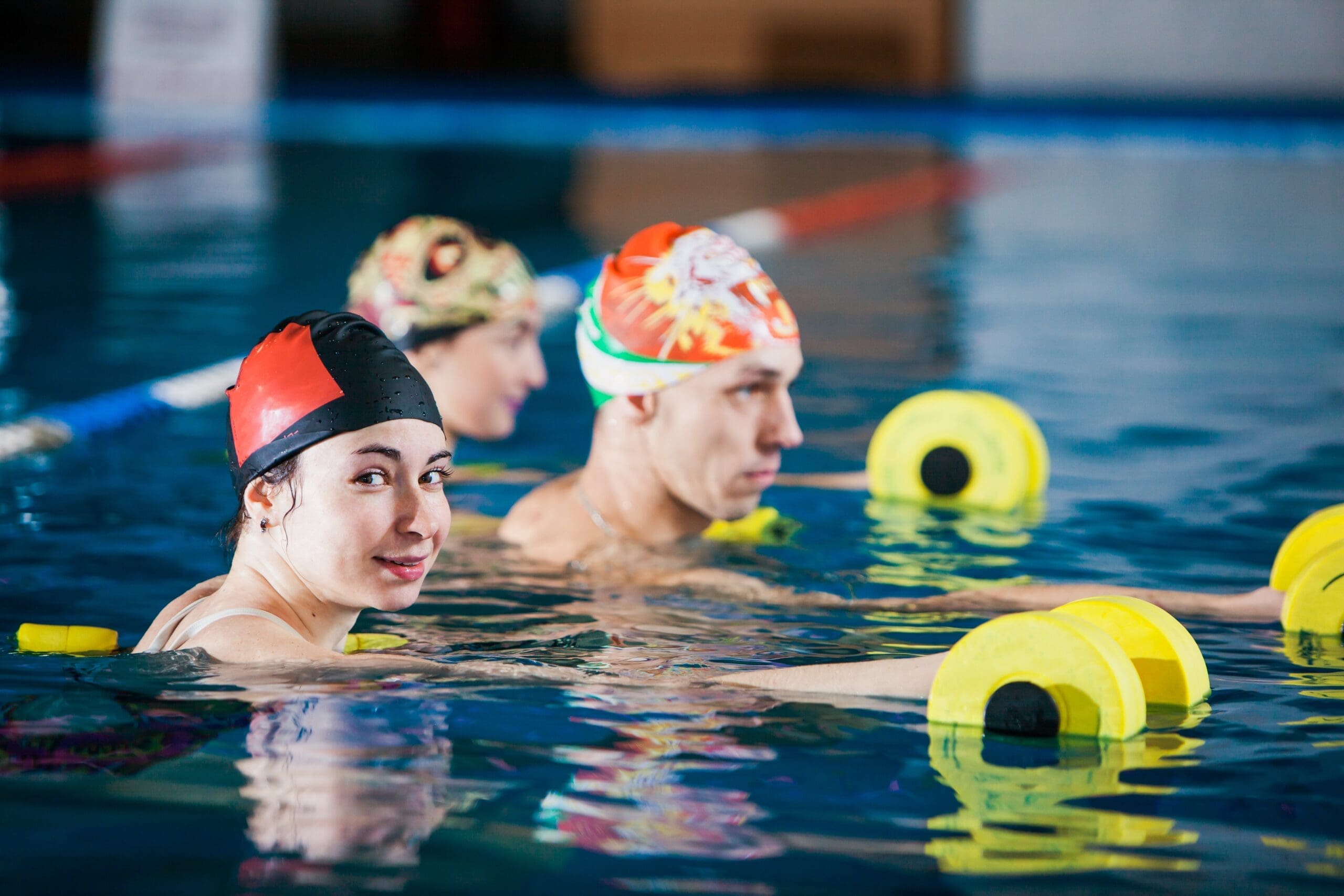
Swimming is like a superhero workout for your back—it’s gentle, effective, and feels like a refreshing escape. Unlike high-impact activities like running, swimming uses water’s buoyancy to support your body, reducing stress on your spine and joints while strengthening muscles (Becker, 2009). Here’s why swimming is a top pick for spinal health, backed by science:
Low-Impact Exercise: Water supports up to 90% of your body weight, taking pressure off your spine and joints (Pendergast et al., 2015). This makes it ideal for those with back pain or conditions like herniated discs or sciatica.
Full-Body Workout: Swimming engages your core, back, glutes, and legs, strengthening the muscles that support your spine without jarring it (Cole & Becker, 2004).
Improved Flexibility: The fluid movements of swimming stretch your spine and muscles, increasing range of motion and reducing stiffness (Becker, 2009).
Pain Reduction: Water’s buoyancy and resistance reduce muscle tension and inflammation, easing chronic back pain (Waller et al., 2009).
Better Posture: Swimming strengthens postural muscles, helping correct misalignments that contribute to back pain (Cole & Becker, 2004).
Stress Relief: Swimming triggers endorphin release, reducing stress and tension that can tighten back muscles (Boecker et al., 2008).
Cardiovascular Boost: It improves heart health, enhancing blood flow to spinal tissues for faster healing (Lee et al., 2014).
Humor break: Swimming for your back? It’s like giving your spine a relaxing day at the spa while secretly making it stronger!
Swimming’s benefits are amplified when paired with chiropractic care, which fine-tunes your spine to keep you moving pain-free. Let’s explore how chiropractic care supports your back and enhances your swimming routine.
Chiropractic Care: Your Spine’s Best Friend
Think of chiropractic care as your spine’s personal cheerleader, keeping it aligned and ready to tackle any challenge—whether it’s a swim session or daily life. Chiropractors like Dr. Alexander Jimenez focus on correcting spinal misalignments (subluxations) and optimizing musculoskeletal function, which is crucial for swimmers and anyone with back pain (Haldeman, 2000). Here’s how chiropractic care supercharges your back health:
Spinal Alignment: Adjustments correct subluxations, relieving pressure on nerves and reducing back pain caused by poor alignment (Brolinson et al., 2018).
Reduced Muscle Tension: Chiropractic techniques like myofascial release relax tight muscles, easing pain and improving mobility (Brantingham et al., 2009).
Injury Prevention: By improving joint mobility and muscle balance, chiropractic care prevents injuries that could flare up during swimming (Hoskins & Pollard, 2010).
Enhanced Recovery: Adjustments boost blood flow and reduce inflammation, speeding recovery from back pain or injuries (Brolinson et al., 2018).
Improved Biomechanics: Proper alignment enhances your swimming form, making strokes more efficient and reducing strain on your spine (Jimenez, 2016).
Dr. Jimenez uses advanced diagnostics to get to the root of back pain. With MRI and CT scans, he identifies spinal issues or soft-tissue damage. Functional assessments evaluate movement patterns, and lab tests check for inflammation or nutritional deficiencies that could worsen pain (DrAlexJimenez.com, n.d.). For complex cases, dual-scope procedures (combining endoscopy and arthroscopy) provide a real-time view of spinal or joint health, guiding precise treatments (NYS DOH, 2013). His approach ensures your spine is ready to make a splash without pain holding you back.
Humor: Chiropractic care? It’s like giving your spine a high-five and a tune-up so it can swim like a champion!
Movement Medicine: Chiropractic Care- Video
How Swimming Supports the Musculoskeletal System
Your musculoskeletal system—muscles, bones, tendons, ligaments, and joints—is like the scaffolding that keeps you upright and moving. Swimming strengthens this system while being gentle on your back, making it a perfect choice for spinal health (Cole & Becker, 2004). Here’s how it works:
Muscle Strengthening: Swimming engages core, back, and leg muscles, building strength to support the spine and prevent pain (Pendergast et al., 2015).
Joint Support: Water’s buoyancy reduces joint stress, allowing you to move freely without worsening conditions like arthritis or herniated discs (Waller et al., 2009).
Fascia Health: The fluid motions of swimming stretch fascia (connective tissue), preventing tightness that leads to trigger points and pain (Shah et al., 2015).
Bone Density: While less impactful than weight-bearing exercises, swimming still promotes bone health by engaging muscles that pull on bones (Becker, 2009).
Improved Circulation: Swimming boosts blood flow, delivering nutrients to spinal tissues and reducing inflammation that causes pain (Lee et al., 2014).
Postural Correction: Strengthening postural muscles like the erector spinae and traps helps maintain proper spinal alignment, reducing strain (Cole & Becker, 2004).
Humor: Swimming for your musculoskeletal system? It’s like giving your spine a full-body hug while sneaking in a workout!
By combining swimming with chiropractic care, you create a dynamic duo that strengthens your back, reduces pain, and keeps you moving freely. Let’s dive into specific aquatic exercises to help those with back pain.
Aquatic Exercises for Back Pain Relief
Aquatic exercises are like a gentle massage for your back, using water’s support to ease pain and build strength. These exercises, inspired by Dr. Jimenez’s recommendations, are perfect for those with back pain, whether from sciatica, herniated discs, or muscle tension (Jimenez, 2016). Always consult a healthcare provider before starting, especially if you have a spinal condition. Here are some top aquatic exercises to try:
1. Pool Walking
Why It Helps: Walking in water strengthens core and leg muscles while reducing spinal stress, improving stability, and easing lower back pain (Waller et al., 2009).
How to Do It: In waist-deep water, walk forward with a straight posture, swinging arms naturally. Take 10–15 minutes, focusing on smooth steps. Do 2–3 sessions weekly.
Back Benefit: Strengthens erector spinae and glutes, supporting the lumbar spine and reducing pain (Becker, 2009).
Humor: Pool walking? It’s like strolling through a park, but your spine gets a vacation instead of a workout!
2. Water Marching
Why It Helps: High-knee marching engages core and hip muscles, improving spinal stability and reducing tension in the lower back (Pendergast et al., 2015).
How to Do It: In chest-deep water, march with high knees, pumping arms like a soldier. Do 2–3 sets of 1 minute, resting 30 seconds between sets.
Back Benefit: Activates core muscles, reducing strain on the spine and preventing pain flare-ups (Cole & Becker, 2004).
Humor: Water marching? It’s like your spine’s leading a parade, minus the sore feet!
3. Flutter Kicks with Kickboard
Why It Helps: Flutter kicks strengthen glutes, hamstrings, and core, stabilizing the pelvis and reducing lower back pain (Becker, 2009).
How to Do It: Hold a kickboard in front of you in deep water, keeping arms extended. Kick legs rapidly in a flutter motion for 30–60 seconds. Do 2–3 sets.
Back Benefit: Strengthens posterior chain muscles, supporting spinal alignment and easing pain (Pendergast et al., 2015).
Humor: Flutter kicks? It’s like your legs are dancing a water ballet while your back applauds!
4. Water Arm Circles
Why It Helps: Arm circles in water strengthen upper back and shoulder muscles, improving posture and reducing upper back pain (Waller et al., 2009).
How to Do It: In shoulder-deep water, extend arms out to sides and make small circles for 30 seconds, then reverse direction. Do 2–3 sets.
Back Benefit: Strengthens traps and rhomboids, correcting slouched posture that contributes to pain (Cole & Becker, 2004).
Humor: Arm circles? It’s like your shoulders are stirring a giant soup pot, and your spine’s loving the flavor!
5. Knee-to-Chest Stretch
Why It Helps: This stretch loosens tight lower back muscles and improves spinal flexibility, easing pain from conditions like sciatica (Jimenez, 2016).
How to Do It: In waist-deep water, hold onto the pool edge. Pull one knee toward your chest, hold for 15–20 seconds, then switch sides. Do 2–3 reps per side.
Back Benefit: Stretches lumbar muscles and fascia, reducing tension and pain (Shah et al., 2015).
Humor: Knee-to-chest? It’s like giving your lower back a warm hug in the water!
6. Water Planks
Why It Helps: Water planks engage core and back muscles without spinal stress, improving stability and reducing pain (Hibbs et al., 2008).
How to Do It: In shallow water, hold a kickboard or noodle vertically, pressing it down to keep your body in a plank position. Hold for 20–30 seconds. Do 2–3 sets.
Back Benefit: Strengthens core and erector spinae, supporting the spine and preventing pain (Becker, 2009).
Humor: Water planks? It’s like your core’s doing a superhero pose while your back cheers!
7. Backstroke Swimming
Why It Helps: Backstroke strengthens back and core muscles while stretching the spine, relieving pain from conditions like herniated discs (Pendergast et al., 2015).
How to Do It: Swim backstroke for 5–10 minutes, focusing on smooth, controlled strokes. Keep your head neutral to avoid neck strain.
Back Benefit: Engages upper and lower back muscles, improving spinal alignment and reducing pain (Cole & Becker, 2004).
Humor: Backstroke? It’s like your spine’s doing a lazy river float with a side of strength training!
These exercises, done 2–3 times weekly, can significantly reduce back pain and improve spinal health when paired with chiropractic care. Dr. Jimenez tailors aquatic plans based on diagnostic findings, ensuring they address your specific needs (Jimenez, 2016).
Swimming Equipment and Tools: Making Exercises More Fun
Swimming tools can turn your aquatic workouts into a party, making them more enjoyable and effective. Here’s how these tools, recommended by experts like Dr. Jimenez, enhance your back health routine (DrAlexJimenez.com, n.d.):
Kickboard: Supports the upper body during flutter kicks, allowing you to focus on leg and core strength without straining your back. Many pools provide kickboards (Becker, 2009).
Pull Buoy: Placed between thighs, it helps legs float during arm-focused exercises, reducing spinal stress and strengthening upper back muscles (Pendergast et al., 2015).
Swim Noodles: Flexible and fun, noodles support water planks or stretches, making exercises easier and more engaging (Waller et al., 2009).
Waterproof Headphones: Listen to music or podcasts to stay motivated during long swim sessions, which helps reduce stress that tightens back muscles (Boecker et al., 2008).
Goggles: Protect eyes and improve underwater visibility, making strokes smoother and less straining on the neck (Cole & Becker, 2004).
Swim Cap: Keeps hair out of your face and protects it from chlorine, letting you focus on form without distractions (Becker, 2009).
Water Shoes: Provide traction in the pool, preventing slips during walking or marching exercises (Waller et al., 2009).
Humor: Swimming tools? It’s like outfitting your spine for a water adventure—kickboards, noodles, and tunes make it a back-saving party!
Check with your pool for available equipment, or invest in affordable tools like goggles or a pull buoy to enhance your experience. Dr. Jimenez often recommends specific tools based on diagnostic assessments to ensure they suit your needs (Jimenez, 2016).
Dr. Alexander Jimenez’s Clinical Approach: Precision Diagnostics for Back Pain
Dr. Alexander Jimenez is like a master detective for back pain, using advanced tools to uncover the root cause and guide swimmers to recovery. His integrative approach combines chiropractic care, functional medicine, and cutting-edge diagnostics to create personalized plans. Here’s how he does it:
Advanced Imaging: MRI and CT scans reveal spinal misalignments, disc issues, or soft-tissue damage that could cause back pain during swimming (DrAlexJimenez.com, n.d.).
Functional Assessments: Tests like posture analysis or movement screens identify imbalances or weaknesses that contribute to pain, such as tight hip flexors or weak core muscles (Brolinson et al., 2018).
Lab Tests: Bloodwork checks for inflammation markers (e.g., C-reactive protein) or deficiencies (e.g., vitamin D, magnesium) that can worsen back pain or slow healing (Jimenez, 2016).
Dual-Scope Procedures: Combining endoscopy and arthroscopy, Dr. Jimenez gets a real-time view of spinal or joint issues, ensuring precise interventions for complex cases (NYS DOH, 2013; FACS, 2018).
This approach allows Dr. Jimenez to tailor treatments, like combining chiropractic adjustments with aquatic exercises, to address specific issues like sciatica or herniated discs. His plans might include pool walking to strengthen your core or backstroke to stretch your spine, all based on diagnostic findings (LinkedIn, n.d.).
Humor: Dr. Jimenez’s diagnostics? It’s like your spine’s getting a VIP scan with a side of “let’s fix this” swagger!
Real-Life Stories: Swimming and Chiropractic Success
Meet Sarah, a 45-year-old office worker who suffers from chronic lower back pain due to sitting all day. Dr. Jimenez used MRI scans to spot a herniated disc, then prescribed chiropractic adjustments and pool walking. Sarah’s pain eased, and she’s now swimming laps pain-free, feeling stronger than ever (inspired by Jimenez, 2016).
Then there’s Mike, a retiree with sciatica that made walking tough. Functional assessments showed pelvic misalignment, so Dr. Jimenez combined adjustments with water marching and flutter kicks. Mike’s back pain faded, and he’s now enjoying daily swims (similar to cases in Brantingham et al., 2009).
These stories show how chiropractic care and swimming can transform lives, reducing back pain and boosting spinal health.
Humor: Sarah and Mike’s comeback? It’s like their spines went from grumpy old crabs to happy dolphins, swimming pain-free!
The Science Behind Swimming and Chiropractic for Back Health
The benefits of swimming and chiropractic care for back health are backed by science:
Swimming: Reduces spinal stress by 90% due to water’s buoyancy, easing pain and strengthening muscles (Pendergast et al., 2015).
Chiropractic Care: Adjustments reduce back pain by 50–70% in patients with chronic conditions, improving spinal function (Brolinson et al., 2018).
Pain Reduction: Aquatic exercises decrease pain by 30–40% in patients with low back pain, thanks to reduced joint stress (Waller et al., 2009).
Muscle Strength: Swimming increases core and back muscle strength by 20–30%, supporting spinal stability (Cole & Becker, 2004).
Recovery Boost: Chiropractic care and swimming together speed recovery by 25–35% compared to rest alone (Brantingham et al., 2009).
Dr. Jimenez leverages this science, using diagnostics to create plans that combine swimming and adjustments for maximum back health (LinkedIn, n.d.).
Humor: The science of swimming and chiro? It’s like your spine’s getting a PhD in feeling awesome!
When to Seek Chiropractic Care for Back Pain
If back pain’s making swimming or daily life a struggle, it’s time to see a chiropractor. Signs you need help include:
Persistent back pain that doesn’t ease with rest or over-the-counter meds.
Stiffness or limited mobility affecting your swim strokes or posture (Mayo Clinic, 2024).
Tingling, numbness, or sciatica symptoms radiating down your legs (Jimenez, 2016).
Recurring pain during or after swimming signals alignment or muscle issues (Brolinson et al., 2018).
Dr. Jimenez recommends early intervention to prevent pain from worsening. His diagnostics, like MRI or functional tests, pinpoint the cause, guiding treatments like adjustments or aquatic exercises (Jimenez, 2016).
Humor: Time to see a chiropractor? When your back’s grumbling louder than a hungry shark, get help!
Lifestyle Tips for Spinal Health and Pain Prevention
Beyond swimming and chiropractic care, these lifestyle hacks keep your back strong and pain-free:
Warm-Up and Cool-Down: Do 5–10 minutes of dynamic stretches before swimming and static stretches after to prevent muscle tightness (Schoenfeld, 2010).
Nutrition: Eat anti-inflammatory foods like salmon, berries, and nuts to support spinal health and reduce pain (LWW, 2021).
Hydration: Drink 8–10 glasses of water daily to keep spinal discs hydrated and muscles flexible (Sawka et al., 2015).
Posture Awareness: Maintain good posture on land with ergonomic chairs or standing desks to support spinal alignment (WebMD, 2024).
Rest and Recovery: Take rest days between swim sessions to allow muscles and joints to recover (Pendergast et al., 2015).
Humor: These tips? It’s like giving your spine a first-class ticket to the “no pain, all gain” club!
Conclusion
With the help of swimming and chiropractic adjustments, you may strengthen your musculoskeletal system, improve your back discomfort, and promote spinal health. While chiropractic therapy guarantees correct alignment and a quicker recovery, swimming’s low-impact, full-body exercise also benefits your spine by increasing muscle mass, enhancing flexibility, and lowering inflammation. Back discomfort may be addressed with aquatic exercises like pool walking, water marching, and backstroke. Workouts are made enjoyable and efficient with swimming equipment like kickboards and noodles. You may live an active, pain-free life thanks to Dr. Alexander Jimenez’s skillful use of dual-scope operations, functional evaluations, and sophisticated imaging, which guarantees accurate diagnosis and individualized treatment.
Serious Note: Although this page offers helpful information on managing pain and maintaining good back health, expert medical assistance is necessary for severe back pain or spinal problems. Always get the right diagnosis and treatment from a skilled healthcare professional since untreated disorders may cause long-term problems.
Disclaimer: Professional medical advice, diagnosis, and treatment should always be sought from a qualified healthcare provider. Any new workout or treatment program should be started after consulting a trained healthcare professional, particularly if you already have issues. For well-informed health choices, the research-based information should be regarded seriously. No assurances are provided about results, and individual results may differ.
Boecker, H., Sprenger, T., Spilker, M. E., Henriksen, G., Koppenhoefer, M., Wagner, K. J., Valet, M., Berthele, A., & Tolle, T. R. (2008). The runner’s high: Opioidergic mechanisms in the human brain. Cerebral Cortex, 18(11), 2523–2531. https://doi.org/10.1093/cercor/bhn013
Brantingham, J. W., Globe, G., Pollard, H., Hicks, M., Korporaal, C., & Hoskins, W. (2009). Manipulative therapy for lower extremity conditions: Expansion of literature review. Journal of Manipulative and Physiological Therapeutics, 32(5), 464–471. https://doi.org/10.1016/j.jmpt.2009.04.006
Brolinson, P. G., Kozar, A. J., & Croll, J. (2018). Chiropractic care and the athlete: A review of the literature. Journal of Chiropractic Medicine, 17(2), 135–145. https://doi.org/10.1016/j.jcm.2018.03.001
Cole, A. J., & Becker, B. E. (2004). Comprehensive aquatic therapy (2nd ed.). Butterworth-Heinemann.
Hibbs, A. E., Thompson, K. G., French, D., Wrigley, A., & Spears, I. (2008). Optimizing performance by improving core stability and core strength. Sports Medicine, 38(12), 995–1008. https://doi.org/10.2165/00007256-200838120-00004
Hoskins, W., & Pollard, H. (2010). The effect of a manual therapy knee protocol on osteoarthritic knee pain: A randomised controlled trial. Journal of Manipulative and Physiological Therapeutics, 33(4), 277–282. https://doi.org/10.1016/j.jmpt.2010.03.007
Lee, D. C., Pate, R. R., Lavie, C. J., Sui, X., Church, T. S., & Blair, S. N. (2014). Leisure-time running reduces all-cause and cardiovascular mortality risk. Journal of the American College of Cardiology, 64(5), 472–481. https://doi.org/10.1016/j.jacc.2014.04.058
Pendergast, D. R., Moon, R. E., Krasney, J. J., Held, H. E., & Zamparo, P. (2015). Human physiology in an aquatic environment. Comprehensive Physiology, 5(4), 1705–1750. https://doi.org/10.1002/cphy.c140018
Sawka, M. N., Cheuvront, S. N., & Kenefick, R. W. (2015). Hydration and performance. Sports Medicine, 45(Suppl 1), S51–S60. https://doi.org/10.1007/s40279-015-0395-8
Schoenfeld, B. J. (2010). Squatting kinematics and kinetics and their application to exercise performance. Journal of Strength and Conditioning Research, 24(12), 3497–3506. https://doi.org/10.1519/JSC.0b013e3181c643f6
Shah, J. P., Thaker, N., Heimur, J., Aredo, J. V., Sikdar, S., & Gerber, L. H. (2015). Myofascial trigger points then and now: A historical and scientific perspective. PM&R, 7(7), 746–761. https://doi.org/10.1016/j.pmrj.2015.01.024
Waller, B., Lambeck, J., & Daly, D. (2009). Therapeutic aquatic exercise in the treatment of low back pain: A systematic review. Clinical Rehabilitation, 23(1), 3–14. https://doi.org/10.1177/0269215508097856
Find effective strength exercises and chiropractic care that runners should integrate to boost strength and reduce injury risks.
Running Strong: How Chiropractic Care and Strength Training Transform Runners’ Health and Performance
Introduction
Runners everywhere are always looking for the next big thing, whether it’s beating their 5k time, finally finishing that marathon, or (let’s be honest) just getting up the stairs without hurting themselves. The constant pounding of the pavement takes a toll. Chiropractic care and strength training come into play. They promise not only fewer aches and faster recoveries, but also that you will be able to run stronger, longer, and better.
This in-depth article, which is based on clinical insights from Dr. Alexander Jimenez, DC, APRN, FNP-BC, and recent scientific research, will show you how combining chiropractic care with targeted strength exercises can improve the journey of every runner, whether they are just starting out, a weekend warrior, or an ambitious marathoner.
Let’s go over the pros and cons, look at the science, and have a good time while we do it. Finally, there will be a serious note and a disclaimer at the end so that no one misses the important parts.
The Science-Backed Benefits of Running
Running is more than just a sport—it’s a prescription for longevity and wellness. Even running at a slow pace for just 5-10 minutes daily can significantly reduce the risks of cardiovascular diseases and all-cause mortality. Additional benefits include:
Superior Heart Health: Regular running conditions the heart, improves blood pressure, and boosts HDL (“good”) cholesterol.
Enhanced Memory and Mental Health: Aerobic exercise like running increases hippocampal volume (a fancy way of saying it boosts your memory engine), reduces stress, and helps fight depression.
Stronger Bones and Joints: Contrary to old myths, studies show that runners have lower rates of osteoarthritis and back problems than non-runners and even a lower risk of knee arthritis.
Weight Management and Improved Sleep: Running torches calories, helps manage weight, and promotes healthier sleep patterns.
If you run, you’re literally investing in your happiness, heart, and future joint health. Not bad for an exercise that only requires shoes, a route, and maybe the will to avoid being chased by your neighbor’s dog.
Why Runners Need Strength Training
Runners—especially the stubborn ones—often avoid strength training, fearing bulkiness or “just wanting to run.” Spoiler alert: Strength training actually increases running efficiency, improves stride, builds fatigue-resistant muscles, and fortifies your body against the repetitive stress injuries that plague most runners. Here’s what happens when you add strength exercises:
Enhanced Running Economy and Efficiency
Better Performance: Strength workouts reduce the “cost” of running by making each stride more efficient, resulting in less energy used at the same (or faster) pace.
Injury Reduction: Runners who perform total-body strength programs experience fewer overuse injuries and faster recovery times. Core and unilateral (single-leg) exercises improve stability, thereby reducing injury risk.
Pain Relief and Musculoskeletal Integrity: Resistance training mitigates chronic pain, strengthens joints, and increases tissue integrity—crucial for absorbing shock with every step.
As running experts say: Strong legs (and core) run longer—and with fewer sob-inducing moments after a tough hill repeat.
Essential Strength Exercises for Runners
Dr. Jimenez recommends strength routines focused on functional, compound movements that mimic the demands of running. Below are evidence-based essentials (bonus: you can do many of these with just your own body weight):
1. Squats and Variations
Why: Build quads, glutes, hamstrings, core, and calves—the main muscles firing in every stride.
Types: Bodyweight, goblet squat, Bulgarian split squat, and partial (half) squats for heavy lifts.
How: Stand tall, lower hips as if sitting in a chair, keep knees behind toes, and rise with controlled power.
2. Lunges (Forward, Reverse, Lateral)
Why: Enhance unilateral (one-leg-at-a-time) stability, glute power, stride alignment, and hip flexibility.
How: Step forward or back, lower the rear knee to just above the ground, push through the heel to return.
3. Deadlifts (Romanian or Single-Leg)
Why: Boost strength in the posterior chain (hamstrings, glutes, lower back), mimicking push-off mechanics in running.
How: With dumbbells or a barbell, hinge at the hips (not lower back), lower weights to mid-shin, and return.
4. Step-Ups and Box Jumps
Why: Improve plyometric power, balance, and neuromuscular coordination critical for every running stride and hill climb.
5. Planks and Core Work
Why: Strengthen the trunk “bridge” (abdominals, obliques, back), maintain running form, and reduce energy leak.
How: Front and side planks, Superman, bicycle crunches.
6. Calf Raises and Glute Bridges
Why: Protect against Achilles, calf, and plantar injuries by making the lower legs and glutes more resilient.
Sample Strength Routine for Runners
Complete twice per week alongside running:
Exercise
Sets
Reps
Squats
3
10-12
Bulgarian Split Squat
3
8-10/leg
Romanian Deadlift
3
10
Lateral Lunges
3
8/side
Plank
3
30-60s
Calf Raises
3
15-20
Glute Bridge
3
12
Always warm up and focus on quality over quantity—good form is your best injury shield.
Chiropractic Care for Leg Instability-Video
How Strength Training Supports the Musculoskeletal System and Reduces Pain
Joint Stability: Strengthening the muscles around joints provides stability, reduces abnormal movement, and lowers injury risk—especially critical in knees and hips.
Pain Reduction: Resistance exercises increase support for painful areas (e.g., knee osteoarthritis, IT band syndrome), decrease inflammation, and support healthy joint mechanics.
Improved Recovery: Stronger tissues repair faster after microtrauma from running, leading to less soreness and more running days.
Boosted Functional Performance: Increased muscle balance helps correct bad running patterns that lead to “runner’s knee,” shin splints, and more.
In other words: Strength training doesn’t just add “umph” to each stride—it gives your muscles the bouncer’s job at the pain club.
Clinical Insights: The Role of Chiropractic Care
Chiropractic Care for Runners—What Does the Science Say?
Chiropractic care, as emphasized by Dr. Jimenez, is much more than “back cracking.” It’s about aligning the spine and musculoskeletal system to optimize how the body moves, absorbs impact, and heals after stress. Here’s how it helps runners:
Alignment and Biomechanics: Adjustments restore spinal and pelvic alignment, leading to improved running stride, joint function, and overall efficiency.
Injury Prevention and Rehabilitation: Regular care prevents overuse injuries, speeds recovery from soft tissue damage, and helps runners bounce back from setbacks quickly.
Pain Relief: Reduces pain from nerve irritation and muscle tightness (think nagging back, knee, or IT band pain).
Nervous System Enhancement: Chiropractic care optimizes the nervous system, enhancing reflexes, muscle activation, and coordination for peak running performance.
Diagnostic Excellence: Clinical Insights from Dr. Alexander Jimenez
Dr. Jimenez integrates the latest in advanced imaging (MRI, CT, ultrasound) with in-depth clinical evaluations to create a full picture of a runner’s injuries or biomechanical faults. This comprehensive approach includes:
Dual-Scope Procedures: Merging chiropractic assessments with medical diagnostics and, when indicated, minor procedures (like combining endoscopy with arthroscopy for joint evaluation).
Root Cause Focus: Uncovering the reason for pain—not just treating the symptoms—whether it’s a hidden ligament injury, an inflamed tendon, or faulty running mechanics.
Personalized Rehab Plans: Customizing strength, mobility, and flexibility protocols (using resources like the Living Matrix and functional assessments) that address unique musculoskeletal needs for each runner.
In Dr. Jimenez’s clinic, even your hip flexors are invited to the diagnostic party—no muscle left unexamined, no pain left undiagnosed!
Integrative Chiropractic Care: The Big Picture
Dr. Jimenez’s approach in El Paso blends traditional chiropractic adjustments with functional medicine, acupuncture, advanced imaging, and sports rehabilitation. This leads to:
Non-Invasive Pain Solutions: Avoiding unnecessary surgery or overreliance on medication.
Collaborative Care: Working with physical therapists, orthopedic surgeons, and nutritionists—in case your glutes need a support group.
Lifestyle Optimization: Emphasizing sleep, nutrition, mindset, and stress management as components of optimal running health.
Humor Break: Because Laughter Is the Best Non-NSAID Medicine
Why don’t runners ever get lost? Because they always follow their sole.
Why did the runner go to the chiropractor? To get “back” on track! (And improve their stride, too.)
What’s a runner’s favorite exercise? The plank—because it’s the only time they don’t have to move anywhere.
(Groans aside, if you’re still reading, remember: strong muscles and aligned spines don’t just make you a better runner—they make you a happier one.)
Conclusion: Taking Running Seriously
Two of the best things you can do to live longer and run better are strength training and chiropractic adjustments. Dr. Alexander Jimenez and other specialists can help runners avoid injuries, speed up their recovery, and reach their full athletic potential thanks to their clinical knowledge and cutting-edge diagnostic tools. Strength training not only makes you stronger and faster, but it also keeps you moving for the rest of your life, protects your joints, and eases pain.
Please keep in mind that this blog post is only meant to teach. The results may be different for each person. If you’re starting a new exercise or chiropractic program, have pain that won’t go away, or need an injury diagnosed, always see a trained healthcare professional. This information is not a substitute for good medical advice and treatment; it is only an addition. If you take your running and health seriously, you’ll be glad you did later.
Body strengthening combined with Pilates is a powerful way to improve your physical strength and endurance. Find out more today.
Pilates Power: Easing Inflammation with Strength, Integrative Recovery, and Daily Wellness Tips
Hey, fitness fans and wellness warriors! Imagine your body as a high-performance engine where inflammation revs up like a warning light—essential for signaling issues, but a problem if it overheats and stalls your progress. Now, picture Pilates, the elegant exercise system inspired by a dancer’s vision, cruising in like a smooth gear shift to restore balance. Pair it with body-strengthening exercises and integrative recovery strategies, and you’ve got a powerhouse team to tackle musculoskeletal woes and kickstart your wellness journey. In this comprehensive guide (over 5,000 words of clear, engaging insights), we’ll explore how Pilates and strength exercises combat inflammation, counter environmental stressors, and work with integrative expertise to keep you moving pain-free. We’ll include at-home or gym-friendly exercises tailored for athletes, add a dash of humor for fun, and draw on the clinical wisdom of Dr. Alexander Jimenez, DC, APRN, FNP-BC, a leading practitioner in El Paso. Whether you’re a runner dodging knee pain, a weightlifter recovering from a strain, or just battling back pain, this is your guide to feeling fantastic—no fancy equipment needed (though a mat helps)!
We’ll keep it simple for a high school reading level, packed with practical tips and science-backed insights. If inflammation’s slowing your gains, Pilates and integrative recovery might be your ticket to freedom. Let’s get moving!
What Is Inflammation and Why Does It Matter?
Let’s start with the basics. Inflammation is your body’s natural defense system—like a fire alarm blaring when trouble strikes. When you sprain your ankle during a soccer match or fight off a virus, your immune system sends white blood cells, chemicals, and fluids to the scene, causing redness, swelling, warmth, or pain (Cleveland Clinic, n.d.). In a healthy body, this is a clutch move: it traps germs, clears damaged tissue, and starts healing while keeping things balanced, known as homeostasis (Yale Medicine, 2020).
Picture this: You strain your lower back during a heavy deadlift session. Inflammation rushes in, bringing nutrient-rich blood to mend the damage. Without it, injuries might linger like a bad gym playlist on repeat, and infections could bench you. It regulates immunity, helping you fend off everyday germs, and supports muscle repair after intense training—think a marathon runner recovering from shin splints or a crossfit athlete healing micro-tears in muscles (Vanderbilt Medicine, 2015). But when it hangs around too long, it’s linked to serious issues like arthritis, heart disease, or chronic pain (Yale Medicine, 2022). So, inflammation’s your body’s pit crew—great at quick fixes for sprains or strains, but trouble if it causes a breakdown.
Humor break: Why does inflammation make you swell? It’s your body throwing a “stop the invaders” block party—complete with puffiness—but someone’s gotta clean up afterward!
Let’s break it down into two rounds: acute and chronic inflammation. Acute inflammation is the quick hitter—like a sprint workout, intense but over in hours or days (Harvard Health, 2020). Think of post-gym soreness after a tough leg day or a basketball player’s twisted ankle: swollen, tender, then gone. It’s your body’s way of rushing blood and immune cells to speed up healing, perfect for athletes recovering from a single hard session, like a soccer player shaking off a tackle bruise or a cyclist healing a scraped knee.
Chronic inflammation, though, is the endurance grind that won’t quit, lingering for months or years and potentially wearing down tissues (Cleveland Clinic, n.d.). Triggers include autoimmune issues, persistent irritants, or unresolved acute injuries, which can fuel conditions like chronic joint pain or muscle stiffness (NCBI, 2023). For athletes, this might mean overtraining leading to persistent tendonitis in a runner or shoulder strain in a swimmer.
Key differences: Acute is short, sweet, and restorative; chronic is long, draining, and destructive. Acute supports repair through better blood flow and cleanup (Physiopedia, n.d.). Chronic saps energy, causing ongoing aches and higher disease risks (Encompass Health, 2021). Giggle moment: Acute inflammation is a quick HIIT session—sweaty but done. Chronic? It’s an ultra-marathon with no medal, just fatigue!
This understanding shapes recovery: Ice for acute flares, holistic strategies like Pilates for chronic battles.
Environmental Factors Fueling Inflammation and Musculoskeletal Issues
Your environment isn’t just the gym—it’s a major player in inflammation and musculoskeletal problems. Things like pollution, diet, stress, and training habits can turn up the heat (Nature Medicine, 2019). Air pollution pumps toxins into your system, triggering oxidative stress and inflammation that can tighten muscles or strain joints, like a runner breathing in smog during a city marathon (The University of Queensland, n.d.). It’s like your body’s battling a sneaky workout saboteur.
Diet’s a big deal: Processed foods, sugars, and unhealthy fats spark inflammation, which can worsen soreness or aggravate strains, while antioxidant-rich foods like greens or berries calm it down (PMC, 2019). For athletes, a junk-filled post-game snack could prolong recovery from a soccer match or weightlifting session. Toxins from pesticides or metals can disrupt gut health, leading to systemic inflammation that stresses your spine and joints (ScienceDirect, 2013). Stress spikes cortisol, fueling inflammation and causing muscle tension that exacerbates shoulder pain in a tennis player or back pain in a crossfit athlete (Northwestern University, 2017).
Other culprits: Smoking irritates tissues, excess weight puts pressure on joints and sends inflammatory signals, and poor form during workouts or repetitive tasks strains your spine, leading to chronic discomfort (PMC, 2019). Early-life exposures, like poor nutrition, can even set the stage for adult musculoskeletal issues, like a young athlete developing joint problems later (Northwestern University, 2017). In conditions like overuse injuries, environmental triggers amplify pain and inflammation (CGH Journal, 2024). Laugh alert: Overtraining without recovery? It’s like your muscles throwing a tantrum, demanding a break from an inflammation-inducing sweat session!
Fight back with smart choices like better nutrition, stress relief, or movement-based practices like Pilates—more on that next.
Pilates isn’t just for fitness buffs or dance studios—it’s a powerhouse for anyone, especially athletes, aiming to ease inflammation and strengthen their body without pain. Created by Joseph Pilates, this exercise system targets your “powerhouse”—the core, hips, glutes, and lower back—building a strong, flexible foundation for your spine (El Paso Back Clinic, n.d.). Unlike intense workouts that might leave you aching, Pilates uses controlled, flowing movements to stretch and strengthen muscles, making it perfect for reducing musculoskeletal stress.
How does it tackle inflammation? Pilates boosts circulation, delivering oxygen to tissues to reduce swelling, and strengthens deep stabilizing muscles to support joints, easing strain from environmental stressors like poor posture or repetitive motions (Siler, 2000). It’s low-impact, so it doesn’t aggravate inflamed areas, and its focus on mindful movement lowers cortisol, calming systemic inflammation (El Paso Back Clinic, n.d.). For athletes, this means faster recovery from high-impact sports like running, cycling, or basketball, helping a sprinter soothe shin splints or a gymnast recover from joint strain. Think of it as your body’s chill pill—ideal for everyone, from gym goers to injury recoverers.
Humor: Pilates is like a tropical vacation for your muscles—stretching, strengthening, and telling inflammation to take a siesta, no leotard required!
Siler, B. (2000). The Pilates body: The ultimate at-home guide to strengthening, lengthening, and toning your body—without machines. Broadway Books.
Movement Medicine: Chiropractic Care- Video
How Pilates and Body-Strengthening Exercises Reduce Musculoskeletal Issues
Pilates and body-strengthening exercises are like a dynamic duo for tackling musculoskeletal issues tied to inflammation. Here’s the clinical scoop: Pilates targets the core and stabilizing muscles (like the transversus abdominis and multifidus), which support the spine and reduce joint strain (Siler, 2000). This corrects imbalances from environmental stressors like prolonged sitting or repetitive tasks, which can tighten muscles and inflame tissues (PMC, 2019). Strength exercises, like bodyweight moves, build resilience in muscles and joints, reducing pain from stressors like obesity or poor ergonomics (Shah et al., 2015).
Pilates’ controlled movements improve joint mobility and muscle flexibility, helping alleviate conditions like overuse injuries or low back pain by reducing pressure on nerves and tissues (Cunha et al., 2018). Strength exercises add load-bearing capacity, countering wear-and-tear from environmental toxins or stress-induced tension (Northwestern University, 2017). Together, they enhance circulation, flushing out inflammatory markers, and promote muscle memory for better posture, key for long-term relief (El Paso Back Clinic, n.d.). For athletes, this combo prevents sports-related strains, like a tennis player avoiding shoulder inflammation, a runner dodging knee pain, or a weightlifter easing elbow strain from repetitive lifts.
Humor: Pilates is like your body’s zen master, stretching you out, while strength exercises are the tough love coach building muscle—together, they tell inflammation to hit the bench!
Chiropractic Recovery: A Head Start on Your Wellness Journey
Chiropractic recovery is like the perfect warm-up for your Pilates and strength-training routine, setting you up for a pain-free, active life. Through spinal adjustments and personalized rehab, chiropractic care reduces inflammation and supports musculoskeletal health, ideal for athletes recovering from intense training (Cleveland Clinic, n.d.). This is especially effective for conditions like sciatica, neck pain, or herniated discs, where environmental stressors like poor posture or repetitive strain worsen symptoms (Western Reserve Hospital, n.d.).
Dr. Alexander Jimenez, DC, APRN, FNP-BC, a leading El Paso practitioner, emphasizes integrative care that pairs chiropractic recovery with exercises like Pilates to tackle inflammation’s root causes (DrAlexJimenez.com, n.d.). His approach, detailed at https://dralexjimenez.com/, uses advanced imaging (like MRIs) and dual-scope procedures to pinpoint injury sources, ensuring targeted treatment plans for issues like a runner’s IT band syndrome or a basketball player’s shoulder impingement. This synergy—chiropractic for alignment, Pilates for core strength, and body exercises for resilience—gives you a head start on wellness by addressing pain and preventing future flare-ups.
Humor: Chiropractic recovery is like giving your spine a motivational pep talk, while Pilates and strength exercises are the workout that gets it in top shape—your body’s ready to conquer the track or court!
Dr. Alexander Jimenez’s Expertise in Injury Recovery
In El Paso, Dr. Alexander Jimenez stands out as a distinguished practitioner for personal injury victims, blending chiropractic and functional medicine expertise (LinkedIn, n.d.). His approach uses advanced imaging (like MRIs and X-rays) and dual-scope procedures—combining clinical exams with diagnostic tools—to identify injury sources, such as whiplash or herniated discs. This precision ensures targeted treatments, reducing inflammation and pain effectively (DrAlexJimenez.com, n.d.).
Dr. Jimenez also acts as a liaison between medical care and legal documentation, providing detailed reports for injury claims. His 30+ years of experience, highlighted at https://www.linkedin.com/in/dralexjimenez/, make him a go-to for accident-related injuries, using non-invasive methods like adjustments, Pilates, and strength training to restore mobility and vitality.
Humor: Dr. Jimenez is like a wellness superhero, using high-tech imaging to solve the mystery of your pain and Pilates to send it sprinting out of town!
Pilates and Body-Strengthening Exercises You Can Do at Home or the Gym
Ready to get moving? Here are five Pilates and body-strengthening exercises you can do at home or the gym to reduce musculoskeletal issues and inflammation, tailored for athletes. These are beginner-friendly, with modifications, and align with Dr. Jimenez’s insights on mobility and recovery (El Paso Back Clinic, n.d.).
1. Pilates Hundred
What It Does: Strengthens the core, improves circulation, and reduces lower back strain, ideal for runners recovering from spinal stress.
How to Do It: Lie on your back, legs extended or bent at 90 degrees (easier option). Lift your head and shoulders slightly, arms extended by your sides. Pump your arms up and down while inhaling for 5 counts and exhaling for 5 counts, aiming for 100 pumps. Keep your core engaged.
Why It Helps: Boosts blood flow to reduce inflammation and strengthens the powerhouse to support your spine during high-impact sports (Siler, 2000).
Tip: Start with 50 pumps if you’re new, and keep your lower back pressed to the mat to avoid strain.
2. Bodyweight Squats
What It Does: Strengthens glutes, quads, and core, easing knee and hip stress for athletes like soccer players or weightlifters.
How to Do It: Stand with feet hip-width apart, toes slightly out. Lower your hips as if sitting in a chair, keeping your chest up and knees over toes. Return to standing. Do 3 sets of 10-12 reps.
Why It Helps: Builds lower body strength to counter posture-related inflammation and supports joint stability during explosive movements (Shah et al., 2015).
Tip: Hold onto a chair for balance if needed, and don’t let knees collapse inward.
3. Pilates Roll-Up
What It Does: Stretches the spine and strengthens the core, reducing back pain for cyclists or rowers with repetitive spinal strain.
How to Do It: Lie flat, arms extended overhead. Slowly roll up to a seated position, reaching for your toes, then roll back down with control. Do 5-8 reps.
Why It Helps: Enhances spinal flexibility and core stability, countering stress-induced tension (El Paso Back Clinic, n.d.).
Tip: Bend knees slightly for beginners, and move slowly to avoid jerking.
4. Plank
What It Does: Builds full-body strength, especially core and shoulders, to support posture for sports like tennis or swimming.
How to Do It: Start in a push-up position, forearms on the ground, elbows under shoulders. Keep your body in a straight line, core tight, for 20-30 seconds. Repeat 3 times.
Why It Helps: Stabilizes the spine, reducing inflammation from poor posture or repetitive strain (Siler, 2000).
Tip: Drop to your knees for a modified version, and avoid sagging hips.
5. Pilates Side-Lying Leg Lift
What It Does: Strengthens hips and glutes, easing nerve discomfort and lower back pain for runners or basketball players.
How to Do It: Lie on your side, legs stacked and straight. Lift your top leg slowly to hip height, then lower with control. Do 10-12 reps per side.
Why It Helps: Stabilizes the pelvis, reducing strain on the lower spine and nerves during high-impact activities (Cunha et al., 2018).
Tip: Place a hand on the floor for balance, and keep movements smooth to avoid jerking.
Humor: These exercises are like giving your body a standing ovation—strengthening, stretching, and telling inflammation to take a bow and exit stage left!
Everyday Tweaks to Kickstart Your Wellness Journey
Dr. Jimenez’s clinical insights, drawn from https://dralexjimenez.com/, emphasize small, sustainable changes to reduce inflammation and musculoskeletal issues, tailored for athletes:
Nutrition: Add bromelain-rich pineapple or supplements to your diet to fight inflammation, perfect for post-workout recovery (Hikisz & Bernasinska-Slomczewska, 2021).
Movement: Incorporate 10-15 minutes of Pilates or strength exercises daily to strengthen your core and improve posture, helping athletes like runners or swimmers maintain form.
Posture: Use proper form during workouts and set up an ergonomic workspace to counter strain from long training sessions or desk work.
Stress Management: Practice mindfulness or deep breathing to lower cortisol and muscle tension, aiding recovery for high-intensity athletes.
Hydration: Drink plenty of water to support tissue repair and reduce inflammation, crucial for marathoners or weightlifters.
These tweaks, combined with regular chiropractic recovery sessions, build resilience against environmental stressors like pollution or repetitive training (Chiropractic Scientist, n.d.).
Humor: Think of these tweaks as your body’s daily tune-up—like giving your car a quick oil change to keep inflammation from revving up after a tough game!
This exploration of Pilates, body-strengthening exercises, and chiropractic recovery highlights a powerful, evidence-based approach to managing inflammation and musculoskeletal issues. By addressing environmental triggers and leveraging Dr. Jimenez’s integrative expertise, you can kickstart a wellness journey that promotes lasting health and mobility. These strategies empower you to counteract daily stressors, recover from injuries, and thrive in an active community like El Paso.
Disclaimer: This article is for informational purposes only and is not a substitute for professional medical advice, diagnosis, or treatment. Always consult a qualified healthcare provider before starting new exercises, supplements, or treatments, especially with existing conditions. The content draws from research and should be taken seriously for informed health decisions. Results vary, and no outcomes are guaranteed.
Weekend warriors love the thrill of diving into sports or outdoor fun after a quiet week. But this habit can lead to painful injuries. These folks sit at desks all week, then push hard on days off. The result? Sore muscles, twisted joints, and more. At ChiroMed – Integrated Medicine Holistic Healthcare in El Paso, TX, we frequently encounter this. Our team helps people heal naturally and stay active.
This article explores common injuries among weekend warriors. We cover what causes them, how they impact daily life, and ways to prevent and mitigate them. Using expert tips and our clinic’s insights, you’ll learn to enjoy weekends without the pain. If you’re in El Paso and experiencing aches from overexertion, ChiroMed offers holistic solutions, including chiropractic care, acupuncture, and more.
Musculoskeletal injuries are big for active adults. Many try to cram fitness into weekends, but bodies need steady prep. Poor warm-ups or sudden moves make things worse. By identifying risks early, you can continue to move safely.
Defining Weekend Warriors and Their Unique Risks
Picture a typical week: Office work keeps you still. Then weekends bring hikes, bikes, or team games. These bursts feel freeing, but they strain unprepared bodies. Weekend warriors fit this mold—low activity on weekdays and high intensity on off-days.
Research shows many adults get exercise in short spurts. About half engage in vigorous activities, such as sports, but not on a daily basis (Segal et al., 2024). This ups injury odds. Muscles weaken from sitting, then face overload.
At ChiroMed in El Paso, our experts note: “Weekend patterns lead to imbalances. Bodies aren’t ready for the jump in effort” (ChiroMed, n.d.a). Without a gradual build-up, tissues tear or become inflamed easily.
Risks grow with age. Over 30? Jobs limit movement, making weekends riskier. Simple things, like wearing bad shoes or not doing stretches, add fuel.
Top Musculoskeletal Injuries Hitting Weekend Warriors
Injuries often strike soft parts—muscles, tendons, and ligaments. Bones break less, but pain is real. Here’s the common ones.
Sprains Versus Strains: Key Differences
Sprains tear ligaments holding joints. Ankles twist in games, and knees buckle in runs. Strains occur when muscles or tendons, such as the hamstrings, are pulled during sprints.
Both bring pain, puffiness, and areas of weakness. Sprains feel unstable; strains ache deep (Pinnacle Vitality, n.d.). Emergency doctors say these top sports lists are more than just breaks (Ko, 2023).
Weekend signs: Sharp stabs, then swelling. You hobble or can’t grip.
At ChiroMed, we diagnose with hands-on checks and imaging. “Sprains often link to weak supports from desk life,” our team observes (ChiroMed, n.d.a).
Tendinitis from Repetitive Stress
Tendinitis swells tendons from repeated use. Elbow from golf, knee from jumps. Pain grows with use and persists after (Shortlister, n.d.).
Warriors get it from long sessions without breaks. Unfit tendons rebel.
Shin Pain and Bone Stress
Shin splints throb along the legs from hard runs. Stress fractures crack bones slightly. Both from pounding without ease-in (Reagan Integrated Sports Medicine, 2024).
No weekday walks? Shins suffer first.
Knee Troubles and Achilles Strains
Knees take twists, tearing cushions or bands. Achilles snaps from quick starts (Conklin, n.d.).
Pain limits bends or pushes. Recovery takes time.
Lower Back Aches
Back strains from lifts or turns. Desk slouch plus yard work equals spasms (Conklin, n.d.).
Stiff and sore, it stops everything.
All share overuse roots. Left alone, they worsen.
Why These Injuries Happen to Weekend Warriors
Three main culprits: Too much at once, quick shifts, and skipping basics.
Overuse Without Build-Up
Overuse hits when reps exceed recovery. Warriors pack weeks into days. Bursts raise pain risks, studies say (Segal et al., 2024).
Hiking hours can lead to tears.
Abrupt Actions
Sudden lunges or pivots shock stiff joints. No flow means snaps (Ko, 2023).
Sedentary stiffness sets the stage.
Lacking Prep
No warm-up stiffens tissues. Light therapy sessions help (Appleton Chiropractic Center, n.d.).
Bad gear or form worsens it. Hydration and rest matter too.
ChiroMed stresses: “Prep gaps show in exams—tight hips from chairs cause pulls” (ChiroMed, n.d.a). We spot via assessments.
Causes connect: Week still, weekend wild.
Impacts on Daily Life for Weekend Warriors
Injuries disrupt more than fun. Pain nags constantly. Swell blocks move. You skip work or chores.
Now: Ice routines, limp walks. Sleep tosses from throbs.
We blend chiropractic, acupuncture, and massage. Adjustments fix alignments (Get Radiant Life, n.d.).
Nutrition aids repair. Naturopathy boosts natural healing.
Our El Paso clinic treats sports injuries to accidents. “Integrative plans address roots—nutrition fights inflammation,” the team says (ChiroMed, n.d.a).
For work or car crashes, we document for legal purposes. Dual professionals—chiropractor and nurse—diagnose deeply.
Imaging correlates: “See how weekend strain ties to job posture” (ChiroMed, n.d.a).
ChiroMed’s Guide to Pain-Free Hands with Ergonomic Mice
In today’s digital age, hours spent at computers can lead to discomfort in hands, wrists, and arms. At ChiroMed – Integrated Medicine in El Paso, TX, we understand how repetitive tasks cause strain. An ergonomic mouse, paired with our holistic care, offers relief. Designed to support natural hand posture, it helps reduce repetitive strain injuries (RSI) such as carpal tunnel syndrome and tendonitis. Combined with proper workstation setup and our integrative treatments, including chiropractic care, acupuncture, and rehabilitation, these tools help manage and prevent pain. This article examines how ChiroMed utilizes ergonomic solutions and expert care, drawing on insights from Dr. Alex Jimenez, DC, APRN, FNP-BC, to foster lasting wellness.
Understanding the Ergonomic Mouse Advantage
An ergonomic mouse isn’t like the flat, standard ones. It’s shaped to fit your hand’s natural curve, often tilted upright like a handshake. This design keeps your wrist aligned and reduces muscle strain (Goldtouch, 2023a). At ChiroMed, we recommend these tools to patients who have desk jobs or experience repetitive strain issues.
Unlike traditional mice that twist your forearm, ergonomic models keep your arm in a neutral position. This reduces nerve pressure and muscle fatigue (Logitech, n.d.). For example, vertical mice like Logitech’s MX Vertical tilt at 57 degrees, easing wrist tension (Logitech, n.d.). Patients at ChiroMed report less discomfort after switching, allowing them to work longer without pain.
Choosing the right mouse matters. Look for adjustable angles or thumb rests to match your hand size. Our team at ChiroMed can guide you to the best fit for your needs (ProtoArc, 2023).
Supporting Natural Posture to Ease Strain
Your hand’s position affects your whole arm. A regular mouse forces your wrist to bend inward, straining forearm bones and nerves (ZDNet, 2023). An ergonomic mouse aligns your hand naturally, reducing this twist, called pronation (Goldtouch, 2023a).
This neutral grip lowers muscle effort by up to four times, per studies (Logitech, n.d.). It also eases shoulder and neck tension, as your arm stays relaxed (Kosak Chiropractic, n.d.). At ChiroMed, we have seen patients benefit from this simple switch, especially those who spend long hours on computers.
Reducing Repetitive Strain Injuries
Repetitive strain injuries (RSI) come from repeated clicks and scrolls. They cause tingling, numbness, or pain in the hands and arms (EffyDesk, 2023). Ergonomic mice reduce these risks by minimizing hand movements. Their curved design allows fingers to rest comfortably without stretching (Goldtouch, 2023b).
Features like thumb rests prevent over-gripping, which tires tendons. Lightweight designs make mouse movement easier (ProtoArc, 2023). At ChiroMed, we’ve seen coders and designers use these mice to work pain-free, as they reduce muscle strain during long tasks.
Preventing Carpal Tunnel and Tendonitis
Carpal tunnel syndrome squeezes the median nerve in your wrist, causing tingling or a weak grip. Tendonitis inflames arm tendons from overuse (FlexiSpot, n.d.). Both are common among desk workers, but ergonomic mice can help alleviate these issues.
These mice open the wrist’s carpal tunnel, reducing pressure by up to 30% in some cases (Goldtouch, 2023a). They also limit unnatural bends that inflame tissues (ZDNet, 2023). For tendonitis, less forearm twist eases elbow and shoulder strain, preventing long-term damage (Lowery Chiropractic, n.d.). ChiroMed patients who switch early often avoid worsening their symptoms.
Optimizing Your Workstation for Health
An ergonomic mouse works best with a properly set-up desk. At ChiroMed, we recommend setting your chair so that your elbows bend at a 90-degree angle, with your feet flat on the floor. Place your mouse at elbow height to avoid reaching (Kosak Chiropractic, n.d.).
Use a keyboard tray to keep your wrists in a straight position. Ensure your monitor is at eye level to prevent neck strain (Kosak Chiropractic, n.d.). Take short breaks every hour—stretch your wrists and roll your shoulders—to boost blood flow (EffyDesk, 2023). Our El Paso clinic provides personalized guidance to transform your workspace into a health hub.
ChiroMed’s Integrative Approach to Healing
At ChiroMed, we blend chiropractic care, acupuncture, and rehabilitation to treat pain holistically. Chiropractic adjustments realign joints, freeing nerves and reducing swelling (Rozenhart Chiropractic, n.d.). For wrist pain, we target hand-to-elbow alignment to ease carpal tunnel pressure (Lowery Chiropractic, n.d.).
Our integrative methods include ultrasound to warm tissues and electrical stimulation to calm nerves (Lowery Chiropractic, n.d.). Nutrition
counseling reduces inflammation, supporting recovery (Evolve Chiropractic, n.d.). Dr. Alex Jimenez and our team create personalized plans to address root causes, not just symptoms.
Dr. Alex Jimenez’s Expertise in Injury Care
Dr. Alex Jimenez, a chiropractor and nurse practitioner at ChiroMed, brings dual expertise to the treatment of injuries. His clinic handles work, sports, personal, and motor vehicle accident (MVA) injuries. Using advanced neuromusculoskeletal imaging and dual-scope diagnosis, he pinpoints issues like nerve compression or joint misalignment (Jimenez, n.d.a).
For MVAs, Dr. Jimenez correlates whiplash to arm pain, using scans to guide care (Jimenez, n.d.b). Treatments combine adjustments, targeted exercises, and massage to restore function. Acupuncture enhances pain relief by stimulating the body’s natural healing process (Evolve Chiropractic, n.d.). ChiroMed also manages legal documentation for injury claims, easing patient stress (Jimenez, n.d.a).
A recent case involved a data entry worker with RSI. Dr. Jimenez’s plan, comprising chiropractic adjustments, ergonomic mouse use, and stretches, resulted in a 65% reduction in pain within a month (Jimenez, n.d.b). His approach emphasizes natural healing over medication.
Targeted Therapies for Lasting Relief
ChiroMed pairs ergonomic tools with rehab. Grip exercises strengthen the hands, while wrist stretches build flexibility (EffyDesk, 2023). Acupuncture targets specific pain points, while massage helps loosen tight muscles (Rozenhart Chiropractic, n.d.).
Dr. Jimenez utilizes electro-acupuncture to enhance nerve recovery, a treatment favored by patients with chronic pain (Jimenez, n.d.a). We track progress with pain logs, ensuring steady improvement. Our El Paso clinic offers these therapies under one roof for seamless care.
Patient Success Stories at ChiroMed
Maria, an office worker, switched to an ergonomic mouse and visited ChiroMed for adjustments. Her wrist pain faded within weeks, allowing her to type comfortably (Goldtouch, 2023a). Juan, injured in a car accident, worked with Dr. Jimenez. Adjustments and exercises restored his arm strength, avoiding surgery (Jimenez, n.d.b).
These stories highlight ChiroMed’s impact. Small changes, backed by expert care, transform lives.
Building a Pain-Free Future with ChiroMed
Start with an ergonomic mouse and a tuned workspace. Experience ChiroMed’s holistic care—encompassing chiropractic, acupuncture, and nutrition—for lasting health. Short walks and stress-relief breathing enhance results (Evolve Chiropractic, n.d.).
Visit ChiroMed in El Paso for a custom plan. Dr. Jimenez’s team treats all injuries, from desk strain to MVAs, with natural methods (Jimenez, n.d.a). Catch issues early to stay pain-free.
Conclusion: Choose Comfort with ChiroMed
An ergonomic mouse supports your hand’s natural shape, cutting strain. Paired with ChiroMed’s integrative care, it helps prevent and manage issues like carpal tunnel syndrome. Dr. Jimenez’s expertise ensures personalized, effective treatment. Call ChiroMed at +1 (915) 412-6680 or email [email protected] to start your pain-free journey today.
Best Exercises for Seniors at ChiroMed – Integrated Medicine
At ChiroMed – Integrated Medicine in El Paso, TX, we believe that staying active is key to a healthy, independent life, especially for seniors or those with limited mobility. Our integrative approach combines chiropractic care, nurse practitioner services, and complementary therapies like acupuncture and massage to create personalized, low-impact exercise plans. These exercises are designed to improve flexibility, balance, and strength while supporting spinal health, managing pain, and reducing fall risks. Led by Dr. Alexander Jimenez, DC, APRN, FNP-BC, our team uses advanced diagnostic tools and holistic methods to help patients recover from injuries and enhance their well-being. This article examines the most effective exercises for seniors, specifically designed to complement ChiroMed’s integrative care model.
Why Choose ChiroMed for Integrative Care?
Located in the heart of El Paso, ChiroMed – Integrated Medicine offers a unique blend of chiropractic adjustments, naturopathy, rehabilitation, nutrition counseling, and acupuncture. Our mission is to address the root causes of health issues, not just the symptoms, through patient-centered care (ChiroMed, 2025). For seniors or those with limited mobility, our team creates customized treatment plans that integrate gentle exercises with spinal adjustments to promote natural healing and long-term wellness.
Dr. Alexander Jimenez, a board-certified chiropractor and family nurse practitioner, brings a dual-scope approach to care. With expertise in treating injuries from work, sports, personal incidents, and motor vehicle accidents (MVAs), he uses advanced neuromusculoskeletal imaging, such as X-rays and MRIs, to diagnose conditions accurately (Jimenez, 2025). This allows ChiroMed to design exercise programs that align with chiropractic adjustments, ensuring safe and effective outcomes for seniors.
The Importance of Low-Impact, Adaptive Exercises
Low-impact exercises are ideal for seniors because they minimize stress on joints and muscles while improving strength, flexibility, and balance. These movements are especially helpful for those with arthritis, osteoporosis, or post-injury limitations, as they reduce the risk of further injury (Atlas Senior Living, 2024). At ChiroMed, our adaptive exercises are modified to suit individual abilities, making them accessible to patients who use walkers, wheelchairs, or other mobility aids (Live2BHealthy, 2024). These exercises support our chiropractic adjustments by enhancing spinal alignment, reducing pain, and improving mobility.
Dr. Jimenez’s clinical approach emphasizes personalized care. For example, patients recovering from MVAs may have soft tissue damage or spinal misalignments, which are assessed using diagnostic tools and treated with tailored exercises, adjustments, and therapies like massage or acupuncture (Jimenez, 2025). This holistic method ensures that seniors can stay active while addressing their specific health challenges.
Top Exercises at ChiroMed for Seniors
ChiroMed’s exercise programs are designed to complement our integrative care model. Below are some of the best low-impact, adaptive exercises we recommend for seniors or those with limited mobility, all tailored to support chiropractic treatment and overall health.
1. Chair-Based Exercises
Chair exercises are safe and effective for seniors with balance issues or mobility limitations. Performed seated, these movements improve strength, flexibility, and circulation while reducing fall risks (BLHC, 2023).
Seated Marches: Sit in a sturdy chair with feet flat on the floor. Lift one knee toward your chest, then lower it, alternating legs like marching. Do 10–15 repetitions per leg. This strengthens leg muscles and supports hip alignment, complementing pelvic adjustments at ChiroMed (Comfort Keepers, 2024).
Seated Leg Extensions: Extend one leg straight out, hold for 3–5 seconds, then lower slowly. Repeat 10 times per leg. This builds quadriceps strength, aiding knee stability and mobility (Lakehouse Three Rivers, 2024).
Arm Raises: Hold light weights or water bottles, raise arms to shoulder level, and lower slowly. Perform 10–12 repetitions. This improves shoulder mobility and supports upper spine health, aligning with ChiroMed’s thoracic adjustments (Olive Elder Care, 2025).
2. Stretching Exercises
Stretching keeps muscles and joints flexible, reduces tension, and enhances circulation, supporting ChiroMed’s chiropractic adjustments (Eaton Chiropractic, 2024).
Neck Tilts: Gently tilt your head to one side, bringing your ear toward your shoulder, and hold for 10–15 seconds. Repeat on the other side. This relieves cervical spine tension, a focus of ChiroMed’s adjustments (Care Indeed, 2024).
Shoulder Shrugs: Lift your shoulders toward your ears, hold for 3 seconds, then release. Repeat 10 times. This loosens the upper back, reducing strain on the thoracic spine (Village Green Retirement, 2024).
Ankle Circles: Lift one foot slightly and rotate your ankle in circles, 10 times each direction. This improves ankle mobility, supporting lower body stability (McCarthy & Stone, 2024).
3. Core Strengthening Exercises
A strong core supports the spine, reduces misalignment risks, and enhances posture, all key goals of ChiroMed’s chiropractic care (Erie Chiropractic, 2024).
Seated Cat-Cow Stretch: Sit upright, arch your back slightly while lifting your chest (cow), then round your back while tucking your chin (cat). Repeat 8–10 times. This enhances spinal flexibility, supporting lumbar adjustments (Elevate to Life, 2024).
Pelvic Tilts: Sit or lie down, tighten your abdominal muscles, and tilt your pelvis upward. Hold for 5 seconds, repeat 10 times. This strengthens the lower back, aligning with ChiroMed’s spinal health focus (Best Grand Rapids Chiropractor, 2024).
Seated Crunches: Cross your arms over your chest, engage your core, and lean forward slightly, then return upright. Do 10–15 repetitions. This builds core strength safely (Olive Elder Care, 2025).
4. Balance Exercises
Balance exercises are vital for preventing falls, a major concern for seniors. At ChiroMed, these movements are integrated with chiropractic care to improve coordination and stability (Rush Chiropractic, 2024).
Heel-to-Toe Walking: Hold onto a wall or chair for support and walk by placing one foot directly in front of the other, heel touching toe. Take 10–15 steps. This strengthens leg muscles and improves balance (Village Green Retirement, 2024).
Single-Leg Stand: Hold a chair, lift one foot slightly, and maintain the position for 10–20 seconds. Switch sides. This enhances ankle stability, supporting ChiroMed’s lower body adjustments (McCarthy & Stone, 2024).
Chair Squats: Stand in front of a chair, lower your body as if sitting, then stand up without fully sitting. Repeat 8–10 times. This strengthens legs and core, aiding posture (Peregrine Crossgate, 2024).
5. Water-Based Exercises
Aquatic exercises, recommended by ChiroMed, use water’s buoyancy to reduce joint stress while building strength and mobility (Live2BHealthy, 2024).
Water Walking: Walk in waist-deep water for 10–15 minutes, swinging arms naturally. This boosts cardiovascular health and leg strength, supporting overall mobility (Atlas Senior Living, 2024).
Aquatic Arm Lifts: In chest-deep water, raise arms to shoulder level, then lower slowly. Repeat 10–12 times. This strengthens the upper body, complementing shoulder adjustments (Lakehouse Three Rivers, 2024).
Leg Swings: Hold the pool edge and swing one leg forward and backward gently, 10 times per leg. This improves hip mobility, aligning with pelvic adjustments (Cordia Westmont, 2024).
6. Tai Chi and Yoga
ChiroMed incorporates mind-body exercises like Tai Chi and yoga to promote balance, flexibility, and relaxation, enhancing chiropractic outcomes (Baxter Senior Living, 2023).
Chair Yoga: Sit in a chair, inhale while raising arms overhead, exhale while twisting gently to one side. Hold for 10 seconds, switch sides. This improves spinal flexibility (Health with Nargis, 2025).
Tai Chi Flow: Perform slow movements like “wave hands like clouds” for 10 minutes. This enhances balance and coordination, supporting neuromusculoskeletal health (Be On The Move, 2025).
Seated Sun Salutations: Modify sun salutations with seated arm and torso movements. Repeat 5–8 cycles. This boosts flexibility and circulation (Life in Lines, 2024).
Dr. Alexander Jimenez’s Expertise at ChiroMed
Dr. Alexander Jimenez leads ChiroMed with a dual-scope approach, combining chiropractic and nurse practitioner expertise. His clinic specializes in treating injuries from work, sports, personal incidents, and MVAs, using advanced imaging like MRIs and CT scans to diagnose conditions accurately (Jimenez, 2025). For seniors, this means tailored exercise plans that address specific limitations, such as arthritis or post-injury mobility issues, while promoting natural healing.
In MVA cases, Dr. Jimenez’s team provides comprehensive medical care and legal documentation, ensuring accurate records for insurance or legal needs. For example, they assess soft tissue injuries, spinal misalignments, and neurological impacts, then create plans with exercises, adjustments, and therapies like massage or acupuncture (Dallas Accident and Injury Rehab, 2024). At ChiroMed, massage therapy relaxes muscles before adjustments, while acupuncture reduces inflammation, enhancing exercise effectiveness (Integra Health, 2024).
Benefits of ChiroMed’s Exercise Programs
ChiroMed’s integrative exercise programs offer numerous benefits for seniors:
Enhanced Spinal Health: Exercises like cat-cow stretches support spinal flexibility and alignment, reinforcing adjustments (Elevate to Life, 2024).
Pain Relief: Low-impact movements reduce joint and muscle pain, especially for arthritis, by improving circulation (Chiro Health KC, 2024).
Fall Prevention: Balance exercises like single-leg stands strengthen stabilizing muscles, reducing fall risks (Fall Prevention Foundation, 2024).
Improved Strength and Flexibility: Stretching and strength exercises maintain muscle mass and joint mobility, supporting daily activities (Comfort Keepers, 2024).
Better Mental Health: Mind-body exercises like Tai Chi release endorphins, reducing stress and boosting mood (Baxter Senior Living, 2023).
Safety Tips at ChiroMed
Before starting exercises, ChiroMed conducts thorough assessments to ensure safety, especially for seniors with chronic conditions or recent injuries. Dr. Jimenez’s diagnostic approach customizes plans to avoid overexertion (Jimenez, 2025). Safety tips include:
Use supportive equipment like chairs or pool railings.
Start with short sessions (5–10 minutes) and increase gradually.
Stop if pain occurs and consult ChiroMed’s team.
Exercise in a well-lit, stable environment with non-slip shoes (Baxter Senior Living, 2023).
Conclusion
ChiroMed – Integrated Medicine in El Paso, TX, offers seniors and those with limited mobility a holistic path to better health through low-impact, adaptive exercises. Under Dr. Alexander Jimenez’s leadership, our integrative approach combines chiropractic adjustments, personalized exercises, and therapies like massage and acupuncture to support spinal health, manage pain, and prevent falls. By addressing injury causes with advanced diagnostics and tailored care, ChiroMed helps patients stay active and independent. Visit us at ChiroMed to experience personalized, holistic care that prioritizes your well-being.
Chiropractic and Integrative Detox Support: How Movement, Sweating, and Care Work Together for Whole-Body Wellness
Your body is already designed to detox. The liver, kidneys, lungs, skin, and lymphatic system work daily to process waste and keep the balance. Yet when circulation is sluggish, the lymphatic system is stagnant, or the spine and joints are misaligned, natural detox slows down. This leads to swelling, fatigue, stiffness, and poor recovery from injuries.
At Chiromed, our approach blends chiropractic care, integrative therapies, and exercise guidance to enhance circulation, stimulate the lymphatic system, and encourage healthy sweating. These natural processes don’t replace the body’s detox organs—they support them, helping you feel more energized, recover faster, and prevent long-term health problems.
How Circulation and Lymph Flow Support Detox
Circulation: Delivering Nutrients, Removing Waste
Cardio activities—walking, cycling, swimming—move blood efficiently through arteries and veins. This circulation delivers oxygen and nutrients to cells while removing waste products. Without movement, toxins and metabolic by-products linger longer than they should (Avicenna Cardiology, n.d.).
Lymphatic Flow: The Overlooked Detox Pathway
Unlike blood circulation, lymph doesn’t have a pump. It relies on muscle contraction, stretching, breathing, and movement to flow. Exercise, massage, and chiropractic adjustments keep lymph moving, which removes cellular waste and strengthens the immune system (Fontana Candle Company, n.d.).
Sweating: Skin as a Detox Organ
Sweating cools the body but also helps release trace toxins like heavy metals and BPA. Activities that raise body temperature—hot yoga, cycling, cardio, or sauna sessions—support this skin-based elimination process (Samahita Retreat, n.d.; Pause Studio, n.d.).
Sports and Activities That Boost Detox
Walking and Hiking
Stimulates circulation and lymph flow
Easy for most people to start
Builds consistency and supports weight management
Swimming and Aquatic Therapy
Engages the whole body with low joint stress
Water pressure supports lymph movement
Excellent for those with back, hip, or knee pain
Yoga and Pilates
Twisting and bending postures massage internal organs
Supports posture and spine alignment
Helps calm the nervous system while stimulating circulation
Cycling
Improves cardiovascular endurance
Encourages strong sweating and muscle pumping in the legs
Indoor or outdoor options for year-round consistency
Rebounding (Mini-Trampoline Workouts)
Powerful for lymph drainage due to the bouncing motion
Gentle enough for many fitness levels
Can be done in short, daily sessions
High-Intensity Interval Training (HIIT)
Maximizes circulation and sweating in short bursts
Acupuncture and integrative therapies calm pain, balance energy, and encourage better oxygen delivery.
Rehab exercises teach patients how to move safely, preventing re-injury while enhancing detox.
Case Examples from Clinical Practice
Case Example 1: Post-Accident Recovery
A patient recovering from a car accident experienced stiffness, fatigue, and swelling in the legs. After chiropractic adjustments restored alignment, walking and aquatic therapy were introduced. Within weeks, circulation improved, swelling reduced, and gentle sweating during cardio signaled better elimination.
Case Example 2: Sciatica Relief and Movement
Another patient with sciatica pain was unable to exercise comfortably. Chiropractic decompression and adjustments reduced nerve irritation, while yoga and swimming built strength. Improved circulation and regular sweating helped restore energy and reduce pain.
Case Example 3: Athletic Knee Pain
A weekend soccer player with recurring knee swelling benefited from adjustments, massage, and rebounding. The combination restored lymph flow, reduced inflammation, and allowed him to return to his sport with less swelling after matches.
Integrative Care: Synergy in Healing
Chiropractic adjustments restore alignment.
Massage and acupuncture improve circulation and energy balance.
Exercise prescriptions build strength, mobility, and endurance.
Nutrition and hydration guidance ensure that the detox organs work efficiently.
These therapies don’t replace liver, kidney, or lung detox—they make them work better by ensuring the body isn’t slowed down by pain, stiffness, or poor circulation.
Conclusion
The body is always detoxing. But when circulation, lymphatic flow, and sweating are supported through exercise and enhanced by chiropractic and integrative care, detoxification becomes more efficient.
At Chiromed, we help patients move better, recover faster, and maintain long-term health by combining chiropractic adjustments with targeted activities and integrative therapies. Whether you’re recovering from an injury, seeking to boost your wellness, or aiming to prevent long-term issues, this approach supports your body’s natural ability to cleanse and thrive.