A Chiropractic and Integrative Care Nutrition Plan at ChiroMed: A Path to Optimal Health
At ChiroMed – Integrated Medicine Holistic Healthcare in El Paso, TX, we believe in treating the body as a connected system where spinal health, nutrition, and lifestyle work together to promote wellness. Our chiropractic and integrative care nutrition plan combines chiropractic adjustments with personalized dietary and lifestyle guidance to address the root causes of health issues, reduce pain, and enhance overall well-being. This holistic approach, offered by our expert team led by Dr. Alex Jimenez, DC, APRN, FNP-BC, ensures patients receive comprehensive care tailored to their unique needs. Below, we explore the key components of this approach, including spinal health, nutritional counseling, and integrative therapies, with a focus on how ChiroMed delivers exceptional care.
Spinal Health: The Core of Wellness
Spinal health is central to our integrative approach at ChiroMed. Chiropractic adjustments align the spine, relieving nerve pressure and improving mobility. A properly aligned spine enhances body function and reduces discomfort. Paired with a nutrient-rich diet, including foods high in calcium and vitamin D, these adjustments strengthen bones and support long-term spinal health. At ChiroMed, our licensed chiropractors, including Dr. Alex Jimenez, use evidence-based techniques to ensure the spine remains flexible and resilient, setting the foundation for overall wellness (Chiropractor in Oviedo, 2023).
At ChiroMed, nutritional counseling is customized to meet each patient’s health goals. Our team, including nurse practitioner services, assesses individual needs to create meal plans that reduce inflammation, boost energy, or support recovery. Patients are guided to incorporate nutrient-dense foods like fruits, vegetables, and lean proteins, which enhance the benefits of chiropractic care. This tailored approach empowers patients to make sustainable dietary changes that improve their health and complement their treatment plans (Dr. Matt Lucas, 2023).
Components of the Nutrition Plan: Building a Healthy Foundation
Our nutrition plans at ChiroMed focus on balance and variety. They include lean proteins, whole grains, and healthy fats to fuel the body, alongside anti-inflammatory foods like berries, nuts, and fatty fish. Regular meals maintain energy levels, while specific nutrients support healing and vitality. By integrating these dietary habits, patients experience faster recovery and sustained wellness, aligning with our holistic care philosophy (Dr. Marc Rogers, 2023).
Reducing Inflammation: A Key to Pain Relief
Chronic inflammation can worsen pain and delay healing. At ChiroMed, our nutrition plans emphasize omega-3-rich foods, such as salmon and flaxseeds, to naturally reduce inflammation. Chiropractic adjustments complement this by relieving joint stress, further lowering inflammation. This dual approach accelerates recovery and enhances comfort, helping patients manage pain effectively (Active Health Center, 2023).
Supporting Musculoskeletal Health: Strength and Mobility
The musculoskeletal system thrives with proper care. At ChiroMed, chiropractic adjustments improve joint mobility, while nutrients like magnesium and vitamin C support muscle repair and bone strength. Our rehabilitation services, including targeted exercises, further enhance musculoskeletal health, preventing injuries and improving movement. This comprehensive approach ensures patients maintain strength and flexibility for an active life (Grove Chiropractic, 2023).
Enhancing Nervous System Function: Better Body Communication
A healthy nervous system is vital for overall health. At ChiroMed, spinal adjustments remove nerve interference, improving communication between the brain and body. Our nutrition plans include B vitamins and antioxidants to support nerve health, enhancing coordination and reducing discomfort. This union optimizes nervous system function, helping patients feel their best (Rangeline Chiropractic, 2023).
Promoting Gut Health: The Foundation of Immunity
Gut health impacts the entire body, and ChiroMed addresses this through nutrition and stress reduction. Our plans include fiber-rich foods like broccoli and probiotics from yogurt to support digestion and immunity. Chiropractic care reduces stress, which can harm gut function, creating a healthier digestive system that boosts energy and overall wellness (Dr. Marc Rogers, 2023).
Hydration: Essential for Optimal Function
Hydration is a cornerstone of health at ChiroMed. Water lubricates joints, aids nutrient delivery, and supports spinal health. Our team encourages patients to drink adequate water daily to enhance the benefits of chiropractic care and maintain overall body function. This simple habit significantly improves health outcomes (Active Health Center, 2023).
Personalization and Supplementation: Tailored Support
Every patient at ChiroMed receives a personalized plan, often including supplements like vitamin D or omega-3s based on diagnostic assessments. Our nurse practitioner services ensure these recommendations are precise, using blood tests or health evaluations to address deficiencies. This customization maximizes the effectiveness of both chiropractic care and nutrition (Dr. Matt Lucas, 2023).
Integrated Approach: Whole Mind and Body Solution
ChiroMed’s strength lies in its integrated approach. Chiropractic care corrects spinal misalignments, while nutrition and lifestyle changes promote long-term health. Therapies like acupuncture, massage, and rehabilitation work together to address pain’s root causes, offering a comprehensive path to recovery and wellness. This holistic method ensures patients achieve lasting results (Grove Chiropractic, 2023).
Dr. Alex Jimenez’s Expertise: Leading Integrative Care in El Paso
Dr. Alex Jimenez, a board-certified chiropractor and family nurse practitioner, leads ChiroMed’s mission to treat injuries from work, sports, personal incidents, and motor vehicle accidents. With over 20 years of experience since graduating from the University of Vermont, Dr. Jimenez uses advanced imaging, like X-rays, and diagnostic assessments to identify the cause of injuries. His dual-scope approach ensures precise diagnoses and tailored treatment plans, combining chiropractic care, targeted exercises, massage therapy, acupuncture, and nutrition.
Dr. Jimenez’s unique skills extend to handling legal paperwork for personal injury cases, helping patients navigate insurance claims with ease. His integrative care addresses neuromusculoskeletal issues, promotes natural healing, and prevents long-term complications. Clinical observations from his practice highlight how this approach restores optimal health by tackling injury root causes (Jimenez, 2023).
Comprehensive Rehabilitation: A Multi-Faceted Approach
ChiroMed’s rehabilitation services combine chiropractic care, targeted exercises, massage therapy, acupuncture, and integrative medicine to address a wide range of injuries. Chiropractic adjustments restore spinal alignment, exercises strengthen muscles, and massage therapy relieves tension. Acupuncture reduces pain, while nutrition supports overall recovery. This multi-faceted approach promotes natural healing, prevents chronic issues, and helps patients return to an active lifestyle (Rangeline Chiropractic, 2023).
At ChiroMed – Integrated Medicine Holistic Healthcare in El Paso, TX, our chiropractic and integrative care nutrition plan offers a powerful, synergistic approach to health. By combining spinal adjustments with personalized nutrition and comprehensive therapies, we help patients address pain, recover from injuries, and achieve optimal wellness. Contact us at +1 (915) 412-6680 or [email protected] to start your journey to better health.
Beating Cravings: A Guide to Healthier Eating with Chiropractic Care
Unhealthy foods like chips, candy, and fast food can be hard to resist. This is because they mix fat, sugar, and salt in a way that lights up the reward centers in our brains. When we eat these foods, our brain releases dopamine, a chemical that makes us feel good. This creates a cycle where we crave more, often leading to overeating (Piedmont, 2023). Studies show that this combination tricks our minds into wanting these foods again and again, making them feel almost addictive (Harvard Gazette, 2024). Many people worry about the health problems this can cause, like weight gain, diabetes, and heart issues, and they’re looking for ways to break free.
To beat these cravings, start with mindful eating. This means paying attention to what you eat, savoring each bite, and stopping when you’re full (Healthline, 2023). Knowing what triggers your cravings—like stress or seeing tempting snacks—can help you avoid those situations. For example, keeping unhealthy foods out of the house makes it easier to resist (SecondNature, 2023). Replace them with healthier options like fruits, veggies, or nuts. Over time, these small changes can help you enjoy better food choices and feel healthier.
Spinal Alignment Diet Benefits: How Chiropractic and Integrative Care Can Help
Chiropractic care can play a big role in supporting a healthier lifestyle. Spinal alignment affects the nervous system, which controls digestion and overall body function (Advanced Spine and Posture, 2023). When your spine is out of line, it can mess with how your body processes food and handles stress. Regular adjustments can improve this connection, making it easier to digest nutrients and feel better overall (Rangeline Chiropractic, 2023). Integrative care goes further by combining diet, exercise, stress management, and mental health support into one plan. This holistic approach helps tackle the root causes of unhealthy eating habits (Joint Spine Rehab, 2023).
Dr. Alex Jimenez: A Leader in Chiropractic and Integrative Care
Dr. Alex Jimenez, based in El Paso, is a chiropractor and nurse practitioner who helps people recover from work, sports, personal, and car accident injuries. He uses a dual-scope approach, combining medical and chiropractic methods to diagnose and treat patients (Dr. Alex Jimenez, 2025). His process includes detailed assessments and advanced imaging to pinpoint the cause of the injury and track progress. Dr. Jimenez also stands out by handling legal paperwork for personal injury cases, ensuring patients receive the support they need (LinkedIn, 2025). His treatments focus on fixing the root causes of injuries with chiropractic care, exercise, massage therapy, acupuncture, and integrative medicine. This comprehensive plan promotes natural healing and prevents long-term issues by addressing neuromusculoskeletal problems from all angles (Atlas Total Health, 2023).
Unhealthy foods can worsen inflammation and stress, which chiropractic care can help manage. By aligning the spine and boosting nervous system function, it supports better digestion and nutrient absorption (Artisan Chiro Clinic, 2023). Integrative care adds layers like stress reduction and mental health support, which can curb emotional eating. Together, these methods create a strong foundation for resisting junk food and building lasting healthy habits (Essential Chiropractic, 2023).
Fighting the pull of unhealthy foods takes effort, but with mindful eating, trigger awareness, and healthier swaps, it’s doable. Chiropractic and integrative care offer extra support by improving digestion, reducing stress, and addressing overall health. Dr. Alex Jimenez’s expertise in treating injuries and promoting recovery shows how these methods can work together for a healthier life.
Introduction: Why Spinal Health Matters for Digestion
When most people think about digestive issues like bloating or constipation, they often imagine dietary triggers—too much dairy, not enough fiber, dehydration, or food sensitivities. While these are common causes, there’s another factor that’s frequently overlooked: spinal alignment.
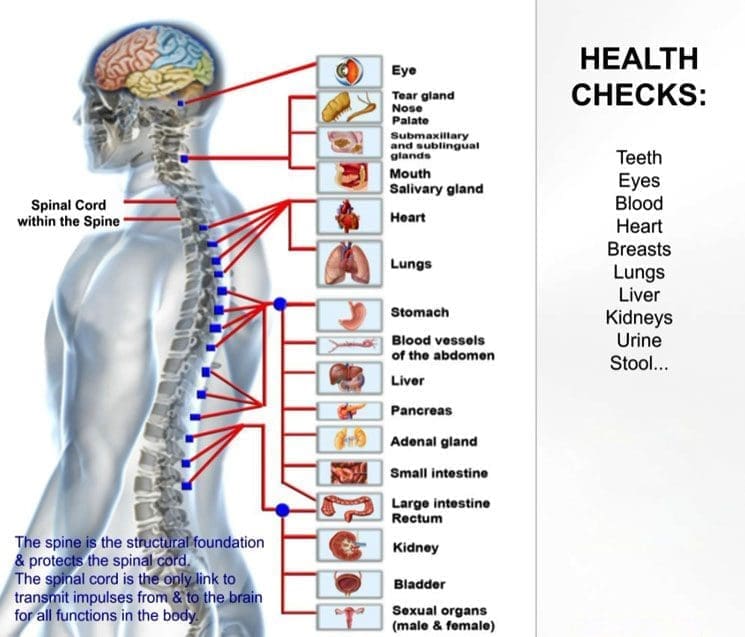
Your spine isn’t just a stack of bones that keeps you standing upright—it’s the protective housing for your spinal cord, a key part of your central nervous system (CNS). The CNS connects your brain to every organ in your body, including your stomach, intestines, and colon. If your spine is misaligned, it can disrupt the flow of nerve signals to your digestive organs, leading to discomfort, irregularity, and other gut-related symptoms (Medical News Today, n.d.).
This concept is not theoretical—it’s something chiropractors and integrative medicine practitioners see every day. A patient might come in for back pain but leave with improved digestion after their spinal alignment is corrected. The reason? Chiropractic care doesn’t just work on muscles and joints—it supports the nervous system, which in turn helps regulate digestive function (Bronson Heritage Chiropractic, n.d.).
Dr. Alexander Jimenez, DC, APRN, FNP-BC, a chiropractor and nurse practitioner in El Paso, has seen this connection in hundreds of patients. “When we restore proper spinal alignment,” he notes, “we’re not just improving posture—we’re improving communication between the brain and the rest of the body, and that includes the digestive system.”
How Spinal Misalignment Impacts Digestive Function
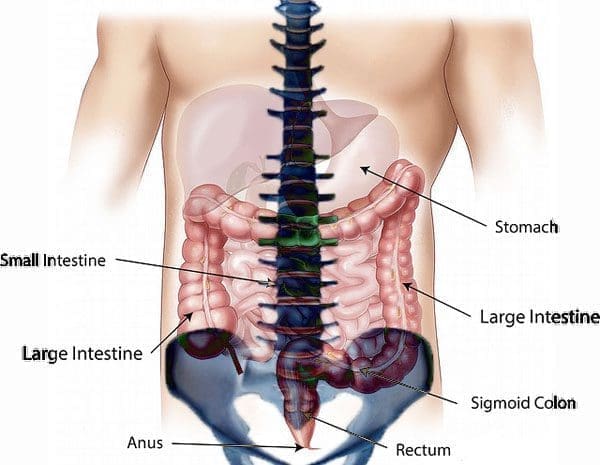
The digestive system works in a coordinated rhythm. Food moves from the stomach into the small intestine, where nutrients are absorbed, and then into the large intestine, where water is absorbed and waste is prepared for elimination. This process depends heavily on signals from the nervous system.
When vertebrae in your spine are out of place—what chiropractors call subluxations—the nerve signals between your brain and your digestive organs can be disrupted. For example:
Thoracic spine misalignments (mid-back) may affect the nerves that control the stomach and small intestine, leading to slowed digestion or bloating.
Lumbar spine misalignments (lower back) can interfere with nerve signals to the large intestine, potentially causing constipation.
Cervical spine misalignments (neck) may impact the vagus nerve, which plays a major role in digestion and gut motility.
When these nerves are compressed or irritated, they can send “mixed signals” to your gut. The result? Food might move too slowly, nutrients may not be absorbed efficiently, and bowel movements can become irregular (Spring Hill Premier Chiro, n.d.).
Dr. Jimenez points out that in many personal injury cases—especially after motor vehicle accidents—patients develop both musculoskeletal pain and unexplained digestive problems. Imaging often reveals spinal misalignments in the same areas that control digestive function. Correcting these issues can significantly improve both pain and gut symptoms.
Scientists and doctors often talk about the gut–brain axis—the constant communication between your brain and digestive system. However, the spinal cord also plays a crucial role in this process. Your brain sends messages to the gut through nerves that pass through the spine. If the spine is misaligned, it can distort or weaken those messages.
The vagus nerve, for example, helps regulate stomach acid production, muscle contractions in the intestines, and the release of digestive enzymes. A misalignment in the neck or upper back can irritate this nerve, leading to symptoms like heartburn, bloating, or sluggish digestion (Imagine Wellness Chiropractic, n.d.).
In Dr. Jimenez’s clinic, patients often report that, along with back pain relief, they notice better digestion after a few chiropractic sessions. This isn’t a coincidence—it’s the body functioning better because the nervous system is no longer being blocked by spinal misalignments (Thorburn Chiro, n.d.).
Bloating and Constipation: When the Spine Is the Culprit
Bloating and constipation are two of the most common digestive complaints in the United States. While dietary factors such as low fiber intake, dehydration, or excessive processed foods often play a role, spinal misalignment can be an under-recognized cause.
The lumbar spine—the lower portion of the back—is especially important for bowel function. Nerves that exit between the lumbar vertebrae communicate directly with the large intestine. If these vertebrae are misaligned, the nerve signals can be weakened or erratic. This disruption can slow down peristalsis, the wave-like muscle contractions that move food and waste through the intestines. Over time, this imbalance leads to constipation and the sensation of abdominal fullness or bloating (Gallatin Disc Center, n.d.).
It’s not just the lower spine that can play a role. The upper cervical spine—the top two vertebrae in the neck—can influence digestion via the vagus nerve. This nerve is a key component of the parasympathetic nervous system, which promotes “rest-and-digest” activity. Misalignment here can trigger issues like constipation, indigestion, and bloating (Roseville Blair Chiro, n.d.).
Dr. Jimenez recalls a patient—a 42-year-old office worker—who had suffered from chronic constipation for over five years. Despite dietary changes and over-the-counter remedies, her symptoms persisted. After a thorough examination, Dr. Jimenez identified misalignments in her lower lumbar spine and upper cervical region. Through a series of chiropractic adjustments and posture-corrective exercises, she experienced significant improvements in bowel regularity within two months.
Chiropractic care focuses on restoring proper spinal alignment, which in turn improves nerve communication between the brain and body. This is particularly important for digestive organs, which rely on constant, clear signals to regulate muscle movement, enzyme production, and fluid balance.
A chiropractic adjustment uses precise, gentle pressure to move misaligned vertebrae back into their correct position. This relieves nerve compression, restores normal motion to the spinal joints, and allows for better nervous system function. Over time, this improved communication can help reduce digestive symptoms such as bloating, constipation, reflux, and abdominal discomfort (Parc of Ontario, n.d.).
Many patients report positive digestive changes after beginning chiropractic care—even if they didn’t originally seek treatment for gut problems. One possible reason is that improved spinal alignment allows the parasympathetic nervous system to dominate, shifting the body away from chronic “fight or flight” stress mode and into “rest and digest” mode, which is essential for healthy bowel function (Artisan Chiro Clinic, n.d.).
Dr. Jimenez frequently integrates chiropractic care with nutritional recommendations and ergonomic advice for patients whose digestive symptoms are linked to poor posture at work. This combination not only addresses spinal misalignment but also prevents future nerve irritation from recurring workplace habits.
Integrative Medicine and Gut Health
The gut is influenced by multiple factors—diet, hydration, stress, posture, and physical activity all play major roles. Dr. Jimenez’s integrative medicine approach considers all these elements. He often incorporates:
Nutritional Counseling: Focusing on anti-inflammatory foods and adequate fiber intake to support bowel regularity.
Stress Management: Teaching breathing exercises and mindfulness techniques to reduce nervous system tension, which can slow digestion.
Postural Training: Helping patients adjust workstations and daily habits to minimize spinal strain.
Rehabilitation Exercises: Strengthening core muscles to support proper spinal alignment and protect nerve function.
Scientific evidence supports this multifaceted strategy. A healthy diet can reduce gut inflammation, restore a balanced microbiome, and support optimal nerve function (Dr. Schaer Institute, n.d.).
Patients who combine chiropractic adjustments with lifestyle changes often experience faster and more lasting relief compared to those who rely on a single intervention.
Rehabilitation Strategies for Long-Term Health
Chiropractic care can be the cornerstone of a digestive health plan, but it works best when paired with other rehabilitation strategies:
Targeted Exercise: Strengthens spinal support muscles, reducing the risk of misalignment and nerve irritation.
Massage Therapy: Relieves muscle tension that can pull the spine out of alignment and indirectly affect nerve pathways to the gut.
Acupuncture: Can stimulate nerve function, improve blood flow to digestive organs, and help regulate bowel movements.
Lifestyle Coaching: Guides patients in making daily choices that support both spinal and gut health, such as proper lifting techniques and balanced meal planning.
This combined approach helps patients maintain spinal stability, reduces inflammation, and keeps the nervous system functioning optimally (Dallas Accident and Injury Rehab, n.d.).
Dr. Jimenez stresses that rehabilitation is not a “quick fix”—it’s a long-term commitment to body alignment and nervous system health. His treatment plans often include re-evaluations every few weeks, with imaging or orthopedic testing to confirm progress.
Conclusion
Spinal misalignment can cause far more than back and neck pain—it can disrupt the nerve pathways that control digestion, leading to bloating, constipation, and other gut health problems. Chiropractic care addresses these root causes by restoring alignment and optimizing nervous system function.
When combined with integrative medicine strategies—nutrition, exercise, stress management, and targeted therapies like massage or acupuncture—patients can achieve better digestive function and improved overall health.
Dr. Alexander Jimenez’s dual role as a chiropractor and nurse practitioner allows him to bridge medical and biomechanical care, providing thorough diagnostic evaluation, effective spinal treatment, and the ability to handle legal documentation for personal injury cases. His approach ensures that patients recover fully—not just symptomatically—by addressing the underlying causes of both spinal and digestive issues.
At ChiroMed – Integrated Medicine in El Paso, TX, we believe in addressing the root causes of health issues to promote holistic healing. A key factor in musculoskeletal health and injury recovery is the gut microbiome, a complex community of microorganisms in your digestive tract. These tiny organisms play a significant role in supporting muscle growth, bone health, and recovery from injuries by regulating simplified nutrient absorption, modulating inflammation, and influencing hormone production. However, an imbalance in the gut, known as dysbiosis, can hinder these processes and contribute to musculoskeletal problems. At ChiroMed, we integrate this cutting-edge science into our personalized treatment plans to help you achieve optimal health.
How the Gut Supports Nutrient Absorption
The gut microbiome is essential for absorbing nutrients that keep your muscles and bones strong. Calcium and vitamin D, critical for bone health, are better absorbed when gut bacteria are balanced (Hsu et al., 2024). These microbes break down food, ensuring your body receives the nutrients it needs for skeletal strength and muscle repair. Short-chain fatty acids (SCFAs), produced by gut bacteria, also enhance bone density, supporting long-term skeletal health without relying solely on supplements (Li et al., 2021).
For muscles, the gut ensures proteins and amino acids are absorbed efficiently, fueling growth and repair after exercise or injury (Harvard Medical School, 2023). At ChiroMed, our nutrition counseling services focus on optimizing gut health to maximize nutrient uptake, helping you build stronger muscles and bones naturally.
Inflammation is a natural part of healing, but excessive inflammation can slow recovery and increase pain. A healthy gut microbiome produces metabolites like SCFAs that reduce inflammation, creating an optimal environment for muscle and bone repair (West Limerick Physiotherapy, 2023). This helps patients at ChiroMed recover faster from injuries, whether from sports, work, or accidents.
When the gut is imbalanced, chronic inflammation can delay healing and worsen musculoskeletal conditions (AstonRX, 2023). Our integrative approach at ChiroMed, including acupuncture and naturopathy, supports gut health to keep inflammation in check, promoting quicker recovery and less pain.
The gut microbiome influences hormone production, which is vital for muscle and bone health. For example, gut bacteria regulate insulin-like growth factor 1 (IGF-1), a hormone that supports muscle growth and repair (Grosicki et al., 2021). A balanced gut also enhances hormonal pathways for calcium metabolism, strengthening bones over time (Yan et al., 2023).
Dysbiosis can disrupt these hormones, leading to weaker muscles and bones, and slower recovery (IAOM-US, 2023). At ChiroMed, our team, led by Dr. Alex Jimenez, incorporates nutrition and integrative medicine to support gut health, ensuring hormones work in your favor for optimal musculoskeletal function.
A healthy gut microbiome supports muscle growth by improving nutrient absorption and reducing inflammation, providing the energy and materials needed for repair (MyProtein, 2023). For bones, gut bacteria enhance calcium and vitamin D uptake, while probiotics can reduce bone loss, especially in conditions like osteoporosis (Taylor & Francis, 2024). At ChiroMed, our rehabilitation programs and chiropractic care work alongside gut-focused nutrition plans to strengthen muscles and bones, helping you stay active and resilient.
The gut microbiome supports injury recovery by reducing inflammation and supplying nutrients for tissue repair (Harvard Medical School, 2023). Gut microbes produce compounds that speed up muscle regeneration, helping you recover faster from sprains, fractures, or strains (Digbi Health, 2023). At ChiroMed, our team uses advanced diagnostics, like X-rays and MRIs, to assess injuries accurately and create tailored recovery plans that incorporate gut health strategies.
An imbalanced gut, however, can slow healing by causing chronic inflammation and nutrient deficiencies (Healio, 2023). Our holistic approach at ChiroMed addresses these issues, combining chiropractic adjustments, massage therapy, and nutrition to
Dysbiosis, or an unhealthy gut microbiome, can disrupt nutrient absorption, increase inflammation, and throw off hormone balance, all of which harm musculoskeletal health (PMC, 2024). This can lead to slower recovery, weaker bones, and increased risk of injuries like fractures (ScienceDirect, 2023). At ChiroMed, we use nutrition counseling and naturopathy to restore gut balance, helping prevent these issues and support long-term wellness.
Dr. Alex Jimenez, DC, APRN, FNP-C, leads ChiroMed with a unique blend of chiropractic and nurse practitioner expertise. Specializing in work, sports, personal, and auto accident injuries, Dr. Jimenez uses advanced imaging and diagnostic tools to create precise, dual-scope diagnoses (Jimenez, 2023a). His ability to handle medical care and legal paperwork for personal injury cases ensures patients receive comprehensive support, from treatment to insurance claims (Jimenez, 2023b).
At ChiroMed, our integrated approach combines chiropractic care, massage therapy, acupuncture, naturopathy, and nutrition counseling to address a wide range of injuries. Chiropractic adjustments restore joint and spine alignment, reducing pain and improving mobility. Massage therapy eases muscle tension, while acupuncture promotes natural healing by targeting pain points. Our nutrition and naturopathy services focus on gut health to reduce inflammation and enhance recovery, preventing long-term complications (Jimenez, 2023c). This comprehensive care ensures patients return to optimal health naturally.
The gut microbiome is a powerful ally in musculoskeletal health and injury recovery, influencing nutrient absorption, inflammation, and hormone production. At ChiroMed – Integrated Medicine, we harness this science through personalized, holistic care to help you heal faster and stay stronger. By combining chiropractic care, integrative medicine, and gut-focused nutrition, we address the root causes of injuries and promote long-term wellness. Visit ChiroMed in El Paso, TX, to experience how our integrated approach can transform your health.
Grosicki, G. J., Fielding, R. A., & Lustgarten, M. S. (2021). The gut microbiota interacts with the musculoskeletal system and can affect muscle growth and development. Nutrients, 13(6), Article 1917. https://pmc.ncbi.nlm.nih.gov/articles/PMC9132697/
Yan, J., Herzog, J., & Tsang, K. (2023). The interaction between GM and dietary minerals are crucial for bone mineralization. Nutrients, 15(9), Article 2066. https://pmc.ncbi.nlm.nih.gov/articles/PMC11062616/
At ChiroMed – Integrated Medicine in El Paso, TX, we believe in treating the whole person, not just symptoms. Our team, led by Dr. Alex Jimenez, DC, APRN, FNP-C, specializes in helping patients detoxify their bodies from environmental toxins using a functional and integrative medicine approach. This holistic method addresses the root causes of health issues, promoting natural healing and long-term wellness.
Environmental toxins, such as air pollutants, pesticides, and heavy metals, can accumulate in the body, leading to inflammation, fatigue, and chronic health problems (Rupa Health, 2023). Our nurse practitioners (NPs) and chiropractic team work together to create personalized detox plans that support the body’s natural cleansing systems, like the liver, kidneys, and skin. By combining chiropractic care, nutrition counseling, acupuncture, and other therapies, we help patients recover from injuries and improve overall health.
Personalized Detox with Functional Medicine
Our NPs, trained in functional medicine, start with a thorough health assessment to understand each patient’s unique needs. This includes evaluating diet, lifestyle, and toxin exposure. For example, we might recommend antioxidant-rich foods like spinach or blueberries to combat toxin-related stress or suggest hydration to support kidney function (YouHolistic, 2023). These tailored plans avoid generic detox fads, ensuring safe and effective results.
We also emphasize lifestyle changes to reduce toxin exposure. Simple steps like choosing natural cleaning products or limiting processed foods can make a big difference (MPCP, 2023). Our NPs guide patients through practices like sweating via exercise or sauna therapy, which helps eliminate toxins through the skin (Lifestyle Matrix, 2023). This comprehensive approach supports the body’s detox pathways while addressing any underlying health concerns.
Dr. Alex Jimenez: Leading Injury Recovery and Detox
Dr. Alex Jimenez, a board-certified nurse practitioner and chiropractor, brings over 25 years of experience to ChiroMed. Specializing in injuries from work, sports, personal accidents, and motor vehicle collisions, he uses a dual-scope approach to diagnose and treat patients (Jimenez, 2023). His expertise allows him to connect injuries to their causes, such as linking back pain to a workplace strain or a car accident.
Using advanced imaging like X-rays and MRIs, Dr. Jimenez identifies issues like herniated discs or joint misalignments with precision. His treatment protocols combine chiropractic adjustments, nutrition counseling, and detox strategies to reduce inflammation and promote healing (Jimenez, 2023). For personal injury cases, he also provides detailed medical reports for legal purposes, helping patients navigate insurance claims or lawsuits with ease.
At ChiroMed, we offer a range of therapies to support recovery and detoxification. Chiropractic care realigns the spine and joints, relieving pain from injuries like whiplash or sprains. Massage therapy boosts circulation and reduces muscle tension, aiding toxin removal (Cutler Integrative Medicine, 2023). Acupuncture targets pain points to stimulate natural healing, ideal for chronic pain or nerve issues.
Our integrative medicine approach includes nutrition counseling to support detox and overall health. For example, a diet rich in fiber helps the digestive system eliminate toxins, while stress management techniques reduce the body’s toxin load (Institute for Functional Medicine, 2023). This combination addresses a wide range of injuries, prevents long-term complications, and enhances patient well-being.
ChiroMed’s NPs guide patients through evidence-based detox strategies that enhance the body’s natural cleansing systems. The liver and kidneys filter toxins, but they can become overwhelmed by environmental pollutants (Mississippi DATC, 2023). We support these organs with targeted nutrition, hydration, and therapies like acupuncture. Dr. Jimenez’s clinical observations show that reducing toxin exposure speeds up injury recovery by lowering inflammation (Jimenez, 2023).
We also encourage practices like exercise or heat therapy to promote sweating, a natural detox method (Lifestyle Matrix, 2023). By educating patients on avoiding toxins—like cutting back on alcohol or chemical exposure—we empower them to maintain long-term health. This personalized, science-backed approach ensures safe and effective detoxification.
ChiroMed – Integrated Medicine stands out in El Paso for its holistic approach to health. Our team, including Dr. Jimenez and licensed therapists like Helen Wilmore and Kristina Castle, works together to create personalized care plans. We combine chiropractic care, acupuncture, massage therapy, and functional medicine to address injuries, chronic pain, and environmental toxin exposure.
Our comfortable clinic feels like a wellness center, and our experienced staff ensures every patient receives top-quality care. Whether you’re recovering from an auto accident or seeking to detox for better health, ChiroMed helps you set and achieve therapy goals for lasting results.
ChiroMed – Integrated Medicine in El Paso, TX, offers a unique blend of functional medicine, chiropractic care, and holistic therapies to support environmental detoxification and injury recovery. Led by Dr. Alex Jimenez, our team creates personalized plans to help patients eliminate toxins, heal from injuries, and achieve optimal health. By addressing root causes and promoting natural healing, we empower our patients to thrive in a toxin-filled world.
After a car accident, most people expect neck or back pain—but few realize that digestive issues like bloating, cramps, or stomach discomfort may also follow. These symptoms may not seem related at first, but they often have a surprising connection to the spine and nervous system. Chiropractors help support gut health after motor vehicle accidents by correcting musculoskeletal imbalances and improving the body’s ability to heal itself.
Chiropractic care focuses on spinal alignment and nervous system balance, which can improve communication between the brain and the digestive organs. Although chiropractors do not directly treat gut conditions, their work can significantly enhance the functioning of the digestive system, particularly when combined with integrative care.
How Car Accidents Impact the Gut
Car accidents often cause physical trauma to the spine, abdomen, or musculoskeletal system. Seatbelts and airbag pressure, for instance, can lead to direct abdominal injuries or internal strain. However, in many cases, gut symptoms appear later—often due to nerve interference, inflammation, or stress.
Damage to spinal nerves, particularly in the thoracic and lumbar regions, can impair digestive processes. These nerves regulate functions like bowel movement, acid secretion, and nutrient absorption. Misalignments (called subluxations) can compress these nerves, triggering issues such as bloating, gas, or irregularity.
Additionally, trauma can push the body into a constant stress response, where the “fight or flight” system dominates. This causes blood to move away from the digestive system and slows digestion. If the spine remains misaligned or the nervous system remains out of balance, symptoms may persist long after the crash.
Chiropractic adjustments help restore spinal health, a factor that plays a significant role in gut function. Spinal nerves exit the vertebrae and connect to every organ, including the stomach, liver, pancreas, and intestines. When these nerves are pinched or inflamed, they can’t transmit signals effectively, leading to digestive dysfunction.
By gently adjusting the spine, chiropractors reduce nerve pressure and improve communication between the brain and the body. In some cases, patients report reduced bloating, improved bowel movements, and decreased abdominal pain once their alignment is restored. These improvements may occur gradually, depending on the severity of the injury.
Chiropractors treat the root cause of pain and dysfunction—not just the symptoms. For post-accident patients, this means identifying and correcting spinal misalignments that interfere with digestion. Here’s how chiropractic can help:
Improve nerve flow to the digestive organs
Reduce inflammation that affects the gut lining and nerve tissue
Enhance mobility in the thoracic and lumbar spine
Support autonomic balance, including the parasympathetic system that controls digestion
At ChiroMed-style clinics, chiropractic care is often integrated with other therapies like physical therapy, nutritional guidance, and stress management. Together, these strategies offer a whole-body approach to healing from internal and external injuries caused by car crashes.
Dr. Alexander Jimenez’s Clinical Insight: Dual-Scope Care
Dr. Alexander Jimenez, DC, APRN, FNP-BC, is a leader in integrative care for patients involved in car accidents. Based in El Paso, he is both a chiropractor and a licensed nurse practitioner, giving him a unique ability to combine musculoskeletal and medical evaluations.
Dr. Jimenez uses spinal assessments and diagnostic imaging to pinpoint how injuries affect the nervous system and internal organs. For patients with digestive symptoms, he checks for specific spinal misalignments, inflammation, and signs of autonomic dysregulation. His clinic frequently collaborates with attorneys and insurance teams to provide the necessary documentation for personal injury claims.
He explains, “When the spine is compromised, the entire system suffers. Patients with stomach pain, acid reflux, or IBS-like symptoms after a car accident may be experiencing the effects of spinal nerve interference. Chiropractic care, when used as part of a broader recovery plan, can help restore the balance needed for digestion.”
Whiplash injuries, common in rear-end collisions, often cause more than neck pain. The force can strain the cervical spine and affect the vagus nerve—a key regulator of digestion. Disruption of this nerve can lead to nausea, heartburn, and changes in appetite.
Chiropractors carefully examine the upper spine for signs of misalignment or nerve impingement. Realigning the cervical spine helps restore vagal tone, which may improve digestive stability. A properly functioning nervous system enables the gut to return to its normal rhythm after trauma.
It’s common for patients to turn to antacids or laxatives after a crash—but these may only mask the symptoms. They don’t solve the underlying nerve interference or spinal damage caused by the accident.
Chiropractic care takes a different route. It works with the body’s structure and nervous system to address imbalances from within. By promoting better posture, alignment, and motion, chiropractic care supports natural healing without relying on medication in the long term.
At clinics like ChiroMed, recovery is never one-size-fits-all. Chiropractic care is often combined with other treatments like:
Massage therapy to relax tense abdominal and spinal muscles
Nutritional counseling to reduce gut inflammation
Physical therapy for core stability and posture
Mind-body techniques like breathing exercises or mindfulness to manage stress
This holistic model fosters an environment that allows the digestive system to recover from trauma. In cases of severe injury, patients may also be referred to specialists in gastroenterology or internal medicine for further evaluation and treatment.
The earlier chiropractic care begins, the better the outcomes will be. Even small misalignments after an accident can lead to bigger problems down the road, including chronic back pain, fatigue, or recurring digestive issues.
By identifying and correcting imbalances early, chiropractors help reduce inflammation and support the body’s natural healing. This can also prevent scar tissue from building up and reduce the risk of long-term complications. In clinics like ChiroMed, timely care encompasses physical exams, imaging referrals, and individualized recovery plans.
Legal Benefits: Medical-Legal Support in Injury Cases
In addition to health support, chiropractors experienced in personal injury care—like Dr. Jimenez—provide essential documentation for legal cases. After a car accident, detailed medical records can help establish cause, severity, and treatment needs.
Patients at integrated clinics often receive:
Comprehensive exam findings
Spinal imaging reports
Functional assessments
Written treatment plans for attorneys
This paperwork is crucial for insurance claims and legal processes, especially when digestive or internal symptoms develop days after the accident. Chiropractors trained in medical-legal coordination can help patients obtain the care and compensation they need.
Conclusion: Spinal Health, Gut Recovery, and Whole-Body Healing
Digestive problems after a car accident may be unexpected, but they are more common than many realize. The nervous system closely connects the gut and spine, and a disruption in spinal alignment often leads to digestive problems.
Chiropractors play a supportive role in recovery by improving spinal alignment, reducing inflammation, and enhancing nerve communication. At integrative clinics like ChiroMed, chiropractic care is part of a comprehensive recovery plan that addresses both visible injuries and underlying challenges following a collision.
With proper evaluation and care—especially from experts like Dr. Alexander Jimenez—patients can regain not only their mobility but also their digestive balance and overall health.
Car accidents, also known as motor vehicle accidents (MVAs), can cause a range of injuries, from visible cuts and bruises to hidden internal damage. One area often overlooked is the gastrointestinal (GI) system, which can suffer significant harm due to blunt force trauma or seatbelt-related injuries. These injuries may not exhibit symptoms immediately, making them difficult to detect without proper medical attention. Fortunately, nurse practitioners, chiropractors, acupuncturists, and integrative medicine specialists can collaborate to diagnose and treat these issues, enabling patients to recover fully. This post examines how MVAs impact the GI system, the specific injuries that can result, and how a combination of medical and holistic treatments can help restore health. We’ll also highlight the importance of dual-scope diagnosis and integrative care in addressing these complex injuries, drawing on clinical insights from Dr. Alexander Jimenez, a nurse practitioner and chiropractor in El Paso, Texas.
How Motor Vehicle Accidents Affect the Gastrointestinal System
The GI system, which includes organs like the stomach, intestines, liver, spleen, and pancreas, is vulnerable during a car accident. The sudden force of a crash can cause internal damage, even if there are no external signs of injury. Blunt force trauma—when the body is struck by or slams into an object like a steering wheel or dashboard—can harm internal organs. Seatbelts, while life-saving, can also contribute to abdominal injuries by applying intense pressure to the torso during a collision.
Delayed symptoms are common with GI injuries. For example, stomach pain, nausea, or diarrhea might not appear until hours or days after the accident. This delay can make it hard for victims to connect their symptoms to the crash, which is why medical evaluation is critical. If left untreated, GI injuries can lead to serious complications like internal bleeding, organ rupture, or sepsis.
Common GI Injuries from MVAs
Abdominal Wall Injuries: Contusions, lacerations, or hernias can occur when the abdominal wall is compressed or struck. These injuries may cause localized pain or swelling but can also mask deeper damage (Plaxen & Adler, 2024).
Organ Damage: The liver, spleen, and intestines are particularly at risk. Blunt trauma can cause tears or ruptures, leading to internal bleeding. For instance, delayed splenic rupture is a known risk after MVAs (UpToDate, n.d.).
Gastrointestinal Distress: Even without visible organ damage, the GI system can be disrupted. Symptoms like stomach pain, bloating, or irregular bowel movements may result from inflammation or stress responses triggered by the accident (Maguire Law Firm, n.d.).
Seatbelt Syndrome: This refers to injuries caused by the seatbelt’s pressure on the abdomen. It can lead to bruising, internal bleeding, or damage to organs like the intestines or pancreas (PMC, 2012).
Pelvic and Abdominal Injuries: Trauma to the pelvic region can affect the lower GI tract, causing pain or dysfunction in the intestines or bladder (Patterson Personal Injury, n.d.).
Research shows that abdominal injuries are common in MVAs, with one study finding that 10% of front-seat passengers in crashes sustain abdominal trauma (PMC, 2012). Another analysis of 50,000 crash victims reported a significant number of blunt abdominal injuries, particularly among unrestrained passengers (BMC Emergency Medicine, 2024). These statistics demonstrate the value of comprehensive medical evaluations following an accident.
Why GI Injuries Are Dangerous
GI injuries are concerning because they can escalate quickly. A small tear in the intestines, for example, can lead to peritonitis (infection in the abdominal cavity) if bacteria leak out. Similarly, a ruptured spleen can cause life-threatening internal bleeding. Symptoms like a rigid or hard stomach, fever, or severe pain are red flags that require immediate attention (Lorfing Law, n.d.). Even less severe issues, such as chronic stomach pain or disrupted digestion, can significantly impact quality of life if left unaddressed.
Diagnosing GI injuries requires a combination of clinical expertise and advanced tools. Dr. Alexander Jimenez, a nurse practitioner and chiropractor in El Paso, emphasizes the importance of a dual-scope approach—combining medical and chiropractic perspectives—to effectively identify and treat these injuries. His clinical observations, shared through platforms like dralexjimenez.com and chiromed.com, underscore the importance of thorough assessments to detect hidden damage.
Diagnostic Assessments
Physical Exams: A healthcare provider will examine the patient for signs of abdominal tenderness, rigidity, or bruising. These can indicate internal bleeding or organ damage (Fletcher Law USA, n.d.).
Patient History: Understanding the accident’s details (e.g., speed, impact direction, seatbelt use) helps clinicians predict likely injuries. Dr. Jimenez notes that patients often downplay symptoms, so a detailed history is crucial.
Symptom Monitoring: Symptoms like delayed stomach pain, nausea, or changes in bowel habits are red flags. Nurse practitioners are trained to recognize these as potential signs of GI trauma (Michigan Auto Law, n.d.).
Advanced Imaging
Imaging is essential for confirming GI injuries. Common tools include:
CT Scans: These provide detailed images of the abdomen, revealing organ damage or internal bleeding. They’re often the first choice in trauma cases (UpToDate, n.d.).
Ultrasounds: Used to detect fluid buildup or organ injuries, especially in emergency settings.
X-rays: Helpful for identifying fractures or foreign objects, but less effective for soft tissue damage.
MRI: Used in complex cases to assess soft tissue or spinal involvement, which can contribute to GI symptoms (Jimenez, n.d.).
Dr. Jimenez’s dual training as a nurse practitioner and chiropractor allows him to interpret these tests with a holistic view. For example, he might notice spinal misalignments on an MRI that could be contributing to nerve-related GI issues, which a purely medical approach might miss. His ability to correlate imaging with clinical findings ensures accurate diagnoses.
Challenges in Diagnosis
GI injuries can be tricky to diagnose because symptoms often mimic less serious conditions, like stress or indigestion. Dr. Jimenez stresses the importance of not dismissing vague symptoms, as they could signal serious issues like internal bleeding or organ perforation (Jimenez, n.d.). His integrative approach combines medical diagnostics with chiropractic assessments to address both the injury and its ripple effects on the body.
Treating GI injuries from MVAs requires a multi-faceted approach. While severe cases (e.g., organ rupture) may need surgery, many patients benefit from non-invasive treatments provided by nurse practitioners, chiropractors, acupuncturists, and integrative medicine specialists. Dr. Jimenez’s practice exemplifies this, combining medical care with holistic therapies to address both symptoms and underlying causes.
Nurse Practitioners: Coordinating Care
Nurse practitioners (NPs) play a key role in managing GI injuries. As primary care providers, they:
Order and Interpret Tests: NPs like Dr. Jimenez order CT scans or blood tests to confirm diagnoses.
Prescribe Medications: They may use pain relievers, anti-inflammatories, or antibiotics to manage symptoms or prevent infections.
Coordinate Referrals: If surgery or specialist care is needed, NPs ensure patients see the right providers (Jimenez, n.d.).
NPs also educate patients about their condition, helping them understand why symptoms like diarrhea or bloating persist and what steps can be taken to alleviate them.
Chiropractic Care: Addressing Structural Issues
Chiropractic care is especially effective for addressing the musculoskeletal and neurological effects of MVAs that contribute to GI issues. Dr. Jimenez explains that spinal misalignments (subluxations) from a crash can disrupt nerve signals to the GI system, causing symptoms like bloating or irregular digestion. Chiropractic adjustments can:
Restore Alignment: Correcting spinal misalignments improves nerve function, which may alleviate GI distress.
Reduce Inflammation: Adjustments can reduce systemic inflammation, aiding overall recovery.
Improve Mobility: Restoring movement in the spine and pelvis can relieve pressure on abdominal organs (Jimenez, n.d.).
A study on chiropractic care for post-traumatic injuries found that it significantly reduced pain and improved function in accident victims (PMC, 2011).
Acupuncture: Managing Pain and Stress
Acupuncture, a cornerstone of integrative medicine, uses thin needles to stimulate specific points on the body. It’s effective for:
Pain Relief: Acupuncture can reduce abdominal pain by releasing endorphins and calming the nervous system.
Stress Reduction: MVAs often cause anxiety, which can worsen GI symptoms. Acupuncture helps regulate the body’s stress response.
Improved Digestion: By targeting points linked to the GI system, acupuncture can ease nausea or bloating (Smith & Hassler, n.d.).
Research supports acupuncture’s role in managing chronic pain and stress-related GI issues, making it a valuable tool for MVA recovery (PMC, 2011).
Integrative Medicine: A Holistic Approach
Integrative medicine combines conventional treatments with complementary therapies like nutrition, herbal remedies, and physical therapy. For GI injuries, integrative approaches might include:
Nutritional Counseling: A diet rich in anti-inflammatory foods (e.g., leafy greens, omega-3s) can support healing. Dr. Jimenez often advises patients to avoid processed foods that irritate the GI tract.
Herbal Supplements: Remedies like ginger or peppermint can soothe digestion.
Physical Therapy: Gentle exercises can strengthen the abdominal muscles and improve circulation, aiding recovery (Bryant PSC, n.d.).
Dr. Jimenez’s practice integrates these therapies, tailoring plans to each patient’s specific needs. His ability to combine medical knowledge with holistic care ensures comprehensive and personalized treatment.
Dr. Alexander Jimenez: A Unique Approach to MVA Recovery
Dr. Alexander Jimenez stands out in the field of auto accident recovery due to his dual credentials as a nurse practitioner (APRN, FNP-BC) and chiropractor (DC). Based in El Paso, Texas, he specializes in treating MVA victims, with a focus on complex injuries like those affecting the GI system. His practice, detailed on dralexjimenez.com and chiromed.com, combines medical precision with chiropractic expertise, offering a model for integrative care.
Dual-Scope Diagnosis and Treatment
Dr. Jimenez’s dual training allows him to approach injuries from two angles:
Medical Perspective: As a nurse practitioner, he diagnoses conditions using lab tests, imaging, and clinical exams. He can prescribe medications or refer patients to surgeons if needed.
Chiropractic Perspective: As a chiropractor, he assesses how structural issues, like spinal misalignments, contribute to symptoms. This is critical for GI injuries, as nerve compression can mimic or worsen digestive issues (Jimenez, n.d.).
This dual-scope approach ensures no aspect of the injury is overlooked. For example, a patient with stomach pain might have both a bruised intestine (detected via CT scan) and a misaligned spine (identified through a chiropractic examination). Dr. Jimenez can treat both, addressing the root causes rather than just the symptoms.
Handling Medical and Legal Aspects
MVA cases often involve insurance claims or lawsuits, requiring detailed medical documentation. Dr. Jimenez’s expertise as a nurse practitioner allows him to:
Provide Accurate Reports: He creates thorough medical records that detail the injury, treatment plan, and prognosis, which are essential for legal cases.
Testify as an Expert: His credentials make him a credible witness in court, helping patients secure fair compensation.
Navigate Insurance: He ensures treatments are properly coded and documented to maximize insurance coverage (LinkedIn, n.d.).
This combination of medical and legal skills is rare and invaluable for MVA victims.
Improving Overall Health
Dr. Jimenez’s integrative approach goes beyond symptom relief. By addressing structural, neurological, and nutritional factors, he helps patients achieve long-term health and well-being. For example, a patient with GI issues might receive chiropractic adjustments to restore nerve function, acupuncture to reduce pain, and a diet plan to support gut healing. This holistic strategy not only treats the injury but also improves overall wellness, reducing the risk of chronic issues (Jimenez, n.d.).
Recovering from GI injuries after an MVA takes time and a proactive approach. While acute injuries may heal within weeks, chronic symptoms, such as digestive issues or pain, can persist. Integrative care, as practiced by Dr. Jimenez, focuses on long-term recovery by:
Monitoring Progress: Regular check-ups ensure injuries are healing properly and catch any new symptoms early.
Lifestyle Changes: Patients are encouraged to adopt healthy habits, such as regular exercise and stress management, to support their recovery.
Preventive Care: Chiropractic adjustments and acupuncture can prevent future issues by maintaining spinal health and reducing stress (The Barnes Firm, n.d.).
Patients should also be aware of warning signs, such as persistent pain or changes in bowel habits, and seek prompt care if they occur. By combining medical treatment with holistic therapies, patients can achieve a full recovery and reduce the risk of complications.
Motor vehicle accidents can cause significant damage to the gastrointestinal system, from organ injuries to chronic digestive issues. These injuries, often caused by blunt force trauma or seatbelt pressure, require careful diagnosis and comprehensive treatment. Nurse practitioners, chiropractors, acupuncturists, and integrative medicine specialists offer a powerful combination of therapies to address both the injury and its broader effects on the body. Dr. Alexander Jimenez’s dual expertise as a nurse practitioner and chiropractor exemplifies this approach, using advanced diagnostics, chiropractic care, and holistic treatments to help patients recover fully. By addressing the root causes of injuries and supporting overall health, integrative care provides a path to lasting recovery for MVA victims.
Wozniak, M., & Trus, T. (2022). Abdominal injuries in road traffic accidents – autopsy study. Journal of Forensic Medicine and Toxicology, 39(1), 15-20. https://doi.org/10.5958/0974-0848.2022.00004.8
Zinzuwadia, A., & Brohi, K. (2011). Chiropractic and acupuncture in trauma care. Journal of Manipulative and Physiological Therapeutics, 34(9), 615-622. https://doi.org/10.1016/j.jmpt.2011.09.004
Motor vehicle accidents (MVAs) are more than just a momentary disruption—they can have far-reaching effects on your health, particularly your gut. While the immediate concern after a car crash often centers on visible injuries like broken bones or whiplash, the impact on your digestive system and overall gut health can be profound and frequently overlooked. From physical trauma to the belly to the stress and medications that follow, MVAs can disrupt the delicate balance of your gut-brain axis, leading to abdominal pain, internal hemorrhaging, and long-term gastrointestinal issues. This blog post examines the impact of MVAs on gut health, drawing on clinical insights from Dr. Alexander Jimenez, a renowned chiropractor and nurse practitioner in El Paso, Texas, as well as other credible sources. We’ll also discuss the connection to musculoskeletal pain, the role of advanced diagnostics, and the importance of seeking timely medical and legal support.
How Motor Vehicle Accidents Affect Gut Health
Physical Trauma to the Abdomen
One of the most direct ways an MVA can impact gut health is through physical trauma to the abdomen. The force of a collision, especially in high-velocity accidents, can cause blunt or penetrating injuries to the digestive organs. Blunt trauma, such as from a seatbelt or steering wheel, may lead to internal hemorrhaging, organ rupture, or damage to the intestines (MDSearchlight, n.d.). Although less common, penetrating injuries can occur when sharp objects puncture the abdominal cavity, which may lead to severe complications such as peritonitis or sepsis.
Immediate symptoms of abdominal trauma may include sharp pain, bruising, or swelling, but some injuries manifest hours or days later. Delayed stomach pain after a car accident is a concerning symptom that could indicate internal bleeding, organ damage, or a hematoma (AICA Orthopedics, 2024). For example, a bruised liver or spleen may not cause noticeable symptoms right away but can lead to life-threatening complications if untreated. Dr. Alexander Jimenez, a board-certified chiropractor and nurse practitioner, emphasizes the importance of thorough medical evaluations following an accident to rule out potential injuries. (Jimenez, 2025).
The emotional toll of an MVA can be just as damaging to gut health as physical injuries. The gut-brain axis, a bidirectional communication network between the brain and the gastrointestinal system, is highly sensitive to stress and trauma (Khiron Clinics, n.d.). The shock, fear, and anxiety following a car accident can trigger a stress response, releasing cortisol and other stress hormones that disrupt gut motility, increase inflammation, and alter the gut microbiota.
Chronic stress from an MVA, especially if it leads to post-traumatic stress disorder (PTSD), can exacerbate gastrointestinal issues like irritable bowel syndrome (IBS), constipation, or diarrhea (Janicek Law, n.d.). Dr. Jimenez notes that stress-related gut disturbances are common among his patients in El Paso, where he uses functional medicine to address these issues through nutrition and stress management protocols (Jimenez, 2025).
Jimenez, A. (2025). Functional medicine and chiropractic care. https://chiromed.com/
Adverse Effects of Medications
Post-accident treatment often involves medications like painkillers, anti-inflammatories, or antibiotics, which can have significant side effects on the gut. Nonsteroidal anti-inflammatory drugs (NSAIDs), commonly prescribed for pain, can irritate the stomach lining, leading to ulcers, gastritis, or bleeding (Gastroenterology Advisor, 2024). Opioids, used for severe pain, can slow gut motility, causing constipation or even opioid-induced bowel dysfunction.
Antibiotics, sometimes administered to prevent infection after surgery or injury, can disrupt the gut microbiota, reducing beneficial bacteria and increasing the risk of conditions like Clostridium difficile infection (PMC, 2018). Dr. Jimenez advocates for nutritional interventions to restore gut flora and minimize medication-related damage, integrating probiotics and anti-inflammatory diets into his treatment plans (Jimenez, 2025).
MVAs are a leading cause of musculoskeletal injuries, particularly to the back and neck. Whiplash, herniated discs, and soft tissue damage are common, and these injuries can indirectly affect gut health through viscerosomatic reflexes, where pain in one part of the body influences another (Jimenez, 2025). For instance, chronic back pain can alter posture and muscle tension, impacting abdominal organs and contributing to digestive issues.
Dr. Jimenez’s dual expertise as a chiropractor and nurse practitioner allows him to address both the musculoskeletal and systemic effects of MVAs. His clinic in El Paso uses spinal adjustments, functional strength training, and advanced diagnostics to restore mobility and reduce pain, which in turn supports gut health by alleviating stress and improving nerve function (Jimenez, 2025). Patients with neck or back pain often report secondary symptoms like nausea or bloating, underscoring the interconnectedness of these systems.
In severe MVAs, traumatic brain injuries (TBIs) can further complicate gut health. TBIs disrupt the connection between the gut and the brain by altering how nerves transmit signals, which can upset the balance of gut bacteria and increase gut permeability, often referred to as a “leaky gut.” This can cause systemic inflammation, worsening digestive symptoms, and potentially contribute to mental health issues like anxiety or depression.
Dr. Jimenez’s integrative approach includes assessing neurological and gastrointestinal symptoms in TBI patients, using blood panels and imaging to identify underlying dysfunctions (Jimenez, 2025). By addressing both the brain and gut, he helps patients achieve comprehensive recovery.
Dr. Alexander Jimenez, based in El Paso, Texas, is a leading expert in treating MVA victims, combining chiropractic care with nurse practitioner-driven medical management. His clinic, Injury Medical & Chiropractic Clinic, utilizes advanced imaging techniques (such as X-rays and MRIs) and dual-scope procedures (combining musculoskeletal and systemic assessments) to accurately diagnose injuries. (Jimenez, 2025). These tools are critical for identifying hidden injuries, such as internal hemorrhaging or subtle spinal misalignments, that may contribute to gut issues.
His diagnostic assessments, including the Living Matrix Functional Medicine Assessment, help uncover the root causes of health problems, from biomechanical misalignments to metabolic imbalances (Jimenez, 2025). This comprehensive approach ensures that treatment plans address both immediate symptoms and long-term health.
Balancing Medical and Legal Needs
In personal injury cases, accurate documentation is crucial for legal claims. Dr. Jimenez’s detailed reports, supported by diagnostic evidence, provide the necessary medical records for insurance settlements and lawsuits (Jimenez, 2025). His dual licensure allows him to bridge the gap between clinical care and legal requirements, ensuring patients receive both effective treatment and fair compensation.
What to Do If You Experience Stomach Pain After an MVA
If you experience stomach pain, diarrhea, or other digestive issues after a car accident, take these steps:
Seek Immediate Medical Attention: Visit a healthcare provider to rule out serious injuries like internal bleeding or organ damage (Michigan Auto Law, n.d.).
Document Symptoms: Keep a detailed record of your symptoms, including when they started and their severity, to support medical and legal claims.
Consult a Specialist: A chiropractor, such as Dr. Jimenez, with expertise in MVAs, can provide non-invasive treatments to address both musculoskeletal and gut-related issues. (Chiropractor Snellville, n.d.).
Consider Functional Medicine: Nutritional and stress management interventions can help restore gut health (The Barnes Firm, n.d.).
Work with a Personal Injury Attorney: Legal support ensures you receive compensation for medical expenses and pain and suffering.
Motor vehicle accidents can have a profound impact on gut health, affecting everything from physical digestion to mental well-being. Through physical trauma, stress, and medication side effects, MVAs disrupt the gut-brain axis and can lead to serious complications if not addressed. Dr. Alexander Jimenez’s integrative approach in El Paso, combining chiropractic care, functional medicine, and advanced diagnostics, offers a comprehensive solution for MVA victims. By addressing both the physical and systemic effects of these injuries, he helps patients recover fully while providing the documentation needed for legal claims. If you’ve been in a car accident, don’t ignore symptoms like stomach pain or digestive issues—seek medical attention promptly to protect your health and future.
Can incorporating sauerkraut into one’s diet help promote healthy gut bacteria?
Sauerkraut
Sauerkraut, a fermented cabbage food, is a great source of probiotics and fiber, both of which can contribute to gut health. It’s a living food containing various microbial strains and can help improve digestion, reduce inflammation, and improve overall gut health. (Shahbazi R. et al., 2021)
Fermented foods like sauerkraut have live cultures that promote the growth of beneficial probiotics, bacteria that provide powerful health benefits. Probiotics also help make foods more digestible, increasing the gut’s ability to absorb the vitamins and minerals they contain. A study found that fermented cabbage may help protect intestinal cells from inflammatory damage more than raw cabbage. (Wei L., & Marco M. L., 2025)
Homemade sauerkraut likely contains more live cultures than store-bought since processing may destroy some of the healthy bacteria. (National Institutes of Health Office of Dietary Supplements, 2023) Depending on which supplement is chosen, sauerkraut may have a greater diversity of probiotic strains. This is because an oral supplement has a known quantity and strain of probiotics. Individuals who want to add probiotics to their diet for potential gut health benefits should take a food-first approach, which is generally recommended over oral supplements. (National Institutes of Health, 2025)
Look at the Benefits
Probiotics
Sauerkraut contains lactic acid bacteria, which are beneficial bacteria that can help support the immune system and reduce inflammation. (Healthline, 2023)
Fiber
Sauerkraut is a robust source of fiber, which aids in digestion and can help you feel full longer.
Digestion
The probiotics in sauerkraut can improve digestion by promoting a healthy gut microbiome. (Medical News Today, 2023)
Consult with a doctor before adding sauerkraut to your diet if you are taking monoamine oxidase inhibitors (MAOIs).
Start small and learn how you like to eat sauerkraut, which can be as a condiment, side dish, or sandwich ingredient.
Injury Medical Chiropractic and Functional Medicine Clinic
As a Family Practice Nurse Practitioner, Dr. Jimenez combines advanced medical expertise with chiropractic care to address various conditions. Injury Medical Chiropractic and Functional Medicine Clinic works with primary healthcare providers and specialists to develop highly effective treatment plans through an integrated approach for each patient and restore health and function to the body through nutrition and wellness, functional medicine, acupuncture, electroacupuncture, and integrated medicine protocols. We focus on what works for you to relieve pain, restore function, prevent injury, and mitigate issues through adjustments that help the body realign itself. The clinic can also work with other medical professionals to integrate a treatment plan to resolve musculoskeletal problems.
Body In Balance: Chiropractic, Fitness, and Nutrition
References
Shahbazi, R., Sharifzad, F., Bagheri, R., Alsadi, N., Yasavoli-Sharahi, H., & Matar, C. (2021). Anti-Inflammatory and Immunomodulatory Properties of Fermented Plant Foods. Nutrients, 13(5), 1516. https://doi.org/10.3390/nu13051516
Healthline. (2023). 8 Surprising Benefits of Sauerkraut (Plus How to Make It). https://www.healthline.com/nutrition/benefits-of-sauerkraut#nutrients
Medical News Today. (2023). What are the benefits of eating sauerkraut? https://www.medicalnewstoday.com/articles/health-benefits-of-sauerkraut
Wei, L., & Marco, M. L. (2025). The fermented cabbage metabolome and its protection against cytokine-induced intestinal barrier disruption of Caco-2 monolayers. Applied and environmental microbiology, e0223424. Advance online publication. https://doi.org/10.1128/aem.02234-24
National Institutes of Health Office of Dietary Supplements. (2023). Probiotics. Retrieved from https://ods.od.nih.gov/factsheets/Probiotics-Consumer/
National Institutes of Health. (2025). Probiotics. Retrieved from https://ods.od.nih.gov/factsheets/Probiotics-HealthProfessional/
U.S. Department of Agriculture. (2018). Sauerkraut, canned, solids and liquids. Retrieved from https://fdc.nal.usda.gov/food-details/169279/nutrients
For individuals dealing with digestive issues and conditions, can incorporating Tai Chi help improve gut health?
Tai Chi For Gut Health
Tai Chi is an exercise that has been referred to as moving meditation. The practice is rooted in Chinese medicine, which fuses martial arts and meditation. The art of Tai Chi is used to improve physical health. It can also positively impact gut health by improving digestive function, reducing inflammation, and influencing the gut microbiota composition. The slow, controlled movements and deep breathing can stimulate abdominal and pelvic organs, promoting digestion. Additionally, it has been shown to reduce inflammation in the gut and increase the diversity of gut bacteria, including beneficial butyrate-producing bacteria. (Kang D., Wang X., & Wang J., 2023)
Types
The idea is to slow down your mind and body by repeating rhythmic choreography and breathwork for about 30 to 60 minutes, culminating in finding a sense of inner peace and tranquility.
Primary Forms/Styles
These include Chen, Yang, Wu, Sun, and Wu/Hao. Each follows the same origins and principles with variations. (Tai Chi for Health Institute, 2007)
Chen Style
Considered the oldest and original style, the Chen style is characterized by explosive power, low stances, and a combination of fast and slow movements, including jumping, kicking, and striking.
Chen also utilizes a movement called “silk reeling,” a spiral-esque, flowing movement that starts at the feet and moves into the hands.
Yang Style
Yang is often considered the most popular form of Tai Chi and is practiced worldwide.
Yang Tai Chi focuses more on improving flexibility through grand, sweeping movements executed slowly and gracefully.
Wu Style
Wu Tai Chi emphasizes small, compact movements and a medium stance. Its focus is on extending the body by leaning forward and backward.
Sun Style
Sun Tai Chi combines elements of Tai Chi, Xing Yi, and Ba Gua, resulting in a unique style with fluid, circular movements.
Hao Style
This style is characterized by small-frame movements focusing on accurate position and internal strength.
Tai Chi can indirectly benefit gut health by reducing stress levels.
Its emphasis on slow movements and deep breathing can help reduce stress.
Combining meditative practices with physical movement can help calm the mind, improve focus, and even trigger the release of endorphins.
Improved Digestion
Gentle, flowing movements, particularly those involving the diaphragm, can massage and stimulate the abdominal and pelvic organs, aiding the digestive process.
Reduced Inflammation
Tai Chi can help reduce gut inflammation, a common issue in conditions like inflammatory bowel disease (IBD).
Gut Microbiota Changes
Tai Chi has been found to positively influence the gut microbiota composition, increasing the diversity and abundance of beneficial bacteria.
Improved Gut Barrier Function
Tai Chi may help improve the integrity of the gut barrier, which is essential for preventing harmful substances from entering the bloodstream and causing inflammation.
Increased Butyrate Production
Tai Chi can promote the growth of butyrate-producing bacteria, which are important for intestinal health and can reduce inflammation.
Overall Health Benefits
Increases Cognitive Function
In addition to improving your mental well-being, Tai Chi has also been found to boost cognitive abilities.
A meta-analysis stated that physical exercise, in general, improves cognitive function, and researchers specifically recommended Tai Chi for elderly individuals since it’s a gentler and more accessible form of physical exercise that also combines mental exercises through repeated choreography. (Yin Wu, et al., 2013)
Increases Flexibility and Agility
Similar to yoga, Tai Chi often involves body extensions that can improve flexibility and agility.
This is useful in daily activities and makes you more agile and capable in other sports.
Improves Balance and Coordination
In addition to improving flexibility and agility, the intricate movements can help balance and coordination.
This skill is useful in daily life.
It can help with fine motor skills and even prevent trips, stumbles, falls, and other sports.
Enhances Strength and Stamina
As with any form of physical exercise, Tai Chi can build upon existing strength and stamina.
With ongoing practice, individuals become leaner, their muscles are more defined, and they can exercise longer.
Injury Medical Chiropractic & Functional Medicine Clinic
Talk to a healthcare provider to learn what interventions would help the most. Injury Medical Chiropractic and Functional Medicine Clinic works with primary healthcare providers and specialists to develop an optimal health and wellness solution. We focus on what works for you to relieve pain, restore function, and prevent injury. Regarding musculoskeletal pain, specialists like chiropractors, acupuncturists, and massage therapists can help mitigate the pain through spinal adjustments that help the body realign itself. They can also work with other medical professionals to integrate a treatment plan to resolve musculoskeletal issues.
Body Maintenance
References
Kang, D., Wang, X., & Wang, J. (2023). Intervention study of tai chi training on the intestinal flora of college student basketball players. Medicine, 102(36), e35044. https://doi.org/10.1097/MD.0000000000035044
Wu Y, W. Y., Burgess EO, Wu J. (2013). The effects of Tai Chi exercise on cognitive function in older adults: A meta-analysis. Journal of Sport and Health Science, 2(4), 193-203. https://doi.org/https://doi.org/10.1016/j.jshs.2013.09.001
Tai Chi for Health Institute. (2018). History of Tai Chi. https://taichiforhealthinstitute.org/history-of-tai-chi/#:~:text=Based%20on%20Qigong%20and%20martial%20art%20techniques,It%20contains%20explosive%20power%20and%20low%20stances.