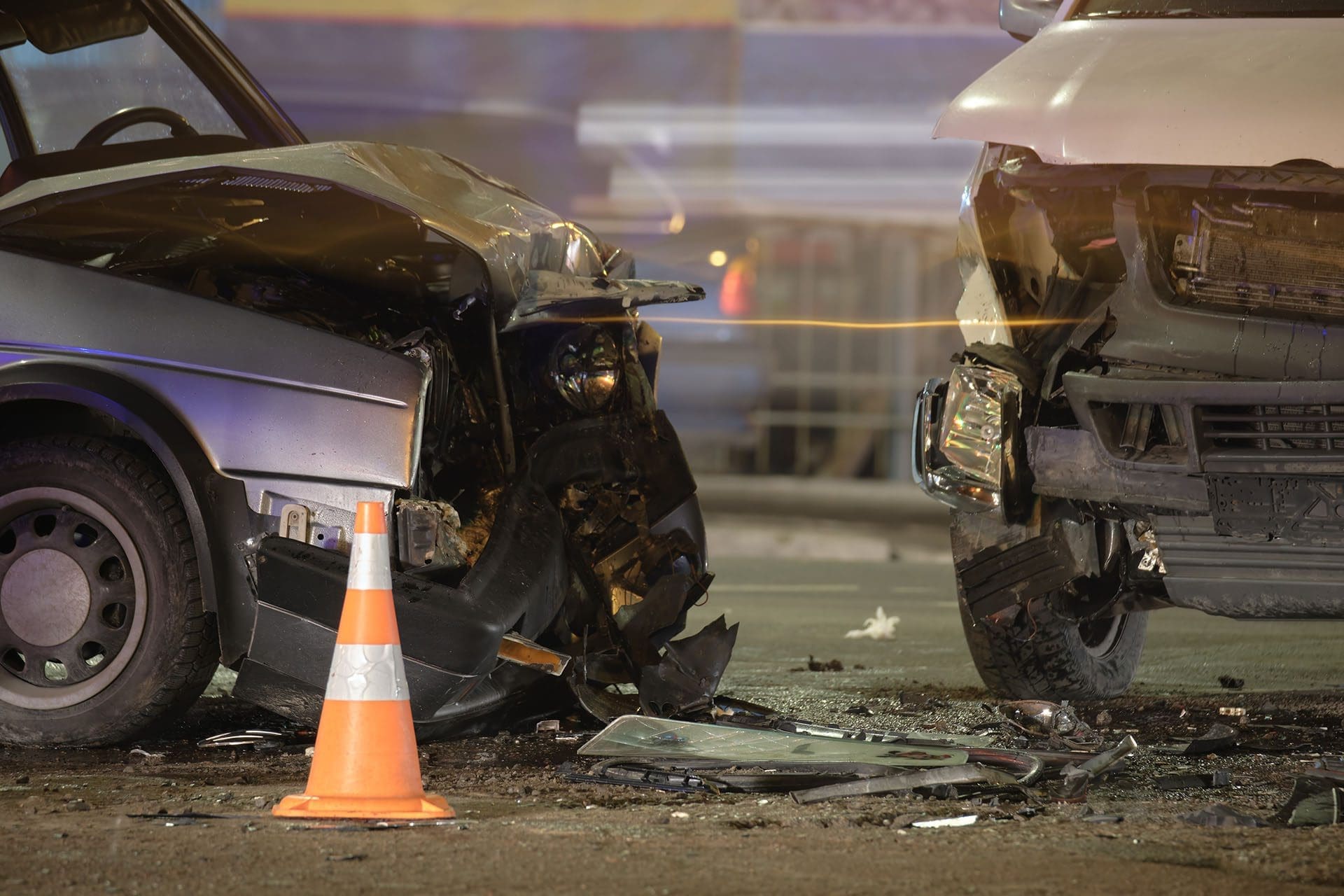
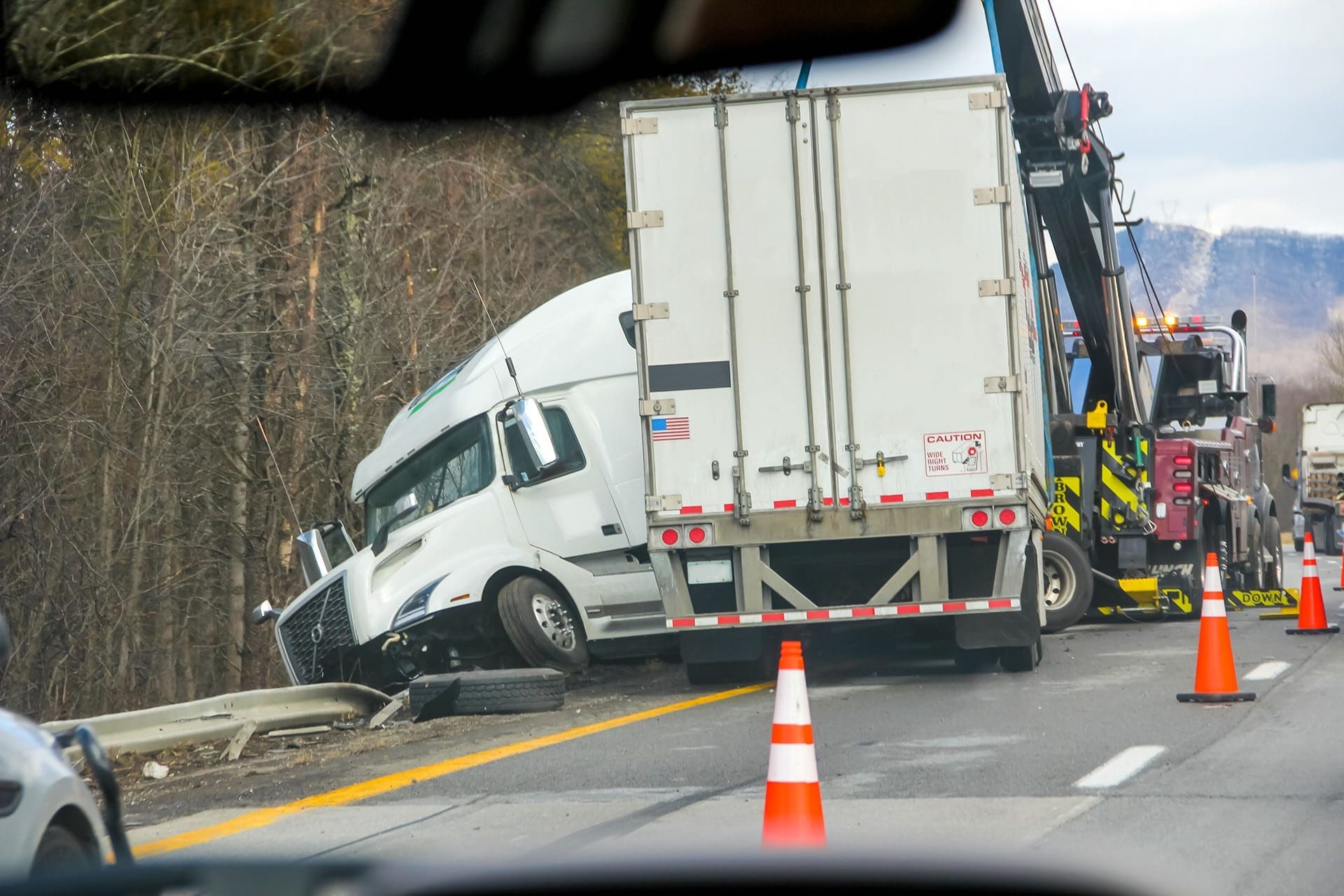
Motor vehicle accidents (MVAs) can cause far more damage than meets the eye. Beyond visible injuries like fractures or bruises, individuals may suffer from direct chemical exposure and indirect internal responses such as inflammation, hormonal stress, and immune suppression. These toxic effects, both physical and physiological, can delay healing and cause long-term health problems if left unaddressed.
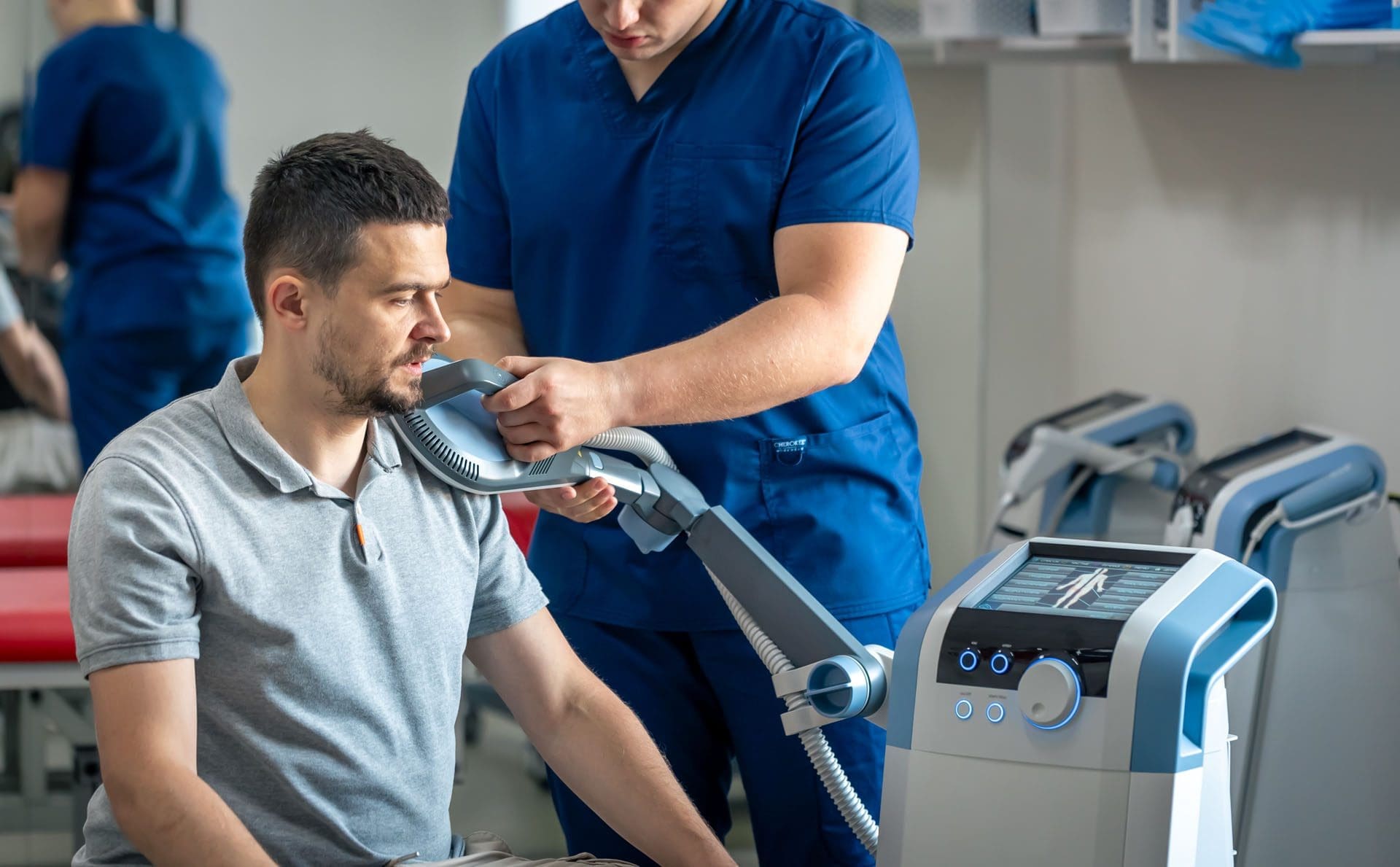
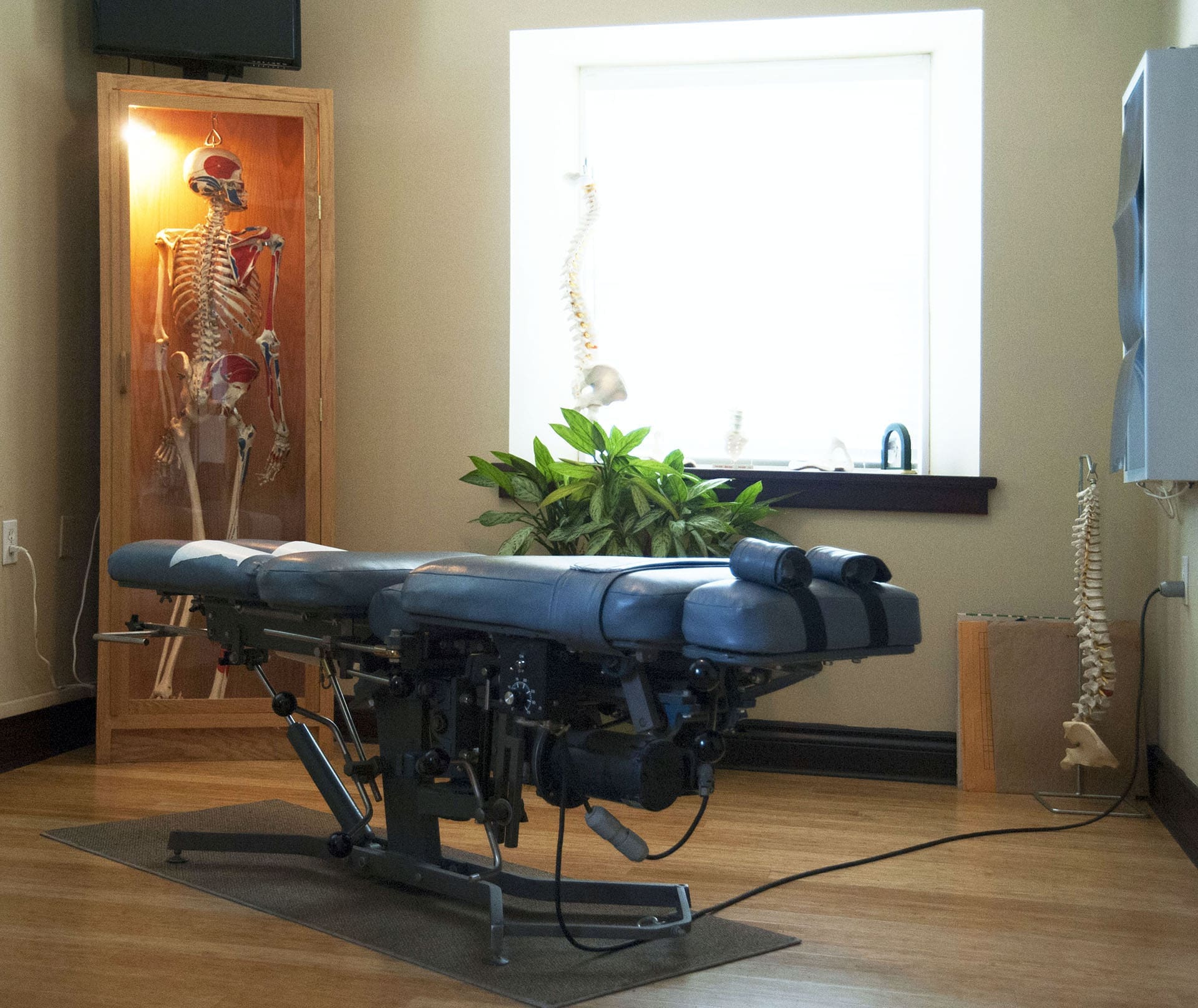
Fortunately, chiropractic care, combined with integrative therapies, offers a comprehensive approach to detoxification and recovery. When aligned with diagnostics and functional rehabilitation, this type of care helps restore balance, reduce systemic toxicity, and support the body’s natural healing process.
Direct Toxic Exposure After a Crash
Car crashes often involve hazardous materials. Leaking fuel, battery acid, radiator fluid, and transmission oil are toxic when inhaled, absorbed through the skin, or splashed into the eyes. Chemical burns from these fluids can cause serious tissue damage, while inhaled vapors can irritate the lungs and nervous system【East Coast Trial Lawyers, 2021】.
Another danger is crush syndrome—a condition in which muscles trapped during the crash release toxic proteins, such as myoglobin, into the bloodstream. This overloads the kidneys and can cause organ failure if not treated quickly【SGK Lawyers, 2020】.
Indirect Toxicity: Inflammation and Immune Disruption
Even if chemical exposure is avoided, trauma from a crash triggers systemic responses. The body floods with inflammatory proteins and stress hormones, such as cortisol. While this is meant to aid healing, excessive or prolonged inflammation can be harmful.
Trauma-toxicology studies show that oxidative stress, genotoxicity, and immune suppression can follow injuries—even without any external toxicant exposure. These hidden toxic processes weaken the body’s natural defenses, often leaving individuals with fatigue, recurring infections, and chronic pain [Kozlowski et al., 2023; Number Analytics, 2023].
The Role of Chiropractic Care in Managing Toxicity
Chiropractic care offers more than just spinal adjustments. When used after a car accident, it helps realign the musculoskeletal system, reduces nervous system irritation, and improves circulation. This results in faster toxin clearance from damaged tissues and improved lymphatic drainage.
When joints are misaligned, nerve communication can be disrupted. This slows down healing and increases inflammation. Chiropractic adjustments restore alignment, allowing the body’s natural detox and repair processes to work efficiently【Dominguez Injury Centers, n.d.】【Clarity Chiropractic, n.d.】.
Practitioners also assess for soft tissue damage, postural distortions, and subtle signs of inflammation. Through hands-on therapy, patients experience pain relief and reduced dependence on pharmaceuticals, which themselves can add to the body’s toxic burden.
Emotional Trauma, Stress Hormones, and Detox Delay
Motor vehicle accidents often lead to emotional trauma. Fear, anxiety, and post-traumatic stress disorder (PTSD) can alter brain chemistry and disrupt hormone balance. These psychological responses can weaken the immune system, making the body more vulnerable to inflammation and disease [CHCS, 2022; Call Corzo Law Firm, 2023].
When left untreated, emotional trauma affects cortisol levels, digestion, sleep, and immune function—further compounding toxic stress. Chiropractic care, combined with mindfulness, acupuncture, or counseling, provides a comprehensive approach to healing that acknowledges the emotional-physical connection.
Acupuncture is an effective therapy for managing both pain and systemic toxicity. It reduces muscle tension, stimulates blood flow, and supports hormonal balance. For people recovering from an accident, acupuncture can help lower inflammation and aid detoxification by improving organ function and reducing stress.
Needle stimulation at specific points promotes the release of endorphins and helps modulate cortisol levels. This has a direct impact on how the body responds to trauma and toxic buildup. Integrating acupuncture with chiropractic care supports faster and more complete recovery【Aim High Health, n.d.】【Wellbridge Clinic, n.d.】.
When recovering from a crash, accurate documentation of all injuries and symptoms—including toxicity—is essential. Chiropractors trained in functional diagnostics can perform neurological testing, orthopedic evaluations, and range-of-motion studies to detect hidden issues. These findings can support legal cases and guide treatment plans.
Clinical imaging, such as X-rays, MRIs, or ultrasound, may also be used to document soft tissue swelling, fluid accumulation, or structural injuries contributing to toxicity. When paired with thorough patient history and physical examinations, these tools help paint a comprehensive picture of injury severity and recovery needs (DDR Lawyers, n.d.).
Toxic exposure doesn’t always stop after the accident. Some symptoms appear later, such as headaches, fatigue, joint pain, or hormone imbalances. Supporting long-term detox is just as important as addressing initial injuries. Here’s how an integrative care model helps:
Chiropractic adjustments restore function to the nervous system and improve organ regulation.
Nutritional support includes antioxidants like vitamin C, turmeric, and leafy greens to reduce free radicals.
Gentle movement therapy prevents stagnation and improves circulation.
Massage therapy enhances lymphatic flow and soft tissue recovery.
Mind-body practices reduce anxiety and rebalance the stress response.
Patients recovering under chiropractic-integrative care often report better sleep, fewer pain relapses, and improved focus—signs that detox systems are functioning better and the body is moving toward balance.
Conclusion: A Smarter Way to Recover
Recovering from a motor vehicle accident means more than just addressing pain. Toxicity—both direct from chemicals and indirect from inflammation or stress—can linger in the body long after the initial crash. A comprehensive recovery plan that combines chiropractic care, acupuncture, functional assessments, and emotional support helps manage toxicity while restoring full-body health.
Clinics employing this kind of integrative model provide patients with a more comprehensive path to healing—one that considers the entire picture and addresses the root causes of discomfort, rather than just the symptoms.
Motor vehicle accidents (MVAs) can lead to a range of nerve injuries, varying from mild discomfort to severe, life-changing conditions. These injuries can disrupt sensory, motor, and autonomic functions, affecting how you feel, move, and even regulate bodily processes, such as heart rate. At ChiroMed – Integrated Medicine in El Paso, TX, our team, led by Dr. Alex Jimenez, DC, APRN, FNP-C, specializes in helping patients recover from these injuries using a holistic, integrative approach that combines chiropractic care, nurse practitioner expertise, and complementary therapies like nutrition counseling and rehabilitation.
Understanding Nerve Injuries from Motor Vehicle Accidents
Nerve injuries from MVAs can range in severity, impacting daily life in different ways. The force of a crash can cause nerve compression, where nerves are pinched by swollen tissues, herniated discs, or misaligned bones, leading to pain or numbness (Alexander Orthopaedics, n.d.). Stretch injuries occur when nerves are overstretched during sudden movements, like whiplash, causing temporary or lasting discomfort (Hopkins Medicine, 2022). The most severe are nerve tears, where nerves are severed, potentially requiring surgical intervention (Grabband Durando, n.d.).
Common injuries involve specific nerve groups. The brachial plexus, which controls the shoulder, arm, and hand, can be damaged in side-impact collisions, leading to weakness or paralysis (Mayo Clinic, 2023a). Spinal nerves may be compressed by whiplash or herniated discs, causing radiating pain or loss of sensation (Novus Spine Center, n.d.). Peripheral nerves, connecting the spinal cord to the body, can suffer trauma, resulting in tingling or burning sensations (Mayo Clinic, 2023b). These injuries often lead to conditions like whiplash, herniated discs, or pinched nerves, which can misalign the spine and disrupt overall health (Wallace Wins, n.d.).
At ChiroMed, we understand how these injuries affect your body and life. Our integrated approach targets the root causes, helping you regain function and wellness.
Nerve injuries from MVAs can disrupt three key functions: sensory, motor, and autonomic. Each impacts your body differently, creating challenges that require specialized care.
Sensory functions control your ability to feel touch, temperature, or pain. Damage to sensory nerves can cause numbness, tingling, or burning sensations in the affected area. For example, a brachial plexus injury may make it difficult to feel your arm, which can complicate tasks such as writing or holding objects (Mayo Clinic, 2023a). Motor functions govern movement, and damage to these functions can lead to muscle weakness or paralysis. A severe nerve tear, like a brachial plexus avulsion, can prevent the syndrome, which can also damage nerves, leading to conditions like carpal tunnel syndrome (Palermo Law Group, n.d.).
At ChiroMed, we utilize advanced diagnostics, including X-rays, MRIs, and electromyography (EMG), to accurately assess the extent of nerve damage and develop personalized treatment plans tailored to each individual’s needs. Dr. Jimenez’s dual expertise as a chiropractor and nurse practitioner allows us to address both the physical and underlying health factors, ensuring comprehensive care.
ChiroMed – Integrated Medicine in El Paso, TX – is led by Dr. Alex Jimenez, a chiropractor and nurse practitioner with over 25 years of experience treating motor vehicle accident (MVA)- related injuries. Dr. Jimenez’s unique dual-diagnosis approach combines chiropractic assessments with medical evaluations to create a clear clinical correlation between your injuries and symptoms. For example, he might identify a pinched nerve from spinal misalignment while also checking for inflammation or other health factors that could delay recovery (Jimenez, 2023b).
Our clinic utilizes advanced imaging techniques, such as X-rays and MRIs, to detect issues like herniated discs or nerve compression that may not be immediately visible (Jimenez, 2023c). These diagnostics guide our tailored treatment plans, ensuring we address every aspect of your injury. Dr. Jimenez’s expertise also extends to legal documentation, providing detailed reports for insurance claims or personal injury cases, which is invaluable for patients seeking compensation after an MVA (Jimenez, 2023e). Patient testimonials on our social media highlight Dr. Jimenez’s ability to navigate both medical and legal challenges effectively (Jimenez, 2023f).
Our team, comprising skilled professionals such as Helen Wilmore (massage therapist), Kristina Castle (physical therapist), and Anthony Wills (chiropractor), works collaboratively to support your recovery. Whether it’s spinal adjustments to correct misalignments or nutrition counseling to reduce inflammation, ChiroMed’s holistic approach promotes lasting health (Jimenez, 2023g; Jimenez, 2023h).
Holistic Recovery with Chiropractic and Integrative Medicine
At ChiroMed, we believe in treating the whole person, not just the symptoms. Our chiropractic care, led by Dr. Jimenez and Anthony Wills, focuses on spinal adjustments to correct misalignments that compress nerves, relieving pain and restoring movement (Jimenez, 2023g). For example, realigning the cervical spine after whiplash can reduce nerve pressure, thereby easing symptoms such as neck pain or numbness (Wallace Wins, n.d.).
Integrative medicine complements this by addressing underlying health factors. Our nutrition counseling, led by certified professionals, helps reduce inflammation through targeted dietary changes, speeding up recovery from injuries like herniated discs (Jimenez, 2023h). Rehabilitation and massage therapy, provided by Kristina Castle and Helen Wilmore, improve mobility and reduce muscle tension, while acupuncture can further alleviate pain (ChiroMed, n.d.). Nurse practitioner services ensure that we monitor for complications, such as autonomic dysfunction, to develop a comprehensive recovery plan (Baltimore Peripheral Nerve Pain, n.d.).
By combining these services, ChiroMed addresses the root causes of MVA-related nerve injuries, promoting long-term health and preventing chronic issues. Contact us at +1 (915) 412-6680 or [email protected] to start your recovery journey.
Nerve injuries from motor vehicle accidents, such as brachial plexus damage, spinal nerve compression, or peripheral nerve trauma, can disrupt sensory, motor, and autonomic functions, leading to conditions like whiplash or herniated discs. These injuries often misalign the spine, which can affect overall health. At ChiroMed – Integrated Medicine in El Paso, TX, Dr. Alex Jimenez and our team offer a holistic approach to recovery, combining chiropractic care with nurse practitioner expertise and integrative therapies, including nutrition counseling and rehabilitation. With advanced diagnostics and personalized treatment plans, we address the root causes of injuries, helping patients regain function and prevent long-term issues. Visit chiromed.com or call +1 (915) 412-6680 to learn more about our services.
References
Alexander Orthopaedics. (n.d.). Common car accident injuries. https://alexanderorthopaedics.com/blog/common-car-accident-injuries/
Grabband Durando. (n.d.). Different types of nerve injuries. https://grabbanddurando.com/blog/different-types-of-nerve-injuries/
Hoffmann Personal Injury. (2023). 4 types of nerve injuries you may suffer in a car accident. https://www.hoffmannpersonalinjury.com/4-types-of-nerve-injuries-you-may-suffer-in-a-car-accident/
Hopkins Medicine. (2022). Types of peripheral nerve damage that may need surgery. https://www.hopkinsmedicine.org/health/conditions-and-diseases/types-of-peripheral-nerve-damage-that-may-need-surgery
Jimenez, A. (2023a). Home. https://dralexjimenez.com/
Jimenez, A. (2023b). Clinical insights. https://www.linkedin.com/in/dralexjimenez/
Jimenez, A. (2023c). Diagnostic approaches. https://www.whatsapp.com/channel/0029VaLL6qY3rZZiMGQ0S32u/364
Jimenez, A. (2023d). Reel on recovery. https://www.facebook.com/reel/24240689962228572
Jimenez, A. (2023e). Instagram reel. https://www.instagram.com/reel/DMXxvgsiwAt/
Jimenez, A. (2023f). Testimonial post. https://x.com/threebestrated/status/1947288030055678043
Jimenez, A. (2023g). Chiropractic care benefits. https://www.threads.com/@threebestratedofficial/post/DMXxwzOieix
Jimenez, A. (2023h). Integrative health tips. https://www.pinterest.com/pin/1132936850022111288/
Mayo Clinic. (2023a). Brachial plexus injury: Symptoms & causes. https://www.mayoclinic.org/diseases-conditions/brachial-plexus-injury/symptoms-causes/syc-20350235
Mayo Clinic. (2023b). Peripheral nerve injuries: Symptoms & causes. https://www.mayoclinic.org/diseases-conditions/peripheral-nerve-injuries/symptoms-causes/syc-20355631
Novus Spine Center. (n.d.). Motor vehicle injuries: Types of pain following an accident. https://novusspinecenter.com/pain-conditions/motor-vehicle-injuries-types-pain-following-accident
Palermo Law Group. (n.d.). Can carpal tunnel be caused by a car accident? https://www.palermolawgroup.com/blog/can-carpal-tunnel-be-caused-by-a-car-accident/
Rainy weather can make driving tricky, increasing the chances of minor car accidents. These accidents, while not always severe, can lead to injuries like spinal misalignment that affect your health. This article examines how rain contributes to hazardous driving conditions, increases the risk of minor collisions, and leads to soft tissue injuries that can affect spinal health. We’ll also examine how Dr. Alexander Jimenez, a chiropractor and nurse practitioner, utilizes his expertise to assist individuals in recovering from these injuries through a combination of chiropractic care, medical treatment, and legal support.
How Rainy Weather Increases Accident Risks
Rainy weather creates a chain reaction that makes roads more dangerous. When it rains, water covers the pavement, reducing tire traction and making it harder for drivers to control their vehicles. This can lead to skidding or hydroplaning, where tires lose grip on wet surfaces, causing drivers to lose control (Chicago Lawyer, n.d.). Wet roads also increase stopping distances, meaning it takes longer for a car to come to a complete stop, which can result in rear-end collisions or other minor accidents (South Sound Law Group, n.d.).
Rain also reduces visibility. Heavy rain can make it difficult for drivers to see other vehicles, road signs, or pedestrians, especially if windshield wipers aren’t working well (Lawyer Schwartz, n.d.). Fog often accompanies rain, further limiting visibility and increasing the chance of accidents (Knowles Law Firm, n.d.). Drivers may not see obstacles or other cars in time to react, leading to low-speed crashes that are still dangerous enough to cause injuries.
Another factor is driver behavior. In rainy conditions, some drivers fail to adjust their speed or keep a safe distance from other vehicles. For example, speeding on wet roads can make it impossible to stop in time to avoid a collision (Salinas Trial Law, n.d.). The Federal Highway Administration reports that about 21% of all vehicle crashes each year—roughly 1.2 million—are weather-related, with 46% happening during rainfall (Cotto Law Group, 2024). These statistics illustrate the prevalence of rain-related accidents and highlight the importance of drivers being extra cautious.
Even minor car accidents, like fender-benders, can cause soft tissue injuries that affect muscles, ligaments, and tendons. These injuries often occur due to the sudden jolt or impact during a collision, especially in rear-end crashes that are common on wet roads (Joyce & MacDonald, n.d.). Soft tissue injuries, including whiplash, strains, and sprains, can lead to pain, stiffness, and reduced mobility.
Whiplash is one of the most common injuries in low-speed collisions. It happens when the head and neck are suddenly jerked forward and backward, straining the muscles and ligaments in the neck (Chicago Lawyer, n.d.). This can cause spinal misalignment, where the vertebrae in the spine shift out of their normal position, leading to pain and discomfort. Other injuries, like muscle strains or ligament sprains, can also disrupt spinal alignment, affecting posture and overall health (Springs Auto, n.d.).
Rain-related accidents increase the risk of these injuries because wet roads lead to sudden stops or skids, which create the kind of abrupt movements that cause soft tissue damage. For example, hydroplaning can cause a driver to slam on the brakes, leading to a rear-end collision that jolts passengers (Because You Want to Win, n.d.). These injuries may not be apparent immediately, but they can lead to long-term problems if not properly treated.
Spinal misalignment, also known as subluxation, occurs when the vertebrae in the spine are not properly aligned. This can occur after a minor car accident due to the force of the impact, even at low speeds. Misalignment can put pressure on nerves, causing pain, numbness, or tingling in the back, neck, or limbs (Jimenez, n.d.-a). It can also affect the body’s ability to function properly, leading to headaches, fatigue, or even digestive issues.
Soft tissue injuries from rain-related accidents can worsen spinal misalignment. For example, whiplash can strain the neck muscles, causing the cervical spine to become misaligned. Over time, this can lead to chronic pain or reduced range of motion if not addressed (Jimenez, n.d.-b). The spine is the body’s central support structure, so any misalignment can impact overall health, making it harder to stay active or perform daily tasks.
Rainy weather indirectly contributes to these issues by increasing the likelihood of accidents that cause these injuries. The combination of slippery roads, reduced visibility, and sudden stops creates a perfect storm for minor collisions that lead to spinal problems (Texas Department of Insurance, n.d.). Proper treatment is essential to prevent long-term complications.
Dr. Alexander Jimenez, a chiropractor and nurse practitioner in El Paso, Texas, specializes in treating injuries resulting from auto accidents. His unique combination of chiropractic and medical training allows him to address both the physical and legal aspects of personal injury cases. Dr. Jimenez uses a dual diagnosis approach, meaning he looks at both the physical injuries (like spinal misalignment) and any underlying health issues that might affect recovery (Jimenez, n.d.-c).
Dual Diagnosis and Treatment
Dr. Jimenez begins by thoroughly assessing patients to identify all injuries and their underlying causes. For example, a patient with whiplash might also have muscle tension or nerve irritation that contributes to their pain. He utilizes diagnostic tools such as X-rays, MRIs, and other advanced imaging techniques to obtain a clear picture of the spine and surrounding soft tissues (Jimenez, n.d.-a). These tools help him pinpoint misalignments or damage that might not be visible through a physical exam alone.
Once he understands the injuries, Dr. Jimenez creates a personalized treatment plan tailored to each patient’s specific needs. This may include chiropractic adjustments to correct spinal misalignments, physical therapy to strengthen muscles, or pain management techniques such as massage or acupuncture. His integrative approach combines chiropractic care with medical treatments to address the whole body, not just the injury (Jimenez, n.d.-b). This helps patients recover more quickly and reduces the risk of developing chronic pain.
Chiropractic and Integrative Medicine
Chiropractic care focuses on restoring the spine’s alignment to improve overall health. Dr. Jimenez uses gentle adjustments to realign vertebrae, relieve nerve pressure, and reduce pain (Jimenez, n.d.-a). This is especially effective for soft tissue injuries like whiplash, which often cause spinal misalignment. Integrative medicine incorporates additional treatments, such as nutrition counseling or exercise plans, to support recovery and enhance long-term health.
For example, after a rain-related accident, a patient may experience neck pain from whiplash and poor posture due to muscle strain. Dr. Jimenez would adjust the spine to fix the misalignment, recommend exercises to strengthen the neck, and suggest dietary changes to reduce inflammation (Jimenez, n.d.-c). This holistic approach addresses the root causes of injuries, helping patients return to their normal activities.
Medical and Legal Expertise
As a nurse practitioner, Dr. Jimenez can diagnose and treat medical conditions, prescribe medications if needed, and coordinate care with other healthcare providers. This is important for auto accident victims who may have complex injuries requiring both medical and chiropractic care. His medical training also enables him to prepare detailed reports for legal cases, which are crucial for personal injury claims (Jimenez, n.d.).
In accident cases, proving the extent of injuries is key to getting fair compensation. Dr. Jimenez’s reports include diagnostic results, treatment plans, and evidence of how the accident caused the injuries. His experience with legal paperwork ensures that insurance companies and attorneys have the necessary information to support the patient’s claim (Jimenez, n.d.-b).
To reduce the risk of rain-related accidents and injuries, drivers should follow these safety tips:
Slow Down: Reduce speed on wet roads to maintain control and avoid hydroplaning (HSI, n.d.).
Increase Following Distance: Leave extra space between your car and the one in front to allow more time to stop (Texas Department of Insurance, n.d.).
Use Headlights: Turn on headlights in heavy rain or fog to improve visibility (Knowles Law Firm, n.d.).
Check Wipers and Tires: Ensure the windshield wipers are functioning properly and the tires have sufficient tread for optimal traction (Lawyer Schwartz, n.d.).
Avoid Sudden Moves: Don’t brake or turn sharply, as this can cause skids on slippery roads (Salinas Trial Law, n.d.).
By driving cautiously, you can reduce the likelihood of a minor accident that could result in spinal injuries.
Rainy weather increases the risk of minor car accidents by making roads slippery and reducing visibility. These accidents can lead to soft tissue injuries like whiplash, which may cause spinal misalignment and affect overall health. Dr. Alexander Jimenez’s expertise as a chiropractor and nurse practitioner allows him to treat these injuries effectively using a combination of chiropractic adjustments, medical care, and integrative medicine. His ability to handle both medical and legal aspects of personal injury cases helps patients recover physically and secure fair compensation. By driving safely in rainy conditions and seeking prompt medical attention after an accident, you can protect your health and minimize the risk of long-term complications.
Bicycling is a popular mode of transportation and recreation, especially in urban and suburban areas. However, when bicycles and motor vehicles share the road, accidents can happen—often with serious consequences. Bicycle-related motor vehicle accidents (MVAs) can cause spinal trauma, musculoskeletal damage, and nerve injuries due to the sheer vulnerability of the cyclist compared to the mass and speed of a car. Common crash types include intersection collisions, rear-end impacts, “dooring” accidents, and sideswipes, with driver negligence, such as distracted driving and failure to yield, being key contributors.
Understanding the types of collisions, their causes, and their consequences is vital. Even more critical is knowing the pathways to recovery. Chiropractic care, nurse practitioners, and integrative medicine practitioners like Dr. Alexander Jimenez, DC, APRN, FNP-BC, offer comprehensive rehabilitation by addressing both the physical injuries and legal aspects of post-accident care.
This article breaks down the most common types of bicycle-MVA injuries, the injuries they cause, and how integrative healthcare can help victims recover fully.
1. Intersection Collisions: A High-Risk Zone for Cyclists
One of the most dangerous spots for bicyclists is the intersection. According to data, a significant number of bicycle accidents occur when a vehicle either makes a turn across the cyclist’s path or runs a stop sign or red light. These incidents, known as “right hook” or “left cross” accidents, are typically caused by a driver’s failure to yield, speeding, or distracted driving behaviors, such as texting while driving.
In a right-hook scenario, a car turns right into a cyclist traveling straight, often trapping the bicyclist between the vehicle and the curb. A left cross happens when a driver turns left across traffic and fails to see the oncoming cyclist. Both scenarios can lead to serious trauma, including fractured clavicles, herniated spinal discs, or even traumatic brain injuries if the cyclist is thrown off the bike.
These injuries frequently involve musculoskeletal damage to the neck, spine, and extremities. Integrative recovery care is crucial here. Chiropractors and nurse practitioners assess mobility loss and nerve damage using advanced diagnostics, such as MRI or CT scans, to identify injuries that may have been missed in ER evaluations.
Rear-end collisions are among the most catastrophic accidents for cyclists. They occur when a car strikes a bicycle from behind—often at stop signs, traffic lights, or while the cyclist is riding on the side of the road. These crashes usually result in the rider being thrown forward off the bike, potentially causing spinal compression fractures, whiplash injuries, and traumatic impact to the lower back and sacrum.
The injuries sustained in these types of accidents are especially severe due to the direct force of impact. Cyclists may experience chronic back pain, sciatica, or even permanent nerve damage. Long-term rehabilitation is often necessary, especially when disc herniation or spinal instability is present.
Dr. Alexander Jimenez often treats victims of rear-end bicycle collisions. As both a chiropractor and nurse practitioner, he uses dual-scope diagnostic capabilities to examine spinal misalignments and soft tissue injuries. Through chiropractic adjustments, myofascial release, therapeutic exercise, and imaging, Dr. Jimenez identifies the source of pain and develops a legal-compliant recovery plan.
3. Dooring Accidents: The Hidden Danger in Bike Lanes
“Dooring” accidents are extremely common in cities where street parking lines up directly with bike lanes. These incidents occur when a motorist opens their door into a cyclist’s path without checking for oncoming riders. The cyclist crashes into the open door or swerves into traffic to avoid it, often resulting in multiple forms of trauma.
Injuries from dooring include facial fractures, dental trauma, shoulder dislocations, and wrist or hand fractures as cyclists instinctively try to brace for impact. In severe cases, cyclists also report post-concussive syndrome or cervical spine injuries from the jolt of the impact.
Chiropractic care, in conjunction with integrative therapy, plays a crucial role in managing both visible injuries and latent effects, such as nerve impingement or thoracic outlet syndrome. Practitioners like Dr. Jimenez perform spinal adjustments, neurological evaluations, and imaging to address both immediate and long-term complications.
4. Sideswipe Accidents: Unsafe Passing and Narrow Escapes
Sideswipe or unsafe passing accidents happen when a driver fails to leave adequate room while overtaking a cyclist. Even a slight bump from a side mirror or vehicle body can cause a cyclist to lose their balance, especially at high speeds. These collisions often lead to serious injuries, including rib fractures, pelvic injuries, and road rash.
Musculoskeletal trauma from being dragged or thrown can result in chronic joint dysfunction or spinal misalignment. Integrative treatment in such cases may include chiropractic manipulation, ultrasound therapy, acupuncture, and physical rehabilitation. Nurse practitioners may also prescribe anti-inflammatories or recommend imaging to rule out internal injuries.
Dr. Jimenez’s clinic in El Paso specializes in such assessments, offering both therapeutic care and legal support documentation needed for personal injury claims.
Many bicycle-related motor vehicle accidents occur not because of the cyclist’s error, but due to the driver’s negligent behavior. Common causes include:
Distracted driving (texting, eating, or adjusting GPS)
Driving under the influence of drugs or alcohol
Failure to yield to cyclists in intersections or during turns
Aggressive driving or speeding
Improper lane changes or merging
Such negligence not only causes physical harm but also emotional distress and long-term disability for cyclists. Identifying driver error is essential for legal claims, and having healthcare providers like Dr. Jimenez who understand the legal-medical interface is vital for recovery and documentation.
6. Common Spinal and Nerve Injuries in Bicycle Accidents
Spinal injuries from bicycle accidents can be both acute and chronic. Common conditions include:
Cervical or lumbar disc herniation
Spinal cord contusion
Compression fractures
Pinched nerves and radiculopathy
Sciatica and sacroiliac joint dysfunction
These injuries can lead to pain, numbness, weakness, and mobility issues. Chiropractic care, particularly spinal decompression and realignment, can help restore nerve function and improve quality of life. Nurse practitioners manage inflammation and pain, while integrative techniques such as dry needling or cold laser therapy can accelerate healing.
Dr. Jimenez’s practice emphasizes imaging-supported diagnostics, including MRIs and electromyography (EMG), to map out injuries accurately and create personalized rehabilitation plans that also support court evidence in PI cases.
7. Musculoskeletal Complications and Pain Syndromes
Beyond the spine, bicycle accidents often damage the musculoskeletal system. Injuries include:
Rotator cuff tears
Hip labral injuries
Knee ligament sprains
Temporomandibular joint (TMJ) injuries
Chronic myofascial pain or trigger points
These injuries can significantly impact daily function and often lead to long-term discomfort. Chiropractic manipulation, soft tissue therapy, and rehabilitative exercise programs are effective in restoring muscle and joint function. Dr. Jimenez integrates these therapies with nutritional guidance and patient education to address the root causes and prevent recurrence.
8. How Dr. Alexander Jimenez Bridges Chiropractic and Medical Care
Dr. Alexander Jimenez, DC, APRN, FNP-BC, offers a unique dual-scope approach that combines the diagnostic and treatment capabilities of both a chiropractor and a nurse practitioner. Based in El Paso, Texas, he specializes in treating victims of motor vehicle accidents, including bicycle-related crashes.
Dr. Jimenez’s integrative model includes:
Advanced Imaging: X-rays, MRIs, and CT scans to identify structural and neurological damage
Functional Assessments: To evaluate mobility, pain patterns, and postural dysfunction
Legal Documentation: Proper ICD coding, progress notes, and diagnostic summaries for attorneys and insurance claims
Patient Empowerment: Education and preventive strategies to improve long-term outcomes
His clinics (e.g., El Paso Back Clinic and ChiroMed) are recognized for integrating patient-centered, trauma-informed care that addresses both visible and hidden injuries from MVAs.
9. The Legal-Medical Integration in Personal Injury Cases
For victims of bicycle MVAs, medical care is only part of the recovery. Navigating insurance claims, court proceedings, and settlement negotiations can be daunting. Dr. Jimenez’s clinical documentation is admissible in court, and he collaborates with legal teams to provide injury timelines, causation reports, and progress updates.
This comprehensive support ensures that victims receive not only care but also justice. His understanding of medical-legal communication helps patients avoid denied claims or under-settled cases.
10. Moving Forward: Recovery, Resilience, and Prevention
While bicycle accidents can be devastating, recovery is possible with the right care team. Chiropractic adjustments, functional rehabilitation, integrative therapies, and strong legal and medical coordination lay the foundation for long-term healing. Preventing future accidents through bike safety education and urban infrastructure improvements is also essential.
For those recovering from bicycle-related MVAs, providers like Dr. Jimenez offer hope—blending evidence-based medical care with compassionate legal support to help victims regain their health and their lives.
Motor vehicle accidents (MVAs) can cause a range of injuries, from minor aches to severe spinal, musculoskeletal, and nerve damage. These injuries often lead to pain, reduced mobility, and emotional distress, making recovery challenging. Massage therapy and chiropractic care, particularly when combined with integrative medicine, offer effective, non-invasive solutions to help individuals heal physically and emotionally. This article explores the types of injuries caused by MVAs, the benefits of various massage therapy techniques, and the role of chiropractic care, with a focus on Dr. Alexander Jimenez’s expertise in treating accident victims in El Paso, Texas.
Injuries from Motor Vehicle Accidents
MVAs generate immense forces that can harm the body, even in low-speed collisions. Common injuries include:
Spinal Injuries: The spine is vulnerable to compression, misalignment, or disc herniation during crashes. Whiplash, a common MVA injury, occurs when the neck jerks rapidly, straining muscles, ligaments, and discs (Alexander Orthopaedics, 2018). Severe cases may involve spinal cord injuries, leading to symptoms like numbness or weakness (Jimenez, 2025a).
Musculoskeletal Injuries: Muscles, ligaments, and tendons often suffer micro-tears, sprains, or strains from seatbelt trauma or impact with vehicle parts. These injuries can cause stiffness, inflammation, and chronic pain if untreated (MVA MVP, n.d.-a).
Nerve Injuries: Nerve compression or irritation from spinal misalignments (subluxations) can lead to tingling, numbness, or radiating pain, such as sciatica from lumbar disc herniation (Jimenez, 2025b). Neuropraxia, a temporary nerve injury, is also common (El Paso Back Clinic, 2025).
These injuries may not be immediately visible, as adrenaline can mask symptoms. Delaying treatment increases the risk of chronic pain and long-term complications (Chiropractic Scientist, 2025).
Massage therapy is a powerful tool for addressing both the physical and emotional effects of MVAs. Different techniques target specific issues, promoting healing and reducing stress.
Physical Benefits of Massage Therapy
Pain Relief: Massage reduces muscle tension and releases endorphins, natural painkillers. Deep tissue massage targets tight muscles and scar tissue, alleviating pain from sprains or strains (Denver Chiropractic, n.d.). A study found massage effective for neck pain, a common MVA issue (Furlan et al., 2015).
Improved Circulation: Techniques like Swedish massage enhance blood flow, delivering oxygen and nutrients to injured tissues. This reduces inflammation and speeds healing (MVA MVP, n.d.-b).
Restored Range of Motion: MVAs often cause stiffness. Massage loosens tight muscles and joints, improving flexibility and mobility (MVA MVP, n.d.-c).
Reduced Scar Tissue: Deep tissue and myofascial release break down adhesions from micro-tears, preventing chronic stiffness (Galiny Accident Recovery Center, n.d.).
Trigger Point Therapy: This targets “knots” in muscles that cause referred pain. By applying pressure to these points, therapists relieve pain and improve function (EG Healthcare, n.d.).
Emotional Benefits of Massage Therapy
MVAs can cause emotional distress, including anxiety, tension, and post-traumatic stress disorder (PTSD). Massage therapy helps by:
Reducing Stress: Gentle techniques, such as Swedish massage, calm the nervous system, lower cortisol levels, and promote relaxation (Boulder Sports Clinic, n.d.).
Improving Mood: Massage triggers the release of serotonin and dopamine, countering emotional distress (Massage Envy, n.d.).
Supporting PTSD Recovery: Regular sessions reduce physical tension linked to psychological stress, helping patients process trauma (Primary Rehab, n.d.).
Types of Massage Therapy for MVA Recovery
Several massage techniques are tailored for MVA recovery:
Swedish Massage: Uses long, flowing strokes to relax muscles and improve circulation. Ideal for reducing stress and mild pain (East Bridge Massage, 2021).
Deep Tissue Massage: Targets deeper muscle layers to address chronic pain and scar tissue. It’s effective for severe musculoskeletal injuries but may be intense (Rocky Mountain Accident Care, n.d.).
Myofascial Release: Focuses on connective tissue to release tension and improve mobility. It’s useful for whiplash and soft tissue injuries (PhysioFlow, n.d.).
Trigger Point Therapy: Relieves specific pain points, such as those causing headaches or radiating pain (Revive Injury, n.d.).
Neuromuscular Therapy: Combines deep pressure and stretching to address nerve compression and muscle imbalances (Mind Body Med, n.d.).
Dr. Alexander Jimenez, a dual-licensed chiropractor and board-certified family nurse practitioner in El Paso, Texas, is a leader in MVA recovery. With over 25 years of experience, his unique skills combine chiropractic care, medical diagnostics, and integrative medicine to address both physical and legal aspects of recovery.
Clinical Correlation and Dual Diagnosis
Dr. Jimenez’s dual licensure enables him to assess injuries from both biomechanical and medical perspectives. He correlates symptoms like neck pain or numbness with specific injuries, such as disc herniations or nerve compression, using:
Advanced Imaging: X-rays, MRIs, and CT scans identify spinal misalignments, soft tissue damage, and disc issues (Jimenez, 2025c).
Diagnostic assessments, including electromyography (EMG), functional movement screens, and neurological exams, help detect nerve damage and subtle injuries (El Paso Back Clinic, 2025).
Dual Diagnosis: As a nurse practitioner, he evaluates systemic issues, such as inflammation or hormonal imbalances, that may exacerbate pain, ensuring comprehensive treatment (Wellness Doctor RX, 2025).
This approach ensures accurate diagnoses and personalized treatment plans, addressing both symptoms and root causes.
Chiropractic and Integrative Medicine
Dr. Jimenez uses chiropractic care to correct spinal misalignments and relieve nerve pressure. Spinal adjustments restore joint mobility, reduce inflammation, and alleviate pain associated with conditions such as whiplash or sciatica (Jimenez, 2025d). A 2020 study supports the effectiveness of spinal manipulative therapy for chronic back pain (Rubinstein et al., 2020).
His integrative medicine approach includes:
Nutrition and Wellness: Personalized diet plans reduce inflammation and support healing (Jimenez, 2025e).
Acupuncture: Stimulates endorphin release and improves blood flow, complementing chiropractic care (PushAsRx, 2025).
Dr. Jimenez’s expertise as a nurse practitioner enables him to provide detailed medical documentation for personal injury cases. His reports correlate injuries with diagnostic findings, supporting insurance claims and legal proceedings. This is particularly critical in Texas, where timely documentation can significantly impact Personal Injury Protection (PIP) benefits (Gould Cooksey Fennell, 2025).
Improving Overall Health
By addressing root causes—such as misalignments, inflammation, or emotional stress—Dr. Jimenez’s approach promotes long-term wellness. His clinic, Injury Medical & Chiropractic Clinic, integrates chiropractic adjustments, massage therapy, and lifestyle coaching to help patients regain function and prevent chronic pain (Jimenez, 2025f).
References Chiropractic Scientist. (2025, June 13). Post-car accident physical therapy approaches to recovery. https://chiropracticscientist.com El Paso Back Clinic. (2025, June 20). Spinal alignment pain relief for motor vehicle injuries. https://elpasobackclinic.com Gould Cooksey Fennell. (2025, February 14). Chiropractor after a car accident. https://gouldcooksey.com Jimenez, A. (2025c). Injury medical & chiropractic clinic. https://elpasobackclinic.com/ Jimenez, A. (2025d). Chiropractic healing after accidents. https://dralexjimenez.com Jimenez, A. (2025e). Post-automobile accident recovery and healing foods. https://dralexjimenez.com Jimenez, A. (2025f). Car accident recovery guide. https://dralexjimenez.com PushAsRx. (2025, June 26). Car crash wellness protocol. https://pushasrx.com Rubinstein, S. M., de Zoete, A., van Middelkoop, M., Assendelft, W. J. J., de Boer, M. R., & van Tulder, M. W. (2020). Spinal manipulative therapy for chronic low-back pain. Spine Journal, 20(4), 567–578. https://doi.org/10.1016/j.spinee.2019.11.015 Wellness Doctor RX. (2025, June 20). Personal injury chiropractic El Paso for accident recovery. https://wellnessdoctorrx.com
Combining Massage Therapy and Chiropractic Care
Integrating massage therapy with chiropractic care enhances MVA recovery. Massage prepares muscles for adjustments by reducing tension, while chiropractic corrections align the spine, improving nerve function. Together, they address physical injuries and emotional stress, promoting faster healing (CureZone Physiotherapy, n.d.). Dr. Jimenez often combines these therapies with acupuncture and nutrition for a holistic approach (PushAsRx, 2025).
MVAs can cause significant spinal, musculoskeletal, and nerve injuries, leading to pain and emotional distress. Massage therapy, utilizing techniques such as Swedish, deep tissue, and trigger point therapy, helps reduce pain, improve mobility, and support emotional well-being. Chiropractic care, as practiced by Dr. Alexander Jimenez, addresses root causes through spinal adjustments, advanced diagnostics, and integrative medicine. His dual expertise ensures comprehensive care and proper legal documentation, helping patients recover fully and maintain long-term health.
El Paso Back Clinic. (2025, June 20). Spinal alignment pain relief for motor vehicle injuries. https://elpasobackclinic.com
Furlan, A. D., Yazdi, F., Tsertsvadze, A., Gross, A., Van Tulder, M., Santaguida, L., Gagnier, J., Ammendolia, C., Dryden, T., Doucette, S., Skidmore, B., Daniel, R., Ostermann, T., & Tsouros, S. (2015). A systematic review and meta-analysis of efficacy, cost-effectiveness, and safety of selected complementary and alternative medicine for neck and low-back pain. Evidence-Based Complementary and Alternative Medicine, 2015, Article 149409. https://doi.org/10.1155/2015/149409
Rubinstein, S. M., de Zoete, A., van Middelkoop, M., Assendelft, W. J. J., de Boer, M. R., & van Tulder, M. W. (2020). Spinal manipulative therapy for chronic low-back pain. Spine Journal, 20(4), 567–578. https://doi.org/10.1016/j.spinee.2019.11.015
Wellness Doctor RX. (2025, June 20). Personal injury chiropractic El Paso for accident recovery. https://wellnessdoctorrx.com
18-wheeler accidents are among the most devastating events on the road due to the massive size and weight of these vehicles. The sheer force of a collision can cause severe injuries, particularly to the spine and musculoskeletal system. These injuries range from mild sprains to life-altering spinal cord damage, impacting victims’ mobility, quality of life, and long-term health. This article explores the types of spinal injuries caused by 18-wheeler accidents, including fractures, herniated discs, and sciatica. It highlights the integrative treatment approaches used by professionals like Dr. Alexander Jimenez to promote recovery. By addressing root causes and using advanced diagnostics, chiropractic care and integrative medicine offer hope for restoring health and supporting legal claims.
Common Spinal Injuries from 18-Wheeler Accidents
Spinal Fractures
The immense force of an 18-wheeler crash can cause spinal fractures, which are breaks or cracks in the vertebrae. These injuries vary in severity, ranging from stable fractures that may heal with rest to unstable fractures that require surgery. Fractures often occur in the cervical (neck), thoracic (mid-back), or lumbar (lower back) regions of the spine. Symptoms include intense pain, swelling, and limited mobility, with severe cases leading to nerve damage or paralysis (Wyatt Law Firm, n.d.). For example, a compression fracture in the lumbar spine (L1-L5) can cause pain, numbness, or weakness in the legs, hips, or groin (SpinalCord.com, n.d.).
Spinal Cord Injuries
Spinal cord injuries (SCIs) are among the most severe outcomes of 18-wheeler accidents. The spinal cord, a bundle of nerves running through the spine, can be bruised, torn, or severed, leading to partial or complete loss of function. Complete quadriplegia, often permanent, results from high cervical injuries and affects the arms, legs, and torso (CK Legal, n.d.). Incomplete SCIs may cause chronic pain, mobility challenges, or loss of sensation in the limbs (Mayo Clinic, 2024). Emergency symptoms include numbness, tingling, or weakness in the extremities, requiring immediate medical attention (Mayo Clinic, 2024).
Herniated Discs
A herniated disc occurs when the soft inner material of a spinal disc pushes through its tough outer layer, often due to the sudden impact of a truck accident. This can irritate nearby nerves, causing pain, numbness, or weakness in the arms or legs, depending on the disc’s location (Complete Injury Management, n.d.). Herniated discs in the lumbar spine are particularly common and may lead to sciatica, characterized by radiating pain down the leg (Chiropractic Tucker, n.d.).
Sciatica and Nerve Compression
Sciatica is a condition where the sciatic nerve, which runs from the lower back through the legs, is compressed or irritated, often by a herniated disc or spinal stenosis (narrowing of the spinal canal). Symptoms include sharp, burning pain radiating from the lower back to the buttocks and legs, along with tingling or numbness (Inspired Spine, n.d.). Spinal stenosis, caused by trauma or degenerative changes, can also pinch nerves, exacerbating sciatica symptoms (Spine-Health, n.d.). 18-wheeler accidents can trigger or worsen these conditions due to the intense forces involved (Your PGH Lawyer, n.d.).
Whiplash and Soft Tissue Injuries
Whiplash, a common injury in rear-end collisions, occurs when the neck is rapidly jerked back and forth, straining muscles, ligaments, and tendons. Symptoms include neck pain, stiffness, headaches, and dizziness (Victims Lawyer, n.d.). While whiplash is often considered a soft tissue injury, it can also contribute to spinal misalignments or disc issues, leading to nerve compression and radiating pain (Sea Change Chiropractic, n.d.).
Dr. Alexander Jimenez: A Leader in Integrative Care
Dr. Alexander Jimenez, a chiropractor and board-certified family nurse practitioner in El Paso, Texas, brings over 25 years of experience to treating injuries from 18-wheeler accidents. His dual licensure enables him to integrate chiropractic techniques with medical expertise, providing a distinctive approach to recovery. At his Injury Medical & Chiropractic Clinic, Dr. Jimenez employs evidence-based methods to address both physical and systemic health issues, enabling patients to regain mobility and enhance their overall wellness (Jimenez, 2025).
Clinical Correlation and Dual Diagnosis
Dr. Jimenez’s approach involves correlating patient symptoms with objective findings to create personalized treatment plans. His dual diagnosis method combines chiropractic assessments, such as spinal alignment checks, with medical evaluations, including metabolic and neurological tests. For example, a patient with lower back pain and leg numbness may have a herniated disc pressing on the sciatic nerve, confirmed through imaging and neurological exams. This comprehensive evaluation ensures that both biomechanical issues (e.g., spinal misalignments) and systemic factors (e.g., inflammation) are addressed (Jimenez, 2024).
Advanced Diagnostics and Imaging
Advanced imaging techniques, such as X-rays, MRIs, and CT scans, play a critical role in Dr. Jimenez’s practice. These tools help identify fractures, herniated discs, or nerve compression that may not be visible during a physical exam. For instance, an MRI can reveal a herniated disc causing sciatica, while electromyography (EMG) assesses nerve damage (El Paso Back Clinic, 2025). These diagnostics are crucial for developing targeted treatment plans and providing evidence to support legal claims in personal injury cases.
Integrative Medicine and Chiropractic Care
Dr. Jimenez utilizes chiropractic care, including spinal adjustments and soft tissue therapies, to correct spinal misalignments and alleviate nerve pressure. These non-invasive techniques help reduce pain and improve mobility for conditions such as whiplash, herniated discs, and sciatica. Integrative medicine complements these treatments by addressing root causes, such as inflammation or poor nutrition, which can delay recovery. For example, dietary changes and stress management techniques help reduce systemic inflammation, supporting long-term healing (Jimenez, 2024).
Legal Documentation and Personal Injury Expertise
Dr. Jimenez’s expertise extends to legal support for personal injury cases. His detailed documentation, including multipage questionnaires and diagnostic reports, captures the mechanism of injury, biomechanics, and medical history. This thorough approach ensures that patients have the necessary evidence for insurance claims or legal proceedings, making the clinic a trusted resource for 18-wheeler accident victims (El Paso Back Clinic, n.d.).
How Chiropractic and Integrative Medicine Aid Recovery
Addressing Root Causes
Chiropractic care focuses on realigning the spine to relieve pressure on nerves and restore joint function. For example, spinal adjustments can correct misalignments caused by whiplash, reducing pain and improving mobility (Ripple Chiropractic, n.d.). Integrative medicine takes it a step further by addressing underlying issues, such as inflammation or stress, which can exacerbate conditions like sciatica or chronic back pain. Dr. Jimenez uses nutrition counseling and lifestyle changes to support healing, ensuring patients recover fully and prevent long-term complications (Jimenez, 2024).
Non-Invasive Treatment Options
Chiropractic techniques, such as spinal decompression and manual adjustments, offer non-surgical solutions for herniated discs and spinal stenosis. These methods relieve pressure on spinal discs and nerves, thereby reducing pain and promoting healing without the need for invasive procedures. Physical therapy, often combined with chiropractic care, strengthens muscles and improves flexibility, helping patients regain normal function (FVF Law Firm, n.d.).
Improving Overall Health
Integrative medicine emphasizes holistic wellness, incorporating nutrition, stress management, and exercise to promote overall well-being and enhance recovery. For instance, anti-inflammatory diets can reduce swelling around injured tissues, while targeted exercises improve posture and mobility. Dr. Jimenez’s approach ensures that patients not only recover from injuries but also achieve better overall health, reducing the risk of future issues (Jimenez, 2025).
Supporting Legal Claims
In personal injury cases, accurate documentation is crucial. Dr. Jimenez’s clinic provides comprehensive reports that combine imaging results, neurological assessments, and physical evaluations. These reports help patients secure fair compensation by clearly linking injuries to the accident, making his practice invaluable for 18-wheeler accident victims (El Paso Back Clinic, n.d.).
Untreated spinal injuries from 18-wheeler accidents can lead to chronic pain, reduced mobility, or permanent disability. For example, a herniated disc left untreated may cause ongoing sciatica, while spinal fractures can result in degenerative conditions like osteoarthritis (Smith Law Center, n.d.). Early intervention is crucial in preventing these outcomes and restoring function.
Rehabilitation and Recovery
Rehabilitation programs, including physical therapy and chiropractic care, are essential for recovery. Targeted exercises strengthen the spine and surrounding muscles, while manual therapies reduce pain and improve alignment. Dr. Jimenez’s integrative approach ensures that patients receive personalized plans tailored to their specific injuries and needs (Jimenez, 2024).
Preventing Further Injury
Preventive measures, such as maintaining proper posture, engaging in regular exercise, and making ergonomic adjustments, can help reduce the risk of worsening injuries. Dr. Jimenez educates patients on lifestyle changes to maintain spinal health, such as avoiding prolonged sitting or heavy lifting, which can aggravate conditions like sciatica or herniated discs (El Paso Back Clinic, n.d.).
18-wheeler accidents can cause a range of spinal injuries, from fractures and herniated discs to sciatica and spinal cord damage. These injuries often lead to significant pain, mobility issues, and long-term health challenges. Professionals like Dr. Alexander Jimenez offer hope through chiropractic care and integrative medicine, addressing root causes and promoting holistic recovery. By combining advanced diagnostics, non-invasive treatments, and comprehensive legal documentation, Dr. Jimenez helps patients recover physically and navigate the complexities of personal injury cases. If you or someone you know has been injured in an 18-wheeler accident, seeking prompt care from a qualified professional is essential for a full recovery.
A car accident, even at low speeds, can cause serious injuries that may not appear right away. Often, the damage goes beyond visible wounds. Many people suffer from musculoskeletal injuries—problems affecting muscles, bones, joints, ligaments, tendons, and nerves. These injuries can lead to pain, stiffness, reduced mobility, and long-term disability if not treated early.
A question many accident victims ask is, “Will I recover fully, and how long will it take?” The answer depends on how quickly care begins and the type of treatment chosen. Chiropractic care stands out as a safe, non-invasive option that targets the source of pain and helps restore the body to its natural state.
What Happens to Your Musculoskeletal System After an Accident?
When a collision occurs, the human body can be thrown out of alignment in an instant. This sudden jolt can strain or tear soft tissues, misalign joints, and compress nerves. Common injuries include:
Whiplash
Muscle strains and sprains
Herniated or bulging discs
Nerve impingement
Spinal misalignments
Left untreated, these injuries can affect everyday tasks like driving, working, exercising, or even sleeping. Over time, minor injuries can turn into chronic pain or permanent impairment.
(Florida Physical Medicine, n.d.; Tortslaw, n.d.)
How Long Does Recovery Take? Will It Be Complete?
Recovery varies based on age, injury severity, and how soon care begins. Some people heal in weeks, others may take months. Chiropractors use detailed evaluations to determine a personalized treatment plan and recovery outlook.
At ChiroMed, patient recovery is guided by thorough exams, advanced imaging, and a hands-on approach. The goal isn’t just to relieve pain—it’s to restore mobility, prevent future issues, and improve overall wellness.
(JS Berry Law, n.d.; Lonseth Pain, n.d.)
Why Chiropractic Care Makes a Difference
Chiropractors specialize in detecting and correcting misalignments in the spine and joints that affect the nervous system. After an accident, chiropractic care can:
Improve spinal alignment
Relieve nerve pressure
Reduce inflammation
Speed up tissue healing
Rather than masking symptoms with medication, chiropractic care works to fix the root of the problem. This leads to longer-lasting relief and better function.
Chiropractic Adjustments: Restoring Alignment and Function
Spinal adjustments are the core of chiropractic treatment. They help correct misalignments caused by trauma, reducing pain and restoring nerve communication. Adjustments are especially helpful for:
Whiplash and neck pain
Back pain and stiffness
Headaches
Limited range of motion
Realigning the spine allows the nervous system to function better, which helps the body heal more effectively.
(Hogan Chiropractic, 2024; Clearway Pain, n.d.)
Reducing Inflammation and Soft Tissue Damage
Muscle and joint injuries often come with swelling and inflammation. Chiropractors use targeted therapies like myofascial release and soft tissue mobilization to improve blood flow, reduce scar tissue, and support faster healing. These treatments can:
Chiropractic care helps accident victims regain lost mobility and avoid future complications. Treatments may include corrective exercises and ergonomic advice to:
Restore range of motion
Improve balance and strength
Correct posture
Reduce reinjury risk
At ChiroMed, the team focuses on helping each patient return to their normal routine as safely and quickly as possible.
(The Neck and Back Clinics, n.d.; Wirth Chiropractic, n.d.)
Integrated Diagnostic Assessments Support Full Recovery
Thorough diagnostics are key to effective treatment. Chiropractors often use imaging like MRIs and X-rays, along with orthopedic and neurological exams. These tools help identify the extent of injury and guide care. Clinics like ChiroMed use this data-driven approach to:
Confirm soft tissue and spinal injuries
Track treatment progress
Coordinate with other healthcare providers when needed
(Personal Injury Doctor Group, n.d.)
Legal and Insurance Support Through Proper Documentation
Accident injuries often require medical records for insurance or legal claims. Chiropractors assist by documenting:
Initial evaluations
Injury diagnoses
Treatment details
Progress over time
These records support personal injury cases and help ensure that patients receive the compensation and care they need.
More chiropractic clinics are embracing whole-person care. At ChiroMed, that includes services like:
Nutritional guidance
Postural assessments
Stress-reducing therapies
This holistic care addresses both the physical and emotional impacts of car accidents. Patients often feel better faster, with fewer setbacks and more energy to return to their lives.
(Recovery Chiro Med, n.d.)
Conclusion: Trust Chiropractic for Post-Accident Recovery
Musculoskeletal injuries after car accidents can be serious and long-lasting without the right care. Chiropractic treatment offers a proven way to relieve pain, restore movement, and support the body’s healing abilities. Clinics like ChiroMed provide expert, personalized care that focuses on long-term wellness, not just short-term relief. Whether your injuries are mild or complex, chiropractic care can make the difference between chronic discomfort and full recovery.
Eating while driving might seem like a convenient way to save time, but it’s a risky habit that can lead to serious consequences. Certain foods, especially those that are messy, greasy, hot, or require two hands to eat, significantly increase the risk of distracted driving. This behavior can cause motor vehicle accidents (MVAs), resulting in injuries, legal issues, and financial burdens. In this comprehensive guide, we’ll explore why eating while driving is dangerous. At the same time, driving is dangerous; highlight the most hazardous foods to avoid, and discuss the injuries that can result from accidents caused by distracted driving. We’ll also examine the role of chiropractic care, nurse practitioners, and integrative medicine in treating MVA-related injuries, with a focus on the expertise of Dr. Alexander Jimenez, a dual-licensed chiropractor and nurse practitioner in El Paso, Texas. By understanding these risks and recovery options, you can make safer choices on the road and prioritize your health.
Why Eating While Driving Is Dangerous
Eating while driving is a form of distracted driving, which diverts a driver’s attention from the road. According to the National Highway Traffic Safety Administration (NHTSA), distracted driving caused 3,308 fatalities in 2022 and contributes to over 45% of all MVAs (Winters & Yonker, 2024; Snyder, 2015). When you eat behind the wheel, you engage in three types of distractions:
Visual Distraction: Looking away from the road to grab food, open packaging, or clean up spills.
Manual Distraction: Taking one or both hands off the steering wheel to hold food or drinks.
Cognitive Distraction: Focusing on eating rather than driving, which slows reaction times.
These distractions increase the likelihood of a crash by up to 80%, with eating-related distractions causing 65% of near-miss accidents (McCoy & Sparks, 2023; Reliable Plant, 2010). For example, reaching for a dropped item, like a French fry that fell under the seat, can take your eyes off the road for several seconds, enough time to travel the length of a football field at 55 mph (Barnes Firm, 2020). Even simple tasks, like sipping a drink, can delay reaction times, making it harder to respond to sudden changes in traffic (DontGetHitTwice, 2025).
The normalization of fast-food drive-thrus and on-the-go eating has made this behavior common, with 56.7% of Americans admitting to eating or drinking while driving (The Zebra, 2020). However, the risks are undeniable. A driver eating a messy taco or sipping hot coffee is less likely to notice a pedestrian, a traffic signal, or a vehicle braking ahead, increasing the chances of a collision.
Not all foods are equally hazardous when consumed behind the wheel. Foods that are messy, greasy, hot, or require two hands to eat pose the greatest risks due to their potential to cause spills, stains, or prolonged distractions. Below is a list of the top 10 most dangerous foods and beverages to avoid while driving, based on studies and expert analyses.
1. Coffee
Coffee tops the list as the most dangerous item to consume while driving. Its popularity, availability through drive-thrus, and hot temperature make it a significant hazard. Spilling hot coffee can result in burns, causing drivers to panic and divert their attention from the road. Morning commutes, when people are rushing to work, are particularly risky, as spills can ruin clothing and create a major distraction (Munn Insurance, 2020).
2. Soups
Hot soups, now available in to-go cups, are as dangerous as coffee due to their high temperature and potential for spills. A spilled bowl of soup can scald a driver, leading to sudden reactions that compromise vehicle control. The act of balancing a soup container also requires attention that should be focused on the road (TK Injury Lawyers, 2015).
3. Tacos
Tacos, while convenient fast food, often require two hands to eat, especially to prevent fillings from spilling. A dropped taco can create a mess on a driver’s lap, diverting their attention to clean-up rather than driving. The complexity of eating a taco makes it a high-risk food (C&B Law Group, 2024).
4. Fried Chicken
Fried chicken is greasy, leaving residue on hands and steering wheels. Reaching for napkins or wiping hands takes a driver’s focus away from the road. The multi-step process of eating fried chicken, including handling bones, amplifies the distraction (McCoy & Sparks, 2023).
5. Jelly or Cream-Filled Donuts
Donuts, especially those with jelly or cream fillings, are a breakfast staple, but they can also pose a driving hazard. When the filling oozes out, it can drip onto clothing or car seats, prompting drivers to clean up immediately, which takes their attention away from the road (Reliable Plant, 2010).
6. Soft Drinks
Soft drinks, particularly in large cups or bottles, can spill easily, especially if they fall out of cup holders. The act of taking a sip or reaching for a dropped bottle diverts attention and hands from the task of driving. Spilled soda can also create sticky messes that require immediate cleaning (Munn Insurance, 2020).
7. Chocolate
Chocolate is messy, leaving fingerprints on steering wheels, clothes, and seats. The instinctive reaction to clean chocolate stains can lead to prolonged distractions, as drivers focus on wiping their hands or clothing rather than the road (TK Injury Lawyers, 2015).
8. Barbecue
Barbecue foods, with their sticky sauces, are prone to dripping and staining. A driver attempting to manage barbecue sauce on their clothes or car interior is likely to lose focus, increasing the risk of an accident (Space Center Automotive, 2023).
9. Hamburgers
Hamburgers, especially those with multiple toppings, can fall apart while being eaten, requiring two hands to manage them effectively. The mess created by ketchup, mustard, or lettuce falling onto a driver’s lap can lead to significant distractions (Bailey Johnson, 2023).
10. Chili
Chili, like soup, is hot and prone to spills, making it a dangerous choice for drivers. The thick, messy nature of chili can create a substantial clean-up task, diverting a driver’s attention for extended periods (Justice For You, 2023).
Tips to Avoid Eating These Foods While Driving
Plan Ahead: Eat meals before or after driving to avoid the temptation of snacking on the road.
Store Food Safely: Keep food in the backseat or trunk to reduce access while driving.
Choose Safer Drinks: If you must drink, use slim, easy-to-open containers that can be held with one hand.
Pull Over: If eating is unavoidable, pull into a rest area or parking lot to eat safely.
By avoiding these high-risk foods and adopting safer habits, drivers can significantly reduce the likelihood of distracted driving accidents.
The consequences of eating while driving extend beyond minor inconveniences, such as spilled coffee or stained clothes. Distracted driving accidents can lead to severe injuries, legal troubles, and financial burdens, impacting drivers, passengers, and others on the road.
Injuries from MVAs
MVAs caused by distracted driving often result in musculoskeletal and nerve injuries, including:
Whiplash: A common injury resulting from rear-end collisions, whiplash causes neck pain, stiffness, headaches, and dizziness due to the rapid movement of the neck (Mayo Clinic, as cited in Jimenez, 2025).
Back and Neck Pain: Spinal misalignments or soft tissue damage can lead to chronic pain, limiting mobility and quality of life.
Fractures and Nerve Damage: More severe accidents can cause broken bones or nerve injuries, requiring extensive treatment.
Chronic Pain: Untreated injuries can develop into long-term conditions, such as fibromyalgia or degenerative disc disease (Accident Care Chiropractic, 2022).
These injuries can take weeks or months to manifest, as adrenaline and shock may initially mask symptoms (Oviedo Chiropractic, 2024). Early intervention is crucial in preventing long-term complications.
Legal and Financial Consequences
Drivers who cause accidents while eating may face:
Fines and Tickets: While eating while driving is not explicitly illegal in most states, distracted driving behaviors like speeding or running red lights can lead to citations (Joye Law Firm, 2023).
Increased Insurance Rates: Insurance companies may raise premiums or deny claims if distracted driving is a factor (Get Drivers Ed, 2023).
Attorney Fees: Victims of distracted driving accidents may file personal injury claims, which often require legal representation for the at-fault driver (Farrin, 2024).
Liability: Drivers eating at the time of a crash may be held liable for damages, medical expenses, and pain and suffering (C&B Law Group, 2024).
Emotional and Psychological Impact
MVAs can cause emotional trauma, including anxiety, stress, and sleep disturbances. These effects can exacerbate physical injuries, as stress often manifests as muscle tension or poor posture, slowing recovery (Oviedo Chiropractic, 2024).
Chiropractic care is a cornerstone of recovery for MVA victims, offering a non-invasive, drug-free approach to treating musculoskeletal injuries. Chiropractors focus on correcting spinal misalignments, reducing inflammation, and restoring mobility, addressing the root causes of pain rather than masking symptoms with medication.
Benefits of Chiropractic Care
Pain Relief: Spinal adjustments and soft tissue therapy alleviate neck, back, and joint pain without reliance on painkillers (Cleveland Clinic, 2023).
Improved Mobility: Chiropractic treatments restore range of motion, preventing stiffness and long-term dysfunction (Accident Care Chiropractic, 2022).
Prevention of Chronic Pain: Early intervention reduces the risk of chronic conditions, such as degenerative disc disease or scar tissue formation (Cedar Park Chiropractic, 2023).
Stress Reduction: Adjustments balance the nervous system, relieving physical tension caused by emotional stress (Oviedo Chiropractic, 2024).
Chiropractic care is particularly effective for whiplash, a common MVA injury, as it corrects cervical spine misalignments and reduces associated pain and headaches (PMC, 1991).
Integrative Medicine in Recovery
Integrative medicine complements chiropractic care by combining conventional and alternative therapies. Techniques such as acupuncture, massage therapy, and nutritional counseling address both the physical and systemic effects of injuries. For example, acupuncture reduces inflammation, while massage therapy relieves muscle tension (Jimenez, 2025). Nutrition plays a critical role, with anti-inflammatory diets supporting tissue repair and overall healing (Jimenez, 2025).
Dr. Alexander Jimenez, DC, APRN, FNP-BC, is a dual-licensed chiropractor and board-certified family nurse practitioner in El Paso, Texas, with over 25 years of experience treating MVA injuries. His unique qualifications and integrative approach make him a leader in the field, offering comprehensive care that addresses both medical and legal needs of accident victims.
Dual-Scope Diagnosis and Treatment
Dr. Jimenez’s dual licensure allows him to integrate chiropractic and medical perspectives, providing a holistic approach to diagnosis and treatment. His clinical rationale emphasizes correlating patient symptoms with objective findings to ensure accurate diagnoses. For example, a patient with neck pain after a rear-end collision may undergo an MRI to detect cervical spine issues, followed by a tailored treatment plan combining spinal adjustments, acupuncture, and nutritional counseling (Jimenez, 2024a).
This dual-scope approach is particularly effective for complex injuries like whiplash, disc herniations, or nerve damage, which require both biomechanical and systemic interventions. By addressing the root causes of injuries, Dr. Jimenez helps patients achieve faster recovery and prevent long-term complications (Jimenez, 2025).
Advanced Imaging and Diagnostic Assessments
Dr. Jimenez leverages advanced diagnostics to validate injuries and support treatment planning. His clinic, Injury Medical & Chiropractic Center, uses:
MRI and CT Scans: To detect soft tissue damage, ligament tears, or disc herniations.
Electromyography (EMG): To assess nerve injuries.
Functional Movement Screens: To evaluate mobility and posture.
Neurologic Exams: To identify subtle nerve damage (Jimenez, 2024c).
These tools allow Dr. Jimenez to create personalized treatment plans and provide objective evidence for legal documentation, increasing the credibility of injury reports in personal injury claims (Chiropractic Scientist, 2025).
Legal Documentation Expertise
Dr. Jimenez’s expertise extends to the legal aspects of MVA recovery. His dual licensure and use of advanced diagnostics enable him to produce detailed, medically credible reports that support personal injury claims. For example, imaging results and functional assessments can validate the extent of injuries, ensuring victims receive appropriate compensation for medical expenses, lost wages, and pain and suffering (Jimenez, 2024a). This integration of medical and legal support is critical for navigating the complexities of insurance claims and lawsuits.
Distinctive Competencies
Dr. Jimenez’s distinctive competencies include:
Dual Licensure: Combining chiropractic and nurse practitioner expertise for comprehensive care.
Advanced Diagnostics: Using cutting-edge imaging and assessments to ensure accurate diagnoses.
Integrative Medicine: Incorporating chiropractic, acupuncture, massage, and nutrition for holistic recovery.
Legal-Medical Integration: Providing robust documentation to support personal injury claims.
Patient-Centered Care: Designing personalized treatment plans based on individual needs and symptoms (Jimenez, 2025).
His practice aligns with evidence-based protocols inspired by integrative medicine principles, focusing on restoring health naturally for patients of all ages (ChiroMed, 2023).
Nurse practitioners (NPs) play a vital role in MVA recovery, particularly in integrative care settings. NPs like Dr. Jimenez, who are board-certified in family practice, bring medical expertise to complement chiropractic and alternative therapies. Their responsibilities include:
Medical Assessments: Conducting thorough evaluations to identify injuries and coexisting conditions.
Treatment Coordination: Collaborating with chiropractors, physical therapists, and other specialists to create comprehensive care plans.
Patient Education: Guiding patients on nutrition, exercise, and stress management to support recovery.
Legal Support: Providing medical documentation for insurance claims and legal proceedings (Jimenez, 2024a).
NPs are particularly valuable in managing systemic effects of injuries, such as inflammation or chronic pain, through medication management (when necessary) and lifestyle interventions. Their holistic approach ensures that both physical and emotional aspects of recovery are addressed (Sciatica Clinic, 2025).
Integrative medicine combines conventional and alternative therapies to treat the whole person, not just the symptoms. For MVA victims, this approach is highly effective in addressing the multifaceted nature of injuries. Key components include:
Chiropractic Adjustments: Correcting spinal misalignments to reduce pain and improve function.
Acupuncture: Reducing inflammation and promoting pain relief through targeted needle therapy.
Massage Therapy: Relieving muscle tension and improving circulation.
Nutritional Counseling: Supporting tissue repair with anti-inflammatory diets rich in fruits, vegetables, and omega-3 fatty acids.
Physical Therapy: Restoring strength, mobility, and posture through targeted exercises (Jimenez, 2025).
Integrative medicine empowers patients to take an active role in their recovery, promoting long-term health and preventing future complications. Dr. Jimenez’s practice exemplifies this approach, using a systems-based model that addresses the root causes of injuries (ChiroMed, 2023).
Eating while driving is a dangerous form of distracted driving that significantly increases the risk of motor vehicle accidents. Foods that are messy, greasy, hot, or require two hands to eat—like coffee, tacos, or fried chicken—pose the greatest hazards due to their potential to cause spills, stains, or prolonged distractions. The consequences of these accidents can be severe, including musculoskeletal and nerve injuries, chronic pain, legal liabilities, and financial burdens. Chiropractic care, nurse practitioners, and integrative medicine offer effective solutions for recovering from MVA-related injuries, with Dr. Alexander Jimenez leading the way in El Paso, Texas. His dual licensure, advanced diagnostics, and integrative approach ensure comprehensive care that addresses both medical and legal needs. By avoiding eating while driving and seeking prompt medical attention for injuries, you can safeguard your safety and health on the road.
For more information on MVA recovery or to schedule an appointment with Dr. Jimenez, visit dralexjimenez.com or contact his clinic at (915) 850-0900.
Motor vehicle accidents (MVAs) affect millions annually, with the National Highway Traffic Safety Administration reporting over three million injuries each year in the U.S. (Novus Spine Center, 2025). These accidents often result in injuries like whiplash, back pain, and nerve damage, which can have delayed symptoms and long-term consequences if untreated. While traditional medical approaches focus on symptom relief, an integrated medicine approach—combining chiropractic care with nurse practitioner services, naturopathy, rehabilitation, nutrition counseling, and acupuncture—offers a holistic solution. This comprehensive care addresses the root causes of injuries, promoting pain relief, restoring mobility, and enhancing overall well-being. By blending conventional and alternative therapies, integrated medicine provides a personalized path to recovery for MVA patients.
Types of Injuries from Motor Vehicle Accidents
MVAs can cause a variety of injuries due to the sudden and forceful impact. Understanding these injuries is essential for effective treatment and preventing long-term complications. Below are the primary types of injuries associated with MVAs:
Musculoskeletal Injuries: These include sprains and strains of muscles and tendons, with whiplash being a common example. Whiplash occurs when the head is rapidly jerked, causing neck pain, stiffness, headaches, and restricted movement (Cedar Park Chiropractic & Acupuncture, n.d.).
Ligamentous Injuries: Ligaments, which connect bones, can be torn or stretched, leading to joint instability and chronic pain. These injuries often require advanced imaging, such as MRIs, for accurate diagnosis (Meridian Healthcare, n.d.).
Back and Neck Pain: MVAs are a significant contributor to back and neck pain, which can affect work, sleep, and overall quality of life. The World Health Organization notes that musculoskeletal conditions are a leading cause of disability globally (World Health Organization, 2020).
Nerve Injuries: Sudden movements can compress or irritate nerves, causing numbness, tingling, or weakness. For example, sciatica, characterized by pain radiating along the sciatic nerve, can be triggered by spinal pressure from an MVA (Mayo Clinic, 2021).
Many MVA injuries have delayed symptoms, appearing days or weeks later due to adrenaline-masking pain (Tradition Family Chiropractic, 2025). Early evaluation is crucial in preventing chronic conditions.
Injury Type
Description
Common Symptoms
Musculoskeletal
Sprains and strains, e.g., whiplash from rapid head movement
Neck pain, stiffness, headaches
Ligamentous
Torn or stretched ligaments causing joint instability
Role of Chiropractic Care in Treating MVA Injuries
Chiropractic care is a cornerstone of MVA recovery, focusing on the musculoskeletal system, particularly the spine, to restore function and reduce pain without invasive procedures or medications. In an integrated medicine approach, chiropractic care works synergistically with therapies like acupuncture and nutritional counseling to enhance healing and address all aspects of health.
Chiropractors use techniques tailored to each patient’s injuries, including:
Spinal Adjustments: Gentle forces to correct spinal misalignments, relieving nerve pressure and reducing pain (American Chiropractic Association, 2021).
Soft Tissue Therapies: Massage, myofascial release, and trigger point therapy to reduce inflammation and improve circulation in damaged muscles and ligaments (International Association of Myotherapy, 2020).
Rehabilitation Exercises: Customized programs to strengthen muscles, enhance flexibility, and prevent re-injury (Physical Therapy & Rehabilitation Journal, 2019).
Research supports these benefits. A study in the Journal of Manipulative and Physiological Therapeutics found that chiropractic care significantly reduced pain and improved function in patients with whiplash-associated disorders (Blanchfield et al., 2019). Another study reported that 85% of MVA patients saw significant improvement within three months of chiropractic care (Tradition Family Chiropractic, 2025). By integrating chiropractic care with other therapies, healthcare providers can offer a holistic approach that maximizes recovery outcomes.
Blanchfield, B. P., et al. (2019). Chiropractic management of whiplash-associated disorders: A systematic review. Journal of Chiropractic Medicine, 18(2), 105-115. https://doi.org/10.1016/j.jcm.2019.01.003
Integrative medicine combines conventional and alternative therapies to provide holistic care, addressing both physical and emotional aspects of MVA recovery. Nurse practitioners (NPs) play a pivotal role in this model, offering advanced diagnostic and coordination skills to create comprehensive treatment plans.
NPs contribute through:
Diagnostic Assessments: Conducting physical exams and ordering tests like X-rays or MRIs to confirm injuries such as herniated discs or nerve damage (American Association of Nurse Practitioners, 2021).
Pain Management: Providing non-opioid options like transcutaneous electrical nerve stimulation (TENS) therapy and educating patients on lifestyle changes (Journal of Pain Research, 2020).
Care Coordination: Referring patients to specialists, such as neurologists or orthopedists, for complex cases, ensuring seamless treatment (Nurse Practitioner Journal, 2018).
Complementary therapies enhance this approach:
Acupuncture: Reduces pain and promotes relaxation, aiding recovery from soft tissue injuries (Metro Health NYC, 2023).
Nutritional Counseling: Supports tissue repair and reduces inflammation through evidence-based dietary plans (Dr. Alex Jimenez, n.d.).
Naturopathy: Addresses underlying health issues to optimize healing (Johnson et al., 2020).
A study published in the Journal of Alternative and Complementary Medicine found that integrative care improved pain levels and quality of life for patients with MVA compared to standard care alone (Johnson et al., 2020). Clinics offering these services under one roof provide seamless, personalized care, enhancing recovery outcomes.
Integrative Approach
Description
Benefits
Acupuncture
Uses needles to stimulate points, reducing pain and stress
Pain relief, improved relaxation
Nutritional Counseling
Personalized dietary plans to reduce inflammation and support healing
Enhanced tissue repair, reduced inflammation
Naturopathy
Addresses underlying health issues to optimize recovery
Johnson, A., et al. (2020). Integrative medicine for chronic pain: A systematic review. Journal of Alternative and Complementary Medicine, 26(5), 381-390. https://doi.org/10.1089/acm.2019.0456
Ongoing care is critical for MVA patients to ensure complete recovery and prevent long-term complications. In an integrated medicine setting, regular chiropractic adjustments, acupuncture, and nutritional support work together to maintain progress and support overall health.
Key benefits include:
Detecting Hidden Injuries: Regular evaluations can identify micro-tears or other subtle injuries, preventing chronic pain (Chiropractor in Oviedo, n.d.).
Preventing Long-Term Complications: Maintaining spinal alignment and muscle balance reduces the risk of conditions like degenerative disc disease (Metrowest Spine Clinic, n.d.).
Supporting Overall Wellness: Integrated care enhances nervous system function, reduces stress, and boosts immunity, contributing to holistic health (Tradition Family Chiropractic, 2025).
Research indicates that 85% of MVA patients see significant improvement within six weeks of integrated care, with recovery times varying by injury:
Whiplash: 2-3 months (92% improvement)
Back strain: 6-8 weeks (88% improvement)
Neck pain: 4-6 weeks (85% improvement)
Joint issues: 3-4 months (79% improvement) (Tradition Family Chiropractic, 2025)
Prompt care within 72 hours is critical for optimal outcomes (Tradition Family Chiropractic, 2025).
Chiropractors and Nurse Practitioners in Personal Injury Cases
Chiropractors and NPs play a dual role in MVA recovery, providing medical treatment and legal support. Their expertise is crucial for navigating insurance claims and personal injury cases.
Providing Documentation: Detailed reports linking injuries to the accident are essential for insurance claims and legal proceedings (Lorfing Law, n.d.).
Handling Court Paperwork: Professionals with expertise in both medical and legal documentation ensure accuracy and compliance with insurance requirements (Dr. Alex Jimenez, n.d.).
Collaboration with Attorneys: Expert testimony and medical evidence strengthen cases, maximizing compensation for medical expenses and pain (Dominguez Injury Centers, n.d.).
In Texas, Personal Injury Protection (PIP) insurance covers up to $2,500 in medical expenses, including chiropractic care, but requires treatment to be initiated within 14 days (Lorfing Law, n.d.).
Legal Aspect
Details
Documentation
Detailed reports linking injuries to the accident
Court Paperwork
Accurate records for insurance claims and legal proceedings
Attorney Collaboration
Expert testimony and medical evidence to support personal injury cases
Texas PIP Requirements
Treatment within 14 days to access up to $2,500 in medical coverage
Research supports the effectiveness of integrated medicine for MVA injuries:
A Journal of Chiropractic Medicine study found significant improvements in pain and disability for patients with whiplash who received chiropractic care (Blanchfield et al., 2019).
The Journal of Manipulative and Physiological Therapeutics reported that chiropractic treatment reduced the need for surgery and medications in MVA patients (Haldeman et al., 2015).
A study cited by Complete Spine Solutions reported 100% treatment satisfaction among 190 whiplash patients who received chiropractic care (Complete Spine Solutions, n.d.).
A study published in The Journal of Alternative and Complementary Medicine found that integrative care improved pain and quality of life for patients with MVA (Johnson et al., 2020).
These findings highlight the efficacy of integrated approaches, combining chiropractic care with complementary therapies, for MVA recovery.
References
Blanchfield, B. P., et al. (2019). Chiropractic management of whiplash-associated disorders: A systematic review. Journal of Chiropractic Medicine, 18(2), 105-115. https://doi.org/10.1016/j.jcm.2019.01.003
Haldeman, S., et al. (2015). The role of spinal manipulative therapy in the treatment of low back pain. Journal of Manipulative and Physiological Therapeutics, 38(9), 644-651. https://doi.org/10.1016/j.jmpt.2015.10.002
Johnson, A., et al. (2020). Integrative medicine for chronic pain: A systematic review. Journal of Alternative and Complementary Medicine, 26(5), 381-390. https://doi.org/10.1089/acm.2019.0456
Conclusion
An integrated medicine approach, combining chiropractic care with nurse practitioner services, naturopathy, rehabilitation, nutrition counseling, and acupuncture, offers a comprehensive solution for recovering from motor vehicle accident injuries. This approach addresses musculoskeletal, ligamentous, and nerve injuries, providing pain relief, restoring mobility, and preventing long-term complications. For MVA patients, seeking care from a clinic that offers integrated services within the first 72 hours can maximize recovery and support insurance claims, ensuring both medical and financial recovery.
Blanchfield, B. P., et al. (2019). Chiropractic management of whiplash-associated disorders: A systematic review. Journal of Chiropractic Medicine, 18(2), 105-115. https://doi.org/10.1016/j.jcm.2019.01.003
Haldeman, S., et al. (2015). The role of spinal manipulative therapy in the treatment of low back pain. Journal of Manipulative and Physiological Therapeutics, 38(9), 644-651. https://doi.org/10.1016/j.jmpt.2015.10.002
Johnson, A., et al. (2020). Integrative medicine for chronic pain: A systematic review. Journal of Alternative and Complementary Medicine, 26(5), 381-390. https://doi.org/10.1089/acm.2019.0456
Motor vehicle accidents (MVAs) can leave a lasting impact, not just on your health but also on your legal and financial future. Whether you’re dealing with back pain, whiplash, or nerve damage, one thing is clear: getting the right medical care is essential for healing and protecting your legal rights.
At the intersection of health and law, chiropractors and nurse practitioners (NPs) play a powerful role in personal injury cases. Their medical expertise, combined with accurate documentation and integrative treatment, forms the backbone of strong injury claims. Clinics like ChiroMed are leading the way by combining chiropractic and advanced clinical support to help accident victims recover and receive fair compensation.
Why Medical Documentation Is the Cornerstone of Personal Injury Cases
In personal injury law, everything depends on proving the injury. Without clear medical records, diagnostic tests, and expert insights, insurance adjusters and attorneys may not recognize the full impact of a car accident on your body.
Chiropractors and nurse practitioners are trained to evaluate, document, and treat musculoskeletal and nerve injuries common after MVAs. Their reports become legal evidence that connects the accident to the pain, suffering, and loss of function the patient is experiencing.
According to Auto Accident Doctors, a partnership between legal professionals and chiropractors is vital to proving fault and the severity of injuries. When providers like those at ChiroMed prepare comprehensive injury reports, they strengthen the patient’s legal position.
The Role of Chiropractors in Identifying Hidden Injuries
After a crash, symptoms such as neck stiffness, shoulder pain, or headaches may not appear immediately. Chiropractors are specially trained to detect underlying spinal misalignments, ligament sprains, and nerve impingements that traditional exams may miss.
These are just a few of the common injuries they diagnose and treat:
Whiplash: A quick back-and-forth motion that strains the neck’s soft tissues.
Herniated Discs: Common in rear-end collisions, leading to numbness or radiating pain.
Facet Joint Injuries: Small joint damage that causes stiffness and localized pain.
Nerve Entrapments: Often missed in emergency rooms, but caught through spinal exams and muscle testing.
According to the Talbott Law Firm, chiropractors provide critical evaluations that show how MVAs impact the spine. This not only directs treatment but also helps attorneys demonstrate the cause and extent of the injury in court.
Nurse Practitioners Fill in the Gaps with Comprehensive Care
Nurse practitioners (NPs) are licensed to assess patients, order diagnostic imaging, prescribe medications, and treat patients with chronic or systemic conditions. When integrated into personal injury care, NPs help ensure nothing is overlooked.
After an accident, patients may experience:
Anxiety, depression, or post-traumatic stress
Sleep disturbances and chronic fatigue
Digestive upset due to trauma or pain medication
Hormonal or metabolic imbalances affecting healing
Nurse practitioners address these issues while supporting the chiropractor’s musculoskeletal care plan. According to Health Coach Clinic, NPs are also key players in helping with insurance and legal documentation, providing accurate timelines of patient improvement or setbacks.
The Importance of Diagnostic Imaging and Testing
To verify injury severity and origin, providers use imaging and testing such as:
X-rays to assess bone and joint alignment
MRI scans to visualize soft tissue and nerve damage
Digital Motion X-rays to detect subtle instabilities
EMG/NCV testing to measure nerve conduction problems
ChiroMed providers may utilize advanced diagnostics to catch injuries that are often missed in emergency rooms. These findings are then translated into clear, court-usable documentation.
As explained by The R.A.C.K. APC, the diagnostic phase of care is crucial in both healthcare and legal settings. Without it, critical injuries may go untreated and uncompensated.
Supporting Attorneys with Expert Testimony and Legal Documentation
Chiropractors and nurse practitioners don’t just treat injuries—they provide the language attorneys use to argue cases. From SOAP notes to diagnostic codes, these providers produce documents that align with legal and insurance standards.
Some examples include:
ICD-10 diagnosis codes for every injury
CPT procedure codes for each treatment step
SOAP progress notes documenting improvement or deterioration
Functional capacity evaluations measuring movement and pain levels
Narrative summaries and affidavits detailing care provided
According to Pemberton Personal Injury, chiropractors may be called to testify in court. Their expert opinions, backed by objective imaging and consistent records, often make the difference between a denied claim and a fair settlement.
How Integrated Clinics Like ChiroMed Streamline Recovery
ChiroMed represents a new model in personal injury care—one that combines chiropractic, medical, and rehabilitative services under one roof. This integrative approach saves patients time and ensures cohesive, whole-body treatment.
The benefits of integrated care after a car crash include:
Fewer gaps between appointments and evaluations
Coordinated records for both attorneys and insurance companies
Faster identification of complications or non-obvious injuries
Improved outcomes due to combined chiropractic and medical treatment
This model mirrors successful approaches by dual-scope providers, such as Dr. Alexander Jimenez, DC, APRN, FNP-BC, who offers comprehensive care and legal support in El Paso. According to Jimenez’s post-accident care model, integrated teams are especially effective in delivering both medical clarity and legal strength.
Real Case Example: From Impact to Recovery
Imagine a patient named Laura who was rear-ended at a stoplight. She goes to the emergency room, where she’s told everything is “normal.” Days later, she can no longer turn her neck and experiences tingling down her arm.
At ChiroMed, the chiropractor identifies cervical misalignment and orders an MRI. A nurse practitioner also evaluates Laura, uncovering high inflammation markers and anxiety affecting her sleep.
Together, they:
Create a treatment plan of spinal adjustments, physical therapy, and stress management
Document her improvement with each visit
Prepare legal records and affidavits for her attorney
Recommend a neurologist when symptoms persist
Three months later, Laura is pain-free—and she receives full compensation for medical costs and lost wages, thanks to thorough medical records and expert testimony.
Protecting Your Rights After an Accident
It’s easy to feel overwhelmed after a crash. But acting fast to seek medical care isn’t just about healing—it’s also about securing the compensation you’re entitled to. Chiropractors and nurse practitioners at integrated clinics, such as ChiroMed, are trained to assist on both fronts.
Their services include:
Emergency injury evaluation
Complete documentation of all symptoms and treatments
Legal liaison services with attorneys and insurers
Long-term support for lingering pain or disability
The team-based approach ensures you’re not left dealing with pain, paperwork, and legal stress alone.
Conclusion: Chiropractors and Nurse Practitioners Are Essential in Personal Injury Recovery
In the world of personal injury law, proper medical care is your greatest tool. Chiropractors and nurse practitioners aren’t just healers—they’re essential witnesses in your journey from injury to justice.
At ChiroMed, we believe in a comprehensive, patient-first approach. Our team combines diagnostic precision, hands-on care, and legal clarity to help accident victims recover physically and financially. From soft tissue injuries to complex spinal damage, our providers are ready to stand beside you, both in the clinic and in the courtroom.
If you’ve been in an accident, don’t wait. Early intervention by the right team could be the key to both your recovery and a successful outcome in your case.