Platelet-Rich Plasma Therapy To Help Posture Problems
A Guide to Pain Relief, Stability, and Better Movement
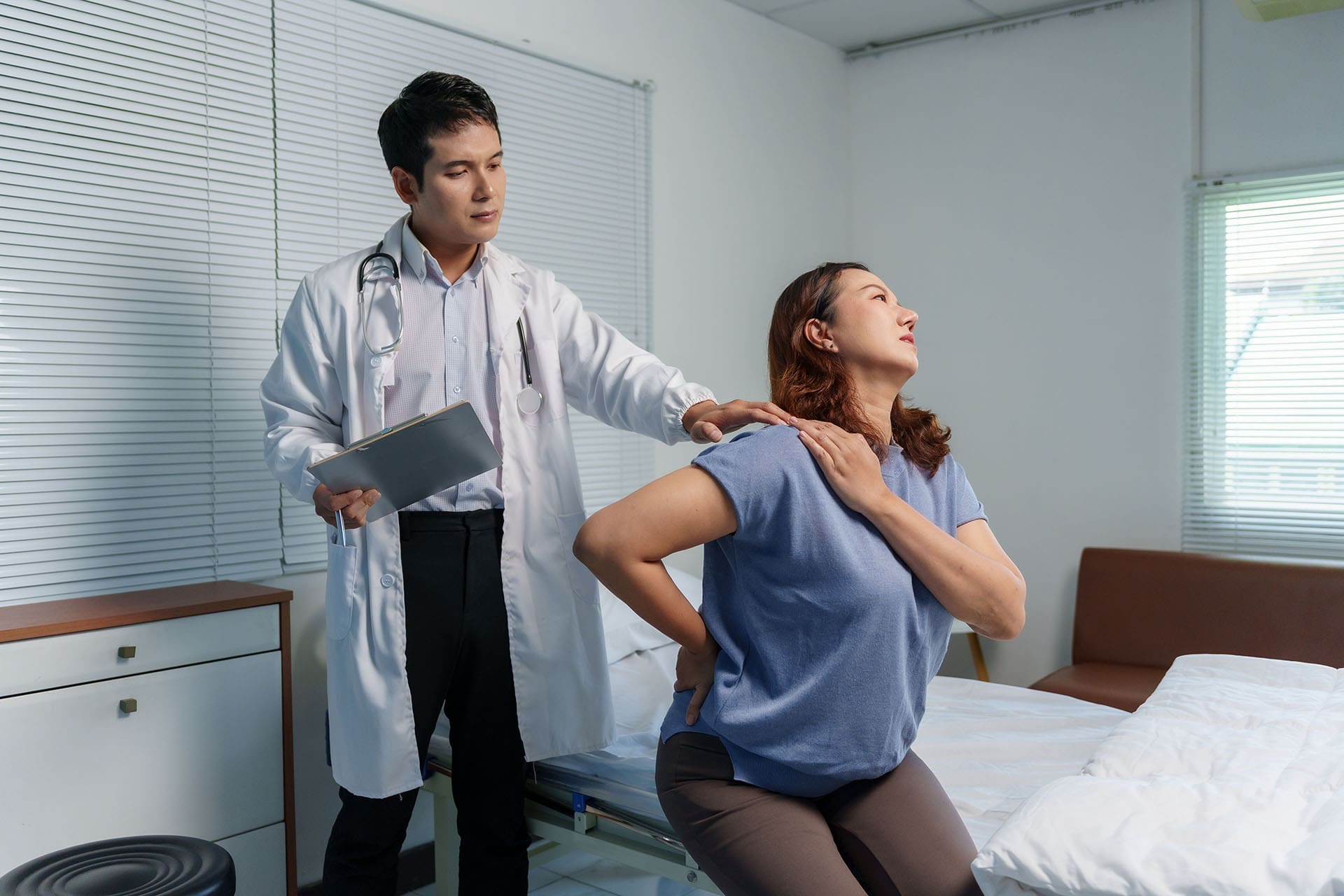
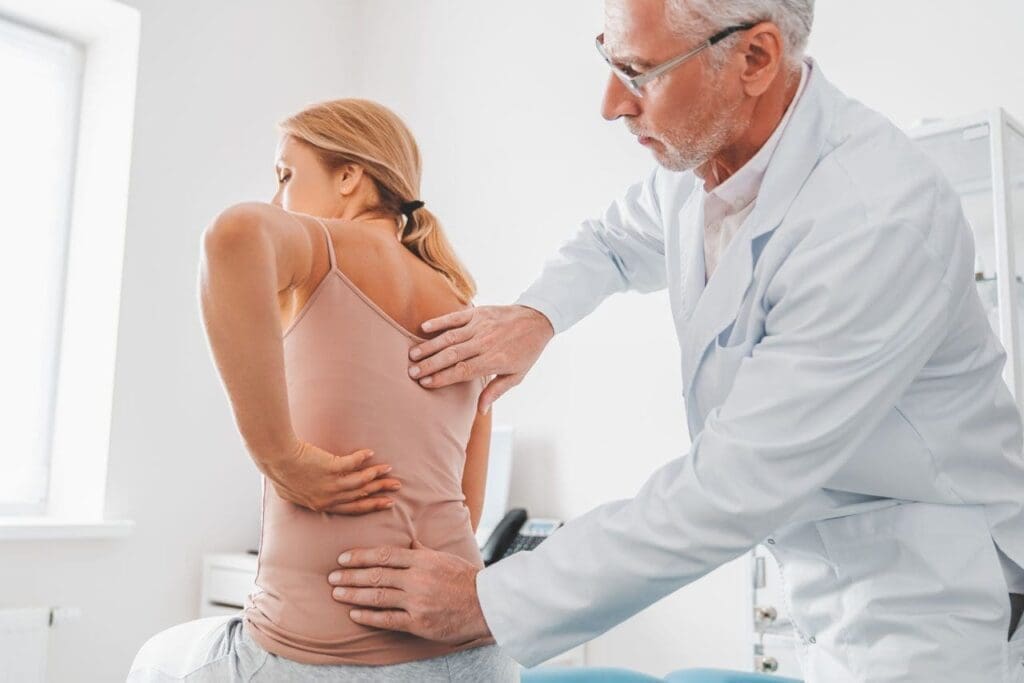
Poor posture is often treated like a simple bad habit. But at ChiroMed, the bigger picture matters. Many people do not slouch just because they forget to sit up straight. They may be dealing with neck pain, shoulder weakness, spinal irritation, disc degeneration, muscle imbalances, or old injuries that make it difficult to maintain good posture. In these cases, platelet-rich plasma, or PRP, may help indirectly by lowering pain, supporting tissue repair, and improving structural stability. At ChiroMed, PRP is offered as part of an integrative medicine plan that may include chiropractic care, nurse practitioner evaluation, rehabilitation, nutritional support, acupuncture, and other non-surgical services.
PRP is not a direct posture correction tool. It does not teach the body new habits on its own. It may help repair some of the painful or unstable tissues that keep people stuck in poor movement patterns. When pain drops and support structures improve, standing taller, moving more freely, and participating in corrective care may become easier. That is why PRP can fit into a ChiroMed-style program focused on both healing and biomechanics.
What PRP therapy is
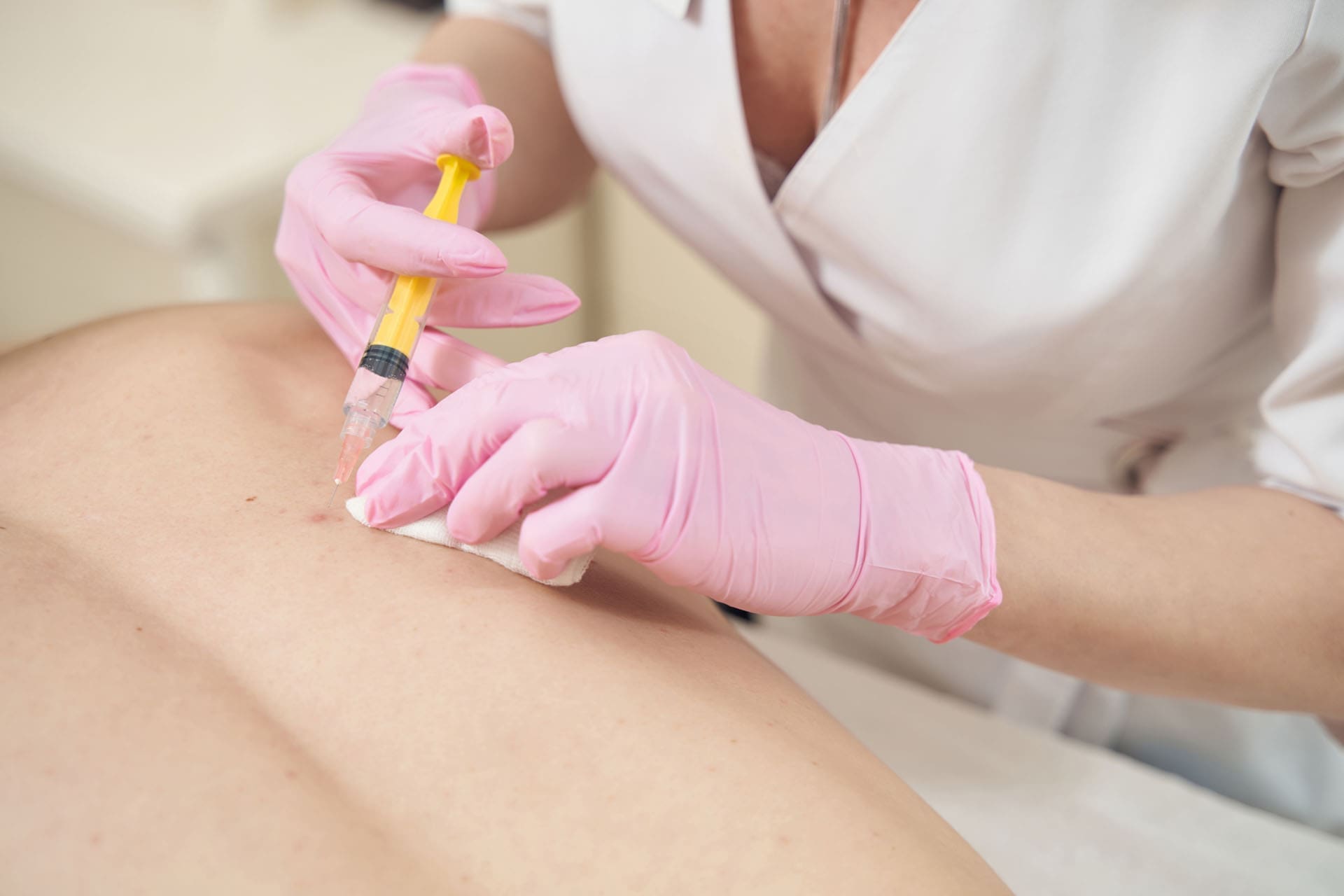
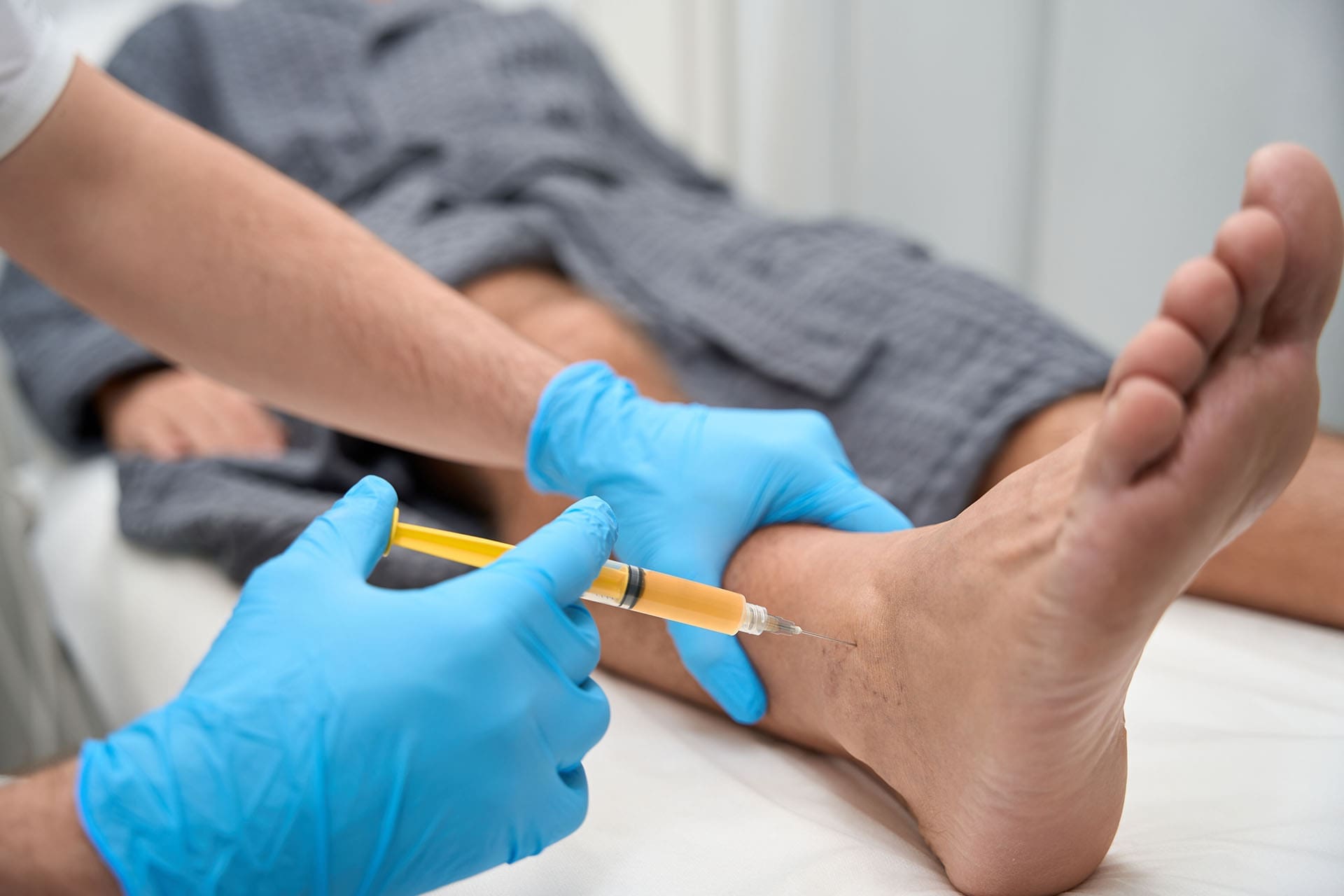
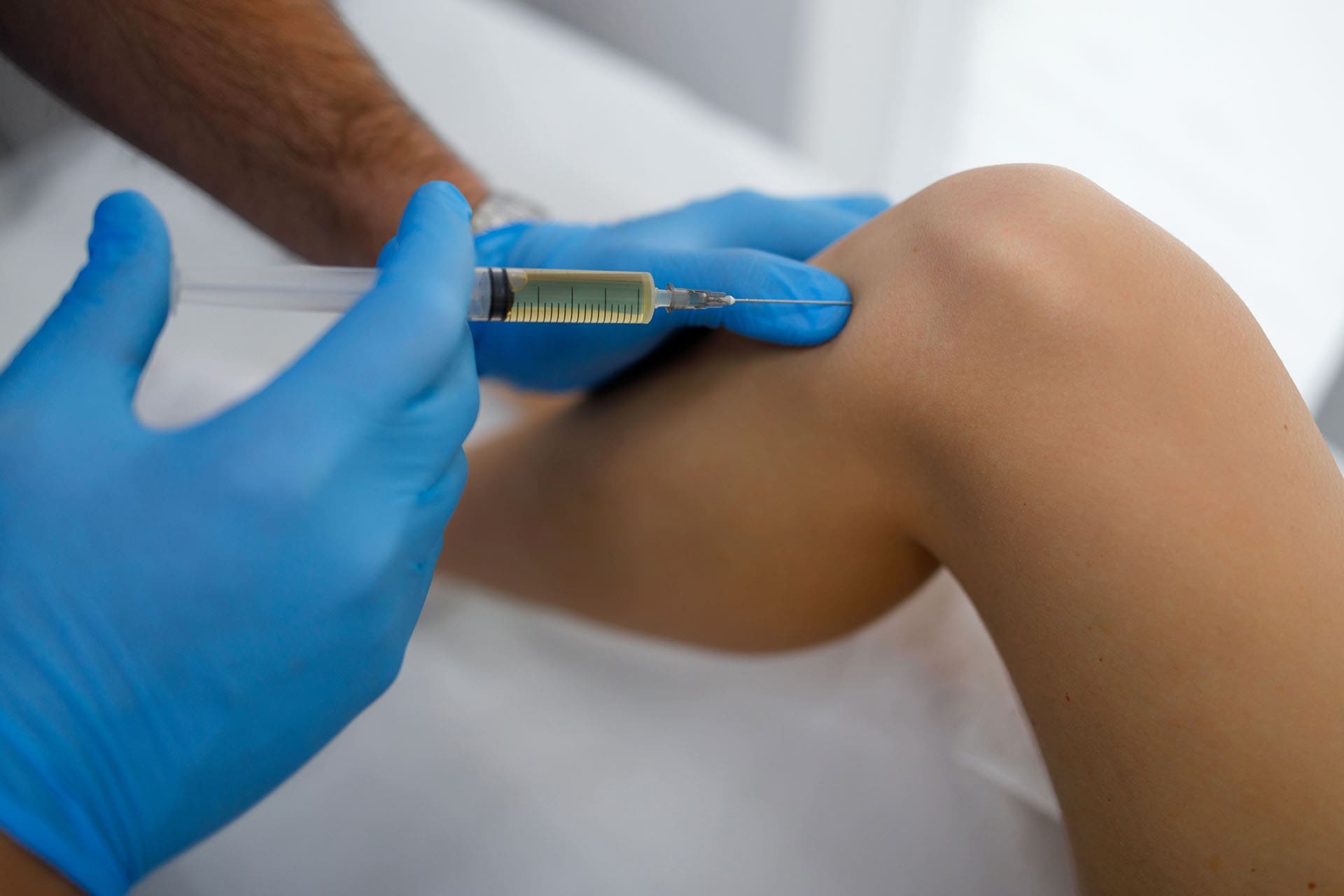
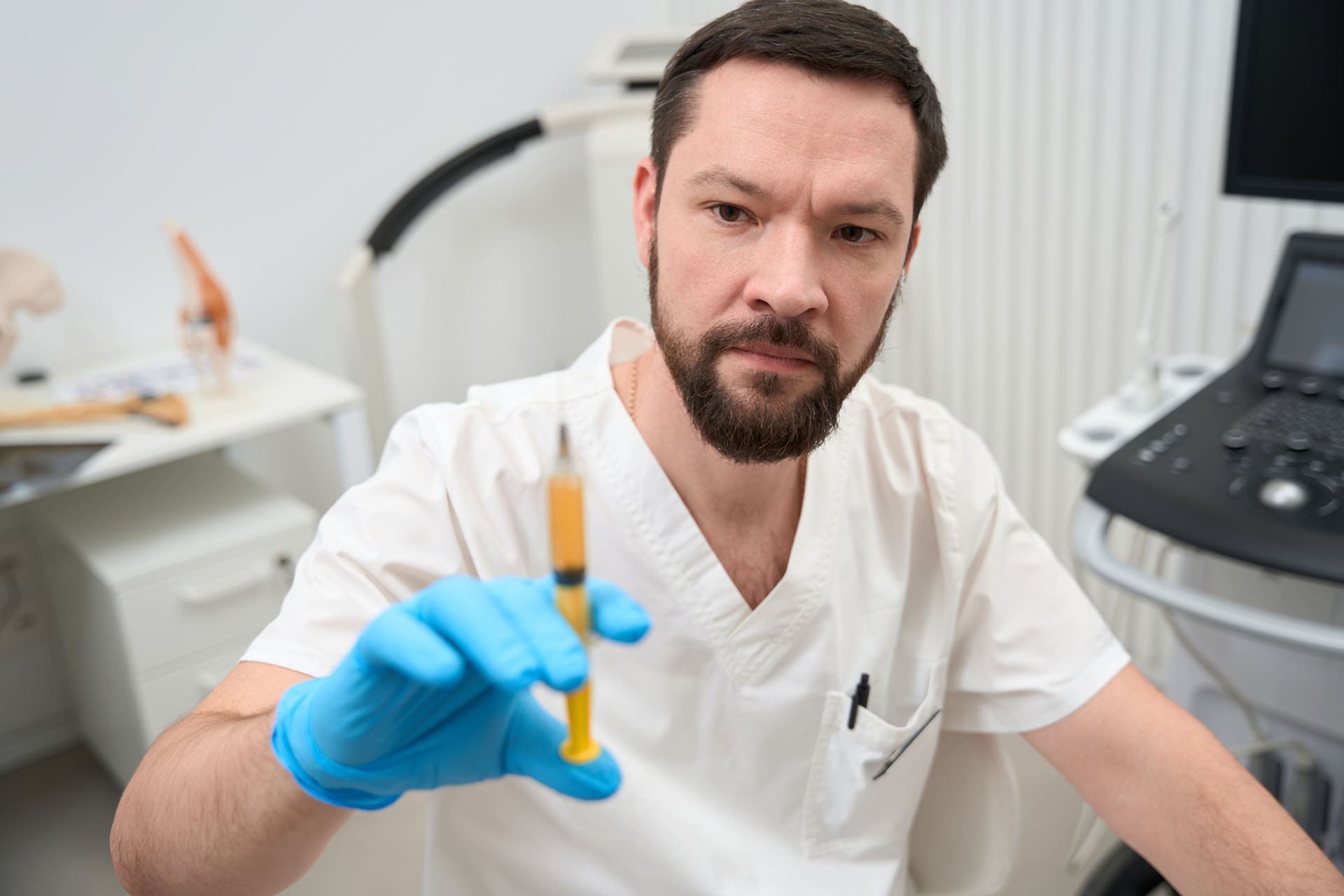
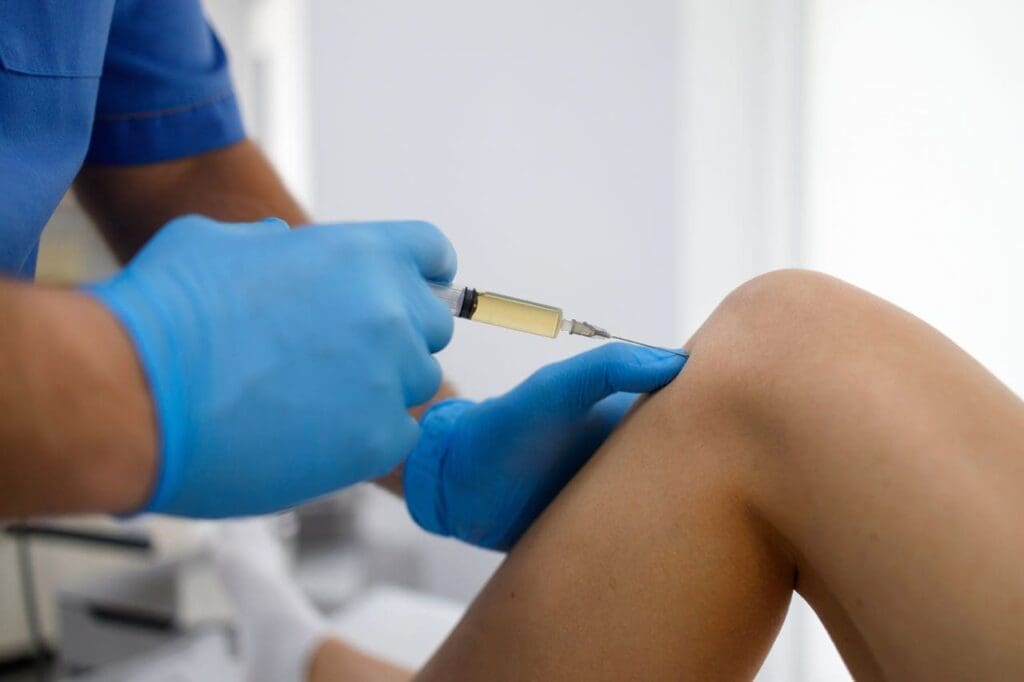
PRP is made from a small sample of a patient’s own blood. The blood is spun in a centrifuge, concentrating the platelets. Platelets are best known for helping blood clot, but they also contain growth factors that can support cell repair, tissue healing, and regeneration. After preparation, the PRP is injected into the area that needs help. Johns Hopkins explains that PRP uses the patient’s own blood cells to accelerate healing in a specific area, while Washington University describes it as a treatment for certain musculoskeletal conditions, even though many applications are still considered investigational.
At ChiroMed, PRP is described as more than a basic injection. The clinic pairs regenerative medicine with chiropractic care and broader functional or integrative support. Its website explains that the team uses PRP as part of a whole-person approach and that Dr. Alex Jimenez leads a multidisciplinary model that combines chiropractic care with advanced practice nurse practitioner training. That framing matters because posture problems usually involve more than one issue at a time.
Why pain and tissue damage can affect posture
Posture depends on more than effort. It also depends on whether the body feels safe enough and strong enough to hold healthy alignment. If the neck hurts, the shoulders are inflamed, the back is stiff, or the spinal tissues are irritated, the body often shifts into a guarded position. Over time, that protective pattern can start to feel normal. ChiroMed’s posture content explains that long hours of sitting, heavy technology use, weak support muscles, and stress can all pull the body out of alignment and create lasting strain.
This is also why posture is partly a matter of brain and habit. The All Well Scoliosis Centre article you shared makes an important point: posture is a habit, not just a muscle problem. It explains that exercise can improve fitness, but it does not automatically correct daily movement habits. If someone works out briefly but spends most of the day repeating poor posture, the body usually returns to its dominant pattern. That means a real change in posture often requires both pain relief and pattern retraining.
How PRP may help posture indirectly
PRP may support posture in a roundabout but meaningful way. It can help reduce some of the mechanical problems that keep a person from holding good alignment.
Possible indirect benefits include the following:
- Lowering inflammation in painful tissues
- Supporting healing in ligaments and tendons
- Improving comfort in injured joints
- Helping some cases of chronic low back pain
- Supporting tissue repair in degenerative disc conditions
- Aiding recovery in shoulder problems that affect the upper-body position
A review in the Journal of Pain Research found that the published clinical studies it reviewed reported PRP was safe and effective in reducing back pain, even though the authors also stressed that stronger evidence is still needed. That balanced view fits well here. PRP is promising, but it is not magic, and it is not a one-step cure for every posture complaint.
Spine-focused sources from your list support this same idea. The Morrison Clinic article explains that PRP may help with degenerative disc disease and other spinal issues by lowering inflammation and supporting healing in damaged tissue. When disc pain or ligament strain improves, the person may have an easier time standing, walking, and sitting with better mechanics.
Shoulder function matters too. Rounded shoulders and forward head posture often accompany rotator cuff irritation, upper back weakness, or protective guarding. Princeton Sports and Family Medicine explains that PRP may help modulate the inflammatory response in rotator cuff injuries and promote an environment that supports healing. If shoulder pain decreases and function improves, upper-body posture may improve as well.
What PRP cannot do on its own
PRP should not be sold as a habit fixer. If poor posture mainly stems from desk work, phone use, low endurance, poor ergonomics, or years of repetitive movement, an injection alone will not retrain the nervous system or correct daily mechanics. That is one of the clearest lessons from the posture sources you gave. Better posture usually needs repeated cueing, corrective exercise, mobility work, and better daily movement choices.
This is why PRP often works best as one part of a bigger care plan. Riverside Health notes that many patients report greater relief of pain and stiffness when PRP is combined with physical therapy, weight management, joint-stabilization exercises, and healthy lifestyle changes. In a posture-focused setting, that same principle applies to rehab, ergonomic changes, strengthening, and structural care.
Why the ChiroMed approach fits posture care
ChiroMed’s official service and blog pages repeatedly describe an integrated medicine model. The clinic combines chiropractic care with nurse practitioner services, rehabilitation, nutrition counseling, acupuncture, and regenerative options. Its site also highlights care for poor posture, disc injuries, shoulder injuries, chronic pain, sports injuries, and complex spinal problems. That makes PRP a logical addition for selected patients whose posture problems are linked to tissue damage or instability rather than habit alone.
ChiroMed’s own regenerative medicine content states that the clinic uses natural, non-surgical healing strategies to address root causes rather than merely cover symptoms. Its PRP spinal care page says PRP is used alongside chiropractic adjustments and broader support for healing and function. The clinic’s IV and regenerative article also states that chiropractic care helps the framework function smoothly while regenerative care supports repair. That message fits posture correction well: tissues need help healing, and the body also needs help moving correctly again.
Clinical observations from Dr. Alexander Jimenez
On ChiroMed and DrAlexJimenez.com, Dr. Alexander Jimenez, DC, APRN, FNP-BC, is presented as a dual-licensed clinician who combines chiropractic and advanced practice nursing perspectives. ChiroMed describes him as leading a multidisciplinary team, and DrAlexJimenez.com describes a dual-scope model that blends chiropractic care, family practice nursing, functional medicine, personalized rehabilitation, and regenerative strategies. In posture-related material, Dr. Jimenez’s sites emphasize that posture problems can be linked to spinal misalignment, muscle imbalance, inflammation, disc issues, and lifestyle stressors.
Those observations support a practical clinical point: if posture problems come from painful tissues, disc irritation, or joint dysfunction, PRP may help by improving the healing environment. But if posture patterns are also being reinforced by work habits, driving habits, or weak stabilizers, then the patient still needs chiropractic care, exercise, movement retraining, and education. That is the kind of layered plan Chiromed appears built to deliver.
Who may be a good candidate
PRP may be worth discussing when someone has ongoing musculoskeletal pain that has not improved enough with basic care. Based on the sources you provided and the ChiroMed framing, better candidates often include people with mild-to-moderate tissue damage, persistent tendon or ligament pain, chronic joint irritation, some disc-related problems, or shoulder dysfunction that limits normal movement. It may be especially appealing to people trying to avoid surgery or reduce reliance on medication.
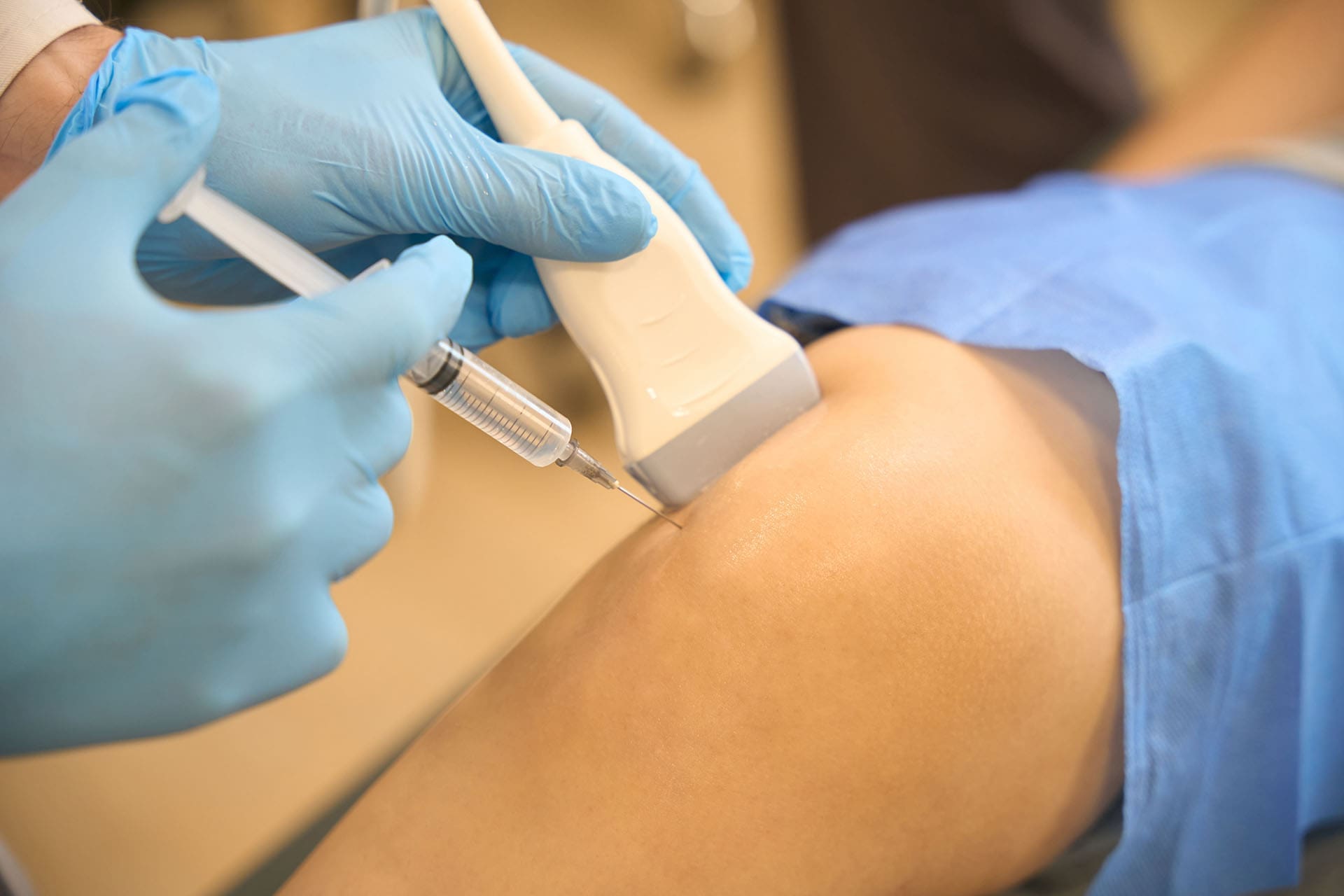
A full evaluation still matters. Washington University notes that PRP is investigational for many musculoskeletal uses, and not all conditions respond the same way. Good candidate selection, diagnosis, image guidance when needed, and follow-up rehab are important.
A practical posture plan at Chiromed
For many patients, the most realistic posture plan is not “PRP or chiropractic.” It is a combination approach. A ChiroMed-style program may include:
- Medical and chiropractic evaluation
- PRP for selected painful or unstable tissues
- Chiropractic adjustments to improve joint motion
- Soft-tissue work to ease tension
- Corrective exercise and stabilization training
- Ergonomic coaching for work and driving posture
- Nutrition and recovery support
- Ongoing habit retraining
This kind of plan makes sense because posture is both structural and behavioral. PRP may help the painful tissue heal. Chiropractic care may improve movement. Rehab may build support. Daily habit work may keep the results from fading.
Final thoughts
PRP therapy can help some posture problems, but mostly by treating the pain, tissue strain, and instability behind them. It may support the healing of discs, ligaments, tendons, joints, and shoulders, making it easier to achieve better posture. Still, it is not a stand-alone cure for slouching or poor daily habits. For that, patients usually need a broader plan that includes structural care, movement retraining, and lifestyle changes.
That is where a Chiromed-focused article should land: PRP is not the whole answer, but it can be a valuable part of a non-surgical, integrated medicine strategy for people whose posture has been disrupted by pain, degeneration, injury, or long-term dysfunction.
References
- Akeda, K., Yamada, J., Linn, E. T., Sudo, A., & Masuda, K. (2019). Platelet-rich plasma in the management of chronic low back pain: A critical review.
- All Well Scoliosis Centre. (n.d.). Can posture really change? How repetition retrains the brain and spine.
- ChiroMed. (n.d.). Integrated medicine services El Paso TX.
- ChiroMed. (n.d.). Platelet-rich plasma (PRP) therapy for spinal care.
- ChiroMed. (n.d.). How poor posture habits develop over time.
- ChiroMed. (n.d.). PRP therapy for sports injuries: Non-surgical healing.
- ChiroMed. (n.d.). Regenerative medicine: Natural non-surgical healing.
- ChiroMed. (n.d.). Regenerative medicine and IV therapy for better recovery for musculoskeletal injuries and immune dysfunction.
- Johns Hopkins Medicine. (n.d.). Platelet-rich plasma (PRP) injections.
- Jimenez, A. (n.d.). El Paso, TX family practice nurse practitioner and chiropractor: Dr. Alex Jimenez, DC, APRN, FNP-BC, CCST, CFMP, IFMCP, ATN.
- Jimenez, A. (2026). Posture correction chiropractic therapy for everyone.
- Jimenez, A. (2026). PRP therapy body detoxification and tissue repair explained.
- Jimenez, A. (2026). PRP therapy for sports injuries: Reduce recovery time.
- Jimenez, A. (2026). Understanding poor posture to improve alignment.
- Morrison Clinic. (n.d.). PRP therapy for spinal conditions: Evidence-based treatment guide.
- Princeton Sports and Family Medicine. (n.d.). Shoulder salvation: Exploring platelet-rich plasma (PRP) therapy for rotator cuff injuries.
- Riverside Health. (2025). PRP injections: A non-surgical alternative for tendinopathy and osteoarthritis.
- Washington University Orthopedics. (n.d.). Platelet-rich plasma (PRP) treatment.