Transforming Health with Integrated Medicine and Nutrition
Chronic pain, injuries, or wellness goals can feel overwhelming, but a holistic approach combining chiropractic care, functional medicine, and integrative nutrition offers a path to lasting relief and vitality. At ChiroMed—Integrated Medicine in El Paso, TX, we focus on addressing the root causes of health issues through personalized, all-natural treatment plans. Led by Dr. Alexander Jimenez, DC, APRN, FNP-BC, our clinic offers a comprehensive suite of services to support recovery and promote overall well-being, enabling patients to thrive in their active lives.
Why ChiroMed Stands Out
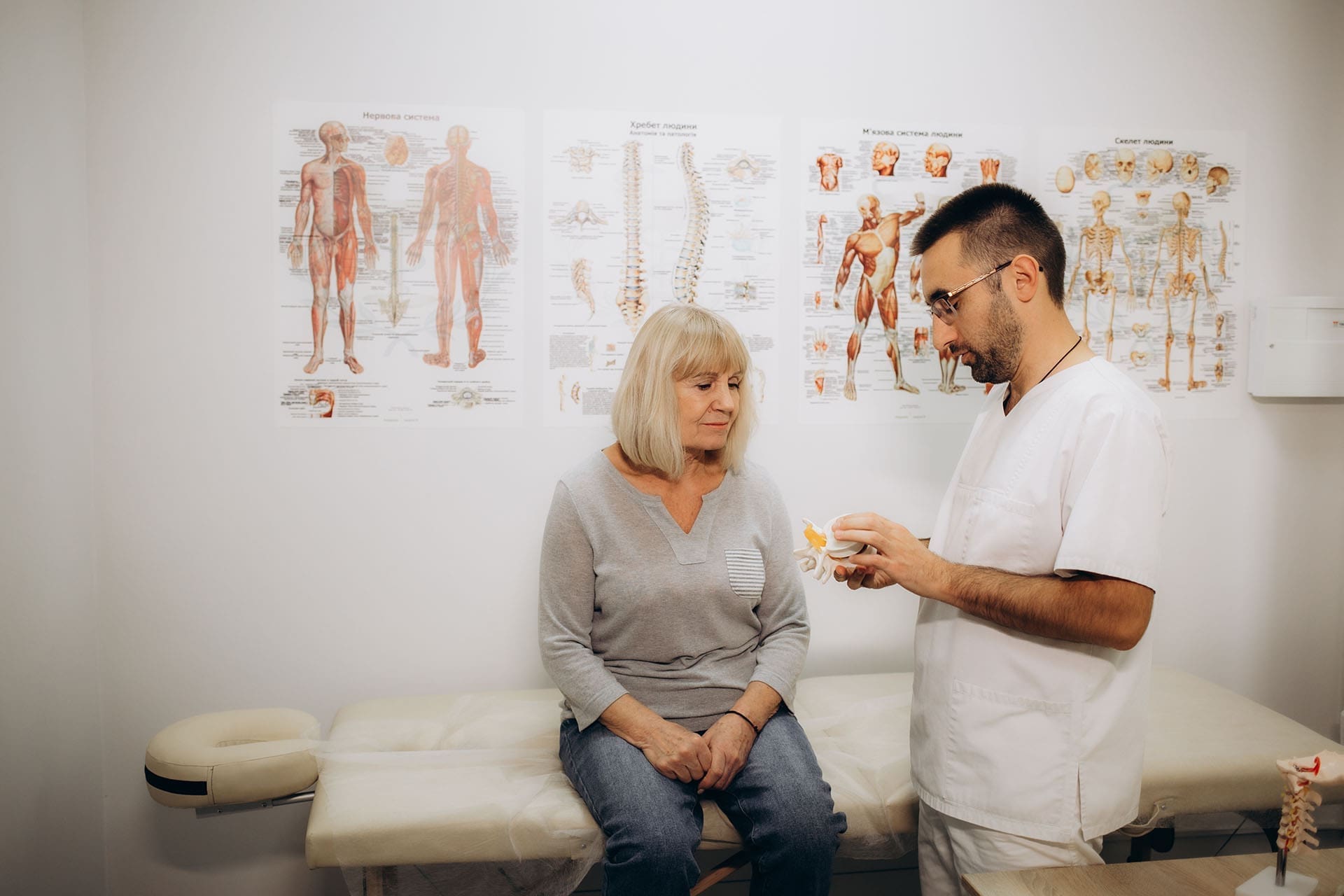
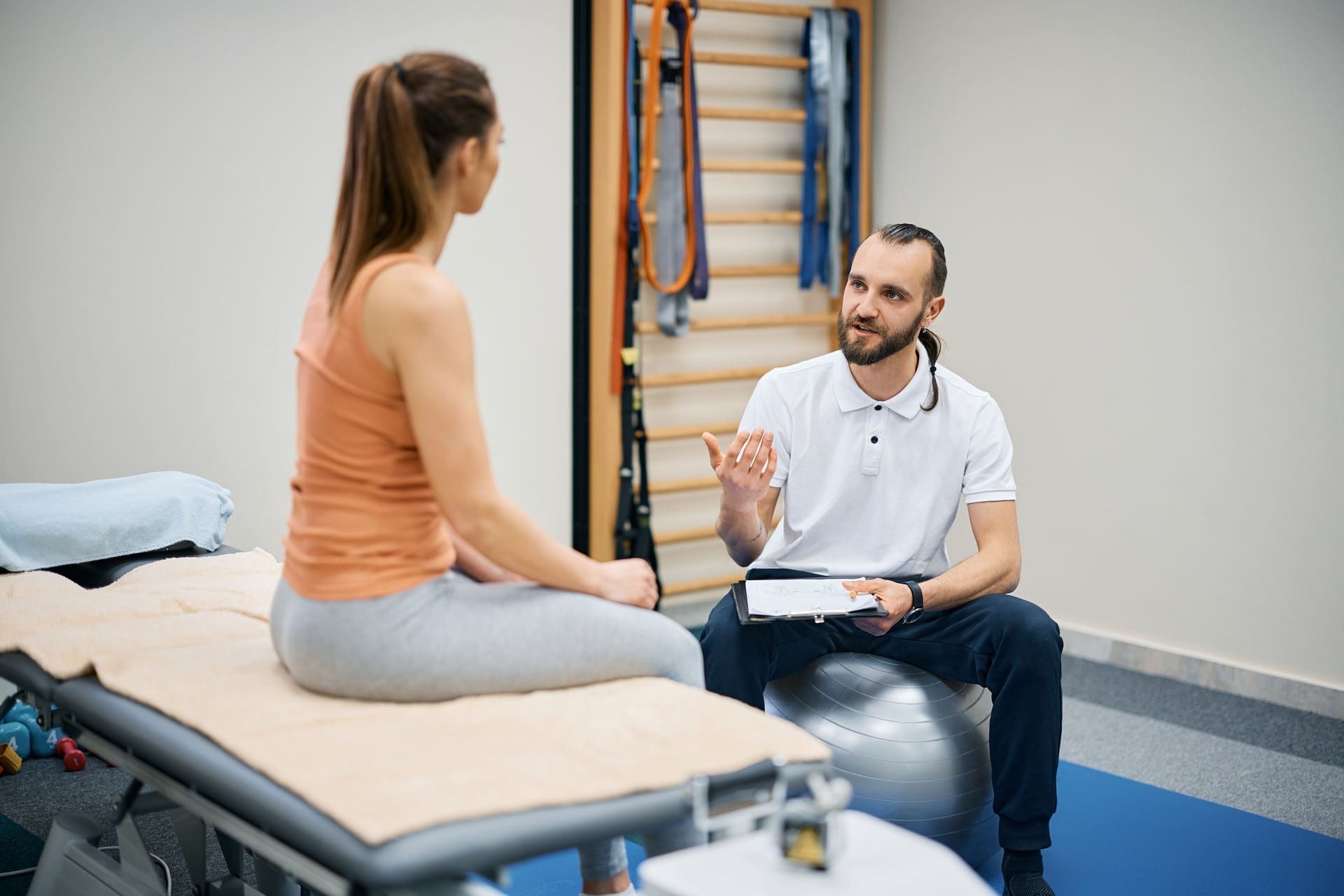
Located in the heart of El Paso, ChiroMed—Integrated Medicine is committed to holistic, patient-centered care. Our team, led by Dr. Jimenez, with over 25 years of experience as a chiropractor and nurse practitioner, offers tailored treatment plans for conditions such as chronic pain, sports injuries, work-related strains, and motor vehicle accident (MVA) trauma. We integrate chiropractic care, nurse practitioner services, naturopathy, rehabilitation, nutrition counseling, and acupuncture to deliver comprehensive solutions (Jimenez, 2023a).
Our clinic offers a comfortable and welcoming environment, collaborating with a network of licensed therapists and healthcare practitioners to provide personalized care. We also offer detailed medical documentation for personal injury cases, supporting patients in legal and insurance matters (Jimenez, 2023b).
References
Jimenez, A. (2023a). Clinical observations.
Jimenez, A. (2023b). Clinical observations.
Nutrition for Healing and Vitality
At ChiroMed, we believe food is medicine. Our integrative nutrition plans emphasize nutrient-dense, whole foods, such as leafy greens, berries, fatty fish, and nuts, which are rich in antioxidants and omega-3 fatty acids, to reduce inflammation—a key factor in chronic pain and injury recovery (Longevity Stanford, 2023). Studies have shown that a Mediterranean-style diet can accelerate healing and enhance overall health (BBC Good Food, 2023).
Protein from sources like chicken, eggs, or lentils supports tissue repair, while carbohydrates from whole grains and sweet potatoes replenish energy. Healthy fats from avocados and olive oil enhance joint health and endurance (Revista Nutrición, 2023). Paired with chiropractic adjustments to improve spinal alignment and circulation, these dietary strategies help the body heal naturally and efficiently (Chiropractor in Oviedo, 2023).
References
BBC Good Food. (2023). What is an anti-inflammatory diet?.
Chiropractor in Oviedo. (2023). Chiropractic nutrition.
Longevity Stanford. (2023). What should athletes eat to fuel peak performance?.
Revista Nutrición. (2023). Optimizing performance nutrition for athletes.
Comprehensive Injury Care
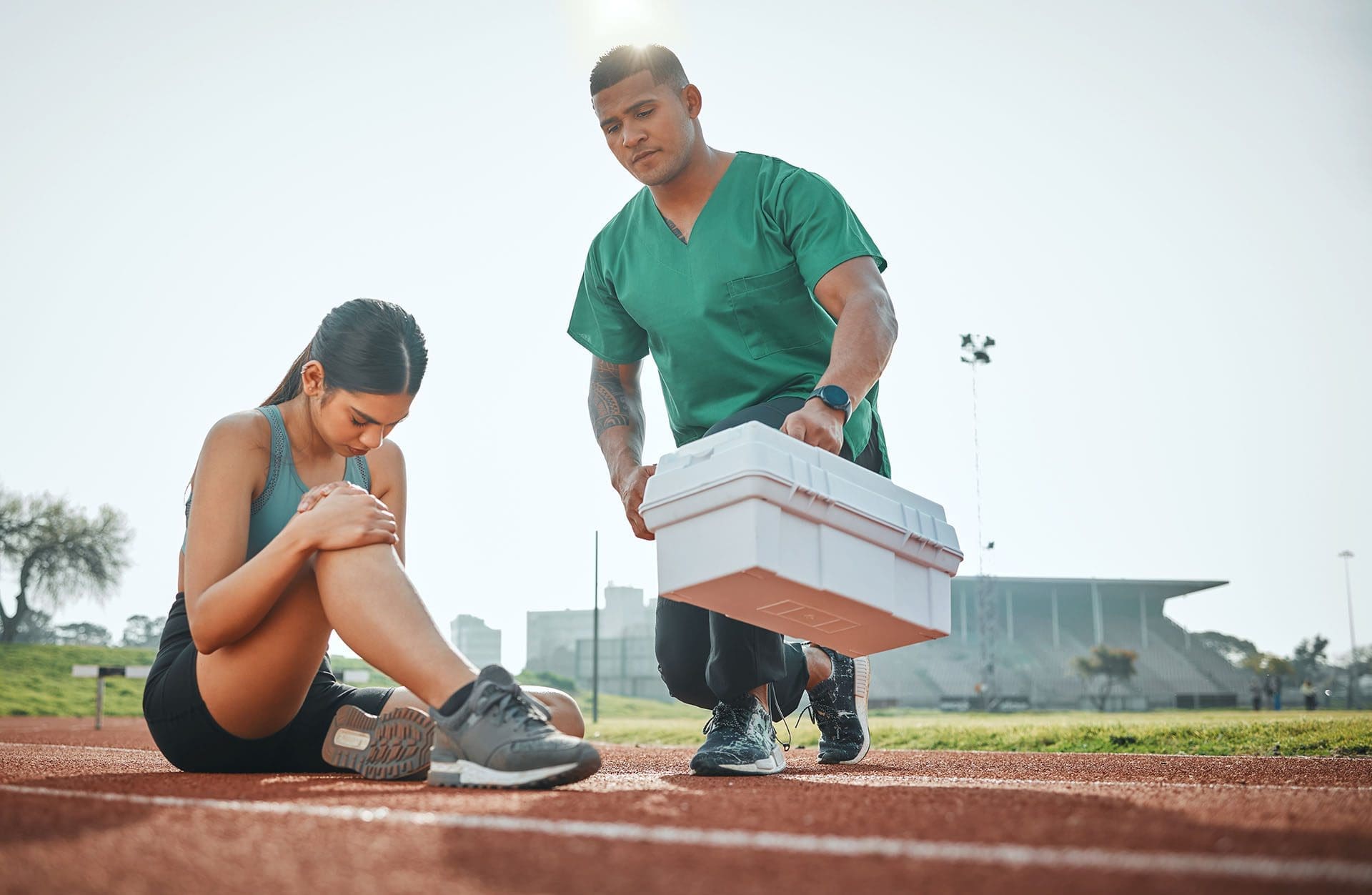
ChiroMed specializes in treating a wide range of injuries, from sports-related sprains to work accidents and MVAs. Dr. Jimenez’s dual expertise as a chiropractor and nurse practitioner allows for a unique approach, combining spinal adjustments, targeted exercises, massage therapy, and acupuncture to address musculoskeletal and neurological issues (Jimenez, 2023c). For example, a patient with neck pain from a car accident might receive adjustments to relieve nerve pressure, alongside a nutrition plan to reduce inflammation.
Our rehabilitation programs focus on restoring mobility and strength, while naturopathic and nutritional counseling address underlying factors such as nutrient deficiencies. This integrated approach ensures faster recovery and prevents long-term complications (Evolved Health Chiropractic, 2023).
References
Evolved Health Chiropractic. (2023). Sports nutrition and chiropractic care: Fueling your body for peak performance.
Jimenez, A. (2023c). Clinical observations.
Advanced Diagnostics for Precision
Accurate diagnosis is the foundation of effective treatment. At ChiroMed, we utilize advanced diagnostic tools, including blood tests, hormone panels, and imaging techniques (such as MRIs and X-rays), to identify the root causes of health issues, such as inflammation or structural misalignments (Jimenez, 2023d). For instance, a patient with chronic back pain might undergo an MRI to detect a herniated disc, followed by a tailored plan of adjustments and anti-inflammatory nutrition.
This precision ensures treatments target the source of the problem, whether it’s a nutrient deficiency or a musculoskeletal issue. For injury-related cases, our detailed medical records support patients in legal claims, providing clarity for insurance or court proceedings (Jimenez, 2023e).
References
Jimenez, A. (2023d). Clinical observations.
Jimenez, A. (2023e). Clinical observations.
Holistic Therapies for Lasting Wellness
Our integrative approach combines chiropractic care, massage therapy, acupuncture, and rehabilitation to promote healing and prevent chronic issues. Chiropractic adjustments correct spinal misalignments, improving nerve function and mobility. Massage therapy reduces muscle tension, while acupuncture stimulates natural pain relief through the release of endorphins (PARC of Ontario, 2023). Targeted exercises strengthen supporting muscles, ensuring long-term stability.
These therapies, paired with nutrition counseling, address neuromusculoskeletal health comprehensively. For example, a patient with shoulder pain may receive adjustments, massage, and a diet rich in omega-3 fatty acids to reduce inflammation and support recovery (585 Chiropractor, 2023). This holistic strategy ensures the nervous system, muscles, and skeleton work together for optimal health (Village Chiropractic, 2023).
References
585 Chiropractor. (2023). The role of nutrition in sports injury prevention.
PARC of Ontario. (2023). How diet influences your recent chiropractic treatment.
Village Chiropractic. (2023). The importance of good nutrition and chiropractic care.
Boosting Performance Through Integrated Care
Whether you’re an athlete or seeking to improve your health, ChiroMed’s approach enhances performance through personalized nutrition and functional medicine. A balanced diet with timed meals—like a post-workout protein-carb combo—supports muscle repair and energy replenishment (Better Health Channel, 2023). Chiropractic adjustments enhance joint mobility and posture, thereby reducing the risk of injury and improving physical efficiency (Atlantic Chiropractic, 2023).
Dr. Jimenez tailors plans to individual needs, considering activity levels and health goals. For example, an athlete with knee pain might receive adjustments to correct alignment, exercises to strengthen supporting muscles, and a diet high in antioxidants to reduce inflammation (National Academy of Sports Medicine [NASM], 2023). This integrated strategy maximizes performance and vitality.
References
Atlantic Chiropractic. (2023). Nutrition and chiropractic: How diet impacts spinal health and well-being.
Better Health Channel. (2023). Sporting performance and food.
National Academy of Sports Medicine [NASM]. (2023). Nutrition for recovery.
Conclusion
At ChiroMed – Integrated Medicine, we combine chiropractic care, functional medicine, and integrative nutrition to address chronic pain, injuries, and wellness goals. By focusing on the root causes of health issues with advanced diagnostics and holistic therapies, we empower patients to achieve lasting vitality. Dr. Alexander Jimenez and our dedicated team in El Paso, TX, are committed to helping you live a pain-free, vibrant life through personalized care. Join us on this journey to optimal health.
The Link Between Posture, Sports Training, and Chiropractic Care
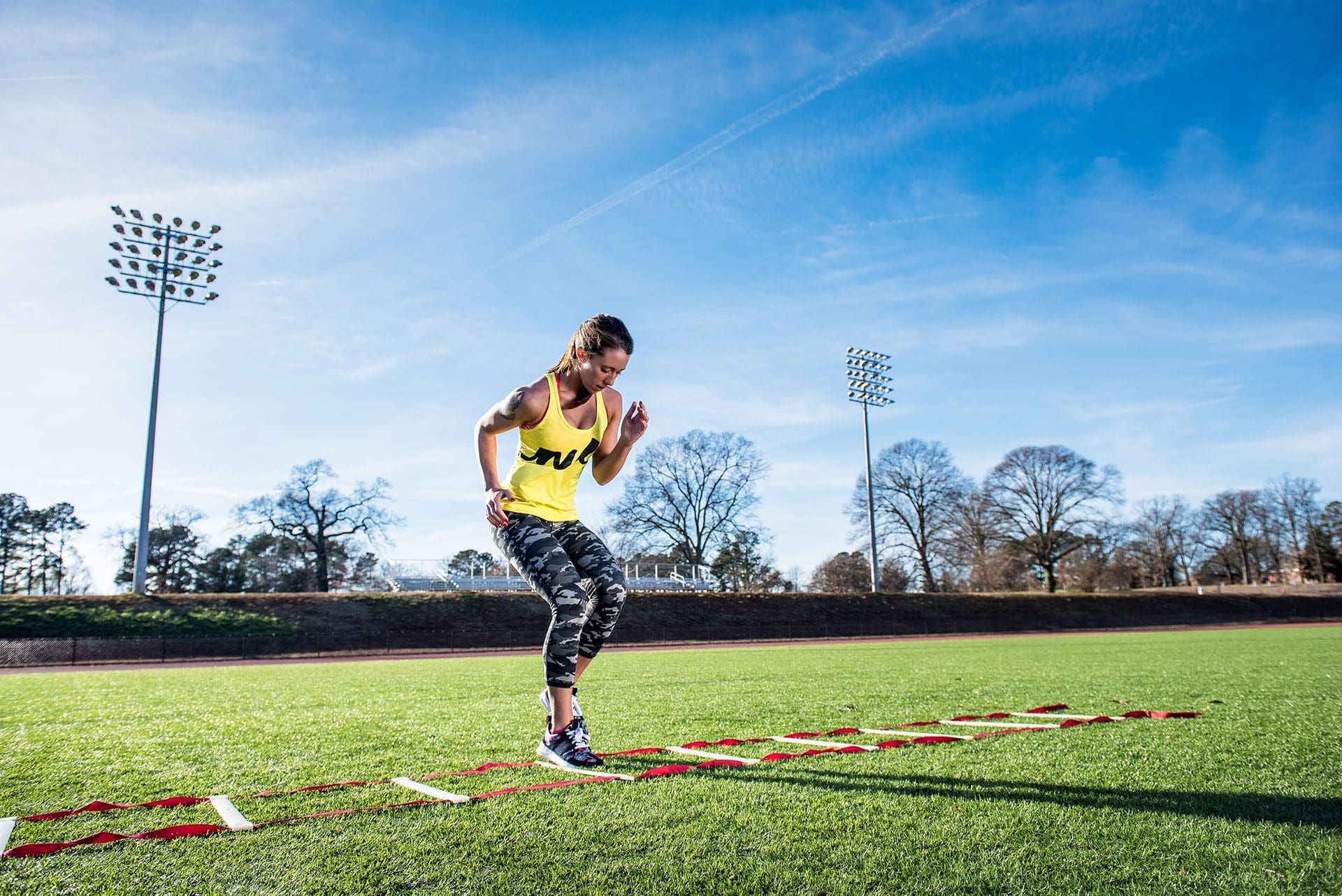
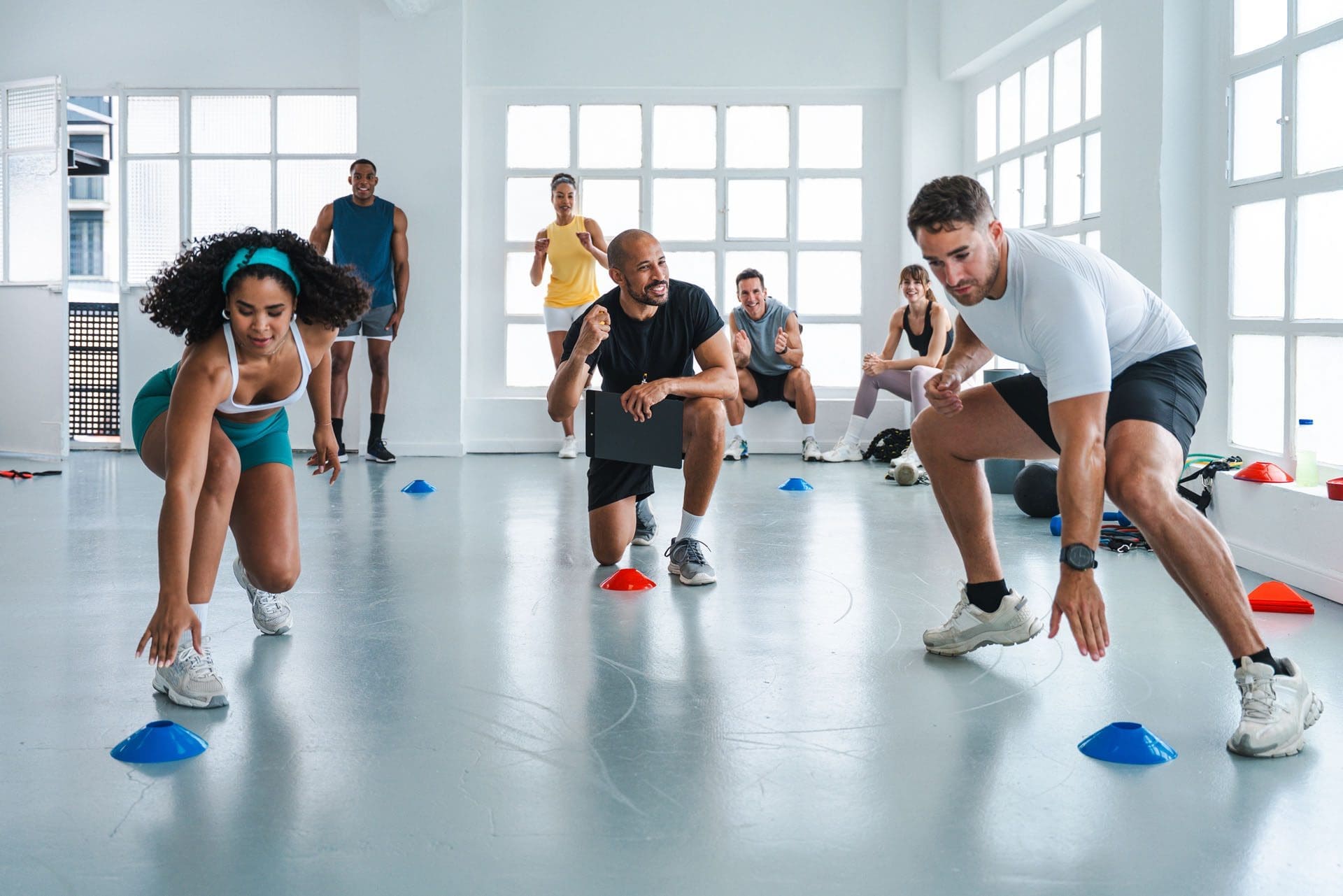
Good posture is more than just standing up straight—it’s a key factor in how well you perform in sports and how likely you are to avoid injuries. When your body is aligned properly, your muscles and joints work together smoothly, giving you the strength and balance needed for athletic success. Poor posture, on the other hand, can throw everything off, leading to strain and a higher risk of getting hurt. This is where sports training and chiropractic care come together to make a big difference.
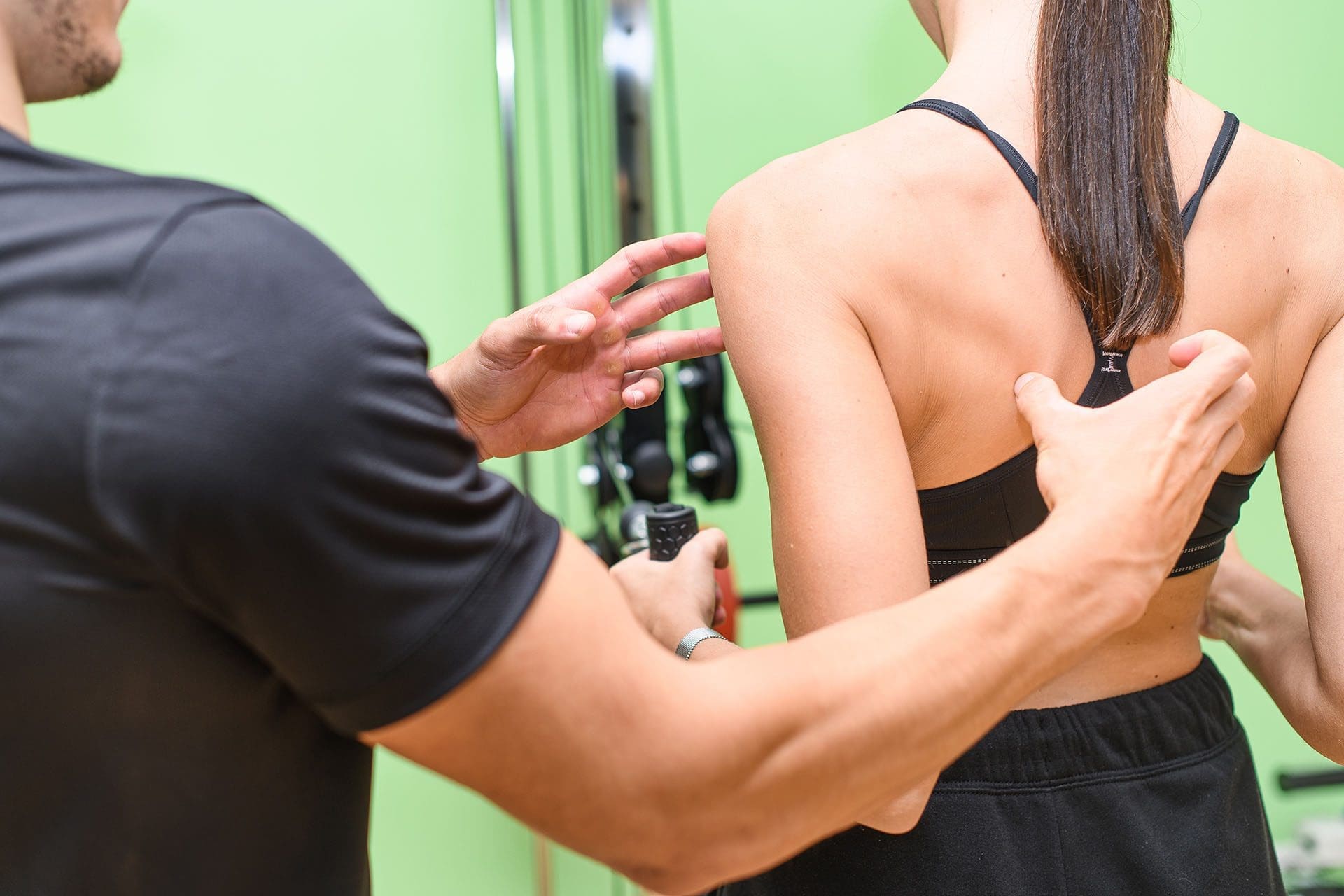
Chiropractic care helps by fixing postural imbalances and keeping your spine in line. A well-aligned spine improves how your body moves, which is crucial for athletes. Integrative care, which combines chiropractic adjustments with other therapies, takes it a step further by boosting overall muscle and joint health. Together, these approaches help athletes perform better and stay safe while doing what they love.
Why Posture Matters in Sports
Posture affects how efficiently your body uses energy during sports. When you slouch or lean too far forward, your muscles have to work harder to keep you stable, which can tire you out faster. Good posture, though, lets you move with more power and control. For example, a runner with a strong, upright stance can maintain speed longer than someone with a hunched back. Plus, proper alignment reduces the stress on your joints, lowering the chance of injuries like sprains or strains (Square One Health, 2023).
Chiropractors can spot these issues early. By adjusting the spine, they help restore balance, which is especially helpful for sports that require quick movements, like basketball or soccer. This not only boosts performance but also prevents injuries that might happen from uneven wear on your body (Alter Chiropractic, 2023).
Chiropractic Care and Injury Prevention
Injuries are a big concern for anyone active in sports, but chiropractic care can play a huge role in keeping them at bay. Misaligned spines or tight muscles can set the stage for problems like pulled muscles or joint pain. Regular chiropractic visits can correct these issues before they turn into something worse. For instance, adjustments can relieve pressure on nerves, improving how your body handles the demands of training (Advanced Spine and Posture, 2023).
Integrative care adds to this by including stretching and mobility work, which keeps muscles flexible and strong. This combo helps athletes recover faster and train without constant pain, making it a smart addition to any routine (Trident Health Chiropractic, 2023).
The Role of Dr. Alex Jimenez in Sports and Injury Recovery
Dr. Alex Jimenez, a chiropractor and nurse practitioner based in El Paso, brings a unique skill set to help people recover from injuries caused by work, sports, personal incidents, or car accidents. His dual training allows him to look at injuries from both a medical and chiropractic angle, giving patients a thorough diagnosis and treatment plan. He uses advanced imaging and diagnostic tests to determine the exact cause, ensuring every step of the recovery process is based on solid evidence.
Dual-Scope Diagnosis and Treatment
Dr. Jimenez stands out because he combines his chiropractic expertise with his nurse practitioner background. This lets him assess injuries with a wide lens, considering both the physical structure and overall health of his patients. For example, he might use X-rays or MRIs to pinpoint a spinal issue and then create a plan that includes adjustments, exercises, and sometimes medication if needed. This approach helps address the root cause of the injury rather than just the symptoms (Jimenez, 2025).
His work with diagnostic assessments is key. These tools help him see inside the body, identifying problems like misaligned vertebrae or muscle damage that might not be obvious otherwise. This detailed process ensures treatments are tailored to each person’s needs, speeding up recovery and preventing future issues.
Handling Medical and Legal Needs
What makes Dr. Jimenez even more valuable is his ability to manage both medical care and legal paperwork, especially in personal injury cases. After an accident, patients often need to deal with insurance claims or lawsuits, and he helps by providing detailed reports and documentation. His experience ensures that the medical side of the case is clear and strong, supporting patients as they seek compensation or justice (Jimenez, 2025).
Recovery Through Chiropractic and Integrative Medicine
Dr. Jimenez’s approach goes beyond quick fixes. He uses chiropractic care to realign the spine, targeted exercises to rebuild strength, and therapies like massage and acupuncture to promote healing. This integrative method tackles a range of injuries— from back pain to joint stiffness—by addressing the underlying causes. By improving posture and overall health, his patients can return to their active lives with less risk of long-term problems (Jimenez, 2025).
Rehabilitation after an injury doesn’t have to be a one-size-fits-all process. Combining chiropractic care with targeted exercise, massage therapy, acupuncture, and integrative medicine creates a powerful plan that covers all aspects of healing. This approach works because it targets different parts of the neuromusculoskeletal system, from nerves to muscles to joints, ensuring a full recovery.
How It Works Together
Chiropractic adjustments fix spinal misalignments, which can relieve pain and improve movement. Adding exercises strengthens the muscles around those areas, preventing future strain. Massage therapy eases tension, while acupuncture boosts blood flow and reduces inflammation—both key for natural healing. Integrative medicine ties it all together by looking at the whole person, not just the injury (Tigard Chiropractic Auto Injury, 2023).
This mix is especially useful for sports enthusiasts. By weaving these therapies into training, athletes can keep their posture in check, move more efficiently, and lower their injury risk. For example, a football player might use chiropractic care to stay aligned and acupuncture to recover from a tough game, leading to better performance over time (Dallas Accident and Injury Rehab, 2023).
Benefits for Long-Term Health
The strength of this integrative approach lies in its ability to prevent long-term complications. Poorly healed injuries can lead to chronic pain or reduced mobility, but a comprehensive plan addresses these risks early. By focusing on natural healing and overall wellness, athletes can enjoy their sports longer and with more confidence (Mountain Movement Center, 2023).
Optimizing Athletic Performance with Integrative Care
Adding chiropractic and integrative therapies to sports training can take your game to the next level. Good posture, supported by regular adjustments, gives you a strong foundation to build on. When your spine is aligned, your body can generate more power and move with greater agility, which is a win for any athlete (MyEvolve Chiropractor, 2023).
Enhancing Performance
Chiropractic care improves how your nervous system works, which is critical for quick reactions and coordination in sports. Pair that with stretching and mobility work, and you’ve got a recipe for peak performance. Integrative care also helps manage stress, keeping muscles and ligaments ready for action without the risk of injury (Dallas Accident and Injury Rehab, 2023).
Preventing Injuries
The real magic happens in injury prevention. By fixing posture issues and boosting circulation, these therapies reduce the strain on your body during intense training. This means fewer setbacks and more time enjoying your sport. Athletes who use this approach often find they can train harder and recover faster, leading to a more successful and fun experience (Essential Chiropractic, 2023).
The connection between posture, sports training, and chiropractic care is clear: proper alignment leads to better performance and fewer injuries. With experts like Dr. Alex Jimenez leading the way, integrative care offers a complete solution. By combining chiropractic adjustments, exercises, massage, acupuncture, and a holistic approach, athletes can heal naturally, improve their skills, and enjoy a healthier, more active life. This all-around strategy not only fixes current issues but also builds a strong future for anyone passionate about sports.
At ChiroMed – Integrated Medicine Holistic Healthcare in El Paso, TX, we understand that injuries from sports and motor vehicle accidents (MVAs) can have a profound impact on your health. These injuries often share similar characteristics because they involve high-impact forces, sudden deceleration, or forceful twisting motions. Whether you’re an athlete sidelined by a sprain or a car accident victim dealing with whiplash, the underlying mechanisms of injury are often comparable. At ChiroMed, our integrative approach, led by Dr. Alexander Jimenez, combines chiropractic care, nurse practitioner services, acupuncture, massage therapy, and naturopathy to address these injuries holistically. The severity of injuries depends on the force involved and the specific circumstances, and our team is here to guide you through recovery with personalized, evidence-based care.
Common Injuries in Sports and MVAs High-impact forces in both sports and MVAs can lead to injuries like traumatic brain injuries (TBIs), fractures, sprains, and strains. For example, concussions are common in contact sports like football, where a sudden hit causes the brain to move within the skull, leading to symptoms such as dizziness or confusion (Skinner Firm, n.d.). Similarly, MVAs can cause concussions when the head strikes the steering wheel or experiences rapid movement during a crash (Boohoff Law, n.d.). These shared mechanisms highlight how both scenarios stress the brain in comparable ways.
Fractures are another frequent injury. In sports, a fall during a basketball game can break a bone, just as a car crash can fracture ribs or limbs due to sudden impact (National Institute of Arthritis and Musculoskeletal and Skin Diseases [NIAMS], n.d.). The force’s intensity and direction play a significant role, with rib fractures varying based on individual anatomy and impact angle (National Highway Traffic Safety Administration [NHTSA], n.d.). At ChiroMed, we use advanced diagnostics to assess fractures and create tailored rehabilitation plans.
Sprains and strains occur when ligaments, muscles, or tendons are stretched or torn. In sports, activities like soccer often lead to ankle or knee sprains from twisting motions (Therasport, n.d.; Dubuque Physical Therapy, n.d.). In MVAs, rapid deceleration can cause similar sprains, particularly in the neck, resulting in whiplash (Indiana Department of Health, n.d.). Neck sprains are especially common, seen in both cyclists who fall and car accident victims experiencing whiplash from rear-end collisions (PubMed Central [PMC], 2011; Stroud Law, n.d.).
Factors Influencing Injury Severity The severity of injuries depends on specific circumstances. In sports, factors like protective gear or playing surface affect outcomes—helmets can reduce concussion risk in football (Brown Health, n.d.). In MVAs, seatbelts and airbags can lessen injury severity, but high-speed crashes often result in more serious damage (Advanced Ortho, n.d.). At ChiroMed, we consider these factors when designing treatment plans, ensuring care matches the injury’s cause and extent.
Dr. Alexander Jimenez and ChiroMed’s Approach to MVA Recovery
Dr. Alexander Jimenez, DC, APRN, FNP-BC, leads ChiroMed’s mission to provide holistic care for MVA patients in El Paso. With his dual expertise as a chiropractor and nurse practitioner, Dr. Jimenez offers a unique blend of medical and alternative treatments. His practice focuses on addressing the root causes of injuries, helping patients recover fully while preventing long-term complications.
Dual-Scope Diagnosis and Treatment Protocols Dr. Jimenez uses a dual-scope diagnosis to connect a patient’s injuries to the mechanics of their accident. For instance, he might link whiplash to the sudden force of a rear-end collision, assessing both visible symptoms and underlying issues like spinal misalignment. This approach allows him to create personalized treatment plans that combine chiropractic adjustments, acupuncture, and massage therapy to restore function and reduce pain. His team at ChiroMed, including skilled professionals like Helen Wilmore (massage therapist) and Kristina Castle (physical therapist), collaborates to ensure comprehensive care.
Advanced Diagnostics and Imaging ChiroMed employs advanced diagnostic tools, such as X-rays and MRIs, to identify injuries like fractures, disc herniations, or soft tissue damage. These assessments provide a clear picture of the injury’s extent, guiding precise treatment plans. For example, imaging might reveal a hidden spinal issue contributing to chronic pain, allowing Dr. Jimenez to target it with specific therapies. This thorough approach ensures patients receive care tailored to their unique needs.
Medical and Legal Expertise Dr. Jimenez’s ability to handle both medical treatment and legal documentation sets ChiroMed apart. After an MVA, patients often face insurance claims or legal battles. Dr. Jimenez meticulously documents injuries, linking them to the accident, and prepares detailed reports for legal use. Dr. Jimenez’s dual role streamlines the process, allowing patients to concentrate on their recovery while receiving accurate medical evidence to support their claims.
Holistic Recovery Through Integrative Medicine ChiroMed’s integrative approach combines chiropractic care, massage therapy, acupuncture, naturopathy, and nutrition counseling to promote natural healing. Chiropractic adjustments correct spinal and joint misalignments, addressing issues like whiplash or back pain. Massage therapy, led by experts like Helen Wilmore, reduces muscle tension and improves circulation, aiding soft tissue recovery. Acupuncture targets pain and inflammation, offering a natural alternative to medication. Naturopathy and nutrition counseling support overall health, helping patients rebuild strength and prevent complications like chronic pain.
For example, an MVA patient with a sprained ankle might receive chiropractic adjustments to improve alignment, massage to reduce swelling, acupuncture for pain relief, and nutrition advice to support healing. This comprehensive strategy, rooted in ChiroMed’s philosophy of treating the whole person, ensures faster recovery and long-term wellness. By addressing both the injury and its broader impact on health, ChiroMed helps patients return to their active lives.
Motor vehicle accidents (MVAs) can profoundly impact athletes, causing physical injuries such as musculoskeletal damage, back and neck pain, and nerve injuries, alongside psychological trauma that disrupts their ability to compete. Nurse practitioners (NPs), with their comprehensive medical training, play a pivotal role in the recovery process, particularly when integrated with chiropractic care and acupuncture. This blog post, written at a high school reading level, explores the effects of MVAs on athletes, the essential contributions of NPs, and the expertise of Dr. Alexander Jimenez, DC, APRN, FNP-BC, in El Paso, Texas, whose dual licensure enhances both clinical care and legal documentation for personal injury cases. By emphasizing nursing-led care, integrative medicine, and holistic approaches, this post highlights how athletes can regain their health and performance.
The Impact of Motor Vehicle Accidents on Athletes
Physical Injuries from MVAs
MVAs often result in injuries that challenge an athlete’s physical capabilities. Common injuries include:
Musculoskeletal Injuries: Sudden impacts can strain or tear muscles, tendons, and ligaments, with whiplash being a common issue that affects neck mobility (Cedar Park Chiropractic, n.d.).
Back and Neck Pain: Spinal injuries, such as herniated discs or misalignments, cause chronic pain, limiting movement (Jimenez, 2025).
Nerve Injuries: Compressed or irritated nerves, such as those causing sciatica, can lead to pain, numbness, or weakness (El Paso Back Clinic, n.d.).
Ligamentous Injuries: Torn ligaments destabilize joints, increasing re-injury risks (Advanced Bone and Joint, 2021).
These injuries can weaken muscles and reduce strength, significantly impairing athletic performance (Freedom Physical Therapy, n.d.).
Psychological Trauma
MVAs also cause emotional and psychological challenges that affect athletes’ mental focus:
Post-Traumatic Stress Disorder (PTSD): Accident-related trauma may trigger anxiety or flashbacks, hindering training focus (The Florida Law Group, 2023).
Depression and Anxiety: Chronic pain and performance limitations can lead to low motivation and confidence (Universidad Europea, n.d.).
Fear of Re-injury: Psychological barriers may prevent athletes from fully engaging in their sport (Universidad Europea, n.d.).
These mental health issues require a holistic approach to ensure complete recovery.
Decline in Sports Performance
Physical and psychological injuries from MVAs can lead to:
Reduced range of motion, affecting agility and power (Lakeside Sports Chiropractic, n.d.).
Persistent pain makes training and competition difficult (Miami Chiropractors, n.d.).
Increased re-injury risk due to compensatory movements or structural weaknesses (Texas Medical Institute, n.d.).
For young athletes, these setbacks can disrupt development and long-term potential (Advanced Bone and Joint, 2021).
The Pivotal Role of Nurse Practitioners in Recovery
Comprehensive Medical Management
Nurse practitioners are uniquely positioned to lead MVA recovery due to their advanced training in medical assessment, diagnosis, and treatment. Their contributions include:
Thorough Assessments: NPs utilize diagnostic tools such as blood panels, X-rays, and MRIs to identify injuries and underlying health issues (Correll Firm, n.d.).
Personalized Treatment Plans: They develop evidence-based plans that incorporate medications, physical therapy referrals, and lifestyle changes (ChiroMed, n.d.).
Coordination of Care: NPs collaborate with chiropractors, acupuncturists, and specialists to ensure a cohesive recovery strategy (Correll Firm, n.d.).
Patient Education: They guide athletes on nutrition, stress management, and injury prevention, empowering long-term health (ChiroMed, n.d.).
NPs’ holistic perspective ensures that both physical and psychological needs are addressed, which is critical for athletes aiming to return to peak performance.
Faster Recovery: Coordinated care and timely interventions accelerate healing, reducing downtime (Jimenez, 2025).
Preventive Strategies: Education on lifestyle changes minimizes the risk of re-injury (Texas Medical Institute, n.d.).
Dr. Alexander Jimenez’s Nursing Expertise
Dr. Alexander Jimenez, a board-certified chiropractor and nurse practitioner in El Paso, Texas, exemplifies nursing-led care. With over 25 years of experience, he utilizes advanced imaging techniques, blood panels, and dual-scope procedures to diagnose MVA-related injuries accurately. His clinical observations highlight the connection between biomechanical injuries and systemic health, underscoring the need for comprehensive medical interventions (Jimenez, n.d., dralexjimenez.com). As an NP, he prescribes treatments, coordinates multidisciplinary care, and provides detailed documentation for personal injury cases, ensuring athletes receive both clinical and legal support (ChiroMed, n.d.).
Dr. Jimenez integrates chiropractic care into his NP-led practice, ensuring athletes benefit from both medical and biomechanical interventions (Jimenez, 2025).
Treatment Plans: Comprehensive plans justify ongoing care (Correll Firm, n.d.).
Dr. Jimenez’s Dual Expertise
Dr. Jimenez’s NP licensure ensures precise medical documentation, while his chiropractic knowledge helps link injuries to their biomechanical causes. His reports, supported by enhanced imaging and dual-scope procedures, strengthen legal claims, making him a key asset in personal injury cases (ChiroMed, n.d.; Jimenez, n.d., LinkedIn).
Nurse practitioners play a central role in helping athletes recover from MVAs, providing comprehensive medical care, coordinating complementary therapies such as chiropractic and acupuncture, and offering critical legal documentation. Dr. Alexander Jimenez’s dual expertise as an NP and chiropractor in El Paso, Texas, exemplifies this approach, ensuring athletes receive holistic care that restores their physical and mental health. Through nursing-led integrative medicine, athletes can overcome MVA challenges and return to their sport stronger than ever.
Motor vehicle accidents (MVAs) can be life-changing. Even when injuries seem minor at first, their effects can linger for months or even years. From whiplash and nerve damage to gastrointestinal issues and chronic joint pain, the trauma goes far beyond broken bones. Fortunately, sports training and physical therapy offer a proven path to healing. These targeted methods restore mobility and improve long-term health. Integrative approaches—such as chiropractic care and functional medicine—further strengthen this recovery by treating the whole person, rather than just isolated injuries.
Understanding the Impact of Motor Vehicle Accidents
Hidden Damage: More Than Just Broken Bones
Motor vehicle accidents can cause injuries that aren’t immediately obvious. Even low-speed collisions can lead to:
Nerve compression or inflammation
Musculoskeletal joint pain
Back and neck misalignments
Gastrointestinal trauma
Balance and coordination issues
These injuries often develop over time, especially if left untreated. Whiplash, for example, might only seem like a sore neck at first—but it can lead to nerve irritation and chronic pain if not properly addressed. (IS Rehab, n.d.).
Chiropractic and Integrative Medicine: The Foundation of Holistic Recovery
Dr. Alexander Jimenez’s Dual-Scope Approach
As both a Doctor of Chiropractic and Family Nurse Practitioner, Dr. Alexander Jimenez specializes in diagnosing and treating complex MVA injuries in El Paso. His dual-scope expertise enables him to utilize advanced imaging and diagnostics—such as MRIs and musculoskeletal ultrasound—to identify underlying problems that general practitioners might overlook.
He also incorporates functional medicine, a method that views the body’s systems as interconnected. According to Dr. Jimenez, this approach helps pinpoint the root causes of chronic pain, nerve inflammation, or gut imbalances that can occur following a crash. (Jimenez, n.d.).
The Role of Physical Therapy in MVA Recovery
Why Movement Is Medicine
Physical therapy (PT) is one of the most effective tools for MVA recovery. PT doesn’t just treat symptoms; it corrects postural imbalances, reduces inflammation, and restores strength and flexibility. According to Advanced Orthopedic & Physical Therapy, physical therapy (PT) helps reduce nerve compression and improve joint mobility through targeted exercises, such as nerve glides and resistance training. (Advance Orthopt, n.d.).
Common PT treatments after MVAs include:
Manual therapy to realign joints
Stretching to reduce stiffness
Strength-building exercises
Balance and coordination training
Gait retraining
Sports Training: Strengthening the Body Post-Injury
The Shift from Passive to Active Recovery
Sports training brings patients from passive recovery to active participation in their health. It includes:
Bodyweight exercises like push-ups or squats
Stretching and dynamic warm-ups
Balance and agility drills
Resistance band workouts
As the body heals, structured physical activity becomes essential. It helps stabilize joints, build muscular endurance, and boost cardiovascular function—all while decreasing the likelihood of re-injury (Sports PT Centers, n.d.).
Managing Nerve Damage After an MVA
Understanding Neurological Trauma
Injuries to the neck and spine can pinch or inflame nerves, leading to symptoms like:
Tingling or numbness
Shooting pain in limbs
Muscle weakness
Chiropractic adjustments, nerve mobilization, and neuromuscular reeducation are all effective methods for managing these issues. Dr. Jimenez often uses digital motion X-rays and electromyography (EMG) to evaluate the extent of nerve damage before recommending treatments (Jimenez, n.d.).
Addressing Back and Neck Pain through Integrated Care
How Chiropractic and PT Work Together
Back and neck pain are among the most common complaints related to motor vehicle accidents (MVAs). Dr. Jimenez uses chiropractic care to realign the spine, reduce pressure on nerves, and support faster healing. He complements this with PT exercises aimed at restoring cervical and lumbar mobility.
The Gut-Brain Connection: Intestinal Injury After MVAs
A Lesser-Known but Serious Consequence
Not all injuries are external. Abdominal trauma from seatbelts or impact can cause intestinal bruising, bloating, or even motility issues. Stress hormones released after a crash may also disrupt the gut-brain axis, leading to chronic indigestion or constipation.
Dr. Jimenez uses functional lab testing and stool analysis to detect internal imbalances, often addressing them with:
Anti-inflammatory diets
Digestive enzymes
Probiotics
Manual visceral therapy
These approaches can help heal the gut from both physical and stress-related damage (PDF Source).
Rehabilitation Timeline: When Can You Start Moving?
From Rest to Regeneration
Patients often wonder when they can resume exercising. According to Maxwell Therapy, patients can begin gentle range-of-motion exercises within days of an accident, depending on the nature of the injury. Most rehab specialists recommend a progressive routine:
Phase 1: Rest and Stabilization – Reduce swelling and protect injured areas.
Phase 2: Light Movement – Gentle stretching and isometric exercises.
Phase 4: Return to Sport or Activity – Full-body conditioning.
Delaying exercise can cause stiffness, muscle wasting, and postural dysfunction (Maxwell Therapy, n.d.).
How Dr. Jimenez Combines Legal and Medical Support
Injury Recovery Meets Documentation
One unique strength of Dr. Jimenez’s care in El Paso is his ability to merge medical treatment with legal documentation. Many personal injury cases require detailed reports, imaging, and prognosis notes for attorneys and insurance companies. Dr. Jimenez provides:
Functional range-of-motion assessments
Impairment ratings
SOAP notes for legal use
Narrative reports based on objective findings
His dual-scope licensure grants him the authority to order and interpret diagnostic tests, such as MRIs and CT scans, thereby strengthening both clinical care and legal claims. (Jimenez, n.d.).
Mental and Emotional Recovery: The Often-Forgotten Component
Addressing Psychological Trauma
After an MVA, it’s not just the body that suffers. Anxiety, PTSD, and depression are common. Exercise and chiropractic care naturally help regulate the nervous system by releasing endorphins and improving circulation. Functional medicine adds adaptogenic herbs and stress-reducing therapies like:
Acupuncture
Mind-body therapies (yoga, breathwork)
Lifestyle coaching
This full-spectrum approach makes long-term recovery more attainable and sustainable (PDF Source).
Conclusion: Movement Is the Best Medicine
Recovering from a motor vehicle accident takes more than rest. It requires a structured plan—one that includes physical therapy, sports training, chiropractic adjustments, and integrative medicine. Dr. Alexander Jimenez in El Paso serves as a model for this type of care. His ability to combine clinical diagnostics with rehabilitative therapies and legal documentation ensures that patients recover physically and secure the support they need to return to their lives with confidence.
What is the most effective method for managing the initial symptoms of bunions?
Bunions
A bunion, which is also known as hallux valgus, is a bony bump that is frequently excruciating and located on the side of the big toe. A misalignment of the big toe is the most prevalent cause of bunions. Redness, edema, tenderness, and thickened skin around the big toe joint are early indications of bunions. Although it is impossible to halt the progression of a bunion, it is possible to alleviate its symptoms as it progresses. Pain management strategies and various treatment options are among the early indications of bunions. (MedlinePlus, 2024)
Visual Signs of Early Symptoms
Bunions initially develop slowly and do not cause significant discomfort right away. When a bunion first begins to form, you can notice the following symptoms around your metatarsophalangeal (MTP) joint, which joins the base of your big toe to the remainder of your foot. (American Academy of Orthopaedic Surgeons, 2022)
Erythema
Edema Hyperpigmentation
Hyperkeratotic skin
A bony protrusion exists
Prominence where the hallux deviates towards the second digit or even beneath it
Calluses and corns
Initial Somatic Indicators
Although bunions may not be immediately apparent, they can still cause discomfort in the early stages. The following are some of the initial physical indicators of a developing bunion: (MedlinePlus, 2024)
Pain in the foot and big toe
This discomfort is especially evident during ambulation or when donning constrictive, pointed footwear.
Decreased movement of the big toe
Tenderness
Inflammation
Swelling
Stiffness
Heat
Stages
Bunions are typically progressive, meaning they tend to deteriorate over time. Failure to implement preventive measures for your bunions may result in consequences. Subsequent symptoms often accompany advanced-stage bunions. (American Academy of Orthopaedic Surgeons, 2022)
Persistent, intense pain in and around the metatarsophalangeal joint and the lateral and plantar aspects of the foot
Bursitis results in the formation of a fluid-filled cyst near the base of the big toe.
Hallux adducting and maybe overlapping the second toe
Excessive osseous proliferation along the lateral aspect of the hallux
Inability to accommodate your standard footwear
Impediment in ambulation
Hammertoe abnormalities occur when the second, third, or fourth toes exhibit an upward bend at the middle joint, like a hammer or claw.
Hallux rigidus, a kind of arthritis affecting the big toe
Halt the Advancement
Once bunions have begun to form, they will become irreversible. Nevertheless, some methods exist to prevent their exacerbation or the onset of additional issues. These encompass (American Academy of Orthopaedic Surgeons, 2022)
Refraining from wearing improperly fitting footwear and elevated heels
Utilizing orthopedic footwear and/or broad, comfy, soft-soled, and low-heeled shoes
Inserting spacers between the toes to avert friction and irritation
Applying over-the-counter (OTC) pads composed of felt, silicone, or foam to the bunion
Extending your calf muscles to enhance joint alignment
Analgesic Administration
Ice packs and non-steroidal anti-inflammatory medicines (NSAIDs), such as Advil or Motrin (ibuprofen), may alleviate bunion discomfort. Research indicates that Botox injections into the forefoot muscles may offer analgesic benefits. (Hurn, S. E., et al., 2022)
Non-invasive Therapy in Initial Phases
If your bunions continue to deteriorate despite using the aforementioned self-care measures, you may need to seek intervention from a podiatrist or another healthcare professional. A healthcare professional may advise
Foot orthoses, commonly referred to as orthotics
Orthoses, also known as foot orthoses, are specially designed implants that alleviate bunion-associated pain and prevent chafing.
A physical therapist can assist you by offering exercises to enhance the alignment of your feet and joints. They may further administer manual treatment to alleviate pain. (Hurn, S. E., et al., 2022)
Podiatrist
A podiatrist is a medical doctor (M.D.) specializing in the treatment of health issues affecting the foot, ankles, and lower legs. Request a referral to a podiatrist from your healthcare physician if you seek assistance in managing your bunion problems. (American Podiatric Medical Association, 2025)
Chiropractic Perspective
Chiropractors focus on biomechanical alignment and musculoskeletal health, viewing bunions as part of a broader kinetic chain dysfunction. Their approach emphasizes manual therapies and functional restoration.
Biomechanical Assessment:
Evaluate foot, ankle, knee, hip, and spinal alignment to identify compensatory patterns contributing to bunion formation (e.g., overpronation, pelvic misalignment).
Assess gait and foot mechanics to identify areas of abnormal stress on the big toe joint.
Chiropractic Interventions:
Adjustments: Perform gentle manipulations to the foot and ankle (e.g., metatarsal or tarsal adjustments) to improve joint mobility and reduce stress on the bunion. Spinal or pelvic adjustments may address upstream biomechanical issues.
Soft Tissue Therapy: Utilize techniques such as myofascial release or instrument-assisted soft tissue mobilization to reduce tension in the foot’s muscles and fascia, thereby improving circulation and flexibility.
Taping: Apply kinesiology tape to support the big toe and reduce strain during movement.
Corrective Exercises:
Prescribe exercises to strengthen intrinsic foot muscles and improve toe alignment, such as:
Toe spreading: Actively spread toes apart to strengthen the abductor hallucis.
Arch strengthening: Perform short foot exercises to support the medial longitudinal arch.
Calf stretches: Address tight Achilles tendons that contribute to foot strain.
Recommend balance and proprioception exercises (e.g., standing on one leg) to improve overall foot stability.
Orthotic and Footwear Guidance:
Fit patients with custom orthotics to correct overpronation or supination, which can exacerbate bunions.
Advise on minimalist or wide-toe-box shoes to promote natural foot mechanics, aligning with chiropractic principles of functional movement.
Holistic Approach:
Address lifestyle factors, such as posture and ergonomics, that affect lower extremity alignment.
Educate on anti-inflammatory diets (e.g., rich in omega-3 fatty acids, low in processed sugars) to help reduce joint inflammation.
Nurse Practitioner Perspective
NPs focus on holistic patient care, symptom management, and coordinating multidisciplinary treatment. Their approach to bunions focuses on pain relief, slowing the progression, and providing patient education.
Assessment and Diagnosis:
Conduct a thorough history and physical exam to evaluate bunion severity, pain level, and contributing factors (e.g., footwear, family history, arthritis).
Order imaging (X-rays) if needed to assess joint alignment and rule out complications like osteoarthritis or bone spurs.
Screen for systemic conditions (e.g., rheumatoid arthritis, gout) that may worsen bunions.
Conservative Management:
Footwear Education: Recommend wide-toe-box shoes with low heels to reduce pressure on the bunion. Avoid high heels and narrow shoes.
Orthotics: Prescribe custom or over-the-counter orthotic inserts to support the arch, redistribute pressure, and correct foot mechanics.
Padding and Splinting: Suggest bunion pads or spacers to cushion the area and reduce friction. Night splints may help align the toe, though evidence for their effectiveness is mixed.
Pain Relief: Advise over-the-counter NSAIDs (e.g., ibuprofen) for pain and inflammation, ensuring proper dosing and monitoring for side effects. For severe cases, refer to a specialist for corticosteroid injections.
Physical Therapy: Refer to a physical therapist for exercises to strengthen foot muscles, improve flexibility, and enhance gait. Examples include toe stretches, towel curls, and marble pickups.
Patient Education:
Educate on weight management to reduce stress on the feet.
Discuss lifestyle changes, such as avoiding prolonged standing or high-impact activities that worsen symptoms.
Highlight the progressive nature of bunions and the importance of early intervention.
Referral and Coordination:
Refer to a podiatrist or orthopedic surgeon if conservative measures fail or if the bunion causes significant pain, deformity, or functional impairment.
Collaborate with chiropractors, physical therapists, or other specialists for a comprehensive care plan.
Both NPs and chiropractors emphasize:
Early Intervention: Addressing bunions early can prevent the worsening of deformity.
Footwear Modification: Wearing wide, supportive shoes is critical to reducing pressure.
Exercise and Mobility: Strengthening and stretching exercises improve foot function.
Pain Management: Non-invasive methods, such as padding, icing, or non-steroidal anti-inflammatory drugs (NSAIDs), are the first-line approach.
Referral for Surgery: If conservative measures prove ineffective, a specialist may be consulted for surgical options, such as bunionectomy, although this is typically considered a last resort.
Limitations and Considerations
Evidence Gaps: While orthotics and exercises are widely recommended, studies on their efficacy for bunions are limited. Splints may not correct severe deformities.
Individual Variation: Treatment must be tailored to the patient’s bunion severity, lifestyle, and comorbidities.
Surgical Indications: Severe pain, joint damage, or inability to walk may necessitate surgical consultation, which neither NPs nor chiropractors are qualified to perform.
Injury Medical Chiropractic and Functional Medicine Clinic
Dr. Jimenez, a nurse practitioner, integrates medical expertise with chiropractic care to address a wide range of conditions. The clinic provides individualized care programs that incorporate functional medicine, acupuncture, electroacupuncture, and sports medicine. The clinic addresses chronic pain syndromes and injuries by prioritizing strength, agility, and flexibility. Comprehensive care programs, combined with in-person and virtual health coaching, ensure personalized treatment and wellness outcomes for patients of all ages and abilities.
Enhance Your Performance with Functional Foot Orthotics
References
MedlinePlus (2024). Bunions. U.S. Department of Health and Human Services.
American Academy of Orthopaedic Surgeons. (2022). “Bunions.” OrthoInfo. from https://orthoinfo.aaos.org/en/diseases–conditions/bunions/.
Hurn, S. E., Matthews, B. G., Munteanu, S. E., & Menz, H. B. (2022). Effectiveness of Nonsurgical Interventions for Hallux Valgus: A Systematic Review and Meta-Analysis. Arthritis care & research, 74(10), 1676–1688. https://doi.org/10.1002/acr.24603
Aebischer, A. S., & Duff, S. (2020). Bunions: A review of management. Australian Journal of General Practice, 49(11), 720–723. https://doi.org/10.31128/AJGP-07-20-5541
American Podiatric Medical Association. (2025). “What is a podiatrist?” Advancing foot and ankle medicine and surgery. from https://www.apma.org/patients-and-the-public/what-is-a-podiatrist/.
Can understanding the mechanics of the throwing motion help to understand why it may cause shoulder pain, the symptoms of a shoulder problem, the diagnosis, and the treatment options available?
Throwing a Ball and Shoulder Pain
The throwing motion is a complex shoulder movement that requires the mechanics of muscles, tendons, joints, ligaments, and bones. They all must move in a synchronized and stable pattern to move the shoulder joint. When these mechanics are interrupted or altered, inflammation can result in pain symptoms. (Wardell M., Creighton D., & Kovalcik C., 2022)
The labrum stabilizes the ball in the socket of the shoulder.
The shoulder blade rotation coordinates with the arm to ensure mobility. (Itoigawa Y. et al., 2023)
The throwing motion generates high torque and acceleration forces acting on the shoulder joint and the surrounding muscles, ligaments, and tendons.
Causes of Pain
Pain when throwing can come from the:
Shoulder blade
Shoulder joint – cartilage and labrum
Rotator cuff muscles and tendons
Nerves that control the muscles’ function
The shoulder blade is attached to the upper back by ligaments, muscles, and tendons. The various muscles and tendons that control the movement of the shoulder blade impact movements. Abnormalities of any area can lead to shoulder dysfunction and pain when throwing. (Wardell M., Creighton D., & Kovalcik C., 2022) The most common is the tightness of the posterior shoulder capsule, causing a loss of normal internal rotation of the shoulder. If this is causing pain, individuals may notice that they can’t reach up as high on the side with the painful shoulder when reaching behind their back.
Symptoms
Whether an athlete or playing catch in the backyard, shoulder function abnormalities can cause significant pain. Some symptoms include.
Aching Pain
Often deep in the shoulder or extending down the upper arm.
Dead Arm
Lack of strength in the throwing motion.
Pain at Night
Pain can awaken you from sleep.
Diagnosis
Finding a healthcare provider familiar with sports injuries can be helpful. They can best determine if a structural abnormality needs to be addressed. (American Academy of Orthopaedic Surgeons, 2021)
Treatment
Most can improve with nonsurgical treatments. The earliest phase of treatment is resting the joint and reducing inflammation. Treatments can include:
Ice
Anti-inflammatory medications
Cortisone injection
Once the inflammation has subsided, the source of the discomfort can be addressed.
Physical Therapy
Therapy can include:
A structured shoulder stretching and strengthening program will help.
The physical therapist will focus on scapular mobility when managing shoulder joint problems.
Stretching to improve internal rotation or any other lost motion can help allow a more normal throwing motion.
Strength exercises are often aimed at the rotator cuff, as these muscles initiate proper shoulder movements and stabilize the shoulder joint.
Maintaining flexibility and strength of the periscapular muscles (muscles that attach to the scapula bone) is important to ensure that the scapular movements are coordinated with the throwing motion.
Suppose improvements are not made within three months of therapy, or individuals can’t return to competitive sports within six months. In that case, the individual may need to return to their healthcare provider or see an orthopedic specialist who may recommend surgery. (American Academy of Orthopaedic Surgeons, 2024)
Injury Medical Chiropractic and Functional Medicine Clinic
As a Family Practice Nurse Practitioner, Dr. Jimenez combines advanced medical expertise with chiropractic care to address various conditions.
Wellness & Nutrition: Personalized plans to optimize health and prevent disease.
Chronic Pain Management: Non-invasive solutions for fibromyalgia, sciatica, and low back pain.
Personal Injury & Auto Accident Care: Tailored rehabilitation for whiplash, soft tissue injuries, and more.
Sports Injuries & Orthopedic Care: Treatment for sprains, strains, and complex injuries.
Functional Medicine: Root-cause analysis for chronic disorders, incorporating nutrition, lifestyle, and environmental factors.
Neuromusculoskeletal Health: Care for neck pain, migraines, herniated discs, and scoliosis.
Our clinic integrates Functional Medicine, Acupuncture, Electro-Acupuncture, and Sports Medicine to create customized care plans that promote natural healing, mobility, and long-term wellness. By focusing on flexibility, agility, and strength, we empower patients to thrive, regardless of age or health challenges.
At El Paso’s Chiropractic Rehabilitation Clinic & Integrated Medicine Center, we passionately focus on treating patients after frustrating injuries and chronic pain syndromes. We focus on improving your ability through flexibility, mobility, and agility programs tailored for all age groups and disabilities. We use in-person and virtual health coaching and comprehensive care plans to ensure every patient’s personalized care and wellness outcomes.
Lumbar Spine Injuries in Sports: Chiropractic Healing
References
Wardell, M., Creighton, D., & Kovalcik, C. (2022). Glenohumeral Instability and Arm Pain in Overhead Throwing Athletes: A Correlational Study. International journal of sports physical therapy, 17(7), 1351–1357. https://doi.org/10.26603/001c.39800
Itoigawa, Y., Koga, A., Morikawa, D., Kubota, A., Uehara, H., Maruyama, Y., Takazawa, Y., & Ishijima, M. (2023). Posterior shoulder stiffness was associated with shoulder pain during throwing in college baseball players: assessment of shear wave elastography. European journal of orthopaedic surgery & traumatology: orthopedie traumatologie, 33(4), 1237–1244. https://doi.org/10.1007/s00590-022-03286-z
American Academy of Orthopaedic Surgeons. (2021). Shoulder Injuries in the Throwing Athlete. https://orthoinfo.aaos.org/en/diseases–conditions/shoulder-injuries-in-the-throwing-athlete/
American Academy of Orthopaedic Surgeons. (2024). Shoulder Impingement/Rotator Cuff Tendinitis. https://orthoinfo.aaos.org/en/diseases–conditions/shoulder-impingementrotator-cuff-tendinitis
Can adding fartlek training improve speed and endurance for runners and running enthusiasts?
Running Fartlek Training
Fartlek training, which means speed play in Swedish, is a form of running training that involves alternating between bursts of fast running and slower recovery jogging.
It is a form of interval or speed conditioning.
It involves varying one’s pace throughout their run, alternating between fast treks and slow jogs.
Workouts are unstructured and allow runners to decide the duration and intensity of the fast and slow sections.
Unlike formal interval training, this flexibility offers a new way to improve speed, endurance, mental preparedness, and stamina.
Training Benefits
Traditional interval training uses specific timed or measured segments. Fartleks are more unstructured, with work-rest intervals based on how the body feels. With fartlek training, individuals can experiment with pace and endurance as they run, which helps them tune in to their body and adjust how it performs. Many runners enjoy the training because it involves speed work and is more flexible and less demanding.
A stopwatch is not needed for time intervals.
Training doesn’t have to be done on a track and can be performed on all terrain, such as roads, trails, or hills.
The training stresses the body’s systems, leading to faster speeds and improving anaerobic threshold. (Bacon, A. P. et al., 2013)
Improves the anaerobic threshold and increases the body’s ability to train longer at higher intensities. (Mazurek K. et al., 2016)
This is due to an increased VO2 max, which measures how much oxygen the body can take in and use.
Training includes a higher risk of injury and strain.
Beginners are more prone to shin splints.
The training is demanding, so it should not be done daily.
Workout
The method is to vary brief periods of slightly higher pace into regular runs (Kumar P. 2015). Maintain a faster pace for a short distance or time interval, such as 200 meters or 30 seconds. Intervals can vary throughout the workout, and landmarks such as streetlights or telephone poles can be used to mark segments instead of measuring miles or meters. Once a fast segment is completed, slow to below-normal running cadence until the body fully recovers and breathing returns to normal. Return to running normally and incorporate slightly faster intervals later in the run.
Fartleks should be short because they are intense.
The actual higher-pace portion of the run should last up to 30 seconds.
Gradually add more time to the faster-paced portion as conditioning improves, up to 60 seconds.
Training Example
An example of a 40- to 45-minute fartlek workout suitable for beginners.
10-minute warm-up at a light pace
1 minute on (fast pace)
2 minutes off (easy)
2 minutes on
1 minute off
Repeat the set 3 to 4 times
10-minute cooldown at an easy pace
Remember that beginners should go slow when introducing fartlek training into their workouts. It is more intense and can increase the risk of injuries and strains, such as shin splints. Get help from a running coach or trainer if you are unsure how to incorporate the training into your routine.
Training on a Treadmill
Speed play can be done on a treadmill. The idea is to find ways to create speed variation intervals and help relieve treadmill boredom. Some examples include:
If watching television, use commercials to go into speed intervals.
At the gym, make a game out of the sprints and/or
Speed up during certain parts of songs where you can feel the energy moving you faster.
One precaution is learning to use the treadmill’s buttons to increase and decrease the pace. This can slow you down and disrupt form, so maybe do longer durations for each phase so there is less contact with the control panel.
Injury Medical Chiropractic & Functional Medicine Clinic
Fartlek training is an excellent way to add variety, fun, and interest to running. This speed work can also enhance performance, increase cardiovascular output, and allow individuals to run at higher intensities for longer periods. Injury Medical Chiropractic and Functional Medicine Clinic works with primary healthcare providers and specialists to develop an optimal health and wellness solution. We focus on what works for you to relieve pain, restore function, and prevent injury. We can also work with other medical professionals to integrate a treatment plan to resolve musculoskeletal issues.
Building a Stronger Body
References
Bacon, A. P., Carter, R. E., Ogle, E. A., & Joyner, M. J. (2013). VO2max trainability and high-intensity interval training in humans: a meta-analysis. PloS one, 8(9), e73182. https://doi.org/10.1371/journal.pone.0073182
Mazurek, K., Zmijewski, P., Krawczyk, K., Czajkowska, A., Kęska, A., Kapuściński, P., & Mazurek, T. (2016). High-intensity interval and moderate continuous cycle training in a physical education programme improves health-related fitness in young females. Biology of Sport, 33(2), 139–144. https://doi.org/10.5604/20831862.1198626
Scribbans, T. D., Vecsey, S., Hankinson, P. B., Foster, W. S., & Gurd, B. J. (2016). The Effect of Training Intensity on VO2max in Young Healthy Adults: A Meta-Regression and Meta-Analysis. International journal of exercise science, 9(2), 230–247. https://doi.org/10.70252/HHBR9374
Kumar, P. (2015). Effect of fartlek training for developing endurance ability among athletes. Int J Phys Ed Sports Health., 2(2), 291-293. https://www.kheljournal.com/archives/2015/vol2issue2/PartE/3-3-75-957.pdf
What are some leg-strengthening exercises that will expedite recovery for athletes and physically active individuals who have undergone leg surgery?
Post Surgery Leg Strengthening
Leg muscles may weaken after hip, knee, ankle, or foot surgery. This happens because those muscles are not used as much during recovery. Gaining back strength and muscle endurance after an injury or surgery is an important step in recovery. Leg exercises can help regain mobility and prevent complications like blood clots and pressure sores after surgery or an injury, which is why engaging in post-surgery leg strengthening is important once the doctor gives the ok.
Benefits
post-surgery leg strengthening exercises have several benefits, including
Rebuilds strength and confidence
Retraining for optimal mobility and flexibility
Prevents pressure sores
Prevents blood clots
When the leg muscles are contracted, they move blood like a pump, maintaining proper circulation. Moving in a bed after surgery also helps prevent pressure sores from forming and blood clots. A physical therapy team will determine the right leg exercises for each individual and their injury/condition. This is an important step when moving forward after surgery. (Hoogeboom T. J. et al., 2014)
This isometric exercise means the muscles contract while no motion occurs at the hip joints. To perform:
Lie on your back and tighten your buttock muscles.
Hold the muscles tight for 5 seconds, then relax.
Repeat 10 or 15 times.
Gluteal sets can be done several times per day.
Heel Slide
Heel slides can help regain strength in the major muscles of the leg. To perform:
Lie on your back.
Bend the knee of the surgical leg and slowly slide the heel toward your butt.
Slide as far as possible and hold for 5 seconds.
Slowly return to the starting position and repeat.
Short Arc Quad
The short arc quad, or SAQ, is a simple way to get the quadricep muscles working. To perform:
Lie on your back with a towel roll, small ball, or something similar under the knee.
Slowly straighten the knee.
Tighten the quad muscle on the top of the thigh.
Hold for 3 seconds, then relax.
Repeat 10 to 15 times.
Quad Set
This exercise helps get the quad muscles working. It also helps control the position of the kneecap. To perform:
Lie on your back.
Place a small towel roll under the knee.
Try to press the back of the knee flat against the floor.
Hold for 10 seconds and release.
Repeat 10 to 15 times.
Individuals can complete quad sets bilaterally or with both knees simultaneously. This makes the stronger leg help strengthen the weaker side.
Straight Leg Raise
To perform:
Lie on your back.
Lift your leg straight off the floor until it is at the height of the opposite bent knee.
Hold for 10 seconds and slowly lower.
Repeat 10 to 15 times.
Be sure to keep the knee straight for the entire exercise. Keep the opposite knee bent for comfort. To ensure the knee is straight, individuals can complete a quad set first and then the straight leg raise. The exercise can be more challenging by increasing repetitions or adding a 2- to 3-pound ankle weight on the thigh. For even more challenge, add the ankle weight to the ankle.
Hamstring Strengthening
Working out the hamstrings after injury or surgery is important. The hamstring muscles bend the knee and extend the hip backward. To perform:
Lie on your stomach.
Bend one knee to raise the lower limb straight in the air.
Hold for 5 seconds and lower slowly.
Repeat 10 to 15 times.
Once the exercise is easy to do, increase the repetitions to 30. Individuals can also try adding a 2- to 3-pound ankle weight.
Physical therapy can help individuals regain mobility after injury or surgery. A therapist may prescribe exercises as part of an at-home exercise program. Over time progress will go from simple exercises to more challenging ones to improve balance and mobility. (Madara K. C. et al., 2019)
Injury Medical Chiropractic & Functional Medicine Clinic
Before starting this or any other exercise program, consult a doctor and a physical therapist to find the right exercises for your situation. Injury Medical Chiropractic and Functional Medicine Clinic works with primary healthcare providers and specialists to develop an optimal health and wellness solution. We focus on what works for you to relieve pain, restore function, and prevent injury. Regarding musculoskeletal pain, specialists like chiropractors, acupuncturists, and massage therapists can help mitigate the pain through spinal adjustments that help the body realign itself. They can also work with other medical professionals to integrate a treatment plan to resolve musculoskeletal issues.
Are You Recovering From Ankle Sprains?
References
Hoogeboom, T. J., Dronkers, J. J., Hulzebos, E. H., & van Meeteren, N. L. (2014). Merits of exercise therapy before and after major surgery. Current opinion in anaesthesiology, 27(2), 161–166. https://doi.org/10.1097/ACO.0000000000000062
Madara, K. C., Marmon, A., Aljehani, M., Hunter-Giordano, A., Zeni, J., Jr., & Raisis, L. (2019). PROGRESSIVE REHABILITATION AFTER TOTAL HIP ARTHROPLASTY: A PILOT AND FEASIBILITY STUDY. International Journal of Sports Physical Therapy, 14(4), 564–581.
Can stretching quadriceps help relieve stiffness and pain and improve flexibility for individuals with consistently tight quadriceps?
Quadriceps Stretches
Walking, running, biking, and other daily activities can tighten the quadriceps muscles. The quadriceps are four muscles in the front of the thigh that extend the leg and strengthen the knee. Stretching the quadriceps may be a part of a home or gym exercise program or physical therapy treatment to maintain quadricep flexibility. Resting the quadriceps with an exercise program can greatly maximize mobility and prevent injury.
Tight quadriceps may sometimes result from injuries such as patellofemoral stress syndrome or iliotibial band friction syndrome. The quads may also become tight for individuals with spinal stenosis or other related problems with the lower back. (International Sports Sciences Association, 2023) Ely’s test, also known as the Duncan-Ely test, is one way to determine whether your quadriceps are tight. It is a physical examination used to assess the flexibility and potential spasticity of the rectus femoris muscle (a quadriceps muscle) by passively flexing the patient’s knee. Lie on your stomach and try to touch your foot to your buttocks. If you can’t, the rectus femoris, one of the main muscles, may be tight and benefit from quadricep stretches. (Olivencia, O. et al., 2020)
Safety and Precautions
Before trying this or any other exercise program, consult a healthcare provider to ensure exercise is safe for you and your conditions. A professional can help diagnose any overuse injury that might be causing tight quadriceps. Quadriceps stretches will be a little more comfortable after warming up. A few minutes of walking or biking will warm the quadriceps muscles to stretch more easily.
Stretches
To stretch the quadriceps, try the standing, side-lying, and prone quadriceps stretch once fully warmed up and after a workout. Individuals who frequently experience quadriceps tightness should stretch them daily. Incorporate all or some of these stretches into a cool-down or off-day flexibility routine.
Standing Stretch
The standing quadriceps stretch can be done anywhere in the office, gym, or outside. All you need is a place to stand. Here is how:
While standing, hold onto a countertop or back of a chair to help with balance.
Bend your knee by grasping your ankle.
Move your foot toward your buttocks.
Gently pull on your ankle to bend your knee as far as possible.
Maintain position for 30 seconds.
Return to the standing position.
Repeat the exercise 3 to 5 times with each leg.
Stop stretching if there are any sharp pains.
Side-Lying Stretch
The side-lying quad stretch lengthens the quadriceps. On the floor in a supported position can help focus on the stretch. Here’s how:
Lie on your side.
Bend the knee of your top leg as far as you can, gently pulling with your hand.
Maintain position for 30 seconds.
Return to the starting position.
Repeat the exercise 3 to 5 more times with each leg.
Prone Stretch
Stretch the quadriceps while lying on your stomach. In this position, the floor helps to stabilize the pelvis, minimizing rocking and maximizing the stretch. To do the stretch:
Lie on your stomach.
Bend your knee back as far as you are able.
Grab your ankle to pull your foot toward your buttocks.
Maintain position for 30 seconds.
Return to the starting position.
Repeat the exercise 3 to 5 more times with each leg.
If you have difficulty reaching your ankle, pull the leg up, wrap a towel or strap around the ankle, and use it to pull. This can help stretch the quadriceps effectively even if you cannot reach the ankle easily.
Injury Medical Chiropractic & Functional Medicine Clinic
Consult a healthcare provider or physical therapist to learn the recommended quadriceps stretches or other strengthening exercises. Keeping the quadriceps healthy will help keep the knees moving and maximize functional mobility. Injury Medical Chiropractic and Functional Medicine Clinic works with primary healthcare providers and specialists to develop an optimal health and wellness solution. We focus on what works for you to relieve pain, restore function, and prevent injury. Regarding musculoskeletal pain, specialists like chiropractors, acupuncturists, and massage therapists can help mitigate the pain through spinal adjustments that help the body realign itself. They can also work with other medical professionals to integrate a treatment plan to resolve musculoskeletal issues.
Chiropractic Care For Leg Instability
References
International Sports Sciences Association. (2023). How to Release Tight Quads in 2 Simple Steps. ISSA. https://www.issaonline.com/blog/post/how-to-release-tight-quads-in-2-simple-steps
Olivencia, O., Godinez, G. M., Dages, J., Duda, C., Kaplan, K., Kolber, M. J., Kaplan, & Kolber (2020). THE RELIABILITY AND MINIMAL DETECTABLE CHANGE OF THE ELY AND ACTIVE KNEE EXTENSION TESTS. International journal of sports physical therapy, 15(5), 776–782. https://doi.org/10.26603/ijspt20200776