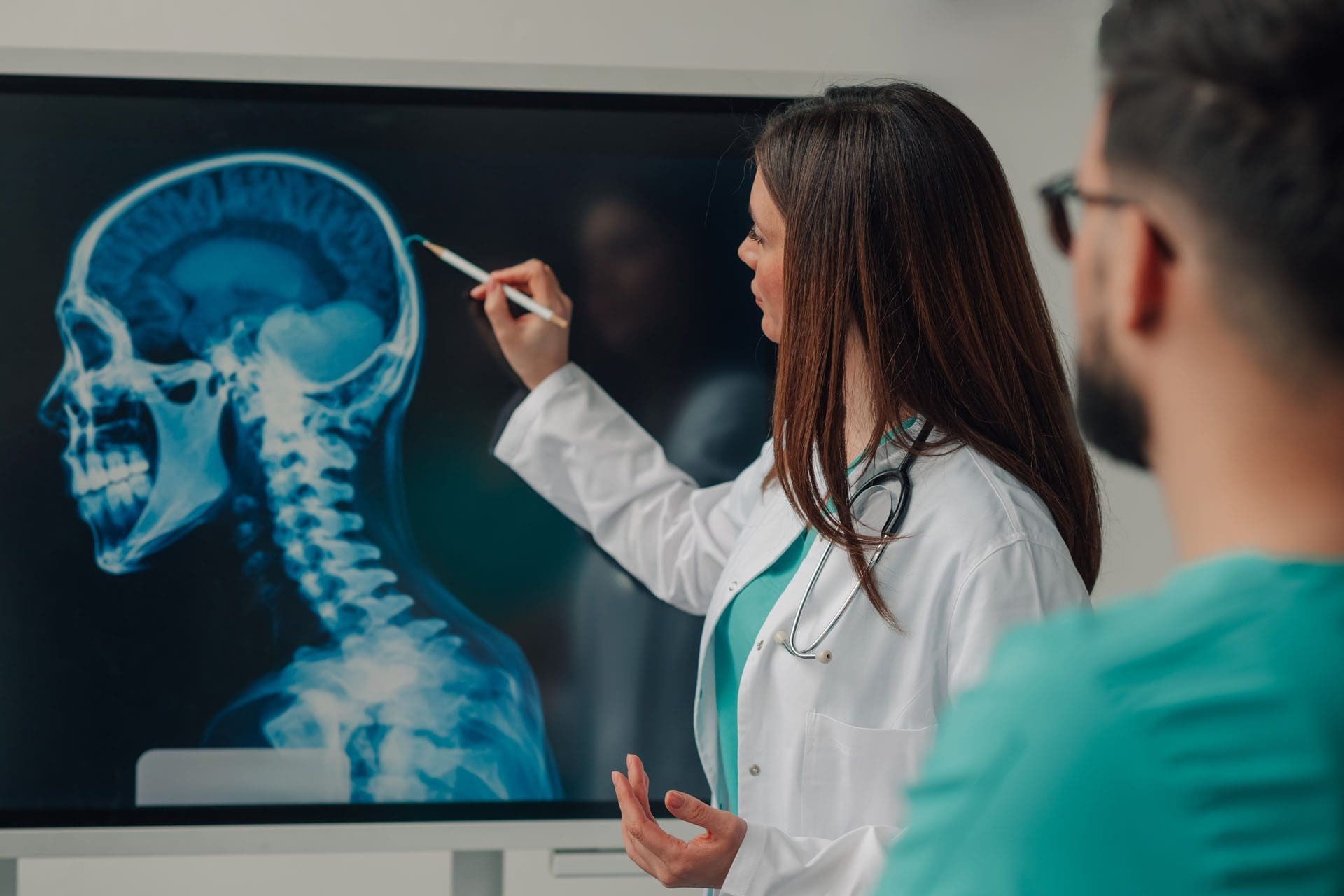
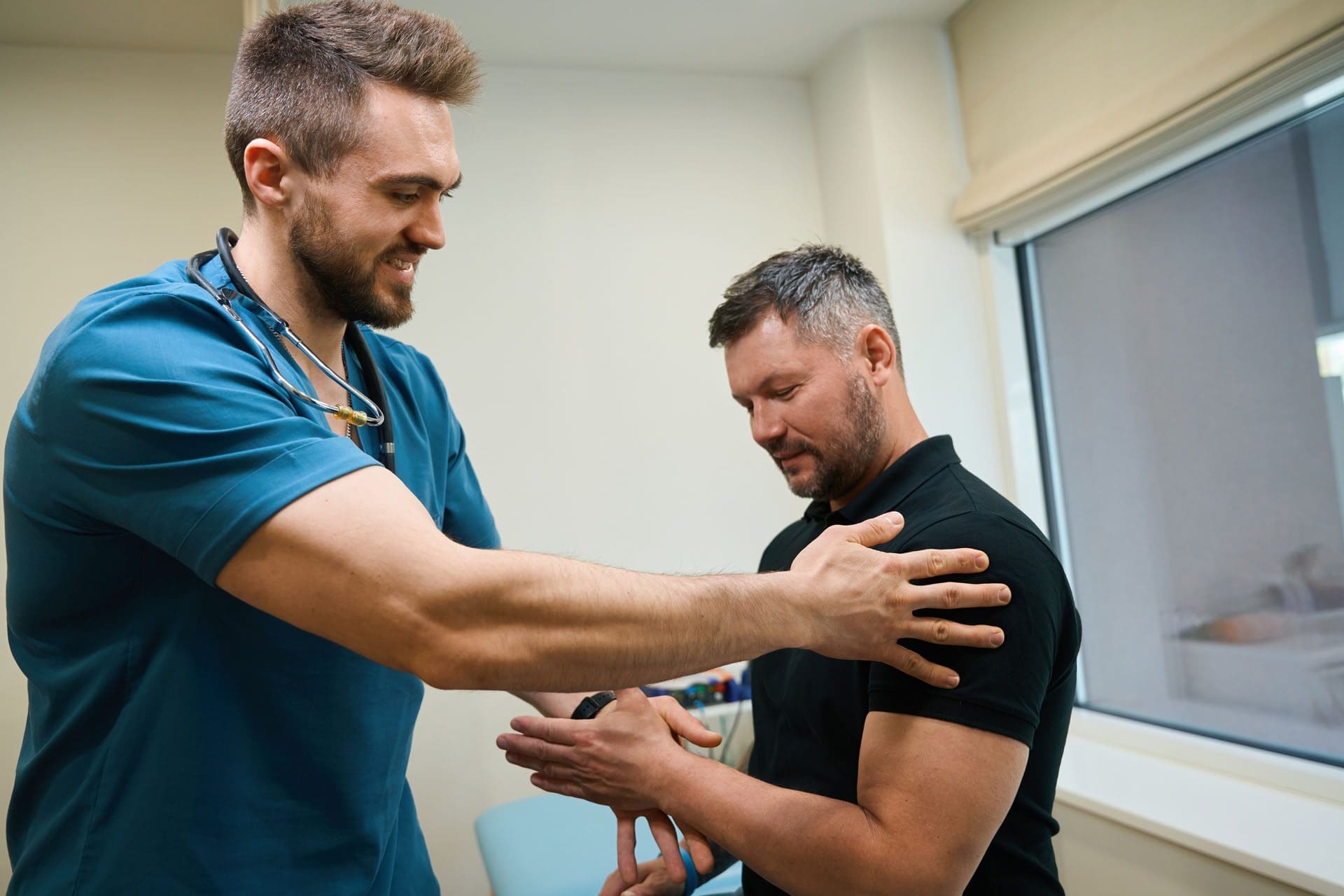
Welcome to Chiromed’s resource hub for Traumatic Brain Injuries (TBI)—including concussions, post-concussion syndrome, and whiplash-related head injuries. This category brings together evidence-informed guidance on TBI symptoms, concussion recovery, and integrative rehabilitation so you can navigate healing with clarity and confidence.
You’ll find easy-to-read articles on how TBIs happen—from sports collisions and falls to motor vehicle accidents—and what to watch for next: headaches, dizziness, neck pain, light and noise sensitivity, brain fog, and sleep disruption. We describe how the way your neck moves affects brain recovery, why exercises for balance and eye coordination are important, and how specific chiropractic and soft-tissue treatments can help lessen neck issues that often make symptoms last longer.
Our TBI content outlines a clear plan: gentle chiropractic adjustments to help joints move better and reduce pain signals; training for balance and eye coordination; breathing and posture techniques to help the nervous system; and simple nutrition advice—like staying hydrated, eating omega-3s, and choosing anti-inflammatory foods—to support brain recovery. We also cover safe return-to-learn and return-to-play progressions, red-flag warning signs, and when to seek imaging or specialist referral.
Whether you’re new to concussion care or managing lingering symptoms, this category is designed to help you:
Understand TBI timelines and realistic recovery expectations
Build a stepwise, patient-centered plan that supports long-term brain health
Explore the latest posts below to learn how integrative chiropractic care fits into comprehensive post-concussion rehabilitation, and discover actionable steps you can start today. If you’re recovering from a recent head or neck injury, begin with our “TBI Basics” and “Neck & Concussion Connection” guides to create a safer, smarter path back to normal.
Rehabilitative Sports Activities for Traumatic Brain Injury Recovery: The Supportive Roles of Integrative Chiropractic Care and Nurse Practitioners
Traumatic brain injury, or TBI, happens when a sudden hit to the head harms the brain. It can come from falls, car crashes, sports, or other accidents. People with TBI often face problems like trouble moving, thinking clearly, or feeling balanced. But there is hope. Rehabilitative sports can help them get better. These are special activities changed to fit their needs. They build strength, improve mood, and boost thinking skills. Integrative chiropractic care fixes spine issues and eases pain. Nurse practitioners help manage health, medications, and overall care. Together, they make recovery safer and stronger.
This article looks at sports that work for people with TBI. It also explains how chiropractors and nurse practitioners help. Recovery takes time, but with the right support, many people improve their lives.
Understanding Traumatic Brain Injury and the Need for Rehabilitation
TBI affects millions each year. Mild cases, like concussions, might heal fast. Severe ones can change life forever. Symptoms include headaches, dizziness, memory loss, and mood changes. Rehab helps rebuild skills lost from the injury.
Sports in rehab are key. They are not just for fun. They help the brain form new pathways, a process called neuroplasticity. This means the brain can learn again. Activities raise heart rate, build muscles, and sharpen focus. But they must be safe. Starting slow is important, like light walks before more strenuous activities.
Doctors check if someone is ready. They use steps to add more activity. If symptoms return, they step back. This keeps the brain safe from more harm.
Suitable Rehabilitative Sports Activities for Individuals with TBI
People with TBI can try many adaptive sports. Adaptivity means changing in accordance with their abilities. These use special tools or rules. They help with balance, coordination, and strength. They also lift spirits and connect people.
Here are some common ones:
Adaptive Basketball: Played in wheelchairs or with lower hoops. It builds arm strength and teamwork. Groups make it social, reducing loneliness.
Cycling or Handcycling: Use three-wheeled bikes or hand-powered ones. It improves heart health and leg power. Start slow on flat paths.
Swimming and Aquatic Sports: Water supports the body, making moves easier. Swimming boosts endurance without stressing joints. Water aerobics helps balance.
Canoeing or Kayaking: Adaptive boats have extra support. It works the arms and core. Being on water calms the mind.
Tai Chi: Slow moves improve balance and focus. It’s gentle and good for beginners. Chair versions work for those with mobility issues.
Hiking: Easy trails with support. It builds stamina and enjoys nature. Use walkers or guides for safety.
Yoga: Poses stretch muscles and relax the mind. Adaptive yoga uses chairs or props. It reduces stress and pain.
Horseback Riding or Hippotherapy: Horses help with balance. The movement mimics walking, aiding coordination.
Archery or Fishing: These require focus and fine motor skills. Adaptive tools make them easier. They build patience and hand-eye coordination.
Martial Arts: Adapted versions teach self-defense and discipline. They improve reaction time and confidence.
These activities fit different recovery stages. Early on, try seated exercises like marching or balloon toss. Later, add team sports for social benefits.
Benefits of Rehabilitative Sports for TBI Recovery
Sports do more than build muscles. They help the whole person.
Cognitive Improvements: Activities like puzzles in games sharpen memory and attention. Sports need planning, helping brain function.
Emotional Boost: Endorphins released by exercise help fight depression. Success in sports builds confidence.
Social Connections: Team activities reduce isolation. They create friendships and support.
Overall Well-Being: Regular activity aids sleep and reduces pain. It gives purpose.
Studies show these benefits last. For example, hippotherapy improves gait and balance in weeks.
Modifications and Safety in Rehabilitative Sports
Not everyone starts the same. Modifications make sports safe.
Use wheelchairs for basketball or racing.
Add props in yoga, like straps.
Shorten sessions to avoid fatigue.
Have therapists watch for symptoms.
Equipment like sit-skis or adaptive bikes helps. Always obtain a doctor’s approval. Track progress with tests.
Community programs offer trained leaders. They know the TBI needs.
The Role of Integrative Chiropractic Care in TBI Rehabilitation
Chiropractic care focuses on the spine and nerves. Integrative means it works with other treatments.
Chiropractors adjust the spine to fix alignment. This reduces pain and improves movement. For TBI, it helps with headaches and dizziness from neck issues.
In sports rehab, they:
Ease muscle tension for better performance.
Improve blood flow to the brain.
Teach exercises for balance and strength.
They use soft tissue therapy and adjustments. This speeds healing.
Chiropractic neurology adds brain-focused care. It uses exercises for memory and coordination.
Benefits include less pain, better posture, and fewer injuries.
Clinical Observations from Dr. Alexander Jimenez
Dr. Alexander Jimenez is a chiropractor and nurse practitioner. He has over 30 years of experience helping with injuries.
He sees TBI often in accidents or sports. His approach mixes adjustments, therapy, and nutrition. He uses tests to identify problems. Then, he makes plans for recovery.
For sports, he suggests starting with gentle moves. He integrates functional medicine to address root causes. This includes diet for brain health.
Patients experience improved mobility and reduced pain. He works with teams for full care. His work shows that holistic methods work well.
The Role of Nurse Practitioners in Supporting TBI Recovery
Nurse practitioners (NPs) are advanced nurses. They diagnose, treat, and manage care.
In TBI, they:
Coordinate with doctors and therapists.
Manage meds for pain or mood.
Monitor health to spot issues early.
Teach patients and families about safety.
They ensure sports are safe. They adjust plans as needed.
NPs like Dr. Jimenez combine roles. They provide family care with chiropractic.
This helps overall health, not just the injury.
Integrating Chiropractic Care and Nurse Practitioner Support
Together, they make a strong team.
Chiropractors resolve physical issues. NPs handle medical needs. They plan sports activities safely.
For example, a chiropractor might adjust the spine before swimming. An NP checks that meds don’t cause dizziness.
Dr. Jimenez does both. His clinic uses this for better results.
Integration prevents re-injury. It promotes long-term health.
Patients feel supported. This boosts motivation.
Challenges and Tips for Success
TBI recovery has hurdles. Fatigue or mood swings can stop progress.
Tips:
Start small and build up.
Join support groups.
Use apps for tracking.
Get regular checkups.
With care, most overcome challenges.
Conclusion
Rehabilitative sports like adaptive basketball, swimming, and tai chi help TBI recovery. They build body and mind. Integrative chiropractic care eases pain and aligns the body. Nurse practitioners manage care and health. Together, they support safe, effective rehab.
Dr. Jimenez’s work shows this works. If you have TBI, talk to pros. Recovery is possible with the right help.
Discover the connection between head injuries and somatovisceral disorders to enhance patient care and management.
Understanding Head Injuries and Their Impact on the Brain-Body Connection: A Comprehensive Guide to Somatovisceral Disorders and Non-Surgical Treatment Approaches
Millions of people worldwide are impacted by head injuries every year, making them a serious public health problem. The harm that results from head trauma, whether from a fall, auto accident, or sports collision, goes much beyond the location of the original hit. Researchers now identify somatovisceral illnesses as a result of these injuries, which cause a series of physiological alterations that interfere with the delicate brain-body communication system. Recovery outcomes and quality of life may be significantly improved by understanding how head trauma impacts this crucial brain-body link and by investigating effective non-surgical therapeutic options.
What Are Somatovisceral Disorders?
Complex connections between the body’s internal organs (visceral system) and physical structures (somatic system) are a feature of somatovisceral illnesses. Nerve impulses from body structures are transmitted to visceral organs through this complex process, resulting in specific physiological or pathological responses. In addition to involving two systems, the somatovisceral response is complicated because it may communicate in both directions, transferring information from somatic structures to visceral organs and vice versa. foundationhealth
Medical studies have focused more on the connection between somatovisceral diseases and brain trauma. According to a recent study, 15–27% of patients who had head trauma fulfilled the criteria for somatic symptom disorder six months after the injury, suggesting that mild traumatic brain injury (mTBI) may be a frequent precursor to this syndrome. This link demonstrates how brain damage may disrupt the normal communication pathways that control physiological processes, leading to chronic, often incapacitating symptoms throughout the body. neurologyopen.bmj
When people have upsetting physical symptoms together with excessive thoughts, emotions, or actions associated with those symptoms, it’s known as somatic symptom disorder. Many somatic problems, such as pain, weakness, difficulty moving, headaches, dizziness, excessive fatigue, changes in vision or hearing, itching, numbness, odd movements, stomach pain, and nausea, are often reported by patients after a brain injury. These symptoms illustrate how neurological impairment may materialize as pervasive physical dysfunction by reflecting the disturbed connection between the brain and many bodily systems. chop+1
The Brain-Body Connection and Head Injury
The human nervous system operates through an intricate network that connects the brain to every organ, muscle, and tissue in the body. This communication highway relies on precise signaling between the central nervous system (brain and spinal cord) and the peripheral nervous system (nerves throughout the body). When head trauma occurs, this delicate communication system can become disrupted at multiple levels, affecting both somatic (voluntary) and autonomic (involuntary) nervous system functions.
According to Dr. Alexander Jimenez, a board-certified Family Practice Nurse Practitioner and Doctor of Chiropractic in El Paso, Texas, the spine houses the spinal cord, which acts as the communication superhighway between the brain and body. Any misalignment in the spine can disrupt the nervous system’s signals, and for traumatic brain injury patients, this connection becomes crucial. Dr. Jimenez explains that misalignment caused by the injury itself or associated whiplash can worsen symptoms like headaches, brain fog, and balance issues, emphasizing the importance of addressing both cranial and spinal components in recovery. northwestfloridaphysiciansgroup
The brain-body disconnect following trauma manifests as disrupted somatic sensory processing, encompassing vestibular (balance) and somatosensory (touch, pressure, temperature) processing. These sensory systems are primarily concerned with survival and safety, given the potential consequences of impaired balance or diminished awareness of physical threats. Following a head injury, trauma-related symptoms are conceptualized to be grounded in brainstem-level somatic sensory processing dysfunction and its cascading influences on physiological arousal modulation, affect regulation, and higher-order capacities. pmc.ncbi.nlm.nih
Research has identified that traumatic conditions may manifest as disrupted vertical integration, in which the balance between lower brain regions and higher cortical areas becomes dysregulated, particularly within the midline neural circuitry responsible for generating a primordial sense of a bodily and affective self as a coherent and stable entity in relation to the environment. This alteration has a cascading impact on the horizontal integration of cortical brain structures, meaning that different regions of the brain may be structurally intact yet lack fluid communication. pmc.ncbi.nlm.nih
Autonomic Dysfunction After Head Injury
One of the most significant yet underappreciated consequences of head injury is autonomic nervous system dysfunction. The autonomic nervous system controls involuntary bodily functions, including heart rate, blood pressure, digestion, breathing, and temperature regulation. Following moderate-to-severe traumatic brain injury, patients often experience significant autonomic dysfunction affecting both sympathetic (fight-or-flight) and parasympathetic (rest-and-digest) branches of this critical system. neurologyopen.bmj
Studies have demonstrated that patients with severe traumatic brain injury can experience sympathetic hyperactivity in the acute stages. More importantly, autonomic dysfunction persists in many patients for months or even years after their initial injury, affecting fully ambulant patients whom many might assume to be fully recovered. This persistent dysfunction occurs through various mechanisms, with the hallmark of moderate-to-severe traumatic brain injury being white matter injury caused by axonal shearing due to injury forces, continuing due to inflammation and delayed axonal degeneration in the chronic period, resulting in network disruption. neurologyopen.bmj
Autonomic dysfunction may occur due to injury to regions of the central autonomic network or their connecting white matter tracts. Brainstem nuclei and white matter connections to and from thalamic and basal ganglia regions may be particularly vulnerable to damage, underlying dysfunction that contributes to cognitive impairment post-traumatic brain injury. Given the importance of brainstem, thalamic, and basal ganglia circuits to autonomic function, injury to these white matter tracts may cause centrally mediated autonomic dysfunction. neurologyopen.bmj
The clinical manifestations of autonomic dysfunction after head injury are diverse and often debilitating. Many classic symptoms following concussion are, at least in part, likely a result of injury to the autonomic nervous system. Cognitive difficulties seen after mild traumatic brain injury may be related to autonomic dysregulation, specifically impaired cerebral blood flow. The presence of autonomic dysfunction has been shown to correlate with increased morbidity and mortality in moderate and severe traumatic brain injury, with perturbations of the autonomic nervous system consisting of either increased sympathetic or reduced vagal activity, potentially resulting in serious cardiac complications. health+1
Dr. Jimenez’s clinical practice emphasizes the importance of recognizing autonomic dysfunction in patients recovering from head injuries. His functional medicine approach includes detailed health assessments evaluating lifestyle, environmental exposures, and psychological factors to understand the root causes of chronic disorders and treat patients holistically. This comprehensive evaluation is particularly important for identifying autonomic dysfunction, which may manifest as dizziness, balance problems, temperature dysregulation, digestive issues, and cardiovascular irregularities.
Environmental Factors Affecting Brain Activity and the Body
Environmental factors play a critical role in shaping brain structure and function, as well as the development of mental and physical health conditions. The macroenvironment encompasses immediate factors such as air, noise, and light pollution; proximal factors, including regional socioeconomic characteristics; and distal factors, such as urbanization, natural spaces, and climate. These environmental exposures are mostly modifiable, presenting opportunities for interventions and strategies to promote the structural and functional integrity of the brain and mitigate the burden of illness following head injury. nature
Air pollution has emerged as a significant concern for brain health, particularly following traumatic brain injury, when the brain is already vulnerable. Studies have demonstrated that air pollution may increase vulnerability to mood dysfunction and potentially inhibit an appropriate stress response. Prolonged exposure to fine particulate matter (PM2.5 and PM10) has been associated with negative stress-related brain activation in the prefrontal cortex, frontoinsular cortex, limbic system, inferior parietal cortex, and cingulate regions. Magnetic resonance imaging studies reveal that increased exposure to PM2.5 is associated with changes in brain structure in older adults, including brain atrophy, that occur before the onset of dementia. environmentalhealth.ucdavis+1
Noise pollution, originating from urban traffic, airports, industries, and construction sites, can evoke negative emotions and disrupt recovery following head injury. Prolonged exposure to disruptive noise induces brain alterations through mechanisms such as sleep disturbances, which create a pro-oxidative environment that predisposes to neuroinflammation and heightened hypothalamic-pituitary-adrenal axis reactivity, contributing to mental and physical health problems. For individuals recovering from head trauma, protecting against excessive noise exposure becomes particularly important as the injured brain requires optimal conditions for healing. nature
Light pollution and exposure to artificial light at night have become increasingly prevalent, especially in urban areas, disrupting natural darkness and circadian rhythms. Light is detected by the retina and transmitted through intrinsically photosensitive retinal ganglion cells to the suprachiasmatic nucleus in the hypothalamus and other brain regions involved in regulating circadian rhythms and sleep-wake cycles. Circadian rhythm disruptions have been linked to elevated risk of mood disorders, bipolar disorders, and heightened mood instability, potentially mediated by oscillations in clock gene expression responsive to light-dark transitions. nature
Following traumatic brain injury, circadian rhythm disruptions become even more pronounced. Research has documented that traumatic brain injury can lead to decreased melatonin release, causing circadian rhythm delays. Studies using animal models have revealed that acute subdural hematoma resulted in dysregulation of circadian gene expression and rhythmic changes in body temperature during the first 48 hours post-injury. The regulation of biological rhythms through changes in core body temperature, pineal gland melatonin secretion, and blood cortisol levels becomes disrupted, affecting the body’s ability to anticipate and adapt to environmental changes. practicalneurology+1
Minor traumatic brain injury contributes to the emergence of circadian rhythm sleep disorders, with research identifying two distinct types: delayed sleep phase syndrome and irregular sleep-wake pattern. These disorders differ in subjective questionnaire scores and have distinct profiles of melatonin and temperature circadian rhythms. The alteration in the circadian timing system partially accounts for the presence of post-traumatic brain injury sleep-wake disturbances, which changes in sleep architecture alone cannot fully explain. pubmed.ncbi.nlm.nih+1
Understanding Long-Lasting Injuries- Video
How Head Injuries Affect Daily Tasks and Routines
The impact of head injuries extends far beyond the initial trauma, profoundly affecting an individual’s ability to perform everyday activities and maintain normal routines. The disruption to brain-body communication creates challenges across multiple domains of daily functioning, from basic self-care tasks to complex cognitive and social activities. Understanding these impacts helps patients, families, and healthcare providers develop realistic expectations and appropriate support strategies during recovery.
Cognitive fatigue represents one of the most disabling consequences of traumatic brain injury, affecting 21-73% of patients regardless of injury severity or time since injury. Fatigue has been identified as the main cause of disability after traumatic brain injury, negatively affecting social, physical, and cognitive functions as well as participation in daily activities and social life. At the neural level, patients with fatigue following head injury exhibit significant disruption of global resting-state alpha-band functional connectivity between cortical midline structures and the rest of the brain. Furthermore, individuals with fatigue show reduced overall brain activation during cognitive tasks, without time-on-task effects. academic.oup
Adults with a history of even mild traumatic brain injury report significantly greater fatigue and cognitive impairment than those with no history of head trauma, with symptoms becoming more profound with greater injury severity. This persistent fatigue affects the ability to maintain attention, concentrate on tasks, process information efficiently, and sustain mental effort throughout the day. Patients frequently report that activities requiring cognitive engagement become increasingly difficult as the day progresses, leading to a pattern of morning productivity followed by afternoon exhaustion. pubmed.ncbi.nlm.nih+1
Memory difficulties present another significant challenge affecting daily functioning after a head injury. Patients may struggle with both short-term working memory (holding information in mind while using it) and long-term memory formation (creating new lasting memories). These memory challenges affect practical tasks such as remembering appointments, following multi-step instructions, recalling conversations, and learning new information or skills. The impact extends to occupational functioning, with studies finding a correlation between higher levels of mental fatigue and lower employment status following traumatic brain injury. headway+1
Executive function impairments following head injury affect planning, organization, decision-making, problem-solving, and behavioral regulation. These higher-order cognitive processes are essential for managing daily responsibilities, from planning meals and organizing household tasks to managing finances and making important life decisions. Patients may find themselves struggling with tasks that previously seemed automatic, requiring conscious effort and external supports to maintain daily routines. headway
Sensory processing alterations create additional challenges for daily functioning. The vestibular system, which contributes to balance, spatial processing, arousal modulation, first-person perspective, and social cognition, becomes particularly vulnerable following head trauma. Disturbed temporal binding of sensory information creates perceptual chaos and lack of coherence, which may lead to bodily disconnect and states of hypervigilance. Patients describe feeling disconnected from their bodies, experiencing the world as if through a fog, or feeling constantly on guard against potential threats. pmc.ncbi.nlm.nih
Balance and coordination problems stemming from vestibular dysfunction affect mobility and safety in daily activities. Simple tasks like walking on uneven surfaces, turning the head while moving, or navigating busy environments become challenging and potentially dangerous. Many patients report increased anxiety about falling, leading to activity restriction and social withdrawal. Over one-third of adults over 40 will experience vestibular dysfunction at some point in their lives, and when it occurs, whether by injury, aging, or disease, individuals can experience vertigo, nauseating dizziness, vision and balance problems affecting every area of life. neuroinjurycare+1
Dr. Jimenez’s practice in El Paso focuses extensively on helping patients restore function and return to daily activities following head injuries. His integrated approach combines chiropractic care, functional medicine, and rehabilitation therapies to address the multiple systems affected by head trauma. By evaluating the connections between physical, nutritional, and emotional factors, Dr. Jimenez develops personalized care plans that recognize the complex ways head injuries disrupt daily functioning and quality of life.
Overlapping Risk Profiles and Symptoms Associated With Head Injuries
Head injuries create overlapping risk profiles affecting multiple body systems simultaneously, leading to complex symptom presentations that can challenge both patients and healthcare providers. Understanding these interconnected risk factors and symptoms is essential for comprehensive assessment and treatment planning. Individuals who sustain head injuries develop an increased risk for somatic symptom disorder, with early illness beliefs playing a significant predictive role. Specifically, believing that mild traumatic brain injury has serious life consequences and causes distress in the weeks following injury is associated with later development of somatic symptom disorder. Patients with somatic symptom disorder after head injury report more pain and post-concussion symptoms and are significantly more likely to have comorbid major depressive disorder and anxiety disorders compared to those without this condition. neurologyopen.bmj
The systematic review examining the relationship between somatic symptoms and related disorders and mild traumatic brain injury found that the majority of acceptable evidence supported a relationship between these conditions. Nine studies reported associations between functional seizures and a history of mild traumatic brain injury, while 31 studies assessed relationships between questionnaires measuring somatic symptom disorder burden and mild traumatic brain injury. Three studies investigated healthcare practitioners’ diagnosis of somatic symptoms and related disorders and post-mild traumatic brain injury symptom burden, collectively demonstrating the strong connection between head trauma and subsequent development of somatic complaints. foundationhealth
Cardiovascular complications represent another significant overlapping risk following head injury. Research demonstrates that individuals with moderate-to-severe traumatic brain injury have increased rates of self-reported hypertension and stroke but lower rates of myocardial infarction and congestive heart failure than uninjured adults. The findings highlight the importance of early screening for and management of cardiovascular risk factors in individuals with chronic traumatic brain injury, particularly those of younger age, not typically thought to be at risk for these conditions. ahajournals
The relationship between blood pressure and traumatic brain injury follows a complex U-shaped pattern, with both hypotension and hypertension associated with worse outcomes. Early hypotension has been linked with poor outcomes following severe traumatic brain injury, but recent data suggest that arterial hypertension after injury is also associated with poor outcomes. The initial catecholamine response and resulting systemic hypertension may be protective to a point by maintaining cerebral perfusion pressure in the setting of impaired cerebral autoregulation after injury, yet catecholamine-induced hypertension may also cause secondary brain damage by aggravation of vasogenic edema and intracranial hypertension. pmc.ncbi.nlm.nih
Post-traumatic headaches affect approximately 40% of individuals who experience concussions, representing one of the most common and persistent symptoms following head injury. Patients can experience tension headaches, migraine headaches, and cervicogenic headaches (radiating from the neck) all at once, making treatment particularly challenging. Ninety-five percent of people with a concussion experience headache associated with that injury, and among those with headache, about two-thirds have migraine features. Individuals with a family history of migraine or preexisting headache disorders face a higher risk of developing post-traumatic headache. wexnermedical.osu+1
Sleep disturbances cluster with other post-traumatic brain injury symptoms, creating compounding difficulties for recovery. Changes in sleep architecture following injury cannot fully explain the extent and intensity of sleep-wake disturbances reported by patients. The current literature supports cognitive-behavioral therapy and sleep hygiene education, light therapy, and certain pharmacologic interventions for treating sleep disturbances in patients with brain injury, with early screening and individualized approaches prioritized to improve sleep and, consequently, speed recovery. pubmed.ncbi.nlm.nih
Exercise intolerance commonly results from a concussion, often limiting return to activities and quality of life. The reviewed studies support clinical suspicion of autonomic dysfunction as an important component of exercise intolerance, though specific mechanisms of impairment and relationships to symptoms and recovery require additional investigation. Post-concussive exercise intolerance has been linked to a reduction in cerebral blood flow, theoretically prolonging the effects of the metabolic energy crisis associated with injury. pmc.ncbi.nlm.nih
Mental health complications, including anxiety, depression, post-traumatic stress disorder, and behavioral changes, frequently develop following head injury. Brain injuries, no matter how severe, commonly cause emotional and behavioral changes, including emotional lability with extreme mood swings, anxiety disorders, depression, impulsive behaviors, flat affect causing a lack of emotional expression, and a lack of empathy and social skills. These psychological changes can cause unnecessary suffering and, in cases of severe depression and anxiety, can even halt physical recovery progress. flintrehab
Non-Surgical Treatments to Improve Somatovisceral Function
Fortunately, numerous non-surgical treatment approaches have demonstrated effectiveness in improving somatovisceral function and promoting recovery following head injuries. These interventions work through various mechanisms to restore proper communication between the brain and the body, balance the autonomic nervous system, and support the brain’s natural healing processes. Dr. Jimenez’s clinical practice emphasizes comprehensive non-invasive protocols, prioritizing natural recovery and avoiding unnecessary surgeries or medications.
A Questionnaire Example of TBI Symptoms
Chiropractic Care and Spinal Adjustments
Chiropractic care focuses on the spine and nervous system, recognizing that the spine houses the spinal cord, which acts as the communication superhighway between the brain and body. For traumatic brain injury patients, proper spinal alignment becomes crucial because misalignment caused by the injury itself or associated whiplash can worsen symptoms like headaches, brain fog, and balance issues. Chiropractic care aims to restore proper alignment, thereby improving nervous system function and supporting the brain’s ability to heal. northwestfloridaphysiciansgroup Chiropractic adjustments help alleviate post-traumatic brain injury symptoms by releasing pressure on irritated nerves and improving joint function. For many patients, this results in improved comfort and reduced reliance on pain medication. Proper spinal alignment promotes better blood flow to the brain, and since the brain requires oxygen-rich blood to heal and function, improved circulation directly supports recovery from traumatic brain injury while reducing dizziness and fatigue. northwestfloridaphysiciansgroup
Research demonstrates that chiropractic intervention can modify proprioceptive input from more functional spinal joints, helping restore this input to the brain’s multisensory integration centers. Studies of patients receiving chiropractic care in neurorehabilitation hospitals have shown that spinal manipulation influences pain through complex mechanisms in the central nervous system. A case study documenting concussion treatment using massage and manipulation techniques showed diminished concussion symptoms and regained ease in cervical range of motion, highlighting the potential importance of manual therapy work to reduce headache, dizziness, and nausea in concussion recovery. pmc.ncbi.nlm.nih+2 Dr. Jimenez explains that by realigning the spine through chiropractic adjustments, treatment reduces nerve interference, optimizing mind-body communication, and enhancing overall function. The adjustments improve cerebral blood flow and reduce inflammation, thereby accelerating recovery from head injury. With enhanced nervous system function comes improved mental clarity, including reduced brain fog, sharper focus, and better memory, while also promoting stress relief and alleviating irritability and emotional strain often linked to head injuries. zakerchiropractic
Vestibular Rehabilitation
Vestibular rehabilitation is a specialized form of physical therapy that focuses on strengthening the connections between the brain, eyes, inner ear, muscles, and nerves. This treatment approach proves particularly valuable for post-concussion patients experiencing dizziness, vertigo, balance problems, and spatial impairment. According to a review in the British Journal of Medicine, vestibular therapy reduced symptoms in patients with sports-related concussions faster, with patients three times as likely to return to play within eight weeks of therapy compared to those who didn’t receive treatment. denverphysicalmedicine+1 Vestibular rehabilitation therapy involves exercises designed to improve the functioning between the inner ear, brain, eyes, muscles, and nerves. These exercises help minimize balance issues and treat dizziness, vertigo, and spatial orientation deficits caused by vestibular impairments that some individuals experience after brain injury. The therapy addresses issues in the inner ear through specific exercises designed to improve balance and coordination. biausa
The Epley Maneuver represents a simple yet effective exercise to treat benign paroxysmal positional vertigo, a very specific form of vertigo quite common after traumatic brain injury. During vestibular rehabilitation, benign paroxysmal positional vertigo generally responds well to the Epley Maneuver, and patients learn to perform the movement at home to alleviate symptoms as they arise. Studies have shown that vestibular rehabilitation is an effective modality for managing dizziness, vertigo, and imbalance following concussion, though careful consideration of the injury’s acuity and effective management of co-morbid conditions will optimize results. pubmed.ncbi.nlm.nih+1 Co-morbidities, including cognitive and behavioral issues, visual-perceptual dysfunction, metabolic dysfunction, and autonomic dysfunction, may hamper the effectiveness of traditional vestibular rehabilitation approaches. Working closely with other disciplines well-versed in treating these co-morbid issues helps individuals obtain optimal recovery. Dr. Jimenez’s integrated practice model exemplifies this multidisciplinary approach, bringing together chiropractic care, functional medicine, physical therapy, and other specialties to provide comprehensive treatment for patients with vestibular dysfunction following head injuries. pubmed.ncbi.nlm.nih
Physical Therapy and Exercise Rehabilitation
Physical therapy plays a pivotal role in optimizing recovery and enhancing functional independence after brain injury. Therapeutic approaches include gait training to improve walking patterns, balance activities to enhance stability and prevent falls, strength training to rebuild muscle mass and function, coordination exercises to improve fine and gross motor skills, and range-of-motion exercises to maintain flexibility. biausa In some cases, physical therapists recommend body-weight-supported treadmill training to help patients safely relearn walking patterns. Family and caregiver training proves extremely important and helpful, as loved ones can gain an understanding of how the brain works and the specific nature of the injury, supporting the rehabilitation process. biausa
Available evidence demonstrates the potential of exercise in improving cognitive impairment, mood disorders, and post-concussion syndrome following traumatic brain injury. Exercise rehabilitation has been shown to attenuate cognitive deficits in animal models by stimulating cerebral signaling pathways, with treadmill exercise improving memory by modulating neurotransmitter systems and neurotrophic factors. High-intensity interval training helps regulate the autonomic nervous system while boosting brain-derived neurotrophic factor, thereby promoting neuroplasticity, an essential factor for recovery. sciencedirect+1 However, exercise prescription following head injury requires careful consideration, as exercise intolerance commonly results from concussion and autonomic dysfunction. Graded exercise testing while monitoring symptoms and heart rate helps guide a safe return to physical activity. Current clinical practice involves careful assessment to determine appropriate exercise intensity and duration, gradually progressing as autonomic function improves. pmc.ncbi.nlm.nih
Acupuncture and Neuroplasticity Enhancement
Acupuncture has gained widespread recognition as an effective, low-cost treatment for neurological rehabilitation with minimal adverse effects. Clinical and experimental evidence documents the potential of acupuncture to ameliorate injury-induced neurological deficits, particularly sequelae such as dyskinesia, spasticity, cognitive impairment, and dysphagia. These effects relate to acupuncture’s ability to promote spontaneous neuroplasticity after injury. pmc.ncbi.nlm.nih+1 Specifically, acupuncture can stimulate neurogenesis, activate axonal regeneration and sprouting, and improve the structure and function of synapses. These processes modify the neural network and the function of the damaged brain area, leading to improvements in various skills and adaptability. Astrocytes and microglia may be involved in acupuncture-induced regulation of neuroplasticity, for example, by producing and releasing various neurotrophic factors, including brain-derived neurotrophic factor and nerve growth factor. pmc.ncbi.nlm.nih
Studies have shown that acupuncture reduces neuroinflammation after brain injury, with research published in The Journal of Neuroinflammation finding that acupuncture significantly reduced neuroinflammation and improved cognitive function in animal models of brain injury. By modulating inflammatory pathways, acupuncture helps reduce the production of pro-inflammatory cytokines, promoting brain healing and reducing symptoms such as headaches and dizziness. betsygordonacupuncture Acupuncture enhances neuroplasticity, which is crucial for recovery after brain injury, promoting improvements in memory, learning, and overall cognitive function. Research in Neural Regeneration highlighted that acupuncture promotes neuroplasticity, which is essential for rehabilitation. Studies demonstrate that acupuncture improves cognitive performance and reduces anxiety and depression in patients recovering from brain injuries. betsygordonacupuncture+1 Dr. Jimenez’s functional medicine practice incorporates acupuncture and electro-acupuncture as part of comprehensive care plans for patients recovering from head injuries. His team uses these modalities in combination with other therapies to create customized treatment approaches that promote natural healing, mobility, and long-term wellness.
Nutritional Interventions and Functional Medicine
Nutrition plays a positive role during acute traumatic brain injury recovery, with patient needs being unique and requiring individualized approaches. Following mild traumatic brain injury, patients who consumed enough food to meet calorie and macronutrient (particularly protein) needs specific to their injury severity and sex within 96 hours post-injury had reduced length of hospital stay. Patients receiving nutrients and non-nutrient support within 24-96 hours post-injury had positive recovery outcomes, including omega-3 fatty acids, vitamin D, magnesium oxide, N-acetyl cysteine, and hyperosmolar sodium lactate. frontiersin Traumatic brain injury contributes to extensive dysbiosis of the gastrointestinal system, leading to worsened outcomes, making nutritional support essential. Early nutrition supports preservation of muscle mass, decreases infection complications, promotes cerebral homeostasis, and improves recovery outcomes. The human brain consumes 20% of total resting energy, despite accounting for only 2% of total body mass, underscoring the critical role of adequate nutrition for healing. xiahepublishing
A recent clinical trial demonstrated that dietary changes significantly reduce persistent post-traumatic headaches, a common and debilitating consequence of traumatic brain injury. Researchers found that increasing omega-3 fatty acids (commonly found in fatty fish) while reducing omega-6 fatty acids (abundant in seed oils) led to fewer and less severe headaches. Participants assigned to the intervention diet experienced approximately two fewer headache days per month and a 30% reduction in daily headache pain intensity compared to the control diet group. med.unc Supplementing with omega-3 fatty acids can reduce inflammation and oxidative stress, promote brain-cell survival, and help the brain recover from injury. Vitamins D and E, niacin, zinc, and magnesium have neuroprotective benefits, and supplementing with these vitamins and minerals has been shown to improve recovery, especially in patients who are deficient. An energy-balanced, anti-inflammatory diet with adequate sources of omega-3 fats and appropriate vitamin D supplementation proves especially important for patients with a history of traumatic brain injury. consultant360
Dr. Jimenez’s practice embraces Functional Integrative Medicine, a patient-focused approach that treats the whole person rather than just symptoms. His team offers detailed health assessments that evaluate genetics, lifestyle, environmental exposures, and psychological factors to create comprehensive health profiles. By combining Institute for Functional Medicine programs with personalized nutrition plans, Dr. Jimenez helps patients address chronic conditions and optimize brain health following head injuries.
Massage Therapy and Manual Techniques
Massage therapy provides valuable support in brain injury rehabilitation, offering benefits for physical, mental, and emotional well-being. Massage significantly improves blood circulation, ensuring that essential nutrients and oxygen are efficiently delivered to brain cells. By increasing circulation, the brain’s healing process is expedited, promoting cellular regeneration and reducing the risk of secondary complications. Improved blood flow also helps reduce swelling and inflammation, common challenges following brain injury. neuropraxisrehab Post-brain injury pain can be debilitating and hinder recovery, but massage therapy helps alleviate pain by targeting tense muscles and releasing built-up tension. Through gentle manipulation, massage therapists can improve muscle flexibility and joint mobility, relieving discomfort and enhancing overall physical comfort. Brain injuries often lead to muscle stiffness and reduced range of motion, but massage therapy techniques such as stretching and kneading help improve flexibility by breaking down scar tissue and adhesions. neuropraxisrehab
Specific massage modalities show promise for traumatic brain injury recovery. Manual Lymphatic Drainage uses light massage to stimulate the flow of lymphatic fluid, potentially increasing the lymphatic system’s ability to clear waste products from the brain. A case study combining Manual Lymphatic Drainage with craniosacral therapy and glymphatic system techniques resulted in an 87% reduction of concussion symptoms after three months of treatment. concussionalliance A case study documenting massage intervention for post-concussion treatment demonstrated complete return to pre-concussion activities and function with no continued symptoms following a short and specific massage series. The treatment focused on restoring ideal alignment of the atlanto-occipital joint, resulting in reduced pain, muscle hypertonicity, headaches, reduced medication use, and improved balance, posture, cervical range of motion, mental focus, and physical activity. pmc.ncbi.nlm.nih
Dr. Jimenez’s comprehensive approach includes specialized massage and manual therapy techniques, integrated with chiropractic care and other modalities. His team focuses particularly on neck and shoulder areas to reduce effects patients experience after traumatic brain injuries, with goals including improved neck mobility, reduction of headaches and nerve pain, and addressing balance, dizziness, and vertigo issues through specific therapeutic techniques. newapproachescenter
Cognitive Behavioral Therapy and Psychological Support
Cognitive Behavioral Therapy has been demonstrated to be effective by over 1,000 studies involving 10,000 patients, making it one of the most scientifically verified psychotherapy treatments available. CBT has been successfully used on a variety of disorders, including traumatic brain injury patients with post-concussional symptoms and secondary effects such as anxiety and fatigue. The therapy focuses on the relationship between thoughts, feelings, and behaviors, built around three core principles: beliefs create feelings, feelings dictate behavior, and behavior reinforces beliefs. flintrehab A new meta-analysis found substantial evidence for the use of cognitive behavioral therapy in managing anxiety and depression in patients with traumatic brain injury. Researchers identified that CBT interventions had immediate effects of reducing depression and anxiety, with effects sustained for depression at the three-month follow-up. Effects were greater in groups that received individualized CBT than in those that received group-based CBT. headway
CBT proves particularly valuable for addressing recovery expectations and perceived consequences of traumatic brain injury. Behavioral techniques such as relaxation, behavioral activation, and stress management help patients manage the anxiety, depressive symptoms, and insomnia that can be present following injury. In the acute phase of recovery, brief psychoeducational and cognitive behavioral interventions have consistently been shown to result in improvement in managing cognitive and psychological symptoms for brain injury survivors. abct For patients with cognitive impairment, CBT can be adapted with modifications including simplified concepts, concrete behavioral examples, pictorial handouts and cues, considerable repetition, and booster sessions. Studies found that adapted CBT was able to reduce anxiety and depression in patients who suffered moderate to severe traumatic brain injury. CBT helps patients identify and challenge unhelpful or inaccurate thoughts that can arise or intensify after injury, while focusing on behavioral activation and engaging in meaningful, important activities, which can boost mood and decrease isolation. cbtdenver+1
Mind-Body Therapies and Somatic Approaches
Mind-body therapies have gained recognition for their effectiveness in treating trauma-related symptoms and supporting nervous system regulation. More than 80% of specialized programs to treat post-traumatic stress disorder offer some form of mind-body therapy, including yoga, relaxation, tai chi, guided imagery, and mindfulness practices. These approaches prove particularly valuable for individuals experiencing somatic symptoms following head injuries. research.va Somatic therapy helps individuals reconnect with their bodies through awareness of physical sensations and their relationship to emotional experiences. For patients with head injuries who may feel disconnected from their bodies or experience persistent physical symptoms, somatic approaches provide pathways for healing by working through sensations in safe and supportive environments. Techniques such as grounding exercises, deep breathing, mindful observation of physical sensations, and guided movement empower individuals to explore how trauma manifests physically and provide avenues for release. pacmh
Yoga as a whole significantly reduced post-traumatic stress disorder symptoms in research studies, with a positive impact comparable to that of psychotherapeutic and psychopharmacologic approaches. Yoga may improve the functioning of traumatized people by helping them tolerate physical and sensory experiences associated with fear and helplessness, and increasing emotional awareness and affect tolerance. For individuals recovering from head injuries, gentle yoga practices adapted to their current functional abilities can support both physical and psychological healing. research.va Polyvagal theory provides a powerful framework for understanding how trauma affects the nervous system and pathways for healing. The theory centers on the autonomic nervous system as a key component in trauma recovery, emphasizing the role of the vagus nerve in regulating physiological and emotional states. Basic somatic exercises can bring the nervous system out of dysfunction, beginning to retrain safety and social cues. This proves particularly helpful for individuals with head injuries who experience autonomic dysregulation and hypervigilance. pyramid-healthcare
Breathing Practices and Vagal Tone Restoration
Voluntary regulated breathing practices offer accessible and effective means to support autonomic nervous system regulation and restore vagal tone. These practices draw on both modern scientific studies and ancient concepts, with applications ranging from clinical anxiety treatment to stress reactivity reduction. Effective breathing interventions support greater parasympathetic tone, which can counterbalance the high sympathetic activity intrinsic to stress and dysfunction following head injury. pmc.ncbi.nlm.nih The physiological sigh is a simple yet powerful breathing technique that involves two nose inhales, followed by a long exhale through the mouth. This technique rapidly reduces stress and calms the nervous system by leveraging the interaction between the sympathetic (arousing) and parasympathetic (calming) branches of the autonomic nervous system to control heart rate and promote calm. Studies have shown that this breathing pattern effectively reduces arousal and returns the body to baseline functioning. hubermanlab+1
Deep, slow breathing benefits vagal outflow, with evidence suggesting particular benefits for older adults in restoring vagal tone. One session of deep and slow breathing can produce measurable improvements in heart rate variability metrics associated with parasympathetic activity. Regular practice of paced breathing at approximately six cycles per minute, significantly lower than the standard respiratory rate of 12 to 20 breaths per minute, can enhance vagal tone and improve overall autonomic regulation. pmc.ncbi.nlm.nih+1 Heart rate variability biofeedback is an innovative, non-invasive, evidence-based technique that enhances vagal nerve activity by combining slow-paced breathing with real-time feedback. The practice proves simple to implement, cost-effective, and carries minimal risk, making it an accessible tool for various health interventions. HRV biofeedback likely modulates neuroplasticity in autonomic control centers, enhancing parasympathetic tone and improving cardiac efficiency, reducing sympathetic overactivation, and lowering systemic inflammation. pmc.ncbi.nlm.nih
Improving Central Nervous System Function and Communication
The comprehensive non-surgical treatments described work synergistically to improve central nervous system function and restore proper communication between the brain and body. These approaches target multiple aspects of neurological health, from cellular-level processes to whole-system integration, supporting the brain’s remarkable capacity for adaptation and healing known as neuroplasticity. Neuroplasticity represents the brain’s ability to reorganize and form new neural connections throughout life, enabling recovery from injury by creating alternative pathways when original circuits become damaged. Following a brain injury, neuroplasticity’s ability to adapt becomes crucial, as these injuries frequently result in severe impairments. Rehabilitation strategies exploit neuroplasticity, leveraging the brain’s plasticity to promote healing through approaches ranging from constraint-induced movement therapy to virtual reality and brain-computer interfaces. pmc.ncbi.nlm.nih
The integration of multiple treatment modalities enhances neuroplastic responses and accelerates recovery. Combining chiropractic care with vestibular rehabilitation, for example, addresses both spinal alignment and sensory integration, creating synergistic effects that amplify benefits beyond what either treatment could achieve alone. Similarly, pairing nutritional interventions with physical therapy provides both the structural building blocks and functional stimulation necessary for optimal neural repair and reorganization. frontiersin+4 Dr. Jimenez’s practice exemplifies this integrated approach, combining specialized chiropractic protocols with wellness programs, functional and integrative nutrition, agility and mobility fitness training, and rehabilitation systems for all ages. The team has taken great pride in providing patients with only clinically proven treatment protocols, using an integrated approach to create personalized care plans that often include functional medicine, acupuncture, electro-acupuncture, and sports medicine principles. The goal is to relieve pain naturally by restoring the body’s health and function through holistic wellness as a lifestyle.
Restoring Vagal Tone and Autonomic Balance
The vagus nerve, as the main neural component of the parasympathetic nervous system, plays a crucial role in maintaining physiological homeostasis. The vagus nerve starts in the brain and ends in the abdomen, and it is responsible for the involuntary functions of the heart, lungs, digestive system, liver, and kidneys. Following a head injury, vagal tone frequently becomes diminished, contributing to autonomic dysfunction and associated symptoms. pmc.ncbi.nlm.nih+3 Heart rate variability serves as a non-invasive biomarker of vagal tone and autonomic flexibility, with reduced HRV associated with cardiovascular diseases, hypertension, inflammation, and mental health disorders. Non-invasive vagal neuromodulation through HRV biofeedback and similar interventions could potentially serve as rehabilitative strategies to restore autonomic balance, mitigate post-injury fatigue, and improve cardiovascular function. pmc.ncbi.nlm.nih
Practices such as breathwork, cold exposure, exercise, meditation, taking probiotics, laughter, singing, massages, and relaxation exercises help improve vagal tone. These accessible interventions provide multiple pathways for patients to actively participate in their recovery, building resilience and enhancing the body’s natural regulatory capacities. High vagal tone is associated with greater resilience to stress, promoting activation of the parasympathetic nervous system and reducing physiological symptoms of stress, such as increased heart rate and muscle tension. neurodivergentinsights+1 The Safe and Sound Protocol represents another non-invasive approach engaging the ventral vagal complex via auditory-motor pathways, facilitating neuroplasticity and enhancing emotional regulation. This protocol may function by modulating the prefrontal cortex’s influence on autonomic outflow, thereby promoting a shift toward parasympathetic dominance. Combined with heart rate variability biofeedback, these approaches offer promising avenues for restoring vagal tone and autonomic balance following head injury. pmc.ncbi.nlm.nih
Enhancing Communication Between Brain and Body
Effective treatment of head injuries requires addressing the fundamental disruption in communication between the brain and body that occurs following trauma. The somatovisceral response, characterized by intricate interactions between somatic (bodily) and visceral (organ) systems, depends on intact nerve signal transmission for proper function. When head injuries disrupt these communication pathways, comprehensive interventions targeting multiple levels of the nervous system become necessary. foundationhealth
Chiropractic care directly addresses communication disruption by restoring proper spinal alignment, reducing nerve interference, and optimizing signal transmission between the brain and body. Research demonstrates that chiropractic adjustments can improve brain function by supporting proper cerebrospinal fluid flow and blood circulation, which are crucial for healing after traumatic brain injuries. By facilitating a return to the preferred anatomical form through therapy, function is restored, allowing a complete return to pre-injury activities. hmlfunctionalcare+2
Vestibular rehabilitation specifically targets multisensory integration, recognizing that the vestibular system plays a role in multisensory binding, giving rise to a unified multisensory experience underlying self-representation and bodily self-awareness. By addressing vestibular dysfunction through targeted exercises, therapy helps restore temporal binding of sensory information, reducing perceptual chaos and improving coherence of bodily experience. pmc.ncbi.nlm.nih
Acupuncture enhances brain-body communication through multiple mechanisms, including stimulation of neuroplasticity, modulation of neurotransmitter systems, and regulation of inflammatory processes. The effect of acupuncture begins with the stimulation of acupoints, which converts physical or chemical information into electrical activity that sends signals along afferent fibers to the spinal cord and brain. This modulation of neural structure and function supports restoration of proper communication throughout the nervous system. pmc.ncbi.nlm.nih
Functional medicine approaches recognize that optimal brain-body communication requires addressing multiple factors, including nutrition, inflammation, gut health, hormone balance, and detoxification. Dr. Jimenez’s practice uses detailed Institute for Functional Medicine Collaborative Assessment Programs focused on Integrative Treatment Protocols, thoroughly evaluating personal history, current nutrition, activity behaviors, environmental exposures to toxic elements, and psychological and emotional factors. This comprehensive approach addresses the root causes of chronic disorders, treating the person holistically rather than just managing symptoms.
Improving Somatic and Autonomic Systems
The ultimate goal of comprehensive treatment for head injuries is to restore balance and proper function to both the somatic (voluntary) and the autonomic (involuntary) nervous systems. The somatic nervous system connects to most senses and helps control voluntary muscle movements, while the autonomic nervous system regulates involuntary bodily functions, including heart rate, blood pressure, digestion, and breathing. clevelandclinic Following a head injury, both systems frequently become dysregulated, leading to wide-ranging symptoms affecting physical function, cognitive abilities, and emotional well-being. Addressing this dysregulation requires integrated approaches that simultaneously target physical alignment, sensory processing, autonomic balance, and neuroplasticity. pmc.ncbi.nlm.nih+1
Physical therapy, including vestibular rehabilitation and gait training, directly addresses somatic system function by retraining movement patterns, improving balance and coordination, and rebuilding strength and endurance. These interventions leverage neuroplasticity to establish new motor programs and compensatory strategies, supporting functional recovery even when some neural damage persists. pmc.ncbi.nlm.nih+1
Autonomic system restoration requires approaches specifically targeting vagal tone and parasympathetic activation. Heart rate variability biofeedback, breathing practices, massage therapy, and acupuncture all support enhanced parasympathetic tone, helping shift the nervous system from states of hyperarousal toward balanced regulation. Dr. Jimenez emphasizes that, by focusing on flexibility, agility, and strength through tailored programs, his practice helps patients of all ages thrive despite health challenges. massgeneral+3
Nutritional interventions support both somatic and autonomic function by providing essential building blocks for neural repair, reducing inflammation, supporting mitochondrial function, and optimizing neurotransmitter production. Omega-3 fatty acids, for example, reduce inflammation and oxidative stress while promoting brain cell survival, supporting both structural repair and functional optimization. xiahepublishing+2
Cognitive-behavioral therapy and mind-body approaches address the psychological and emotional factors that influence both somatic and autonomic function. By helping patients reframe unhelpful thoughts, manage anxiety and depression, and develop healthy coping strategies, these interventions support overall nervous system regulation and functional recovery. pacmh+3
The Path Forward: Integrative Care for Head Injury Recovery
Recovery from head injuries represents a complex journey requiring patience, persistence, and comprehensive support. The disruption to brain-body communication and development of somatovisceral disorders following head trauma creates challenges that cannot be addressed through single-modality treatments. Instead, the most effective approach involves integrated care that simultaneously addresses physical alignment, sensory processing, autonomic regulation, nutrition, psychological well-being, and neuroplasticity enhancement. Dr. Jimenez’s practice in El Paso exemplifies this integrative model, bringing together chiropractic care, functional medicine, physical therapy, acupuncture, and other evidence-based approaches to provide comprehensive treatment tailored to each patient’s unique needs. His philosophy recognizes that the body has an innate healing capacity when provided with proper support, emphasizing natural recovery methods over invasive procedures or addictive medications. The evidence reviewed throughout this article demonstrates that non-surgical treatments can effectively improve somatovisceral function, restore vagal tone, enhance brain-body communication, and support recovery of both somatic and autonomic nervous systems. These approaches work synergistically, creating conditions that support the brain’s remarkable capacity for adaptation and healing through neuroplasticity. pubmed.ncbi.nlm.nih+6
For individuals recovering from head injuries, seeking comprehensive evaluation and integrated treatment early in the recovery process offers the best opportunity for optimal outcomes. Dr. Jimenez emphasizes that early identification of at-risk patients appears feasible, with somatic symptom disorder potentially serving as a useful framework for conceptualizing poor outcomes from mild traumatic brain injury in patients with prominent psychological distress and guiding rehabilitation. neurologyopen.bmj The future of head injury treatment lies in continued refinement of these integrated approaches, with ongoing research exploring optimal combinations of interventions, timing of treatment initiation, and personalization based on individual patient characteristics. As understanding of brain-body connections deepens and evidence for non-surgical treatments continues to accumulate, patients have increasing reason for hope that recovery is possible with the right comprehensive support. frontiersin
Conclusion
Head traumas cause serious problems with the complex communication systems that link the brain and body. This may lead to somatovisceral illnesses that affect multiple bodily systems simultaneously. To develop effective treatments, it’s important to understand how environmental influences affect brain activity, how symptoms overlap and cluster, and how everyday functioning might be affected. The extensive evidence examined indicates that non-surgical interventions, such as chiropractic care, vestibular rehabilitation, physical therapy, acupuncture, nutritional modifications, massage therapy, cognitive-behavioral therapy, and mind-body techniques, can successfully restore function after head injuries. These treatments increase the function of the central nervous system, restore vagal tone and autonomic balance, and improve communication between the brain and the body. In the end, they help both the somatic and autonomic systems heal.
Dr. Alexander Jimenez’s clinical observations and integrative treatment strategy in El Paso, Texas, demonstrate how integrating evidence-based modalities into individualized care regimens can facilitate optimal patient recovery. This all-encompassing approach gives hope to those who are recovering from head traumas and have somatovisceral problems by concentrating on the body’s inherent ability to heal and treating the fundamental causes instead of merely the symptoms. To get well, you need to be patient, keep going, and get the right help. Integrated care, on the other hand, may help people regain function, lessen symptoms, and enhance their quality of life by treating all areas of health. As research continues to improve our knowledge of how the brain and body work together and how successful treatments are, the future looks bright for even better ways to help people recover from head injuries.
References
Jobin, K., Wilson, A. J., King, R., Eliason, P. H., Galarneau, J., Gilmour, G. S., & Debert, C. T. (2025). Somatic symptom and related disorders and mild traumatic brain injury: A systematic review. Biopsychosocial Science and Medicine. https://doi.org/10.1097/PSY.0000000000001427
Silverberg, N. D., Rioux, M., Mikolić, A., Perez, D. L., Burke, M. J., & Howard, A. (2025). Somatic symptom disorder after mild traumatic brain injury. Journal of Head Trauma Rehabilitation. https://doi.org/10.1097/HTR.0000000000001068
Braun, T., & The ENIGMA Consortium. (2024). How does the macroenvironment influence brain and behaviour—a review. Molecular Psychiatry, 29, 3268–3286. https://doi.org/10.1038/s41380-024-02557-x
Harricharan, S., Nicholson, A. A., Densmore, M., Théberge, J., McKinnon, M. C., Neufeld, R. W., & Lanius, R. A. (2022). The brain-body disconnect: A somatic sensory basis for trauma-related disorders. Frontiers in Neuroscience, 16, Article 1015749. https://doi.org/10.3389/fnins.2022.1015749
Katz, D. I., Cohen, S. I., & Alexander, M. P. (2015). Mild traumatic brain injury. Handbook of Clinical Neurology, 127, 131-156.
Hilz, M. J., Wang, R., Xu, X., & Reichmann, H. (2017). Autonomic dysfunction after mild traumatic brain injury. Frontiers in Neurology, 8, Article 511. https://doi.org/10.3389/fneur.2017.00511
Yuan, J., Liu, W., Liang, Q., Wang, Y., Liu, M., & Zhang, J. (2023). Negative environmental influences on the developing brain. Exploration of Medicine, 4(5), 804-820. https://doi.org/10.37349/emed.2023.00169
Baguley, I. J., Heriseanu, R. E., Cameron, I. D., Nott, M. T., & Slewa-Younan, S. (2008). A critical review of the pathophysiology of dysautonomia following traumatic brain injury. Neurocritical Care, 8(2), 293-300.
Calderón-Garcidueñas, L., Hernández-Luna, J., Mukherjee, P. S., Styner, M., Chávez-Franco, D. A., Luévano-Castro, S. C., … & González-Maciel, A. (2024). Air pollution and brain health. Environmental Health Sciences Center. https://environmentalhealth.ucdavis.edu/air-pollution/brain-health
Poldrack, R. A., Shine, J. M., Shine, R., Ferguson, M. A., Pessoa, L., Lindquist, M. A., & Uddin, L. Q. (2024). A longitudinal single-subject neuroimaging study reveals the effects of daily environmental, physiological, and lifestyle factors on functional brain connectivity. PLOS Biology, 22(10), Article e3002797.
Gianaros, P. J., & Jennings, J. R. (2025). Brain–body states as a link between cardiovascular and mental health. Trends in Neurosciences. https://doi.org/10.1016/j.tins.2025.01.017
Russo, M. A., Santarelli, D. M., & O’Rourke, D. (2021). Benefits from one session of deep and slow breathing on vagal tone and anxiety in young and older adults. Scientific Reports, 11, Article 19267. https://doi.org/10.1038/s41598-021-98736-9
Stude, D., & Mick, G. (2018). Patients receiving chiropractic care in a neurorehabilitation hospital: A retrospective case series. Journal of Chiropractic Medicine, 17(2), 127-136. https://doi.org/10.1016/j.jcm.2017.11.008
Haavik, H., Kumari, N., Holt, K., Niazi, I. K., Amjad, I., Pujari, A. N., … & Murphy, B. (2024). Effect of chiropractic intervention on oculomotor and attentional performance. Brain Sciences, 14(5), Article 423.
Choi, W. J., & Kim, M. J. (2023). Nutritional support following traumatic brain injury. Exploratory Research and Hypothesis in Medicine, 8(4), 389-403. https://doi.org/10.14218/ERHM.2022.00086
Schneider, A. L. C., Lakshminarayan, K., Peterlin, B. L., & Gottesman, R. F. (2013). Vestibular rehabilitation following mild traumatic brain injury. NeuroRehabilitation, 32(3), 519-528.
Chavez, L. M., Huang, S. S., MacDonald, I., Lin, J. G., Lee, Y. C., & Chen, Y. H. (2021). Effect of acupuncture on neuroplasticity of stroke patients with motor dysfunction: A meta-analysis of fMRI studies. Evidence-Based Complementary and Alternative Medicine, 2021, Article 8841720.
Wright, A. D., Smirl, J. D., Bryk, K., & van Donkelaar, P. (2023). Autonomic dysfunction and exercise intolerance in concussion: A narrative review. Journal of Athletic Training, 58(7-8), 539-550. https://doi.org/10.4085/1062-6050-0103.22
Morin, M., & Dumoulin, S. O. (2015). Concussion treatment using massage techniques: A case study. Journal of Bodywork and Movement Therapies, 19(2), 252-258. https://doi.org/10.1016/j.jbmt.2014.04.012
Hassett, L. M., Moseley, A. M., Harmer, A. R., & Mackey, M. G. (2021). The benefits of exercise for outcome improvement following traumatic brain injury: A systematic review. Experimental Neurology, 350, Article 113960.
Gisolfi, A., Wagner, A. K., Rasmussen, S., & Borrasso, A. J. (2025). The acceptability of somatic therapy for PTSD among patients in primary care. Families, Systems, & Health. https://doi.org/10.1037/fsh0001007
Kulkarni, M., Brown, R., Stuart, R., Tahir, H., & Granner, M. A. (2025). Altered autonomic cardiovascular function in adults with persisting post-concussion symptoms and exercise intolerance. Physiological Reports, 13(11), Article e70378.
Davis, D. W., Harris, O. A., & Frim, D. M. (2023). Massage therapy may be safe and reduce pain in critically ill patients with acute neurological injury. Brain Injury, 37(10), 998-1005. https://doi.org/10.1080/02699052.2023.2247990
Lim, J. A., Salles, A., & You, J. S. (2025). Exercise effects on cardiovascular, autonomic, cerebrovascular, and cognitive functions in spinal cord injury. Journal of Neurotrauma. https://doi.org/10.1089/neu.2024.0523
Ćwirlej-Sozańska, A., Sozański, B., Wiśniowska-Szurlej, A., & Wilmowska-Pietruszyńska, A. (2023). Adaptive neuroplasticity in brain injury recovery: Mechanisms, challenges and therapeutic implications. International Journal of Molecular Sciences, 24(18), Article 14210. https://doi.org/10.3390/ijms241814210
Clauw, D. J., & Chrousos, G. P. (2015). Chronic pain: Where the body meets the brain. Transactions of the American Clinical and Climatological Association, 126, 167-183.
Chopra, A., Diwan, A. D., & Cooney, M. (2025). Differentiating complex regional pain syndrome from somatic symptom disorder. PLOS Mental Health, 2(1), Article e0000214.
Khadka, S., Zhou, X., Dhiman, S., Hu, M., & Jiang, H. (2025). A comprehensive review of adaptive plasticity and recovery mechanisms following traumatic brain injury. Neurological Practice and Epidemiology, 7(1), Article 70006.
Modarres, M., Kuzma, N. N., Kretzmer, T., Pack, A. I., & Lim, M. M. (2024). Traumatic brain injury-induced disruption of the circadian clock. Brain, Behavior, & Immunity – Health, 36, Article 100724.
Cantor, J. B., Ashman, T., Gordon, W., Ginsberg, A., Engmann, C., Egan, M., … & Dijkers, M. (2024). Sleep and circadian rhythms after traumatic brain injury: A narrative review. Sleep Medicine Reviews, 81, Article 102065.
Willer, B., & Leddy, J. J. (2012). Medical therapies for concussion. Physical Medicine and Rehabilitation Clinics of North America, 23(2), 467-479.
Morrison, E. H., Cooper, D. B., Kennedy, J. E., Peskind, E. R., Cherman, T. S., & Yurgil, K. A. (2012). Desynchrony as a pathological outcome to traumatic brain injury. Translational Research in TBI, 2, Article 100109.
Cattelani, R., Zettin, M., & Zoccolotti, P. (2019). Psychological intervention in traumatic brain injury patients: An overview. Behavioural Neurology, 2019, Article 4182958. https://doi.org/10.1155/2019/4182958
Rasmussen, L. J. H., Caspi, A., Ambler, A., Broadbent, J. M., Cohen, H. J., d’Arbeloff, T., … & Moffitt, T. E. (2025). Neural correlates of fatigue after traumatic brain injury: Resting state and cognitive task performance. Brain Communications, 7(2), Article fcaf082.
Bose, B., Katznelson, L., & Bose, S. (2013). Hypertension after severe traumatic brain injury: Friend or foe? Journal of Neurosurgical Anesthesiology, 25(4), 455-462.
Mollayeva, T., D’Souza, A., Mollayeva, S., & Colantonio, A. (2024). Prevalence of fatigue and cognitive impairment after traumatic brain injury: An online population study. Archives of Physical Medicine and Rehabilitation, 105(6), 1145-1152.
Faden, A. I., Chan, P. H., & Longar, S. (1987). Treatment of hypertension associated with head injury. Annals of Emergency Medicine, 16(5), 545-549.
Jerath, R., Beveridge, C., & Barnes, V. A. (2023). Breathing practices for stress and anxiety reduction: Conceptual framework of implementation based on a systematic review of the published literature. Brain Sciences, 13(12), Article 1612.
Haarbauer-Krupa, J., Pugh, M. J., Prager, E. M., Harmon, N., Wolfe, J., & Yaffe, K. (2024). Prevalence of cardiovascular conditions after traumatic brain injury: A self-report study. Journal of the American Heart Association, 13(9), Article e033673.
Badjatia, N., Carney, N., Crocco, T. J., Fallat, M. E., Hennes, H. M., Jagoda, A. S., … & Vashi, N. (2024). Hypotension and adverse outcomes in moderate to severe traumatic brain injury: A TRACK-TBI study. JAMA Network Open, 7(11), Article e2447751.
How Integrative Chiropractors and Nurse Practitioners Diagnose Brain Injuries
Brain injuries can happen from accidents, sports, or falls. They affect how the brain works and can cause problems such as headaches, dizziness, or difficulty thinking. Getting the right diagnosis early is key to starting treatment and helping people recover. Integrative chiropractors and nurse practitioners work together or use combined methods to spot these injuries. Chiropractors focus on the body’s structure, such as the spine and nerves, while nurse practitioners handle broader health checks, including tests and medications if needed. This team approach combines natural care with medical tools to provide a comprehensive picture of the injury.
In this article, we examine how these experts diagnose brain damage. We cover physical checks, nerve tests, brain function assessments, and imaging. We also include insights from Dr. Alexander Jimenez, a chiropractor and nurse practitioner. His work shows how blending these roles leads to better care.
What Is Brain Damage, and Why Diagnose It Quickly?
Brain damage, often called traumatic brain injury or TBI, happens when a bump or jolt harms the brain. Mild cases are concussions, which might cause short-term issues. Severe cases can lead to long-lasting problems such as memory loss or balance issues. Diagnosis helps rule out serious issues and plan recovery.
Quick diagnosis stops things from getting worse. For example, swelling or bleeding in the brain needs immediate action. Integrative pros use a mix of hands-on checks and high-tech tools to find hidden damage.
Common causes: Car crashes, sports hits, slips.
Symptoms to watch for: Headache, nausea, confusion, and blurry vision.
Risks if ignored: Chronic pain, mood changes, worse health.
The Role of Integrative Chiropractors in Brain Injury Diagnosis
Chiropractors trained in integrative care look at how the spine and nerves connect to the brain. They examine for misalignments that might worsen head injuries. Their training includes recognizing “red flags” such as severe headaches or seizures, that indicate emergency help is needed (Taylor et al., 2024).
They start with a patient’s history and exam. This helps determine whether chiropractic adjustments are safe or whether referral is better. For brain injuries, they avoid moves that could harm the neck or head until cleared by medical professionals.
Dr. Alexander Jimenez, DC, APRN, FNP-BC, uses this blend in his clinic. He checks history, nutrition, and environment to find injury roots. His tools include digital motion X-rays to see spine issues linked to head trauma (Jimenez, n.d.). This helps spot nerve problems from accidents.
Training focus: Neurology, imaging, trauma assessment.
Red flags they spot: Loss of consciousness, vomiting, and numbness.
When to refer: If tests show bleeding or swelling.
Chiropractors also use tools like the Sport Concussion Assessment Tool (SCAT-6) for athletes. This checks balance, memory, and symptoms right after injury (Taylor et al., 2024). Surveys show many chiropractors know the basics but need more training on advanced tools (Taylor et al., 2018).
The Role of Nurse Practitioners in Brain Injury Diagnosis
Nurse practitioners (NPs) bring medical skills to the team. They can order tests like blood work or scans that chiropractors might not. For brain injuries, NPs use scales such as the Glasgow Coma Scale (GCS) to assess consciousness. A score of 13-15 often means mild injury (Kazim et al., 2022).
NPs rule out serious issues with imaging and labs. They develop plans that include medication if needed, while working with chiropractors to support natural recovery. Dr. Jimenez, as an APRN, combines this with chiropractic for full care (Jimenez, 2024).
Key tools: GCS, blood tests for inflammation.
Focus areas: Ruling out bleeding and infection.
Team role: Coordinate with doctors for complex cases.
NPs often see patients after accidents and use history to spot risks like prior concussions.
Common Diagnostic Methods Used by Both Professionals
Both chiropractors and NPs use a set of tests for brain injuries. This “battery” includes hands-on checks and tech. The goal is a full view without missing details.
Physical Examinations
The first step is a physical check. Pros feel for swelling, test strength, and check reflexes. This examination identifies issues such as weak muscles resulting from nerve damage.
In chiropractic, they assess spine alignment since neck problems can be linked to head injuries. For example, whiplash from cars might cause brain symptoms (Injury 2 Wellness Centers, 2024).
What they test: Balance, coordination, and pulse.
Why it helps: Finds hidden trauma links.
Example: Checking arm strength for nerve issues.
NPs record vital signs, such as blood pressure, to rule out other causes.
Neurological Evaluations
These tests evaluate brain function through nerves. They include cranial nerve checks for vision or hearing problems. Tools like the Vestibular Ocular Motor Screening (VOMS) can detect dizziness caused by inner ear issues (ImPACT Applications, n.d.).
Chiropractors use surface electromyography (sEMG) to measure muscle signals. This shows nerve interference from injuries (Injury 2 Wellness Centers, 2024). INSIGHT scanners measure heart rate and temperature to assess stress on the nervous system (INSiGHT CLA, 2024).
Common tests: Reflex hammers, eye tracking.
Advanced tools: HRV for stress levels.
Benefits: Non-invasive, quick results.
For kids, the Child SCAT5 adapts these for younger ages (Kazim et al., 2022).
Neurocognitive Assessments
These assess thinking skills. The ImPACT test measures memory, reaction time, and speed. It’s used for concussions in sports and can be done remotely (ImPACT Applications, 2024).
Chiropractors compare results to baselines for progress. NPs use them with other tests for full plans.
What ImPACT does: Tests verbal memory and symptoms.
Other options: SAC for quick checks.
Use in practice: Monitors return to activity.
The Balance Error Scoring System (BESS) evaluates a person’s stance to identify any balance issues (Audiology Associates, n.d.).
Imaging Techniques
Imaging shows inside the brain. X-rays examine bones, while MRI scans detect soft tissue, such as bruising (NYU Langone Health, n.d.). CT scans show bleeding fast.
Chiropractors use digital X-rays for lower radiation exposure and clearer images (Injury 2 Wellness Centers, 2024). Digital Motion X-ray (DMX) shows movement to spot unstable areas (Modern Chiropractic Center, n.d.).
X-rays: For spine alignment in head injuries.
MRI/CT: Detect swelling and bleeding.
Ultrasound: Soft tissues without radiation.
Dr. Jimenez uses DMX for precise views in accident cases (Jimenez, n.d.).
Other Tests and Scales
NPs often order blood tests for inflammation or infection (World Health Organization, n.d.). The GCS scores eye, verbal, and motor responses.
Thermography detects heat changes associated with inflammation (INSiGHT CLA, 2024).
Blood tests: Rule out other causes.
GCS: Quick severity assessment.
Patient history: Key for context.
Insights from Dr. Alexander Jimenez’s Clinical Observations
Dr. Jimenez blends chiropractic and NP skills for over 30 years. His clinic uses functional medicine to assess history and tests. For brain injuries, he looks at whole-body effects, such as how spinal issues can cause headaches.
He uses nerve tests and metabolic checks to identify the root cause. This leads to plans without surgery, focusing on recovery (Jimenez, n.d.). His LinkedIn shows a focus on sports and auto injuries (Jimenez, 2024).
Approach: Holistic, patient-centered.
Tools: DMX, questionnaires.
Outcomes: Faster healing, less pain.
Challenges and Future in Diagnosis
Not all pros use advanced tools equally. Surveys reveal knowledge gaps (Kazim et al., 2022). Future tech, like better scanners, will help.
Integrative care reduces the need for invasive procedures (Injury 2 Wellness Centers, 2024).
Challenges: Training, access to tools.
Future: More non-invasive options.
Benefits: Better patient results.
Conclusion
Diagnosing brain injuries needs a team effort. Integrative chiropractors and NPs use exams, tests, and imaging to accurately pinpoint the problem. Tools like ImPACT and MRI make plans effective. Dr. Jimenez’s work shows that blending fields works well.
Early examinations lead to better recovery. If you suspect injury, see a pro soon.
A physiotherapist helps a woman with a mild head injury from a slip and fall accident.
Recovering from Traumatic Brain Injury: Safe Posture Exercises, Chiropractic Care, and Nurse Practitioner Support for Better Healing
Traumatic brain injury (TBI) happens when a sudden blow or jolt harms the brain. Falls, car crashes, and sports accidents are common causes. After a TBI, many people experience headaches, dizziness, neck pain, and trouble keeping balance. One big problem is poor posture. The head may lean forward, the shoulders round, and the back slumped. This adds extra stress to the neck and spine and can slow down healing.
The good news is that gentle posture exercises, integrative chiropractic care, and help from a nurse practitioner can make a real difference. These steps work together to ease pain, improve balance, and help the brain and body heal faster. Experts like Dr. Alexander Jimenez, DC, APRN, FNP-BC, in El Paso, Texas, use this combined approach every day with great results (Jimenez, n.d.).
This guide explains everything in simple words. It gives safe exercises you can try at home and shows how professionals support recovery. Always talk to your doctor first and stop any movement that hurts.
Why Posture Matters After Traumatic Brain Injury
When the brain is injured, it can change how muscles work. Some get too tight, while others get weak. The neck and upper back are often the most affected. Many people develop forward head posture, where the head sits in front of the shoulders rather than directly on top. Every inch the head moves forward adds about 10 extra pounds of stress to the neck muscles (Healthline, 2023a).
Poor posture after TBI can cause:
Daily headaches and neck pain
Worse dizziness and balance problems
Tired muscles and low energy
Longer recovery time
Fixing posture early helps blood flow to the brain, lowers pain, and makes daily tasks easier (Flint Rehab, n.d.a).
Safe and Recommended Posture Exercises After TBI
Recommended posture exercises following a traumatic brain injury include mild neck stretches, such as chin tucks and side bends, as well as core and trunk exercises, such as seated marching, lateral trunk flexion, and seated trunk extension. These interventions can facilitate early-stage recovery by enhancing balance and alleviating neck tension. It is essential to commence gradually, cease activity if discomfort arises, and obtain medical approval prior to initiating any new exercise regimen.
Start seated in a firm chair with feet flat on the floor. Breathe slowly and deeply. Do 5–10 repetitions at first and build up as you feel stronger.
Gentle Neck Stretches
Chin Tucks
Sit or stand tall.
Place one finger on your chin.
Gently push your chin straight back to make a “double chin.”
Hold for 3–5 seconds, then relax.
Repeat 10 times. This move pulls the head back over the spine and fights forward head posture (Back Intelligence, n.d.a; Defense and Veterans Brain Injury Center, 2020).
Side Bends
Sit tall.
Slowly tilt one ear toward the same shoulder.
Use your hand for a very light stretch if it feels okay.
Hold for 15–20 seconds, then switch sides.
Repeat 3–5 times on each side. Great for tight side-neck muscles and TMJ pain, which often accompany TBI (Healix Therapy, n.d.).
Neck Rotation
Turn your head slowly to the right as far as comfortable.
Hold for 15 seconds, then turn left.
Keep shoulders relaxed—do not shrug.
Do 3 times each way (Defense and Veterans Brain Injury Center, 2020).
Neck Flexion (Chin to Chest)
Lower your chin slowly toward your chest.
Feel a gentle stretch in the back of the neck.
Hold for 20 seconds, and repeat 3 times (Achieve Brain & Spine, n.d.).
Core and Trunk Exercises Done Seated
Strong core muscles hold the spine straight and help balance.
Seated Marching Sit tall, hands on thighs. Lift one knee a few inches, then lower. Switch legs. Do 20 marches. This exercise activates the hip and lower abdominal muscles (Illinois Department of Central Management Services, n.d.).
Lateral Trunk Flexion (Side Bends) Reach one arm overhead and lean gently to the opposite side. Return to the center and switch. 10–15 times on each side (Flint Rehab, n.d.a).
Seated Trunk Extension: Cross arms over chest. Lean forward slightly, then use your back muscles to sit up straight and arch a little backward. 10–15 repetitions (Flint Rehab, n.d.a).
Seated Weight Shifts: Clasp hands in front of you. Shift weight side to side while keeping the trunk tall. 10 slow shifts in each direction (Flint Rehab, n.d.a).
Helpful Balance and Posture Builders
Heel-to-Toe Raises (hold onto a chair) Rise up on toes, lower, then rock back on heels. The exercise should be repeated 10 times (Neofect, n.d.).
Modified Cat-Cow (seated or on hands and knees when ready). Round the back on exhale, arch on inhale. 5–8 slow breaths (Flint Rehab, n.d.b).
Thoracic Foam Rolling (if cleared by your doctor) Lie on a foam roller under the upper back and gently roll. Opens the chest and fights rounded shoulders (Healthline, 2023b).
Key Safety Rules for All Exercises
Get your doctor’s okay first.
Start with only 5–10 repetitions.
Stop right away if you feel pain, dizziness, nausea, or a worse headache.
Rest for at least one day between sessions at the beginning.
Have someone nearby the first few times in case the balance is shaky.
Write down how you feel after each session to track progress (Sheltering Arms Institute, n.d.; New Medical Choices, n.d.).
How Integrative Chiropractic Care Helps TBI Recovery
Integrative chiropractic care can improve nerve function and address musculoskeletal concerns through precise adjustments.
After a TBI, the upper neck bones (cervical vertebrae) are often slightly out of place. This can pinch nerves and slow the transmission of brain signals. Chiropractors use gentle, precise adjustments to realign bones. This can:
Many chiropractors start with very light instrument adjustments or soft-tissue work instead of hands-on neck moves right after injury (Calibration Mansfield, n.d.). Dr. Alexander Jimenez often combines spinal adjustments with muscle therapy, nutrition advice, and custom exercise plans. Patients report faster pain relief and better daily function (Jimenez, n.d.).
Six proven ways chiropractic care supports TBI healing (Pinnacle Health Chiro, n.d.):
Restores normal fluid movement around the brain and spine
Fixes forward head posture and upper-neck misalignments
Boosts blood and oxygen delivery to healing brain cells
When adjustments are paired with the posture exercises above, results come even faster (Tigard Chiropractic, n.d.).
The Important Role of Nurse Practitioners in TBI Care
A nurse practitioner can assist by providing comprehensive patient management, including coordinating care, educating the patient, and monitoring for signs of TBI and potential complications.
Nurse practitioners (NPs) are advanced nurses who can examine patients, order tests, prescribe medicine when needed, and lead the whole care team. In TBI recovery, NPs:
Watch for warning signs like worsening headaches, seizures, or mood changes
Coordinate physical therapy, occupational therapy, and chiropractic visits
Teach patients and families about safe exercises and daily habits
Adjust the recovery plan as healing happens
Provide emotional support and connect people to counseling or support groups (Mayo Clinic, 2023; NP Journal, 2011; Nursing Center, n.d.).
Dr. Jimenez, who is both a doctor of chiropractic and a family nurse practitioner (FNP-BC), shows how powerful this combined training can be. He spots both the spine issues and the medical complications of TBI at the same visit, so patients get truly complete care (Jimenez, n.d.).
Putting It All Together: A Sample Weekly Recovery Plan
Day
Activity
Monday
10-minute gentle neck stretches and seated marching (with therapist or NP check-in)
Tuesday
Chiropractic visit + light soft-tissue work
Wednesday
Rest or very gentle chin tucks and breathing exercises
Thursday
Core exercises (lateral bends, trunk extension) + short walk with good posture
Friday
Chiropractic or NP follow-up + balance exercises (weight shifts)
Saturday
Full gentle routine + foam rolling (if cleared)
Sunday
Rest, journaling, and light stretching only
Add 5–10 minutes of slow walking each day when your doctor says it is safe. Good posture while walking is its own exercise!
Extra Recovery Tips That Make a Big Difference
Sleep with a thin pillow or cervical pillow to keep the neck straight.
Take screen breaks every 20–30 minutes—do a quick chin tuck.
Drink plenty of water and eat anti-inflammatory foods (berries, salmon, and leafy greens).
Join an online TBI support group for encouragement (Sheltering Arms Institute, n.d.).
Keep a simple daily journal: pain level, exercises done, mood. This helps your NP or chiropractor adjust the plan.
Final Thoughts
Recovery from traumatic brain injury takes time and patience, but the right tools speed healing and improve life quality. Gentle posture exercises like chin tucks, side bends, seated marching, and trunk movements safely rebuild strength and balance. Integrative chiropractic care restores proper spine alignment and nerve function. Nurse practitioners keep everything coordinated and watch for problems.
When these three work together—exercises at home, regular chiropractic adjustments, and expert oversight from a nurse practitioner—most people see less pain, better posture, and clearer thinking within weeks to months.
Talk to your medical team today. Start slow, stay consistent, and celebrate every small win. Healing is possible.
Discover sleep strategies to improve TBI recovery and promote better health outcomes after a traumatic brain injury.
The Critical Role of Sleep in Traumatic Brain Injury Recovery: A Comprehensive Guide to Natural Healing
The path to recovery after a brain injury—whether from a severe fall, a sports accident, or an automobile accident—can seem drawn out and unpredictable. After a traumatic brain injury (TBI), sleep is one of the most important resources for brain repair and general health restoration. However, TBI often causes annoying sleep disturbances, which makes rehabilitation much more difficult. Individuals recuperating from traumatic brain injury may have headaches, physical discomfort, insomnia, persistent exhaustion, and memory loss. It’s not just the injury—environmental elements like noise, temperature, and light may make sleep even more difficult. These issues affect the brain, nerves, muscles, and even our emotional states; they don’t affect only one area of the body.
Thankfully, research indicates that getting more sleep might promote faster physical and mental recovery. Acupuncture, physical therapy, massage, chiropractic adjustments, and integrative wellness methods are just a few of the natural, non-surgical therapies that may promote healing and help reestablish regular sleep patterns. People with TBI may discover hope and practical solutions for regaining peaceful nights and stronger days by learning about the critical relationship between sleep and brain health, as well as how our surroundings and various treatments affect rehabilitation. The science behind sleep and TBI will be covered in this article, along with the reasons why sleep is crucial for the body and brain to heal, common symptoms and risk profiles following a brain injury, and safe, research-backed strategies to enhance sleep and aid in recovery so you can continue on your path to improved health.
Understanding Traumatic Brain Injury and Sleep Disruption
Traumatic brain injury affects millions of people each year, creating a cascade of physical, cognitive, and emotional challenges. The relationship between TBI and sleep is particularly profound, as sleep-wake disturbances are among the most common and debilitating consequences of injury (Sandsmark et al., 2017). Research indicates that approximately 30-85% of individuals who experience a TBI report sleep disturbances, with these problems often persisting for years after the initial injury (Aoun et al., 2019). The brain injury itself triggers multiple mechanisms that disrupt normal sleep architecture. When trauma occurs, the brain undergoes diffuse axonal injury, in which nerve fibers throughout the brain are damaged or torn. This damage particularly affects the arousal and sleep-regulation systems, creating fundamental problems in how the brain controls sleep and wakefulness (Sandsmark et al., 2017). The injury disrupts key brain structures, including the hypothalamus, brainstem, and reticular activating system—all essential components of maintaining healthy sleep-wake cycles.
Beyond the direct structural damage, TBI causes profound hormonal disruptions that further compromise sleep quality. Studies have shown that 95% of patients with acute TBI have low cerebrospinal fluid hypocretin levels, a wake-promoting neurotransmitter (Aoun et al., 2019). When hypocretin levels drop, excessive daytime sleepiness often results. Additionally, traumatic brain injury reduces levels of histamine, another wake-promoting substance, and melatonin, the hormone that regulates sleep-wake cycles. These hormonal imbalances create a perfect storm for sleep dysfunction that can manifest as insomnia, hypersomnia, or disrupted circadian rhythms.
The Glymphatic System: Sleep’s Critical Waste Removal Function
One of the most important discoveries in recent years has been understanding the glymphatic system and its relationship to sleep and brain health. The glymphatic system serves as the brain’s waste-clearance pathway, removing toxic metabolites and proteins that accumulate during waking hours. This system operates primarily during sleep, when it becomes 80-90% more active compared to the waking state (Aoun et al., 2019). During deep sleep, particularly slow-wave sleep, the brain undergoes critical housekeeping functions. Cerebrospinal fluid flows through the brain tissue, washing away cellular debris, proteins such as beta-amyloid and tau, and other potentially harmful substances that accumulate during daily activities (Piantino et al., 2022). When sleep is disrupted after TBI, this waste-clearance process is impaired. The accumulation of these neurotoxic substances can then potentiate cognitive dysfunction, slow recovery, and potentially increase the risk of long-term neurodegenerative conditions.
The bidirectional relationship between sleep disturbances and TBI symptoms creates a vicious cycle. The brain injury disrupts sleep, impairing glymphatic clearance. This impairment leads to increased accumulation of waste products, worsening cognitive symptoms and brain inflammation, and further disrupting sleep (Piantino et al., 2022). Breaking this cycle through targeted sleep interventions becomes essential for optimal recovery.
Common Sleep Disorders Following Traumatic Brain Injury
Understanding the specific types of sleep disorders that develop after TBI helps guide appropriate treatment strategies. The most common sleep disturbances include insomnia, post-traumatic hypersomnia, sleep-disordered breathing, circadian rhythm disorders, and parasomnias (Viola-Saltzman & Watson, 2012).
Insomnia represents the most frequently reported sleep complaint after TBI, affecting 25-29% of patients compared to only 6-10% of the general population (Aoun et al., 2019). People with insomnia following brain injury typically experience difficulty falling asleep, staying asleep throughout the night, or waking too early in the morning. The insomnia often stems from multiple factors, including heightened anxiety about sleep, pain, increased sensitivity to noise and light, and dysfunction in the brain regions that control sleep initiation and maintenance.
Post-traumatic hypersomnia affects approximately 20-25% of individuals after brain injury, manifesting as excessive daytime sleepiness, longer sleep durations, or an increased need for daytime naps (Aoun et al., 2019). This condition can significantly impair daily functioning, making it difficult to maintain work responsibilities, social activities, or rehabilitation programs. The excessive sleepiness often relates to reduced hypocretin levels and disruption of wake-promoting neurochemical systems.
Sleep-disordered breathing, including obstructive sleep apnea, occurs in approximately 23% of TBI patients (Aoun et al., 2019). Brain injury can affect the upper airway muscles, contribute to weight gain due to reduced activity, or damage brainstem regions that control breathing during sleep. When breathing becomes repeatedly interrupted throughout the night, oxygen levels drop, sleep quality plummets, and the brain’s recovery process becomes compromised.
Circadian rhythm disorders develop when the brain’s internal clock becomes disrupted. The suprachiasmatic nucleus in the hypothalamus serves as the master circadian pacemaker, but brain injury can damage this region or the pathways connecting it to other brain areas (Aoun et al., 2019). When circadian rhythms shift, people may find themselves unable to fall asleep until very late at night, waking up at inappropriate times, or experiencing irregular sleep-wake patterns that make maintaining a consistent schedule nearly impossible.
How Environmental Factors Affect Brain Activity and Sleep
The environment plays a powerful role in either supporting or sabotaging sleep quality, particularly for individuals recovering from traumatic brain injury. People with TBI often develop heightened sensitivities to environmental stimuli, making the sleep environment especially critical for recovery.
Light exposure represents one of the most potent environmental influences on sleep and circadian rhythms. Light suppresses melatonin production, the hormone that signals the brain that it’s time to sleep. Artificial light from streetlights, electronic devices, and indoor lighting can delay sleep onset and disrupt circadian phase (Environmental Determinants, 2018). For TBI patients who may already have reduced melatonin production, exposure to light at night can compound sleep difficulties. Even small amounts of light pollution have been shown to significantly affect sleep architecture, reducing sleep efficiency and increasing wakefulness after sleep onset.
Environmental noise creates another major barrier to quality sleep. Traffic sounds, aircraft noise, and urban noise pollution fragment sleep by causing brief arousals throughout the night. Studies have shown that exposure to airplane noise increases the risk of sleeping fewer than 7 hours per night (The Influence of Environmental Factors, 2025). For individuals with TBI, who often experience increased sensitivity to sensory stimuli, noise pollution can be particularly disruptive. The brain’s heightened arousal state makes it more difficult to filter out environmental sounds, leading to more frequent awakenings and lighter, less restorative sleep.
Temperature regulation affects sleep quality by influencing the body’s thermoregulatory system. The ideal sleep environment typically ranges from 60 to 67 degrees Fahrenheit. People living in warmer climates often experience more difficulty sleeping, especially during summer months when higher temperatures can interfere with the natural drop in core body temperature that facilitates sleep onset (Where You Live, 2023). Following TBI, some individuals develop problems with temperature regulation, making environmental temperature control even more important.
Indoor air quality influences sleep by affecting breathing and overall comfort. Poor ventilation, allergens, dust, and chemical pollutants can trigger respiratory issues, allergic reactions, or general discomfort that disrupts sleep. Maintaining clean air through proper ventilation, air filtration, and reducing indoor pollution sources supports better breathing and more restful sleep.
Neurological Disorders and Overlapping Risk Profiles
Traumatic brain injury rarely exists in isolation. The complex neurological changes that follow brain injury often create overlapping symptom profiles that affect multiple body systems simultaneously. Understanding these interconnected symptoms helps explain why TBI recovery requires a comprehensive, whole-person approach.
Headaches represent one of the most common and persistent symptoms following TBI, affecting the majority of individuals during recovery. These headaches can range from tension-type headaches caused by muscle tension and stress to migraine-like headaches with throbbing pain, light sensitivity, and nausea. The relationship between headaches and sleep is bidirectional—poor sleep can trigger or worsen headaches, while severe headaches make falling asleep or staying asleep extremely difficult. Chronic headaches activate pain pathways that increase brain arousal, directly interfering with the relaxation necessary for sleep onset.
Cognitive issues, including problems with memory, attention, concentration, and executive function, create significant challenges after TBI. Sleep plays an essential role in cognitive functioning, as memory consolidation, learning, and cognitive processing all depend on adequate sleep (Sanchez et al., 2022). When sleep becomes disrupted, cognitive symptoms worsen, creating frustration and anxiety that further impair sleep. Research has shown that better sleep during the hospitalization phase after TBI predicts more favorable long-term cognitive outcomes years later (Sanchez et al., 2022).
Fatigue affects 43-73% of people following TBI and differs from normal tiredness (Aoun et al., 2019). This pathological fatigue persists despite rest, creating overwhelming exhaustion that makes even simple daily tasks feel impossible. The fatigue relates to the brain’s increased energy demands during healing, disrupted sleep architecture, and neuroinflammation. When fatigue and sleep disturbances coexist, they create a reinforcing cycle where fatigue makes it harder to maintain normal activity levels, disrupting circadian rhythms and further impairing sleep quality.
Sleep disturbances themselves become both a symptom and a perpetuating factor in TBI recovery. The various forms of sleep disruption—from insomnia to hypersomnia to circadian rhythm shifts—all impair the brain’s ability to heal and regenerate. Poor sleep increases inflammation, impairs immune function, worsens mood and anxiety, and slows cognitive recovery (Zielinski & Gibbons, 2022).
Muscle instability and musculoskeletal pain frequently develop after TBI due to the accident mechanism, reduced activity during recovery, or changes in muscle tone and coordination. The relationship between musculoskeletal pain and sleep is well-established—pain makes finding comfortable sleep positions difficult and triggers frequent awakenings throughout the night. Simultaneously, poor sleep increases pain sensitivity by impairing the body’s natural pain modulation systems (Sleep Disturbance in Musculoskeletal Conditions, 2023).
These overlapping symptoms create what researchers call a “symptom cluster”—a group of interconnected problems that influence and worsen each other. Addressing only one symptom in isolation rarely produces lasting improvement. Instead, comprehensive treatment approaches that target multiple symptoms simultaneously tend to yield better outcomes.
Sleep Disturbances and the Musculoskeletal System
The connection between sleep quality and musculoskeletal health extends beyond simple pain, keeping someone awake. Poor sleep fundamentally changes how the body processes and responds to pain signals, creating physiological changes that perpetuate both sleep problems and musculoskeletal dysfunction. When sleep becomes disrupted, several neurochemical changes occur that affect pain processing. Sleep deprivation increases inflammatory cytokines—proteins that promote inflammation throughout the body. This heightened inflammatory state sensitizes pain receptors, making normally non-painful stimuli feel painful and amplifying existing pain (Sleep Disorders in Chronic Pain, 2023). Additionally, poor sleep impairs the descending pain-inhibitory pathways—the brain’s natural pain-suppression system—making it more difficult for the body to modulate pain signals.
The coexistence of insomnia and chronic musculoskeletal pain results in greater pain intensity and alterations in sleep homeostasis. Among patients with neuropathic pain, those with poor sleep quality experience more severe pain, more severe depressive states, and worse quality of life than patients with good sleep quality (Sleep Disorders in Chronic Pain, 2023). This creates a vicious cycle where pain disrupts sleep, poor sleep increases pain sensitivity, heightened pain further disrupts sleep, and the cycle continues. Sleep disturbances also affect muscle recovery and tissue repair. During deep sleep, the body releases growth hormone, which promotes tissue healing and muscle regeneration. When sleep quality suffers, this repair process becomes impaired, potentially slowing recovery from injuries and contributing to ongoing musculoskeletal dysfunction. The reduced physical activity that often accompanies both TBI and sleep problems can lead to muscle deconditioning, decreased flexibility, and altered movement patterns that increase injury risk and perpetuate pain.
The Autonomic Nervous System: Understanding the Body’s Control Center
To understand how various treatments improve sleep after TBI, it’s essential to grasp the role of the autonomic nervous system (ANS) in sleep regulation. The ANS controls involuntary body functions, including heart rate, breathing, digestion, and the sleep-wake cycle. It consists of two main branches: the sympathetic nervous system (SNS) and the parasympathetic nervous system (PNS). The sympathetic nervous system governs the “fight, flight, or freeze” response. When activated, it increases heart rate, raises blood pressure, heightens alertness, and prepares the body for action. While this system serves important protective functions, chronic activation—common after TBI due to anxiety, pain, and stress—makes falling asleep and staying asleep extremely difficult.
The parasympathetic nervous system promotes “rest and digest” functions. When activated, it slows heart rate, promotes relaxation, aids digestion, and facilitates sleep. The vagus nerve serves as the primary pathway for parasympathetic signals, connecting the brain to organs throughout the body. Strong vagal tone—the measure of vagus nerve activity—indicates good parasympathetic function and associates with better stress resilience, improved sleep quality, and enhanced overall health (The Vagus Nerve, 2024). After traumatic brain injury, the balance between these two systems often becomes disrupted, with excessive sympathetic activation and reduced parasympathetic activity. This imbalance manifests as difficulty relaxing, heightened anxiety, rapid heart rate, and sleep disturbances. Restoring autonomic balance becomes a key goal of many non-surgical treatment approaches.
Neuroinflammation and Sleep Regulation
Neuroinflammation—inflammation within the brain and central nervous system—plays a central role in both TBI pathophysiology and sleep regulation. When a brain injury occurs, the immune system responds by activating inflammatory processes intended to clear damaged tissue and promote healing. However, when this inflammation becomes excessive or prolonged, it can impair recovery and disrupt normal brain function. Inflammatory cytokines, particularly interleukin-1β and tumor necrosis factor-α, directly influence sleep regulation. These molecules can promote sleepiness during acute phases of inflammation, which may explain the excessive sleepiness some people experience immediately after brain injury. However, chronic elevation of these inflammatory markers can disrupt sleep architecture, reduce sleep efficiency, and fragment sleep (Zielinski & Gibbons, 2022).
The relationship between inflammation and sleep is bidirectional. Poor sleep increases inflammatory markers, while elevated inflammation disrupts sleep. This creates another reinforcing cycle that can impede TBI recovery. Inflammation also impairs the glymphatic system’s ability to clear waste products from the brain. The combination of impaired glymphatic function and elevated neuroinflammation creates conditions that slow healing and perpetuate cognitive dysfunction. The vagus nerve plays a crucial role in regulating inflammation through what scientists call the “inflammatory reflex.” When the vagus nerve detects inflammatory signals, it can activate anti-inflammatory pathways that help modulate the immune response (Zielinski & Gibbons, 2022). This connection between the vagus nerve, inflammation, and sleep helps explain why treatments that stimulate vagal activity can improve both inflammation and sleep quality.
Non-Surgical Treatments for Improving Sleep After TBI
While medications can provide short-term relief for sleep problems, they rarely address the underlying causes of sleep dysfunction and can carry risks of dependency and side effects. Non-surgical treatments offer effective alternatives that target the root causes of sleep disturbances while promoting overall healing and recovery.
Chiropractic Care: Restoring Nervous System Function
Chiropractic care focuses on the relationship between the spine and nervous system, recognizing that spinal misalignments can interfere with nervous system function and overall health. For individuals recovering from TBI, chiropractic care offers multiple benefits, including improvements in sleep quality and neurological recovery. Research has demonstrated that chiropractic adjustments can improve brain function, with studies showing up to a 20% boost following a single adjustment (How Chiropractic Neurology Supports, 2025). These improvements include enhanced cerebrospinal fluid flow, reduced pressure on the nervous system, and improved blood circulation to the brain—all factors critical for TBI recovery. Chiropractic care affects sleep through several mechanisms. By addressing misalignments in the spine, particularly in the upper cervical region, chiropractors help improve nervous system function and reduce interference with sleep-regulating pathways (The Relationship Between Chiropractic Care and Sleep, 2023). Spinal adjustments activate the parasympathetic nervous system, promoting the relaxation response necessary for falling asleep. Studies have shown significant improvements in light sleep stages and overall quality of life following chiropractic treatment, along with reductions in anxiety, depression, fatigue, and pain—all factors that commonly disrupt sleep after TBI (Neuroplastic Responses to Chiropractic Care, 2024).
Dr. Alexander Jimenez, DC, FNP-BC, has observed in his clinical practice that chiropractic care combined with functional medicine approaches can significantly improve outcomes for patients with TBI and sleep disturbances. His integrated approach addresses not only structural alignment but also nutritional factors, lifestyle modifications, and the underlying causes of nervous system dysfunction. By restoring proper spinal alignment and nervous system function, chiropractic care helps patients achieve better sleep patterns, reduced pain, and improved overall recovery.
Acupuncture: Modulating Neurotransmitters and Autonomic Function
Acupuncture, a key component of traditional Chinese medicine, involves inserting thin needles at specific points on the body to influence energy flow and promote healing. Modern research has revealed that acupuncture exerts powerful effects on neurotransmitter systems, autonomic nervous system function, and neuroplasticity—all of which are relevant to improving sleep after TBI. Studies have demonstrated that acupuncture therapy can effectively treat sleep disorders by modulating several key neurotransmitter systems. Acupuncture increases gamma-aminobutyric acid (GABA), an inhibitory neurotransmitter that promotes calmness and sleep, while decreasing glutamate, an excitatory neurotransmitter that promotes wakefulness (The Effects of Acupuncture on Sleep Disorders, 2023). This shift in the excitatory-inhibitory balance creates conditions more conducive to falling asleep and maintaining sleep throughout the night.
Acupuncture also affects the autonomic nervous system by modulating vagus nerve activity. Research shows that acupuncture can directly influence peripheral nerves and muscles, which in turn modulate autonomic tone and central nervous system activation (Autonomic Activation in Insomnia, 2011). By activating parasympathetic pathways, acupuncture promotes the relaxation response, reduces stress hormone levels, and improves sleep quality. For stroke patients with sleep disorders—conditions that share similarities with TBI—acupuncture combined with conventional treatments produced significant improvements in sleep quality and neurological function (Effect of Acupuncture on Sleep Quality, 2021). The treatment reduced the time needed to fall asleep, increased total sleep duration, improved sleep efficiency, and decreased the frequency and duration of breathing interruptions during sleep. In Dr. Jimenez’s integrative practice, acupuncture serves as a valuable tool for addressing sleep disturbances in TBI patients. The treatment’s ability to reduce pain, decrease anxiety, improve autonomic balance, and directly influence sleep-regulating neurotransmitters makes it particularly effective when combined with other therapeutic modalities.
Physical Therapy: Exercise and Movement for Better Sleep
Physical therapy uses targeted exercises, manual techniques, and movement strategies to restore function, reduce pain, and improve overall physical health. For individuals recovering from TBI, physical therapy offers benefits that extend well beyond musculoskeletal improvements, enhancing sleep quality and neurological recovery. Exercise represents one of the most effective non-pharmacological interventions for improving sleep. A meta-analysis demonstrated that exercise interventions resulted in significant improvements in overall sleep quality, subjective sleep perception, and sleep latency—the time needed to fall asleep (Sleep Disturbance in Musculoskeletal Conditions, 2023). Exercise promotes better sleep through multiple mechanisms, including reducing anxiety and depression, regulating circadian rhythms, increasing sleep drive, and promoting deeper, more restorative sleep stages.
Physical therapy also addresses the musculoskeletal pain that commonly disrupts sleep after TBI. Through manual therapy techniques, therapeutic exercises, and posture education, physical therapists help reduce pain, improve mobility, and restore normal movement patterns. When pain decreases, sleep quality typically improves as individuals can find comfortable positions and experience fewer pain-related awakenings (How Physical Therapy Supports Better Sleep, 2025). The timing and type of exercise matter for sleep quality. Regular aerobic exercise improves sleep, but exercising too close to bedtime can be stimulating and delay sleep onset. Physical therapists help patients develop appropriate exercise programs that promote sleep without interfering with the ability to fall asleep. Moderate-intensity exercise training has been shown to have significant beneficial effects on both sleep quality and cardio-autonomic function (Sleep Disturbance in Musculoskeletal Conditions, 2023). For TBI patients specifically, research has shown that physical therapy exercises represent a safe and useful strategy for managing sleep disorders in neurorehabilitation (Physical Therapy Exercises for Sleep Disorders, 2021). The combination of improved physical function, reduced pain, better mood, and normalized circadian rhythms creates optimal conditions for restorative sleep.
Massage Therapy: Activating the Parasympathetic Response
Massage therapy involves manipulating soft tissues to promote relaxation, reduce muscle tension, and improve circulation. This hands-on approach offers powerful benefits for sleep quality by directly influencing the nervous system and supporting the body’s natural healing processes. The scientific foundation for massage therapy’s sleep benefits lies in its effects on the autonomic nervous system. Massage activates the parasympathetic nervous system, signaling the body to shift from the stress response to the relaxation response (How Massage Therapy Improves Sleep Quality, 2024). This activation reduces heart rate, lowers blood pressure, decreases cortisol (the primary stress hormone), and increases production of serotonin and dopamine—neurotransmitters associated with mood regulation and relaxation.
Massage therapy supports better sleep by increasing serotonin levels, which serve as a precursor to melatonin. By promoting the production of these sleep-regulating hormones, massage helps the body naturally fall into a healthy sleep cycle (How Massage Therapy Can Improve Sleep Quality, 2024). This natural approach to improving melatonin production can be particularly valuable for TBI patients who may have reduced melatonin levels due to brain injury. Research has demonstrated that massage therapy reduces muscle pain and tension, improves circulation and oxygen flow, and creates overall physical relaxation that facilitates sleep (Massage Positively Influences Daytime Brain Activity, 2025). For individuals with musculoskeletal pain following TBI, massage addresses both the pain itself and the muscle guarding and tension that develop in response to pain.
Studies examining massage therapy in postmenopausal women with insomnia found significant improvements in sleep architecture, including decreased REM latency, reduced time in stage 1 sleep, and increased time in the deeper stages 3 and 4 sleep (The Beneficial Effects of Massage Therapy, 2014). These changes represent meaningful improvements in sleep quality, as deeper sleep stages provide more restorative benefits. In clinical practice, massage therapy is often integrated with other treatment modalities to provide comprehensive care for TBI patients. The combination of massage with chiropractic care, physical therapy, and other approaches creates synergistic effects that enhance overall outcomes.
The Science of Motion- Video
Restoring Communication Between Brain and Body
All of these non-surgical treatments share a common goal: restoring proper communication between the brain and body. Traumatic brain injury disrupts this communication on multiple levels—from direct damage to neural pathways to hormonal imbalances to autonomic dysfunction. By addressing these disruptions through various therapeutic approaches, practitioners help reestablish the connections necessary for healing. The central nervous system coordinates all body functions through intricate networks of neurons that transmit signals between the brain, spinal cord, and peripheral nerves. When TBI occurs, this communication system becomes compromised. Chiropractic care addresses structural barriers to nerve transmission; acupuncture modulates neurotransmitter activity; physical therapy restores movement patterns that influence neural feedback; and massage therapy activates sensory pathways that signal safety and relaxation to the brain.
Vagal tone—the activity level of the vagus nerve—serves as a key indicator of how well the brain and body communicate. Higher vagal tone associates with better stress resilience, improved mood, better cognitive function, and enhanced sleep quality (The Vagus Nerve, 2024). Many of the non-surgical treatments discussed here work, in part, by improving vagal tone. Chiropractic adjustments, acupuncture, massage, and certain breathing exercises can all activate the vagus nerve, strengthening the parasympathetic response and improving autonomic balance. The somatic nervous system, which controls voluntary movements and processes sensory information, also plays a role in sleep quality. When musculoskeletal pain or movement dysfunction affects the somatic system, it can create ongoing sensory signals that keep the nervous system in a heightened state of alertness. Treatments that address these somatic issues—through physical therapy, massage, and manual techniques—help quiet these alerting signals and allow the nervous system to transition into sleep states more easily.
Developing an Effective Sleep Routine After TBI
Creating and maintaining a consistent sleep routine represents one of the most important steps for improving sleep quality after traumatic brain injury. A well-designed sleep routine helps regulate circadian rhythms, signals the brain that it’s time for sleep, and creates optimal conditions for restorative rest.
Establish Consistent Sleep and Wake Times
The foundation of good sleep hygiene involves going to bed and waking up at approximately the same time every day, including weekends. This consistency helps program the brain’s internal clock, making it easier to fall asleep at bedtime and wake up feeling more refreshed (Enhancing Sleep Quality After TBI, 2024). After TBI, when circadian rhythms may be disrupted, this consistency becomes even more critical for reestablishing normal sleep-wake patterns.
Choose a bedtime that allows for 7-9 hours of sleep before your desired wake time. While individual sleep needs vary, most adults require at least seven hours of sleep per night for optimal health and recovery. Avoid the temptation to “sleep in” to make up for poor sleep, as this can further disrupt circadian rhythms and make it more difficult to fall asleep the following night.
Create a Relaxing Pre-Sleep Routine
Dedicate the 60-90 minutes before bedtime to calming activities that help transition from wakefulness to sleep. This wind-down period signals to the brain and body that sleep is approaching, allowing physiological systems to prepare for rest (Sleep After Traumatic Brain Injury, 2025).
Consider incorporating the following elements into your pre-sleep routine:
Dim the lights throughout your living space in the evening. Bright light suppresses melatonin production, making it harder to feel sleepy. Use soft, warm-toned lighting and avoid bright overhead lights as bedtime approaches.
Avoid screens from phones, tablets, computers, and televisions for at least 30-60 minutes before bed. The blue light emitted by electronic devices particularly suppresses melatonin and can delay sleep onset by up to two hours (Assessment and Management of Sleep Disturbances, 2024). If you must use devices, enable night mode or a blue light filter, and keep the screen brightness low.
Practice relaxation techniques such as deep breathing exercises, progressive muscle relaxation, gentle stretching, or meditation. These activities activate the parasympathetic nervous system, reduce stress hormone levels, and prepare the body for sleep. Even 10-15 minutes of focused relaxation can significantly improve your ability to fall asleep.
Take a warm bath or shower 60-90 minutes before bed. The subsequent cooling of body temperature after getting out of the bath mimics the natural temperature drop that occurs at sleep onset, helping to trigger sleepiness.
Engage in quiet, non-stimulating activities like reading a book (preferably a physical book rather than an e-reader), listening to calming music, or journaling. Avoid activities that are mentally or emotionally stimulating, such as work-related tasks, intense discussions, or watching exciting or disturbing content.
Optimize Your Sleep Environment
The bedroom environment significantly influences sleep quality, particularly for individuals with TBI who may have heightened sensory sensitivities.
Keep the bedroom cool, ideally between 60 and 67 degrees Fahrenheit. A cooler room temperature supports the natural drop in core body temperature that facilitates sleep onset and helps maintain sleep throughout the night (Where You Live, 2023).
Make the room as dark as possible. Use blackout curtains or shades to block outside light, cover or remove electronic devices with glowing lights, and consider using a sleep mask if complete darkness isn’t achievable. Even small amounts of light can disrupt sleep architecture and reduce sleep quality.
Minimize noise by using earplugs, white noise machines, or fans to create a consistent background sound that masks disruptive environmental noises. For some individuals, complete silence works best, while others find gentle, consistent sounds more soothing.
Ensure your bed is comfortable with a supportive mattress and pillows appropriate for your preferred sleep position. If musculoskeletal pain disrupts your sleep, consider using additional pillows for support or trying different sleep positions to reduce pressure on painful areas.
Use the bedroom only for sleep and intimacy. Avoid working, watching television, or engaging in other wakeful activities in bed. This helps strengthen the mental association between the bedroom and sleep, making it easier to fall asleep when you get into bed.
Manage Daytime Behaviors That Affect Nighttime Sleep
Actions taken during the day significantly impact nighttime sleep quality.
Get exposure to natural light early in the morning and throughout the day. Sunlight exposure helps regulate circadian rhythms, suppresses daytime melatonin production, and strengthens the contrast between day and night signals to the brain (Assessment and Management of Sleep Disturbances, 2024). Aim for at least 30 minutes of natural light exposure in the morning.
Exercise regularly, but not within 2-3 hours of bedtime. Regular physical activity improves sleep quality, but exercising too close to bedtime can be stimulating and delay sleep onset (Warding Off Sleep Issues, 2024). Morning or early afternoon exercise provides the best sleep benefits.
Limit naps to 20-30 minutes and avoid napping after 3:00 PM. While short naps can be refreshing, long or late-day naps can interfere with nighttime sleep. If you’re experiencing excessive daytime sleepiness after TBI, discuss appropriate napping strategies with your healthcare provider, as this may indicate an underlying sleep disorder requiring specific treatment.
Avoid caffeine for at least 5-6 hours before bedtime. Caffeine has a half-life of 5-6 hours, meaning half of the caffeine consumed remains in your system that long after consumption. For sensitive individuals or those with sleep difficulties, avoiding caffeine after noon may be necessary (Warding Off Sleep Issues, 2024).
Limit alcohol consumption and avoid alcohol close to bedtime. While alcohol may initially make you feel sleepy, it disrupts sleep architecture, reduces REM sleep, and causes more frequent awakenings during the night. Alcohol also affects breathing during sleep and can worsen sleep-disordered breathing.
Avoid large meals within 2-3 hours of bedtime. Eating too close to bedtime can cause digestive discomfort that interferes with sleep. If you’re hungry before bed, choose a light snack that combines complex carbohydrates with a small amount of protein.
A Questionnaire Example of TBI Symptoms
Address Specific Sleep Problems
Different sleep problems require targeted strategies.
For difficulty falling asleep, try the “cognitive shuffle” technique or counting backwards by threes from a random number. These activities occupy the mind with neutral content, preventing anxious or racing thoughts that can delay sleep onset. If you don’t fall asleep within 20-30 minutes, get out of bed and engage in a quiet, non-stimulating activity until you feel sleepy.
For frequent nighttime awakenings, practice staying calm and avoiding clock-watching, which can increase anxiety about sleep. Use the same relaxation techniques you employ before bed to help return to sleep. If awakening relates to pain, work with your healthcare providers to address pain management strategies.
For early morning awakening, ensure you’re getting adequate light exposure during the day and avoiding light exposure in the evening. This helps shift your circadian rhythm to a more appropriate schedule.
When to Seek Professional Help
While good sleep hygiene provides the foundation for better sleep, it’s not sufficient as a standalone treatment for specific sleep disorders. If you’re implementing these strategies consistently for 2-3 weeks without significant improvement, consult with healthcare providers who specialize in sleep medicine or TBI rehabilitation (Assessment and Management of Sleep Disturbances, 2024).
A professional evaluation can identify specific sleep disorders like sleep apnea, narcolepsy, or circadian rhythm disorders that require targeted treatments. Sleep studies, including polysomnography and multiple sleep latency testing, provide objective measurements of sleep architecture and can reveal problems not apparent from self-report alone.
The Role of Functional Medicine in TBI and Sleep Recovery
Functional medicine takes a comprehensive, patient-centered approach to health, seeking to identify and address the root causes of illness rather than simply managing symptoms. For individuals recovering from TBI with sleep disturbances, functional medicine offers valuable insights and treatment strategies that complement other therapeutic interventions. Dr. Alexander Jimenez’s clinical approach exemplifies the principles of functional medicine applied to TBI and sleep disorders. As both a chiropractor and board-certified Family Practice Nurse Practitioner with training in functional and integrative medicine, Dr. Jimenez conducts detailed assessments that evaluate personal history, current nutrition, activity behaviors, environmental exposures, genetic factors, and psychological and emotional elements that may contribute to sleep problems.
This comprehensive evaluation often reveals multiple contributing factors that conventional approaches might miss. For example, nutrient deficiencies in magnesium, vitamin D, or B vitamins can significantly impact sleep quality and neurological recovery. Chronic inflammation driven by dietary factors, environmental toxins, or gut health problems can impair both sleep and healing. Hormonal imbalances, blood sugar dysregulation, and mitochondrial dysfunction can all contribute to the fatigue, cognitive problems, and sleep disturbances that follow TBI. By identifying these underlying issues, functional medicine practitioners can create personalized treatment plans that address multiple factors simultaneously. This might include nutritional interventions to correct deficiencies and reduce inflammation, dietary modifications to support stable blood sugar and gut health, targeted supplementation to support mitochondrial function and neurological healing, stress management strategies to balance the autonomic nervous system, and environmental modifications to reduce toxic exposures and optimize the sleep environment. The integration of functional medicine with chiropractic care, physical therapy, acupuncture, and other modalities creates a truly comprehensive approach to TBI recovery. Rather than viewing sleep problems as an isolated issue, this integrated perspective recognizes sleep as one component of overall health that both affects and is affected by multiple body systems.
The Science of Recovery: Why Comprehensive Care Matters
The evidence supporting non-surgical, integrative approaches to TBI and sleep disorders continues to grow. Research consistently demonstrates that addressing sleep problems after TBI can improve multiple outcomes, including cognitive function, pain levels, mood and anxiety, quality of life, and overall recovery trajectories (Wickwire, 2020). Studies examining sleep quality during the acute hospitalization phase after TBI have found that better sleep during this critical period predicts more favorable long-term cognitive outcomes years later (Sanchez et al., 2022). Specifically, less fragmented sleep, more slow-wave sleep, and higher spindle density during hospitalization are associated with better memory and executive function at long-term follow-up. Importantly, these sleep measures were better predictors of cognitive outcomes than traditional injury severity markers, highlighting sleep’s critical role in recovery.
Cognitive behavioral therapy for insomnia (CBT-I) has emerged as a highly effective treatment for TBI-related sleep problems, with 70-80% of patients experiencing lasting benefit and approximately 50% achieving complete resolution of insomnia (Perspective: Cognitive Behavioral Therapy, 2023). CBT-I teaches skills and strategies that address the perpetuating factors maintaining insomnia, including dysfunctional beliefs about sleep, behaviors that interfere with sleep, and cognitive processes that increase arousal at bedtime. The combination of non-surgical treatments—chiropractic care, acupuncture, physical therapy, and massage therapy—with behavioral interventions like CBT-I and functional medicine approaches creates optimal conditions for recovery. Each modality addresses different aspects of the complex pathophysiology underlying TBI and sleep disturbances. Together, they work synergistically to restore nervous system function, reduce inflammation, improve autonomic balance, address pain and musculoskeletal dysfunction, optimize nutritional status, and reestablish healthy sleep-wake cycles.
Conclusion: Hope for Recovery Through Holistic Healing
Although the effects of traumatic brain injury and the resulting sleep problems may be overwhelming, there are effective therapies that can assist the brain’s amazing healing ability and greatly enhance quality of life. Understanding the intricate connections between inflammation, sleep, brain damage, autonomic function, and general health empowers people to actively participate in their own healing and make well-informed choices about their treatment. In addition to promoting general neurological healing, the non-surgical methods covered in this article—physical therapy, massage therapy, acupuncture, and chiropractic care—offer safe and efficient ways to enhance sleep quality. By treating pain and musculoskeletal dysfunction, lowering inflammation, enhancing autonomic balance, reestablishing a healthy brain-body connection, and restoring appropriate nervous system function, these therapies are effective.
Establishing individualized sleep schedules and practicing regular sleep hygiene habits lay the groundwork for improved sleep. Professional advice from medical professionals with training in integrative and functional medicine, such as Dr. Alexander Jimenez, may help people address the underlying causes of their sleep issues rather than just treating their symptoms. TBI recovery is seldom linear, and sleep issues may last for months or even years. Nonetheless, significant progress may be achieved with perseverance, patience, and all-encompassing treatment that treats the patient as a whole rather than just specific symptoms. The brain’s amazing neuroplasticity, or capacity to create new neural pathways and connections, lasts a lifetime. People may use this neuroplasticity to aid in recovery and take back their life after traumatic brain injury by establishing the best possible healing circumstances via restful sleep, a healthy diet, suitable treatments, and encouraging surroundings.
References
Aoun, R., Rawal, H., Attarian, H., & Sahni, A. (2019). Impact of traumatic brain injury on sleep: An overview. Nature and Science of Sleep, 11, 131-140. https://doi.org/10.2147/NSS.S182158
Landvater, J., Kim, S., Caswell, K., Kwon, C., Odafe, E., Roe, G., Tripathi, A., Vukovics, C., Wang, J., Ryan, K., Cocozza, V., Brock, M., Tchopev, Z., Tonkin, B., Capaldi, V., Collen, J., Creamer, J., Irfan, M., Wickwire, E. M., Williams, S., & Werner, J. K. (2024). Traumatic brain injury and sleep in military and veteran populations: A literature review. NeuroRehabilitation, 55(3), 245-270. https://doi.org/10.3233/NRE-230380
Physical therapy exercises for sleep disorders in a rehabilitation setting: A systematic review and meta-analysis. (2021, September 4). PubMed Central. https://pmc.ncbi.nlm.nih.gov/articles/PMC8416054/
Piantino, J. A., Iliff, J. J., & Lim, M. M. (2022). The bidirectional link between sleep disturbances and traumatic brain injury symptoms: A role for glymphatic dysfunction? Biological Psychiatry, 91(5), 478-487. https://doi.org/10.1016/j.biopsych.2021.06.025
Poulsen, I., Langhorn, L., Egerod, I., & Aadal, L. (2021). Sleep and agitation during subacute traumatic brain injury rehabilitation: A scoping review. Australian Critical Care, 34(1), 76-82. https://doi.org/10.1016/j.aucc.2020.05.006
Sanchez, E., Blais, H., Duclos, C., Arbour, C., Van Der Maren, S., El-Khatib, H., Baril, A. A., Bernard, F., Carrier, J., & Gosselin, N. (2022). Sleep from acute to chronic traumatic brain injury and cognitive outcomes. Sleep, 45(8), zsac123. https://doi.org/10.1093/sleep/zsac123
Sandsmark, D. K., Elliott, J. E., & Lim, M. M. (2017). Sleep-wake disturbances after traumatic brain injury: Synthesis of human and animal studies. Sleep, 40(5), zsx044. https://doi.org/10.1093/sleep/zsx044
The beneficial effects of massage therapy for insomnia in postmenopausal women. (2014, September 15). Sleep Medicine Research, 5(2), 51-54. https://doi.org/10.17241/smr.2014.5.2.51
The effects of acupuncture on sleep disorders and its underlying mechanism: A literature review of rodent studies. (2023, August 7). Frontiers in Neuroscience, 17. https://doi.org/10.3389/fnins.2023.1243029
Viola-Saltzman, M., & Watson, N. F. (2012). Traumatic brain injury and sleep disorders. Neurologic Clinics, 30(4), 1299-1312. https://doi.org/10.1016/j.ncl.2012.08.008
Wickwire, E. M. (2020). Why sleep matters after traumatic brain injury. Journal of Clinical Sleep Medicine, 16(Suppl 1), 5S-6S. https://doi.org/10.5664/jcsm.8872
Zielinski, M. R., & Gibbons, A. J. (2022). Neuroinflammation, sleep, and circadian rhythms. Frontiers in Cellular and Infection Microbiology, 12, 853096. https://doi.org/10.3389/fcimb.2022.853096
Nourishing Your Brain: Diet and Care Strategies After a Head Injury
Head injuries, like concussions or traumatic brain injuries (TBI), can change how your body works. You can heal faster by eating well and taking care of your body. This article explores simple ways to support recovery through food, supplements, and expert support. By focusing on the right nutrients, you can reduce swelling, boost brain repair, and feel better faster. Experts say starting these changes early makes a big difference.
Why diet matters after a head injury: Your brain uses a lot of energy to heal. Good food provides the tools to repair damage and fight inflammation.
Key goals: Aim for foods that build cells, calm swelling, and protect against more harm.
Team approach: Work with doctors, nurses, and chiropractors for the best results.
Many people recover well with these steps. Let’s dive into the details.
The Power of a Healing Diet: What to Eat More Of
After a head injury, your body needs extra support to rebuild brain cells and reduce stress on the nervous system. A diet full of protein, healthy fats, fruits, veggies, and antioxidants can make a real difference. These foods help lower inflammation and provide energy for repair.
Studies show that eating this way can improve memory, focus, and overall mood during recovery. For example, nutrients like omega-3 fatty acids act as shields for brain cells.
High-protein foods for repair: Protein helps make new brain tissue and keeps muscles strong, which is key if you’re less active after injury.
Eggs: Packed with choline, which boosts mood and memory (Lone Star Neurology, 2023).
Beans and lentils: Great for zinc, which aids healing without too much fat.
Lean meats like chicken or fish: Provide building blocks for nerves.
Healthy fats, especially omega-3s: These fats calm brain swelling and support clear thinking.
Fatty fish such as salmon or sardines: Eaten twice a week, they help reduce memory loss (DeNeuroRehab, n.d.).
Walnuts and flaxseeds: Add to salads for a quick omega-3 boost, but use seeds in small amounts to avoid extra inflammation.
Olive oil: Drizzle on veggies for heart and brain protection (Headway, 2023).
Fruits and vegetables for vitamins: These colorful foods help fight damage caused by injury.
Berries like blueberries and strawberries: Full of flavonoids that sharpen focus and grow new brain cells (UCLA Health, 2023).
Citrus fruits such as oranges and lemons: High in vitamin C to mend damaged cells (Lone Star Neurology, 2023).
Leafy greens like spinach and broccoli: Slow cognitive decline with vitamin K (UCLA Health, 2023).
Antioxidants to battle stress: They stop harmful particles from hurting brain cells more.
Dark chocolate (70% cocoa or higher): A treat that eases inflammation and adds magnesium.
Turmeric and ginger: Spice up meals to boost nerve growth (Flint Rehab, 2023a).
Coffee or green tea: In moderation, they lift alertness without jitters (Brain Injury Hope Foundation, n.d.).
Dr. Alexander Jimenez, a chiropractor and nurse practitioner, often sees patients improve when they add these foods to their diet. In his practice, he notes that personalized nutrition plans help reduce pain and speed recovery from injuries like whiplash, which can tie into head trauma (Jimenez, n.d.a). His team uses functional medicine to identify nutrient gaps early.
Following these tips can turn meals into medicine. Start small, like adding berries to breakfast.
Foods to Cut Back On: Avoiding Setbacks
Not all foods help with healing. Some can make swelling worse or slow down repair. Limiting sugar, salt, and processed items keeps your energy steady and protects your brain.
High sugar causes energy crashes, which feel worse after a head injury. Too much salt raises blood pressure, increasing the risk of more problems. Processed foods lack nutrients and add empty calories.
Sugary treats and drinks, such as soda or candy, spike blood sugar levels, leading to fatigue and weight gain (Gaylord Hospital, n.d.).
Why limit? They fuel cravings but harm brain repair by increasing inflammation (Brain Injury Hope Foundation, n.d.).
Better swap: Fruit with nuts for natural sweetness.
High-sodium foods: Chips, canned soups, or fast food can strain your heart and brain.
Tip: Use herbs or lemon for flavor instead (Headway, 2023).
Goal: Keep under 2,300 mg a day to avoid headaches or swelling.
Processed meats and snacks: Bacon, deli meats, or frozen meals often hide unhealthy fats.
Impact: They slow healing by raising bad cholesterol (Flint Rehab, 2023b).
Easy fix: Choose fresh over packaged.
In videos on brain health, experts warn that cutting these early on can lead to long-term issues like poor focus (University of California Television, 2014). Dr. Jimenez echoes this in his wellness programs, where patients report less fatigue after ditching processed foods (Jimenez, n.d.b).
Track your intake for a week to spot patterns. Small changes add up.
Mediterranean and Ketogenic Diets: Proven Patterns for Brain Recovery
Why stick to random foods when patterns work best? Two diets stand out for recovery from head injury: the Mediterranean and ketogenic styles. Both align with the foods we discussed and have supporting research.
The Mediterranean diet focuses on whole foods from sunny regions. It’s easy to follow and tastes great.
What it includes: Lots of fish, veggies, fruits, nuts, and olive oil; moderate dairy and wine.
Brain perks: Slows decline and boosts memory, per UCLA studies (UCLA Health, 2023).
Sample day: Grilled salmon with greens and berries for dessert.
The ketogenic (keto) diet shifts your body to burn fat for fuel. It’s useful when injuries mess with sugar use in the brain.
Key features: High fat, moderate protein, very low carbs—like avocados, eggs, and fatty fish.
Benefits: Cuts swelling and improves cognitive function in animal studies (Flint Rehab, 2023c).
Watch out: Start slow to avoid “keto flu”; talk to a doctor.
A review in the National Library of Medicine supports these for reducing oxidative stress post-TBI (Conti et al., 2024). Dr. Jimenez integrates similar plans in his clinic, blending keto elements with chiropractic for full-body healing (Jimenez, n.d.a).
Which to pick?: Mediterranean for most; keto if carbs cause issues.
Pro tip: Mix them—add keto fats to Med veggies.
These diets aren’t fads; they’re tools for lasting health.
Supplements That May Help: Boost with Caution
Food first, but supplements can fill gaps after a head injury. Omega-3s, B vitamins, creatine, and magnesium show promise, but always chat with a doctor first. They check for interactions and test levels.
Omega-3s top the list for calming inflammation.
Dose idea: 2-4 grams daily from fish oil (DeNeuroRehab, n.d.).
Why?: Builds brain cells and eases symptoms (Wu et al., 2013, as cited in Vonder Haar et al., 2017).
B vitamins support energy and repair.
Focus on B2, B3, B6: Reduce stress and speed recovery (Hickey et al., 2024).
Evidence: Shorter healing time in trials (Kent et al., 2023).
Creatine buffers brain energy during crises.
Potential: 0.4 g/kg daily for months (Sakellaris et al., 2006, as cited in Rezilir Health, n.d.).
Note: Helps kids and adults alike.
Magnesium calms nerves and fights excitotoxicity.
Daily aim: 400 mg, from food or pills (Flint Rehab, 2024).
Bonus: Pairs well with B2.
Dr. Daniel Amen promotes supplements in his TBI plans to improve brain scans (Cognitive FX, 2023). Dr. Jimenez agrees, using blood tests to guide his choices in functional medicine (Jimenez, n.d.b). Video discussion stress testing first to avoid overload (Headway, 2022).
Safety first: Get labs; don’t self-dose.
Track progress: Note mood or focus changes.
Supplements shine when tailored.
The Nurse Practitioner’s Role: Guiding Your Nutrition Path
A nurse practitioner (NP) is your go-to for whole-person care after a head injury. They spot nutrient shortfalls and adjust plans safely.
NPs order tests such as vitamin levels and inflammation markers.
Common checks: B12, D, magnesium via blood work (Headway, 2022).
Why?: Deficiencies worsen fatigue or fog.
They prescribe or suggest supplements and diets.
Personal touch: Based on your meds, weight, and symptoms.
Follow-up: Regular visits to tweak as you heal.
Dr. Jimenez, who holds NP credentials, leads teams that blend lab results with lifestyle advice, achieving faster gains in patient energy (Jimenez, n.d.a). This oversight prevents mistakes and builds confidence.
When to see one: Right after injury or if symptoms linger.
Team perk: NPs link with therapists for full support.
Chiropractic care works well with a diet for head injuries. It targets spine and muscle issues that affect the brain.
Spinal manipulation realigns the body, improving nerve signals.
How it helps: Boosts blood flow and cuts pain (Chiro-Med, n.d.).
For memory: Reduces stress that clouds thinking.
Non-surgical decompression relieves pressure on discs.
Method: Gentle pulls to create space, easing headaches.
Evidence: Aids in concussion symptoms in clinics.
Dr. Jimenez’s practice uses these in combination with nutrition for neuromusculoskeletal health, noting improved mobility and focus in patients (Jimenez, n.d.a). A YouTube expert adds that avoiding certain medication pairs with chiro for memory gains (Amen Clinics, 2016).
Session tips: Start gently; combine with walks.
Holistic win: Links body alignment to brain calm.
Chiropractic adds gentle power to your plan.
Putting It All Together: A Recovery Roadmap
Healing from a head injury takes time, but diet and care speed it up. Recap the basics:
Eat smart: Protein, omega-3s, fruits, veggies; skip sugar and salt.
Try diets: Mediterranean or keto for structure.
Add supplements: With pro guidance on omega-3, B vitamins, creatine, and magnesium.
Get help: NPs for tests and tweaks; chiropractors for alignment.
Dr. Jimenez’s observations show integrated care—like nutrition plus chiro—leads to fewer complications and quicker wins (Jimenez, n.d.b). Start with one change today.
Daily checklist:
Breakfast: Eggs with berries.
Lunch: Salmon salad.
Snack: Nuts, not chips.
Evening: Veggie stir-fry.
Track wins in a journal. Share with your care team.
Real Stories and Expert Insights
Patients often share how small shifts help. One video tells of quicker focus after omega-3s (University of California Television, 2014). Research backs this: Antioxidants cut recovery days (Hickey et al., 2024).
Dr. Jimenez’s LinkedIn posts highlight functional nutrition’s ability to reverse chronic effects, with testimonials about reduced migraines (Jimenez, n.d.b).
Motivation boost: You’re not alone—millions recover strong.
Long-Term Brain Health: Beyond the Injury
Recovery isn’t just short-term. These habits build lasting protection.
Stay hydrated: 2 liters of water daily can help fight fatigue (Headway, 2023).
Move more: Light exercise with chiro enhances diet benefits.
Sleep well: 7-9 hours, let nutrients work overnight.
A PMC review ties early nutrition to better outcomes years later (Vonder Haar et al., 2017).
Conti, F. M., Lopez, E., Espinosa, A., Cuesta, J., & Pallares, J. G. (2024). Mitigating traumatic brain injury: A narrative review of supplementation and dietary protocols. Nutrients, 16(13), 2113. https://doi.org/10.3390/nu16132113
Vonder Haar, C., Peterson, T. C., & Helfrich, C. A. (2017). Supplements, nutrition, and alternative therapies for the treatment of traumatic brain injury. Frontiers in Neurology, 8, 304. https://doi.org/10.3389/fneur.2017.00304
Understanding the Gut-Brain Link After Traumatic Brain Injury: How Integrative Chiropractic Care Can Help
Traumatic brain injury, or TBI, happens when a sudden blow or jolt to the head disrupts normal brain function. This kind of injury can range from mild concussions to severe cases that change lives forever. However, what many people don’t know is that TBI affects not just the brain. It can also cause big problems in the stomach and intestines. These gut issues can make recovery harder and even worsen the brain injury itself. This article looks at why the gut suffers after TBI, the problems it causes, and how a whole-body approach like integrative chiropractic care might offer relief.
Think of the body as a connected network. The brain and gut communicate with each other constantly through nerves, hormones, and immune signals. This is called the gut-brain axis. Damage to the brain disrupts this conversation. The gut becomes more “leaky,” its helpful bacteria get out of balance, and inflammation spreads. These changes lead to everyday troubles like nausea or constipation. Over time, they can fuel further brain swelling, slowing the healing process.
In this piece, we’ll break down the science in simple terms. We’ll cover how TBI affects the gut, the symptoms it causes, and why addressing gut issues is crucial for brain recovery. Then, we’ll explore integrative chiropractic care—a gentle, hands-on approach that targets the spine to enhance nerve signals and reduce inflammation. Drawing on real studies and expert views, such as those from Dr. Alexander Jimenez, we’ll demonstrate how this care can help restore balance. By the end, you’ll see why supporting the gut-brain link is key to better outcomes after TBI.
What Is Traumatic Brain Injury, and Why Does It Affect the Gut?
TBI occurs from events like car crashes, falls, or sports hits. It can bruise the brain, tear blood vessels, or cause swelling. Right away, people might feel dizzy, confused, or nauseous. But the effects linger, sometimes for years.
The gut also feels these symptoms, thanks to the gut-brain axis. This axis operates in a reciprocal manner. The brain sends signals via the vagus nerve to control digestion. The gut sends back info through chemicals and immune cells. TBI disrupts this street, leading to gut chaos.
Quick Changes After Injury: Within hours, stress hormones flood the body. This slows gut movement and weakens its walls.
Long-Term Shifts: Weeks or months later, poor nutrient absorption and ongoing stress can exacerbate existing problems.
Real-World Impact: Survivors often report stomach pain alongside headaches or memory fog.
Studies show this link clearly. For example, one review found that TBI triggers a “systemic immune response” that hits the gut hard (Nicholson et al., 2021). Another noted that brain signals can alter gut bacteria rapidly (Houlden et al., 2016, as cited in Dialesandro et al., 2022).
Dr. Alexander Jimenez, a chiropractor with over 30 years of experience in functional medicine, observes this trend in his practice. He notes that TBI often hides nerve damage that affects digestion, leading to issues like bloating or irregular bowels. His clinic in El Paso focuses on whole-body care to spot these links early (Jimenez, 2024a).
The Gut’s Response: Leaky Gut After TBI
One major gut problem after TBI is “leaky gut,” or increased permeability. Normally, the gut wall acts like a tight filter. It lets nutrients in but keeps harmful stuff out. After TBI, this filter loosens.
Why? Brain injury releases signals that break down proteins holding gut cells together, like occludin and ZO-1. This creates gaps big enough for bacteria or toxins to slip through. Once in the blood, they spark body-wide inflammation.
Early Signs: In animal studies, gut leak starts within hours of brain injury.
Human Evidence: Patients exhibit higher levels of markers, such as lactulose, in their urine, indicating a weak barrier (Nicholson et al., 2021).
Ripple Effects: A leaky gut has a ripple effect, feeding back to the brain and exacerbating swelling while slowing down repair.
This isn’t just theory. Research in rodents shows brain hits alone cause gut barrier breakdown, leading to organ stress (Pitman et al., 2020). In people, it increases the risk of infections or failure in the lungs and kidneys.
Dr. Jimenez observes that many TBI patients come in with unexplained fatigue or joint pain—signs of this hidden leak. He uses gentle assessments to check spine alignment, which is tied to gut wall strength (Jimenez, 2024b).
Dysbiosis: When Gut Bacteria Go Out of Balance
Dysbiosis refers to the disruption of the gut’s bacterial community. Healthy guts contain billions of microbes that aid digestion, produce vitamins, and combat harmful bacteria. TBI tips this balance toward harmful types.
How? Stress from injury kills off beneficial bacteria, such as Firmicutes, while allowing opportunistic bacteria, like Proteobacteria, to grow. This shift cuts helpful chemicals like short-chain fatty acids (SCFAs), which calm inflammation.
Timing: Changes occur rapidly—within two hours in some studies—and can last for years.
Proof: Fecal tests in TBI survivors show less diversity than in healthy folks (Urban et al., 2020, as cited in Dialesandro et al., 2022).
Brain Tie-In: Harmful bacteria send signals that amp up brain fog or mood dips.
One study referred to dysbiosis as a “theragnostic biomarker”—a clue to injury severity (Treangen et al., 2018). Another linked it to worse thinking skills (Opeyemi et al., 2021, as cited in Hulse et al., 2024).
In the clinic, Dr. Jimenez observes dysbiosis manifesting as persistent nausea or changes in weight. He pairs diet tweaks with care to rebuild the microbiome (Jimenez, 2024a).
Inflammation and the Enteric Nervous System: A Vicious Cycle
Inflammation is the body’s alarm to repair damage. However, after a traumatic brain injury (TBI), inflammation persists in the gut for an extended period. The enteric nervous system (ENS)—the gut’s own “mini-brain”—is affected, slowing food flow and increasing pain.
TBI triggers the release of cytokines such as TNF-α and IL-6 in the gut. These weaken barriers and call in immune cells. The ENS, linked by the vagus nerve, loses tone, causing cramps or slow transit.
Key Players: Toll-like receptors detect danger and fuel the inflammatory response.
Cycle: Gut inflammation travels to the brain via blood, worsening head symptoms.
Outcomes: This leads to more gut motility issues, like ileus (paralyzed bowels).
Experts note this as a “vicious cycle” where gut fire feeds brain damage (Diaz et al., 2021). Serotonin shifts in the gut also play a role, cutting peristalsis (Mittal et al., 2022).
Dr. Jimenez points out that poor vagal tone after TBI often means more gut flares. His observations link spine tweaks to better ENS calm (Jimenez, 2024b).
Common Digestive Symptoms: From Nausea to Nutrient Shortfalls
Gut woes after TBI aren’t abstract—they’re daily hurdles. Many feel queasy right after injury, but issues like diarrhea or constipation drag on.
Nausea and Vomiting: Hits 50-70% of cases, tied to vagus disruption.
Bowel Changes: Constipation from slow motility; diarrhea from leaks.
Other symptoms include bloating, reflux, loss of appetite, and fluctuations in weight.
These stem from axis damage. One source lists vitamin shortages, too, as absorption fails (Cognitive FX, 2023). Another ties them to dysbiosis (Flint Rehab, 2023).
Dr. Jimenez reports that patients with TBI are battling chronic reflux. He sees symptom relief when addressing nerve flow (Jimenez, 2024a).
How Gut Problems Worsen Brain Recovery
It’s not one-way. Gut chaos boomerangs to the brain. Toxins from leaks cross the blood-brain barrier, sparking microglia—the brain’s immune guards—to overreact. This adds to swelling and cell death.
Dysbiosis reduces serotonin (90% of which is produced in the gut), affecting mood and sleep. Inflammation raises risks for long-term issues like Parkinson’s.
Direct Path: Bacterial bits like LPS trigger brain cytokines.
Indirect: Poor nutrients starve brain repair.
Proof: Mouse studies show germ-free guts mean less brain harm (Simon et al., 2020, as cited in Hulse et al., 2024).
This feedback loop explains why gut fixes aid thinking and movement (Nicholson et al., 2021).
The Role of the Damaged Brain-Gut Axis
At the heart is the broken axis. TBI hits the vagus, HPA, and immune paths. Gut motility slows, hormones such as ghrelin decrease, and the balance of microbes shifts.
Vagus Nerve: Key for anti-inflammation; damage means more gut fire.
HPA Axis: Stress floods cortisol, thinning gut walls.
Microbiome Link: Bugs signal brain health via metabolites.
Reviews describe this as a “nexus” for the spread of injury (Dialesandro et al., 2022; Dialesandro et al., 2021).
Dr. Jimenez emphasizes axis repair in his functional plans, noting that quicker gains occur when spine health improves (Jimenez, 2024b).
Introducing Integrative Chiropractic Care: A Holistic Solution
Integrative chiropractic care combines spinal adjustments with personalized nutrition and lifestyle recommendations to promote overall well-being. It views the body as a single unit, targeting root causes rather than symptoms.
For TBI, it focuses on the spine—home to nerves that link the brain and gut. Misalignments (subluxations) from injury pinch signals, worsening axis talk.
Microbe Support: Less stress promotes the growth of beneficial bacteria.
Overall, a holistic view prevents new issues.
A review highlights the connections between the spine and gut in relation to inflammation (Liester & Liester, 2025).
Dr. Jimenez integrates this approach with nutrition, observing balanced moods and bowel movements in TBI clients (Jimenez, 2024a).
Potential Benefits and Real-Life Outcomes
Many report experiencing less pain, improved sleep, and a steady weight with chiropractic care after TBI. Gut symptoms ease, aiding nutrient uptake for brain healing.
Studies Have Shown That Probiotics combined with care hold promise, but further trials are needed (Wang et al., 2024).
Dr. Jimenez shares cases where adjustments, combined with a diet, reduce hospital returns (Jimenez, 2024b).
Combining Chiropractic with Other Supportive Treatment
The best results come from teams that combine chiropractic care with therapy, diet, and medication. Early nutrition prevents dysbiosis; movement aids motility.
Diet Tips: Probiotic foods like yogurt; fiber for SCFAs.
Lifestyle: Walks and breathing for vagus tone.
Watch-Outs: Consult docs for severe cases.
This mix targets the axis fully (Flint Rehab, 2023; Psychology Today, 2025a).
Conclusion: A Path to Whole-Body Healing After TBI
TBI’s gut toll—leaks, dysbiosis, and inflammation—stems from brain damage but can be alleviated. Integrative chiropractic offers a safe way to realign nerves, cut swelling, and reconnect the brain and gut. With experts like Dr. Jimenez leading the way, this care brings hope.
Healing takes time, but addressing the gut-brain link changes everything. Consult a professional for personalized guidance. Better days await.
References
Auburn Chiropractors. (n.d.). Traumatic brain injury & the leaky gut connection. https://www.theauburnchiropractors.com/blog/214636-traumatic-brain-injury-amp-the-leaky-gut-connection
Cognitive FX. (2023). Post-concussion stomach problems: Loss of appetite, pain, & more. https://www.cognitivefxusa.com/blog/concussion-loss-of-appetite-and-other-stomach-problems
Dialesandro et al. (2021). [From tool: abs/pii/S0967586825002309]. The gut-brain axis in traumatic brain injury: Literature review. https://www.sciencedirect.com/science/article/abs/pii/S0967586825002309
Dialesandro et al. (2022). Diet-microbiome-gut-brain nexus in acute and chronic brain injury. PMC. https://pmc.ncbi.nlm.nih.gov/articles/PMC9523267/
Eugene Chiropractor. (n.d.). Can chiropractic care improve your gut health? https://www.eugenechiropractor.com/blog/posts/can-chiropractic-care-improve-your-gut-health
Flint Rehab. (2023). Brain injury and gut health. https://www.flintrehab.com/brain-injury-and-gut-health/
Hulse et al. (2024). Probiotics in traumatic brain injury. PMC. https://pmc.ncbi.nlm.nih.gov/articles/PMC11313054/
Jimenez, A. (2024a). El Paso, TX doctor of chiropractic. https://dralexjimenez.com/
Jimenez, A. (2024b). LinkedIn profile. https://www.linkedin.com/in/dralexjimenez/
Liester & Liester. (2025). The gut-brain-spine connection. Psychology Today. https://www.psychologytoday.com/us/blog/the-leading-edge/202503/the-gut-brain-spine-connection
Mittal et al. (2022). Traumatic brain injury alters the gut-derived serotonergic system. https://www.sciencedirect.com/science/article/pii/S0925443922001624
Nicholson et al. (2021). Brain-gut axis dysfunction in the pathogenesis of traumatic brain injury. PMC. https://pmc.ncbi.nlm.nih.gov/articles/PMC8203445/
Northwest Florida Physicians Group. (n.d.). Using chiropractic care to treat traumatic brain injuries. https://northwestfloridaphysiciansgroup.com/using-chiropractic-care-to-treat-traumatic-brain-injuries/
Pitman et al. (2020). The gut reaction to traumatic brain injury. PMC. https://pmc.ncbi.nlm.nih.gov/articles/PMC5019014/
Psychology Today. (2025a). Fixing the gut-brain chaos after head injury. https://www.psychologytoday.com/us/blog/your-brain-on-food/202501/fixing-the-gut-brain-chaos-after-head-injury
Treangen et al. (2018). Gut microbiota as a therapeutic target. PubMed. https://pubmed.ncbi.nlm.nih.gov/31474930/
Wang et al. (2024). Dysregulated brain-gut axis in TBI. PMC. https://pmc.ncbi.nlm.nih.gov/articles/PMC11083845/
Head Injuries in Martial Arts: Risks and Recovery with Integrative Chiropractic Care
Martial arts, including mixed martial arts (MMA), boxing, and kickboxing, draw millions of people worldwide. These sports build strength, discipline, and skill. However, they also carry risks associated with head impacts. Even small hits to the head can lead to big problems over time. This article examines the impact of repeated head injuries on the brain. It addresses short-term issues such as dizziness and confusion. It also explains long-term dangers, such as memory loss and diseases like chronic traumatic encephalopathy (CTE). Many fighters face these risks without being aware of the full story.
Studies show that head trauma makes up 58% to 78% of all injuries in MMA (Curran-Sills, 2021). In one review of 844 UFC fights from 2006 to 2012, 13% ended in knockouts and 21% in technical knockouts, mostly from head strikes (Eichelberger, 2014). Fighters take about 6.3 head strikes per minute on average (Kiefer et al., 2022). These numbers underscore the importance of brain health in combat sports. Ignoring them can lead to lasting harm.
The brain is soft and floats in a fluid-filled space inside the skull. A hit makes it bounce against the bone. This causes swelling, bleeding, or damage to brain cells. In martial arts, hits come from punches, kicks, and falls. Training sessions often include sparring, where sub-concussive blows—hits that don’t cause a full knockout—add up. One study found that boxers and MMA fighters with more fights have smaller brain regions, such as the thalamus and caudate (Bernick et al., 2015). These changes are linked to slower thinking and poorer memory.
Short-term symptoms appear right after a hit. A fighter might feel dizzy or confused. Other signs include headaches, nausea, and trouble balancing. In a knockout, the brain shakes violently inside the skull. This disrupts signals between brain cells. Consciousness fades for seconds or minutes. After waking, the memory of the event often vanishes. One fighter described it: “Sometimes when I’m training really hard, it’s like I can just feel that I’m dumber… I can’t pull up words as easily” (Chi, 2020a). These effects can last for days or weeks if left untreated.
Women in MMA face similar risks, but data shows differences. Female fighters land more head strikes per minute—about 2.95 significant ones compared to 2.37 for men (Kiefer et al., 2022). Their fights last longer, raising exposure time. Yet, head trauma ends fewer female bouts (23.1% vs. 32.2% for males). Still, both groups risk the same brain changes from repeated hits.
Over time, these injuries accumulate. The brain loses volume, especially in areas for memory and emotion. Research from the Professional Fighters’ Brain Health Study indicates that each year of fighting results in a 1% reduction in caudate volume after five years (Bernick et al., 2013). Processing speed also drops by up to 8.8% in high-exposure fighters (Bernick et al., 2015). This means simple tasks take longer. Fighters notice it in daily life, like forgetting names or stumbling in conversations.
Emotional and behavioral changes creep in next. Anxiety, depression, and irritability become common. One list of symptoms from combat sports includes panic attacks, aggression, and personality shifts (Rezon Diagnostics, n.d.). Physical signs worsen too: chronic headaches, sleep issues, and poor coordination. These match traumatic brain injury (TBI) patterns from the National Institute of Neurological Disorders and Stroke (NINDS, 2023). In severe cases, repeated TBIs lead to post-traumatic dementia or CTE.
CTE is a big worry. It’s a disease from repeated brain trauma. Symptoms start mild but grow: confusion, mood swings, and trouble focusing. Later stages bring dementia-like problems. CTE is commonly found in boxers, football players, and MMA fighters. One postmortem study found it in a retired MMA fighter who had memory loss and aggression (Meehan et al., 2019). The National Institutes of Health now links brain injuries directly to CTE (Benson et al., 2020). In MMA, 67.5% to 79.4% of injuries hit the head, fueling this risk (Meehan et al., 2019).
Why does this happen? Each hit triggers inflammation and protein buildup in the brain. Tau proteins tangle, killing cells. Sub-concussive hits—those without knockout—do the most damage because they happen often. A review notes that MMA has a higher brain injury risk than boxing due to ground strikes and chokes (Eichelberger, 2014). Chokes add oxygen loss, worsening cell death.
Fighters know the dangers. According to a survey, 61.2% of respondents worry about long-term brain damage (Chi, 2020a). Over 21% already feel changes, such as stuttering or low energy. One said, “I can guarantee you something when I do sparring training: I feel it instantly, my memory” (Chi, 2020a). Yet, the sport’s thrill keeps people in. Gyms vary: some cut hard sparring, others don’t.
Prevention starts with rules. Studies suggest that better referee training is needed to prevent fights more effectively (Eichelberger, 2014). Mouthguards offer some protection, but not against full impacts (Kiefer et al., 2022). Medical checks during careers can spot issues early (Curran-Sills, 2021). Younger fighters should limit exposure. The age of first fight matters—starting early increases the odds of CTE (Slobounov et al., 2017).
Even with care, injuries happen. Recovery needs more than rest. That’s where integrative chiropractic care comes in. This approach combines spinal adjustments with other therapeutic modalities. It targets the entire body to support brain health. Chiropractors fix misalignments from hits. These shifts in the spine block nerve signals to the brain.
Dr. Alexander Jimenez, a chiropractor with over 30 years in sports injuries, sees this often. At his El Paso clinic, he treats MMA fighters with non-drug methods. His work focuses on root causes, such as inflammation and nerve pressure. In one podcast, he stresses protocols for concussions: remove from training, monitor symptoms, and return safely (Jimenez, 2020). Dr. Jimenez’s holistic plans include nutrition to fight brain swelling. His patients regain focus and strength faster.
How does it work? A hit jars the neck, misaligning vertebrae. This pinches nerves and slows brain signals. Adjustments realign the spine, easing pressure. One study shows spinal manipulation boosts prefrontal cortex activity—the brain’s control center (Apex Chiropractic, n.d.). This helps with decisions, memory, and mood.
Symptoms like dizziness fade too. Soft tissue work releases tight muscles around the neck. It cuts headaches and nausea. Balance improves with exercises that retrain the inner ear and eyes (Carr Chiropractic Clinic, n.d.). Vision tests can spot hidden issues related to TBIs.
Cerebrospinal fluid (CSF) flow is key. CSF cushions the brain and clears waste. Misalignments block it, causing pressure to build up. Adjustments restore flow, reducing fog and pain (Calibration Chiropractic, n.d.). Better flow means faster healing.
Neuroplasticity is the brain’s superpower. It rewires after damage. Chiropractic care sparks this by challenging the body’s natural balance. Therapies like balance drills build new paths. One clinic notes patients return to work or sports quicker with this (Northwestern Health Sciences University, n.d.). For MMA, it means safer comebacks.
Integrative care teams up with doctors. Chiropractors often collaborate with neurologists for comprehensive evaluations (Carr Chiropractic Clinic, n.d.). Nutrition plans can help reduce inflammation—consider incorporating omega-3s and antioxidants. Laser therapy speeds cell repair.
Take Gary Goodridge, an MMA veteran. He got CTE from years of hits. Early chiropractic might have helped his balance and mood (Meehan et al., 2019). Modern fighters use it proactively. One gym owner said adjustments prevent downtime (Turnersville Chiropractic, n.d.).
Risks don’t vanish, but care lowers them. Start with baseline brain scans. Track symptoms after spars. If you feel dizzy, stop and see a professional. Dr. Jimenez advises: “Don’t shake it off—get checked” (Jimenez, 2020).
In the end, martial arts can be safe with knowledge. Head injuries can lead to both short-term fog and long-term decline. But integrative chiropractic offers hope. It realigns body and brain for better recovery. Fighters deserve that edge.
Bernick, C., Banks, S., Shin, K., & Phillips, M. (2015). Repeated head trauma is associated with smaller thalamic volumes and slower processing speed: The Professional Fighters’ Brain Health Study. British Journal of Sports Medicine, 49(15), 1007–1011. https://doi.org/10.1136/bjsports-2014-094580
Bernick, C., Slobounov, S., Stihl, S., Negrete, G., Svingos, A., & Noble, J. (2013). What boxing tells us about repetitive head trauma and the brain. Frontiers in Neurology, 4, 94. https://doi.org/10.3389/fneur.2013.00094
Benson, B. F., & Cusimano, M. D. (2020). A brief descriptive outline of the rules of mixed martial arts and concussion in mixed martial arts. Journal of Exercise Rehabilitation, 16(6), 486–492. https://doi.org/10.12965/jer.2040686.343
Curran-Sills, G. (2021). Head injury in mixed martial arts: A review of epidemiology, affected brain structures and risks of cognitive decline. Physical Medicine and Rehabilitation Research, 6(1), 1–6. https://doi.org/10.33140/PMRR.06.01.01
Kiefer, C. M., Kummer, T. J., & Kofler, M. (2022). Head trauma exposure in mixed martial arts: A comparison of training and competition. Journal of Neurotrauma, 39(23-24), 1621–1631. https://doi.org/10.1089/neu.2022.0017
Meehan, A. S., Chard, K., & McLeod, T. C. V. (2019). Dangers of mixed martial arts in the development of chronic traumatic encephalopathy. Concussion, 4, CNC62. https://doi.org/10.2217/cnc-2018-0010
Explore how stress impacts recovery from traumatic brain injury and discover effective coping strategies for the body.
Understanding Traumatic Brain Injury: How Stress Impacts the Body and Brain, and How Chiropractic Care Can Help
Traumatic brain injury (TBI) is one of the most complicated medical conditions that affects millions of people every year. Many people think of TBI as just a head injury, but it’s actually a complicated chain of events that happens all over the body. People can get better care and have better recovery outcomes if they know how TBI affects both the brain and body, especially when it comes to stress. This article talks about the link between TBI and stress, looks at how these conditions affect cognitive function and the body’s autonomic nervous system, and talks about how chiropractic care and other integrative treatments can help with healing and stop problems from getting worse. ninds.nih+1
What Is Traumatic Brain Injury?
A traumatic brain injury occurs when an external force causes the brain to function differently than it should. This injury can happen in several ways, including a bump, blow, or jolt to the head, or when an object penetrates the skull and enters the brain tissue. Not all blows or jolts to the head result in a TBI, but when they do, the consequences can range from temporary disruptions in brain function to severe and permanent disability. cdc+1 TBI can be classified into different types based on how the injury occurs. Penetrating TBI, also called open TBI, happens when an object like a bullet or bone fragment pierces the skull and damages brain tissue. Non-penetrating TBI, also known as closed head injury or blunt TBI, occurs when an external force moves the brain within the skull without breaking through the skull itself. This type of injury commonly results from falls, motor vehicle crashes, sports activities, or physical assaults. ncbi.nlm.nih+2
The severity of TBI ranges from mild to severe. Mild TBI, often called a concussion, may cause temporary changes in how the brain works but typically does not show up on standard brain imaging tests. Moderate and severe TBIs involve more significant damage and usually require immediate medical attention. Falls represent the most common cause of TBI, accounting for nearly half of all TBI-related emergency department visits, particularly among children and older adults. Motor vehicle accidents, sports injuries, and assaults also contribute significantly to TBI statistics. biausa+4 Understanding TBI requires recognizing that the injury occurs in two phases. The primary injury happens at the moment of impact, causing immediate damage to brain tissue, blood vessels, and nerve cells. However, a secondary injury phase follows, during which the brain experiences additional damage from processes triggered by the initial trauma. These secondary injury mechanisms include inflammation, oxidative stress, disruption of the blood-brain barrier, and excitotoxicity. This secondary phase can continue for days, weeks, or even months after the initial injury, making prompt and appropriate treatment essential for preventing long-term complications. frontiersin+4
How TBI Affects Brain Function and Causes Cognitive Problems
One of the most challenging aspects of TBI involves the cognitive changes that can occur. Cognitive function refers to how the brain processes information, encompassing abilities such as attention, memory, learning, reasoning, and problem-solving. When someone experiences a TBI, these cognitive abilities often become impaired, creating significant difficulties in daily life.alz+2 Disturbances in attention, memory, and executive functioning represent the most common cognitive consequences of TBI at all severity levels. Executive functions encompass complex thinking skills, including planning, organizing, decision-making, and problem-solving. Many people with TBI find it harder to focus on tasks, take longer to process thoughts, and struggle to remember new information. These cognitive impairments can persist long after the initial injury and significantly impact a person’s ability to return to work, school, or their previous level of functioning. pubmed.ncbi.nlm.nih+3
The cognitive effects of TBI vary depending on which parts of the brain are damaged and the severity of the injury. Research shows that processing speed becomes the most impacted cognitive domain following moderate to severe TBI, with over forty percent of individuals showing impaired speed with or without other cognitive problems. In contrast, individuals with mild TBI exhibit a more even distribution of impairments across various cognitive domains, including processing speed, memory, and executive function. Slow processing speed can persist for years after moderate to severe TBI and has the strongest relationship with functional outcomes. jamanetwork Memory problems after TBI can take different forms. Some individuals struggle to learn and remember new information, a condition called anterograde amnesia. Others may have difficulty recalling events that happened immediately before or after the injury, known as post-traumatic amnesia. These memory difficulties can significantly impact daily functioning, making it hard to remember appointments, follow instructions, or maintain social relationships. headway+4 The mechanisms behind these cognitive impairments involve damage to specific brain structures and disruption of neural networks. TBI can cause diffuse axonal injury, a condition characterized by widespread damage to the brain’s white matter. White matter contains the nerve fibers that allow different brain regions to communicate with each other. When these connections become damaged, the flow of information throughout the brain becomes disrupted, leading to cognitive difficulties. Additionally, TBI can cause focal injuries to specific brain regions that control particular cognitive functions. ninds.nih+1
The Complex Relationship Between TBI and Stress
The relationship between TBI and stress operates in multiple directions, creating a complicated pattern that affects recovery. First, the event causing a TBI often represents a traumatic experience that triggers significant psychological stress. Second, TBI itself creates physiological stress on the body as it attempts to heal from the injury. Third, dealing with the symptoms and consequences of TBI creates ongoing stress that can interfere with recovery. pmc.ncbi.nlm.nih+2 At the physiological level, stress activates the body’s stress response systems, particularly the hypothalamic-pituitary-adrenal (HPA) axis and the locus coeruleus-norepinephrine system. The HPA axis represents a complex set of interactions between three structures: the hypothalamus in the brain, the pituitary gland, and the adrenal glands. When a person experiences stress, the hypothalamus releases corticotropin-releasing hormone (CRH), which signals the pituitary gland to release adrenocorticotropic hormone (ACTH). This hormone then stimulates the adrenal glands to produce cortisol. Cortisol, often referred to as the stress hormone, helps the body respond to stress by increasing blood sugar levels, suppressing the immune system, and providing energy for the fight-or-flight response. pubmed.ncbi.nlm.nih+4
TBI disrupts the normal functioning of the HPA axis, leading to abnormal stress responses. Research shows that approximately one-quarter of all TBI cases result in adrenal insufficiency due to suppressed HPA axis activation. However, many individuals with TBI actually show elevated cortisol levels, particularly in the acute phase after injury. Studies have found that cortisol remains elevated in people with mild TBI for at least one month after injury. This elevation in cortisol can have significant consequences because chronically high cortisol levels can impede physical and psychological recovery through multiple mechanisms, including altered metabolism, increased neuroinflammation, and activation of pathways linked to psychiatric symptoms. pmc.ncbi.nlm.nih+5 The stress response after TBI becomes particularly problematic because individuals with TBI often suffer from poor stress tolerance. They may have impairments in their ability to evaluate stressors appropriately and difficulty initiating and stopping neuroendocrine stress responses. This dysfunction means that even relatively minor stressors can trigger exaggerated stress responses in people recovering from TBI. The combination of altered stress physiology and reduced stress tolerance creates a situation where stress itself becomes a barrier to recovery. powerofpatients+2 Research on animals and humans demonstrates that stress following TBI can worsen outcomes. In animal studies, rats exposed to social stress immediately before mild TBI showed greater anxiety-like behavior and impaired fear extinction compared to animals that experienced either stress or TBI alone. This finding suggests that stress concurrent with TBI produces more severe psychological outcomes than either insult by itself. The combination of stress and TBI also had greater effects on brain chemistry, particularly affecting serotonin systems associated with anxiety and fear learning. frontiersin
How Stress and TBI Interact to Affect Cognitive Function
The interaction between stress and TBI creates a particularly challenging situation for cognitive function. Both stress and TBI independently impair cognitive abilities, but when they occur together, their effects can compound each other. Understanding these interactions helps explain why some people recover well from TBI while others struggle with persistent cognitive difficulties. pmc.ncbi.nlm.nih+2 Stress affects the brain through multiple mechanisms. Chronic or severe stress reduces levels of brain-derived neurotrophic factor (BDNF), a protein essential for brain health and neuroplasticity. BDNF helps the brain form new neural connections and adapt to challenges. When stress decreases BDNF levels, it impairs the brain’s ability to recover from injury. Stress also increases oxidative stress and inflammation in the brain. Oxidative stress occurs when there are too many reactive oxygen species (ROS) relative to the body’s antioxidant defenses. These reactive molecules can damage brain cells and interfere with normal brain function. pmc.ncbi.nlm.nih+3 TBI similarly increases oxidative stress and inflammation in the brain. The initial mechanical injury damages cells and blood vessels, triggering inflammatory responses that are designed to clear away the damaged tissue. However, when inflammation becomes excessive or prolonged, it can cause additional damage to healthy brain tissue. Studies show that systemic low-grade chronic inflammation can persist for up to one year after mild TBI, much longer than previously recognized. This prolonged inflammation contributes to ongoing cognitive difficulties and other symptoms. journals.plos+5
The combination of stress and TBI creates overlapping pathological processes that intensify cognitive impairment. Both conditions disrupt the balance between excitatory and inhibitory neurons in key brain regions, such as the prefrontal cortex, hippocampus, and amygdala. The prefrontal cortex regulates executive functions, including planning, decision-making, and working memory. The hippocampus plays a crucial role in forming new memories and spatial navigation. The amygdala plays a crucial role in processing emotions, particularly fear and anxiety. When these regions become dysfunctional due to the combined effects of stress and TBI, multiple aspects of cognitive and emotional functioning become impaired. mayoclinic+2 Environmental factors also play an important role in how stress and TBI interact to affect cognitive outcomes. Studies show that environmental enrichment—access to stimulating, complex environments with opportunities for physical activity, cognitive challenge, and social interaction—promotes recovery after TBI. Conversely, lack of environmental enrichment may contribute to cognitive decline in the post-acute phase after TBI. This finding suggests that the environment where a person recovers can significantly influence their outcomes. Barriers such as limited access to resources, inadequate social support, transportation difficulties, and challenging home environments can all impede recovery and contribute to worse outcomes. frontiersin+3
Autonomic Dysfunction After TBI
Beyond cognitive problems, TBI frequently causes autonomic dysfunction, which refers to impaired functioning of the autonomic nervous system (ANS). The ANS controls involuntary bodily functions like heart rate, blood pressure, digestion, breathing, and temperature regulation. It consists of two main branches: the sympathetic nervous system, which activates the body’s “fight or flight” response, and the parasympathetic nervous system, which promotes “rest and digest” functions. pmc.ncbi.nlm.nih+4 The central autonomic network—the brain structures that control the ANS—includes the cerebral cortex (particularly the insular and medial prefrontal regions), amygdala, hypothalamus, and brainstem centers. Because TBI can damage any of these structures, it frequently disrupts normal autonomic function. Studies show that autonomic dysfunction occurs commonly after TBI at all severity levels and contributes significantly to the symptoms people experience. neurologyopen.bmj+3
Signs and symptoms of autonomic dysfunction after TBI are broad and can affect multiple body systems. Common symptoms include headaches, dizziness, balance and coordination problems, nausea, vomiting, sensitivity to light and sound, fatigue, and difficulty concentrating. Autonomic dysfunction can also cause cardiovascular symptoms, such as abnormal heart rate and blood pressure changes, orthostatic intolerance (feeling dizzy or faint when standing up), and exercise intolerance. Gastrointestinal symptoms such as bloating, constipation, diarrhea, and nausea are also common. Other manifestations include abnormal sweating, dry eyes and mouth, changes in skin color, temperature regulation problems, and visual blurring. concussionalliance+2 Research using heart rate variability (HRV) as a measure of autonomic function shows that both sympathetic and parasympathetic dysfunction occur after TBI. Heart rate variability refers to the variation in time between consecutive heartbeats. Healthy individuals exhibit high HRV, indicating a good balance between sympathetic and parasympathetic activity, as well as the ability to adapt to changing demands. After TBI, many people show decreased HRV, suggesting an autonomic imbalance. This imbalance typically involves increased sympathetic activity and decreased parasympathetic activity, resulting in the body remaining stuck in a heightened state of arousal with difficulty returning to a relaxed state. hellonote+4
The presence of autonomic dysfunction correlates with increased morbidity and mortality in moderate and severe TBI. Autonomic imbalance can lead to cardiac complications, including irregular heart rhythms, sudden cardiac events, and increased blood pressure. Studies show that decreased baroreflex sensitivity—a measure of ANS activity—correlates with increased risk of these cardiac complications. Perturbations of the ANS may result in dangerous heart rhythms and sudden cardiac death. jamanetwork+1 Autonomic dysfunction also affects recovery outcomes more broadly. Research shows that patients with autonomic dysfunction after TBI experience longer periods of post-traumatic amnesia, longer hospital stays, and higher overall healthcare costs. The autonomic symptoms themselves negatively impact quality of life and correlate with other symptoms, such as fatigue, pain, and negative perceptions of health status. Understanding and addressing autonomic dysfunction represents an important but often overlooked aspect of TBI care. pmc.ncbi.nlm.nih+2
Stress, Anxiety, and Reduced Stress Tolerance After TBI
Clinical evidence demonstrates that mild TBI increases the risk for anxiety disorders. Studies show that anxiety symptoms and disorders occur frequently in the first year after mild TBI, with rates significantly higher than in the general population. In military populations, research found that forty-four percent of those with mild TBI screened positive for post-traumatic stress disorder (PTSD), compared to only sixteen percent of those with bodily injuries but no TBI. This elevated risk for anxiety and PTSD after TBI creates significant challenges for recovery. apa+4 The relationship between TBI and PTSD illustrates how these conditions can coexist and interact. TBI and PTSD share overlapping symptoms, making diagnosis complicated. Both conditions can cause problems with memory, concentration, sleep, irritability, and emotional regulation. However, the mechanisms differ: PTSD results from psychological trauma and involves fear conditioning and altered fear responses, while TBI involves physical brain damage that disrupts neural circuits. When both conditions occur together—which happens frequently because brain injuries often result from traumatic events—the symptoms can compound each other and create more severe impairment. pmc.ncbi.nlm.nih+3
Interestingly, research shows that mild TBI actually increases the risk for developing PTSD, a finding that contradicts earlier beliefs that TBI protects against PTSD. Multiple large-scale studies demonstrate that individuals who sustain a mild TBI are significantly more likely to develop PTSD compared to those with no TBI. The mechanisms behind this increased risk remain under investigation, but likely involve altered stress reactivity, enhanced fear conditioning, and dysfunction in brain regions that regulate fear and anxiety. ptsd.va+2 Reduced stress tolerance represents another significant problem after TBI. Individuals with TBI often find that situations that would have been manageable before their injury now feel overwhelming. They may experience heightened emotional reactions to minor stressors and struggle to regulate their stress responses. This reduced stress tolerance stems partly from damage to brain regions involved in emotional regulation and stress appraisal, and partly from the ongoing physiological stress created by the injury itself. abct+1
The chronic activation of stress systems takes a toll on the body. Prolonged elevation of cortisol and sustained sympathetic nervous system activation can lead to multiple adverse effects, including suppressed immune function, increased inflammation, disrupted sleep, mood disturbances, cardiovascular problems, and metabolic dysfunction. These effects create a vicious cycle in which stress impairs recovery, leading to more stress, which in turn further impairs recovery. eihmd+6
Chiropractic Care After Accidents and Injuries-Video
The Role of Environmental Factors in TBI Recovery
Environmental factors significantly influence recovery outcomes after TBI. These factors include both the physical environment (such as noise levels, lighting, and crowding) and the social environment (including support systems, access to healthcare, socioeconomic status, and cultural factors). pubmed.ncbi.nlm.nih+4 Research consistently demonstrates that environmental enrichment promotes better outcomes after TBI. Animal studies have shown that housing injured animals in enriched environments—with opportunities for physical activity, cognitive stimulation, and social interaction—leads to improved cognitive function, enhanced neuroplasticity, and better structural recovery of the brain compared to animals housed in standard conditions. Human studies have similarly found that greater participation in intellectual and social leisure activities is associated with better cognitive outcomes and lower rates of cognitive decline. frontiersin
Conversely, lack of environmental enrichment may contribute to post-acute cognitive and neural decline after TBI. Studies document that a significant percentage of TBI survivors experience cognitive decline rather than improvement in the months and years following their injury. This decline may result partly from reduced access to stimulating environments after discharge from intensive rehabilitation services. When people return home from rehabilitation facilities, they may find themselves in environments that are less cognitively and physically stimulating than the structured therapy environment. Additionally, cognitive, physical, or emotional impairments from the TBI may prevent individuals from effectively engaging with potentially enriching environments. frontiersin
Specific environmental barriers commonly reported by TBI survivors include transportation difficulties, challenging physical surroundings (such as poor lighting, excessive noise, or crowding), unsupportive government policies, negative attitudes from others, and challenges posed by the natural environment. These barriers affect multiple aspects of community integration, including employment, social participation, and overall life satisfaction. Addressing these environmental barriers represents an important target for improving outcomes after TBI. biausa+2
Overlapping Risk Profiles: TBI and Comorbid Conditions
TBI creates an increased risk for numerous comorbid conditions, creating overlapping risk profiles that complicate treatment and recovery. Research shows that TBI of any severity is associated with increased risk for neurological, psychiatric, cardiovascular, and endocrine conditions. pmc.ncbi.nlm.nih+3 In a large cohort study examining long-term health outcomes after TBI, researchers found that individuals with TBI had a dramatically increased risk for multiple neuropsychiatric conditions. For neurological outcomes, TBI increased the risk of stroke by approximately two-fold, seizure disorders by over three-fold, and dementia by over three-fold. Psychiatric outcomes showed similarly striking increases: depression risk increased by over two-fold, anxiety disorders by over two-fold, sleep disorders by two-fold, suicidality by over two-fold, and substance misuse by over two-fold. Cardiovascular conditions, including hypertension, hyperlipidemia, obesity, and coronary artery disease, all showed increased risk after TBI. Even endocrine conditions like hypothyroidism, diabetes, and hormonal dysfunction occurred more frequently in individuals with a TBI history. pmc.ncbi.nlm.nih
The relationship between TBI and PTSD represents a particularly important example of overlapping risk profiles. These conditions frequently coexist because brain injuries often occur during traumatic events. The coexistence creates diagnostic challenges due to overlapping symptoms like memory problems, concentration difficulties, sleep disturbances, irritability, and mood changes. Both conditions share certain pathophysiological features, including neuroinflammation, excitotoxicity, and oxidative damage. When TBI and PTSD occur together, they create more complex symptom presentations and greater functional impairment than either condition alone. journals.sagepub+6 Depression represents another common comorbidity after TBI, affecting over half of individuals in some studies. The neuroinflammation and neurochemical changes caused by TBI contribute to the development of depression. Additionally, the functional limitations and life changes resulting from TBI create psychological stress that can trigger or worsen depression. frontiersin+3 Understanding these overlapping risk profiles helps clinicians provide more comprehensive care. Rather than treating TBI in isolation, healthcare providers need to screen for and address comorbid conditions. This comprehensive approach improves overall outcomes and quality of life for TBI survivors. frontiersin+1
How Chiropractic Care Can Help TBI Recovery
Chiropractic care offers a non-invasive approach to supporting recovery after TBI, particularly when combined with other integrative treatments. While chiropractic care cannot reverse the primary brain injury, it can address many secondary issues that contribute to ongoing symptoms and impaired recovery.pinnaclehealthchiro+6 The foundation of chiropractic care for TBI involves spinal adjustments to restore proper alignment and improve nervous system function. The spine houses the spinal cord, which serves as the primary pathway for communication between the brain and the rest of the body. When vertebrae become misaligned due to trauma—which commonly occurs in accidents that also cause TBI—these misalignments can interfere with nerve signals and contribute to symptoms like pain, headaches, dizziness, and tension.calibrationmansfield+5 Chiropractic adjustments help restore proper spinal alignment, which can relieve pressure on nerves and improve the flow of information throughout the nervous system. This improved communication supports the brain’s healing process and can reduce many TBI-related symptoms. Research indicates that chiropractic adjustments can enhance overall nervous system function, a factor that is crucial in the recovery process. neurotraumacenters+5
One important mechanism through which chiropractic care supports recovery from TBI involves restoring cerebrospinal fluid (CSF) flow. Cerebrospinal fluid protects and nourishes the brain, removing waste products and delivering nutrients. After TBI, CSF flow can become disrupted, potentially impeding brain healing. Manual chiropractic adjustments and soft tissue therapy help restore normal CSF flow throughout the brain and spinal cord. This restoration of CSF dynamics represents an essential aspect of brain health and recovery. withinchiro+2 Chiropractic care also addresses musculoskeletal issues that commonly accompany TBI. Many people who sustain a TBI also experience whiplash, neck injuries, or other soft tissue damage. These injuries can cause chronic pain, muscle tension, and reduced mobility, all of which interfere with recovery and quality of life. Chiropractic treatments, including spinal manipulation, soft tissue therapy, myofascial release, and trigger point therapy, help address these musculoskeletal problems. By alleviating physical pain and tension, these treatments support overall healing and enhance the person’s ability to engage in other aspects of recovery. pinnaclehealthchiro+3
Another significant benefit of chiropractic care involves its effects on the autonomic nervous system. As discussed earlier, TBI frequently disrupts autonomic function, resulting in issues with stress regulation, sleep, digestion, cardiovascular function, and other involuntary bodily processes. Chiropractic adjustments help restore balance to the autonomic nervous system by promoting parasympathetic activation. The parasympathetic branch of the ANS controls the body’s rest, digest, and healing responses. By enhancing parasympathetic function, chiropractic care helps shift the body out of the chronic fight-or-flight state that often follows a TBI and into a state more conducive to healing. txmac+9
Research demonstrates that chiropractic adjustments can reduce levels of cortisol, the primary stress hormone. Studies have shown that patients receiving chiropractic care experience decreased cortisol levels, along with reduced self-reported stress and improved relaxation. By reducing cortisol and promoting autonomic balance, chiropractic care helps address the stress dysregulation that commonly occurs after TBI. northbayspineandrehab+5 Chiropractic care also improves blood flow, which proves essential for brain healing. Adequate blood circulation delivers oxygen and nutrients to injured brain tissue while removing waste products. Spinal adjustments improve blood flow throughout the body, including to the brain. This enhanced circulation supports the metabolic processes required for tissue repair and neuroplasticity. hmlfunctionalcare+3
Several specialized chiropractic techniques have shown particular promise for TBI treatment. Chiropractic neurology focuses on enhancing brain and nervous system function through non-invasive methods, utilizing techniques such as spinal adjustments, sensory therapies, and targeted exercises to stimulate neuroplasticity. This approach addresses conditions like TBI by enhancing neural pathways and brain function. Upper cervical chiropractic techniques, which focus on precise adjustments to the upper neck, can be particularly beneficial for TBI patients as they help optimize brainstem function and reduce pressure on critical neural structures. neurochiro+6
An Example of A TBI Symptom Questionnaire
Integrative Approaches: Combining Chiropractic Care with Other Treatments
The most effective approach to TBI recovery typically involves combining chiropractic care with other integrative treatments. This multimodal approach addresses the complex and multifaceted nature of TBI, targeting multiple mechanisms of healing simultaneously. pmc.ncbi.nlm.nih+6 Massage therapy represents an important complementary treatment to chiropractic care for TBI. Massage helps reduce muscle tension, improve circulation, decrease pain, and promote relaxation. After TBI, many individuals experience chronic muscle tension, particularly in the neck and shoulders, which can contribute to headaches and other symptoms. Massage therapy addresses this tension through various techniques, including myofascial release, trigger point therapy, and Swedish massage. Research indicates that massage therapy offers effective short-term relief for chronic pain, enhancing both physical function and quality of life. thinkvida+7 Acupuncture offers another valuable complementary therapy for TBI recovery. This traditional Chinese medicine practice involves inserting thin needles at specific points on the body to restore the flow of energy and promote overall well-being and healing. Scientific research has demonstrated that acupuncture produces measurable physiological effects relevant to TBI recovery. Studies show that acupuncture promotes neurological recovery after TBI by activating the BDNF/TrkB signaling pathway. BDNF represents a crucial protein for brain health, supporting neuronal survival, neuroplasticity, and cognitive function. By enhancing BDNF levels, acupuncture supports the brain’s natural healing processes. pmc.ncbi.nlm.nih+5
Research demonstrates that acupuncture improves multiple aspects of neurological function after TBI, including motor function, sensory abilities, cognitive performance, and synaptic plasticity. In animal studies, acupuncture treatment significantly reduced neurological deficit scores, improved motor coordination, enhanced memory and learning, and increased markers of neuroplasticity compared to control groups. When researchers blocked the BDNF pathway using a specific inhibitor, these beneficial effects of acupuncture disappeared, confirming that the BDNF mechanism underlies acupuncture’s therapeutic effects. pmc.ncbi.nlm.nih Acupuncture also helps reduce neuroinflammation and improve blood flow to affected brain regions. It can alleviate specific TBI-related symptoms such as headaches, dizziness, brain fog, sleep disturbances, and mood problems. Many patients report significant symptom relief and improved quality of life with acupuncture treatment. wildcoasthealth+2
Exercise represents another critical component of comprehensive TBI rehabilitation. Physical activity promotes neuroplasticity, improves cognitive function, enhances mood, and supports overall brain health. Aerobic exercise increases blood flow to the brain, stimulates the release of neurotrophic factors like BDNF, and promotes the growth of new neurons and synapses. Studies show that exercise improves cardiorespiratory fitness, cognitive function, balance, gait, and quality of life in TBI survivors. neuropt+5 However, exercise prescription after TBI requires careful consideration. Research indicates that exercise intensity and timing are significant factors. Exercise that exceeds an individual’s tolerance can activate stress responses and potentially impede recovery. Therefore, exercise programs for TBI should be individualized based on symptom tolerance and gradually progressed as recovery advances. The concept of sub-symptom threshold exercise—activity that does not exacerbate symptoms—has shown particular promise for recovery from TBI. neuliferehab+2
Recommended exercise parameters for TBI recovery include low-resistance, rhythmic, dynamic activities such as walking, jogging, cycling, or using an elliptical machine. Exercise intensity should generally range from 60 to 90 percent of the age-predicted maximum heart rate, with sessions lasting 20 to 40 minutes, performed three to four times per week. These parameters can be adjusted based on individual tolerance and recovery status. neuropt+1
Additional complementary therapies that may benefit TBI recovery include nutritional interventions, stress management techniques, sleep optimization, and cognitive rehabilitation. Nutritional supplementation with vitamins, minerals, omega-3 fatty acids, and antioxidants may support brain healing by reducing inflammation, combating oxidative stress, and providing building blocks for neural repair. Stress management techniques such as meditation, mindfulness practices, breathing exercises, and biofeedback can help address the stress dysregulation common after TBI. Addressing sleep disturbances is crucial, as quality sleep supports brain healing and cognitive recovery. dralexjimenez+9
Dr. Alexander Jimenez’s Integrative Approach to TBI and Injury Care in El Paso
Dr. Alexander Jimenez, DC, APRN, FNP-BC, exemplifies the integrative approach to treating TBI and other injuries at his clinic in El Paso, Texas. His unique dual credentials as both a Doctor of Chiropractic and a board-certified Family Practice Nurse Practitioner enable him to provide comprehensive care that addresses both the biomechanical and medical aspects of injury. dralexjimenez+1 Dr. Jimenez’s clinic specializes in treating various injuries from work accidents, sports activities, personal incidents, and motor vehicle accidents. His practice focuses on evidence-based treatment protocols inspired by principles of integrative medicine, emphasizing the natural restoration of health for patients of all ages. The clinic’s areas of practice include wellness and nutrition, chronic pain management, personal injury care, auto accident rehabilitation, work injuries, back and neck pain, migraine headaches, sports injuries, sciatica, complex herniated discs, stress management, and functional medicine treatments. dralexjimenez+1
A key aspect of Dr. Jimenez’s practice involves correlating patient injuries with dual-scope diagnosis, treatment procedures, diagnostic assessments, and advanced neuromusculoskeletal imaging. This comprehensive approach ensures accurate diagnosis and targeted treatment. Dr. Jimenez utilizes sophisticated diagnostic tools to accurately identify the specific nature and extent of injuries, including those related to TBI complications. dralexjimenez+1 For patients with TBI, Dr. Jimenez’s integrative approach combines multiple treatment modalities to address the complex nature of these injuries. His treatment protocols may include chiropractic adjustments to restore spinal alignment and improve nervous system function, functional medicine interventions to address underlying metabolic and inflammatory issues, acupuncture to promote neurological recovery and reduce symptoms, nutritional support to provide the building blocks for healing, and targeted rehabilitation exercises to restore function and prevent long-term complications. dralexjimenez+1
Dr. Jimenez’s clinic also provides comprehensive support for the legal aspects of injury cases. When patients sustain injuries in motor vehicle accidents or other incidents that may involve legal claims, accurate and thorough medical documentation becomes essential. Dr. Jimenez provides detailed reports that link injuries to the accident, document treatment plans and their necessity, and support compensation claims. His documentation is legally admissible, and he can provide expert testimony to explain his findings clearly to judges, juries, and insurance adjusters. zdfirm+3 The medical evidence Dr. Jimenez provides includes establishing causation—linking the injuries directly to the accident through diagnostic tests and clinical observations. For example, he can demonstrate how the forces involved in a collision caused specific injuries like whiplash, herniated discs, or TBI. His reports detail the severity of injuries, their impact on function and quality of life, and the necessity of ongoing care to achieve optimal recovery. dralexjimenez
Dr. Jimenez collaborates closely with personal injury attorneys, providing customized reports that meet insurance and court requirements. His dual licensure enhances his credibility as an expert witness, allowing him to explain both chiropractic and medical aspects of injuries comprehensively. He helps patients navigate insurance claims to ensure their treatments receive proper coverage. This collaboration between medical care and legal support helps ensure that injury victims receive fair compensation for their medical expenses, lost wages, pain and suffering, and long-term care needs. dralexjimenez
The integrative medicine approach used at Dr. Jimenez’s clinic addresses the root causes of symptoms rather than simply masking them with medication. For TBI patients, this means investigating and treating the underlying inflammatory processes, oxidative stress, hormonal imbalances, autonomic dysfunction, and other factors that contribute to persistent symptoms. The clinic uses advanced assessments, including functional medicine health evaluations that examine personal history, nutrition, activity patterns, environmental exposures, and psychological factors. This comprehensive evaluation enables the development of truly personalized treatment plans that address each patient’s unique needs. wellnesscenterfw+3
Promoting Natural Healing and Preventing Long-Term Problems
One of the most important goals in TBI treatment involves promoting the brain’s natural healing mechanisms while preventing the development of long-term problems. The brain possesses remarkable plasticity—the ability to reorganize, adapt, and form new neural connections. This neuroplasticity underlies recovery after brain injury. psychiatrictimes+4 Neuroplasticity-based rehabilitation strategies aim to maximize the brain’s reorganization potential. These approaches involve intensive, repetitive practice of functional tasks, which drives the formation of new neural circuits. The principle “neurons that fire together wire together” explains how repeated activation of specific neural pathways strengthens those connections. Through consistent practice and appropriate challenges, new pathways can compensate for damaged brain regions. pmc.ncbi.nlm.nih+2
Effective rehabilitation requires a multidisciplinary approach that integrates physical therapy, occupational therapy, cognitive rehabilitation, speech therapy, psychological support, and complementary treatments. Each discipline targets different aspects of function while working toward common goals. The collaboration between healthcare providers ensures comprehensive care that addresses the complex needs of TBI survivors. pmc.ncbi.nlm.nih+4 Early intervention proves crucial for optimizing outcomes. The brain shows heightened plasticity in the early weeks and months after injury, creating a window of opportunity for rehabilitation. However, neuroplasticity continues throughout life, meaning that improvement remains possible even years after injury with appropriate interventions. The key lies in providing continued stimulation, challenge, and support for neural adaptation. ncbi.nlm.nih+3
Preventing long-term problems requires addressing multiple factors. First, controlling inflammation and oxidative stress helps limit secondary brain damage. Strategies to reduce inflammation include maintaining a healthy diet rich in anti-inflammatory foods, managing stress effectively, ensuring adequate sleep, and, if necessary, using targeted supplements or medications under medical supervision. frontiersin+8 Second, maintaining cardiovascular health and metabolic function supports brain healing. Regular exercise, proper nutrition, adequate hydration, and effective management of conditions such as hypertension and diabetes all contribute to optimal brain health. kesslerfoundation+2 Third, addressing psychological health proves essential. The high rates of depression, anxiety, and PTSD after TBI necessitate screening and treatment for these conditions. Psychological interventions, including cognitive behavioral therapy, stress management training, mindfulness practices, and, when appropriate, psychiatric medication, can significantly improve outcomes and quality of life. concussionalliance+6 Fourth, promoting environmental enrichment and social support enhances recovery. Encouraging individuals with TBI to engage in cognitively stimulating activities, maintain social connections, pursue hobbies and interests, and stay physically active promotes continued brain adaptation and prevents decline. pubmed.ncbi.nlm.nih+2 Fifth, monitoring for and treating comorbid conditions prevents complications. Given the increased risk for multiple medical and psychiatric conditions after TBI, regular medical follow-up and comprehensive health management become important. wellnesscenterfw+2
Conclusion
Traumatic brain injury is a complicated medical condition that affects the whole body, especially how it interacts with stress systems and autonomic function. To understand TBI, you need to know about both the immediate physical damage and the processes that can go on for months or years after the injury. The connection between TBI and stress works in many ways: TBI messes up stress regulation systems, stress makes TBI outcomes worse, and living with TBI causes ongoing stress. Cognitive impairments affecting attention, memory, processing speed, and executive function are common consequences of TBI, having a significant impact on daily life. Autonomic dysfunction causes more symptoms that affect many body systems and makes it harder to deal with stress. Environmental factors, comorbid conditions, and the quality of rehabilitation and support all impact the rate of recovery. Chiropractic care, particularly when combined with other complementary therapies, can be highly beneficial for TBI recovery. Chiropractic care addresses various aspects of healing, including spinal alignment, improved nervous system function, restoration of cerebrospinal fluid flow, reduced stress hormone levels, enhanced autonomic balance, and increased blood flow. This integrative approach, combined with massage therapy, acupuncture, targeted exercise, nutritional support, and other complementary therapies, provides comprehensive treatment for TBI, addressing all its various aspects.
Dr. Alexander Jimenez’s practice in El Paso is a good example of this integrative approach. He utilizes his skills as both a chiropractor and a nurse practitioner to provide evidence-based care for TBI and other injuries. His detailed treatment plans, cutting-edge diagnostic tools, and assistance with the legal aspects of injury cases ensure that patients receive all the care they need, both medical and practical. It takes time, full care, and attention to many areas of health to recover from TBI. People with TBI can have a meaningful recovery and a better quality of life by treating their physical injuries, supporting their natural healing processes, managing stress and autonomic dysfunction, promoting neuroplasticity through targeted rehabilitation, and preventing long-term complications. Traumatic brain injury (TBI) is very hard to deal with, but the combination of modern medical knowledge, integrative treatment methods, and the brain’s amazing ability to adapt gives us hope for healing and a return to good health.
References
Alam, M. M., Lee, J., & Lee, S. Y. (2017). Recent progress in the development of THIQ derivatives as neuroprotective agents for the treatment of neurodegenerative diseases. International Journal of Molecular Sciences, 18(8), 1713. https://doi.org/10.3390/ijms18081713
Baguley, I. J., Heriseanu, R. E., Cameron, I. D., Nott, M. T., & Slewa-Younan, S. (2008). A critical review of the pathophysiology of dysautonomia following traumatic brain injury. Neurocritical Care, 8(2), 293-300.
Barlow, K. M. (2016). Traumatic brain injury. Handbook of Clinical Neurology, 136, 883-906.
Bryant, R. A., & Harvey, A. G. (1999). Postconcussive symptoms and posttraumatic stress disorder after mild traumatic brain injury. Journal of Nervous and Mental Disease, 187(5), 302-305.
Chamoun, R., Suki, D., Gopinath, S. P., Goodman, J. C., & Robertson, C. (2010). Role of extracellular glutamate measured by cerebral microdialysis in severe traumatic brain injury. Journal of Neurosurgery, 113(3), 564-570.
Coronado, V. G., Xu, L., Basavaraju, S. V., McGuire, L. C., Wald, M. M., Faul, M. D., Guzman, B. R., & Hemphill, J. D. (2011). Surveillance for traumatic brain injury-related deaths. Morbidity and Mortality Weekly Report Surveillance Summaries, 60(5), 1-32.
Elder, G. A., & Cristian, A. (2009). Blast-related mild traumatic brain injury: Mechanisms of injury and impact on clinical care. Mount Sinai Journal of Medicine, 76(2), 111-118.
Fann, J. R., Burington, B., Leonetti, A., Jaffe, K., Katon, W. J., & Thompson, R. S. (2004). Psychiatric illness following traumatic brain injury in an adult health maintenance organization population. Archives of General Psychiatry, 61(1), 53-61.
Ghajar, J. (2000). Traumatic brain injury. Lancet, 356(9233), 923-929.
Guglielmino, C., & Dean, P. J. (2022). The pathophysiological bases of comorbidity: Traumatic brain injury and post-traumatic stress disorder. Frontiers in Neurology, 12, 654210.
Hoge, C. W., McGurk, D., Thomas, J. L., Cox, A. L., Engel, C. C., & Castro, C. A. (2008). Mild traumatic brain injury in U.S. soldiers returning from Iraq. New England Journal of Medicine, 358(5), 453-463.
Huang, S., Wu, B., Liu, J., Jiang, Q., Wang, Y., Li, M., Zhang, J., Luo, A., Zhou, Y., & Guan, S. (2017). Recent advances in the pathophysiology of traumatic brain injury. Translational Neuroscience and Clinics, 3(1), 7-14.
Jamshidi, N., & Cohen, M. M. (2017). The clinical efficacy and safety of tulsi in humans: A systematic review of the literature. Evidence-Based Complementary and Alternative Medicine, 2017, 9217567.
King, C., Robinson, T., Dixon, C. E., Rao, G. R., Larnard, D., & Nemoto, C. E. (2010). Brain temperature profiles during epidural cooling with the ChillerPad in a monkey model of traumatic brain injury. Journal of Neurotrauma, 27(10), 1895-1903.
Kumar, A., & Loane, D. J. (2012). Neuroinflammation after traumatic brain injury: Opportunities for therapeutic intervention. Brain, Behavior, and Immunity, 26(8), 1191-1201.
Leddy, J. J., Haider, M. N., Ellis, M., & Willer, B. S. (2018). Exercise is medicine for a concussion. Current Sports Medicine Reports, 17(8), 262-270.
Li, H., Tang, Z., Chu, P., Song, Y., Yang, Y., Sun, B., Niu, Y., Wang, Y., Mao, X., Lin, C., Huang, X., Ma, K., & Bian, J. M. (2014). Neuroprotective effect of phosphocreatine on oxidative stress and mitochondrial dysfunction induced by glutamate in hippocampal HT22 cells. Neurochemical Research, 39(7), 1205-1215.
Logsdon, A. F., Lucke-Wold, B. P., Turner, R. C., Huber, J. D., Rosen, C. L., & Simpkins, J. W. (2018). Role of microvascular disruption in brain damage from traumatic brain injury. Comprehensive Physiology, 8(3), 1147-1169.
Maas, A. I., Stocchetti, N., & Bullock, R. (2008). Moderate and severe traumatic brain injury in adults. Lancet Neurology, 7(8), 728-741.
McAllister, T. W. (2011). Neurobiological consequences of traumatic brain injury. Dialogues in Clinical Neuroscience, 13(3), 287-300.
McKee, A. C., & Daneshvar, D. H. (2015). The neuropathology of traumatic brain injury. Handbook of Clinical Neurology, 127, 45-66.
Meyer, D. L., Davies, D. R., Barr, J. L., Manzerra, P., & Forster, G. L. (2012). Mild traumatic brain injury in the rat alters neuronal number in the limbic system and increases conditioned fear and anxiety-like behaviors. Experimental Neurology, 235(2), 574-587.
Prins, M., Greco, T., Alexander, D., & Giza, C. C. (2013). The pathophysiology of traumatic brain injury at a glance. Disease Models & Mechanisms, 6(6), 1307-1315.
Rabinowitz, A. R., & Levin, H. S. (2014). Cognitive sequelae of traumatic brain injury. Psychiatric Clinics of North America, 37(1), 1-11.
Riggio, S., & Wong, M. (2009). Neurobehavioral sequelae of traumatic brain injury. Mount Sinai Journal of Medicine, 76(2), 163-172.
Risdall, J. E., & Menon, D. K. (2011). Traumatic brain injury. Philosophical Transactions of the Royal Society B: Biological Sciences, 366(1562), 241-250.
Sharp, D. J., Scott, G., & Leech, R. (2014). Network dysfunction after traumatic brain injury. Nature Reviews Neurology, 10(3), 156-166.
Smith, D. H., Johnson, V. E., & Stewart, W. (2013). Chronic neuropathologies of single and repetitive TBI: Substrates of dementia? Nature Reviews Neurology, 9(4), 211-221.
Stern, R. A., Riley, D. O., Daneshvar, D. H., Nowinski, C. J., Cantu, R. C., & McKee, A. C. (2011). Long-term consequences of repetitive brain trauma: Chronic traumatic encephalopathy. PM&R, 3(10 Suppl 2), S460-S467.
Summers, C. R., Ivins, B., & Schwab, K. A. (2009). Traumatic brain injury in the United States: An epidemiologic overview. Mount Sinai Journal of Medicine, 76(2), 105-110.
Taylor, C. A., Bell, J. M., Breiding, M. J., & Xu, L. (2017). Traumatic brain injury-related emergency department visits, hospitalizations, and deaths. Morbidity and Mortality Weekly Report Surveillance Summaries, 66(9), 1-16.
Thurman, D. J., Alverson, C., Dunn, K. A., Guerrero, J., & Sniezek, J. E. (1999). Traumatic brain injury in the United States: A public health perspective. Journal of Head Trauma Rehabilitation, 14(6), 602-615.
Van Reekum, R., Cohen, T., & Wong, J. (2000). Can traumatic brain injury cause psychiatric disorders? Journal of Neuropsychiatry and Clinical Neurosciences, 12(3), 316-327.
Vasterling, J. J., Bryant, R. A., & Keane, T. M. (2012). PTSD and mild traumatic brain injury. Guilford Press.
Wang, M. L., Yu, M. M., Yang, D. X., Liu, Y. L., Wei, X. E., & Li, W. B. (2018). Neurological symptoms and their associations with inflammatory biomarkers following traumatic brain injury. Frontiers in Neurology, 13, 876490.
Werner, C., & Engelhard, K. (2007). Pathophysiology of traumatic brain injury. British Journal of Anaesthesia, 99(1), 4-9.
Xiong, Y., Gu, Q., Peterson, P. L., Muizelaar, J. P., & Lee, C. P. (1997). Mitochondrial dysfunction and calcium perturbation induced by traumatic brain injury. Journal of Neurotrauma, 14(1), 23-34.
Yuh, E. L., Mukherjee, P., Lingsma, H. F., Yue, J. K., Ferguson, A. R., Gordon, W. A., Valadka, A. B., Schnyer, D. M., Okonkwo, D. O., Maas, A. I., Manley, G. T., & TRACK-TBI Investigators. (2013). Magnetic resonance imaging improves 3-month outcome prediction in mild traumatic brain injury. Annals of Neurology, 73(2), 224-235.
Introduction to Hidden Nerve Challenges After Mild Head Trauma
A mild head injury, often called a concussion, might seem like a minor bump at first. But beneath the surface, it can hide serious changes to the brain’s nerves. These nerves act like wires carrying messages across the brain and body. When damaged, they disrupt the flow of signals, leading to issues that manifest later. This article explores what happens to nerves in cases of concealed damage after a mild traumatic brain injury (TBI). It also examines how teaming a nurse practitioner with integrative chiropractic care can aid recovery. Drawing on trusted health sources, we’ll break down the science in simple terms, highlight key symptoms, and share effective ways to heal.
Many people walk away from falls, car accidents, or sports hits thinking they’re fine. Yet, up to 40% face ongoing problems due to unseen nerve damage (Weill Cornell Medicine, 2023). This hidden damage often involves tiny tears in nerve fibers, known as diffuse axonal injury (DAI). It affects the brain’s white matter, the part that connects different areas like highways linking cities (National Institute of Neurological Disorders and Stroke [NINDS], 2023). Without prompt identification and treatment, these issues can persist for months or years, significantly impacting daily life.
Why does this matter? Early awareness enables people to seek help before small problems escalate. Recovery relies on the brain’s ability to rewire itself, a phenomenon known as neuroplasticity. However, it requires support from professionals like nurse practitioners, who conduct medical examinations, and chiropractors, who specialize in spine and nerve alignment (Model Systems Knowledge Translation Center [MSKTC], 2023a). Dr. Alexander Jimenez, a chiropractor and nurse practitioner, notes in his clinical work that blending these fields accelerates healing by addressing root causes, such as inflammation and poor nerve flow (Jimenez, 2024). Let’s dive into the details.
What Happens to Nerves in a Mild Head Injury with Concealed Damage?
When the head takes a sudden jolt, the brain shifts inside the skull. This motion stretches and sometimes rips nerve fibers, especially in mild cases where no significant bruising is visible on scans. Called diffuse axonal injury, this widespread damage affects the brain’s white matter severely. White matter is made of axons—long arms of nerve cells that send electrical signals fast. A tear here slows or stops messages, like a frayed phone line dropping calls (MSKTC, 2023a).
In concealed damage, the injury remains hidden because standard X-rays or CT scans often miss these tiny tears. Advanced tools, such as MRI with specialized software, can detect them, revealing disrupted nerve pathways and small bleeds (All County Radiology, n.d.). The person might feel fine right away, thanks to adrenaline masking pain. But over hours or days, nerve swelling starts. This releases chemicals that harm nearby cells, worsening the break in communication (NINDS, 2023).
Often, it also affects the cranial nerves, which extend from the brain to the face and neck. Even “trivial” bumps can paralyze nerves like the olfactory (smell), facial (expressions), or oculomotor (eye movement) nerves. A study of 49 people with minor trauma found 78% had single nerve issues, mostly these three (Pelegrini et al., 2010). Without awareness, people ignore early signs, allowing damage to build.
This unawareness stems from the brain’s trick: it hides problems to keep going. However, if these issues are ignored, they lead to a detrimental cycle. Poor nerve signals cause fatigue, which slows down healing, and this, in turn, tires the nerves further (BrainLine, 2023). In children or older adults, risks rise—children might just seem cranky, while elders may become dizzy (Mayo Clinic, 2023). Spotting it early changes everything.
Nerve Impairment: How It Disrupts Brain Cell Communication
Nerves don’t work alone; they form networks for every thought, move, and feeling. After mild TBI, impairment breaks these links. Imagine a team where players can’t pass the ball—chaos follows. Damaged axons leak proteins, triggering swelling that blocks signals further (MSKTC, 2023a).
White matter damage is key here. It’s the brain’s “wiring bundle,” carrying info between gray matter (thinking centers) and out to the body. DAI shears these bundles, especially in the corpus callosum, the bridge connecting the two brain hemispheres (NINDS, 2023). Left unchecked, it sparks inflammation, killing more cells. A video from the University of Maryland explains how TBI slows the brain’s cleanup process, allowing junk to accumulate and harm nerves in the long term (University of Maryland School of Medicine, 2018).
Communication fails in stages. First, fast signals for balance or vision glitches, causing dizziness. Then, slower ones for memory or mood falter, leading to fog or swings (MSKTC, 2023b). Peripheral nerves outside the brain can become involved if whiplash affects the neck, potentially mimicking central nervous system issues (Cleveland Clinic, 2023). Dr. Jimenez observes in his practice that neck nerve pinches from accidents often mimic brain fog, stressing the need for full checks (Jimenez, 2024).
This disruption isn’t just physical. It also rewires emotions, as the frontal lobe links fray, sparking irritability (MSKTC, 2023c). Without knowing, people blame stress, delaying help.
Symptoms from Hidden Nerve Damage: What to Watch For
Symptoms creep in quietly, fooling many into thinking it’s “just a bad day.” Physical symptoms often appear first, including headaches that worsen over time, dizziness where the room spins, or nausea without consuming contaminated food (Mayo Clinic, 2023). Nerve tears cause tingling or numbness, especially in the arms from neck strain (Team Justice, n.d.).
Cognitive signs sneak up on you: brain fog, where words vanish mid-sentence, or forgetting where you parked—every time. Prospective memory suffers most; you plan to call a friend but blank out (MSKTC, 2023b). Concentration fades in noise, turning meetings into mazes.
Emotional shifts add layers: sudden tears over small stuff or anger flares. These stem from disrupted signals to mood centers, as well as frustration from other symptoms (MSKTC, 2023c). Cranial nerve injuries can cause oddities, including loss of smell (no joy in coffee), double vision, or facial droop (Verywell Health, 2023).
Chronic pain lingers, too. Nerve damage can cause normal touch to feel sharp or create burning sensations without an apparent cause. It perpetuates a cycle of fatigue and poor sleep (MSKTC, 2023d). In accidents, delayed vertigo or back aches signal nerve compression (Team Justice, n.d.). Danger signs, such as worsening headaches or seizures, mean a rush to the ER (Weill Cornell Medicine, 2023).
These mix uniquely—physical activities fatigue the mind, and emotions drain the body. Awareness spots patterns early.
Moderate Head Injury: Nerve Damage and Subtle Signs
Moderate hits pack more force, causing not just tears but bruises (contusions) on brain tissue. Blood vessels break too, starving nerves of oxygen. This disrupts transmission, where signals jump between cells via chemicals (NINDS, 2023).
Tiny tears multiply, plus swelling pinches pathways. Unlike mild cases, moderate ones may sometimes show up on scans, but subtleties can hide—such as slow chemical shifts that can kill cells days later (BrainLine, 2023). Symptoms: deeper fog, where decisions feel impossible, or headaches that pulse with every heartbeat.
Vascular harm increases the risk; clots form, blocking blood flow and further harming nerves (Mayo Clinic, 2023). Subtle cues include sleep flips—too much or too little—or mood dips into anxiety. Dr. Jimenez’s patients who have experienced an accident often report a “invisible wall” in their thinking, which is linked to vascular-nerve blocks (Jimenez, 2024).
Recovery windows narrow if ignored, but neuroplasticity still shines with help.
The Brain’s Healing Power: Neuroplasticity After Nerve Harm
The brain isn’t static; it rewires like clay, reshaping. Neuroplasticity enables healthy areas to take over damaged ones, forming new pathways (Flint Rehab, 2023). Post-TBI, it peaks early—during the first months, significant gains occur as chemicals balance (MSKTC, 2023a).
But damage slows it. Torn axons mean fewer connections; inflammation blocks growth. Stimulus restarts it: exercise boosts blood factor proteins for new links (Cognitive FX, 2023). Repeat tasks strengthen paths—walk daily to rebuild balance nerves.
In hidden cases, individuals must apply gentle pressure; excessive pressure worsens swelling. Dr. Jimenez emphasizes in his functional medicine approach that nutrition plays a crucial role, with anti-inflammatory foods aiding in the rewiring process (Jimenez, 2024). Over the years, plasticity fades unused paths, but consistent effort keeps gains.
Teamwork in Care: Nurse Practitioner and Integrative Chiropractic
Healing hidden nerve damage requires a duo: nurse practitioners (NPs) for medical oversight and integrative chiropractors for body alignment. NPs monitor vital signs, prescribe symptom relief, and identify complications such as infections (Geisinger Health, n.d.). They track progress with tests, ensuring safe recovery.
Chiropractors target the spine, where misalignments can pinch nerves after trauma. Adjustments relieve nerve pressure, which boosts blood flow to the brain and improves fluid circulation (Northwest Florida Physicians Group, n.d.). Integrative ones blend this with nutrition or acupuncture for full support.
Together, they shine. NPs manage medications for pain or sleep; chiropractors alleviate tension that causes headaches. This cuts reliance on drugs, focusing on root fixes (Within Chiropractic, n.d.). For neuroplasticity, NPs guide cognitive exercises; chiropractors improve posture to enhance signal transmission (Apex Chiropractic, n.d.).
Dr. Jimenez embodies this as a DC and APRN. His clinic combines adjustments with NP-led nutrition plans, resulting in faster nerve recovery in accident cases. Patients report clearer thinking after weeks, thanks to reduced spine pressure (Jimenez, 2024). Studies support this: spinal work enhances brain activity for memory (Apex Chiropractic, n.d.).
This collaboration manages symptoms like brain fog through rest protocols provided by NPs and alignment guidance from chiropractors. It promotes plasticity via active rehab, turning hidden harm into managed strength.
Practical Ways NPs and Chiropractors Boost Well-Being
Start with assessment: The NP checks for bleeds or seizures, while the chiropractor scans the spine for shifts. Joint plans follow—NPs for blood work, chiropractors for gentle torque releases (Dr. Kal, n.d.).
Symptom control: For headaches, NPs recommend safe pain relievers; chiropractors use massage to relieve tense muscles. Cognitive fog? NPs recommend brain games; chiropractors ensure proper neck alignment for improved focus (Cognitive FX, 2023).
Neuroplasticity therapies: Aerobic walks build endurance, according to NP guidance; chiropractic boosts oxygen through alignment (Northwest Florida Physicians Group, n.d.). Dr. Jimenez’s team uses electro-acupuncture with NP hormone checks, easing emotional swings (Jimenez, 2024).
Lifestyle tweaks: Both pros emphasize the importance of sleep routines and anti-inflammatory diets. Track progress monthly and adjust as needed as nerves heal.
This partnership not only mends but also prevents setbacks and enhances overall well-being.
Long-Term Outlook and Prevention Tips
With care, most individuals rebound within months, but 10-20% experience lasting effects, such as mild fog (NINDS, 2023). Ongoing check-ins keep it in check. Prevent by wearing helmets and practicing safe driving—small steps save nerves.
Dr. Jimenez recommends yearly wellness scans following injury, combining chiropractic and NP care for sustained health (Jimenez, 2024). Hope lies in action.
Conclusion: Steps Forward from Hidden Harm
Mild head injuries with concealed nerve damage disrupt lives quietly, but understanding unlocks recovery. From torn axons to foggy thoughts, symptoms signal the need for help. NPs and integrative chiropractors team up powerfully, guiding neuroplasticity and symptom relief. As Dr. Jimenez demonstrates, this holistic approach restores more than just function—it rebuilds confidence.
Jimenez, A. (2024b). Dr. Alexander Jimenez DC, APRN, FNP-BC, IFMCP, CFMP, ATN ♛ – Injury Medical Clinic PA [LinkedIn profile]. https://www.linkedin.com/in/dralexjimenez/