Welcome to Chiromed’s resource hub for Traumatic Brain Injuries (TBI)—including concussions, post-concussion syndrome, and whiplash-related head injuries. This category brings together evidence-informed guidance on TBI symptoms, concussion recovery, and integrative rehabilitation so you can navigate healing with clarity and confidence.
You’ll find easy-to-read articles on how TBIs happen—from sports collisions and falls to motor vehicle accidents—and what to watch for next: headaches, dizziness, neck pain, light and noise sensitivity, brain fog, and sleep disruption. We describe how the way your neck moves affects brain recovery, why exercises for balance and eye coordination are important, and how specific chiropractic and soft-tissue treatments can help lessen neck issues that often make symptoms last longer.
Our TBI content outlines a clear plan: gentle chiropractic adjustments to help joints move better and reduce pain signals; training for balance and eye coordination; breathing and posture techniques to help the nervous system; and simple nutrition advice—like staying hydrated, eating omega-3s, and choosing anti-inflammatory foods—to support brain recovery. We also cover safe return-to-learn and return-to-play progressions, red-flag warning signs, and when to seek imaging or specialist referral.
Whether you’re new to concussion care or managing lingering symptoms, this category is designed to help you:
Understand TBI timelines and realistic recovery expectations
Build a stepwise, patient-centered plan that supports long-term brain health
Explore the latest posts below to learn how integrative chiropractic care fits into comprehensive post-concussion rehabilitation, and discover actionable steps you can start today. If you’re recovering from a recent head or neck injury, begin with our “TBI Basics” and “Neck & Concussion Connection” guides to create a safer, smarter path back to normal.
What Happens to Your Spine in Accidents: Injuries from Cars, Work, Sports, and Falls Explained
The spine is a vital part of the human body. It runs from the base of your skull down to your lower back. It holds you up, lets you move, and protects the spinal cord, which sends messages from your brain to the rest of your body. But in high-impact events like car crashes, work mishaps, sports plays, or hard falls, the spine can get hurt badly. These incidents put sudden stress on the spine through forces such as bending too far (flexion), stretching too much (extension), twisting (rotation), or compressing (compression). This can lead to injuries from mild soft tissue damage to severe breaks or spinal cord harm (UT Southwestern Medical Center, n.d.). In bad cases, these spine issues can also affect the brain, causing things like concussions, where the brain bumps against the skull (Weill Cornell Medicine, n.d.).
Understanding these injuries is crucial because they can cause pain, impair mobility, or even lead to long-term complications such as weakness or numbness. Luckily, treatments like chiropractic care can help. This approach examines the entire body and employs gentle methods to correct alignment and alleviate pain without resorting to surgery or excessive medication (Jimenez, n.d.). In this article, we’ll break down what happens to the spine in various accidents, the types of injuries that result, how these injuries are linked to brain problems, and the methods for recovery.
How the Spine Gets Hurt in High-Impact Events
Your spine consists of 33 bones, called vertebrae, stacked in a column. Between them are soft discs that act like cushions. Ligaments and muscles hold everything together. The spinal cord runs through a canal in the middle, carrying nerves that control movement and feeling (Mayo Clinic, 2023). When something hits hard, like in a crash or fall, these parts can tear, break, or shift.
One common injury is whiplash. This happens when your head snaps back and forth quickly, such as in a rear-end car collision. It stretches neck muscles and ligaments too far, causing pain, stiffness, and headaches (Casper, DeToledo & Waterhouse, P.A., n.d.). Whiplash is a type of soft tissue damage, which also includes strains (muscle pulls) and sprains (ligament tears). These may seem minor, but they can lead to ongoing discomfort if left untreated.
More serious are herniated discs. Discs can bulge or rupture when squished or twisted, pressing on nerves. This can cause sharp pain, numbness, or weakness in the arms or legs (Law Office of Shane R. Kadlec, n.d.). In car wrecks, this is common because of the jolt.
Vertebral fractures are breaks in the bones of the spine. They occur due to compression, such as in a head-on crash or a fall from a height. Types include compression fractures (where the bone crushes), burst fractures (where the bone shatters), and flexion-distraction fractures (where the bone pulls apart) (Bowles & Verna LLP, 2022). These can make the spine unstable and risk damaging the spinal cord.
The worst are spinal cord injuries (SCI). If the cord gets cut, compressed, or bruised, it stops nerve signals. This can cause paralysis—loss of movement and feeling below the injury. Complete SCI means total loss; incomplete means some function remains (National Institute of Neurological Disorders and Stroke, n.d.). Symptoms include weakness, numbness, trouble breathing, or loss of bowel control (Mayo Clinic, 2023).
Dr. Alexander Jimenez, a chiropractor with over 30 years of experience, notes that these injuries often disrupt the body’s balance and equilibrium. He sees how spine trauma can lead to issues like sciatica or poor coordination, stressing early care to prevent long-term problems (Jimenez, n.d.).
Spine Injuries from Car Accidents
Car crashes are a top cause of spine harm, making up nearly half of new SCI cases (Mayo Clinic, 2023). In rear-end hits, whiplash is common as the body lurches forward but the head lags, then snaps (Rush Chiropractic Center, n.d.). Symptoms such as neck pain or dizziness may appear days later.
Head-on or side crashes can cause fractures or herniated discs from compression or rotation. For example, a Hangman’s fracture occurs when the C2 vertebra is broken due to extreme extension, often in high-speed motor vehicle collisions (StatPearls Publishing, 2023). Spinal cord damage might lead to paraplegia (lower body paralysis) or quadriplegia (all limbs) (Miller & Hine, 2023).
Other injuries include spondylolisthesis (vertebra slips forward) or facet joint damage (joints between vertebrae hurt) (New York Spine Specialist, n.d.). These cause pain, weakness, and trouble walking (The Law Offices of Casey D. Shomo, P.A., n.d.). Dr. Jimenez observes that car accident victims often have misalignments affecting nerves, and he uses adjustments to restore function (LinkedIn, n.d.).
Spine Injuries from Work Accidents
Work-related injuries occur in various settings, including construction sites and offices. Heavy lifting or slips can compress the spine, leading to herniated discs or strains (Personal Injury San Diego, n.d.). Falls from ladders cause fractures or SCI, especially if hitting the head.
In jobs with machinery, impacts mimic car crashes, causing whiplash or cord damage. Symptoms include back pain, numbness, or instability (Avant Medical Group, n.d.). Chiropractic helps by fixing alignment and reducing inflammation (The Neck and Back Clinics, n.d.).
Spine Injuries from Sports
Sports like football, hockey, or diving have high risks. Axial loads (force on the head) can fracture the neck, leading to quadriplegia (PubMed, 2008). Contact sports cause whiplash or burner syndrome (nerve stretch) (Physiopedia, n.d.).
Dr. Jimenez treats sports injuries with rehab to rebuild strength and prevent re-injury (Jimenez, n.d.).
Spine Injuries from Falls and Hitting Your Head
Falls are common after 65, causing compression fractures or SCI (Mayo Clinic, 2023). Hitting your head can cause rotation, which increases the risk of cord damage (Weill Cornell Medicine, n.d.). Symptoms: pain, weakness, or paralysis.
In kids, falls cause similar injuries but with more flexibility (MDPI, 2024).
How Spine Injuries Link to Brain Problems
The same forces that hurt the spine can jolt the brain, causing TBIs or concussions. The brain hits the skull, shearing nerves (Brain and Spinal Cord, n.d.). Symptoms: headaches, confusion, memory loss (Injury Lawyer, n.d.).
Blunt cerebrovascular injury (BCVI) from neck trauma can cause strokes (StatPearls Publishing, 2023). Chiropractic aids in improving the spine-brain connection (Northwest Florida Physicians Group, n.d.). Dr. Jimenez notes that TBIs affect posture and cognition, and that nutrition plays a role in recovery (Jimenez, n.d.).
Symptoms and Long-Term Effects
Symptoms vary, including pain, numbness, spasms, and breathing trouble (National Institute of Neurological Disorders and Stroke, n.d.). Long-term effects include paralysis, infections, and depression (Mayo Clinic, 2023).
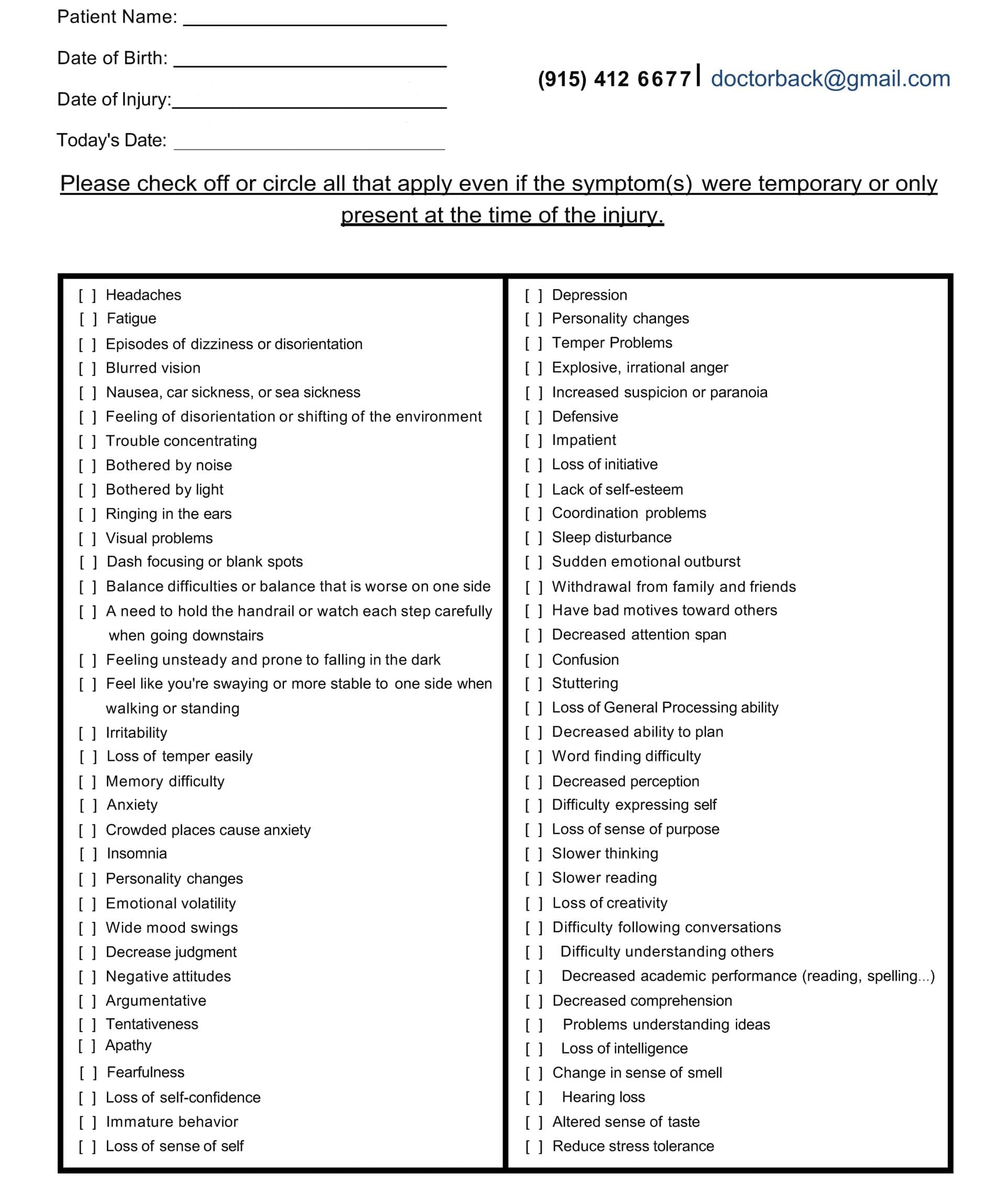
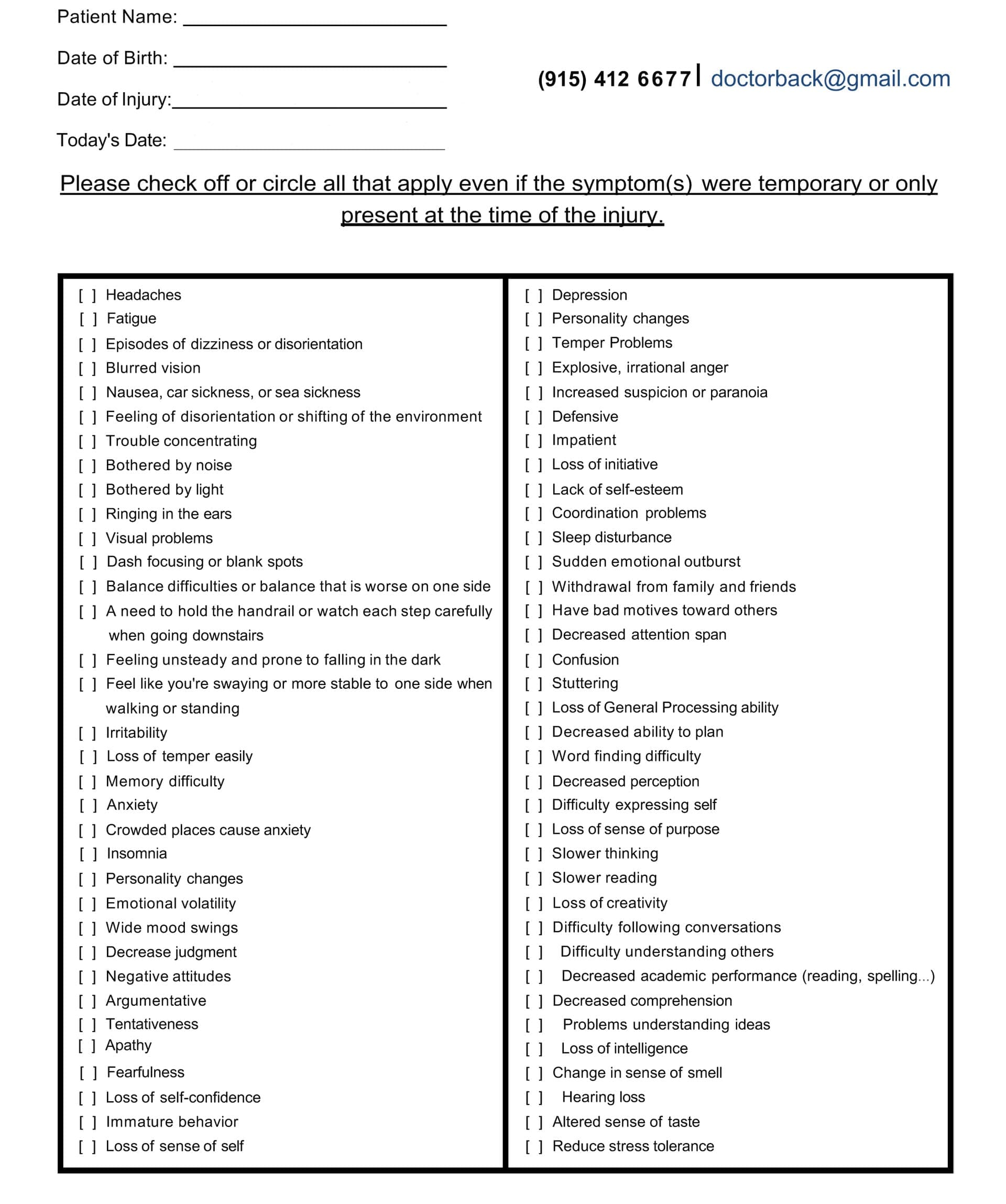
Head Injury/TBI Symptom Questionnaire:
Head Injury/TBI Symptom Questionnaire
Diagnosis and Treatment
Doctors use X-rays, CT scans, and MRI scans (UT Southwestern Medical Center, n.d.). Treatment: rest, meds, surgery for severe cases.
Integrative chiropractic takes a whole-body view. Adjustments correct misalignments and reduce pain (DrKal.com, n.d.). It includes massage, exercises (Dominguez Injury Centers, n.d.). Benefits: faster healing, less inflammation (Artisan Chiropractic Clinic, n.d.).
Dr. Jimenez utilizes functional medicine and nutrition for brain health (LinkedIn, n.d.). For TBIs, adjustments reset nerves (Sea Change Chiropractic, n.d.).
Prevention Tips
Wear seatbelts, helmets; avoid risky dives; clear clutter; use proper gear at work (UT Southwestern Medical Center, n.d.).
Conclusion
Spine injuries from accidents can significantly impact one’s life, but understanding can help. With care like chiropractic, recovery is possible. Seek help early.
Understand the benefits of chiropractic care in addressing migraines and the impact of head injuries for many individuals.
Understanding Traumatic Brain Injury: How Head Injuries Cause Headaches, Migraines, and Cognitive Problems
Traumatic brain injury represents one of the most serious health conditions affecting millions of people each year. When someone experiences a blow to the head or a sudden jolt that shakes the brain inside the skull, the resulting damage can create a wide range of symptoms that affect daily life. Understanding how these injuries work and what symptoms they cause helps people recognize when they need medical attention and what treatment options are available.
What Is Traumatic Brain Injury?
Traumatic brain injury, commonly called TBI, occurs when an external force damages the brain. This injury happens when the head receives a sudden impact, causing the brain to move rapidly inside the skull. The Centers for Disease Control and Prevention reports that TBI represents a major cause of death and disability in the United States. These injuries range from mild concussions to severe brain damage that can permanently change a person’s life. mayoclinic+2
The brain sits protected inside the skull, surrounded by cerebrospinal fluid that acts like a cushion. When someone experiences a violent blow to the head, the brain can strike the inside of the skull, causing bruising, torn tissues, bleeding, and other physical damage. Sometimes the injury happens even without the head hitting anything directly—rapid acceleration or deceleration can shake the brain violently enough to cause damage. clevelandclinic+1
TBI occurs through several different mechanisms. Direct impact injuries happen when something strikes the head with force, such as during a fall, a sports collision, or an assault. Penetrating injuries occur when an object breaks through the skull and enters the brain tissue. Blast injuries, common in military settings, create pressure waves that damage brain structures. Motor vehicle accidents represent one of the leading causes of traumatic brain injury, often combining multiple injury mechanisms including impact, acceleration, and deceleration forces. americanbrainfoundation+2
Medical professionals classify TBI into three severity levels based on symptoms and diagnostic findings. Mild TBI, also known as a concussion, represents the most common form and may cause temporary confusion, headache, and other symptoms that typically resolve within weeks. Moderate TBI involves loss of consciousness lasting from several minutes to hours and confusion that can persist for days or weeks. Severe TBI results from crushing blows or penetrating injuries that cause extended unconsciousness, significant brain damage, and potentially permanent disability. mayoclinic+1
The immediate effects of TBI depend on which parts of the brain sustained damage and how severe that damage was. The frontal lobes, which control thinking, planning, and emotional regulation, are often affected by injury in TBI. Damage to the temporal lobes can affect memory and language. The brainstem, which controls basic life functions like breathing and heart rate, can be injured in severe TBI, creating life-threatening emergencies. alz+1
How TBI Causes Headaches and Migraines
Headaches represent one of the most common and persistent symptoms following traumatic brain injury. Research shows that between 30% and 90% of people who experience TBI develop headaches afterward. These post-traumatic headaches can begin immediately after the injury or develop days or even weeks later. Understanding why TBI causes headaches requires looking at the complex changes happening inside the brain and surrounding structures after injury. connectivity+3
When the brain experiences trauma, several physical and chemical changes occur that trigger headache pain. The initial impact can damage blood vessels in the brain, causing bleeding and inflammation. This inflammation triggers the release of pain-causing chemicals that activate nerve endings throughout the head and neck region. The meninges, the protective membranes that cover the brain, contain numerous pain-sensitive nerve fibers that respond to inflammation by sending pain signals. pmc.ncbi.nlm.nih+2
Brain tissue itself does not contain pain receptors, but the structures surrounding the brain are highly sensitive to pain. The blood vessels, meninges, and cranial nerves all possess pain receptors that can generate headache sensations. After a TBI, these structures may become more sensitive, a condition known as central sensitization, where the nervous system becomes hyperresponsive to pain signals. ncbi.nlm.nih+1
The connection between TBI and headaches also involves disruption of normal brain chemistry. The brain relies on neurotransmitters—chemical messengers that allow nerve cells to communicate—to function properly. Traumatic injury can disturb the balance of these neurotransmitters, particularly serotonin, which plays a crucial role in pain regulation. When serotonin levels drop or become imbalanced, the brain’s pain-filtering systems may not work correctly, allowing pain signals to reach consciousness more easily. migrainedisorders+2
Migraines represent a specific type of severe headache that many people develop after experiencing TBI. Research published in scientific journals demonstrates that people who have had a traumatic brain injury face a significantly increased risk of developing migraines compared to those who have never experienced head trauma. One study found that TBI approximately doubles the risk of developing new migraine headaches. pmc.ncbi.nlm.nih
The mechanisms linking TBI to migraines involve complex changes in brain function. The trigeminal nerve, which provides sensation to much of the face and head, becomes activated during migraines. This activation releases inflammatory substances called neuropeptides that cause blood vessel dilation and further inflammation. After TBI, the trigeminal nerve system may become more easily triggered, lowering the threshold for migraine attacks. emedicine.medscape+2
Brain imaging studies reveal that inflammation and altered connectivity between different brain regions persist long after the initial injury. These changes in how different parts of the brain communicate with each other can make the brain more susceptible to migraine triggers. The brain regions involved in pain processing, sensory filtering, and stress response show altered function in people with post-traumatic migraines. sciencedirect
Clinical Insights from Dr. Alexander Jimenez on Head Injury Assessment
Dr. Alexander Jimenez, a dual-credentialed chiropractor and nurse practitioner practicing in El Paso, brings a unique perspective to evaluating and treating patients with traumatic brain injury and post-traumatic headaches. His clinic specializes in treating injuries from various sources, including workplace accidents, sports injuries, personal injuries, and motor vehicle accidents. The dual-scope approach allows for a comprehensive assessment that combines chiropractic evaluation of neuromusculoskeletal function with advanced medical diagnostic capabilities. advantagehcs
When patients present with head injuries, Dr. Jimenez’s clinical approach emphasizes thorough neurological examination to identify the full extent of injury. This assessment includes evaluating cranial nerve function, testing reflexes, assessing balance and coordination, and screening for cognitive changes. The clinic utilizes advanced neuromusculoskeletal imaging to visualize structural damage that may contribute to ongoing symptoms. These imaging techniques include computed tomography (CT) scans, which excel at detecting skull fractures, bleeding, and swelling in the acute phase after injury. Magnetic resonance imaging (MRI) provides superior detail of soft tissue damage, including subtle brain injuries that may not appear on CT scans. pmc.ncbi.nlm.nih+4
Dr. Jimenez emphasizes that proper documentation of injuries plays a critical role, particularly in cases involving motor vehicle accidents or workplace injuries where legal and insurance considerations arise. Detailed medical records, which document the mechanism of injury, initial symptoms, physical examination findings, diagnostic test results, and treatment plans, serve essential functions in both patient care and legal proceedings. These records establish the connection between the traumatic event and the patient’s symptoms, which becomes crucial when seeking compensation for injuries. njadvocates+3
Cognitive Function Changes After TBI
The brain serves as the central control center for all mental processes, including thinking, learning, remembering, and decision-making. When traumatic injury damages brain tissue, these cognitive functions often become impaired. Understanding how TBI affects cognitive function helps patients and families recognize symptoms and seek appropriate treatment. pubmed.ncbi.nlm.nih+1
Cognitive impairment represents one of the most challenging consequences of traumatic brain injury because it affects so many aspects of daily life. The severity and pattern of cognitive problems depend on which brain regions sustained damage and how extensive that damage was. Research involving thousands of patients shows that cognitive impairment occurs across all severity levels of TBI, though more severe injuries generally produce more pronounced deficits. jamanetwork+1
Memory problems rank among the most common cognitive complaints after TBI. Short-term memory, which involves holding information in mind for brief periods, often becomes impaired. People may struggle to remember conversations, appointments, or where they placed items. Long-term memory, particularly the formation of new memories, can also be disrupted. The hippocampus, a brain structure critical for memory formation, is particularly vulnerable to injury during trauma. headway+1
Attention and concentration difficulties create significant challenges for people recovering from TBI. The ability to focus on tasks, filter out distractions, and shift attention between different activities may be compromised. These problems make it difficult to perform work duties, follow conversations, or engage in activities that require sustained mental effort. Divided attention—the ability to manage multiple tasks simultaneously—becomes especially problematic. uwmsktc.washington+1
Processing speed, which refers to how quickly the brain can take in information, understand it, and respond, typically slows after TBI. This slowing affects many aspects of functioning, from reading comprehension to reaction times while driving. Simple tasks that once seemed automatic may now require conscious effort and extra time. jamanetwork
Executive functions encompass higher-level cognitive abilities, including planning, organizing, problem-solving, and self-monitoring. The frontal lobes, which control these functions, are often damaged in TBI. Impairment of executive functions can make it difficult to manage daily responsibilities, make appropriate decisions, or adapt to changing situations. People may struggle with initiating tasks, following multi-step instructions, or recognizing and correcting errors. alz+1
Language and communication abilities can be affected by TBI, although the specific deficits vary depending on the location of the injury. Some people struggle to find the right words, form sentences, or comprehend complex language. Others may struggle with the social aspects of communication, such as interpreting social cues, taking turns in conversation, or adapting their communication style to different situations. uwmsktc.washington+1
Head Symptoms Associated with Cognitive Impairment
The cognitive changes that occur after TBI often coincide with physical symptoms affecting the head. These symptoms interconnect in ways that compound difficulties and interfere with recovery. Headaches themselves can worsen cognitive function by creating pain that distracts from mental tasks and disrupts concentration. The constant presence of head pain makes it harder to think clearly, remember information, or engage in problem-solving. pmc.ncbi.nlm.nih+2
Mental fog or clouded thinking represents a common complaint among people with TBI. This sensation of thinking through a haze makes mental tasks feel effortful and exhausting. The brain appears to operate more slowly, and thoughts may feel disorganized or disjointed. This mental fog often accompanies headaches and worsens with mental exertion. concussionalliance+1
Dizziness and balance problems frequently occur after TBI, creating a sense of instability or spinning that originates from dysfunction in the vestibular system. The inner ear structures that control balance can be damaged during head trauma, or the brain regions that process balance information may become impaired. These balance problems affect the ability to walk steadily, drive safely, or perform activities requiring coordination. mentalhealth.va+2
Pressure sensations inside the head trouble many people with TBI. This feeling of tightness, fullness, or pressure can be localized to specific areas or felt throughout the entire head. Sometimes, this pressure sensation accompanies actual changes in intracranial pressure due to swelling or fluid accumulation; however, it often represents altered sensory processing rather than true pressure changes. connectivity
Facial pain and jaw discomfort can develop after head trauma, particularly when the temporomandibular joint (TMJ) sustains injury during the trauma. The TMJ connects the jawbone to the skull, allowing for chewing and speaking. Injury to this joint or the surrounding muscles can create pain that radiates throughout the face, head, and neck. elizabethsandelmd+1
Types of Headaches Following Traumatic Brain Injury
Post-traumatic headaches can take several different forms, each with distinct characteristics and mechanisms. Recognizing the type of headache helps guide the development of appropriate treatment strategies. The International Classification of Headache Disorders provides standardized criteria for diagnosing different headache types, which healthcare providers use to categorize post-traumatic headaches. nature+2
Acute Post-Traumatic Headache
Acute post-traumatic headache develops within seven days of the injury or within seven days of regaining consciousness after the injury. These headaches typically resolve within three months of their onset. The pain may feel dull and constant or sharp and intermittent, depending on the underlying cause. Acute post-traumatic headaches often accompany other symptoms such as nausea, dizziness, sensitivity to light and sound, and cognitive difficulties. ncbi.nlm.nih+1
Persistent Post-Traumatic Headache
When headaches continue beyond three months after the traumatic injury, they are classified as persistent or chronic post-traumatic headaches. Research indicates that approximately 20% to 50% of people who develop headaches after TBI continue experiencing them long-term. These persistent headaches can last for months or even years after the initial injury. The chronic nature of these headaches has a significant impact on quality of life, interfering with work, relationships, and daily activities. ichd-3+3
Persistent post-traumatic headaches can evolve over time, changing in frequency, intensity, or character. Some people experience daily headaches, while others have episodic attacks separated by pain-free periods. The unpredictability of these headaches creates additional stress and anxiety, which can further worsen the headache pattern. pmc.ncbi.nlm.nih+1
Migraine-Type Post-Traumatic Headaches
Many post-traumatic headaches display characteristics typical of migraines. These headaches involve moderate to severe throbbing or pulsating pain, usually affecting one side of the head. The pain intensifies with physical activity such as walking or climbing stairs. Nausea and vomiting commonly accompany migraine-type headaches. Sensitivity to light (photophobia) and sound (phonophobia) makes it difficult to tolerate normal environmental stimuli. neurology+3
Migraine headaches can include an aura phase, which involves temporary neurological symptoms that typically develop before the headache pain begins. Visual auras are most common and may include seeing flashing lights, zigzag lines, or temporary blind spots. Some people experience sensory auras characterized by tingling or numbness, typically affecting one side of the body. Language disturbances or difficulty speaking can occur during the aura phase. mayoclinic+1
The relationship between TBI and migraines extends beyond the immediate post-injury period. People who experience migraines after TBI often develop chronic migraine disorder, defined as having headache on 15 or more days per month, with at least eight days meeting migraine criteria. This chronic pattern significantly disrupts functioning and requires comprehensive management strategies. pmc.ncbi.nlm.nih
Tension-Type Headaches After TBI
Tension-type headaches represent another common pattern of post-traumatic headache. These headaches create a sensation of pressure or tightness, often described as feeling like a tight band around the head. The pain is typically mild to moderate in intensity and affects both sides of the head. Unlike migraines, tension-type headaches usually do not cause nausea or vomiting and do not worsen significantly with routine physical activity. americanmigrainefoundation+3
Muscle tension in the head, neck, and shoulder regions contributes to tension-type headaches. After TBI, muscle tightness often increases due to several factors, including pain, altered posture, stress, and direct muscle injury during the trauma. This muscle tension creates sustained contraction that generates pain signals and reduces blood flow to affected tissues. physio-pedia+3
The psychological stress associated with recovering from TBI can trigger or worsen tension-type headaches. Anxiety about symptoms, worry about returning to normal activities, and frustration with ongoing limitations create emotional tension that manifests as physical muscle tightness. Sleep disturbances, common after TBI, also contribute to tension-type headaches by preventing adequate rest and recovery. aafp+1
Cervicogenic Headaches
Cervicogenic headaches originate from problems in the neck (cervical spine) but are experienced as headaches in the head. These headaches are particularly common after motor vehicle accidents and other traumas that create whiplash-type injuries to the neck. The sudden acceleration-deceleration forces during these injuries can damage the joints, ligaments, muscles, and nerves of the cervical spine. pmc.ncbi.nlm.nih+3
Cervicogenic headaches typically affect one side of the head and may be accompanied by neck pain and stiffness. The pain often starts at the base of the skull and radiates forward toward the forehead, temple, or area around the eye. Certain neck movements or sustained neck positions can trigger or worsen these headaches. Pressing on specific tender points in the neck may reproduce the headache pain, helping healthcare providers identify cervicogenic headaches. clevelandclinic+1
The upper cervical spine, particularly the C1-C3 vertebrae and their associated nerves, plays a crucial role in cervicogenic headaches. These upper cervical nerves share connections with the trigeminal nerve, which provides sensation to much of the head and face. When injury or dysfunction affects the upper cervical spine, pain signals can be referred along these nerve connections, creating headache sensations. physio-pedia
Dr. Jimenez’s clinic places particular emphasis on evaluating cervical spine involvement in patients presenting with post-traumatic headaches. The dual chiropractic and medical training allows for comprehensive assessment of both spinal mechanics and neurological function. This evaluation includes examining neck range of motion, palpating for areas of tenderness or restriction, testing nerve function, and reviewing imaging studies to identify structural problems. pubmed.ncbi.nlm.nih+3
Cluster Headaches and Trigeminal Autonomic Cephalalgias
Though less common than other headache types, cluster headaches and related conditions can occasionally develop after traumatic brain injury. Cluster headaches create severe, excruciating pain localized around one eye or on one side of the head. The pain reaches maximum intensity quickly and typically lasts 15 minutes to three hours. During attacks, people often feel restless and agitated rather than still, which distinguishes cluster headaches from migraines. pmc.ncbi.nlm.nih+2
Cluster headaches earn their name because they occur in clusters or cycles, with multiple attacks happening daily for weeks or months, followed by periods of remission. The attacks often occur at the same time each day and may wake people from sleep. Autonomic symptoms accompany the pain, including tearing, redness of the eye, nasal congestion or runny nose, eyelid drooping, and sweating on the affected side of the face. practicalneurology+2
The trigeminal autonomic reflex pathway, which connects the trigeminal nerve with autonomic nerve centers in the brainstem, becomes activated during these headaches. This activation causes autonomic symptoms, such as tearing and nasal congestion. Head trauma can potentially damage or alter the function of these neural pathways, though the exact mechanisms linking TBI to cluster headaches require further research. pmc.ncbi.nlm.nih
Sensory Dysfunction and Associated Head and Neck Symptoms
Traumatic brain injury often damages the sensory systems that allow people to perceive and interpret information from their environment. These sensory problems create significant challenges and often contribute to headaches and other symptoms affecting the head and neck region. Understanding these sensory changes helps explain why people with TBI experience such complex and varied symptoms. tbi.vcu+2
Light Sensitivity (Photophobia)
Sensitivity to light represents one of the most common and distressing sensory problems after TBI. Research indicates that between 40% and 80% of people with traumatic brain injury develop photophobia. This heightened sensitivity makes normal lighting levels feel uncomfortably bright or even painful. Indoor lighting, computer screens, and especially sunlight can trigger discomfort, eye pain, squinting, and worsening of headaches. connectivity+1
The mechanisms underlying photophobia after TBI involve several interconnected systems. The visual pathways that transmit light information from the eyes to the brain can become hypersensitive after injury. The trigeminal nerve, which provides sensation to the eyes and face, becomes more reactive to light stimulation. This nerve connects directly to pain-processing regions in the brain, explaining why bright light can trigger or worsen headaches. theraspecs+1
Brain regions involved in processing visual information and filtering sensory input may function abnormally after TBI. The brain normally filters out irrelevant sensory information, allowing people to focus on important stimuli while ignoring background noise or changes in lighting. After traumatic injury, this filtering system may malfunction, causing the brain to become overwhelmed by sensory input that would normally be manageable. connectivity+1
Photophobia significantly impacts daily functioning. Many people need to wear sunglasses even indoors, avoid bright environments, and limit screen time. These restrictions can interfere with work, social activities, and leisure pursuits. The constant need to manage light exposure can create additional stress and contribute to social isolation. theraspecs+1
Sound Sensitivity (Phonophobia)
Increased sensitivity to sound, called phonophobia or hyperacusis, commonly occurs alongside light sensitivity after TBI. Everyday sounds such as traffic noise, conversations, music, or household appliances may seem unbearably loud. This heightened sensitivity can trigger headaches, increase stress, and make it difficult to concentrate. mindeye+1
The auditory system processes sound through complex pathways that involve the inner ear, the auditory nerve, and multiple brain regions. After TBI, any component of this system may become damaged or dysfunctional. The cochlea in the inner ear can be injured by traumatic forces, resulting in hearing loss or tinnitus. The auditory nerve pathways may be stretched or damaged, which can alter how sound signals are transmitted to the brain. tbi.vcu
Central auditory processing, which involves how the brain interprets and makes sense of sounds, often becomes impaired after TBI. People may have difficulty distinguishing speech from background noise, determining the direction of sounds, or processing rapid sequences of auditory information. These processing problems make noisy environments particularly challenging and exhausting. tbi.vcu+1
The brain regions that regulate sensory gating—the ability to filter out unimportant sounds—may not function normally after TBI. This filtering failure means that all sounds reach consciousness with similar intensity, creating a sense of being bombarded by noise. The constant sensory overload contributes to mental fatigue, stress, and headaches. mindeye+1
Visual Disturbances
Visual problems affect approximately 40% to 50% of people with traumatic brain injury. These problems range from difficulty focusing to double vision, blurred vision, and loss of visual field. The visual system relies on precise coordination between the eyes, the muscles that move them, and the brain regions that process visual information. Trauma can disrupt any part of this complex system. salusuhealth+1
Eye movement problems create particular difficulties after TBI. The cranial nerves that control the muscles of the eye may be damaged, causing weakness or incoordination of eye movements. This can result in double vision (diplopia), where the two eyes do not align properly, creating separate images. Reading becomes exhausting because the eyes struggle to track smoothly across lines of text. frontiersin+2
Visual processing deficits affect how the brain interprets visual information, even when the eyes themselves function normally. People may experience difficulty with depth perception, making it challenging to judge distances or navigate stairs. Visual memory problems can make it hard to recognize faces or remember visual information. Visual attention deficits affect the ability to scan the environment effectively and notice important visual details. salusuhealth+1
The connection between vision and balance becomes apparent when visual problems contribute to dizziness and instability. The brain relies on visual information to maintain balance and orient the body in space. When visual input becomes distorted or unreliable after TBI, balance systems struggle to compensate, creating feelings of unsteadiness. frontiersin
Balance and Vestibular Dysfunction
The vestibular system, located in the inner ear, detects head movements and helps maintain balance and spatial orientation. This system can be damaged during head trauma, creating persistent dizziness, vertigo, and balance problems. Vestibular dysfunction affects approximately 30% to 65% of people with TBI. pmc.ncbi.nlm.nih+2
Vertigo, the sensation that the environment is spinning or moving when it is actually still, creates significant distress and disability. This spinning sensation can be constant or triggered by specific head movements. Benign paroxysmal positional vertigo (BPPV), which occurs when calcium crystals in the inner ear become displaced, commonly develops after head trauma. pmc.ncbi.nlm.nih
Balance problems make it difficult to walk steadily, especially on uneven surfaces or in low-light conditions when visual cues are limited. The brain normally integrates information from the vestibular system, vision, and sensors in muscles and joints to maintain balance. When one of these systems becomes impaired after TBI, the brain struggles to compensate, creating unsteadiness and increasing fall risk. frontiersin
Post-traumatic dizziness often worsens with head movements, busy visual environments, and cognitive demands. This dizziness can trigger or worsen headaches, creating a cycle where headache and dizziness reinforce each other. The constant sense of imbalance creates anxiety and limits activities, contributing to deconditioning and further functional decline. pmc.ncbi.nlm.nih+1
Altered Sensation in the Head and Neck
Changes in sensation throughout the head and neck region are commonly experienced following a TBI. These changes can include numbness, tingling, burning sensations, or areas of increased sensitivity. The cranial nerves, which provide sensation to the face, scalp, and neck, may be damaged during trauma. matrixneurological+1
The trigeminal nerve, the largest cranial nerve, supplies sensation to most of the face and head. This nerve has three main branches that provide feeling to the forehead and eyes, the cheeks and nose, and the jaw and chin. Injury to any branch of the trigeminal nerve can create altered sensation in the corresponding region. pmc.ncbi.nlm.nih
The occipital nerves, which emerge from the upper cervical spine and travel up the back of the head to the scalp, often become irritated or compressed after neck injuries. This creates pain, numbness, or tingling in the back of the head and sometimes radiates over the top of the head toward the forehead. Occipital neuralgia, inflammation or injury to these nerves, causes sharp, shooting, electric-shock-like pains in the distribution of the nerve. physio-pedia
Neck pain and stiffness frequently accompany head symptoms after TBI, particularly when cervical spine injury occurred during the trauma. The neck muscles may go into spasm as a protective response to injury, creating sustained tension that contributes to both neck pain and headaches. Ligament injuries in the cervical spine can lead to instability and persistent pain. Intervertebral disc injuries, including herniation or bulging, may compress nerve roots and create radiating pain into the arms along with headaches. elizabethsandelmd+1
Dr. Jimenez’s integrative approach emphasizes thorough evaluation of these sensory symptoms and their relationship to neuromusculoskeletal dysfunction. His clinical observations note that addressing cervical spine dysfunction through targeted chiropractic care often improves not only neck pain but also associated headaches and sensory symptoms. The neck and head share extensive neural connections, meaning that problems in one region frequently affect the other. wilbeckchiro+4
Understanding Migraines: Causes, Symptoms, and Connection to TBI
Migraines represent more than just severe headaches—they are complex neurological events involving multiple brain systems. Understanding what happens during a migraine helps explain why they become more common after traumatic brain injury and how to manage them effectively. ncbi.nlm.nih+1
What Happens in the Brain During a Migraine
Migraines involve a cascade of neurological changes that unfold over hours or even days. The process typically begins in the brainstem and hypothalamus, brain regions that regulate pain, arousal, and autonomic functions. These areas show altered activity even before headache pain begins. migrainedisorders+1
The cortical spreading depression represents a key mechanism in migraine pathogenesis. This phenomenon involves a wave of electrical silence that spreads across the brain’s surface at a rate of 2 to 3 millimeters per minute. As this wave passes through different brain regions, it temporarily suppresses normal brain activity. When the wave affects visual areas, it creates the visual aura symptoms that some people experience. The spreading depression also triggers inflammatory responses that contribute to headache pain. migrainedisorders
The trigeminal vascular system plays a central role in generating migraine pain. The trigeminal nerve sends branches to blood vessels surrounding the brain and in the meninges. When these nerve endings become activated, they release inflammatory substances, including calcitonin gene-related peptide (CGRP), substance P, and neurokinin A. These neuropeptides cause blood vessels to dilate, increase blood flow, and trigger inflammatory responses. The combination of vascular changes and inflammation activates pain receptors, creating the throbbing headache pain characteristic of migraines. emedicine.medscape+1
Neurotransmitter imbalances contribute significantly to migraine development. Serotonin, a neurotransmitter involved in pain regulation, mood, and blood vessel control, shows abnormal levels during migraines. Serotonin levels typically drop during migraine attacks, and this decrease may trigger the cascade of events that produce headache pain. Other neurotransmitters, including dopamine, norepinephrine, and glutamate, also show altered function during migraines. emedicine.medscape+1
Migraine Triggers and Risk Factors
Migraines can be triggered by numerous factors that vary from individual to individual. Common triggers include hormonal changes, particularly fluctuations in estrogen levels that occur during menstrual cycles. Many women experience migraines specifically related to their menstrual periods. Stress and emotional tension represent frequent migraine triggers, as does the relief after stress ends. Sleep disturbances, whether too little sleep, too much sleep, or irregular sleep patterns, often precipitate migraine attacks. clevelandclinic+1
Dietary factors can trigger migraines in individuals who are susceptible to them. Common food triggers include aged cheeses, processed meats containing nitrates, chocolate, alcohol (especially red wine), and foods containing monosodium glutamate (MSG). Skipping meals or fasting can also trigger migraines in some people. Caffeine presents a paradox—regular consumption followed by sudden withdrawal can trigger migraines, but caffeine can also help treat migraine pain when taken appropriately. mayoclinic
Environmental factors, including bright lights, loud sounds, strong smells, and changes in weather or barometric pressure, trigger migraines in many people. These sensory triggers become particularly problematic for people with TBI, who already experience heightened sensory sensitivity. The combination of post-TBI sensory dysfunction and migraine susceptibility creates a situation where many everyday environmental factors can trigger debilitating headaches. nature+4
Phases of a Migraine Attack
Migraines typically progress through distinct phases, though not every person experiences all phases or experiences them in the same order. The prodrome phase occurs hours or days before the onset of headache pain. During this phase, people may notice subtle changes, including mood alterations, food cravings, increased thirst, frequent urination, or neck stiffness. These prodrome symptoms result from changes in the hypothalamus and other brain regions that precede the headache. mayoclinic+1
The aura phase, which occurs in approximately 25% to 30% of people with migraines, involves temporary neurological symptoms that typically last between 5 and 60 minutes. Visual auras are the most common and may include seeing bright spots, flashing lights, zigzag lines, or the development of blind spots in the visual field. Sensory auras cause tingling or numbness that typically starts in the hand and spreads up the arm to the face. Speech and language disturbances can occur, making it difficult to find words or speak clearly. emedicine.medscape+1
The headache phase brings the characteristic migraine pain—moderate to severe, typically pulsating or throbbing, usually affecting one side of the head. The pain often intensifies with physical activity. Nausea and vomiting commonly accompany the headache. Photophobia and phonophobia make it difficult to tolerate light and sound. Many people need to lie down in a dark, quiet room during this phase. The headache phase typically lasts 4 to 72 hours if untreated. mayoclinic
The postdrome phase follows the resolution of headache pain. People often describe feeling drained, exhausted, or as if they are “hungover” during this phase. Some experience lingering head discomfort or unusual sensations. Mood changes, difficulty concentrating, and fatigue can persist for a day or more after the headache resolves. mayoclinic
How TBI Changes Migraine Patterns
Traumatic brain injury can transform migraine patterns in several ways. People who never experienced migraines before their injury may develop new-onset migraines afterward. Those who had occasional migraines before TBI often find that their migraines become more frequent, severe, or difficult to treat after injury. The study of TBI patients shows that injury severity correlates with increased migraine risk—more severe injuries create a higher likelihood of developing post-traumatic migraines. neurology+1
The mechanisms linking TBI to altered migraine patterns involve lasting changes in brain structure and function. Inflammation in the brain can persist for months or years after the initial injury. This ongoing inflammation lowers the threshold for migraine attacks, making them easier to trigger. Damage to brain regions involved in pain processing and sensory filtering creates hypersensitivity that contributes to both more frequent migraines and heightened sensitivity to migraine triggers. nature+1
Post-traumatic migraines often prove more difficult to treat than migraines unrelated to injury. Standard migraine medications may be less effective, and patients may require combination approaches involving multiple treatment modalities. The presence of other post-TBI symptoms, including cognitive impairment, mood changes, sleep disturbances, and neck pain, complicates treatment and may interfere with recovery from migraines. pmc.ncbi.nlm.nih+1
Diagnostic Assessment and Imaging for TBI and Headaches
Proper diagnosis of traumatic brain injury and post-traumatic headaches requires a comprehensive evaluation combining clinical assessment with appropriate imaging studies. Dr. Jimenez’s dual-scope practice enables thorough diagnostic workups that address both neurological and neuromusculoskeletal aspects of patient injuries. ncbi.nlm.nih+2
Clinical Evaluation
The diagnostic process begins with a detailed history-taking. Healthcare providers need to understand the mechanism of injury—how the trauma occurred, what forces were involved, whether loss of consciousness occurred, and what symptoms developed immediately afterward. Information about symptom progression helps distinguish between the effects of acute injury and complications that develop over time.advantagehcs+1
Neurological examination assesses multiple domains of function. Mental status testing evaluates the level of consciousness, orientation, memory, and cognitive abilities. Cranial nerve examination tests the function of the twelve nerve pairs that emerge from the brain and control functions including vision, eye movements, facial sensation and movement, hearing, and swallowing. Motor examination assesses muscle strength, tone, and coordination. Sensory testing evaluates the ability to perceive touch, temperature, pain, and position sense. Reflex testing provides information about the integrity of nerve pathways. ncbi.nlm.nih
Specialized testing may include vestibular evaluation for balance problems, vision testing for visual disturbances, and cognitive screening tools to identify specific areas of impairment. Headache characteristics are carefully documented, including location, quality, intensity, duration, frequency, triggers, and associated symptoms. This information helps classify the type of headache and guide treatment selection. ncbi.nlm.nih+1
Imaging Studies
Computed tomography (CT) scans represent the first-line imaging study for acute traumatic brain injury. CT excels at detecting skull fractures, bleeding inside or around the brain, brain swelling, and other acute complications requiring immediate intervention. The speed of CT scanning makes it ideal for the emergency evaluation of head-injured patients. CT provides excellent visualization of bone structures, helping identify fractures that may contribute to ongoing symptoms. elementimaging+1
Magnetic resonance imaging (MRI) provides superior detail of brain tissue and detects injuries that may not appear on CT scans. MRI is particularly valuable for evaluating mild to moderate TBI, where CT may appear normal despite ongoing symptoms. Different MRI sequences highlight distinct tissue characteristics, enabling a comprehensive assessment of structural damage. Diffusion tensor imaging (DTI), an advanced MRI technique, can detect damage to white matter tracts—the nerve fiber bundles that connect different brain regions. This technique helps explain persistent symptoms when conventional imaging appears normal. pubmed.ncbi.nlm.nih+1
Cervical spine imaging plays an important role when neck injury accompanies head trauma. X-rays provide a basic evaluation of cervical vertebral alignment and identify obvious fractures or dislocations. CT offers more detailed bone visualization and can detect subtle fractures that are often missed on X-rays. MRI excels at showing soft tissue injuries, including ligament tears, disc herniations, and spinal cord damage. These cervical spine imaging studies help identify structural problems contributing to neck pain and cervicogenic headaches. pmc.ncbi.nlm.nih+2
Dr. Jimenez’s clinic utilizes advanced neuromusculoskeletal imaging as part of a comprehensive patient evaluation. This imaging approach examines not only the brain and skull but also the cervical spine, surrounding soft tissues, and musculoskeletal structures that may contribute to symptoms. The integration of imaging findings with clinical examination results enables an accurate diagnosis that informs treatment planning. advantagehcs+1
Functional Assessment
Beyond structural imaging, functional assessments evaluate how injuries affect daily activities and quality of life. Standardized questionnaires assess the impact of headaches, cognitive function, emotional well-being, and the ability to perform work, social, and recreational activities. These assessments provide objective measures of symptom severity, helping to track recovery progress over time. ncbi.nlm.nih
Neuropsychological testing provides a comprehensive evaluation of cognitive abilities, encompassing attention, memory, language, visual-spatial skills, and executive functions. These tests identify specific areas of impairment and help develop targeted rehabilitation strategies to address them. Serial testing over time documents cognitive recovery and helps determine readiness to return to work or other demanding activities. pubmed.ncbi.nlm.nih+2
Treatment Approaches: Integrative Medicine for TBI and Headaches
Managing traumatic brain injury and post-traumatic headaches requires comprehensive approaches that address multiple aspects of the condition. Dr. Jimenez’s integrative medicine practice in El Paso combines chiropractic care, medical management, physical rehabilitation, and complementary therapies to promote natural healing and optimal recovery. northwestfloridaphysiciansgroup+3
Chiropractic Care for Post-Traumatic Headaches and Neck Pain
Chiropractic treatment focuses on addressing neuromusculoskeletal dysfunction that contributes to pain and other symptoms. Following TBI, particularly when accompanied by whiplash or neck injury, the cervical spine often develops misalignments, restricted motion, and muscle tension that contribute to headaches. Chiropractic evaluation identifies these mechanical problems through a physical examination and a review of imaging. pubmed.ncbi.nlm.nih+3
Spinal manipulation, the hallmark of chiropractic treatment, involves applying controlled forces to joints to restore normal motion and alignment. For post-traumatic headaches, chiropractors typically focus on the cervical spine, particularly the upper cervical region, where dysfunction commonly contributes to head pain. Research supports the effectiveness of spinal manipulation for certain types of headaches, particularly tension-type and cervicogenic headaches. Evidence-based guidelines recommend chiropractic manipulation as a treatment option for adults with cervicogenic headaches. oakbrookmedicalgroup+4
Soft tissue techniques address muscle tension, trigger points, and fascial restrictions that contribute to pain and discomfort. These techniques may include massage, myofascial release, and instrument-assisted soft tissue mobilization. Releasing tight muscles and improving tissue quality helps reduce pain, improve range of motion, and support healing. drjeffreystinson+2
Dr. Jimenez’s chiropractic approach emphasizes gentle, specific adjustments tailored to each patient’s condition and tolerance. Following TBI, care must be taken to avoid aggressive treatment that could worsen symptoms. The dual medical training allows Dr. Jimenez to recognize situations where chiropractic care should be modified or delayed pending further medical evaluation. northwestfloridaphysiciansgroup+1
Exercise Therapy and Physical Rehabilitation
Exercise therapy plays a crucial role in the recovery from TBI. Research demonstrates that appropriate exercise can enhance neuroplasticity—the brain’s ability to reorganize and form new neural connections. This neuroplasticity represents the foundation for recovery, allowing undamaged brain regions to compensate for injured areas. pmc.ncbi.nlm.nih+3
Aerobic exercise provides multiple benefits for people recovering from TBI. Cardiovascular activity increases blood flow to the brain, delivering oxygen and nutrients needed for healing. Exercise stimulates the release of brain-derived neurotrophic factor (BDNF), a protein that supports neuron survival and growth. Regular aerobic exercise can help reduce headache frequency and intensity, while also improving mood, sleep, and cognitive function. flintrehab+2
Strength training helps restore muscle function that may have declined during the acute injury phase. Building strength in the neck and shoulder muscles provides better support for the cervical spine, reducing mechanical stress that contributes to cervicogenic headaches. Core strengthening improves posture and reduces compensatory muscle tension. rehabpartners+1
Balance and coordination exercises help address vestibular dysfunction and reduce the risk of falls. These exercises typically begin with simple activities and progress to more challenging tasks as abilities improve. Vestibular rehabilitation specifically targets the balance system through exercises that retrain the brain to process vestibular information correctly. physio-pedia+2
Cognitive exercises help restore mental functions affected by TBI. These activities challenge attention, memory, processing speed, and executive functions in a progressive and structured manner. The principle of neuroplasticity applies to cognitive recovery—repeatedly practicing specific mental tasks strengthens the neural pathways supporting those abilities. psychiatrictimes+3
Dr. Jimenez’s clinic incorporates targeted exercise programs as a central component of rehabilitation. Exercise prescriptions are tailored to each patient’s specific impairments, functional goals, and symptom tolerance. The programs typically start conservatively and progress gradually, respecting the principle that excessive exertion can worsen post-traumatic symptoms, particularly headaches. flintrehab+2
Massage Therapy for Pain Relief and Healing
Massage therapy offers multiple benefits for people recovering from traumatic injuries. Therapeutic massage reduces muscle tension, improves circulation, decreases pain, and promotes relaxation. These effects make massage particularly valuable for managing post-traumatic headaches, especially tension-type and cervicogenic headaches linked to muscle dysfunction.excelsiainjurycare+2
The mechanisms through which massage therapy provides benefits involve both local and systemic effects. Locally, massage increases blood flow to treated tissues, delivering oxygen and nutrients while removing metabolic waste products. Massage helps release trigger points—hyperirritable spots in muscle tissue that create local and referred pain. Breaking up fascial adhesions and scar tissue improves tissue mobility and reduces pain.news.harvard+2
Systemically, massage therapy influences the nervous system in ways that reduce pain perception and promote healing. Massage activates sensory receptors that send signals to the spinal cord, where they can inhibit pain signals from reaching the brain. This mechanism, sometimes referred to as “closing the gate,” helps explain how massage therapy provides pain relief. Massage also triggers the release of endorphins, the body’s natural pain-relieving chemicals. multicaremedicalcenters+1
Research demonstrates that massage therapy accelerates muscle healing after injury. Studies show that massage reduces inflammation in injured muscles while promoting the development of new mitochondria—the cellular structures responsible for producing energy. These effects translate to faster recovery and stronger healed tissue. news.harvard
For TBI patients, massage therapy addresses both direct head and neck injuries and secondary muscle tension that develops as the body compensates for pain and dysfunction. The relaxation effects of massage help reduce stress and anxiety, which commonly worsen after TBI and can trigger or intensify headaches. Many patients report improved sleep quality after massage therapy, and better sleep supports overall healing. lhphysicaltherapy+3
Dr. Jimenez’s integrative approach includes massage therapy as part of comprehensive treatment plans. Licensed massage therapists work in coordination with other healthcare providers to address soft tissue dysfunction that contributes to patient symptoms. Treatment frequency and techniques are adjusted according to the patient’s response and treatment goals. dominguezinjurycenters+2
Acupuncture for Neurological Recovery
Acupuncture, a component of traditional Chinese medicine, involves inserting thin needles into specific points on the body to influence health and healing. Growing research evidence supports acupuncture’s effectiveness for treating various conditions related to TBI, including headaches, pain, cognitive impairment, and emotional disturbances. iamdesignedtoheal+1
Multiple mechanisms appear to mediate the effects of acupuncture on the nervous system. Acupuncture stimulation influences neurotransmitter levels, including the increase of serotonin and endorphins that help regulate pain and mood. Functional brain imaging studies demonstrate that acupuncture modulates activity in brain regions associated with pain processing, emotional regulation, and sensory integration. These changes help explain how acupuncture can reduce pain, improve mood, and enhance cognitive function. pmc.ncbi.nlm.nih+1
For TBI specifically, research suggests that acupuncture may promote neurological recovery through several pathways. Acupuncture appears to reduce neuroinflammation, a type of brain inflammation that persists after injury and contributes to ongoing symptoms. Studies in animal models demonstrate that acupuncture can enhance neuroplasticity, supporting the brain’s natural healing processes. Acupuncture also improves cerebral blood flow, ensuring adequate oxygen and nutrient delivery to healing brain tissue. pmc.ncbi.nlm.nih
Clinical studies report positive outcomes when acupuncture is incorporated into TBI rehabilitation programs. Patients receiving acupuncture show improvements in consciousness levels, cognitive function, motor abilities, and quality of life compared to those receiving standard care alone. For post-traumatic headaches, acupuncture demonstrates effectiveness comparable to or exceeding conventional treatments, often with fewer side effects. iamdesignedtoheal+1
Acupuncture treatment for TBI typically involves multiple sessions over weeks or months. Specific acupuncture points are selected based on the patient’s symptoms and treatment goals. The treatment is generally safe when performed by qualified practitioners, with minimal risk of adverse effects. iamdesignedtoheal+1
Dr. Jimenez’s clinic offers acupuncture as part of integrated treatment protocols for TBI and post-traumatic headaches. The combination of acupuncture with chiropractic care, exercise therapy, and massage therapy provides comprehensive support for healing and symptom management. This multimodal approach addresses injury causes through multiple pathways, enhancing overall treatment effectiveness. dominguezinjurycenters+1
Chiropractic Care for Healing After Trauma- Video
Managing Injury Cases: Documentation and Coordinated Care
Traumatic brain injuries often occur in contexts requiring careful documentation and coordination between healthcare providers, employers, insurance companies, and legal professionals. Dr. Jimenez’s practice handles injuries from multiple sources and provides comprehensive medical and legal documentation needed for these cases. gbw+4
Work-Related Injuries
Workplace injuries, including those causing TBI, require specific procedures and documentation. Employers must provide workers’ compensation coverage that pays for medical treatment and lost wages resulting from work-related injuries. Proper documentation establishes that the injury occurred at work and defines the scope of medical treatment needed. koszdin+2
Immediate documentation begins at the time of injury. Employees should report injuries to their supervisor as soon as possible, providing details about how the injury occurred. Employers must complete incident reports that document the circumstances of the injury. Seeking prompt medical evaluation creates an official record of injuries and symptoms. jobsitecare+1
Healthcare providers treating work injuries must document the mechanism of injury, examination findings, diagnoses, treatment plans, work restrictions, and prognosis. This documentation guides workers’ compensation case management and determines which treatments receive coverage. Detailed records establish causation—the connection between workplace activities and resulting injuries. aafp+1
Dr. Jimenez’s clinic has extensive experience managing work-related injuries, including TBI from falls, struck-by accidents, and other workplace incidents. The practice provides thorough documentation meeting workers’ compensation requirements while ensuring patients receive comprehensive, evidence-based care. Clear communication with employers and case managers facilitates the appropriate authorization of treatment and planning for return to work. axiomllc+2
Sports Injuries
Athletic activities create a significant risk for traumatic brain injury, particularly in contact sports. Proper management of sports-related TBI requires expertise in both acute injury assessment and rehabilitation planning. Return-to-play decisions must strike a balance between the athlete’s desire to compete and safety considerations aimed at preventing reinjury. austinoi+2
Sports injury assessment begins with determining the severity of the injury and identifying factors that require immediate intervention. Athletes showing signs of serious TBI, including prolonged loss of consciousness, worsening symptoms, seizures, or neurological deficits, require emergency medical evaluation. For mild concussions, initial management emphasizes rest and gradual return to activities. physio-pedia+2
Rehabilitation for sports injuries follows a structured progression that gradually increases physical and cognitive demands. Athletes typically begin with gentle aerobic exercise that does not provoke symptoms, then progress through sport-specific drills, non-contact practice, and finally full-contact practice before returning to competition. Each stage should be completed without symptom recurrence before proceeding to the next stage. aspenridgephysicaltherapy+3
Documentation of sports injuries supports the provision of appropriate care and protects against premature return to play. Medical clearance from qualified healthcare providers is essential before athletes resume full participation. Some jurisdictions have laws requiring medical clearance for athletes who have sustained concussions. rehabpartners+1
Dr. Jimenez’s practice specializes in treating athletes from various sports, offering comprehensive evaluation and rehabilitation services. The clinic’s integrative approach combines medical assessment, imaging when needed, chiropractic care for associated musculoskeletal injuries, and targeted rehabilitation programs. This coordinated care supports a safe and effective return to athletic activities while minimizing the risk of reinjury. austinoi+3
Motor Vehicle Accident Injuries
Motor vehicle accidents represent a leading cause of traumatic brain injury. These incidents often combine multiple injury mechanisms, including direct head impact, rapid acceleration-deceleration forces, and whiplash-type neck injuries. The complex nature of MVA injuries requires comprehensive evaluation and treatment. cdc+3
TBI from motor vehicle accidents may not be immediately apparent. People can sustain concussions even without hitting their heads, as the rapid motion alone can injure the brain. Delayed symptom onset is common—some symptoms may not appear until hours or days after the accident. This delayed presentation highlights the importance of a thorough medical evaluation, even when initial symptoms appear minor. clevelandclinic+2
Legal and insurance considerations add complexity to MVA injury cases. Establishing the connection between the accident and resulting injuries requires detailed documentation. Medical records must describe the accident mechanism, the timing of symptom onset, examination findings, diagnostic test results, treatment provided, and any resulting functional limitations. This documentation supports insurance claims and potential legal actions. baumgartnerlawyers+3
Dr. Jimenez’s clinic regularly treats patients injured in motor vehicle accidents, providing both medical care and necessary documentation to support their claims. The practice recognizes the importance of a thorough initial evaluation to identify all injuries, including those that may not manifest immediately. Detailed records document the full scope of injuries and their impact on function. The clinic coordinates care with other specialists when needed and communicates with insurance companies and legal representatives as appropriate. njadvocates+2
Personal Injury Cases
Personal injuries from falls, assaults, or other incidents may result in TBI requiring medical treatment and potentially legal action. These cases require careful documentation linking injuries to the incident in question. Medical records provide crucial evidence establishing injury severity, necessary treatment, and prognosis. halemonico+3
A timely medical evaluation after an injury strengthens personal injury claims. Delays between injury and medical care can create questions about whether symptoms truly resulted from the incident or developed from other causes. Comprehensive initial evaluation documents all injuries and establishes the baseline from which recovery will be measured. baumgartnerlawyers+1
Ongoing documentation tracks recovery progress, treatment effectiveness, and remaining limitations. This information establishes damages—the losses and expenses resulting from the injury. Medical records that describe pain, functional limitations, treatment requirements, and the impact on daily activities support compensation claims. gbw+2
Dr. Jimenez provides a thorough medical and chiropractic evaluation for patients with personal injuries. The practice creates detailed records suitable for legal proceedings while maintaining focus on optimal patient care. Expert testimony may be provided when cases proceed to litigation, explaining injuries, treatment, and prognosis to judges and juries. njadvocates+2
A Questionnaire Example for TBI Symptoms
Preventing Long-Term Problems Through Comprehensive Care
The integrated, patient-centered approach to TBI and post-traumatic headache management aims to prevent chronic problems that can persist for years. Early, comprehensive intervention provides the best opportunity for complete recovery. Understanding the principles that guide effective rehabilitation enables patients and their families to engage actively in the healing process. frontiersin+4
Addressing Root Causes
Effective treatment must address the underlying causes of symptoms rather than simply masking pain or other manifestations. For post-traumatic headaches, this means identifying and treating all contributing factors, including cervical spine dysfunction, muscle tension, neurological impairments, and sensory processing problems. Symptom management alone, without addressing root causes, often leads to persistent, treatment-resistant problems. traditionhealth+3
Dr. Jimenez’s diagnostic approach aims to identify all factors contributing to a patient’s symptoms. This comprehensive evaluation considers not only the direct effects of head trauma but also associated injuries to the neck, effects on posture and movement patterns, nutritional status, sleep quality, stress levels, and other factors influencing healing. Treatment plans target identified problems through appropriate interventions. traditionhealth+2
The functional medicine perspective emphasizes that optimal healing requires addressing the body’s overall health status. Nutrition provides building blocks for tissue repair and neurotransmitter production. Sleep allows the brain to clear metabolic waste products and consolidate memories. Stress management prevents the chronic activation of stress response systems, which can worsen symptoms and impair healing. Physical activity promotes neuroplasticity and cardiovascular health. This holistic view acknowledges that seemingly unrelated factors can have a significant impact on recovery from TBI. elevatewellnesschiro+2
Promoting Natural Healing
The body possesses a remarkable capacity for healing when provided with appropriate support. Neuroplasticity allows the brain to reorganize after injury, with undamaged regions developing new capabilities to compensate for lost functions. This recovery process is most effective when patients receive proper treatment and actively engage in rehabilitation. pmc.ncbi.nlm.nih+2
Chiropractic care supports natural healing by restoring normal biomechanics, reducing pain, and eliminating interference with the nervous system’s function. Manual therapy enhances joint mobility, alleviates muscle tension, and promotes healing responses. These treatments work in conjunction with the body’s inherent healing mechanisms, rather than suppressing symptoms artificially. jacksonhealingarts+3
Integrative medicine combines the best of conventional medical care with evidence-based complementary therapies. This approach recognizes that different treatment modalities offer unique benefits, and combining them often produces superior results compared to any single intervention. For TBI, this may involve using medications to manage severe symptoms while also employing chiropractic care, exercise therapy, acupuncture, and massage to address the root causes and promote healing. drestner+3
Patient Education and Empowerment
Education empowers patients to actively participate in their own recovery. Understanding their condition, what to expect during recovery, and how different treatments work helps patients make informed decisions and maintain motivation. Dr. Jimenez’s practice emphasizes patient education, ensuring people understand their diagnoses, treatment options, and self-care strategies. newmedicalchoices+2
Self-management skills are essential for long-term success. Patients learn to identify and avoid triggers that exacerbate symptoms, recognize warning signs that require medical attention, and implement strategies for managing symptoms when they occur. Activity pacing—balancing activity with rest to avoid symptom exacerbation—helps people gradually expand their functional capacity without creating setbacks. physio-pedia+2
Lifestyle modifications support healing and prevent future problems. This may include adjusting work or school schedules to accommodate cognitive limitations, modifying physical activities to reduce the risk of injury, implementing stress management techniques, improving sleep hygiene, and optimizing nutrition. These changes create an environment conducive to healing and help prevent chronic disability. elevatewellnesschiro+1
Long-Term Follow-Up and Monitoring
Recovery from TBI often takes months or years, requiring ongoing monitoring and treatment adjustment. Some symptoms resolve quickly while others persist or develop later. Regular follow-up visits enable healthcare providers to monitor progress, identify emerging issues, adjust treatments as necessary, and offer ongoing support. krwlawyers+3
Functional outcome assessment measures recovery in terms of real-world abilities, rather than relying solely on symptom checklists. Can the person return to work or school? Can they drive safely? Can they manage household responsibilities? Can they participate in social and recreational activities? These functional measures provide meaningful indicators of recovery and help identify areas needing continued intervention. krwlawyers
Preventing secondary complications represents an important aspect of long-term care. Depression, anxiety, social isolation, physical deconditioning, and chronic pain syndromes can develop after TBI, creating additional barriers to recovery. Early identification and treatment of these complications prevents them from becoming entrenched problems. mayoclinic+3
Dr. Jimenez’s practice provides continued support throughout the recovery process. The clinic’s comprehensive approach addresses not only physical symptoms but also the cognitive, emotional, and social challenges that accompany TBI. Coordination with other specialists ensures patients receive all needed services. The goal is complete recovery, allowing people to return to their previous level of function or achieve the best possible outcome given the severity of their injuries. advantagehcs
Conclusion
Traumatic brain injury creates complex challenges affecting physical, cognitive, and emotional functioning. Headaches and migraines represent some of the most common and disabling symptoms following TBI, resulting from inflammation, altered brain chemistry, sensory processing dysfunction, and associated neck injuries. Understanding how these symptoms develop and interconnect provides the foundation for effective treatment. Post-traumatic headaches take various forms, including migraine-type headaches, tension-type headaches, cervicogenic headaches, and others. Each headache type involves distinct mechanisms and responds best to targeted interventions. A comprehensive diagnostic evaluation identifies the specific factors contributing to an individual’s symptoms, enabling personalized treatment planning. The integrative medicine approach employed by Dr. Alexander Jimenez in El Paso combines chiropractic care, medical management, physical rehabilitation, massage therapy, and acupuncture to address the multifaceted aspects of TBI and its associated consequences. This coordinated, multimodal treatment strategy targets root causes rather than simply masking symptoms, promoting natural healing and preventing chronic disability.
Proper management of TBI requires not only skilled clinical care but also careful documentation, particularly for injuries occurring in work, sports, or motor vehicle accident contexts. Comprehensive medical records establish the connection between traumatic events and resulting symptoms, support insurance claims, and provide evidence in legal proceedings when necessary. Early, aggressive intervention provides the best opportunity for complete recovery from TBI. The brain’s neuroplasticity—its ability to reorganize and form new connections—represents the foundation for healing. Appropriate exercise, manual therapies, cognitive rehabilitation, and other interventions enhance neuroplasticity and support functional recovery. Patient education and empowerment facilitate active participation in the healing process, leading to improved outcomes and reduced long-term complications. Recovery from traumatic brain injury and post-traumatic headaches often requires patience and persistence. While some symptoms resolve quickly, others may persist for months or years. Comprehensive, patient-centered care addresses the full range of physical, cognitive, and emotional challenges, helping people achieve the best possible outcomes and return to meaningful, productive lives.
I Am Designed to Heal. (2024, December 11). How acupuncture supports recovery from traumatic brain injury (TBI). https://iamdesignedtoheal.com/
International Classification of Headache Disorders. (2018, February 5). 5.2 Persistent headache attributed to traumatic injury to the head. https://ichd-3.org/
JAMA Network. (2023, November 30). Profiles of cognitive functioning at 6 months after traumatic brain injury. https://jamanetwork.com/
How Head Injuries Trigger Sciatica Pain – And Why Chiropractic Care Heals Both
Head injuries and sciatica seem far apart. One hurts the brain, the other shoots pain down the leg. Yet doctors now see a clear link. A single blow to the head can start a chain of problems that ends with the sciatic nerve pinched and screaming. This guide explains the science in simple terms, provides real-life evidence, and reveals how gentle chiropractic adjustments can simultaneously alleviate pain and accelerate brain healing.
The Hidden Highway From Brain to Sciatic Nerve
Your brain is the boss of every muscle. When a concussion or worse TBI damages the brain, the workers—your spinal muscles—get confused. The spinal muscles either tighten inappropriately or become weak. That pulls the spine out of line and presses on the thick sciatic nerve that runs from the lower back to the toes.
A 2008 study of soldiers with blast injuries found that brain damage changed how the brain talks to back muscles. Within weeks, many felt new sciatica pain (Wainwright et al., 2008). Doctors call this “upper-motor-nerve injury.” In plain English: the brain forgets how to keep the spine straight.
Head Injury/TBI Symptom Questionnaire:
Swelling That Builds New Bone
After a severe hit, the body floods the area with repair cells. Sometimes those cells go too far and grow extra bone in soft tissue. Doctors refer to this condition as heterotopic ossification (HO). When HO forms near the hip or pelvis, it slowly compresses the sciatic nerve, much like a python constricting its prey.
A Veterans Affairs review tracked 200 TBI patients. Those with brain swelling had four times the risk of HO around the sciatic nerve (Puzas et al., 2009). Over the course of 6–12 months, the new bone hardens and transforms a dull ache into a burning leg pain.
One Injury Opens the Door to a Second
Head-injury patients fall more often because their balance is off. A second twist or jar to the spine easily herniates a disc or shifts a vertebra. A 2022 Korean study of 1,200 car crash survivors showed that people with TBI were 60 % more likely to suffer a new lumbar disc injury—the exact spot where the sciatic nerve exits (Kim et al., 2022).
The Neck-Brain-Sciatica Domino Effect
The top two neck bones (C1 and C2) act like a steering wheel for the whole spine. A concussion whips the head so fast that these bones slide out of place. The shift tilts the skull, the mid-back curves to compensate, and the low back flattens—pinching the sciatic nerve roots.
Dr. Alexander Jimenez, DC, a board-certified nurse practitioner and chiropractor in El Paso, sees this every week. “Patients walk in saying, ‘Doc, my head still hurts from the football hit, but now my leg is on fire.’ X-rays show the upper neck locked left, pelvis locked right, and the sciatic nerve trapped in between” (Jimenez, 2024).
Inflammation: The Pain Amplifier
Brain trauma releases chemicals that make the whole nervous system hypersensitive. A 2019 Nature study measured CXCR2 receptors—tiny pain switches—in rats after TBI. Levels stayed high for 90 days and doubled the sting of any nerve pinch (Liu et al., 2019). That means even a mild disc bulge feels like a knife.
How Integrative Chiropractic Fixes the Whole Chain
Integrative chiropractic does four jobs at once:
Re-aligns the upper neck so the brain sits level again.
Loosens tight spinal muscles and wakes up weak ones.
Lowers body-wide inflammation with gentle moves and laser therapy.
Restores cerebrospinal fluid (CSF) flow, allowing the brain to bathe in fresh nutrients and oxygen.
A 2016 trial followed 42 concussion patients who added chiropractic to usual care. After 8 weeks, sciatica scores dropped 68 % and headache days fell by half (Haas et al., 2016).
Step-by-Step Care Plan
Week 1–2: Light upper-neck adjustments (no cracking) + cold laser on the lower back. Week 3–6: Add spinal decompression to lift discs off the nerve. Week 7+: Retrain balance on a wobble board so the brain re-learns posture.
Dr. Jimenez records CSF flow on ultrasound before and after the first adjustment. “When the atlas bone moves 2 mm, the fluid pulse jumps 30 %. Patients feel clearer thinking the same day” (Jimenez, 2024).
Real Patient Stories
Maria, 34, car crash: Concussion + whiplash. Six months of leg pain. MRI showed a mild disc bulge. After 12 chiropractic visits, the pain level decreased from 8/10 to 1/10. She returned to yoga.
Jake, 17, lacrosse player: Helmet-to-helmet hit. Sciatica kept him off the field. Upper-neck X-rays showed a 4 mm shift. Three weeks of care restored alignment; he played the championship pain-free.
Safe for Every Age
Children bounce back fastest. A 2023 Canadian clinic treated 28 kids with post-concussion sciatica. Gentle instrument adjustments, combined with neck exercises, reduced pain by 79% in 4 weeks (Physio Pretoria, 2023).
Red Flags—When to Call 911
Sudden leg weakness, loss of bladder control, or numbness in the saddle area can mean cauda equina syndrome. Seek ER care first, then bring records to your chiropractor.
Home Tools That Speed Healing
Sleep on your back with a pillow under your knees.
Walk 10 minutes every two hours—motion pumps CSF.
Ice the lower back for 15 minutes twice daily for the first 72 hours, then switch to a warm shower massage.
Why Medicine-Only Care Falls Short
Pain pills mask symptoms but leave the neck misaligned. Steroid shots calm swelling for weeks, yet the brain still sends faulty signals. Chiropractic corrects the source, allowing healing to last.
Science-Backed Proof in One Table
Problem
How TBI Causes It
Chiropractic Fix
Proof
Muscle imbalance
Brain signal loss
Specific adjustments
Wainwright et al., 2008
Heterotopic ossification
Excess swelling
Laser + motion
Puzas et al., 2009
Second disc injury
Poor balance
Posture retraining
Kim et al., 2022
CSF slowdown
Neck bone shift
Atlas realignment
Apex Chiropractic, 2023
Your 90-Day Roadmap
Day 1: Full spine X-ray + brain-to-back nerve scan.
Day 30: 70 % less leg pain, sleeping through the night.
Day 90: Return to sport or job with zero meds.
Finding the Right Doctor
Look for “CBCN” (Certified Brain Chiropractic Neurologist) or “DACNB” after the DC. Ask: “Do you take digital motion X-rays and measure CSF flow?” A yes means science-guided care.
The Bottom Line
A head injury is never “just a concussion.” It can quietly wreck the spine and trap the sciatic nerve for months or years. Integrative chiropractic stops the dominoes from falling—realigning the neck, calming inflammation, and waking the brain’s control center. Patients walk out taller, think clearly, and leave leg pain behind.
Ready to end the ache? Book a 15-minute discovery call with a brain-and-spine chiropractor today.
Puzas, J. E., Miller, M. D., & Rosier, R. N. (2009). Pathologic bone formation after TBI. Clinical Orthopaedics and Related Research, 467(2), 493–499. https://pmc.ncbi.nlm.nih.gov/articles/PMC2642541/
Wainwright, T. W., Gallagher, P., & Middleton, R. (2008). Upper-motor nerve injury after blast. Journal of Rehabilitation Research, 45(1), 123–130. https://pubmed.ncbi.nlm.nih.gov/18158431/
Discover effective strategies in chiropractic care aimed at reducing discomfort from TBI symptoms like tinnitus and improving well-being.
Introduction
Traumatic brain injury (TBI) is a significant public health concern affecting millions globally. Traumatic brain injuries (TBIs) can range from mild concussions to severe injuries that change how a person thinks, feels, and interacts with the outside world. The impact of TBI on auditory perception and interpretation is a relatively obscure yet crucial subject. This includes issues such as hearing loss, tinnitus, and difficulty with normal volume. These symptoms can significantly impair a person’s ability to interact with others, work, or simply enjoy everyday activities, ultimately having a profoundly negative impact on their quality of life.
This article will talk about what a traumatic brain injury (TBI) is, how it affects the brain and ears, and symptoms like tinnitus. Dr. Alexander Jimenez, a chiropractor and nurse practitioner from El Paso who specializes in treating injuries from sports, accidents, and work-related situations, also shares his thoughts in the article. This blog draws on scientific research and Dr. Jimenez’s clinical practice to help individuals, families, and interested readers gain a deeper understanding of TBI and its impact on sensory health.
What Is Traumatic Brain Injury (TBI)?
When the brain’s normal functioning is disrupted by a sudden blow or jolt to the head, this is called traumatic brain injury (TBI). You can get this kind of injury from falls, car crashes, sports accidents, or even violent attacks. The National Institute of Neurological Disorders and Stroke (2023) states that TBIs are typically categorized into three groups: mild, moderate, or severe. This is based on the severity of the head injury and the duration of unconsciousness or confusion.
Headaches, confusion, dizziness, memory problems, and mood swings are all common signs of TBI. But TBIs can also have specific effects on the sensory systems, especially on balance and hearing.
How TBI Causes Symptoms Like Ringing in the Ears, Hearing Loss, and Noise Disturbances
The Connection Between TBI and the Auditory System
The auditory system includes the ears, auditory nerves, and the parts of the brain that process sound. When the head receives a blow, the impact can damage any of these parts. For example, the force may injure the delicate inner ear structures or the nerves that transmit sound signals to the brain. Even if there is no direct injury to the ear, the brain’s processing centers can be affected, leading to hearing problems and abnormal sound perception.
How TBI Leads to Ringing in the Ears (Tinnitus)
A common problem after a TBI is tinnitus, which is the sensation of hearing sounds (such as ringing, buzzing, or hissing) that are not caused by an external source. Tinnitus can be either temporary or long-lasting, and it often accompanies hearing difficulties or sensitivity to certain noises. Researchers have found that up to 53% of TBI patients experience some form of tinnitus, particularly after concussions or blast injuries (Moleirinho-Alves et al., 2023).
TBI may trigger tinnitus in several ways:
Damage to the inner ear or cochlea
Injury to the auditory nerve
Disruption in the brain’s sound-processing areas
Changes in blood flow around the ear and brain
These changes confuse the nervous system, leading it to interpret random signals as sound, which the brain perceives as tinnitus.
Hearing Loss and Noise Sensitivity After TBI
Hearing loss is another common symptom of TBI. It can range from mild difficulty understanding words to complete deafness in one or both ears. After a TBI, people may also notice:
Sounds seem much louder than before (hyperacusis)
Difficulty focusing on conversations in noisy environments
Sensitivity to sudden or loud noises
Some patients develop misophonia, a strong negative reaction to specific sounds, which can occur or worsen after TBI. These noise issues stem from damage to the auditory nerves, the cochlea, or disruptions in the brain’s auditory pathways.
How TBI Symptoms Affect Sensory and Cognitive Function
TBIs can disrupt more than just hearing. Because the brain is the body’s control center, damage can interfere with how we process all types of sensory information—including sight, touch, balance, and sound. Some ways TBI disrupts sensory function include:
Difficulty filtering out background noise: This makes it harder to focus and can lead to feeling overwhelmed in crowds or busy environments.
Auditory processing issues: Even if hearing is normal, the brain may misinterpret sounds, making it difficult to understand words, remember instructions, or follow conversations in complex situations.
Cognitive challenges: Memory loss, poor attention, and slower thinking are also common after TBI, especially when sensory symptoms like tinnitus become distracting or distressing.
Associated Symptoms Affecting the Head, Neck, and Ears
Patients with TBI may also experience:
Headaches or migraines
Pain or pressure in the ears
Vertigo (a sensation of spinning or dizziness)
Jaw pain or tightness in the neck muscles
These symptoms often occur together, making it challenging for patients to pinpoint which one is most troubling. The interconnected nerves in the head, neck, and ears mean that an injury to one area can trigger symptoms in the others.
Personal Injury Rehabilitation- Video
What Is Tinnitus? Causes, Symptoms, and Their Association with TBI
Tinnitus is the medical term for hearing sounds that originate from within the body, not from an external source. It is not a disease, but rather a symptom of an underlying condition, such as hearing loss, ear injury, or a problem in the circulatory system. It can sound like:
Ringing
Buzzing
Hissing
Roaring
Clicking or pulsing
For many people, tinnitus is a temporary condition, but in some cases, it becomes persistent and distressing.
Causes of Tinnitus
Common causes of tinnitus include:
Exposure to loud noises
Age-related hearing loss
Ear infections or injuries
Medications (especially some antibiotics and cancer drugs)
Head or neck injuries (including TBI)
When a TBI is involved, the causes are often:
Damage to hair cells in the cochlea (inner ear)
Injury to the nerves carrying sound signals
Problems in the brain’s auditory centers that interpret these signals
TBIs are uniquely associated with cases where tinnitus begins suddenly after trauma, often alongside headaches, dizziness, or other symptoms.
Symptoms That Often Happen with Tinnitus After TBI
Ringing in the ears can come with other issues, including:
Hearing loss
Difficulty concentrating
Trouble sleeping
Irritability, anxiety, or depression
When these symptoms cluster together, they can significantly disrupt daily life. For people with TBI, tinnitus is not just a simple annoyance—it can be a constant reminder of their injury and complicate recovery.
How TBI-Related Auditory Symptoms Are Diagnosed and Treated
A TBI Symptom Questionnaire Example:
Clinical Insights From Dr. Alexander Jimenez, DC, APRN, FNP-BC
Dr. Alexander Jimenez is a nurse practitioner and chiropractor practicing in El Paso with a unique dual-scope practice. He frequently encounters patients with various head, neck, and spine injuries from:
Work incidents
Sports accidents
Personal or home injuries
Motor vehicle accidents (MVAs)
His approach combines medical diagnosis with chiropractic care, focusing on the whole body’s recovery—not just a single symptom or injury.
Dual-Scope Diagnosis and Advanced Imaging
Dr. Jimenez’s clinic starts with a comprehensive evaluation, which may include:
Physical and neurological exams
Advanced imaging such as MRI or CT, to assess brain, spine, and ear structures
Specialized auditory and vestibular function tests to pinpoint hearing and balance problems associated with TBI
This thorough assessment helps distinguish between injuries that directly affect the ear (such as a ruptured eardrum) and those that impact the brain’s processing of sound.
Integrative Treatment Strategies
After diagnosis, Dr. Jimenez uses a combination of evidence-based care options, such as:
Targeted chiropractic adjustments to support neck and spine alignment, which may alleviate headaches and ear pressure
Physical therapy and custom exercise programs to improve balance, coordination, and general brain function
Massage therapy to reduce muscle tension in the neck and jaw, which can worsen auditory symptoms
Integrative medicine, including acupuncture, nutritional counseling, and stress management, supports the natural healing of injured nerve tissues and reduces chronic pain
Medical management, coordinated with other providers, for severe or persistent symptoms
Dr. Jimenez’s team works closely with patients to address not only the physical symptoms but also the cognitive and emotional challenges that accompany TBI. Legal documentation and communication with attorneys or employers are provided as needed for those dealing with workplace or accident-related injuries.
Real-Life Impact: How TBI Symptoms Can Disrupt Daily Living
Living with a TBI is challenging, especially when auditory problems like tinnitus or hearing loss develop. Everyday situations, such as talking with friends in a crowded restaurant or watching TV at a comfortable volume, can become stressful. For some, the persistent ringing of tinnitus makes it difficult to concentrate or relax enough to fall asleep. These issues, combined with headaches, neck pain, or vertigo, can affect a person’s mood and relationships, sometimes leading to anxiety or depression.
Promoting Recovery and Preventing Long-Term Problems
While not every TBI symptom can be cured, early intervention and comprehensive care can make a huge difference. Steps that help include:
Early and accurate diagnosis, including detailed assessment of hearing and sensory function
Personalized treatment plans that integrate medical, rehabilitative, and holistic approaches
Ongoing support for both physical and emotional needs, as recovery can be a long process
Safe return-to-activity programs, especially for those injured during sports or work
Prevention is also crucial. Wearing helmets, using seatbelts, and practicing safety in sports and workplaces can reduce the risk of TBIs and the sensory problems that may follow.
Conclusion
Traumatic brain injury is a severe illness that has far-reaching effects. A traumatic brain injury (TBI) may cause harm to a person’s auditory system, which is in charge of hearing and processing sound. During the healing process, many TBI survivors have frequent side effects, such as ringing in the ears, hearing loss, noise sensitivity, and trouble comprehending speech. It is scientifically known that tinnitus and TBI are related. According to research, the processes underlying these symptoms are intricate and unique, regardless of whether they are caused by direct damage to the inner ear, damage to the auditory nerves, or disturbance in the brain’s sound-processing regions. Because of this, two individuals with comparable TBIs may have very distinct hearing-related symptoms, necessitating individualized diagnosis procedures and treatment regimens.
The fact that TBI-related auditory symptoms often coexist with other side effects such as headaches, lightheadedness, cognitive issues, and emotional disorders makes them more difficult to treat. An individual’s capacity to work, interact with others, and derive pleasure from once-enjoyed activities may be significantly impacted by this combination. Managing these interrelated symptoms becomes a major part of healing for many TBI sufferers. The good news is that new avenues for recovery have been opened up by developments in medical care, integrative therapy modalities, and specialized rehabilitation. Medical practitioners like Dr. Alexander Jimenez, who integrate comprehensive chiropractic and integrative medicine with medical skills, demonstrate how a whole-body approach can address the underlying causes of damage rather than merely treating its symptoms. Patients may strive to restore function and enhance their overall quality of life through the use of manual therapy, targeted exercises, advanced diagnostic imaging, and individualized treatment regimens.
Getting a professional examination is a crucial first step if you or someone you know has had a head injury or is experiencing abrupt hearing loss, ringing in the ears, or other sensory abnormalities. Long-term health and recovery results may be greatly impacted by early diagnosis and thorough treatment. Many TBI sufferers discover methods to adjust, recover, and continue living their lives with the right medical assistance, integrative treatment, and time.
References
Moleirinho-Alves, P. et al. (2023). “Traumatic brain injury and tinnitus: prevalence, risk factors, pathophysiology, and treatment.” https://pubmed.ncbi.nlm.nih.gov/38775672/
Understanding Common Sports Head Injuries: From Concussions to Skull Fractures and Beyond
Sports bring excitement, fitness, and teamwork, but they also come with risks. One big risk is head injuries. These can occur in various ways, such as from a hard hit or a fall. The most common type is a concussion, which is a mild traumatic brain injury. But other serious ones include brain contusions, intracranial hematomas, and skull fractures. A concussion usually comes from a blow to the head or strong shaking that makes the brain move inside the skull. This can lead to short-term issues with thinking, balance, or emotional stability. More severe injuries, like skull fractures, break the bone around the brain, while hematomas cause bleeding inside the head. These require prompt medical attention to prevent lasting harm.
Chiropractic care and other natural treatments can play a key role in recovery. They focus on addressing issues with nerves and muscles resulting from these injuries. Often, this approach works best as part of a team with doctors, therapists, and other healthcare professionals. This helps the body heal on its own without always needing strong drugs or surgery. In this article, we will examine the nature of these injuries, their causes, symptoms, and methods for treatment and prevention.
What Are Sports Head Injuries?
Head injuries in sports happen when force hits the head or body, affecting the brain or skull. They range from mild to severe. A concussion is the most common. It’s a type of mild traumatic brain injury where the brain gets jarred but doesn’t have major damage like bleeding (Centers for Disease Control and Prevention, n.d.). About 300,000 sports-related concussions happen each year in the U.S. (Harmon et al., 2013). They can cause confusion or dizziness, but these symptoms often subside with rest.
Other types include brain contusions, which are bruises on the brain that cause swelling and bleeding. Intracranial hematomas are collections of blood within the skull, similar to epidural or subdural hematomas. These can build pressure on the brain and are more dangerous. Subdural hematomas are the most common bleeding injury in sports-related head trauma. They come from torn veins between brain layers (Yilmaz et al., 2020). Skull fractures break the bones of the skull, often resulting from strong impacts. These can lead to leaking fluid from the ears or nose if severe (Children’s Minnesota, n.d.).
All these injuries share some traits. They result from sudden changes in speed, such as stopping abruptly or twisting. This makes the brain shift and stretch nerves. In severe cases, it can cause long-term issues such as memory problems or trouble focusing (Aptiva Health, n.d.).
Causes and Sports at Risk
Head injuries can occur in any sport, but some have higher risks due to contact or speed. Football tops the list due to the frequency of tackles and collisions. In football, tackling causes about 63% of concussions (Centers for Disease Control and Prevention, n.d.). Wrestling is another, where throws, slams, and takedowns often lead to head hits (Arsenian Law Offices, n.d.). Soccer involves heading the ball or players crashing, causing around 27% of boys’ and 18% of girls’ concussions from that action (Centers for Disease Control and Prevention, n.d.).
Ice hockey has risks from body checks and falling on ice. About two-thirds of concussions come from player collisions (Centers for Disease Control and Prevention, n.d.). Basketball sees injuries from jumps and bumps, with half of girls’ concussions from athlete contact (Centers for Disease Control and Prevention, n.d.). Even non-contact sports like cycling or skiing can cause head trauma from crashes or falls at high speeds (Arsenian Law Offices, n.d.).
The main causes are acceleration-deceleration forces. This means the head speeds up or slows down rapidly, causing the brain to hit the skull. Rotational forces twist the head, shearing brain tissues (Harmon et al., 2013). Helmets help reduce some risks, but don’t stop all concussions. In sports like boxing or mixed martial arts, repeated punches increase the chances of chronic brain damage (Arsenian Law Offices, n.d.).
Other factors raise risks, too. Past concussions make new ones more likely. Poor technique, such as incorrect tackling, adds danger. Even activities like cheerleading have risks from stunts and falls (Arsenian Law Offices, n.d.). Knowing these helps athletes stay safer.
Signs and Symptoms to Watch For
Symptoms of head injuries vary but often start right after the hit. For concussions, common signs include headache, dizziness, nausea, and feeling foggy (Cleveland Clinic, n.d.a). You may feel confused or struggle to remember things. Some people become sensitive to light or noise. Sleep changes, such as sleeping too much or too little, can also occur (OrthoInfo, n.d.).
Head Injury/TBI Symptom Questionnaire
More serious signs mean get help fast. These include seizures, convulsions, or a dazed look (Mayo Clinic, n.d.a). Vomiting more than once, slurred speech, or unequal pupils are red flags (WebMD, n.d.). For skull fractures, look for swelling, bruising around the eyes or ears, or clear fluid from the nose or ears (Children’s Minnesota, n.d.).
Hematomas might cause severe headaches, weakness on one side, or passing out. Symptoms may appear hours or days later, so it is essential to monitor closely (Cleveland Clinic, n.d.b). In brain contusions, swelling can lead to similar issues, but scans may be necessary to confirm (Aptiva Health, n.d.).
Headaches are common across all types. In sports, they can result from exertion, such as weightlifting, which raises blood pressure (Studio Athletica, n.d.). But post-injury headaches are often linked to neck strain or brain changes.
Diagnosis starts with a check-up. Doctors ask about the injury and test balance, memory, and reflexes. Tools like the Sport Concussion Assessment Tool help score symptoms (Kazl & Torres, 2019). If needed, CT scans examine for bleeding or fractures, but most concussions don’t show on scans (OrthoInfo, n.d.).
Traditional Treatments for Head Injuries
Treatment depends on severity. For mild concussions, rest is key. Avoid physical activity and screens to let the brain heal (Mayo Clinic, n.d.b). Pain relievers like acetaminophen help headaches, but avoid aspirin if bleeding is possible (WebMD, n.d.).
For serious injuries like hematomas or fractures, emergency care is needed. Surgery might remove blood clots or fix bones (Yilmaz et al., 2020). Skull fractures often heal with pain meds and rest, but depressed ones need surgery (Children’s Minnesota, n.d.).
Recovery includes gradual steps back to activity. A 6-stage protocol begins with rest, followed by light exercise, sport drills, full practice, and a return to play (Johnson et al., 2013). This takes at least a week if no symptoms return.
Therapy helps too. Physical therapy improves balance, while cognitive therapy aids memory (Mayo Clinic, n.d.b). For long-term symptoms, see specialists.
The Role of Chiropractic and Integrative Care
Chiropractic care provides a natural approach to managing head injuries. It focuses on aligning the spine and neck, which often become misaligned in impacts (Carr Chiropractic Clinic, n.d.). Adjustments reduce pressure on nerves, easing headaches and dizziness (Aurora Chiropractic, n.d.).
For concussions, chiropractors employ gentle techniques, such as spinal manipulation, to enhance blood flow and nerve function (Grant Chiropractic, n.d.). This helps with balance and coordination (Mountain Movement Center, n.d.). Soft tissue work relaxes muscles, cutting pain (Think Vida, n.d.).
Integrative care mixes this with nutrition and lifestyle changes. Anti-inflammatory foods and supplements, such as omega-3s, support brain healing (Think Vida, n.d.). Stress management and adequate sleep promote faster recovery.
Chiropractors often work in collaboration with doctors and therapists to provide comprehensive care (Carr Chiropractic Clinic, n.d.). This addresses both brain and body symptoms.
Dr. Alexander Jimenez, a chiropractor with over 30 years of experience, notes that head injuries can disrupt posture and balance in the long term. His observations indicate that early intervention with integrative plans helps rebuild strength and cognitive skills. He stresses the importance of spotting hidden symptoms, such as gut-brain links, that can continue to harm the brain after injury (Jimenez, n.d.a; Jimenez, n.d.b).
Studies support this. Chiropractic care helped teen athletes recover from concussion symptoms, including headaches (Aurora Chiropractic, n.d.). It’s safe and avoids drug side effects.
Prevention Strategies
Preventing head injuries starts with gear. Wear fitted helmets for sports like football or cycling (WebMD, n.d.). Mouthguards cut some risks.
Learn proper techniques, such as safe tackling and heading (Centers for Disease Control and Prevention, n.d.). Follow the rules against dangerous plays.
Coaches should limit contact in practice. Athletes, rest if tired or hurt. Education on symptoms helps everyone spot issues early (Harmon et al., 2013).
For young players, it is recommended to delay participation in contact sports. Build strength and skills first.
Long-Term Effects and Recovery Tips
Repeated injuries can lead to lasting problems like memory loss or mood changes (Aptiva Health, n.d.). Second-impact syndrome is rare but deadly if another hit happens before healing.
Full recovery needs patience. Follow the doctor’s advice on returning to sports. Use graded steps to avoid setbacks (Johnson et al., 2013).
Support recovery with healthy habits. Eat well, stay hydrated, and manage stress. Regular check-ups track progress.
Chiropractic care can help prevent chronic issues by addressing misalignments early (Grant Chiropractic, n.d.). Integrative approaches, such as those from Dr. Jimenez, focus on whole-body wellness for better outcomes (Jimenez, n.d.a).
Conclusion
Sports head injuries like concussions, skull fractures, and hematomas are serious but manageable. Know the causes, watch for symptoms, and seek help fast. Treatments range from rest to surgery, but chiropractic and integrative care offer natural approaches to help alleviate symptoms and promote healing. Working with teams ensures the best recovery. Prevention through gear, technique, and awareness keeps athletes safe. Stay informed to enjoy sports without big risks.
Get vital insights on nutritional guidelines for better recovery and nourishment to support brain healing from head injuries.
Healing the Brain After Injury: How Nutrition Supports Recovery from Traumatic Brain Injury
Understanding Traumatic Brain Injury
Traumatic brain injury (TBI) is a severe illness that impacts millions of individuals globally. When an external force damages the brain, such as after a vehicle accident, sports collision, fall, or blow to the head, a traumatic brain injury (TBI) occurs (Maas et al., 2022). These injuries may vary from minor concussions to serious damage that can permanently alter a person’s life. TBI is a major cause of mortality and disability in the United States alone, impacting over 5.3 million people who endure long-term difficulties as a result of their injuries (Conti et al., 2024). Trauma to the brain causes damage that extends even beyond the original hit. The damage triggers a series of biochemical processes in the brain that may persist for days, weeks, or even months. These include oxidative stress (damage from unstable molecules called free radicals), inflammation, alterations to the brain’s energy systems, and changes in the way brain cells interact (Wu et al., 2007). Since it enables us to identify effective strategies for promoting healing, particularly through targeted dietary and lifestyle adjustments, understanding these pathways is crucial.
With more than 25 years of experience, Dr. Alexander Jimenez, DC, APRN, FNP-BC, a board-certified Family Practice Nurse Practitioner and dual-licensed chiropractor in El Paso, Texas, treats patients with complicated ailments, including traumatic brain injuries (A4M, n.d.). By integrating the biomechanical emphasis of chiropractic therapy with the diagnostic and therapeutic skills of a nurse practitioner, his unique clinical approach enables him to address both the systemic and structural elements of brain damage rehabilitation. The primary focus of Dr. Jimenez’s practice is on functional medicine evaluations, non-invasive treatment methods, and individualized care plans that promote natural healing processes through targeted supplements, nutrition, and rehabilitative treatments.
Common Symptoms of TBI: Focus on Nausea
The symptoms of traumatic brain injury vary depending on the severity of the injury, but several common signs appear across different types of TBI. These symptoms can be grouped into physical, sensory, and cognitive categories (Mayo Clinic, 2021). Physical symptoms often include headaches, which are the most frequently reported complaint after a brain injury. Nausea and vomiting are also extremely common, affecting many people immediately after the injury and sometimes persisting for weeks or months (Brain Injury Law of Seattle, 2025). Other physical symptoms include fatigue, drowsiness, speech difficulties, and dizziness or loss of balance. Sensory symptoms can involve blurred vision, double vision, ringing in the ears, sensitivity to light or sound, and changes in the ability to smell or taste. Cognitive symptoms may include confusion, memory problems, difficulty concentrating, and mood changes such as anxiety or depression.
Why Nausea Occurs After TBI
Nausea is particularly troubling for people recovering from TBI because it can interfere with eating, taking medications, and participating in rehabilitation activities. Understanding why nausea happens after a brain injury helps us develop better strategies to manage it.
Several mechanisms contribute to nausea following TBI (Brain Injury Law of Seattle, 2025; Complete Concussions, 2024):
Brainstem involvement: The brainstem controls many automatic bodily functions, including the vomiting reflex. When trauma affects this area, it can cause persistent nausea that continues long after the initial injury. If nausea lasts for weeks or gets worse over time, it may signal serious brainstem dysfunction that requires immediate medical evaluation.
Vestibular dysfunction: The vestibular system in the inner ear helps control balance and spatial orientation. TBI can disrupt this system, leading to dizziness, motion sensitivity, and nausea. People with vestibular problems after TBI often feel worse when they move their heads or bodies in certain ways.
Increased intracranial pressure (ICP): After a head injury, swelling or bleeding inside the skull can increase pressure on the brain. This elevated pressure triggers persistent nausea, vomiting, and severe headaches. Increased ICP is a medical emergency that requires immediate treatment.
Neurochemical imbalance: TBI disrupts the brain’s natural balance of chemical messengers called neurotransmitters. These imbalances can lead to nausea, dizziness, mood changes, and other symptoms. When these chemical imbalances persist, nausea can become chronic and difficult to treat.
Vomiting after a head injury deserves special attention. While a single episode of vomiting may not indicate serious problems, persistent or repeated vomiting can signal a brain bleed, dangerous pressure buildup, or other serious complications (Complete Concussions, 2024). Anyone experiencing persistent vomiting after a head injury should seek medical care immediately. At Dr. Jimenez’s Injury Medical & Chiropractic Clinic in El Paso, patients with TBI receive comprehensive assessments that evaluate the underlying causes of symptoms, including nausea, such as vestibular dysfunction, cervical spine misalignments, and neurological imbalances. Through targeted chiropractic adjustments, acupuncture, and electro-acupuncture techniques, Dr. Jimenez addresses the physical manifestations of brain injury while supporting the body’s natural healing mechanisms (dralexjimenez.com, 2025).
How TBI Affects Nutritional Habits
Beyond the immediate symptoms, traumatic brain injury creates significant challenges for maintaining proper nutrition. These challenges can make recovery more difficult and slow the healing process.
Disrupted Communication Between Brain and Gut
Some TBI injuries affect appetite because the brain may not properly communicate with the digestive system (UCLA Health, 2022). The gut-brain axis—a bidirectional communication system between the central nervous system and the gastrointestinal tract—can be severely disrupted after brain trauma. This makes it difficult for people to recognize when they are hungry or full, leading to either inadequate food intake or excessive eating.
Research shows that digestive system disorders after TBI are closely related to cognitive function, depression, and other neurological conditions (PMC, 2024). The gut microbiome—the community of bacteria and other microorganisms living in the digestive tract—plays a crucial role in this relationship. After TBI, changes in the gut microbiome can worsen brain injury outcomes and even contribute to chronic neurological damage.
Swallowing Difficulties
After TBI, damage to the brainstem, cerebellum, or thalamus, or increased pressure inside the skull, can make swallowing difficult (PMC, 2024). Loss of consciousness and cognitive decline can also affect swallowing function. These swallowing disorders, called dysphagia, create serious risks because they can lead to choking, aspiration (food or liquid entering the lungs), and pneumonia.
People with dysphagia often need specialized diets with modified food textures to eat safely. The International Dysphagia Diet Standardization Initiative (IDDSI) provides guidelines for thickening liquids and modifying solid foods to help individuals with swallowing problems eat safely while undergoing rehabilitation (PMC, 2024).
Weight Changes and Eating Disorders
Weight management becomes a major concern after TBI. Patients hospitalized with severe TBI often lose significant amounts of weight, even when they receive nutrition through feeding tubes (Consultant360, 2021). However, after discharge, many people gain excessive weight. Research shows that eating disorders are common after TBI, largely due to hyperphagia (excessive hunger or food intake) and dysexecutive syndrome (loss of brain function that impairs judgment, planning, and insight).
Dr. Jimenez’s functional medicine approach includes detailed nutritional assessments that evaluate how TBI has affected eating patterns, metabolism, and nutrient absorption. His clinic uses the Living Matrix Functional Medicine Assessment to identify nutritional deficiencies, metabolic imbalances, and digestive dysfunction that may be hindering recovery. By addressing these root causes, Dr. Jimenez helps patients restore healthy eating habits and support their brain’s healing process (dralexjimenez.com, 2025).
Impact on Cognitive Function
The relationship between TBI and cognitive function is complex and far-reaching. Cognitive impairments can persist long after the physical symptoms of injury have resolved, affecting memory, attention, processing speed, executive function, and emotional regulation.
Memory and Learning Difficulties
TBI damages the hippocampus and other brain regions critical for forming and storing memories. Research demonstrates that omega-3 fatty acids, particularly docosahexaenoic acid (DHA), can improve cognitive function after traumatic brain injury by supporting synaptic membrane fluidity and function (Wu et al., 2004). DHA is a major component of neuronal membranes at sites where brain cells communicate, making it vital for learning and memory.
Brain-derived neurotrophic factor (BDNF) plays a crucial role in cognitive recovery after TBI. BDNF acts like a fertilizer for the brain, promoting the growth and survival of neurons, supporting the connections between brain cells, and facilitating learning and memory (Gomez-Pinilla & Kostenkova, 2008). Dietary interventions can influence BDNF levels, offering a non-invasive approach to support cognitive recovery.
Attention and Processing Speed
People recovering from TBI often struggle with attention and mental processing speed. They may struggle to focus on tasks, filter out distractions, or process information efficiently. These difficulties can persist even after mild TBI (concussion) and can significantly impact work, school, and daily activities.
Executive Function Challenges
Executive functions are the high-level cognitive skills we use to plan, organize, make decisions, and control our behavior. TBI frequently impairs these abilities, resulting in difficulties with judgment, impulse control, planning, and problem-solving. These impairments can contribute to poor nutritional choices and difficulty adhering to healthy eating plans.
Emotional and Psychiatric Symptoms
Anxiety and depressive disorders are extremely common among people who have sustained a TBI, with as many as 70% of patients experiencing anxiety and up to 50% experiencing depression (Consultant360, 2021). These mood disorders can have a profound impact on eating patterns and food choices, often leading to weight gain and obesity. Depression symptoms can be intensified by a poor diet, creating a vicious cycle where inadequate nutrition worsens mental health, which in turn leads to poorer food choices.
Dr. Jimenez’s integrative treatment approach addresses the cognitive and emotional aspects of TBI recovery through a combination of chiropractic care, functional medicine, and stress management techniques. His clinic offers personalized wellness programs that include cognitive rehabilitation exercises, nutritional counseling, and natural therapies to support mental clarity, emotional balance, and overall brain health (dralexjimenez.com, 2025).
The Brain-Gut Connection in TBI Recovery
Understanding the brain-gut connection is key to optimizing nutrition after TBI. The gut and brain communicate constantly through multiple pathways, including the vagus nerve, immune system molecules, gut hormones, and the gut microbiome.
The Gut Microbiome’s Role
The gut microbiome comprises trillions of microorganisms that play crucial roles in metabolism, immune function, and neuronal function (Clark & Mach, 2016). Recent research shows that physical and emotional stress during recovery can change the composition of gut bacteria. These changes can impact brain function, intestinal barrier integrity, and immune responses—all of which are crucial for TBI recovery.
Studies in animal models demonstrate that exercise-induced stress decreased certain beneficial bacteria while increasing bacteria that degrade the intestinal mucus layer and affect immune function (Clark & Mach, 2016). In the context of TBI, maintaining a healthy gut microbiome through proper nutrition becomes even more crucial because gut health has a direct impact on brain recovery.
Gut Hormones and Cognitive Function
Several gut hormones influence emotions and cognitive processes (Gomez-Pinilla, 2008). Leptin, produced by fat tissue, helps regulate appetite and also supports synaptic plasticity—the brain’s ability to form and reorganize connections between neurons. Ghrelin, secreted by an empty stomach, not only stimulates appetite but also promotes the formation of new connections between brain cells, thereby enhancing learning and memory. Glucagon-like peptide 1 (GLP1), produced by intestinal cells, regulates energy metabolism and has been shown to improve memory in animal studies.
Fermented Foods for Gut-Brain Health
Research increasingly shows that fermented foods support both gut health and brain health (UCLA Health, 2022). Fermented foods, such as sauerkraut, pickles, yogurt, and kefir, contain beneficial probiotics that help maintain a diverse and healthy gut microbiome. Prebiotic foods—such as onions, bananas, and whole grains—provide the fuel that good bacteria need to thrive.
Dr. Jimenez’s nutritional protocols emphasize the importance of gut health in neurological recovery. His functional medicine assessments often include evaluation of digestive function, gut microbiome diversity, and food sensitivities that may be contributing to inflammation and hindering brain healing (dralexjimenez.com, 2025).
Nutritional Foods That Support Brain Function
Certain foods have been identified as particularly beneficial for brain health and recovery from TBI. Understanding which foods to emphasize can help people recovering from brain injuries make informed choices that support healing.
Omega-3 Fatty Acids
Omega-3 fatty acids, particularly DHA and eicosapentaenoic acid (EPA), are among the most important nutrients for brain health (Gomez-Pinilla, 2008). These healthy fats are abundant in fatty fish like salmon, sardines, mackerel, and trout. They serve multiple functions in brain recovery:
Membrane structure: DHA is a major component of neuronal membranes, making up a significant portion of the brain’s structure.
Anti-inflammatory effects: Omega-3s reduce inflammation in the brain, which is critical because inflammation contributes to ongoing damage after TBI.
Oxidative stress reduction: Research indicates that omega-3 supplementation can reduce oxidative damage resulting from trauma (Wu et al., 2004).
BDNF support: Omega-3 fatty acids elevate levels of BDNF, supporting cognitive function and neural recovery.
For people who don’t eat fish, alternative sources include walnuts, flaxseeds, chia seeds, and microalgae supplements. However, the omega-3s found in plant sources (alpha-linolenic acid, or ALA) are not as readily used by the brain as the EPA and DHA found in fish (UCLA Health, 2022).
Berries and Antioxidants
Berries—particularly blueberries, strawberries, and blackberries—contain powerful antioxidants called flavonoids that give them their vibrant colors (Harvard Health, 2021). Research shows that women who consumed two or more servings of strawberries and blueberries per week delayed memory decline by up to two and a half years.
Flavonoids work through several mechanisms:
They increase blood flow to the brain
They improve neuronal function
They promote neuroplasticity—the brain’s ability to reorganize and form new connections
They reduce oxidative stress and inflammation
Leafy Green Vegetables
Green, leafy vegetables such as kale, spinach, collards, and broccoli are rich in brain-healthy nutrients like vitamin K, lutein, folate, and beta-carotene (Harvard Health, 2021). Research suggests these plant-based foods may help slow cognitive decline. Vitamin K plays a role in forming certain fats that are concentrated in brain cells, while lutein and folate support cognitive function in older adults.
Nuts and Seeds
Nuts are excellent sources of protein, healthy fats, and vitamin E—all important for brain health (Harvard Health, 2021). Walnuts deserve special attention because they contain high levels of alpha-linolenic acid (ALA), a plant-based omega-3 fatty acid. Research from UCLA linked higher walnut consumption to improved cognitive test scores. Walnuts, along with other nuts like almonds and hazelnuts, are also rich in vitamin E, a powerful antioxidant that protects brain cells from oxidative damage. Pumpkin seeds provide zinc, magnesium, iron, and tryptophan—an amino acid that helps produce serotonin, a neurotransmitter involved in mood regulation (Salmon Health, 2023).
Whole Grains
Complex carbohydrates from whole grains, such as brown rice, quinoa, oats, and whole wheat bread, provide steady energy for the brain (Headway UK, n.d.). Unlike refined grains and sugars that cause rapid spikes and crashes in blood sugar, whole grains release energy slowly, helping to maintain stable energy levels throughout the day. This is especially helpful for people experiencing fatigue after TBI.
Healthy Fats: Olive Oil and Avocados
Olive oil, a cornerstone of the Mediterranean diet, has been shown to have a range of health benefits, including protective effects on memory function (Headway UK, n.d.). Avocados provide healthy monounsaturated fats, along with potassium and lutein, which support brain health (Rezilir Health, 2025).
Eggs and Choline
Eggs are one of the best dietary sources of choline, a vital nutrient essential for producing acetylcholine, a neurotransmitter involved in memory, mood regulation, and muscle control (UCI Health, 2025). Adequate choline intake has been linked to enhanced cognitive performance and may help protect against age-related memory decline. Eggs also contain B vitamins like B12, which help reduce homocysteine levels—an amino acid that, when elevated, can damage blood vessels and increase risk for stroke and dementia.
Turmeric and Curcumin
Turmeric, a yellow curry spice, contains curcumin, which has been shown to enhance recovery after brain trauma (Gomez-Pinilla & Kostenkova, 2008). Curcumin displays particular effectiveness in preserving cognitive function through several mechanisms:
Reducing oxidative stress
Protecting against lipid peroxidation (damage to cell membranes)
Neutralizing harmful free radicals
Reducing inflammation in the brain
Studies have shown that curcumin supplementation reduced the effects of experimental concussive injury on cognitive function in animal models (Wu et al., 2006).
Dark Chocolate
Dark chocolate contains flavonoids, caffeine, and theobromine—compounds that can improve cognitive function (Senior Lifestyle, 2025). Flavonoids increase blood flow to the brain, improve neuronal function, and promote neuroplasticity. Moderate consumption of dark chocolate has been linked to improved memory, attention, and overall cognitive function.
The Mediterranean Diet for Brain Health
Among various dietary patterns studied for brain health, the Mediterranean diet has emerged as particularly beneficial for people recovering from TBI (UCLA Health, 2022). This eating pattern, traditionally followed in countries bordering the Mediterranean Sea, emphasizes:
High portions of fruits and vegetables
Whole grains
Legumes (beans, lentils, chickpeas)
Nuts and seeds
Fish and seafood (at least twice per week)
Olive oil is the primary source of added fat
Moderate consumption of poultry
Limited intake of red meat and dairy products
Herbs and spices for flavoring instead of salt
Research suggests that the Mediterranean diet is associated with fewer signs of Alzheimer’s disease in the brains of older adults (NIA, 2023). Green leafy vegetables in particular were associated with less brain pathology. The MIND diet—a hybrid of the Mediterranean and DASH (Dietary Approaches to Stop Hypertension) diets specifically designed to support brain health—builds on these principles with additional emphasis on berries and green leafy vegetables (Mass General Hospital, 2025).
Dr. Jimenez often recommends a Mediterranean dietary pattern to his TBI patients, recognizing that this style of eating provides comprehensive support for brain health while reducing inflammation throughout the body (dralexjimenez.com, 2025).
Essential Vitamins and Supplements
Beyond whole foods, certain vitamins and supplements have shown promise in supporting brain function and recovery after TBI.
B Vitamins
B vitamins play crucial roles in brain health (Gomez-Pinilla, 2008):
Vitamin B6: Supports neurotransmitter production and has positive effects on memory performance
Vitamin B12: Essential for neurological health; deficiency has been linked to cognitive decline
Folate (B9): Critical for neurotransmitter function and DNA repair; deficiency can lead to depression and cognitive impairment
Supplementation with B vitamins has been shown to prevent cognitive decline and dementia during aging and can enhance the effects of antidepressants (Gomez-Pinilla, 2008). Foods rich in B vitamins include leafy greens (folate), fish, poultry, eggs (B12), and fortified grains.
Vitamin D
Vitamin D is crucial for maintaining cognitive function in older adults and appears to play a significant role in brain health (Gomez-Pinilla, 2008). Sources include fatty fish, mushrooms exposed to sunlight, and fortified products like milk and cereals. Many people, especially those recovering from TBI who may spend more time indoors, need vitamin D supplementation.
Vitamin E
Vitamin E functions as an antioxidant, reducing free radicals in the brain that would otherwise impede optimal neuronal function (Gomez-Pinilla & Kostenkova, 2008). Studies show that vitamin E ameliorates cognitive impairment after brain trauma in animal models and reduces cognitive decline in older adults. Food sources include nuts, seeds, spinach, avocado, and vegetable oils.
Magnesium
Magnesium plays a crucial role in nerve transmission and neuroplasticity—the brain’s ability to adapt and reorganize (UCI Health, 2025). Magnesium deficiency is common and can contribute to anxiety, depression, and cognitive problems. Good sources include leafy greens, nuts, seeds, legumes, and whole grains.
Creatine
Creatine supplementation shows promise for improving brain health, particularly in conditions characterized by brain creatine deficits (Roschel et al., 2021). These deficits can be induced by acute stressors like sleep deprivation or chronic conditions like mild traumatic brain injury. Creatine supports cognitive processing and may help with recovery from brain trauma, though the optimal protocol for increasing brain creatine levels is still being determined (Conti et al., 2024).
Omega-3 Supplements
For individuals who don’t consume adequate amounts of fatty fish, omega-3 supplements (such as fish oil or microalgae-based DHA/EPA) can help ensure an adequate intake of these critical fatty acids (Conti et al., 2024). Research indicates that omega-3 supplementation can help decrease inflammation, mitigate neural damage, and maintain a sufficient energy supply to the brain following injury.
Melatonin
Melatonin supplementation may help alleviate sleep disturbances commonly experienced after TBI (Conti et al., 2024). Since quality sleep is essential for brain recovery and the consolidation of memories, addressing sleep problems through melatonin or other interventions is a crucial part of comprehensive TBI treatment.
Other Promising Supplements
Additional supplements being investigated for TBI recovery include (Conti et al., 2024):
N-Acetylcysteine (NAC): An antioxidant that may reduce oxidative stress
Branched-chain amino acids (BCAAs): May influence mental performance, though evidence is mixed
Riboflavin (Vitamin B2): May help with migraine headaches common after TBI
Choline: Supports production of acetylcholine, a neurotransmitter critical for memory
Berry anthocyanins: Powerful antioxidants found in berries
Boswellia serrata: An anti-inflammatory botanical
Enzogenol: A pine bark extract with antioxidant properties
It’s essential to note that while supplements may be necessary for some individuals, it is crucial to consult your doctor or dietitian before taking them, as they could interact with medications or have other unintended effects (Headway UK, n.d.).
Dr. Jimenez’s functional medicine approach includes comprehensive nutritional testing to identify specific deficiencies and imbalances that may be hindering recovery. His personalized supplementation protocols are based on individual patient needs, genetics, and the severity of injury, ensuring that each patient receives targeted nutritional support for optimal healing (dralexjimenez.com, 2025).
Foods to Limit or Avoid
Just as certain foods support brain health, others can hinder recovery from TBI. While it’s important not to create overly restrictive diets that may be difficult to follow, being mindful of these foods can support better outcomes.
Saturated Fats and Trans Fats
Diets high in saturated fats have been shown to have an adverse effect on cognition (Gomez-Pinilla, 2008). Studies show that “junk food” diets—characterized by high contents of saturated fat and refined sugars—lead to a decline in cognitive performance and reduced levels of BDNF-related synaptic plasticity after just three weeks. Even more concerning, these diets elevated the neurological burden associated with experimental brain injury, resulting in worse performance in learning tasks.
Foods high in saturated fats include butter, cream, cheese, fatty meats, coconut oil, and palm kernel oil. Trans fats, found in many processed and fried foods, are particularly harmful and should be avoided.
Refined Sugars and Processed Foods
Sugar can cause weight gain and other health problems, and can cause “sugar crashes” where energy levels drop rapidly—a particular problem for people experiencing fatigue after TBI (Headway UK, n.d.). Highly processed foods often contain high amounts of salt and sugar, tend to have lower nutritional content, and may lead to weight gain.
Excessive Sodium
Salt is known to raise blood pressure and increase the risk of stroke (Headway UK, n.d.). Many people with taste and smell problems after TBI add more salt than they should. Using alternatives such as lemon juice, herbs, and spices can enhance flavor without the negative health effects associated with excess sodium.
Alcohol
Alcohol should be avoided or consumed very minimally during TBI recovery. Alcohol can interfere with healing processes, interact with medications, worsen cognitive symptoms, and increase fall risk.
Excessive Caffeine
While moderate caffeine consumption may offer cognitive benefits, excessive intake can have negative effects, particularly for people who experience urinary symptoms or sleep disturbances after brain injury (Headway UK, n.d.). Caffeine can also increase anxiety in some individuals.
Easy Brain-Boosting Recipes
Incorporating brain-healthy foods into daily meals doesn’t have to be complicated. Here are some simple, nutritious recipes designed to support neurological recovery:
Blueberry Walnut Overnight Oats
This make-ahead breakfast is perfect for busy mornings and is packed with brain-boosting nutrients.
Ingredients:
1/2 cup rolled oats
1/2 cup milk (dairy or plant-based)
1/4 cup plain Greek yogurt
1/2 cup fresh blueberries
2 tablespoons chopped walnuts
1 teaspoon honey (optional)
1/2 teaspoon vanilla extract
Instructions:
In a mason jar or bowl, mix the oats, milk, yogurt, honey, and vanilla
Top with blueberries and walnuts
Cover and refrigerate overnight
Enjoy it cold in the morning
Why it’s good for your brain: Blueberries provide antioxidants that promote brain health, while walnuts contain omega-3 fatty acids that support memory and focus. Oats provide steady energy, and Greek yogurt offers protein and probiotics for gut health.
Wild Salmon and Greens Power Bowl
This nutrient-dense bowl combines multiple brain-healthy ingredients in one satisfying meal.
Ingredients:
4 oz wild-caught salmon
2 cups mixed greens (arugula, spinach, romaine)
1/2 cup steamed broccoli
1/4 avocado, sliced
1/4 cup blueberries
1 tablespoon walnuts, chopped
2 teaspoons ground flaxseed
For the Turmeric-Tahini Dressing:
1 tablespoon tahini
1 teaspoon turmeric
Pinch of black pepper
1 teaspoon fresh lemon juice
1 teaspoon extra-virgin olive oil
Water to thin
Instructions:
Season salmon with salt and pepper; heat 1 teaspoon olive oil in a skillet over medium heat
Place salmon skin-side down; cook 4-5 minutes, flip and cook 3-4 minutes more until flaky
Steam broccoli florets for 4-5 minutes until bright green and tender
Whisk together dressing ingredients, adding water to reach the desired consistency
Layer greens in a bowl; top with broccoli, avocado, blueberries, walnuts, and flaxseed
Add salmon and drizzle with dressing
Why it’s good for your brain: Salmon provides EPA and DHA omega-3s that build neuronal membranes and reduce inflammation. Leafy greens offer folate, vitamin K, and natural nitrates that boost blood flow to the brain. Broccoli contains sulforaphane, which triggers antioxidant defenses. Turmeric’s curcumin helps reduce inflammation, while blueberries offer powerful antioxidants.
Spinach and White Bean Frittata
This protein-rich breakfast or lunch option is loaded with brain-healthy nutrients.
Ingredients:
6 eggs
1/4 cup milk
2 cups fresh spinach, chopped
1 cup cooked white beans (cannellini)
1/2 cup cherry tomatoes, halved
1/2 teaspoon turmeric
1/4 cup feta cheese (optional)
2 tablespoons olive oil
Salt and pepper to taste
Instructions:
Preheat oven to 375°F
In a bowl, whisk eggs, milk, turmeric, salt, and pepper
Heat olive oil in an oven-safe skillet over medium heat
Add spinach and cook until wilted
Add white beans and tomatoes; cook for 2 minutes
Pour the egg mixture over the vegetables
Cook without stirring for 4-5 minutes until edges begin to set
Sprinkle with feta if using
Transfer to oven and bake 12-15 minutes until center is set
Why it’s good for your brain: Eggs provide choline for memory and acetylcholine production, plus B vitamins to reduce homocysteine. Spinach offers folate, vitamin K, and lutein to slow cognitive decline. White beans provide magnesium for nerve transmission and plant-based protein to support stable blood sugar levels.
Mediterranean Chickpea and Vegetable Stew
This hearty, flavorful stew is perfect for meal prep and freezes well.
Ingredients:
2 tablespoons olive oil
1 onion, diced
3 cloves garlic, minced
2 sweet potatoes, cubed
2 cans (15 oz each) chickpeas, drained
1 can (14 oz) diced tomatoes
4 cups vegetable broth
2 cups fresh spinach
1 teaspoon cumin
1 teaspoon paprika
1/2 teaspoon turmeric
1/2 teaspoon cinnamon
Juice of 1 lemon
Salt and pepper to taste
Instructions:
Heat olive oil in a large pot over medium heat
Add onion and cook until softened, about 5 minutes
Add garlic and spices; cook 1 minute until fragrant
Add sweet potatoes, chickpeas, tomatoes, and broth
Bring to a boil, then reduce the heat and simmer 20-25 minutes until the sweet potatoes are tender
Stir in spinach until wilted
Add lemon juice and adjust seasonings
Serve warm
Why it’s good for your brain: Chickpeas provide fiber, folate, iron, and magnesium. Sweet potatoes offer antioxidants, B vitamins, and vitamin C. Spinach adds more folate and antioxidants. The spices (cumin, turmeric) provide anti-inflammatory compounds.
Brain-Boosting Berry Smoothie
A quick, easy option for breakfast or snacks.
Ingredients:
1 cup mixed berries (blueberries, strawberries, blackberries)
1/2 banana
1 cup spinach
1 tablespoon almond butter
1 tablespoon ground flaxseed
1 cup unsweetened almond milk
1/2 cup plain Greek yogurt
1/2 teaspoon cinnamon
Ice cubes
Instructions:
Add all ingredients to a blender
Blend until smooth
Add more liquid if needed for the desired consistency
Pour into a glass and enjoy immediately
Why it’s good for your brain: Berries provide flavonoids and antioxidants for brain health. Spinach adds folate and vitamin K without affecting taste. Almond butter and flaxseed provide healthy fats and omega-3s. Greek yogurt offers protein and probiotics.
Walnut-Crusted Baked Salmon
An elegant but simple preparation that maximizes brain-healthy nutrients.
Ingredients:
1 lb skinless salmon fillet
2 teaspoons Dijon mustard
1 clove garlic, minced
1/4 teaspoon lemon zest
1 teaspoon lemon juice
1 teaspoon chopped fresh rosemary
1/2 teaspoon honey
1/4 teaspoon crushed red pepper
3 tablespoons panko breadcrumbs
3 tablespoons finely chopped walnuts
1 teaspoon extra-virgin olive oil
Olive oil cooking spray
Instructions:
Preheat oven to 425°F
Line a baking sheet with parchment paper
Mix mustard, garlic, lemon zest, lemon juice, rosemary, honey, and red pepper in a small bowl
In another bowl, combine breadcrumbs, walnuts, and olive oil
Place salmon on the prepared baking sheet
Spread mustard mixture over salmon
Top with the breadcrumb-walnut mixture
Spray lightly with cooking spray
Bake 8-12 minutes until salmon is cooked through
Why it’s good for your brain: Salmon provides omega-3 fatty acids DHA and EPA. Walnuts provide more omega-3s, as well as vitamin E. Garlic offers antioxidants and anti-inflammatory compounds.
Pumpkin Seed and Berry Trail Mix
A convenient brain-boosting snack for on-the-go.
Ingredients:
1 cup raw pumpkin seeds
1/2 cup walnuts
1/2 cup almonds
1/2 cup dried blueberries (unsweetened if possible)
1/4 cup dark chocolate chips (70% cacao or higher)
1/4 cup unsweetened coconut flakes
1 teaspoon cinnamon
1/4 teaspoon nutmeg
1 tablespoon maple syrup
Instructions:
Preheat oven to 325°F
Toss pumpkin seeds, walnuts, and almonds with maple syrup and spices
Spread on a baking sheet
Bake 10-12 minutes, stirring halfway through
Cool completely
Mix with dried blueberries, chocolate chips, and coconut
Store in an airtight container
Why it’s good for your brain: Pumpkin seeds provide zinc, magnesium, and iron. Nuts offer healthy fats and vitamin E. Blueberries add antioxidants. Dark chocolate contains flavonoids that support improved brain function.
Practical Tips for Eating Well After TBI
Making healthy food choices can be challenging when dealing with the effects of brain injury. These practical strategies can help:
Meal Planning and Preparation
Find and save simple recipes that you can return to regularly (Headway UK, n.d.)
Create a weekly meal plan so you know what to prepare each day
Make a shopping list or use online grocery ordering to avoid forgetting items
Batch cook and freeze meals when you have good energy; label containers with contents and date
Shop during optimal times when you feel most alert and when stores are less crowded
Managing Symptoms While Eating
Eat at regular intervals to avoid under-eating or over-eating; don’t skip breakfast (Headway UK, n.d.)
Set alarms as reminders to eat if you experience a loss of appetite
Pay attention to use-by dates if you have problems with taste and smell
Modify food textures if swallowing is difficult; work with a speech therapist or occupational therapist
Stay hydrated by drinking plenty of water throughout the day
Making Healthy Choices Easier
Keep healthy snacks visible and accessible: nuts, cut vegetables, fruit
Use herbs and spices instead of salt for flavor
Choose whole-grain versions of bread, pasta, and rice
Read nutrition labels to understand what’s in packaged foods
Ask for help when needed; use a Brain Injury Identity Card to start conversations about your needs
Dining Out Strategies
When eating at restaurants (Taste of Home, 2023):
Review menus online beforehand to plan your choices
Ask questions about ingredients and preparation methods
Request modifications: grilled instead of fried, dressing on the side, extra vegetables
Control portions by sharing an entrée or taking half home
Choose Mediterranean-style restaurants that emphasize vegetables, fish, and olive oil
Dr. Jimenez’s Clinical Approach to TBI and Injury Recovery
Dr. Alexander Jimenez’s Injury Medical & Chiropractic Clinic in El Paso, Texas, offers a comprehensive, integrative approach to treating patients recovering from traumatic brain injuries and other complex injuries. His dual licensure as both a chiropractor and board-certified Family Practice Nurse Practitioner provides a unique perspective that addresses both the structural and systemic aspects of injury recovery.
Dual-Scope Diagnostic and Treatment Approach
Dr. Jimenez’s practice stands out due to his ability to integrate the biomechanical focus of chiropractic care with the diagnostic and therapeutic scope of a nurse practitioner (A4M, n.d.). As a chiropractor, he specializes in restoring musculoskeletal function, particularly after trauma affecting the neck, back, spine, and soft tissues. His chiropractic interventions emphasize non-invasive techniques such as spinal decompression, manual adjustments, and functional rehabilitation to alleviate pain and enhance mobility.
As a board-certified nurse practitioner, Dr. Jimenez employs evidence-based medicine to address systemic and metabolic dysfunctions. His expertise extends to managing chronic pain syndromes, hormonal imbalances, and metabolic disorders that often accompany brain injuries. This dual perspective enables him to identify the underlying causes of symptoms, ranging from biomechanical misalignments to physiological imbalances, and design treatment regimens that address both symptoms and their root causes.
Treatment of Various Injury Types
Dr. Jimenez’s clinic specializes in treating injuries from multiple sources (dralexjimenez.com, 2025):
Motor vehicle accidents (MVAs): Whiplash, soft tissue injuries, and traumatic brain injuries from car crashes require comprehensive assessment and treatment. Dr. Jimenez provides both immediate injury care and long-term rehabilitation.
Work injuries: Occupational injuries affecting the back, neck, and other body systems receive targeted treatment plans that support return to work while promoting complete healing.
Sports injuries: Athletes recovering from concussions, sprains, strains, and other sports-related trauma benefit from protocols designed to restore function and prevent re-injury.
Personal injuries, including falls, slip-and-fall accidents, and other types of personal injury cases, receive thorough evaluation and individualized treatment approaches.
Functional Medicine Assessments
Dr. Jimenez’s practice embraces Functional Integrative Medicine, a patient-focused approach that treats the whole person, not just symptoms (dralexjimenez.com, 2025). His comprehensive assessments evaluate:
Genetics: Understanding genetic predispositions to certain conditions
Lifestyle factors: Sleep, stress, exercise, and daily habits
Environmental exposures: Toxins and other environmental factors affecting health
Psychological factors: Mood, anxiety, depression, and stress responses
Nutritional status: Deficiencies, imbalances, and dietary patterns
The clinic utilizes the Living Matrix Functional Medicine Assessment and the Institute for Functional Medicine’s Collaborative Assessment Programs to create comprehensive health profiles for each patient.
Advanced Neuromusculoskeletal Imaging
Dr. Jimenez’s clinic utilizes advanced diagnostic imaging to assess the extent of injuries and track healing progress. This includes specialized neuromusculoskeletal imaging that can identify subtle changes in the spine, soft tissues, and nervous system that may not be apparent on standard imaging studies.
An Example of A TBI Symptom Questionnaire:
Integrated Treatment Modalities
The clinic offers multiple therapeutic approaches that work synergistically (dralexjimenez.com, 2025):
Chiropractic adjustments: Manual adjustments to restore proper spinal alignment and nervous system function
Acupuncture and Electro-Acupuncture: Traditional Chinese medicine techniques to reduce pain, decrease inflammation, and promote healing
Functional rehabilitation: Targeted exercises and therapies to restore strength, flexibility, and function
Nutritional counseling: Personalized dietary recommendations and supplementation protocols
Stress management: Techniques to address the emotional and psychological impacts of injury
Massage therapy: Soft tissue work to reduce muscle tension, improve circulation, and support relaxation
Medical-Legal Documentation
For patients whose injuries resulted from accidents or the negligence of others, Dr. Jimenez provides comprehensive medical-legal documentation (dralexjimenez.com, 2025). His dual training allows him to prepare thorough medical reports that detail:
Mechanism of injury
Initial presentation and symptoms
Diagnostic findings
Treatment provided
Prognosis and long-term implications
Functional limitations and disabilities
This documentation supports patients in legal proceedings and insurance claims related to their injuries.
Collaborative Care Model
Dr. Jimenez recognizes that complex injuries often require input from multiple specialists. He has partnered with top surgeons, medical specialists, and rehabilitation providers in the El Paso area to ensure patients receive the highest standard of care (dralexjimenez.com, 2025). If he believes another specialist is better suited for a patient’s condition, he provides appropriate referrals while coordinating ongoing care.
Prevention and Long-Term Wellness
Beyond treating acute injuries, Dr. Jimenez’s practice emphasizes prevention and long-term wellness. Through education, lifestyle coaching, and ongoing support, patients learn how to:
Prevent re-injury
Maintain healthy spinal alignment
Support optimal brain and body function through nutrition
Manage stress effectively
Incorporate regular exercise and movement
Maintain a healthy body weight
Optimize sleep and recovery
Dr. Jimenez’s mission is to help patients not only recover from injuries but also thrive in El Paso’s beautiful community, achieving improved health, vitality, and quality of life (dralexjimenez.com, 2025).
The Non-Surgical Approach to Wellness with Chiropractic Care- Video
The Role of Exercise in Brain Recovery
While nutrition is crucial for brain health, combining dietary interventions with regular exercise can further enhance recovery. Research shows that diet and exercise work together synergistically, producing greater effects on brain plasticity and cognitive function than either intervention alone (Gomez-Pinilla & Kostenkova, 2008).
Exercise Benefits for the Brain
Physical activity influences brain health through multiple mechanisms:
The timing of exercise after TBI is important. Research indicates that exercise applied immediately following experimental traumatic brain injury can actually worsen outcomes (Gomez-Pinilla & Kostenkova, 2008). However, exercise started at appropriate times during recovery facilitates healing and improves cognitive function. Patients should work with healthcare providers, such as Dr. Jimenez, to determine when and how to safely reintroduce physical activity after a brain injury. The rehabilitation programs at Dr. Jimenez’s clinic include carefully designed flexibility, mobility, and agility programs tailored to individual recovery stages (dralexjimenez.com, 2025).
Types of Exercise
Cardiovascular exercise appears most beneficial for brain recovery. Studies comparing different exercise types found treadmill running (walking or running) to be most effective for recovery (Gomez-Pinilla & Kostenkova, 2008). Other beneficial activities include:
Walking
Swimming
Cycling
Dancing
Gentle yoga and tai chi (for balance and flexibility)
Combined Effects of Diet and Exercise
The combination of a healthy diet and exercise produces enhanced effects on brain recovery. Studies show that:
Omega-3 fatty acid supplementation combined with exercise (DHA+Exercise) had greater effects on BDNF-mediated synaptic plasticity and cognition than either intervention alone (Gomez-Pinilla & Kostenkova, 2008)
Flavonoid-enriched diets combined with exercise increased the expression of genes supporting neuronal plasticity while decreasing genes involved in inflammation and cell death
Exercise can counteract some deleterious effects of high saturated fat diets on synaptic plasticity and cognitive function
Dr. Jimenez’s integrated approach recognizes the synergistic relationship between nutrition and physical rehabilitation, yielding treatment plans that optimize both components for optimal recovery (dralexjimenez.com, 2025).
Sleep and Recovery
Quality sleep is essential for brain recovery after TBI. During sleep, the brain consolidates memories, clears metabolic waste products, and repairs cellular damage. Many people experience sleep disturbances after brain injury, including:
Difficulty falling asleep
Frequent awakening during the night
Early morning awakening
Excessive daytime sleepiness
Altered sleep-wake cycles
Nutritional Support for Sleep
Certain dietary strategies can support better sleep:
Avoid caffeine in the afternoon and evening
Limit alcohol, which disrupts sleep architecture
Eat tryptophan-rich foods like turkey, eggs, cheese, nuts, and seeds
Consider magnesium-rich foods like leafy greens, nuts, and whole grains
Try tart cherry juice, a natural source of melatonin
Avoid heavy, spicy, or large meals close to bedtime
Sleep Hygiene
In addition to nutritional support, good sleep hygiene practices include:
Maintaining a consistent sleep schedule
Creating a dark, cool, quiet sleep environment
Limiting screen time before bed
Engaging in relaxing activities in the evening
Getting regular exercise (but not too close to bedtime)
Dr. Jimenez’s comprehensive approach to TBI recovery includes assessment and management of sleep disturbances, recognizing that quality rest is essential for healing (dralexjimenez.com, 2025).
Conclusion
Traumatic brain damage poses intricate issues that transcend the initial effect. The symptoms, which include nausea, cognitive problems, trouble eating, and mood swings, may last for months or even years and have a big impact on quality of life. New studies, on the other hand, indicate that diet plays a particularly important role in brain repair and cognitive performance. There is no doubt that what we eat has a significant impact on our brain health. The brain requires omega-3 fatty acids, antioxidant-rich berries, leafy greens, nuts, whole grains, and other nutrient-rich foods to repair itself. The Mediterranean diet, which emphasizes these items and limits saturated fats and processed foods, is a well-researched and comprehensive approach to eating. In addition to healthy meals, taking B vitamins, vitamin D, vitamin E, magnesium, and omega-3 fatty acids may help address specific deficiencies and accelerate the healing process. The gut-brain link highlights the importance of maintaining a healthy digestive system by incorporating fermented foods, prebiotics, and probiotics into your diet. Dr. Alexander Jimenez’s holistic approach in El Paso demonstrates how comprehensive treatment can help individuals with TBI recover fully. Dr. Jimenez treats brain injuries by addressing their structural, metabolic, and nutritional elements. He does this by integrating his skills as a chiropractor and a nurse practitioner. His functional medicine tests identify the underlying causes of symptoms, and his treatment plans, which include chiropractic adjustments, acupuncture, a personalized diet, and rehabilitative therapies, help the body heal and repair itself.
If you’ve had a traumatic brain injury (TBI) from a car accident, a sports injury, a fall, or anything else, the road to recovery includes several things: getting the right medical treatment, going through the right therapy, getting enough sleep, managing stress, and—most importantly—eating the right foods. People can help their brains recover and adapt by consuming foods that are good for the brain, drinking enough water, managing symptoms that make it difficult to eat, and consulting with healthcare professionals who are knowledgeable about their condition. This article gives you easy-to-follow recipes and tips for feeding your brain as you heal. These dietary changes, together with the right medical treatment, physical therapy, and changes to daily living, provide people with traumatic brain injury hope for better results and a better quality of life. Keep in mind that healing is a process that requires time, effort, and considerable support. People suffering from TBI can work toward regaining brain function, avoiding long-term problems, and living vibrant, happy lives with the right diet, excellent medical treatment from professionals like Dr. Jimenez, and a commitment to rehabilitation.
Clark, A., & Mach, N. (2016). Exercise-induced stress behavior, gut-microbiota-brain axis, and diet: A systematic review for athletes. Journal of the International Society of Sports Nutrition, 13, 43. https://doi.org/10.1186/s12970-016-0155-6
Conti, F., McCue, J. J., DiTuro, P., Galpin, A. J., & Wood, T. R. (2024). Mitigating traumatic brain injury: A narrative review of supplementation and dietary protocols. Nutrients, 16(15), 2430. https://doi.org/10.3390/nu16152430
dralexjimenez.com. (2025). El Paso, TX, family practice nurse practitioner and chiropractor. Retrieved from https://dralexjimenez.com/
Gómez-Pinilla, F. (2008). Brain foods: The effects of nutrients on brain function. Nature Reviews Neuroscience, 9(7), 568-578. https://doi.org/10.1038/nrn2421
Gomez-Pinilla, F., & Kostenkova, K. (2008). The influence of diet and physical activity on brain repair and neurosurgical outcome. Surgical Neurology, 70(4), 333-336. https://doi.org/10.1016/j.surneu.2008.05.023
Maas, A. I. R., Menon, D. K., Manley, G. T., et al. (2022). Traumatic brain injury: Progress and challenges in prevention, clinical care, and research. The Lancet Neurology, 21(11), 1004-1060. https://doi.org/10.1016/S1474-4422(22)00309-X
Meeusen, R., & Decroix, L. (2018). Nutritional supplements and the brain. International Journal of Sport Nutrition and Exercise Metabolism, 28(2), 200-211. https://doi.org/10.1123/ijsnem.2017-0314
Roschel, H., Gualano, B., Ostojic, S. M., & Rawson, E. S. (2021). Creatine supplementation and brain health. Nutrients, 13(2), 586. https://doi.org/10.3390/nu13020586
Toader, C., Dobrin, N., Costea, D., et al. (2024). Mind, Mood, and Microbiota-Gut-Brain Axis in Psychiatric Disorders. International Journal of Molecular Sciences, 25(6), 3340. https://doi.org/10.3390/ijms25063340
Wu, A., Ying, Z., & Gomez-Pinilla, F. (2004). Dietary omega-3 fatty acids normalize BDNF levels, reduce oxidative damage, and counteract learning disability after traumatic brain injury in rats. Journal of Neurotrauma, 21(10), 1457-1467. https://doi.org/10.1089/neu.2004.21.1457
Wu, A., Ying, Z., & Gomez-Pinilla, F. (2006). Dietary curcumin counteracts the outcome of traumatic brain injury on oxidative stress, synaptic plasticity, and cognition. Experimental Neurology, 197(2), 309-317. https://doi.org/10.1016/j.expneurol.2005.09.004
Wu, A., Ying, Z., & Gomez-Pinilla, F. (2007). Omega-3 fatty acids supplementation restores mechanisms that maintain brain homeostasis in traumatic brain injury. Journal of Neurotrauma, 24(10), 1587-1595. https://doi.org/10.1089/neu.2007.0313
Cerdó, T., Ruiz, A., Suárez, A., & Campoy, C. (2017). Probiotic, prebiotic, and brain development. Nutrients, 9(11), 1247. https://doi.org/10.3390/nu9111247
How Head Injuries Steal Your Ability to Move — and How Chiropractic Care Gives It Back
Head injuries and traumatic brain injuries (TBIs) change lives in seconds. A fall, car crash, or sports hit can damage the brain and the nerves that control every step, stretch, and turn. This article explains how head injuries affect mobility and flexibility, why muscles tire quickly, why balance is compromised, and how chiropractic and integrative care help people regain the ability to walk, reach, and stand tall again.
The Hidden Cost of a Head Injury: Stiff Muscles and Shaky Balance
When the brain is shaken or struck, the signals that tell muscles to “go” or “stop” get scrambled. The result?
Muscle fatigue hits after just a few steps.
Coordination disappears — arms swing out of time with legs.
Balance fails — even a slight bump can cause a fall.
Even mild head injuries leave tiny scars on nerve pathways. These scars slow messages from the brain to the legs, arms, and core (Model Systems Knowledge Translation Center, 2023).
Dr. Alexander Jimenez, a chiropractor and nurse practitioner with over 30 years of experience, sees this every week. “Patients tell me, ‘Doc, my legs feel like cement after ten minutes.’ That’s the brain struggling to talk to the muscles,” he says (Jimenez, 2025).
Symptom Questionnaire:
From Limp to Lock-Up: How Immobility Creates Contractures
When a person stops moving, muscles shorten. Doctors call this contractures.
Ankles freeze in a pointed-toe position.
Knees and hips stiffen.
Shoulders round forward, making reaching painful.
Contractures start within two weeks of bed rest (Physiopedia, 2024). Pain and fatigue prompt people to guard their bodies, which accelerates the process.
Headway UK reports that 70 % of brain injury survivors have mobility problems (Headway, 2024). Many need canes, walkers, or wheelchairs just to cross a room.
Pain + Fatigue = A Vicious Cycle
Chronic pain is the silent partner of every TBI. Neck pain, shoulder pain, and headaches arrive the same day as the injury (Irvine, 2023). Pain makes people tense their muscles. Tense muscles tire faster. Tired muscles hurt more.
Dr. Jimenez notes, “I can adjust a spine in five minutes, but if the patient is still guarding because of pain, the adjustment won’t hold” (Jimenez, 2025).
The Chiropractic Answer: Re-Train the Brain and Free the Body
Chiropractic care is not just “cracking backs.” It is a brain-body reset.
1. Spinal Adjustments Restore Nerve Flow
A high-speed, low-force thrust to the neck or mid-back removes pressure on spinal nerves. Blood and cerebrospinal fluid move better. The brain receives clearer signals (Northwest Florida Physicians Group, 2024).
2. Soft-Tissue Therapy Melts Tension
Myofascial release and trigger-point work loosen tight neck and shoulder muscles. Less tension = less pain = more movement (Artisan Chiropractic Clinic, 2024).
3. Balance and Coordination Drills
Simple exercises — standing on one leg, walking heel-to-toe, or catching a ball — wake up the cerebellum. Patients graduate from wobbly to steady in weeks (Crumley House, 2024).
4. Posture Correction Stops Secondary Damage
Rounded shoulders after TBI strain the neck and pinch nerves. Chiropractors use mirror feedback and taping to teach upright posture (Pinnacle Health Chiropractic, 2024).
5. Headache Relief Without Drugs
Gentle cranial adjustments and upper-neck work can reduce tension headaches by 60–80% in many patients (Cognitive FX, 2024).
Real Stories, Real Steps
Maria, 34, suffered a TBI in a rear-end crash. Six months later, she still dragged her left foot. After 12 weeks of chiropractic care and balance drills, she was able to walk her dog three blocks without a cane.
Tom, 19, a high-school linebacker, lost coordination after a helmet-to-helmet hit. Chiropractic neurology exercises rebuilt his brain’s timing. Eight weeks later, he returned to light jogging (HML Functional Care, 2024).
Science Backs the Hands-On Approach
A 2022 review found that chiropractic spinal manipulation improves gait speed in TBI patients by 15% (Gyer et al., 2022).
Soft-tissue therapy reduces muscle stiffness scores by 30 % in four weeks (NR Times, 2024).
Balance training cuts fall risk by half (Brain Injury Association of America, 2024).
Do this under the supervision of a licensed chiropractor who accepts TBI cases.
When to Call a Chiropractor After a Head Injury
You feel dizzy when turning your head.
One leg drags or feels heavy.
Headaches start in the neck and shoot forward.
You drop objects or bump into door frames.
Early care prevents contractures and chronic pain.
The Bigger Picture: A Brain That Heals Itself
Every adjustment, stretch, and balance drill tells the brain, “You can still learn.” This sparks neuroplasticity — the brain’s ability to rewire itself. Chiropractic care is the spark; movement is the fire.
Dr. Jimenez puts it simply: “I don’t heal the brain. I remove the roadblocks so the brain can heal itself” (Jimenez, 2025).
Take the First Step Today
Search “[your city] chiropractic TBI” or ask your doctor for a referral. Most clinics offer free 15-minute phone consultations. One visit can significantly alter the course of your recovery.
Effective Rehabilitation Exercises for Head Injuries: A Guide to Restoring Skills
Head injuries can happen from falls, car accidents, or sports. They range from mild concussions to more serious traumatic brain injury (TBI). These injuries often impact a person’s ability to move, think, and maintain balance. Recovery takes time and effort. Rehabilitation exercises play a significant role in helping people regain their physical, cognitive, and balance skills. These exercises combine aerobic activities, strength training, balance exercises, and cognitive tasks to provide a comprehensive workout. They help the brain heal by forming new connections, a process known as neuroplasticity. In this article, we will examine various types of exercises and their benefits. We will also discuss how chiropractic care can support the recovery process. Always consult a doctor before starting any exercise program.
What Are Head Injuries and Why Do We Need Rehabilitation?
A head injury occurs when the brain gets bumped or shaken inside the skull. This can cause swelling, bleeding, or damage to brain cells. Symptoms might include headaches, dizziness, memory problems, or trouble walking. Traumatic brain injury is a common type of head injury. It affects millions of people each year. Recovery depends on the severity of the injury and the promptness of treatment initiation.
Rehabilitation helps restore lost skills. It utilizes exercises to strengthen the body and brain. Physical exercise builds muscle and improves movement. Cognitive exercises sharpen thinking and memory. Balance exercises prevent falls. Starting slow is key. Even simple activities, such as walking, can help. As you improve, exercises can become more challenging. The goal is to make daily life easier and safer.
Experts say that early rehabilitation can reduce hospital time and enhance independence. Delays might lead to lasting problems. That’s why exercises should start as soon as it’s safe. They improve blood flow to the brain, which brings oxygen and nutrients for healing. They also lift mood and fight fatigue.
Physical Exercises: Building Strength and Endurance
Physical exercises are a main part of rehab for head injuries. They focus on aerobic and strength activities. Aerobic exercises get the heart pumping. They include low-impact things like walking or swimming. Strength exercises, such as squats or rows, build muscle. These help restore movement and prevent weakness.
Aerobic Exercises
Aerobic activities are great for heart health and brain recovery. They increase blood flow, which helps the brain heal. Guidelines suggest 150 minutes of moderate aerobic exercise per week. Break it into short sessions, like 10 minutes at a time. Examples include:
Walking: Start slow on flat ground. As you improve, add hills or speed. This helps build endurance and aids with daily tasks.
Cycling: Use a stationary bike if balance is an issue. Pedal for 20-30 minutes. It strengthens legs without much impact.
Swimming: Water supports the body, making it easier on joints. Swim laps or do water aerobics. This improves breathing and muscle tone.
Do these 3-5 times a week. Keep intensity moderate – you should be able to talk but not sing. If you feel dizzy, stop and rest.
Strength Training Exercises
Strength training fights muscle loss after a head injury. It targets arms, legs, and core. Use body weight or light weights. Do 2 sessions a week with 8-12 reps per exercise. Examples include:
Squats: Stand with feet shoulder-width apart. Bend your knees as if sitting in a chair, then stand up. This strengthens legs and helps with standing.
Rows: Sit or stand. Pull your elbows back like rowing a boat. Use a band or weights. It builds back muscles for better posture.
Bicep Curls: Hold a water bottle. Bend your elbow to bring it to your shoulder, then lower. Do 10 times per arm. This improves arm strength for daily tasks.
Straight Leg Raises: Lie on your back. Lift one leg straight up, hold it, then lower it. This targets thigh muscles.
These exercises use neuroplasticity to rewire the brain. Repeat them often to build new pathways. Start with help if needed.
Arm exercises are important too. They assist with tasks such as eating and dressing. Try pushing a water bottle across a table. Or do shoulder flexion: Lift your arm straight in front to eye level. Hold for 5 seconds. These restore arm function and coordination.
Leg exercises build a strong base. Seated marching: Lift one knee at a time while sitting. Or hip abduction: Kick one leg out to the side. These exercises improve walking and reduce the risk of falls.
Core exercises support the whole body. Try oblique crunches: Dip one shoulder toward the opposite hip. Or forward punches: Punch out while leaning forward. A strong core helps with balance and posture.
Balance Exercises: Staying Steady on Your Feet
Balance problems are common after traumatic brain injury. They result from damage to the inner ear or brain areas that control balance and stability. Balance exercises help train the body to maintain its upright position. They reduce dizziness and prevent falls.
Start with simple stances. Tandem stance: Put one foot in front of the other, like on a tightrope. Hold for 30 seconds. Switch feet. Do this with your eyes open, then close them for a more challenging experience. It improves proprioception – the sense of where your body is in relation to its surroundings.
Weight shifts: Stand with feet apart. Shift your weight to one side and lift the other foot slightly. Hold 30 seconds. This builds stability.
Romberg stance: Stand with feet together, eyes closed. Hold as long as you can. It forces the brain to use other senses for balance.
Heel-toe raises: Rise on toes, then rock back on heels. Alternate. This strengthens calves and improves gait.
Advanced exercises include standing on one leg or walking on different surfaces. Use a chair for support at first. Vestibular rehabilitation adds head and eye movements to help combat dizziness. For example, gaze stabilization: Focus on a point while turning your head.
Do balance work 2 times a week. Mix it with strength training. Activities like yoga or Tai Chi also help. They build flexibility and calm the mind.
Cognitive Exercises: Sharpening the Mind
Head injuries often hurt thinking skills. Cognitive exercises get the brain working again. They focus on memory, attention, and problem-solving. These tasks create new experiences to build neural connections.
One easy one is using your non-dominant hand. If you’re right-handed, brush your teeth with your left. This wakes up the other side of the brain. It strengthens cognitive function.
Brain-training apps are fun tools. Apps like Lumosity offer games and puzzles to improve memory. Play 15-20 minutes a day. They improve focus and speech.
Try memorization: Recall a grocery list. Start with 5 items, and add more. Or draw a map from memory. This builds usable memory.
Puzzles like Sudoku or crosswords challenge problem-solving. Jigsaws improve hand-eye coordination. Board games like chess enhance critical thinking and strategic planning skills.
Read out loud: Read a book or article aloud. It engages the reading, speaking, and listening parts of the brain.
Sensory exercises: Visit a market and identify the smells or tastes. This uses multiple senses to forge connections.
Start slow with simple tasks. Increase difficulty as you heal. Do them in a quiet place to avoid overload.
Chiropractic care helps with symptoms from head injuries. It eases headaches and dizziness. Chiropractors use adjustments to align the spine. This improves nervous system health and blood flow to the brain.
Craniosacral therapy is a gentle method. It uses a light touch on the head and spine. This boosts cerebrospinal fluid flow and reduces tension. It can help alleviate headaches and support neurological function.
Chiropractors often give lifestyle tips. They recommend healthy eating, adequate sleep, and regular exercise. This holistic approach speeds healing. Combining it with physical therapy can accelerate recovery.
Dr. Alexander Jimenez, a chiropractor with over 30 years of experience, observes that integrative care helps injury recovery. He uses functional medicine to address root causes. This includes nutrition and movement for better healing. His work demonstrates that chiropractic can effectively reduce pain without the need for drugs.
Techniques like neurofeedback and light therapy support brain healing. They promote neuroplasticity. Chiropractic neurology focuses on brain function following injuries.
Combining Exercises and Therapies: Tips for Success
Mix exercises for best results. Do aerobic, strength, balance, and cognitive work each week. Track progress in a journal. Take note of how you feel after each session.
Collaborate with a team of Doctors, therapists, and chiropractors. They can tailor a plan. Start at home with simple tools, such as water bottles or apps.
Rest is important. Sleep well and eat healthy foods. Avoid overdoing it to prevent setbacks.
Videos can guide you. One shows full-body strength workouts with squats and rows. Another has balance drills, such as cone reaching.
Consistency matters. Even small steps add up. With time, you’ll see improvements in movement, thinking, and balance.
Conclusion
Rehabilitation exercises are key to recovering from head injuries. They restore physical strength, cognitive sharpness, and balance. Combine aerobic walks, strength squats, balance exercises, and mental games. Add chiropractic care for symptom relief and nervous system support. Start slow, stay steady, and seek professional help. Recovery is possible with the right approach.
Healing from Within: How Traumatic Brain Injuries Create Body Toxicity and Integrative Care Supports Adult Recovery
Traumatic brain injuries, also known as TBIs, can abruptly alter a person’s life. For many adults, these injuries occur during a car crash on the way to work, a vicious hit in a weekend soccer game, or a fall at a construction site. These injuries do more than bruise the skull—they start a chain reaction of harm inside the body. This process creates a kind of “toxicity” that spreads from the brain to other organs, making recovery tough. But there’s hope. An integrative care approach, led by experts such as chiropractic nurse practitioners (CNPs), considers the whole person. It helps calm the body’s chaos, eases pain naturally, and builds strength for the long haul. Families and care teams also play a crucial role, providing emotional support and daily assistance. In this article, we’ll break down how TBIs cause this inner poison, why it matters for adults, and how team-based care can turn things around.
Imagine a 35-year-old office worker named Mark. He’s rear-ended in traffic, his head snaps back, and everything goes black for a moment. At first, it’s headaches and dizziness. Weeks later, gut issues and mood swings hit hard. The hidden side of TBI involves biochemical events that intensify over time. Research shows these effects can last weeks or years, raising risks for bigger problems like memory loss or even diseases like Alzheimer’s (Priester, 2025). But early, whole-body care changes the story. CNPs combine chiropractic adjustments with nursing expertise to reset the nervous system and combat inflammation. They guide adults like Mark back to work, play, and family life. This isn’t just medicine; it’s a roadmap for healing that honors the body’s own power.
For families, it’s personal. Spouses learn to spot warning signs, like when fatigue turns to frustration. Care teams coordinate visits, meals, and therapy sessions to ensure seamless care. Together, they tackle the toxicity head-on. As one study notes, addressing both the brain and body early can prevent long-term damage (Rauchman et al., 2023). Let’s dive into the science, simply explained, and see how recovery works in real life.
Understanding Traumatic Brain Injuries in Everyday Adult Life
Adults face TBIs more often than we think. In the U.S., over 2.8 million people seek emergency care each year, with motor vehicle accidents (MVAs) accounting for about 28%, falls at work for 20%, and sports-related injuries, such as those from football or boxing, making up another significant portion (Rauchman et al., 2023). A busy parent or factory worker can be out of work for months after a small slip or crash. Unlike children, adults often juggle jobs, bills, and family responsibilities, so recovery hits harder—lost wages, strained relationships, and endless doctor’s wait times.
A TBI starts with the primary injury: the direct hit. In an MVA, the brain slams against the skull, tearing blood vessels and nerves. Sports concussions come from rotational forces, twisting the brain like a wet towel. Workplace incidents, like dropping tools on the head, add blunt force. Right away, symptoms appear: confusion, nausea, and blurred vision. However, the real danger lies in the seconds that follow—the brain swells, pressure builds, and oxygen levels drop (Salehi et al., 2017).
Take Sarah, a 42-year-old soccer coach. A header in a pickup game leaves her with a mild concussion. She pushes through practices, but soon battles insomnia and irritability. Her family notices she’s “off.” This is common; mild TBIs affect 80% of cases, yet many adults ignore them, thinking it’s just a bump (Laskowitz & Grant, 2016). Men in their 30s and 40s, often in high-risk jobs or sports, make up the bulk. Women post-childbirth or in caregiving roles face extra stress, slowing healing.
Why does this matter? TBIs don’t stay in the head. They spark a body-wide alarm, releasing stress hormones that tax the heart and gut. Without quick care, simple tasks like driving become scary. But spotting it early helps. Doctors use CT scans for severe cases, but for mild ones, it’s a history and physical examination. Families step in here—tracking symptoms in a journal, urging rest. Workplaces can adapt with flexible hours or ergonomic fixes.
Symptom Questionnaire:
The positive news is that there are solutions available. Most adults recover well with support. One review found that 70% of patients return to normal within three months if treated holistically (Schimmel et al., 2017). That means blending rest, therapy, and family encouragement. For Mark from the intro, his wife joined therapy sessions, learning cues to de-escalate his frustration. It’s not just survival; it’s reclaiming life.
The Toxic Cascade: How TBIs Poison the Brain and Body
A TBI isn’t a one-and-done event. The initial impact, known as the primary injury, initiates a cascade of biochemical complications. This “cascade” turns the brain into a toxic zone, harming cells and spreading chaos to the gut, blood, and beyond. It’s like a fire that starts small but burns hot if unchecked. Understanding this helps adults and their teams fight back smarter.
Firstly, consider the initial impact. In an MVA, rapid deceleration shears axons—the brain’s wiring—like pulling threads from fabric. Sports-related impacts stretch tissue, while falling objects from work crush it. This releases danger signals, known as damage-associated molecular patterns (DAMPs), which alert the immune system (McKee & Lukens, 2016). Blood vessels break, starving cells of oxygen. Swelling, or edema, follows fast. There are two main types: cytotoxic, where cells suck up water like sponges due to pump failures, and vasogenic, where the blood-brain barrier (BBB) leaks like a busted dam, flooding tissue with proteins and fluid (Salehi et al., 2017). In adults, this raises skull pressure, squeezing the brain and risking more death. One study in mice showed edema peaking days after impact, mirroring human cases (Priester, 2025).
Now, the secondary storm—the real toxicity builder. It unfolds in phases: minutes, hours, days. Enter excitotoxicity. Damaged neurons release glutamate, the brain’s “go” signal, into the space. Normally, this excites cells briefly. However, in traumatic brain injury (TBI), it triggers a massive surge of glutamate. Glutamate overworks receptors, letting calcium rush in like floodwater. This calcium revs up destructive enzymes, which rip membranes and shred DNA. Cells swell, burst, and die in a chain reaction (Waters, n.d.). It’s why symptoms like seizures or coma are delayed. In car crashes, this “glutamate storm” spreads from impact zones, killing healthy neighbors (Rauchman et al., 2023). Adults in high-stress jobs often experience chronic fatigue, as their brains remain in overdrive.
Next, oxidative stress amps up the damage. The brain guzzles oxygen but has weak defenses. TBI sparks reactive oxygen species (ROS)—unstable molecules like superoxide or hydroxyl radicals—from busted mitochondria and fired-up immune cells. These ROS (reactive oxygen species) chew lipids in cell walls, creating toxic byproducts like 4-hydroxynonenal, which poison proteins and genes (Fesharaki-Zadeh, 2022). Iron from burst blood vessels fuels this process via Fenton reactions, generating more radicals. In sports concussions, repeated hits build ROS over time, explaining why pros face early Parkinson’s risks (Wu et al., 2022). One mouse study found that ROS stayed around for weeks after the infection, changing proteins and DNA in ways that are similar to the long-term symptoms of adults with persistent cognitive impairment (Priester, 2025).
Neuroinflammation piles on. Microglia, the brain’s guards, wake up and call in troops: monocytes via CCR2 signals and neutrophils, which release cytokines such as TNF-α and IL-1β (McKee & Lukens, 2016). This “fire” initially clears debris, but it then veers off course and attacks healthy tissue. In work injuries, chronic low-grade inflammation lingers, turning acute pain into a daily ache. Microglia also accumulate amyloid proteins, which serve as seeds for plaques in Alzheimer’s disease (Denniss & Barker, 2023). Cytokines breach the BBB, worsening leaks and edema. Adults report mood dips here—irritability from inflamed pathways mimicking depression.
Keep in mind the disruption of the gut-brain axis. The vagus nerve and microbes facilitate communication between the brain and gut. TBI shocks this link, slowing gut motility and poking holes in the intestinal wall—”leaky gut” (Faden et al., 2021). Bacteria enter the bloodstream, triggering sepsis or a body-wide inflammatory response. In MVAs, stress hormones like cortisol halt digestion, causing ulcers or symptoms similar to IBS (Heuer Fischer, P.A., n.d.). One study linked TBI-induced gut changes to worse brain swelling, as toxins circulate back via the blood (Cannon et al., 2023). For a construction worker, a post-fall condition means nausea on top of headaches, which can delay their return to the site.
These events interconnect: excitotoxicity generates ROS; inflammation widens the BBB cracks; gut leaks fuel the fire. The BBB, that tight shield of endothelial cells and astrocyte feet, frays from the action of matrix metalloproteinases (MMPs) and VEGF surges, allowing toxins to enter (Laskowitz & Grant, 2016a). Edema follows, compressing vessels and depriving cells of oxygen. In adults, this cascade hits harder—aging brains have less reserve, per one review (Salehi et al., 2017). However, is it possible to detect it at an early stage? Antioxidants, such as those in a new polymer, reduce ROS by 50% in mice, suggesting potential benefits in humans (Priester, 2025).
This toxicity isn’t abstract. For Sarah, the coach, it meant experiencing gut cramps and sidelining drills. Mark’s family adjusted meals to ease inflammation. Knowing the cascade empowers choice—enabling rest, consuming anti-inflammatory foods, and receiving targeted care. It’s the body’s cry for balance, and integrative pros listen.
Long-Term Risks: From Acute Toxicity to Lasting Brain Changes
If unchecked, TBI’s toxic wave doesn’t fade—it reshapes the brain. Weeks after the hit, waste like tau proteins piles up because the glymphatic system, the brain’s drain, clogs (Plog & Nedergaard, 2018). This mirrors the aging process or Alzheimer’s, where toxins spread, forming plaques. In adults, repeated sports hits can cause chronic traumatic encephalopathy (CTE)—mood swings, aggression, and dementia decades later (Priester, 2025).
Oxidative scars mutate genes; inflammation scars tissue with glial walls, blocking repair (Denniss & Barker, 2023). Gut leaks let endotoxins fuel chronic fatigue. One study tied early BBB breaks to poor outcomes years on (Laskowitz & Grant, 2016a). For work-hardened adults, this means early retirement and family strain. But mitigation works—lifestyle tweaks cut risks by 30% (Schimmel et al., 2017). It’s a wake-up: Act now, or pay later.
An Integrative Path to Recovery: The Role of Chiropractic Nurse Practitioners
Integrative care challenges the conventional understanding of TBI toxicity. It’s not just pills or scalpels—it’s a team that weaves chiropractic, nursing, nutrition, and therapy into one comprehensive plan. At the heart? Chiropractic nurse practitioners (CNPs). Trained in both fields, they identify spine-brain connections, adjust misalignments, and promote holistic healing. For adults post-MVA or concussion, this means less toxicity and more resilience.
Why chiropractic? The spine houses the nervous system; it conveys, constricts, and conveys signals. Adjustments realign the vertebrae, easing nerve pressure and resetting the “fight-or-flight” mode to a calm state (Sea Change Wellness Chiropractic, n.d.). One clinic notes it boosts cerebrospinal fluid (CSF) flow, the brain’s bath that clears toxins (Apex Chiropractic, n.d.). In workplace falls, this reduces headaches by 60%, according to patient reports (Northwest Florida Physicians Group, LLC, n.d.). CNPs add nursing layers by monitoring vitals, adjusting medications, and teaching self-care.
Dr. Alexander Jimenez, DC, APRN, FNP-BC, embodies this. At his El Paso clinic, he treats auto accident victims with spinal decompression and functional nutrition, targeting root causes like inflammation (Jimenez, n.d.a). “We restore normal functions after injuries without drugs,” he says, blending adjustments with omega-3s to douse ROS (Jimenez, n.d.b). His cases? A truck driver post-crash regained focus via neuropathy protocols; a golfer shook sports fog with vagus nerve stim via adjustments. Over 30 years, he’s seen integrative plans slash recovery time, empowering adults to ditch painkillers.
This approach hits all cascades. For excitotoxicity, gentle cranial work calms glutamate storms (Dr. Kal, n.d.). Oxidative stress? CNPs promote the uptake of antioxidants—such as berries and vitamin E—to neutralize ROS, a finding supported by mouse studies (Wu et al., 2022). Neuroinflammation can be alleviated with posture adjustments, thereby reducing cytokine triggers (Serenity Healthcare Partners, n.d.). Gut-brain? Probiotics and vagus-focused breathing mend leaks (Faden et al., 2021). BBB heals via better circulation from alignments.
Integrated therapies shine. Physical therapy helps rebuild balance, while CBT tames anxiety (Peixoto et al., 2025). Nutrition—anti-inflammatory diets—fuels repair (Serenity Healthcare Partners, n.d.). Emerging technologies, such as EMF stimulation in swine models, restore brain waves, hinting at potential human applications (Brazdzionis et al., 2023). CNPs coordinate, personalizing for a 50-year-old welder’s shifts or a mom’s school runs.
For Mark, CNP-led sessions mixed adjustments with family nutrition classes. Sarah added yoga for gut calm. Results? Sarah experienced faster clarity and fewer trips to the emergency room. Dr. Jimenez’s webinars stress this: “Functional medicine reverses imbalances—oxidative stress, gut dysbiosis—for true recovery” (Jimenez, n.d.b). It’s empowering, natural, and effective.
Supporting the Journey: Families and Care Teams in Adult TBI Recovery
Recovery isn’t solo. Families and care teams are the glue, turning plans into action. Spouses track moods, spotting toxicity flares like irritability from inflammation. Kids adapt games for dad’s fatigue; siblings share chores. This buffer cuts depression risks by 40% (Peixoto et al., 2025).
Care teams—CNPs, therapists, and docs—huddle weekly, adjusting for work stress or sports urges. Families attend education sessions to learn about edema signs or gut-friendly meal options. One family’s story: Post-concussion, they mapped “rest zones” at home, easing Mark’s load. Emotional tools, such as support groups, build resilience. As Dr. Jimenez notes, “Holistic care includes mind and spirit—families amplify healing” (Jimenez, n.d.a). It’s a shared victory.
Conclusion: Reclaiming Life After the Storm
TBIs from crashes, games, or jobs unleash a toxic cascade—excitotoxicity flooding cells, ROS scorching tissues, inflammation raging, and gut links breaking. For adults, it’s a body-wide battle, but integrative care, spearheaded by CNPs, counters it. Adjustments reset nerves, nutrition quells fires, and teams sustain hope. With families involved, recovery isn’t just possible—it’s transformative. As research evolves, from antioxidants to EMF, the path brightens. Adults like Mark and Sarah prove: Healing starts within but thrives together. Seek care early; your future self will thank you.
Brazdzionis, J., Radwan, M. M., Thankam, F., Lal, M. R., Baron, D., Connett, D. A., Agrawal, D. K., & Miulli, D. E. (2023). A swine model of traumatic brain injury: Effects of neuronally generated electromagnetic fields and electromagnetic field stimulation on traumatic brain injury-related changes. Cureus, 15(11), e48992. https://doi.org/10.7759/cureus.48992
Cannon, A. R., Anderson, L. J., Galicia, K., Murray, M. G., Kamran, A. S., Li, X., Gonzalez, R. P., & Choudhry, M. A. (2023). Traumatic brain injury induced inflammation and GI motility dysfunction. Brain Sciences, 13(3), 414. https://doi.org/10.3390/brainsci13030414
Denniss, R. J., & Barker, L. A. (2023). Brain trauma and the secondary cascade in humans: Review of the potential role of vitamins in reparative processes and functional outcome. Neuropsychiatric Disease and Treatment, 19, 1693–1707. https://doi.org/10.2147/NDT.S415943
Faden, A. I., Barrett, J. P., Stoica, B. A., & Henry, R. J. (2021). Bi-directional brain-systemic interactions and outcomes after TBI. Trends in Neurosciences, 44(5), 406–418. https://doi.org/10.1016/j.tins.2020.12.004
Fesharaki-Zadeh, A. (2022). Oxidative stress in traumatic brain injury. International Journal of Molecular Sciences, 23(21), 13000. https://doi.org/10.3390/ijms232113000
Laskowitz, D., & Grant, G. (Eds.). (2016a). Blood–brain barrier pathophysiology following traumatic brain injury. In Translational research in traumatic brain injury. CRC Press/Taylor & Francis Group. https://www.ncbi.nlm.nih.gov/books/NBK326726/
Laskowitz, D., & Grant, G. (Eds.). (2016b). Neuroplasticity after traumatic brain injury. In Translational research in traumatic brain injury. CRC Press/Taylor & Francis Group. https://www.ncbi.nlm.nih.gov/books/NBK326735/
McKee, C. A., & Lukens, J. R. (2016). Emerging roles for the immune system in traumatic brain injury. Frontiers in Immunology, 7, 556. https://doi.org/10.3389/fimmu.2016.00556
Peixoto, B., Cruz, M., & Ustares, V. (2025). Traumatic brain injury and neuropsychiatric consequences. Current Psychiatry Reports, 27(1), 1–12. https://doi.org/10.1007/s11920-024-01523-4
Plog, B. A., & Nedergaard, M. (2018). The glymphatic system in CNS health and disease. Neuron, 98(6), 1095–1118. (From rehabpub.com summary)
Rauchman, S. H., Zubair, A., Jacob, B., Rauchman, D., Pinkhasov, A., & Placantonakis, D. G. (2023). Traumatic brain injury: Mechanisms, manifestations, and visual sequelae. Frontiers in Neuroscience, 17, 1090672. https://doi.org/10.3389/fnins.2023.1090672
Salehi, A., Zhang, J. H., & Obenaus, A. (2017). Response of the cerebral vasculature following traumatic brain injury. Journal of Cerebral Blood Flow & Metabolism, 37(10), 2320–2339. https://doi.org/10.1177/0271678X17701660
Schimmel, S. J., Acosta, S., & Lozano, D. (2017). Neuroinflammation in traumatic brain injury: A chronic response to an acute injury. Journal of Neurotrauma, 34(13), 2139–2147. https://doi.org/10.1089/neu.2016.4648
Learn how cognitive impairment relates to traumatic brain injury. Discover symptoms, diagnosis, and recovery strategies.
Introduction
One of the biggest health problems of our time is brain damage, which affects millions of individuals every year and has effects that endure long after the original injury. Over 30% of injury-related fatalities in the US include some kind of brain trauma, making traumatic brain injuries a leading cause of mortality and disability globally (Bailes & Borlongan, 2020). These wounds set off an intricate series of events that alter not only how the brain works but also how the body as a whole functions. missionlegalcenter Two separate stages of damage occur when a person gets a traumatic brain injury. The main harm occurs when external forces instantly induce mechanical damage to brain tissue at the point of contact. A secondary damage phase follows, when biochemical processes such as oxidative stress, inflammation, cell death, and other detrimental alterations cause the brain to gradually deteriorate over the course of days, weeks, and even months after the original trauma (Bailes & Borlongan, 2020). Healthcare professionals may create more effective treatment plans that address both short-term issues and long-term healing requirements by having a better understanding of these injury patterns. missionlegalcenter Cognitive impairment represents one of the most common and challenging consequences of traumatic brain injury. Problems with attention, memory, and executive functioning emerge as the primary neurocognitive consequences across all levels of injury severity (Cognitive Impairment Following Traumatic Brain Injury, 2002). These cognitive disruptions profoundly affect daily life, making it difficult for individuals to work, maintain relationships, manage household tasks, and participate fully in their communities. Because attention and memory serve as foundational cognitive abilities, their disruption can trigger additional problems with executive function, communication, and other complex mental processes (Cognitive Impairment Following Traumatic Brain Injury, 2002).pubmed.ncbi.nlm.nih
The connection between brain and body becomes especially important when considering traumatic brain injury recovery. The brain controls virtually every function in the human body through an intricate network of nerves and chemical signals. The central nervous system, comprising the brain and spinal cord, regulates awareness, movement, sensation, thought, speech, and memory (Anatomy and physiology of the nervous system, 2020). When injury disrupts these control centers, the effects ripple throughout the entire body, affecting muscles, bones, organs, and metabolic processes.cancer An integrative approach that combines chiropractic care with nurse practitioner oversight offers promising possibilities for individuals recovering from traumatic brain injuries. This collaborative model addresses the neurological, musculoskeletal, cognitive, emotional, and metabolic aspects of recovery. Chiropractic care focuses on restoring nervous system function through spinal adjustments, soft-tissue therapies, and targeted exercises, while nurse practitioners provide comprehensive medical management, cognitive support, and coordination of overall health needs. Together, these providers can create comprehensive treatment plans that support the brain’s natural healing processes and help patients regain function and improve their quality of life.
What is a Traumatic Brain Injury?
Traumatic brain injury refers to brain damage caused by an outside force that disrupts normal brain function. This external force can take many forms, including a forceful bump, blow, or jolt to the head or body, or an object penetrating the skull and damaging brain tissue (Traumatic Brain Injury, 2023). The injury occurs when the brain moves violently inside the skull or when an external object breaks through the skull barrier. Common causes include motor vehicle accidents, falls, sports injuries, violence, and blast exposures from explosions (Types of Traumatic Brain Injury, 2024).ninds.nih+1 Healthcare providers classify traumatic brain injuries according to their severity, which helps guide treatment decisions and predict outcomes. The three main categories include mild, moderate, and severe traumatic brain injury. Medical professionals use several measures to determine severity, including the Glasgow Coma Scale score, duration of loss of consciousness, length of post-traumatic amnesia, and results from brain imaging studies (Criteria used to classify TBI severity, 2012).ncbi.nlm.nih+1
Mild traumatic brain injury, often called a concussion, generally does not cause prolonged loss of consciousness. If unconsciousness occurs, it typically lasts less than thirty minutes. The Glasgow Coma Scale score ranges from thirteen to fifteen for mild injuries. Common symptoms include headaches, dizziness, confusion, nausea, vision problems, difficulty thinking clearly, balance issues, sleep disturbances, sensitivity to light and sound, problems with attention and concentration, fatigue, anxiety, irritability, and emotional changes (4 Types of Brain Injuries and 3 Levels of Severity, 2021). Memory loss associated with mild traumatic brain injury usually lasts less than twenty-four hours. Most people with mild injuries recover within a few days to weeks with appropriate rest and management (4 Types of Brain Injuries and 3 Levels of Severity, 2021).missionlegalcenter
Moderate traumatic brain injury involves unconsciousness lasting more than thirty minutes but less than twenty-four hours. The Glasgow Coma Scale score falls between nine and twelve. Individuals with moderate injuries experience all the symptoms associated with mild traumatic brain injury, plus additional concerning signs. These include headaches that worsen or do not improve, seizures or convulsions, numbness or weakness in the arms and legs, repeated vomiting, inability to wake from sleep, and slurred speech (4 Types of Brain Injuries and 3 Levels of Severity, 2021). Post-traumatic amnesia lasts more than one day but less than seven days. Brain imaging may show abnormalities such as bleeding, bruising, or swelling (Criteria used to classify TBI severity, 2012).ncbi.nlm.nih+1
Severe traumatic brain injury represents the most serious category, with loss of consciousness exceeding twenty-four hours. The Glasgow Coma Scale score ranges from three to eight. Post-traumatic amnesia persists for more than seven days. Individuals with severe injuries often require intensive medical care and extended rehabilitation. They may experience altered consciousness states, including coma, vegetative state, or minimally conscious state (Traumatic Brain Injury, 2023). Brain imaging typically reveals significant abnormalities including bleeding within the brain tissue, bleeding over the brain surface, bleeding in the brain’s ventricles, swelling, and tissue damage (Types of Traumatic Brain Injury, 2024).medschool.ucla+1
The type of traumatic brain injury also provides important classification information. Closed head injuries occur when the head experiences impact or rapid movement without skull penetration. Concussions, diffuse axonal injury, and contusions fall into this category. Diffuse axonal injury, one of the most common types, involves widespread damage to the brain’s white matter, which contains nerve fibers that facilitate communication between different brain regions. This type of injury commonly happens in auto accidents, falls, and sports-related trauma (Traumatic Brain Injury, 2023). Penetrating brain injuries occur when an object breaks through the skull and enters brain tissue, as seen with gunshot wounds or impalement injuries (Types of Traumatic Brain Injury, 2024).ninds.nih+1 Understanding whether an injury is primary or secondary helps guide treatment approaches. Primary traumatic brain injury refers to the immediate structural damage inside the brain resulting directly from the initial impact. This includes bruising, bleeding, and tearing of brain tissue and blood vessels. Secondary traumatic brain injury describes complications that develop after the initial trauma and cause additional damage to an already compromised brain. Secondary injury mechanisms include increased pressure inside the skull, progressive brain swelling, damage to blood vessels triggering stroke or seizures, and lack of oxygen related to blood pressure drops or breathing difficulties (Types of Traumatic Brain Injury, 2024).medschool.ucla
How TBI Causes Cognitive Impairment
Traumatic brain injury triggers a complex series of events that disrupt normal brain function and lead to cognitive impairment. Understanding these mechanisms enables healthcare providers to develop targeted interventions that support recovery and effectively manage symptoms.
The physical damage from traumatic brain injury affects brain structure and function in multiple ways. When the brain experiences trauma, nerve cells can be stretched, torn, or destroyed. The white matter tracts that connect different brain regions become damaged, disrupting the communication networks essential for coordinated brain function. Diffuse axonal injury particularly affects these communication pathways, as the nerve fibers that transmit signals between brain cells break down and lose their ability to conduct information efficiently (Traumatic Brain Injury, 2023).ninds.nih
Bleeding within the brain creates additional problems. When blood vessels rupture, blood accumulates in spaces where it does not belong, creating pressure that compresses surrounding brain tissue. This compression damages cells both directly through physical pressure and indirectly by reducing blood flow to affected areas. Swelling further compounds these problems, as increased fluid within the rigid skull creates mounting pressure that can damage brain tissue and reduce oxygen delivery (Types of Traumatic Brain Injury, 2024).medschool.ucla
At the cellular level, traumatic brain injury initiates harmful biochemical cascades. Cell membranes become disrupted, allowing excessive calcium and sodium to enter neurons. This triggers a series of destructive processes including activation of enzymes that break down cellular components, production of free radicals that damage cell structures, mitochondrial dysfunction that impairs energy production, and release of inflammatory molecules that promote further injury (Bailes & Borlongan, 2020). These processes can continue for days, weeks, or even months after the initial injury, explaining why symptoms sometimes worsen or new problems emerge well after the traumatic event.missionlegalcenter
Inflammation plays a particularly important role in post-traumatic brain injury cognitive impairment. Within seconds after trauma, inflammatory responses activate in the brain. The blood-brain barrier, which normally protects the brain from harmful substances in the bloodstream, becomes damaged and allows inflammatory cells and molecules to enter brain tissue. While some inflammation helps with healing and clearing damaged tissue, excessive or prolonged inflammation damages healthy brain cells and interferes with recovery. Inflammatory molecules affect neurotransmitter systems, disrupt nerve signaling, and impair the formation of new neural connections needed for cognitive recovery (Mesenchymal stem cell therapy alleviates the neuroinflammation, 2020).medicine.washu
Different brain regions show varying vulnerability to traumatic injury, which explains the specific cognitive impairments that develop. The frontal lobes, responsible for executive functions such as planning, decision-making, impulse control, and working memory, are particularly susceptible to damage from trauma. The temporal lobes, involved in memory formation and language processing, also commonly sustain injury. Damage to the hippocampus, a structure critical for forming new memories, explains why memory problems rank among the most frequent cognitive complaints after traumatic brain injury (Cognitive Problems After Traumatic Brain Injury, n.d.).uwmsktc.washington
Attention and concentration problems emerge as foundational deficits following traumatic brain injury. Individuals may struggle to focus, pay attention to relevant information while filtering out distractions, or attend to more than one task at a time. This leads to restlessness, easy distractibility, difficulty finishing projects, problems carrying on conversations, and trouble sitting still for extended periods. Because attention skills serve as building blocks for higher-level cognitive abilities, people with attention problems often develop additional difficulties with memory, reasoning, and problem-solving (Cognitive Problems After Traumatic Brain Injury, n.d.).uwmsktc.washington
Processing speed commonly slows after brain injury. Individuals take longer to understand what others are saying, need more time to follow directions, struggle to keep up with television shows or movies, require additional time to read and comprehend written material, and show delayed reactions to stimuli. This slowed processing affects everyday activities and can make tasks that were once automatic feel laborious and exhausting. The reduced reaction time poses particular concerns for activities requiring quick responses, such as driving (Cognitive Problems After Traumatic Brain Injury, n.d.).uwmsktc.washington
Memory impairments manifest in various ways after traumatic brain injury. Short-term memory problems make it difficult to hold information in mind temporarily, such as remembering a phone number long enough to dial it or recalling items on a shopping list. Long-term memory difficulties affect the ability to store and retrieve information over extended periods. People may struggle to remember recent events, learn new information, or recall facts and procedures they previously knew well. Working memory, which involves holding and manipulating information simultaneously, becomes compromised, affecting complex cognitive tasks like mental arithmetic, following multi-step directions, and reasoning (Cognitive Impairment Following Traumatic Brain Injury, 2002).pubmed.ncbi.nlm.nih
Executive function deficits represent another hallmark of traumatic brain injury cognitive impairment. Executive functions include the mental processes that help people plan activities, organize information, initiate tasks, monitor performance, shift between tasks flexibly, solve problems, make decisions, and control impulses. When these abilities become impaired, individuals struggle with goal-directed behavior, adapting to new situations, regulating emotions, and functioning independently in daily life (Cognitive Problems After Traumatic Brain Injury, n.d.).uwmsktc.washington
The Brain-Body Connection
The relationship between the brain and body represents one of the most fundamental aspects of human physiology. This intricate connection enables all body functions, from voluntary movements to unconscious processes that sustain life. Understanding this connection becomes especially important when considering how traumatic brain injury affects not just cognitive abilities but overall physical health and function.
The central nervous system serves as the command center for the entire body. Made up of the brain and spinal cord, this system controls awareness, movements, sensations, thoughts, speech, and the five senses of seeing, hearing, feeling, tasting, and smelling (Central nervous system function, 2025). The brain manages most body functions by processing information from sensory receptors throughout the body and sending out instructions through an extensive network of nerves. The spinal cord acts as an extension of the brain, carrying messages between the brain and peripheral nerves that reach every part of the body (Central nervous system function, 2025).healthdirect
The peripheral nervous system complements the central nervous system by connecting the brain and spinal cord to the rest of the body. This network of nerves and ganglia sends signals to and receives signals from the central nervous system, enabling two-way communication between the brain and body tissues. The peripheral nervous system divides into the somatic nervous system, which controls voluntary movements like walking and grasping objects, and the autonomic nervous system, which manages involuntary functions that the body performs automatically, such as breathing, heartbeat, digestion, and blood pressure regulation (Anatomy and physiology of the nervous system, 2020).cancer
The autonomic nervous system further separates into two complementary branches that maintain balance in body functions. The sympathetic nervous system prepares the body for situations requiring strength, heightened awareness, or rapid response, commonly known as the fight-or-flight response. Activation of this system increases heart rate, elevates blood pressure, speeds breathing, dilates pupils, and increases metabolic rate. The parasympathetic nervous system creates opposite effects, returning heart rate and breathing to normal, constricting pupils, and slowing metabolism to conserve energy and promote rest and recovery (Anatomy and physiology of the nervous system, 2020).cancer
Research demonstrates that the brain and body maintain constant, bidirectional communication through multiple pathways. Recent studies show that parts of the brain area controlling movement connect directly to networks involved in thinking, planning, and control of involuntary body functions such as blood pressure and heartbeat. This literal linkage of body and mind in brain structure helps explain phenomena like why anxiety makes people pace, why vagus nerve stimulation can alleviate depression, and why regular exercise improves mental outlook (Mind-body connection is built into brain, 2023).medicine.washu
The vagus nerve exemplifies this brain-body connection. This cranial nerve carries signals between the brain and internal organs, providing information about organ function and regulating processes like digestion and heart rate. Signals traveling through the vagus nerve are coded independently by specialized neurons, allowing the brain to discriminate precisely among various body signals and respond appropriately. This sophisticated communication system enables the brain to monitor and adjust organ function continuously based on changing body needs and environmental demands (Revealing Communications Between Brain and Body, 2022).medicine.yale
Blood flow represents another critical aspect of brain-body connection. The brain, despite constituting only about two percent of total body mass, consumes over twenty percent of the body’s glucose-derived energy. Continuous glucose metabolism supports neuronal signaling, as adenosine triphosphate, the cell’s energy currency, powers action potentials, maintains ionic gradients, and supports synaptic transmission. Because the brain cannot synthesize or store glucose independently, it depends entirely on glucose from dietary intake and blood circulation. Any disruption to blood flow or energy metabolism can significantly impair brain function (Metabolic hormones mediate cognition, 2009).sciencedirect
The musculoskeletal system connects intimately with brain function through sensory feedback and motor control. Muscles contain specialized receptors that constantly send information to the brain about body position, movement, and force. This proprioceptive feedback allows the brain to coordinate movement, maintain posture, and adjust to environmental demands. The brain processes this information and sends motor commands back to muscles, enabling precise, coordinated movement. When traumatic brain injury disrupts these communication pathways, both sensory perception and motor control become impaired (Nervous System Function, 2024).clevelandclinic
Hormonal systems provide another dimension of brain-body connection. The hypothalamus and pituitary gland, located deep within the brain, regulate hormonal signals that control growth, metabolism, reproduction, stress response, and many other functions. These structures form a feedback loop, with the hypothalamus releasing hormones that signal the pituitary gland, which then distributes hormones to various body systems including the adrenal glands, thyroid, reproductive organs, skin, bone, and muscle. This hormonal regulation affects mood, memory, metabolism, muscle mass, energy levels, stress response, and reproductive function (Neuroendocrine Disturbances Following TBI, 2023).biausa
The immune system also maintains constant communication with the brain. Immune cells and inflammatory molecules can cross from the bloodstream into brain tissue, particularly when the blood-brain barrier becomes damaged following injury. The brain, in turn, can influence immune function through neural and hormonal signals. This bidirectional communication becomes particularly important following traumatic brain injury, when both local brain inflammation and systemic immune responses affect recovery and long-term outcomes (Multiorgan Dysfunction After Severe TBI, 2021).pmc.ncbi.nlm.nih
Causes and Symptoms of Cognitive Impairment
Cognitive impairment following traumatic brain injury arises from multiple interrelated causes that affect brain structure and function. Understanding these causes enables healthcare providers to identify risk factors, develop effective prevention strategies, and tailor targeted treatment approaches.
The primary cause of cognitive impairment stems from direct damage to brain tissue at the moment of injury. When the brain experiences sudden acceleration, deceleration, or rotational forces, nerve cells stretch and tear, blood vessels rupture, and tissue bruises. The specific location and extent of damage determine which cognitive functions become impaired. Injuries to the frontal lobes typically affect executive functions, attention, and working memory. Damage to the temporal lobe disrupts memory formation and language processing. Parietal lobe injuries interfere with sensory processing and spatial awareness, while occipital lobe damage affects visual processing (Traumatic Brain Injury, 2023).ninds.nih
Secondary injury mechanisms compound the initial damage. Swelling increases pressure within the rigid skull, compressing brain tissue and reducing blood flow. Bleeding creates masses that displace normal brain structures and increase intracranial pressure. Chemical imbalances develop as damaged cells release excessive amounts of neurotransmitters, particularly glutamate, which overstimulates neighboring neurons and triggers cell death. Free radicals produced during cellular metabolism damage cell membranes and DNA. Mitochondrial dysfunction impairs energy production, leaving neurons unable to maintain normal function. These secondary processes continue for days to weeks after the initial injury, explaining why cognitive symptoms may worsen or emerge gradually (Bailes & Borlongan, 2020).missionlegalcenter
Inflammation represents a major contributor to cognitive impairment following traumatic brain injury. The inflammatory response activates within seconds after trauma and can persist for months or even years. While acute inflammation helps remove damaged tissue and initiate healing, chronic inflammation damages healthy neurons and interferes with recovery. Inflammatory molecules disrupt neurotransmitter systems, impair synaptic plasticity, reduce the production of growth factors needed for neural repair, and contribute to the ongoing death of brain cells. This persistent inflammation particularly affects cognitive functions requiring complex neural networks and plasticity, such as learning, memory consolidation, and executive function (Mesenchymal stem cell therapy alleviates the neuroinflammation, 2020).medicine.washu
Disrupted blood flow contributes to cognitive impairment by reducing oxygen and nutrient delivery to brain tissue. Traumatic brain injury can damage blood vessels directly, alter blood pressure regulation, and trigger vasospasm where blood vessels constrict excessively. The brain requires constant, abundant blood supply to meet its high metabolic demands. Even brief or partial reductions in blood flow can impair neural function and contribute to cell death. Chronic reductions in cerebral blood flow may explain some persistent cognitive deficits that remain long after the initial injury (Long-term Consequences of TBI in Bone, 2018).pmc.ncbi.nlm.nih
Hormonal disruptions following traumatic brain injury affect cognition through multiple pathways. The hypothalamus and pituitary gland, structures that regulate hormonal systems, are particularly vulnerable to traumatic injury due to their location and delicate structure. Damage to these areas causes hypopituitarism, a condition where insufficient hormone production affects growth, metabolism, stress response, and reproduction. Growth hormone deficiency, thyroid hormone deficiency, and sex hormone deficiencies all contribute to cognitive impairment, affecting memory, attention, processing speed, and executive function (Neuroendocrine Disturbances Following TBI, 2023).biausa
The symptoms of cognitive impairment following traumatic brain injury vary widely depending on injury severity, location, and individual factors. Attention and concentration problems rank among the most common complaints. Individuals struggle to focus on tasks, become easily distracted by environmental stimuli, have difficulty filtering out irrelevant information, and cannot maintain attention for extended periods. These problems make it challenging to follow conversations, complete work tasks, read for comprehension, or perform activities requiring sustained mental effort (Cognitive Problems After Traumatic Brain Injury, n.d.).uwmsktc.washington
Memory impairments manifest in various ways. Short-term memory problems make it difficult to remember recent events, conversations, or instructions. People may repeatedly ask the same questions, forget appointments, or lose track of items. Long-term memory difficulties affect the ability to recall past events, previously learned information, or familiar procedures. Working memory deficits interfere with tasks requiring simultaneous information holding and manipulation, such as mental calculations, following multi-step directions, or reasoning through problems (Cognitive Impairment Following Traumatic Brain Injury, 2002).pubmed.ncbi.nlm.nih
Processing speed reductions cause delays in understanding and responding to information. Individuals take longer to comprehend spoken or written language, need extra time to formulate responses, show slowed reaction times, and struggle to keep pace in conversations or fast-moving situations. This slowed processing affects virtually all cognitive tasks and creates frustration when individuals recognize their difficulties but cannot overcome them through effort alone (Cognitive Problems After Traumatic Brain Injury, n.d.).uwmsktc.washington
Executive function deficits create problems with higher-order cognitive processes. People struggle with planning and organizing activities, initiating tasks without prompting, maintaining focus on long-term goals, shifting flexibly between tasks or mental sets, monitoring their own performance, solving novel problems, making sound decisions, and controlling impulses. These difficulties severely impact independence, as they interfere with managing finances, maintaining employment, keeping appointments, completing household tasks, and regulating behavior in social situations (Cognitive Problems After Traumatic Brain Injury, n.d.).uwmsktc.washington
Communication problems often accompany cognitive impairment. Individuals may have difficulty finding the right words, organizing their thoughts coherently, following complex conversations, understanding nonliteral language like sarcasm or idioms, interpreting social cues, or maintaining appropriate topics in conversation. These challenges affect relationships and social participation, contributing to isolation and reduced quality of life (Cognitive Impairment Following Traumatic Brain Injury, 2002).pubmed.ncbi.nlm.nih
Learning difficulties emerge when cognitive impairment affects the ability to acquire new information or skills. People need more repetition to learn new material, struggle to transfer learned skills to new situations, have difficulty recognizing patterns, and cannot efficiently organize information for storage and retrieval. These learning problems affect vocational rehabilitation, academic pursuits, and adaptation to life changes necessitated by the injury (Cognitive Impairment Following Traumatic Brain Injury, 2002).pubmed.ncbi.nlm.nih
Effects on Musculoskeletal and Neurological Systems
Traumatic brain injury creates widespread effects throughout the musculoskeletal and neurological systems, affecting movement, coordination, sensation, and physical integrity. These effects arise from both direct injury to neural structures that control these systems and secondary changes that develop over time. The musculoskeletal system experiences significant impacts following traumatic brain injury through multiple mechanisms. Spasticity, characterized by increased muscle tone and involuntary muscle contractions, develops in a substantial proportion of individuals with moderate to severe traumatic brain injury. The degree of spasticity varies from mild muscle stiffness to severe, painful, uncontrollable muscle spasms. Affected muscles may resist passive stretching, contract involuntarily, and develop shortened resting length over time. Spasticity interferes with movement, positioning, comfort, and functional activities. It can lead to joint contractures, pain, skin breakdown, and difficulty with daily care (TBI-Induced Spasticity, 2015).ncbi.nlm.nih
Muscle weakness and paralysis occur when traumatic brain injury damages motor cortex areas or descending motor pathways that transmit movement commands from brain to muscles. The pattern and severity of weakness depend on injury location. Hemiparesis, weakness affecting one side of the body, develops when injury occurs to motor areas in one brain hemisphere. Quadriparesis involves weakness in all four limbs. Even mild weakness significantly impacts function, affecting walking, reaching, grasping, and other essential movements. Muscle atrophy, or wasting, develops over time when muscles cannot be used normally due to weakness or inactivity (Physical effects of brain injury, n.d.).headway
Balance and coordination problems represent common musculoskeletal consequences of traumatic brain injury. Damage to the cerebellum, a brain structure that coordinates movement, causes ataxia characterized by unsteady gait, difficulty with fine motor tasks, tremor during purposeful movements, and impaired ability to judge distances. Balance problems also arise from vestibular system damage, proprioceptive deficits, visual processing impairments, and motor control difficulties. These balance and coordination deficits increase fall risk, limit mobility, and reduce independence in daily activities (Physical effects of brain injury, n.d.).headway
Post-traumatic seizures develop in some individuals following traumatic brain injury, representing neurological system dysfunction. Seizures can occur immediately after injury, within the first week, or months to years later. They result from abnormal electrical activity in damaged brain tissue. The risk increases with injury severity, presence of bleeding in the brain, skull fractures, and penetrating injuries. Seizures interfere with daily activities, increase injury risk, and may worsen cognitive impairment if not well controlled (Traumatic Brain Injury, 2023).ninds.nih
Sensory disturbances commonly accompany traumatic brain injury. Individuals may experience numbness, tingling, burning sensations, or altered temperature perception. Pain syndromes develop, including headaches, neck pain, and widespread body pain. These sensory changes result from damage to sensory processing areas in the brain, peripheral nerves, or spinal structures often injured concurrently with traumatic brain injury. Chronic pain significantly affects quality of life, mood, sleep, and rehabilitation participation (Pain and Traumatic Brain Injury, 2024).health
Vestibular dysfunction affects up to fifty percent of traumatic brain injury patients at five years post-injury. The vestibular system, which controls balance and spatial orientation, can be damaged at the peripheral level in the inner ear, at the central level in the brain, or both. Common vestibular diagnoses following traumatic brain injury include benign paroxysmal positional vertigo, where calcium crystals in the inner ear become displaced causing brief spinning sensations with position changes; acute unilateral peripheral vestibular loss, where one inner ear loses function; and migraine-associated vertigo. Vestibular dysfunction causes dizziness, vertigo, imbalance, nausea, and difficulty with activities requiring head movement. Interestingly, many individuals with objective vestibular dysfunction do not report symptoms, likely because traumatic brain injury affects perceptual mechanisms (Vestibular dysfunction in acute TBI, 2019).pmc.ncbi.nlm.nih
Vision and eye movement problems affect up to ninety percent of traumatic brain injury patients. These problems include difficulty tracking moving objects smoothly, impaired ability to shift gaze rapidly between targets, reduced convergence ability needed for near vision tasks, double vision from misalignment of the eyes, difficulty focusing, reduced visual field, and light sensitivity. These visual disturbances result from damage to cranial nerves that control eye muscles, brain areas that process visual information, or brain regions that coordinate eye movements. Visual dysfunction significantly impacts reading, driving, balance, and participation in rehabilitation activities (Eye Movement Problems After Brain Injury, 2021).optometrists+1
The skeletal system experiences long-term consequences from traumatic brain injury that are less obvious but clinically significant. Research shows that traumatic brain injury patients have increased risk of osteopenia and osteoporosis, conditions characterized by reduced bone mineral density and increased fracture risk. Bone loss occurs through multiple mechanisms, including reduced physical activity, hormonal disruptions affecting bone metabolism, vitamin D deficiency, inflammation, and altered bone formation and resorption signaling. Adults with traumatic brain injury show accelerated bone mineral density loss in the femur, particularly within the first year after injury. This increased skeletal fragility raises concern for future fractures that could complicate recovery and independence (Long-term Consequences of TBI in Bone, 2018).pmc.ncbi.nlm.nih
Heterotopic ossification, the formation of bone in soft tissues where bone should not normally exist, develops in some traumatic brain injury patients. This condition commonly affects muscles and soft tissues around major joints, particularly the hips, knees, elbows, and shoulders. Heterotopic ossification causes pain, limits joint range of motion, and interferes with positioning and movement. The mechanisms involve altered signaling from the injured brain that activates bone-forming cells in abnormal locations, increased inflammation, and changes in local blood flow (Long-term Consequences of TBI in Bone, 2018).pmc.ncbi.nlm.nih
Effects on Vital Organs
Traumatic brain injury extends its impact beyond the brain to affect vital organs throughout the body. This multiorgan dysfunction occurs through autonomic nervous system disruption, inflammatory mediators, hormonal changes, and metabolic alterations that the injured brain cannot properly regulate.
The cardiovascular system experiences significant effects following traumatic brain injury. Severe injuries trigger massive catecholamine release and autonomic nervous system activation, leading to elevated heart rate, increased blood pressure, and altered heart rhythm. While these changes may initially help maintain blood flow to the injured brain, they can become harmful if excessive or prolonged. Cardiac complications include neurogenic stress cardiomyopathy, where the heart muscle weakens temporarily; cardiac arrhythmias; and increased myocardial oxygen demand that can trigger ischemia in vulnerable individuals. Blood pressure dysregulation complicates management, as both very high and very low blood pressure can worsen brain injury outcomes (Multiorgan Dysfunction After Severe TBI, 2021).pmc.ncbi.nlm.nih
The pulmonary system suffers frequent complications after traumatic brain injury. Acute lung injury develops in many patients with severe brain trauma due to neurogenic pulmonary edema, where fluid accumulates in the lungs from autonomic nervous system dysfunction and altered blood vessel permeability. Pneumonia occurs frequently due to impaired ability to protect the airway, reduced cough effectiveness, and prolonged mechanical ventilation when required. Acute respiratory distress syndrome, a severe form of lung injury, can develop. These pulmonary complications reduce oxygen delivery to the injured brain and other organs, potentially worsening outcomes (Multiorgan Dysfunction After Severe TBI, 2021).pmc.ncbi.nlm.nih
The gastrointestinal system demonstrates vulnerability to traumatic brain injury effects. Autonomic nervous system disruption alters gut motility, reduces blood flow to intestinal tissues, and changes the gut microbiome composition. These changes increase intestinal permeability, potentially allowing bacteria and bacterial products to enter the bloodstream. Stress ulcers develop in the stomach and duodenum from reduced mucosal blood flow and altered protective mechanisms. Feeding intolerance complicates nutritional support. Gastrointestinal complications affect nutrient absorption, contribute to systemic inflammation, and may influence brain recovery (Multiorgan Dysfunction After Severe TBI, 2021).pmc.ncbi.nlm.nih
Kidney function becomes impaired in many traumatic brain injury patients through multiple mechanisms. Sympathetic nervous system activation reduces blood flow to the kidneys, decreasing glomerular filtration. Inflammatory mediators released from the injured brain affect kidney cells directly. Acute kidney injury develops in a significant proportion of patients with severe traumatic brain injury, potentially requiring dialysis and affecting long-term kidney function. Impaired kidney function complicates medication dosing, fluid management, and elimination of metabolic waste products (Multiorgan Dysfunction After Severe TBI, 2021).pmc.ncbi.nlm.nih
The liver, which synthesizes proteins and lipids crucial for brain recovery, experiences altered function following traumatic brain injury. Inflammatory signals affect hepatic protein synthesis, lipid metabolism, and glucose production. The liver may become a source of inflammatory mediators that worsen brain injury. Liver dysfunction affects drug metabolism, coagulation factor production, and nutritional status. Recent research suggests the liver plays a crucial role in traumatic brain injury pathogenesis through its metabolic and inflammatory functions (Traumatic brain injury from a peripheral axis perspective, 2025).sciencedirect
Metabolic and endocrine systems show widespread dysfunction after traumatic brain injury. The hypothalamic-pituitary axis, which regulates hormonal systems, commonly sustains damage. This results in deficiencies of growth hormone, thyroid hormone, adrenal hormones, and sex hormones. Growth hormone deficiency contributes to muscle wasting, bone loss, fatigue, and cognitive impairment. Thyroid hormone deficiency slows metabolism, affects mood and cognition, and impairs recovery. Adrenal insufficiency compromises stress response and blood pressure regulation. Sex hormone deficiencies affect mood, energy, muscle mass, and bone density. These hormonal disturbances can develop acutely or emerge months to years after injury, emphasizing the need for ongoing monitoring (Neuroendocrine Disturbances Following TBI, 2023).biausa
Blood sugar regulation becomes disrupted following traumatic brain injury, with both hyperglycemia and hypoglycemia occurring. The injured brain has altered glucose metabolism and increased metabolic demands. Insulin resistance can develop, affecting cellular energy metabolism throughout the body. These metabolic changes complicate nutritional management and may affect recovery outcomes. Evidence suggests that metabolic dysregulation contributes to cognitive impairment, as insulin and other metabolic hormones influence neuroplasticity and synaptic function (Metabolic hormones mediate cognition, 2009).sciencedirect
A TBI Symptom Questionnaire Example:
Detailed History and Questioning by Providers
Comprehensive assessment through detailed history-taking and systematic questioning forms the foundation of effective traumatic brain injury care. Both chiropractors and nurse practitioners use specific strategies to uncover cognitive impairment and identify the full scope of injury-related problems. A thorough history begins with understanding the mechanism of injury. Providers need detailed information about how the traumatic event occurred, including the forces involved, direction of impact, presence of acceleration or deceleration, rotational forces, and any loss of consciousness. This information helps predict injury patterns and potential complications. For example, motor vehicle accidents often cause both brain injury and cervical spine trauma, blast injuries affect multiple organ systems, and falls in older adults carry high risk for bleeding complications (Survey of chiropractic clinicians on MTBI, 2018).pmc.ncbi.nlm.nih
Timeline documentation provides essential context for symptom development. Providers should ask when symptoms first appeared, whether they emerged immediately after injury or developed gradually, how symptoms have changed over time, and whether any factors make symptoms better or worse. Some traumatic brain injury symptoms appear immediately, while others develop days, weeks, or months later. This temporal pattern helps distinguish primary injury effects from secondary complications and guides treatment planning (Survey of chiropractic clinicians on MTBI, 2018).pmc.ncbi.nlm.nih Cognitive symptoms require detailed exploration through specific questioning. Providers should systematically assess attention and concentration by asking about distractibility, ability to complete tasks, difficulty maintaining focus during conversations or activities, and need for frequent breaks. Memory problems should be explored across multiple domains, including difficulty remembering recent events, appointments, or conversations; problems with learning new information; struggles with recalling previously known facts or procedures; and concerns expressed by family members about changes in memory. Executive function difficulties often manifest as problems with planning, organizing, initiating tasks, managing time, making decisions, solving problems, and regulating emotions (Cognitive Problems After Traumatic Brain Injury, n.d.).uwmsktc.washington
Musculoskeletal symptoms deserve thorough investigation because they often accompany cognitive impairment and affect rehabilitation. Providers should ask about neck pain, back pain, headaches, dizziness, balance problems, muscle weakness, numbness or tingling, muscle stiffness or spasms, and changes in coordination or movement. The cervical spine frequently sustains injury concurrently with traumatic brain injury, and cervical dysfunction can contribute to headaches, dizziness, and cognitive symptoms through its effects on blood flow and proprioceptive input (Chiropractic Management of Post Traumatic Vertigo, 2004).pmc.ncbi.nlm.nih Vestibular symptoms require specific questioning because they are common but often underreported. Providers should directly ask about dizziness, vertigo, lightheadedness, imbalance, motion sensitivity, visual disturbances with movement, and situations that provoke symptoms. Many traumatic brain injury patients have vestibular dysfunction but do not report symptoms spontaneously, possibly because brain injury affects symptom perception. Direct questioning reveals these problems that might otherwise remain unidentified (Vestibular dysfunction in acute TBI, 2019).pmc.ncbi.nlm.nih
Visual symptoms affect the majority of traumatic brain injury patients and significantly impact function. Providers should systematically assess blurred vision, double vision, difficulty focusing, eye strain, light sensitivity, problems tracking moving objects, difficulty with reading, visual field deficits, and eye misalignment. Because visual dysfunction contributes to balance problems, reading difficulties, and participation limitations, thorough visual assessment guides appropriate referrals and treatment planning (Eye Movement Problems After Brain Injury, 2021).optometrists Sleep disturbances occur in thirty to seventy percent of traumatic brain injury patients and affect recovery. Providers should ask about difficulty falling asleep, frequent nighttime awakenings, early morning awakening, excessive daytime sleepiness, prolonged sleep need, nightmares, and changes in sleep schedule or quality. Sleep disruption worsens cognitive function, mood, pain perception, and overall recovery. Identifying sleep problems allows targeted interventions that may improve multiple outcome domains (Sleep Disorders After Brain Injury, 2025).practicalneurology
Mood and emotional symptoms commonly develop after traumatic brain injury and require sensitive, direct questioning. Depression affects forty to sixty percent of individuals with moderate to severe traumatic brain injury. Symptoms include persistent sadness, loss of interest in previously enjoyed activities, feelings of hopelessness, changes in appetite, sleep disturbances, fatigue, difficulty concentrating, and suicidal thoughts. Anxiety disorders affect eleven to seventy percent of traumatic brain injury patients, with symptoms including excessive worry, restlessness, tension, hypervigilance, and panic attacks. Emotional dysregulation may manifest as irritability, anger outbursts, emotional lability, or apathy (Mood Disorders Following TBI, 2025).practicalneurology
Functional impacts should be thoroughly explored to understand how symptoms affect daily life. Providers should ask about changes in work or school performance, difficulty managing household tasks, problems maintaining relationships, challenges with self-care activities, driving limitations, and overall quality of life. Understanding functional limitations helps prioritize treatment goals and measure progress over time. Family member or caregiver input provides valuable perspective on functional changes that patients may not fully recognize (Strategies Nurses Use when Caring for Patients with TBI, 2019).pmc.ncbi.nlm.nih Inquiry about significant others’ observations proves particularly valuable, as cognitive impairment can affect self-awareness. Studies show that seventy to eighty-eight percent of healthcare providers inquire about family members’ observations of cognitive changes. Family members often notice personality changes, memory problems, emotional shifts, and functional declines that patients minimize or do not recognize (Survey of chiropractic clinicians on MTBI, 2018).pmc.ncbi.nlm.nih
Associated Symptoms from TBI
Beyond cognitive impairment, traumatic brain injury produces a constellation of associated symptoms that significantly affect quality of life and recovery. Understanding these symptoms helps providers develop comprehensive treatment approaches and set realistic expectations for recovery.
Fatigue represents one of the most common and debilitating symptoms after traumatic brain injury. Research indicates that as many as ninety-eight percent of people who have experienced traumatic brain injury have some form of fatigue. This fatigue differs from normal tiredness in that it does not improve adequately with rest, appears disproportionate to activity level, and significantly limits function. Physical fatigue manifests as muscle weakness, reduced endurance, and increased need for rest. Mental fatigue involves reduced ability to sustain cognitive effort, difficulty concentrating as the day progresses, and overwhelming sense of mental exhaustion. Fatigue worsens other symptoms, including pain, cognitive problems, and mood disturbances (Fatigue After Brain Injury, 2021).biausa
Headaches affect up to eighty percent of traumatic brain injury survivors and may persist for months or years. Post-traumatic headaches take various forms, including tension-type headaches characterized by band-like pressure, migraine-type headaches with throbbing pain and associated symptoms, cervicogenic headaches originating from neck dysfunction, and neuralgic headaches involving specific nerve distributions. Headaches interfere with concentration, sleep, mood, and participation in rehabilitation activities. The mechanisms involve inflammation, altered pain processing, muscle tension, cervical spine dysfunction, and vascular changes (Traumatic Brain Injury, 2023).ninds.nih
Sleep disorders affect thirty to seventy percent of traumatic brain injury patients and take various forms. Insomnia, characterized by difficulty initiating or maintaining sleep, affects approximately twenty-nine percent of patients. Sleep apnea, where breathing repeatedly stops during sleep, occurs in about twenty-five percent. Hypersomnia, excessive sleepiness or prolonged sleep need, affects twenty-eight percent. Narcolepsy develops in approximately four percent. These sleep disturbances result from damage to brain structures regulating sleep-wake cycles, hormonal disruptions affecting sleep, pain interfering with rest, and mood disturbances. Poor sleep quality worsens cognitive function, mood, pain, fatigue, and overall recovery (Impact of TBI on sleep, 2019).pmc.ncbi.nlm.nih
Depression emerges as a frequent complication, affecting thirteen to fifty-three percent of traumatic brain injury survivors. Post-traumatic depression may result from direct brain damage affecting mood-regulating circuits, particularly in frontotemporal regions, or from psychological response to injury-related losses and life changes. Symptoms include persistent sadness, loss of interest, feelings of worthlessness, guilt, changes in appetite and sleep, fatigue, difficulty concentrating, psychomotor agitation or retardation, and suicidal ideation. Depression significantly impairs rehabilitation participation, functional recovery, and quality of life. It increases caregiver burden and raises risk of suicide (Mood Disorders Following TBI, 2025).pmc.ncbi.nlm.nih+1
Anxiety disorders develop in eleven to seventy percent of traumatic brain injury patients. Post-traumatic stress disorder occurs particularly in those whose injuries resulted from violence, combat, or accidents. Generalized anxiety disorder involves excessive, uncontrollable worry about multiple life domains. Panic disorder includes unexpected panic attacks with physical symptoms like rapid heartbeat, sweating, trembling, and fear of dying. Social anxiety involves fear of social situations and negative evaluation. Anxiety often co-occurs with depression and exacerbates cognitive symptoms, sleep problems, and pain (Anxiety and Depression Following TBI, 2023).connectivity+1
Irritability and emotional dysregulation commonly follow traumatic brain injury, resulting from damage to frontal lobe regions that regulate emotions and control impulses. Individuals may experience frequent anger, decreased frustration tolerance, emotional outbursts disproportionate to triggers, rapid mood shifts, and difficulty calming down once upset. These symptoms strain relationships, interfere with community reintegration, and may limit employment options (Traumatic brain injury and mood disorders, 2020).pmc.ncbi.nlm.nih
Sensory sensitivities develop in many traumatic brain injury survivors. Light sensitivity, or photophobia, makes normal lighting uncomfortable and can trigger headaches. Noise sensitivity causes ordinary sounds to seem overwhelmingly loud or irritating. Some individuals develop increased sensitivity to touch, temperature, or smells. These sensitivities result from altered sensory processing in the injured brain and often accompany headaches and cognitive symptoms. They limit participation in bright or noisy environments and affect quality of life (Traumatic Brain Injury, 2023).ninds.nih
Beyond the Surface: Understanding the Effects of Personal Injury- Video
Integrative Approach: Chiropractic and Nurse Practitioner Care
An integrative approach combining chiropractic care with nurse practitioner oversight offers comprehensive support for individuals recovering from traumatic brain injuries. This collaborative model addresses the complex, multifaceted nature of brain injury by bringing together complementary expertise and treatment approaches. Chiropractic care focuses on the nervous system and musculoskeletal health through manual therapies, rehabilitative exercises, and supportive interventions. Chiropractors assess and address spinal alignment, particularly in the cervical spine which commonly sustains injury alongside traumatic brain injury. Cervical spine dysfunction contributes to many post-traumatic brain injury symptoms, including headaches, neck pain, dizziness, balance problems, and potentially cognitive symptoms through effects on blood flow and proprioceptive input (Chiropractic Care Supports TBI Healing, 2009).pinnaclehealthchiro
Spinal adjustments form a core component of chiropractic care for traumatic brain injury patients. These precise, controlled movements applied to spinal joints aim to restore proper alignment, reduce nerve interference, and optimize nervous system function. In the cervical spine, adjustments may improve blood flow to the brain by reducing compression on vertebral arteries. Research demonstrates that correction of cervical lordosis associates with immediate increases in cerebral blood flow, suggesting that biomechanical improvements can positively affect brain perfusion (Cervical lordosis correction increases cerebral blood flow, 2019).pmc.ncbi.nlm.nih
Chiropractic care addresses cerebrospinal fluid circulation, which plays important roles in brain health and recovery. Cerebrospinal fluid protects and nourishes the brain, removes metabolic waste products, and facilitates nutrient delivery. Traumatic brain injury can disrupt normal cerebrospinal fluid flow. Manual chiropractic techniques and spinal adjustments may help restore optimal cerebrospinal fluid dynamics, supporting brain healing processes (Chiropractic Care Supports TBI Healing, 2009).pinnaclehealthchiro
Soft tissue therapies complement spinal adjustments by addressing muscle tension, fascial restrictions, and myofascial pain that commonly develop after trauma. Techniques include manual therapy, instrument-assisted soft tissue mobilization, therapeutic massage, and trigger point release. These interventions reduce pain, improve tissue quality, restore range of motion, and promote healing. Addressing soft tissue dysfunction proves particularly important for cervical and upper thoracic regions where muscle tension contributes to headaches and affects cervical spine mechanics (Chiropractic Care Supports TBI Healing, 2009).elpasochiropractorblog+1
Rehabilitative exercises form an essential component of chiropractic traumatic brain injury care. Exercise programs address specific deficits identified through comprehensive assessment. Cervical strengthening and stabilization exercises improve neck muscle function and support spinal structures. Vestibular rehabilitation exercises help retrain balance systems through specific movements and visual tasks. Oculomotor exercises address eye tracking and coordination problems. Proprioceptive training improves body position awareness and motor control. Progressive strengthening builds overall fitness and supports functional recovery (Therapeutic Interventions for TBI, 2024).physio-pedia
Chiropractic neurologists employ specialized techniques to stimulate nervous system recovery. These approaches use specific sensory inputs, including light, sound, movement, and other stimuli, to activate targeted brain regions and promote neuroplasticity. The principle recognizes that the brain responds to appropriate stimulation similarly to how muscles respond to exercise, strengthening neural pathways through repeated activation. This non-invasive approach may benefit patients who have not responded well to traditional treatments (Chiropractic Neurology Supports Brain Healing, 2025).hmlfunctionalcare+1 Nurse practitioners provide medical oversight and management that complements chiropractic interventions. As board-certified family practice nurse practitioners with advanced training, they perform comprehensive health assessments, order and interpret diagnostic tests, prescribe medications when appropriate, manage medical comorbidities, and coordinate care across specialties. This medical oversight ensures that serious complications are identified and addressed promptly while supporting the body’s natural healing processes (Dr. Alex Jimenez’s Integrative Practice, n.d.).missionlegalcenter
Cognitive support represents an important aspect of nurse practitioner care for traumatic brain injury patients. Nurse practitioners assess cognitive function using standardized tools, provide education about cognitive symptoms and compensatory strategies, recommend cognitive rehabilitation services, and monitor cognitive recovery over time. They help patients and families understand cognitive changes and develop practical approaches to manage daily activities despite cognitive limitations (Strategies Nurses Use when Caring for Patients with TBI, 2019).nursing.duke+1
Metabolic and nutritional support provided by nurse practitioners addresses the altered metabolic demands following traumatic brain injury. The injured brain has increased energy requirements and specific nutritional needs. Nurse practitioners assess nutritional status, develop individualized nutrition plans, recommend supplements when indicated, and monitor response to nutritional interventions. Emerging research suggests that specific nutrients, including omega-3 fatty acids, vitamin D, magnesium, and amino acids, may support brain recovery when provided during the acute and subacute phases after injury (Nutritional interventions to support acute mTBI recovery, 2022).frontiersin
Emotional and psychological support forms another critical component of nurse practitioner care. They screen for depression, anxiety, post-traumatic stress disorder, and other mood disturbances, provide counseling and supportive therapy, prescribe psychotropic medications when appropriate, and refer to mental health specialists when needed. Addressing emotional health proves essential for overall recovery, as mood disturbances affect rehabilitation participation, cognitive function, and quality of life (Mood Disorders Following TBI, 2025).practicalneurology
Sleep management represents an area where nurse practitioner expertise particularly benefits traumatic brain injury patients. Nurse practitioners assess sleep quality and quantity, identify specific sleep disorders, recommend sleep hygiene improvements, prescribe sleep aids when appropriate, and coordinate sleep studies when indicated. Improving sleep quality enhances cognitive function, mood, pain management, and overall recovery (Sleep Disorders After Brain Injury, 2025).practicalneurology
The integrative model exemplified by Dr. Alexander Jimenez’s dual-scope practice demonstrates how chiropractic and nurse practitioner expertise can be combined within a single provider or collaborative team. Dr. Jimenez’s approach incorporates functional medicine principles, detailed health assessments, spinal and musculoskeletal care, nutritional support, exercise therapy, and comprehensive medical case management. This holistic model addresses the person as a whole rather than treating isolated symptoms, potentially leading to more complete and sustained recovery (Dr. Alex Jimenez’s Integrative Practice, n.d.).elpasochiropractorblog+1
Holistic Treatment Plans
Comprehensive, holistic treatment plans for traumatic brain injury incorporate multiple therapeutic approaches that address physical, cognitive, emotional, and metabolic aspects of recovery. These plans recognize that healing requires supporting the body’s natural recovery mechanisms while addressing specific symptoms and functional limitations.
Initial assessment forms the foundation of effective treatment planning. Comprehensive evaluation includes detailed history of the injury and symptom development, neurological examination assessing mental status, cranial nerves, motor function, sensory function, reflexes, coordination, and gait. Cervical spine assessment evaluates posture, range of motion, segmental mobility, muscle tone and strength, and joint function. Vestibular and oculomotor testing examines balance, eye movements, and visual-vestibular integration. Cognitive screening identifies attention, memory, processing speed, and executive function deficits. Mood and sleep questionnaires quantify emotional and sleep-related symptoms (Hidden TBI Symptoms: Integrative Model, 2025).elpasochiropractorblog
Spinal care targets cervical and upper thoracic dysfunction that commonly accompanies traumatic brain injury. Treatment begins with gentle mobilization techniques before progressing to specific adjustments as tolerated. The approach remains cautious, individualized, and responsive to patient symptoms, as excessive or aggressive treatment could worsen symptoms in vulnerable patients. Spinal adjustments aim to restore proper alignment, reduce nerve interference, improve proprioceptive input, and enhance blood flow to the brain. Treatment frequency and intensity adapt based on patient response, with some individuals benefiting from frequent initial visits that taper as function improves (Hidden TBI Symptoms: Integrative Model, 2025).zakerchiropractic+1
Soft tissue interventions address muscle tension, trigger points, fascial restrictions, and movement dysfunction. Manual therapy techniques include ischemic compression for trigger points, myofascial release for fascial restrictions, instrument-assisted soft tissue mobilization to address tissue quality, and therapeutic massage for overall relaxation and pain relief. These interventions reduce pain, improve tissue flexibility, restore normal movement patterns, and support overall healing. Treatment focuses particularly on cervical, upper thoracic, and cranial regions where soft tissue dysfunction contributes to headaches, neck pain, and dizziness (Hidden TBI Symptoms: Integrative Model, 2025).elpasochiropractorblog
Exercise therapy progresses systematically based on symptom tolerance and functional goals. Early-phase exercises focus on gentle range of motion, postural awareness, and basic strengthening within symptom limits. As tolerance improves, exercises advance to include cervical stabilization training to support injured structures, vestibular rehabilitation exercises to retrain balance systems, oculomotor exercises to improve eye coordination and tracking, proprioceptive training to enhance body position awareness, and progressive aerobic and strengthening exercises to build overall fitness. Exercise prescription follows graduated principles, starting with brief, low-intensity activities and progressing gradually while monitoring for symptom exacerbation (Hidden TBI Symptoms: Integrative Model, 2025).elpasochiropractorblog
Nutritional support addresses the increased metabolic demands and specific nutrient needs following traumatic brain injury. The injured brain requires adequate calories, high-quality protein for tissue repair, essential fatty acids particularly omega-3s for neural membrane health and anti-inflammatory effects, antioxidants to combat oxidative stress, vitamins and minerals for metabolic processes and neurotransmitter synthesis, and adequate hydration for optimal brain function. Nutritional assessment identifies deficiencies and guides supplement recommendations. Evidence suggests that omega-3 fatty acids, vitamin D, magnesium, and certain amino acids may support brain recovery when provided during acute and subacute phases (Nutritional interventions to support acute mTBI recovery, 2022).pmc.ncbi.nlm.nih+1
Cognitive rehabilitation strategies help individuals compensate for cognitive impairments and retrain affected abilities. Techniques include external memory aids such as written schedules, calendars, lists, and electronic reminders; attention strategies like reducing distractions, taking breaks, and focusing on one task at a time; organization systems that simplify and structure tasks; time management tools that help with planning and prioritization; and specific cognitive exercises that challenge and strengthen affected abilities. Education helps patients and families understand cognitive changes and develop realistic expectations while maintaining hope for continued improvement (Strategies Nurses Use when Caring for Patients with TBI, 2019).nursing.duke+1
Sleep optimization represents a crucial treatment component that affects multiple outcome domains. Sleep hygiene education covers maintaining consistent sleep-wake schedules, creating optimal sleep environments that are dark, quiet, and cool, limiting screen time before bed, avoiding caffeine and alcohol, and using relaxation techniques. Treatment of specific sleep disorders may include continuous positive airway pressure for sleep apnea, repositioning techniques for positional sleep disorders, or medications when appropriate. Improving sleep quality enhances cognitive function, mood, pain management, and overall recovery (Sleep Disorders After Brain Injury, 2025).practicalneurology
Pain management employs multiple modalities to address headaches, neck pain, and other pain complaints. Non-pharmacological approaches include manual therapy, therapeutic exercise, heat or cold application, relaxation techniques, and biofeedback. Pharmacological options when needed include appropriate analgesics, muscle relaxants, or nerve pain medications, used cautiously to avoid medication overuse and unwanted side effects. The goal emphasizes restoring function and reducing pain interference rather than complete pain elimination, which may not be achievable (Pain and Traumatic Brain Injury, 2024).health
Mood and emotional support acknowledges the profound psychological impacts of brain injury and chronic symptoms. Interventions include supportive counseling addressing adjustment to injury and life changes, cognitive-behavioral therapy to modify unhelpful thought patterns and behaviors, stress management techniques, mindfulness and relaxation training, support groups connecting individuals with others facing similar challenges, and psychiatric medications when appropriate. Family involvement and education play a crucial role in creating a supportive home environment that fosters recovery from mood disorders following traumatic brain injury (TBI) (Mood Disorders Following TBI, 2025).practicalneurology
Coordination across providers ensures comprehensive, efficient care. Regular communication between chiropractors, nurse practitioners, physical therapists, occupational therapists, speech-language pathologists, neuropsychologists, and other specialists involved in care promotes integrated treatment planning. Case conferences discuss patient progress, treatment responses, and plan modifications. This team approach prevents fragmented care and ensures all providers work toward shared goals. Dr. Alexander Jimenez’s practice exemplifies this coordination by offering multiple services within an integrated setting while maintaining referral relationships with specialists for needs beyond the clinic’s scope (Dr. Alex Jimenez’s Integrative Practice, n.d.).missionlegalcenter
Progress monitoring uses both objective measures and subjective reports to assess treatment effectiveness. Standardized outcome measures track symptom severity, functional abilities, and quality of life over time. Regular reassessments identify improvements, plateaus, or declines that necessitate adjustments to treatment. Flexible treatment plans adapt to changing needs as recovery progresses, with some interventions becoming less necessary as function improves, while others may need to be added or intensified. This responsive approach ensures that treatment remains appropriate throughout the recovery trajectory.
Conclusion
Through disturbed neuronal regulation, inflammatory processes, hormonal imbalances, and metabolic alterations, traumatic brain injury is a complicated medical disorder that affects not just the brain but the whole body. One of the most significant effects is cognitive impairment, which affects executive function, processing speed, memory, attention, and other mental skills essential for independent living. Autonomic dysfunction and systemic inflammatory reactions affect essential organs, whereas spasticity, weakness, coordination issues, and balance deficiencies affect the musculoskeletal system. Comprehensive treatment for traumatic brain injury requires an understanding of the brain-body link. Injury disrupts the complex communication networks that connect the brain to muscles, bones, organs, and metabolic systems, resulting in far-reaching impacts that necessitate a variety of therapeutic modalities. Healthcare professionals can identify the complete range of injury-related issues, including cognitive impairments that patients may not voluntarily mention and musculoskeletal or systemic symptoms that have a substantial impact on recovery, by obtaining a thorough history and asking methodical questions.
The multifaceted character of traumatic brain injury rehabilitation is addressed by an integrated strategy that combines chiropractic treatment with nurse practitioner supervision. Through soft tissue treatments, spinal adjustments, and rehabilitative activities that enhance biomechanics, lessen pain, and promote neuroplasticity, chiropractic interventions restore nervous system function. Nurse practitioners provide comprehensive care, including mood management, dietary counseling, medical supervision, cognitive support, and complete care coordination. Dr. Alexander Jimenez’s dual-scope practice exemplifies how this teamwork yields comprehensive treatment regimens that address the mental, emotional, physical, and metabolic aspects of recovery. Holistic treatment regimens include multiple therapy modalities that are customized to each patient’s specific needs and modified in response to those needs. While targeting specific symptoms and functional constraints, these programs recognize that promoting the body’s natural healing processes is crucial to a successful recovery. To promote healing and restore function, various therapies work in concert, including spinal care, soft tissue work, exercise therapy, nutritional assistance, cognitive rehabilitation, sleep optimization, pain management, and emotional support. Throughout the rehabilitation process, interventions are tailored to individual progress via progress tracking and therapeutic adaptability. Depending on a variety of circumstances, including age, location, severity of the damage, and pre-accident health, each person’s road to recovery from traumatic brain injury is unique. Some individuals heal very quickly and completely, while others have long-term functional impairments and lingering symptoms. By treating the whole person rather than just specific symptoms and by promoting the brain’s extraordinary ability to adapt and recover, an integrated, holistic approach gives promise for better results. Recovery prospects for those dealing with traumatic brain injury are expected to be substantially enhanced by ongoing research, better diagnostic instruments, and improved treatment modalities.
Collins, M. E., & Misukanis, T. M. (2004). Chiropractic Management of a Patient with Post-Traumatic Vertigo of Complex Origin. Journal of Chiropractic Medicine, 4(4), 32-38. https://pmc.ncbi.nlm.nih.gov/articles/PMC2647031/
Figueiredo, T. H., et al. (2024). An integrative, holistic treatment approach for veterans with chronic traumatic brain injury and associated comorbidities: case report. Frontiers in Neurology. https://pmc.ncbi.nlm.nih.gov/articles/PMC12081389/
Kanayama, G., et al. (2019). Increase in cerebral blood flow indicated by increased cerebral arterial area and pixel intensity on brain magnetic resonance angiogram following correction of cervical lordosis. Brain Circulation, 5(1), 19-26. https://pmc.ncbi.nlm.nih.gov/articles/PMC6458772/
Oyesanya, T. O., & Thomas, M. A. (2019). Strategies Nurses Use when Caring for Patients with Moderate-to-Severe Traumatic Brain Injury who have Cognitive Impairments. Journal of Clinical Nursing, 28(23-24), 4277-4289. https://pmc.ncbi.nlm.nih.gov/articles/PMC6800766/
Willing, A. E., et al. (2020). Potential of mesenchymal stem cells alone, or in combination, to treat traumatic brain injury. CNS Neuroscience & Therapeutics, 26(6), 616-627. https://pmc.ncbi.nlm.nih.gov/articles/PMC7248541/