
Sleep, Athletic Recovery, and Integrative Chiropractic
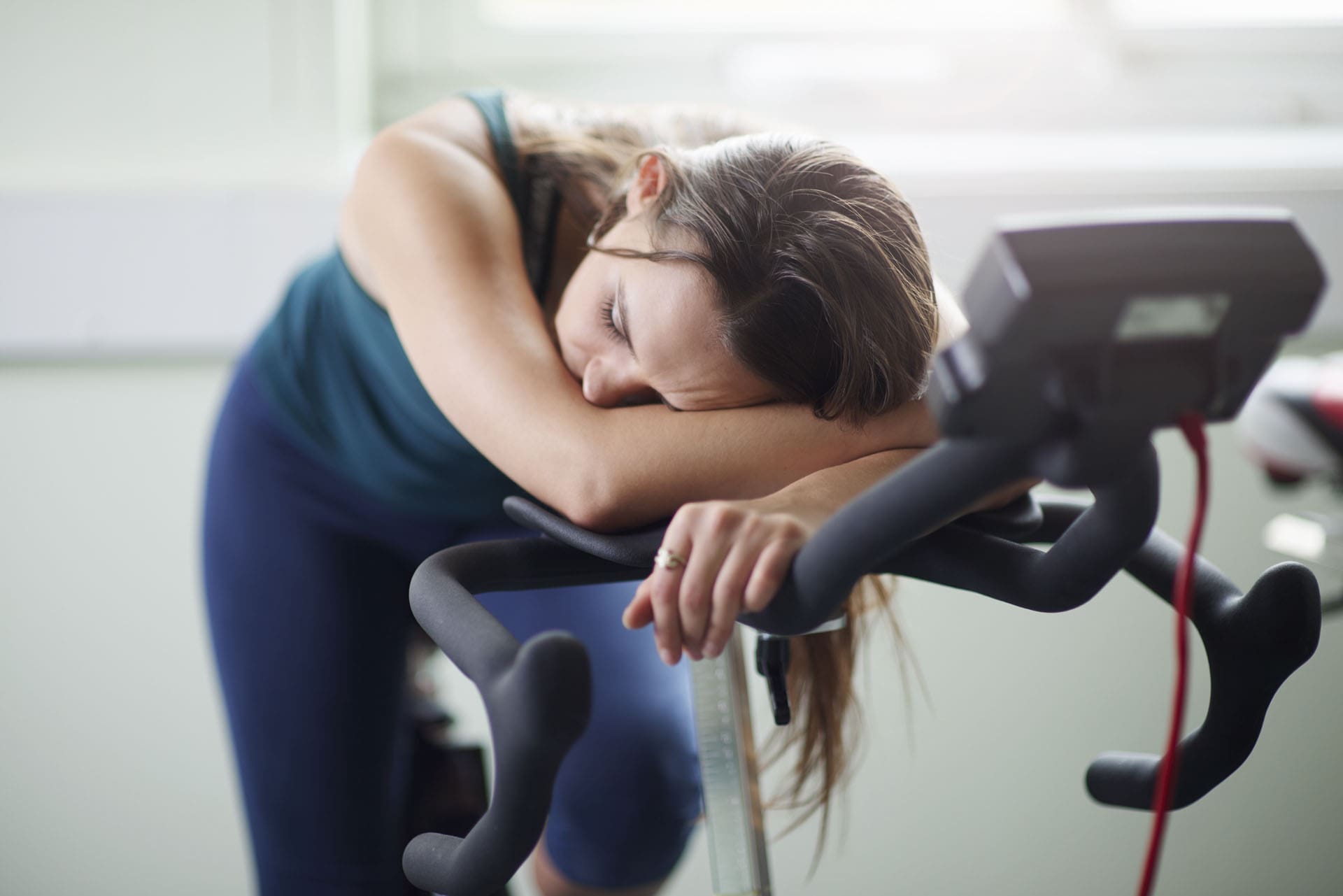
Athletes often focus on training, nutrition, and discipline. However, one of the most important parts of performance is often overlooked: sleep. Sleep is not just rest. It is a major part of healing, muscle recovery, mental focus, and injury prevention. When athletes do not get enough sleep, their bodies and minds cannot perform at their best. They may react more slowly, lose speed, make more mistakes, and feel tired sooner. Over time, poor sleep can also increase the risk of injury and illness (Sleep Foundation, 2025).
For a practice like ChiroMed, this topic matters because sports recovery is not just about treating pain after an injury happens. It is also about helping athletes recover better, move better, and stay healthier over time. An integrative chiropractic approach can support athletes by addressing joint restrictions, muscle tension, movement problems, and physical stress that may interfere with restful sleep and full recovery.
Why Sleep Is Essential for Athletes
Sleep is when the body does much of its repair work. During sleep, especially deep sleep, the body restores muscles, balances hormones, and supports immune function. The brain also uses sleep to process information, sharpen memory, and improve decision-making. This is especially important for athletes, because sports demand both physical power and mental sharpness (Mass General Brigham, 2024).
When sleep is cut short, the body cannot fully recover from training or competition. That means an athlete may still be carrying fatigue, soreness, or mental strain into the next workout or game. Over time, that can lead to lower performance and greater wear and tear on the body (Charest & Grandner, 2020).
Research has shown that lack of sleep affects many parts of sports performance, including
- Reaction time
- Speed
- Accuracy
- Endurance
- Skill control
- Decision-making
- Mood
- Recovery
In other words, sleep is not separate from training. It is part of training.
What Happens When Athletes Do Not Sleep Enough?
Most adults need about 7 to 9 hours of sleep each night. Athletes often benefit from being near the higher end of that range, and elite athletes may need even more. When athletes regularly sleep less than this, the effects can become clear both on and off the field (Sleep Foundation, 2025).
Physical Effects of Sleep Loss
Poor sleep can reduce athletic ability in several ways. A systematic review and meta-analysis found that acute sleep deprivation can significantly harm speed, skill control, and high-intensity exercise performance in athletes (Gong et al., 2024). This means that athletes who miss sleep may not move as fast, react as quickly, or perform skills as accurately.
Common physical effects of poor sleep include:
- Slower sprinting and movement
- Lower energy output
- Faster fatigue
- Poor coordination
- Decreased accuracy
- Reduced power and explosiveness
These changes may seem small at first, but in sports, even a slight drop in speed or reaction time can make a big difference.
Mental and Emotional Effects of Sleep Loss
Athletes also rely heavily on mental performance. They need focus, quick thinking, emotional control, and fast decision-making. Sleep deprivation can make all of these worse.
Poor sleep has been linked to:
- Slower cognitive processing
- More mental errors
- Reduced attention
- Poor judgment
- More irritability
- Lower motivation
When the brain is tired, an athlete may hesitate during a play, make a poor decision under pressure, or lose focus during key moments. Mass General Brigham explains that lack of sleep weakens important brain signals that affect decision-making and motor performance (Mass General Brigham, 2024).
Sleep and Injury Risk
One of the most serious consequences of poor sleep is a greater risk of injury. Research has repeatedly shown that athletes who do not sleep enough are more likely to get hurt.
A study of adolescent athletes found that chronic sleep loss was associated with a higher rate of sports injuries (Milewski et al., 2014). The American Academy of Cardiovascular Sleep Medicine also reported that athletes who sleep fewer than 7 hours per night may have about 1.7 times the risk of injury compared with athletes who sleep more (AACSM, 2025).
This happens for several reasons:
- Fatigue affects movement quality
- Poor reaction time raises the chance of mistakes
- Slower decision-making can lead to unsafe body positions
- Reduced recovery leaves muscles and joints less prepared
- Lower focus can increase accidents during practice or games
Sleep loss can also weaken the immune system, making athletes more likely to get sick. Illness adds even more stress to the body and can delay recovery from both training and injury (Sleep Foundation, 2025).
The Pain-Sleep-Recovery Cycle
Many athletes fall into a difficult pattern. Pain makes it harder to sleep. Poor sleep reduces recovery. Less recovery leads to greater soreness, worse performance, and a higher risk of injury. That new pain then disrupts sleep even more.
This is an important cycle to recognize:
- Pain causes sleep problems
- Sleep loss slows healing
- Slower healing increases fatigue and tension
- Fatigue and tension raise injury risk
- More injury leads to more pain
Breaking this cycle is important for athletes who want lasting recovery instead of short-term relief.
How Integrative Chiropractic Care Can Help
Chiropractic care should be discussed honestly. Current evidence does not prove that chiropractic treatment alone directly improves an athlete’s performance. However, chiropractic care may still play an important role in sports medicine by helping address musculoskeletal problems that interfere with movement, comfort, and recovery (Miners, 2010).
For athletes, integrative chiropractic care may support better rest and recovery by helping reduce the physical issues that often disturb sleep, such as:
- Joint restriction
- Muscle tightness
- Neck and back pain
- Postural strain
- Movement imbalance
- Repetitive stress patterns
At a practice geared toward integrative musculoskeletal care like ChiroMed, chiropractic care can be part of a broader recovery strategy. This may include spinal adjustments, soft-tissue therapies, mobility work, corrective exercises, and guidance on lifestyle factors that affect healing.
When pain and tension are reduced, athletes may find it easier to fall asleep and stay asleep. When movement improves, they may also train with better mechanics and less strain. This does not mean chiropractic care replaces sleep, strength work, or nutrition. It means it can support the body by reducing barriers to recovery, such as pain and inflammation, which can hinder healing.
Clinical Observations from Dr. Alexander Jimenez
Dr. Alexander Jimenez, DC, APRN, FNP-BC, has publicly described an integrative model of care that combines chiropractic treatment with broader clinical evaluation, functional support, nutrition guidance, and advanced diagnostic insight when needed (Dr. Alexander Jimenez; LinkedIn).
His clinical observations suggest that athletes often perform better when providers look beyond a single symptom and consider the full recovery picture. That may include:
- Pain patterns that affect sleep
- Spinal or joint dysfunction that affects movement
- Muscle tension that increases fatigue
- Nutritional issues that slow recovery
- Repetitive overuse stress that raises injury risk
From this viewpoint, chiropractic care is not just about the spine. It is about helping restore function, decrease stress on the body, and support the conditions needed for better healing and deeper rest.
How Better Sleep Improves Athletic Performance
When athletes sleep well, many aspects of performance improve. Good sleep supports:
- Faster reaction time
- Better focus
- Sharper memory
- More accurate movement
- Improved emotional control
- Better muscle recovery
- Stronger immune function
- Reduced risk of overtraining
Sleep also supports hormonal balance, including hormones involved in recovery, energy use, and muscle repair. Athletes who protect sleep are often better prepared not only for competition but also for long seasons of repeated training and physical stress (Charest & Grandner, 2020).
Practical Tips for Athletes to Improve Sleep
Athletes do not need a perfect routine to improve recovery. They need consistent habits that make quality sleep more likely.
Helpful sleep strategies include:
- Go to bed and wake up at about the same time each day
- Aim for at least 7 to 9 hours of sleep each night
- Allow extra recovery sleep during heavy training periods
- Limit screen time close to bedtime
- Avoid very heavy meals late at night
- Address pain early before it builds into a larger problem
- Keep the sleeping area cool, dark, and quiet
- Stay consistent with recovery work after training
Athletes who struggle with ongoing pain, stiffness, or postural tension may also benefit from a musculoskeletal evaluation. If pain is interfering with sleep, recovery care may help remove one of the major obstacles to healing.
Why This Matters for Long-Term Sports Health
Athletes often think about performance in terms of harder work. But performance is also built on recovery. Sleep is one of the most powerful recovery tools available, yet it is often the first thing athletes sacrifice.
That can be a costly mistake.
Without enough sleep, athletes are more likely to:
- Perform below their potential
- Feel mentally foggy
- Make poor decisions
- Recover slowly
- Get sick more often
- Experience more injuries
By protecting sleep and supporting recovery through integrative care, athletes may be able to stay stronger, more focused, and more durable over time, which can ultimately help them avoid illness more often and reduce the likelihood of injury.
Conclusion
Sleep is a critical part of sports performance, recovery, and injury prevention. Athletes who do not get enough sleep often experience slower reaction time, reduced speed, lower accuracy, quicker fatigue, poorer decision-making, and a higher risk of illness and injury. Over time, these problems can build into larger performance and health issues, such as chronic fatigue, decreased athletic performance, and increased susceptibility to injuries (Sleep Foundation, 2025; Gong et al., 2024).
An integrative chiropractic approach, such as the kind associated with ChiroMed, may help athletes by reducing pain, improving mobility, addressing musculoskeletal strain, and supporting better overall recovery. While chiropractic care is not a replacement for sleep, it can be a valuable part of a broader strategy to help athletes rest better, heal better, and perform at a higher level.
For athletes, sleep should never be treated as wasted time. It is one of the most important tools for staying strong, sharp, and healthy.
References
- American Academy of Cardiovascular Sleep Medicine. (2025). Sleep deprivation and increased risk of sports-related injuries.
- Charest, J., & Grandner, M. A. (2020). Sleep and athletic performance: Impacts on physical performance, mental performance, injury risk and recovery, and mental health.
- Dr. Alexander Jimenez. (n.d.). Dr. Alexander Jimenez.
- Gong, M., et al. (2024). Effects of acute sleep deprivation on sporting performance in athletes: A comprehensive systematic review and meta-analysis.
- LinkedIn. (n.d.). Dr. Alexander Jimenez, DC, APRN, FNP-BC.
- Mass General Brigham. (2024). How does sleep affect athletic performance?
- Milewski, M. D., et al. (2014). Chronic lack of sleep is associated with increased sports injuries in adolescent athletes.
- Miners, A. L. (2010). Chiropractic treatment and the enhancement of sport performance: A narrative literature review.
- Sleep Foundation. (2025). How sleep affects athletic performance.
Post Disclaimer
General Disclaimer, Licenses and Board Certifications *
Professional Scope of Practice *
The information herein on "Sleep, Athletic Recovery, and Integrative Chiropractic" is not intended to replace a one-on-one relationship with a qualified health care professional or licensed physician and is not medical advice. We encourage you to make healthcare decisions based on your research and partnership with a qualified healthcare professional.
Blog Information & Scope Discussions
Welcome to El Paso's Premier Wellness and Injury Care Clinic & Wellness Blog, where Dr. Alex Jimenez, DC, FNP-C, a Multi-State board-certified Family Practice Nurse Practitioner (FNP-BC) and Chiropractor (DC), presents insights on how our multidisciplinary team is dedicated to holistic healing and personalized care. Our practice aligns with evidence-based treatment protocols inspired by integrative medicine principles, similar to those on this site and on our family practice-based chiromed.com site, focusing on naturally restoring health for patients of all ages.
Our areas of multidisciplinary practice include Wellness & Nutrition, Chronic Pain, Personal Injury, Auto Accident Care, Work Injuries, Back Injury, Low Back Pain, Neck Pain, Migraine Headaches, Sports Injuries, Severe Sciatica, Scoliosis, Complex Herniated Discs, Fibromyalgia, Chronic Pain, Complex Injuries, Stress Management, Functional Medicine Treatments, and in-scope care protocols.
Our information scope is multidisciplinary, focusing on musculoskeletal and physical medicine, wellness, contributing etiological viscerosomatic disturbances within clinical presentations, associated somato-visceral reflex clinical dynamics, subluxation complexes, sensitive health issues, and functional medicine articles, topics, and discussions.
We provide and facilitate clinical collaboration with specialists across disciplines. Each specialist is governed by their professional scope of practice and licensure jurisdiction. We use functional health & wellness protocols to treat and support care for musculoskeletal injuries or disorders.
Our videos, posts, topics, and insights address clinical matters and issues that are directly or indirectly related to our clinical scope of practice.
Our office has made a reasonable effort to provide supportive citations and has identified relevant research studies that support our posts. We provide copies of supporting research studies upon request to regulatory boards and the public.
We understand that we cover matters that require an additional explanation of how they may assist in a particular care plan or treatment protocol; therefore, to discuss the subject matter above further, please feel free to ask Dr. Alex Jimenez, DC, APRN, FNP-BC, or contact us at 915-850-0900.
We are here to help you and your family.
Blessings
Dr. Alex Jimenez DC, MSACP, APRN, FNP-BC*, CCST, IFMCP, CFMP, ATN
email: [email protected]
Multidisciplinary Licensing & Board Certifications:
Licensed as a Doctor of Chiropractic (DC) in Texas & New Mexico*
Texas DC License #: TX5807, Verified: TX5807
New Mexico DC License #: NM-DC2182, Verified: NM-DC2182
Multi-State Advanced Practice Registered Nurse (APRN*) in Texas & Multi-States
Multi-state Compact APRN License by Endorsement (42 States)
Texas APRN License #: 1191402, Verified: 1191402 *
Florida APRN License #: 11043890, Verified: APRN11043890 *
Colorado License #: C-APN.0105610-C-NP, Verified: C-APN.0105610-C-NP
New York License #: N25929, Verified N25929
License Verification Link: Nursys License Verifier
* Prescriptive Authority Authorized
ANCC FNP-BC: Board Certified Nurse Practitioner*
Compact Status: Multi-State License: Authorized to Practice in 40 States*
Graduate with Honors: ICHS: MSN-FNP (Family Nurse Practitioner Program)
Degree Granted. Master's in Family Practice MSN Diploma (Cum Laude)
Dr. Alex Jimenez, DC, APRN, FNP-BC*, CFMP, IFMCP, ATN, CCST
My Digital Business Card
Licenses and Board Certifications:
DC: Doctor of Chiropractic
APRN: Advanced Practice Registered Nurse
FNP-BC: Family Practice Specialization (Multi-State Board Certified)
RN: Registered Nurse (Multi-State Compact License)
CFMP: Certified Functional Medicine Provider
MSN-FNP: Master of Science in Family Practice Medicine
MSACP: Master of Science in Advanced Clinical Practice
IFMCP: Institute of Functional Medicine
CCST: Certified Chiropractic Spinal Trauma
ATN: Advanced Translational Neutrogenomics
Memberships & Associations:
TCA: Texas Chiropractic Association: Member ID: 104311
AANP: American Association of Nurse Practitioners: Member ID: 2198960
ANA: American Nurse Association: Member ID: 06458222 (District TX01)
TNA: Texas Nurse Association: Member ID: 06458222
NPI: 1205907805
| Primary Taxonomy | Selected Taxonomy | State | License Number |
|---|---|---|---|
| No | 111N00000X - Chiropractor | NM | DC2182 |
| Yes | 111N00000X - Chiropractor | TX | DC5807 |
| Yes | 363LF0000X - Nurse Practitioner - Family | TX | 1191402 |
| Yes | 363LF0000X - Nurse Practitioner - Family | FL | 11043890 |
| Yes | 363LF0000X - Nurse Practitioner - Family | CO | C-APN.0105610-C-NP |
| Yes | 363LF0000X - Nurse Practitioner - Family | NY | N25929 |
Dr. Alex Jimenez, DC, APRN, FNP-BC*, CFMP, IFMCP, ATN, CCST
My Digital Business Card