Give us a Call
+1 (915) 412-6680
Send us a Message
[email protected]
Opening Hours
Mon-Thu: 7 AM - 7 PM
Fri - Sun: Closed

Hormonal Health: What You Need to Know About Sarcopenia


Explore the connection between sarcopenia and hormonal health for better overall vitality and strength in your daily life.

Abstract

Welcome to this in-depth exploration of hormonal health, cellular aging, and the management of chronic diseases like cancer. As a clinician with a diverse background in chiropractic, nursing, and functional medicine, my goal is to bridge the gap between conventional treatments and integrative therapies. In this educational post, I will guide you through the intricate world of hormone replacement therapy (HRT), discussing its profound impact on the body and brain, particularly in the context of aging and menopause. We will delve into the critical roles of hormones like estrogen and progesterone, examining how their balance affects everything from bone density and cognitive function to cancer risk. I will present the latest findings from leading researchers, highlighting the nuanced differences between synthetic and bioidentical hormones and why this distinction matters for long-term health. Furthermore, we will explore the concept of metabolic flexibility and the physiological underpinnings of conditions like insulin resistance, explaining how diet and lifestyle interventions can powerfully influence cellular health. Finally, I will explain how integrative chiropractic care serves as a foundational element in this holistic model, supporting the nervous system and enhancing the body’s innate ability to heal, thereby creating a comprehensive and personalized path to wellness.


The Hormone Conundrum: Understanding the Brain-Body Connection in Aging

In my years of clinical practice, one of the most common and often misunderstood topics I encounter is hormonal change, especially during menopause. Many patients come to me with a sense of inevitability about the associated symptoms—hot flashes, brain fog, sleep disturbances, and a general decline in vitality. A prevalent belief is that these are simply unavoidable consequences of aging. However, modern, evidence-based research tells us a different story.

When a woman’s ovaries cease producing estrogen during menopause, it’s not just a reproductive event; it’s a systemic one that profoundly affects the entire body, most notably the brain. Think of estrogen as a master regulator for cerebral function. It is crucial for neurotransmitter synthesis, glucose utilization, and neuronal protection.

For example, when estrogen levels plummet, the brain’s ability to use glucose—its primary fuel source—is significantly impaired. This metabolic shift can lead to the classic “brain fog,” memory lapses, and even an increased risk for neurodegenerative diseases later in life. This isn’t a temporary state. As soon as a woman stops producing her own ovarian estrogen or discontinues hormone replacement therapy, these neurological changes can manifest. My clinical observations align with this; I’ve seen patients who stop HRT after years of use and report an almost immediate return of cognitive and vasomotor symptoms (like hot flashes), regardless of how long they were on the therapy. The brain doesn’t just “get used to it” and pick up the slack. The hormonal support is either there or it isn’t.

This brings us to a critical point: the notion of “getting off” hormones as a goal. While this might seem prudent based on older, often misinterpreted studies, the physiological reality is that for many, these hormones are replacing a vital substance the body no longer makes. It’s akin to a person with hypothyroidism taking thyroid medication. We don’t advise them to “get off” their medication after a few years; we understand it is replacing a crucial hormone for life. The same logic should be applied to HRT, with careful consideration.


Re-evaluating Hormone Replacement Therapy (HRT): Synthetic vs. Bioidentical

The conversation around HRT is often clouded by fear, largely stemming from the initial reports of the Women’s Health Initiative (WHI) study. This landmark study raised alarms about increased risks of breast cancer and cardiovascular events. However, a deeper dive into the methodology reveals critical flaws that limit its applicability to many women today.

  • The Problem with Progestins: The WHI primarily used a combination of conjugated equine estrogens (derived from horse urine) and a synthetic progestin called medroxyprogesterone acetate (MPA). Research, including a pivotal study by Formby and Wiley (2012), has since demonstrated that synthetic progestins such as MPA can have a proliferative effect on breast tissue, thereby encouraging cancer cell growth.
  • The Power of Bioidentical Progesterone: In stark contrast, bioidentical progesterone—which is molecularly identical to the progesterone our bodies produce—exhibits a different, protective action. It promotes apoptosis, or programmed cell death, in breast cancer cells. This means it helps the body eliminate abnormal cells rather than allowing them to multiply.
  • The Estrogen-Progesterone Dance: Estrogen, when unopposed, can stimulate cell growth (the mitogenic effect). Progesterone’s role is to balance this by signaling for cell differentiation and controlled cell death. When you use a synthetic progestin that fails to provide this apoptotic signal, you lose the protective balance, creating an environment where estrogen’s proliferative effects can dominate. This is a crucial distinction that is often lost in mainstream discussions.

In my practice, I emphasize the importance of using bioidentical hormones. The goal is to replicate the body’s natural hormonal milieu as closely as possible, providing the benefits of estrogen while ensuring the protective counterbalance of progesterone. We don’t just give hormones; we test, monitor, and tailor the dosage to achieve a physiological balance that supports long-term health, not just symptom relief.


The Oncologist’s Perspective: Bridging the Gap with Evidence

One of the greatest challenges my patients face is navigating conversations about HRT with their oncologists, particularly after a cancer diagnosis like breast cancer. The conventional oncology perspective is often one of extreme caution, recommending the avoidance of all hormones. While this stems from a desire to “do no harm,” it is often based on an outdated and incomplete understanding of hormonal physiology.

My approach is to empower my patients with data. We don’t just talk; we test. We use advanced functional testing, such as the DUTCH (Dried Urine Test for Comprehensive Hormones), to map a patient’s hormone metabolites. This allows us to see not just the level of estrogen but how the body is processing it.

  • Protective vs. Risky Metabolites: Estrogen is broken down into several metabolites. Some, like 2-hydroxyestrone (2-OHE1), are considered protective. Others, like 4-hydroxyestrone (4-OHE1) and 16-alpha-hydroxyestrone (16α-OHE1), can have genotoxic effects, meaning they can damage DNA and increase cancer risk.
  • Empowering the Patient-Doctor Dialogue: By presenting an oncologist with a report indicating that a patient’s metabolic pathways favor the protective 2-OHE1 pathway, we can shift the conversation. We can demonstrate, with objective data, that the hormonal environment does not promote cancer. We can show that targeted nutritional support (such as DIM or I3C from cruciferous vegetables) can further enhance these protective pathways.

This transforms the discussion from one based on fear and generalization to one based on the patient’s unique biochemistry. It allows for a collaborative and informed decision-making process, in which the oncologist can see that we are not being reckless but are instead precise and evidence-based in our approach to improving the patient’s quality of life.


*HORMONAL DYSFUNCTIONS* Assessment and treatments-Video


Metabolic Flexibility: The Foundation of Cellular Health

Beyond hormones, the concept of metabolic flexibility is central to my integrative philosophy. This refers to the body’s ability to efficiently switch between burning carbohydrates (glucose) and fats (ketones) for energy. A loss of this flexibility, a condition known as insulin resistance, is at the root of most chronic diseases we face today, from type 2 diabetes and cardiovascular disease to Alzheimer’s and even cancer.

Insulin resistance occurs when our cells, primarily in the muscle, liver, and fat tissue, become “numb” to the effects of insulin. Here’s a simplified breakdown of this complex process:

  1. The Trigger: A diet high in refined carbohydrates and sugars leads to chronically elevated blood glucose.
  2. The Response: The pancreas works overtime, pumping out more and more insulin to try and force glucose into the resistant cells.
  3. The Consequence: This state of hyperinsulinemia (high insulin) is highly inflammatory and metabolically damaging. It promotes fat storage, increases oxidative stress, and impairs the body’s ability to burn its own fat for fuel.

From a cancer perspective, this is particularly dangerous. Many cancer cells have an abundance of insulin receptors and rely heavily on glucose for their rapid growth and proliferation—a phenomenon known as the Warburg effect. By maintaining a state of high blood sugar and high insulin, we are, in essence, feeding the cancer.

My clinical protocol focuses on restoring metabolic flexibility through targeted dietary interventions, such as a well-formulated ketogenic or low-carbohydrate diet. The goal is to lower insulin levels, reduce inflammation, and encourage the body to become efficient at burning fat. This not only helps with weight management but also starves cancer cells of their preferred fuel and creates a less hospitable environment for their growth. We use continuous glucose monitors (CGMs) and regular blood work to track progress and provide patients with real-time feedback, empowering them to take control of their metabolic health.


The Role of Integrative Chiropractic Care in Systemic Wellness

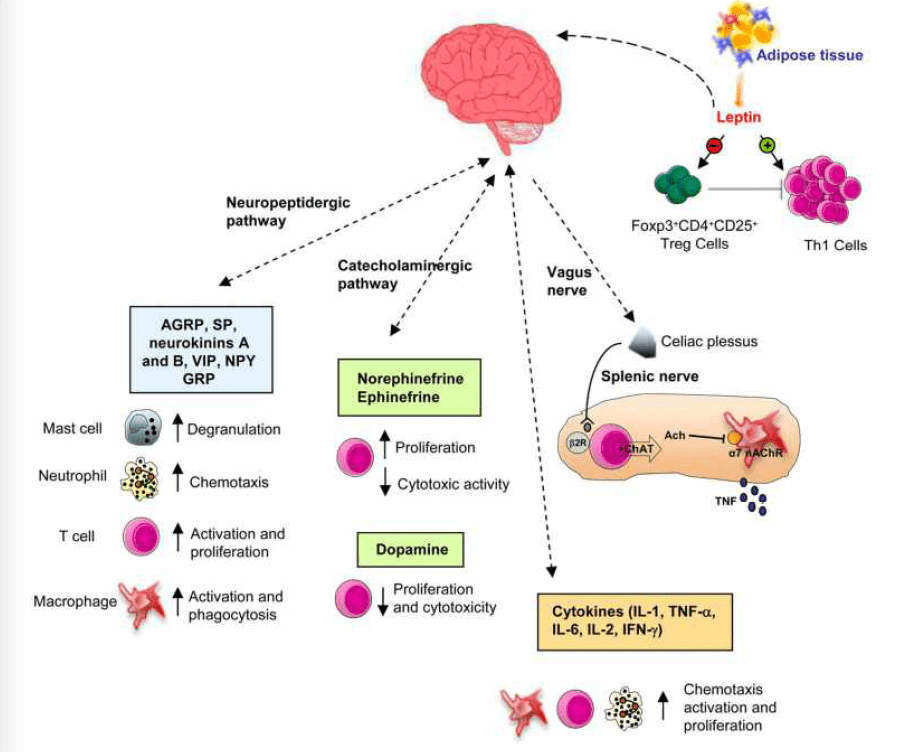
Now, you may be wondering how chiropractic care fits into this complex picture of hormones and metabolism. The connection is profound and lies in the function of the autonomic nervous system (ANS). The ANS is the master control system for all our unconscious bodily functions—heart rate, digestion, immune response, and, crucially, hormone regulation.

The ANS has two main branches:

  • The sympathetic nervous system (the “fight or flight” response).
  • The parasympathetic nervous system (the “rest and digest” response).

In our modern, high-stress world, most people are stuck in a state of sympathetic dominance. This chronic stress state has devastating effects: it elevates cortisol, disrupts sleep, impairs digestion, and contributes directly to insulin resistance and hormonal imbalance.

Chiropractic adjustments are not just about addressing back pain or neck stiffness. At their core, they are a neurological intervention. By correcting spinal misalignments, known as vertebral subluxations, we reduce physical stress on the nervous system. This helps to down-regulate the sympathetic “fight or flight” response and promote a shift toward the healing “rest and digest” parasympathetic state.

At our clinics, we use specialized techniques to assess and improve ANS function. By improving heart rate variability (HRV)—a key marker of autonomic balance—we can enhance the body’s resilience to stress. This creates a physiological foundation upon which all other therapies—be it hormonal, nutritional, or metabolic—can be more effective. A well-regulated nervous system allows for better hormone signaling, improved insulin sensitivity, and a more robust immune response. It is the soil in which the seeds of health can truly flourish.

In conclusion, true health is not achieved by treating symptoms in isolation. It requires an integrative, whole-body approach that honors the intricate connections among our structure, nervous system, hormones, and metabolism. By combining the latest in evidence-based functional medicine with foundational chiropractic care, we can empower our patients to move beyond mere disease management and embark on a journey toward optimal, vibrant health.


References


SEO Tags: Integrative Chiropractic, Functional Medicine, Hormone Replacement Therapy, Dr. Alexander Jimenez, Bioidentical Hormones, Menopause, Estrogen, Progesterone, Insulin Resistance, Metabolic Flexibility, Cancer Metabolism, Autonomic Nervous System, Vertebral Subluxation, DUTCH Test, Chronic Disease Management, Holistic Health, Evidence-Based Care, El Paso Chiropractor.

Hormone Balance, Iron Health, and Contraceptive Care

Hormone Balance, Iron Health, and Contraceptive Care

Hormone Balance, Iron Health, and Contraceptive Care

Abstract

As a clinician blending chiropractic, functional medicine, and advanced nursing practice, I see how hormone physiology, micronutrients, and systems biology converge to shape health, recovery, and resilience. In this educational post, I walk you through practical, evidence-informed strategies for evaluating iron deficiency and ferritin; interpreting cortisol and thyroid dynamics; selecting and titrating progesterone, estrogen, and testosterone in complex scenarios (PCOS, IUD selection, male fertility and TRT rebound, TIA and stroke risk considerations, endometriosis, and menopause); and understanding the nuanced oncology context around DCIS and hormone receptors. I also explain how integrative chiropractic care fits into these plans by balancing the nervous and hormone systems, improving body functions, and supporting health through hands-on therapy, exercise, sleep, and diet. Throughout, I present current literature from leading researchers and add real-world observations from my practice (DC, APRN, FNP-BC, CFMP, IFMCP, ATN, CCST) to help you translate physiology into precise, patient-centered care.

Foundations Of Identity In Care Planning And Clinical Context

  • Why this matters: Many patients navigate multiple identities—athlete and parent, caregiver and executive, patient and advocate. Clinically, multiple identities often map onto competing physiological stresses: sleep compression, high allostatic load, and variable patterns of nutrition and movement. Recognizing these factors is the first step in aligning care with lived realities.
  • Integrative chiropractic fit: In my clinic, identity-informed care plans build adherence. When I address spine and fascial mechanics and autonomic balance with targeted manual therapy, patients experience immediate relief that reinforces engagement with longer-term hormonal and nutritional strategies. Clinically, I see better follow-through on lab timing, supplement dosing, and structured movement when the body feels aligned and capable.

Iron Physiology, Ferritin, And Root-Cause Mapping

Understanding iron requires separating storage, transport, and utilization:

  • Key biomarkers:
    • Serum ferritin: a proxy for iron stores but an acute-phase reactant—elevates with inflammation (hepcidin-mediated sequestration).
    • Serum iron and transferrin/TIBC: reflect circulating iron and binding capacity.
    • Transferrin saturation (%): often the most useful single index with ferritin.
    • Reticulocyte hemoglobin (CHr) and soluble transferrin receptor (sTfR): help distinguish true deficiency from anemia of inflammation.

Physiology in brief:

  • The liver peptide hepcidin governs iron absorption and release from macrophages. Inflammation increases hepcidin, lowering absorption and locking iron in stores—low iron availability with normal/high ferritin.
  • True iron deficiency presents with low ferritin, low iron, high TIBC, and low transferrin saturation. Anemia of chronic inflammation shows low iron, low/normal TIBC, and normal/high ferritin.

Why patients stay iron-deficient:

  • Decreased intake or high phytate/polyphenol diets limit absorption.
  • Malabsorption: hypochlorhydria, celiac spectrum, SIBO, gastric bypass.
  • Losses: heavy menses, GI blood loss, frequent phlebotomy, and endurance training.
  • Special populations: neonates can experience early postnatal physiologic shifts; in adults, postpartum, post-surgery, and endurance athletes require tailored screening.

Clinical approach I use:

  • Map the cause: hydration status, GI absorption, occult bleeding (including fecal immunochemical testing), menstrual history, PPI use, celiac panel if indicated, and inflammatory markers (CRP, ESR).
  • Replace iron physiologically: I favor alternate-day oral iron to align with hepcidin’s diurnal rhythm and reduce GI side effects, supported by recent randomized trials showing improved absorption with every-other-day dosing (Stoffel et al., 2017). Using ferrous bisglycinate or heme iron polypeptide can enhance tolerance.
  • Repletion targets: Bring ferritin to symptom-relief thresholds (often 50–100 ng/mL for fatigue and hair loss), then sustain. Monitor hemoglobin, ferritin, and transferrin saturation every 8–12 weeks during repletion.

Integrative chiropractic fit:

  • Manual therapies that improve thoracic mobility and diaphragmatic excursion enhance vagal tone and GI perfusion, supporting absorption. Coaching on timing iron away from calcium and with vitamin C-rich foods further increases uptake. I often see faster symptom improvement when we combine postural breathing retraining and gentle aerobic conditioning with iron repletion.

Hormonal IUDs, Progestin Families, And Thrombotic Risk

Not all progestins are the same. Families differ in androgenicity and thrombotic risk:

  • Levonorgestrel (Mirena and similar): primarily a local uterine effect with low systemic levels; robust evidence supports low VTE risk compared with systemic progestins (ACOG, 2022).
  • Norethindrone: different side-effect profile and hepatic metabolism from progesterone; systemic exposure carries VTE risk similar to combined oral contraceptives when used in combination with estrogen.
  • Biologic progesterone (micronized) differs from synthetic progestins in receptor activity and in metabolites (e.g., allopregnanolone), which influence mood and sedation.

Why are Levonorgestrel IUDs often well tolerated?

  • The local endometrial action results in reduced systemic exposure, decreased bleeding, and endometrial protection, with a favorable safety profile. This is one reason neurosurgical and periprocedural contexts prefer local or targeted effects when feasible—namely, to reduce systemic adverse events.

Integrative chiropractic fit:

  • Pelvic floor integration matters. I routinely coordinate pelvic floor assessment and diaphragmatic mechanics with IUD choice. Improved lumbopelvic control and reduced sympathetic arousal can decrease cramping and improve IUD tolerance.

Progesterone Strategy In Sensitive Patients And PCOS Contexts

Clinical problem: Some patients with PCOS or HPA dysregulation report mood lability with oral progesterone.

Physiology:

  • Oral micronized progesterone converts to allopregnanolone, a positive allosteric modulator of GABA-A receptors. In most, this is anxiolytic; in a sensitive minority, neurosteroid fluctuations can provoke dysphoria.
  • Sublingual and transdermal routes bypass some first-pass metabolism, altering metabolite profiles and CNS effects.

My approach:

  • Start with a low-dose oral micronized progesterone (e.g., 100 mg qHS) to promote sleep and provide endometrial protection. If not tolerated:
    • Switch to a sublingual troche at half the equivalent oral dose (sublingual tends to achieve higher bioavailability; clinically, 100 mg sublingual can approximate 200 mg oral).
    • Quartering a 200 mg troche yields ~50 mg sublingual aliquots for fine titration.
  • Why this works: By modulating route and dose, we can smooth neurosteroid peaks, reduce daytime sedation, and maintain endometrial safety when used with estrogen.
  • For PCOS on androgen therapy: Balance is critical. A small androgen signal can be synergistic for mood, energy, and libido, but carefully calibrate it with estrogen and progesterone to avoid endometrial hyperplasia, acne, or dyslipidemia. Track SHBG, lipids, and insulin resistance.

Integrative chiropractic fit:

  • Autonomic stabilization through cervical-thoracic manipulation and breathing retraining reduces adrenergic drive that often amplifies progesterone sensitivity. When we address sleep quality and nocturnal bruxism with TMJ and cervical work, I see smoother adaptation to progesterone in practice.

Cortisol Testing: Salivary Profiles Versus Serum

Why measure multiple points:

  • Cortisol follows a diurnal curve: a peak within 30–45 minutes after waking (CAR) and a gradual decline throughout the day. A single AM serum cortisol measurement may miss dysregulated patterns.
  • A 4–5-point salivary cortisol series captures CAR, midday, afternoon, and evening levels—useful for sleep disturbances, burnout, and suspected HPA axis alterations (O’Connor et al., 2021).

When I choose each:

  • For pattern analysis and sleep complaints: multi-point salivary cortisol.
  • For adrenal insufficiency screening or acute illness: AM serum cortisol ± ACTH stimulation.

Integrative chiropractic fit:

  • Chiropractic care and breath-led movement can normalize autonomic balance, often flattening hyper-adrenergic spikes that correlate with evening cortisol elevations. I pair care with light-in-the-morning, dim-in-the-evening routines to reinforce circadian rhythms.

Male Fertility, Clomiphene, And TRT Rebound

In men in their 20s–30s with low testosterone who want fertility:

  • I avoid long-term estrogen receptor blockade. Short courses of clomiphene citrate (3–6 months) can increase LH/FSH levels, thereby increasing endogenous testosterone and sperm counts (Helo et al., 2017). It is not for indefinite use due to visual and mood risks and potential lipid changes.
  • Off peptides/TRT: I use timed clomiphene or enclomiphene to accelerate spermatogenesis while lifestyle and nutrition restore HPG axis tone.
  • Foundational first: For younger men, I prioritize diet quality, sleep, resistance training, weight normalization, and correcting micronutrient levels (vitamin D, B-complex, zinc, magnesium). I frequently see total testosterone rise from low 300s into 700–800 ng/dL over 6–9 months with lifestyle adherence.

Integrative chiropractic fit:

  • Restoring thoracic mobility and rib mechanics improves breathing efficiency and training capacity; correcting lumbopelvic mechanics reduces systemic inflammation from overuse. The autonomic shift toward parasympathetic tone deepens sleep, which is crucial for nocturnal gonadal hormone secretion.

DCIS, Hormone Receptors, And Personalized Risk-Benefit

Terminology and nuance:

  • Ductal carcinoma in situ (DCIS) is a noninvasive neoplastic process confined to the ducts. While often called “stage 0 breast cancer,” it lacks stromal invasion; management varies widely.
  • Receptor positivity (ER, PR, AR) indicates ligand-responsive pathways. Receptors are normal cellular features; their presence does not inherently mandate systemic suppression in all contexts.

Standard-of-care realities:

  • Many oncology pathways default to anti-estrogen strategies (e.g., tamoxifen) in receptor-positive lesions. My stance: align with oncology for invasive disease or recent treatment, but individualize for remote history or post-mastectomy scenarios, considering symptom burden and quality-of-life outcomes (Early Breast Cancer Trialists’ Collaborative Group, 2011; Cuzick et al., 2011).

Clinical reasoning:

  • In a patient decades post-bilateral mastectomy with no residual breast tissue, the theoretical tissue-specific risk is different from that of a patient 6 months post-lumpectomy still on adjuvant therapy. I weigh the systemic benefits of estrogen (bone, vasomotor stability, cognition, urogenital health) against realistic tissue risks, use shared decision-making, and document this via informed consent.

Integrative chiropractic fit:

  • Many of these patients struggle with pain, sleep disruption, and deconditioning. Postural restoration, scar mobility work, and gentle strengthening reduce sympathetic load, allowing lower-dose hormone regimens to achieve symptom control.

TIA, Stroke Risk, And Sex Hormones

Historical concern has linked estrogen to stroke risk, particularly in oral forms and in older trials with higher doses started late after menopause. The modern view:

  • Route matters: Transdermal estradiol has a more favorable thrombotic profile than oral estradiol because it bypasses first-pass hepatic effects on clotting factors (Canonico et al., 2016).
  • Testosterone does not require routine discontinuation after TIA in carefully selected women and men; the focus is on global vascular risk management (blood pressure, glycemic load, sleep apnea, hematocrit monitoring in men on TRT).
  • In patients who received pellet therapy near a TIA event, I evaluate vascular risks comprehensively. Anecdotally and mechanistically, sustained androgen levels do not necessarily precipitate cerebrovascular events; confounding factors (dehydration, arrhythmia, migraine with aura, hypercoagulable states) must be assessed.

Why integrative care helps:

  • Cervical and upper thoracic biomechanical dysfunction can aggravate headaches and sympathetic tone. By improving cervical proprioception, rib mechanics, and breathing patterns, I observe reduced migraine frequency and better control of blood pressure variability, which complements hormone prudence.

Immediate-Release Versus Extended-Release In Symptom Relief

In my practice, I often choose immediate-release formulations when seeking neurosensory benefits (e.g., anxiolysis, sleep initiation) from agents with CNS effects because:

  • Faster onset can more directly target symptom windows (e.g., bedtime).
  • It allows finer titration and identification of dose-response relationships.

When I choose extended-release:

  • For hormones or agents where steady state is crucial to avoid peaks/valleys, or when side effects are dose-peak-related. Personalization is key.

Endometriosis And Menopause: Progesterone Essentials

Key principles:

  • In menopausal women with a history of endometriosis on estrogen therapy, I favor co-prescribing progesterone even without a uterus. Rationale: ectopic endometrial implants may persist extrauterine and remain hormonally responsive. Progesterone has anti-proliferative effects on endometrial tissue and may reduce the risk of malignant transformation (Vercellini et al., 2014).

Testosterone and endometriosis:

  • Testosterone generally has neutral direct effects on endometriotic lesions; symptom modulation is more indirect (energy, libido, mood). I monitor acne, hair growth, and lipids.

Integrative chiropractic fit:

  • Pelvic and lumbosacral mechanics impact pelvic congestion and pain. Coordinated pelvic floor therapy, sacroiliac mobilization, and graded movement often reduce pain and allow lower estrogen doses with better function.

Thyroid Physiology: T4, Reverse T3, And Desiccated Thyroid

Why do some patients struggle with isolated levothyroxine?

  • T4 to T3 conversion is context-dependent: inflammation (IL-6), chronic stress (cortisol), and caloric restriction increase deiodinase 3, generating reverse T3 as a protective brake.
  • Bolus T4 dosing can, in sensitive patients, drive higher reverse T3 and leave tissues relatively hypothyroid despite normal TSH and free T4.

When I consider combination therapy:

  • If free T3 is low-normal with symptoms and reverse T3 is elevated, a trial of T3 addition or desiccated thyroid can be considered, monitoring HR, BP, and symptoms.
  • Desiccated thyroid includes T1/T2 in addition to T4/T3; while evidence is mixed, some patients report improved well-being (Hoang et al., 2013). The physiologic appeal is a more native ratio of iodothyronines.

Dosing logic:

  • Keep total T3 exposure rational (avoid overtreatment). Many patients do well at conservative desiccated doses (e.g., 60–120 mg with split dosing) or modest liothyronine add-on.
  • If reverse T3 is persistently high, look upstream: inflammation, gut dysbiosis, iron deficiency, sleep apnea, and medications. Raising the dose alone rarely fixes a conversion problem.

Integrative chiropractic fit:

  • By improving sleep quality and decreasing pain, we reduce cortisol and catecholamine tone that can impair peripheral conversion. I frequently pair thyroid adjustments with gut-directed nutrition, iron repletion, and aerobic conditioning to normalize deiodinase activity.

Estriol, Estradiol, And Skin Or Urogenital Targets

  • Estriol (E3) is a weaker estrogen with higher affinity for ER-beta, associated with urothelial and skin benefits and a theoretical reduced proliferative risk profile (Labrie et al., 2017).
  • On its own, estriol is often too weak for vasomotor symptoms; patients may continue to have hot flashes with estriol pellets or low-dose creams.
  • Bi-est combinations (estriol + estradiol) can increase serum estradiol; monitor for bleeding. For vulvovaginal atrophy, low-dose local estradiol or estriol is typically effective with minimal systemic absorption.

Integrative chiropractic fit:

  • Postural improvement, hip mobility, and pelvic floor coordination augment local tissue perfusion and sexual function. Patients often need lower topical doses when musculoskeletal contributors are addressed.

TRT In Men: Hematocrit, Estradiol, And Practical Monitoring

For men on testosterone injections who feel great but develop high hematocrit:

  • Tactics include dose and interval adjustments, switching to transdermal forms, therapeutic phlebotomy if indicated, and addressing sleep apnea, hydration, and iron stores.
  • I monitor hematocrit, estradiol, SHBG, PSA, lipids, and blood pressure. Aromatization to estradiol can be beneficial for bone and mood; I avoid reflexive overuse of aromatase inhibitors and instead optimize dose and lifestyle.

Integrative chiropractic fit:

  • Correcting thoracic outlet and rib mechanics can support breathing and reduce sleep apnea severity alongside weight loss—a key driver of safer TRT hematology.

Gut-First When Thyroid Therapy “Should Work” But Doesn’t

When free T3 is approaching the target (e.g., 4.0+ pg/mL), yet patients still feel unwell:

  • I reassess gut health: dysbiosis, SIBO, post-viral inflammation, food sensitivities. The gut-liver axis modulates thyroid hormone metabolism and immune cross-talk, particularly in Hashimoto’s.
  • I commonly see symptom breakthroughs after:
    • Eliminating trigger foods (gluten in celiac spectrum; individualized otherwise),
    • Repleting selenium, zinc, iron, vitamin D, B12, and magnesium, and
    • Restoring sleep and movement rhythm.

Integrative chiropractic fit:

  • Vagal stimulation through breathing and thoracic mobilization, coupled with graded walking and core stability, improves motility and lowers systemic inflammatory tone.

Clinical Vignettes And Observations From Practice

  • Ferritin plateaus despite oral iron: With alternating-day dosing with vitamin C, stopping concurrent calcium, checking for H. pylori and celiac markers, and adding diaphragmatic breathing drills for reflux, patients often see ferritin rise to 60–100 ng/mL within 12–16 weeks. Combining manual therapy to reduce costal margin restriction improved tolerance of iron and reduced GERD complaints in my clinic.
  • Progesterone intolerance in perimenopause: Switching from 200 mg oral nightly to 50–100 mg sublingual in divided evening doses, plus cervical release and sleep hygiene, stabilized mood and sleep within two cycles for most sensitive patients.
  • Young male with low T and fatigue: A 9-month plan emphasizing whole-food nutrition, vitamin D repletion to 40–60 ng/mL, magnesium glycinate at night, and progressive resistance training raised total testosterone from 320 ng/dL to 760 ng/dL without medications. Thoracic mobility and hip hinge training improved recovery and adherence.
  • Post-DCIS symptom burden: In a patient more than a decade post-bilateral mastectomy with severe vasomotor symptoms, a carefully titrated transdermal estradiol patch with nightly progesterone, plus scapular mobility and postural rehabilitation, improved sleep and cognition. Shared decision-making and documented informed consent were essential.

Why Integrative Chiropractic Care Amplifies Endocrine Therapies

  • Autonomic regulation: Pain and joint dysfunction heighten sympathetic tone, disrupting sleep, glucose metabolism, and thyroid hormone conversion. Manual therapy, spinal mobilization, and breathing retraining shift HRV toward parasympathetic balance, creating a biological environment in which hormones function as intended.
  • Movement economy: Efficient biomechanics reduce inflammatory signaling from microtrauma and improve insulin sensitivity, crucial for PCOS, TRT safety, and thyroid action.
  • Adherence and feedback loops: Rapid musculoskeletal relief builds trust and momentum, making it easier to sustain nutrition, sleep, and medication regimens. Clinically, I consistently see greater lab improvements when patients are engaged in both structured movement and manual care.

Practical Protocol Checklists

Iron and ferritin

  • Assess ferritin, iron, TIBC, transferrin saturation, CRP, ESR, CBC, retic Hb.
  • Identify cause: menses, GI loss, malabsorption, diet, PPI use.
  • Replace with alternate-day dosing; recheck at 8–12 weeks.
  • Add diaphragmatic breathing and gentle conditioning.

Progesterone strategies

  • Start 100–200 mg oral micronized qHS; if intolerant, consider 50–100 mg sublingual divided.
  • For estrogen users, ensure endometrial protection.
  • In the history of endometriosis, there is a continued use of estrogen and progesterone even post-hysterectomy.

Cortisol evaluation

  • Use 4–5-point salivary cortisol to assess diurnal rhythm; AM serum for insufficiency screening.
  • Implement light therapy, sleep hygiene, and autonomic-balancing manual care.

Male fertility/TRT

  • For fertility: short-course clomiphene 3–6 months with lifestyle-based.
  • On TRT: monitor hematocrit, estradiol, SHBG, PSA, BP; address sleep apnea.
  • Optimize resistance training and recovery.

Thyroid optimization

  • If reverse T3 is high and symptoms persist, investigate inflammation and gut.
  • Consider T3 add-on or desiccated thyroid with careful monitoring.
  • Support with selenium, zinc, iron, and vitamin D; improve sleep and stress load.

Estriol/estradiol

  • Use local estradiol or estriol for urogenital symptoms; monitor if combining with estradiol systemically.
  • Expect estriol alone to be too weak for hot flashes.

Closing Perspective

Modern endocrine care thrives at the intersection of precise physiology and whole-person mechanics. When we calibrate hormones thoughtfully, correct nutrient deficits, and restore movement and autonomic balance, patients experience durable improvements in energy, cognition, metabolism, and quality of life. Integrative chiropractic care is not an add-on; it is a force multiplier—aligning the nervous system and musculoskeletal frame to receive and respond to biochemical therapies. My day-to-day observations mirror the literature: when we treat the individual and the system, outcomes follow.


References

Neuro-Metabolic Strategies for Brain and Body


Enhance your vitality with Neuro-Metabolic Strategies designed to support overall wellness and performance.

Abstract (Introduction

As a clinician bridging chiropractic neuro-functional care with advanced family practice nursing, I’ve witnessed a striking convergence of metabolic physiology, neurochemistry, and behavioral medicine. In this educational post, I present an integrated, evidence-based exploration of how neuroendocrine signaling—particularly involving the striatum, dopamine, serotonin, and inflammatory mediators—shapes obesity risk, mood regulation, impulse control, and human performance. Drawing on modern methodologies including neuroimaging, metabolomics, randomized clinical trials, and real-world implementation science, I translate key findings from leading researchers into practical, patient-centered approaches.

We will explore how alterations in the striatal dopamine system—especially reductions in dopamine D2 receptor density—are linked with obesity, compulsive food seeking, and reward dysregulation, and how targeted interventions—nutrition, movement, sleep, stress modulation, and precision supplementation—can recalibrate these systems. We will examine the serotonergic system, focusing on tryptophan metabolism, indoleamine 2,3-dioxygenase (IDO), and the kynurenine pathways, detailing how inflammation diverts tryptophan away from serotonin production, potentially worsening mood symptoms and fatigue, while creating opportunities for dietary, lifestyle, and clinical strategies to restore balance.

We will assess cardiovascular autonomic regulation—blood pressure variability, sympathovagal balance, and endothelial function—showing how structural and functional integrity in the vascular and neural systems can be influenced through exercise prescriptions, breathing techniques, sleep hygiene, and nutraceuticals like omega-3s, magnesium, and polyphenols. We will discuss the role of gut-derived signals, microbiome-related metabolites, and neuromodulatory oils in modulating neurotransmitter balance and systemic inflammation.

The post also integrates structured habit architecture—my “ABCs of self-led program design”—to help patients build sustainable routines. This framework leverages principles from motivational interviewing, cognitive-behavioral strategies, and reinforcement learning, empowering individuals to translate biochemical insights into daily practice. We will consider how culture and community shape metabolic choices, and how clinicians can provide practical, realistic recommendations grounded in implementation science to reduce “knowing-doing gaps.”

Throughout, I present clinical vignettes and relatable examples, explaining why each technique is used, what physiology it targets, and how to personalize protocols based on biomarker patterns, symptoms, and patient preferences. We will cover common misconceptions—like “zero-carb alcohol is harmless”—and clarify how the brain’s reward circuitry oversimplifies such claims, often undermining long-term goals.

Finally, we synthesize these themes into a practical map: how to read metabolic and neurochemical signals; how to select interventions that support resilience in the brain, gut, and vascular systems; and how to coach behavior change so improvements endure. The goal is to provide a comprehensive, readable, clinically grounded resource—modern, integrative, and compassionate—for patients, caregivers, and fellow clinicians who want to harness the power of neuroendocrine health to improve weight, mood, energy, and performance.


Neuroendocrine Foundations: Metabolic Health and Reward Circuitry in Obesity

In clinical practice, I frequently encounter patients whose metabolic challenges—weight gain, food cravings, mood variability—are not simply “lack of willpower” but reflections of disrupted neurobiological signaling. A critical hub is the striatal complex, part of the basal ganglia, which integrates dopaminergic input from the ventral tegmental area and substantia nigra, modulating motivation, reward valuation, habit formation, and movement.

Dopamine D2 Receptors, Obesity, and Compulsive Eating

Several landmark studies demonstrate that individuals with obesity often exhibit reduced striatal D2 receptor availability. Positron emission tomography (PET) imaging with radioligands like [11C]raclopride has shown that this reduction correlates with diminished sensitivity to natural rewards. The brain adapts to constant hyperpalatable stimulation—high levels of sugar, fat, and salt—by downregulating receptors. As D2 receptor density decreases, the brain requires more intense stimulation to reach the same level of reward. Clinically, this presents as:

  • Heightened cravings and difficulty feeling satisfied with normal portions
  • Compulsive eating behaviors driven by reward-seeking rather than hunger
  • Decreased motivation for non-food rewards (exercise, social engagement) due to reward dampening

Why use targeted interventions? Because dopamine signaling is plastic. Positive behavior changes—such as exercise, adequate protein intake, and circadian-aligned sleep—can upregulate receptor expression and improve reward responsivity.

Physiology: Striatum and Behavior

The striatal direct and indirect pathways coordinate movement and reinforcement learning. D1 receptor activation supports direct pathway facilitation, while D2 receptor activation inhibits the indirect pathway, promoting smoother action selection. Nutritional excess, sleep loss, and chronic stress alter dopamine synthesis and receptor turnover, shaping habit loops. Over time, the interplay between dopaminergic tone and inflammatory signaling further erodes reward control.

Clinical Strategy: Restoring Reward Balance

I use a staged plan:

  • Stabilize glycemic variability to avoid dopamine volatility
  • Rebuild sleep architecture and circadian rhythm to support dopamine synthesis
  • Implement structured exercise to enhance receptor sensitivity
  • Deploy protein-first eating to maintain satiety and reduce hyperpalatable triggers
  • Introduce micro-goals: small changes that recondition the reward system

Patients often report that cravings decline before weight changes appear, a sign that neural recalibration is starting.


Serotonin, Tryptophan, and the IDO–Kynurenine Axis: Mood, Inflammation, and Energy

Serotonin Biology: Beyond “Feel-Good”

Serotonin (5-HT) is synthesized from the essential amino acid tryptophan, primarily via the enzyme tryptophan hydroxylase. In the CNS, serotonin regulates mood, impulse control, sleep, and appetite. In the gut, it influences motility and interacts with microbial signals.

However, under inflammatory stress, tryptophan metabolism can shift dramatically. The enzyme indoleamine 2,3-dioxygenase (IDO), activated by inflammatory cytokines like IFN-γ, TNF-α, and IL-6, diverts tryptophan away from serotonin synthesis into the kynurenine pathway. Downstream metabolites—kynurenine, 3-hydroxykynurenine, quinolinic acid—can be neuroactive and neurotoxic in excess, affecting glutamatergic signaling and oxidative stress.

Why the IDO Pathway Matters Clinically

When IDO activity is elevated, patients may experience:

  • Low mood, anhedonia, irritability
  • Fatigue and cognitive fog
  • Heightened pain sensitivity (central sensitization)
  • Sleep disturbances

This can coexist with obesity, insulin resistance, and cardiovascular risk. The physiology links systemic inflammation with serotonergic depletion and glutamatergic over-excitation. When patients tell me, “I feel off,” I often consider the tryptophan-to-kynurenine ratio as part of the workup.

Modern Evidence-Based Interventions

  • Reduce inflammatory drivers: address visceral adiposity, sleep apnea, periodontal disease, and ultra-processed foods.
  • Support micronutrients: vitamin B6, B2, folate, B12, magnesium, and iron optimize monoamine synthesis
  • Promote exercise: skeletal muscle expresses kynurenine aminotransferases (KATs) that convert potentially neurotoxic kynurenine to kynurenic acid, which is less likely to cross the blood-brain barrier—exercise therefore serves as a “peripheral sink.”
  • Encourage polyphenol-rich foods, such as berries, green tea, olive oil, and crucifers, as they attenuate NF-κB activation and may downregulate IDO.
  • Optimize gut function: microbial composition influences tryptophan availability and ENS serotonin signaling.

The rationale: modulating inflammation and supporting micronutrients recalibrates tryptophan allocation, enhancing serotonin availability and reducing the neurotoxic burden of quinolinic acid.


Exploring Integrative Medicine- Video


The ABCs of Self-Led Program Design: A Practical Framework

I often teach patients a simple, powerful habit architecture—my ABCs—to make physiological gains sustainable.

  • A: Anchor – Tie a desired action to a reliable cue. Example: “After brushing teeth, I will prepare my protein-forward breakfast.” Anchors leverage existing routines to reduce decision fatigue.
  • B: Build – Start small and build complexity gradually. Example: begin with 10 minutes of brisk walking, expand to interval training as fitness improves. Building protects dopamine balance by avoiding overwhelm.
  • C: Consistency – Aim for daily consistency rather than intensity. Consistency creates predictable dopamine reinforcement, embedding habits into basal ganglia pathways.

Why this works: It aligns the brain’s habit circuitry—dorsal striatum—and reward prediction error mechanisms. Each completed action delivers a small dopamine signal, strengthening the routine. The ABCs reduce cognitive load, which is crucial when stress or inflammation impairs executive function.


Cardiovascular Autonomics and Blood Pressure: Sympathovagal Balance

Patients often ask, “How do I lower my blood pressure naturally?” Autonomic tone—balance between sympathetic and parasympathetic activity—plays a central role.

Physiology Essentials

  • Sympathetic activation increases heart rate, vasoconstriction, and renin release.
  • Parasympathetic (vagal) input slows heart rate and promotes endothelial nitric oxide (NO)-mediated vasodilation.
  • Baroreflex sensitivity modulates short-term blood pressure stability
  • Endothelial health governs vascular reactivity and inflammation

Evidence-Based Interventions and Rationale

  • Breathing training: slow diaphragmatic breathing (5–6 breaths/min) enhances vagal tone, reduces sympathetic outflow, and improves baroreflex. Patients often experience immediate calm and modest reductions in BP.
  • Aerobic and resistance exercise improve endothelial NO availability, reduce arterial stiffness, and lower resting sympathetic activity.
  • Sleep optimization: treating sleep apnea reduces catecholamines and blood pressure.
  • Dietary strategies: DASH-style patterns, potassium-rich foods, magnesium intake, and nitrates (beetroot) support vasodilation and pressure control.
  • Nutraceuticals: omega-3 fatty acids reduce inflammation and improve endothelial function; magnesium supports vascular tone; polyphenols modulate oxidative pathways in the endothelium.

The aim: strengthen vascular resilience and autonomic balance rather than relying solely on acute fixes.


Gut–Brain Axis: Microbiome, Oils, and Neurotransmitter Modulation

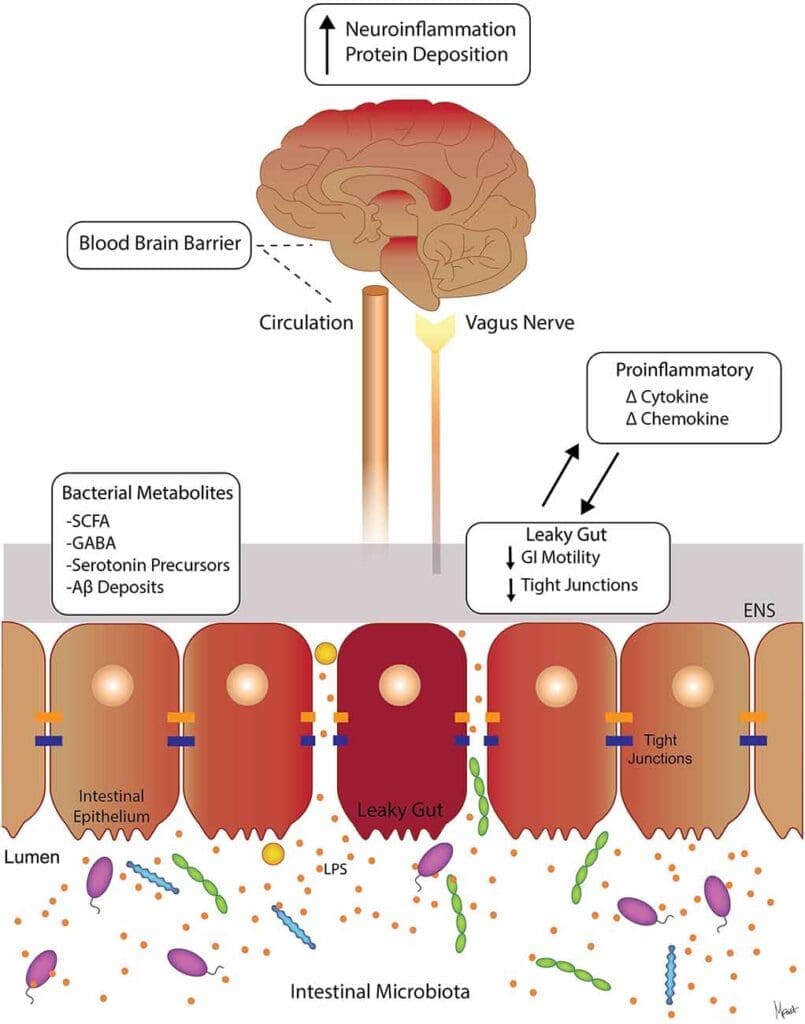
The gut microbiome shapes neurochemical balance via short-chain fatty acids (SCFAs), tryptophan metabolites, and immune signaling. Patients sometimes mention “gland-regulating oils”—in my practice, I interpret this as adaptogenic or neuromodulatory oils (e.g., omega-3s, evening primrose, black seed oil) that may support endocrine and inflammatory balance. While terminology varies, the principle is consistent: lipids profoundly affect cell membranes, receptor function, and signaling.

Physiological Rationale

  • Omega-3s are incorporated into neuronal membranes, improving membrane fluidity and signaling in dopaminergic and serotonergic synapses.
  • SCFAs (butyrate) strengthen gut barrier integrity, reducing LPS translocation and systemic inflammation that drives IDO.
  • Polyphenols and specific oils modulate NF-κB and JAK/STAT pathways, dampening inflammatory cascades.

Clinical Application

I recommend a food-first approach (fatty fish, olives, nuts, seeds) complemented by targeted supplementation when needed. Patients with mood and metabolic disturbances often benefit from EPA-dominant omega-3s, and those with inflammatory skin or PMS may respond to GLA-containing oils.


Clarifying Misconceptions: “Zero-Carb Alcohol” and Reward Systems

A common assertion is “tequila has zero carbs; it’s fine.” While certain spirits may have minimal carbohydrates, they are not metabolically neutral.

Why Alcohol Complicates Metabolic and Neurochemical Goals

  • Hepatic ethanol metabolism disrupts the NAD+/NADH balance, impairing fatty acid oxidation and promoting hepatic steatosis in excess.
  • Alcohol modulates GABA and glutamate, interacts with dopamine pathways, and can enhance reward-seeking behaviors.
  • Sleep disruption: alcohol fragments sleep, reduces REM, and worsens next-day cravings and mood
  • Appetite and judgment: alcohol lowers inhibitory control, increasing the likelihood of high-calorie intake

Clinical advice: If patients choose to drink, set clear boundaries, pair with protein, hydrate, and prioritize sleep. Recognize the reward circuitry effects—alcohol may rekindle old habits.


Practical Tools: Data-Guided Personalization

Patients often ask: “What data should I track?” I suggest:

  • Weight and waist circumference: visceral adiposity correlates with inflammation and cardiometabolic risk
  • Blood pressure, heart rate variability (HRV): markers of autonomic balance
  • Sleep metrics: duration, consistency, apnea risk
  • Mood and energy logs: identify patterns with nutrition, alcohol, and stress
  • Food journal: highlight triggers, portions, protein intake

Why data matter: They transform subjective experiences into observable trends, allowing tailored interventions—e.g., adjusting protein timing when afternoon cravings surge, or adding evening breathing exercises when HRV dips.


Protein-First Strategy and Satiety Physiology

Protein influences satiety through peptide YY, GLP-1, and cholecystokinin signaling. Adequate protein supports dopamine synthesis by increasing tyrosine availability and stabilizes glucose levels, reducing reward volatility.

Practical approach:

  • Aim for 1.2–1.6 g/kg/day, adjusted for renal function and activity
  • Distribute protein across meals to sustain satiety
  • Pair with fiber-rich vegetables to slow gastric emptying and blunt glycemic excursions

Rationale: Stabilized satiety reduces hedonic eating, enabling the brain to recalibrate D2 receptor signaling.


Sleep Architecture: Dopamine and Serotonin Restoration

Poor sleep reduces dopamine tone and impairs prefrontal control, worsening impulsivity. Serotonin contributes to sleep onset and stability.

Interventions:

  • Fixed sleep-wake times to stabilize circadian rhythm
  • Dim evening light; increase morning light exposure
  • Limit alcohol and heavy meals near bedtime
  • Consider magnesium glycinate, behavioral strategies, and screening for sleep apnea.

Clinical correlation: Improved sleep often leads to fewer cravings, better mood, and enhanced exercise adherence.


Exercise Prescriptions: Receptor Plasticity and Kynurenine Metabolism

Regular exercise increases D2 receptor availability, improves insulin sensitivity, and shifts kynurenine toward kynurenic acid via muscle KAT activity.

Programming:

  • Begin with a manageable aerobic base (e.g., brisk walking 20–30 minutes)
  • Add resistance training to improve myokine signaling and metabolic reserves
  • Progress to intervals or sport-based activity to maintain engagement

Why it works: Exercise is a systemic signal—improves vascular health, neuroplasticity, and mood—creating compounding benefits.


Stress Modulation: Cortisol, Catecholamines, and Reward Control

Chronic stress elevates cortisol, disrupts dopaminergic balance, and inflames reward pathways. Techniques:

  • Mindful breathing and HRV biofeedback
  • Structured breaks and implementation intentions (“If X stress occurs, I will Y”)
  • Nature exposure; sunlight for circadian alignment

Physiology: Lower cortisol reduces IDO activation, preserves serotonin, and restores prefrontal regulation over impulses.


Behavioral Economics: Choice Architecture and Environment

The environment shapes decisions. Practical steps:

  • Keep protein and fiber visible and accessible
  • Hide trigger foods; avoid stocking ultra-processed options
  • Plan social settings: eat before events, pre-commit to limits

Why: Reduces choice overload and reward temptation, enabling dopamine recalibration to proceed uninterrupted.


Clinical Vignettes: Real-Life Applications

  • Patient A: Middle-aged with elevated waist circumference and late-night cravings. After protein-first breakfasts, 20 minutes of daily walking, and breathing exercises, they reported reduced cravings and improved BP.
  • Patient B: Young professional with mood variability and afternoon crashes. Polyphenol-rich lunches, magnesium supplementation, and sleep regularization improved mood and productivity.
  • Patient C: Long-term alcohol use, “zero-carb” belief. Gradual reduction, hydration, and evening routine improved sleep, reduced cravings, and stabilized weight.

These cases illustrate how multi-system alignment produces results that patients can feel and sustain.


Advanced Laboratory Considerations

For select patients:

  • hs-CRP, IL-6, TNF-α: inflammation markers
  • Tryptophan, kynurenine, and ratio assessments
  • Lipid panel, fasting insulin, HOMA-IR
  • Sleep study for suspected apnea
  • HRV tracking for autonomic insights

Rationale: Identifies contributors to IDO activation, insulin resistance, and autonomic imbalance.


Precision Supplementation: Principles and Cautions

  • Omega-3 EPA/DHA for mood and endothelial support
  • Magnesium glycinate for sleep and vascular tone
  • B-complex with methylated folate/B12 for monoamine synthesis
  • Polyphenols (EGCG, resveratrol) for inflammatory modulation
  • Creatine for neurometabolic support and cognitive resilience

Always personalized based on medical history and labs. Supplements support, but do not replace, behavioral foundations.


Integration with Care Teams: Nursing, Nutrition, and Coaching

The best outcomes arise from interdisciplinary collaboration—nursing assessments, nutrition counseling, and health coaching reinforce habit adherence and monitor progress. Communication enhances implementation fidelity and patient experience.


Community and Culture: Social Reinforcement

Group-based programs harness social reward and accountability. Community meals, walking clubs, and digital support tools align dopamine signaling with healthy behaviors.


Performance Layer: Cognitive and Physical Capacity

  • Nutrition timing enhances sustained focus
  • Strength training improves resilience and metabolic reserve
  • Strategic breaks prevent decision fatigue
  • Sleep protects working memory and creative problem-solving

Outcome: A brain-body platform for long-term success.


Putting It All Together: My Clinical Map

  • Evaluate neuroendocrine signals (cravings, mood, sleep, stress)
  • Address inflammation and autonomics
  • Implement ABCs habit architecture
  • Use targeted nutrition and movement
  • Personalize with data and labs
  • Collaborate across disciplines
  • Reinforce changes through the environment and the community

The approach is integrative, evidence-based, and patient-centered.


Summary

This educational post presents an integrated, evidence-based framework linking striatal dopamine signaling, serotonergic metabolism, inflammatory pathways, autonomic regulation, and gut-brain interactions to practical strategies for obesity, mood regulation, and performance. Reductions in D2 receptor availability are associated with compulsive eating and reward dysregulation; structured interventions—such as protein-first nutrition, sleep optimization, and progressive exercise—enhance receptor sensitivity and stabilize cravings. Inflammation-driven IDO activation diverts tryptophan from serotonin to kynurenine metabolites, contributing to mood symptoms and fatigue; anti-inflammatory nutrition, micronutrient support, and physical activity rebalance this axis. Autonomic strategies—breathing, movement, sleep hygiene—improve blood pressure and endothelial function. Behavioral architecture (ABCs) embeds habits within basal ganglia circuits, translating physiological principles into daily practice. Clarifying misconceptions about “zero-carb alcohol” highlights how reward circuitry and hepatic metabolism complicate health goals. The overall map aligns neurochemistry, lifestyle, and personalization for sustainable outcomes.

Conclusion

Metabolic health, mood, and performance are inseparable dimensions of neuroendocrine physiology. By recognizing how the striatum, serotonin pathways, IDO–kynurenine axis, and autonomic balance respond to nutrition, stress, sleep, and movement, we can deploy targeted interventions that recalibrate reward sensitivity and emotional stability. Patients thrive when care is layered: food-first strategies, structured exercise, sleep architecture, stress modulation, and precision supplementation when indicated. This integrative method is not about perfection but consistency, building small victories that rewire habit circuits and restore resilience. As clinicians and patients collaborate—guided by data and behaviors that feel achievable—the brain-body system gradually shifts from reactivity to regulation, enabling healthy weight management, improved mood, and better performance.

Key Insights

  • Dopamine D2 receptor downregulation in the striatum contributes to obesity and compulsive eating; exercise, sleep, and protein-first strategies improve reward sensitivity.
  • Inflammation activates IDO, diverting tryptophan from serotonin to kynurenine, which can impair mood and energy; anti-inflammatory nutrition, micronutrients, and physical activity rebalance pathways.
  • Autonomic interventions—such as slow breathing, aerobic and resistance exercise, and sleep optimization—lower blood pressure and support endothelial health.
  • Gut-brain integration: omega-3s, fiber, and polyphenols modulate inflammation and neurotransmitter signaling; microbiome health strengthens the gut barrier and reduces systemic inflammation.
  • The behavior change framework (ABCs) embeds habits into neural circuits, reducing decision fatigue and sustaining progress.
  • Alcohol is not metabolically neutral—even low-carb spirits disrupt reward circuits, sleep, and hepatic metabolism, often undermining goals.
  • Personalization via data—tracking waist circumference, BP, HRV, sleep, and mood—guides targeted adjustments and reinforces adherence.

References

  • Volkow ND, Wang G-J, Fowler JS, Telang F. Overlapping neuronal circuits in addiction and obesity: evidence of systems pathology. Biol Psychiatry.
  • Wang G-J et al. Brain dopamine and obesity. Lancet.
  • Cervenka S et al. Imaging of dopamine receptors in obesity. Int J Obes.
  • Raison CL, Capuron L, Miller AH. Cytokines sing the blues: inflammation and the pathogenesis of depression. Trends Immunol.
  • Schwarcz R, Stone TW. The kynurenine pathway and neurodegenerative disease. J Neurochem.
  • Pedersen BK. The diseasome of physical inactivity—and the role of myokines. Exp Clin Endocrinol Diabetes.
  • Brook RD et al. Beyond medications and diet: alternative approaches to lowering blood pressure. Hypertension.
  • Walker MP. The role of sleep in cognition and emotion. Ann NY Acad Sci.
  • Vercambre M-N et al. Polyphenols and vascular function. Nutrients.
  • Young SN. Tryptophan, 5-HT, and mood. J Psychiatry Neurosci.
  • He FJ, MacGregor GA. Salt intake and BP. Lancet.
  • Mozaffarian D et al. Omega-3s and cardiovascular health. Circulation.
  • Brewer JA. Mindfulness and reward processing. Ann NY Acad Sci.

Keywords: dopamine D2 receptors, striatum, obesity, serotonin, tryptophan, indoleamine 2,3-dioxygenase, kynurenine, inflammation, autonomic nervous system, blood pressure, endothelial function, gut-brain axis, omega-3, polyphenols, protein-first, sleep architecture, behavioral change, ABCs, reward circuitry, alcohol metabolism


Disclaimer: This educational content is for informational purposes only and should not be used as medical advice. All individuals must obtain recommendations for their personal situations from their own medical providers.