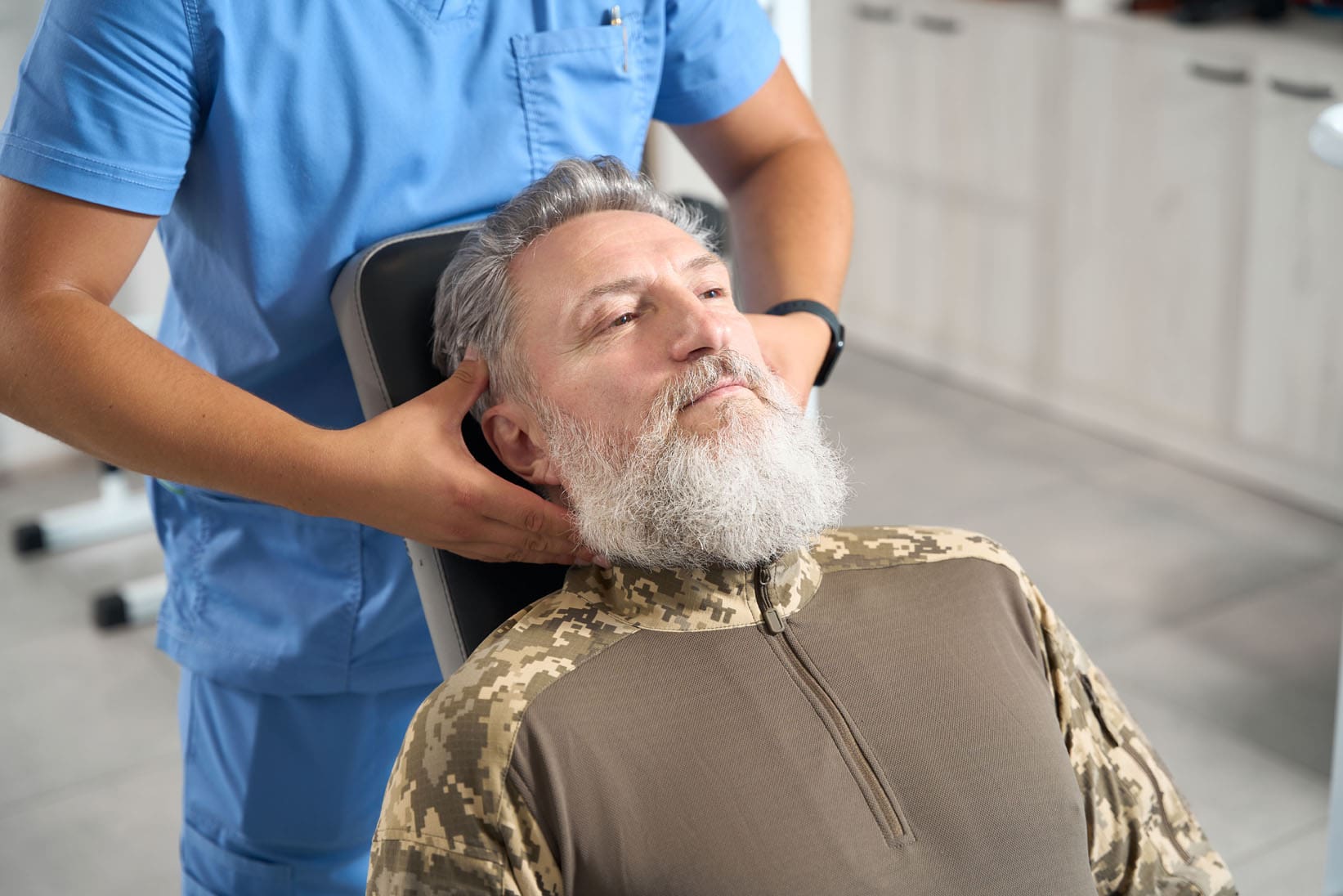
Care is the cornerstone of our practice

Give us a Call
+1 (915) 412-6680
Send us a Message
support@chiromed.com
Opening Hours
Mon-Thu: 7 AM - 7 PM
Fri - Sun: Closed

Chiropractic Care for Healthy Joints & Biomechanical Restoration

Find out how joint and biomechanical restoration from chiropractic care can help restore function and alleviate discomfort.

Chiropractic Care for Joint and Biomechanical Restoration: A Comprehensive Guide

Key Points

  • Chiropractic Care Overview: Chiropractic care focuses on diagnosing and treating musculoskeletal disorders, particularly spinal issues, to improve joint function and overall health through non-invasive techniques like spinal adjustments.
  • Joint and Biomechanical Benefits: Research suggests chiropractic adjustments may help restore joint mobility, reduce pain, and improve biomechanical function by addressing spinal misalignments, though results vary by individual.
  • Environmental Factors and Joint Pain: Factors like poor posture, repetitive stress, or environmental triggers may contribute to joint pain, which chiropractic care may alleviate by improving alignment and reducing inflammation.
  • Dr. Alexander Jimenez’s Role: Dr. Jimenez, a chiropractor in El Paso, TX, is noted for his expertise in personal injury cases, using advanced imaging and diagnostics to assess injuries and support legal documentation.
  • Holistic Health Connections: Emerging research, such as studies on the gut-brain axis and mitochondrial function, suggests chiropractic care may indirectly support overall health by reducing stress and improving nervous system function.
  • Disclaimer: While chiropractic care shows promise, its effectiveness can vary, and it should be part of a comprehensive treatment plan. Always consult a healthcare professional for personalized advice.

Introduction to Chiropractic Care

Chiropractic care is a healthcare profession centered on the musculoskeletal system, particularly the spine. It operates on the principle that spinal misalignments, or subluxations, can disrupt nerve function, leading to pain, reduced mobility, and other health issues. Chiropractors use hands-on techniques, such as spinal adjustments, to realign the spine and joints, aiming to restore function and promote the body’s natural healing processes. This approach is non-invasive, making it an appealing option for those seeking alternatives to surgery or medication.

For high school students or anyone new to the concept, think of your spine as the body’s main highway for nerve signals. If there’s a traffic jam (misalignment), it can cause problems like pain or stiffness. Chiropractors work to clear those jams, helping your body run smoothly. While some swear by it for everything from back pain to headaches, others debate its effectiveness for certain conditions, so it’s worth exploring with an open mind.

How Chiropractic Care Helps Joints and Biomechanics

Chiropractic care is particularly valued for its potential to restore joint function and improve biomechanics—the way your body moves. Misaligned joints or a spine out of whack can lead to pain, stiffness, or even compensatory injuries elsewhere in the body. For example, a misaligned lower back might make your knees work harder, leading to discomfort over time. Chiropractic adjustments aim to correct these misalignments, potentially reducing pain and improving movement.

Research suggests that spinal manipulation can enhance joint mobility and reduce inflammation, which is crucial for conditions like osteoarthritis. While not a cure-all, these adjustments may help by improving blood flow and reducing stress on affected joints. Imagine your joints as rusty hinges—chiropractic care might act like oil, helping them move more freely.

Dr. Alexander Jimenez and Personal Injury Cases

In El Paso, TX, Dr. Alexander Jimenez stands out as a chiropractor with expertise in personal injury cases, such as those from car accidents or workplace injuries. His practice, accessible via ChiroMed, emphasizes advanced imaging (like MRI or CT scans) and diagnostic evaluations to assess injuries thoroughly. Dr. Jimenez’s ability to connect medical findings with legal documentation makes him a valuable liaison for patients navigating personal injury claims. His work ensures that injuries are accurately documented, which is critical for both treatment and legal outcomes.

Picture this: after a fender-bender, your neck feels like it’s auditioning for a role as a creaky door in a haunted house. Dr. Jimenez uses tools like X-rays or MRIs to figure out what’s wrong, then crafts a treatment plan to get you moving again—while also helping your lawyer make sense of it all.

Environmental Factors and Joint Pain

Joint pain isn’t just about aging or injury; environmental factors like poor posture, repetitive motions, or even stress from a hectic lifestyle can play a role. Sitting hunched over a desk all day or carrying a heavy backpack can strain your spine and joints, leading to discomfort. Chiropractic care may help by addressing these biomechanical issues, potentially reducing pain caused by environmental stressors.

For instance, repetitive tasks like typing or lifting can cause micro-injuries, which chiropractic adjustments might mitigate by restoring proper alignment. It’s like hitting the reset button on your body’s mechanics, though results depend on the individual and the severity of the issue.

Broader Health Connections

Chiropractic care doesn’t exist in a vacuum—it’s part of a broader health picture. Research, like studies on the gut-brain axis, suggests that stress and nervous system dysfunction can affect overall health, including joint function. Chiropractic adjustments may reduce stress on the nervous system, potentially influencing systems like digestion or even mood. While direct links are still being studied, the idea is that a well-aligned spine supports better communication between your brain and body.

Think of it like tuning a guitar: when the strings (your nervous system) are in tune, the music (your health) sounds better. This holistic view is why chiropractors often emphasize lifestyle factors like diet and exercise alongside adjustments.


Comprehensive Report on Chiropractic Care for Joint and Biomechanical Restoration

Introduction to Chiropractic Care

Chiropractic care is a healthcare discipline rooted in the belief that the spine’s alignment directly impacts the nervous system and overall health. Founded in the late 19th century, it focuses on diagnosing and treating mechanical disorders of the musculoskeletal system, particularly the spine. Chiropractors use manual techniques, such as spinal adjustments, to correct subluxations—misalignments that may interfere with nerve function, leading to pain, reduced mobility, or other health issues. The goal is to restore proper alignment, enhance joint function, and promote the body’s natural healing abilities without relying on drugs or surgery.

For a high school audience, imagine your spine as the body’s control center, like the wiring in a house. If a wire gets pinched, the lights might flicker or go out. Chiropractic adjustments aim to unpinch those wires, helping your body function smoothly. While many patients report relief from back pain, neck pain, or headaches, the effectiveness of chiropractic care for certain conditions remains debated in the medical community, highlighting the need for personalized treatment plans.

The Science Behind Joint and Biomechanical Restoration

Chiropractic care is particularly effective for addressing joint and biomechanical issues, which involve how your body moves and functions. Subluxations can disrupt nerve signals, leading to pain, stiffness, or compensatory injuries in other areas. For example, a misaligned lower back might cause your hips or knees to overcompensate, resulting in discomfort or injury over time. Chiropractic adjustments aim to restore proper alignment, improving joint mobility and reducing stress on surrounding tissues.

Research supports the potential benefits of spinal manipulation for joint restoration. For instance, studies suggest that chiropractic care can improve sensorimotor integration, which is how the brain processes sensory information to control movement (Haavik & Murphy, 2007). This is particularly relevant for conditions like osteoarthritis, where mitochondrial dysfunction and oxidative stress contribute to joint degeneration (Blanco et al., 2011). By improving local blood flow and reducing inflammation, chiropractic adjustments may support joint health, though outcomes vary by patient.

To add a light-hearted touch, think of your joints as the hinges on a squeaky gate. Chiropractic care is like applying a bit of WD-40—easing the creaks and helping things swing smoothly again. However, it’s not a one-size-fits-all fix, and combining it with other therapies like physical therapy or exercise often yields the best results.

Table 1: Common Conditions Addressed by Chiropractic Care

ConditionHow Chiropractic Helps
Lower Back PainRealigns spine to reduce nerve irritation and improve mobility.
Neck PainAdjusts cervical spine to alleviate tension and restore range of motion.
OsteoarthritisMay reduce inflammation and improve joint function through better alignment.
HeadachesAddresses spinal misalignments that may contribute to tension or migraine headaches.
SciaticaRelieves pressure on the sciatic nerve through targeted adjustments.

References
Blanco, F. J., Rego, I., & Ruiz-Romero, C. (2011). The role of mitochondria in osteoarthritis. Nature Reviews Rheumatology, 7(2), 89–98. https://pubmed.ncbi.nlm.nih.gov/21119608/
Haavik, H., & Murphy, B. (2007). Cervical spine manipulation alters sensorimotor integration: A somatosensory evoked potential study. Clinical Neurophysiology, 118(2), 391–402. https://pubmed.ncbi.nlm.nih.gov/17141595/

Environmental Factors and Joint Pain

Joint pain often stems from more than just aging or injury—environmental factors play a significant role. Poor posture from slouching over a phone, repetitive motions like typing, or carrying heavy loads can strain joints and muscles, leading to discomfort. Stress, another environmental factor, can exacerbate pain by increasing muscle tension and inflammation. Chiropractic care addresses these issues by correcting biomechanical imbalances and reducing stress on the nervous system.

For example, repetitive strain injuries from workplace tasks can cause micro-traumas in joints, leading to pain and reduced function. Chiropractic adjustments may help by restoring proper alignment, improving joint mobility, and reducing inflammation. Additionally, environmental stressors like cold weather or poor ergonomics can worsen conditions like arthritis, and chiropractic care may offer relief by enhancing circulation and reducing joint stress.

Humorously, imagine your spine as a grumpy old bridge that groans under the weight of bad posture or heavy backpacks. Chiropractic care is like sending in a repair crew to shore it up, making sure it doesn’t collapse under the daily grind. However, it’s worth noting that while chiropractic care can help, it’s most effective when paired with lifestyle changes like better ergonomics or stress management.

Dr. Alexander Jimenez: A Leader in Personal Injury Care

In El Paso, TX, Dr. Alexander Jimenez, DC, APRN, FNP-BC, is a distinguished chiropractor known for his expertise in personal injury cases, such as those resulting from car accidents or workplace incidents. His practice, detailed at ChiroMed and his LinkedIn profile, emphasizes advanced diagnostic tools like MRI, CT scans, and dual-scope procedures to assess injuries comprehensively. Dr. Jimenez’s ability to translate medical findings into legal documentation makes him a critical liaison for patients navigating personal injury claims.

For instance, in a car accident, whiplash can cause subtle but debilitating spinal misalignments. Dr. Jimenez uses advanced imaging to pinpoint these issues, creating detailed reports that support both treatment and legal proceedings. His holistic approach ensures patients receive tailored care while their injuries are accurately documented for insurance or court purposes. This dual role is particularly valuable in El Paso, where personal injury cases are common due to the city’s busy roads and active workforce.

To lighten the mood, think of Dr. Jimenez as a detective with a stethoscope, piecing together clues from X-rays and MRIs to solve the mystery of your pain—while also helping your lawyer build a rock-solid case. His work underscores the importance of specialized chiropractic care in personal injury recovery.


The Role of Chiropractic Care in Improving Your Health- Video


Integrating Research: The Broader Health Context

Chiropractic care’s benefits extend beyond the spine, potentially influencing overall health through connections like the gut-brain axis, mitochondrial function, and neural plasticity. Below, we explore how research from the provided links supports a holistic view of chiropractic care.

Gut-Brain Axis and Neurological Health

The gut-brain axis describes the bidirectional communication between the gut microbiome and the brain, influencing neurological health (Cryan et al., 2019). Stress or spinal misalignments can disrupt this axis, potentially worsening conditions like anxiety or even motor dysfunction. Chiropractic adjustments may indirectly support gut health by reducing stress and improving vagal nerve function, which regulates digestion. While direct evidence linking chiropractic care to gut health is limited, the nervous system’s role in this axis suggests potential benefits.

Reference
Cryan, J. F., O’Riordan, K. J., Cowan, C. S. M., Sandhu, K. V., Bastiaanssen, T. F. S., Boehme, M., … & Dinan, T. G. (2019). The gut microbiome in neurological disorders. The Lancet Neurology, 19(2), 179–194. https://pubmed.ncbi.nlm.nih.gov/31753762/

Mitochondrial Function and Osteoarthritis

Mitochondrial dysfunction contributes to osteoarthritis by increasing oxidative stress and cartilage degradation (Blanco et al., 2011). Chiropractic care may help by improving joint alignment and circulation, potentially reducing inflammation and supporting cellular health. While not a direct treatment for mitochondrial issues, adjustments may complement other therapies by alleviating mechanical stress on joints.

Reference
Blanco, F. J., Rego, I., & Ruiz-Romero, C. (2011). The role of mitochondria in osteoarthritis. Nature Reviews Rheumatology, 7(2), 89–98. https://pubmed.ncbi.nlm.nih.gov/21119608/

Brain Plasticity and Spinal Cord Injuries

Brain plasticity, or the brain’s ability to reorganize neural pathways, is critical for recovery from spinal cord injuries (SCI) (Nudo, 2013). Chiropractic care, combined with rehabilitation, may support functional recovery by improving sensory input and motor control through spinal adjustments. This is particularly relevant for personal injury cases, where Dr. Jimenez’s diagnostic expertise can guide targeted interventions.

Reference
Nudo, R. J. (2013). Brain plasticity in patients with spinal cord injuries: A systematic review. Journal of Neurotrauma, 30(19), 1681–1694. https://pubmed.ncbi.nlm.nih.gov/23879585/

Nutrition and Brain Function

Diet plays a significant role in brain health, with nutrients like omega-3 fatty acids supporting cognitive function (Gómez-Pinilla, 2008). Chiropractors often recommend dietary changes alongside adjustments to optimize health outcomes. For example, a balanced diet may reduce inflammation, complementing chiropractic care’s effects on joint health.

Reference
Gómez-Pinilla, F. (2008). Brain foods: The effects of nutrients on brain function. Nature Reviews Neuroscience, 9(7), 568–578. https://pubmed.ncbi.nlm.nih.gov/18568016/

Aging and Metabolic States

Aging involves changes like telomere shortening and mitochondrial dysfunction, which can affect joint and neurological health (López-Otín et al., 2013). Chiropractic care may support healthy aging by reducing mechanical stress and improving nervous system function, though more research is needed to confirm these effects.

Reference
López-Otín, C., Blasco, M. A., Partridge, L., Serrano, M., & Kroemer, G. (2013). Hallmarks of brain aging: Adaptive and pathological modification by metabolic states. Cell Metabolism, 18(5), 617–631. https://pubmed.ncbi.nlm.nih.gov/23702481/

Low-Level Light Therapy

Low-level light therapy (LLLT) has been explored for its potential to stimulate healing in tissues, including the brain and eyes (Hamblin, 2016). While not a standard chiropractic technique, some practitioners incorporate LLLT to enhance recovery, potentially complementing spinal adjustments.

Reference
Hamblin, M. R. (2016). Low-level light therapy of the eye and brain. Eye and Brain, 8, 77–89. https://pubmed.ncbi.nlm.nih.gov/28539775/

Neural Substrates and Posture Control

The brain’s neural substrates, including sensory and motor regions, regulate posture and balance (Takakusaki, 2017). Chiropractic adjustments may influence these substrates by improving sensory input from spinal joints, potentially enhancing stability and reducing fall risk.

Reference
Takakusaki, K. (2017). Neural substrates involved in the control of posture. Advanced Robotics, 31(1–2), 2–23. https://www.tandfonline.com/doi/abs/10.1080/01691864.2016.1249376

Other Research Insights

Additional studies highlight the complexity of health interactions:

  • Calcium Signaling and Excitotoxicity: Dysregulated calcium signaling can contribute to neuronal damage, potentially worsened by spinal misalignments (Orrenius et al., 2003). Chiropractic care may indirectly support neural health by optimizing nervous system function.
  • Gut-Liver-Brain Axis: This axis connects gut, liver, and brain functions, influencing overall health (Bajaj et al., 2019). Chiropractic care’s stress-reducing effects may support this axis indirectly.
  • Mitochondrial ROS Generation: Reactive oxygen species (ROS) from mitochondria contribute to aging and disease (Zorov et al., 2014). Chiropractic care may reduce oxidative stress by improving circulation.
  • Sex Hormones and Brain Function: Hormonal changes affect brain health, potentially influencing pain perception (Craft, 2007). Chiropractic care may help manage pain related to hormonal imbalances.
  • Ketogenic Diet and Immune Function: The ketogenic diet may modulate immune responses, potentially complementing chiropractic care’s anti-inflammatory effects (Pinto et al., 2018).

References
Orrenius, S., Zhivotovsky, B., & Nicotera, P. (2003). Endoplasmic reticulum Ca2+ release through ryanodine and IP3 receptors contributes to neuronal excitotoxicity. Nature Reviews Neuroscience, 4(7), 552–562. https://pubmed.ncbi.nlm.nih.gov/12838337/
Bajaj, J. S., Kakiyama, G., Savidge, T., & Takei, H. (2019). Gut-liver-brain axis in diseases: The implications for therapeutic interventions. Hepatology, 70(4), 1457–1469. https://pubmed.ncbi.nlm.nih.gov/30924953/
Zorov, D. B., Juhaszova, M., & Sollott, S. J. (2014). Mitochondrial electron transport chain, ROS generation and uncoupling. International Journal of Biochemistry & Cell Biology, 56, 89–97. https://pubmed.ncbi.nlm.nih.gov/25282678/
Craft, R. M. (2007). Understanding the broad influence of sex hormones and sex differences in the brain. Journal of Neuroscience Research, 85(12), 2589–2601. https://pubmed.ncbi.nlm.nih.gov/17348036/
Pinto, A., Bonucci, A., Maggi, E., Corsi, M., & Bussolati, O. (2018). Ketogenic diet suppressed T-regulatory cells and promoted cardiac fibrosis via reducing mitochondria-associated membranes and inhibiting mitochondrial function. Nutrients, 10(8), 1032. https://pubmed.ncbi.nlm.nih.gov/30096909/

Dr. Jimenez’s Expertise in Personal Injury Cases

Dr. Alexander Jimenez’s work in El Paso highlights the critical role of chiropractic care in personal injury cases. His use of advanced imaging and dual-scope procedures allows for precise diagnosis of injuries, such as whiplash or spinal trauma, which are common in accidents. By providing detailed medical reports, Dr. Jimenez bridges the gap between healthcare and legal systems, ensuring patients receive both effective treatment and proper documentation for their claims.

His practice integrates chiropractic adjustments with diagnostic tools to address biomechanical issues, reduce pain, and support recovery. This comprehensive approach is particularly valuable in personal injury cases, where accurate assessment and documentation can significantly impact outcomes. For example, a patient with post-accident back pain might benefit from adjustments to restore spinal alignment, while Dr. Jimenez’s diagnostics ensure the injury’s extent is clear for legal purposes.

To inject some humor, imagine Dr. Jimenez as a superhero with a chiropractic cape, swooping in to fix your spine and save your court case with a single X-ray. His work exemplifies how specialized chiropractic care can make a difference in complex injury scenarios.

Table 2: Dr. Jimenez’s Approach to Personal Injury Cases

AspectDescription
Advanced ImagingUses MRI, CT scans, and X-rays to assess injury extent and guide treatment.
Diagnostic EvaluationsEmploys dual-scope procedures for precise diagnosis of musculoskeletal issues.
Legal DocumentationProvides detailed reports linking injuries to medical findings for legal claims.
Treatment PlansCombines chiropractic adjustments with rehabilitation for holistic recovery.

References
ChiroMed. (n.d.). Chiropractic services in El Paso, TX. Retrieved from https://chiromed.com/
Jimenez, A. (n.d.). LinkedIn profile. Retrieved from https://www.linkedin.com/in/dralexjimenez/

Conclusion

Chiropractic care offers a promising approach to addressing joint and biomechanical issues by focusing on spinal alignment and nervous system function. Research suggests it may improve joint mobility, reduce pain, and support overall health by influencing systems like the gut-brain axis or reducing inflammation in conditions like osteoarthritis. In El Paso, Dr. Alexander Jimenez exemplifies the field’s potential, particularly in personal injury cases, where his expertise in diagnostics and legal documentation provides comprehensive care.

While chiropractic care shows significant benefits, its effectiveness varies by individual, and it should be part of a broader treatment plan. Always consult a licensed healthcare professional to determine the best approach for your needs. This post is for informational purposes only and is not a substitute for medical advice.

Disclaimer: The information provided is based on current research and clinical insights but is not exhaustive. Chiropractic care’s benefits and limitations are still being studied, and individual results may vary. Seek professional guidance before pursuing any treatment.

A Clinical Approach To Identity Formation and Its Benefits

Uncover insights into the clinical approach of identity formation and its impact on personal identity and therapeutic practices.

Introduction

In the realm of physical and functional medicine, healthcare professionals often encounter patients grappling with musculoskeletal, autoimmune, and gastrointestinal issues that not only affect their physiological health but also influence their self-perception and identity. Identity formation is a crucial aspect of patient care, particularly when addressing chronic conditions that require long-term management. By fostering a patient-centered, integrative approach, we can enhance treatment adherence, improve patient satisfaction, and promote overall well-being. In this article, we will explore the theories of identity formation, its impact on health, and how physical and functional medicine practitioners can support patients through this complex process.

Understanding Identity Formation

Identity is a dynamic, evolving construct composed of personal beliefs, values, experiences, and social influences. It is not an imposed characteristic but rather a developmental process that begins in childhood and continues throughout life. According to Erik Erikson’s psychosocial theory, identity formation is a central challenge of adolescence but remains relevant across the lifespan as individuals face new challenges and experiences.

Erikson’s Stages and Role Confusion

Erikson (1968) described identity versus role confusion as a critical developmental stage during adolescence. Failure to establish a stable identity can result in uncertainty, anxiety, and difficulties in decision-making. In healthcare settings, patients experiencing chronic illness or injury may face disruptions in their self-concept, leading to emotional distress and noncompliance with treatment regimens.

The Four Identity Statuses

Building on Erikson’s work, James Marcia (1966) identified four identity statuses that describe how individuals respond to identity crises:

  1. Foreclosure – Commitment to an identity without exploration. Often seen in patients who unquestioningly accept medical diagnoses or treatment plans without personal reflection.
  2. Identity Diffusion – Lack of exploration or commitment. Patients in this category may struggle with treatment adherence and avoid making lifestyle changes.
  3. Moratorium – Active exploration without commitment. These individuals seek multiple opinions and alternative treatments before settling on a healthcare plan.
  4. Identity Achievement – A well-established sense of self after thorough exploration. Patients in this stage are more likely to actively participate in their healthcare and make informed decisions.

Understanding these identity statuses allows practitioners to tailor communication strategies and treatment plans to improve patient engagement and outcomes.


Understanding The Effects Of Personal Injury- Video


The Role of Identity Formation in Health and Medicine

Identity formation is intricately linked to health behaviors and treatment compliance. Several key areas of identity development impact a patient’s perception of illness and approach to recovery:

1. Religious Identity

Religious beliefs can shape health behaviors, including dietary choices, use of complementary and alternative medicine, and attitudes toward medical interventions. Patients with strong religious identities may require culturally sensitive approaches to treatment planning.

2. Political Identity

Political beliefs can influence trust in the medical system, perceptions of public health initiatives, and willingness to participate in preventative care programs. A nuanced understanding of a patient’s political stance can inform communication strategies.

3. Vocational Identity

For patients whose identities are closely tied to their professions, injury or chronic illness can lead to significant psychological distress. Functional medicine practitioners can help these individuals by providing rehabilitative strategies that align with their professional goals.

4. Ethnic and Racial Identity

Ethnic identity plays a role in health disparities, access to care, and patient-practitioner relationships. A culturally competent approach ensures that treatment plans are respectful and inclusive of a patient’s background and experiences.

5. Gender Identity

Gender identity can influence mental health, healthcare access, and responses to treatment. Functional medicine practitioners should adopt an inclusive and affirming approach to gender-diverse patients to foster trust and cooperation in care plans.

Self-Concept and Chronic Disease Management

Self-concept encompasses an individual’s self-perception, including self-esteem and self-efficacy. Patients with chronic conditions may experience a shift in self-concept as they adjust to new limitations and healthcare routines.

  • Self-Esteem: Patients with high self-esteem are more likely to take proactive steps toward their health, while those with low self-esteem may struggle with self-care and motivation.
  • Self-Efficacy: Belief in one’s ability to manage a condition correlates with better health outcomes. Encouraging self-efficacy through patient education and empowerment techniques is a cornerstone of functional medicine.

Strategies for Supporting Identity Formation in Healthcare

1. Patient-Centered Communication

Healthcare providers should engage in open, empathetic dialogue to understand a patient’s identity and how it shapes their health behaviors. Motivational interviewing techniques can help patients explore their values and commit to health-promoting behaviors.

2. Holistic Treatment Planning

Functional medicine emphasizes a personalized approach to care. By integrating lifestyle medicine, nutrition, physical rehabilitation, and mind-body interventions, practitioners can address both physical and psychological aspects of identity formation.

3. Behavioral and Cognitive Interventions

Chronic pain, autoimmune disorders, and other long-term conditions can lead to identity disruptions. Cognitive-behavioral strategies, mindfulness-based interventions, and resilience training can help patients adapt to their new realities while maintaining a positive self-concept.

4. Interdisciplinary Collaboration

Incorporating insights from psychology, physical therapy, nutrition, and chiropractic care creates a comprehensive support system for patients navigating identity shifts due to health changes.

Conclusion

Identity formation is an integral component of patient-centered care, particularly in physical and functional medicine. Understanding how identity shapes health perceptions and behaviors allows practitioners to design personalized, effective treatment plans that enhance both physical health and psychological resilience. By fostering self-awareness and empowering patients to take control of their health, we not only improve clinical outcomes but also contribute to a more holistic, human-centered healthcare model.

If you or a patient are navigating health-related identity challenges, consulting with a functional medicine practitioner who understands the complexities of identity formation can be an invaluable step toward healing and self-discovery.


Injury Medical & Functional Medicine Clinic

We associate with certified medical providers who understand the importance of identity formation when assessing individuals dealing with various pain-like symptoms within their bodies. When asking important questions to our associated medical providers, we advise patients to implement small changes to their daily routine to reduce the pain-like symptoms associated with body pains. Dr. Alex Jimenez, D.C., utilizes this information as an academic service. Disclaimer.


References

Kim-Spoon, J., Longo, G. S., & McCullough, M. E. (2012). Parent-adolescent relationship quality as a moderator for the influences of parents’ religiousness on adolescents’ religiousness and adjustment. J Youth Adolesc, 41(12), 1576-1587. https://doi.org/10.1007/s10964-012-9796-1

Koo, H.-Y., & Kim, E.-J. (2016). Vocational Identity and Ego Identity Status in Korean Nursing Students. Asian Nursing Research, 10(1), 68-74. https://doi.org/10.1016/j.anr.2015.11.001

Marcia, J. E. (1966). Development and validation of ego-identity status. J Pers Soc Psychol, 3(5), 551-558. https://doi.org/10.1037/h0023281

Marcia, J. E. (1967). Ego identity status: relationship to change in self-esteem, “general maladjustment,” and authoritarianism. J Pers, 35(1), 118-133. https://doi.org/10.1111/j.1467-6494.1967.tb01419.x

Stattin, H., Hussein, O., Ozdemir, M., & Russo, S. (2017). Why do some adolescents encounter everyday events that increase their civic interest whereas others do not? Dev Psychol, 53(2), 306-318. https://doi.org/10.1037/dev0000192

Wagner, J. A. (1987). Formal operations and ego identity in adolescence. Adolescence, 22(85), 23-35. https://www.ncbi.nlm.nih.gov/pubmed/3591499

Disclaimer

Improve Your Well-being with Chiropractic Care And Health Coaching

Can individuals reduce being sick by incorporating chiropractic care and health coaching as a treatment plan to relieve pain?

What Happens To The Body When It’s Sick?

How often do you feel constant aches and pains in various locations of your body? Do you feel that your head feels like there is cotton inside or that you have a pounding sensation that makes you stay in bed? Or how often have allergies made you constantly sneeze, making your back and chest hurt continuously? When it comes to the human body, these scenarios can cause a person to develop various ailments that can cause the body to become tired and sick. Environmental factors like stress, an excessive workload, improper dieting, and physical inactivity all play a role in causing overlapping risk profiles to the body while causing the immune system to work overtime. When it comes to the immune system and environmental factors, there is a bidirectional relationship as the immune system releases inflammatory cytokines to foreign pathogens and eliminates the issue. However, environmental factors affecting the immune system can even impact its functioning at the physical level. (Venter et al., 2020) When the body starts to feel sick, many people experience aches and pain in their muscles in the upper and lower quadrants. This can, over time, develop into overlapping pain-like symptoms that can cause doctors to prescribe medication to control these symptoms. Many symptoms that can be combined with being sick include:

  • Headaches/migraines
  • Nausea/vomiting
  • Fatigue
  • Muscle aches & pains
  • Allergies

When this happens, a person could be dealing with a tired, nervous system and experiencing body pains that can lead to various issues, thus needing treatment. We associate with certified medical providers who inform our patients of the benefits of incorporating chiropractic care and health coaching to improve their health and reduce sickness. While asking important questions to our associated medical providers, we advise patients to integrate ways to reduce the chances of being sick through a customized treatment plan. Dr. Alex Jimenez, D.C., envisions this information as an academic service. Disclaimer.

A Tired Nervous System  & Body Pains

When it comes to the body starting to feel sick, it can be due to a tired, nervous system that is causing problems to arise in the body. The nervous system is the main control for the body as it controls pain, movement, organ function, and reactions, and the body needs to be consistently maintained to achieve optimal operations. When environmental factors affect the nervous system, it can lead to symptoms of nerve interference and body pain that can cause various issues. When various biomechanical, biochemical, and neuropsychological factors contribute to the body and cause pain, it can negatively affect a person’s quality of life. (Sarkovich et al., 2024) It can also negatively impact the spine and cause spinal misalignment, thus affecting the individual. When a person is dealing with spinal misalignment, they begin dealing with poor postural habits, limited range of motion, and pain within the upper, middle, and lower back. (Chu & Trager, 2022) This, in turn, causes a longer duration of the symptoms while increasing the presence and severity of degenerative changes. (Davis et al., 2022) So when degenerative changes and dangerous pressure are affecting the nerves correlated with spinal misalignment, many people can begin to seek treatment to realign the spine and reduce the chances of becoming sick.


The Role of Chiropractic Care On Improving Your Health-Video


Chiropractic Care For Improving The Body

When restoring spinal alignment and reducing the chances of the body becoming sick again, many people seek holistic, non-invasive, customized, cost-effective, holistic treatment. Chiropractic care can help realign the spine through manual and mechanical manipulation to determine the root cause of the issue and reduce nerve interference. Chiropractors can assess and detect nerve interference to identify any problems affecting the body. At the same time, chiropractic care can be used as a therapeutic intervention to regulate the body’s blood pressure and provide spinal rehabilitation. (Sullivan et al., 2020) At the same time, chiropractic care has a unique relationship with other treatments to ensure the body is healthy and energetic.

Health Coaching To Reduce Being Sick

While chiropractors can help restore the body through spinal realignment and rehabilitation, they also work with a health coach to make small changes and incorporate healthy habits to enhance chiropractic care. Exercise, proper dieting, and incorporating supplements combined with chiropractic care benefit complete wellness by reducing days of suffering from illnesses. (Khodakarami, 2020) When people start to think more about their help, incorporating chiropractic care with health coaching can be the key to maintaining healthy habits, listening, and being mindful of their bodies to reduce the effects of pain and discomfort. A healthy body can be energetic and free from diseases, dysfunction, pain, and discomfort, allowing individuals to continue their routine more healthily.


References

Chu, E. C., & Trager, R. J. (2022). Neck Pain and Headache After Pinealectomy: Improvement with Multimodal Chiropractic Therapies. Am J Case Rep, 23, e937906. https://doi.org/10.12659/AJCR.937906

Davis, B. A., Dunn, A. S., Golley, D. J., & Chicoine, D. R. (2022). Chiropractic Clinical Outcomes Among Older Adult Male Veterans With Chronic Lower Back Pain: A Retrospective Review of Quality-Assurance Data. J Chiropr Med, 21(2), 77-82. https://doi.org/10.1016/j.jcm.2022.02.004

Khodakarami, N. (2020). Treatment of Patients with Low Back Pain: A Comparison of Physical Therapy and Chiropractic Manipulation. Healthcare (Basel), 8(1). https://doi.org/10.3390/healthcare8010044

Sarkovich, S., Leonardi, C., Darlow, M., Martin, D., Issa, P., Soria, T., Bronstone, A., & Clement, C. (2024). Back pain in adolescent idiopathic scoliosis: frequency and risk factors. Spine Deform, 12(5), 1319-1327. https://doi.org/10.1007/s43390-024-00904-0

Sullivan, S. G., Paolacci, S., Kiani, A. K., & Bertelli, M. (2020). Chiropractic care for hypertension: Review of the literature and study of biological and genetic bases. Acta Biomed, 91(13-S), e2020017. https://doi.org/10.23750/abm.v91i13-S.10524

Venter, C., Eyerich, S., Sarin, T., & Klatt, K. C. (2020). Nutrition and the Immune System: A Complicated Tango. Nutrients, 12(3). https://doi.org/10.3390/nu12030818

Disclaimer