Care is the cornerstone of our practice

Give us a Call
+1 (915) 412-6680
Send us a Message
support@chiromed.com
Opening Hours
Mon-Thu: 7 AM - 7 PM
Fri - Sun: Closed

GI Disorders Treatment: Seeking the Best Solutions

Discover key insights into GI disorders treatment to help manage symptoms and improve gastrointestinal health.

Introduction

Do you often feel bloated after meals? Experience persistent constipation or digestive discomfort? Or perhaps you suffer from joint stiffness and muscle pain with no clear cause? Many people are unaware that their gut health can significantly impact their musculoskeletal system. Emerging research highlights the intricate connection between gastrointestinal (GI) health and musculoskeletal function, showing that poor gut health can contribute to systemic inflammation, nutrient deficiencies, and chronic pain.

As a nurse practitioner specializing in physical and functional medicine, I have seen firsthand how addressing gut health can lead to profound improvements in musculoskeletal function and overall well-being. This article explores the gut-musculoskeletal connection and evidence-based, non-surgical strategies to alleviate pain and restore balance.


The Gut-Musculoskeletal Connection: How GI Disorders Impact the Body

1. Systemic Inflammation and Musculoskeletal Pain

Inflammation is a key player in both GI disorders and musculoskeletal conditions. When gut health is compromised—due to factors such as poor diet, stress, or dysbiosis—the body mounts an immune response, leading to chronic inflammation.

GI disorders like irritable bowel syndrome (IBS), gastroesophageal reflux disease (GERD), and small intestinal bacterial overgrowth (SIBO) are commonly associated with systemic inflammation. Research has shown that inflammatory mediators released from the gut can trigger widespread pain and contribute to conditions like fibromyalgia, arthritis, and chronic fatigue syndrome (Casini et al., 2024).

2. Nutrient Malabsorption and Musculoskeletal Dysfunction

The gut is responsible for absorbing essential nutrients that support musculoskeletal health. Celiac disease, inflammatory bowel disease (IBD), and chronic diarrhea can impair nutrient absorption, leading to deficiencies in:

  • Vitamin D (essential for bone health and immune regulation)
  • Magnesium (necessary for muscle relaxation and nerve function)
  • B Vitamins (important for energy metabolism and nervous system function)
  • Omega-3 Fatty Acids (anti-inflammatory properties)

Deficiencies in these nutrients can manifest as muscle cramps, weakness, joint pain, and fatigue, often mimicking other musculoskeletal disorders.

3. Gut Dysbiosis and the Nervous System

The gut, often referred to as the “second brain,” has a profound relationship with the nervous system. Gut dysbiosis, or an imbalance in gut bacteria, can lead to increased intestinal permeability (leaky gut), allowing toxins and inflammatory molecules to enter the bloodstream. This, in turn, can trigger immune responses that contribute to chronic pain, joint stiffness, and muscle dysfunction (Casini et al., 2024).

Additionally, the gut-brain axis plays a significant role in pain perception. When gut health is compromised, it can disrupt neurotransmitter production (such as serotonin and dopamine), leading to increased pain sensitivity and mood disorders like anxiety and depression.

4. Visceral-Somatic Reflex and Referred Pain

GI disorders often create referred pain patterns, where discomfort originating in the gut is perceived as musculoskeletal pain.

  • GERD may cause chest and upper back pain.
  • IBS can lead to lower back and pelvic discomfort.
  • Chronic constipation can contribute to hip and sacroiliac joint pain.

This phenomenon, known as the visceral-somatic reflex, occurs when irritation in the internal organs triggers nerve responses that are felt in corresponding musculoskeletal structures (Farmer & Aziz, 2009).


Fighting Inflammation Naturally: Video


Functional and Non-Surgical Approaches to Restoring Gut and Musculoskeletal Health

1. Dietary Modifications for Gut Health

Optimizing gut health begins with nutrient-dense, anti-inflammatory dietary choices. Some effective dietary approaches include:

  • Anti-Inflammatory Diet: Emphasizes whole foods, omega-3s, and antioxidants.
  • Elimination Diet: Identifies and removes food sensitivities that trigger inflammation.
  • Low FODMAP Diet: Reduces fermentable carbohydrates that can cause bloating and gut distress.

A well-balanced diet supports gut microbiome diversity, reduces systemic inflammation, and promotes nutrient absorption (El-Salhy, 2019).

2. Probiotics and Prebiotics for Gut Microbiome Support

Restoring gut microbiome balance is crucial for reducing inflammation and improving digestion.

  • Probiotics: Contain beneficial bacteria that support gut integrity and immune function.
  • Prebiotics: Fiber-rich foods that nourish beneficial gut bacteria.

Studies show that probiotics and prebiotics help modulate the immune system, restore gut barrier function, and reduce pain associated with GI disorders (Roy & Dhaneshwar, 2023).

3. Stress Management for Gut-Musculoskeletal Health

Chronic stress exacerbates GI dysfunction and musculoskeletal pain. Incorporating stress-reducing techniques can significantly improve both systems:

  • Mindfulness & Meditation: Reduces gut sensitivity and pain perception.
  • Cognitive Behavioral Therapy (CBT): Helps manage stress-induced GI symptoms.
  • Breathwork & Yoga: Improves vagal nerve function, aiding digestion and relaxation.

4. Manual Therapies for Musculoskeletal and Gut Health

Various hands-on therapies can alleviate both GI and musculoskeletal symptoms:

  • Osteopathic Manipulative Therapy (OMT): Improves gut motility and reduces referred pain.
  • Visceral Manipulation: Releases abdominal restrictions to improve digestion.
  • Massage Therapy: Alleviates stress-related gut dysfunction and musculoskeletal tension.

5. Acupuncture for Gut and Pain Management

Acupuncture is an evidence-based approach that can modulate the autonomic nervous system, reduce inflammation, and improve gut motility. Studies show that acupuncture helps relieve IBS-related pain, bloating, and constipation(Li et al., 2023)


Conclusion: A Holistic Approach to Gut and Musculoskeletal Health

The connection between GI health and musculoskeletal function is undeniable. Chronic pain, joint stiffness, and muscle dysfunction often stem from underlying gut issues, making an integrative approach essential for effective treatment.

By incorporating functional medicine strategies such as dietary modifications, gut microbiome support, stress reduction, manual therapies, and acupuncture, individuals can address the root causes of dysfunction rather than just treating symptoms. These holistic, non-surgical interventions empower patients to take control of their health, reduce chronic pain, and achieve lasting well-being.

As a nurse practitioner specializing in physical and functional medicine, my goal is to help individuals restore balance to their gut and musculoskeletal systems. If you’re experiencing persistent pain, digestive issues, or unexplained musculoskeletal discomfort, it’s time to explore a functional medicine approach tailored to your needs.


Injury Medical & Functional Medicine Clinic

We associate with certified medical providers who understand the importance of the effects of GI disorders on not only the gut system but also the musculoskeletal system. While asking important questions to our associated medical providers, we advise patients to implement small changes like physical activities and small dietary changes to their diet to reduce the chances of GI disorders from returning. Dr. Alex Jimenez, D.C., envisions this information as an academic service. Disclaimer.


References

Casini, I., Massai, L., Solomita, E., Ortenzi, K., Pieretti, S., & Aloisi, A. M. (2024). Gastrointestinal Conditions Affect Chronic Pain and Quality of Life in Women. Int J Environ Res Public Health, 21(11). https://doi.org/10.3390/ijerph21111435

El-Salhy, M. (2019). Nutritional Management of Gastrointestinal Diseases and Disorders. Nutrients, 11(12). https://doi.org/10.3390/nu11123013

Farmer, A. D., & Aziz, Q. (2009). Visceral pain hypersensitivity in functional gastrointestinal disorders. Br Med Bull, 91, 123-136. https://doi.org/10.1093/bmb/ldp026

Konturek, P. C., Brzozowski, T., & Konturek, S. J. (2011). Stress and the gut: pathophysiology, clinical consequences, diagnostic approach and treatment options. J Physiol Pharmacol, 62(6), 591-599. https://www.ncbi.nlm.nih.gov/pubmed/22314561

Li, X., Liu, S., Liu, H., & Zhu, J. J. (2023). Acupuncture for gastrointestinal diseases. Anat Rec (Hoboken), 306(12), 2997-3005. https://doi.org/10.1002/ar.24871

Malone, M., Waheed, A., & Samiullah, S. (2018). Functional Gastrointestinal Disorders: Functional Lower Gastrointestinal Disorders in Adults. FP Essent, 466, 21-28. https://www.ncbi.nlm.nih.gov/pubmed/29528206

Roy, S., & Dhaneshwar, S. (2023). Role of prebiotics, probiotics, and synbiotics in management of inflammatory bowel disease: Current perspectives. World J Gastroenterol, 29(14), 2078-2100. https://doi.org/10.3748/wjg.v29.i14.2078

Disclaimer

Insights on Kyphosis & Treatment Approaches

Discover effective treatment approaches for kyphosis, its causes and symptoms while enhancing your posture today.

Introduction

How often do you catch yourself slouching after hours at a desk or scrolling through your phone? Do you experience persistent neck strain, shoulder tightness, or upper back discomfort? While many people recognize poor posture as an annoyance, few realize that long-term postural dysfunction can contribute to kyphosis—a spinal condition characterized by excessive forward curvature of the thoracic spine.

As a nurse practitioner with 20 years of experience in physical medicine and musculoskeletal health, I have seen firsthand how kyphosis affects both young and older adults, often leading to pain, mobility limitations, and even systemic complications. With a background that includes chiropractic care integration, I emphasize a multidisciplinary approach to kyphosis treatment, focusing on conservative therapies that address spinal alignment, muscle strength, and postural control.

This article explores the environmental causes of kyphosis, its impact on the musculoskeletal system, and evidence-based treatment strategies, including chiropractic adjustments, physical therapy, and postural rehabilitation.


What is Kyphosis? Understanding the Spinal Deformity

Kyphosis refers to an excessive anterior curvature of the thoracic spine, exceeding 40 degrees. While a mild thoracic curve is normal, excessive kyphosis can lead to visible postural changes, musculoskeletal pain, and even respiratory or gastrointestinal complications in severe cases.

Types of Kyphosis

There are several classifications of kyphosis, each with distinct causes:

  • Postural Kyphosis: The most common type, usually seen in adolescents and office workers, resulting from prolonged slouching and weak spinal musculature.
  • Scheuermann’s Kyphosis: A more rigid spinal deformity due to wedge-shaped vertebrae, typically diagnosed in teenagers.
  • Osteoporotic Kyphosis: Common in older adults due to vertebral compression fractures from osteoporosis.
  • Congenital Kyphosis: A rare condition present from birth due to abnormal vertebral development.

If left untreated, kyphosis can progressively worsen, leading to significant postural, neurological, and functional impairments.


Environmental Factors Contributing to Kyphosis

While genetic predisposition plays a role in kyphosis development, environmental and lifestyle factors significantly contribute to the condition. Understanding these risk factors can help with prevention and early intervention.

1. Poor Posture & Prolonged Sedentary Behavior

Chronic slouching, improper ergonomics, and excessive screen time encourage adaptive shortening of the anterior muscles (pectorals and upper abdominals) while weakening the posterior chain (erector spinae and scapular stabilizers). This imbalance reinforces thoracic kyphosis over time.

2. Sedentary Lifestyle & Weak Core Stability

A lack of functional movement and spinal stabilization exercises leads to postural instability, increasing the likelihood of kyphotic progression. A weak core and underactive back extensors contribute to poor spinal support, leading to excessive forward bending of the thoracic spine.

3. Heavy Backpacks & Improper Lifting Mechanics

In children and adolescents, carrying overweight backpacks can accelerate kyphotic posture by exerting excessive downward pressure on the spine. Similarly, incorrect lifting mechanics in adults (e.g., repetitive forward bending with poor lumbar support) increase spinal stress, contributing to degenerative kyphosis.

4. Osteoporosis & Age-Related Bone Loss

Older adults, particularly postmenopausal women, are at a higher risk of developing osteoporotic kyphosis due to decreased bone density. Compression fractures in the thoracic vertebrae can lead to irreversible spinal deformity, making early bone health management critical.

5. Spinal Injuries & Degenerative Disc Disease

Trauma, herniated discs, and chronic spinal degeneration can disrupt normal vertebral alignment, leading to structural kyphosisDegenerative changes in the intervertebral discs contribute to spinal instability, loss of disc height, and increased forward curvature of the thoracic spine.


Symptoms & Effects of Kyphosis on the Musculoskeletal System

Kyphosis not only alters spinal alignment but also leads to cascading effects throughout the musculoskeletal system. Depending on severity, symptoms may range from mild discomfort to functional disability.

Common Symptoms of Kyphosis

Upper Back Pain & Stiffness: Chronic discomfort, particularly between the shoulder blades and mid-thoracic region.
Limited Mobility & Flexibility: A rigid thoracic spine reduces spinal extension, affecting overall movement.
Neck & Shoulder Tension: Forward head posture and rounded shoulders cause excessive strain on the cervical spine, leading to cervicogenic headaches and referred pain.
Muscle Fatigue & Weakness: Over time, kyphotic posture weakens the paraspinal muscles, reducing spinal endurance.
Breathing & Digestive Issues: Severe kyphosis can compress the thoracic cavity, leading to restricted lung expansion and impaired digestion.

Neuromuscular Impact of Kyphosis

Cervical Involvement: Increased kyphotic curvature forces cervical hyperextension, straining the posterior neck muscles and contributing to occipital headaches, vertigo, and TMJ dysfunction.

Thoracic & Lumbar Impact: Kyphosis can trigger compensatory hyperlordosis in the lumbar spine, increasing stress on the lower back and contributing to disc degeneration and sciatic symptoms.

Biomechanical Dysfunction: Altered gait mechanics, hip instability, and reduced balance have been observed in patients with significant kyphotic curvature (Lorbergs et al., 2017).


Understanding Long-Lasting Injuries- Video


Effective Treatment Approaches for Kyphosis

1. Chiropractic Care for Kyphosis Management

Chiropractic therapy is one of the most effective non-invasive treatments for managing kyphosis-related pain and improving spinal alignment. Research has shown that chiropractic spinal manipulation can improve mobility, reduce pain, and enhance postural stability (Norton et al., 2022).

Key Benefits of Chiropractic Adjustments:

1Spinal Realignment: Chiropractic adjustments restore normal vertebral positioning and reduce excessive thoracic curvature.
Improved Postural Control: Chiropractic care strengthens postural awareness, spinal mobility, and core stability.
Reduced Muscle Tension & Nerve Compression: Manual therapy alleviates trigger points, myofascial restrictions, and nerve impingements contributing to kyphotic discomfort.
 –Enhanced Flexibility & Range of Motion: Stretching techniques combined with spinal mobilization restore thoracic extension and shoulder mobility.

2. Physical Therapy & Postural Rehabilitation

Physical therapy plays a crucial role in strengthening the posterior chain, improving spinal stability, and reinforcing proper movement mechanics.

Thoracic Extension Exercises (e.g., foam rolling, wall angels)
– Core Stabilization & Strength Training (e.g., dead bugs, planks)
– Scapular Retraction & Strengthening (e.g., rows, reverse flys)
Cervical & Lumbar Postural Corrections

3. Bracing for Kyphosis Correction

In adolescents with Scheuermann’s kyphosis, bracing can help prevent worsening curvature during growth phases.

4. Postural Ergonomics & Lifestyle Modifications

– Ergonomic Workstations: Maintaining neutral spine alignment while sitting reduces kyphotic strain.
– Daily Mobility Exercises: Incorporating yoga, Pilates, or spinal decompression exercises can improve flexibility.
– Weight Management & Bone Health Optimization: Vitamin D, calcium supplementation, and weight-bearing exercises support spinal integrity.

Final Thoughts: Addressing Kyphosis Proactively

Kyphosis is a progressive condition that requires early intervention and a multidisciplinary treatment approach. By combining chiropractic adjustments, targeted physical therapy, and ergonomic modifications, patients can significantly reduce pain, improve posture, and enhance spinal function.


Injury Medical Chiropractic & Functional Medicine Clinic

We associate with certified medical providers who implement the importance of the causes and symptoms of kyphosis. While asking important questions to our associated medical providers, we advise patients to integrate small changes into their daily routine to reduce the effects of kyphosis from affecting the cervical and thoracic areas. Dr. Alex Jimenez, D.C., envisions this information as an academic service. Disclaimer.


References

Fortner, M. O., Oakley, P. A., & Harrison, D. E. (2017). Treating ‘slouchy’ (hyperkyphosis) posture with chiropractic biophysics((R)): a case report utilizing a multimodal mirror image((R)) rehabilitation program. Journal of Physical Therapy Science, 29(8), 1475-1480. https://doi.org/10.1589/jpts.29.1475

Jenkins, H. J., Downie, A. S., Fernandez, M., & Hancock, M. J. (2021). Decreasing thoracic hyperkyphosis – Which treatments are most effective? A systematic literature review and meta-analysis. Musculoskelet Sci Pract, 56, 102438. https://doi.org/10.1016/j.msksp.2021.102438

Lam, J. C., & Mukhdomi, T. (2025). Kyphosis. In StatPearls. https://www.ncbi.nlm.nih.gov/pubmed/32644371

Lorbergs, A. L., Murabito, J. M., Jarraya, M., Guermazi, A., Allaire, B. T., Yang, L., Kiel, D. P., Cupples, L. A., Bouxsein, M. L., Travison, T. G., & Samelson, E. J. (2017). Thoracic Kyphosis and Physical Function: The Framingham Study. J Am Geriatr Soc, 65(10), 2257-2264. https://doi.org/10.1111/jgs.15038

Norton, T. C., Oakley, P. A., & Harrison, D. E. (2022). Improving the cervical lordosis relieves neck pain and chronic headaches in a pediatric: a Chiropractic Biophysics((R)) (CBP((R))) case report with a 17-month follow-up. Journal of Physical Therapy Science, 34(1), 71-75. https://doi.org/10.1589/jpts.34.71

Oakley, P. A., Gage, W. H., Harrison, D. E., & Mochizuki, G. (2024). Non-surgical reduction in thoracolumbar kyphosis and sagittal vertical axis corresponding with improved sensorimotor control in an older adult with spinal deformity: a Chiropractic Biophysics((R)) case report. Journal of Physical Therapy Science, 36(11), 756-764. https://doi.org/10.1589/jpts.36.756

Ogura, Y., Dimar, J. R., Djurasovic, M., & Carreon, L. Y. (2021). Etiology and treatment of cervical kyphosis: state of the art review-a narrative review. J Spine Surg, 7(3), 422-433. https://doi.org/10.21037/jss-21-54

Disclaimer

Maslow’s Hierarchy of Needs in Healthcare Settings

With over 20 years of experience as a Nurse Practitioner, I have witnessed firsthand the transformative power of a holistic, patient-centered approach in healthcare. One framework that has consistently guided my practice is Maslow’s Hierarchy of Needs—a theory that not only underscores the essence of humanistic care but also provides a practical roadmap for addressing patient concerns from the most basic to the most advanced levels of well-being. In this comprehensive post, we will explore how Maslow’s model informs modern clinical practice, enhances patient outcomes, and drives innovative strategies in holistic healthcare. This discussion is tailored for the college-educated physician and healthcare professional, blending clinical insight with evidence-based strategies to achieve optimal patient care.


The Humanistic Perspective in Modern Healthcare

Historical Roots and Clinical Relevance

The humanistic perspective emerged in the mid-20th century, as psychologists began to shift away from strictly deterministic theories toward one that celebrated human potential. Grounded in the ideas of psychoanalytic theory and behaviorism, humanism champions the belief that every individual possesses an inherent drive toward self-actualization—a journey of growth, creativity, and personal fulfillment. As clinicians, understanding the humanistic perspective means recognizing that each patient’s health is influenced not just by biological factors but by an intricate interplay of environmental, social, and psychological forces.

The humanistic approach emphasizes the importance of empathy, active listening, and genuine patient engagement. It rejects the notion that human behavior is solely predetermined by genetics or early life experiences. Instead, it invites both the patient and practitioner to consider how current experiences and social contexts contribute to one’s health. By integrating humanistic principles into clinical practice, healthcare providers are better equipped to address pain, discomfort, and emotional distress in ways that promote healing and personal growth. This patient-centric model has been shown to improve treatment outcomes and foster a supportive therapeutic environment.


The Foundations of Humanistic Care: Maslow’s Hierarchy of Needs

Abraham Maslow and the Evolution of Humanistic Theory

Abraham Maslow, an American humanistic psychologist, revolutionized our understanding of human motivation with his groundbreaking work on the hierarchy of needs. Maslow’s theory posits that human beings are driven by a series of needs arranged in a hierarchical order—from the most fundamental physiological necessities to the pinnacle of self-actualization. His research focused on the growth potential of healthy individuals, asserting that every person has an innate desire to become the best version of themselves.

Maslow observed that individuals move through different stages of need fulfillment. Once basic physiological and safety needs are met, higher-level needs such as love, esteem, and ultimately self-actualization come into focus. This progression is not merely a theoretical construct; it serves as a practical framework for understanding patient behavior and guiding therapeutic interventions. For example, a patient struggling with sleep deprivation or malnutrition (physiological needs) is unlikely to engage meaningfully in discussions about self-improvement or creative pursuits (self-actualization).

The Five Stages of Maslow’s Hierarchy

Maslow’s hierarchy is traditionally divided into five distinct levels:

  1. Physiological Needs: The essential requirements for human survival (e.g., breathing, food, water, sleep, shelter).
  2. Safety Needs: The desire for security and protection from physical and emotional harm.
  3. Love and Belonging: The need for social connections, relationships, and a sense of community.
  4. Esteem: The need for self-respect, recognition, and validation from others.
  5. Self-Actualization: The drive to realize one’s full potential and engage in creative, meaningful endeavors.

Each level builds on the previous one, creating a dynamic model that is both flexible and profoundly insightful. As we delve into each stage, I will share clinical insights and real-world examples that illustrate how addressing these needs can lead to improved patient outcomes.


Maslow’s Hierarchy of Needs in the Clinical Setting

1. Physiological Needs: The Cornerstone of Health

Definition and Clinical Importance

Physiological needs represent the most fundamental prerequisites for human survival. In the healthcare setting, these include vital functions such as breathing, nutrition, hydration, sleep, and shelter. When a patient’s basic physiological requirements are unmet, it becomes nearly impossible for them to focus on recovery or engage in higher-level self-care activities.

As a Nurse Practitioner, my initial assessment of every patient prioritizes these core needs. Whether it’s ensuring a patient receives proper nutritional support during hospitalization or managing sleep disorders in a primary care setting, addressing physiological needs is always the first step toward comprehensive care. For instance, in patients with chronic illnesses, nutritional interventions and hydration management are critical to stabilizing their condition before any further therapeutic measures are considered.

Clinical Strategies for Meeting Physiological Needs

  • Comprehensive Assessment: A thorough history and physical examination to identify deficiencies in nutrition, sleep, and overall health.
  • Tailored Interventions: Implementing individualized care plans that focus on dietary support, hydration therapy, and sleep hygiene education.
  • Interdisciplinary Collaboration: Working with dietitians, sleep specialists, and other healthcare professionals to address complex physiological challenges.
  • Patient Education: Empowering patients with knowledge about the importance of a balanced diet, regular sleep patterns, and consistent hydration.

By ensuring that these foundational needs are met, we set the stage for addressing more advanced levels of patient well-being. When a patient’s body is well-nourished and functioning optimally, they are better positioned to benefit from interventions aimed at psychological and social improvements.


2. Safety Needs: Building a Secure Environment

Understanding Safety in Healthcare

Once physiological needs are secured, patients naturally seek safety—both physically and emotionally. Safety needs in healthcare encompass not only protection from injury and disease but also the assurance of emotional and financial security. In clinical practice, the perception of safety can significantly impact a patient’s willingness to engage with their treatment plan.

Patients who feel unsafe due to factors such as a lack of stable housing, economic insecurity, or exposure to trauma (including PTSD or transgenerational trauma) often experience heightened levels of stress and anxiety. This emotional turbulence can interfere with their recovery and overall health outcomes. As healthcare providers, it is our responsibility to create an environment where patients feel secure, supported, and empowered.

Clinical Applications and Interventions

  • Establishing a Trustworthy Environment: Clear communication, patient confidentiality, and a non-judgmental approach are essential in building trust.
  • Safety Protocols: Implementing rigorous safety measures in clinical settings—from infection control to fall prevention—ensures that patients are protected from harm.
  • Trauma-Informed Care: Recognizing the signs of past trauma and tailoring interventions to avoid triggering negative memories or responses. This might include modifying examination techniques or adjusting the clinical environment.
  • Financial Counseling: Assisting patients in navigating insurance and healthcare costs to alleviate economic anxieties. In some cases, referrals to social services or financial advisors can be beneficial.

For example, a patient recovering from a natural disaster or interpersonal trauma may require not only physical healing but also a dedicated care plan that addresses their emotional security. By validating their experiences and providing a safe space for recovery, we enable them to move forward with confidence.


3. Love and Belonging: Fostering Social Connections

The Need for Connection in Healing

Beyond the basic requirements for survival and security lies the essential human need for love and belonging. In the realm of healthcare, fostering strong interpersonal relationships is critical. Patients who feel connected to their family, friends, or community tend to exhibit better coping mechanisms and improved recovery trajectories.

From my experience, establishing a rapport with patients is not merely about delivering medical care—it is about building a therapeutic relationship that honors their need for connection. Whether through a warm conversation, a supportive smile, or active listening, small gestures can significantly impact a patient’s emotional state.

Strategies for Enhancing Love and Belonging in Clinical Practice

  • Patient-Centered Communication: Engaging patients in meaningful dialogue about their lives, interests, and challenges helps to build trust and rapport.
  • Family Involvement: Encouraging family participation in care discussions and decision-making processes. This collaborative approach reinforces the patient’s support system.
  • Group Support Sessions: Organizing support groups or community meetings for patients dealing with similar conditions can provide a network of empathy and understanding.
  • Cultural Competence: Respecting and integrating cultural, religious, and social backgrounds into care plans. Recognizing diverse perspectives ensures that every patient feels seen and valued.

For instance, I once cared for a patient undergoing cancer treatment who felt isolated due to the emotional toll of the disease. By coordinating with social workers and organizing peer support meetings, we were able to create a network of care that not only improved her emotional well-being but also had a positive effect on her treatment outcomes.


4. Esteem Needs: Empowering the Patient

The Role of Self-Esteem in Health

Esteem needs are pivotal in fostering a sense of self-worth and confidence in patients. This stage of Maslow’s hierarchy is all about recognition, respect, and validation—both from oneself and from others. In the clinical environment, patients who feel valued and respected are more likely to engage in their treatment plans and take proactive steps toward recovery.

For many patients, especially those dealing with chronic illnesses or long-term disabilities, the journey to rebuild self-esteem can be challenging. As Nurse Practitioners, we have the opportunity to empower our patients by recognizing their strengths, celebrating their achievements, and encouraging them to set realistic goals for self-improvement.

Clinical Practices to Enhance Esteem

  • Positive Reinforcement: Offering genuine praise for small victories can boost patient morale. Whether it’s adhering to a medication regimen or making lifestyle changes, every step counts.
  • Collaborative Goal Setting: Involving patients in the development of their care plans fosters a sense of ownership and accomplishment.
  • Therapeutic Interventions: Utilizing counseling and cognitive-behavioral techniques to address negative self-talk and build resilience.
  • Peer Recognition: Facilitating opportunities for patients to share their experiences and successes with one another, reinforcing that they are not alone in their journey.

I have witnessed many patients transform their outlook on life simply by receiving consistent, respectful, and affirming feedback from their care team. When patients feel that their efforts are recognized, they are motivated to maintain positive behaviors and strive toward higher levels of self-care.


5. Self-Actualization: Reaching the Pinnacle of Well-Being

The Pursuit of Personal Fulfillment

Self-actualization represents the highest level of Maslow’s hierarchy—a state where individuals strive to realize their full potential. For patients who have met their basic, safety, love, and esteem needs, the drive toward self-actualization can manifest in various ways, from artistic expression and creative problem-solving to the pursuit of lifelong learning and personal growth.

In my practice, I have seen that self-actualization is not a destination but a continuous journey. Even as patients work to manage chronic conditions, they often seek opportunities to express their individuality, pursue hobbies, or engage in community activities. This pursuit of personal fulfillment is integral to their overall well-being and can significantly enhance the quality of life.

Fostering Self-Actualization in Clinical Care

  • Individualized Care Plans: Tailoring interventions that recognize and nurture each patient’s unique talents and aspirations. Whether a patient aspires to return to work, engage in creative arts, or volunteer, care plans should reflect these goals.
  • Holistic Health Programs: Implementing programs that integrate physical, mental, and emotional health. Workshops, creative therapy sessions, and mindfulness practices are excellent avenues for fostering self-actualization.
  • Patient Empowerment: Encouraging patients to take an active role in their care, emphasizing that they are partners in the journey toward wellness.
  • Long-Term Follow-Up: Establishing regular check-ins that go beyond physical health metrics to assess personal growth and emotional fulfillment.

For example, I once worked with a patient who had a deep passion for painting despite facing significant health challenges. By coordinating with community art programs and providing flexible treatment schedules, we enabled him to pursue his creative interests while managing his medical condition. His renewed sense of purpose was not only inspiring but also correlated with measurable improvements in his overall health.


Clinical Implications of Maslow’s Hierarchy of Needs

A Framework for Patient-Centered Care

Maslow’s Hierarchy of Needs offers a powerful framework that guides the development of patient-centered care strategies. By systematically addressing each level of need, clinicians can create more comprehensive and effective treatment plans. Here are several clinical implications:

  • Improved Patient Engagement: When patients see that their basic needs are being met, they are more likely to engage in conversations about long-term health goals.
  • Holistic Assessment: The hierarchical model encourages healthcare professionals to consider not just the physical symptoms but also the emotional, social, and psychological factors affecting health.
  • Tailored Interventions: Recognizing the dynamic nature of human needs allows clinicians to tailor interventions based on the patient’s current life circumstances, rather than applying a one-size-fits-all approach.
  • Enhanced Therapeutic Relationships: By acknowledging the multifaceted aspects of a patient’s well-being, clinicians build trust and rapport, which are essential for successful long-term outcomes.

Real-World Application in Clinical Practice

Over the past two decades, I have integrated Maslow’s model into daily clinical routines. This integration involves routine assessments that extend beyond physical examinations to include discussions about emotional security, social support, and personal aspirations. For instance, during routine check-ups, I routinely ask patients about their living conditions, social networks, and any recent changes in their personal lives. This comprehensive approach not only helps identify potential barriers to recovery but also enables early intervention—whether that means referring a patient to a mental health specialist or connecting them with community support services.

The impact of this approach is evident in improved patient satisfaction scores, better adherence to treatment plans, and more favorable clinical outcomes. Patients report feeling more understood and valued when their care addresses all dimensions of their well-being.


Addressing Challenges and Variability in Patient Needs

Navigating Multidirectional Movement Through the Hierarchy

While Maslow’s hierarchy is often depicted as a linear progression, real-world patient experiences are far more dynamic. Patients may oscillate between different levels of need depending on life events, personal circumstances, or even shifts in mental health. For example, an individual who is generally self-actualized may experience a temporary regression to safety needs after a traumatic event such as job loss or a significant health scare.

In clinical practice, it is crucial to recognize that patient needs are fluid. A thorough, ongoing assessment is essential to determine which level of need is currently most pressing. This multidirectional movement requires flexibility in care plans and a readiness to adjust therapeutic interventions as the patient’s circumstances evolve.

Strategies for Managing Variability in Care

  • Regular Reassessments: Scheduling periodic evaluations to reassess the patient’s needs across all levels of the hierarchy.
  • Interdisciplinary Collaboration: Working closely with mental health professionals, social workers, and community organizations to address sudden shifts in patient needs.
  • Customized Care Plans: Designing flexible care strategies that can be adjusted as patients move between levels of need.
  • Patient Education: Informing patients about the fluid nature of their needs and the importance of addressing both immediate and long-term aspects of their well-being.

By adopting these strategies, clinicians can better manage the complexities of patient care, ensuring that each intervention is tailored to the current stage of the patient’s life and health journey.


Integrating Maslow’s Hierarchy into Modern Nursing Practice

A Comprehensive, Interdisciplinary Approach

Modern healthcare increasingly recognizes the importance of holistic and integrative approaches to patient care. Maslow’s Hierarchy of Needs provides a structured yet flexible framework that aligns well with interdisciplinary practices. Many medical providers—including those in injury medical chiropractic, functional medicine, and other complementary fields—integrate these principles into their clinical approach to pain management and overall wellness.

In my practice, I have observed that when healthcare providers from different specialties align their strategies around a common understanding of patient needs, the results are profoundly positive. Whether working in a hospital setting, a community clinic, or private practice, the principles of humanistic care create an environment where patients are seen as whole individuals rather than a collection of symptoms.

Best Practices for Clinical Integration

  • Interdisciplinary Rounds: Regular meetings with a team of healthcare professionals from various disciplines to discuss complex cases using Maslow’s framework.
  • Holistic Documentation: Incorporating detailed assessments of physical, emotional, and social needs into patient records to guide treatment decisions.
  • Patient-Centered Workshops: Organizing workshops and support groups that address various aspects of the patient experience—from nutrition and exercise to mental health and creative expression.
  • Technology and Telemedicine: Leveraging modern technologies to monitor patient progress across multiple domains, ensuring that care remains comprehensive and integrated.

By embracing these practices, healthcare providers can ensure that every patient receives care that is as unique as their individual needs and circumstances.


Case Studies and Practical Examples

Case Study 1: A Holistic Approach to Chronic Disease Management

Consider a patient with type 2 diabetes who has struggled not only with blood sugar management but also with feelings of isolation and low self-esteem. Through a holistic care plan guided by Maslow’s hierarchy, we addressed the patient’s physiological needs by optimizing their medication regimen and dietary plan. Next, we ensured their safety by providing education on hypoglycemia prevention and creating a secure home care plan.

Recognizing the patient’s need for love and belonging, we connected them with a community support group for individuals managing diabetes. To enhance their esteem, we set small, achievable goals and celebrated every improvement in their condition. Finally, we encouraged the patient to pursue hobbies that fostered a sense of self-actualization, such as joining a local walking club and participating in creative arts sessions. This comprehensive approach not only improved the patient’s physical health but also enhanced their emotional and social well-being.

Case Study 2: Trauma-Informed Care in a Post-Disaster Setting

In another instance, I cared for a patient who had recently experienced a natural disaster. The trauma from the event had left the patient with significant anxiety and a sense of insecurity, even though their physiological needs were largely met. By prioritizing safety needs, we implemented a trauma-informed care plan that involved counseling, the creation of a secure living environment, and financial planning support. In time, as the patient’s safety concerns were addressed, we worked together to rebuild their social connections and self-esteem, eventually guiding them toward self-actualization through community involvement and personal creative projects.

These case studies exemplify the real-world application of Maslow’s Hierarchy in clinical practice. They highlight the importance of addressing every level of need—physiological, safety, love and belonging, esteem, and self-actualization—to foster lasting improvements in patient outcomes.


Future Directions and Continuous Improvement

Embracing Innovation in Holistic Healthcare

The integration of Maslow’s Hierarchy of Needs into modern nursing practice is an evolving journey. As healthcare continues to embrace technological advancements and innovative care models, the core principles of holistic, patient-centered care remain as relevant as ever. Emerging trends in digital health, personalized medicine, and telemedicine are enhancing our ability to monitor and address the diverse needs of patients across all levels of the hierarchy.

Looking ahead, I believe that the continued collaboration between interdisciplinary teams will further refine our understanding of patient motivation and behavior. By harnessing data analytics and patient feedback, healthcare providers can develop even more nuanced approaches to care that align with the dynamic nature of human needs.

Advancing Education and Professional Development

For fellow healthcare providers and nurse practitioners, ongoing education in humanistic care and holistic health practices is essential. Engaging in professional development opportunities—such as conferences, workshops, and academic courses focused on patient-centered care—can deepen our understanding of Maslow’s theory and its practical applications. Furthermore, mentoring new clinicians on the importance of addressing all dimensions of patient well-being is a crucial step in cultivating a new generation of healthcare professionals dedicated to holistic, integrative care.


Conclusion: A Call to Holistic, Patient-Centered Care

In conclusion, Maslow’s Hierarchy of Needs is more than just a theoretical model; it is a powerful clinical tool that informs every aspect of patient care. By addressing the fundamental needs that drive human behavior, we can create a therapeutic environment that promotes healing, resilience, and personal growth. As a Nurse Practitioner with over 20 years of experience, I have seen firsthand how a comprehensive, humanistic approach transforms lives—both for our patients and for the practitioners who care for them.

Through careful assessment, interdisciplinary collaboration, and a steadfast commitment to holistic care, we can ensure that every patient’s journey toward well-being is both meaningful and effective. Whether it’s through the optimization of physiological health, the creation of a secure and supportive environment, or the fostering of social connections and self-esteem, each step in Maslow’s hierarchy is a step toward a healthier, more fulfilling life.

I encourage all healthcare professionals to embrace the principles of humanistic care and integrate Maslow’s Hierarchy of Needs into their daily practice. By doing so, we not only enhance clinical outcomes but also reaffirm the profound impact of empathy, understanding, and patient-centered care in modern healthcare.


Final Thoughts

The journey toward self-actualization—whether for our patients or ourselves as practitioners—is continuous and ever-evolving. As healthcare providers, our role is to facilitate this journey by addressing each level of need with compassion, expertise, and a commitment to holistic well-being. By integrating the timeless insights of Maslow’s Hierarchy of Needs into our clinical practice, we create a foundation for better health outcomes, improved patient satisfaction, and a more compassionate healthcare system overall.

In sharing these insights, I hope to inspire fellow clinicians and healthcare professionals to reflect on the multifaceted nature of patient care. Let us continue to learn, adapt, and innovate, ensuring that every patient receives the comprehensive care they deserve. Through empathy, education, and a steadfast commitment to humanistic values, we can truly make a difference in the lives of those we serve.


Injury Medical Chiropractic & Functional Medicine Clinic

We associate with certified medical providers who implement Maslow’s hierarchy of needs for our patients in a clinical approach to their pain and discomfort. While asking important questions to our associated medical providers, we advise patients to integrate small changes into their daily routine and provide them with a place to have a positive and safe experience. Dr. Alex Jimenez, D.C., envisions this information as an academic service. Disclaimer.

References

Boston-Leary, K., Alexander, G. R., & Davis, S. (2024). Leveraging Maslow’s Hierarchy of Needs to Build Nursing’s More Inclusive Future. Nurs Adm Q, 48(1), 55-64. https://doi.org/10.1097/NAQ.0000000000000613

Carroll, A., Collins, C., & McKenzie, J. (2025). Physician wellbeing in a national rehabilitation hospital, a qualitative study utilizing Maslow’s hierarchy of needs as a framework for analysis. BMC Health Serv Res, 25(1), 175. https://doi.org/10.1186/s12913-025-12310-x

Hayre-Kwan, S., Quinn, B., Chu, T., Orr, P., & Snoke, J. (2021). Nursing and Maslow’s Hierarchy: A Health Care Pyramid Approach to Safety and Security During a Global Pandemic. Nurse Lead, 19(6), 590-595. https://doi.org/10.1016/j.mnl.2021.08.013

Kenrick, D. T., Griskevicius, V., Neuberg, S. L., & Schaller, M. (2010). Renovating the Pyramid of Needs: Contemporary Extensions Built Upon Ancient Foundations. Perspect Psychol Sci, 5(3), 292-314. https://doi.org/10.1177/1745691610369469

Taormina, R. J., & Gao, J. H. (2013). Maslow and the motivation hierarchy: measuring satisfaction of the needs. Am J Psychol, 126(2), 155-177. https://doi.org/10.5406/amerjpsyc.126.2.0155

Xu, J. X., Wu, L. X., Jiang, W., & Fan, G. H. (2021). Effect of nursing intervention based on Maslow’s hierarchy of needs in patients with coronary heart disease interventional surgery. World J Clin Cases, 9(33), 10189-10197. https://doi.org/10.12998/wjcc.v9.i33.10189

Disclaimer

By integrating these principles into our practice, we reaffirm that healthcare is not merely a technical pursuit—it is a profoundly human endeavor. Let us strive to meet every need, from the basic to the aspirational, and in doing so, help our patients realize their fullest potential.


Weight Resistance Training and Its Impact on Sleep Quality

For individuals looking to improve sleep, could weight training be the answer to increase healthy sleep?

Weight Resistance Training

Researchers found that resistance weight training improves sleep quality, among other methods like diet and sleep hygiene practices. Resistance training may improve sleep by reducing anxiety and stress, benefiting heart health, and promoting muscle recovery. Researchers examined non-medication methods of improving sleep in younger and middle-aged adults, comparing exercise, diet, and sleep hygiene practices. The findings showed that for adults under 65, resistance training is the best non-pharmacological way to improve sleep quality. (Hirohama, K. et al., 2024) These findings reinforce that sleep and exercise lead to improved restful sleep. Resistance training is highly effective compared to aerobic exercise (running or cycling) in improving sleep quality. The research shows that resistance exercise has more profound benefits than aerobic training alone.

Resistance Training and Improved Sleep

Resistance training, also called strength training or weight training, is intended to build muscle and strength using resistance. This can include:

  • Your body weight
  • Resistance bands
  • Free weights
  • Weight-lifting machines

The mechanisms by which exercise alters sleep are unknown. However, the researchers point out that weight training may improve sleep by improving mental health issues such as anxiety and depression. (Cunningham J. E. A., & Shapiro C. M. 2018) (Carbone E. A. et al., 2023) Other research on resistance training and sleep found that resistance training helped decrease anxiety and stress. (Alley J. R. et al., 2015) Resistance training can benefit heart health as it increases blood circulation. This means the heart’s vessels don’t have to work as hard during sleep when blood pressure should naturally drop, which is known as nocturnal dipping, which is great for individuals with high blood pressure.

Another reason this training may help with sleep is its impact on the body. Previous research on resistance training and sleep suggests that since weight training stresses muscle tissue, it could signal the brain that sleep is needed to repair the damage (Iowa State University, 2022). The hormone adenosine, which helps promote sleep, is a key factor in why exercise increases adenosine levels and helps the body doze off. (Roig M. et al., 2022)

How Much Resistance Training Is Needed?

Sleep doctors advise patients to perform some form of daily movement or exercise to improve sleep. The amount of resistance training an individual needs depends on their circumstances, such as underlying conditions, injuries, fitness level, physical ability, and time.

  • General guidelines from the American Heart Association recommend strength training at least twice a week.
  • The guidelines for physical activity from the Department of Health and Human Services recommend adults do a muscle-strengthening activity at least two days each week in addition to at least 150 to 300 minutes of moderate-intensity aerobic activity.
  • The meta-analysis research found that a 55-minute resistance training session consisting of three sets of 10 to 12 exercises done three times a week positively affected sleep quality.
  • They added that higher intensity and frequency of training could have a greater effect on sleep.

In other research on exercise and sleep, study participants were grouped into resistance training, aerobic, and combination workouts – both resistance and aerobic exercise. Each group engaged in 60-minute training sessions three times a week, with the combination group doing 30 minutes of resistance training and 30 minutes of aerobic exercise each session. (Iowa State University, 2022) Resistance training increased sleep by an average of 40 minutes compared to about 23 minutes for those who did an hour of aerobic exercise. A combination of aerobic and resistance increased sleep by about 17 minutes. (American Heart Association, 2022)

Previous research on resistance training and sleep found that exercise at any time can improve sleep quality compared with no strength training. However, evening sessions tend to help individuals sleep a little better. (Alley J. R. et al., 2015) Resistance exercise may offer benefits regarding the ability to fall asleep and stay asleep for those with osteoporosis, sarcopenia, anxiety, or depression.

Strength Workouts

Resistance training that targets all the major muscle groups is the goal. The Iowa State University research had participants use 12 resistance machines to perform exercises, including: 

  • Leg presses
  • Chest presses
  • Lat pulldowns
  • Bicep curls
  • Abdominal crunches 
  • Participants performed three sets of eight to 12 reps at 50% to 80% of their one-rep max. (Iowa State University, 2022)
  • One of the studies had participants work out for 30 minutes using nine different resistance machines, completing three sets of 10 reps. (Alley J. R. et al., 2015)

However, individuals can also use dumbbells such as bicep curls or chest presses, barbells for deadlifts or back squats, resistance bands for lateral shoulder raises or leg extensions, or their body weight for movements such as chin-ups or push-ups.

Other Ways to Improve Sleep Without Meds

Other non-drug methods to improve sleep include a healthy diet, proper hydration, dietary changes, and stress management like meditation. Aerobic exercise is known to improve both sleep quantity and quality. (Kovacevic A. et al., 2018) Lifestyle behaviors outside exercise are also important for sleep. Sleep hygiene refers to having healthy sleep habits and behaviors at night. This includes optimizing pre-bedtime routines to prepare the mind and body for sleep and improving bedroom environments to ensure sleep support, meaning it is cool, dark, quiet, and free from distractions like phones. Another important method of improving sleep is listening to your body and not forcing yourself to stay up late when exhausted. Pushing the brain and body to stay up later leads to chronic sleep debt. Eating sugary and high-fat foods before bed can hinder sleep patterns. Drinking caffeine after dinner or close to bedtime can disrupt the sleep cycle, as well as alcohol consumption before bed can hurt sleep quality.

Injury Medical Chiropractic and Functional Medicine Clinic

Individuals need rest time to adjust to working out, so consult a doctor on the balance of rest and training. Injury Medical Chiropractic and Functional Medicine Clinic works with primary healthcare providers and specialists to develop an optimal health and wellness solution. We focus on what works for you to relieve pain, restore function, and prevent injury. Regarding musculoskeletal pain, specialists like chiropractors, acupuncturists, and massage therapists can help mitigate the pain through spinal adjustments that help the body realign itself. They can also work with other medical professionals to integrate a treatment plan to resolve musculoskeletal issues.


Weight Loss Techniques


References

Hirohama, K., Imura, T., Hori, T., Deguchi, N., Mitsutake, T., & Tanaka, R. (2024). The effects of nonpharmacological sleep hygiene on sleep quality in nonelderly individuals: A systematic review and network meta-analysis of randomized controlled trials. PloS one, 19(6), e0301616. https://doi.org/10.1371/journal.pone.0301616

Cunningham, J. E. A., & Shapiro, C. M. (2018). Cognitive Behavioural Therapy for Insomnia (CBT-I) to treat depression: A systematic review. Journal of psychosomatic research, 106, 1–12. https://doi.org/10.1016/j.jpsychores.2017.12.012

Carbone, E. A., Menculini, G., de Filippis, R., D’Angelo, M., De Fazio, P., Tortorella, A., & Steardo, L., Jr (2023). Sleep Disturbances in Generalized Anxiety Disorder: The Role of Calcium Homeostasis Imbalance. International journal of environmental research and public health, 20(5), 4431. https://doi.org/10.3390/ijerph20054431

Alley, J. R., Mazzochi, J. W., Smith, C. J., Morris, D. M., & Collier, S. R. (2015). Effects of resistance exercise timing on sleep architecture and nocturnal blood pressure. Journal of strength and conditioning research, 29(5), 1378–1385. https://doi.org/10.1519/JSC.0000000000000750

Iowa State University. (2022). Pumping iron may improve sleep more than cardio workouts. https://www.news.iastate.edu/news/2022/03/03/resistance-exercise-sleep

Roig, M., Cristini, J., Parwanta, Z., Ayotte, B., Rodrigues, L., de Las Heras, B., Nepveu, J. F., Huber, R., Carrier, J., Steib, S., Youngstedt, S. D., & Wright, D. L. (2022). Exercising the Sleepy-ing Brain: Exercise, Sleep, and Sleep Loss on Memory. Exercise and Sport Sciences Reviews, 50(1), 38–48. https://doi.org/10.1249/JES.0000000000000273

American Heart Association. (2022). Resistance exercise may improve sleep more than aerobic exercise. https://www.heart.org/en/news/2022/03/03/resistance-exercise-may-improve-sleep-more-than-aerobic-exercise#:~:text=The%20results%20are%20considered%20preliminary,at%20night%2C%22%20Brellenthin%20said.

Kovacevic, A., Mavros, Y., Heisz, J. J., & Fiatarone Singh, M. A. (2018). The effect of resistance exercise on sleep: A systematic review of randomized controlled trials. Sleep medicine reviews, 39, 52–68. https://doi.org/10.1016/j.smrv.2017.07.002

Managing Periodic Limb Movements of Sleep for Better Rest

For individuals experiencing periodic limb movements of sleep, can understanding how movements at night may relate to other sleep disorders help bring healthy sleep?

Periodic Limb Movements of Sleep

Periodic limb movements of sleep (PLMS) are involuntary, repetitive leg and sometimes arm movements during sleep. PLMS is one of the sleep disorders that may cause disruptive movement of the legs, like restless legs syndrome (RLS). It can lead to sleep disruption, insomnia, and daytime sleepiness.

Causes

The exact cause of PLMS is unknown, but it is thought to be related to:

  • Underlying medical conditions (e.g., restless legs syndrome, sleep apnea)
  • Nerve dysfunction
  • Neurochemical imbalances (e.g., dopamine, iron)

Symptoms

  • Repetitive leg and/or arm movements during sleep, typically lasting 0.5-5 seconds.
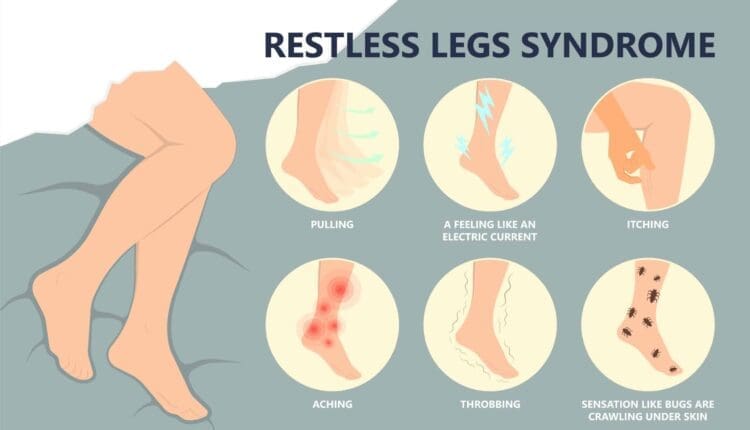
  • It may be accompanied by sensations of tingling, crawling, or pulling in the legs.
  • It can cause sleep disturbances, leading to daytime fatigue.

Type of Movements

Periodic limb movements during sleep (PLMS) consist of sudden jerking movements of the legs that occur involuntarily during sleep, which the affected individual may not realize is happening. It can be kicking, twitching, or extension of the legs.

  • Restless legs syndrome (RLS) symptoms are noted when awake.
  • PLMS occurs during sleep. (Walters A. S., & Rye D. B. 2009)
  • The movements associated often consist of flexion or extension at the ankle.
  • In some cases, this can also occur at the knee.
  • It may occur on one side or alternate back and forth between the left and right sides. (Cleveland Clinic, 2023)
  • It tends to increase with age and often but is not always accompanied by restless leg symptoms.

If PLMS causes daytime impairment, such as significant sleep disruption, excessive daytime sleepiness, and insomnia, it may be diagnosed as periodic limb movement disorder (PLMD). (Sleep Foundation, 2024)

Diagnosis

PLMS is diagnosed through a sleep study (polysomnography), which records brain waves, eye movements, muscle activity, and breathing patterns during sleep. As part of the study, superficial electrodes are placed on the legs and sometimes the arms to detect muscle contractions or movements.

  • In individuals with PLMS, repetitive movements at least four in a row may last from 1/2 second to 5 seconds. 
  • The movements may be more significant if they are associated with arousal or awakenings from sleep.
  • They also may be deemed important if they become disruptive to a bed partner.
  • No further treatment may be necessary when noted in isolation on a sleep study without associated symptoms or impacts.
  • If another disorder cannot explain the movements, PLMS may be the likely diagnosis.
  • Again, if the movements lead to sleep disruption, insomnia, and excessive daytime sleepiness, it is called PLMD.
  • Isolated PLMS noted on a sleep study, without consequence, are insignificant and do not require treatment with medication.

Restless leg syndrome is diagnosed based on clinical criteria of having an uncomfortable feeling in the legs associated with an urge to move that occurs in the evening when lying down and is relieved by movement. (Stefani, A., & Högl, B. 2019)

Treatment

Treatment for PLMS depends on the underlying cause and severity of symptoms. Options include:

  • Medications (e.g., dopamine agonists, iron supplements)
  • Lifestyle changes (e.g., exercise, avoiding caffeine before bed)
  • Treating the underlying medical condition

In general, it is unnecessary to treat PLMS if the individual affected has no complaints of sleep disruption. Treatment can be considered if it causes:

  • Partial or total arousal from sleep
  • Contributes to insomnia
  • Undermines sleep quality
  • Also, if the movements are disruptive to a bed partner, getting them under control may be desirable.

Prescription medications can be effective in treating PLMS. (Cleveland Clinic, 2023) Many of the meds used to treat RLS can be helpful. These may include benzodiazepines (clonazepam), Mirapex (generic name pramipexole), and ropinirole. Movements may also occur with obstructive sleep apnea events, and then the treatment would target the breathing disorder.

Injury Medical Chiropractic and Functional Medicine Clinic

Individuals who struggle with sleep or other sleep disorders that impact their ability to get restful sleep should consult with their healthcare provider about getting an assessment and treatment to restore health. Individuals can recover and regain the benefits of quality rest through healthy sleep practices and lifestyle accommodations. Injury Medical Chiropractic and Functional Medicine Clinic works with primary healthcare providers and specialists to build optimal health and wellness solutions. We focus on what works for you to relieve pain, restore function, prevent injury, and help mitigate issues through adjustments that help the body realign itself. They can also work with other medical professionals to integrate a treatment plan to resolve musculoskeletal problems.


Revitalize and Rebuild with Chiropractic Care


References

Walters, A. S., & Rye, D. B. (2009). Review of the relationship of restless legs syndrome and periodic limb movements in sleep to hypertension, heart disease, and stroke. Sleep, 32(5), 589–597. https://doi.org/10.1093/sleep/32.5.589

Cleveland Clinic. (2023). Periodic limb movement disorder (PLMD). https://my.clevelandclinic.org/health/diseases/14177-periodic-limb-movements-of-sleep-plms

Sleep Foundation. (2024). Periodic Limb Movement Disorder What it is, what it feels like, its possible causes, and how it’s addressed. https://www.sleepfoundation.org/periodic-limb-movement-disorder

Stefani, A., & Högl, B. (2019). Diagnostic Criteria, Differential Diagnosis, and Treatment of Minor Motor Activity and Less Well-Known Movement Disorders of Sleep. Current treatment options in neurology, 21(1), 1. https://doi.org/10.1007/s11940-019-0543-8

Harnessing the Power of the Coconut: Discover its Beneficial Properties

Can coconut be a healthier alternative food option for individuals trying to improve their health and wellness?

The Coconut

Located in the tropical regions around the world, especially in Southeast Asia, the Pacific islands, sunny coastal states in the U.S., and India, the coconut (Cocos nucifera L.) is a monoecious perennial palm that has many uses for people who are looking for alternatives in their dietary needs. Known as the “tree of life,” the coconut has numerous utilities that people can incorporate from food, medicine, and household products. (Beveridge et al., 2022) The outer coconut husk is used in household items, while the coconut fruit is used for food and medicinal purposes, from antibacterial and antioxidant to containing microminerals and nutrients. (DebMandal & Mandal, 2011) This tropical fruit can be used in baked goods, skin products, and food dishes and can help restore the body’s electrolytes. We associate with certified medical providers who inform our patients of the importance of incorporating healthy foods like coconut into a healthy diet. While asking important questions to our associated medical providers, we advise patients to integrate small changes into their daily dietary intake to feel good. Dr. Alex Jimenez, D.C., envisions this information as an academic service. Disclaimer.

Nutritional Facts

With coconut being a versatile fruit, it has many nutritional benefits. It is classified as a medium-chaired saturated fat absorbed by the body differently and can help reduce LDL-Cs (low-density lipoproteins, reduce cardiovascular diseases, and improve cognitive function. (Hewlings, 2020) When it comes to the nutritional facts of eating one piece of coconut is about:

  • 1 piece of coconut: 45g
  • Calories: 159
  • Total Fats: 15g
    • Saturated fat: 13g
  • Cholesterol: 0mg
  • Sodium: 9mg
  • Potassium: 160mg
  • Total Carbohydrate: 7g
    • Dietary fibers: 4.1
    • Sugar: 2.8g
  • Protein: 1.5g

Coconuts are high in saturated fats and medium-chain fatty, so they can cross the blood-brain barrier and be absorbed, transported, and utilized for energy production for the body. They can also provide beneficial properties to the gut microbiome. (Fan et al., 2022) At the same time, if people drink the water from the coconut, its nutritional facts include:

  • 1 cup of coconut water: 240g
  • Calories: 45
  • Total Fats: 0.5g
    • Saturated fat: 0.4g
  • Cholesterol: 0mg
  • Sodium: 252mg
  • Potassium: 600mg
  • Total Carbohydrate: 9g
    • Dietary fiber: 2.6g
    • Sugar: 6g
  • Protein: 1.7g

Food As Medicine- Video


The Health Benefits Of The Coconut

With the coconut tree being “the tree of life,” the fruit has many beneficial properties for health and wellness. For instance, using coconut oil for cooking has many advantages, such as being resistant to oxidation and polymerization due to its high saturated fatty acid content, being consumed at low levels, and reducing cardiovascular diseases. (Schwingshackl & Schlesinger, 2023) At the same time, when people start to use coconut oil for part of their cooking, they will notice that their body weight decreases. (Duarte et al., 2022). Below are other beneficial properties when people start incorporating coconut into their diet.

Replenish Electrolytes

Many people starting to work out or are physically active can utilize coconut water to replace sports drinks to replenish their electrolytes. When a person is exercising and sweating profusely, water and sodium levels are depleted, thus compromising the cardiovascular system’s ability to maintain a person’s exercise performance. (O’Brien et al., 2023) Hence, drinking coconut water can help rehydrate the body and replenish those electrolytes. At the same time, incorporating a bit of citrus fruit can provide extra health benefits and enhance the flavor of coconut water.

Reduces Blood Sugar

Coconuts can also help lower blood sugar levels, and for diabetic individuals, it can help reduce their blood glucose to healthy levels, regulate their carbohydrate metabolism, and improve their antioxidant capacity to reduce any comorbidities associated with diabetes. (Dai et al., 2021) Additionally, many diabetic individuals can substitute regular sugar with coconut sugar as it has a high nutritional value and a low glycemic index that can be beneficial to moderate glucose absorption. (Saraiva et al., 2023)

Adding Coconut To Your Diet

Many people can incorporate coconut into their diet by eating the fruit, drinking the coconut water, and utilizing it for smoothies and baked goods. By adding coconut to a healthy diet, many people can get their healthy fats in moderation, their electrolytes replenished, and enjoy eating clean, healthy foods. Making small changes by incorporating foods that have antioxidants into a healthy diet can help many people eat healthier and have more energy. At the same time, when people incorporate physical activity with their diet, they will begin to notice small positive changes in themselves and their bodies, thus leading happy, healthier lives.


References

Beveridge, F. C., Kalaipandian, S., Yang, C., & Adkins, S. W. (2022). Fruit Biology of Coconut (Cocos nucifera L.). Plants (Basel), 11(23). https://doi.org/10.3390/plants11233293

Dai, Y., Peng, L., Zhang, X., Wu, Q., Yao, J., Xing, Q., Zheng, Y., Huang, X., Chen, S., & Xie, Q. (2021). Effects of coconut water on blood sugar and retina of rats with diabetes. PeerJ, 9, e10667. https://doi.org/10.7717/peerj.10667

DebMandal, M., & Mandal, S. (2011). Coconut (Cocos nucifera L.: Arecaceae): in health promotion and disease prevention. Asian Pac J Trop Med, 4(3), 241-247. https://doi.org/10.1016/S1995-7645(11)60078-3

Duarte, A. C., Spiazzi, B. F., Zingano, C. P., Merello, E. N., Wayerbacher, L. F., Teixeira, P. P., Farenzena, L. P., de Araujo, C., Amazarray, C. R., Colpani, V., & Gerchman, F. (2022). The effects of coconut oil on the cardiometabolic profile: a systematic review and meta-analysis of randomized clinical trials. Lipids Health Dis, 21(1), 83. https://doi.org/10.1186/s12944-022-01685-z

Fan, L., Zhu, X., Sun, S., Yu, C., Huang, X., Ness, R., Dugan, L. L., Shu, L., Seidner, D. L., Murff, H. J., Fodor, A. A., Azcarate-Peril, M. A., Shrubsole, M. J., & Dai, Q. (2022). Ca:Mg ratio, medium-chain fatty acids, and the gut microbiome. Clin Nutr, 41(11), 2490-2499. https://doi.org/10.1016/j.clnu.2022.08.031

Hewlings, S. (2020). Coconuts and Health: Different Chain Lengths of Saturated Fats Require Different Consideration. J Cardiovasc Dev Dis, 7(4). https://doi.org/10.3390/jcdd7040059

O’Brien, B. J., Bell, L. R., Hennessy, D., Denham, J., & Paton, C. D. (2023). Coconut Water: A Sports Drink Alternative? Sports (Basel), 11(9). https://doi.org/10.3390/sports11090183

Saraiva, A., Carrascosa, C., Ramos, F., Raheem, D., Lopes, M., & Raposo, A. (2023). Coconut Sugar: Chemical Analysis and Nutritional Profile; Health Impacts; Safety and Quality Control; Food Industry Applications. Int J Environ Res Public Health, 20(4). https://doi.org/10.3390/ijerph20043671

Schwingshackl, L., & Schlesinger, S. (2023). Coconut Oil and Cardiovascular Disease Risk. Curr Atheroscler Rep, 25(5), 231-236. https://doi.org/10.1007/s11883-023-01098-y

Disclaimer

Detecting Alcoholic Peripheral Neuropathy: Signs and Testing

Excessive alcohol consumption: what is alcoholic peripheral neuropathy?

Alcoholic Peripheral Neuropathy

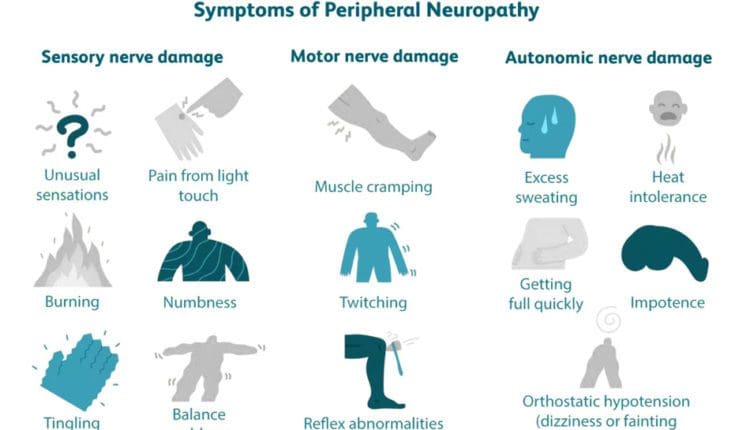
Alcoholic peripheral neuropathy (ALN) is a condition that damages the nerves in the body due to chronic alcohol consumption. It can cause sensory, motor, and autonomic dysfunction, which can lead to disability. This damage prevents the nerves from communicating information. Most symptoms generally start as mild but typically worsen over time as the neuropathy progresses. The most common symptoms are: (National Library of Medicine, 2023)

  • Numbness or tingling sensation in the extremities
  • Pain or a burning sensation in the extremities
  • Difficulty walking
  • Difficulty urinating
  • Difficulty talking or swallowing

 Affected nerves include the peripheral and autonomic nerves, which help regulate internal body functions. Around 46% of chronic alcohol users will eventually develop the condition. (Julian T., Glascow N., Syeed R., & Zis P. 2019)

Causes

The exact cause of alcoholic neuropathy is unclear. But it is directly related to heavy and long-term alcohol consumption. (Julian T., Glascow N., Syeed R., & Zis P. 2019) It is believed overconsumption of alcohol can directly harm and hinder the nerves’ ability to communicate information. Unhealthy nutritional habits are often associated with it as well. Research shows that decreased thiamine/B vitamin plays a role, while others suggest an overall dietary deficiency may play a role. (Julian T., Glascow N., Syeed R., & Zis P. 2019) However, alcoholic neuropathy can also occur without the presence of malnutrition. (Julian T., Glascow N., Syeed R., & Zis P. 2019)

Neuropathy Development and Progression

Alcoholic neuropathy develops depending on many factors, including the amount of daily/nightly alcohol consumed, age and overall health, nutritional intake, and other individual factors. In most cases, the neuropathy takes several years or decades to develop, depending on the amount of alcohol consumed.

Symptoms

Symptoms are usually related to nerve dysfunction and include: (National Library of Medicine, 2023)

  • A tingling or pins-and-needles sensation in the extremities.
  • Numbness of the extremities, most commonly in the legs or feet. (Julian T., Glascow N., Syeed R., & Zis P. 2019)
  • Pain or burning sensation in the arms, legs, or feet.
  • Symptoms that occur in the arms and legs typically affect both sides.
  • Cramps, aches, or weakness of the muscles.
  • Constipation or diarrhea.
  • Nausea and vomiting.
  • Difficulty urinating or incontinence.
  • Difficulty walking.
  • Difficulty talking or swallowing.
  • Heat intolerance.
  • Erection difficulties.

Most symptoms begin as mild and usually worsen over time as the neuropathy progresses. Alcoholic neuropathy affects individuals who consume excessive amounts of alcohol over a long time. (Julian T., Glascow N., Syeed R., & Zis P. 2019)

Diagnosis

Symptoms can vary significantly so that a diagnosis may take time. It usually involves a combination of the following (National Institute of Neurological Disorders and Stroke, 2024)

Medical History

  • Healthcare providers will collect data involving past medical history and all current symptoms.

Physical Exam

  • This exam looks at other medical conditions contributing to symptoms, like diabetes or high blood pressure.

Neurological Exam

  • This is a noninvasive exam to determine the location and extent of neurological damage.
  • Healthcare providers may ask patients several questions and have them complete a series of small movements to check neurological function.

Blood and Urine Tests

  • These tests can detect diabetes, liver and kidney problems, infections, vitamin deficiencies, and other conditions that can cause neuropathic conditions.

Chronic alcohol use can also affect how the body stores and uses vitamins necessary for healthy nerve function. Vitamin levels that a healthcare provider may check include: (National Library of Medicine, 2023)

  • Vitamin A
  • Biotin
  • Folic acid
  • Niacin, or vitamin B3
  • Pyridoxine, or vitamin B6
  • Pantothenic acid

Liver Disease

Individuals with chronic liver disease often have neuropathy. The severity and stage are associated with a higher incidence of neuropathy. (Pasha MB, Ather MM, Tanveer MA, et al. 2019)

Treatment

Alcoholic neuropathy is not reversible, even when quitting drinking. However, individuals with the condition can make healthy changes to minimize symptoms and receive help for chronic alcohol use. The first step is stopping alcohol consumption. (Chopra K., & Tiwari V. 2012) Talk to a healthcare provider about what options are available. Treatment can include:

  • In-patient or outpatient rehab
  • Therapy
  • Medication
  • Social support from groups like Alcoholics Anonymous

A combination of treatments will likely be utilized. Other treatment options involve symptom management and preventing further injuries and may include:

  • Physical therapy
  • Keeping the head elevated while sleeping.
  • Orthopedic splints to maintain limb function and positioning.
  • Wearing compression stockings.
  • Adding vitamins and supplements.
  • Eating extra salt for those without hypertension
  • Medications to reduce pain and discomfort.
  • Intermittent catheterization or manual expression of urine for those with difficulty urinating.

Individuals with neuropathy may have reduced sensitivity in the arms and legs. If this occurs, additional steps need to be taken to prevent other injuries, that include (National Library of Medicine, 2023)

  • Wear special footwear to prevent foot injuries.
  • Checking feet daily for wounds.
  • Prevent burns by ensuring that bath and shower water is not too hot.

Injury Medical Chiropractic and Functional Medicine Clinic

Injury Medical Chiropractic and Functional Medicine Clinic works with primary healthcare providers and specialists to build optimal health and wellness solutions. We focus on what works for you to relieve pain, restore function, prevent injury, and help mitigate issues through adjustments that help the body realign itself. They can also work with other medical professionals to integrate a treatment plan to resolve musculoskeletal problems.


Peripheral Neuropathy Myths and Facts


References

National Library of Medicine. (2023). Alcoholic neuropathy. Retrieved from https://medlineplus.gov/ency/article/000714.htm

Julian, T., Glascow, N., Syeed, R., & Zis, P. (2019). Alcohol-related peripheral neuropathy: a systematic review and meta-analysis. Journal of Neurology, 266(12), 2907–2919. https://doi.org/10.1007/s00415-018-9123-1

National Institute of Neurological Disorders and Stroke. (2024). Peripheral neuropathy. Retrieved from https://www.ninds.nih.gov/health-information/disorders/peripheral-neuropathy

Pasha MB, A. M., Tanveer MA, et al. (2019). Frequency of peripheral neuropathy in chronic liver disease. Med Forum Monthly, 30(8), 23-26. https://medicalforummonthly.com/index.php/mfm/article/view/3761

Chopra, K., & Tiwari, V. (2012). Alcoholic neuropathy: possible mechanisms and future treatment possibilities. British journal of clinical pharmacology, 73(3), 348–362. https://doi.org/10.1111/j.1365-2125.2011.04111.x

Smart Snacking: Enhance Your Workout with Nutritional Snacks

Can individuals incorporate nutritional snacks to consume before and after to have an effective workout and abundant energy?

How Can Exercise Help The Body?

When many people start thinking about their health and how to improve it, they usually begin exercising and eating healthier around the last week before the new year to jumpstart their health and wellness journey. These small changes can help the body tremendously as environmental factors like stress, physical inactivity, and various lifestyles can negatively impact the body, thus leading to stress and environmental factors. For individuals dealing with musculoskeletal disorders or autoimmune disorders, exercises and a healthy diet filled with nutritional foods can help mitigate pain-like symptoms and overlapping risk profiles. For individuals with low back pain, core stabilization exercises can help reduce pain and disability while improving core muscle activation to strengthen weak muscles. (Nayyab et al., 2021) As a non-surgical therapy, everyone can exercise for the body, which can help many people reduce any chronic diseases and issues they are dealing with. (Vina et al., 2012) At the same time, a person can exercise at any fitness level by incorporating the right amount of healthy snacks before and after a good workout. We associate with certified medical providers who inform our patients of the importance of having healthy snacks before and after working out to replenish the body and have energy throughout the day. While asking important questions to our associated medical providers, we advise patients to integrate small changes into their daily routine to restore energy through healthy snacking. Dr. Alex Jimenez, D.C., envisions this information as an academic service. Disclaimer.


Secrets of Optimal Wellness- Video


Pre- & Post Workout Benefits

When starting to work out, it is important to ensure that the body is properly fueled with the proper carbohydrates, proteins, and healthy fats that can be converted into energy to perform any exercise routines at full capacity. For athletic individuals, nutrition is closely connected with physical activity and the timing of when the body uses that energy. (Januszko & Lange, 2021) Hence, it is important for individuals starting to work out to consume enough energy through nutritional foods in a pre-workout environment.  Pre-workout supplementation can help significantly improve greater changes in body composition and strength. (Cabre et al., 2022) Pre-workouts have benefited from increasing energy, enhancing strength and endurance, and reducing muscle fatigue through supplementation and healthy snacks that give people energy. Post-workouts can help with muscle recovery, and post-workout snacks can help maintain the body’s energy levels throughout the day.

Pre-Workout Snacks

Many dietary supplements for pre-workouts can help with health and performance improvement as they help increase muscle mass and strength while providing energy when exercising. (Brisebois et al., 2022) At the same time, incorporating carbohydrates can provide glycogen energy stored in the liver to provide muscle energy. (Henselmans et al., 2022) It is important to note that eating an hour before working out can give beneficial results. Some of the snacks many people can make and eat before working out include:

  • Chocolate milk with banana
  • Frozen grapes
  • Granola bar
  • Pretzels

Post Workout Snacks

It is important to restore and maintain that energy in the body when it comes to post-workout snacks after an intense workout. Many athletic and non-athletic individuals can incorporate nutritional carbohydrates and proteins to improve their physiological and biochemical adaptations to promote faster recovery and maintain the body’s hydration status. (Baroni et al., 2023) For instance, coconut water can be an alternative to sports drinks to replenish the body’s electrolytes. (O’Brien et al., 2023) Some of the post-workout snacks that are packed with protein and healthy carbs include:

  • Smoothies made with fruits, Greek yogurt, and protein powders
  • Chocolate milk with almonds
  • Crackers with string cheese
  • Cottage cheese

References

Baroni, L., Pelosi, E., Giampieri, F., & Battino, M. (2023). The VegPlate for Sports: A Plant-Based Food Guide for Athletes. Nutrients, 15(7). https://doi.org/10.3390/nu15071746

Brisebois, M., Kramer, S., Lindsay, K. G., Wu, C. T., & Kamla, J. (2022). Dietary practices and supplement use among CrossFit(R) participants. J Int Soc Sports Nutr, 19(1), 316-335. https://doi.org/10.1080/15502783.2022.2086016

Cabre, H. E., Gordon, A. N., Patterson, N. D., & Smith-Ryan, A. E. (2022). Evaluation of pre-workout and recovery formulations on body composition and performance after a 6-week high-intensity training program. Front Nutr, 9, 1016310. https://doi.org/10.3389/fnut.2022.1016310

Henselmans, M., Bjornsen, T., Hedderman, R., & Varvik, F. T. (2022). The Effect of Carbohydrate Intake on Strength and Resistance Training Performance: A Systematic Review. Nutrients, 14(4). https://doi.org/10.3390/nu14040856

Januszko, P., & Lange, E. (2021). Nutrition, supplementation and weight reduction in combat sports: a review. AIMS Public Health, 8(3), 485-498. https://doi.org/10.3934/publichealth.2021038

Nayyab, I., Ghous, M., Shakil Ur Rehman, S., & Yaqoob, I. (2021). The effects of an exercise programme for core muscle strengthening in patients with low back pain after Caesarian-section: A single blind randomized controlled trial. J Pak Med Assoc, 71(5), 1319-1325. https://doi.org/10.47391/JPMA.596

O’Brien, B. J., Bell, L. R., Hennessy, D., Denham, J., & Paton, C. D. (2023). Coconut Water: A Sports Drink Alternative? Sports (Basel), 11(9). https://doi.org/10.3390/sports11090183

Vina, J., Sanchis-Gomar, F., Martinez-Bello, V., & Gomez-Cabrera, M. C. (2012). Exercise acts as a drug; the pharmacological benefits of exercise. Br J Pharmacol, 167(1), 1-12. https://doi.org/10.1111/j.1476-5381.2012.01970.x

Disclaimer

Managing Myofascial Pain Syndrome: Breaking the Spasm Cycle

For individuals who have to be in one position for long periods, have poor postural alignment, and perform repetitive motions, what are myofascial pain syndrome spasm cycles?

Myofascial Pain Syndrome Spasm Cycles

Myofascial pain syndrome is a common condition that causes pain symptoms in a particular body area (Jafri M. S. 2014). A myofascial pain syndrome spasm cycle is a recurring pattern in which muscle tension and spasms in affected regions, caused by myofascial pain syndrome, lead to pain, triggering more muscle spasms. This creates a vicious cycle of discomfort and tightness that can be difficult to break without treatment; the pain perpetuates muscle spasms and vice versa.

Spasm Pain Cycle

Left untreated, myofascial pain is often experienced as a recurring cycle of spasm, pain, and spasm. (Kojidi M. M. et al., O2016) The exact cause of the spasm is not known. It may be related to excessive accumulation and release of acetylcholine, which causes sustained muscle contraction. (Nicol A, Crooks M, Hsu E, Ferrante M. 2018) Another theory is that repetitive small muscle trauma helps create a trigger point or knot in the muscle. (Thorne. 2021)

Active trigger points in muscles characterize myofascial pain syndrome. (Shah J. P. et al., 2015) These trigger points cause pain in the area where they are located and sometimes in other places, known as referred pain. Each muscle has a particular referral pattern of pain that goes from a trigger point in that muscle to another place in the body. (Shah J. P. et al., 2015) Medical providers and massage therapists trained in this area can identify trigger points by their pain patterns. With myofascial pain syndrome, muscles tense, and joint range of motion may decrease. (Jafri M. S. 2014)

Trigger Points

  • Myofascial pain syndrome is characterized by trigger points and sensitive knots within muscles that can cause referred pain when pressed, contributing to the spasm cycle.

Muscle Tension

  • A repeatedly tense or injured muscle can develop trigger points, which can lead tocle tightness and potential spasms.

Pain-Spasm-Pain Cycle

  • The pain from a trigger point can cause the muscle to further contract and spasm, leading to even more pain and perpetuating the cycle.

How Spasms and Pain Present

Myofascial pain is often caused by long periods of poor postural alignment, muscle injury, and repetitive motions. (Cleveland Clinic, 2023) For example, the upper body slumps forward when sitting at a desk workstation all day. The upper section of the trapezius muscle is located on the back of the neck and top of the shoulder. The upper trapezius muscle works to raise the head. (Yoo W. G. 2015) The trapezius muscle now has to work more than it is used to. This overuse may cause microscopic muscle injury, leading to muscle spasms and pain. (Bron C., & Dommerholt J. D. 2012) (Nicol A, Crooks M, Hsu E, Ferrante M. 2018) Without treatment, the muscle spasms, pain, and microscopic muscle injury may persist or worsen, leading to trigger points and chronic pain. (Jafri M. S. 2014)

Causes

Repetitive Motions

  • Repeating the same movement, like typing on a computer, can trigger muscle tension and points.

Poor Posture

  • Maintaining incorrect posture for extended periods can strain muscles and contribute to trigger point development.

Muscle Injury

  • Past injuries can leave muscles susceptible to developing trigger points and pain cycles.

Stress

  • Psychological stress can lead to muscle tension and exacerbate existing trigger points.

Break the Cycle

Physical Therapy

  • A physical therapist can use stretching, massage, and trigger point therapy to release muscle tension and address trigger points.

Exercise

  • Regular exercise, including gentle stretching, can help improve muscle flexibility and reduce tension.

Heat Therapy

  • Applying heat to affected areas can help relax muscles and alleviate pain.

Ergonomics

  • Modifying work habits and posture to reduce strain on muscles.

Stress Management

  • Techniques like deep breathing and meditation can help reduce stress-related muscle tension.

Injury Medical Chiropractic and Functional Medicine Clinic

Injury Medical Chiropractic and Functional Medicine Clinic works with primary healthcare providers and specialists to build optimal health and wellness solutions. We focus on what works for you to relieve pain, restore function, prevent injury, and help mitigate issues through adjustments that help the body realign itself. They can also work with other medical professionals to integrate a treatment plan to resolve musculoskeletal problems.


Personal Injury Rehabilitation


References

Jafri M. S. (2014). Mechanisms of Myofascial Pain. International scholarly research notices, 2014, 523924. https://doi.org/10.1155/2014/523924

Kojidi, M. M., Okhovatian, F., Rahimi, A., Baghban, A. A., & Azimi, H. (2016). Comparison Between the Effects of Passive and Active Soft Tissue Therapies on Latent Trigger Points of Upper Trapezius Muscle in Women: Single-Blind, Randomized Clinical Trial. Journal of Chiropractic Medicine, 15(4), 235–242. https://doi.org/10.1016/j.jcm.2016.08.010

Nicol A, C. M., Hsu E, Ferrante M. (2018). Myofascial Pain Syndrome. Science Direct, 207-212. https://doi.org/https://doi.org/10.1016/B978-0-323-40196-8.00025-5

THORNE. (2021). Understanding Muscle Pain, Fascia, and Myofascial Release. https://www.thorne.com/take-5-daily/article/understand-muscle-pain-fascia-and-myofascial-release?srsltid=AfmBOop3Pp0wWEeiQEqpfPgAaTOpLvU7lOAGUv5VRYQdoH8OBcW4D_wk

Shah, J. P., Thaker, N., Heimur, J., Aredo, J. V., Sikdar, S., & Gerber, L. (2015). Myofascial Trigger Points Then and Now: A Historical and Scientific Perspective. PM & R: the journal of injury, function, and rehabilitation, 7(7), 746–761. https://doi.org/10.1016/j.pmrj.2015.01.024

Cleveland Clinic. (2023). Chronic myofascial pain (CMP). https://my.clevelandclinic.org/health/diseases/12054-myofascial-pain-syndrome

Yoo W. G. (2015). Comparison of activation and change in the upper trapezius muscle during painful and non-painful computer work. Journal of Physical Therapy Science, 27(10), 3283–3284. https://doi.org/10.1589/jpts.27.3283

Bron, C., & Dommerholt, J. D. (2012). Etiology of myofascial trigger points. Current pain and headache reports, 16(5), 439–444. https://doi.org/10.1007/s11916-012-0289-4

Relief from Thigh Pain Associated with Sciatica: Proven Methods

Can individuals dealing with sciatica incorporate nonsurgical treatments to reduce thigh pain and restore mobility in the legs and hips?

The Tensor Fascia Latae

Do you feel stiffness or tightness in your legs, feet, and hips? Have you experienced walking crookedly when running errands? Or have you experienced radiating pain from your gluteal region down to your feet? The hips, thighs, and legs have numerous muscles, tissues, and ligaments surrounding the skeletal bone in the body’s lower extremities. These components allow the lower half of the body to stabilize the upper body’s weight and enable the individual to be mobile throughout the day. One muscle that works together is the tensor fasciae latae (TFL) muscle. The TFL muscle is part of the proximal anterolateral thigh between the deep fibers of the iliotibial (IT) band. It works with the gluteal muscles in various hip movements and assists with the knees. (Trammell et al., 2025) This muscle is poorly misunderstood as it helps with the hips and knee joint and pelvic stability. (Iyengar et al., 2022) At the same time, it has a casual relationship with the IT band.

The Iliotibial Band (ITB)

The iliotibial (IT) band is part of the lower extremities as it is a tough, fibrous fascial tissue that works together with the TFL muscle and has various functional roles that are dependent on posture and allows the individual to be mobile via walking, sprinting, and running. (Hutchinson et al., 2022) However, this muscle’s main function is knee flexion. When environmental factors affect the body, it can cause irritation and inflammation to the IT band, causing knee pain. (Martinez-Velez et al., 2020) When dealing with issues within their lower extremities, they affect the IT band, TFL muscle, and the thighs. Environmental factors can also affect the lower extremities as the surrounding muscles can aggravate the nerve roots, thus leading to sciatica pain. We associate with certified medical providers who inform our patients of how sciatica can negatively impact the lower extremities, especially the thighs. While asking important questions to our associated medical providers, we advise patients to integrate various non-invasive treatments to reduce sciatica and help regain mobility back to the lower body. Dr. Alex Jimenez, D.C., envisions this information as an academic service. Disclaimer.


Reclaim Your Mobility: Chiropractic Care For Sciatica Recovery-Video


Sciatica & Thigh Pain

When the general population hears about sciatica, it is a frequent diagnosis associated with low back pain, which causes discomfort within the lower extremities, especially in the thighs. Sciatica is a debilitating condition where the sciatic nerve is often compressed and irritated, causing pain. (Davis et al., 2025) Many influences cause sciatica to develop, and it can cause the individual to deal with a spinal imbalance, which correlates with walking incorrectly, causing the accessory muscles to work overtime and compressing the sciatic nerve, causing thigh pain. (Wang et al., 2022) With thigh pain correlating with sciatica, many symptoms can range from muscle weakness, absence of tendon reflexes to the knees, and sensory deficit. (Fairag et al., 2022) Luckily, treatments are available to reduce thigh pain associated with sciatica and regain mobility back to the lower extremities.

Treatments For Sciatica-Thigh Pain

When treating the lower extremities, especially when experiencing sciatica-thigh pain, many individuals with thigh pain associated with sciatica can incorporate non-invasive treatments to reduce the pain. Many athletic and non-athletic individuals can utilize PRICE (protection, rest, ice, compression, and elevation) to the affected muscles that can minimize the injuries causing pain. (Lempainen et al., 2022) This can help reduce the inflammatory effects causing issues to the thighs and lower extremities. Many non-surgical treatments like physio-exercise therapy, massages, stretching, and spinal stabilization therapies can improve core strength and posture and help with range of motion to relieve sciatica pain affecting the lower extremities. (Aguilar-Shea et al., 2022) Other non-surgical treatments like yoga, physical therapy, and chiropractic care can help improve joint and lower extremity motions, stretch and strengthen weak muscles surrounding the thighs, and relieve sciatic nerve pain. (Kim & Yim, 2020) When people start thinking about their bodies and how pain is affecting their quality of life, many can incorporate non-surgical treatments to reduce the pain associated with sciatica. Many people can make small positive changes in their routine by becoming more physically active, stretching more, eating healthier, and being more mindful of what they are doing, which can reduce the chances of sciatica returning and affecting the lower extremities. This can help them achieve a healthier, better life.


References

Aguilar-Shea, A. L., Gallardo-Mayo, C., Sanz-Gonzalez, R., & Paredes, I. (2022). Sciatica. Management for family physicians. J Family Med Prim Care, 11(8), 4174-4179. https://doi.org/10.4103/jfmpc.jfmpc_1061_21

Davis, D., Maini, K., Taqi, M., & Vasudevan, A. (2025). Sciatica. In StatPearls. https://www.ncbi.nlm.nih.gov/pubmed/29939685

Fairag, M., Kurdi, R., Alkathiry, A., Alghamdi, N., Alshehri, R., Alturkistany, F. O., Almutairi, A., Mansory, M., Alhamed, M., Alzahrani, A., & Alhazmi, A. (2022). Risk Factors, Prevention, and Primary and Secondary Management of Sciatica: An Updated Overview. Cureus, 14(11), e31405. https://doi.org/10.7759/cureus.31405

Hutchinson, L. A., Lichtwark, G. A., Willy, R. W., & Kelly, L. A. (2022). The Iliotibial Band: A Complex Structure with Versatile Functions. Sports Med, 52(5), 995-1008. https://doi.org/10.1007/s40279-021-01634-3

Iyengar, K. P., Azzopardi, C., Kiernan, G., & Botchu, R. (2022). Isolated pathologies of Tensor Fasciae Latae: Retrospective cohort analysis from a tertiary referral centre. J Clin Orthop Trauma, 29, 101870. https://doi.org/10.1016/j.jcot.2022.101870

Kim, B., & Yim, J. (2020). Core Stability and Hip Exercises Improve Physical Function and Activity in Patients with Non-Specific Low Back Pain: A Randomized Controlled Trial. Tohoku J Exp Med, 251(3), 193-206. https://doi.org/10.1620/tjem.251.193

Lempainen, L., Mecho, S., Valle, X., Mazzoni, S., Villalon, J., Freschi, M., Stefanini, L., Garcia-Romero-Perez, A., Burova, M., Pleshkov, P., Pruna, R., Pasta, G., & Kosola, J. (2022). Management of anterior thigh injuries in soccer players: practical guide. BMC Sports Sci Med Rehabil, 14(1), 41. https://doi.org/10.1186/s13102-022-00428-y

Martinez-Velez, A., Suwan, P., & Dua, A. (2020). Iliotibial band syndrome in non-athletes. Minerva Anestesiol, 86(10), 1111-1112. https://doi.org/10.23736/S0375-9393.20.14194-4

Trammell, A. P., Nahian, A., & Pilson, H. (2025). Anatomy, Bony Pelvis and Lower Limb: Tensor Fasciae Latae Muscle. In StatPearls. https://www.ncbi.nlm.nih.gov/pubmed/29763045

Wang, L., Li, C., Wang, L., Qi, L., & Liu, X. (2022). Sciatica-Related Spinal Imbalance in Lumbar Disc Herniation Patients: Radiological Characteristics and Recovery Following Endoscopic Discectomy. J Pain Res, 15, 13-22. https://doi.org/10.2147/JPR.S341317

Disclaimer