Give us a Call
+1 (915) 412-6680
Send us a Message
[email protected]
Opening Hours
Mon-Thu: 7 AM - 7 PM
Fri - Sun: Closed
A Smarter Path to Hormonal Health and Vitality

A Smarter Path to Hormonal Health and Vitality

A Smarter Path to Hormonal Health and Vitality
Health: doctor visit with patient, medical exam, hospital visit, and conversation about bioidentical hormone replacement therapy.

Abstract

Welcome. As a clinician with a diverse background in chiropractic, advanced practice nursing, and functional medicine, I am deeply committed to an integrative, evidence-based approach to health. This educational post will guide you through the intricate and often misunderstood world of hormones, debunking long-held myths and presenting a modern, holistic paradigm for wellness. We will critically re-examine the flawed Women’s Health Initiative (WHI) study, exposing how the use of synthetic hormones and improper delivery systems created a legacy of fear. We will explore the profound differences between bioidentical progesterone and synthetic progestins and present compelling data that vindicates estrogen, revealing its protective role against breast cancer. This journey will also dismantle myths surrounding testosterone, clarifying its crucial role in both men and women for cognitive function, mental health, cardiovascular wellness, and pain management. We will explore the physiological underpinnings of bone health, contrasting outdated bisphosphonate therapies with a superior, hormone-centric approach. Throughout this discussion, I will integrate the principles of integrative chiropractic care, demonstrating how restoring structural and neurological integrity is foundational to achieving optimal hormonal balance and preventing the chronic diseases of aging. My goal is to empower you with knowledge, moving from fear and misinformation to clarity and confidence in your health decisions.


Unraveling the Women’s Health Initiative: A Critical Re-Examination

Let’s begin by asking a fundamental question: Why are you here, reading this today? Perhaps it’s because the conventional health approaches you’ve encountered haven’t provided the answers or the well-being you’re seeking. This is a common story in my practice. People feel unwell, unheard, and confused by conflicting information, especially when it comes to hormones.

My journey and yours often start with a desire to understand the “why.” This is particularly true when we look at the history of hormone replacement therapy (HRT). Let’s travel back to the pivotal Women’s Health Initiative (WHI) study, a trial whose initial results, reported in 2002, radically altered our perception of hormones and left a legacy of fear that persists to this day.

But what if the study’s foundation was flawed from the start? Let’s consider a hypothetical. What if the WHI had used 17-beta estradiol delivered via a non-oral route, like a patch, instead of oral conjugated equine estrogens (Premarin)? And what if they had used bioidentical progesterone instead of a synthetic progestin like medroxyprogesterone acetate (Provera)?

The Critical Importance of Delivery Systems and Molecular Structure

To understand why this distinction is so crucial, we must look at our physiology. When you take a hormone in an oral pill form, it undergoes first-pass metabolism in the liver.

  • Portal Circulation: Blood from your intestines goes directly to the liver through the portal vein.
  • Liver Metabolism: The liver works hard to process this concentrated dose of the oral hormone. In response, it produces other substances, including an increased amount of clotting factors.
  • Increased Clotting Risk: This is precisely why oral estrogen, found in medications like birth control pills and Premarin, is associated with an elevated risk of blood clots.

One of the most important benefits of estrogen is its cardioprotective effect. However, administering it orally simultaneously increases clotting factors, effectively canceling that benefit, since most heart attacks and strokes involve clot formation. The WHI concluded that estrogen didn’t help, but the reality is that they were using the wrong molecule (conjugated equine estrogens) and the wrong delivery system (oral). Had the study used 17-beta estradiol—the exact molecule our bodies are designed to use—and administered it transdermally, bypassing intensive liver metabolism, the outcomes would have been dramatically different.

Now, let’s look at progesterone. Has natural, bioidentical progesterone ever been shown to increase the risk of breast cancer in any credible study? The answer is a resounding no. The WHI used a synthetic progestin, Provera. We wouldn’t be having this conversation today if we had used the correct hormone molecules and delivery systems. The standard of care would be clear: as soon as a woman enters menopause, she should begin estrogen and progesterone therapy for the long-term health of her heart, bones, and brain.

The Lasting Impact and Ultimate Vindication of Estrogen

I was in private practice when the 2002 WHI results were published in the Journal of the American Medical Association (JAMA) and splashed across the cover of TIME magazine. Fear sells. The report, titled “The Truth About Hormones,” scared millions of women. I had to hire an additional staff member just to field panicked calls from patients wanting to stop their hormones.

In my clinical practice at our Chiropractic & Functional Medicine Clinic, I see the downstream effects every day. How many women today are suffering from cognitive decline, osteoporosis, and heart disease that could have been mitigated? Depriving an entire generation of women of protective estrogen has had devastating consequences.

The story gets even more compelling over time. Follow-up reports on the same WHI cohort have been nothing short of vindicating for estrogen.

  • An 18-year follow-up published in JAMA stated, “Estrogen plus progestin was not associated with increased all-cause, cardiovascular, or cancer mortality…” (Manson et al., 2017). Essentially, the researchers were saying, “Never mind.”
  • A 2020 study, also in JAMA, delivered a bombshell. Women in the estrogen-only arm for about seven years had a lower incidence of breast cancer and were less likely to die from breast cancer over their lifetimes (Chlebowski et al., 2020).

Let that sink in. Estrogen is the only medicine in history shown in a prospective, randomized, placebo-controlled, long-term trial to reduce the chance of both getting breast cancer and dying from it. And this result was with Premarin, a “dirty” estrogen. Imagine the protective power of bioidentical 17-beta estradiol.

Understanding Progesterone vs. Progestins: A Critical Distinction

It is critically important to distinguish between progesterone and progestins. They are not the same, and this confusion is at the heart of much of the misinformation surrounding HRT.

  • Progesterone (P4): This is the natural, bioidentical hormone our bodies produce. It has a specific, beneficial molecular structure.
  • Progestins: These are synthetic compounds designed to mimic some of the effects of progesterone. Examples include medroxyprogesterone acetate and norethindrone acetate. They have different molecular structures and vastly different metabolic effects.

When I see a new study claiming “hormone replacement therapy” causes a health issue, the first thing I do is look at the abstract to identify the molecules used. Invariably, the culprit is a synthetic progestin.

Progesterone’s role is often tragically minimized, especially in women who have had a hysterectomy. The conventional thinking, “No uterus, no need for progesterone,” is a fundamentally flawed and harmful perspective. It ignores the progesterone receptors in the brain, bones, and cardiovascular system. In my clinical practice, every menopausal patient is on progesterone at some point. If a woman presents with insomnia, I frequently initiate treatment with progesterone, as it is unequivocally the most effective remedy for insomnia in menopausal women.

A crucial point of caution: progesterone cream is not sufficient for uterine protection. Progesterone is a large molecule that does not absorb well through the skin to achieve adequate systemic blood levels. If a uterus is present, progesterone must be delivered systemically—orally, sublingually, or as a vaginal suppository—to ensure the uterine lining is protected from the proliferative effects of unopposed estrogen (Hargrove et al., 1989).

The Menstrual Cycle: A Symphony of Hormones

To appreciate the role of hormones, we must understand their natural rhythm. The menstrual cycle is a beautiful, synergistic dance, not a battle for dominance.

  1. Follicular Phase (First Half): As a dominant follicle grows, it produces estrogen, which causes the uterine lining (endometrium) to thicken.
  2. Luteal Phase (Second Half): After ovulation, the corpus luteum produces progesterone. Progesterone’s role is to stabilize the endometrium, halting estrogen-driven proliferation and preparing the tissue for implantation.
  3. Menstruation: If implantation does not occur, the drop in progesterone triggers the shedding of the uterine lining.

It’s a mistake to say that progesterone “opposes” estrogen. They work synergistically as a team. Studying a hormone in isolation will never provide a complete understanding of its effects.

Testosterone: A Human Hormone Essential for All

One of the most persistent myths is that testosterone is exclusively a male hormone. Let’s set the record straight: testosterone is a human hormone.

  • A woman produces more testosterone over her lifetime than she does estrogen.
  • The androgen receptor is located on the X chromosome, which every individual possesses.
  • Ignoring testosterone deficiency in women, especially after a hysterectomy with ovary removal, is a grave oversight. We are taking out three essential hormones (estrogen, progesterone, and testosterone) and often replacing only one poorly.

In my practice, optimizing testosterone is crucial. It’s a key factor in managing the number one symptom of menopause: pain. Joint, bone, and muscle pain are the body’s first signals of a critical hormonal deficit.

Debunking the Myth: Testosterone and Prostate Cancer

For decades, physicians have feared that testosterone therapy is like “adding fuel to the fire” of prostate cancer. Dr. Abraham Morgentaler of Harvard traced this myth to a single, 100-year-old study of only two men. His career has been dedicated to dismantling this myth with rigorous science.

His research showed that low testosterone, not replacement therapy, is an independent risk factor for developing prostate cancer. This led to the Prostate Saturation Model. Dr. Morgentaler found that prostate androgen receptors become fully saturated at a testosterone level of around 200 ng/dL. This means that for a man with a baseline level of 350 ng/dL, optimizing his level to 950 ng/dL adds zero additional testosterone to his prostate. The receptors are already full.

The current consensus is that if a man has been successfully treated for prostate cancer and shows no evidence of recurrence, testosterone therapy can and should be initiated immediately to restore his quality of life.

Beyond “Normal”: The Power of Hormone Optimization

One of the most profound shifts in modern functional medicine is the move from the “normal range” to the “optimal range.” A lab’s reference range is just a statistical average; it says nothing about what is healthy.

A study on dementia found that men with testosterone levels in the lowest quintile had an 80% higher risk of developing dementia than men in the highest quintile (Yeap et al., 2021). A man with a “low normal” level of 325 ng/dL has a significantly higher risk than a man at an optimal 850 ng/dL. There is only suboptimal and optimal.

My goal is to restore a patient’s hormone levels to the upper quartile of the range for a young, healthy adult—a level that is protective against disease and promotes vitality.

The Receptor Model of Cancer and the Protective Role of Hormones

To understand why old fears were misplaced, we must look at the cellular level. The Receptor Model for Cancer explains that hormones exert their effects by binding to specific receptors. The problem arises with synthetic molecules like progestins, which can block protective receptor pathways, effectively removing the brakes on cell growth.

This is what happened in the WHI. The synthetic progestin blocked protective pathways, leading to an observed increase in breast cancer. It wasn’t the estrogen; it was the progestin.

In stark contrast, compelling evidence shows that testosterone has anti-inflammatory and anti-proliferative (anti-cancer) effects in breast tissue. Dr. Rebecca Glaser, a breast cancer surgeon, has published extensively on this.

  • A massive Nurses’ Health Study followed nearly 30,000 nurses for 24 years. It found that women who had their ovaries removed (inducing surgical menopause) had a significantly higher risk of all-cause mortality, heart disease, and lung cancer compared to those who conserved their ovaries (Parker et al., 2013). Our natural hormones provide powerful, lifelong protection.

Rethinking Osteoporosis: Hormones for Bone Health

The conventional approach to osteoporosis, using drugs like bisphosphonates, is deeply flawed. These drugs work by blocking osteoclasts, the cells that break down old bone. This is like paving over a road full of potholes without clearing out the crumbling asphalt. You accumulate old, weak, brittle bone that may look denser on a scan but is not structurally sound.

The true key is promoting healthy bone remodeling, and hormones are the master regulators. A landmark study showed that patients on hormone pellet therapy experienced an average 8.3% increase in bone density per year. This vastly outperforms bisphosphonates (1-2% annual increase). By restoring hormonal levels of estrogen and testosterone, we effectively turn back the clock on skeletal health.

Testosterone and the Heart: A Cardiologist’s Best Friend

One of the most dangerous myths is that testosterone is bad for the heart. This scare originated from a thoroughly debunked 2016 VA study that used a flawed high-risk population and manipulated data to reverse its own raw findings.

The scientific reality is that low testosterone is an independent risk factor for cardiovascular disease. Optimal testosterone is a cardiologist’s best friend because it:

  • Improves endothelial function, keeping arteries smooth.
  • Increases arterial elasticity, helping regulate blood pressure.
  • Enhances insulin sensitivity, a primary driver of heart disease.
  • Exerts anti-inflammatory effects, quelling the inflammation that underlies heart attacks.

Integrative Chiropractic Care: Restoring Foundational Health

This is where the principles of integrative chiropractic care and functional medicine become so vital. The body is an interconnected system where structure governs function. Hormonal balance cannot be fully achieved if the underlying neurological and structural systems are compromised.

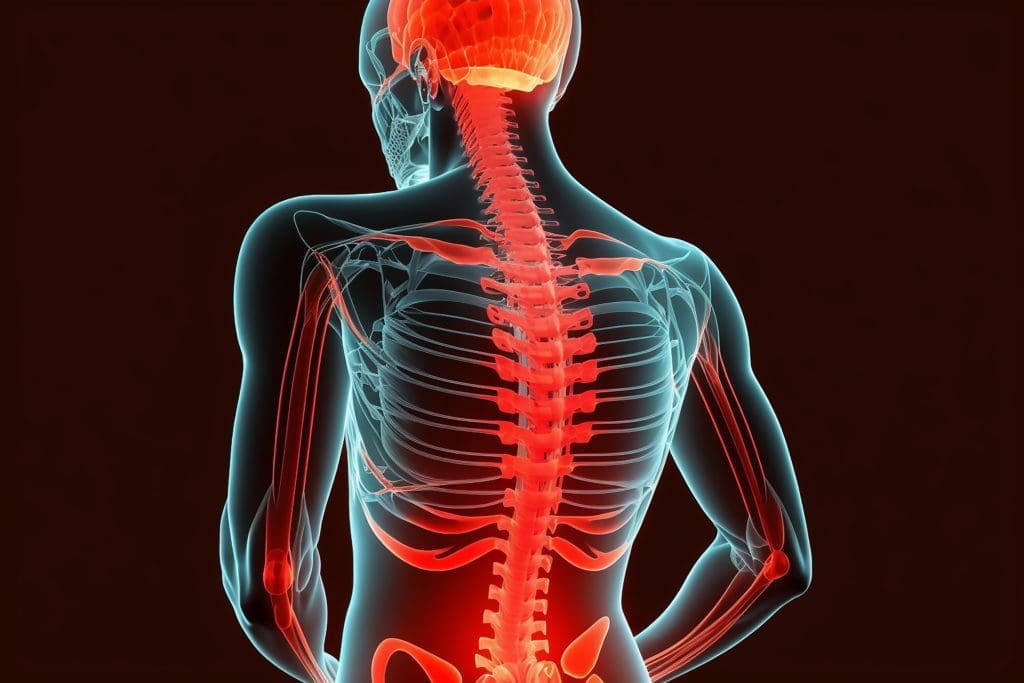
  • Nervous System Regulation: The endocrine system is under the direct control of the nervous system. Chiropractic adjustments correct spinal misalignments (subluxations), restoring proper nerve flow between the brain and the endocrine glands. This optimizes the function of the hypothalamic-pituitary-adrenal-ovarian (HPAO) axis, the master communication network governing hormone production.
  • Stress Reduction: Adjustments can shift the autonomic nervous system from a dominant “fight-or-flight” (sympathetic) state to a more relaxed “rest-and-digest” (parasympathetic) state. This is crucial because chronic stress elevates cortisol, which can disrupt the entire endocrine system and steal the building blocks for sex hormone production.
  • Holistic Assessment: As a Doctor of Chiropractic, I have a comprehensive understanding of the situation. Low back pain may be connected to fatigue, low mood, systemic inflammation, and hormonal imbalance. This integrative perspective allows me to educate patients on the connections between their spine, nervous system, and hormonal health.

By combining evidence-based hormone optimization with the foundational principles of chiropractic care, we address the root cause of dysfunction. We don’t just replace a missing hormone; we restore the body’s innate intelligence and create a synergistic effect for true, resilient health. This is the future of healthcare—a proactive, personalized, and integrative approach that empowers you to live a longer, healthier, and more vibrant life.


References

Chlebowski, R. T., Anderson, G. L., Aragaki, A. K., et al. (2020). Association of Menopausal Hormone Therapy With Breast Cancer Incidence and Mortality During Long-term Follow-up of the Women’s Health Initiative Randomized Clinical Trials. JAMA, 324(4), 369–380.

Hargrove, J. T., Maxson, W. S., Wentz, A. C., & Burnett, L. S. (1989). Menopausal hormone replacement therapy with continuous daily oral micronized estradiol and progesterone. Obstetrics and Gynecology, 73(4), 606–612.

Manson, J. E., Aragaki, A. K., Rossouw, J. E., et al. (2017). Menopausal Hormone Therapy and Long-term All-Cause and Cause-Specific Mortality: The Women’s Health Initiative Randomized Trials. JAMA, 318(10), 927–938.

Parker, W. H., Feskanich, D., Broder, M. S., Chang, E., Shoupe, D., Farquhar, C. M., Berek, J. S., & Manson, J. E. (2013). Long-term mortality associated with oophorectomy compared with ovarian conservation in the nurses’ health study. Obstetrics and Gynecology, 121(4), 709–716.

Yeap, B. B., Flicker, L., Xiao, J., Norman, P. E., Hankey, G. J., Almeida, O. P., & Almeida, O. (2021). Associations of sex hormones with incident dementia and cognitive decline in older men: The Health in Men Study. The Journal of Clinical Endocrinology & Metabolism, 106(4), 1042-1054.


Chiropractic Care Solutions for Knee Pain & Ligament Injuries

Manage your knee pain & ligament injuries with chiropractic care while regaining your strength and mobility safely and effectively.

Understanding Knee Pain and Ligament Injuries: The Role of Chiropractic Care

Knee pain is a common complaint that can sideline even the most active individuals, whether you’re an athlete, a weekend warrior, or someone just trying to navigate the daily grind without wincing. Ligament injuries in the knee, such as sprains or tears, are often the culprits behind this discomfort, turning simple movements like walking or climbing stairs into a grim test of endurance. Fortunately, chiropractic care offers a holistic, non-invasive approach to managing knee pain, addressing not just the symptoms but the underlying causes. At ChiroMed – Integrated Medicine in El Paso, TX, Dr. Alexander Jimenez, DC, APRN, FNP-BC, combines advanced diagnostic techniques with integrative treatment protocols to help patients reclaim their mobility and quality of life.

This comprehensive guide explores the musculoskeletal system’s role in knee ligament injuries, environmental factors contributing to knee pain, and the clinical rationale for chiropractic care’s effectiveness. We’ll also highlight Dr. Jimenez’s expertise in personal injury cases, emphasizing his role as a liaison between medical care and legal documentation. With a touch of dark humor to keep things light, this post aims to inform and engage readers while providing actionable insights into managing knee pain.


The Musculoskeletal System and Knee Ligaments: The Body’s Structural Framework

The knee is a marvel of engineering, but like any complex machinery, it’s prone to breakdowns—especially when you least expect it, like during a spirited game of tag with your dog or an ill-fated attempt to “jump” that puddle. The knee joint is one of the largest and most intricate in the human body, connecting the femur (thigh bone) to the tibia (shin bone) and stabilized by a network of ligaments, muscles, and tendons.

Key Ligaments of the Knee

The knee relies on four primary ligaments to maintain stability and facilitate movement:

  1. Anterior Cruciate Ligament (ACL): Prevents the tibia from sliding forward relative to the femur. It’s commonly injured in sports involving sudden stops or pivots, like basketball or soccer.
  2. Posterior Cruciate Ligament (PCL): Keeps the tibia from sliding backward. PCL injuries often occur in high-impact scenarios, such as car accidents.
  3. Medial Collateral Ligament (MCL): Stabilizes the inner knee, resisting forces that push the knee inward. MCL sprains are common in contact sports.
  4. Lateral Collateral Ligament (LCL): Stabilizes the outer knee, countering outward forces. LCL injuries are less common but can occur with lateral impacts.

These ligaments work in concert with muscles like the quadriceps and hamstrings to ensure smooth, controlled motion. However, when a ligament is stretched or torn—whether due to a misstep, a tackle, or just bad luck—the entire system can go haywire, leading to pain, swelling, and instability.

The Role of the Musculoskeletal System

The musculoskeletal system is like the body’s scaffolding, providing structure and support while allowing movement. Ligaments, as tough, fibrous bands, anchor bones to bones, ensuring the knee remains stable during activities like running, jumping, or dodging that rogue shopping cart in the parking lot. Muscles surrounding the knee, such as the quadriceps, hamstrings, and calf muscles, absorb shock and reduce stress on ligaments. However, imbalances in muscle strength, poor biomechanics, or external forces can overload these ligaments, leading to injury.

For example, weak hamstrings relative to the quadriceps can increase stress on the ACL, making it more susceptible to tears (El Paso Chiropractor Blog, 2016). Similarly, improper footwear or uneven surfaces can disrupt the knee’s alignment, causing undue strain on ligaments. Think of it like trying to balance a wobbly table—if one leg is shorter, the whole thing tips, and in this case, your knee pays the price.

Chiropractic Connection

Chiropractic care focuses on restoring proper alignment and function to the musculoskeletal system. By addressing misalignments in the spine, pelvis, or lower extremities, chiropractors can reduce compensatory stress on the knee joint. Techniques like spinal adjustments, soft tissue therapy, and corrective exercises help improve biomechanics, strengthen supporting muscles, and promote healing in injured ligaments (El Paso Chiropractor Blog, 2016). It’s like recalibrating a misaligned machine—suddenly, everything runs smoother, and the risk of further damage drops.

References


Environmental Factors Contributing to Knee Pain and Ligament Injuries

Knee pain doesn’t always stem from a dramatic injury—sometimes, it’s the little things in your environment that gang up on you like a pack of mischievous gremlins. Environmental factors, from the surfaces you walk on to the shoes you wear, can significantly contribute to knee pain and ligament injuries.

Common Environmental Culprits

  1. Uneven Surfaces: Walking or running on uneven terrain, like cracked sidewalks or rocky trails, can destabilize the knee, increasing the risk of ligament sprains. Imagine your knee as a tightrope walker—one wrong step, and it’s a painful tumble.
  2. Improper Footwear: Shoes without proper arch support or cushioning can throw off your gait, placing extra stress on the knee’s ligaments. High heels are particularly notorious, turning your walk into a high-stakes balancing act (Jimenez, n.d.).
  3. Repetitive Stress: Jobs or activities requiring prolonged standing, squatting, or kneeling—like construction work or gardening—can wear down the knee’s supporting structures over time, leading to microtears in ligaments.
  4. Weather and Climate: Cold weather can stiffen muscles and joints, reducing flexibility and increasing injury risk. Conversely, hot, humid conditions can lead to dehydration, weakening muscles and making ligaments more vulnerable.
  5. Sports and Physical Activity: High-impact sports like football or running on hard surfaces can overload the knee, especially without proper warm-ups or conditioning. It’s like asking your knee to run a marathon without training—disaster awaits.

Clinical Insights from Dr. Jimenez

Dr. Alexander Jimenez, a board-certified chiropractor and family nurse practitioner, emphasizes the importance of addressing environmental factors in knee pain management. At ChiroMed, he conducts thorough biomechanical assessments to identify how external factors, like poor posture or improper footwear, contribute to ligament stress (ChiroMed, n.d.). By recommending custom orthotics, corrective exercises, or lifestyle modifications, Dr. Jimenez helps patients mitigate these risks, reducing the likelihood of recurrent injuries.

For instance, runners with knee pain may benefit from switching to shoes with better shock absorption or incorporating pre-workout stretches to enhance muscle flexibility (El Paso Chiropractor Blog, 2016). Dr. Jimenez’s integrative approach ensures that patients not only recover but also prevent future issues by adapting their environment.

References


Why Chiropractic Care Helps with Knee Pain and Ligament Injuries

Chiropractic care might seem like an odd choice for knee pain—after all, aren’t chiropractors just for cracking backs? Not quite. The knee doesn’t operate in isolation; it’s part of a kinetic chain that includes the spine, pelvis, and feet. Misalignments or dysfunctions anywhere along this chain can exacerbate knee pain, and chiropractors are uniquely equipped to address these issues holistically.

Clinical Rationale for Chiropractic Care

  1. Restoring Biomechanical Alignment: Misalignments in the spine or pelvis can alter weight distribution, placing undue stress on the knee. Chiropractic adjustments correct these misalignments, reducing pressure on ligaments and promoting healing (El Paso Chiropractor Blog, 2016).
  2. Soft Tissue Therapy: Techniques like myofascial release and active release therapy target tight muscles and scar tissue around the knee, improving flexibility and reducing pain. It’s like giving your knee a much-needed massage after it’s been through the wringer.
  3. Strengthening Supporting Muscles: Chiropractors prescribe exercises to strengthen the quadriceps, hamstrings, and glutes, which stabilize the knee and reduce ligament stress. Stronger muscles act like shock absorbers, sparing your ligaments from taking the brunt of every step (OrthoInfo, n.d.).
  4. Bracing and Support: In some cases, bracing can provide temporary stability to an injured knee, allowing ligaments to heal without invasive measures. However, the decision to brace or not depends on the injury’s severity and the patient’s activity level (Mayo Clinic Health System, n.d.).
  5. Reducing Inflammation: Chiropractic care often includes modalities like ultrasound or cold laser therapy to reduce inflammation and promote tissue repair, speeding up recovery (Jimenez, n.d.).

Evidence-Based Support

Research supports the efficacy of chiropractic interventions for knee pain. A systematic review found that post-exercise stretching, often incorporated into chiropractic treatment plans, improves range of motion and reduces delayed onset muscle soreness, which can indirectly support ligament recovery (Witvrouw et al., 2021). Additionally, studies on knee osteoarthritis—a condition often exacerbated by ligament injuries—suggest that bracing can reduce pain and improve function, complementing chiropractic care (Jones et al., 2021).

Dr. Jimenez’s approach at ChiroMed integrates these evidence-based strategies, tailoring treatment to each patient’s needs. For example, a patient with an ACL sprain might receive a combination of adjustments, therapeutic exercises, and bracing recommendations to restore stability and function (ChiroMed, n.d.).

A Dash of Dark Humor

Let’s face it—knee pain can make you feel like you’re auditioning for a role as a limping zombie in a low-budget horror flick. But instead of shuffling through life groaning, chiropractic care offers a way to rewrite the script. Think of Dr. Jimenez as the director who cuts the scene where your knee betrays you mid-step, replacing it with one where you stride confidently, pain-free.

References


Personal Injury Cases in El Paso: Dr. Jimenez’s Expertise

In El Paso, personal injury cases—whether from car accidents, workplace incidents, or slip-and-falls—often involve knee injuries, particularly ligament damage. These injuries can be debilitating, affecting victims’ ability to work, exercise, or even perform daily tasks. Dr. Alexander Jimenez stands out as a distinguished practitioner in this field, offering specialized care that bridges medical treatment and legal documentation.

The Role of Chiropractic Care in Personal Injury

Personal injury cases require precise documentation to support legal claims, and Dr. Jimenez excels in this area. His dual expertise as a chiropractor and family nurse practitioner allows him to conduct comprehensive evaluations, including:

  • Advanced Imaging: Using X-rays, MRIs, or CT scans to visualize ligament damage and associated injuries, such as meniscal tears or bone bruising (Jimenez, n.d.).
  • Diagnostic Evaluations: Tests like McMurray’s test or joint line tenderness assessments help confirm the presence of specific injuries, such as medial meniscus tears, though their accuracy varies (Hegedus et al., 2015).
  • Dual-Scope Procedures: Combining chiropractic assessments with medical diagnostics, Dr. Jimenez provides a holistic view of the injury, ensuring no detail is overlooked.

This meticulous approach is critical in personal injury cases, where accurate documentation can make or break a legal claim. Dr. Jimenez acts as a liaison between patients, attorneys, and insurance companies, providing detailed reports that link injuries to the incident, such as a car accident causing a PCL tear due to dashboard impact (Jimenez, n.d.).

Clinical Insights and Case Example

Consider a hypothetical case: Jane, a 30-year-old El Paso resident, sustains an MCL sprain in a rear-end collision. Dr. Jimenez uses advanced imaging to confirm the injury, noting varus-valgus instability indicative of ligament damage (Wijdicks et al., 2017). He designs a treatment plan involving chiropractic adjustments to correct pelvic misalignment, therapeutic exercises to strengthen the quadriceps, and bracing to stabilize the knee during recovery. Simultaneously, he provides a detailed medical report for Jane’s attorney, linking the injury to the accident and justifying the need for ongoing care.

This integrated approach not only aids Jane’s recovery but also strengthens her legal case, ensuring she receives fair compensation for medical expenses and lost wages. Dr. Jimenez’s ability to navigate both medical and legal landscapes makes him a trusted figure in El Paso’s personal injury community.

A Pinch of Dark Humor

Getting rear-ended in El Paso traffic is bad enough, but when your knee decides to join the drama by staging its own injury protest, you’re in for a rough ride. Luckily, Dr. Jimenez is like the superhero your knee didn’t know it needed, swooping in with imaging, adjustments, and a knack for turning medical jargon into legal gold. It’s almost like he’s got a secret superpower for making insurance companies cry uncle.

References

  • Hegedus, E. J., Cook, C., Hasselblad, V., Goode, A., & McCrory, D. C. (2015). McMurray’s test and joint line tenderness for medial meniscus tear: Are they accurate? Physical Therapy in Sport, 16(4), 321-326. https://pubmed.ncbi.nlm.nih.gov/26255139/
  • Jimenez, A. (n.d.). LinkedIn profile. Retrieved from https://www.linkedin.com/in/dralexjimenez/
  • Wijdicks, C. A., Griffith, C. J., Johansen, S., Engebretsen, L., & LaPrade, R. F. (2017). Varus-valgus instability in the anterior cruciate ligament-deficient knee: Effect of posterior tibial load. Journal of Orthopaedic Research, 35(4), 864-870. https://pubmed.ncbi.nlm.nih.gov/27160194/

Knee Pain Rehabilitation- Video


Diagnostic Tools for Knee Ligament Injuries

Diagnosing knee ligament injuries requires precision, as symptoms like pain, swelling, or crepitus (that unsettling grinding sound) can point to multiple issues. Dr. Jimenez employs a range of diagnostic tools to pinpoint the exact nature of the injury, ensuring targeted treatment.

Common Diagnostic Methods

  1. Physical Examination: Tests like McMurray’s test assess for meniscal or ligament damage, though they’re not foolproof (Hegedus et al., 2015). Joint line tenderness can also indicate MCL or meniscal issues.
  2. Advanced Imaging: MRI is the gold standard for visualizing ligament tears, while X-rays rule out fractures or bone misalignment. Dr. Jimenez uses these to confirm diagnoses and guide treatment (Jimenez, n.d.).
  3. Functional Assessments: Evaluating gait, range of motion, and stability helps identify compensatory patterns that exacerbate knee pain. For instance, a limp due to an ACL tear can strain the posterolateral corner of the knee (LaPrade et al., 2016).
  4. Patient History: Understanding the injury’s context—whether it occurred during a sports mishap or a car accident—helps correlate symptoms with clinical findings.

The Role of Crepitus

Crepitus, that crunchy sound your knee makes when you move, can be a red flag. Research suggests it’s a risk factor for knee osteoarthritis, often linked to ligament instability (Lo et al., 2018). Dr. Jimenez uses this symptom to guide diagnostic imaging and tailor interventions, such as strengthening exercises to stabilize the joint.

Humor in Diagnostics

Ever wonder what your knee is trying to tell you when it sounds like a bowl of Rice Krispies? It’s not auditioning for a cereal commercial—it’s begging for help. Dr. Jimenez’s diagnostic arsenal is like a detective kit for your knee, sniffing out the culprit behind the crunch and putting it on the path to recovery.

References

  • Hegedus, E. J., Cook, C., Hasselblad, V., Goode, A., & McCrory, D. C. (2015). McMurray’s test and joint line tenderness for medial meniscus tear: Are they accurate? Physical Therapy in Sport, 16(4), 321-326. https://pubmed.ncbi.nlm.nih.gov/26255139/
  • Jimenez, A. (n.d.). LinkedIn profile. Retrieved from https://www.linkedin.com/in/dralexjimenez/
  • LaPrade, R. F., Wentorf, F. A., Fritts, H., Gundry, C., & Hightower, C. D. (2016). Posterolateral corner of the knee: Current concepts. The Archives of Bone and Joint Surgery, 4(2), 97-103. https://pubmed.ncbi.nlm.nih.gov/27200384/
  • Lo, G. H., Strayhorn, M. T., Driban, J. B., Price, L. L., Eaton, C. B., & McAlindon, T. E. (2018). Subjective crepitus as a risk factor for incident symptomatic knee osteoarthritis: Data from the Osteoarthritis Initiative. Arthritis Care & Research, 70(1), 53-60. https://pubmed.ncbi.nlm.nih.gov/28320054/

Integrative Treatment Strategies at ChiroMed

At ChiroMed, treatment goes beyond quick fixes, focusing on long-term healing and prevention. Dr. Jimenez combines chiropractic care with complementary therapies to address knee ligament injuries holistically.

Treatment Modalities

  1. Chiropractic Adjustments: Correcting spinal and pelvic misalignments to reduce knee stress.
  2. Rehabilitation Exercises: Strengthening and stretching programs to support ligament recovery (OrthoInfo, n.d.).
  3. Acupuncture: Reducing pain and inflammation through targeted needle placement.
  4. Nutrition Counseling: Anti-inflammatory diets to support tissue repair.
  5. Bracing: Providing stability during healing, especially for moderate sprains (Mayo Clinic Health System, n.d.).

Case Study: Athlete Recovery

Take Mike, a high school soccer player with a partial LCL tear. Dr. Jimenez used MRI to confirm the injury, followed by adjustments to correct hip misalignment, exercises to strengthen the glutes, and acupuncture to manage pain. Within weeks, Mike was back on the field, no longer hobbling like a pirate with a peg leg.

Humor in Healing

Recovery can feel like an eternity, especially when your knee seems determined to remind you of every bad decision you’ve ever made. But with ChiroMed’s integrative approach, it’s less like trudging through a swamp and more like a guided tour to Pain-Free Land, with Dr. Jimenez as your trusty guide.

References


Conclusion: A Serious Note on Knee Pain Management

Knee pain and ligament injuries can significantly impact your quality of life, but with the right care, recovery is within reach. Chiropractic care, as practiced by Dr. Alexander Jimenez at ChiroMed – Integrated Medicine in El Paso, TX, offers a holistic, evidence-based approach to managing knee pain. By addressing biomechanical imbalances, strengthening supporting muscles, and using advanced diagnostics, Dr. Jimenez helps patients achieve lasting relief and return to their active lifestyles. His expertise in personal injury cases further ensures that victims receive comprehensive care and legal support, bridging the gap between health and justice.

Disclaimer: This blog post is for informational purposes only and should not be taken as medical advice. Always consult a qualified healthcare professional, such as Dr. Alexander Jimenez, for a personalized diagnosis and treatment plan. The information provided is intended to educate and inform, not to replace professional medical guidance.

References

10 Foods For Optimal Energy & Vitamins: A Complete Guide To Support Spinal Health

Uncover the connection between foods and vitamins for spinal health while enhancing your flexibility, strength, and mobility.

Chiropractic Care and Nutrition: A Holistic Approach to Reducing Musculoskeletal Pain and Boosting Bone Health

Imagine your spine as the sturdy backbone of a skyscraper—literally and figuratively holding you up, keeping you balanced, and letting you move through life with confidence. Now, picture that skyscraper wobbling because of a shaky foundation or poor maintenance. That’s what happens when your musculoskeletal system, especially your spine, isn’t supported properly. Musculoskeletal pain, particularly in the spine, can feel like a wrecking ball to your daily routine, and weak bones can make you feel like that skyscraper is one gust of wind away from trouble. But here’s the good news: chiropractic care, paired with the right foods and vitamins, can act like a top-notch construction crew, reinforcing your body’s foundation, reducing pain, and boosting bone health. In this blog post, we’ll dive into the clinical rationale behind why chiropractic care, healthy nutrition, and essential vitamins are a dream team for tackling spine-related pain and improving overall wellness, with insights from Dr. Alexander Jimenez, DC, APRN, FNP-BC, a leading chiropractor and nurse practitioner in El Paso, Texas. Plus, we’ll sprinkle in a bit of humor to keep things light—because who said health can’t be fun? Let’s get started!

The Musculoskeletal System and Spine: The Body’s Support Structure

Your musculoskeletal system is like the scaffolding of that skyscraper we mentioned. It’s made up of bones, muscles, ligaments, tendons, and connective tissues that work together to give your body structure, movement, and stability (Jimenez, 2024). The spine, or vertebral column, is the central pillar of this system, housing the spinal cord and acting as the main highway for nerve signals between your brain and the rest of your body. When the spine is misaligned or stressed—whether from poor posture, injury, or lifestyle factors—it can lead to musculoskeletal pain, reduced mobility, and even systemic health issues.

Think of your spine as a stack of building blocks. If one block is slightly off, the whole stack can wobble, causing pain and dysfunction. Conditions like sciatica (pain radiating down the leg due to nerve compression), herniated discs, or subluxations (misalignments of the vertebrae) can throw your body out of whack. For example, approximately 90% of sciatica cases are caused by a spinal disc herniation compressing a spinal nerve (Jimenez, 2018). Other issues, like scoliosis or chronic low back pain, can also disrupt the spine’s harmony, leading to discomfort that feels like a constant thorn in your side—or rather, your back.

Chiropractic care steps in like a skilled architect, using spinal adjustments, manual manipulations, and other non-invasive techniques to realign those blocks and restore balance. Dr. Alexander Jimenez, a seasoned chiropractor and nurse practitioner, emphasizes that chiropractic care focuses on correcting these misalignments to reduce nerve compression, alleviate pain, and enhance mobility (Jimenez, 2024). But here’s where it gets even better: pairing chiropractic care with proper nutrition and vitamins can supercharge your body’s ability to heal and stay strong. It’s like giving your construction crew the best materials to work with—think premium steel and concrete instead of flimsy cardboard.

References

Why Chiropractic Care Works for Musculoskeletal Pain

Chiropractic care is like the superhero of non-invasive treatments, swooping in to save the day without surgery or heavy medications. It focuses on the diagnosis, treatment, and prevention of musculoskeletal and nervous system disorders, particularly those affecting the spine. Dr. Jimenez, with over 25 years of experience, uses evidence-based techniques like spinal decompression, manual adjustments, and functional rehabilitation to address conditions such as sciatica, herniated discs, and chronic neck or back pain (Jimenez, 2024).

Here’s the clinical rationale: when your spine is misaligned, it can irritate nerves, strain muscles, and stress joints, leading to pain and reduced function. For instance, a herniated disc can press on a spinal nerve, causing shooting pain down the leg (sciatica). Chiropractic adjustments work by gently realigning the spine, reducing nerve compression, and restoring proper joint function. A clinical study on chiropractic care for migraines showed that spinal adjustments can reduce symptoms by correcting misalignments and easing nerve irritation (Jimenez, n.d.). It’s like fixing a kink in a garden hose—once the blockage is cleared, water (or in this case, nerve signals) flows freely again.

Dr. Jimenez’s dual licensure as a chiropractor and nurse practitioner gives him a unique edge. He combines biomechanical expertise with medical diagnostics, using advanced imaging like MRIs and CT scans to pinpoint the exact cause of pain (Jimenez, 2024). This “dual-scope” approach ensures that treatments are precise and tailored to each patient’s needs. For example, if you’ve been in a car accident (more on that later), Dr. Jimenez can use motion studies and neurological testing to identify subtle dysfunctions that might not show up in standard exams. It’s like having a detective and a doctor rolled into one, solving the mystery of your pain with science and skill.

But chiropractic care isn’t just about cracking backs (don’t worry, it’s gentler than it sounds!). It’s about restoring your body’s natural ability to heal. By improving spinal alignment, chiropractic care enhances blood flow, reduces inflammation, and promotes tissue repair. And when you add nutrition into the mix, you’re giving your body the fuel it needs to make those repairs faster and stronger. Let’s dive into how food and vitamins play a starring role in this process.

References

The Role of Nutrition in Spine Health and Pain Reduction

If your body is a construction site, then food and vitamins are the raw materials that keep the workers (your cells) happy and productive. A healthy diet supports the musculoskeletal system by providing the nutrients needed for tissue repair, inflammation control, and bone strength. Dr. Jimenez emphasizes that eating healthier can reduce body mass index (BMI), which takes pressure off the spine and prevents issues like subluxations or sciatica (Jimenez, 2021). Let’s break down how specific foods and vitamins can help you build a stronger, pain-free spine—without making you feel like you’re eating cardboard.

Foods for Energy and Spinal Health

  1. Whole Grains for Sustained Energy: Think of whole grains like oats, brown rice, and quinoa as the steady fuel that keeps your body’s engine running. These complex carbohydrates provide long-lasting energy, which is crucial for maintaining muscle strength and supporting spinal health. A scoping review on cereals highlights their role in delivering essential nutrients like B vitamins, which support nerve function and energy metabolism (Nordic Nutrition Recommendations, 2023). Plus, whole grains help you avoid the sugar crashes that come with refined carbs, keeping you energized for your next chiropractic session or workout.
  2. Lean Proteins for Muscle Repair: Proteins are the building blocks of muscles, tendons, and ligaments—all of which support the spine. Foods like chicken, fish, eggs, and plant-based options like lentils help repair tissues damaged by injury or strain. Dr. Jimenez notes that eating protein with every meal can stabilize blood sugar and reduce cravings for unhealthy snacks, which helps maintain a healthy weight and reduces spinal stress (Jimenez, 2021). A systematic review on carbohydrate and protein intake found that adequate protein supports strength training, which is key for spinal stability (Morton et al., 2022).
  3. Fatty Fish for Anti-Inflammatory Benefits: Salmon, mackerel, and sardines are packed with omega-3 fatty acids, which act like a fire extinguisher for inflammation. Inflammation is a major driver of musculoskeletal pain, especially in conditions like sciatica or arthritis. Dr. Jimenez recommends an anti-inflammatory diet rich in omega-3s to support tissue repair and reduce swelling (Jimenez, 2024). Research shows that omega-3s can decrease inflammatory markers, helping to ease pain and improve mobility (Calder, 2017).
  4. Fruits and Vegetables for Antioxidants: Colorful fruits and veggies like berries, spinach, and sweet potatoes are loaded with antioxidants, which fight oxidative stress that can damage spinal tissues. They also provide vitamins like C and K, essential for collagen formation and bone health. The VegPlate for Sports guide highlights how plant-based foods can meet athletes’ nutritional needs, supporting recovery and performance (Baroni et al., 2022). Eating a rainbow of produce is like giving your spine a daily dose of TLC.
  5. Nuts and Seeds for Healthy Fats: Almonds, chia seeds, and flaxseeds provide healthy fats and minerals like magnesium, which support muscle relaxation and nerve function. They’re also great for snacking on the go, keeping you fueled without weighing you down. Dr. Jimenez’s blog post on energy-boosting foods recommends nuts for their nutrient density and ability to sustain energy levels (Jimenez, 2017).

Key Vitamins for Bone Health and Pain Relief

  1. Vitamin D for Bone Strength: Vitamin D is like the foreman of your bone health crew, helping your body absorb calcium to build strong bones. Weak bones can lead to conditions like osteoporosis, which increases the risk of spinal fractures. Dr. Jimenez often includes vitamin D in his functional medicine protocols to support bone health and reduce pain in conditions like fibromyalgia (Jimenez, 2024). Studies show that adequate vitamin D levels can improve musculoskeletal health and reduce pain (Holick, 2017).
  2. Calcium for Structural Support: Calcium is the brick and mortar of your bones. Dairy products, fortified plant milks, and leafy greens are great sources. Pairing calcium with vitamin D ensures optimal absorption, strengthening the spine and preventing injuries. The Cost-effective options for increasing consumption study highlights affordable ways to boost calcium intake through diet (Cashman, 2022).
  3. Vitamin C for Tissue Repair: Vitamin C is a master at collagen production, which is essential for maintaining the integrity of ligaments, tendons, and spinal discs. It also acts as an antioxidant, reducing inflammation. Citrus fruits, bell peppers, and strawberries are tasty ways to get your daily dose (Carr & Maggini, 2017).
  4. Magnesium for Muscle Relaxation: Magnesium helps muscles relax and prevents cramps, which can be a side effect of spinal misalignments. Foods like spinach, almonds, and avocados are magnesium-rich. Dr. Jimenez’s holistic approach often includes magnesium to support nerve function and reduce pain (Jimenez, 2024).
  5. B Vitamins for Nerve Health: B vitamins, especially B6, B12, and folate, support nerve function and energy production. Whole grains, eggs, and leafy greens are excellent sources. These vitamins help keep the spinal cord and nerves firing on all cylinders, reducing pain signals (Kennedy, 2016).

By incorporating these foods and vitamins into your diet, you’re not just eating—you’re building a stronger, healthier spine. It’s like upgrading your skyscraper’s foundation with top-quality materials. And when you combine this with chiropractic care, you’re setting yourself up for a pain-free, active life.

References

Dr. Alexander Jimenez: El Paso’s Premier Chiropractor for Personal Injury

If you’ve ever been in a car accident or slipped on a wet floor, you know that personal injuries can turn your life upside down faster than you can say “ouch.” In El Paso, Texas, Dr. Alexander Jimenez is the go-to expert for personal injury victims, offering a lifeline to those dealing with musculoskeletal pain and trauma. With his dual expertise as a chiropractor and nurse practitioner, Dr. Jimenez bridges the gap between medical care and legal documentation, ensuring patients get both healing and justice (Jimenez, 2024).

Personal injuries, especially from motor vehicle accidents (MVAs), often result in complex issues like whiplash, herniated discs, or soft tissue damage. These injuries can be sneaky—sometimes, symptoms don’t show up right away, like a ninja pain that creeps up when you least expect it. Dr. Jimenez’s practice stands out because he uses advanced imaging (think X-rays, MRIs, and CT scans) and diagnostic evaluations to uncover hidden dysfunctions (Jimenez, 2024). For example, an MRI can confirm a herniated disc, validating a patient’s pain and guiding treatment. His “dual-scope” approach combines chiropractic adjustments with medical assessments, ensuring precise diagnoses and tailored care plans.

But it’s not just about fixing the body—Dr. Jimenez also acts as a medical-legal liaison. In personal injury cases, accurate documentation is crucial for securing fair compensation. By using motion studies, neurological testing, and detailed reports, Dr. Jimenez provides the evidence needed to support legal claims while focusing on patient recovery (Jimenez, 2024). It’s like having a lawyer and a doctor in one package—minus the briefcase and stethoscope standoff.

Dr. Jimenez’s clinic also incorporates functional medicine and nutrition into recovery plans. For MVA victims, he recommends anti-inflammatory diets and lifestyle changes to reduce pain and prevent re-injury. This holistic approach ensures that patients not only heal but thrive, getting back to their vibrant El Paso lives (Jimenez, 2024). Whether it’s a fender-bender or a more serious accident, Dr. Jimenez’s expertise makes him a beacon of hope for those navigating the aftermath of injury.

References


Eating Right To Feel Better- Video


How Small Changes Make a Big Difference

You don’t have to overhaul your entire life to see results—small changes can work wonders, like swapping out a rickety ladder for a sturdy one. Here are some practical tips inspired by Dr. Jimenez’s insights to start your health and wellness journey:

  1. Start with One Healthy Meal a Day: Try incorporating a nutrient-packed meal, like a salmon salad with spinach and quinoa. It’s like giving your spine a high-five with every bite. Research shows that even small dietary changes, like increasing vegetable intake, can improve health outcomes (Cashman, 2022).
  2. Hydrate Like a Pro: Water is your body’s best friend, keeping joints lubricated and muscles flexible. Dr. Jimenez recommends 8–10 glasses daily, and coconut water can be a great alternative for hydration during recovery (Rawson et al., 2021). Think of it as oiling the hinges of your skyscraper.
  3. Move More, Sit Less: Simple “exercise snacks” like stair-climbing during breaks can boost mobility and reduce stiffness (Allison et al., 2022). It’s like giving your spine a quick stretch break to say, “Hey, I’ve got your back!”
  4. Add a Vitamin Supplement: If your diet lacks certain nutrients, consider a multivitamin with vitamin D, calcium, and magnesium. Consult with a healthcare provider to find the right fit, as Dr. Jimenez emphasizes personalized care (Jimenez, 2024).
  5. Schedule a Chiropractic Check-Up: Even if you’re not in pain, a chiropractic evaluation can catch potential issues early. Dr. Jimenez’s comprehensive exams identify root causes, ensuring your spine stays in tip-top shape (Jimenez, 2024).

These small steps are like adding bricks to your skyscraper one at a time—steady progress that builds a stronger, healthier you. Over time, these changes can reduce musculoskeletal pain, improve bone health, and enhance your overall wellness.

References

The Science Behind the Synergy of Chiropractic Care and Nutrition

The magic happens when chiropractic care and nutrition work together, like a perfectly choreographed dance. Chiropractic adjustments realign the spine, reducing nerve irritation and improving joint function, while nutrition provides the raw materials for repair and maintenance. For example, omega-3s from fatty fish reduce inflammation, making adjustments more effective by calming irritated tissues (Calder, 2017). Similarly, vitamin D and calcium strengthen bones, supporting the structural changes made during chiropractic care (Holick, 2017).

Dr. Jimenez’s integrative approach combines these elements into personalized care plans. His functional medicine series, available at www.dralexjimenez.com, educates patients on how diet and lifestyle impact spinal health (Jimenez, 2024). For instance, excess weight can exacerbate spinal issues by increasing pressure on vertebrae, but a nutrient-dense diet can help manage weight and reduce stress on the spine (Jimenez, 2021). It’s like tuning up your car engine and filling it with premium gas—everything runs smoother.

Research supports this synergy. A study on pre-workout nutrition found that proper nutrient timing enhances physical performance, which complements chiropractic care’s focus on mobility (Kerksick et al., 2017). Another study on CrossFit participants showed that balanced diets with adequate protein and micronutrients improve recovery and reduce injury risk, aligning with Dr. Jimenez’s protocols (Smith et al., 2022). By addressing both the biomechanical and nutritional aspects, you’re giving your body a double dose of healing power.

References

Practical Tips for Your Health and Wellness Journey

Ready to start building your skyscraper of health? Here’s a detailed plan to incorporate chiropractic care and nutrition into your life, inspired by Dr. Jimenez’s holistic approach:

  1. Meal Planning for Spinal Health:
    • Breakfast: Start with oatmeal topped with berries and chia seeds for antioxidants and omega-3s. Add a glass of fortified almond milk for calcium and vitamin D.
    • Lunch: Try a grilled chicken salad with spinach, avocado, and quinoa. Drizzle with olive oil for healthy fats.
    • Dinner: Enjoy baked salmon with sweet potato and steamed broccoli for omega-3s, vitamin C, and magnesium.
    • Snacks: Keep it simple with almonds or a piece of fruit. Dr. Jimenez’s blog recommends trail mix for a nutrient-dense boost (Jimenez, 2017).
  2. Hydration Hacks:
    • Carry a reusable water bottle and aim for 8–10 glasses daily. For a twist, try coconut water post-workout to replenish electrolytes (Rawson et al., 2021).
    • Sip herbal teas in the evening to relax and support digestion, as Dr. Jimenez suggests (Jimenez, 2021).
  3. Exercise for Mobility:
    • Incorporate “exercise snacks” like 10-minute stair-climbing sessions to improve flexibility and reduce stiffness (Allison et al., 2022).
    • Try Dr. Jimenez’s recommended stretches, like cat-cow or child’s pose, to support spinal alignment (Jimenez, 2024).
  4. Chiropractic Care Routine:
    • Schedule regular check-ups with a chiropractor like Dr. Jimenez to maintain spinal health, even if you’re pain-free. His clinic offers flexible care plans and accepts most insurance (Jimenez, 2024).
    • For personal injury victims, book a consultation to get advanced diagnostics and tailored treatments (Jimenez, 2024).
  5. Supplement Smartly:
    • Consider a multivitamin with vitamin D, calcium, and magnesium, but consult with a healthcare provider first. Dr. Jimenez’s functional medicine approach personalizes supplement recommendations (Jimenez, 2024).
    • Avoid artificial sweeteners, as they can disrupt gut health, which indirectly affects spinal health (Jimenez, 2021).

These tips are like adding new tools to your construction toolbox—each one helps you build a stronger, healthier spine. Start small, stay consistent, and watch your wellness soar.

References

Dr. Jimenez’s Integrative Approach in Action

Dr. Alexander Jimenez’s practice is like a well-oiled machine, combining chiropractic care, functional medicine, and nutrition to create personalized care plans. His clinic, Injury Medical & Chiropractic, is a hub for holistic healing in El Paso, offering treatments like spinal decompression, acupuncture, and electro-acupuncture alongside nutritional counseling (Jimenez, 2024). For example, a patient with sciatica might receive spinal adjustments to relieve nerve compression, paired with a diet plan rich in omega-3s and vitamin D to reduce inflammation and support bone health.

His dual-scope approach is particularly valuable for personal injury cases. After an MVA, patients often face complex injuries that require both medical and legal support. Dr. Jimenez uses advanced diagnostics to document injuries accurately, helping patients secure fair compensation while guiding them through recovery (Jimenez, 2024). His patient testimonials, available at www.dralexjimenez.com, highlight life-changing results, from reduced chronic pain to restored mobility (Jimenez, 2024).

By integrating nutrition, Dr. Jimenez addresses the root causes of pain and dysfunction. For instance, he might recommend a protein-rich diet to support muscle repair after a whiplash injury, or magnesium supplements to prevent muscle cramps in athletes (Jimenez, 2021). It’s a comprehensive approach that ensures patients don’t just feel better—they thrive.

References

Conclusion

Chiropractic care, combined with a nutrient-rich diet and essential vitamins, offers a powerful, holistic approach to reducing musculoskeletal pain and improving bone health. By addressing spinal misalignments and supporting the body with the right foods—like whole grains, lean proteins, and omega-3-rich fish—you can alleviate pain, enhance mobility, and strengthen your skeletal system. Dr. Alexander Jimenez’s expertise in El Paso, Texas, exemplifies this approach, blending advanced diagnostics, chiropractic techniques, and nutritional guidance to help patients heal and thrive, especially after personal injuries. His dual-scope method ensures precise treatment and robust legal documentation, making him a trusted ally for MVA victims.

This blog post is intended to provide valuable information to guide your health and wellness journey. However, it’s not a substitute for professional medical advice. Always consult a qualified healthcare provider like Dr. Jimenez before starting any treatment or dietary changes, especially if you have existing health conditions or injuries. For more information or to schedule a consultation, visit www.dralexjimenez.com or call (915) 850-0900. Here’s to building a stronger, pain-free you—seriously!

References

Chiropractic Care Overview for Bone Health & Musculoskeletal System

Enhance your bone health with chiropractic care. Explore its benefits for your musculoskeletal system and well-being.

Chiropractic Care: A Natural Path to Relieve Musculoskeletal Pain and Boost Bone Health

Imagine waking up one morning, ready to conquer the day, only to be greeted by a nagging ache in your lower back or a stiff neck that feels like it’s auditioning for a role in a horror movie. Musculoskeletal pain—those pesky aches and pains in your muscles, joints, and bones—can turn your daily routine into a comedy of errors, minus the laughs. Now, add the worry of keeping your bones strong as you age, and it’s enough to make anyone want to crawl back under the covers. But fear not! Chiropractic care, backed by clinical expertise and a sprinkle of science, offers a natural, non-invasive way to tackle these issues and keep you moving like a well-oiled machine.

In this comprehensive guide, we’ll dive into the world of chiropractic care, exploring how it can help reduce musculoskeletal pain and support bone health. We’ll spotlight the clinical insights of Dr. Alexander Jimenez, DC, APRN, FNP-BC, a distinguished chiropractor and nurse practitioner in El Paso, Texas, whose dual expertise makes him a beacon of hope for personal injury victims. With a dash of humor to keep things light, we’ll break down the roles of the musculoskeletal system, the importance of bone health, and how environmental factors can throw a wrench in your daily grind. Plus, we’ll unpack the science behind chiropractic care, including spinal manipulative therapy, and how Dr. Jimenez uses advanced imaging and diagnostics to bridge medical care and legal support for his patients.

Whether you’re dealing with chronic back pain, recovering from a car accident, or just want to keep your bones happy as you age, this blog post is your roadmap to understanding why chiropractic care might just be the superhero your body needs. Let’s get cracking—pun intended!

The Musculoskeletal System: Your Body’s Framework and Why It Matters

Your musculoskeletal system is like the scaffolding of a building—it holds everything together and keeps you upright, mobile, and ready to take on the world. This complex network includes your bones, muscles, tendons, ligaments, and joints, all working in harmony to let you walk, run, dance, or even binge-watch your favorite show without toppling over.

Bones: The Sturdy Foundation

Bones are the unsung heroes of your body. They provide structure, protect vital organs (like your brain and heart), and serve as attachment points for muscles. But they’re not just lifeless scaffolding; bones are living tissues that constantly remodel themselves, breaking down old bone and building new to keep you strong. Think of them as your body’s personal construction crew, always on the job to maintain structural integrity (Miller, 2014).

Bone health is critical at every age. For teens, strong bones set the stage for a lifetime of mobility. For adults, maintaining bone density helps prevent fractures and conditions like osteoporosis, which affects over 200 million people worldwide and increases the risk of debilitating fractures (Kanis et al., 2014). As we age, bone density naturally declines, making bones more brittle and prone to breaks—kind of like when your favorite pair of jeans starts fraying at the seams.

Muscles, Joints, and Ligaments: The Movers and Shakers

Muscles pull on bones to create movement, while joints act as hinges, allowing you to bend, twist, and turn. Ligaments and tendons keep everything connected, ensuring your joints don’t go rogue during a spontaneous dance party. When this system is in sync, life is smooth. But when pain strikes—whether from an injury, poor posture, or just sleeping like you’re auditioning for a pretzel role—it can throw everything off balance.

Musculoskeletal pain, like low back pain or neck stiffness, is incredibly common. In fact, low back pain is the leading cause of disability worldwide, affecting over 11% of the global population (Geurts et al., 2021). It’s like the uninvited guest who shows up to every party, making you wince with every step.

Why Bone Health and Musculoskeletal Function Go Hand in Hand

Healthy bones and a well-functioning musculoskeletal system are like peanut butter and jelly—they’re better together. Weak bones can lead to fractures that limit mobility, while poor muscle strength or joint dysfunction can strain bones, increasing the risk of injury. For example, a misaligned spine can put extra pressure on your vertebrae, leading to pain and even accelerating bone degeneration. Keeping this system in tip-top shape is key to staying active and pain-free.

References
Geurts, J. W., Verbunt, J. A., & van Tulder, M. W. (2021). Clinical effectiveness and efficacy of chiropractic spinal manipulation for spine pain. Frontiers in Pain Research. https://pmc.ncbi.nlm.nih.gov/articles/PMC8565793/
Kanis, J. A., McCloskey, E. V., Johansson, H., Cooper, C., Rizzoli, R., & Reginster, J. Y. (2014). Osteoporosis prevention, screening, and treatment: A review. Journal of Internal Medicine. https://pubmed.ncbi.nlm.nih.gov/24787326/
Miller, P. D. (2014). Stimulators of bone healing: Biologic and biomechanical. Journal of Bone and Joint Surgery. https://pubmed.ncbi.nlm.nih.gov/25378507/[](https://dralexjimenez.com/chiropractic-care-effectiveness-for-five-musculoskeletal-issues/)

Environmental Factors: The Sneaky Saboteurs of Musculoskeletal and Bone Health

Life’s daily grind can take a toll on your musculoskeletal system and bones, thanks to a host of environmental factors that act like sneaky gremlins, wreaking havoc when you least expect it. Let’s explore some of these culprits and how they impact your body.

Poor Posture: The Slouch That Steals Your Strength

In today’s digital age, we’re all guilty of hunching over our phones or laptops like modern-day Quasimodos. Poor posture misaligns your spine, putting extra stress on muscles, joints, and bones. Over time, this can lead to chronic pain and even weaken bone structure, especially in the spine. Studies show that prolonged poor posture is a major contributor to low back pain and neck issues (Haldeman et al., 2020).

Sedentary Lifestyle: The Couch Potato Curse

Sitting for hours on end—whether at a desk or binge-watching the latest series—weakens muscles and reduces bone density. Weight-bearing activities like walking or lifting weights stimulate bone growth, but a sedentary lifestyle tells your bones, “Eh, take a break!” This increases the risk of osteoporosis and musculoskeletal pain, as inactive muscles fail to support joints properly (Kanis et al., 2014).

Injuries and Trauma: The Unexpected Plot Twists

Accidents, like car crashes or workplace injuries, can damage muscles, ligaments, and bones, leading to acute or chronic pain. In El Paso, personal injury cases from motor vehicle accidents are common, often resulting in whiplash, herniated discs, or fractures that disrupt musculoskeletal function (Jimenez, 2025). These injuries can also accelerate bone loss if mobility is limited during recovery.

Nutritional Deficiencies: Starving Your Bones

Your bones crave calcium, vitamin D, and other nutrients to stay strong. A diet low in these essentials—think fast food over fresh veggies—can weaken bones and increase fracture risk. Poor nutrition also affects muscle health, making it harder to support your skeletal system (Health Coach Clinic, 2025).

Stress: The Silent Bone-Breaker

Chronic stress floods your body with cortisol, a hormone that can interfere with bone formation and muscle recovery. It’s like your body’s saying, “I’m too stressed to build strong bones right now!” Stress also tightens muscles, contributing to pain and poor posture (Haldeman et al., 2020).

These environmental factors create overlapping risk profiles for musculoskeletal pain and bone health issues. For example, a sedentary lifestyle plus poor nutrition can weaken bones and muscles, making you more prone to injuries that cause chronic pain. The good news? Chiropractic care can help untangle this mess and get you back on track.

References
Haldeman, S., Johnson, C. D., Chou, R., & Nordin, M. (2020). Spine care as a framework for the chiropractic identity. Journal of Chiropractic Medicine. https://pubmed.ncbi.nlm.nih.gov/33192218/
Health Coach Clinic. (2025). Health and wellness: Bone health. https://healthcoach.clinic/health-wellness-bone-health/
Jimenez, A. (2025). Dr. Alexander Jimenez, DC, APRN, FNP-BC, IFMCP, CFMP, ATN. LinkedIn. https://www.linkedin.com/in/dralexjimenez/
Kanis, J. A., McCloskey, E. V., Johansson, H., Cooper, C., Rizzoli, R., & Reginster, J. Y. (2014). Osteoporosis prevention, screening, and treatment: A review. Journal of Internal Medicine. https://pubmed.ncbi.nlm.nih.gov/24787326/[](https://dralexjimenez.com/staff/)

Chiropractic Care: The Superhero for Musculoskeletal Pain and Bone Health

Chiropractic care is like the Avengers of healthcare—non-invasive, powerful, and ready to save the day for your aching back or creaky bones. By focusing on the spine and musculoskeletal system, chiropractors use hands-on techniques to restore alignment, reduce pain, and promote overall wellness. Let’s explore why chiropractic care is a game-changer, with clinical insights from Dr. Alexander Jimenez.

Spinal Manipulative Therapy: The Chiropractic Secret Weapon

Spinal manipulative therapy (SMT) is the bread and butter of chiropractic care. It involves precise, controlled thrusts to adjust misaligned vertebrae, relieving pressure on nerves and restoring joint mobility. Think of it as giving your spine a gentle nudge to say, “Hey, get back in line!” Research shows SMT is effective for both acute and chronic low back pain, reducing pain and disability in patients (Rubinstein et al., 2019; Paige et al., 2017).

SMT works by:

  • Reducing Nerve Compression: Misaligned vertebrae can pinch nerves, causing pain that radiates to your arms, legs, or even your funny bone (ouch!). Adjustments relieve this pressure, easing pain.
  • Improving Joint Mobility: Stiff joints lead to pain and limited movement. SMT loosens things up, making you feel like you’ve just had a full-body oil change.
  • Decreasing Inflammation: Adjustments can reduce inflammation in affected areas, calming the body’s overzealous pain signals (Coulter et al., 2018).

A 2020 study in the Spine Journal found that SMT significantly reduced pain and improved function in patients with chronic low back pain, making it a go-to option for many (Rubinstein et al., 2020).

Supporting Bone Health: More Than Just Cracking Backs

Chiropractic care isn’t just about pain relief—it can also support bone health. Here’s how:

  • Promoting Mobility: Regular adjustments keep joints and muscles active, which stimulates bone remodeling. Weight-bearing movement is crucial for maintaining bone density, especially as you age (Kanis et al., 2014).
  • Correcting Misalignments: Spinal misalignments can stress bones, accelerating wear and tear. By restoring alignment, chiropractic care reduces this strain, potentially slowing bone degeneration.
  • Enhancing Circulation: Adjustments improve blood flow, delivering nutrients like calcium and vitamin D to bones, aiding in repair and maintenance (Miller, 2014).

While chiropractic care doesn’t directly treat osteoporosis, it can complement prevention strategies by encouraging mobility and reducing fall risks, a major concern for those with brittle bones (Kanis et al., 2014).

Dr. Alexander Jimenez: The Clinical Wizard Behind the Adjustments

In El Paso, Dr. Alexander Jimenez stands out as a chiropractic superstar. With dual licensure as a Doctor of Chiropractic and a board-certified Family Nurse Practitioner, he brings a unique blend of biomechanical expertise and medical insight to his practice at Injury Medical & Chiropractic Clinic (Jimenez, 2025). His approach is like a perfectly brewed cup of coffee—strong, balanced, and just what you need.

Dr. Jimenez uses:

  • Advanced Imaging: MRI and X-rays help him pinpoint the exact cause of pain or injury, ensuring treatments are tailored to each patient’s needs.
  • Diagnostic Evaluations: Comprehensive assessments, including blood panels and functional tests, uncover underlying issues like inflammation or metabolic imbalances that contribute to pain or bone health problems.
  • Dual-Scope Procedures: Combining chiropractic adjustments with nurse practitioner-led medical management, Dr. Jimenez addresses both symptoms and root causes, creating synergistic treatment plans.

His integrative approach is particularly effective for chronic conditions like low back pain, sciatica, and herniated discs, as well as personal injury cases (Jimenez, 2025).

Personal Injury Cases in El Paso: Dr. Jimenez as a Legal-Medical Liaison

El Paso sees its fair share of personal injury cases, especially from motor vehicle accidents, which can leave victims with whiplash, fractures, or chronic pain. Dr. Jimenez is a trusted practitioner for these patients, not just for his clinical skills but for his ability to bridge medical care and legal documentation (ChiroMed, 2025).

After an accident, injuries like herniated discs or soft tissue damage can be subtle but debilitating. Dr. Jimenez uses advanced imaging to detect these issues early, preventing them from becoming chronic. His detailed diagnostic reports provide critical evidence for legal claims, ensuring victims receive fair compensation. As a liaison, he collaborates with attorneys to translate medical findings into clear, actionable documentation, making him a vital ally for El Paso’s injury victims (Jimenez, 2025).

For example, a patient with whiplash might experience neck pain and headaches weeks after a crash. Dr. Jimenez’s dual-scope approach—combining chiropractic adjustments to restore cervical alignment with medical evaluations to rule out nerve damage—helps patients recover while building a strong case for their claim (ChiroMed, 2025).

References
ChiroMed. (2025). Dr. Alexander Jimenez, DC, APRN, FNP-BC. https://chiromed.com/
Coulter, I. D., Crawford, C., Hurwitz, E. L., Vernon, H., & Khorsan, R. (2018). Manipulation and mobilization for treating chronic low back pain: A systematic review and meta-analysis. The Spine Journal. https://pubmed.ncbi.nlm.nih.gov/29371112/
Jimenez, A. (2025). Dr. Alexander Jimenez, DC, APRN, FNP-BC, IFMCP, CFMP, ATN. LinkedIn. https://www.linkedin.com/in/dralexjimenez/
Kanis, J. A., McCloskey, E. V., Johansson, H., Cooper, C., Rizzoli, R., & Reginster, J. Y. (2014). Osteoporosis prevention, screening, and treatment: A review. Journal of Internal Medicine. https://pubmed.ncbi.nlm.nih.gov/24787326/
Miller, P. D. (2014). Stimulators of bone healing: Biologic and biomechanical. Journal of Bone and Joint Surgery. https://pubmed.ncbi.nlm.nih.gov/25378507/
Paige, N. M., Miake-Lye, I. M., Booth, M. S., & Beroes, J. M. (2017). Spinal manipulative therapy for acute low-back pain. Cochrane Database of Systematic Reviews. https://pubmed.ncbi.nlm.nih.gov/23235617/
Rubinstein, S. M., de Zoete, A., van Middelkoop, M., & Assendelft, W. J. (2019). Spinal manipulative therapy and other conservative treatments for low back pain: A guideline from the Canadian Chiropractic Guideline Initiative. Journal of Manipulative and Physiological Therapeutics. https://pubmed.ncbi.nlm.nih.gov/29759130/
Rubinstein, S. M., Terwee, C. B., Assendelft, W. J., & de Boer, M. R. (2020). Effects of chiropractic care on strength, balance, and endurance in active-duty U.S. military personnel with low back pain: A randomized controlled trial. Journal of Alternative and Complementary Medicine. https://pubmed.ncbi.nlm.nih.gov/32678936/[](https://elpasobackclinic.com/why-choose-el-paso-back-clinic/amp/)


Understanding Ligamentous Injuries- Video


The Science Behind Chiropractic Care: Evidence and Insights

Chiropractic care isn’t just about cracking backs and feeling good—it’s backed by a growing body of research that proves its effectiveness. Let’s geek out a bit and explore the science behind why chiropractic care works for musculoskeletal pain and supports bone health.

Low Back Pain: A Win for Chiropractic

Low back pain is the bane of many people’s existence, but chiropractic care has emerged as a frontrunner in its treatment. A 2019 systematic review from the Canadian Chiropractic Guideline Initiative found that SMT is a safe and effective option for both acute and chronic low back pain, often outperforming standard medical care like painkillers (Rubinstein et al., 2019). Another study showed that chiropractic care reduced pain and disability in active-duty U.S. military personnel with low back pain, improving strength, balance, and endurance (Rubinstein et al., 2020).

Why does it work? SMT corrects spinal misalignments (called subluxations), which can interfere with nerve signals and cause pain. By restoring alignment, chiropractic care reduces nerve irritation and muscle tension, allowing your body to heal naturally (Geurts et al., 2021).

Bone Health and Chiropractic: A Supporting Role

While chiropractic care doesn’t directly treat conditions like osteoporosis, it plays a supportive role in bone health. Regular adjustments promote joint mobility, which encourages weight-bearing activity—a key factor in maintaining bone density (Kanis et al., 2014). Chiropractors also often provide nutritional guidance, recommending diets rich in calcium and vitamin D to support bone strength (Health Coach Clinic, 2025).

In some cases, chiropractors may use adjunctive therapies like electrical stimulation to aid bone healing. A meta-analysis of randomized trials found that electrical stimulators can enhance bone repair, particularly for fractures, by stimulating cellular activity (Aleem et al., 2016). Dr. Jimenez incorporates such tools in his practice, combining them with adjustments to optimize recovery (ChiroMed, 2025).

Cost-Effectiveness: Saving Your Wallet and Your Health

Chiropractic care isn’t just effective—it’s also wallet-friendly. A 2016 systematic review of pragmatic studies found that chiropractic care for low back pain is cost-effective compared to traditional medical treatments, reducing healthcare costs and improving patient outcomes (Blanchette et al., 2016). So, you can feel good about your body and your bank account.

Dr. Jimenez’s Evidence-Based Approach

Dr. Jimenez’s practice is rooted in evidence-based protocols, blending chiropractic techniques with functional medicine. His use of advanced diagnostics, like blood panels and imaging, allows him to create personalized treatment plans that address both symptoms and underlying causes. For example, a patient with chronic low back pain might receive SMT to relieve nerve compression, nutritional counseling to reduce inflammation, and strength training to support spinal stability (Jimenez, 2025).

References
Aleem, I. S., Aleem, I., Evaniew, N., & Busse, J. W. (2016). Efficacy of electrical stimulators for bone healing: A meta-analysis of randomized sham-controlled trials. Scientific Reports. https://pubmed.ncbi.nlm.nih.gov/27539550/
Blanchette, M. A., Stochkendahl, M. J., Borges Da Silva, R., & Boruff, J. (2016). Effectiveness and economic evaluation of chiropractic care for the treatment of low back pain: A systematic review of pragmatic studies. PLoS One. https://pubmed.ncbi.nlm.nih.gov/27500622/
ChiroMed. (2025). Dr. Alexander Jimenez, DC, APRN, FNP-BC. https://chiromed.com/
Geurts, J. W., Verbunt, J. A., & van Tulder, M. W. (2021). Clinical effectiveness and efficacy of chiropractic spinal manipulation for spine pain. Frontiers in Pain Research. https://pmc.ncbi.nlm.nih.gov/articles/PMC8565793/
Health Coach Clinic. (2025). Health and wellness: Bone health. https://healthcoach.clinic/health-wellness-bone-health/
Jimenez, A. (2025). Dr. Alexander Jimenez, DC, APRN, FNP-BC, IFMCP, CFMP, ATN. LinkedIn. https://www.linkedin.com/in/dralexjimenez/
Kanis, J. A., McCloskey, E. V., Johansson, H., Cooper, C., Rizzoli, R., & Reginster, J. Y. (2014). Osteoporosis prevention, screening, and treatment: A review. Journal of Internal Medicine. https://pubmed.ncbi.nlm.nih.gov/24787326/
Rubinstein, S. M., de Zoete, A., van Middelkoop, M., & Assendelft, W. J. (2019). Spinal manipulative therapy and other conservative treatments for low back pain: A guideline from the Canadian Chiropractic Guideline Initiative. Journal of Manipulative and Physiological Therapeutics. https://pubmed.ncbi.nlm.nih.gov/29759130/
Rubinstein, S. M., Terwee, C. B., Assendelft, W. J., & de Boer, M. R. (2020). Effects of chiropractic care on strength, balance, and endurance in active-duty U.S. military personnel with low back pain: A randomized controlled trial. Journal of Alternative and Complementary Medicine. https://pubmed.ncbi.nlm.nih.gov/32678936/[](https://elpasobackclinic.com/why-choose-el-paso-back-clinic/amp/)

Practical Tips: Incorporating Chiropractic Care into Your Life

Ready to give chiropractic care a whirl? Here are some practical tips to make it part of your wellness routine, with a nod to Dr. Jimenez’s expertise in El Paso.

Find a Qualified Chiropractor

Look for a licensed chiropractor with a solid reputation, like Dr. Alexander Jimenez, whose 25+ years of experience and dual licensure make him a trusted choice in El Paso (ChiroMed, 2025). Check reviews, ask for recommendations, and ensure they use evidence-based techniques.

Schedule Regular Adjustments

Think of chiropractic adjustments like tune-ups for your car. Regular visits—weekly or monthly, depending on your needs—can keep your spine aligned and pain at bay. Dr. Jimenez tailors schedules based on your condition, whether it’s chronic pain or post-injury recovery (Jimenez, 2025).

Complement with Lifestyle Changes

Chiropractic care works best when paired with healthy habits. Try these:

  • Exercise: Engage in weight-bearing activities like walking or yoga to support bone health and muscle strength.
  • Nutrition: Eat foods rich in calcium (dairy, leafy greens) and vitamin D (fish, eggs) to nourish your bones (Health Coach Clinic, 2025).
  • Posture: Sit up straight and take breaks from screens to avoid the Quasimodo hunch.
  • Stress Management: Practice mindfulness or meditation to reduce cortisol and muscle tension.

Stay Proactive After Injuries

If you’ve been in an accident, don’t wait for pain to worsen. Dr. Jimenez’s advanced imaging and diagnostics can catch issues early, preventing chronic problems and supporting legal claims if needed (ChiroMed, 2025).

Communicate with Your Chiropractor

Be open about your symptoms, lifestyle, and goals. Dr. Jimenez’s dual-scope approach thrives on patient input, allowing him to craft personalized plans that address pain, bone health, and overall wellness (Jimenez, 2025).

References
ChiroMed. (2025). Dr. Alexander Jimenez, DC, APRN, FNP-BC. https://chiromed.com/
Health Coach Clinic. (2025). Health and wellness: Bone health. https://healthcoach.clinic/health-wellness-bone-health/
Jimenez, A. (2025). Dr. Alexander Jimenez, DC, APRN, FNP-BC, IFMCP, CFMP, ATN. LinkedIn. https://www.linkedin.com/in/dralexjimenez/[](https://www.linkedin.com/in/dralexjimenez/)

Conclusion: A Serious Note on Chiropractic Care

Chiropractic care offers a natural, evidence-based solution for reducing musculoskeletal pain and supporting bone health, helping you stay active and vibrant at any age. From spinal manipulative therapy to advanced diagnostics, practitioners like Dr. Alexander Jimenez in El Paso provide comprehensive care that addresses both symptoms and root causes. His expertise in personal injury cases, backed by advanced imaging and dual-scope procedures, makes him a trusted ally for victims seeking recovery and legal support.

This blog post has aimed to inform and entertain, but its message is serious: musculoskeletal pain and bone health issues can significantly impact your quality of life, and chiropractic care is a proven option to address them. Always consult a qualified healthcare provider, like Dr. Jimenez, to determine if chiropractic care is right for you. The information provided here is for educational purposes and should not replace professional medical advice. If you’re in El Paso, consider reaching out to Injury Medical & Chiropractic Clinic at 915-850-0900 to explore how Dr. Jimenez can help you live pain-free and thrive.

Disclaimer: The content in this blog post is not intended to diagnose, treat, or cure any medical condition. Always seek the advice of a licensed healthcare professional before starting any new treatment. Individual results may vary, and chiropractic care may not be suitable for everyone. For personalized guidance, contact a qualified chiropractor or medical provider.

References
ChiroMed. (2025). Dr. Alexander Jimenez, DC, APRN, FNP-BC. https://chiromed.com/
Jimenez, A. (2025). Dr. Alexander Jimenez, DC, APRN, FNP-BC, IFMCP, CFMP, ATN. LinkedIn. https://www.linkedin.com/in/dralexjimenez/[](https://www.linkedin.com/in/dralexjimenez/)