Give us a Call
+1 (915) 412-6680
Send us a Message
[email protected]
Opening Hours
Mon-Thu: 7 AM - 7 PM
Fri - Sun: Closed
Regenerative Medicine: Natural Non-Surgical Healing

Regenerative Medicine: Natural Non-Surgical Healing

Regenerative Medicine: Natural Non-Surgical Healing

For Joints, Tissues, and Chronic Pain in El Paso

Regenerative medicine offers a natural way to heal without surgery or strong drugs. It taps into your body’s own healing power by using concentrated cells from your blood or fat, along with special signaling molecules called peptides. These help repair injured joints and tissues. At ChiroMed – Integrated Medicine in El Paso, doctors often pair it with shockwave therapy (ESWT) to promote even faster repair. This approach serves as a targeted boost to the body’s built-in recovery system.

Many people turn to this method after injuries from car accidents or sports. It addresses the root cause of pain instead of just covering up symptoms. By combining regenerative therapies with structural chiropractic care at ChiroMed, patients can reduce pain, avoid surgery, rebuild body structure, and move better every day.

What Is Regenerative Medicine at ChiroMed?

Regenerative medicine works with your body’s natural repair systems. When you get hurt, your body sends cells and signals to fix the damage. Sometimes, though, the healing process needs extra help. At ChiroMed, regenerative medicine concentrates healing cells and molecules from your body and puts them right where they are needed.

This method repairs damaged tissues, cuts down inflammation, and eases pain. It focuses on resolving the real problem rather than masking it with pills. As a result, recovery feels more complete and lasts longer.

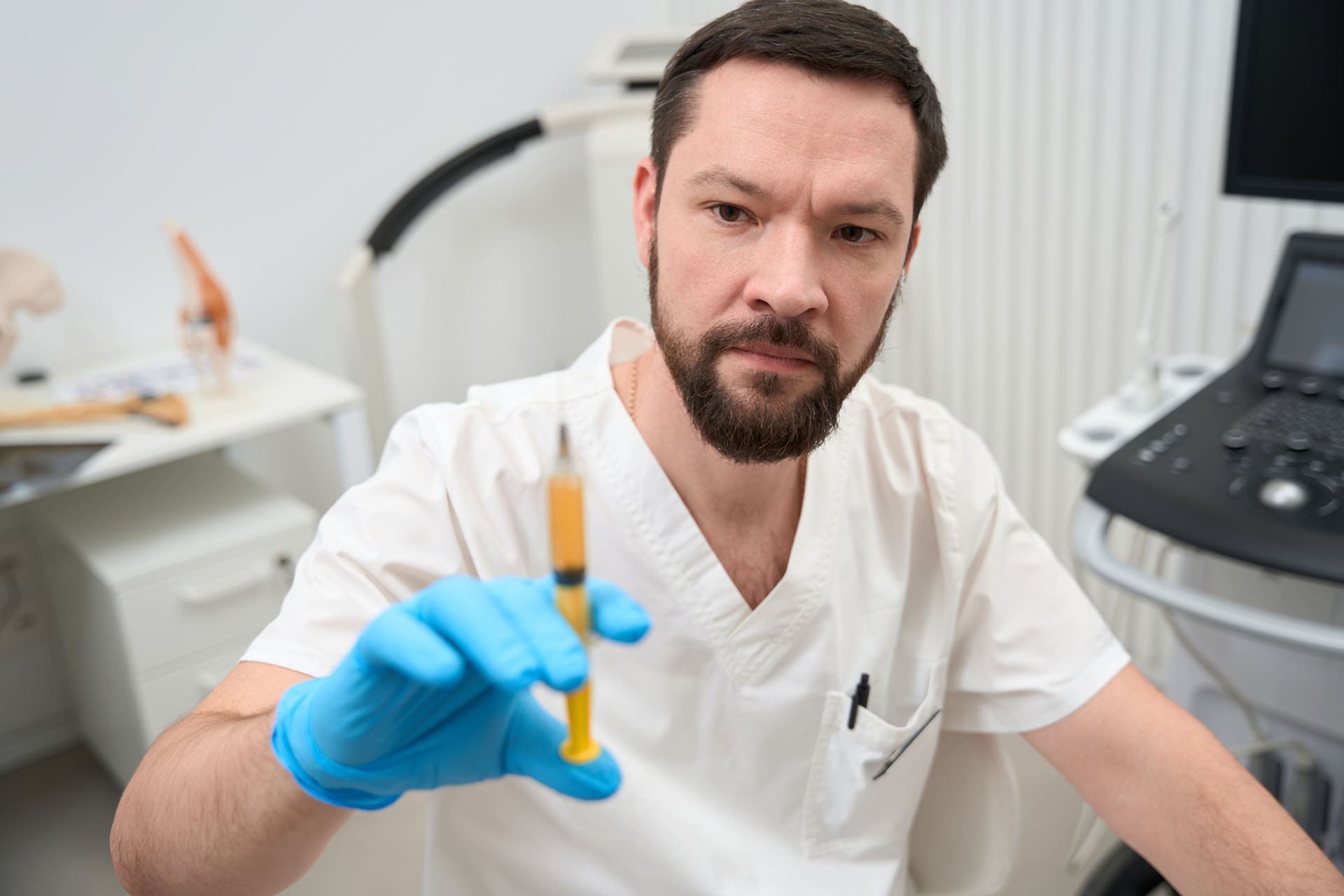
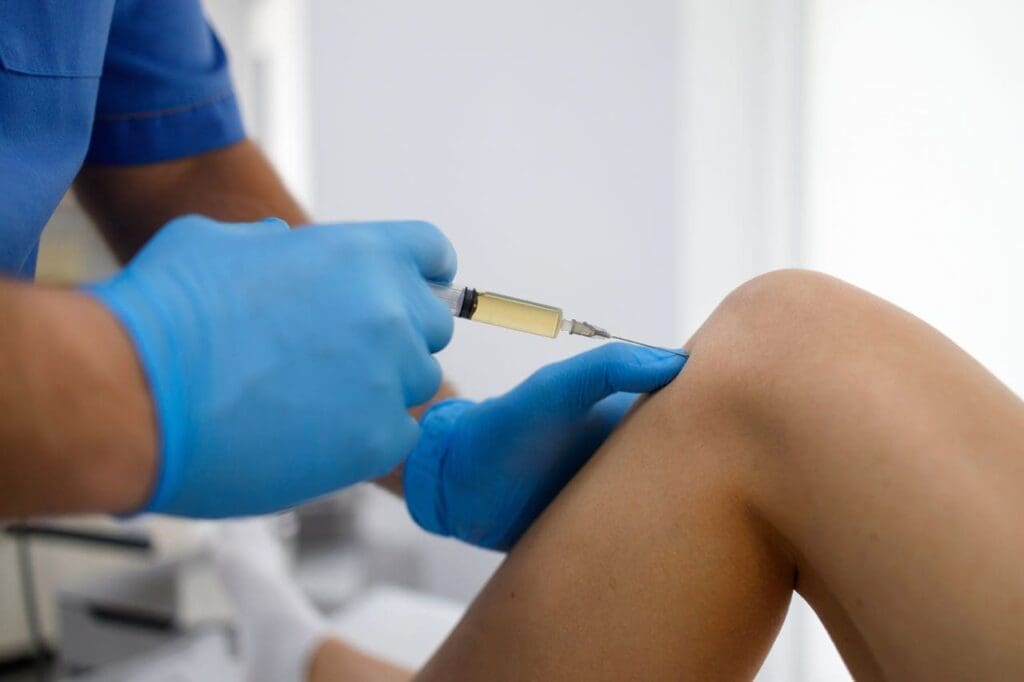
The process starts with a simple blood draw or a small fat sample from your body. Experts then concentrate the helpful parts in a lab. Next, they inject or apply these concentrated cells to the injured spot. Because everything comes from you, the risk of rejection stays very low.

Key Healing Tools Used at ChiroMed: PRP, PRF, MFAT, and Peptides

Several tools make regenerative medicine work so well at ChiroMed. Each one uses your body’s own materials in a smart way.

  • PRP (Platelet-Rich Plasma): Doctors draw a small amount of your blood and spin it in a machine to concentrate the platelets. These platelets release growth factors that kick-start healing. They bring in new blood flow, clear dead cells, and build new tissue. PRP helps with joint pain, tendon injuries, and muscle damage.
  • PRF (Platelet-Rich Fibrin): This next-generation option forms a natural matrix that releases healing signals slowly over time. It stays in place longer and supports steady repair.
  • MFAT (Microfragmented Adipose Tissue): A tiny amount of your fat tissue gets gently processed to keep its stem cells and helpful factors. Doctors inject MFAT into damaged areas, where it promotes long-term regeneration and reduces scar tissue.
  • Peptides: These small signaling molecules act like messengers. They tell cells when to grow, reduce swelling, and rebuild structure. Together with the cells above, peptides create a complete healing cascade.

These tools give your body the extra resources it needs to heal faster and stronger.

How Shockwave Therapy (ESWT) Boosts the Healing Process at ChiroMed

Shockwave therapy adds powerful support to regenerative treatments at ChiroMed. It uses high-energy sound waves that travel deep into tissues. The waves create tiny, controlled stresses that awaken cells and improve blood flow.

Patients often feel a tapping sensation during short 10- to 15-minute sessions. The therapy breaks up scar tissue, reduces inflammation, and encourages the formation of new blood vessels. When paired with PRP or MFAT, shockwave makes the injected cells work even better.

Many patients at ChiroMed receive shockwave right before or after regenerative injections. This combination prepares the area for repair and helps the body respond faster. People notice less pain and better movement within weeks.

The Integrative Approach at ChiroMed: Regenerative Medicine Meets Chiropractic Care

The best results happen when regenerative medicine teams up with structural chiropractic care. Chiropractic adjustments fix misaligned joints and improve how the spine and body move. This creates a stable foundation so the healing cells can do their job.

Dr. Alexander Jimenez, DC, APRN, FNP-BC, CCST, CFMP, IFMCP, leads ChiroMed – Integrated Medicine in El Paso, Texas. With more than 30 years of clinical experience, he and his multidisciplinary team treat the whole person. They look at nutrition, inflammation, movement patterns, and stress alongside the injury itself.

In his observations at ChiroMed, Dr. Jimenez notes that patients recover best when care addresses the root cause. He combines precise chiropractic adjustments with regenerative injections and ESWT shockwave therapy. This approach rebuilds structure, calms nerves, and restores smooth functional movement. Patients avoid the risks and downtime of surgery while regaining strength and confidence.

The clinical team at ChiroMed holds advanced certifications and follows functional medicine principles. They create personalized plans that fit each patient’s lifestyle and goals. Located at 11860 Vista Del Sol Dr, Suite 105, El Paso, TX 79936, ChiroMed has served the community since 1996 with honest, goal-oriented, holistic care.

Why Pre-Procedure Steps Matter for Success at ChiroMed

Good preparation helps regenerative treatments work at their best. The clinical team at ChiroMed gives clear steps before any procedure:

  • Stop anti-inflammatory drugs and steroids one to three weeks ahead so they do not block natural healing.
  • Drink plenty of water and eat anti-inflammatory whole foods to support cell health.
  • Plan a calm recovery day with a driver for the first visit.
  • Follow simple mindfulness or rest routines to lower stress.

These steps ensure the concentrated cells remain active and the body responds well.

Benefits for Personal Injury Recovery at ChiroMed

Regenerative medicine shines for people injured in car accidents or sports injuries. Trauma from sudden impacts can damage joints, ligaments, muscles, and nerves. Traditional care sometimes relies on pain pills or surgery. At ChiroMed, this natural method offers a better path.

  • Faster tissue repair without scars that limit motion.
  • Reduced chronic pain and swelling through natural anti-inflammatory effects.
  • Restored joint function so daily activities feel easier.
  • Stronger, more stable movement patterns that prevent future injuries.
  • No need for addictive medications or long hospital stays.

Patients with whiplash, back strains, knee ligament tears, or shoulder injuries often return to work and sports more quickly. The integrative team at ChiroMed tracks progress with movement tests and imaging to confirm real healing.

Clinical Observations from Dr. Alexander Jimenez at ChiroMed

Dr. Jimenez has treated thousands of patients using these combined methods at ChiroMed. He sees consistent improvements in mobility, strength, and quality of life. In his El Paso practice, he emphasizes education so patients understand their options and feel confident in their care.

His clinical notes highlight how addressing the root cause—whether spinal misalignment, hidden inflammation, or poor tissue nutrition—leads to lasting results. Many patients report they feel “rebuilt from the inside out” after completing a full regenerative and chiropractic plan at ChiroMed. Dr. Jimenez continues to share these insights to help more people in El Paso choose natural recovery.

Choosing a Natural Path to Better Health at ChiroMed

Regenerative medicine at ChiroMed gives the body what it needs to heal itself. By using your own concentrated healing cells (PRP, PRF, MFAT) and signaling peptides, along with tools like ESWT shockwave therapy, it helps fix injuries When paired with expert chiropractic care, the results go beyond pain relief to full functional restoration.

This integrative, non-surgical approach fits perfectly for personal injuries from car accidents or sports. It helps people avoid drugs and surgery while rebuilding strength and movement. Under the guidance of Dr. Alexander Jimenez and the team at ChiroMed – Integrated Medicine Holistic Healthcare, patients experience real, lasting recovery.

If you live with joint pain or recovery challenges in El Paso, explore how regenerative medicine and chiropractic care at ChiroMed can work for you. A natural boost to your body’s healing systems may be the key to feeling better and moving freely again. Visit ChiroMed at 11860 Vista Del Sol Dr, Suite 128, or call to learn more about personalized integrative care.


References

Pre-Procedure Protocols For Regenerative Medicine | Part 1 (Jimenez, n.d.-a)

PRP Therapy Body Detoxification and Tissue Repair Explained (Jimenez, n.d.-b)

A Guided Look Into Regenerative Cellular Treatment | Part 1 (Jimenez, n.d.-c)

Injury Specialists (Jimenez, n.d.-d)

Dr. Alexander Jimenez, DC, APRN, FNP-BC, IFMCP, CFMP, ATN ♛ – Injury Medical Clinic PA | LinkedIn (LinkedIn, n.d.)

Integrative Chiropractic for Personal Injury Recovery Success (Jimenez, 2026)

Shockwave Therapy Chiropractic in El Paso (Jimenez, n.d.-e)

How Regenerative Medicine and PRP Therapy Can Help You (Jordan, 2024)

The "Reset" Pain After Holding an Awkward Position

The “Reset” Pain After Holding an Awkward Position

The "Reset" Pain After Holding an Awkward Position
The “Reset” Pain After Holding an Awkward Position

What It’s Called, Why It Happens, and How ChiroMed Integrative Care Can Help

Have you ever sat, stood, or twisted in a position that felt “fine” at first, but when you moved back to normal, you felt a sharp discomfort, stiffness, or a strange “reset” sensation in a muscle or joint? Sometimes it feels like something releases, and then you need a minute for the area to calm down.

This is a very common body experience. Most of the time, it is not mysterious. It is your nervous system and soft tissues reacting to being held in a stressful position and then quickly returning to neutral.

Clinically, this experience is usually explained by a combination of:

  • Postural strain (overload from posture)
  • Muscle tightness and muscle guarding (protective tension)
  • Trigger points (sensitive, tight spots in muscle)
  • Myofascial restriction (stiffer, less mobile fascia)
  • Temporary joint restriction (a joint not gliding normally)

At ChiroMed, this is often approached as a “whole system” issue: joints, muscles, fascia, and the nervous system all influence how you move and how you feel, especially after long periods of sitting, working, driving, or sleeping in a poor position (ChiroMed, n.d.-a; Mayo Clinic, 2024). https://chiromed.com/ ; https://www.mayoclinic.org/tests-procedures/chiropractic-adjustment/about/pac-20393513


What is this feeling called?

People describe it in different ways:

  • “My back locked up”
  • “My neck was stuck and then it popped”
  • “I moved and it had to reset”
  • “It felt like a cramp, then it let go”
  • “It hurts when I come back to normal”

From a clinical point of view, the most accurate labels usually include:

  • Postural strain
  • Muscle guarding (protective stiffness)
  • Trigger point flare (myofascial pain)
  • Joint restriction or joint dysfunction (reduced joint motion)
  • Myofascial restriction (fascia not gliding well)

You may also hear chiropractic terms like “restricted segmental motion” or “functional joint restriction.” Some people use the word “subluxation” to describe a motion problem, but in most everyday posture cases, the key issue is not a dislocation. It is a temporary movement limitation and soft-tissue tightness that causes pain when you return to neutral (Mayo Clinic, 2024). https://www.mayoclinic.org/tests-procedures/chiropractic-adjustment/about/pac-20393513


Why it happens: the simple explanation

Your body is built for variety in movement. When you stay in one awkward position too long, your body adapts to protect you. That protection can feel like tightness, stiffness, and pain when you move back.

A practical way to think about it:

  1. You hold a stressful posture.
  2. Some tissues get compressed and irritated.
  3. Muscles tighten to stabilize you (guarding).
  4. Fascia becomes less “slippery” and more stiff.
  5. A joint may stop gliding normally.
  6. When you return to neutral, everything has to “reorganize” fast.
  7. You feel a “reset” sensation, along with short-term discomfort.

Fascia matters here because it is a connective tissue network that surrounds muscles and helps them glide. When fascia gets irritated or less mobile, it can feel like tightness, pulling, or stiffness (Johns Hopkins Medicine, n.d.). https://www.hopkinsmedicine.org/health/wellness-and-prevention/muscle-pain-it-may-actually-be-your-fascia


The key parts of the “reset” experience

Tight muscles or protective guarding

Muscle guarding is your nervous system trying to prevent movement it perceives as unsafe. It can happen after:

  • Long sitting
  • Repetitive work
  • Stress and poor sleep
  • Minor strains
  • Old injuries that make you move differently

Muscle stiffness and soreness after inactivity are common symptoms and can improve as tissues warm up and circulation increases (Cleveland Clinic, 2023). https://my.clevelandclinic.org/health/symptoms/25147-muscle-stiffness

Trigger points

Trigger points are sensitive, tight spots inside a muscle. When you change position, the muscle length changes, and the trigger point can “complain.”

Common clues you are dealing with trigger points:

  • A tender spot that hurts when pressed
  • A tight band feeling in the muscle
  • Pain that can refer to nearby areas

Myofascial pain patterns like this are widely described in patient education and often respond best to a mix of movement, soft-tissue care, and addressing the underlying cause (WebMD, 2024a). https://www.webmd.com/pain-management/myofascial-pain-syndrome

Fascia restriction and “sticky” glide

Fascia is not just wrapping. It has nerves, it responds to stress and movement, and it can contribute to pain when irritated (Johns Hopkins Medicine, n.d.). https://www.hopkinsmedicine.org/health/wellness-and-prevention/muscle-pain-it-may-actually-be-your-fascia

When fascia is restricted, you may notice:

  • You feel stiff even when you stretch
  • The area feels “stuck” more than “tight”
  • You feel pulling or discomfort with certain angles

Stretching alone does not always resolve stiffness, according to some rehab sources. Often, you need mobility, strength, and better movement patterns (NYDN Rehab, 2019). https://nydnrehab.com/blog/feeling-stiff-why-stretching-may-not-be-the-best-solution/

Joint restriction and the “pop”

If a joint has not been moving normally, it can feel like it “catches” or pinches at the end range. When it finally moves again (whether naturally or through an adjustment), some people feel a release or hear a pop.

Patient education materials commonly explain that a pop can involve a pressure change and gas release in the joint (often called cavitation) (Spine Stop, 2025; Peak Performance, n.d.).
https://www.spinestop.com/blog/what-happens-during-a-chiropractic-adjustment
https://peakperformancefranklin.com/faq/


What is happening inside your body when you move back to neutral?

Joint fixation or motion loss

A joint that does not glide well can create:

  • Pain when you “push it” back to neutral
  • A sudden release sensation when it finally moves
  • Short-term soreness after movement returns

Proprioceptive “reset”

Proprioception is your body’s sense of position. When you stay in a posture too long, your nervous system may temporarily treat it as the new normal. When you return to neutral, the brain and muscles recalibrate. That recalibration can feel weird, stiff, or briefly painful, then it settles.

Short-term soreness afterward

After a release, you may feel:

  • A warm ache
  • Mild soreness
  • Less restriction, but tenderness for a few hours

This can be normal, especially if the tissues were irritated and are now moving again (Health.com, 2023; Mayo Clinic, 2024).
https://www.health.com/chiropractor-7554177
https://www.mayoclinic.org/tests-procedures/chiropractic-adjustment/about/pac-20393513


Why posture is often the root driver

Poor posture is not about looking a certain way. It is about how the load is distributed over time.

When posture is off for long periods, it can lead to:

  • Muscle strain and overuse in some areas
  • Weakness or underuse in other areas
  • Joint stress and reduced motion
  • Higher chance of recurring tightness

Several clinics and rehab resources discuss poor posture as a common contributor to tension and discomfort (Calhoun Spine Care, n.d.; Blackburn Chiropractic Clinic, n.d.; Physis Rehab, n.d.).
https://calhounspinecare.com/postures-impact-on-back-pain-treatment-success-3/
https://blackburnchiropractor.ca/conditions/postural-alterations/
https://www.physisrehab.com/poor-posture-the-main-culprit-behind-muscle-tension/


What about “somatic soreness” and stress-based tension?

Sometimes the “locked” feeling is not only mechanical. Stress can raise baseline muscle tension and make your nervous system more protective.

Some writers use the term “somatic soreness” to describe body tension that can be influenced by emotional stress and nervous system activation (On The Go Wellness, n.d.). https://onthegowellness.com/somatic-soreness-the-overlooked-difference-between-muscle-pain-and-emotional-tension-stored-in-the-body/

This does not mean the pain is imaginary. It means your system may be:

  • More sensitive to pressure and movement
  • More likely to guard and brace
  • Slower to relax after strain

An integrative plan can still help because it targets both motion and nervous system calm.


How ChiroMed’s integrative approach can help

ChiroMed presents itself as an integrative clinic that combines chiropractic care with services such as nurse practitioner care, rehabilitation, nutrition, and acupuncture, aiming for a coordinated plan rather than a one-tool approach (ChiroMed, n.d.-a; ChiroMed, n.d.-b).
https://chiromed.com/
https://chiromed.com/about-us/

When you keep getting the “reset pain,” a useful plan typically includes four pillars:

Restore joint motion (adjustment or mobilization)

Chiropractic adjustment is commonly described as a controlled force applied to improve spinal or joint motion and reduce pain in certain conditions, such as neck or back pain (Mayo Clinic, 2024). https://www.mayoclinic.org/tests-procedures/chiropractic-adjustment/about/pac-20393513

Why it can help with the “reset” pattern:

  • It helps a restricted joint move more normally
  • It reduces the need for your body to “force” a painful release on its own
  • It may decrease protective muscle guarding once motion feels safer

Address soft tissue and fascia (myofascial work)

If your pain is driven by trigger points or fascial restriction, soft tissue methods may be important:

  • Myofascial release
  • Trigger point techniques
  • Gentle stretching paired with movement retraining

Myofascial pain education commonly includes these approaches, alongside exercise, posture, and repetitive strain management (WebMD, 2024a; WebMD, 2024b).
https://www.webmd.com/pain-management/myofascial-pain-syndrome
https://www.webmd.com/pain-management/what-to-know-myofascial-release-therapy

Rehab and exercise, so it does not keep coming back

If a joint keeps getting “stuck,” there is usually a reason:

  • Weak stabilizers
  • Poor motor control
  • Limited mobility in a nearby area
  • Repetitive posture habits

Rehab that combines mobility and strength often creates longer-lasting change than stretching alone (NYDN Rehab, 2019). https://nydnrehab.com/blog/feeling-stiff-why-stretching-may-not-be-the-best-solution/

Calm the nervous system (reduce guarding)

When pain decreases and movement feels safer, guarding can ease.

Supportive factors include:

  • Better sleep
  • Breath work
  • Gentle daily movement
  • A plan that progresses gradually (not too aggressive)

ChiroMed’s integrative model emphasizes multidisciplinary support and collaboration when needed (ChiroMed, n.d.-c). https://chiromed.com/elpaso-texas/


Clinical observations: Dr. Alexander Jimenez, DC, APRN, FNP-BC

ChiroMed’s website states it is led by Dr. Alex Jimenez and highlights a multidisciplinary approach that blends chiropractic care with nurse practitioner-level evaluation and integrative wellness strategies (ChiroMed, n.d.-d). https://chiromed.com/contact-us/

From an integrative clinical perspective, the “reset pain” pattern is often treated more effectively when the plan includes:

  • A movement and posture assessment
  • Joint mechanics plus soft tissue evaluation
  • Progressive rehab to build stability
  • Attention to nervous system load (stress, sleep, recovery)

This “full picture” approach is also consistent with how Dr. Jimenez presents integrative care across his professional platforms (ChiroMed, n.d.-d). https://chiromed.com/contact-us/


What you can do today: quick steps that reduce the “reset” problem

You do not have to wait until it is severe.

Movement habits that help

  • Change positions every 30 to 60 minutes
  • Take “movement snacks” during the day:
    • 30 seconds of standing and walking
    • gentle shoulder rolls
    • easy neck turns (pain-free range)
    • hip shifts or mini-squats

A simple 2-minute reset routine

  • 5 slow breaths (longer exhale)
  • 10 shoulder blade squeezes
  • 10 gentle hip hinges or sit-to-stands
  • 30 to 60 seconds of walking

Posture upgrades that matter

  • Screen at eye level
  • Feet supported
  • Hips and knees comfortable (not tucked under)
  • Avoid one-sided leaning for long periods

When you should get evaluated

Get checked sooner if you have:

  • Numbness or tingling that is new or worsening
  • Weakness in an arm or leg
  • Severe pain after an accident or fall
  • Fever, unexplained weight loss, or night pain
  • Bowel or bladder changes

For severe, persistent, or unimproving back pain, patient guidance commonly recommends seeking evaluation from a qualified professional (Healthgrades, 2020). https://resources.healthgrades.com/right-care/back-pain/when-to-see-a-doctor-for-back-pain


Bottom line

The “reset” pain after holding an awkward position is usually a mix of:

  • Postural strain
  • Muscle guarding
  • Trigger points
  • Fascial restriction
  • Temporary joint restriction
  • A nervous system recalibrating proprioception

An integrative plan can help by restoring motion, treating soft-tissue restrictions, strengthening weak links, and reducing the nervous system’s need to guard. ChiroMed describes a multidisciplinary model that combines these strategies into a single coordinated plan (ChiroMed, n.d.-a; ChiroMed, n.d.-b).
https://chiromed.com/
https://chiromed.com/about-us/


References

Integrated Telemedicine to Treat Sports Injuries

Integrated Telemedicine to Treat Sports Injuries

How ChiroMed Integrated Medicine in El Paso, TX, Uses Telemedicine to Treat Sports Injuries Fast and Completely

If you live in El Paso or play sports anywhere in West Texas, a twisted ankle, shoulder pain, or concussion can stop you in your tracks. At ChiroMed Integrated Medicine Holistic Healthcare in El Paso, TX, Dr. Alexander Jimenez, DC, APRN, FNP-BC, and his team combine chiropractic care and nurse practitioner services through telemedicine to get athletes back in the game—often without ever leaving home.

ChiroMed’s unique dual-provider model lets patients see both a board-certified nurse practitioner and an integrative chiropractor during a single virtual visit. This means faster answers, comprehensive care, and a single plan that addresses both the medical and musculoskeletal sides of your injury.

Why ChiroMed’s Telemedicine Program Works So Well for El Paso Athletes

Living in El Paso, Las Cruces, or even far west Texas ranches means long drives to specialists. ChiroMed’s telemedicine program removes that barrier.

  • Same-day or next-day virtual visits – no waiting weeks for an appointment.
  • No driving across town, to Juarez, or to Albuquerque for imaging or follow-ups.
  • See both the NP and chiropractor in one video call.
  • Perfect for high school athletes in EPISD, Socorro ISD, Canutillo, Clint, Fabens, or Fort Hancock who get hurt Friday night and need help Saturday morning.
  • Great for college and club athletes traveling for tournaments.

Johns Hopkins Medicine reports that telemedicine saves time, reduces travel, and fits busy schedules (Johns Hopkins Medicine, n.d.).

How the ChiroMed Team Works Together on Your Screen

When you book a telemedicine visit with ChiroMed Integrated Medicine in El Paso, here’s exactly what happens:

The Nurse Practitioner (APRN/FNP-BC) side:

  • Takes your full medical history
  • Orders X-rays, MRIs, or lab work the same day (sent to local El Paso imaging centers)
  • Prescribes pain or anti-inflammatory medication if needed
  • Rules out fractures, concussions, or other urgent issues

The Integrative Chiropractor (Dr. Jimenez) side:

  • Performs a live virtual orthopedic and neurological exam
  • Watches how you move your spine, shoulders, knees, or ankles on camera
  • Guides you through specific corrective exercises and stretches right then
  • Checks spinal alignment and joint function remotely

Because both providers are on the same team at ChiroMed, they talk instantly and build one unified plan—no conflicting advice.

Real Examples from ChiroMed Patients in El Paso

  • A Socorro High School football player with a possible concussion got evaluated Saturday morning via telemedicine, was cleared with a safe return-to-play plan, and avoided an unnecessary ER trip.
  • A UTEP soccer player with low back pain started guided rehab exercises the same day and returned to practice in 10 days instead of 4–6 weeks.
  • A weekend warrior from Horizon City with shoulder pain got an MRI ordered on Monday, meds prescribed, and daily home exercises—never missed work.

Dr. Alexander Jimenez notes that this combined approach often cuts recovery time in half compared to traditional single-provider care (Dr. Alexander Jimenez, personal observation, 2025).

What a ChiroMed Telemedicine Visit Looks Like

  1. Book online or call the El Paso office – same-day spots are usually available.
  2. Get a secure video link sent to your phone.
  3. Join from home, the field, or even the team bus.
  4. The NP reviews history and orders any tests.
  5. Dr. Jimenez performs the movement exam and teaches corrective exercises live.
  6. You leave the call with:
    • A clear diagnosis
    • Prescriptions sent to your pharmacy (Walgreens, CVS, or Walmart on the east or west side)
    • Imaging orders for places like El Paso MRI or University Medical Center
    • A custom video exercise program
    • Follow-up schedule (usually weekly virtual check-ins)

Extra Benefits for El Paso and Far West Texas Families

  • Parents in Anthony, Vinton, or Fabens don’t have to spend a whole day driving.
  • Military families at Fort Bliss can get care even when deployed family members are away.
  • Spanish-speaking staff available for fully bilingual visits.
  • Accepts most major insurance plans plus affordable self-pay rates.

Research shows that telemedicine reduces unnecessary ER visits and provides athletes with expert care faster (OrthoLive, n.d.; InjureFree, n.d.).

Conditions ChiroMed Treats Successfully with Telemedicine

  • Sprained ankles and knees
  • Back and neck pain from tackles or falls
  • Shoulder and rotator cuff injuries
  • Concussion evaluation and return-to-play plans
  • Tennis elbow, runner’s knee, shin splints
  • Post-game muscle strains

Start Your Recovery Today – From Anywhere in El Paso

You don’t have to wait until Monday or drive across the city in pain. ChiroMed Integrated Medicine Holistic Healthcare in El Paso, TX, offers telemedicine visits seven days a week.

Call (915) 850-0900 or book online at dralexjimenez.com to receive both chiropractic and nurse practitioner care in a single virtual visit.

References

Dr. Alexander Jimenez. (2025). Personal clinical observations on integrative telemedicine for sports injuries [Personal communication]. https://dralexjimenez.com/

Hopkins Medicine. (n.d.). Benefits of telemedicine. https://www.hopkinsmedicine.org/health/treatment-tests-and-therapies/benefits-of-telemedicine

InjureFree. (n.d.). Breaking boundaries: The power of telemedicine in sports. https://www.injurefree.com/blog/technology-fridays-breaking-boundaries-the-power-of-telemedicine-in-sports-expertise-at-your-fingertips

OrthoLive. (n.d.). Five ways telehealth helps sports doctors improve their practice. https://www.ortholive.com/blog/five-ways-telehealth-helps-sports-doctors-improve-their-practice/