

Fitness vs. Wellness: Integrated Medicine in El Paso
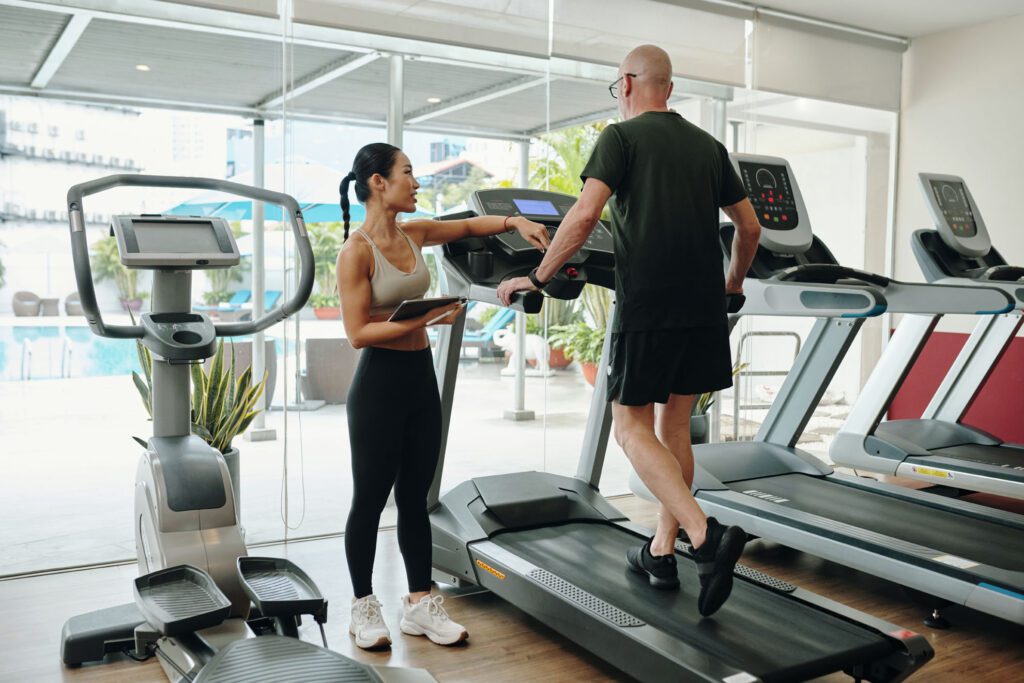
How ChiroMed Helps You Achieve Both with Chiropractic Care and Exercise
Living in El Paso, you want to feel strong for work, family, and enjoying the Franklin Mountains. Many people mix up the words “fitness” and “wellness,” but they are not the same. Fitness is your body’s physical power—how much you can lift, how far you can walk, or how long you can play with your kids without getting exhausted. Wellness is bigger. It means feeling great in your body, mind, emotions, and relationships. At ChiroMed – Integrated Medicine Holistic Healthcare in El Paso, TX, the team knows that exercise is the bridge between fitness and wellness, and chiropractic care makes that bridge stronger and safer (Chambers, n.d.).
What is Fitness? Building a Stronger Body in El Paso
Fitness is about what your body can do:
- Lift groceries or move furniture (strength)
- Hike the trails at Hueco Tanks without stopping (endurance)
- Bend down to tie your shoes easily (flexibility)
- Keep steady on uneven ground (balance)
Good fitness lowers your chance of heart problems, diabetes, and back pain—common concerns for many El Paso residents who work on their feet or sit at a desk all day (Mayo Clinic, n.d.).
What is Wellness? Feeling Your Best Overall
Wellness is how positive your whole life feels. It includes:
- Sleeping well at night
- Staying calm in traffic on I-10
- Having energy to enjoy family barbecues
- Feeling happy and connected to friends
At ChiroMed in El Paso, wellness is the main goal. The doctors look at the whole person—not just where it hurts (American Council on Exercise, n.d.).
Exercise: The Link Between Fitness and Wellness
Exercise is the one habit that improves both fitness and wellness simultaneously. A 30-minute walk in the neighborhood builds leg strength (fitness) and clears your mind after a long day (wellness). Yoga at a local El Paso studio increases flexibility (fitness) and lowers stress (wellness) (HelpGuide.org, n.d.).
How ChiroMed – Integrated Medicine in El Paso Combines Chiropractic Care and Exercise for Better Results
At ChiroMed on the East Side of El Paso, the doctors use gentle spinal adjustments to remove nerve pressure and help your body move correctly. When your spine is aligned:
- Exercises feel easier and more effective
- You get stronger faster
- You have less chance of getting hurt
- Pain from old injuries or daily stress decreases
The ChiroMed team, led by experts like Dr. Alexander Jimenez, creates custom exercise plans for every patient. These plans include simple stretches, core exercises, and movements you can do at home or at nearby parks. Patients often say they finally feel the difference after combining adjustments with the prescribed exercises (Jimenez, n.d.; AdventHealth, n.d.).
Here are some ways ChiroMed patients in El Paso see changes:
- Back or neck pain decreases, so daily walks are enjoyable again
- Better posture from core exercises and adjustments
- More energy for work and family
- Faster recovery after weekend soccer games or yard work
- Lower stress and better sleep
Real-Life Examples from ChiroMed Patients in El Paso
Many local teachers, construction workers, nurses, and parents visit ChiroMed because pain stops them from living fully. After a few weeks of adjustments plus easy home exercises, they report:
- Walking the dog without sciatica pain
- Playing with grandkids without throwing out their back
- Sleeping through the night for the first time in years
- Returning to hiking trails in the Franklin Mountains
This powerful combination of chiropractic care and exercise promotes long-term health rather than quick fixes (Tigard Chiropractic Auto Injury, n.d.).
Start Your Journey at ChiroMed – Integrated Medicine in El Paso, TX
Whether you want to get fit for a 5K, feel less pain at work, or enjoy life more, ChiroMed – Integrated Medicine Holistic Healthcare in El Paso can help. The team focuses on natural, drug-free care that safely builds both fitness and wellness.
Call ChiroMed today or stop by the clinic to see how chiropractic care, along with the right exercises, can change how you feel every day in El Paso.
References
AdventHealth. (n.d.). A Beginner’s Guide to Combining Exercise with Chiropractic Care for Maximum Benefits
American Council on Exercise. (n.d.). Wellness vs. Fitness
Chambers, K. (n.d.). Unveiling the Connection: Understanding the Difference Between Fitness vs Wellness
HelpGuide.org. (n.d.). Exercise & Fitness
Jimenez, A. (n.d.). Injury Specialists – Dr. Alex Jimenez
Mayo Clinic. (n.d.). 7 Great Reasons Why Exercise Matters
Tigard Chiropractic Auto Injury. (n.d.). Integrating Exercise with Chiropractic: A Synergistic Approach