
Care is the cornerstone of our practice

Give us a Call
+1 (915) 412-6680
Send us a Message
support@chiromed.com
Opening Hours
Mon-Thu: 7 AM - 7 PM
Fri - Sun: Closed

ChiroMed: Enhancing Posture Recovery After TBI

ChiroMed: Enhancing Posture Recovery After TBI
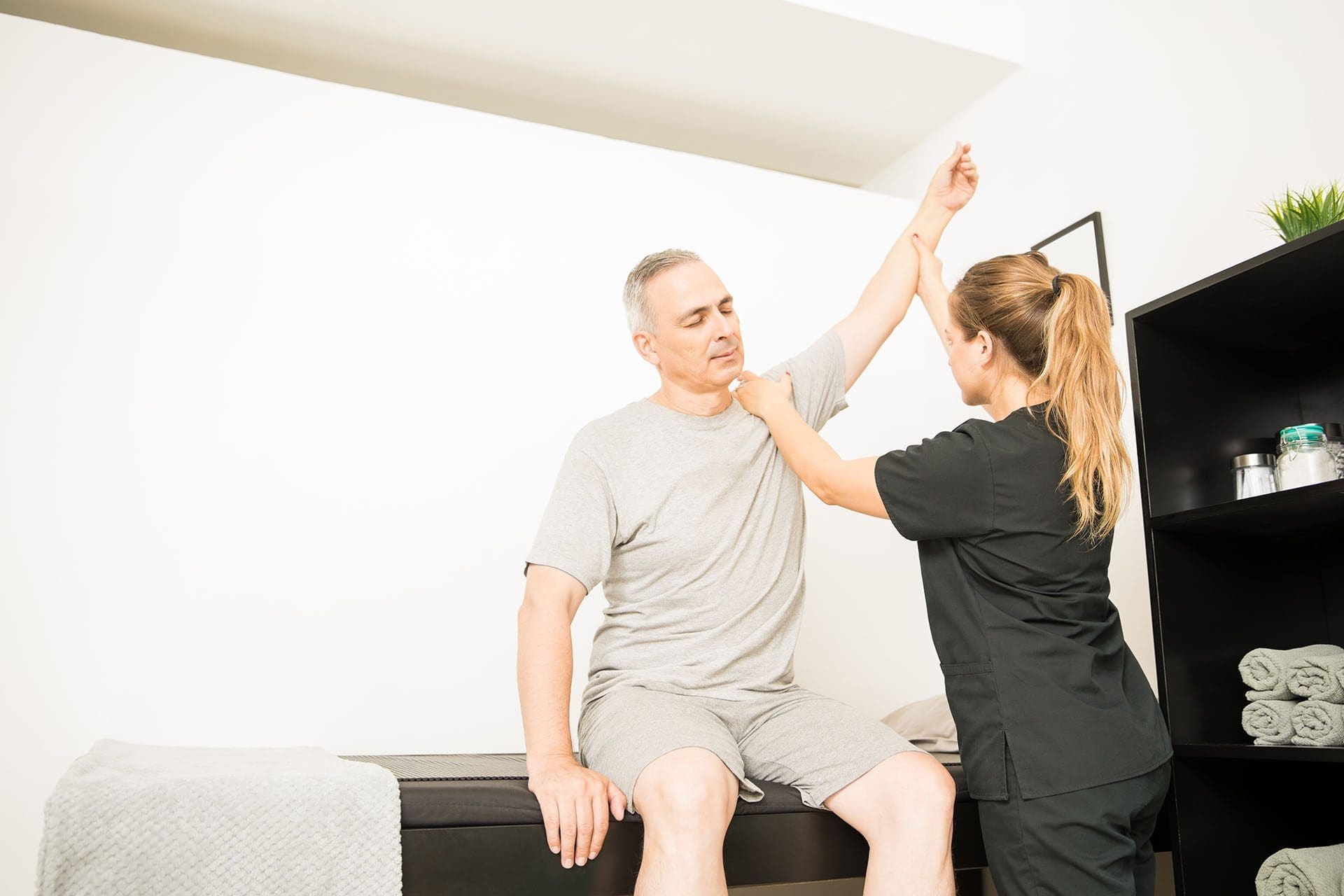
A physiotherapist helps a woman with a mild head injury from a slip and fall accident.

Recovering from Traumatic Brain Injury: Safe Posture Exercises, Chiropractic Care, and Nurse Practitioner Support for Better Healing

Traumatic brain injury (TBI) happens when a sudden blow or jolt harms the brain. Falls, car crashes, and sports accidents are common causes. After a TBI, many people experience headaches, dizziness, neck pain, and trouble keeping balance. One big problem is poor posture. The head may lean forward, the shoulders round, and the back slumped. This adds extra stress to the neck and spine and can slow down healing.

The good news is that gentle posture exercises, integrative chiropractic care, and help from a nurse practitioner can make a real difference. These steps work together to ease pain, improve balance, and help the brain and body heal faster. Experts like Dr. Alexander Jimenez, DC, APRN, FNP-BC, in El Paso, Texas, use this combined approach every day with great results (Jimenez, n.d.).

This guide explains everything in simple words. It gives safe exercises you can try at home and shows how professionals support recovery. Always talk to your doctor first and stop any movement that hurts.

Why Posture Matters After Traumatic Brain Injury

When the brain is injured, it can change how muscles work. Some get too tight, while others get weak. The neck and upper back are often the most affected. Many people develop forward head posture, where the head sits in front of the shoulders rather than directly on top. Every inch the head moves forward adds about 10 extra pounds of stress to the neck muscles (Healthline, 2023a).

Poor posture after TBI can cause:

  • Daily headaches and neck pain
  • Worse dizziness and balance problems
  • Tired muscles and low energy
  • Longer recovery time

Fixing posture early helps blood flow to the brain, lowers pain, and makes daily tasks easier (Flint Rehab, n.d.a).

Safe and Recommended Posture Exercises After TBI

Recommended posture exercises following a traumatic brain injury include mild neck stretches, such as chin tucks and side bends, as well as core and trunk exercises, such as seated marching, lateral trunk flexion, and seated trunk extension. These interventions can facilitate early-stage recovery by enhancing balance and alleviating neck tension. It is essential to commence gradually, cease activity if discomfort arises, and obtain medical approval prior to initiating any new exercise regimen.

Start seated in a firm chair with feet flat on the floor. Breathe slowly and deeply. Do 5–10 repetitions at first and build up as you feel stronger.

Gentle Neck Stretches

  1. Chin Tucks
    • Sit or stand tall.
    • Place one finger on your chin.
    • Gently push your chin straight back to make a “double chin.”
    • Hold for 3–5 seconds, then relax.
    • Repeat 10 times. This move pulls the head back over the spine and fights forward head posture (Back Intelligence, n.d.a; Defense and Veterans Brain Injury Center, 2020).
  2. Side Bends
    • Sit tall.
    • Slowly tilt one ear toward the same shoulder.
    • Use your hand for a very light stretch if it feels okay.
    • Hold for 15–20 seconds, then switch sides.
    • Repeat 3–5 times on each side. Great for tight side-neck muscles and TMJ pain, which often accompany TBI (Healix Therapy, n.d.).
  3. Neck Rotation
    • Turn your head slowly to the right as far as comfortable.
    • Hold for 15 seconds, then turn left.
    • Keep shoulders relaxed—do not shrug.
    • Do 3 times each way (Defense and Veterans Brain Injury Center, 2020).
  4. Neck Flexion (Chin to Chest)
    • Lower your chin slowly toward your chest.
    • Feel a gentle stretch in the back of the neck.
    • Hold for 20 seconds, and repeat 3 times (Achieve Brain & Spine, n.d.).

Core and Trunk Exercises Done Seated

Strong core muscles hold the spine straight and help balance.

  • Seated Marching Sit tall, hands on thighs. Lift one knee a few inches, then lower. Switch legs. Do 20 marches. This exercise activates the hip and lower abdominal muscles (Illinois Department of Central Management Services, n.d.).
  • Lateral Trunk Flexion (Side Bends) Reach one arm overhead and lean gently to the opposite side. Return to the center and switch. 10–15 times on each side (Flint Rehab, n.d.a).
  • Seated Trunk Extension: Cross arms over chest. Lean forward slightly, then use your back muscles to sit up straight and arch a little backward. 10–15 repetitions (Flint Rehab, n.d.a).
  • Seated Weight Shifts: Clasp hands in front of you. Shift weight side to side while keeping the trunk tall. 10 slow shifts in each direction (Flint Rehab, n.d.a).

Helpful Balance and Posture Builders

  • Heel-to-Toe Raises (hold onto a chair) Rise up on toes, lower, then rock back on heels. The exercise should be repeated 10 times (Neofect, n.d.).
  • Modified Cat-Cow (seated or on hands and knees when ready). Round the back on exhale, arch on inhale. 5–8 slow breaths (Flint Rehab, n.d.b).
  • Thoracic Foam Rolling (if cleared by your doctor) Lie on a foam roller under the upper back and gently roll. Opens the chest and fights rounded shoulders (Healthline, 2023b).

Key Safety Rules for All Exercises

  • Get your doctor’s okay first.
  • Start with only 5–10 repetitions.
  • Stop right away if you feel pain, dizziness, nausea, or a worse headache.
  • Rest for at least one day between sessions at the beginning.
  • Have someone nearby the first few times in case the balance is shaky.
  • Write down how you feel after each session to track progress (Sheltering Arms Institute, n.d.; New Medical Choices, n.d.).

How Integrative Chiropractic Care Helps TBI Recovery

Integrative chiropractic care can improve nerve function and address musculoskeletal concerns through precise adjustments.

After a TBI, the upper neck bones (cervical vertebrae) are often slightly out of place. This can pinch nerves and slow the transmission of brain signals. Chiropractors use gentle, precise adjustments to realign bones. This can:

  • Lower neck pain and headaches
  • Improve nerve flow from the brain to the body
  • Increase blood flow to the brain
  • Raise overall mobility and thinking clarity (Northwest Florida Physicians Group, n.d.; Aurora Chiropractic, n.d.).

Many chiropractors start with very light instrument adjustments or soft-tissue work instead of hands-on neck moves right after injury (Calibration Mansfield, n.d.). Dr. Alexander Jimenez often combines spinal adjustments with muscle therapy, nutrition advice, and custom exercise plans. Patients report faster pain relief and better daily function (Jimenez, n.d.).

Six proven ways chiropractic care supports TBI healing (Pinnacle Health Chiro, n.d.):

  • Restores normal fluid movement around the brain and spine
  • Fixes forward head posture and upper-neck misalignments
  • Balances the nervous system
  • Relaxes tight muscles and breaks up scar tissue
  • Improves sleep and reduces stress
  • Boosts blood and oxygen delivery to healing brain cells

When adjustments are paired with the posture exercises above, results come even faster (Tigard Chiropractic, n.d.).

The Important Role of Nurse Practitioners in TBI Care

A nurse practitioner can assist by providing comprehensive patient management, including coordinating care, educating the patient, and monitoring for signs of TBI and potential complications.

Nurse practitioners (NPs) are advanced nurses who can examine patients, order tests, prescribe medicine when needed, and lead the whole care team. In TBI recovery, NPs:

  • Watch for warning signs like worsening headaches, seizures, or mood changes
  • Coordinate physical therapy, occupational therapy, and chiropractic visits
  • Teach patients and families about safe exercises and daily habits
  • Adjust the recovery plan as healing happens
  • Provide emotional support and connect people to counseling or support groups (Mayo Clinic, 2023; NP Journal, 2011; Nursing Center, n.d.).

Dr. Jimenez, who is both a doctor of chiropractic and a family nurse practitioner (FNP-BC), shows how powerful this combined training can be. He spots both the spine issues and the medical complications of TBI at the same visit, so patients get truly complete care (Jimenez, n.d.).

Putting It All Together: A Sample Weekly Recovery Plan

DayActivity
Monday10-minute gentle neck stretches and seated marching (with therapist or NP check-in)
TuesdayChiropractic visit + light soft-tissue work
WednesdayRest or very gentle chin tucks and breathing exercises
ThursdayCore exercises (lateral bends, trunk extension) + short walk with good posture
FridayChiropractic or NP follow-up + balance exercises (weight shifts)
SaturdayFull gentle routine + foam rolling (if cleared)
SundayRest, journaling, and light stretching only

Add 5–10 minutes of slow walking each day when your doctor says it is safe. Good posture while walking is its own exercise!

Extra Recovery Tips That Make a Big Difference

  • Sleep with a thin pillow or cervical pillow to keep the neck straight.
  • Take screen breaks every 20–30 minutes—do a quick chin tuck.
  • Drink plenty of water and eat anti-inflammatory foods (berries, salmon, and leafy greens).
  • Join an online TBI support group for encouragement (Sheltering Arms Institute, n.d.).
  • Keep a simple daily journal: pain level, exercises done, mood. This helps your NP or chiropractor adjust the plan.

Final Thoughts

Recovery from traumatic brain injury takes time and patience, but the right tools speed healing and improve life quality. Gentle posture exercises like chin tucks, side bends, seated marching, and trunk movements safely rebuild strength and balance. Integrative chiropractic care restores proper spine alignment and nerve function. Nurse practitioners keep everything coordinated and watch for problems.

When these three work together—exercises at home, regular chiropractic adjustments, and expert oversight from a nurse practitioner—most people see less pain, better posture, and clearer thinking within weeks to months.

Talk to your medical team today. Start slow, stay consistent, and celebrate every small win. Healing is possible.


References

Achieve Brain & Spine. (n.d.). Patient exercises. https://www.achievebrainandspine.com/resources/patient-exercises/

Aurora Chiropractic. (n.d.). Chiropractic care for head injuries: Techniques and benefits. https://aurora-chiropractic.com/chiropractic-care-for-head-injuries/

Back Intelligence. (n.d.a). How to fix forward head posture – 5 exercises and stretches. https://backintelligence.com/how-to-fix-forward-head-posture/

Calibration Mansfield. (n.d.). How can integrative chiropractic care help with traumatic brain injuries? https://calibrationmansfield.com/how-can-integrative-chiropractic-care-help-with-traumatic-brain-injuries/

Defense and Veterans Brain Injury Center. (2020). Neck pain following concussion/mTBI fact sheet. https://health.mil/Reference-Center/Fact-Sheets/2020/07/30/Neck-Pain-Following-ConcussionmTBI-Fact-Sheet

Flint Rehab. (n.d.a). Traumatic brain injury recovery exercises. https://www.flintrehab.com/exercises-for-brain-injury-recovery/

Flint Rehab. (n.d.b). 9 best yoga poses for brain injury patients. https://www.flintrehab.com/yoga-poses-for-brain-injury/

Healthline. (2023a). Forward head posture: Exercises and stretches to try. https://www.healthline.com/health/bone-health/forward-head-posture

Healthline. (2023b). Kyphosis exercises to treat a rounded upper back. https://www.healthline.com/health/exercise-fitness/kyphosis-exercises

Healix Therapy. (n.d.). Neck exercises for TMJ pain relief. https://healixtherapy.com/neck-exercises-tmj-pain-relief/

Illinois Department of Central Management Services. (n.d.). Traumatic brain injury recovery. https://cms.illinois.gov/benefits/stateemployee/bewell/getmoving/traumatic-brain-injury-recovery.html

Jimenez, A. (n.d.). Dr. Alex Jimenez, DC, APRN, FNP-BC. https://dralexjimenez.com/

Mayo Clinic. (2023). Traumatic brain injury – Diagnosis & treatment. https://www.mayoclinic.org/diseases-conditions/traumatic-brain-injury/diagnosis-treatment/drc-20378561

Neofect. (n.d.). Balance exercise after brain injury. https://www.neofect.com/blog/balance-exercise-after-brain-injury

New Medical Choices. (n.d.). Traumatic brain injury recovery exercises. https://newmedicalchoices.com/traumatic-brain-injury-recovery-exercises/

Northwest Florida Physicians Group. (n.d.). Using chiropractic care to treat traumatic brain injuries. https://northwestfloridaphysiciansgroup.com/using-chiropractic-care-to-treat-traumatic-brain-injuries/

NP Journal. (2011). Neurotrauma—The role of the nurse practitioner in traumatic brain injury. https://www.npjournal.org/article/S1555-4155(11)00482-X/abstract

Nursing Center. (n.d.). The role of the nurse practitioner in traumatic brain injury. https://www.nursingcenter.com/journalarticle?Article_ID=527301&Journal_ID=420955&Issue_ID=527288

Pinnacle Health Chiro. (n.d.). Six ways chiropractic care supports healing after TBI. https://www.pinnaclehealthchiro.com/blog/six-ways-chiropractic-care-supports-healing-after-tbi

Sheltering Arms Institute. (n.d.). Concussion treatment exercises you can do at home. https://shelteringarmsinstitute.com/rehablogs/concussion-treatment-exercises-you-can-do-at-home/

Tigard Chiropractic. (n.d.). Navigating recovery: Exercise plans after chiropractic care. https://www.tigardchiropracticautoinjury.com/navigating-recovery-exercise-plans-after-chiropractic-care

Gut-Brain Link After Traumatic Brain Injury: ChiroMed

Gut-Brain Link After Traumatic Brain Injury: Chiropractic Help

Understanding the Gut-Brain Link After Traumatic Brain Injury: How Integrative Chiropractic Care Can Help

Traumatic brain injury, or TBI, happens when a sudden blow or jolt to the head disrupts normal brain function. This kind of injury can range from mild concussions to severe cases that change lives forever. However, what many people don’t know is that TBI affects not just the brain. It can also cause big problems in the stomach and intestines. These gut issues can make recovery harder and even worsen the brain injury itself. This article looks at why the gut suffers after TBI, the problems it causes, and how a whole-body approach like integrative chiropractic care might offer relief.

Think of the body as a connected network. The brain and gut communicate with each other constantly through nerves, hormones, and immune signals. This is called the gut-brain axis. Damage to the brain disrupts this conversation. The gut becomes more “leaky,” its helpful bacteria get out of balance, and inflammation spreads. These changes lead to everyday troubles like nausea or constipation. Over time, they can fuel further brain swelling, slowing the healing process.

In this piece, we’ll break down the science in simple terms. We’ll cover how TBI affects the gut, the symptoms it causes, and why addressing gut issues is crucial for brain recovery. Then, we’ll explore integrative chiropractic care—a gentle, hands-on approach that targets the spine to enhance nerve signals and reduce inflammation. Drawing on real studies and expert views, such as those from Dr. Alexander Jimenez, we’ll demonstrate how this care can help restore balance. By the end, you’ll see why supporting the gut-brain link is key to better outcomes after TBI.

What Is Traumatic Brain Injury, and Why Does It Affect the Gut?

TBI occurs from events like car crashes, falls, or sports hits. It can bruise the brain, tear blood vessels, or cause swelling. Right away, people might feel dizzy, confused, or nauseous. But the effects linger, sometimes for years.

The gut also feels these symptoms, thanks to the gut-brain axis. This axis operates in a reciprocal manner. The brain sends signals via the vagus nerve to control digestion. The gut sends back info through chemicals and immune cells. TBI disrupts this street, leading to gut chaos.

  • Quick Changes After Injury: Within hours, stress hormones flood the body. This slows gut movement and weakens its walls.
  • Long-Term Shifts: Weeks or months later, poor nutrient absorption and ongoing stress can exacerbate existing problems.
  • Real-World Impact: Survivors often report stomach pain alongside headaches or memory fog.

Studies show this link clearly. For example, one review found that TBI triggers a “systemic immune response” that hits the gut hard (Nicholson et al., 2021). Another noted that brain signals can alter gut bacteria rapidly (Houlden et al., 2016, as cited in Dialesandro et al., 2022).

Dr. Alexander Jimenez, a chiropractor with over 30 years of experience in functional medicine, observes this trend in his practice. He notes that TBI often hides nerve damage that affects digestion, leading to issues like bloating or irregular bowels. His clinic in El Paso focuses on whole-body care to spot these links early (Jimenez, 2024a).

The Gut’s Response: Leaky Gut After TBI

One major gut problem after TBI is “leaky gut,” or increased permeability. Normally, the gut wall acts like a tight filter. It lets nutrients in but keeps harmful stuff out. After TBI, this filter loosens.

Why? Brain injury releases signals that break down proteins holding gut cells together, like occludin and ZO-1. This creates gaps big enough for bacteria or toxins to slip through. Once in the blood, they spark body-wide inflammation.

  • Early Signs: In animal studies, gut leak starts within hours of brain injury.
  • Human Evidence: Patients exhibit higher levels of markers, such as lactulose, in their urine, indicating a weak barrier (Nicholson et al., 2021).
  • Ripple Effects: A leaky gut has a ripple effect, feeding back to the brain and exacerbating swelling while slowing down repair.

This isn’t just theory. Research in rodents shows brain hits alone cause gut barrier breakdown, leading to organ stress (Pitman et al., 2020). In people, it increases the risk of infections or failure in the lungs and kidneys.

Dr. Jimenez observes that many TBI patients come in with unexplained fatigue or joint pain—signs of this hidden leak. He uses gentle assessments to check spine alignment, which is tied to gut wall strength (Jimenez, 2024b).

Dysbiosis: When Gut Bacteria Go Out of Balance

Dysbiosis refers to the disruption of the gut’s bacterial community. Healthy guts contain billions of microbes that aid digestion, produce vitamins, and combat harmful bacteria. TBI tips this balance toward harmful types.

How? Stress from injury kills off beneficial bacteria, such as Firmicutes, while allowing opportunistic bacteria, like Proteobacteria, to grow. This shift cuts helpful chemicals like short-chain fatty acids (SCFAs), which calm inflammation.

  • Timing: Changes occur rapidly—within two hours in some studies—and can last for years.
  • Proof: Fecal tests in TBI survivors show less diversity than in healthy folks (Urban et al., 2020, as cited in Dialesandro et al., 2022).
  • Brain Tie-In: Harmful bacteria send signals that amp up brain fog or mood dips.

One study referred to dysbiosis as a “theragnostic biomarker”—a clue to injury severity (Treangen et al., 2018). Another linked it to worse thinking skills (Opeyemi et al., 2021, as cited in Hulse et al., 2024).

In the clinic, Dr. Jimenez observes dysbiosis manifesting as persistent nausea or changes in weight. He pairs diet tweaks with care to rebuild the microbiome (Jimenez, 2024a).

Inflammation and the Enteric Nervous System: A Vicious Cycle

Inflammation is the body’s alarm to repair damage. However, after a traumatic brain injury (TBI), inflammation persists in the gut for an extended period. The enteric nervous system (ENS)—the gut’s own “mini-brain”—is affected, slowing food flow and increasing pain.

TBI triggers the release of cytokines such as TNF-α and IL-6 in the gut. These weaken barriers and call in immune cells. The ENS, linked by the vagus nerve, loses tone, causing cramps or slow transit.

  • Key Players: Toll-like receptors detect danger and fuel the inflammatory response.
  • Cycle: Gut inflammation travels to the brain via blood, worsening head symptoms.
  • Outcomes: This leads to more gut motility issues, like ileus (paralyzed bowels).

Experts note this as a “vicious cycle” where gut fire feeds brain damage (Diaz et al., 2021). Serotonin shifts in the gut also play a role, cutting peristalsis (Mittal et al., 2022).

Dr. Jimenez points out that poor vagal tone after TBI often means more gut flares. His observations link spine tweaks to better ENS calm (Jimenez, 2024b).

Common Digestive Symptoms: From Nausea to Nutrient Shortfalls

Gut woes after TBI aren’t abstract—they’re daily hurdles. Many feel queasy right after injury, but issues like diarrhea or constipation drag on.

  • Nausea and Vomiting: Hits 50-70% of cases, tied to vagus disruption.
  • Bowel Changes: Constipation from slow motility; diarrhea from leaks.
  • Other symptoms include bloating, reflux, loss of appetite, and fluctuations in weight.

These stem from axis damage. One source lists vitamin shortages, too, as absorption fails (Cognitive FX, 2023). Another ties them to dysbiosis (Flint Rehab, 2023).

Dr. Jimenez reports that patients with TBI are battling chronic reflux. He sees symptom relief when addressing nerve flow (Jimenez, 2024a).

How Gut Problems Worsen Brain Recovery

It’s not one-way. Gut chaos boomerangs to the brain. Toxins from leaks cross the blood-brain barrier, sparking microglia—the brain’s immune guards—to overreact. This adds to swelling and cell death.

Dysbiosis reduces serotonin (90% of which is produced in the gut), affecting mood and sleep. Inflammation raises risks for long-term issues like Parkinson’s.

  • Direct Path: Bacterial bits like LPS trigger brain cytokines.
  • Indirect: Poor nutrients starve brain repair.
  • Proof: Mouse studies show germ-free guts mean less brain harm (Simon et al., 2020, as cited in Hulse et al., 2024).

This feedback loop explains why gut fixes aid thinking and movement (Nicholson et al., 2021).

The Role of the Damaged Brain-Gut Axis

At the heart is the broken axis. TBI hits the vagus, HPA, and immune paths. Gut motility slows, hormones such as ghrelin decrease, and the balance of microbes shifts.

  • Vagus Nerve: Key for anti-inflammation; damage means more gut fire.
  • HPA Axis: Stress floods cortisol, thinning gut walls.
  • Microbiome Link: Bugs signal brain health via metabolites.

Reviews describe this as a “nexus” for the spread of injury (Dialesandro et al., 2022; Dialesandro et al., 2021).

Dr. Jimenez emphasizes axis repair in his functional plans, noting that quicker gains occur when spine health improves (Jimenez, 2024b).

Introducing Integrative Chiropractic Care: A Holistic Solution

Integrative chiropractic care combines spinal adjustments with personalized nutrition and lifestyle recommendations to promote overall well-being. It views the body as a single unit, targeting root causes rather than symptoms.

For TBI, it focuses on the spine—home to nerves that link the brain and gut. Misalignments (subluxations) from injury pinch signals, worsening axis talk.

  • Core Method: Gentle thrusts realign vertebrae, freeing nerves.
  • Add-Ons: Advice on anti-inflammatory foods or stress tools.
  • Safe for All: Non-drug, low-risk for ongoing care.

This approach calms the storm, per experts (Balance Atlanta, n.d.).

How Chiropractic Adjustments Boost Neurological Function

Adjustments improve nerve flow from the spine to the brain and gut. This enhances vagal tone—the nerve’s calming power—and cuts inflammation.

In TBI, upper neck tweaks near the brainstem restore gut signals. Studies show this lowers cytokines and aids motility (Eugene Chiropractor, n.d.).

  • Nerve Relief: Frees the vagus for better digestion.
  • Blood Flow Up: More oxygen to the brain and gut.
  • Stress Drop: Lowers cortisol, easing leaks.

One piece links it to microbiome balance (Liester & Liester, 2025).

Dr. Jimenez uses this in TBI cases, noting a decrease in nausea after sessions. His team tracks progress with functional tests (Jimenez, 2024a).

Reducing Inflammation and Restoring Vagal Tone Through Care

Chiropractic shines in fighting inflammation. Adjustments spark anti-swelling chemicals and balance immune responses.

For vagal tone, it counters sympathetic overdrive following traumatic brain injury (TBI). This quiets gut fire and boosts barrier strength.

  • Evidence: Animal studies show reduced gut cytokines after spine work analogs.
  • Human Wins: Patients report fewer flares with regular care.
  • Axis Aid: Better tone means smoother brain-gut chats.

Research backs this for gut-brain calm (Northwest Florida Physicians Group, n.d.; Auburn Chiropractors, n.d.).

In Dr. Jimenez’s view, vagal boosts cut secondary gut hits, speeding recovery (Jimenez, 2024b).

Enhancing Brain-Gut Communication: Chiropractic’s Edge

Clearer nerve paths mean better axis function. Adjustments fix misalignments that block serotonin or motility signals.

This helps digestion woes like constipation and ties to brain gains like sharper focus.

  • Peristalsis Help: Stronger signals speed food through.
  • Microbe Support: Less stress promotes the growth of beneficial bacteria.
  • Overall, a holistic view prevents new issues.

A review highlights the connections between the spine and gut in relation to inflammation (Liester & Liester, 2025).

Dr. Jimenez integrates this approach with nutrition, observing balanced moods and bowel movements in TBI clients (Jimenez, 2024a).

Potential Benefits and Real-Life Outcomes

Many report experiencing less pain, improved sleep, and a steady weight with chiropractic care after TBI. Gut symptoms ease, aiding nutrient uptake for brain healing.

  • Short-Term: Quick nausea relief.
  • Long-Term: Fewer chronic flares, stronger cognition.
  • Studies Have Shown That Probiotics combined with care hold promise, but further trials are needed (Wang et al., 2024).

Dr. Jimenez shares cases where adjustments, combined with a diet, reduce hospital returns (Jimenez, 2024b).

Combining Chiropractic with Other Supportive Treatment

The best results come from teams that combine chiropractic care with therapy, diet, and medication. Early nutrition prevents dysbiosis; movement aids motility.

  • Diet Tips: Probiotic foods like yogurt; fiber for SCFAs.
  • Lifestyle: Walks and breathing for vagus tone.
  • Watch-Outs: Consult docs for severe cases.

This mix targets the axis fully (Flint Rehab, 2023; Psychology Today, 2025a).

Conclusion: A Path to Whole-Body Healing After TBI

TBI’s gut toll—leaks, dysbiosis, and inflammation—stems from brain damage but can be alleviated. Integrative chiropractic offers a safe way to realign nerves, cut swelling, and reconnect the brain and gut. With experts like Dr. Jimenez leading the way, this care brings hope.

Healing takes time, but addressing the gut-brain link changes everything. Consult a professional for personalized guidance. Better days await.

References

Auburn Chiropractors. (n.d.). Traumatic brain injury & the leaky gut connection. https://www.theauburnchiropractors.com/blog/214636-traumatic-brain-injury-amp-the-leaky-gut-connection

Balance Atlanta. (n.d.). Brain injury. https://balanceatlanta.com/chiropractic/other-conditions/brain-injury/

Cognitive FX. (2023). Post-concussion stomach problems: Loss of appetite, pain, & more. https://www.cognitivefxusa.com/blog/concussion-loss-of-appetite-and-other-stomach-problems

Dialesandro et al. (2021). [From tool: abs/pii/S0967586825002309]. The gut-brain axis in traumatic brain injury: Literature review. https://www.sciencedirect.com/science/article/abs/pii/S0967586825002309

Dialesandro et al. (2022). Diet-microbiome-gut-brain nexus in acute and chronic brain injury. PMC. https://pmc.ncbi.nlm.nih.gov/articles/PMC9523267/

Eugene Chiropractor. (n.d.). Can chiropractic care improve your gut health? https://www.eugenechiropractor.com/blog/posts/can-chiropractic-care-improve-your-gut-health

Flint Rehab. (2023). Brain injury and gut health. https://www.flintrehab.com/brain-injury-and-gut-health/

Hulse et al. (2024). Probiotics in traumatic brain injury. PMC. https://pmc.ncbi.nlm.nih.gov/articles/PMC11313054/

Jimenez, A. (2024a). El Paso, TX doctor of chiropractic. https://dralexjimenez.com/

Jimenez, A. (2024b). LinkedIn profile. https://www.linkedin.com/in/dralexjimenez/

Liester & Liester. (2025). The gut-brain-spine connection. Psychology Today. https://www.psychologytoday.com/us/blog/the-leading-edge/202503/the-gut-brain-spine-connection

Mittal et al. (2022). Traumatic brain injury alters the gut-derived serotonergic system. https://www.sciencedirect.com/science/article/pii/S0925443922001624

Nicholson et al. (2021). Brain-gut axis dysfunction in the pathogenesis of traumatic brain injury. PMC. https://pmc.ncbi.nlm.nih.gov/articles/PMC8203445/

Northwest Florida Physicians Group. (n.d.). Using chiropractic care to treat traumatic brain injuries. https://northwestfloridaphysiciansgroup.com/using-chiropractic-care-to-treat-traumatic-brain-injuries/

Pitman et al. (2020). The gut reaction to traumatic brain injury. PMC. https://pmc.ncbi.nlm.nih.gov/articles/PMC5019014/

Psychology Today. (2025a). Fixing the gut-brain chaos after head injury. https://www.psychologytoday.com/us/blog/your-brain-on-food/202501/fixing-the-gut-brain-chaos-after-head-injury

Treangen et al. (2018). Gut microbiota as a therapeutic target. PubMed. https://pubmed.ncbi.nlm.nih.gov/31474930/

Wang et al. (2024). Dysregulated brain-gut axis in TBI. PMC. https://pmc.ncbi.nlm.nih.gov/articles/PMC11083845/