
Give us a Call
+1 (915) 412-6680
Send us a Message
[email protected]
Opening Hours
Mon-Thu: 7 AM - 7 PM
Fri - Sun: Closed

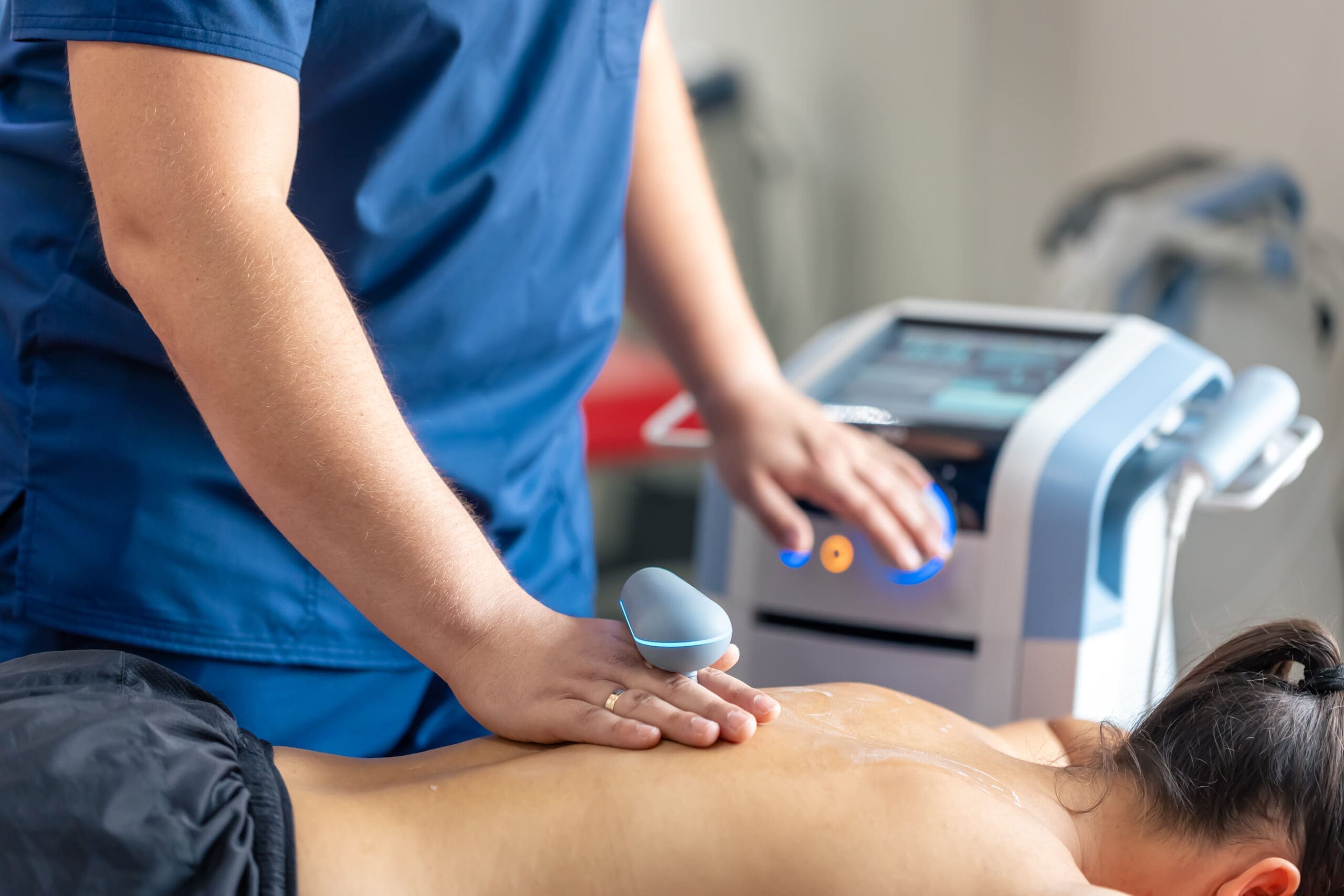
Ultrasound Therapy Benefits and Uses For The Musculoskeletal System

Find out how ultrasound therapy provides effective solutions for chronic musculoskeletal pain and joint issues.

Abstract

As a clinician with a diverse background in chiropractic, nursing, and functional medicine, I have dedicated my career to integrating the most advanced, evidence-based tools into patient care. This post explores the transformative role of musculoskeletal ultrasound (MSKUS), a powerful, real-time imaging modality that has revolutionized the way we diagnose and treat soft-tissue injuries. We will embark on a journey through the sonographic appearance of various tissues—tendons, muscles, cartilage, ligaments, and nerves—understanding their unique visual signatures. I will share insights from leading researchers and practical clinical pearls from my own practice on interpreting these images, including the critical concept of anisotropy. Furthermore, we will delve into proper probe handling techniques for both diagnostic and procedural applications, emphasizing methods that set clinicians up for success. Finally, I will explain how these advanced diagnostic capabilities integrate with a holistic, integrative chiropractic approach, enabling more precise, effective, and patient-centered treatment plans that support true healing.


Understanding the Language of Ultrasound: Echogenicity Explained

In my practice, I often refer to musculoskeletal ultrasound as a “glorified flashlight” that allows us to peer directly into the body’s anatomy in real time. But to understand what we’re seeing, we must first learn its language. The fundamental concept is echogenicity, which describes how tissues reflect ultrasound waves.

  • Hyperechoic: Tissues that appear bright white on the screen. These structures, like bone, are dense and reflect most ultrasound waves to the probe.
  • Hypochoic: Tissues that appear dark gray. These structures, like muscle or fluid, absorb more ultrasound waves and reflect fewer.
  • Anechoic: Tissues that appear completely black. These are typically fluid-filled structures, such as cysts or bursae, that transmit almost all sound waves.
  • Isoechoic: Tissues that have a similar brightness or echotexture to adjacent structures.

Pattern recognition is the cornerstone of interpreting ultrasound images. Each tissue type has an expected appearance, and deviations from this norm can signal pathology.

Sonographic Signatures of Key Musculoskeletal Tissues

Let’s explore what healthy tissues look like under the lens of an ultrasound probe.

Tendons: The Body’s Strong Cords

Tendons are the strong, fibrous cords that connect muscle to bone. On ultrasound, a healthy tendon has a classic appearance: it’s hyperechoic (bright) and displays a distinct fibrillar pattern—think of it as a tightly packed bundle of cables or parallel stripes.

For example, when we look at the patellar tendon in a long-axis view (aligned with the tendon), we expect to see a bright, organized, striped pattern. Beneath it, we can identify other structures, such as the infrapatellar fat pad (which has a more wavy, less organized appearance) and the hyperechoic surfaces of the patella and tibia. Recognizing this norma, fibrillar architecture is crucial because when a tendon is injured (tendinosis or a tear), it loses this organization, thickens, and appears more hypoechoic (darker).

Muscles: The Engines of Movement

Muscle tissue presents a more complex, mixed-echogenicity pattern. It is generally hypoechoic compared to the bright white of bone. However, within the muscle belly, you’ll see hyperechoic strands of connective tissue, known as the perimysium, which encase the muscle fascicles. This gives healthy muscle a “marbled” or “feathery” appearance.

When viewing a muscle like the bicep or deltoid over the humerus, you can see the dark muscle tissue contrasted against the bright cortical line of the bone. You can even appreciate its structure, tapering towards its tendinous insertion. This visual information helps us identify muscle strains, tears, or atrophy.

Cartilage: Smooth Surfaces and Tough Cushions

Cartilage is a critical tissue, and ultrasound helps us differentiate between its two main types:

  • Hyaline Cartilage: This is the smooth, glassy cartilage that covers the ends of bones within a joint, allowing for low-friction movement. On ultrasound, it appears as a distinct, thin, hypoechoic (dark) line sitting directly on the bright, hyperechoic bone surface. A great example is viewing the posterior aspect of the humeral head in the shoulder joint.
  • Fibrocartilage: This is a tougher, more fibrous type of cartilage found in structures like the meniscus of the knee or the labrum of the shoulder and hip. Unlike hyaline cartilage, fibrocartilage is hyperechoic (brighter) and has a more triangular or wedge-shaped appearance. On the shoulder, you can clearly distinguish the bright, triangular labrum from the dark, linear hyaline cartilage on the humeral head.

Ligaments: The Stabilizers

Ligaments, which connect bone to bone, look very similar to tendons on ultrasound. They are also hyperechoic and have a fibrillar, striated pattern. The key difference is that ligaments are typically more compact and densely packed than tendons.

The true power of ultrasound in evaluating ligaments comes from its real-time, dynamic capabilities. The best way to confirm you are looking at a ligament is to trace it from one bony attachment to another. If it originates from or inserts into a muscle, it’s a tendon. With ligaments such as the Medial Collateral Ligament (MCL) of the knee, we can perform a stress test under direct visualization. By applying a valgus force to the knee, we can watch the ligament in real time to see if there is any “gapping” or separation of its fibers.

A report might read: “The linear probe was placed over the medial aspect of the knee, and the MCL was visualized in a long-axis view. Upon real-time valgus stress, there was observable gapping of the mid-substance fibers with surrounding hypoechoic fluid, consistent with a grade 2 sprain.” This level of detail is impossible with a static MRI.

Nerves: The Body’s Electrical Wiring

Nerves have a unique and fascinating appearance on ultrasound, often described as a honeycomb” in short-axis (cross-section) view. This pattern is created by the hypochoic nerve fascicles (the bundles of nerve fibers) surrounded by the hyperechoic epineurium (the connective tissue sheath).

In a long-axis view, the nerve can look like a bundle of parallel “railroad tracks,” though this view is often less distinct than the honeycomb cross-section. A clinical pearl I share with my students is that nerves are often easier to spot when you scan. The distinct honeycomb pattern moves through the surrounding tissue, catching your eye more readily than the linear patterns of tendons or muscles. The carpal tunnel is the classic location to visualize this, as the median nerve’s honeycomb structure stands out clearly against the adjacent flexor tendons in the forearm.


The Challenge of Anisotropy: A Critical Pitfall to Avoid

One of the most important concepts in MSKUS is anisotropy. This phenomenon occurs when the ultrasound beam is not perfectly perpendicular (at a 90-degree angle) to the structure being imaged, particularly tendons and ligaments. When the beam hits the tissue at an angle, the sound waves are reflected away from the probe instead of back to it. This lack of returning signal causes the normally bright, hyperechoic tissue to appear artifactually hypochoic, or dark.

Why is this so critical? Because a tendon tear also appears as a hypoechoic defect. Anisotropy can mimic pathology, leading to a false-positive diagnosis.

Here’s how we differentiate:

  1. Prove the Pathology: If you see a dark spot in a tendon, like the supraspinatus tendon at its insertion on the humerus, you must prove it’s real.
  2. Toggle the Probe: Carefully “heel-toe” or “toggle” the probe to ensure you are perfectly perpendicular to the tendon fibers at that exact spot.
  3. Observe the Change: If the dark spot disappears and brightens when you adjust the probe angle, it indicates anisotropy. If the dark spot remains dark no matter how you angle the probe, it is more likely to be true pathology, such as tendinosis or a tear.

In my practice, I live by the mantra taught in orthopedic surgery: “One view is no view.” I always confirm a suspected finding from multiple angles, in both long and short-axis views, and correlate it with a dynamic assessment and the patient’s physical exam. This meticulous approach is what separates a novice from an expert operator and ensures diagnostic accuracy.

Mastering the Tool: Proper Probe Handling Techniques

Ultrasound is operator-dependent. Your skill in handling the probe directly impacts the quality of your images and the accuracy of your diagnosis.

The Tripod Grip for Diagnostic Scanning

For diagnostic imaging, stability and fine control are paramount. The “death grip,” where you wrap your whole hand around the probe, is unstable and limits fine motor control. Instead, we use the tripod technique.

  • Hold the probe like a pencil, using your thumb and index finger for control.
  • Brace your remaining fingers (pinky, ring, and/or middle finger) on the patient’s skin.
  • This creates a stable base, allowing subtle, precise movements such as sliding, toggling (heel-toe), and rotating to remain perpendicular to curved structures and eliminate anisotropy.

Your hand should be in contact with the patient. This is a more connected, controlled experience that allows you to feel the anatomy as you visualize it.

Modifying the Grip for Procedural Guidance

When performing an ultrasound-guided injection, the grip must change. Holding the probe with your fingers wrapped around it can physically block your needle’s path. For this reason, I advocate for holding the probe by its edges, which keeps your fingers clear of the sterile field and the needle’s intended path.

  • In-Plane Technique: For this approach, in which the needle is inserted parallel to the probe’s long axis and visualized along its entire length, a pencil-like grip is often effective.
  • Out-of-Plane Technique: In this approach, where the needle is inserted perpendicular to the probe and appears as a bright dot in cross-section, holding the probe by its edges provides the necessary space.

The key is to be facile, comfortable moving the probe in different ways for different tasks. Pre-planning your procedure is essential. My protocol is simple:

  1. Find the Target: Use your scanning skills to locate the exact anatomical target.
  2. Stay Perpendicular: Position the probe directly over the target, perpendicular to the skin. This simplifies your needle trajectory.
  3. Bring Tip to Target: Once you have a clear, stable view of your target, you can confidently guide your needle tip precisely where it needs to go.

This methodical approach minimizes “searching” for the needle or the target, making procedures faster, safer, and more successful.

Integrative Chiropractic Care and Ultrasound Synergy

So, how does this high-tech imaging fit into a chiropractic and functional medicine framework? Perfectly.

At our clinic, we don’t just treat symptoms; we seek to understand and correct the underlying biomechanical and physiological dysfunction. MSKUS is an invaluable tool in this process.

  • Precision Diagnosis: Before I perform a chiropractic adjustment or recommend a course of rehabilitative exercise, I want to know exactly what tissue is injured. Is that shoulder pain from a rotator cuff tear, biceps tendinopathy, or bursitis? Ultrasound tells me instantly, allowing me to tailor my treatment. For instance, if I identify a partial tear in the supraspinatus tendon, I can modify my spinal and extremity adjustments to avoid stressing the injured tissue and instead focus on improving scapular mechanics to offload the tendon.
  • Guiding Soft Tissue Therapies: Many of our treatments involve soft-tissue mobilization, such as Active Release Technique (ART) or the Graston Technique. Ultrasound allows me to visualize fibrotic adhesions or scar tissue and specifically target these areas, making the treatment more efficient and effective.
  • Monitoring Healing: Ultrasound provides objective evidence of tissue healing. We can track the reduction of inflammation, the reorganization of collagen fibers in a healing tendon, or the decrease in fluid within a bursa over time. This helps us advance the patient’s rehabilitation protocol based on actual tissue physiology rather than just subjective pain reports.
  • Patient Education: Showing a patient a real-time image of their injury is incredibly powerful. When they can see the inflamed bursa or the tear in their tendon, it enhances their understanding and improves their adherence to the treatment plan. It transforms the abstract concept of their injury into something tangible.

Ultimately, musculoskeletal ultrasound elevates the practice of integrative chiropractic care. It bridges the gap between a physical exam and a definitive diagnosis, allowing a level of precision previously unattainable in clinical settings. It helps us create highly specific, evidence-based treatment plans that address the root cause of a patient’s pain and dysfunction, accelerating their path back to optimal health and function.

As of May 2nd, 2026, the technology continues to evolve, but its core value remains: it is a safe, dynamic, and profoundly insightful tool that, in the hands of a skilled operator, can truly transform patient outcomes.


References

Jacobson, J. A. (2017). Fundamentals of Musculoskeletal Ultrasound (3rd ed.). Elsevier.

McNally, E. G. (2014). Practical Musculoskeletal Ultrasound (2nd ed.). Elsevier.

The Ultrasound Site. (n.d.). Musculoskeletal Ultrasound. Retrieved from https://www.theultrasoundsite.co.uk/

Ultrasound For Movement Disorders. (n.d.). MSK Resources. Retrieved from https://www.ultrasoundformovementdisorders.com/


SEO Tags: Musculoskeletal Ultrasound, MSKUS, Integrative Chiropractic, Dr. Alexander Jimenez, Echogenicity, Anisotropy, Tendinopathy, Ligament Sprain, Nerve Entrapment, Ultrasound-Guided Injections, Functional Medicine, Chiropractic Care, Sports Medicine, Diagnostic Imaging, Soft Tissue Injury, El Paso Chiropractor, Probe Handling

Gastrointestinal Impact After Motor Vehicle Accidents: Treatment Through Integrative Medicine

Car accidents, also known as motor vehicle accidents (MVAs), can cause a range of injuries, from visible cuts and bruises to hidden internal damage. One area often overlooked is the gastrointestinal (GI) system, which can suffer significant harm due to blunt force trauma or seatbelt-related injuries. These injuries may not exhibit symptoms immediately, making them difficult to detect without proper medical attention. Fortunately, nurse practitioners, chiropractors, acupuncturists, and integrative medicine specialists can collaborate to diagnose and treat these issues, enabling patients to recover fully. This post examines how MVAs impact the GI system, the specific injuries that can result, and how a combination of medical and holistic treatments can help restore health. We’ll also highlight the importance of dual-scope diagnosis and integrative care in addressing these complex injuries, drawing on clinical insights from Dr. Alexander Jimenez, a nurse practitioner and chiropractor in El Paso, Texas.

How Motor Vehicle Accidents Affect the Gastrointestinal System

The GI system, which includes organs like the stomach, intestines, liver, spleen, and pancreas, is vulnerable during a car accident. The sudden force of a crash can cause internal damage, even if there are no external signs of injury. Blunt force trauma—when the body is struck by or slams into an object like a steering wheel or dashboard—can harm internal organs. Seatbelts, while life-saving, can also contribute to abdominal injuries by applying intense pressure to the torso during a collision.

Delayed symptoms are common with GI injuries. For example, stomach pain, nausea, or diarrhea might not appear until hours or days after the accident. This delay can make it hard for victims to connect their symptoms to the crash, which is why medical evaluation is critical. If left untreated, GI injuries can lead to serious complications like internal bleeding, organ rupture, or sepsis.

Common GI Injuries from MVAs

  1. Abdominal Wall Injuries: Contusions, lacerations, or hernias can occur when the abdominal wall is compressed or struck. These injuries may cause localized pain or swelling but can also mask deeper damage (Plaxen & Adler, 2024).
  2. Organ Damage: The liver, spleen, and intestines are particularly at risk. Blunt trauma can cause tears or ruptures, leading to internal bleeding. For instance, delayed splenic rupture is a known risk after MVAs (UpToDate, n.d.).
  3. Gastrointestinal Distress: Even without visible organ damage, the GI system can be disrupted. Symptoms like stomach pain, bloating, or irregular bowel movements may result from inflammation or stress responses triggered by the accident (Maguire Law Firm, n.d.).
  4. Seatbelt Syndrome: This refers to injuries caused by the seatbelt’s pressure on the abdomen. It can lead to bruising, internal bleeding, or damage to organs like the intestines or pancreas (PMC, 2012).
  5. Pelvic and Abdominal Injuries: Trauma to the pelvic region can affect the lower GI tract, causing pain or dysfunction in the intestines or bladder (Patterson Personal Injury, n.d.).

Research shows that abdominal injuries are common in MVAs, with one study finding that 10% of front-seat passengers in crashes sustain abdominal trauma (PMC, 2012). Another analysis of 50,000 crash victims reported a significant number of blunt abdominal injuries, particularly among unrestrained passengers (BMC Emergency Medicine, 2024). These statistics demonstrate the value of comprehensive medical evaluations following an accident.

Why GI Injuries Are Dangerous

GI injuries are concerning because they can escalate quickly. A small tear in the intestines, for example, can lead to peritonitis (infection in the abdominal cavity) if bacteria leak out. Similarly, a ruptured spleen can cause life-threatening internal bleeding. Symptoms like a rigid or hard stomach, fever, or severe pain are red flags that require immediate attention (Lorfing Law, n.d.). Even less severe issues, such as chronic stomach pain or disrupted digestion, can significantly impact quality of life if left unaddressed.

References
Maguire Law Firm. (n.d.). Stomach pain after a car accident. Retrieved from https://maguirelawfirm.com/stomach-pain-after-a-car-accident/\
Lorfing Law. (n.d.). Stomach rigid hard after car accident Texas. Retrieved from https://lorfinglaw.com/blog/stomach-rigid-hard-after-car-accident-texas/\
Patterson Personal Injury. (n.d.). Pelvic & abdominal injury. Retrieved from https://pattersonpersonalinjury.com/common-car-injuries/pelvic-abdominal-injury/\
Plaxen & Adler. (2024, July 16). Abdominal injuries from vehicle crashes. Retrieved from https://www.plaxenadler.com/2024/07/16/abdominal-injuries-from-vehicle-crashes/\
PMC. (2012). Abdominal injuries in seatbelt wearers. Retrieved from https://pmc.ncbi.nlm.nih.gov/articles/PMC3503429/\
BMC Emergency Medicine. (2024). Epidemiology of blunt abdominal trauma. Retrieved from https://bmcemergmed.biomedcentral.com/articles/10.1186/s12873-024-01002-0\
UpToDate. (n.d.). Blunt abdominal trauma in adults: Initial evaluation and management. Retrieved from https://www.uptodate.com/contents/blunt-abdominal-trauma-in-adults-initial-evaluation-and-management/print

Diagnosing GI Injuries After an MVA

Diagnosing GI injuries requires a combination of clinical expertise and advanced tools. Dr. Alexander Jimenez, a nurse practitioner and chiropractor in El Paso, emphasizes the importance of a dual-scope approach—combining medical and chiropractic perspectives—to effectively identify and treat these injuries. His clinical observations, shared through platforms like dralexjimenez.com and chiromed.com, underscore the importance of thorough assessments to detect hidden damage.

Diagnostic Assessments

  1. Physical Exams: A healthcare provider will examine the patient for signs of abdominal tenderness, rigidity, or bruising. These can indicate internal bleeding or organ damage (Fletcher Law USA, n.d.).
  2. Patient History: Understanding the accident’s details (e.g., speed, impact direction, seatbelt use) helps clinicians predict likely injuries. Dr. Jimenez notes that patients often downplay symptoms, so a detailed history is crucial.
  3. Symptom Monitoring: Symptoms like delayed stomach pain, nausea, or changes in bowel habits are red flags. Nurse practitioners are trained to recognize these as potential signs of GI trauma (Michigan Auto Law, n.d.).

Advanced Imaging

Imaging is essential for confirming GI injuries. Common tools include:

  • CT Scans: These provide detailed images of the abdomen, revealing organ damage or internal bleeding. They’re often the first choice in trauma cases (UpToDate, n.d.).
  • Ultrasounds: Used to detect fluid buildup or organ injuries, especially in emergency settings.
  • X-rays: Helpful for identifying fractures or foreign objects, but less effective for soft tissue damage.
  • MRI: Used in complex cases to assess soft tissue or spinal involvement, which can contribute to GI symptoms (Jimenez, n.d.).

Dr. Jimenez’s dual training as a nurse practitioner and chiropractor allows him to interpret these tests with a holistic view. For example, he might notice spinal misalignments on an MRI that could be contributing to nerve-related GI issues, which a purely medical approach might miss. His ability to correlate imaging with clinical findings ensures accurate diagnoses.

Challenges in Diagnosis

GI injuries can be tricky to diagnose because symptoms often mimic less serious conditions, like stress or indigestion. Dr. Jimenez stresses the importance of not dismissing vague symptoms, as they could signal serious issues like internal bleeding or organ perforation (Jimenez, n.d.). His integrative approach combines medical diagnostics with chiropractic assessments to address both the injury and its ripple effects on the body.

References
Fletcher Law USA. (n.d.). Stomach pain after a Texas car accident. Retrieved from https://www.fletcherlawusa.com/blog/stomach-pain-after-a-texas-car-accident/\
Michigan Auto Law. (n.d.). Stomach pain & diarrhea after car accident. Retrieved from https://www.michiganautolaw.com/personal-injury-lawyer/stomach-pain-diarrhea-after-car-accident/\
UpToDate. (n.d.). Blunt abdominal trauma in adults: Initial evaluation and management. Retrieved from https://www.uptodate.com/contents/blunt-abdominal-trauma-in-adults-initial-evaluation-and-management/print\
Jimenez, A. (n.d.). Clinical observations on auto accident injuries. Retrieved from https://dralexjimenez.com/

Treatment Options for GI Injuries

Treating GI injuries from MVAs requires a multi-faceted approach. While severe cases (e.g., organ rupture) may need surgery, many patients benefit from non-invasive treatments provided by nurse practitioners, chiropractors, acupuncturists, and integrative medicine specialists. Dr. Jimenez’s practice exemplifies this, combining medical care with holistic therapies to address both symptoms and underlying causes.

Nurse Practitioners: Coordinating Care

Nurse practitioners (NPs) play a key role in managing GI injuries. As primary care providers, they:

  • Order and Interpret Tests: NPs like Dr. Jimenez order CT scans or blood tests to confirm diagnoses.
  • Prescribe Medications: They may use pain relievers, anti-inflammatories, or antibiotics to manage symptoms or prevent infections.
  • Coordinate Referrals: If surgery or specialist care is needed, NPs ensure patients see the right providers (Jimenez, n.d.).

NPs also educate patients about their condition, helping them understand why symptoms like diarrhea or bloating persist and what steps can be taken to alleviate them.

Chiropractic Care: Addressing Structural Issues

Chiropractic care is especially effective for addressing the musculoskeletal and neurological effects of MVAs that contribute to GI issues. Dr. Jimenez explains that spinal misalignments (subluxations) from a crash can disrupt nerve signals to the GI system, causing symptoms like bloating or irregular digestion. Chiropractic adjustments can:

  • Restore Alignment: Correcting spinal misalignments improves nerve function, which may alleviate GI distress.
  • Reduce Inflammation: Adjustments can reduce systemic inflammation, aiding overall recovery.
  • Improve Mobility: Restoring movement in the spine and pelvis can relieve pressure on abdominal organs (Jimenez, n.d.).

A study on chiropractic care for post-traumatic injuries found that it significantly reduced pain and improved function in accident victims (PMC, 2011).

Acupuncture: Managing Pain and Stress

Acupuncture, a cornerstone of integrative medicine, uses thin needles to stimulate specific points on the body. It’s effective for:

  • Pain Relief: Acupuncture can reduce abdominal pain by releasing endorphins and calming the nervous system.
  • Stress Reduction: MVAs often cause anxiety, which can worsen GI symptoms. Acupuncture helps regulate the body’s stress response.
  • Improved Digestion: By targeting points linked to the GI system, acupuncture can ease nausea or bloating (Smith & Hassler, n.d.).

Research supports acupuncture’s role in managing chronic pain and stress-related GI issues, making it a valuable tool for MVA recovery (PMC, 2011).

Integrative Medicine: A Holistic Approach

Integrative medicine combines conventional treatments with complementary therapies like nutrition, herbal remedies, and physical therapy. For GI injuries, integrative approaches might include:

  • Nutritional Counseling: A diet rich in anti-inflammatory foods (e.g., leafy greens, omega-3s) can support healing. Dr. Jimenez often advises patients to avoid processed foods that irritate the GI tract.
  • Herbal Supplements: Remedies like ginger or peppermint can soothe digestion.
  • Physical Therapy: Gentle exercises can strengthen the abdominal muscles and improve circulation, aiding recovery (Bryant PSC, n.d.).

Dr. Jimenez’s practice integrates these therapies, tailoring plans to each patient’s specific needs. His ability to combine medical knowledge with holistic care ensures comprehensive and personalized treatment.

References
Bryant PSC. (n.d.). Stomach pain after car accident. Retrieved from https://www.bryantpsc.com/stomach-pain-after-car-accident/\
Smith & Hassler. (n.d.). Stomach pain after car accident. Retrieved from https://www.smithandhassler.com/articles/stomach-pain-after-car-accident/\
PMC. (2011). Chiropractic and acupuncture in trauma care. Retrieved from https://pmc.ncbi.nlm.nih.gov/articles/PMC3217390/\
Jimenez, A. (n.d.). Integrative care for auto accident injuries. Retrieved from https://chiromed.com/

Dr. Alexander Jimenez: A Unique Approach to MVA Recovery

Dr. Alexander Jimenez stands out in the field of auto accident recovery due to his dual credentials as a nurse practitioner (APRN, FNP-BC) and chiropractor (DC). Based in El Paso, Texas, he specializes in treating MVA victims, with a focus on complex injuries like those affecting the GI system. His practice, detailed on dralexjimenez.com and chiromed.com, combines medical precision with chiropractic expertise, offering a model for integrative care.

Dual-Scope Diagnosis and Treatment

Dr. Jimenez’s dual training allows him to approach injuries from two angles:

  • Medical Perspective: As a nurse practitioner, he diagnoses conditions using lab tests, imaging, and clinical exams. He can prescribe medications or refer patients to surgeons if needed.
  • Chiropractic Perspective: As a chiropractor, he assesses how structural issues, like spinal misalignments, contribute to symptoms. This is critical for GI injuries, as nerve compression can mimic or worsen digestive issues (Jimenez, n.d.).

This dual-scope approach ensures no aspect of the injury is overlooked. For example, a patient with stomach pain might have both a bruised intestine (detected via CT scan) and a misaligned spine (identified through a chiropractic examination). Dr. Jimenez can treat both, addressing the root causes rather than just the symptoms.

Handling Medical and Legal Aspects

MVA cases often involve insurance claims or lawsuits, requiring detailed medical documentation. Dr. Jimenez’s expertise as a nurse practitioner allows him to:

  • Provide Accurate Reports: He creates thorough medical records that detail the injury, treatment plan, and prognosis, which are essential for legal cases.
  • Testify as an Expert: His credentials make him a credible witness in court, helping patients secure fair compensation.
  • Navigate Insurance: He ensures treatments are properly coded and documented to maximize insurance coverage (LinkedIn, n.d.).

This combination of medical and legal skills is rare and invaluable for MVA victims.

Improving Overall Health

Dr. Jimenez’s integrative approach goes beyond symptom relief. By addressing structural, neurological, and nutritional factors, he helps patients achieve long-term health and well-being. For example, a patient with GI issues might receive chiropractic adjustments to restore nerve function, acupuncture to reduce pain, and a diet plan to support gut healing. This holistic strategy not only treats the injury but also improves overall wellness, reducing the risk of chronic issues (Jimenez, n.d.).

References
Jimenez, A. (n.d.). Clinical insights on MVA recovery. Retrieved from https://dralexjimenez.com/\
LinkedIn. (n.d.). Dr. Alexander Jimenez profile. Retrieved from https://www.linkedin.com/in/dralexjimenez/

Long-Term Recovery and Prevention

Recovering from GI injuries after an MVA takes time and a proactive approach. While acute injuries may heal within weeks, chronic symptoms, such as digestive issues or pain, can persist. Integrative care, as practiced by Dr. Jimenez, focuses on long-term recovery by:

  • Monitoring Progress: Regular check-ups ensure injuries are healing properly and catch any new symptoms early.
  • Lifestyle Changes: Patients are encouraged to adopt healthy habits, such as regular exercise and stress management, to support their recovery.
  • Preventive Care: Chiropractic adjustments and acupuncture can prevent future issues by maintaining spinal health and reducing stress (The Barnes Firm, n.d.).

Patients should also be aware of warning signs, such as persistent pain or changes in bowel habits, and seek prompt care if they occur. By combining medical treatment with holistic therapies, patients can achieve a full recovery and reduce the risk of complications.

References
The Barnes Firm. (n.d.). Delayed stomach pain after a car accident. Retrieved from https://www.thebarnesfirm.com/delayed-stomach-pain-after-a-car-accident/

Conclusion

Motor vehicle accidents can cause significant damage to the gastrointestinal system, from organ injuries to chronic digestive issues. These injuries, often caused by blunt force trauma or seatbelt pressure, require careful diagnosis and comprehensive treatment. Nurse practitioners, chiropractors, acupuncturists, and integrative medicine specialists offer a powerful combination of therapies to address both the injury and its broader effects on the body. Dr. Alexander Jimenez’s dual expertise as a nurse practitioner and chiropractor exemplifies this approach, using advanced diagnostics, chiropractic care, and holistic treatments to help patients recover fully. By addressing the root causes of injuries and supporting overall health, integrative care provides a path to lasting recovery for MVA victims.

References

BMC Emergency Medicine. (2024). Epidemiology of blunt abdominal trauma. BMC Emergency Medicine, 24(1), Article 1002. https://doi.org/10.1186/s12873-024-01002-0

Bryant PSC. (n.d.). Stomach pain after car accident. Retrieved July 10, 2025, from https://www.bryantpsc.com/stomach-pain-after-car-accident/

Fletcher Law USA. (n.d.). Stomach pain after a Texas car accident. Retrieved July 10, 2025, from https://www.fletcherlawusa.com/blog/stomach-pain-after-a-texas-car-accident/

Jimenez, A. (n.d.). Clinical insights on MVA recovery. Retrieved July 10, 2025, from https://dralexjimenez.com/

Jimenez, A. (n.d.). Integrative care for auto accident injuries. Retrieved July 10, 2025, from https://chiromed.com/

LinkedIn. (n.d.). Dr. Alexander Jimenez profile. Retrieved July 10, 2025, from https://www.linkedin.com/in/dralexjimenez/

Lorfing Law. (n.d.). Stomach rigid hard after car accident Texas. Retrieved July 10, 2025, from https://lorfinglaw.com/blog/stomach-rigid-hard-after-car-accident-texas/

Maguire Law Firm. (n.d.). Stomach pain after a car accident. Retrieved July 10, 2025, from https://maguirelawfirm.com/stomach-pain-after-a-car-accident/

Michigan Auto Law. (n.d.). Stomach pain & diarrhea after car accident. Retrieved July 10, 2025, from https://www.michiganautolaw.com/personal-injury-lawyer/stomach-pain-diarrhea-after-car-accident/

Patterson Personal Injury. (n.d.). Pelvic & abdominal injury. Retrieved July 10, 2025, from https://pattersonpersonalinjury.com/common-car-injuries/pelvic-abdominal-injury/

Plaxen & Adler. (2024, July 16). Abdominal injuries from vehicle crashes. Retrieved July 10, 2025, from https://www.plaxenadler.com/2024/07/16/abdominal-injuries-from-vehicle-crashes/

Smith & Hassler. (n.d.). Stomach pain after car accident. Retrieved July 10, 2025, from https://www.smithandhassler.com/articles/stomach-pain-after-car-accident/

The Barnes Firm. (n.d.). Delayed stomach pain after a car accident. Retrieved July 10, 2025, from https://www.thebarnesfirm.com/delayed-stomach-pain-after-a-car-accident/

UpToDate. (n.d.). Blunt abdominal trauma in adults: Initial evaluation and management. Retrieved July 10, 2025, from https://www.uptodate.com/contents/blunt-abdominal-trauma-in-adults-initial-evaluation-and-management/print

Wozniak, M., & Trus, T. (2022). Abdominal injuries in road traffic accidents – autopsy study. Journal of Forensic Medicine and Toxicology, 39(1), 15-20. https://doi.org/10.5958/0974-0848.2022.00004.8

Zinzuwadia, A., & Brohi, K. (2011). Chiropractic and acupuncture in trauma care. Journal of Manipulative and Physiological Therapeutics, 34(9), 615-622. https://doi.org/10.1016/j.jmpt.2011.09.004

Zinzuwadia, A., & Brohi, K. (2012). Abdominal injuries in seatbelt wearers. Injury, 43(11), 1897-1902. https://doi.org/10.1016/j.injury.2012.07.189