Care is the cornerstone of our practice

Give us a Call
+1 (915) 412-6680
Send us a Message
support@chiromed.com
Opening Hours
Mon-Thu: 7 AM - 7 PM
Fri - Sun: Closed
Discover Nutritious Mexican Cuisine in El Paso

Discover Nutritious Mexican Cuisine in El Paso
Discover Nutritious Mexican Cuisine in El Paso

A Guide to Healthy Eating and Holistic Wellness

El Paso, Texas, offers a rich mix of Mexican flavors that can be both tasty and beneficial for your body. Many people think Mexican food is always heavy with fried items and creamy sauces, but that’s not true. You can find options that use fresh ingredients and lean proteins to make meals nutritious. This article explores healthy Mexican dishes available in El Paso. It also connects these food choices to holistic wellness practices, like integrative chiropractic care and the work of nurse practitioners (NPs). These approaches focus on nutrition, reducing inflammation, and keeping your body aligned for better healing. By eating well and getting the right care, you can support your overall health in simple ways.

Healthy eating in Mexican cuisine starts with smart choices at restaurants or when cooking at home. Instead of deep-fried foods like chimichangas or nachos, go for grilled or fresh options. These help you avoid extra calories and unhealthy fats (St. Vincent’s Health System, n.d.). For example, grilled fajitas can be a delicious pick if you skip the cheese and sour cream and add more vegetables like bell peppers and onions. This keeps the meal light and full of vitamins.

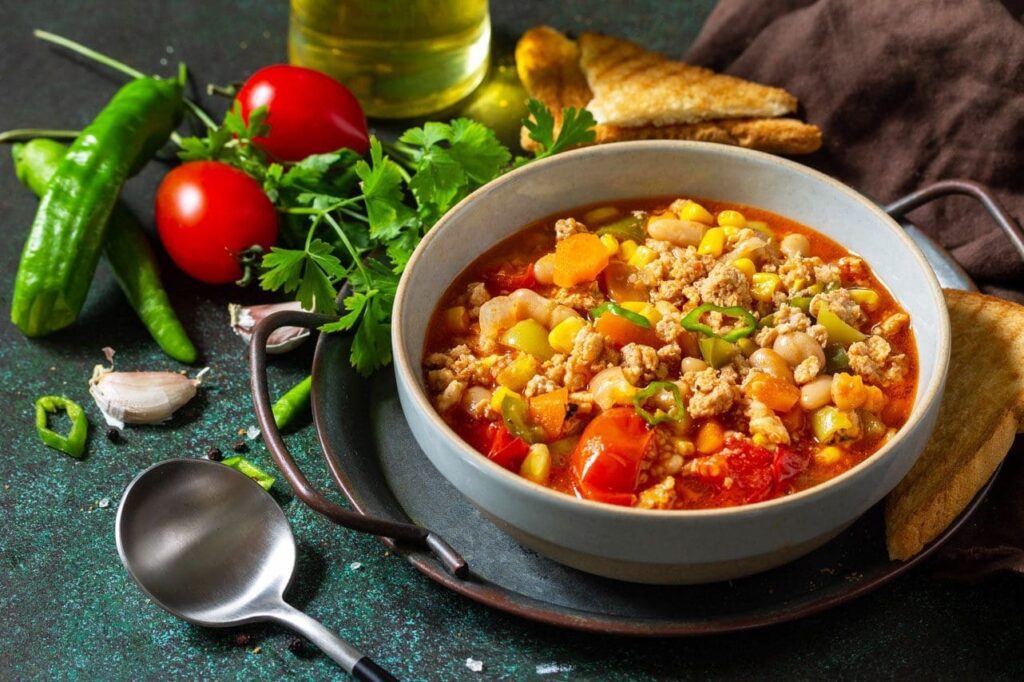
Tacos are another popular dish that can be made healthy. Use soft corn or wheat tortillas instead of crispy fried ones. Fill them with lean proteins such as grilled chicken, shrimp, or fish. Top with fresh salsa, avocado, or pico de gallo for flavor without heavy creams. Chicken tortilla soup is a warm, comforting choice that’s often low in calories if made with broth, veggies, and lean chicken. Ceviche, which is fresh fish or shrimp “cooked” in lime juice, is a cool and refreshing option packed with protein, and no cooking oil is needed.

Burrito bowls offer flexibility for healthy eating. Build them with brown rice, beans, veggies, and lean meats. Brown rice has more fiber than white rice, which helps with digestion (Russell Havranek, MD, n.d.). Beans add protein and keep you full longer. Avoid fried shells or extra cheese to keep it nutritious.

Here are some tips for making Mexican meals healthier:

  • Choose grilled or baked proteins over fried ones.
  • Add plenty of vegetables, such as tomatoes, onions, and cilantro.
  • Use herbs and spices for taste instead of salt or fatty sauces.
  • Pick whole grains like corn tortillas or brown rice.
  • Include healthy fats from avocados or nuts in small amounts.

These changes make Mexican food a smart choice for daily meals. Fresh ingredients like pico de gallo bring bright flavors and nutrients. Ceviche, with its citrus and seafood, supports heart health (Gran Luchito, n.d.). In El Paso, you can find these dishes at many spots that let you customize your order.

Popular destinations in El Paso for nutritious Mexican cuisine include Sabrosa La Vida, known for fresh salads and grilled options. Verde Salad Co. focuses on light, veggie-packed bowls that fit Mexican themes. Timo’s Restaurant offers lean protein choices with plenty of sides like grilled veggies. Other local favorites, like Cattle Baron or The Lunch Box, provide customizable menus where you can pick healthy add-ons (Yelp, n.d.). These places make it easy to enjoy Mexican food without overdoing it on calories.

El Paso’s food scene draws from traditional Mexican elements that are naturally healthy. Ingredients like nopalitos, which are cactus paddles, add fiber and help control blood sugar. Calabacitas, or zucchini, bring vitamins and low calories to dishes. Lean proteins, such as chicken or fish, help balance meals. Beans are a staple, offering plant-based protein and gut-friendly fiber (Russell Havranek, MD, n.d.). Avocado provides healthy fats that support brain health, and corn adds natural sweetness with some fiber.

To break it down, here are the key fresh ingredients in healthy Mexican cuisine:

  • Nopalitos: Low in calories, high in antioxidants to fight inflammation.
  • Calabacitas: Hydrating and full of vitamin C for immune support.
  • Beans: Help with digestion and provide iron for energy.
  • Avocado: Good for heart health with its monounsaturated fats.
  • Corn: A whole grain that adds texture and B vitamins.
  • Pico de gallo: Fresh tomatoes, onions, and cilantro for a burst of flavor and vitamins.

These ingredients make meals colorful and nutritious. For side dishes, try grilled corn on the cob or fava bean soup, both gluten-free and vegan-friendly (Mexico in My Kitchen, n.d.; Cozymeal, n.d.). Skipping rice and beans sometimes and opting for salads can cut carbs if needed (Mattito’s, n.d.). Overall, Mexican food can be very healthy when focused on veggies, fruits like limes, and peppers for spice (Isabel Eats, n.d.).

While enjoying these foods, think about how they tie into broader wellness. Integrative chiropractic care plays a big role in El Paso. Chiropractors like Dr. Alexander Jimenez focus on aligning the spine and body to reduce pain and improve function. This care often includes nutrition advice to lower inflammation, which can come from poor diets (Jimenez, n.d.a). Eating anti-inflammatory foods, such as those in healthy Mexican cuisine, supports this process.

Nurse practitioners (NPs) add to this holistic approach. As advanced nurses, they provide primary care, including dietary guidance and functional medicine. Functional medicine considers the whole person, not just symptoms, to identify the root causes of health issues (Cleveland Clinic, n.d.). In El Paso, NPs work with chiropractors to create plans that combine adjustments with healthy eating.

Dr. Alexander Jimenez, DC, APRN, FNP-BC, is a key figure in this field. With over 30 years of experience, he runs Injury Medical Clinic in El Paso. His clinical observations show that proper nutrition boosts recovery from injuries. For instance, he recommends nutrient-dense diets to support gut health and reduce inflammation, which helps with conditions like back pain or sciatica (Jimenez, n.d.a; Jimenez, n.d.b). He integrates chiropractic adjustments with supplements and meal plans, such as anti-inflammatory drinks and fiber-rich foods, to enhance healing.

In his practice, Dr. Jimenez notes that spinal misalignment can lead to poor digestion or increased stress, underscoring the importance of nutrition. He uses personalized plans, including ketogenic diets or fasting methods, to optimize energy and mobility (Jimenez, n.d.a). For patients with chronic pain, combining manual adjustments with foods rich in vitamins—such as citrus, berries, or peppers—eases inflammation and promotes wellness (Jimenez, 2024).

This team approach between chiropractors and NPs emphasizes prevention. Chiropractic therapy involves hands-on adjustments to the spine, neck, or hips to relieve pain and improve movement (Cigna, n.d.). NPs provide medical oversight, prescribe when needed, but focus on lifestyle changes. Together, they guide patients on eating habits aligned with Mexican traditions, such as using beans for protein or nopalitos for blood sugar control (Reddit, n.d.).

Holistic wellness means treating the body as a whole. Nutrition from healthy Mexican foods reduces inflammation, which is key to healing. Inflammation can cause joint pain or fatigue, but foods like fish in ceviche provide omega-3 fatty acids to help fight it (A Sweet Pea Chef, n.d.). Proper body alignment from chiropractic care allows better nutrient absorption and movement, making daily activities easier.

Dr. Jimenez’s observations highlight how this works in real life. He sees patients recover faster when they eat balanced meals alongside treatments. For example, after an injury, he might suggest probiotics from fermented foods to support gut health, which in turn supports overall recovery (Jimenez, n.d.b). His functional medicine certification allows him to address genetics and environment in plans, often including Mexican-inspired recipes that are simple and nutritious.

In El Paso, this blend is common. Local clinics offer programs that teach healthy cooking with Mexican flavors, along with chiropractic services. Avoiding unhealthy Mexican restaurant items, like queso or refried beans, and choosing grilled options aligns with these wellness goals (Scripps, n.d.; The Takeout, n.d.).

To make it practical, consider these steps for combining food and care:

  • Start with a chiropractic assessment to check alignment.
  • Get NP nutrition advice tailored to your needs.
  • Incorporate healthy Mexican dishes daily, like a burrito bowl with beans and veggies.
  • Track inflammation with simple changes, like adding avocado for healthy fats.
  • Follow up with adjustments and meal tweaks for long-term health.

This approach also helps with weight management. Mexican food can aid weight loss if you focus on veggies and lean proteins over carbs (Mattito’s, n.d.). Dr. Jimenez’s clinic promotes this through education on macro-friendly meals that fit busy lives.

Overall, nutritious Mexican cuisine in El Paso supports a healthy lifestyle. Places like Sabrosa La Vida make it accessible, while experts like Dr. Jimenez demonstrate how it complements chiropractic and NP care for holistic wellness. By choosing fresh ingredients and getting aligned care, you can feel better every day.

References

A Sweet Pea Chef. (n.d.). The healthiest Mexican food to order at a restaurant. https://www.asweetpeachef.com/healthiest-mexican-food/

Cigna. (n.d.). Chiropractic therapy. https://www.cigna.com/knowledge-center/hw/chiropractic-therapy-stc123687

Cleveland Clinic. (n.d.). Integrative medicine. https://my.clevelandclinic.org/health/treatments/21683-integrative-medicine

Cozymeal. (n.d.). Mexican side dishes. https://www.cozymeal.com/recipes/meal-plans/mexican-side-dishes

Gran Luchito. (n.d.). Healthy Mexican recipes. https://gran.luchito.com/recipes/healthy-mexican/

Isabel Eats. (n.d.). Healthy Mexican food recipes. https://www.isabeleats.com/healthy-mexican-food-recipes/

Jimenez, A. (n.d.a). Injury specialists. https://dralexjimenez.com/

Jimenez, A. (n.d.b). Dr. Alexander Jimenez DC, APRN, FNP-BC, IFMCP, CFMP, ATN ♛ – Injury Medical Clinic PA | LinkedIn. https://www.linkedin.com/in/dralexjimenez/

Jimenez, A. (2024). Healthy mobility, food and chiropractic El Paso wellness. https://dralexjimenez.com/healthy-mobility-food-and-chiropractic-el-paso-wellness/amp/

Mattito’s. (n.d.). Eat Mexican food and lose weight. https://mattitos.com/blog/eat-mexican-food-and-lose-weight/

Mexico in My Kitchen. (n.d.). Healthy Mexican recipes food. https://www.mexicoinmykitchen.com/healthy-mexican-recipes-food/

Reddit. (n.d.). Looking for healthy and easy-to-make Mexican foods. https://www.reddit.com/r/mexicanfood/comments/162wevo/looking_for_healthy_and_easytomake_mexican_foods/

Russell Havranek MD. (n.d.). A gut-healthy guide to Mexican cuisine. https://russellhavranekmd.com/a-gut-healthy-guide-to-mexican-cuisine/

Scripps. (n.d.). 8 healthy Mexican food tips. https://www.scripps.org/news_items/5393-8-healthy-mexican-food-tips

St. Vincent’s Health System. (n.d.). News detail. https://stvincents.org/about-us/news-press/news-detail?articleid=59574

The Takeout. (n.d.). Mexican restaurant food unhealthiest. https://www.thetakeout.com/1865939/mexican-restaurant-food-unhealthiest/

Yelp. (n.d.). Top 10 best healthy Mexican food in El Paso, TX. https://m.yelp.com/search?find_desc=Healthy+Mexican+Food&find_loc=El+Paso%2C+TX

Fitness vs. Wellness: Integrated Medicine in El Paso

Fitness vs. Wellness: Integrated Medicine in El Paso

Fitness vs. Wellness: Integrated Medicine in El Paso
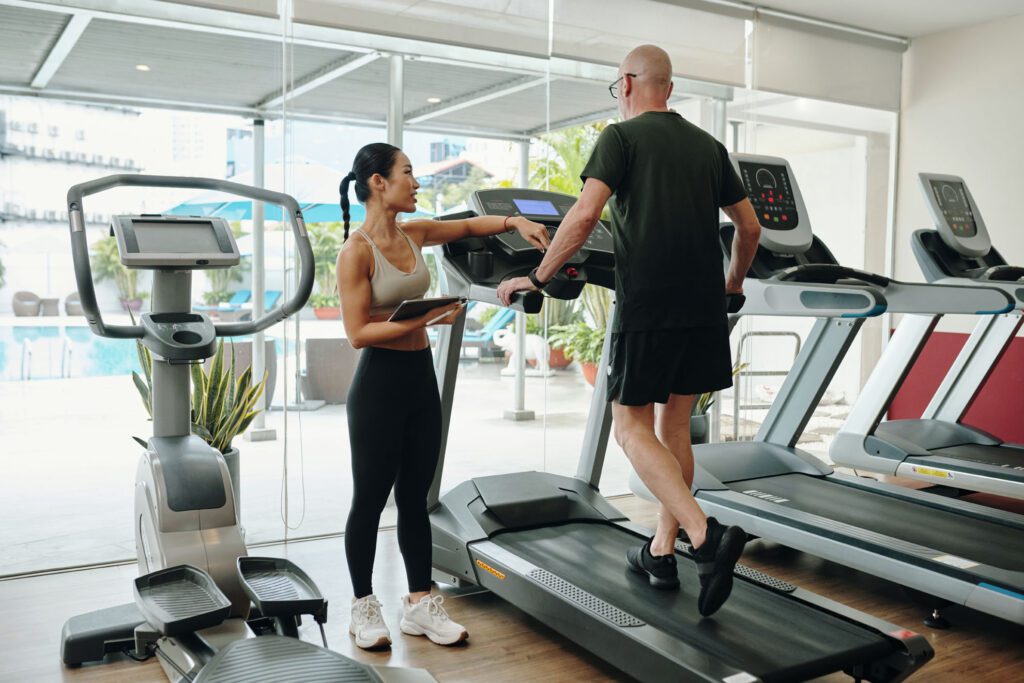
Trainer assisting client on a treadmill in a modern gym

How ChiroMed Helps You Achieve Both with Chiropractic Care and Exercise

Living in El Paso, you want to feel strong for work, family, and enjoying the Franklin Mountains. Many people mix up the words “fitness” and “wellness,” but they are not the same. Fitness is your body’s physical power—how much you can lift, how far you can walk, or how long you can play with your kids without getting exhausted. Wellness is bigger. It means feeling great in your body, mind, emotions, and relationships. At ChiroMed – Integrated Medicine Holistic Healthcare in El Paso, TX, the team knows that exercise is the bridge between fitness and wellness, and chiropractic care makes that bridge stronger and safer (Chambers, n.d.).

What is Fitness? Building a Stronger Body in El Paso

Fitness is about what your body can do:

  • Lift groceries or move furniture (strength)
  • Hike the trails at Hueco Tanks without stopping (endurance)
  • Bend down to tie your shoes easily (flexibility)
  • Keep steady on uneven ground (balance)

Good fitness lowers your chance of heart problems, diabetes, and back pain—common concerns for many El Paso residents who work on their feet or sit at a desk all day (Mayo Clinic, n.d.).

What is Wellness? Feeling Your Best Overall

Wellness is how positive your whole life feels. It includes:

  • Sleeping well at night
  • Staying calm in traffic on I-10
  • Having energy to enjoy family barbecues
  • Feeling happy and connected to friends

At ChiroMed in El Paso, wellness is the main goal. The doctors look at the whole person—not just where it hurts (American Council on Exercise, n.d.).

Exercise: The Link Between Fitness and Wellness

Exercise is the one habit that improves both fitness and wellness simultaneously. A 30-minute walk in the neighborhood builds leg strength (fitness) and clears your mind after a long day (wellness). Yoga at a local El Paso studio increases flexibility (fitness) and lowers stress (wellness) (HelpGuide.org, n.d.).

How ChiroMed – Integrated Medicine in El Paso Combines Chiropractic Care and Exercise for Better Results

At ChiroMed on the East Side of El Paso, the doctors use gentle spinal adjustments to remove nerve pressure and help your body move correctly. When your spine is aligned:

  • Exercises feel easier and more effective
  • You get stronger faster
  • You have less chance of getting hurt
  • Pain from old injuries or daily stress decreases

The ChiroMed team, led by experts like Dr. Alexander Jimenez, creates custom exercise plans for every patient. These plans include simple stretches, core exercises, and movements you can do at home or at nearby parks. Patients often say they finally feel the difference after combining adjustments with the prescribed exercises (Jimenez, n.d.; AdventHealth, n.d.).

Here are some ways ChiroMed patients in El Paso see changes:

  • Back or neck pain decreases, so daily walks are enjoyable again
  • Better posture from core exercises and adjustments
  • More energy for work and family
  • Faster recovery after weekend soccer games or yard work
  • Lower stress and better sleep

Real-Life Examples from ChiroMed Patients in El Paso

Many local teachers, construction workers, nurses, and parents visit ChiroMed because pain stops them from living fully. After a few weeks of adjustments plus easy home exercises, they report:

  • Walking the dog without sciatica pain
  • Playing with grandkids without throwing out their back
  • Sleeping through the night for the first time in years
  • Returning to hiking trails in the Franklin Mountains

This powerful combination of chiropractic care and exercise promotes long-term health rather than quick fixes (Tigard Chiropractic Auto Injury, n.d.).

Start Your Journey at ChiroMed – Integrated Medicine in El Paso, TX

Whether you want to get fit for a 5K, feel less pain at work, or enjoy life more, ChiroMed – Integrated Medicine Holistic Healthcare in El Paso can help. The team focuses on natural, drug-free care that safely builds both fitness and wellness.

Call ChiroMed today or stop by the clinic to see how chiropractic care, along with the right exercises, can change how you feel every day in El Paso.


References

AdventHealth. (n.d.). A Beginner’s Guide to Combining Exercise with Chiropractic Care for Maximum Benefits

American Council on Exercise. (n.d.). Wellness vs. Fitness

Chambers, K. (n.d.). Unveiling the Connection: Understanding the Difference Between Fitness vs Wellness

HelpGuide.org. (n.d.). Exercise & Fitness

Jimenez, A. (n.d.). Injury Specialists – Dr. Alex Jimenez

Mayo Clinic. (n.d.). 7 Great Reasons Why Exercise Matters

Tigard Chiropractic Auto Injury. (n.d.). Integrating Exercise with Chiropractic: A Synergistic Approach

The Role of Diet in Recovering from Motor Vehicle Accidents: A Comprehensive Guide

Introduction

Motor vehicle accidents (MVAs) are a leading cause of injury and disability worldwide, affecting millions annually. The aftermath of an MVA often involves physical pain, emotional stress, and a complex recovery process. While medical treatments, such as surgery or physical therapy, are typically prioritized, the role of nutrition in recovery is often overlooked. A well-balanced diet rich in fruits, vegetables, lean proteins, and healthy fats can significantly enhance the body’s ability to repair damaged tissues, reduce inflammation, and restore overall health. This comprehensive guide, written at a high school level, explores the importance of nutrition in MVA recovery, offering practical dietary recommendations and insights from Dr. Alexander Jimenez, a renowned chiropractor and functional medicine practitioner in El Paso, Texas. Optimized for search engines, this post also examines how MVA injuries impact musculoskeletal joint pain and how advanced diagnostics guide nutritional strategies.

Understanding Motor Vehicle Accident Injuries

MVAs can result in a spectrum of injuries, each with unique implications for recovery. Common injuries include:

  • Whiplash: Caused by rapid head movement, leading to neck pain and stiffness.
  • Fractures: Broken bones in arms, legs, or spine, requiring immobilization and healing time.
  • Soft Tissue Injuries: These injuries, which frequently result in chronic pain, affect muscles, ligaments, or tendons.
  • Head Injuries: Ranging from concussions to severe traumatic brain injuries.
  • Internal Injuries: Organ damage that may necessitate surgical intervention.

These injuries can disrupt normal movement, cause persistent pain, and lead to musculoskeletal joint pain, particularly in the neck, back, and shoulders. For instance, whiplash can weaken cervical spine ligaments, contributing to long-term discomfort (BMC Musculoskeletal Disorders). Nutrition plays a critical role in addressing these issues by providing the body with essential building blocks for repair and reducing inflammation that exacerbates pain.

References

  • Stemper, B. D., Yoganandan, N., & Pintar, F. A. (2006). Gender- and region-dependent local facet joint kinematics in rear impact: Implications in whiplash injury. BMC Musculoskeletal Disorders, 7, 103. http://www.biomedcentral.com/1471-2474/7/103

The Science of Nutrition in Injury Recovery

Nutrition is a cornerstone of the body’s healing process. After an MVA, the body demands increased nutrients to support:

  • Tissue Repair: Proteins play a vital role in rebuilding muscles, skin, and connective tissues.
  • Inflammation Reduction: Omega-3 fatty acids and antioxidants mitigate excessive inflammation.
  • Immune Support: Vitamins C, D, and zinc strengthen the immune system to prevent infections.
  • Energy Maintenance: Complex carbohydrates provide sustained energy for recovery.

Research suggests that a proper diet can accelerate recovery and enhance outcomes. For example, a study in Sports Medicine found that nutritional interventions reduce complications and shorten hospital stays for injured patients (Tipton, 2015). This finding illustrates the value of a strategic diet following a motor vehicle accident (MVA).

References

Dietary Recommendations for MVA Recovery

A post-MVA diet should prioritize nutrient-dense, whole foods while minimizing inflammatory substances. Below are detailed recommendations:

Fruits and Vegetables

Fruits and vegetables are rich in antioxidants, vitamins, and minerals that combat inflammation and support healing. Aim for various colors to ensure diverse nutrients:

  • Berries (strawberries, blueberries): High in antioxidants to reduce oxidative stress.
  • Leafy Greens (spinach, kale): Provide calcium and vitamin K for bone health.
  • Citrus fruits, such as kiwis and oranges, are high in vitamin C, which helps to form collagen.

Lean Proteins

Proteins are essential for repairing muscles and tissues damaged in a motor vehicle accident (MVA). Include:

  • Fish (such as salmon and mackerel): Offers protein and omega-3 fatty acids for anti-inflammatory benefits.
  • Poultry (chicken, turkey): Lean sources of high-quality protein.
  • Plant-Based Options (beans, lentils, tofu): Suitable for vegetarians and vegans.

Healthy Fats

Healthy fats, particularly omega-3 fatty acids, reduce inflammation and support overall health.

  • Fatty Fish: Salmon, sardines, and mackerel.
  • Nuts and Seeds: Walnuts, flaxseeds, and chia seeds.
  • Oils: Olive oil and coconut oil, as recommended by Dr. Jimenez (Recovering from Car Accident Injuries).

Whole Grains

Whole grains provide complex carbohydrates for energy and fiber for digestion.

  • Quinoa, brown rice, and oats: Sustained energy sources.
  • Whole-Grain Bread: A fiber-rich option for balanced meals.

Hydration

Adequate water intake is essential for the transport of nutrients and maintaining tissue health. Aim for 8–10 glasses of water daily, adjusting intake based on activity level or medical advice (Tantalizing Foods).

Foods to Avoid

Certain foods can hinder recovery by promoting inflammation:

  • Processed Foods: High in unhealthy fats and additives.
  • Sugary Beverages: Sodas and juices that spike blood sugar.
  • Excessive caffeine consumption can lead to dehydration and increased stress levels.

Dr. Jimenez strongly advises eliminating sugar due to its links to heart disease and diabetes, as these conditions can complicate recovery from injuries sustained in a car accident.

Food CategoryRecommendedAvoid
Fruits & VegetablesBerries, leafy greens, citrusNone
ProteinsFish, chicken, beansProcessed meats
FatsOlive oil, walnuts, avocadosCanola oil, margarine
GrainsQuinoa, oats, brown riceWhite bread, refined grains
BeveragesWater, herbal teaSodas, energy drinks

References

Specific Nutrients for Recovery

Certain nutrients are particularly critical for MVA recovery:

  • Protein: Supports tissue repair. Injured individuals may need 1.2–2.0 grams per kilogram of body weight daily (Tipton, 2015).
  • Omega-3 Fatty Acids: Reduce inflammation. Aim for two servings of fatty fish weekly.
  • Antioxidants: Vitamins C and E protect cells. Found in berries, citrus, and nuts.
  • Vitamin D and Calcium: Essential for bone healing. Sources include fortified foods and sunlight.

References

Mental Health and Diet

MVA recovery can be emotionally taxing, and diet can support mental well-being:

  • Omega-3s: Linked to reduced depression and anxiety (Lassale et al., 2019).
  • Complex Carbohydrates: Stabilize mood by providing a steady glucose supply.
  • B Vitamins: Support nerve function and stress relief, found in eggs and grains.

References

  • Lassale, C., Batty, G. D., Baghdadli, A., Jacka, F., Sánchez-Villegas, A., Kivimäki, M., & Akbaraly, T. (2019). Healthy dietary indices and risk of depressive outcomes: A systematic review and meta-analysis of observational studies. Molecular Psychiatry, 24(7), 965–986. https://www.nature.com/articles/s41380-018-0237-8

Case Studies and Expert Insights

Dr. Alexander Jimenez, based in El Paso, integrates nutrition into his functional medicine and chiropractic practice. In his X post, he emphasizes the importance of nutrient-dense foods and avoiding sugar to help the body recover after a motor vehicle accident (MVA). (Recovering from Car Accident Injuries). His recommendations include:

  • Single-Ingredient Foods: Meat, fish, eggs, and high-fat dairy.
  • Healthy Fats: Coconut and olive oils.
  • Anti-Inflammatory Spices: Turmeric and ginger.
  • Vitamin D: Via sunlight or supplements.

Dr. Jimenez’s holistic approach, combining nutrition with chiropractic care, has helped patients like Leticia, who regained mobility after a car accident (Auto Accident Injury Treatment).

Advanced Imaging and Diagnostics Concerning Diet

Advanced imaging (e.g., MRI, CT scans) is vital for assessing MVA injuries. Dr. Jimenez uses these tools to identify damage, such as spinal misalignments or fractures, and tailors dietary plans accordingly (Gaining Insight on Auto Injury Care). For example:

  • Fractures: Require increased calcium and vitamin D.
  • Soft Tissue Injuries: Benefit from omega-3s to reduce inflammation.

This diagnostic precision supports both medical treatment and legal documentation for personal injury cases, ensuring comprehensive care and treatment.

References

Conclusion

A nutrient-rich diet is essential for recovering from motor vehicle accidents. By prioritizing fruits, vegetables, lean proteins, and healthy fats while avoiding processed foods and sugar, individuals can enhance their body’s healing capabilities. Insights from Dr. Alexander Jimenez underscore the power of nutrition in supporting both physical and mental recovery. Combined with advanced diagnostics and medical care, a tailored diet can facilitate faster and more effective healing. Consult healthcare professionals to create a personalized recovery plan.

Key Citations