How Poor Posture Impacts Breathing and Digestion

The Role of Chiropractic Care
Poor posture is something many people deal with every day. Sitting at a desk for long hours or looking down at a phone can lead to slouching. This habit might seem harmless, but it can cause real problems with your breathing and digestion. When you slouch, your body gets out of line. This puts extra pressure on your lungs and stomach. Over time, it makes breathing harder and can slow down your digestion. Many health experts point out that improving posture through methods like chiropractic care can make a significant difference. This article looks at how slouching affects breathing and digestion. It also explains how integrative chiropractic care can improve things. We’ll use simple facts from trusted sources to show why good posture matters for your health.
Understanding Poor Posture
Poor posture happens when your spine is not in its natural curve. This can come from slouching, hunching over, or carrying your head too far forward. These positions squeeze your chest and belly areas. As a result, your organs don’t have enough room to work properly. For example, your diaphragm, which is a muscle that helps you breathe, gets tight. Your stomach and intestines also get compressed, which messes with digestion (UCLA Health, n.d.).
Bad posture is common in today’s world with so much screen time. But it’s not just about looks. It leads to slowly developing health issues. Let’s break down how it affects breathing first.
How Slouching Affects Breathing
When you slouch, your shoulders round forward and your chest caves in. This makes your rib cage smaller. Your lungs can’t expand fully, so you end up taking shallow breaths. Shallow breathing means less oxygen gets into your body. Over time, this can make you feel tired or even cause headaches (Capital Area Physical Therapy, n.d.).
Here are some key ways poor posture harms breathing:
- Diaphragm Constriction: The diaphragm needs space to move down when you inhale. Slouching presses on it, making breaths shorter and less effective (Total Health Chiropractic, n.d.).
- Reduced Lung Capacity: A hunched posture limits the amount of air your lungs can hold. This leads to quicker fatigue during activities such as walking or exercise (New Life Chiropractic, n.d.).
- Lower Oxygen Intake: With shallow breaths, your blood gets less oxygen. This slows down your metabolism and can make you feel less alert (Ultimate Spine Chiropractic, n.d.).
- Increased Stress on Muscles: Neck and shoulder muscles work harder to compensate, leading to tension and pain that makes breathing even tougher (Breathe Works, n.d.).
Studies show that forward head posture is a big culprit. It tilts your head forward, straining the neck and compressing the airways. This can lead to chronic issues if not fixed (Harvard Health Publishing, 2021). Dr. Alexander Jimenez, a chiropractor with over 30 years of experience, has observed in his practice that patients with poor posture often report shortness of breath. At Injury Medical Clinic in El Paso, Texas, he uses an integrative approach, including spinal adjustments, to realign the body. This frees up the chest area, allowing better diaphragm movement (Jimenez, n.d.; LinkedIn, n.d.).
The Link Between Posture and Digestion
Digestion is another area hit hard by slouching. When you hunch over, your abdomen gets squished. This puts pressure on your stomach, intestines, and other organs. Food doesn’t move through your system as smoothly. As a result, you might get heartburn, bloating, or constipation (Nolensville Chiropractic, n.d.).
Poor posture slows down the whole digestive process. It can make it harder for your body to break down food and absorb nutrients. Over time, this might lead to more serious problems, such as gastroesophageal reflux disease (GERD), in which acid flows back into your esophagus (Breathe Works, n.d.).
Let’s list out the main effects on digestion:
- Compressed Organs: Slouching squeezes the stomach and intestines, slowing the movement of food and waste (Ultimate Spine Chiropractic, n.d.).
- Acid Reflux and Heartburn: Pressure on the stomach pushes acid up, causing burning sensations and discomfort after meals (Alter Chiropractic, n.d.).
- Constipation: Reduced space in the abdomen makes bowel movements harder, leading to buildup and bloating (Peak Portland Chiropractic, n.d.).
- Impaired Swallowing and Chewing: Forward head posture changes jaw alignment, making it tough to eat properly (Breathe Works, n.d.).
- Slower Metabolism: Less efficient digestion means your body doesn’t get energy from food as quickly, which can affect weight and energy levels (Live Aligned Chiropractic, n.d.).
Research from health sites indicates that spinal misalignment can irritate nerves that control digestion. This nerve interference adds to the problems caused by compression (Corner Chiropractic, n.d.). In his clinical work, Dr. Jimenez has seen how posture issues contribute to gut problems. He combines chiropractic care with functional medicine to address root causes, such as gastrointestinal imbalances. His patients often report less bloating and better digestion after treatments that improve spinal alignment (Jimenez, n.d.; LinkedIn, n.d.).
Other Health Risks from Bad Posture
Beyond breathing and digestion, poor posture can lead to broader issues. It might lead to back pain, reduced circulation, and even affect your mood. When organs are misaligned, blood flow slows, raising the risk of heart problems (Denver Colorado Chiropractic, n.d.). Shallow breathing from slouching can also increase stress hormones, making you feel anxious (Harvard Health Publishing, 2021).
Here are additional risks:
- Nerve Compression: Pinched nerves from bad alignment can cause tingling or numbness, affecting overall body function (Scoliosis Center of Utah, n.d.).
- Lower Energy Levels: Less oxygen and poor nutrient absorption leave you feeling drained (The Bluffs Chiropractic, n.d.).
- Worsened Chronic Conditions: People with asthma or IBS may notice symptoms worsening due to posture-related pressure (Breathe Works, n.d.).
Dr. Jimenez notes in his functional medicine work that posture plays a key role in whole-body health. His protocols often include nutrition and rehab to support recovery from these issues (LinkedIn, n.d.).
How Integrative Chiropractic Care Can Help
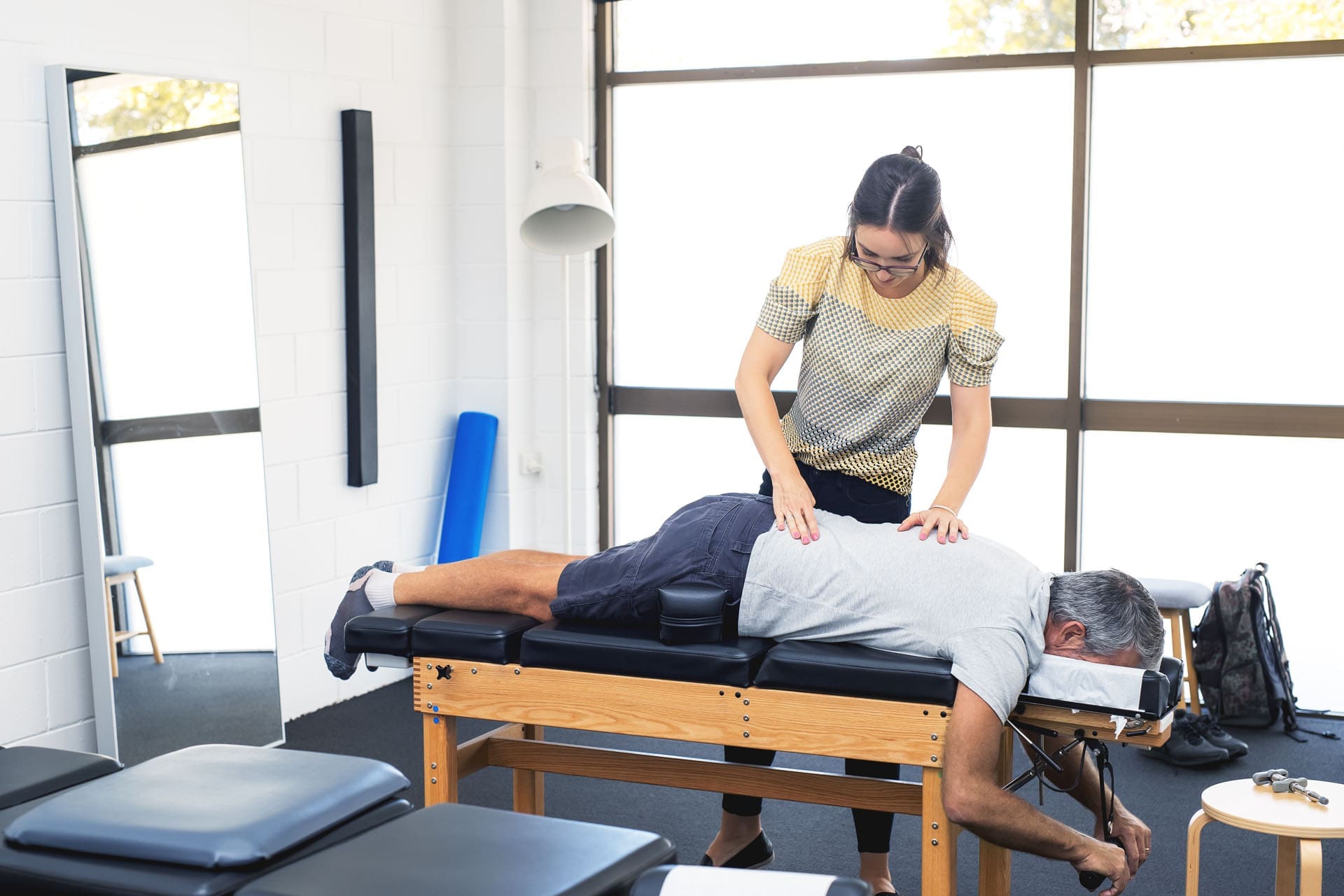
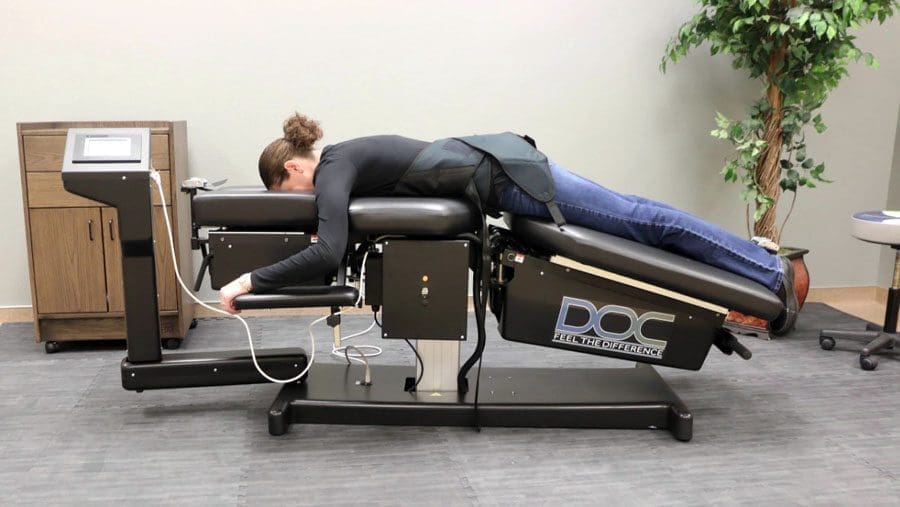
Chiropractic care focuses on aligning the spine to improve body function. Integrative chiropractic goes further by combining adjustments with other therapies, such as exercise and nutrition. This approach helps free up space in the chest and abdomen, making breathing and digestion easier (Ultimate Spine Chiropractic, n.d.).
When a chiropractor realigns your spine, it reduces pressure on the diaphragm and organs. This restores nerve function, so signals between your brain and body work better. Better nerve flow means improved breathing and faster digestion (Nolensville Chiropractic, n.d.).
Benefits of chiropractic for posture-related issues include:
- Better Breathing: Adjustments open up the chest, allowing deeper breaths and more oxygen (Capital Area Physical Therapy, n.d.).
- Improved Digestion: Realigning the spine reduces abdominal compression, which can help with acid reflux and constipation (Alter Chiropractic, n.d.).
- Restored Nerve Function: Clearing blockages lets nerves control organs more effectively (Corner Chiropractic, n.d.).
- Reduced Pain and Tension: Less strain on muscles means you can maintain good posture longer (Peak Portland Chiropractic, n.d.).
- Overall Wellness Boost: Integrative care addresses the whole body, leading to more energy and fewer health problems (Live Aligned Chiropractic, n.d.).
Dr. Alexander Jimenez, DC, APRN, FNP-BC, uses this integrative method in his clinic. With certifications in functional medicine and trauma care, he has helped patients with posture issues for decades. His observations show that spinal adjustments often lead to quick improvements in breathing efficiency. For digestion, he combines alignments with nutritional advice to tackle gut imbalances. In one of his articles, he discusses tools such as chiropractic wedges for gentle posture correction, which aid whole-body recovery without invasive methods (Jimenez, n.d.; LinkedIn, n.d.).
Many patients report feeling better after just a few sessions. Chiropractic care is safe and non-drug-based, making it a good option for long-term health (New Life Chiropractic, n.d.).
Tips for Improving Posture Daily
You don’t have to wait for problems to start fixing your posture. Small changes can make a big difference. Stand tall with your shoulders back, and take breaks to stretch if you sit a lot. Use ergonomic chairs or pillows to support your back (UCLA Health, n.d.).
Simple daily habits:
- Check Your Stance: Keep your head over your shoulders, not forward.
- Strengthen Core Muscles: Exercises like planks help support your spine.
- Breathe Deeply: Practice diaphragm breathing to counteract shallow habits.
- Eat Mindfully: Sit up straight during meals to aid digestion.
Combining these with professional care, like chiropractic, can prevent issues from getting worse (Harvard Health Publishing, 2021).
Conclusion
Poor posture, like slouching, does more than make you look tired. It constricts your diaphragm, leading to breathing problems and less oxygen. It also compresses your digestive organs, causing issues like acid reflux and constipation. Over time, these can slow your metabolism and affect your health. Integrative chiropractic care offers a way to fix this by realigning the spine and restoring function. Experts like Dr. Alexander Jimenez highlight how these methods improve breathing, digestion, and overall wellness through personalized, non-invasive treatments.
Taking steps to improve posture can lead to better health. If you notice symptoms, talk to a healthcare provider. Good posture is key to feeling your best every day.
References
Alter Chiropractic. (n.d.). 7 ways posture correction improves your health.
Breathe Works. (n.d.). Posture breathing gut health digestion reflux.
Breathe Works. (n.d.). Posture digestion bloating reflux gut health.
Capital Area Physical Therapy. (n.d.). Is poor posture affecting your breathing?
Corner Chiropractic. (n.d.). Chiropractic care and digestion: How spinal health impacts your gut.
Harvard Health Publishing. (2021, February 15). 3 surprising risks of poor posture.
Jimenez, A. (n.d.). Dr. Alex Jimenez.
LinkedIn. (n.d.). Dr. Alexander Jimenez, DC, APRN, FNP-BC, IFMCP, CFMP, ATN.
Live Aligned Chiropractic. (n.d.). Can chiropractic care improve digestion?
Nolensville Chiropractic. (n.d.). The connection between posture and digestive health.
Nolensville Chiropractic. (n.d.). The connection between posture and digestive health.
Peak Portland Chiropractic. (n.d.). 7 ways posture correction improves your health.
Scoliosis Center of Utah. (n.d.). How posture affects digestion.
The Bluffs Chiropractic. (n.d.). How chiropractic care straightens out poor posture.
Total Health Chiropractic. (n.d.). Can poor posture affect the way you breathe?