
Give us a Call
+1 (915) 412-6680
Send us a Message
[email protected]
Opening Hours
Mon-Thu: 7 AM - 7 PM
Fri - Sun: Closed
Platelet-Rich Plasma (PRP) Therapy for Spinal Care

Platelet-Rich Plasma (PRP) Therapy for Spinal Care

Platelet-Rich Plasma (PRP) Therapy for Spinal Care

Integrated Medicine: Natural Healing Without Surgery in El Paso

Spinal problems touch the lives of millions every year. Many people deal with ongoing back pain caused by worn discs, irritated facet joints, or weakened ligaments. At ChiroMed Integrated Medicine in El Paso, Texas, Platelet-Rich Plasma (PRP) therapy supports spinal care by using a person’s own platelets to reduce inflammation and promote healing of damaged discs, facet joints, and ligaments. This minimally invasive method releases growth factors that help tissue recover without surgery, thereby decreasing chronic pain and increasing mobility. People with mild to severe spinal degeneration who have not found enough relief from conservative treatments like physical therapy often turn to PRP at ChiroMed. (ChiroMed, n.d.-a)

What Is PRP Therapy and How Does ChiroMed Use It?

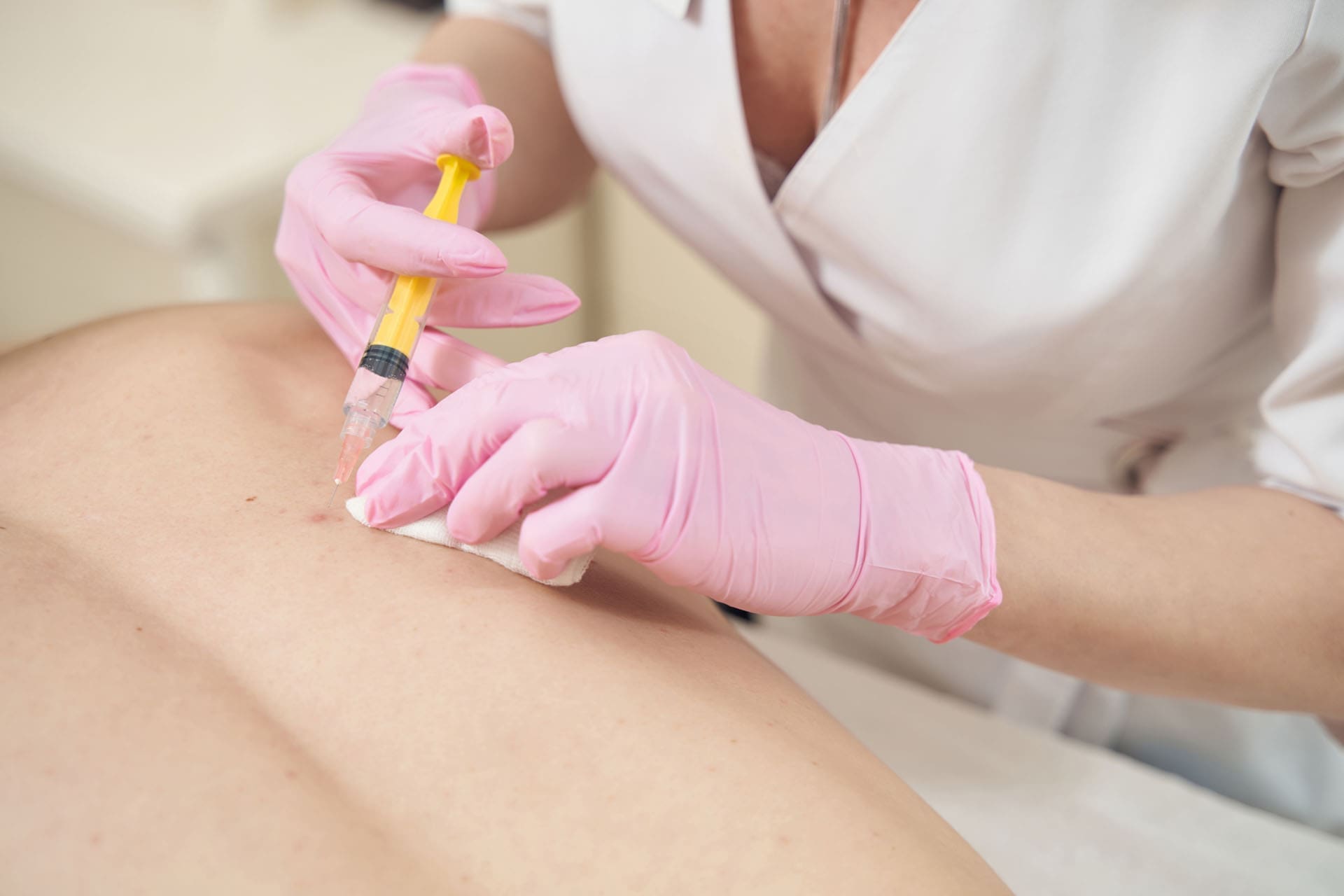
PRP stands for platelet-rich plasma. The team at ChiroMed starts with a simple blood draw from your arm. They place the blood in a special machine called a centrifuge, which spins it rapidly to concentrate the platelets. These platelets carry powerful growth factors that signal the body to repair itself. Doctors then inject this golden PRP liquid exactly where the spine needs help. (ChiroMed, n.d.-b)

At ChiroMed, PRP goes beyond basic shots. The clinic blends regenerative medicine with chiropractic adjustments and functional medicine testing. This whole-person method sets ChiroMed apart from clinics that only treat symptoms. Because the PRP comes from your body, the chance of bad reactions is very low. (Jimenez, n.d.)

How PRP Supports Healing in the Spine

Your spine works hard every day. Discs cushion the bones, facet joints let you twist and bend, and ligaments hold everything steady. Over time, wear, injury, or aging can damage these parts and cause pain.

  • PRP delivers growth factors directly to damaged discs, so new cells can grow and the cushioning improves.
  • For inflamed facet joints, the injection calms swelling and helps restore smooth motion.
  • In stretched ligaments and tendons around the spine, PRP speeds repair and restores stability.

ChiroMed uses ultrasound guidance for every injection to ensure it hits the exact spot. This precision means better results and less discomfort. One review of studies shows PRP also aids nerve repair, which matters when spinal issues press on nerves and send pain down the legs. (Wang et al., 2024)

Key Benefits of PRP Therapy at ChiroMed

Patients at ChiroMed choose PRP because it offers real, lasting relief without major operations. Here are the top advantages they notice:

  • Natural pain relief: PRP lowers inflammation right at the source instead of masking it with pills or steroids.
  • Improved daily movement: Many regain the ability to walk, bend, and lift with less effort after a few weeks.
  • Quick return to normal life: Most people resume light activities within one or two days, much faster than after surgery.
  • Longer results: Relief often lasts six months to a year or more, unlike short-term steroid shots.
  • Minimal risk: No foreign drugs enter the body, so side effects are rare.
  • Tissue rebuilding: PRP helps regenerate new cartilage and strengthen soft tissues, keeping the spine strong. (ChiroMed, n.d.-a; Florida Pain Management Institute, 2025)

Dr. Alexander Jimenez, DC, APRN, FNP-BC, who leads ChiroMed, has over 30 years of experience. His clinical observations show that patients who combine PRP with chiropractic care see faster mobility gains and fewer pain flare-ups. (Jimenez, n.d.; ChiroMed, n.d.-a)

Who Can Benefit from PRP at ChiroMed?

PRP works well for adults facing stubborn spinal issues. Good candidates at ChiroMed often include those with:

  • Degenerative disc disease
  • Spinal stenosis that squeezes nerves
  • Facet joint arthritis
  • Herniated or bulging discs
  • Chronic low back or neck pain that did not improve with rest or exercises

If physical therapy, ice, or over-the-counter medicine have not helped enough, the team at ChiroMed evaluates you for PRP. They check your full health history first. Most patients qualify, but those with active infections or certain blood conditions may need different plans. The clinic’s integrative approach makes PRP safer and more effective for a wide range of people. (Total Spine Institute, n.d.; Greater Austin Pain Center, 2025)

How Dr. Alexander Jimenez Powers Up PRP Therapy

An Advanced Practice Registered Nurse (APRN/FNP-BC) with functional medicine training (CFMP, IFMCP, ATN, CCST) can enhance PRP therapy by using precise, ultrasound-guided injections, along with structural alignment and nutritional support, to accelerate healing. At ChiroMed, Dr. Alexander Jimenez, DC, APRN, FNP-BC, CFMP, IFMCP, ATN, CCST, brings exactly this dual expertise to every patient.

Dr. Jimenez holds chiropractic and family nurse practitioner licenses across multiple states. His 30-plus years of practice focus on addressing root causes rather than merely covering symptoms. At the ChiroMed clinic at 11860 Vista Del Sol Dr, Suite 128, in El Paso, he pairs PRP injections with gentle chiropractic adjustments to keep the spine aligned. He also orders functional medicine tests that check nutrition, hormones, and hidden inflammation. His clinical observations reveal that patients heal more quickly and remain pain-free longer when PRP is combined with dietary changes and metabolic support. (ChiroMed, n.d.-b; Injury Medical & Chiropractic Clinic, n.d.)

The Power of Combining Regenerative, Functional, and Structural Care at ChiroMed

When you combine regenerative medicine (PRP), functional medicine (metabolic/nutritional support), and structural care (chiropractic), you have a very effective way to restore your spine. ChiroMed built its entire practice around this trio.

  • Regenerative step: PRP injections jump-start repair exactly where damage exists in discs, joints, or ligaments.
  • Functional step: Blood work guides custom supplements and food plans that lower body-wide inflammation and feed healing cells.
  • Structural step: Chiropractic adjustments keep bones aligned so that new tissue forms correctly and nerves remain free of pressure.

Dr. Jimenez often sees patients at ChiroMed return to work or their favorite activities sooner with this team method. They report less need for pain pills and more confidence moving through daily life. The clinic also offers acupuncture, naturopathy, and IV nutrition to further support PRP. (Personal Injury Doctor Group, 2026; ChiroMed, n.d.-c)

What to Expect During and After PRP Treatment at ChiroMed

Your visit to ChiroMed usually takes under an hour. A friendly staff member draws a small tube of blood. While the centrifuge works, you relax in a comfortable room. Dr. Jimenez or a trained team member then uses real-time ultrasound to guide the thin needle to the precise site of the problem. Local numbing keeps discomfort low.

Afterward, you may feel mild soreness for a day or two, like after a tough workout. The staff encourages light walking but asks you to avoid heavy lifting for one to two weeks. Improvements often begin in four to six weeks as growth factors rebuild tissue. Some patients need two or three sessions spaced a few weeks apart for the best outcome. (CalSpine MD, n.d.; PRP Labs, n.d.)

ChiroMed follows up closely. They track your progress with movement tests and adjust nutrition or alignment care as needed. This personal attention helps results last.

Evidence Behind PRP for Spinal Problems

Research supports PRP’s role in spine care. Clinical reviews show it cuts pain and boosts function in degenerative disc disease and facet joint problems. One analysis found PRP helps nerve repair by calming inflammation and growing new cells. While larger studies continue, clinics like ChiroMed report strong real-world success with sciatica and back pain. (Wang et al., 2024; Ohio State Wexner Medical Center, n.d.)

Patients love that PRP uses their body to heal. It matches the natural, drug-free lifestyle many people at ChiroMed seek.

Moving Forward with Spine Health at ChiroMed

PRP therapy offers fresh hope for anyone tired of living with constant back pain. By tapping into your blood’s own healing power, it reduces swelling, rebuilds tissue, and restores movement. At ChiroMed Integrated Medicine in El Paso, Dr. Alexander Jimenez and his team blend PRP with chiropractic and functional medicine for results that last.

If conservative care has not brought enough relief, reach out to ChiroMed. Their integrated approach may help you enjoy a stronger, pain-free back again. Call (915) 412-6680 or visit https://chiromed.com/ to learn more about PRP for spinal care.


References

CalSpine MD. (n.d.). PRP therapy for back & spine problems.

ChiroMed. (n.d.-a). Platelet-rich plasma (PRP) therapy for sciatica.

ChiroMed. (n.d.-b). Platelet-rich plasma therapy supports detoxification.

ChiroMed. (n.d.-c). PRP therapy for sports injuries: Non-surgical healing.

Florida Pain Management Institute. (2025, May 6). 5 reasons to consider PRP therapy for spine repair.

Greater Austin Pain Center. (2025, October 31). PRP injections for joint and spine pain: What you need to know.

Injury Medical & Chiropractic Clinic. (n.d.). Alex Jimenez DC, APRN, FNP-BC, CFMP, IFMCP.

Jimenez, A. (n.d.). Injury specialists.

Miami Spine and Sports Doctor. (n.d.). PRP therapy for the spine: 6 benefits and 5 conditions it can treat.

Morrison Clinic. (n.d.). Platelet-rich plasma therapy for spine.

Ohio State Wexner Medical Center. (n.d.). The benefits of using platelet-rich plasma therapy to treat back pain.

Personal Injury Doctor Group. (2026, March 16). Revitalizing recovery: How PRP therapy works.

PRP Labs. (n.d.). How PRP therapy may relieve spinal stenosis symptoms.

Total Spine Institute. (n.d.). Platelet-rich plasma treatments.

Wang, S., Liu, Z., Wang, J., Cheng, L., Hu, J., & Tang, J. (2024). Platelet-rich plasma (PRP) in nerve repair. Regenerative Therapy, 27, 244–250. https://doi.org/10.1016/j.reth.2024.03.017

PRP Therapy for Sports Injuries: Non-Surgical Healing

PRP Therapy for Sports Injuries: Non-Surgical Healing

PRP Therapy for Sports Injuries: Non-Surgical Healing

Sports injuries can slow people down fast. A sore tendon, strained ligament, pulled muscle, or painful joint can make training, work, and daily movement much harder. Many people want relief, but they also want a treatment that does more than cover up pain. That is one reason Platelet-Rich Plasma, or PRP, has gained attention in sports medicine. PRP is made from a person’s own blood and is used to deliver a high concentration of platelets and growth factors to an injured area. Those platelets may help support tissue repair, reduce inflammation, and improve recovery in selected injuries (Johns Hopkins Medicine, n.d.; Yale Medicine, n.d.).

At ChiroMed, the message on regenerative care is clear: the goal is to help the body heal naturally and non-surgically while also considering the bigger picture of movement, structure, inflammation, and long-term function. ChiroMed describes its care model as integrated medicine, combining chiropractic care, nurse practitioner services, rehabilitation, nutrition counseling, acupuncture, and other supportive services to improve recovery and function. The clinic also offers regenerative care as part of a broader plan to address the root cause of pain rather than merely masking symptoms.

What PRP Therapy Is

PRP therapy starts with a simple blood draw. The blood is placed in a centrifuge, which spins it to separate and concentrate the platelets. That platelet-rich portion is then placed into the injured area. Yale Medicine explains that PRP is a biologic therapy derived from the patient’s own blood and may stimulate healing and enhance repair in certain orthopedic injuries. Johns Hopkins adds that platelets are known for clotting, but they also contain growth factors that can trigger cell reproduction and support tissue regeneration or healing.

This matters because many sports injuries involve tissues that heal slowly. Tendons, ligaments, cartilage, and some muscle injuries do not always recover quickly, especially when the area has low blood supply or has been irritated for a long time. PRP is designed to concentrate the body’s healing signals and place them where they are needed most. HSS describes PRP as a form of regenerative medicine that amplifies the natural growth factors found in blood cells to promote the healing of damaged tissues.

Injuries PRP Is Commonly Used For

PRP is often discussed for sports and orthopedic injuries involving soft-tissue overload, chronic irritation, or joint wear. Penn Medicine says PRP is often used for sports injuries and arthritis, and it highlights its use in nonsurgical conditions like tennis elbow and tendinitis, as well as in tendon and soft tissue injuries, for people trying to avoid surgery. Yale Medicine also lists tendon, ligament, muscle, and cartilage injury among the problems that may be treated with PRP. HSS includes tendonitis, ligament injuries, and osteoarthritis among conditions commonly treated with PRP.

Common examples include:

  • Chronic tendinitis or tendinopathy
  • Tennis elbow and golfer’s elbow
  • Achilles tendon problems
  • Ligament sprains or partial tears
  • Muscle strains or tears
  • Knee pain related to joint wear
  • Mild to moderate osteoarthritis
  • Other overuse injuries that have not improved enough with standard care

At ChiroMed, regenerative medicine content also describes PRP as a tool used for joint pain, tendon injuries, and muscle damage. The site presents PRP as part of a larger regenerative care model that may also include PRF, MFAT, and peptide-based support depending on the patient and the clinical plan.

How PRP May Help Sports Injury Recovery

PRP is not a pain pill. It does not simply numb the area or hide symptoms for a few hours. Instead, it is used to support the body’s healing environment. Yale Medicine notes that PRP delivers a high concentration of platelets, growth factors, and cytokines to the injury site to promote healing. Penn Medicine states that PRP may stimulate tissue repair, reduce inflammation, and speed recovery.

For athletes and active adults, that may matter in several ways:

  • It may help calm long-term irritation in injured tissue
  • It may support tissue repair in tendons, ligaments, muscles, and joints
  • It may improve function over time
  • It may fit into a plan designed to delay or avoid surgery
  • It may support return to activity when paired with proper rehab and load management

Still, PRP is not a shortcut for every injury. Results vary based on the diagnosis, how long the injury has been present, the quality of the tissue, the patient’s overall health, and how well the rest of the recovery plan is followed. That is why careful evaluation matters so much.

What the Procedure Usually Feels Like

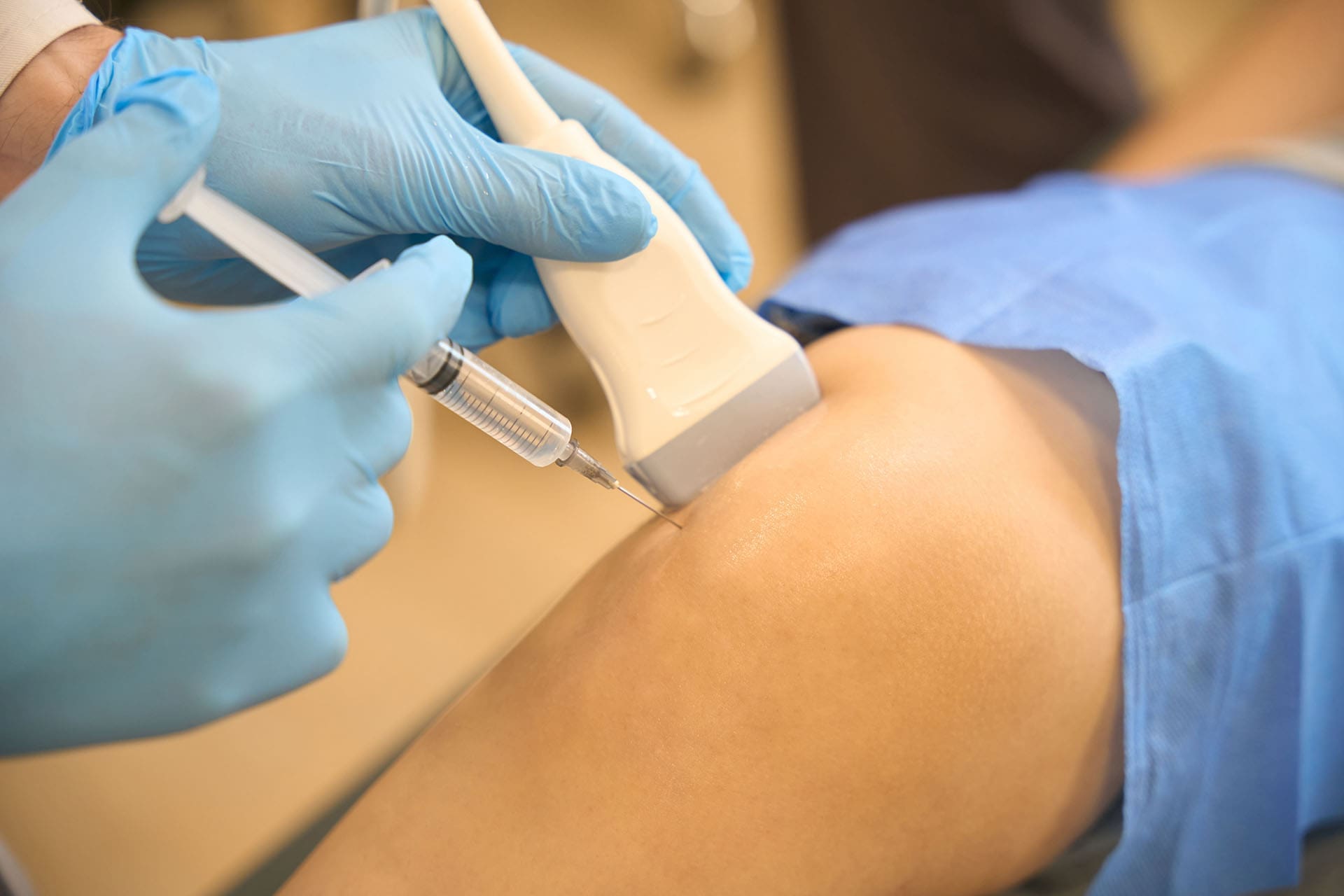
Penn Medicine explains that PRP is created by removing a small amount of blood, processing it to isolate platelets, and then injecting the concentrated platelets into the area needing treatment. Johns Hopkins also notes that in some cases, a clinician may use ultrasound to guide the injection so the treatment reaches the target area more accurately.

Most people are also told to expect some short-term soreness. Yale Medicine says the most common side effects are discomfort, pain, and stiffness at the injection site. Johns Hopkins says soreness and bruising at the injection site may happen after the procedure, but major side effects are uncommon. HSS also describes PRP side effects as limited because the injection is made from the person’s own blood.

That means patients should understand two things:

  • Temporary soreness after PRP can be normal
  • Improvement often happens gradually over several weeks, not overnight

Why ChiroMed’s Integrative Model Fits PRP Well

A sports injury rarely affects only one body part. A painful tendon may also change how a person walks, lifts, throws, runs, or sleeps. Joint pain may lead to compensation patterns, weakness, and poor movement mechanics. That is why PRP often works best as part of a comprehensive recovery plan rather than a stand-alone procedure. ChiroMed’s website repeatedly frames recovery through an integrated model that combines chiropractic care, nurse practitioner services, rehabilitation, nutrition support, and other natural therapies.

ChiroMed also describes regenerative medicine as a natural, non-surgical approach that is often paired with structural chiropractic care. On its regenerative medicine page, the clinic says regenerative care supports tissue repair, reduces inflammation, eases pain, and improves movement. It also states that the best results occur when regenerative medicine works alongside structural chiropractic care, giving the body a more stable foundation for healing.

In practical terms, that kind of clinic model may include the following:

  • A careful examination to identify the true pain source
  • PRP or other regenerative options when appropriate
  • Chiropractic or structural care to improve motion and reduce joint stress
  • Rehabilitation to rebuild strength and movement quality
  • Nutrition and functional medicine support to improve recovery
  • A staged return-to-training plan instead of random guessing

Clinical Observations Linked to Dr. Alexander Jimenez and ChiroMed

ChiroMed identifies Dr. Alexander Jimenez as a dual-licensed clinician with credentials as both a chiropractic doctor and an Advanced Practice Nurse Practitioner. The site says he leads a multidisciplinary team focused on holistic, patient-centered care. In ChiroMed’s regenerative medicine content, Dr. Jimenez is described as emphasizing root-cause care that addresses nutrition, inflammation, movement patterns, and stress, as well as the injury itself. The same page explains that he combines precise chiropractic care with regenerative methods to help rebuild structure, calm irritation, and restore functional movement.

That clinical viewpoint makes sense for athletes and active adults. Many injured patients need more than just pain relief. They need a better movement pattern, improved stability, healthier tissue recovery, and a plan for getting back to work, training, or sport safely. ChiroMed’s athlete care content also supports the idea of “optimal loading,” meaning patients often do better with modified activity rather than complete shutdown. That approach can be important after PRP, as tissue healing still needs to be matched with smart activity progression.

PRP and Return to Activity

One reason PRP is attractive in sports medicine is that it may support healing without surgery in selected cases. But that does not mean someone should rush back to full activity too soon. ChiroMed’s sports injury content stresses modified activity, staged progress, and clear communication about what movements are safe during recovery. That is important because healing tissue still requires time, even with regenerative treatment.

A smart return-to-activity plan often includes:

  • Relative rest instead of complete inactivity
  • Protection from movements that overload the injured area
  • Mobility and stability work that does not increase symptoms
  • Gradual loading as pain and function improve
  • Ongoing reassessment if pain keeps returning

This is where an integrative setting can help. Instead of treating the injury in isolation, the team can track function, monitor symptoms, adjust training, support nutrition, and improve mechanics simultaneously. That may give patients a more complete recovery process than an injection alone.

A Balanced View of PRP

PRP is promising, but it should be explained honestly. It is not the right answer for every injury, and it does not guarantee a quick return to sports. The best candidates are usually people with the right diagnosis, realistic expectations, and a willingness to follow a full treatment plan. The strongest message from major health systems and from ChiroMed’s own content is that PRP works best as part of a thoughtful, evidence-informed recovery strategy.

For people dealing with chronic tendinitis, ligament strain, muscle injury, or osteoarthritis, PRP may offer a non-surgical option that supports tissue repair and may reduce pain over time. When paired with integrated medical services like those described on Chiromed.com, the goal becomes bigger than short-term symptom relief. The goal is better healing, better movement, and a stronger return to life and activity.

Conclusion

PRP therapy may help sports injuries heal by delivering a concentrated dose of the body’s own platelets and growth factors directly to damaged tissue. It is commonly used for tendon injuries, ligament strains, muscle problems, and osteoarthritis, and it may reduce pain while supporting tissue repair. Temporary soreness at the injection site can happen, but serious side effects are uncommon. At ChiroMed, PRP fits naturally into an integrative, non-surgical model that also includes APRN support, chiropractic care, rehabilitation, nutrition, and a structured return-to-activity plan. For the right patient, that kind of whole-body approach may offer a practical path toward stronger healing and better function.


References

ChiroMed. (2026, March 25). PRP for Meniscus Tears: Integrative Medicine.

ChiroMed. (2026, March 24). Regenerative Medicine: Natural Non-Surgical Healing.

ChiroMed. (2026, March 18). Can Athletes Keep Training During Integrative Care?.

ChiroMed. (n.d.). ChiroMed – Integrated Medicine Holistic Healthcare in El Paso, TX.

Hospital for Special Surgery. (n.d.). Platelet-Rich Plasma (PRP) Injection: How It Works.

Johns Hopkins Medicine. (n.d.). Platelet-Rich Plasma (PRP) Injections.

Penn Medicine. (n.d.). Platelet-Rich Plasma (PRP) Injections.

Yale Medicine. (n.d.). Platelet-Rich Plasma (PRP) Injections in Sports.