Give us a Call
+1 (915) 412-6680
Send us a Message
[email protected]
Opening Hours
Mon-Thu: 7 AM - 7 PM
Fri - Sun: Closed

PRP Therapy Overview for Non-Surgical Musculoskeletal Care

Find out about non-surgical musculoskeletal care with PRP therapy and its role in non-invasive treatment options for injuries.

Abstract

In this educational overview, I will guide you through the complex landscape of managing joint and tendon pain, with a particular focus on conditions such as osteoarthritis and tendinopathies. Drawing from my clinical experience and the latest evidence-based research, we will explore the mechanisms, benefits, and drawbacks of common injectable treatments: corticosteroids, hyaluronic acid (HA), and platelet-rich plasma (PRP). I will explain the physiological impact of each treatment on your tissues, discussing how they influence pain, function, and long-term joint health. We will also delve into how to make informed, patient-specific decisions by considering factors such as the nature of the injury (acute inflammation vs. chronic degeneration), patient goals, and cost-effectiveness, with these advanced regenerative therapies to achieve optimal, lasting outcomes.

Hello, I’m Dr. Jimenez. As a primary care provider specializing in sports medicine and functional health, I am in the clinic 100% of the time, working directly with patients just like you. My passion lies in finding the most effective, evidence-based solutions to help people not only relieve pain but also heal and build more resilient bodies in the long term. Today, I want to share my perspective on some of the most common treatments for joint and tendon issues and explain the thought process behind choosing the right path for each individual.

Why We Seek Alternatives to Traditional Approaches

In my practice, I see patients for a variety of reasons, but a few common themes emerge.

  • Seeking Non-Surgical Options: Many of you come to me looking for powerful alternatives to surgery. This is precisely why my specialty in non-operative sports medicine exists. You want to heal without the risks, downtime, and potential complications of an invasive procedure.
  • Desire for Faster Recovery: Whether you’re a competitive athlete or someone who wants to get back to playing with your grandchildren, you want to get better as quickly as possible.
  • Focus on Long-Term Tissue Health: This is perhaps the most crucial point. I can inject something to numb the pain temporarily, but are we actually helping the tissue heal? Or are we potentially causing harm down the line? My goal is not to provide a temporary fix that requires you to come back every few months for the rest of your life. Instead, we want to restore and strengthen damaged tissue and return you to your life with confidence and strength. This philosophy is at the core of regenerative and functional medicine.

Let’s consider a common scenario. A patient comes to me with a chronic tendon injury. A neurosurgeon sent them for evaluation. The problem isn’t just about pain; it’s about compromised tissue integrity. My objective is to do more than mask the symptoms. We want to change the tissue’s biology to promote a healthier, more robust state.

Understanding the Tools: Corticosteroids, HA, and PRP

When it comes to injectable treatments for joint and tendon pain, we have several tools at our disposal. It’s essential to understand what each one does, why we might use it, and what its limitations are.

Corticosteroids: The Double-Edged Sword

Corticosteroids (like cortisone) and powerful non-steroidal anti-inflammatory drugs (NSAIDs) like Toradol are well-known for providing rapid and potent pain relief. They work by aggressively shutting down the inflammatory process.

  • Mechanism: Corticosteroids are powerful anti-inflammatory agents. They suppress the immune response, reducing the swelling, warmth, and pain associated with inflammation.
  • The Downside: While they offer quick relief, this comes at a cost. Emerging research and extensive clinical observation have raised serious concerns about their long-term effects. A significant issue is chondrotoxicity, meaning they can be toxic to cartilage cells (chondrocytes). When we repeatedly inject steroids into a joint, we may be accelerating the very cartilage breakdown we are trying to prevent. Think of it this way: inflammation is part of the body’s natural healing signal. By completely silencing it, we might also be silencing the signals that call for repair and regeneration. The result is often a cycle of temporary relief followed by a return of pain, often worse than before, leading to more injections. Many patients I see have been on this “injection treadmill” and eventually end up needing surgery anyway.

Hyaluronic Acid (HA): The Joint Lubricant

Hyaluronic Acid (HA), also known as viscosupplementation, is a different approach. HA is a natural component of the synovial fluid that lubricates our joints.

  • Mechanism: In arthritic joints, the concentration and quality of HA are often diminished. Injecting a gel-like HA substance helps to restore the viscosity of the joint fluid. This provides better lubrication and shock absorption, improving the overall joint environment (homeostasis). It’s important to note that HA itself is not a direct anti-inflammatory in the classical sense, unlike a steroid. Its primary role is mechanical and supportive.
  • Application: I often think of it like this: I can inject a steroid into an “angry,” inflamed joint to calm it down, or I can add HA gel to improve the mechanics and reduce friction. In many cases, especially in an irritated joint, I might combine a short-term anti-inflammatory with HA to get the benefits of both—calming the fire and then improving the environment. In the United States, insurance typically covers HA injections only for knee osteoarthritis, but clinically, we see benefits in other joints, such as the shoulders, hips, and ankles. Patients often acquire the syringes from specialty pharmacies for these off-label applications.

Platelet-Rich Plasma (PRP): Harnessing the Body’s Healing Power

This brings us to Platelet-Rich Plasma (PRP), a cornerstone of modern regenerative medicine.

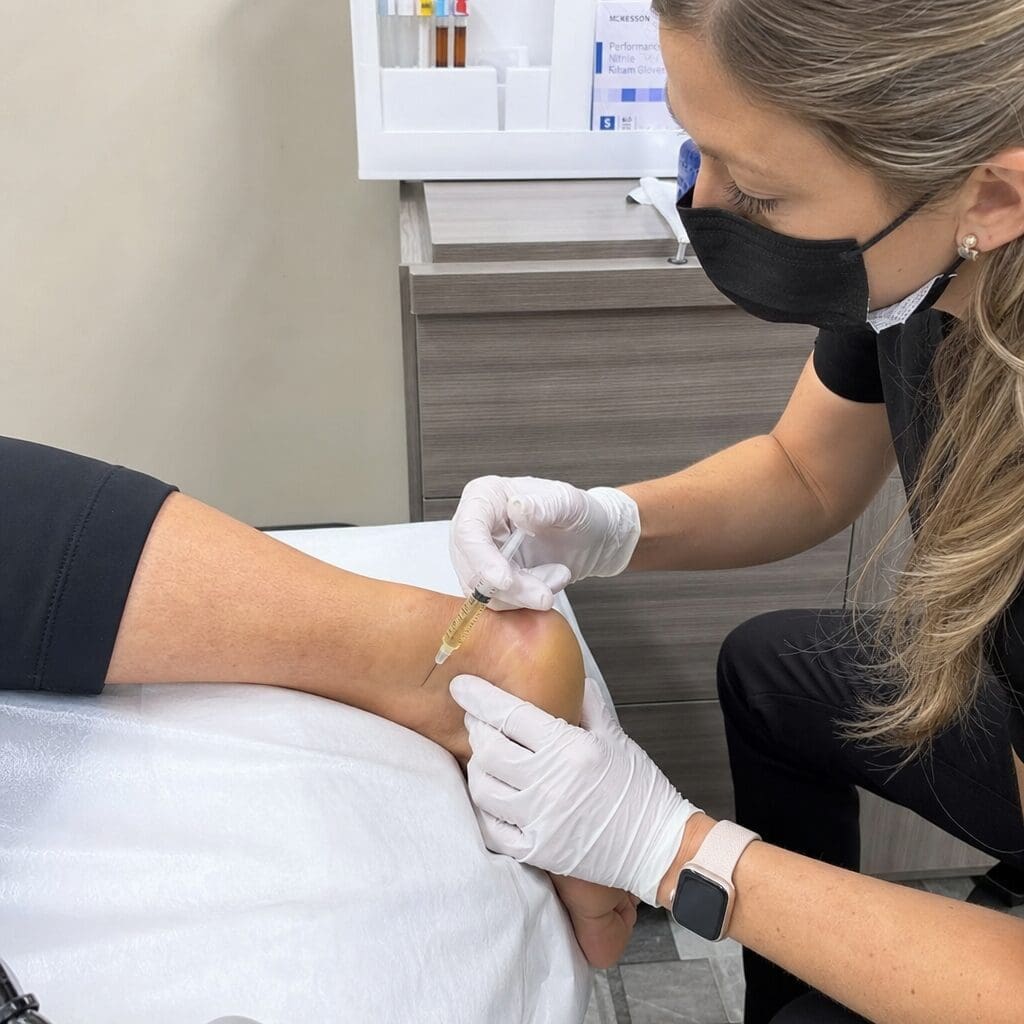
  • Mechanism: PRP is a concentration of your own blood platelets, which we obtain through a simple blood draw and centrifugation process. Platelets are the body’s first responders to injury. They are packed with hundreds of growth factors and signaling proteins that orchestrate the entire healing cascade. When we inject PRP directly into an injured tendon or an arthritic joint, we deliver a powerful, concentrated dose of these natural healing signals. PRP doesn’t just mask pain; it works to:
    • Modulate Inflammation: Unlike steroids, which obliterate inflammation, PRP modulates it. It helps transition the inflammatory state from a chronic, destructive process to an acute, regenerative one.
    • Promote Tissue Healing: It stimulates the recruitment of stem cells to the area and encourages the formation of new blood vessels (angiogenesis) and new, healthy tissue (such as collagen in tendons or cartilage components in joints).
  • The Outcome: By using your body’s own biological software, PRP aims to fundamentally change the tissue environment, promoting true healing and creating a more durable, functional structure. This is how we move from managing symptoms to actually restoring tissue.

The Evidence: Comparing PRP, Steroids, and HA

The scientific community has been rigorously studying these treatments, and a clear picture is beginning to emerge.

PRP vs. Corticosteroids

A growing body of high-quality research shows that for many conditions, particularly osteoarthritis and tendinopathies, PRP is superior to corticosteroids. A systematic review and meta-analysis by Belk et al. (2021) found that, for knee osteoarthritis, patients treated with PRP experienced significantly greater improvements in pain and function than those who received corticosteroid injections, with benefits lasting much longer, often up to 12 months. Steroids, in contrast, typically provide relief for only a few weeks to a few months.

PRP vs. Hyaluronic Acid (HA)

Similarly, when PRP is compared to HA for knee osteoarthritis, the evidence favors PRP. Multiple studies, including a large-scale meta-analysis published in Arthroscopy, have demonstrated that PRP provides more significant and longer-lasting improvements in both pain scores and functional outcomes at 6 and 12 months post-injection (Laudy et al., 2015). While HA can be beneficial, PRP appears to offer a more profound and durable biological effect.

Summary of Evidence Table

TreatmentMechanism of ActionDuration of EffectEffect on TissueBest For
CorticosteroidsPotent anti-inflammatoryShort-term (1-12 weeks)Potentially chondrotoxic (damaging to cartilage) with repeated useAcute, severe inflammatory flare-ups when other options are not feasible
Hyaluronic Acid (HA)Joint lubrication and shock absorptionMedium-term (up to 6 months)Supportive, improves joint homeostasisMild to moderate osteoarthritis, especially when insurance covers it
Platelet-Rich Plasma (PRP)Modulates inflammation, delivers growth factors to stimulate healingLong-term (6-12+ months)Regenerative, promotes healing and tissue repairChronic tendinopathies, mild to moderate osteoarthritis, long-term tissue health

Making the Right Choice: A Patient-Centered Approach

So, how do we decide which treatment is right for you? This is where a personalized, integrative approach becomes critical. There is no one-size-fits-all answer.

  • For Chronic Tendinopathy or Mild-to-Moderate Osteoarthritis: If you have a long-standing issue like tennis elbow, Achilles tendinopathy, or early-to-moderate joint arthritis without severe, acute inflammation, my first recommendation is almost always PRP. It addresses the underlying degenerative nature of the problem and offers the best chance for long-term healing and functional improvement. I try to avoid steroids in these cases to protect the long-term health of the tissue.
  • When Cost is a Major Factor: If PRP is not financially feasible and your insurance covers HA for knee osteoarthritis, it is a very reasonable and effective option that provides better long-term outcomes than steroids. With some insurance plans now dropping coverage for HA, the cost-benefit analysis is shifting. If you are paying out of pocket, the small additional cost of PRP may provide significantly more value, as it often requires fewer treatments over time.
  • For Acute, Severe Pain: There are times when a patient is in so much pain that their only goal is immediate relief. In these situations, judicious use of a corticosteroid injection can serve as a bridge. It can calm a severe inflammatory flare-up enough to allow the patient to engage in physical therapy and other restorative treatments. However, I always have a conversation with the patient: “This is a temporary solution to get you out of this crisis. Once the inflammation is under control, we need to address the underlying problem to prevent this from happening again.”

The Crucial Role of Integrative Chiropractic Care

Injectable therapies, even advanced ones like PRP, are only one piece of the puzzle. If we don’t address the underlying biomechanical issues that led to the tissue breakdown in the first place, the problem is likely to return. This is where integrative chiropractic care is essential.
As a Doctor of Chiropractic (DC) and a board-certified Family Nurse Practitioner, I see the body through a unique lens. Pain and degeneration in a joint or tendon are often symptoms of a deeper functional problem.

  • Restoring Biomechanics: A knee doesn’t exist in isolation. Its function is directly influenced by hip and ankle mobility, core stability, and pelvic alignment. Through chiropractic adjustments, soft tissue mobilization, and specific therapeutic exercises, we work to correct these imbalances. For example, if a patient has knee osteoarthritis, I will assess their hip mobility and foot mechanics. Often, hip stiffness or poor foot posture forces the knee to take on excessive rotational stress, accelerating wear and tear. By restoring normal movement patterns in the entire kinetic chain, we offload the damaged knee joint.
  • Enhancing the Effects of Regenerative Injections: Performing a PRP injection without correcting the faulty mechanics is like patching a tire without fixing the alignment that caused it to wear out unevenly. The patch won’t last. Chiropractic care creates an optimal biomechanical environment for the regenerative process to succeed. By improving joint alignment and muscle function, we ensure that the newly forming tissue is not immediately subjected to the same stresses that caused the initial injury. This synergy between advanced regenerative injections and foundational chiropractic care is the key to achieving durable, long-term success.

At my clinic, a comprehensive treatment plan for a patient with knee osteoarthritis might involve a PRP injection to stimulate cartilage repair, combined with a targeted program of chiropractic adjustments to the lumbar spine and pelvis, mobilizations for the hip and ankle, and a tailored exercise regimen to strengthen the gluteal muscles and improve neuromuscular control. This holistic approach ensures we are treating not just the site of pain, but the entire system.

Final Thoughts

The world of medicine is moving away from simply managing symptoms and toward restoring function and promoting true healing. When we talk about treating joint and tendon pain, we have to consider the long-term implications of our choices.

  • Steroids have their place for short-term crisis management, but pose a risk to long-term tissue health.
  • Hyaluronic Acid is a safe and effective lubricant, offering a good supportive option for osteoarthritis.
  • Platelet-Rich Plasma (PRP) stands out as a superior treatment for promoting true tissue healing and offering lasting functional improvement, supported by robust scientific evidence.

Ultimately, the best approach is personalized to you—your specific condition, your goals, and your body’s unique needs. By combining advanced regenerative therapies like PRP with the foundational principles of integrative chiropractic care, we can go beyond temporary fixes and help you move toward lasting health, durability, and a full return to the life you love.

References

SEO Tags: Joint Pain, Osteoarthritis Treatment, PRP Therapy, Platelet-Rich Plasma, Hyaluronic Acid, Cortisone Injections, Regenerative Medicine, Integrative Chiropractic Care, Sports Medicine, Tendinopathy, Knee Pain, Non-Surgical Treatment, Dr. Alexander Jimenez, El Paso, TX, Functional Medicine

A Clinical Approach Overview on Bioidentical Hormones

Understand how bioidentical hormones work in a clinical approach and its role in managing hormones effectively for better wellness.

Abstract

Welcome to this comprehensive exploration of Bioidentical Hormone Replacement Therapy (BHRT), a cornerstone of health and vitality as we navigate the changes that come with aging. In this educational post, I, Dr. Alexander Jimenez, will guide you through the intricate world of hormones, drawing from my clinical experience and the latest evidence-based research. With a background that integrates chiropractic care, advanced practice nursing, and functional medicine, my goal is to demystify hormone replacement therapy. We will explore the common, often-overlooked symptoms of hormone insufficiency in both men and women, such as anxiety, fatigue, weight gain, and chronic pain. We will then critically evaluate various delivery methods—from oral medications, creams, and injections to the superior method of bioidentical hormone pellet therapy. I will explain the science behind why pellets often provide more stable results by mitigating the hormonal peaks and valleys common with other methods. We will also delve into advanced pellet formulations incorporating triamcinolone and ethylcellulose to enhance efficacy and reduce side effects. Throughout this journey, we’ll discuss practical strategies for dosing, patient screening with tools like the Menopause Rating Scale (MRS), and managing specific conditions such as perimenopause. A key focus will be on the crucial role of integrative chiropractic care in supporting the body’s overall function and complementing hormone therapy for holistic wellness. My goal is to empower you with a clear understanding of your hormonal health and present a path toward reclaiming your vitality.

Hello, I’m Dr. Alexander Jimenez. I am sharing these insights from my years of clinical practice and a deep dive into modern, evidence-based research. With my background as a Doctor of Chiropractic (DC), Advanced Practice Registered Nurse (APRN), board-certified Family Nurse Practitioner (FNP-BC), and certifications in Functional Medicine (CFMP, IFMCP), I’ve dedicated my career to an integrative approach to health. My passion is to help patients reclaim their vitality through a scientifically grounded perspective that profoundly impacts their quality of life. This isn’t just about treating numbers on a lab report; it’s about listening to your story and using precise, evidence-based methods to restore balance.
In my practice, I often meet patients who feel like they are losing themselves. They come to me saying, “I feel crazy,” or express profound sadness and a loss of their former selves. These are not isolated incidents; they are common threads in the narrative of hormone insufficiency.

The Overlooked Symptoms of Hormone Insufficiency

Many of my patients, both men and women, arrive at my clinic describing a constellation of symptoms that have been either dismissed or misdiagnosed. It’s a story I hear daily.

  • Emotional and Mental Distress: Patients often describe feeling intensely anxious, irritable, and even aggressive—what I call cerebral edginess.” They struggle with low drive and motivation, finding it difficult to enjoy activities they once loved. Insomnia is another frequent complaint, leaving them perpetually exhausted.
  • Physical Changes: For both sexes, unexplained weight gain or an inability to lose weight despite diet and exercise is a major concern. Men often report a significant lack of stamina and libido. While they may still have the desire, performance becomes an issue. Women, conversely, frequently experience a complete loss of libido. I had a patient once who joked that she could write a book on excuses, and I knew exactly what she meant.
  • Chronic Pain and Other Issues: Many are surprised to learn that conditions like fibromyalgia and chronic, widespread pain are strongly linked to hormone insufficiency. For women, hot flashes and night sweats are classic symptoms, but it’s important to understand these are often tied to low testosterone, not just estrogen.

Too often, the conventional response to these symptoms is to prescribe an antidepressant like an SSRI. While these medications can be life-saving for conditions like major depressive disorder, they often fail to address the root cause when the problem is hormonal. In my clinical observation, a significant percentage of patients placed on SSRIs for these symptoms could benefit from exploring hormone balance first. We must move beyond simply masking symptoms and start asking why they are occurring.

The Clinical Journey: Screening, Labs, and Treatment Planning

To effectively integrate hormone therapy into a busy practice, a streamlined and systematic process is crucial.

Step 1: Patient Screening and Documentation

The first step is identifying patients who could benefit from therapy. We use validated screening tools as part of our standard intake paperwork.

  • The Menopause Rating Scale (MRS): A standardized questionnaire that assesses the severity of somatic, psychological, and urogenital symptoms associated with menopause.
  • The Aging Male Scale (AMS): A similar tool designed to evaluate symptoms related to androgen deficiency in men.
  • These tools are invaluable. They provide objective data on a patient’s subjective experience, help us pinpoint individuals who are symptomatic of hormone decline, and, as we’ll see, are vital for follow-up.

Step 2: Foundational Lab Work to Establish Your Hormonal Baseline

You cannot manage what you do not measure. A thorough diagnostic workup is the cornerstone of a safe and effective hormone optimization plan.

  • Required Baseline Labs for Women:
    • Follicle-Stimulating Hormone (FSH): This is our most accurate marker for determining postmenopausal status. It operates on a classic negative feedback loop with estrogen. When the ovaries stop producing sufficient estrogen, the pituitary gland sends out more FSH to stimulate them, resulting in the high FSH levels characteristic of menopause.
    • Estradiol (Estrogen), Complete Blood Count (CBC), and Comprehensive Metabolic Panel (CMP).
  • Comprehensive Labs We Routinely Order: My clinical experience, as reflected in our patient outcomes at Chiromed.com, has shown that casting a wider net catches more underlying issues. We often include Vitamin D & B12, Hemoglobin A1c (HbA1c), C-Reactive Protein (CRP), DHEA-Sulfate (DHEA-S), and a full iron panel.

For my male patients, the panel is just as critical. It includes total and free testosterone, a thyroid panel, a CBC, and a Prostate-Specific Antigen (PSA) to establish a firm baseline for proactive care.

Step 3: The Consultation and Personalized Treatment Plan

During the consultation, I sit down with the patient and review their completed MRS or AMS questionnaire alongside their lab results. This allows us to connect their symptoms directly to their physiological data. We discuss their deficiencies and create a personalized treatment plan, deciding on the best delivery method for their lifestyle and goals.

Evaluating Hormone Replacement Therapy Options

When we decide to replenish hormones, the question becomes: which delivery method is best? Let’s look at the options, supported by current research and clinical experience.

Oral Medications

Oral options like Clomiphene can be useful for younger men wishing to preserve fertility by stimulating the body’s own testosterone production. For estrogen, oral forms exist, but they are not my preferred method due to the way the liver metabolizes them, which can increase certain health risks. Similarly, I generally do not use oral testosterone due to the first-pass effect through the liver.

Transdermal Creams and Gels

Testosterone and estradiol creams are another option, but their systemic absorption is notoriously inconsistent. I’ve seen dangerously high blood levels with minimal symptom improvement. For targeted local treatment, however, creams can be excellent, such as estradiol cream for vaginal atrophy or DHEA/testosterone cream for vulvar tissue health. For men, scrotal application offers the best absorption. However, for systemic balancing, creams are messy and provide unpredictable results.

Injections

Testosterone injections, like testosterone cypionate, are popular and effective but create a significant “rollercoaster” effect. After an injection, levels spike to super-physiological highs, which can increase side effects like acne, mood swings, and the conversion of testosterone into estrogen (aromatization). Then, as the week progresses, levels plummet, leading to a crash. A more modern approach I use is to split the weekly dose (e.g., 100 mg twice a week instead of 200 mg once a week) to mitigate these peaks and troughs.
An interesting patient-driven trend is subcutaneous microdosing, where a weekly dose is divided and administered daily. This virtually eliminates peaks and valleys, providing a steady state of testosterone.

Transdermal Patches

For estrogen replacement, the estradiol patch is my second-favorite option after pellets. Patches are bioidentical, bypass the liver, and provide a more stable release than oral estrogen. They are a good option for patients who do not want pellets.

The Superiority of Hormone Pellet Therapy

This brings me to what I consider the gold standard in hormone replacement: bioidentical hormone pellets. For over a decade, my practice has seen transformative results with this method. Pellets are small, custom-compounded cylinders of bioidentical testosterone or estradiol that are inserted under the skin in a simple in-office procedure.

Why Pellets Are Different

  • Consistent Hormone Levels: This is the single biggest advantage. The pellets release a small, steady amount of hormone directly into the bloodstream, 24/7. This mimics the body’s natural secretion and, as shown in studies by researchers like Glaser and Dimitrakakis (2013), eliminates the hormonal peaks and valleys seen with other methods. This stability translates to more consistent symptom relief.
  • Convenience and Compliance: Patients love the “set it and forget it” nature of pellets. Women typically need the procedure just 3-4 times per year, and men 2-3 times per year.
  • Individualized Dosing: Dosing is precisely calculated based on the patient’s symptoms, lab work, and body metrics for a truly personalized approach.
  • Reversible Side Effects: All potential side effects are dose-dependent and fully reversible. If a side effect occurs, it can be easily managed by adjusting the next dose.

Innovations in Pellet Compounding: The Next Level of Care

Not all pellets are created equal. The formulation and manufacturing process matter immensely.

The Role of Triamcinolone

Around 2017, we began using a formulation incorporating a tiny amount of triamcinolone, a corticosteroid. This was a game-changer. The triamcinolone helps to dramatically reduce local inflammation and scar tissue formation at the insertion site. Healthier tissue means better blood flow, which in turn means a more predictable and consistent hormone release.

Ethylcellulose for a Smoother Release

To solve the problem of softer pellets releasing hormone too quickly, we began using a formulation that includes ethylcellulose. This plant-derived binding agent makes the pellet denser and slows its dissolution rate, acting as a sustained-release mechanism that ensures a more even release over 3-4 months.

The Science of Horizontal Pellet Pressing

Most pharmacies press pellets vertically, leading to uneven density. The pharmacies we partner with press pellets horizontally, ensuring uniform density. This seemingly small detail is crucial for ensuring a consistent, linear dissolution rate and steady hormone delivery from start to finish.


Modulating Women’s Hormones-Video


Clinical Pearls: Practical Guidance for Common Scenarios

Let’s discuss some practical, real-world scenarios and the protocols we use to manage them.

Perimenopause: The 6 mg Estrogen Game-Changer

Perimenopause is arguably the most challenging phase for women. Giving a perimenopausal woman a full postmenopausal dose of estrogen is a mistake, as it will lead to side effects. The solution is a low-dose 6 mg estrogen pellet. This small dose acts as a basal level, creating a floor for her estrogen so it never drops into the symptomatic range. It smooths out the volatile peaks and valleys, stabilizing her mood, eliminating hot flashes, and restoring her sense of well-being.

The Critical Role of Progesterone

Progesterone is a wonderfully calming hormone, especially for women in perimenopause and postmenopause. Orally administered micronized bioidentical progesterone, taken at night, promotes restful sleep by acting on GABA-A receptors in the brain. In perimenopause, it can regulate periods and alleviate severe PMS. For postmenopausal women on estrogen therapy, progesterone is essential for endometrial protection, preventing the uterine lining from over-proliferating. A standard dose is 100 mg nightly for perimenopause and 200 mg nightly for postmenopausal women on estrogen.

Optimizing Testosterone and the Power of Shilajit

Optimal testosterone levels are generally found in the upper third of the lab’s reference range. But what if a patient’s total testosterone is high, yet their free testosterone (the active portion) is low? This is where a game-changing nutraceutical comes in: shilajit. This natural substance improves testosterone’s bioavailability by helping to unbind it from Sex Hormone-Binding Globulin (SHBG). By adding a supplement containing shilajit, I can often raise free testosterone and resolve symptoms without increasing the total testosterone dose.

The Role of Integrative Chiropractic Care

As a chiropractor, I see the body as an interconnected system. Hormone therapy does not exist in a vacuum. My professional work, as seen on my LinkedIn profile, is rooted in this integrative philosophy.

  • Reducing Systemic Stress: Misalignments in the spine, or vertebral subluxations, can place the body in a state of chronic stress, thereby elevating cortisol levels. High cortisol disrupts the entire endocrine system. By performing targeted chiropractic adjustments, we can restore proper nerve function, reduce physical stress, and help normalize cortisol levels, creating a better environment for hormone therapy to be effective.
  • Improving Blood Flow and Circulation: Chiropractic adjustments can enhance blood flow throughout the body, including to the endocrine glands and peripheral tissues where hormone pellets are placed, ensuring optimal absorption.
  • Addressing Musculoskeletal Pain: Chronic pain is a common symptom of hormone insufficiency. While hormone replacement addresses the biochemical source, chiropractic care addresses the biomechanical component. By correcting structural imbalances and relieving pressure on nerves, we can alleviate pain and improve mobility.

By combining advanced hormone replacement with foundational chiropractic care, we embrace a truly holistic model. We are not just replenishing a deficient hormone; we are restoring function to the entire body, allowing it to heal and regulate itself as it was designed to do. This synergy is powerful. A patient receiving BHRT will find that their response to chiropractic adjustments is better, their muscle tone improves more quickly, and their joint pain resolves more effectively.

The Power of Follow-Up and Validation

Our work doesn’t end after the first insertion. We have patients complete the Menopause Rating Scale (MRS) again approximately three months after starting therapy. Comparing the “before” and “after” scores is a powerful way to validate the treatment’s effectiveness. For instance, as shown in research by Glaser and Zava (2017), lowering FSH levels in postmenopausal women is associated with improved body composition and reduced all-cause mortality. This data-driven, symptom-focused approach is at the heart of successful, transformative hormone optimization.

References

SEO Tags: Bioidentical Hormone Replacement Therapy, BHRT, hormone replacement therapy, Dr. Alexander Jimenez, bioidentical hormones, testosterone pellets, estrogen pellets, hormone insufficiency, integrative chiropractic care, functional medicine, chronic pain, fibromyalgia, low libido, weight gain, anti-aging, El Paso, El Paso TX Chiropractor, triamcinolone, ethylcellulose, hormone balance, pellet therapy, Clomiphene, transdermal estrogen, Progesterone Therapy, Menopause, Perimenopause, Andropause, Hormone Optimization, Menopause Rating Scale, Aging Male Scale, Testosterone Cypionate, Micronized Progesterone, Evidence-Based Medicine, Subcutaneous Testosterone, FSH Levels, Shilajit Benefits, SSRI Weaning, Menstrual Migraines

ChiroMed’s Adaptive Exercises for Senior Health

ChiroMed's Adaptive Exercises for Senior Health

Best Exercises for Seniors at ChiroMed – Integrated Medicine

At ChiroMed – Integrated Medicine in El Paso, TX, we believe that staying active is key to a healthy, independent life, especially for seniors or those with limited mobility. Our integrative approach combines chiropractic care, nurse practitioner services, and complementary therapies like acupuncture and massage to create personalized, low-impact exercise plans. These exercises are designed to improve flexibility, balance, and strength while supporting spinal health, managing pain, and reducing fall risks. Led by Dr. Alexander Jimenez, DC, APRN, FNP-BC, our team uses advanced diagnostic tools and holistic methods to help patients recover from injuries and enhance their well-being. This article examines the most effective exercises for seniors, specifically designed to complement ChiroMed’s integrative care model.

Why Choose ChiroMed for Integrative Care?

Located in the heart of El Paso, ChiroMed – Integrated Medicine offers a unique blend of chiropractic adjustments, naturopathy, rehabilitation, nutrition counseling, and acupuncture. Our mission is to address the root causes of health issues, not just the symptoms, through patient-centered care (ChiroMed, 2025). For seniors or those with limited mobility, our team creates customized treatment plans that integrate gentle exercises with spinal adjustments to promote natural healing and long-term wellness.

Dr. Alexander Jimenez, a board-certified chiropractor and family nurse practitioner, brings a dual-scope approach to care. With expertise in treating injuries from work, sports, personal incidents, and motor vehicle accidents (MVAs), he uses advanced neuromusculoskeletal imaging, such as X-rays and MRIs, to diagnose conditions accurately (Jimenez, 2025). This allows ChiroMed to design exercise programs that align with chiropractic adjustments, ensuring safe and effective outcomes for seniors.

The Importance of Low-Impact, Adaptive Exercises

Low-impact exercises are ideal for seniors because they minimize stress on joints and muscles while improving strength, flexibility, and balance. These movements are especially helpful for those with arthritis, osteoporosis, or post-injury limitations, as they reduce the risk of further injury (Atlas Senior Living, 2024). At ChiroMed, our adaptive exercises are modified to suit individual abilities, making them accessible to patients who use walkers, wheelchairs, or other mobility aids (Live2BHealthy, 2024). These exercises support our chiropractic adjustments by enhancing spinal alignment, reducing pain, and improving mobility.

Dr. Jimenez’s clinical approach emphasizes personalized care. For example, patients recovering from MVAs may have soft tissue damage or spinal misalignments, which are assessed using diagnostic tools and treated with tailored exercises, adjustments, and therapies like massage or acupuncture (Jimenez, 2025). This holistic method ensures that seniors can stay active while addressing their specific health challenges.

Top Exercises at ChiroMed for Seniors

ChiroMed’s exercise programs are designed to complement our integrative care model. Below are some of the best low-impact, adaptive exercises we recommend for seniors or those with limited mobility, all tailored to support chiropractic treatment and overall health.

1. Chair-Based Exercises

Chair exercises are safe and effective for seniors with balance issues or mobility limitations. Performed seated, these movements improve strength, flexibility, and circulation while reducing fall risks (BLHC, 2023).

  • Seated Marches: Sit in a sturdy chair with feet flat on the floor. Lift one knee toward your chest, then lower it, alternating legs like marching. Do 10–15 repetitions per leg. This strengthens leg muscles and supports hip alignment, complementing pelvic adjustments at ChiroMed (Comfort Keepers, 2024).
  • Seated Leg Extensions: Extend one leg straight out, hold for 3–5 seconds, then lower slowly. Repeat 10 times per leg. This builds quadriceps strength, aiding knee stability and mobility (Lakehouse Three Rivers, 2024).
  • Arm Raises: Hold light weights or water bottles, raise arms to shoulder level, and lower slowly. Perform 10–12 repetitions. This improves shoulder mobility and supports upper spine health, aligning with ChiroMed’s thoracic adjustments (Olive Elder Care, 2025).

2. Stretching Exercises

Stretching keeps muscles and joints flexible, reduces tension, and enhances circulation, supporting ChiroMed’s chiropractic adjustments (Eaton Chiropractic, 2024).

  • Neck Tilts: Gently tilt your head to one side, bringing your ear toward your shoulder, and hold for 10–15 seconds. Repeat on the other side. This relieves cervical spine tension, a focus of ChiroMed’s adjustments (Care Indeed, 2024).
  • Shoulder Shrugs: Lift your shoulders toward your ears, hold for 3 seconds, then release. Repeat 10 times. This loosens the upper back, reducing strain on the thoracic spine (Village Green Retirement, 2024).
  • Ankle Circles: Lift one foot slightly and rotate your ankle in circles, 10 times each direction. This improves ankle mobility, supporting lower body stability (McCarthy & Stone, 2024).

3. Core Strengthening Exercises

A strong core supports the spine, reduces misalignment risks, and enhances posture, all key goals of ChiroMed’s chiropractic care (Erie Chiropractic, 2024).

  • Seated Cat-Cow Stretch: Sit upright, arch your back slightly while lifting your chest (cow), then round your back while tucking your chin (cat). Repeat 8–10 times. This enhances spinal flexibility, supporting lumbar adjustments (Elevate to Life, 2024).
  • Pelvic Tilts: Sit or lie down, tighten your abdominal muscles, and tilt your pelvis upward. Hold for 5 seconds, repeat 10 times. This strengthens the lower back, aligning with ChiroMed’s spinal health focus (Best Grand Rapids Chiropractor, 2024).
  • Seated Crunches: Cross your arms over your chest, engage your core, and lean forward slightly, then return upright. Do 10–15 repetitions. This builds core strength safely (Olive Elder Care, 2025).

4. Balance Exercises

Balance exercises are vital for preventing falls, a major concern for seniors. At ChiroMed, these movements are integrated with chiropractic care to improve coordination and stability (Rush Chiropractic, 2024).

  • Heel-to-Toe Walking: Hold onto a wall or chair for support and walk by placing one foot directly in front of the other, heel touching toe. Take 10–15 steps. This strengthens leg muscles and improves balance (Village Green Retirement, 2024).
  • Single-Leg Stand: Hold a chair, lift one foot slightly, and maintain the position for 10–20 seconds. Switch sides. This enhances ankle stability, supporting ChiroMed’s lower body adjustments (McCarthy & Stone, 2024).
  • Chair Squats: Stand in front of a chair, lower your body as if sitting, then stand up without fully sitting. Repeat 8–10 times. This strengthens legs and core, aiding posture (Peregrine Crossgate, 2024).

5. Water-Based Exercises

Aquatic exercises, recommended by ChiroMed, use water’s buoyancy to reduce joint stress while building strength and mobility (Live2BHealthy, 2024).

  • Water Walking: Walk in waist-deep water for 10–15 minutes, swinging arms naturally. This boosts cardiovascular health and leg strength, supporting overall mobility (Atlas Senior Living, 2024).
  • Aquatic Arm Lifts: In chest-deep water, raise arms to shoulder level, then lower slowly. Repeat 10–12 times. This strengthens the upper body, complementing shoulder adjustments (Lakehouse Three Rivers, 2024).
  • Leg Swings: Hold the pool edge and swing one leg forward and backward gently, 10 times per leg. This improves hip mobility, aligning with pelvic adjustments (Cordia Westmont, 2024).

6. Tai Chi and Yoga

ChiroMed incorporates mind-body exercises like Tai Chi and yoga to promote balance, flexibility, and relaxation, enhancing chiropractic outcomes (Baxter Senior Living, 2023).

  • Chair Yoga: Sit in a chair, inhale while raising arms overhead, exhale while twisting gently to one side. Hold for 10 seconds, switch sides. This improves spinal flexibility (Health with Nargis, 2025).
  • Tai Chi Flow: Perform slow movements like “wave hands like clouds” for 10 minutes. This enhances balance and coordination, supporting neuromusculoskeletal health (Be On The Move, 2025).
  • Seated Sun Salutations: Modify sun salutations with seated arm and torso movements. Repeat 5–8 cycles. This boosts flexibility and circulation (Life in Lines, 2024).

Dr. Alexander Jimenez’s Expertise at ChiroMed

Dr. Alexander Jimenez leads ChiroMed with a dual-scope approach, combining chiropractic and nurse practitioner expertise. His clinic specializes in treating injuries from work, sports, personal incidents, and MVAs, using advanced imaging like MRIs and CT scans to diagnose conditions accurately (Jimenez, 2025). For seniors, this means tailored exercise plans that address specific limitations, such as arthritis or post-injury mobility issues, while promoting natural healing.

In MVA cases, Dr. Jimenez’s team provides comprehensive medical care and legal documentation, ensuring accurate records for insurance or legal needs. For example, they assess soft tissue injuries, spinal misalignments, and neurological impacts, then create plans with exercises, adjustments, and therapies like massage or acupuncture (Dallas Accident and Injury Rehab, 2024). At ChiroMed, massage therapy relaxes muscles before adjustments, while acupuncture reduces inflammation, enhancing exercise effectiveness (Integra Health, 2024).

Benefits of ChiroMed’s Exercise Programs

ChiroMed’s integrative exercise programs offer numerous benefits for seniors:

  • Enhanced Spinal Health: Exercises like cat-cow stretches support spinal flexibility and alignment, reinforcing adjustments (Elevate to Life, 2024).
  • Pain Relief: Low-impact movements reduce joint and muscle pain, especially for arthritis, by improving circulation (Chiro Health KC, 2024).
  • Fall Prevention: Balance exercises like single-leg stands strengthen stabilizing muscles, reducing fall risks (Fall Prevention Foundation, 2024).
  • Improved Strength and Flexibility: Stretching and strength exercises maintain muscle mass and joint mobility, supporting daily activities (Comfort Keepers, 2024).
  • Better Mental Health: Mind-body exercises like Tai Chi release endorphins, reducing stress and boosting mood (Baxter Senior Living, 2023).

Safety Tips at ChiroMed

Before starting exercises, ChiroMed conducts thorough assessments to ensure safety, especially for seniors with chronic conditions or recent injuries. Dr. Jimenez’s diagnostic approach customizes plans to avoid overexertion (Jimenez, 2025). Safety tips include:

  • Use supportive equipment like chairs or pool railings.
  • Start with short sessions (5–10 minutes) and increase gradually.
  • Stop if pain occurs and consult ChiroMed’s team.
  • Exercise in a well-lit, stable environment with non-slip shoes (Baxter Senior Living, 2023).

Conclusion

ChiroMed – Integrated Medicine in El Paso, TX, offers seniors and those with limited mobility a holistic path to better health through low-impact, adaptive exercises. Under Dr. Alexander Jimenez’s leadership, our integrative approach combines chiropractic adjustments, personalized exercises, and therapies like massage and acupuncture to support spinal health, manage pain, and prevent falls. By addressing injury causes with advanced diagnostics and tailored care, ChiroMed helps patients stay active and independent. Visit us at ChiroMed to experience personalized, holistic care that prioritizes your well-being.

References

Atlas Senior Living. (2024, February 21). What safe and accessible exercises benefit seniors with restricted mobility?

Baxter Senior Living. (2023, September 17). Exercise routines for senior adults with limited mobility.

Best Grand Rapids Chiropractor. (2024). Corrective exercises for chiropractic patients.

BLHC. (2023). Home care: The best exercises for seniors who have limited mobility.

Chiro Health KC. (2024). Age 55 or over? See your chiropractor for exercise options.

Chirocare Fairlawn. (2024). Therapeutic exercises.

ChiroMed. (2025). Integrated Medicine Holistic Healthcare in El Paso, TX.

Comfort Keepers. (2024). Exercise for seniors with limited abilities.

Cordia Westmont. (2024). Beginner-friendly low-impact exercises for seniors.

Dallas Accident and Injury Rehab. (2024). The role of chiropractic care in older adults.

Eaton Chiropractic. (2024). 8 stretching & balancing exercises for older adults.

Elevate to Life. (2024). Top 7 exercises to support your chiropractic treatment.

Erie Chiropractic. (2024). The role of exercise in maintaining chiropractic adjustments.

Fall Prevention Foundation. (2024). Chair exercises for seniors with limited mobility: A comprehensive guide.

Health with Nargis. (2025, February 2). 10 best low-impact exercises for seniors over 60.

Integra Health. (2024). Chiropractic for ankle pain.

Jimenez, A. (2025). Clinical observations and treatment approaches.

Lakehouse Three Rivers. (2024). Effective low-impact exercises for seniors to boost mobility.

Live2BHealthy. (2024). Adaptive fitness: Exercise modifications for seniors with mobility issues.

McCarthy & Stone. (2024). Balance exercises for seniors at home.

Peregrine Crossgate. (2024). The best exercises for seniors to stay fit & active.

Rush Chiropractic. (2024). Safe and effective exercise for seniors under chiropractic care.

Team Chiro. (2024). Chiropractic care for seniors.

The Joint Chiropractic. (2024, March 20). Chiropractic care for those with limited mobility.

UNC Health Talk. (2024). How to exercise with limited mobility.

Village Green Retirement. (2024). Low-impact exercises for seniors.

Recovering from Motor Vehicle Accidents: A Holistic Approach to Healing Musculoskeletal Injuries, Back Pain, Neck Pain, Nerve Injuries, and Sciatica

Post MVA Complex examination and treatment of back pain with examination and MRI of spine in the neurological spine disorders clinic

Motor vehicle accidents (MVAs) can be life-altering events, often resulting in a range of injuries that affect physical and emotional well-being. From musculoskeletal damage to nerve injuries like sciatica, the impact of a car crash can linger long after the incident. Fortunately, combining the expertise of nurse practitioners, chiropractic care, and integrative medicine offers a comprehensive path to recovery. This blog post examines how MVAs lead to injuries such as back pain, neck pain, and sciatica, and how professionals like Dr. Alexander Jimenez in El Paso, Texas, employ evidence-based, holistic strategies to aid patients in their recovery. Written for a high school reading level, this article aims to educate and empower those affected by auto accidents to take charge of their recovery.

Understanding Motor Vehicle Accident Injuries

How MVAs Cause Musculoskeletal and Nerve Injuries

Car accidents often involve sudden, forceful movements that put immense stress on the body. When a vehicle collides, the spine, muscles, ligaments, and nerves can be jolted out of alignment or damaged. Common injuries include:

  • Whiplash: A rapid back-and-forth motion of the neck, often causing muscle strain, ligament sprains, and spinal misalignments.
  • Herniated Discs: The impact can cause spinal discs to rupture, pressing on nearby nerves and triggering pain.
  • Spinal Misalignments: Also known as subluxations, these occur when vertebrae shift out of their normal position, potentially compressing the nerves.
  • Sciatica: Compression of the sciatic nerve, often due to a herniated disc or misaligned spine, leads to radiating pain, numbness, or tingling down the leg.

According to research, MVAs are a significant cause of musculoskeletal injuries, with spinal misalignments and nerve compression being common outcomes (Team Allied Physical Therapy & Wellness, n.d.). These injuries may not always show immediate symptoms, making early evaluation critical to prevent chronic pain (Team Allied Physical Therapy & Wellness, n.d.).

The Connection Between MVAs and Sciatica

Sciatica occurs when the sciatic nerve, which runs from the lower back through the hips and down each leg, becomes irritated or compressed. A car accident can trigger this condition in several ways:

  • Disc Injuries: A herniated or bulging disc can press on the sciatic nerve, causing sharp, shooting pain.
  • Pelvic Misalignment: The force of a crash can cause the pelvis to shift, potentially aggravating nerve compression.
  • Inflammation: Trauma from an accident can lead to inflammation around the spine, further irritating the sciatic nerve (Portland Urgent Care, n.d.).

Studies show that car accidents can directly contribute to sciatica by damaging spinal structures or connective tissues (Hodes & Menard, n.d.). Left untreated, these issues can lead to chronic pain and reduced mobility.

Why Early Intervention Matters

After an MVA, some people feel fine initially, only to experience pain days or weeks later. Hidden injuries, like soft tissue damage or minor spinal misalignments, can worsen over time if not addressed. Seeking care from professionals like chiropractors and nurse practitioners early on can prevent long-term complications and promote faster healing (Illumin8 Chiropractic, 2024).

References
Hodes, M., & Menard, J. (n.d.). Can a car accident cause sciatica? What to look for. HM Attorneys. https://www.hm-attorneys.com/can-a-car-accident-cause-sciatica-what-to-look-for/
Illumin8 Chiropractic. (2024, October 24). Car accident injuries & whiplash. https://illumin8chiro.com
Portland Urgent Care. (n.d.). Can a car accident cause sciatica pain? https://www.portlandurgentcare.com/blog/can-a-car-accident-cause-sciatica-pain
Team Allied Physical Therapy & Wellness. (n.d.). Why spinal misalignments after an auto accident shouldn’t be ignored. https://teamalliedpw.com/why-spinal-misalignments-after-an-auto-accident-shouldnt-be-ignored/

The Role of Chiropractic Care in MVA Recovery

What Is Chiropractic Care?

Chiropractic care focuses on diagnosing and treating musculoskeletal disorders, particularly those involving the spine. Chiropractors use hands-on techniques, such as spinal adjustments, to correct misalignments, reduce nerve pressure, and restore proper function. This approach is non-invasive and drug-free, making it a safe option for many MVA patients (The Neck and Back Clinics, n.d.).

How Chiropractic Care Helps MVA Injuries

Chiropractic techniques are highly effective for addressing common MVA injuries:

  • Spinal Adjustments: By realigning the spine, chiropractors relieve pressure on nerves, reducing pain and improving mobility. A 2020 study found that spinal manipulative therapy significantly reduces pain and disability in patients with chronic low back pain (Rubinstein et al., 2020, as cited in El Paso Back Clinic, 2025).
  • Spinal Decompression: This non-surgical therapy relieves pressure on spinal discs, helping to treat conditions such as herniated discs and sciatica (El Paso Back Clinic, 2025).
  • Soft Tissue Therapy: Techniques such as massage or myofascial release reduce muscle tension and promote the healing of strained ligaments.

For sciatica specifically, chiropractic adjustments can correct pelvic or spinal misalignments that compress the sciatic nerve, alleviating pain and restoring function (OC Spinal Care, n.d.). Patients often report immediate relief after adjustments, with continued improvement over time (Mission Village Chiropractic, n.d.).

Benefits of Chiropractic Care

  • Pain Relief Without Medication: Chiropractic care reduces reliance on painkillers, which can have addictive side effects.
  • Improved Mobility: Adjustments and therapies restore range of motion, enabling patients to return to their daily activities.
  • Holistic Approach: Chiropractors often provide guidance on exercise, posture, and nutrition to support overall recovery (Mission Village Chiropractic, n.d.).

References
El Paso Back Clinic. (2025, May 23). Why choose Dr. Alex Jimenez for your care. https://elpasobackclinic.com
Mission Village Chiropractic. (n.d.). How chiropractors work with auto injury patients. https://missionvillagechiropractic.com/blog/how-chiropractors-work-with-auto-injury-patients.html
OC Spinal Care. (n.d.). Combining spinal decompression with chiropractic adjustments: A comprehensive approach to pain relief. https://www.ocspinalcare.com/blog/combining-spinal-decompression-with-chiropractic-adjustments-a-comprehensive-approach-to-pain-relief.html
The Neck and Back Clinics. (n.d.). How chiropractic care may alleviate neck and back pain from auto and work-related accidents. https://theneckandbackclinics.com/how-chiropractic-care-may-alleviate-neck-and-back-pain-from-auto-and-work-related-accidents/

Nurse Practitioners: Comprehensive Care for MVA Patients

The Role of Nurse Practitioners

Nurse practitioners (NPs) are advanced practice registered nurses with extensive training in diagnosing and managing health conditions. In the context of MVAs, NPs play a vital role in:

  • Assessing Injuries: NPs conduct thorough physical exams and order diagnostic tests, such as X-rays or MRIs, to identify injuries.
  • Managing Pain: They prescribe medications, recommend therapies, and coordinate care with other specialists.
  • Holistic Care: NPs address the patient’s overall health, including mental and emotional well-being, which can be affected by the trauma of an accident (Physicians Group, LLC, n.d.).

How NPs Collaborate with Chiropractors

The combination of NP and chiropractic care is particularly powerful for MVA recovery. While chiropractors focus on spinal alignment and nerve function, NPs provide medical oversight, ensuring all aspects of the patient’s health are addressed. For example:

  • Pain Management: NPs may prescribe anti-inflammatory medications to complement chiropractic adjustments, reducing inflammation more effectively.
  • Diagnostic Support: NPs interpret imaging results, helping chiropractors tailor their adjustments to the patient’s specific injuries.
  • Long-Term Care Plans: NPs develop comprehensive treatment plans that integrate chiropractic care, physical therapy, and lifestyle changes (Jimenez, 2024).

This collaborative approach ensures that both the immediate symptoms and underlying causes of MVA injuries are treated, leading to better outcomes (Physicians Group, LLC, n.d.).

Benefits of NP Involvement

  • Personalized Care: NPs tailor treatment plans to each patient’s unique needs, considering factors such as age, health history, and injury severity.
  • Coordination with Specialists: NPs refer patients to orthopedists, neurologists, or pain management specialists when needed.
  • Patient Education: NPs empower patients with knowledge about their injuries and recovery process, improving adherence to treatment plans.

References
Jimenez, A. (2024, October 24). Strategies for pain management following motor vehicle accidents. LinkedIn. https://www.linkedin.com/pulse/strategies-pain-management-following-motor-vehicle-dr-alexander-vouuc
Physicians Group, LLC. (n.d.). The role of nurse practitioners in managing auto injuries. https://physiciansgroupllc.com/the-role-of-nurse-practitioners-in-managing-auto-injuries/

Integrative Medicine: A Holistic Approach to Healing

What Is Integrative Medicine?

Integrative medicine combines conventional medical treatments with complementary therapies, such as chiropractic care, nutrition, and health coaching. This approach focuses on treating the whole person—body, mind, and spirit—rather than just the symptoms of an injury (Charleston Chiropractic Studio, n.d.).

Key Components of Integrative Medicine for MVA Recovery

Integrative medicine offers several strategies to support recovery from MVA injuries:

  • Nutritional Therapy: Anti-inflammatory diets rich in omega-3 fatty acids and antioxidants can reduce inflammation and support spinal health. A 2020 study found that dietary interventions help reduce chronic pain (Kaushik et al., 2020, as cited in El Paso Back Clinic, 2025).
  • Health Coaching: Coaches guide patients in making lifestyle changes, such as improving posture, managing stress, and staying active, to prevent the recurrence of injuries.
  • Mind-Body Techniques: Practices like meditation and yoga can reduce stress and improve mental health, which is crucial for recovery from traumatic events like MVAs.

Dr. Alexander Jimenez, a chiropractor and nurse practitioner in El Paso, emphasizes the importance of integrative medicine in addressing the root causes of motor vehicle accident (MVA) injuries, such as spinal misalignments and nerve compression (Jimenez, n.d.).

Benefits of Integrative Medicine

  • Addresses Underlying Causes: By targeting inflammation, hormonal imbalances, and lifestyle factors, integrative medicine promotes long-term healing.
  • Enhances Overall Well-Being: Patients often report improved energy, mood, and quality of life.
  • Prevents Chronic Conditions: Early intervention with integrative therapies can help prevent acute injuries from developing into chronic conditions.

References
Charleston Chiropractic Studio. (n.d.). Diagnosis & chiropractic pain. https://charlestonchirostudio.com/blog/diagnosis-chiropractic-pain/
El Paso Back Clinic. (2025, May 23). Why choose Dr. Alex Jimenez for your care. https://elpasobackclinic.com
Jimenez, A. (n.d.). Clinical observations. https://dralexjimenez.com/

Dr. Alexander Jimenez: A Leader in MVA Recovery

Who Is Dr. Alexander Jimenez?

Dr. Alexander Jimenez, DC, APRN, FNP-BC, is a board-certified chiropractor and family nurse practitioner based in El Paso, Texas. With over 25 years of experience, he is recognized for his expertise in treating injuries related to motor vehicle accidents (MVAs), including sciatica, back pain, and neck pain. Dr. Jimenez holds dual licensure as a chiropractor and nurse practitioner, allowing him to bridge the gap between biomechanical and medical care (El Paso Back Clinic, 2025).

Dr. Jimenez’s Approach to MVA Injuries

Dr. Jimenez’s practice, Injury Medical & Chiropractic Clinic, integrates chiropractic care, functional medicine, and advanced diagnostics to create personalized treatment plans. His clinical observations highlight the following:

  • Enhanced Imaging: Dr. Jimenez uses X-rays, MRIs, and other imaging techniques to accurately diagnose spinal misalignments, disc injuries, and nerve compression. This ensures treatments target the precise source of pain (Jimenez, n.d.).
  • Dual-Scope Procedures: As both a chiropractor and a nurse practitioner (NP), Dr. Jimenez combines spinal adjustments with medical interventions, such as anti-inflammatory medications or nutritional therapy, for comprehensive care.
  • Diagnostic Evaluations: He conducts thorough assessments, including neurological and musculoskeletal exams, to identify all injury-related issues, from soft tissue damage to hormonal imbalances caused by chronic stress (Jimenez, n.d.).

Unique Qualities of Dr. Jimenez

Dr. Jimenez’s dual expertise sets him apart in the field of MVA recovery:

  • Medical and Legal Documentation: His background as an NP allows him to provide detailed medical records that support legal claims in personal injury cases, ensuring patients receive fair compensation.
  • Holistic Philosophy: Dr. Jimenez incorporates integrative medicine principles, such as nutrition and lifestyle coaching, to address the root causes of injuries and promote long-term wellness.
  • Patient-Centered Care: His practice emphasizes education, empowering patients to understand their injuries and actively participate in their recovery (El Paso Back Clinic, 2025).

Case Studies from El Paso

Dr. Jimenez has successfully treated numerous MVA victims in El Paso. For example, a patient named Manuel Lozano, who suffered from sciatica and back pain after a car accident, experienced significant improvement through Dr. Jimenez’s chiropractic adjustments and integrative therapies. Such cases demonstrate the effectiveness of his approach in restoring mobility and reducing pain (El Paso Back Clinic, 2019).

References
El Paso Back Clinic. (2019, May 16). Chiropractic sciatica care El Paso, TX. https://personalinjurydoctorgroup.com
El Paso Back Clinic. (2025, May 23). Why choose Dr. Alex Jimenez for your care. https://elpasobackclinic.com
Jimenez, A. (n.d.). Clinical observations. https://dralexjimenez.com/

Combining Chiropractic Care, NP Expertise, and Integrative Medicine

A Synergistic Approach

The collaboration between chiropractors, nurse practitioners, and integrative medicine practitioners creates a powerful framework for MVA recovery. Each professional brings unique skills to the table:

  • Chiropractors: Correct spinal misalignments and relieve nerve compression, addressing the biomechanical aspects of injuries.
  • Nurse Practitioners: Provide medical oversight, pain management, and coordination with other specialists.
  • Integrative Medicine Practitioners: Offer nutritional therapy, health coaching, and mind-body techniques to support overall healing.

This multidisciplinary approach ensures that all facets of a patient’s health are addressed, from physical injuries to emotional trauma (Thrive VB, n.d.).

Practical Steps for MVA Recovery

If you’ve been in a car accident, follow these steps to maximize your recovery:

  1. Seek Immediate Care: Visit a chiropractor or NP for a thorough evaluation, even if you feel fine initially.
  2. Follow a Treatment Plan: Adhere to recommended therapies, including spinal adjustments, physical therapy, and nutritional changes.
  3. Stay Active: Engage in gentle exercises as advised by your healthcare provider to maintain mobility.
  4. Monitor Symptoms: Report any new or worsening symptoms, such as numbness or radiating pain, to your care team.
  5. Prioritize Self-Care: Practice stress management techniques and follow a healthy diet to support healing.

Long-Term Benefits

Patients who combine chiropractic care, NP expertise, and integrative medicine often experience:

  • Faster Recovery: Addressing both symptoms and underlying causes accelerates the healing process.
  • Reduced Risk of Chronic Pain: Early intervention helps prevent acute injuries from developing into long-term issues.
  • Improved Quality of Life: Holistic care enhances physical, mental, and emotional well-being.

References
Thrive VB. (n.d.). How chiropractors and physical therapists work together for the good of your health. https://thrivevb.com/how-chiropractors-and-physical-therapists-work-together-for-the-good-of-your-health/

Conclusion

Motor vehicle accidents can cause a range of injuries, from musculoskeletal damage to sciatica, but recovery is possible with the right care. By combining chiropractic adjustments, nurse practitioner expertise, and integrative medicine, patients can address both the symptoms and root causes of their injuries. Professionals like Dr. Alexander Jimenez in El Paso exemplify this approach, utilizing advanced diagnostics, dual-scope procedures, and holistic therapies to aid patients in their recovery. If you’ve been in an MVA, don’t wait to seek care—early intervention can make all the difference in achieving a full recovery.

References

Charleston Chiropractic Studio. (n.d.). Diagnosis & chiropractic pain. https://charlestonchirostudio.com/blog/diagnosis-chiropractic-pain/

El Paso Back Clinic. (2019, May 16). Chiropractic sciatica care El Paso, TX. https://personalinjurydoctorgroup.com

El Paso Back Clinic. (2025, May 23). Why choose Dr. Alex Jimenez for your care. https://elpasobackclinic.com

Hodes, M., & Menard, J. (n.d.). Can a car accident cause sciatica? What to look for. HM Attorneys. https://www.hm-attorneys.com/can-a-car-accident-cause-sciatica-what-to-look-for/

Illumin8 Chiropractic. (2024, October 24). Car accident injuries & whiplash. https://illumin8chiro.com

Jimenez, A. (n.d.). Clinical observations. https://dralexjimenez.com/

Jimenez, A. (2024, October 24). Strategies for pain management following motor vehicle accidents. LinkedIn. https://www.linkedin.com/pulse/strategies-pain-management-following-motor-vehicle-dr-alexander-vouuc

Mission Village Chiropractic. (n.d.). How chiropractors work with auto injury patients. https://missionvillagechiropractic.com/blog/how-chiropractors-work-with-auto-injury-patients.html

OC Spinal Care. (n.d.). Combining spinal decompression with chiropractic adjustments: A comprehensive approach to pain relief. https://www.ocspinalcare.com/blog/combining-spinal-decompression-with-chiropractic-adjustments-a-comprehensive-approach-to-pain-relief.html

Physicians Group, LLC. (n.d.). The role of nurse practitioners in managing auto injuries. https://physiciansgroupllc.com/the-role-of-nurse-practitioners-in-managing-auto-injuries/

Portland Urgent Care. (n.d.). Can a car accident cause sciatica pain? https://www.portlandurgentcare.com/blog/can-a-car-accident-cause-sciatica-pain

Team Allied Physical Therapy & Wellness. (n.d.). Why spinal misalignments after an auto accident shouldn’t be ignored. https://teamalliedpw.com/why-spinal-misalignments-after-an-auto-accident-shouldnt-be-ignored/

The Neck and Back Clinics. (n.d.). How chiropractic care may alleviate neck and back pain from auto and work-related accidents. https://theneckandbackclinics.com/how-chiropractic-care-may-alleviate-neck-and-back-pain-from-auto-and-work-related-accidents/

Thrive VB. (n.d.). How chiropractors and physical therapists work together for the good of your health. https://thrivevb.com/how-chiropractors-and-physical-therapists-work-together-for-the-good-of-your-health/

The Hidden Impact of Motor Vehicle Accidents on Gut Health: A Comprehensive Guide

Introduction

Motor vehicle accidents (MVAs) are more than just a momentary disruption—they can have far-reaching effects on your health, particularly your gut. While the immediate concern after a car crash often centers on visible injuries like broken bones or whiplash, the impact on your digestive system and overall gut health can be profound and frequently overlooked. From physical trauma to the belly to the stress and medications that follow, MVAs can disrupt the delicate balance of your gut-brain axis, leading to abdominal pain, internal hemorrhaging, and long-term gastrointestinal issues. This blog post examines the impact of MVAs on gut health, drawing on clinical insights from Dr. Alexander Jimenez, a renowned chiropractor and nurse practitioner in El Paso, Texas, as well as other credible sources. We’ll also discuss the connection to musculoskeletal pain, the role of advanced diagnostics, and the importance of seeking timely medical and legal support.


How Motor Vehicle Accidents Affect Gut Health

Physical Trauma to the Abdomen

One of the most direct ways an MVA can impact gut health is through physical trauma to the abdomen. The force of a collision, especially in high-velocity accidents, can cause blunt or penetrating injuries to the digestive organs. Blunt trauma, such as from a seatbelt or steering wheel, may lead to internal hemorrhaging, organ rupture, or damage to the intestines (MDSearchlight, n.d.). Although less common, penetrating injuries can occur when sharp objects puncture the abdominal cavity, which may lead to severe complications such as peritonitis or sepsis.

Immediate symptoms of abdominal trauma may include sharp pain, bruising, or swelling, but some injuries manifest hours or days later. Delayed stomach pain after a car accident is a concerning symptom that could indicate internal bleeding, organ damage, or a hematoma (AICA Orthopedics, 2024). For example, a bruised liver or spleen may not cause noticeable symptoms right away but can lead to life-threatening complications if untreated. Dr. Alexander Jimenez, a board-certified chiropractor and nurse practitioner, emphasizes the importance of thorough medical evaluations following an accident to rule out potential injuries. (Jimenez, 2025).

Citations:

Stress and the Gut-Brain Axis

The emotional toll of an MVA can be just as damaging to gut health as physical injuries. The gut-brain axis, a bidirectional communication network between the brain and the gastrointestinal system, is highly sensitive to stress and trauma (Khiron Clinics, n.d.). The shock, fear, and anxiety following a car accident can trigger a stress response, releasing cortisol and other stress hormones that disrupt gut motility, increase inflammation, and alter the gut microbiota.

Chronic stress from an MVA, especially if it leads to post-traumatic stress disorder (PTSD), can exacerbate gastrointestinal issues like irritable bowel syndrome (IBS), constipation, or diarrhea (Janicek Law, n.d.). Dr. Jimenez notes that stress-related gut disturbances are common among his patients in El Paso, where he uses functional medicine to address these issues through nutrition and stress management protocols (Jimenez, 2025).

Citations:

Adverse Effects of Medications

Post-accident treatment often involves medications like painkillers, anti-inflammatories, or antibiotics, which can have significant side effects on the gut. Nonsteroidal anti-inflammatory drugs (NSAIDs), commonly prescribed for pain, can irritate the stomach lining, leading to ulcers, gastritis, or bleeding (Gastroenterology Advisor, 2024). Opioids, used for severe pain, can slow gut motility, causing constipation or even opioid-induced bowel dysfunction.

Antibiotics, sometimes administered to prevent infection after surgery or injury, can disrupt the gut microbiota, reducing beneficial bacteria and increasing the risk of conditions like Clostridium difficile infection (PMC, 2018). Dr. Jimenez advocates for nutritional interventions to restore gut flora and minimize medication-related damage, integrating probiotics and anti-inflammatory diets into his treatment plans (Jimenez, 2025).

Citations:


The Connection to Musculoskeletal Pain

MVAs are a leading cause of musculoskeletal injuries, particularly to the back and neck. Whiplash, herniated discs, and soft tissue damage are common, and these injuries can indirectly affect gut health through viscerosomatic reflexes, where pain in one part of the body influences another (Jimenez, 2025). For instance, chronic back pain can alter posture and muscle tension, impacting abdominal organs and contributing to digestive issues.

Dr. Jimenez’s dual expertise as a chiropractor and nurse practitioner allows him to address both the musculoskeletal and systemic effects of MVAs. His clinic in El Paso uses spinal adjustments, functional strength training, and advanced diagnostics to restore mobility and reduce pain, which in turn supports gut health by alleviating stress and improving nerve function (Jimenez, 2025). Patients with neck or back pain often report secondary symptoms like nausea or bloating, underscoring the interconnectedness of these systems.

Citations:


Traumatic Brain Injury and Gut Health

In severe MVAs, traumatic brain injuries (TBIs) can further complicate gut health. TBIs disrupt the connection between the gut and the brain by altering how nerves transmit signals, which can upset the balance of gut bacteria and increase gut permeability, often referred to as a “leaky gut.” This can cause systemic inflammation, worsening digestive symptoms, and potentially contribute to mental health issues like anxiety or depression.

Dr. Jimenez’s integrative approach includes assessing neurological and gastrointestinal symptoms in TBI patients, using blood panels and imaging to identify underlying dysfunctions (Jimenez, 2025). By addressing both the brain and gut, he helps patients achieve comprehensive recovery.

Citations:


Dr. Alexander Jimenez’s Approach in El Paso

Clinical Rationale and Advanced Diagnostics

Dr. Alexander Jimenez, based in El Paso, Texas, is a leading expert in treating MVA victims, combining chiropractic care with nurse practitioner-driven medical management. His clinic, Injury Medical & Chiropractic Clinic, utilizes advanced imaging techniques (such as X-rays and MRIs) and dual-scope procedures (combining musculoskeletal and systemic assessments) to accurately diagnose injuries. (Jimenez, 2025). These tools are critical for identifying hidden injuries, such as internal hemorrhaging or subtle spinal misalignments, that may contribute to gut issues.

His diagnostic assessments, including the Living Matrix Functional Medicine Assessment, help uncover the root causes of health problems, from biomechanical misalignments to metabolic imbalances (Jimenez, 2025). This comprehensive approach ensures that treatment plans address both immediate symptoms and long-term health.

Balancing Medical and Legal Needs

In personal injury cases, accurate documentation is crucial for legal claims. Dr. Jimenez’s detailed reports, supported by diagnostic evidence, provide the necessary medical records for insurance settlements and lawsuits (Jimenez, 2025). His dual licensure allows him to bridge the gap between clinical care and legal requirements, ensuring patients receive both effective treatment and fair compensation.

Citations:


What to Do If You Experience Stomach Pain After an MVA

If you experience stomach pain, diarrhea, or other digestive issues after a car accident, take these steps:

  1. Seek Immediate Medical Attention: Visit a healthcare provider to rule out serious injuries like internal bleeding or organ damage (Michigan Auto Law, n.d.).
  2. Document Symptoms: Keep a detailed record of your symptoms, including when they started and their severity, to support medical and legal claims.
  3. Consult a Specialist: A chiropractor, such as Dr. Jimenez, with expertise in MVAs, can provide non-invasive treatments to address both musculoskeletal and gut-related issues. (Chiropractor Snellville, n.d.).
  4. Consider Functional Medicine: Nutritional and stress management interventions can help restore gut health (The Barnes Firm, n.d.).
  5. Work with a Personal Injury Attorney: Legal support ensures you receive compensation for medical expenses and pain and suffering.

Citations:


Conclusion

Motor vehicle accidents can have a profound impact on gut health, affecting everything from physical digestion to mental well-being. Through physical trauma, stress, and medication side effects, MVAs disrupt the gut-brain axis and can lead to serious complications if not addressed. Dr. Alexander Jimenez’s integrative approach in El Paso, combining chiropractic care, functional medicine, and advanced diagnostics, offers a comprehensive solution for MVA victims. By addressing both the physical and systemic effects of these injuries, he helps patients recover fully while providing the documentation needed for legal claims. If you’ve been in a car accident, don’t ignore symptoms like stomach pain or digestive issues—seek medical attention promptly to protect your health and future.

References

The Power of Physical Therapy After Motor Vehicle Accidents: A Path to Healing and Recovery


Introduction: The Unseen Impact of Motor Vehicle Accidents

Motor vehicle accidents (MVAs) affect millions of people every year, and even minor collisions can lead to lasting musculoskeletal, neurological, and postural complications. These injuries may not always be immediately visible but can evolve into chronic pain, mobility limitations, and nerve damage if left untreated. Physical therapy plays a critical role in the rehabilitation process by targeting pain relief, restoring flexibility, strengthening weakened muscles, and preventing long-term damage. Dr. Alexander Jimenez, DC, APRN, FNP-BC, based in El Paso, Texas, is a leader in post-accident care, specializing in personalized, evidence-based physical therapy protocols that integrate chiropractic and medical strategies (Jimenez, n.d.).


Section 1: Understanding Common MVA Injuries

Car accidents can trigger a cascade of injuries, even at low speeds. These include:

  • Whiplash and cervical sprain/strain
  • Herniated or bulging spinal discs
  • Lumbar or thoracic spine injuries
  • Ligamentous instability
  • Sciatica or peripheral nerve impingement
  • Postural alterations like forward head posture or scoliosis

Research shows that ligamentous and joint injuries can impair spinal alignment and cause referred pain in the extremities (Gomez, 2024). Such trauma disrupts biomechanics and impairs daily function.


Section 2: Physical Therapy as a Non-Invasive Solution

Physical therapy is often the first line of treatment after an MVA due to its non-invasive nature. It helps:

  • Reduce inflammation
  • Rebuild muscle control
  • Restore normal movement
  • Address postural deficits
  • Improve circulation

Therapists employ targeted strategies, including manual therapy, active range-of-motion exercises, electrical stimulation, and cryotherapy, to address pain and restore normal function (Bay State Physical Therapy, 2023).


Section 3: Key Therapeutic Exercises Post-Accident

Post-MVA physical therapy typically includes:

  • Stretching: To ease muscle tightness from whiplash and disuse.
  • Aerobic conditioning: Walking or cycling to enhance endurance (Texas Physical Therapy Specialists, 2023).
  • Strengthening: Resistance exercises to reinforce spinal stability.
  • Range-of-motion: Gentle joint movement to regain flexibility.

These exercises prevent disuse atrophy and promote neuroplasticity, especially after neurological injuries.


Section 4: Modalities and Tools That Support Recovery

Along with exercise, therapists utilize:

  • Electrical stimulation
  • Ultrasound therapy
  • Heat and cold packs
  • Manual therapy (myofascial release, trigger point work)

Rocky Mountain Physical Therapy explains that these methods reduce pain, increase circulation, and prime tissues for movement (Rocky Mountain PT, 2023).


Section 5: The Importance of Individualized Therapy Plans

According to GA Spine & Orthopaedics, no two recovery plans are the same. Treatment plans are customized based on:

  • Injury location and severity
  • Pain tolerance
  • Medical history
  • Personal recovery goals

Therapists frequently re-evaluate progress and adjust treatment accordingly (GA Spine Ortho, 2024).


Section 6: Clinical Insight from Dr. Alexander Jimenez

Dr. Jimenez emphasizes that early intervention is crucial in preventing chronic pain syndromes. His integrative assessments involve:

  • Advanced imaging referrals (MRI, CT, digital motion X-ray)
  • Dual-scope evaluation combining chiropractic and medical frameworks
  • Neurological and orthopedic assessments
  • Legal documentation for personal injury claims

His clinic in El Paso is known for handling complex post-accident cases, where diagnostic clarity is essential to building a strong treatment and legal case (Jimenez, n.d.).


Section 7: How Physical Therapy Improves Long-Term Outcomes

Without rehabilitation, MVA injuries can lead to chronic complications like:

  • Fibromyalgia
  • Complex regional pain syndrome
  • Degenerative disc disease
  • Chronic postural dysfunction

Synergy Rehab notes that early physical therapy (PT) reduces the risk of long-term disability by restoring normal motion patterns and muscle coordination (Synergy Rehab, 2023).


Conclusion: Moving Forward with Confidence

Recovering from a motor vehicle accident is not just about healing physically—it’s about regaining confidence in your body and daily function. Physical therapy offers a tailored, evidence-based path toward recovery, minimizing chronic pain and restoring mobility. With expert providers like Dr. Alexander Jimenez, patients in El Paso have access to comprehensive, compassionate care that integrates clinical precision and legal understanding.


References

Bay State Physical Therapy. (2023). Motor vehicle accident injuries. https://baystatept.com/specialties-provided/motor-vehicle-accident-injuries/

Benchmark Physical Therapy. (2023). Conditions: Motor vehicle accident. https://www.benchmarkpt.com/conditions/motor-vehicle-accident/

Breakthrough Physical Therapy. (2023). Conditions: MVA-related injuries. https://breakthrough-pt.com/conditions/mva-related-injuries/

GA Spine & Orthopaedics. (2024). Physical therapy after a car accident. https://www.gaspineortho.com/physical-therapy-after-a-car-accident/

Gomez, J. (2024). Ligamentous injuries and spinal stability post-MVA. https://storage.googleapis.com/msgsndr/f7MqhebiCT4QYAjutsvR/media/67227299da17a583d1941479.pdf

Jimenez, A. (n.d.). El Paso chiropractic and functional medicine center. https://elpasochiropractic.com/

One Rehab. (2023). Physical therapy exercises after a car accident. https://onerehab.com/physical-therapy-exercises-after-a-car-accident/

Release Physical Therapy. (2023). Functional training. https://releasept.com/functional-training/

Rocky Mountain Physical Therapy. (2023). Conditions: Post-auto collision. https://rockymountain.urpt.com/conditions/post-auto-collision/

Sports Physical Therapy Centers. (2023). How to start exercising following a motor vehicle accident. https://sportsptcenters.com/how-to-start-exercising-following-a-motor-vehicle-accident/

Synergy Rehab. (2023). Physical therapy after auto accident. https://synergyrehabinc.com/physical-therapy-after-auto-accident/

Texas Physical Therapy Specialists. (2023). Motor vehicle accident care. https://texpts.com/primary-services/motor-vehicle-accident/

Apex Orthopedic & Sports Medicine. (2023). Physical therapy after a car accident. https://www.apexosn.com/physical-therapy-after-a-car-accident/

Mobility Impact, Injury Recovery, and Flexibility Issues in MVA Collisions

Understanding How Motor Vehicle Accidents Impact Mobility and Flexibility

Introduction

Motor vehicle accidents (MVAs) are a significant public health concern, affecting millions of people each year. In the United States, over three million individuals sustain injuries from MVAs annually, with many experiencing long-lasting effects on their mobility and flexibility (Novus Spine & Pain Center, 2025). In Texas alone, nearly 300,000 car accidents occur yearly, often resulting in injuries that impair daily activities (Jimenez, 2018). These injuries, ranging from soft tissue damage to severe spinal trauma, can cause pain, stiffness, and reduced range of motion, significantly impacting quality of life. This article examines the mechanisms by which MVAs lead to mobility and flexibility issues, the types of injuries involved, their long-term consequences, and effective treatment options. Additionally, we highlight the expertise of Dr. Alexander Jimenez, a renowned chiropractor and nurse practitioner in El Paso, Texas, who specializes in treating MVA victims and supporting their recovery and legal needs.

References

Common Injuries from Motor Vehicle Accidents

MVAs can result in a wide range of injuries, each with unique effects on mobility and flexibility. Below, we discuss the most common types, including soft tissue injuries, spinal injuries, joint damage, head and brain injuries, and psychological trauma.

Soft Tissue Injuries

Soft tissue injuries, such as whiplash, are among the most frequent outcomes of MVAs. Whiplash occurs when the head is rapidly jerked forward and backward, straining the neck’s muscles and ligaments. This can lead to neck pain, muscle tightness, headaches, and difficulty turning the head, significantly limiting mobility (Jimenez, 2018). Approximately half of whiplash victims experience neck pain for at least one year post-accident, highlighting its long-term impact. Other soft tissue injuries, like sprains and strains to the back or shoulders, cause swelling and pain, further restricting movement (Catalyst Physical Therapy, n.d.).

References

Spinal Injuries

Spinal injuries are a major concern in MVAs, accounting for nearly half of all spine-related injuries (Jimenez, 2018). The spine’s delicate structure is vulnerable to high-impact collisions, which can cause herniated discs, vertebral fractures, or spinal cord damage. A herniated disc occurs when an intervertebral disc is pushed out of its normal position, compressing nerves and causing pain, numbness, or weakness in the limbs (Cox Law Firm, n.d.). Severe spinal cord injuries may result in partial or complete paralysis, drastically reducing mobility. Videofluoroscopy studies have shown high diagnostic accuracy for detecting vertebral instability in chronic post-whiplash pain, underscoring the prevalence of spinal issues after MVAs (MDPI, 2020).

References

Joint Damage

Joint injuries, such as those to the knees, shoulders, or wrists, are common in MVAs due to the body’s impact against vehicle components. Knee injuries, ranging from bruises to meniscus tears, can limit walking and bending (Kraft Law, 2024). Shoulder injuries often occur when drivers brace against the steering wheel, locking the joint and reducing flexibility. These injuries may lead to chronic conditions, such as osteoarthritis, which causes joint stiffness and pain over time. (Sage Hill Physiotherapy, n.d.).

References

Head and Brain Injuries

Head injuries, including concussions, can affect physical function by causing dizziness, balance issues, and headaches. Concussions result from the brain’s impact against the skull during a crash, leading to symptoms that impair mobility (Catalyst Physical Therapy, n.d.). These injuries may require rehabilitation to restore coordination and strength, as untreated concussions can prolong recovery.

References

Psychological Trauma

Psychological trauma following an MVA, such as anxiety or post-traumatic stress disorder (PTSD), can indirectly affect mobility. Victims may avoid physical activity due to fear of reinjury or experience depression, reducing their willingness to engage in rehabilitation (Michigan Auto Law, 2025). This emotional response can exacerbate physical limitations, creating a cycle of reduced mobility and further impairing physical function.

References

Long-Term Effects and Chronic Conditions

MVA injuries can lead to chronic conditions that persist for years. Persistent pain from untreated injuries, such as whiplash or herniated discs, may affect areas like the neck, back, or limbs (Simply PT, n.d.). Joint injuries can progress to osteoarthritis, resulting in stiffness and a reduced range of motion. (Kitchel Law, n.d.). Spinal injuries may result in chronic pain or permanent mobility loss, with some requiring long-term care (LM Law, 2024). The progression of musculoskeletal joint pain is often linked to initial trauma, which reinforces the importance of early intervention.

ConditionCauseImpact on Mobility/Flexibility
Chronic Neck PainWhiplashLimits head movement, causes stiffness
OsteoarthritisJoint traumaReduces joint flexibility, causes pain
Chronic Back PainHerniated discsRestricts bending, lifting, and walking
ParalysisSpinal cord injurySevere loss of mobility, may require mobility aids

References

Treatment and Rehabilitation

Early intervention is crucial for restoring mobility and flexibility after a motor vehicle accident (MVA). Physical therapy reduces pain, improves strength, and enhances flexibility through techniques like massage, exercises, and manual manipulation (Catalyst Physical Therapy, n.d.). Chiropractic care, including spinal adjustments, helps realign the spine and restore normal movement patterns. (Wall Family Chiropractic, 2024). Other treatments, such as acupuncture and nutrition counseling, may support recovery (Wellness for Warriors CT, n.d.).

References

Dr. Alexander Jimenez’s Approach

Dr. Alexander Jimenez, a chiropractor and nurse practitioner in El Paso, Texas, has over 20 years of experience treating motor vehicle accident (MVA) injuries (Jimenez, 2018). His clinic offers personalized rehabilitation for whiplash, spinal injuries, and soft tissue damage, using advanced imaging like videofluoroscopy to diagnose vertebral instability (Dr. Alex Jimenez, n.d.). Dr. Jimenez’s clinical rationale emphasizes the correlation between patient injuries and diagnostic assessments, ensuring the development of accurate treatment plans. His use of dual-scope procedures and detailed medical documentation supports both recovery and legal needs in personal injury cases, making him a trusted provider in El Paso (Chiromed, n.d.).

References

Conclusion

Motor vehicle accidents can have profound effects on mobility and flexibility, causing injuries like whiplash, herniated discs, and joint damage that may lead to chronic conditions. Early treatment through physical therapy, chiropractic care, and other modalities is essential to prevent long-term complications. Dr. Jimenez’s expertise in El Paso highlights the importance of advanced diagnostics and comprehensive care in restoring function and supporting legal claims. By seeking immediate medical attention, victims can improve their recovery and maintain their quality of life.

Key Citations

Comprehending Ligamentous Injuries Resulting from Motor Vehicle Accidents and Their Association with Sciatica: Perspectives from Dr. Alexander Jimenez

Motor vehicle accidents (MVAs) are a leading cause of injuries worldwide, with over 2.6 million individuals injured annually in the United States alone, according to the National Highway Traffic Safety Administration (National Highway Traffic Safety Administration, 2023). Among the most common injuries sustained in MVAs are ligamentous injuries, which can significantly impact a person’s quality of life. These injuries often affect the spine and surrounding tissues, potentially leading to conditions such as sciatica, a painful condition caused by the irritation or compression of the sciatic nerve. In El Paso, Texas, Dr. Alexander Jimenez, DC, APRN, FNP-BC, a board-certified chiropractor and family nurse practitioner, stands out as a leading provider for individuals with personal injury claims. His integrative approach combines advanced imaging, diagnostic evaluations, and dual-scope procedures to deliver comprehensive care while serving as a critical liaison between medical treatment and legal processes.

This article examines the clinical rationale behind ligamentous injuries resulting from motor vehicle accidents (MVAs), their relationship to sciatica, and the pivotal role of Dr. Jimenez in treating these injuries. We’ll also discuss the importance of personal injury cases in El Paso and how Dr. Jimenez’s expertise ensures optimal recovery and legal support for his patients. Written for a high school reading level, this SEO-optimized blog post offers a detailed and accessible guide to these complex topics.


What Are Ligamentous Injuries from Motor Vehicle Accidents?

Ligaments are tough, fibrous bands of tissue that connect bones and stabilize joints. In MVAs, the sudden force of impact can stretch, tear, or sprain these ligaments, particularly in the spine. The spine, a delicate yet complex architecture, is highly susceptible to injury during collisions due to its role in supporting the body and protecting the spinal cord (Jimenez, 2024). Ligamentous injuries are common in MVAs because the rapid acceleration and deceleration—often referred to as whiplash—can overextend ligaments beyond their normal range of motion.

Mechanisms of Ligamentous Injuries in MVAs

The biomechanics of MVAs involve high-energy forces that disrupt the body’s natural alignment. According to a clinical article by Dr. Jimenez, ligamentous injuries in MVAs typically occur due to:

  1. Whiplash: The abrupt back-and-forth motion of the head and neck, common in rear-end collisions, strains cervical spine ligaments. This can lead to cervical sprains or tears, causing pain and reduced mobility (Jimenez, 2024).
  2. Hyperextension and Hyperflexion: The spine may be forced into extreme positions, damaging ligaments in the cervical, thoracic, or lumbar regions. For example, a frontal collision may cause the spine to hyperextend, stretching ligaments excessively.
  3. Rotational Forces: Side-impact collisions can cause the spine to twist, leading to rotational injuries that affect ligaments and surrounding soft tissues.
  4. Direct Trauma: The impact of the body against the vehicle’s interior, such as the steering wheel or dashboard, can cause localized ligament damage.

These mechanisms highlight the vulnerability of spinal ligaments during motor vehicle accidents (MVAs). The cervical and lumbar regions are particularly prone to injury due to their mobility and load-bearing functions (Jimenez, 2024).

Symptoms of Ligamentous Injuries

Ligamentous injuries often present with immediate or delayed symptoms, which can complicate diagnosis. Common symptoms include:

  • Pain and Stiffness: Localized pain at the injury site, often worsening with movement.
  • Swelling and Inflammation: Damaged ligaments trigger an inflammatory response, leading to swelling.
  • Reduced Range of Motion: Injured ligaments limit joint mobility, making it difficult to bend or twist the affected joint.
  • Instability: Severe tears can lead to joint instability, thereby increasing the risk of further injury.
  • Referred Pain: Pain may radiate to other areas, such as the lower back or legs, potentially indicating sciatica.

These symptoms can vary in severity, depending on the extent of the injury and the individual’s overall health. Delayed symptoms, which may appear days or weeks after the accident, indicate the need for thorough medical evaluations (Jimenez, 2024).

Clinical Rationale for Ligamentous Injuries

The clinical rationale for diagnosing and treating ligamentous injuries involves understanding their biomechanical and physiological impacts. Ligaments play a critical role in maintaining spinal stability, and their injury can disrupt the spine’s alignment, leading to subluxations (misalignments of vertebrae). These subluxations can irritate nerves, including the sciatic nerve, contributing to chronic pain and dysfunction (Jimenez, 2024).

Advanced imaging techniques, such as X-rays, MRIs, or CT scans, are essential for accurately identifying ligamentous injuries. These tools allow clinicians to visualize soft tissue damage, assess joint stability, and rule out fractures or disc injuries. Dr. Jimenez emphasizes the use of diagnostic imaging to create data-driven treatment plans, ensuring precise interventions tailored to each patient’s needs (Jimenez, 2024).

References

Jimenez, A. (2024). Ligamentous injuries from motor vehicle accidents and their connection to sciatica in El Paso. Retrieved from https://storage.googleapis.com/msgsndr/f7MqhebiCT4QYAjutsvR/media/67227299da17a52064941478.pdf

National Highway Traffic Safety Administration. (2023). Traffic safety facts: 2021 data. Retrieved from https://www.nhtsa.gov


The Connection Between Ligamentous Injuries and Sciatica

Sciatica is a condition characterized by pain, numbness, or tingling that radiates along the sciatic nerve, which runs from the lower back through the hips and down each leg. While sciatica is often associated with herniated discs, ligamentous injuries from motor vehicle accidents (MVAs) can also contribute to its development by causing spinal misalignments or inflammation that compress or irritate the sciatic nerve (Jimenez, 2024).

How Ligamentous Injuries Lead to Sciatica

Ligamentous injuries in the lumbar spine, where the sciatic nerve originates, can trigger sciatica through several mechanisms:

  1. Spinal Misalignment: Damaged ligaments may destabilize the lumbar spine, leading to subluxations. These misalignments can compress nerve roots, including those forming the sciatic nerve, causing pain and discomfort (Jimenez, 2024).
  2. Inflammation: Injured ligaments release inflammatory chemicals that irritate nearby nerves. In the lumbar region, this inflammation can affect the sciatic nerve, resulting in symptoms such as burning or shooting pain.
  3. Muscle Spasms: Ligament injuries often cause compensatory muscle spasms, which can further compress the sciatic nerve. For example, spasms in the piriformis muscle (a muscle in the buttocks) can lead to piriformis syndrome, a condition that mimics sciatica.
  4. Disc Injuries: Ligamentous injuries may destabilize spinal discs, increasing the risk of disc herniation or bulging. A herniated disc can press directly on the sciatic nerve, exacerbating symptoms (Jimenez, 2024).

Dr. Jimenez’s clinical insights highlight that sciatica from ligamentous injuries is often multifactorial, involving a combination of nerve compression, inflammation, and biomechanical dysfunction. His approach focuses on addressing the root cause of sciatica rather than merely alleviating symptoms (Jimenez, 2024).

Symptoms of Sciatica

Sciatica symptoms can range from mild to debilitating and may include:

  • Lower Back Pain: A dull or sharp pain in the lower back that radiates to the buttocks or legs.
  • Leg Pain: Burning, shooting, or electric-shock-like pain along the back of the leg.
  • Numbness or Tingling: Sensations of pins and needles in the leg or foot.
  • Muscle Weakness: Difficulty moving the leg or foot due to nerve compression.
  • Worsening with Movement: Pain that intensifies when sitting, standing, or bending.

These symptoms can significantly impair daily activities, making early diagnosis and treatment critical (Jimenez, 2024).

Diagnosing Sciatica from Ligamentous Injuries

Diagnosing sciatica involves a combination of clinical evaluations and advanced imaging. Dr. Jimenez employs a systematic approach to identify the underlying cause of sciatica, including:

  • Physical Examination: Assessing range of motion, reflexes, and muscle strength to pinpoint nerve involvement.
  • Motion and Static Palpation: Feeling for tenderness and evaluating spinal joint mobility to detect misalignments or ligament damage.
  • Advanced Imaging: Using MRI or CT scans to visualize ligament tears, disc injuries, or nerve compression.
  • Electromyography (EMG): Measuring nerve function to confirm sciatic nerve irritation.

These diagnostic tools allow Dr. Jimenez to develop personalized treatment plans that address both the ligamentous injury and its neurological consequences (Jimenez, 2024).

References

Jimenez, A. (2024). Ligamentous injuries from motor vehicle accidents and their connection to sciatica in El Paso. Retrieved from https://storage.googleapis.com/msgsndr/f7MqhebiCT4QYAjutsvR/media/67227299da17a52064941478.pdf


Dr. Alexander Jimenez: A Leading Provider for Personal Injury Cases in El Paso

El Paso, Texas, is a bustling city with a high incidence of motor vehicle accidents (MVAs) due to its proximity to major highways and cross-border traffic. Personal injury cases, particularly those involving ligamentous injuries and sciatica, are common in this region. Dr. Alexander Jimenez, based at Injury Medical & Chiropractic Clinic, has over 25 years of experience treating personal injury victims, earning a reputation as a trusted provider in El Paso (Injury Medical & Chiropractic Clinic, 2025).

Why Personal Injury Cases Matter in El Paso

Personal injury cases are critical for ensuring that MVA victims receive fair compensation for medical expenses, lost wages, and pain and suffering. In El Paso, these cases often involve complex legal and medical considerations, as insurance companies may dispute the extent of injuries or the necessity of treatment. Dr. Jimenez’s expertise bridges this gap by providing thorough documentation and clinical evidence to support patients’ claims (Injury Medical & Chiropractic Clinic, 2025).

Ligamentous injuries, in particular, require specialized care due to their potential for long-term complications, such as chronic pain or sciatica. Without proper treatment, these injuries can lead to permanent disability, significantly affecting a person’s ability to work or participate in daily activities. Dr. Jimenez’s integrative approach ensures that patients receive both immediate relief and long-term rehabilitation, maximizing their recovery and legal outcomes (Injury Medical & Chiropractic Clinic, 2025).

Dr. Jimenez’s Unique Qualifications

Dr. Jimenez’s dual licensure as a chiropractor (DC) and board-certified family nurse practitioner (FNP-BC) sets him apart from other providers. His credentials include:

  • Chiropractic Expertise: Licensed in Texas and New Mexico, Dr. Jimenez specializes in spinal adjustments, decompression therapy, and rehabilitation protocols to address ligamentous injuries and sciatica (Injury Medical & Chiropractic Clinic, 2025).
  • Nurse Practitioner Scope: As an FNP-BC, he can perform advanced diagnostic evaluations, order imaging, and prescribe therapeutic interventions, providing a comprehensive medical perspective.
  • Functional Medicine Training: Certifications in functional medicine (IFMCP, CFMP) allow Dr. Jimenez to address underlying metabolic and nutritional factors that influence recovery.
  • Legal Liaison Capabilities: Dr. Jimenez’s post-graduate training in accident injury evaluation enables him to provide detailed medical reports, depositions, and court testimony, ensuring that patients’ injuries are accurately represented in legal proceedings (Injury Medical & Chiropractic Clinic, 2025).

This dual-scope approach allows Dr. Jimenez to treat patients holistically while navigating the complexities of personal injury claims. His ability to integrate chiropractic care with medical management ensures that patients receive seamless, evidence-based treatment (Injury Medical & Chiropractic Clinic, 2025).

References

Injury Medical & Chiropractic Clinic. (2025). Dr. Alex Jimenez: Pioneering integrative care as a chiropractor and nurse practitioner. Retrieved from https://www.a4m.com


Advanced Imaging and Diagnostic Evaluations in Treatment

Accurate diagnosis is the cornerstone of effective treatment for ligamentous injuries and sciatica. Dr. Jimenez utilizes state-of-the-art imaging and diagnostic tools to accurately assess the extent of injuries and develop personalized treatment plans.

Role of Advanced Imaging

Advanced imaging plays a critical role in visualizing ligamentous injuries, which may not be apparent on standard X-rays. Dr. Jimenez uses the following imaging modalities:

  • X-rays: To assess spinal alignment and rule out fractures or dislocations.
  • Magnetic Resonance Imaging (MRI): To visualize soft tissues, including ligaments, discs, and nerves, offering comprehensive details about tears or inflammation.
  • Computed Tomography (CT) Scans: To evaluate complex injuries involving bones and joints, particularly in cases of suspected instability.
  • Ultrasound: To assess soft tissue damage in real-time, particularly for dynamic injuries.

These imaging techniques allow Dr. Jimenez to confirm the presence of ligamentous injuries, assess their severity, and identify any associated conditions, such as disc herniation or sciatica (Jimenez, 2024).

Diagnostic Evaluations

In addition to imaging, Dr. Jimenez conducts comprehensive diagnostic evaluations to understand the full scope of a patient’s injuries. These evaluations include:

  • Functional Assessments: Testing mobility, flexibility, and strength to identify biomechanical deficits caused by ligamentous injuries.
  • Neurological Testing: Evaluating reflexes, sensation, and muscle function to detect nerve compression or irritation, such as in sciatica.
  • Blood Panels: Analyzing metabolic and inflammatory markers to identify systemic factors that may delay healing.
  • Motion Palpation: A hands-on technique to assess joint mobility and detect subluxations or ligament laxity.

By combining imaging with clinical evaluations, Dr. Jimenez ensures a thorough understanding of each patient’s condition, enabling precise and effective treatment (Jimenez, 2024).

Dual-Scope Procedures

Dr. Jimenez’s dual licensure allows him to perform procedures that integrate chiropractic and medical approaches. For example:

  • Spinal Decompression Therapy: A non-surgical technique to relieve pressure on spinal discs and nerves, particularly effective for sciatica caused by ligamentous injuries.
  • Manual Adjustments: Targeted manipulations to correct spinal misalignments, reduce nerve compression, and restore joint mobility.
  • Functional Strength Training: Tailored exercise programs to stabilize injured ligaments and prevent re-injury.
  • Nutritional Support: Personalized diet plans to reduce inflammation and promote tissue healing.

These dual-scope procedures address both the structural and physiological aspects of ligamentous injuries, ensuring comprehensive care (Jimenez, 2024).

References

Jimenez, A. (2024). Ligamentous injuries from motor vehicle accidents and their connection to sciatica in El Paso. Retrieved from https://storage.googleapis.com/msgsndr/f7MqhebiCT4QYAjutsvR/media/67227299da17a52064941478.pdf


Dr. Jimenez as a Legal-Medical Liaison

Personal injury cases require meticulous documentation to support insurance claims and legal proceedings. Dr. Jimenez’s expertise as a legal-medical liaison ensures that patients receive the medical care they need while securing the compensation they deserve.

The Role of a Legal-Medical Liaison

A legal-medical liaison serves as a bridge between the healthcare system and the legal system, providing detailed medical reports, expert testimony, and collaborating with attorneys. Dr. Jimenez excels in this role by:

  • Documenting Injuries: Creating comprehensive medical records that detail the mechanism of injury, diagnostic findings, and treatment plans. These records are critical for proving the extent of ligamentous injuries and their impact on a patient’s life (Injury Medical & Chiropractic Clinic, 2025).
  • Providing Expert Testimony: Offering depositions or court testimony to explain the clinical significance of injuries, particularly in cases involving sciatica or chronic pain.
  • Collaborating with Attorneys: Working with a network of experienced personal injury attorneys to ensure that patients’ claims are supported by robust medical evidence.
  • Educating Patients: Guiding patients through the legal process, helping them understand their rights and the importance of consistent medical care.

Dr. Jimenez’s postgraduate training in accident injury evaluation equips him to handle the complexities of personal injury cases, making him an invaluable asset for MVA victims in El Paso (Injury Medical & Chiropractic Clinic, 2025).

Importance of Documentation in Personal Injury Cases

Proper documentation is essential for securing fair compensation in personal injury cases. Dr. Jimenez’s reports include:

  • Mechanism of Injury: A detailed explanation of how the MVA caused the ligamentous injury, supported by biomechanical analysis.
  • Diagnostic Findings: Results from imaging and clinical evaluations confirm the presence of ligament damage or sciatica.
  • Treatment Protocols: A clear outline of the interventions used, such as spinal decompression or manual adjustments, and their expected outcomes.
  • Prognosis: An assessment of the patient’s long-term recovery potential, including any risk of chronic pain or disability.

This thorough documentation strengthens legal claims by providing objective evidence of the injury’s impact, ensuring that patients receive adequate compensation for medical costs, lost income, and emotional distress (Injury Medical & Chiropractic Clinic, 2025).

References

Injury Medical & Chiropractic Clinic. (2025). Dr. Alex Jimenez: Pioneering integrative care as a chiropractor and nurse practitioner. Retrieved from https://www.a4m.com


Treatment Approaches for Ligamentous Injuries and Sciatica

Treating ligamentous injuries and sciatica requires a multifaceted approach that addresses pain, inflammation, and biomechanical dysfunction. Dr. Jimenez’s integrative treatment protocols combine chiropractic care, functional medicine, and rehabilitation to promote healing and prevent recurrence.

Chiropractic Interventions

Chiropractic care is a cornerstone of Dr. Jimenez’s treatment plans, focusing on restoring spinal alignment and reducing nerve compression. Key interventions include:

  • Spinal Adjustments: Gentle manipulations to correct subluxations, alleviate pressure on the sciatic nerve, and stabilize injured ligaments.
  • Decompression Therapy: Non-surgical traction to relieve disc and nerve pressure, particularly effective for sciatica caused by ligamentous instability.
  • Soft Tissue Therapy: Techniques like myofascial release to reduce muscle spasms and inflammation around injured ligaments.

These interventions are tailored to each patient’s specific injuries, ensuring targeted relief and long-term recovery (Jimenez, 2024).

Functional Medicine and Nutritional Support

Dr. Jimenez’s functional medicine approach addresses the systemic factors that influence healing. This includes:

  • Anti-Inflammatory Diets: Recommending foods rich in omega-3 fatty acids, antioxidants, and fiber to reduce inflammation and support tissue repair.
  • Nutritional Supplements: Prescribing supplements like turmeric, magnesium, or collagen to promote ligament healing and reduce pain.
  • Metabolic Assessments: Using blood panels to identify deficiencies or imbalances that may delay recovery.

By optimizing the body’s internal environment, functional medicine enhances the effectiveness of chiropractic interventions (Jimenez, 2024).

Rehabilitation and Functional Strength Training

Rehabilitation is critical for restoring mobility and preventing re-injury. Dr. Jimenez designs individualized programs that include:

  • Mobility Exercises: Stretching and range-of-motion exercises to improve flexibility and reduce stiffness.
  • Strength Training: Targeted exercises to strengthen muscles supporting the spine and ligaments, reducing the risk of instability.
  • Agility Training: Activities to enhance coordination and balance, particularly for patients recovering from sciatica.

These programs are progressive, starting with gentle movements and advancing to more intensive exercises as the patient’s condition improves (Jimenez, 2024).

Long-Term Management and Prevention

To prevent chronic pain or recurrent injuries, Dr. Jimenez emphasizes long-term management strategies, such as:

  • Posture Correction: Educating patients on proper posture to reduce stress on ligaments and the spine.
  • Lifestyle Modifications: Encouraging regular exercise, stress management, and ergonomic adjustments to support spinal health.
  • Follow-Up Care: Scheduling regular check-ups to monitor progress and address any emerging issues.

These strategies empower patients to take control of their health and minimize the risk of future injuries (Jimenez, 2024).

References

Jimenez, A. (2024). Ligamentous injuries from motor vehicle accidents and their connection to sciatica in El Paso. Retrieved from https://storage.googleapis.com/msgsndr/f7MqhebiCT4QYAjutsvR/media/67227299da17a52064941478.pdf


The Importance of Early Intervention

Early intervention is critical for preventing the progression of ligamentous injuries and sciatica. Delaying treatment can lead to chronic pain, permanent nerve damage, or disability, particularly in cases involving the sciatic nerve. Dr. Jimenez advocates for prompt evaluation following a motor vehicle accident (MVA), even if symptoms are not immediately apparent (Jimenez, 2024).

Benefits of Early Treatment

  • Reduced Inflammation: Early interventions, such as chiropractic adjustments or anti-inflammatory therapies, can minimize swelling and nerve irritation.
  • Faster Recovery: Promptly addressing ligament damage promotes tissue healing and prevents compensatory injuries.
  • Improved Legal Outcomes: Documenting injuries promptly strengthens personal injury claims by establishing a clear link between the motor vehicle accident (MVA) and the patient’s condition.
  • Prevention of Chronic Pain: Early treatment reduces the risk of sciatica or ligamentous injuries becoming chronic, improving long-term quality of life.

Dr. Jimenez’s clinic offers same-day appointments and telehealth consultations to ensure that patients receive timely care, regardless of their circumstances (Injury Medical & Chiropractic Clinic, 2025).

Warning Signs to Watch For

Patients should seek immediate medical attention if they experience:

  • Severe Pain: Intense or worsening pain in the back, neck, or legs.
  • Numbness or Tingling: Sensations that persist or spread, indicating potential nerve compression.
  • Loss of Mobility: Difficulty moving or performing daily tasks.
  • Neurological Symptoms: Weakness, loss of reflexes, or changes in bowel or bladder control, which may indicate a serious injury.

These symptoms warrant urgent evaluation to prevent complications and ensure optimal recovery (Jimenez, 2024).

References

Injury Medical & Chiropractic Clinic. (2025). Dr. Alex Jimenez: Pioneering integrative care as a chiropractor and nurse practitioner. Retrieved from https://www.a4m.com

Jimenez, A. (2024). Ligamentous injuries from motor vehicle accidents and their connection to sciatica in El Paso. Retrieved from https://storage.googleapis.com/msgsndr/f7MqhebiCT4QYAjutsvR/media/67227299da17a52064941478.pdf


Why Choose Dr. Alexander Jimenez for Personal Injury Care in El Paso?

Dr. Jimenez’s Injury Medical & Chiropractic Clinic is a premier destination for MVA victims in El Paso, offering a unique combination of clinical expertise, compassionate care, and legal support. His practice stands out for several reasons:

  • Comprehensive Care: Combining chiropractic, functional medicine, and rehabilitation to address all aspects of ligamentous injuries and sciatica.
  • Advanced Technology: Utilizing state-of-the-art imaging and diagnostic tools to ensure accurate diagnoses and effective treatments.
  • Patient-Centered Approach: Providing personalized care plans tailored to each patient’s needs and goals.
  • Community Trust: With over 25 years of service, Dr. Jimenez has earned the trust of the El Paso community, as evidenced by numerous patient testimonials (Injury Medical & Chiropractic Clinic, 2025).
  • Legal Expertise: Serving as a reliable legal-medical liaison, ensuring that patients’ injuries are well-documented and fairly represented in legal proceedings.

Patients at Dr. Jimenez’s clinic benefit from a holistic approach that alleviates pain and empowers them to achieve long-term health and wellness. His commitment to education, through resources like his website (https://dralexjimenez.com) and blog (https://chiromed.com), further enhances patients’ understanding of their conditions and treatment options (Injury Medical & Chiropractic Clinic, 2025).

References

Injury Medical & Chiropractic Clinic. (2025). Dr. Alex Jimenez: Pioneering integrative care as a chiropractor and nurse practitioner. Retrieved from https://www.a4m.com


Conclusion

Ligamentous injuries from motor vehicle accidents are a significant health concern, with the potential to cause chronic pain and conditions like sciatica. In El Paso, Dr. Alexander Jimenez, DC, APRN, FNP-BC, stands out as a leading provider for personal injury victims, offering integrative care that combines advanced imaging, diagnostic evaluations, and dual-scope procedures. His expertise as a legal-medical liaison ensures that patients receive both the medical treatment and legal support they need to recover and thrive.

By addressing the root causes of ligamentous injuries and sciatica, Dr. Jimenez helps patients regain their quality of life while navigating the complexities of personal injury cases. If you or a loved one has been injured in an MVA, contact Dr. Jimenez’s Injury Medical & Chiropractic Clinic at 915-850-0900 or visit https://dralexjimenez.com to schedule an appointment. Early intervention is key to a full recovery, and Dr. Jimenez is here to guide you every step of the way.

References

Injury Medical & Chiropractic Clinic. (2025). Dr. Alex Jimenez: Pioneering integrative care as a chiropractor and nurse practitioner. Retrieved from https://www.a4m.com

Jimenez, A. (2024). Ligamentous injuries from motor vehicle accidents and their connection to sciatica in El Paso. Retrieved from https://storage.googleapis.com/msgsndr/f7MqhebiCT4QYAjutsvR/media/67227299da17a52064941478.pdf

National Highway Traffic Safety Administration. (2023). Traffic safety facts: 2021 data. Retrieved from https://www.nhtsa.gov