Give us a Call
+1 (915) 412-6680
Send us a Message
[email protected]
Opening Hours
Mon-Thu: 7 AM - 7 PM
Fri - Sun: Closed
Digestive Problems: When to See a Gastroenterologist

Digestive Problems: When to See a Gastroenterologist

Digestive Problems: When to See a Gastroenterologist
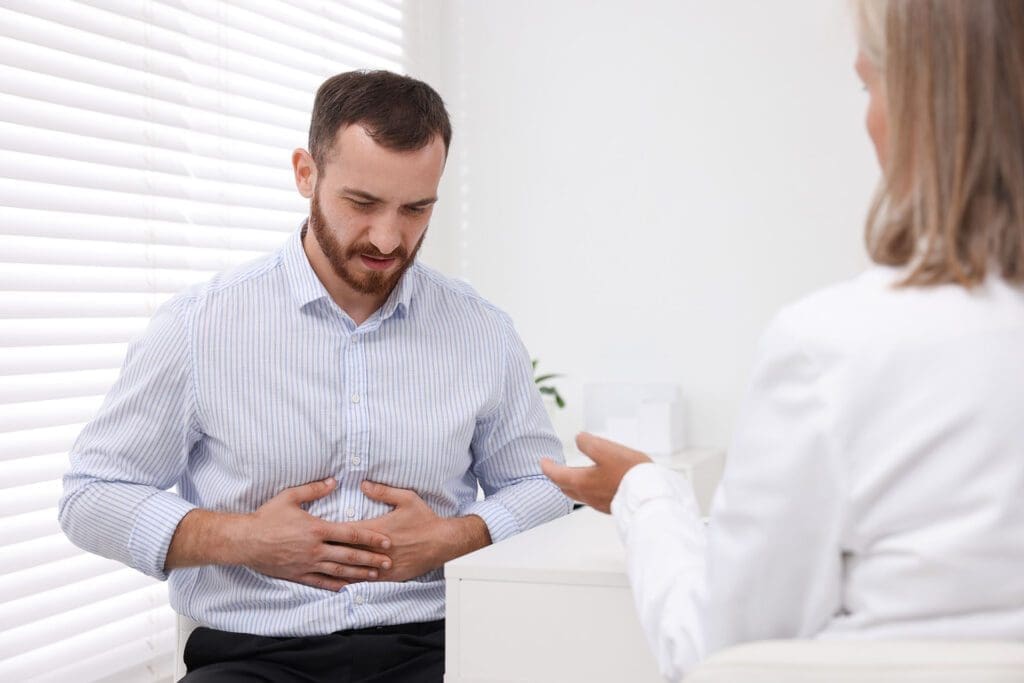
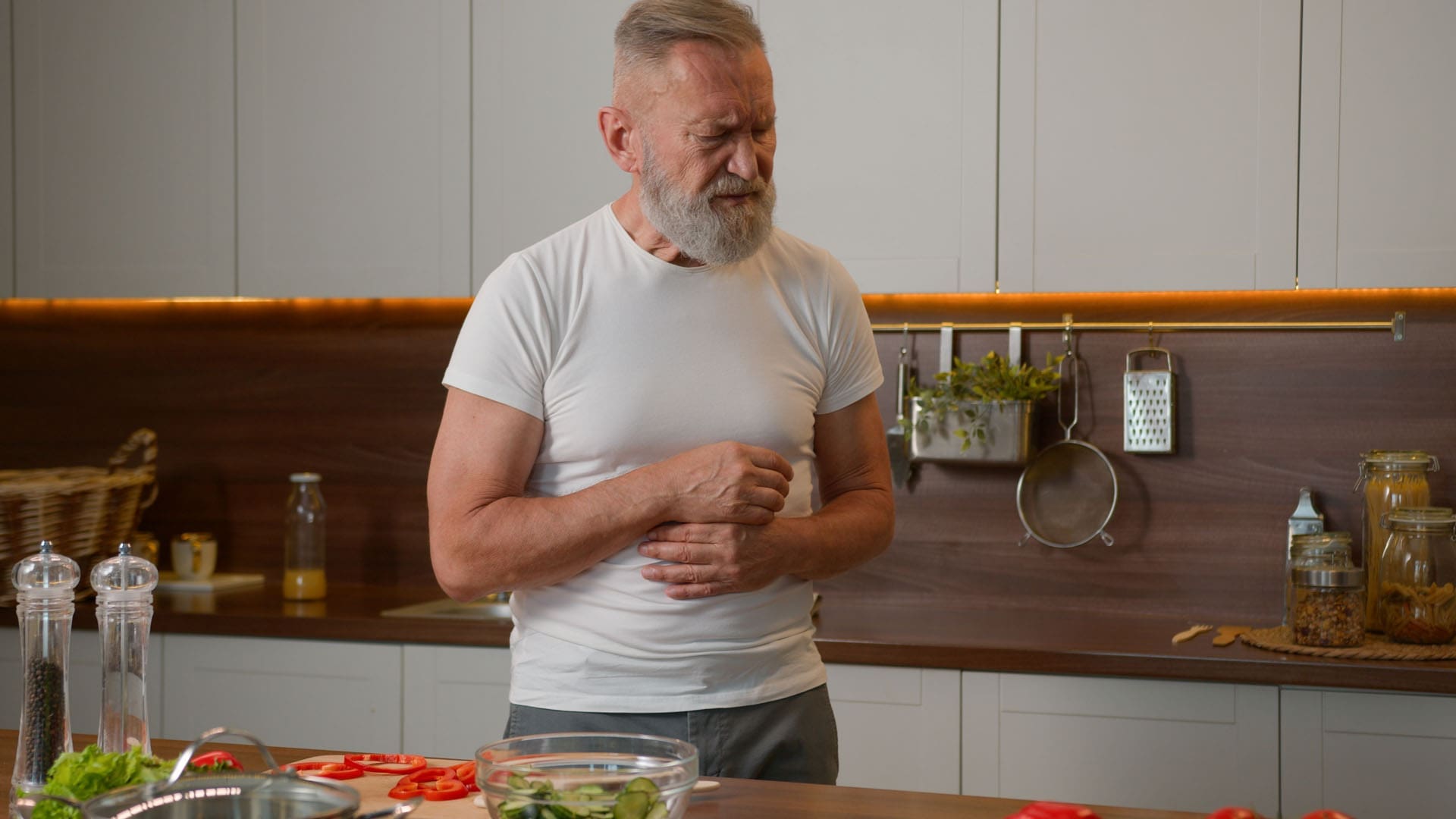
A doctor consulting a patient with stomach pain

Signs, Symptoms, and Holistic Care Options at ChiroMed

Digestive problems can affect anyone, from mild stomach aches to more serious issues that impact daily life. Many people aren’t sure whether to see their primary care doctor or a specialist such as a gastroenterologist. At ChiroMed – Integrated Medicine in El Paso, TX, we believe in a holistic approach that combines traditional care with natural therapies to address the root causes of gut health concerns. This article explains when to see a primary care physician (PCP) versus a gastroenterologist, key warning signs, and how integrative services, such as those at ChiroMed, can support your digestive wellness. Whether you’re dealing with heartburn or chronic pain, understanding your options can lead to better health outcomes.

The Roles of Primary Care Physicians and Gastroenterologists

Primary care physicians, such as family doctors, manage routine health needs and can treat common digestive complaints. They might recommend simple fixes like changing your diet or taking over-the-counter remedies (Verywell Health, 2023). If issues persist, they can refer you to experts.

Gastroenterologists specialize in the digestive tract, including the stomach, intestines, liver, and pancreas. They complete additional training to use tools such as endoscopies to ensure accurate diagnoses (Advocate Health, n.d.). Seeing a specialist often results in better management of complex conditions, reducing the need for hospital visits (Gastro1, n.d.).

At ChiroMed, Dr. Alex Jimenez, a board-certified Doctor of Chiropractic and Family Nurse Practitioner, notes that many digestive issues stem from imbalances that PCPs may initially overlook. His integrated approach combines chiropractic adjustments with functional medicine to support gut health (Jimenez, n.d.).

Starting with a Primary Care Physician for Mild Digestive Issues

For short-term or mild problems, begin with your PCP. These can often be resolved without specialist input, saving time and resources.

Common situations for PCP visits include:

  • A short bout of stomach flu with temporary vomiting or diarrhea.
  • Mild heartburn triggered by certain foods.
  • Occasional constipation due to stress or travel.
  • Basic abdominal pains that resolve quickly (IDCC Health, n.d.).

Your PCP can:

  • Review your symptoms and history.
  • Perform simple tests, such as blood or stool analysis.
  • Suggest lifestyle adjustments, such as increasing water intake or fiber-rich foods.
  • Prescribe basic medications for relief (IWC Primary Care, n.d.).

Acute symptoms—those that start suddenly but aren’t intense— are usually manageable by PCPs (Texas Specialty Clinic, n.d.). If you’re unsure, starting here allows you to request a referral if needed.

Recognizing When to Consult a Gastroenterologist

For ongoing, severe, or recurring symptoms, especially if you’re over 45, a gastroenterologist is recommended. They manage chronic conditions and perform procedures such as colonoscopies (Houston Methodist, 2022).

Gastroenterologists provide advanced care for conditions such as Crohn’s disease and liver conditions, offering treatments that PCPs may not specialize in (Gastro1, n.d.).

Key symptoms warranting a specialist:

  • Trouble swallowing, which might indicate esophageal problems (Virtua, n.d.).
  • Constant belly pain that lingers.
  • Blood in your stool or rectal bleeding, possibly from hemorrhoids or something more serious (Rush, n.d.).
  • Sudden weight loss without trying.
  • Long-lasting diarrhea or constipation (Oshi Health, n.d.).
  • Heartburn that doesn’t respond to usual treatments.
  • Skin or eyes turning yellow (jaundice).
  • Unusual bloating or gas.
  • Changes in bowel movements, such as thinner stools.
  • Family history of digestive cancers (Unio Specialty Care, n.d.).

Blood in stool may indicate cancer, but early detection through specialized tests significantly improves survival rates (Houston Methodist, 2022; Havranek, n.d.).

Dr. Jimenez at ChiroMed notes that digestive disorders are often linked to spinal misalignments affecting nerve function. He recommends specialist consults alongside holistic therapies for comprehensive care (Jimenez, 2017).

What to Do If You’re Not Sure About Your Symptoms

If symptoms confuse you, consult your PCP first. They can evaluate and, if necessary, refer, often required by insurance (IDCC Health, n.d.).

Dr. Jimenez emphasizes that PCPs play a vital role but benefit from collaborating with integrative experts, such as those at ChiroMed, to gain holistic insights (Jimenez, 2017).

Holistic Support for Digestive Health at ChiroMed

At ChiroMed – Integrated Medicine, located in El Paso, TX, we offer a blend of conventional and alternative therapies to tackle digestive issues from the ground up. Our team, led by Dr. Alex Jimenez, focuses on personalized plans that include chiropractic care, nutrition counseling, and functional medicine (ChiroMed, n.d.).

Nurse practitioners at ChiroMed, specializing in integrative medicine, examine causes such as nutrient deficiencies, stress, and poor sleep. They order tests such as microbiome analysis and create tailored nutrition plans (Rupa Health, n.d.).

Our integrative chiropractors target:

  • Gut-brain connection: Adjusting spinal alignments to improve nerve signals for better digestion.
  • Manual therapies: Using visceral manipulation to reduce abdominal tension and boost gut movement.
  • Lifestyle guidance: Recommending anti-inflammatory diets and supplements for gut healing (Tru Healers, n.d.).

ChiroMed addresses viscerosomatic disturbances, in which spinal issues affect organs such as the stomach. Our services include acupuncture and rehab to enhance overall wellness (ChiroMed, n.d.).

Dr. Jimenez, with over 30 years of experience, uses evidence-based methods to treat conditions like IBS through nutrition and adjustments. Patients at ChiroMed report improved digestion without relying solely on medications (LinkedIn, n.d.).

Integrative care at ChiroMed complements medical treatments, promoting long-term health through natural means (Integrative Behavioral, n.d.).

Common Digestive Issues and How ChiroMed Can Help

Many digestive issues are preventable through lifestyle changes. Acid reflux, for example, often stems from diet and can be managed with smaller meals (Providence Medical Partners, n.d.).

Other frequent concerns:

  • IBS: Involves cramps and irregular bowels; ChiroMed uses stress reduction and diet plans.
  • Constipation: Linked to low fiber; our nutritionists guide better eating habits.
  • Diarrhea: From infections; hydration and probiotics are key.
  • Celiac disease: Gluten avoidance; functional testing at ChiroMed identifies sensitivities (Providence Medical Partners, n.d.).

For those over 45, colonoscopies are crucial for polyp removal (Nuvance Health, n.d.). At ChiroMed, we support pre- and post-screening care with holistic therapies.

Preparing for Your Healthcare Visit

Track symptoms, diet, and family history before any appointment (Havranek, n.d.). At ChiroMed, our initial consultations involve thorough assessments to build custom plans.

Don’t delay seeking help—early intervention prevents complications. Visit ChiroMed for integrated support that addresses the whole body.

In conclusion, PCPs handle mild issues, while gastroenterologists tackle complex ones. For holistic options, ChiroMed provides expert care in El Paso, focusing on natural healing for digestive health.


References

Advocate Health. (n.d.). When to see a gastroenterologist

ChiroMed. (n.d.). Integrated medicine holistic healthcare in El Paso, TX

Digestive Disease Care. (n.d.). Stomach specialist NY

Gastro1. (n.d.). GI specialist vs gastroenterologist: Key differences

Hancock Health. (2021). GI or GP? That is the question

Havranek, R. (n.d.). When digestive issues require a doctor’s visit

Houston Methodist. (2022). 7 signs it’s time to see a gastroenterologist

IDCC Health. (n.d.). Do you need a referral to see a neurologist?

Integrative Behavioral. (n.d.). Take charge of your health with integrative medicine

IWC Primary Care. (n.d.). How does primary care doctor help in improving your gut health

Jimenez, A. (2017). The role of healthcare professionals for gastrointestinal diseases

Jimenez, A. (n.d.). Injury specialists

LI Gastro Health. (n.d.). Signs you need to see a gastroenterologist

LinkedIn. (n.d.). Dr. Alexander Jimenez DC, APRN, FNP-BC, IFMCP, CFMP, ATN ♛

Mattheweidem. (n.d.). 9 reasons see gastroenterologist immediately

Medoc Care. (n.d.). An internist or a gastroenterologist

Nuvance Health. (n.d.). When should you see a gastroenterologist

Oshi Health. (n.d.). 12 warning signs when to see a gastroenterologist

Parc of Ontario. (n.d.). How chiropractic care improves digestive health

Physicians Alliance of Connecticut. (n.d.). When to see a gastroenterologist: 7 signs

Providence Medical Partners. (n.d.). Common GI problems

Rupa Health. (n.d.). Functional medicine vs conventional medicine: Key differences

Rush. (n.d.). 5 reasons see gastroenterologist

Texas Specialty Clinic. (n.d.). Primary care physician digestive disorders diagnosis treatment

Tru Healers. (n.d.). Chiropractor for gut health

Unio Specialty Care. (n.d.). 10 common signs you should see a gastroenterologist

United Digestive. (n.d.). 11 signs you should see a gastroenterologist

Verywell Health. (2023). Gastroenterologist

Virtua. (n.d.). 8 signs it’s time to see a gastroenterologist

ChiroMed Sports Injury Prevention and Integrated Care

ChiroMed Sports Injury Prevention and Integrated Care

Preventing Sports Injuries through Integrated Care at ChiroMed

In the modern era of health, injury prevention is not just about treating symptoms after they arise—it’s about building systems of resilience, joint integrity, neuromuscular coordination, and metabolic support. At ChiroMed – Integrated Medicine, we believe that preventing sports injuries is as much about holistic wellness as it is about structural adjustments.

In this article, we outline a multifaceted prevention strategy and demonstrate how ChiroMed’s integrated services—chiropractic, acupuncture, nutrition, rehabilitation, naturopathy, and nurse practitioner care—fit into that system.


Why Sports Injuries Occur: A Systems View

Before prescribing prevention strategies, it’s helpful to understand the root drivers behind injuries.

1. Cumulative Micro-Stress & Tissue Fatigue

Most injuries do not occur without warning. They result from repeated microtrauma—small stresses that exceed the tissue’s repair capacity—especially when recovery is neglected.

2. Faulty Movement Mechanics & Compensation

If an athlete has restricted mobility in one joint (say the ankle or hip), that restriction forces neighboring joints to compensate. Over time, those compensations can lead to overloading and injury.

3. Muscle Imbalances and Weak Stabilizers

When primary movers are strong but stabilizing muscles (such as the core, glute medius, and scapular stabilizers) are underdeveloped, the joints become vulnerable during dynamic and unpredictable sports movements.

4. Neuromuscular Control & Proprioception Deficits

Speed, agility, and reaction depend on precise neural feedback. If proprioceptive systems are undertrained, the body may misjudge loads or positions, thereby increasing the risk of injury.

5. Poor Recovery, Inflammation, and Nutritional Gaps

Without adequate rest, sleep, hydration, and nutrition, tissues remain in a vulnerable, low-reserve state. Metabolic stress and inflammation reduce the threshold for injury.


The Core Prevention Framework

Below are the key pillars ChiroMed emphasizes in its injury-prevention model:

Warm-Up, Mobility & Activation

A dynamic warm-up primes the neuromuscular system, enhances joint lubrication, and activates stabilizer muscles. Mobility drills (ankle, hip, thoracic) ensure that joints are ready for the full range of motion before stress.

Technique, Movement Quality & Feedback

ChiroMed clinicians and rehabilitation therapists review and coach movement, including squat mechanics, jump landings, cutting motions, and shoulder throws. Faults (valgus knees, shoulder compensation) are corrected early.

Balanced Strength, Stability & Endurance

Prevention includes training:

  • Local stabilizer muscles (deep core, rotator cuff, hip stabilizers)
  • Global movers (squats, lunges, presses)
  • Endurance and eccentric control
  • Flexibility/mobility maintenance

This balance avoids overdevelopment of one muscle group at the expense of its antagonist.

Periodization, Load Management & Monitoring

ChiroMed advocates for cycling between high-intensity, moderate, and recovery phases. Training loads (volume and intensity) are tracked, and signs of excessive fatigue or stress trigger adjustments to the program.

Recovery, Nutrition & Regenerative Support

Multi-modal recovery matters: sleep hygiene, protein and micronutrient support, hydration, anti-inflammatory diet, metabolic optimization. Interventions such as acupuncture, soft-tissue therapies, and active rest help tissues recover more quickly.


How ChiroMed’s Integrated Services Support Prevention

ChiroMed’s strength lies in bringing multiple modalities under one roof. Here’s how each service can contribute to preventing sports injuries:

Chiropractic & Structural Alignment

Chiropractic adjustments restore joint mobility and alignment, which helps redistribute forces appropriately. When joints move well, soft tissues and neuromuscular systems operate more efficiently.

Acupuncture & Energetic Regulation

By improving blood flow, reducing inflammation, and modulating neural signals, acupuncture helps reduce microtrauma and supports the body’s healing environment.

Naturopathic Medicine & Functional Evaluations

ChiroMed’s naturopathic practitioners assess metabolic, endocrine, and inflammatory markers. Correcting deficiencies, optimizing hormones, and reducing systemic stress form a foundation for strong tissues.

Nutrition Counseling & Metabolic Support

Diet, supplements, and nutritional strategies can enhance collagen synthesis, reduce oxidative stress, and support recovery. ChiroMed’s nutrition services integrate with training cycles to ensure tissues have the necessary building blocks.

Rehabilitation/Physical Therapy

Rehab specialists help correct movement imbalances, deliver proprioceptive training, and prescribe corrective exercise. The structure from chiropractic care and the movement retraining from PT are synergistic.

Nurse Practitioner & Clinical Oversight

Having NP oversight allows ChiroMed to manage systemic health factors—such as sleep, inflammation, hormone balance, and medical conditions—that influence injury risk. This lets care extend beyond biomechanics into whole-body wellness.

Ongoing Monitoring & Preventive Visits

Even when an athlete feels well, periodic evaluations catch small dysfunctions early—before they manifest as pain. Maintenance visits enable ChiroMed to proactively tune the system.


Sample Preventive Protocol at ChiroMed

Here’s a step-by-step sketch of how ChiroMed might implement a prevention plan for athletes or active clients:

  1. Comprehensive Assessment & Baseline Testing
    • Motion analysis, joint screening, and strength asymmetries
    • Lab panels: inflammation markers, vitamin/hormone levels
    • Functional evaluation of posture, gait, and stability
  2. Movement Retraining & Corrective Sequencing
    • Address deficits: hip mobility, glute activation, scapular control
    • Technique refinement for sport-specific movements
  3. Strength & Conditioning Program
    • Phased training with stabilization, power, and endurance
    • Emphasis on symmetry, control, and functional transitions
  4. Scheduled Structural & Maintenance Therapies
    • Chiropractic adjustments, acupuncture, soft-tissue work
    • Infrastructure to restore alignment through training phases
  5. Recovery & Regeneration Modalities
    • Active recovery, contrast therapy, massage, and acupuncture
    • Nutritional support, hydration, sleep strategies
  6. Ongoing Monitoring & Feedback
    • Use biometrics, movement data, and subjective fatigue
    • Adjust training loads, therapies, and rest days accordingly

Over time, the system becomes more robust, with fewer breakdowns, improved performance, and reduced risk.


Why ChiroMed Is Well Positioned for Prevention

  • Comprehensive Care Under One Roof
    Unlike isolated practices, ChiroMed integrates chiropractic, acupuncture, rehab, nutrition, and NP care, making prevention seamless rather than fragmented. chiromed.com+1
  • Local El Paso Presence
    The El Paso branch (11860 Vista Del Sol, Suite 128) means athletes and community members can access integrated care in their backyard. chiromed.com
  • Experienced, Multi-disciplinary Team
    ChiroMed’s model encourages collaboration among chiropractors, therapists, nurses, and nutritionists, working together to reduce injury risk in a holistic manner. chiromed.com
  • Patient-Centered & Root-Cause Focus
    The mission statement of ChiroMed emphasizes addressing root causes, not just symptom suppression. chiromed.com
  • Preventive Philosophy Built In
    Their website already emphasizes preventive care, integrated medicine, and ongoing therapy—not just reactive treatment. chiromed.com

Conclusion

Preventing sports injuries is not about luck or reactive fixes. It demands a structured system: warm-up, movement correction, balanced conditioning, recovery, and structural integrity. ChiroMed’s integrated medicine model offers a powerful platform to deliver exactly that—combining chiropractic, acupuncture, nutrition, rehabilitation, and medical oversight into a cohesive prevention engine.

If you want to stay active, resilient, and injury-free, ChiroMed can be your partner in proactive care. Reach out for a preventive assessment, and let us build your system of resilience together.


References

Bayfront Health. (n.d.). Guide to sports injury prevention.

Children’s Hospital of Philadelphia. (n.d.). Tips to prevent sports injuries in youth athletes.

Dallas Accident & Injury Rehab. (n.d.). Integrating chiropractic expertise and holistic sports medicine for enhanced athletic well-being.

Emery, C. A., & Meeuwisse, W. H. (2008). Injury prevention in young athletes. Clinical Journal of Sport Medicine, 18(2), 102–108. https://pmc.ncbi.nlm.nih.gov/articles/PMC2465167.

Evolved Health Chiropractic. (n.d.). Preventing sports injuries: The role of chiropractic in injury prevention.

First Physio Plus. (n.d.). Preventing sports injuries.

Fremont Chiropractic. (n.d.). Chiropractic approaches to treating sports injuries efficiently.

Garden State Pain. (n.d.). Preventing sports injuries in teens: Tips for a safe and fun season.

Garmon Chiropractic. (n.d.). Chiropractic care for sports injuries: Recovery and prevention.

GPOA. (n.d.). The right gear matters: Choosing equipment to prevent sports injuries.

Hopkins Medicine. (n.d.). Sports safety.

LI Spine Med. (2024). 10 tips for preventing sports injuries.

Mount Sinai. (n.d.). Sports injury prevention.

Nationwide Children’s Hospital. (n.d.). Preventing sports injuries.

Nicklaus Children’s Hospital. (n.d.). Sports injury prevention.

Premier Injury Clinics of DFW. (n.d.). Guide to preventing sports injuries.

PWR Physio. (n.d.). Understanding sports injuries: Prevention and recovery.

Walker Physical Therapy. (n.d.). Preventing sports injuries: Tips from a physical therapist.

Young Chiropractic. (n.d.). The role of chiropractic in sports performance and injury prevention.

ChiroMed’s Integrative Path to Diet and Injury Healing


Chiropractic and Integrative Functional Care: A Holistic Path to Nutrition, Healing, and Recovery at

Good health means more than just feeling okay—it’s about caring for your whole body. At ChiroMed, we employ a holistic approach that combines chiropractic care, personalized nutrition, and supplementation to support the body’s natural healing process. Unlike treatments that only relieve symptoms, our goal is to identify and address the underlying causes of health issues. This helps enhance recovery, boost energy, and promote long-lasting wellness.

Why ChiroMed? We provide care for a wide range of needs—from everyday aches to complex injuries from work, sports, or car accidents. Dr. Alexander Jimenez, DC, APRN, FNP-BC, leads our approach with both chiropractic and nurse practitioner expertise. He combines spinal adjustments, tailored nutrition, movement therapies, and advanced diagnostics to help patients recover better and stronger. He also supports them through legal and insurance processes when needed.

This full-length guide covers:

  • Functional medicine and personalized diet
  • Chiropractic nutrition and supplements
  • How gut health supports recovery
  • ChiroMed’s integration of therapies
  • Dr. Jimenez’s unique dual‑scope care
  • Examples, deeper insights, and research support

1. Functional Medicine and Personalized Nutrition

Functional medicine is all about treating the unique person, not a general disease. Instead of a one-size-fits-all diet, functional nutritionists assess each person’s unique health, habits, genetics, and lab results to create personalized plans. Their goal is to fix what’s really causing your health issue—whether that’s gut problems, inflammation, or hormone imbalance—and help your body heal naturally.

Personalized plans often include:

  • Focusing on whole, nutrient-rich foods
  • Supporting gut health, which affects digestion, immunity, and metabolism
  • Preventing future problems by addressing root causes

By helping your body heal on a deeper level, this approach supports long-term health rather than just reducing symptoms.(chiromed.com, chiromed.com)


2. Chiropractic Care, Nutrition, and Supplements

A. Nutrition’s Role in Chiropractic Healing

Chiropractic adjustments realign the spine, helping the nervous system function more effectively. However, food also plays a significant role—especially in reducing inflammation and aiding the healing of muscles, joints, and connective tissue.

Key nutrients:

  • Lean proteins and collagen help rebuild muscles, tendons, and ligaments—essential after injuries. (chiromed.com)
  • Omega‑3 fatty acids, found in fish, nuts, and seeds, reduce inflammation and support joint comfort and healing. (chiromed.com)
  • Calcium, vitamin D, magnesium, and vitamin C support bone strength, muscle repair, and collagen formation. (chiromed.com)

Nutrition, paired with chiropractic care, improves mobility, lowers pain, and accelerates healing. (chiromed.com)

B. When Supplements Help

Food should come first—but sometimes supplements fill in nutrient gaps, especially after injury or when dietary restrictions exist. Chiropractors may recommend:

  • Vitamin D for bone health
  • Omega‑3s for inflammation control
  • Magnesium for muscle and nerve support
  • Probiotics for gut balance

Based on lab results and individual needs, supplements help patients recover faster and feel better overall. (chiromed.com, chiromed.com)


3. Gut Health, Hormones, and Injury Recovery

A. The Gut–Musculoskeletal Connection

A healthy gut does more than aid digestion—it sends nutrients and hormones that help muscles and bones stay strong. When gut bacteria are out of balance, it can lead to weaker tissues and slower recovery. (chiromed.com)

How gut health helps:

  • Improved nutrient absorption, especially calcium and vitamin D, which bind to stronger bones. (chiromed.com)
  • Reduced inflammation, speeding muscle and soft tissue healing
  • Support for hormones that build muscle and bone (like growth hormone and estrogen) (chiromed.com)

At ChiroMed, nutrition plans are designed around gut healing—featuring fiber-rich foods, probiotics, and anti-inflammatory ingredients—to help injuries heal faster and resilience remain strong. (chiromed.com)


4. ChiroMed’s Integrated Therapies for Recovery

At ChiroMed, our recovery plans make healing stronger by combining multiple therapies.

A. What Our Rehab Includes

  • Chiropractic adjustments to correct alignment and relieve nerve stress (chiromed.com)
  • Targeted exercises and physical therapy to restore strength, coordination, and flexibility (chiromed.com)
  • Massage therapy to reduce muscle tension, improve circulation, and support detox pathways (chiromed.com)
  • Acupuncture to ease pain and support natural healing through energy pathways (chiromed.com)
  • Nutrition counseling to guide dietary changes that aid healing and reduce inflammation (chiromed.com)
  • Hydration and detox support to flush out waste and support organ function (chiromed.com)

B. Why Integration Works

These therapies address multiple parts of healing—structural, metabolic, and systemic. Alignment promotes better nerve communication, exercise strengthens tissues, massage improves blood flow, acupuncture supports pain relief, and a balanced diet fuels the repair process. Together, they help patients recover faster and reduce the risk of chronic issues. (chiromed.com)


5. Dr. Alexander Jimenez’s Dual-Scope, Patient-Focused Care

A. Dual Training & Advanced Diagnostics

Dr. Alex Jimenez is both a chiropractor and a nurse practitioner. This allows him to:

  • Use advanced imaging—like X-rays and MRIs—to precisely identify injury patterns
  • Order and interpret lab tests that inform nutrition, supplements, and inflammation management
  • Combine manual spinal adjustments with medical diagnostics for holistic treatment

This dual-scope approach enables him to treat both body structure and internal health simultaneously, resulting in more accurate and effective recovery plans. (chiromed.com, chiromed.com)

B. Legal and Personal Injury Support

Dr. Jimenez’s practice often involves patients recovering from:

  • Work injuries
  • Sports trauma
  • Personal injury cases
  • Motor vehicle accidents

He helps not only with medical and chiropractic care but also with legal and insurance paperwork, easing patient stress and ensuring they receive full treatment and compensation. (chiromed.com)

C. Recovery Examples

  • A driver injured in a collision (MVA): spinal adjustments address whiplash, nutrition supports gut health for better healing, acupuncture and massage reduce pain, and specific exercises rebuild strength and mobility. Dr. Jimenez coordinates diagnostics and handles insurance documentation. (chiromed.com)
  • An athlete with chronic inflammation: chiropractic realigns the spine, a diet rich in omega‑3s and collagen supports connective tissues, massage and acupuncture relieve tension, and exercises restore performance—all designed with lab data and patient lifestyle in mind.

6. Research Support for These Methods

A. Scientific Basis of Chiropractic, Nutrition, and Gut Health

  • Nutrition and mobility: Collagen and omega‑3s support joint health and recovery. Protein enables muscle and tendon repair. (chiromed.com)
  • Gut–muscle–bone connection: Studies show that gut health impacts hormone levels, nutrient absorption, inflammation, and tissue repair—key factors in injury recovery. (chiromed.com)
  • Multimodal rehabilitation success: Combining chiropractic care, exercise, massage, acupuncture, and nutrition yields better outcomes than single therapies. (chiromed.com)

B. ChiroMed’s Approach Is Evidence-Informed

At ChiroMed, Dr. Jimenez uses imaging, lab results, and personalized plans—backed by research—to support each patient’s journey. This thoughtful layering of evidence-based care reflects the best in modern holistic rehabilitation. (chiromed.com)


7. Patient Stories

A. Real-Life Example: Auto Accident Recovery

Maria, a 32-year-old mom, was rear-ended and had whiplash, back pain, and fatigue. At ChiroMed:

  1. Dr. Jimenez ordered imaging to understand her spine and soft tissue damage.
  2. Adjustments relieved neck stress.
  3. A personalized plan added an anti-inflammatory diet rich in omega‑3s, collagen, and water.
  4. Massage and acupuncture eased pain.
  5. Rehabilitation exercises improved strength.
  6. Lagging gut health was addressed with probiotics for better nutrient uptake.

Within weeks, Maria’s pain decreased, her energy returned, and she regained her ability to care for her family.

B. Example: Ending Cravings and Helping Digestion

John, a 45-year-old office worker, struggled with junk-food cravings, digestive issues, and neck tension from poor posture. At ChiroMed:

  1. Spinal alignment improves nerve flow, affecting the gut and stress systems.
  2. Nutrition counseling introduced balanced meals and healthy snacking habits.
  3. Stress-reducing therapies like acupuncture and targeted exercise helped curb cravings.
  4. Over months, John ate healthier, digested better, and felt less neck tension.

8. Conclusion

ChiroMed’s integrated care model, led by Dr. Alexander Jimenez, demonstrates that healing is most effective when nutrition, chiropractic adjustments, gut health, movement therapies, and personalized supplementation work in tandem. This approach not only heals injuries but also builds a foundation for long-term wellness—helping people feel strong, active, and resilient.

By understanding how food and supplements aid healing, using gut-focused strategies, and integrating multiple therapies under one roof, ChiroMed supports patients in recovering fully—and staying well.


References by Section

Functional Medicine & Personalized Nutrition
ChiroMed. (2025). ChiroMed: Combining Care for Better Health. (chiromed.com)

Nutrition & Supplements
ChiroMed. (2025). Nutrition and Supplements for Flexibility and Mobility. (chiromed.com)
ChiroMed. (2025). ChiroMed: Combining Care for Better Health. (chiromed.com)

Gut Health & Recovery
ChiroMed. (2025). The Gut Microbiome: Key to Musculoskeletal Injury Healing. (chiromed.com)

Integrated Rehab Therapies
ChiroMed. (2025). ChiroMed: Combining Care for Better Health. (chiromed.com)
ChiroMed. (2025). Chiropractic and Integrative Care for Retraining Muscles after a Motor Vehicle Accident. (chiromed.com)
ChiroMed. (2025). Comprehensive Rehabilitation at ChiroMed. (chiromed.com)

Dr. Jimenez’s Dual-Scope Care
ChiroMed. (2025). ChiroMed: Combining Care for Better Health. (chiromed.com)
ChiroMed. (2025). The Gut Microbiome…. (chiromed.com)
ChiroMed. (2025). How Spine Care & Diet Fight Food Cravings. (chiromed.com)

Research Basis
ChiroMed. (2025). Nutrition and Supplements…. (chiromed.com)
ChiroMed. (2025). The Gut Microbiome…. (chiromed.com)
ChiroMed. (2025). Chiropractic and Integrative Care…. (chiromed.com)