Give us a Call
+1 (915) 412-6680
Send us a Message
[email protected]
Opening Hours
Mon-Thu: 7 AM - 7 PM
Fri - Sun: Closed
Chiropractic Care and Digestive Wellness

Chiropractic Care and Digestive Wellness

Chiropractic Care and Digestive Wellness

How the Spine, Nerves, and Stress Can Affect Your Gut

Digestive problems are common. People often experience symptoms such as bloating, constipation, diarrhea, heartburn, reflux, or “mixed” symptoms that fluctuate in frequency. Sometimes the trigger is obvious (food choices, alcohol, certain medications, poor sleep). Other times, the pattern feels confusing: symptoms flare during stressful weeks, after long hours sitting, or when back and rib pain is also acting up.

Many chiropractors and integrative clinics talk about a “gut–brain–spine” connection. The basic idea is simple:

  • Your brain and spinal cord help control digestion through the autonomic nervous system (your “automatic” control system).
  • The thoracic (mid-back) and lumbar (low-back) spinal levels are closely linked to nerve pathways that influence gut motility, secretion, and blood flow.
  • Pain, muscle guarding, poor breathing mechanics, and chronic stress can push the body into a more “fight-or-flight” pattern, which often slows digestion and increases sensitivity.

Some people report digestive improvements during chiropractic care. Research is mixed: there are case reports and some clinical studies suggesting benefit for certain problems, but reviews conclude that the evidence is not strong enough to claim that chiropractic “treats” GI disease. The most accurate, helpful approach is to understand what chiropractic may support, what it cannot replace, and how an integrative plan can be built around safe, evidence-informed steps.


The Gut–Brain–Nerve Connection in Plain Language

Digestion is not just “your stomach doing its job.” It’s a coordinated rhythm involving:

  • Muscle contractions (motility/peristalsis)
  • Sphincters opening and closing at the right time
  • Stomach acid and digestive enzymes
  • Blood flow to digestive organs
  • Immune signals and inflammation control
  • Nerve signals between the gut, spinal cord, and brain

Two major nerve control systems matter here:

  • Enteric nervous system (ENS): the “local” nerve network in the gut
  • Autonomic nervous system (ANS): the “command” system that shifts digestion up or down depending on stress and safety cues

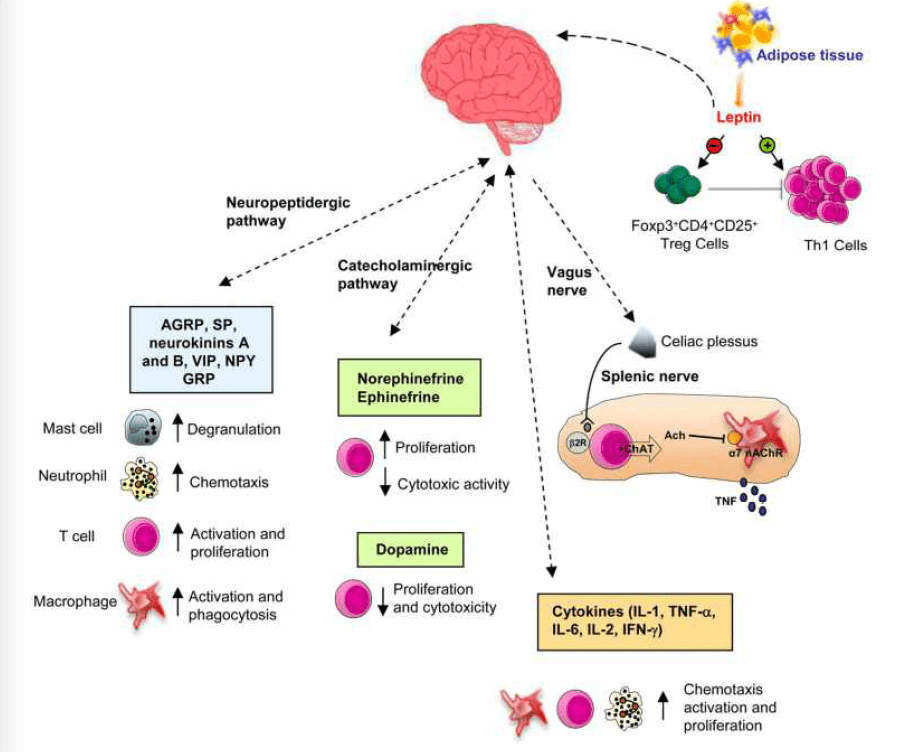
When stress stays high, the body tends to lean toward sympathetic dominance (“fight-or-flight”), which can reduce normal digestive activity. When the body feels safer and calmer, it can shift toward parasympathetic activity (“rest-and-digest”), which is strongly linked to the vagus nerve.

Why the thoracic and lumbar spine are mentioned so often

From a physiology standpoint, it’s true that sympathetic control of the GI tract involves spinal cord levels in the thoracic and lumbar regions. For example, research reviews describe sympathetic pathways to the gut arising from thoracic and lumbar spinal cord segments, with different regions influencing different parts of the GI tract.

That does not automatically prove that every spinal joint problem causes gut disease. But it does help explain why posture, rib mobility, diaphragm function, and stress-related tension patterns can be linked with digestive comfort and regularity.


What Chiropractors Mean by “Subluxation” and Why People Connect It to Digestion

In chiropractic, “subluxation” is often used to describe joint dysfunction (restricted motion, irritation, altered mechanics) that may influence muscle tone and nervous system balance.

In mainstream medicine, the word “subluxation” usually means a partial dislocation seen on imaging, which is different. Because the term is used differently across fields, it’s better to focus on the practical, testable issue:

  • Is there restricted spinal or rib motion?
  • Is there muscle guarding?
  • Is posture or breathing mechanics limited?
  • Is pain and stress high enough to affect sleep, movement, and digestion?

Many chiropractic articles argue that spinal adjustments may help digestion by reducing “nerve interference” and supporting the body’s normal control systems.


How Chiropractic Care May Support Digestive Wellness

Better movement and less guarding can support gut motility

The intestines move food by coordinated muscle contractions. If someone is stuck in a pattern of:

  • shallow breathing
  • tight abdominal wall
  • stiff mid-back and ribs
  • high stress and poor sleep

…then gut motility can feel “off.” Some clinics report that adjustments, along with soft-tissue work and breathing retraining, may help people feel less tight and more regular.

Common supportive steps used alongside adjustments include:

  • rib and thoracic mobility work
  • diaphragm breathing practice
  • gentle walking after meals
  • hydration and fiber adjustments (when appropriate)
  • stress regulation habits (sleep, pacing, recovery)

(These lifestyle steps matter because digestion is highly responsive to stress load and daily rhythm.)

Stress regulation is a big “hidden” gut factor

A major integrative message across many sources is that chiropractic care may support digestion, in part, by helping the body shift out of constant fight-or-flight patterns.

This does not mean an adjustment magically “fixes” IBS. It means care that reduces pain, improves sleep, and supports calmer breathing can indirectly help the gut function more normally.

Posture and spinal mechanics can affect breathing and pressure systems

Breathing and digestion share anatomy and pressure control:

  • The diaphragm influences abdominal pressure.
  • Slumped posture can reduce rib expansion and change abdominal pressure patterns.
  • Pressure changes can influence reflux symptoms in some people.

Dr. Alexander Jimenez often discusses how posture, thoracic mechanics, breathing patterns, and stress physiology can affect digestive comfort in an integrative model.


Conditions People Commonly Ask About

Irritable Bowel Syndrome (IBS)

IBS is complex. It involves gut sensitivity, changes in motility, brain–gut signaling, stress response patterns, and sometimes food triggers.

Some chiropractic and wellness sources suggest that supporting nervous system regulation may help reduce the severity of IBS symptoms for some individuals.

There are also clinical studies on spinal manipulation approaches in IBS populations. For example, PubMed-indexed trials exist that report symptom improvements after spinal manipulation protocols in IBS groups—though results, methods, and generalizability can vary, and this does not mean chiropractic is a stand-alone cure for IBS.

If you have IBS, an integrative plan often works best:

  • rule out red flags (bleeding, anemia, unexplained weight loss, fever)
  • identify triggers (sleep loss, stress spikes, certain foods)
  • build a steady routine (meals, hydration, movement)
  • consider guided nutrition strategies with a qualified clinician
  • use supportive manual therapy for mobility, pain, and stress load (when appropriate)

Constipation

Constipation can be driven by diet, hydration, fiber tolerance, pelvic floor issues, thyroid problems, medications, or low activity. Some case reports in the literature describe improvements in bowel movement frequency alongside chiropractic care, but case reports are not the same as large, high-quality trials.

If constipation is chronic, an integrative clinic may also look at:

  • pelvic and hip mechanics
  • breathing and abdominal pressure strategy
  • activity level (walking is underrated)
  • medication review
  • lab work or referral when appropriate

Acid reflux/GERD-like symptoms

Some chiropractic sources claim spinal adjustments may help reflux by influencing posture, rib mechanics, stress response, and possibly vagal/autonomic balance.

However, when it comes to GERD specifically, the published chiropractic literature is often described as sparse, with limited case reports rather than definitive trials.

Important: If you have frequent reflux, chest pain, trouble swallowing, black stools, vomiting blood, or unexplained weight loss, it needs medical evaluation.


What the Research Says (Supportive Signals + Real Limits)

It’s easy to find confident marketing claims online. The science picture is more mixed.

Supportive signals

  • A 2015 review in Explore (NY) examined chiropractic care for GI conditions and summarized a range of study types (from case reports to trials), with many reports describing mild to moderate symptom improvement and few adverse effects reported in those papers.
  • Some IBS trials report improvements in symptom scores with spinal manipulation protocols.

Cautionary conclusions

  • A 2011 review by Edzard Ernst concluded there was no supportive evidence that chiropractic treatments are effective for gastrointestinal problems (based on the evidence base as reviewed at that time).

The most honest takeaway

Chiropractic care may be a supportive strategy for certain people—especially when digestive symptoms are strongly tied to stress, pain, posture, breathing mechanics, and overall nervous system load. But it should be positioned as part of a broader plan, not as a guaranteed “treatment” for GI disease.


An Integrative Chiropractic Approach to Digestive Wellness

Many clinics combine adjustments with practical lifestyle steps. Across your provided resources, common themes include spinal alignment, nervous system support, stress reduction, and nutrition pairing.

A practical, patient-friendly plan (often used in integrative settings)

Step 1: Screen for red flags

  • blood in stool, black stools
  • persistent fever
  • severe or worsening pain
  • unexplained weight loss
  • vomiting that won’t stop
  • trouble swallowing
  • anemia or significant fatigue

Step 2: Look for mechanical drivers

  • rib and thoracic stiffness
  • low-back and pelvic motion limits
  • abdominal wall guarding
  • shallow breathing and poor diaphragm function
  • forward-head posture with upper back rounding

Step 3: Start with conservative care

  • chiropractic adjustments (as appropriate)
  • mobility work for the thoracic spine and hips
  • soft-tissue techniques to reduce guarding
  • breathing drills to support “rest-and-digest.”

Step 4: Pair with gut basics

  • consistent meal timing
  • hydration
  • fiber changes based on tolerance (some IBS patients do worse with sudden fiber increases)
  • protein + plants + healthy fats
  • reduce ultra-processed triggers when possible

Step 5: Track outcomes

  • stool frequency/consistency
  • reflux days per week
  • bloating severity
  • sleep quality
  • stress rating
  • pain and mobility changes

Helpful tracking tip: Don’t track 20 things. Track 3–5 simple measures for 2–4 weeks.


Dr. Alexander Jimenez’s Clinical Lens (Chiropractic + Nurse Practitioner + Functional Medicine)

Dr. Alexander Jimenez, DC, APRN, FNP-BC, frequently frames digestive wellness as part of a bigger integrative picture—especially the overlap between:

  • spinal mechanics and posture
  • stress physiology and nervous system balance
  • nutrition strategies that reduce inflammation load
  • step-by-step habits patients can maintain

On his clinical site, gut and intestinal health are described in terms of digestion, absorption, assimilation, and whole-body impact, emphasizing how gut function connects to broader wellness.

In his integrative “gut health and detox” discussions, he also highlights practical components such as calming the system, supporting daily digestion, and combining chiropractic care with nutrition and lifestyle support.

That dual-scope model (chiropractic + NP lens) is especially useful when digestive symptoms overlap with:

  • chronic pain and inflammation patterns
  • stress-related sleep disruption
  • medication considerations
  • the need to rule out medical red flags while also building conservative, day-to-day solutions

Safety Notes: When Chiropractic Is Not the Right Tool (or Not Enough)

Chiropractic care is generally considered safe when performed by a licensed professional for appropriate conditions, but no treatment is risk-free. Mild soreness can happen, and rare serious events have been discussed in safety reviews.

Seek medical care quickly if you have:

  • severe abdominal pain with fever
  • persistent vomiting
  • blood in stool or black/tarry stool
  • chest pain, fainting, or shortness of breath
  • trouble swallowing or choking
  • unexplained weight loss

And if you have a known GI diagnosis (Crohn’s, ulcerative colitis, celiac disease, significant GERD complications), chiropractic care should be considered adjunctive—not a replacement for medical management.


Bottom Line

Chiropractic care may support digestive wellness in a few realistic ways:

  • improving thoracic/lumbar mobility and reducing muscle guarding
  • supporting calmer breathing mechanics and stress regulation
  • reducing pain-driven stress load that can disrupt gut function
  • fitting into a broader integrative plan that includes nutrition, sleep, movement, and medical screening when needed

The evidence base is mixed. Some studies and case reports suggest symptom improvement in certain GI complaints, while other reviews argue evidence is insufficient for firm claims. The best approach is honest, practical, and patient-centered: use chiropractic care as one supportive tool inside a full, common-sense digestive wellness strategy.


References

Neuro-Metabolic Strategies for Brain and Body


Enhance your vitality with Neuro-Metabolic Strategies designed to support overall wellness and performance.

Abstract (Introduction

As a clinician bridging chiropractic neuro-functional care with advanced family practice nursing, I’ve witnessed a striking convergence of metabolic physiology, neurochemistry, and behavioral medicine. In this educational post, I present an integrated, evidence-based exploration of how neuroendocrine signaling—particularly involving the striatum, dopamine, serotonin, and inflammatory mediators—shapes obesity risk, mood regulation, impulse control, and human performance. Drawing on modern methodologies including neuroimaging, metabolomics, randomized clinical trials, and real-world implementation science, I translate key findings from leading researchers into practical, patient-centered approaches.

We will explore how alterations in the striatal dopamine system—especially reductions in dopamine D2 receptor density—are linked with obesity, compulsive food seeking, and reward dysregulation, and how targeted interventions—nutrition, movement, sleep, stress modulation, and precision supplementation—can recalibrate these systems. We will examine the serotonergic system, focusing on tryptophan metabolism, indoleamine 2,3-dioxygenase (IDO), and the kynurenine pathways, detailing how inflammation diverts tryptophan away from serotonin production, potentially worsening mood symptoms and fatigue, while creating opportunities for dietary, lifestyle, and clinical strategies to restore balance.

We will assess cardiovascular autonomic regulation—blood pressure variability, sympathovagal balance, and endothelial function—showing how structural and functional integrity in the vascular and neural systems can be influenced through exercise prescriptions, breathing techniques, sleep hygiene, and nutraceuticals like omega-3s, magnesium, and polyphenols. We will discuss the role of gut-derived signals, microbiome-related metabolites, and neuromodulatory oils in modulating neurotransmitter balance and systemic inflammation.

The post also integrates structured habit architecture—my “ABCs of self-led program design”—to help patients build sustainable routines. This framework leverages principles from motivational interviewing, cognitive-behavioral strategies, and reinforcement learning, empowering individuals to translate biochemical insights into daily practice. We will consider how culture and community shape metabolic choices, and how clinicians can provide practical, realistic recommendations grounded in implementation science to reduce “knowing-doing gaps.”

Throughout, I present clinical vignettes and relatable examples, explaining why each technique is used, what physiology it targets, and how to personalize protocols based on biomarker patterns, symptoms, and patient preferences. We will cover common misconceptions—like “zero-carb alcohol is harmless”—and clarify how the brain’s reward circuitry oversimplifies such claims, often undermining long-term goals.

Finally, we synthesize these themes into a practical map: how to read metabolic and neurochemical signals; how to select interventions that support resilience in the brain, gut, and vascular systems; and how to coach behavior change so improvements endure. The goal is to provide a comprehensive, readable, clinically grounded resource—modern, integrative, and compassionate—for patients, caregivers, and fellow clinicians who want to harness the power of neuroendocrine health to improve weight, mood, energy, and performance.


Neuroendocrine Foundations: Metabolic Health and Reward Circuitry in Obesity

In clinical practice, I frequently encounter patients whose metabolic challenges—weight gain, food cravings, mood variability—are not simply “lack of willpower” but reflections of disrupted neurobiological signaling. A critical hub is the striatal complex, part of the basal ganglia, which integrates dopaminergic input from the ventral tegmental area and substantia nigra, modulating motivation, reward valuation, habit formation, and movement.

Dopamine D2 Receptors, Obesity, and Compulsive Eating

Several landmark studies demonstrate that individuals with obesity often exhibit reduced striatal D2 receptor availability. Positron emission tomography (PET) imaging with radioligands like [11C]raclopride has shown that this reduction correlates with diminished sensitivity to natural rewards. The brain adapts to constant hyperpalatable stimulation—high levels of sugar, fat, and salt—by downregulating receptors. As D2 receptor density decreases, the brain requires more intense stimulation to reach the same level of reward. Clinically, this presents as:

  • Heightened cravings and difficulty feeling satisfied with normal portions
  • Compulsive eating behaviors driven by reward-seeking rather than hunger
  • Decreased motivation for non-food rewards (exercise, social engagement) due to reward dampening

Why use targeted interventions? Because dopamine signaling is plastic. Positive behavior changes—such as exercise, adequate protein intake, and circadian-aligned sleep—can upregulate receptor expression and improve reward responsivity.

Physiology: Striatum and Behavior

The striatal direct and indirect pathways coordinate movement and reinforcement learning. D1 receptor activation supports direct pathway facilitation, while D2 receptor activation inhibits the indirect pathway, promoting smoother action selection. Nutritional excess, sleep loss, and chronic stress alter dopamine synthesis and receptor turnover, shaping habit loops. Over time, the interplay between dopaminergic tone and inflammatory signaling further erodes reward control.

Clinical Strategy: Restoring Reward Balance

I use a staged plan:

  • Stabilize glycemic variability to avoid dopamine volatility
  • Rebuild sleep architecture and circadian rhythm to support dopamine synthesis
  • Implement structured exercise to enhance receptor sensitivity
  • Deploy protein-first eating to maintain satiety and reduce hyperpalatable triggers
  • Introduce micro-goals: small changes that recondition the reward system

Patients often report that cravings decline before weight changes appear, a sign that neural recalibration is starting.


Serotonin, Tryptophan, and the IDO–Kynurenine Axis: Mood, Inflammation, and Energy

Serotonin Biology: Beyond “Feel-Good”

Serotonin (5-HT) is synthesized from the essential amino acid tryptophan, primarily via the enzyme tryptophan hydroxylase. In the CNS, serotonin regulates mood, impulse control, sleep, and appetite. In the gut, it influences motility and interacts with microbial signals.

However, under inflammatory stress, tryptophan metabolism can shift dramatically. The enzyme indoleamine 2,3-dioxygenase (IDO), activated by inflammatory cytokines like IFN-γ, TNF-α, and IL-6, diverts tryptophan away from serotonin synthesis into the kynurenine pathway. Downstream metabolites—kynurenine, 3-hydroxykynurenine, quinolinic acid—can be neuroactive and neurotoxic in excess, affecting glutamatergic signaling and oxidative stress.

Why the IDO Pathway Matters Clinically

When IDO activity is elevated, patients may experience:

  • Low mood, anhedonia, irritability
  • Fatigue and cognitive fog
  • Heightened pain sensitivity (central sensitization)
  • Sleep disturbances

This can coexist with obesity, insulin resistance, and cardiovascular risk. The physiology links systemic inflammation with serotonergic depletion and glutamatergic over-excitation. When patients tell me, “I feel off,” I often consider the tryptophan-to-kynurenine ratio as part of the workup.

Modern Evidence-Based Interventions

  • Reduce inflammatory drivers: address visceral adiposity, sleep apnea, periodontal disease, and ultra-processed foods.
  • Support micronutrients: vitamin B6, B2, folate, B12, magnesium, and iron optimize monoamine synthesis
  • Promote exercise: skeletal muscle expresses kynurenine aminotransferases (KATs) that convert potentially neurotoxic kynurenine to kynurenic acid, which is less likely to cross the blood-brain barrier—exercise therefore serves as a “peripheral sink.”
  • Encourage polyphenol-rich foods, such as berries, green tea, olive oil, and crucifers, as they attenuate NF-κB activation and may downregulate IDO.
  • Optimize gut function: microbial composition influences tryptophan availability and ENS serotonin signaling.

The rationale: modulating inflammation and supporting micronutrients recalibrates tryptophan allocation, enhancing serotonin availability and reducing the neurotoxic burden of quinolinic acid.


Exploring Integrative Medicine- Video


The ABCs of Self-Led Program Design: A Practical Framework

I often teach patients a simple, powerful habit architecture—my ABCs—to make physiological gains sustainable.

  • A: Anchor – Tie a desired action to a reliable cue. Example: “After brushing teeth, I will prepare my protein-forward breakfast.” Anchors leverage existing routines to reduce decision fatigue.
  • B: Build – Start small and build complexity gradually. Example: begin with 10 minutes of brisk walking, expand to interval training as fitness improves. Building protects dopamine balance by avoiding overwhelm.
  • C: Consistency – Aim for daily consistency rather than intensity. Consistency creates predictable dopamine reinforcement, embedding habits into basal ganglia pathways.

Why this works: It aligns the brain’s habit circuitry—dorsal striatum—and reward prediction error mechanisms. Each completed action delivers a small dopamine signal, strengthening the routine. The ABCs reduce cognitive load, which is crucial when stress or inflammation impairs executive function.


Cardiovascular Autonomics and Blood Pressure: Sympathovagal Balance

Patients often ask, “How do I lower my blood pressure naturally?” Autonomic tone—balance between sympathetic and parasympathetic activity—plays a central role.

Physiology Essentials

  • Sympathetic activation increases heart rate, vasoconstriction, and renin release.
  • Parasympathetic (vagal) input slows heart rate and promotes endothelial nitric oxide (NO)-mediated vasodilation.
  • Baroreflex sensitivity modulates short-term blood pressure stability
  • Endothelial health governs vascular reactivity and inflammation

Evidence-Based Interventions and Rationale

  • Breathing training: slow diaphragmatic breathing (5–6 breaths/min) enhances vagal tone, reduces sympathetic outflow, and improves baroreflex. Patients often experience immediate calm and modest reductions in BP.
  • Aerobic and resistance exercise improve endothelial NO availability, reduce arterial stiffness, and lower resting sympathetic activity.
  • Sleep optimization: treating sleep apnea reduces catecholamines and blood pressure.
  • Dietary strategies: DASH-style patterns, potassium-rich foods, magnesium intake, and nitrates (beetroot) support vasodilation and pressure control.
  • Nutraceuticals: omega-3 fatty acids reduce inflammation and improve endothelial function; magnesium supports vascular tone; polyphenols modulate oxidative pathways in the endothelium.

The aim: strengthen vascular resilience and autonomic balance rather than relying solely on acute fixes.


Gut–Brain Axis: Microbiome, Oils, and Neurotransmitter Modulation

The gut microbiome shapes neurochemical balance via short-chain fatty acids (SCFAs), tryptophan metabolites, and immune signaling. Patients sometimes mention “gland-regulating oils”—in my practice, I interpret this as adaptogenic or neuromodulatory oils (e.g., omega-3s, evening primrose, black seed oil) that may support endocrine and inflammatory balance. While terminology varies, the principle is consistent: lipids profoundly affect cell membranes, receptor function, and signaling.

Physiological Rationale

  • Omega-3s are incorporated into neuronal membranes, improving membrane fluidity and signaling in dopaminergic and serotonergic synapses.
  • SCFAs (butyrate) strengthen gut barrier integrity, reducing LPS translocation and systemic inflammation that drives IDO.
  • Polyphenols and specific oils modulate NF-κB and JAK/STAT pathways, dampening inflammatory cascades.

Clinical Application

I recommend a food-first approach (fatty fish, olives, nuts, seeds) complemented by targeted supplementation when needed. Patients with mood and metabolic disturbances often benefit from EPA-dominant omega-3s, and those with inflammatory skin or PMS may respond to GLA-containing oils.


Clarifying Misconceptions: “Zero-Carb Alcohol” and Reward Systems

A common assertion is “tequila has zero carbs; it’s fine.” While certain spirits may have minimal carbohydrates, they are not metabolically neutral.

Why Alcohol Complicates Metabolic and Neurochemical Goals

  • Hepatic ethanol metabolism disrupts the NAD+/NADH balance, impairing fatty acid oxidation and promoting hepatic steatosis in excess.
  • Alcohol modulates GABA and glutamate, interacts with dopamine pathways, and can enhance reward-seeking behaviors.
  • Sleep disruption: alcohol fragments sleep, reduces REM, and worsens next-day cravings and mood
  • Appetite and judgment: alcohol lowers inhibitory control, increasing the likelihood of high-calorie intake

Clinical advice: If patients choose to drink, set clear boundaries, pair with protein, hydrate, and prioritize sleep. Recognize the reward circuitry effects—alcohol may rekindle old habits.


Practical Tools: Data-Guided Personalization

Patients often ask: “What data should I track?” I suggest:

  • Weight and waist circumference: visceral adiposity correlates with inflammation and cardiometabolic risk
  • Blood pressure, heart rate variability (HRV): markers of autonomic balance
  • Sleep metrics: duration, consistency, apnea risk
  • Mood and energy logs: identify patterns with nutrition, alcohol, and stress
  • Food journal: highlight triggers, portions, protein intake

Why data matter: They transform subjective experiences into observable trends, allowing tailored interventions—e.g., adjusting protein timing when afternoon cravings surge, or adding evening breathing exercises when HRV dips.


Protein-First Strategy and Satiety Physiology

Protein influences satiety through peptide YY, GLP-1, and cholecystokinin signaling. Adequate protein supports dopamine synthesis by increasing tyrosine availability and stabilizes glucose levels, reducing reward volatility.

Practical approach:

  • Aim for 1.2–1.6 g/kg/day, adjusted for renal function and activity
  • Distribute protein across meals to sustain satiety
  • Pair with fiber-rich vegetables to slow gastric emptying and blunt glycemic excursions

Rationale: Stabilized satiety reduces hedonic eating, enabling the brain to recalibrate D2 receptor signaling.


Sleep Architecture: Dopamine and Serotonin Restoration

Poor sleep reduces dopamine tone and impairs prefrontal control, worsening impulsivity. Serotonin contributes to sleep onset and stability.

Interventions:

  • Fixed sleep-wake times to stabilize circadian rhythm
  • Dim evening light; increase morning light exposure
  • Limit alcohol and heavy meals near bedtime
  • Consider magnesium glycinate, behavioral strategies, and screening for sleep apnea.

Clinical correlation: Improved sleep often leads to fewer cravings, better mood, and enhanced exercise adherence.


Exercise Prescriptions: Receptor Plasticity and Kynurenine Metabolism

Regular exercise increases D2 receptor availability, improves insulin sensitivity, and shifts kynurenine toward kynurenic acid via muscle KAT activity.

Programming:

  • Begin with a manageable aerobic base (e.g., brisk walking 20–30 minutes)
  • Add resistance training to improve myokine signaling and metabolic reserves
  • Progress to intervals or sport-based activity to maintain engagement

Why it works: Exercise is a systemic signal—improves vascular health, neuroplasticity, and mood—creating compounding benefits.


Stress Modulation: Cortisol, Catecholamines, and Reward Control

Chronic stress elevates cortisol, disrupts dopaminergic balance, and inflames reward pathways. Techniques:

  • Mindful breathing and HRV biofeedback
  • Structured breaks and implementation intentions (“If X stress occurs, I will Y”)
  • Nature exposure; sunlight for circadian alignment

Physiology: Lower cortisol reduces IDO activation, preserves serotonin, and restores prefrontal regulation over impulses.


Behavioral Economics: Choice Architecture and Environment

The environment shapes decisions. Practical steps:

  • Keep protein and fiber visible and accessible
  • Hide trigger foods; avoid stocking ultra-processed options
  • Plan social settings: eat before events, pre-commit to limits

Why: Reduces choice overload and reward temptation, enabling dopamine recalibration to proceed uninterrupted.


Clinical Vignettes: Real-Life Applications

  • Patient A: Middle-aged with elevated waist circumference and late-night cravings. After protein-first breakfasts, 20 minutes of daily walking, and breathing exercises, they reported reduced cravings and improved BP.
  • Patient B: Young professional with mood variability and afternoon crashes. Polyphenol-rich lunches, magnesium supplementation, and sleep regularization improved mood and productivity.
  • Patient C: Long-term alcohol use, “zero-carb” belief. Gradual reduction, hydration, and evening routine improved sleep, reduced cravings, and stabilized weight.

These cases illustrate how multi-system alignment produces results that patients can feel and sustain.


Advanced Laboratory Considerations

For select patients:

  • hs-CRP, IL-6, TNF-α: inflammation markers
  • Tryptophan, kynurenine, and ratio assessments
  • Lipid panel, fasting insulin, HOMA-IR
  • Sleep study for suspected apnea
  • HRV tracking for autonomic insights

Rationale: Identifies contributors to IDO activation, insulin resistance, and autonomic imbalance.


Precision Supplementation: Principles and Cautions

  • Omega-3 EPA/DHA for mood and endothelial support
  • Magnesium glycinate for sleep and vascular tone
  • B-complex with methylated folate/B12 for monoamine synthesis
  • Polyphenols (EGCG, resveratrol) for inflammatory modulation
  • Creatine for neurometabolic support and cognitive resilience

Always personalized based on medical history and labs. Supplements support, but do not replace, behavioral foundations.


Integration with Care Teams: Nursing, Nutrition, and Coaching

The best outcomes arise from interdisciplinary collaboration—nursing assessments, nutrition counseling, and health coaching reinforce habit adherence and monitor progress. Communication enhances implementation fidelity and patient experience.


Community and Culture: Social Reinforcement

Group-based programs harness social reward and accountability. Community meals, walking clubs, and digital support tools align dopamine signaling with healthy behaviors.


Performance Layer: Cognitive and Physical Capacity

  • Nutrition timing enhances sustained focus
  • Strength training improves resilience and metabolic reserve
  • Strategic breaks prevent decision fatigue
  • Sleep protects working memory and creative problem-solving

Outcome: A brain-body platform for long-term success.


Putting It All Together: My Clinical Map

  • Evaluate neuroendocrine signals (cravings, mood, sleep, stress)
  • Address inflammation and autonomics
  • Implement ABCs habit architecture
  • Use targeted nutrition and movement
  • Personalize with data and labs
  • Collaborate across disciplines
  • Reinforce changes through the environment and the community

The approach is integrative, evidence-based, and patient-centered.


Summary

This educational post presents an integrated, evidence-based framework linking striatal dopamine signaling, serotonergic metabolism, inflammatory pathways, autonomic regulation, and gut-brain interactions to practical strategies for obesity, mood regulation, and performance. Reductions in D2 receptor availability are associated with compulsive eating and reward dysregulation; structured interventions—such as protein-first nutrition, sleep optimization, and progressive exercise—enhance receptor sensitivity and stabilize cravings. Inflammation-driven IDO activation diverts tryptophan from serotonin to kynurenine metabolites, contributing to mood symptoms and fatigue; anti-inflammatory nutrition, micronutrient support, and physical activity rebalance this axis. Autonomic strategies—breathing, movement, sleep hygiene—improve blood pressure and endothelial function. Behavioral architecture (ABCs) embeds habits within basal ganglia circuits, translating physiological principles into daily practice. Clarifying misconceptions about “zero-carb alcohol” highlights how reward circuitry and hepatic metabolism complicate health goals. The overall map aligns neurochemistry, lifestyle, and personalization for sustainable outcomes.

Conclusion

Metabolic health, mood, and performance are inseparable dimensions of neuroendocrine physiology. By recognizing how the striatum, serotonin pathways, IDO–kynurenine axis, and autonomic balance respond to nutrition, stress, sleep, and movement, we can deploy targeted interventions that recalibrate reward sensitivity and emotional stability. Patients thrive when care is layered: food-first strategies, structured exercise, sleep architecture, stress modulation, and precision supplementation when indicated. This integrative method is not about perfection but consistency, building small victories that rewire habit circuits and restore resilience. As clinicians and patients collaborate—guided by data and behaviors that feel achievable—the brain-body system gradually shifts from reactivity to regulation, enabling healthy weight management, improved mood, and better performance.

Key Insights

  • Dopamine D2 receptor downregulation in the striatum contributes to obesity and compulsive eating; exercise, sleep, and protein-first strategies improve reward sensitivity.
  • Inflammation activates IDO, diverting tryptophan from serotonin to kynurenine, which can impair mood and energy; anti-inflammatory nutrition, micronutrients, and physical activity rebalance pathways.
  • Autonomic interventions—such as slow breathing, aerobic and resistance exercise, and sleep optimization—lower blood pressure and support endothelial health.
  • Gut-brain integration: omega-3s, fiber, and polyphenols modulate inflammation and neurotransmitter signaling; microbiome health strengthens the gut barrier and reduces systemic inflammation.
  • The behavior change framework (ABCs) embeds habits into neural circuits, reducing decision fatigue and sustaining progress.
  • Alcohol is not metabolically neutral—even low-carb spirits disrupt reward circuits, sleep, and hepatic metabolism, often undermining goals.
  • Personalization via data—tracking waist circumference, BP, HRV, sleep, and mood—guides targeted adjustments and reinforces adherence.

References

  • Volkow ND, Wang G-J, Fowler JS, Telang F. Overlapping neuronal circuits in addiction and obesity: evidence of systems pathology. Biol Psychiatry.
  • Wang G-J et al. Brain dopamine and obesity. Lancet.
  • Cervenka S et al. Imaging of dopamine receptors in obesity. Int J Obes.
  • Raison CL, Capuron L, Miller AH. Cytokines sing the blues: inflammation and the pathogenesis of depression. Trends Immunol.
  • Schwarcz R, Stone TW. The kynurenine pathway and neurodegenerative disease. J Neurochem.
  • Pedersen BK. The diseasome of physical inactivity—and the role of myokines. Exp Clin Endocrinol Diabetes.
  • Brook RD et al. Beyond medications and diet: alternative approaches to lowering blood pressure. Hypertension.
  • Walker MP. The role of sleep in cognition and emotion. Ann NY Acad Sci.
  • Vercambre M-N et al. Polyphenols and vascular function. Nutrients.
  • Young SN. Tryptophan, 5-HT, and mood. J Psychiatry Neurosci.
  • He FJ, MacGregor GA. Salt intake and BP. Lancet.
  • Mozaffarian D et al. Omega-3s and cardiovascular health. Circulation.
  • Brewer JA. Mindfulness and reward processing. Ann NY Acad Sci.

Keywords: dopamine D2 receptors, striatum, obesity, serotonin, tryptophan, indoleamine 2,3-dioxygenase, kynurenine, inflammation, autonomic nervous system, blood pressure, endothelial function, gut-brain axis, omega-3, polyphenols, protein-first, sleep architecture, behavioral change, ABCs, reward circuitry, alcohol metabolism


Disclaimer: This educational content is for informational purposes only and should not be used as medical advice. All individuals must obtain recommendations for their personal situations from their own medical providers.

Beat TBIs and Body Toxicity with Chiropractic Care

Beat TBIs and Body Toxicity with Chiropractic Care

Healing from Within: How Traumatic Brain Injuries Create Body Toxicity and Integrative Care Supports Adult Recovery

Traumatic brain injuries, also known as TBIs, can abruptly alter a person’s life. For many adults, these injuries occur during a car crash on the way to work, a vicious hit in a weekend soccer game, or a fall at a construction site. These injuries do more than bruise the skull—they start a chain reaction of harm inside the body. This process creates a kind of “toxicity” that spreads from the brain to other organs, making recovery tough. But there’s hope. An integrative care approach, led by experts such as chiropractic nurse practitioners (CNPs), considers the whole person. It helps calm the body’s chaos, eases pain naturally, and builds strength for the long haul. Families and care teams also play a crucial role, providing emotional support and daily assistance. In this article, we’ll break down how TBIs cause this inner poison, why it matters for adults, and how team-based care can turn things around.

Imagine a 35-year-old office worker named Mark. He’s rear-ended in traffic, his head snaps back, and everything goes black for a moment. At first, it’s headaches and dizziness. Weeks later, gut issues and mood swings hit hard. The hidden side of TBI involves biochemical events that intensify over time. Research shows these effects can last weeks or years, raising risks for bigger problems like memory loss or even diseases like Alzheimer’s (Priester, 2025). But early, whole-body care changes the story. CNPs combine chiropractic adjustments with nursing expertise to reset the nervous system and combat inflammation. They guide adults like Mark back to work, play, and family life. This isn’t just medicine; it’s a roadmap for healing that honors the body’s own power.

For families, it’s personal. Spouses learn to spot warning signs, like when fatigue turns to frustration. Care teams coordinate visits, meals, and therapy sessions to ensure seamless care. Together, they tackle the toxicity head-on. As one study notes, addressing both the brain and body early can prevent long-term damage (Rauchman et al., 2023). Let’s dive into the science, simply explained, and see how recovery works in real life.

Understanding Traumatic Brain Injuries in Everyday Adult Life

Adults face TBIs more often than we think. In the U.S., over 2.8 million people seek emergency care each year, with motor vehicle accidents (MVAs) accounting for about 28%, falls at work for 20%, and sports-related injuries, such as those from football or boxing, making up another significant portion (Rauchman et al., 2023). A busy parent or factory worker can be out of work for months after a small slip or crash. Unlike children, adults often juggle jobs, bills, and family responsibilities, so recovery hits harder—lost wages, strained relationships, and endless doctor’s wait times.

A TBI starts with the primary injury: the direct hit. In an MVA, the brain slams against the skull, tearing blood vessels and nerves. Sports concussions come from rotational forces, twisting the brain like a wet towel. Workplace incidents, like dropping tools on the head, add blunt force. Right away, symptoms appear: confusion, nausea, and blurred vision. However, the real danger lies in the seconds that follow—the brain swells, pressure builds, and oxygen levels drop (Salehi et al., 2017).

Take Sarah, a 42-year-old soccer coach. A header in a pickup game leaves her with a mild concussion. She pushes through practices, but soon battles insomnia and irritability. Her family notices she’s “off.” This is common; mild TBIs affect 80% of cases, yet many adults ignore them, thinking it’s just a bump (Laskowitz & Grant, 2016). Men in their 30s and 40s, often in high-risk jobs or sports, make up the bulk. Women post-childbirth or in caregiving roles face extra stress, slowing healing.

Why does this matter? TBIs don’t stay in the head. They spark a body-wide alarm, releasing stress hormones that tax the heart and gut. Without quick care, simple tasks like driving become scary. But spotting it early helps. Doctors use CT scans for severe cases, but for mild ones, it’s a history and physical examination. Families step in here—tracking symptoms in a journal, urging rest. Workplaces can adapt with flexible hours or ergonomic fixes.

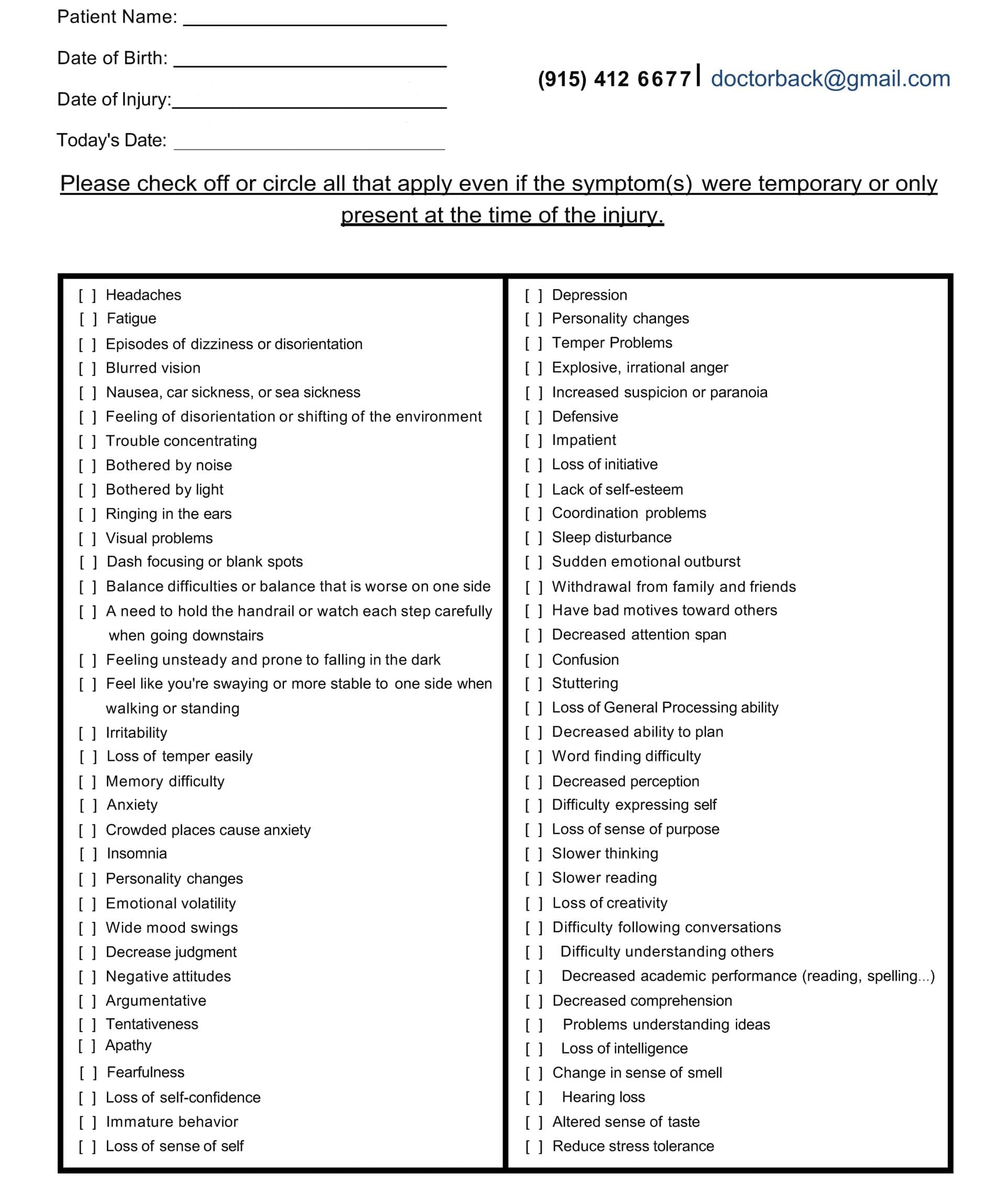
Symptom Questionnaire:

The positive news is that there are solutions available. Most adults recover well with support. One review found that 70% of patients return to normal within three months if treated holistically (Schimmel et al., 2017). That means blending rest, therapy, and family encouragement. For Mark from the intro, his wife joined therapy sessions, learning cues to de-escalate his frustration. It’s not just survival; it’s reclaiming life.

The Toxic Cascade: How TBIs Poison the Brain and Body

A TBI isn’t a one-and-done event. The initial impact, known as the primary injury, initiates a cascade of biochemical complications. This “cascade” turns the brain into a toxic zone, harming cells and spreading chaos to the gut, blood, and beyond. It’s like a fire that starts small but burns hot if unchecked. Understanding this helps adults and their teams fight back smarter.

Firstly, consider the initial impact. In an MVA, rapid deceleration shears axons—the brain’s wiring—like pulling threads from fabric. Sports-related impacts stretch tissue, while falling objects from work crush it. This releases danger signals, known as damage-associated molecular patterns (DAMPs), which alert the immune system (McKee & Lukens, 2016). Blood vessels break, starving cells of oxygen. Swelling, or edema, follows fast. There are two main types: cytotoxic, where cells suck up water like sponges due to pump failures, and vasogenic, where the blood-brain barrier (BBB) leaks like a busted dam, flooding tissue with proteins and fluid (Salehi et al., 2017). In adults, this raises skull pressure, squeezing the brain and risking more death. One study in mice showed edema peaking days after impact, mirroring human cases (Priester, 2025).

Now, the secondary storm—the real toxicity builder. It unfolds in phases: minutes, hours, days. Enter excitotoxicity. Damaged neurons release glutamate, the brain’s “go” signal, into the space. Normally, this excites cells briefly. However, in traumatic brain injury (TBI), it triggers a massive surge of glutamate. Glutamate overworks receptors, letting calcium rush in like floodwater. This calcium revs up destructive enzymes, which rip membranes and shred DNA. Cells swell, burst, and die in a chain reaction (Waters, n.d.). It’s why symptoms like seizures or coma are delayed. In car crashes, this “glutamate storm” spreads from impact zones, killing healthy neighbors (Rauchman et al., 2023). Adults in high-stress jobs often experience chronic fatigue, as their brains remain in overdrive.

Next, oxidative stress amps up the damage. The brain guzzles oxygen but has weak defenses. TBI sparks reactive oxygen species (ROS)—unstable molecules like superoxide or hydroxyl radicals—from busted mitochondria and fired-up immune cells. These ROS (reactive oxygen species) chew lipids in cell walls, creating toxic byproducts like 4-hydroxynonenal, which poison proteins and genes (Fesharaki-Zadeh, 2022). Iron from burst blood vessels fuels this process via Fenton reactions, generating more radicals. In sports concussions, repeated hits build ROS over time, explaining why pros face early Parkinson’s risks (Wu et al., 2022). One mouse study found that ROS stayed around for weeks after the infection, changing proteins and DNA in ways that are similar to the long-term symptoms of adults with persistent cognitive impairment (Priester, 2025).

Neuroinflammation piles on. Microglia, the brain’s guards, wake up and call in troops: monocytes via CCR2 signals and neutrophils, which release cytokines such as TNF-α and IL-1β (McKee & Lukens, 2016). This “fire” initially clears debris, but it then veers off course and attacks healthy tissue. In work injuries, chronic low-grade inflammation lingers, turning acute pain into a daily ache. Microglia also accumulate amyloid proteins, which serve as seeds for plaques in Alzheimer’s disease (Denniss & Barker, 2023). Cytokines breach the BBB, worsening leaks and edema. Adults report mood dips here—irritability from inflamed pathways mimicking depression.

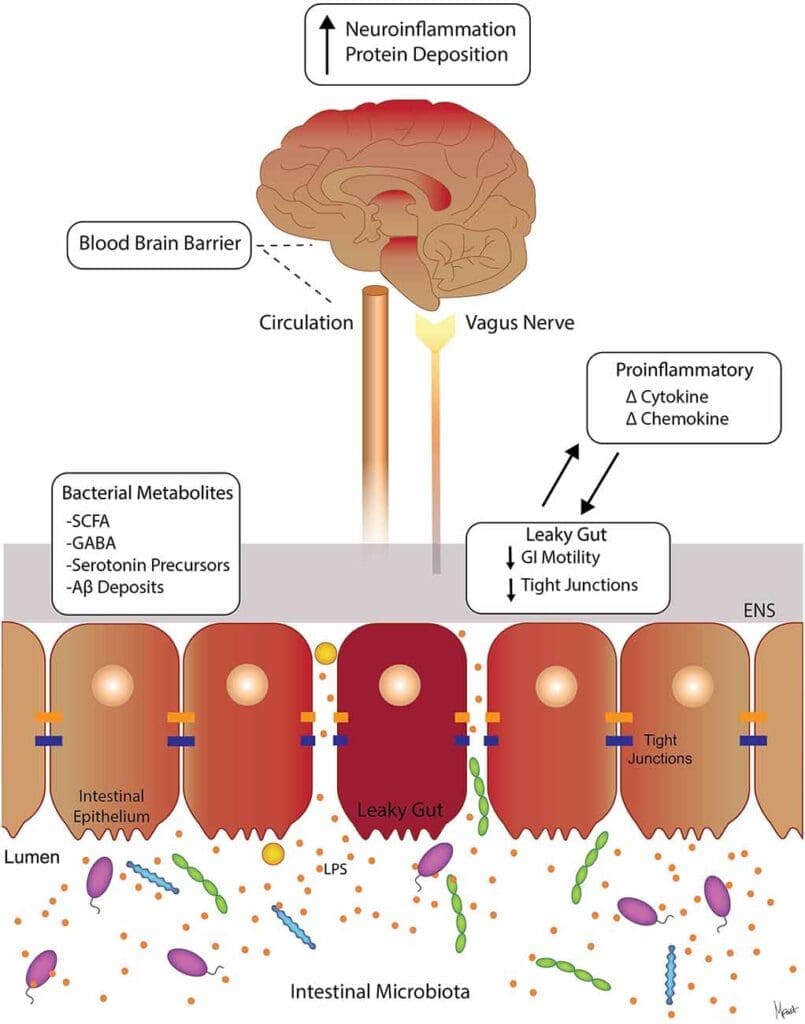
Keep in mind the disruption of the gut-brain axis. The vagus nerve and microbes facilitate communication between the brain and gut. TBI shocks this link, slowing gut motility and poking holes in the intestinal wall—”leaky gut” (Faden et al., 2021). Bacteria enter the bloodstream, triggering sepsis or a body-wide inflammatory response. In MVAs, stress hormones like cortisol halt digestion, causing ulcers or symptoms similar to IBS (Heuer Fischer, P.A., n.d.). One study linked TBI-induced gut changes to worse brain swelling, as toxins circulate back via the blood (Cannon et al., 2023). For a construction worker, a post-fall condition means nausea on top of headaches, which can delay their return to the site.

These events interconnect: excitotoxicity generates ROS; inflammation widens the BBB cracks; gut leaks fuel the fire. The BBB, that tight shield of endothelial cells and astrocyte feet, frays from the action of matrix metalloproteinases (MMPs) and VEGF surges, allowing toxins to enter (Laskowitz & Grant, 2016a). Edema follows, compressing vessels and depriving cells of oxygen. In adults, this cascade hits harder—aging brains have less reserve, per one review (Salehi et al., 2017). However, is it possible to detect it at an early stage? Antioxidants, such as those in a new polymer, reduce ROS by 50% in mice, suggesting potential benefits in humans (Priester, 2025).

This toxicity isn’t abstract. For Sarah, the coach, it meant experiencing gut cramps and sidelining drills. Mark’s family adjusted meals to ease inflammation. Knowing the cascade empowers choice—enabling rest, consuming anti-inflammatory foods, and receiving targeted care. It’s the body’s cry for balance, and integrative pros listen.

Long-Term Risks: From Acute Toxicity to Lasting Brain Changes

If unchecked, TBI’s toxic wave doesn’t fade—it reshapes the brain. Weeks after the hit, waste like tau proteins piles up because the glymphatic system, the brain’s drain, clogs (Plog & Nedergaard, 2018). This mirrors the aging process or Alzheimer’s, where toxins spread, forming plaques. In adults, repeated sports hits can cause chronic traumatic encephalopathy (CTE)—mood swings, aggression, and dementia decades later (Priester, 2025).

Oxidative scars mutate genes; inflammation scars tissue with glial walls, blocking repair (Denniss & Barker, 2023). Gut leaks let endotoxins fuel chronic fatigue. One study tied early BBB breaks to poor outcomes years on (Laskowitz & Grant, 2016a). For work-hardened adults, this means early retirement and family strain. But mitigation works—lifestyle tweaks cut risks by 30% (Schimmel et al., 2017). It’s a wake-up: Act now, or pay later.

An Integrative Path to Recovery: The Role of Chiropractic Nurse Practitioners

Integrative care challenges the conventional understanding of TBI toxicity. It’s not just pills or scalpels—it’s a team that weaves chiropractic, nursing, nutrition, and therapy into one comprehensive plan. At the heart? Chiropractic nurse practitioners (CNPs). Trained in both fields, they identify spine-brain connections, adjust misalignments, and promote holistic healing. For adults post-MVA or concussion, this means less toxicity and more resilience.

Why chiropractic? The spine houses the nervous system; it conveys, constricts, and conveys signals. Adjustments realign the vertebrae, easing nerve pressure and resetting the “fight-or-flight” mode to a calm state (Sea Change Wellness Chiropractic, n.d.). One clinic notes it boosts cerebrospinal fluid (CSF) flow, the brain’s bath that clears toxins (Apex Chiropractic, n.d.). In workplace falls, this reduces headaches by 60%, according to patient reports (Northwest Florida Physicians Group, LLC, n.d.). CNPs add nursing layers by monitoring vitals, adjusting medications, and teaching self-care.

Dr. Alexander Jimenez, DC, APRN, FNP-BC, embodies this. At his El Paso clinic, he treats auto accident victims with spinal decompression and functional nutrition, targeting root causes like inflammation (Jimenez, n.d.a). “We restore normal functions after injuries without drugs,” he says, blending adjustments with omega-3s to douse ROS (Jimenez, n.d.b). His cases? A truck driver post-crash regained focus via neuropathy protocols; a golfer shook sports fog with vagus nerve stim via adjustments. Over 30 years, he’s seen integrative plans slash recovery time, empowering adults to ditch painkillers.

This approach hits all cascades. For excitotoxicity, gentle cranial work calms glutamate storms (Dr. Kal, n.d.). Oxidative stress? CNPs promote the uptake of antioxidants—such as berries and vitamin E—to neutralize ROS, a finding supported by mouse studies (Wu et al., 2022). Neuroinflammation can be alleviated with posture adjustments, thereby reducing cytokine triggers (Serenity Healthcare Partners, n.d.). Gut-brain? Probiotics and vagus-focused breathing mend leaks (Faden et al., 2021). BBB heals via better circulation from alignments.

Integrated therapies shine. Physical therapy helps rebuild balance, while CBT tames anxiety (Peixoto et al., 2025). Nutrition—anti-inflammatory diets—fuels repair (Serenity Healthcare Partners, n.d.). Emerging technologies, such as EMF stimulation in swine models, restore brain waves, hinting at potential human applications (Brazdzionis et al., 2023). CNPs coordinate, personalizing for a 50-year-old welder’s shifts or a mom’s school runs.

For Mark, CNP-led sessions mixed adjustments with family nutrition classes. Sarah added yoga for gut calm. Results? Sarah experienced faster clarity and fewer trips to the emergency room. Dr. Jimenez’s webinars stress this: “Functional medicine reverses imbalances—oxidative stress, gut dysbiosis—for true recovery” (Jimenez, n.d.b). It’s empowering, natural, and effective.

Supporting the Journey: Families and Care Teams in Adult TBI Recovery

Recovery isn’t solo. Families and care teams are the glue, turning plans into action. Spouses track moods, spotting toxicity flares like irritability from inflammation. Kids adapt games for dad’s fatigue; siblings share chores. This buffer cuts depression risks by 40% (Peixoto et al., 2025).

Care teams—CNPs, therapists, and docs—huddle weekly, adjusting for work stress or sports urges. Families attend education sessions to learn about edema signs or gut-friendly meal options. One family’s story: Post-concussion, they mapped “rest zones” at home, easing Mark’s load. Emotional tools, such as support groups, build resilience. As Dr. Jimenez notes, “Holistic care includes mind and spirit—families amplify healing” (Jimenez, n.d.a). It’s a shared victory.

Conclusion: Reclaiming Life After the Storm

TBIs from crashes, games, or jobs unleash a toxic cascade—excitotoxicity flooding cells, ROS scorching tissues, inflammation raging, and gut links breaking. For adults, it’s a body-wide battle, but integrative care, spearheaded by CNPs, counters it. Adjustments reset nerves, nutrition quells fires, and teams sustain hope. With families involved, recovery isn’t just possible—it’s transformative. As research evolves, from antioxidants to EMF, the path brightens. Adults like Mark and Sarah prove: Healing starts within but thrives together. Seek care early; your future self will thank you.

References

Apex Chiropractic. (n.d.). How chiropractic care can treat a traumatic brain injury. https://apexchiroco.com/updates/how-chiropractic-care-can-treat-a-traumatic-brain-injury/

Brazdzionis, J., Radwan, M. M., Thankam, F., Lal, M. R., Baron, D., Connett, D. A., Agrawal, D. K., & Miulli, D. E. (2023). A swine model of traumatic brain injury: Effects of neuronally generated electromagnetic fields and electromagnetic field stimulation on traumatic brain injury-related changes. Cureus, 15(11), e48992. https://doi.org/10.7759/cureus.48992

Cannon, A. R., Anderson, L. J., Galicia, K., Murray, M. G., Kamran, A. S., Li, X., Gonzalez, R. P., & Choudhry, M. A. (2023). Traumatic brain injury induced inflammation and GI motility dysfunction. Brain Sciences, 13(3), 414. https://doi.org/10.3390/brainsci13030414

Denniss, R. J., & Barker, L. A. (2023). Brain trauma and the secondary cascade in humans: Review of the potential role of vitamins in reparative processes and functional outcome. Neuropsychiatric Disease and Treatment, 19, 1693–1707. https://doi.org/10.2147/NDT.S415943

Dr. Kal. (n.d.). Chiropractic relief for accident head injuries. https://drkal.com/chiropractic-relief-for-accident-head-injuries/

Faden, A. I., Barrett, J. P., Stoica, B. A., & Henry, R. J. (2021). Bi-directional brain-systemic interactions and outcomes after TBI. Trends in Neurosciences, 44(5), 406–418. https://doi.org/10.1016/j.tins.2020.12.004

Fesharaki-Zadeh, A. (2022). Oxidative stress in traumatic brain injury. International Journal of Molecular Sciences, 23(21), 13000. https://doi.org/10.3390/ijms232113000

Heuer Fischer, P.A. (n.d.). TBI and gut health. https://www.heuerfischer.com/firm-overview/blog/tbi-and-gut-health/

Jimenez, A. (n.d.a.). Injury specialists. https://dralexjimenez.com/

Jimenez, A. (n.d.b.). Dr. Alexander Jimenez, DC, APRN, FNP-BC, IFMCP, CFMP, ATN ♛ – Injury Medical Clinic PA. https://www.linkedin.com/in/dralexjimenez/

Laskowitz, D., & Grant, G. (Eds.). (2016a). Blood–brain barrier pathophysiology following traumatic brain injury. In Translational research in traumatic brain injury. CRC Press/Taylor & Francis Group. https://www.ncbi.nlm.nih.gov/books/NBK326726/

Laskowitz, D., & Grant, G. (Eds.). (2016b). Neuroplasticity after traumatic brain injury. In Translational research in traumatic brain injury. CRC Press/Taylor & Francis Group. https://www.ncbi.nlm.nih.gov/books/NBK326735/

McKee, C. A., & Lukens, J. R. (2016). Emerging roles for the immune system in traumatic brain injury. Frontiers in Immunology, 7, 556. https://doi.org/10.3389/fimmu.2016.00556

Northwest Florida Physicians Group, LLC. (n.d.). Using chiropractic care to treat traumatic brain injuries. https://northwestfloridaphysiciansgroup.com/using-chiropractic-care-to-treat-traumatic-brain-injuries/

Peixoto, B., Cruz, M., & Ustares, V. (2025). Traumatic brain injury and neuropsychiatric consequences. Current Psychiatry Reports, 27(1), 1–12. https://doi.org/10.1007/s11920-024-01523-4

Plog, B. A., & Nedergaard, M. (2018). The glymphatic system in CNS health and disease. Neuron, 98(6), 1095–1118. (From rehabpub.com summary)

Priester, A. (2025, February 13). Traumatic brain injuries have toxic effects that last weeks after initial impact − an antioxidant material reduces this damage in mice. The Conversation. https://theconversation.com/traumatic-brain-injuries-have-toxic-effects-that-last-weeks-after-initial-impact-an-antioxidant-material-reduces-this-damage-in-mice-247655

Rauchman, S. H., Zubair, A., Jacob, B., Rauchman, D., Pinkhasov, A., & Placantonakis, D. G. (2023). Traumatic brain injury: Mechanisms, manifestations, and visual sequelae. Frontiers in Neuroscience, 17, 1090672. https://doi.org/10.3389/fnins.2023.1090672

Salehi, A., Zhang, J. H., & Obenaus, A. (2017). Response of the cerebral vasculature following traumatic brain injury. Journal of Cerebral Blood Flow & Metabolism, 37(10), 2320–2339. https://doi.org/10.1177/0271678X17701660

Schimmel, S. J., Acosta, S., & Lozano, D. (2017). Neuroinflammation in traumatic brain injury: A chronic response to an acute injury. Journal of Neurotrauma, 34(13), 2139–2147. https://doi.org/10.1089/neu.2016.4648

Sea Change Wellness Chiropractic. (n.d.). How chiropractic helps reset the nervous system after car crash trauma. https://seachangechiropractic.com/how-chiropractic-helps-reset-the-nervous-system-after-car-crash-trauma/

Serenity Healthcare Partners. (n.d.). How integrated therapies enhance recovery from traumatic brain injuries. https://www.serenityhealthcarepartners.com/how-integrated-therapies-enhance-recovery-from-traumatic-brain-injuries/

Waters, C. (n.d.). Excitotoxicity: A secondary injury in traumatic brain damage. https://www.charliewaterslaw.com/brain-injury/excitotoxicity-a-secondary-injury-in-traumatic-brain-damage/

Wu, A.-G., Yong, Y.-Y., Pan, Y.-R., Zhang, L., Wu, J.-M., Zhang, Y., Tang, Y., Wei, J., Yu, L., Law, B. Y.-K., Yu, C.-L., Liu, J., Lan, C., Xu, R.-X., Zhou, X.-G., & Qin, D.-L. (2022). Targeting Nrf2-mediated oxidative stress response in traumatic brain injury: Therapeutic perspectives of phytochemicals. International Journal of Molecular Sciences, 23(7), 3771. https://doi.org/10.3390/ijms23073771

The Hidden Impact of Motor Vehicle Accidents on Gut Health: A Comprehensive Guide

Introduction

Motor vehicle accidents (MVAs) are more than just a momentary disruption—they can have far-reaching effects on your health, particularly your gut. While the immediate concern after a car crash often centers on visible injuries like broken bones or whiplash, the impact on your digestive system and overall gut health can be profound and frequently overlooked. From physical trauma to the belly to the stress and medications that follow, MVAs can disrupt the delicate balance of your gut-brain axis, leading to abdominal pain, internal hemorrhaging, and long-term gastrointestinal issues. This blog post examines the impact of MVAs on gut health, drawing on clinical insights from Dr. Alexander Jimenez, a renowned chiropractor and nurse practitioner in El Paso, Texas, as well as other credible sources. We’ll also discuss the connection to musculoskeletal pain, the role of advanced diagnostics, and the importance of seeking timely medical and legal support.


How Motor Vehicle Accidents Affect Gut Health

Physical Trauma to the Abdomen

One of the most direct ways an MVA can impact gut health is through physical trauma to the abdomen. The force of a collision, especially in high-velocity accidents, can cause blunt or penetrating injuries to the digestive organs. Blunt trauma, such as from a seatbelt or steering wheel, may lead to internal hemorrhaging, organ rupture, or damage to the intestines (MDSearchlight, n.d.). Although less common, penetrating injuries can occur when sharp objects puncture the abdominal cavity, which may lead to severe complications such as peritonitis or sepsis.

Immediate symptoms of abdominal trauma may include sharp pain, bruising, or swelling, but some injuries manifest hours or days later. Delayed stomach pain after a car accident is a concerning symptom that could indicate internal bleeding, organ damage, or a hematoma (AICA Orthopedics, 2024). For example, a bruised liver or spleen may not cause noticeable symptoms right away but can lead to life-threatening complications if untreated. Dr. Alexander Jimenez, a board-certified chiropractor and nurse practitioner, emphasizes the importance of thorough medical evaluations following an accident to rule out potential injuries. (Jimenez, 2025).

Citations:

Stress and the Gut-Brain Axis

The emotional toll of an MVA can be just as damaging to gut health as physical injuries. The gut-brain axis, a bidirectional communication network between the brain and the gastrointestinal system, is highly sensitive to stress and trauma (Khiron Clinics, n.d.). The shock, fear, and anxiety following a car accident can trigger a stress response, releasing cortisol and other stress hormones that disrupt gut motility, increase inflammation, and alter the gut microbiota.

Chronic stress from an MVA, especially if it leads to post-traumatic stress disorder (PTSD), can exacerbate gastrointestinal issues like irritable bowel syndrome (IBS), constipation, or diarrhea (Janicek Law, n.d.). Dr. Jimenez notes that stress-related gut disturbances are common among his patients in El Paso, where he uses functional medicine to address these issues through nutrition and stress management protocols (Jimenez, 2025).

Citations:

Adverse Effects of Medications

Post-accident treatment often involves medications like painkillers, anti-inflammatories, or antibiotics, which can have significant side effects on the gut. Nonsteroidal anti-inflammatory drugs (NSAIDs), commonly prescribed for pain, can irritate the stomach lining, leading to ulcers, gastritis, or bleeding (Gastroenterology Advisor, 2024). Opioids, used for severe pain, can slow gut motility, causing constipation or even opioid-induced bowel dysfunction.

Antibiotics, sometimes administered to prevent infection after surgery or injury, can disrupt the gut microbiota, reducing beneficial bacteria and increasing the risk of conditions like Clostridium difficile infection (PMC, 2018). Dr. Jimenez advocates for nutritional interventions to restore gut flora and minimize medication-related damage, integrating probiotics and anti-inflammatory diets into his treatment plans (Jimenez, 2025).

Citations:


The Connection to Musculoskeletal Pain

MVAs are a leading cause of musculoskeletal injuries, particularly to the back and neck. Whiplash, herniated discs, and soft tissue damage are common, and these injuries can indirectly affect gut health through viscerosomatic reflexes, where pain in one part of the body influences another (Jimenez, 2025). For instance, chronic back pain can alter posture and muscle tension, impacting abdominal organs and contributing to digestive issues.

Dr. Jimenez’s dual expertise as a chiropractor and nurse practitioner allows him to address both the musculoskeletal and systemic effects of MVAs. His clinic in El Paso uses spinal adjustments, functional strength training, and advanced diagnostics to restore mobility and reduce pain, which in turn supports gut health by alleviating stress and improving nerve function (Jimenez, 2025). Patients with neck or back pain often report secondary symptoms like nausea or bloating, underscoring the interconnectedness of these systems.

Citations:


Traumatic Brain Injury and Gut Health

In severe MVAs, traumatic brain injuries (TBIs) can further complicate gut health. TBIs disrupt the connection between the gut and the brain by altering how nerves transmit signals, which can upset the balance of gut bacteria and increase gut permeability, often referred to as a “leaky gut.” This can cause systemic inflammation, worsening digestive symptoms, and potentially contribute to mental health issues like anxiety or depression.

Dr. Jimenez’s integrative approach includes assessing neurological and gastrointestinal symptoms in TBI patients, using blood panels and imaging to identify underlying dysfunctions (Jimenez, 2025). By addressing both the brain and gut, he helps patients achieve comprehensive recovery.

Citations:


Dr. Alexander Jimenez’s Approach in El Paso

Clinical Rationale and Advanced Diagnostics

Dr. Alexander Jimenez, based in El Paso, Texas, is a leading expert in treating MVA victims, combining chiropractic care with nurse practitioner-driven medical management. His clinic, Injury Medical & Chiropractic Clinic, utilizes advanced imaging techniques (such as X-rays and MRIs) and dual-scope procedures (combining musculoskeletal and systemic assessments) to accurately diagnose injuries. (Jimenez, 2025). These tools are critical for identifying hidden injuries, such as internal hemorrhaging or subtle spinal misalignments, that may contribute to gut issues.

His diagnostic assessments, including the Living Matrix Functional Medicine Assessment, help uncover the root causes of health problems, from biomechanical misalignments to metabolic imbalances (Jimenez, 2025). This comprehensive approach ensures that treatment plans address both immediate symptoms and long-term health.

Balancing Medical and Legal Needs

In personal injury cases, accurate documentation is crucial for legal claims. Dr. Jimenez’s detailed reports, supported by diagnostic evidence, provide the necessary medical records for insurance settlements and lawsuits (Jimenez, 2025). His dual licensure allows him to bridge the gap between clinical care and legal requirements, ensuring patients receive both effective treatment and fair compensation.

Citations:


What to Do If You Experience Stomach Pain After an MVA

If you experience stomach pain, diarrhea, or other digestive issues after a car accident, take these steps:

  1. Seek Immediate Medical Attention: Visit a healthcare provider to rule out serious injuries like internal bleeding or organ damage (Michigan Auto Law, n.d.).
  2. Document Symptoms: Keep a detailed record of your symptoms, including when they started and their severity, to support medical and legal claims.
  3. Consult a Specialist: A chiropractor, such as Dr. Jimenez, with expertise in MVAs, can provide non-invasive treatments to address both musculoskeletal and gut-related issues. (Chiropractor Snellville, n.d.).
  4. Consider Functional Medicine: Nutritional and stress management interventions can help restore gut health (The Barnes Firm, n.d.).
  5. Work with a Personal Injury Attorney: Legal support ensures you receive compensation for medical expenses and pain and suffering.

Citations:


Conclusion

Motor vehicle accidents can have a profound impact on gut health, affecting everything from physical digestion to mental well-being. Through physical trauma, stress, and medication side effects, MVAs disrupt the gut-brain axis and can lead to serious complications if not addressed. Dr. Alexander Jimenez’s integrative approach in El Paso, combining chiropractic care, functional medicine, and advanced diagnostics, offers a comprehensive solution for MVA victims. By addressing both the physical and systemic effects of these injuries, he helps patients recover fully while providing the documentation needed for legal claims. If you’ve been in a car accident, don’t ignore symptoms like stomach pain or digestive issues—seek medical attention promptly to protect your health and future.

References