
Give us a Call
+1 (915) 412-6680
Send us a Message
[email protected]
Opening Hours
Mon-Thu: 7 AM - 7 PM
Fri - Sun: Closed
Hormone Health, Metabolism, and Prostate Wellness

Hormone Health, Metabolism, and Prostate Wellness
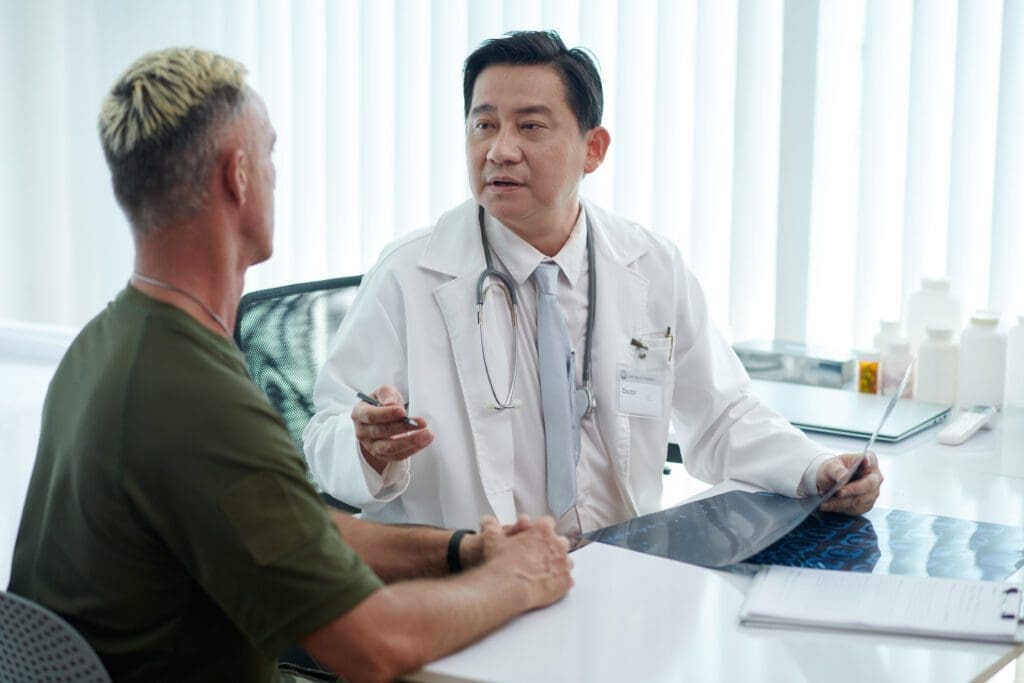
Hormone Health, Metabolism, and Prostate Wellness

Abstract

In this educational post, I take you through a practical, clinician-tested roadmap to understanding and treating hormone-related metabolic dysfunctions across the lifespan—particularly the interplay among sex hormone–binding globulin (SHBG), insulin resistance, polycystic ovary syndrome (PCOS), DHEA dynamics, and prostate-specific antigen (PSA) decision-making for men’s health. Drawing on current research and my clinical observations at Chiromed and in integrative practice, I explain why SHBG is not your enemy, how gut-driven insulin resistance amplifies androgen effects, how to identify PCOS phenotypes that do not look “typical,” and how to merge modern therapeutics (GLP-1s, metformin, spironolactone) with lifestyle, nutrition, and integrative chiropractic care to restore function. I also walk through PSA interpretation using percent free PSA and velocity, and when to order a 3T multiparametric prostate MRI. You will find physiologic context, step-by-step reasoning, and practical protocols you can apply immediately.

Key topics that follow

  • SHBG physiology, clinical meaning, and why chasing a lower SHBG is usually counterproductive
  • Insulin resistance, the gut–ovary axis, and PCOS phenotypes and treatment logic
  • Practical dosing pearls for metformin, GLP-1 receptor agonists, and spironolactone
  • DHEA physiology, neurological roles, and targeted use in men and women
  • PSA, percent free PSA, velocity, and the role of 3T multiparametric MRI
  • Where integrative chiropractic, movement therapy, and neuromusculoskeletal care fit into endocrine-metabolic care plans

Understanding SHBG, Free Testosterone, and Metabolic Health

I often meet patients who are symptomatic for low testosterone despite “normal” total testosterone. The missing piece is frequently sex hormone–binding globulin (SHBG)—a carrier protein synthesized in the liver that binds androgens (with a higher affinity for testosterone than for estradiol) and regulates the amount of hormone that is free and bioavailable to occupy intracellular receptors.

Core physiology, clearly explained

  • SHBG binds circulating androgens. Bound hormone is transport-ready but not freely available to cross the cell membrane and activate intracellular androgen receptors.
  • The fraction that remains free (or loosely albumin-bound) is bioavailable and exerts physiologic effects in target tissues (muscle, brain, bone, skin, reproductive organs).
  • Hepatic SHBG synthesis is modulated by insulin, estrogen, and thyroid status. Hyperinsulinemia suppresses SHBG; estrogen and thyroid hormone tend to raise it.
  • Clinically, a low SHBG often signals insulin resistance, while a higher SHBG is frequently associated with favorable metabolic profiles.

Why this matters clinically

  • Patients with low SHBG often present with features of metabolic syndrome—even when A1c still looks “fine.” Multiple cohorts show that low SHBG is a predictive marker for insulin resistance, dysglycemia, and cardiometabolic risk in both women and men (Ding et al., 2009; Selva et al., 2007).
  • Chasing a lower SHBG to “free up” testosterone usually misses the root cause and may worsen risk. Raising insulin (e.g., by overeating refined carbohydrates) can drop SHBG, but at a clear metabolic cost.

Evidence snapshot

  • Prospective data indicate that low SHBG predicts incident type 2 diabetes in women and men independent of BMI and baseline glucose (Ding et al., 2009).
  • Mechanistically, hepatic insulin signaling downregulates SHBG gene expression (Selva et al., 2007), providing a direct pathway from insulin resistance to low SHBG.

Treatment logic you can trust

  • Goal: Improve insulin sensitivity and the liver’s metabolic set point rather than artificially forcing SHBG down.
  • When symptomatic hypogonadism coexists with low SHBG, you may need to “saturate” androgen receptors by optimizing total testosterone so that the available free fraction reaches clinical effectiveness. The parallel, long-term fix is to address metabolic drivers that normalize SHBG.

Integrative chiropractic fit

  • In our practice, optimized movement patterns, resistance training, and autonomic balance through chiropractic care and neuromusculoskeletal rehabilitation improve insulin sensitivity, lower systemic inflammation, and support hepatic health—mechanisms that indirectly help normalize SHBG. I find that restoring spinal mechanics and reducing pain enables patients to engage in consistent physical activity, a cornerstone for improving insulin signaling (see my practice observations at Chiromed).

PCOS, Insulin Resistance, and the Gut–Ovary Axis

PCOS is one of the most common endocrine disorders in women of reproductive age. Yet, it is easy to miss because many patients lack the classic triad of obesity, acne, and hirsutism. I routinely see athletic women with irregular cycles, dysmenorrhea, or infertility—sometimes the only obvious clue—who nonetheless have the hormonal signature of PCOS.

Current diagnostic framework

  • Rotterdam criteria: Diagnose PCOS when at least 2 of 3 are present:
    • Oligo- or anovulation (e.g., irregular or skipped cycles)
    • Clinical/biochemical hyperandrogenism (e.g., hirsutism, acne, elevated free testosterone)
    • Polycystic ovarian morphology (PCOM) on ultrasound
  • Note: Not all patients have ovarian cysts, and total testosterone may be normal while free testosterone is elevated due to low SHBG.

Useful lab patterns

  • Elevated LH: FSH ratio (often >2:1) in some premenopausal patients.
  • Low or low-normal SHBG, elevated free testosterone; often high DHEA-S in adrenal-dominant phenotypes.
  • Early insulin abnormalities and low SHBG can precede changes in A1c.

Why insulin resistance drives PCOS

  • Hyperinsulinemia stimulates theca cells in the ovary to increase androgen production while simultaneously suppressing hepatic SHBG synthesis, thereby increasing free androgens (Escobar-Morreale, 2018).
  • Gut dysbiosis and endotoxemia (LPS exposure) promote low-grade inflammation and worsen insulin signaling, propagating ovarian dysfunction (Zhang et al., 2019).

Atypical PCOS phenotypes I see

  • Lean, athletic women with:
    • Severe dysmenorrhea or irregular cycles
    • Elevated LH: FSH
    • High free T with normal total T
    • High DHEA-S
    • Minimal or no hirsutism/acne

This pattern demands a gut–metabolic workup even when body composition appears healthy. I frequently include stool microbiome testing when symptoms suggest dysbiosis.

Evidence-Based Treatment Algorithms for PCOS

My approach integrates metabolic therapy, targeted pharmacology, nutrition, and neuromusculoskeletal care.

  1. Normalize insulin signaling
  • Metformin: Start low (e.g., 500 mg nightly) and titrate slowly to 1,500–2,000+ mg/day as tolerated to reduce hepatic gluconeogenesis and improve insulin sensitivity. GI side effects often attenuate with gradual titration and extended-release forms (Rena et al., 2017).
  • GLP-1 receptor agonists (e.g., semaglutide, exenatide): Improve glucose-dependent insulin secretion, delay gastric emptying, reduce appetite, and facilitate weight loss; randomized trials show improved metabolic and reproductive outcomes in PCOS (Kahal et al., 2021; Elkind-Hirsch et al., 2008).
  • Mechanistic payoff: Lower insulin raises SHBG and reduces androgenic “noise,” restoring ovulatory signaling.
  1. Manage androgenic symptoms while root-cause care takes hold
  • Spironolactone: An aldosterone antagonist with androgen receptor–blocking activity; effective for hirsutism, acne. Typical doses 50–100 mg/day; allow 6–12 months for maximal effect (Brown et al., 2009).
  • Combined oral contraceptives (COCs) with antiandrogenic progestins (e.g., drospirenone-containing formulations) can raise SHBG and reduce free T; useful for cycle control and symptom relief when pregnancy is not desired (Teede et al., 2018).
  • Caution: Symptom control does not correct the insulin–ovary axis; keep metabolic therapy central.
  1. Nutrition, gut health, and inflammation
  • Anti-inflammatory, Mediterranean-style diet with adequate protein, fiber, and omega-3 fatty acids improves insulin sensitivity and reduces ovarian androgen production (Barrea et al., 2019).
  • Intermittent fasting (time-restricted eating) may improve insulin sensitivity and weight in appropriately selected patients; ensure adequate caloric intake and avoid in those with disordered eating tendencies (Patterson & Sears, 2017).
  • Microbiome support: Address dysbiosis, SIBO, and intestinal permeability where indicated; diet, prebiotic fiber, and evidence-based probiotics can improve metabolic parameters.
  1. Movement and integrative chiropractic
  • Consistent resistance training and aerobic exercise improve GLUT4 translocation, mitochondrial function, and insulin sensitivity. In my clinic, we pair individualized spinal and joint care with corrective exercise to reduce pain-related movement avoidance and enhance adherence.
  • Autonomic balance matters: Many PCOS patients show sympathetic dominance; hands-on care and breathing-based neuromuscular retraining can reduce allostatic load and support ovulatory recovery.
  1. Fertility trajectory
  • Expect cycles and ovulation to normalize over months to years as insulin sensitivity improves. I have seen patients regain regular ovulation and conceive after systematic, sustained metabolic and gut care—even in those previously considered “lean and healthy.”

Clinical pearls and cautions

  • Start androgen therapy cautiously in PCOS or insulin-resistant women with low SHBG. Given the higher free fraction, standard doses can overshoot, increasing the risk of side effects. Start low and titrate slowly if testosterone therapy is clinically indicated for other reasons.
  • Obtain LH and androgen panels in premenopausal patients with menstrual complaints or infertility—even if phenotype is nonclassic.
  • Consider GI testing (e.g., stool analysis) when symptoms or history suggest dysbiosis, IBS, or food-triggered inflammation.

SHBG: What to Avoid and What to Embrace

Common misconception

  • “Lower SHBG to increase free T.” This treats the lab number, not the disease process.

What to avoid

  • Strategies that raise insulin (e.g., high refined carbohydrate load) just to lower SHBG.
  • Unnecessary suppression of SHBG may worsen cardiometabolic risk.

What to embrace

  • Improve insulin sensitivity through nutrition, exercise, sleep optimization, stress modulation, and gut care.
  • Use medications like metformin and GLP-1 receptor agonists to shift the metabolic field when lifestyle alone is insufficient.

In my practice, when we prioritize insulin sensitivity and inflammation control, SHBG trends upward into healthier ranges, free testosterone normalizes relative to total testosterone, and symptoms improve without chasing lab artifacts.

PSA, Percent Free PSA, and Prostate MRI: Smarter Men’s Health

PSA screening has evolved. A single total PSA value is an imperfect signal. Two tools improve decision-making:

  • Percent free PSA (%fPSA): The fraction of PSA not bound to serum proteins. Lower %fPSA indicates a higher likelihood of malignancy at a given total PSA.
  • PSA velocity: The year-over-year change in PSA. Faster rises suggest higher risk.

How I interpret PSA in practice

  • If total PSA is elevated (e.g., >4.0 ng/mL), I obtain percent free PSA. General rules supported by meta-analyses:
    • %fPSA <10% = higher probability of prostate cancer
    • %fPSA 10–20% = intermediate zone; consider prostatitis treatment if symptomatic and retest in ~3 months
    • %fPSA >20% = lower probability; continue surveillance
  • Consider PSA velocity: An increase >0.35–2.0 ng/mL/year—context-dependent—merits further evaluation even if the absolute PSA is “within range” (Vickers et al., 2011).
  • Many benign factors elevate total PSA—intercourse, cycling, digital stimulation, BPH, prostatitis—but they do not significantly affect %fPSA, which is why I lean on percent free PSA for triage.

Imaging that changes outcomes

  • If risk remains concerning (low %fPSA, rapid velocity, suspicious DRE, or persistent PSA elevation), I order a 3 Tesla multiparametric prostate MRI (mpMRI). This modality improves lesion detection and helps target biopsies, reducing unnecessary procedures (Ahmed et al., 2017).
  • Most patients prefer an MRI over immediate biopsy, and mpMRI adds diagnostic clarity, including detection of chronic or acute prostatitis—a common cause of PSA bumps that I diagnose frequently.

Practical pearls

  • Finasteride lowers total PSA by roughly ~50% but does not meaningfully change %fPSA—interpretation should be adjusted accordingly.
  • Counsel patients to avoid prostate stimulation (e.g., ejaculation, vigorous cycling) for 48–72 hours before PSA sampling to reduce noise in total PSA.
  • If PSA and %fPSA suggest low risk, recheck in 3 months rather than rushing to biopsy.

Testosterone therapy timing

  • When PSA and urologic evaluation are reassuring, testosterone therapy can proceed with routine monitoring. I coordinate closely with urology, recognizing that practice styles vary.

DHEA Physiology, Brain Receptors, and When to Treat

Dehydroepiandrosterone (DHEA) and its sulfated form, DHEA-S, are produced primarily by the adrenal cortex and function as both endocrine prohormones and neurosteroids, with receptors and actions in the brain. Levels peak in the 20s and decline steadily with age. In both sexes, suboptimal DHEA can present as low vitality, depressed mood, impaired stress tolerance, and reduced sexual function—even when testosterone looks “good.”

Why DHEA matters

  • Neurosteroid action: DHEA modulates GABAergic and glutamatergic tone, supporting mood, cognition, and arousal (Maninger et al., 2009).
  • Peripheral conversion: DHEA can be converted to androgens and estrogens via tissue-specific enzymes; in women, a portion is converted to DHT in peripheral tissues, contributing to libido and sexual response.
  • Immunometabolic effects: DHEA has anti-inflammatory properties and may influence endothelial function and bone metabolism.

Clinical patterns I see

  • Women with adequate total and free testosterone who remain symptomatic for low libido or anorgasmia sometimes have low DHEA-S in the double digits. Carefully titrated DHEA supplementation often improves sexual function and overall well-being.
  • In men and women with persistent fatigue and low mood despite thyroid/hormone optimization, DHEA can be the missing link.

Dosing logic

  • I typically optimize thyroid and sex hormones first; DHEA often rises when metabolic stress decreases.
  • If DHEA-S remains suboptimal:
    • Women: 5–10 mg/day compounded DHEA; reassess at ~6 weeks
    • Men: 20 mg/day compounded DHEA; reassess at ~6 weeks
    • Over-the-counter options vary in potency; when used, I start around 25 mg/day with close follow-up.
  • Monitor for androgenic side effects, especially in PCOS (who often already have high DHEA-S); avoid in hyperandrogenic phenotypes.

Evidence notes

  • Studies link low DHEA-S to reduced well-being, depression, and sexual dysfunction, with improvements seen in targeted supplementation cohorts (Arlt et al., 1999; Wierman et al., 2014). Age-associated decline is robust and correlates with multiple health outcomes.

Why Integrative Chiropractic Care Belongs in Endocrine-Metabolic Programs

The neuromusculoskeletal system interfaces with the endocrine and immune systems through shared inflammatory and autonomic pathways. Here is how integrative chiropractic care fits, based on observations from my clinic and the scientific literature:

Mechanistic bridges

  • Inflammation: Chronic pain amplifies IL-6 and TNF-α signaling, worsening insulin resistance. By reducing nociceptive drive and improving joint mechanics, manual therapies can lower inflammatory load and facilitate activity.
  • Autonomic balance: Spinal and rib mechanics influence sympathetic/parasympathetic tone. Improved thoracic mobility and diaphragmatic function promote vagal activity, which supports glycemic control and gut motility—both key to the gut–ovary axis.
  • Movement competency: Targeted strength and mobility programs enhance GLUT4 activity in skeletal muscle, thereby improving insulin sensitivity and supporting healthy SHBG levels.

In practice at Chiromed

  • We build individualized plans that synchronize:
    • Spinal and extremity joint care to enable pain-free training
    • Progressive resistance training emphasizing posterior chain and hip mechanics
    • Aerobic conditioning at sustainable intensities
    • Breathing retraining and sleep hygiene to normalize cortisol rhythms
  • This approach improves adherence to metabolic prescriptions, enabling the nutrition and pharmacology to “land” in real life.

Search-optimized section title Practical Protocols and Case-Style Reasoning

Putting it all together, here is how I apply the logic in daily care.

When SHBG is low, and symptoms suggest androgen deficiency

  • Evaluate metabolic health: fasting insulin, lipids, liver enzymes, hs-CRP, A1c.
  • Address insulin resistance first-line with nutrition, exercise, sleep, and stress management; consider metformin and/or GLP-1 RAs.
  • If symptoms persist, carefully optimize testosterone with awareness that low SHBG increases free fraction—start low, titrate to symptom relief and physiologic targets.

When PCOS is likely, but the phenotype is atypical

  • Order LH, FSH, total and free T, SHBG, DHEA-S, fasting insulin/glucose, and consider stool testing.
  • Begin metabolic therapy plus symptom-directed therapy (spironolactone or COCs if appropriate and pregnancy not desired).
  • Integrate resistance training and chiropractic-guided movement plans to accelerate insulin sensitivity and ovulatory recovery.

When initiating or adjusting DHEA

  • Confirm suboptimal DHEA-S and symptom alignment (low mood, libido, vitality).
  • Start low, reassess in 6–8 weeks, and monitor for androgenic side effects.
  • Avoid in hyperandrogenic PCOS unless clearly indicated and monitored.

When PSA is elevated or changing fast

  • Obtain percent free PSA and calculate velocity.
  • If %fPSA <10% or velocity is concerning, proceed to 3T mpMRI; if prostatitis is suspected, treat and retest.
  • Collaborate with urology based on mpMRI and clinical findings; delay testosterone changes until evaluation clarifies risk.

Why We Use Each Technique: The Physiology Behind the Protocols

  • Metformin: Reduces hepatic gluconeogenesis and improves peripheral insulin sensitivity via AMPK activation; lowers insulin, allowing SHBG to normalize and free T to calm down.
  • GLP-1 receptor agonists: Enhance glucose-dependent insulin secretion, reduce appetite, and reduce systemic inflammation; improved ovulatory function reported in PCOS.
  • Spironolactone: Direct androgen receptor blockade plus inhibition of 5α-reductase at higher doses; symptom relief while metabolic causes are corrected.
  • DHEA: Restores neurosteroid tone and supports sexual function with selective peripheral conversion; used when clinically and biochemically indicated.
  • Integrative chiropractic and movement: Improves neuromechanics and reduces pain, enabling training volume and intensity that improve insulin sensitivity; enhances autonomic balance affecting gut and endocrine axes.

Final Takeaways for Patients and Providers

  • Think metabolically first: Low SHBG is often a metabolic distress signal, not a target to suppress.
  • PCOS can be lean and subtle: Free T, LH: FSH, and DHEA-S mapping, plus gut assessment, can catch atypical cases.
  • Combine symptom control and root-cause therapy: Use spironolactone or COCs for hirsutism/acne while you restore insulin sensitivity and gut health.
  • Use smarter PSA strategies: Percent free PSA and PSA velocity reduce unnecessary biopsies and guide timely imaging with 3T mpMRI.
  • Integrate care: When manual therapy, structured exercise, and metabolic medicine are aligned, recovery timelines shorten and outcomes improve.

References

Ahmed, H. U., El-Shater Bosaily, A., Brown, L. C., Gabe, R., Kaplan, R., Parmar, M. K., … Emberton, M. (2017). Diagnostic accuracy of multi-parametric MRI and TRUS biopsy in prostate cancer (PROMIS): a paired validating confirmatory study. The Lancet, 389(10071), 815–822.

Arlt, W., Callies, F., van Vlijmen, J. C. M., Koehler, I., Reincke, M., Bidlingmaier, M., … Allolio, B. (1999). Dehydroepiandrosterone replacement in women with adrenal insufficiency. New England Journal of Medicine, 341(14), 1013–1020.

Barrea, L., Marzullo, P., Muscogiuri, G., Di Somma, C., De Alteriis, G., Colao, A., & Savastano, S. (2019). Nutritional aspects of PCOS: an update. Advances in Nutrition, 10(2), 270–292.

Brown, J., Farquhar, C., Lee, O., Toomath, R., & Jepson, R. (2009). Spironolactone versus placebo or in combination with steroids for hirsutism and/or acne. Cochrane Database of Systematic Reviews, (2), CD000194.

Ding, E. L., Song, Y., Manson, J. E., Hunter, D. J., Lee, C.-C., Rifai, N., … Liu, S. (2009). Sex hormone–binding globulin and risk of type 2 diabetes in women and men. JAMA, 301(17), 1777–1786.

Elkind-Hirsch, K., Marrioneaux, O., Bhushan, M., Vernor, D., & Bhushan, R. (2008). Comparison of single and combined treatment with exenatide and metformin on menstrual cyclicity in obese polycystic ovary syndrome. Journal of Clinical Endocrinology & Metabolism, 93(7), 2670–2678.

Escobar-Morreale, H. F. (2018). Polycystic ovary syndrome: definition, aetiology, diagnosis and treatment. Human Reproduction Update, 24(6), 671–698.

Kahal, H., Aburima, A., Ungvari, T., Rigby, A. S., Coady, A. M., Vince, R. V., & Kilpatrick, E. S. (2021). The effect of GLP-1 receptor agonists on cardiovascular risk factors in women with PCOS. Endocrine, 71, 199–206.

Maninger, N., Wolkowitz, O. M., Reus, V. I., Epel, E. S., & Mellon, S. H. (2009). Neurobiological and neuropsychiatric effects of DHEA and DHEA-S. Psychoneuroendocrinology, 34(3), 273–286.

Patterson, R. E., & Sears, D. D. (2017). Metabolic effects of intermittent fasting. Annual Review of Nutrition, 37, 371–393.

Rena, G., Hardie, D. G., & Pearson, E. R. (2017). The mechanisms of action of metformin. Nature Reviews Molecular Cell Biology, 19(1), 31–44.

Selva, D. M., Hogeveen, K. N., Innis, S. M., & Hammond, G. L. (2007). Monosaccharide-induced lipogenesis regulates the human hepatic sex hormone–binding globulin gene. Journal of Clinical Investigation, 117(12), 3979–3987.

Teede, H. J., Misso, M. L., Costello, M. F., Dokras, A., Laven, J., Moran, L., … International PCOS Network. (2018). Recommendations from the international evidence-based guideline for the assessment and management of PCOS. Human Reproduction, 33(9), 1602–1618.

Vickers, A. J., Savage, C., O’Brien, M. F., Lilja, H. (2011). Systematic review of pretreatment prostate-specific antigen velocity and doubling time as predictors for prostate cancer. Journal of Clinical Oncology, 29(33), 447–453.


Gut Health and Hormone Balance Treatment

Gut Health and Hormone Balance Treatment

Gut Health and Hormone Balance Treatment

Abstract

I am Dr. Alexander Jimenez, DC, APRN, FNP-BC, CFMP, IFMCP, ATN, CCST. In this educational post, I guide you through the science and practice of optimizing hormones by treating the gut–liver–hormone axis and reinforcing micronutrient and mitochondrial foundations. I explain how dysbiosis, intestinal permeability, and microbial enzymes like beta-glucuronidase reshape estrogen metabolism and influence conditions such as PCOS, endometriosis, and autoimmunity, and how lipopolysaccharide (LPS) and short-chain fatty acids (SCFAs) affect insulin sensitivity, mood, and inflammation. I translate current research on vitamin D, K2, iodine, selenium, methylated B vitamins, DIM, and shilajit into clinic-ready protocols, and I show where integrative chiropractic care fits by supporting vagal tone, motility, neuromusculoskeletal dynamics, and autonomic balance. You will find practical frameworks, dosing concepts, lab-monitoring advice, and rationale for each intervention, with citations to leading researchers.


Why Hormones Are Microbiome-Dependent: The Gut–Liver–Hormone Axis

When I first connected hormone symptoms to gut physiology, I saw a pattern: many “hormone” problems began as microbiome and barrier problems. The gut microbiome—a complex community of bacteria, viruses, fungi, and archaea—regulates digestion, immune tolerance, barrier integrity, and the enterohepatic circulation that clears estrogens. From the earliest studies linking metabolic endotoxemia to insulin resistance, it has become clear that LPS-driven inflammation can disrupt cardiometabolic and reproductive health (Cani et al., 2007).

  • When the microbiome is balanced, commensals generate SCFAs (notably butyrate) that nourish colonocytes, tighten junctions, and reduce inflammatory signaling.
  • When dysbiosis develops, beta-glucuronidase-producing taxa expand, and LPS permeates, amplifying NF-κB cytokine cascades that alter hormone receptors, hepatic detoxification, and insulin signaling (Fasano, 2012; Slyepchenko et al., 2017).

Clinically, if you manage estrogen symptoms, insulin resistance, or autoimmune patterns, you are managing the microbiome—whether you realize it or not.


Dysbiosis and Leaky Gut Explained: Distinct Problems that Reinforce Each Other

Two related but distinct issues commonly coexist:

  • Dysbiosis: A shift away from beneficial microbes, with loss of diversity and expansion of pathobionts. Consequences include increased LPS, altered bile acid signaling, and elevated beta-glucuronidase.
  • Leaky gut (increased intestinal permeability): Disruption of tight junction proteins (occludin, claudins, ZO-1) allows antigens and endotoxins to enter circulation, thereby increasing systemic inflammation and immune activation (Fasano, 2012).

Why that matters for hormones:

  • LPS activates TLR4–NF-κB, increasing TNF-α, IL-1β, and IL-6—cytokines that reduce insulin signaling and alter steroid hormone receptor function (Cani et al., 2007).
  • Permeability increases immune load and oxidative stress, thereby consuming methyl donors and glutathione needed for safe phase II detox (methylation, glucuronidation, sulfation) of estrogens.

I screen for these drivers whenever patients report PMS, heavy cycles, PCOS features, endometriosis pain, acne or hair loss, mood changes, fatigue, or autoimmune flares. Correcting the gut often increases the safety and efficacy of hormone therapy.


Estrogen Metabolism 101: Enterohepatic Circulation and the Estrobolome

The liver metabolizes estrogens via phase I hydroxylation (CYP1A1, CYP1B1) and phase II conjugation (COMT methylation, glucuronidation, sulfation). Conjugated metabolites pass into bile and should be excreted. In dysbiosis, microbial beta-glucuronidase deconjugates these estrogens, promoting reabsorption and recirculation—the biochemical basis of “estrogen dominance,” even with careful dosing (Plottel & Blaser, 2011).

  • 2-hydroxylation generally produces less proliferative metabolites.
  • 4- and 16α-hydroxylation yield more proliferative or potentially genotoxic metabolites if methylation and conjugation are suboptimal.

In complex cases or when there is a family history of estrogen-dependent cancers, I consider urinary metabolite testing to map pathways and guide targeted support.


PCOS, Endometriosis, and Autoimmunity: What the Microbiome Adds

Recent studies sharpen the microbiome’s role:

  • PCOS: Dysbiosis with fewer SCFA producers and higher LPS correlates with insulin resistance, hyperandrogenism, and impaired GLP-1 signaling (Lindheim et al., 2017; Qi et al., 2019). Restoring butyrate producers improves metabolic tone.
  • Endometriosis: Altered microbiota, increased permeability, and immune activation correlate with symptom severity. Increased beta-glucuronidase raises estrogen recirculation that can exacerbate lesions and pain (Chen et al., 2017; Jiang et al., 2017).
  • Autoimmunity: Barrier dysfunction and loss of tolerogenic species permit pathobiont translocation and molecular mimicry, priming autoimmune activity (Manfredo Vieira et al., 2018).

Clinical translation: Addressing the gut can reduce hormone dosing requirements, expand the therapeutic window, and stabilize mood, sleep, and metabolism.


The Simple Question with Big Impact: Are You Pooping Daily?

I ask every patient: “Do you have a daily bowel movement?”

  • Estrogen metabolites exit via bile and stool. Constipation increases residence time, giving beta-glucuronidase more opportunity to deconjugate and recirculate estrogens.
  • Correcting bowel habits is a core risk-reduction strategy for estrogen-driven conditions.

Practical steps I use:

  • Increase hydration and electrolytes.
  • Ramp fiber to 25–35 g/day; add PHGG (partially hydrolyzed guar gum) 4–6 g/day for low-bloat prebiotic support.
  • Add magnesium glycinate or citrate at night for stool regularity and sleep.
  • Encourage postprandial walks and vagal toning (slow exhale breathing, humming).

A 3-by-3 Framework for Gut Repair: Remove, Replace, Repair

To keep things doable, I use a 3-by-3 approach:

  1. Remove/Reduce Irritants
  • Clean up the diet: favor whole foods; limit alcohol, ultra-processed items, added sugars; consider a gluten-light or gluten-free trial for sensitive individuals.
  • Medication review: minimize NSAIDs and PPI overuse when clinically safe.
  • Stress load: hard-wire breath work, walks, and sleep hygiene.
  1. Replace and Restore
  • Fiber and prebiotics: 25–35 g/day total fiber; add PHGG for gentle SCFA support.
  • Probiotics: multi-strain Lactobacillus and Bifidobacterium blends (e.g., L. rhamnosus GG, B. lactis) for barrier and immune balance.
  • Digestive support: bitters and meal hygiene for hypochlorhydria/slow motility; phosphatidylcholine and balanced fats for bile flow.
  1. Repair and Rebalance
  • Barrier repair: L-glutamine 5 g/day, zinc carnosine, N-acetyl-D-glucosamine, omega-3s as indicated.
  • Inflammation control: Berberine for dysbiosis-associated endotoxemia; curcumin and quercetin for NF-κB calming.
  • Lifestyle anchors: 150 minutes/week activity; 10-minute post-meal walks; consistent 7–9 hours of sleep.

Why this approach works:

  • Prebiotics increase SCFAs, reinforce tight junctions, and support T-regs via HDAC inhibition.
  • Probiotics competitively inhibit pathobionts, reduce beta-glucuronidase activity, and enhance mucosal IgA.
  • L-glutamine fuels enterocytes and accelerates barrier recovery.
  • Berberine improves the microbial balance and activates AMPK to improve insulin sensitivity.

Nutrient Foundations for Receptor-Level Hormone Action: D, K2, A, Magnesium, Iodine, Selenium, and Methylation

I frequently see patients with robust serum hormones but poor tissue effects. The missing link is often receptor signaling, cofactors, and membranes.

  • Vitamin D3 behaves like a secosteroid hormone that modulates transcription through the VDR. Low vitamin D is associated with all-cause and cardiovascular mortality and can blunt androgen signaling even when total testosterone appears normal (Pilz et al., 2011; Holick, 2017).
  • Magnesium is a cofactor for D activation (25- and 1α-hydroxylases); deficiency dampens VDR signaling (Rosanoff et al., 2016).
  • Vitamin K2 directs calcium into bone and away from soft tissues by activating matrix Gla protein and osteocalcin; it complements D to protect vessels and build bone (Schurgers & Vermeer, 2000; Beulens et al., 2013).
  • Vitamin A supports epithelial integrity, immune balance, and nuclear receptor synergy with vitamin D.

I often use an ADK formula (D3 with K2 and A) alongside magnesium to safely improve receptor-mediated effects, while monitoring 25(OH)D, calcium, and PTH (Rosen et al., 2012).

Thyroid resilience: iodine and selenium synergy

  • Iodine is essential for T4/T3 synthesis, but safe utilization depends on selenium-dependent enzymes (glutathione peroxidases, thioredoxin reductases) to quench the H2O2 generated during iodide organification (Ventura et al., 2017).
  • Inadequate selenium increases oxidative stress at the thyroid, raising the risk of autoimmunity when iodine intake rises (Gartner & Gasnier, 2003).
  • I pair iodine (200–400 mcg) with selenium (100–200 mcg selenomethionine) and often zinc (10–30 mg), titrated to labs and symptoms (Zimmermann & Boelaert, 2015).

Methylation for estrogen safety

  • Methylated B vitaminsmethylfolate and methylcobalamin—support COMT-mediated methylation of catechol estrogens, reducing genotoxic stress and stabilizing phase II clearance.

These micronutrients are the bedrock that allows hormones to “dock” and trigger healthy cellular responses.


DIM and Estrogen Metabolites: Steering Toward Safer Pathways

Diindolylmethane (DIM) shifts estrogen metabolism toward 2-hydroxylation and away from 16α- and 4-hydroxylation pathways associated with proliferative and genotoxic risk (Zeligs et al., 2006; Reed et al., 2006). Preclinical studies suggest that DIM may also upregulate BRCA1 signaling and promote apoptosis in cancer cell lines (Fan et al., 2009; Li et al., 2010).

How I apply it:

  • Women with estrogen-dominant symptoms or unfavorable metabolite profiles: 150–300 mg/day, adjusted to labs and tolerance.
  • Men with prostate risk or aromatization-driven symptoms: 300–600 mg/day, personalized.
  • I pair DIM with omega-3s, iodine/selenium, and fiber/probiotics to support the entire estrobolome–liver–stool axis.

Rationale: By changing metabolite balance and supporting conjugation, DIM decreases receptor overstimulation and DNA-adduct risk while improving symptom stability.


Shilajit for Free Testosterone and Mitochondrial Support

Some patients—particularly young males—present with high total testosterone but low free testosterone and low vitality. Shilajit, a purified, fulvic-acid–rich resin, has randomized data showing increases in total (~31%), free (~51%), and DHT (~37%) over ~90 days at 250 mg twice daily (Pandit et al., 2016). Mechanisms likely include improved mitochondrial function, nutrient transport, and hypothalamic–pituitary–gonadal signaling.

How I use it:

  • In those seeking endogenous support without exogenous hormones, I combine shilajit with vitamin D, magnesium, zinc, B12, and iodine/selenium when indicated, then track changes in free T, SHBG, energy, and body composition.

Why this works: Enhancing mitochondrial ATP and cofactor availability raises tissue responsiveness; changes in binding dynamics can increase the bioactive fraction without pushing total testosterone to excessive levels.


Vitamin D as a Systemic Modulator: Barrier, Immunity, and Receptors

I routinely optimize vitamin D because it acts at the intersection of immunity, barrier integrity, and endocrine signaling. Observational data tie suboptimal 25(OH)D to higher risks across diseases (Bouillon et al., 2019). Mechanistically, D supports tight junction proteins, cathelicidin, and endocrine receptor sensitivity. Clinically, many patients feel “stuck” until D is restored to an optimal range; I often target 60–80 ng/mL with appropriate monitoring to avoid hypercalcemia (Holick, 2017; Rosen et al., 2012).


Integrative Chiropractic Care: The Neuroimmune–Endocrine Interface

As a chiropractor and nurse practitioner, I see daily how autonomic balance, fascial mobility, and pain modulation determine whether patients can absorb nutrients, move consistently, and sleep well—foundations for endocrine success.

  • Vagal tone and motility: Gentle spinal and cervical adjustments can influence autonomic balance, improving gut motility, secretory IgA, and anti-inflammatory vagal pathways. Patients with low vagal tone present with constipation, bloating, and poor stress resilience.
  • Fascia and diaphragm: Thoracolumbar fascial restrictions and diaphragmatic stiffness impair breathing mechanics and lymphatic flow, promoting sympathetic overdrive. Mobility restores circulation and reduces pain.
  • Pain reduction without NSAIDs: Lowering nociception decreases cortisol and protects the mucosa from NSAID-induced permeability.
  • Behavioral activation: When pain decreases, patients walk, train, and sleep—activities that increase SCFAs, improve insulin sensitivity, and stabilize mood.

These neurophysiologic effects align with published observations on autonomic modulation and musculoskeletal care (Pickar, 2002; Lehman et al., 2012) and help nutrition and endocrine strategies “stick” in daily life.

For examples of how we operationalize this, see my resources at Chiromed and my professional updates on LinkedIn.


A Phased, Clinic-Ready Protocol for Gut and Hormone Optimization

I layer care to build momentum and safety.

Phase 1: Stabilize and Build Trust (Weeks 0–4)

  • Ensure daily bowel movements; add PHGG, hydration, and magnesium as needed.
  • Start a multi-strain probiotic (Lactobacillus + Bifidobacterium).
  • Begin vitamin D3 with K2 and magnesium; consider ADK formulations.
  • Introduce walks after meals and fixed sleep schedules.
  • Provide chiropractic adjustments and diaphragmatic work to normalize autonomics and reduce pain.
  • Baseline labs: CBC, CMP, 25(OH)D, calcium, PTH, thyroid panel (TSH, free T4/T3), thyroid antibodies as needed, ferritin, B12, folate, magnesium, zinc, selenium, CRP, fasting insulin/glucose, lipid profile, estradiol, total and free testosterone, SHBG.

Phase 2: Targeted Gut Repair and Hormone Pathways (Weeks 4–12)

  • Add L-glutamine 5 g/day for barrier support when indicated.
  • Short berberine course for endotoxemia/dysbiosis; replete with probiotics.
  • Add DIM if clinical or metabolite data show proliferative pathways.
  • Start a methylated B complex to support COMT and phase II detox.
  • Maintain chiropractic care cadence for autonomic and biomechanical resilience.

Phase 3: Personalize, Monitor, and Maintain (Months 3+)

  • Reassess symptoms, bowel habits, and targeted labs; titrate to the lowest effective doses.
  • Reinforce lifestyle anchors: fiber intake, movement, sleep, and stress practices.
  • Schedule periodic tune-ups for the spine, fascia, and breath mechanics to sustain vagal tone and support recovery.

This sequencing respects physiology and behavior: patients feel better first, then commit to more significant changes—resulting in better adherence and durable outcomes.


Special Focus: PCOS and Endometriosis

PCOS

  • Emphasize insulin sensitization through fiber, postprandial walks, resistance training, and, where appropriate, berberine.
  • Reduce LPS: probiotics, polyphenols, and barrier repair to lower endotoxemia.
  • Consider inositols for ovulatory support alongside gut therapy.
  • Monitor androgenic symptoms as gut protocols progress; improvements often track with better bile acid and SCFA signaling.

Endometriosis

  • Reduce beta-glucuronidase pressure via probiotics and fiber to limit estrogen recirculation.
  • Calm neuroimmune inflammation with omega-3s, curcumin, and sleep optimization.
  • Use gentle movement and manual therapy to address pelvic floor tension and diaphragm mobility; sympathetic downshift reduces pain tone.
  • Coordinate with gynecology; gut protocols augment, not replace, indicated care.

Case Reflection: High Total Testosterone, Low Vitality

I saw an 18–19-year-old male with low mood, low energy, weight gain, and “low-T” symptoms. His total testosterone was ~900 ng/dL—clearly not low. What we found: very low vitamin D, low B12, and signs of micronutrient insufficiency. I started a robust B-complex, ADK (D3 + K2 + A), iodine paired with selenium, and magnesium. At follow-up, his mother said, “He’s a totally different person.” Energy, mood, and cognition improved, and multiple medications were discontinued. The physiology: hormones were present, but receptor signaling and cellular machinery were underpowered. Restoring micronutrients enabled the hormones to “work.”

In other young men with high total but low free testosterone, I have added shilajit and structured resistance training. Free fractions improved, and vitality followed—without pushing total testosterone into excess.


Safety, Lab Monitoring, and Personalization

  • Monitor: 25(OH)D, calcium, PTH for vitamin D repletion; thyroid panel and antibodies for iodine–selenium strategies; ferritin, B12, folate, magnesium, zinc, selenium, CRP for micronutrient and inflammatory status; sex hormones including free testosterone and SHBG.
  • Adjust doses to labs and symptoms. If vitamin D stays low despite oral dosing, assess bile flow, fat absorption, and adherence; consider supervised loading.
  • Cautions:
    • Vitamin A: avoid hypervitaminosis; use caution in pregnancy.
    • Iodine: go slowly with autonomous nodules or hyperthyroidism; collaborate with endocrinology.
    • Zinc: long-term high dosing can lower copper; keep the balance.
    • DIM and shilajit: use third-party-tested products; personalize the dose.
    • Berberine: short targeted courses; watch for GI sensitivity and drug interactions.

How Integrative Chiropractic Care Complements Endocrine and Gut Strategies

Mechanistically, chiropractic-informed care bridges biochemistry and behavior:

  • Reduces nociception and sympathetic overdrive, lowering cortisol drag on thyroid conversion and gonadal axes (Lehman et al., 2012).
  • Improves respiratory mechanics and fascial glide, supporting lymphatic flow, nutrient delivery, and waste clearance.
  • Enhances vagal tone, supporting motility, secretory IgA, and peristalsis—foundations for microbiome stability.
  • Facilitates movement prescriptions (resistance training, mobility, aerobic intervals) that reduce aromatase activity, improve insulin sensitivity, and raise androgen receptor density.

In my practice, patients combining endocrine protocols with spinal–fascial optimization report better sleep, steadier energy, more predictable lab trajectories, and lower required doses—an elegant synergy of systems biology and hands-on care. Explore our integrative approach at Chiromed and my professional notes on LinkedIn.


Why Each Technique Matters: Systems Biology Rationale

  • Fiber/PHGG: Feeds SCFA producers, tightens junctions, and supports GLP-1 signaling.
  • Probiotics: Reduce beta-glucuronidase, improve barrier integrity, and temper endotoxemia.
  • L-glutamine: Primary fuel for enterocytes; accelerates epithelial repair.
  • Berberine: Reshapes the gut microbiota, lowers LPS levels, and activates AMPK to improve insulin sensitivity.
  • DIM: Steers estrogen toward 2-hydroxylation, lowering proliferative load.
  • Methylated B vitamins: Enable COMT activity and conjugation; reduce genotoxicity of catechol estrogens.
  • Vitamin D + K2 + A + Mg: Align receptor signaling and calcium kinetics; protect vessels and bone.
  • Iodine + selenium: Support thyroid synthesis while detoxifying H2O2 to prevent autoimmune escalation.
  • Shilajit: Enhances endogenous androgens via mitochondrial and HPG-axis support.
  • Chiropractic care: Normalizes autonomic function, reduces pain, and supports movement habits that sustain microbiome and endocrine gains.

Each intervention nudges a different lever; together, they realign the system.


Clinical Observations from Practice

Across patient cohorts at my clinic, we see reproducible patterns:

  • Resolving constipation reduces PMS and “estrogen rollercoaster” symptoms within weeks.
  • Regular adjustments correlate with improved sleep and stress tolerance, enabling consistent training and meal timing that benefit the microbiome.
  • Vitamin D optimization often coincides with improved mood, less joint pain, and better responses to both gut and hormone protocols.

These observations are consistent with the mechanistic and clinical literature, reinforcing the rationale for why foundational steps deliver outsized results. For more, visit Chiromed and my LinkedIn updates.


References

The Clinical Approach to Endocrine Health & Hormonal Balance

Learn about hormone optimization and its impact on health in this comprehensive look at the clinical approach to hormonal balance.

Introduction & Abstraction

As a Doctor of Chiropractic (DC) and a board-certified Family Nurse Practitioner (FNP-BC, APRN), I have pursued a clinical journey of continuous learning and integration. At our clinic, Injury Medical & Chiropractic Clinic, we observe the complex interplay of the human body daily. This educational post distills that experience and combines it with the groundbreaking work of leading researchers in functional and integrative medicine. We will move beyond the traditional, symptom-based model to explore the deep physiological underpinnings of health and disease. This is not a lecture, but a narrative exploration of modern, evidence-based research, designed to empower both practitioners and the health-conscious public.
Our journey begins at the cellular level, examining the critical role of the cell membrane. We will explore how its health, particularly the balance of essential fatty acids such as Omega-6 and Omega-3, dictates the body’s inflammatory state. You will learn why the standard Western diet, with its skewed fatty acid ratio, is a primary driver of chronic, low-grade inflammation, and how this “silent” inflammation is the bedrock for a host of chronic diseases, from cardiovascular conditions to autoimmune disorders. We will dissect the biochemical pathways of eicosanoids, understanding how arachidonic acid (an Omega-6 fatty acid) fuels pro-inflammatory cascades, while EPA and DHA (Omega-3 Fatty Acids) generate powerful anti-inflammatory and pro-resolving molecules called resolvins and protectins.
From there, we will transition to the gut, the “second brain” and the epicenter of our immune system. We will delve into the concept of intestinal permeability, or “leaky gut,” and explain how a compromised gut barrier allows undigested food particles, toxins, and bacterial components such as lipopolysaccharides (LPS) to enter the bloodstream. This breach triggers a systemic inflammatory response that can manifest in myriad ways, including joint pain, brain fog, skin issues, and autoimmune flare-ups. We will discuss the crucial role of the gut microbiome and how imbalances, or dysbiosis, contribute to this breakdown. Furthermore, we will illuminate the critical connection between gut health and hormonal balance, with a specific focus on the estrobolome—the collection of gut bacteria capable of metabolizing estrogens—and its profound impact on conditions such as estrogen dominance.
Finally, we will integrate these concepts into a holistic clinical framework. We will discuss the vital importance of detoxification, not as a fad but as a fundamental biological process essential for clearing hormonal metabolites, environmental toxins, and inflammatory byproducts. We’ll examine the phases of liver detoxification and the key nutrients required for their optimal function. This comprehensive understanding leads us to the 4R Program for gut restoration—Remove, Replace, Reinoculate, and Repair—a systematic, evidence-based protocol to heal the gut lining, rebalance the microbiome, and quench systemic inflammation. Through this detailed exploration, we aim to provide a clear, actionable roadmap for understanding and addressing the root causes of chronic illness, moving from cellular inflammation to systemic wellness. This is the future of proactive, personalized healthcare.

Navigating the Modern Health Landscape: A Clinician’s Perspective


Welcome. As both a chiropractor and a family nurse practitioner, I stand at a unique crossroads in healthcare. My days are filled with the narratives of patients whose stories, while unique, often share common threads of chronic pain, fatigue, and a frustrating search for answers. At our clinic, we’ve learned that looking at the site of pain is only the beginning. The real story is often written at a much deeper, cellular level. The purpose of this discussion is to share with you what we, as clinicians and researchers, are learning about the fundamental drivers of health and disease in the 21st century. We’re moving past the “a pill for every ill” mindset and into a new era of evidence-based, systems-based medicine. We are not just managing symptoms; we are investigating and addressing the root causes.
The insights I’m presenting today are not just my own but are built upon the pioneering work of leading researchers in functional medicine. These are the individuals meticulously mapping the biochemical pathways that connect our diet, environment, and genes to our overall health. Through modern, evidence-based research methods—from randomized controlled trials to advanced metabolomic profiling—they are providing the “why” behind what we observe clinically. My goal is to translate this complex science into a clear, understandable narrative, weaving in my own clinical observations to illustrate how these concepts play out in real people. We will journey from the microscopic world of the cell membrane to the complex ecosystem of the gut, and finally, to the systemic influence of our hormones, creating a holistic map of human health.

The Cell Membrane: Ground Zero for Inflammation

When a patient comes into my office with chronic joint pain, brain fog, or persistent fatigue, my investigation begins at the most fundamental unit of their body: the cell. More specifically, I focus on the cell membrane. This isn’t just a passive bag holding the cell’s contents; it’s a dynamic, intelligent gatekeeper that controls everything that enters and exits. It’s the communication hub, receiving signals from hormones, neurotransmitters, and immune messengers. The health and fluidity of this membrane dictate the health of the cell, and by extension, the health of the entire organism.

The Omega-6 and Omega-3 Imbalance: Fueling the Fire

The cell membrane is primarily composed of a phospholipid bilayer. Embedded within this layer is our diet, which directly influences various types of fats and their composition. This is where the story of modern chronic disease truly begins, with two key players: Omega-6 fatty acids and Omega-3 fatty acids.
Both are polyunsaturated fatty acids (PUFAs) and are considered essential, meaning our bodies cannot produce them; we must obtain them from our food.

  • Omega-6 Fatty Acids: The primary Omega-6 is linoleic acid (LA), which is abundant in industrial seed oils like soybean, corn, safflower, and sunflower oil. When consumed, LA can be converted into arachidonic acid (AA).
  • Omega-3 Fatty acids: The primary plant-based Omega-3 is alpha-linolenic acid (ALA), found in flaxseeds, chia seeds, and walnuts. However, the most biologically active forms are eicosapentaenoic acid (EPA) and docosahexaenoic acid (DHA), which are found predominantly in fatty, cold-water fish and algae.

From an evolutionary perspective, our ancestors consumed a diet in which the ratio of Omega-6 to Omega-3 was approximately 1:1 or 2:1, providing a balanced inflammatory potential. The modern Western diet, however, has completely upended this balance. With the proliferation of processed foods and industrial seed oils, the average ratio today is estimated to range from 15:1 to 25:1.
This dramatic shift is not trivial. It has profound and devastating consequences for our cellular health. When the cell membrane is overloaded with arachidonic acid due to excess Omega-6s, the cell is primed for an aggressive inflammatory response. Think of it as having a pile of dry, flammable kindling surrounding every cell in your body.

Eicosanoids: The Messengers of Inflammation and Resolution

When a cell experiences stress or injury—whether from a physical trauma, a pathogen, or a toxin—enzymes like phospholipase A2 (PLA2) are activated. PLA2 cleaves fatty acids from the cell membrane, making them available for conversion into powerful signaling molecules called eicosanoids.
The type of eicosanoid produced depends entirely on the fatty acid that was cleaved:

  • From Arachidonic Acid (Omega-6): The enzymes cyclooxygenase (COX) and lipoxygenase (LOX) convert AA into highly pro-inflammatory eicosanoids. These include:
    • Prostaglandin E2 (PGE2): Promotes pain, fever, and inflammation. This is the target of NSAID drugs like ibuprofen.
    • Thromboxane A2 (TXA2): Promotes blood clotting and vasoconstriction.
    • Leukotriene B4 (LTB4): A powerful chemoattractant that recruits immune cells to the site of injury, amplifying the inflammatory response.
  • From EPA and DHA (Omega-3): These fatty acids are converted into a different class of signaling molecules that are either less inflammatory or, more importantly, are actively anti-inflammatory and pro-resolving.
    • EPA competes with AA for the same COX and LOX enzymes, producing less inflammatory prostaglandins (like PGE3) and leukotrienes (like LTB5).
    • Crucially, EPA and DHA are precursors to a specialized class of molecules known as Specialized Pro-resolving Mediators (SPMs). These include resolvins, protectins, and maresins.

Resolvins and Protectins: The “Off-Switch” for Inflammation

For decades, we believed that inflammation “faded away.” Groundbreaking research has shown this is incorrect. The resolution of inflammation is an active, highly orchestrated biological process, and SPMs are the conductors.
While the initial inflammatory response is essential for dealing with acute threats—clearing pathogens and debris—it is designed to be a short-term event. The problem in chronic disease is that this “on-switch” is stuck. The flood of Omega-6s keeps producing pro-inflammatory signals, while a deficiency of Omega-3s means we lack the raw materials to produce the “off-switch” signals.
Resolvins and protectins do not block inflammation in the way a drug like an NSAID does. Instead, they actively resolve it. Their functions include:

  • Stopping the recruitment of neutrophils (a type of inflammatory white blood cell).
  • Promoting the clearance of dead cells and debris by macrophages (a process called efferocytosis).
  • Enhancing microbial killing.
  • Reducing pain signals.

In my clinical practice, I see the effects of this imbalance daily. A patient with rheumatoid arthritis, for example, is experiencing a classic inflammatory cascade driven by an overabundance of pro-inflammatory eicosanoids. While conventional treatment might focus on suppressing the immune system or blocking the COX enzymes, a functional approach seeks to rebalance the underlying fatty acid composition of their cell membranes. By significantly increasing their intake of EPA and DHA and reducing their intake of industrial Omega-6s, we provide the body with the necessary building blocks to manufacture its own powerful, endogenous anti-inflammatory and resolvin agents. This is not just masking the symptoms; it is addressing the fire at its source.

The Gut: Your Body’s Grand Central Station


If the cell membrane is ground zero for inflammation, the gastrointestinal tract is the command center that often determines whether that inflammation becomes a local skirmish or a full-blown systemic war. The gut is far more than a simple tube for digestion. It houses over 70% of our immune system, contains a vast neural network often called the second brain,” and is home to a complex ecosystem of trillions of microorganisms known as the gut microbiome. The health of this intricate system is paramount to overall health, and its dysfunction is a root cause of countless chronic conditions I see in my clinic.

Intestinal Permeability: When the Wall Is Breached

The lining of our small intestine is a remarkable structure. It has the surface area of a tennis court, yet it is only one cell thick. This single layer of epithelial cells is held together by protein structures called tight junctions. These junctions act as a highly selective barrier, meticulously controlling what passes from the gut lumen into the bloodstream. In a healthy state, only fully digested nutrients, water, and electrolytes are allowed through.
Intestinal permeability, colloquially known as leaky gut,” occurs when these tight junctions become loose or damaged. This allows larger, undigested food particles, toxins, and bacterial components to “leak” into the bloodstream, where they do not belong.
When these foreign invaders enter the circulation, the immune system, which is heavily concentrated just on the other side of this gut wall (in an area called the Gut-Associated Lymphoid Tissue, or GALT), identifies them as hostile. It mounts a powerful immune response, releasing a flood of inflammatory cytokines like Tumor Necrosis Factor-alpha (TNF-α), Interleukin-6 (IL-6), and Interleukin-1 (IL-1).
This is a critical point: the inflammation is no longer contained within the gut. These cytokines travel throughout the body, creating a state of chronic, low-grade systemic inflammation.

  • This inflammation can manifest in the joints as arthritis.
  • It can cross the blood-brain barrier, contributing to brain fog, anxiety, depression, and even neurodegenerative diseases.
  • It can appear on the skin as eczema, psoriasis, or acne.
  • It can trigger or exacerbate autoimmune diseases like Hashimoto’s thyroiditis, lupus, or multiple sclerosis.

In our clinic, when a patient presents with widespread, seemingly unrelated symptoms, one of my first lines of inquiry is the patient’s gut health. A 45-year-old woman with joint pain, migraines, and fatigue might have been told she has fibromyalgia. But when we dig deeper, we often find a history of antibiotic use, a diet high in processed foods, and chronic stress—all major contributors to leaky gut.

The Role of Zonulin and Lipopolysaccharide (LPS)

Two key molecules are central to the science of leaky gut: zonulin and lipopolysaccharide (LPS).
Zonulin is a protein that acts as the primary modulator of tight junction function. It’s the “gatekeeper of the gut.” When zonulin levels rise, it signals the tight junctions to open. This is a normal physiological process to a degree, but certain triggers can cause a chronic overproduction of zonulin, leading to a persistently leaky gut. The two most well-documented triggers for zonulin release are:

  • Gliadin: A protein component of gluten. For a significant portion of the population, not just those with celiac disease, gliadin can trigger a zonulin response.
  • Gut Bacteria: Certain imbalances in gut flora can also stimulate zonulin release.

Lipopolysaccharide (LPS) is a component of the outer membrane of gram-negative bacteria, which are a normal part of the gut microbiome. LPS itself is not inherently “bad” when it stays within the gut lumen. However, when the gut barrier is compromised, LPS leaks into the bloodstream. This event is known as metabolic endotoxemia.
LPS is one of the most potent triggers of inflammation known to the human immune system. Even minuscule amounts in the bloodstream can set off a powerful inflammatory cascade. The immune system recognizes LPS via a receptor called Toll-like Receptor 4 (TLR4), which is found on immune cells such as macrophages. Activation of TLR4 triggers the massive release of pro-inflammatory cytokines, driving the systemic inflammation associated with insulin resistance, obesity, cardiovascular disease, and non-alcoholic fatty liver disease (NAFLD).
Therefore, a leaky gut creates a vicious cycle: gut barrier dysfunction allows LPS to enter the bloodstream, which causes systemic inflammation. This systemic inflammation, in turn, can further damage the gut lining, increasing its permeability and allowing even more LPS to leak through.

The Microbiome and the Estrobolome: Gut-Hormone Crosstalk

The gut is not just an immune and digestive organ; it is also a major endocrine (hormone-regulating) organ. The connection between gut health and hormonal balance is one of the most exciting and clinically relevant areas of modern research. This is particularly evident when we examine estrogen metabolism.

The Estrobolome: Your Gut’s Estrogen-Regulating Machinery

The estrobolome is a specific collection of bacteria within the gut microbiome that possesses a unique set of genes capable of metabolizing estrogens. These bacteria produce an enzyme called beta-glucuronidase. To understand its significance, we must first look at how the body eliminates estrogen.

  • Phase I & II Detoxification in the Liver: After estrogen has done its job in the body, it is sent to the liver for further processing before elimination. The liver modifies the estrogen and then attaches a glucuronic acid molecule to it in a process called glucuronidation. This “tags” the estrogen, making it water-soluble and ready for excretion via the bile, which is then released into the gut.
  • The Role of Beta-Glucuronidase: In a healthy gut with a balanced microbiome, this conjugated (tagged) estrogen passes through the intestines and is excreted in the stool. However, in a state of dysbiosis (an imbalanced microbiome), an overgrowth of certain bacteria can lead to high levels of the enzyme beta-glucuronidase.
  • Reactivation and Recirculation: Beta-glucuronidase acts like a pair of scissors. It cleaves the glucuronic acid tag off the estrogen. This “un-conjugates” the estrogen, converting it back into its active form. This free, active estrogen is now small enough to be reabsorbed from the gut back into the bloodstream.

This process undermines the body’s primary mechanism for clearing excess estrogen. The estrogen that was supposed to be eliminated is now recirculated, leading to an overall increase in the body’s estrogen load. This condition is known as estrogen dominance.

Clinical Implications of Estrogen Dominance

In my practice, estrogen dominance is a frequent finding in women presenting with a wide array of symptoms:

  • Premenstrual Syndrome (PMS): Severe mood swings, bloating, breast tenderness, and cramping.
  • Heavy or Irregular Menstrual Bleeding.
  • Uterine Fibroids and Endometriosis.
  • Fibrocystic Breasts.
  • Weight Gain: Particularly around the hips, thighs, and abdomen.
  • Increased Risk of Hormone-Sensitive Cancers: Such as breast, uterine, and ovarian cancer.

A patient may come to me seeking help for her debilitating PMS. The conventional approach might be to prescribe birth control pills to regulate her cycle or an SSRI for her mood symptoms. A functional medicine approach, however, asks why her hormones are imbalanced. By running a comprehensive stool analysis, we might discover elevated beta-glucuronidase levels, indicating an unhealthy estrobolome.
The treatment, therefore, is not to manipulate her hormones directly with synthetic drugs, but to heal her gut. By addressing dysbiosis, we can reduce beta-glucuronidase activity, allowing her body to excrete estrogen properly. This restores the natural balance between estrogen and progesterone, often resolving her symptoms at the source. This is a perfect example of how addressing a root cause in one system (the gut) can resolve symptoms in another (the endocrine system).

The Critical Role of Detoxification

The concepts of a leaky gut and a dysfunctional estrobolome highlight the immense burden placed on the body’s detoxification systems. Detoxification is not a trendy “cleanse” involving lemon water and cayenne pepper; it is a fundamental, continuous series of metabolic processes that the body uses to neutralize and eliminate harmful substances. These substances include not only external toxins from our environment (xenobiotics), such as pesticides, plastics, and heavy metals, but also internal byproducts of our own metabolism (endotoxins), such as hormones and inflammatory mediators.
The liver is the master organ of detoxification. This process is broadly divided into two phases, with a crucial third phase involving excretion.

Phase I Detoxification: The Activation Pathway

Phase I is the body’s first line of defense. It involves a family of enzymes known as the Cytochrome P450 (CYP450) superfamily. These enzymes use processes such as oxidation, reduction, and hydrolysis to transform fat-soluble toxins into more water-soluble forms.
Think of Phase I as taking a large, non-biodegradable piece of plastic and breaking it into smaller, more reactive pieces. This process is essential, but it can also be dangerous. The intermediate molecules created during Phase I are often more volatile and potentially more damaging (carcinogenic) than the original toxin. These are highly reactive molecules with unpaired electrons, known as free radicals.
This is why it’s critical that Phase II function optimally and immediately follow Phase I. An imbalance where Phase I is overactive and Phase II is sluggish can lead to a significant buildup of these toxic intermediates, causing cellular damage and increasing cancer risk.
Nutrients that support Phase I include:

  • B Vitamins: B2, B3, B6, B12, and folate.
  • Antioxidants: Vitamins A, C, and E, which help neutralize the free radicals produced.
  • Minerals: Such as iron and magnesium.

Phase II Detoxification: The Conjugation Pathway

Phase II is the conjugation (attachment) pathway. Its job is to take the highly reactive intermediates from Phase I and attach another molecule to them, making them water-soluble, non-toxic, and ready for excretion. There are several key Phase II pathways:

  • Glucuronidation: This is the primary pathway for detoxifying hormones (like estrogen), bilirubin, and many drugs. It involves attaching glucuronic acid. As we discussed, high beta-glucuronidase activity in the gut can reverse this process.
  • Sulfation: This pathway is crucial for detoxifying neurotransmitters, steroid hormones, and some xenobiotics. It requires sulfur-containing compounds. Patients with poor sulfation capacity may experience adverse reactions to sulfur-rich foods (such as garlic and onions) or supplements (such as MSM).
  • Glutathione Conjugation: Glutathione is the body’s master antioxidant and detoxifier. The enzyme glutathione S-transferase (GST) attaches glutathione to toxins, neutralizing them. This is a primary defense against heavy metals, pesticides, and the carcinogenic byproducts of Phase I.
  • Acetylation, Amino Acid Conjugation, and Methylation: These are additional important pathways that target specific toxins. Methylation, in particular, is a vast and critical biochemical process involved in everything from DNA expression to neurotransmitter synthesis and hormone clearance.

Key nutrients for supporting Phase II pathways are specific to each pathway:

  • Sulfation: Sulfur-rich amino acids like methionine and cysteine (found in eggs, cruciferous vegetables, garlic, onions), and molybdenum.
  • Glutathione Conjugation: N-acetylcysteine (NAC), glycine, glutamine, and selenium.
  • Methylation: Methionine, B12 (methylcobalamin), B6 (P-5-P), and folate (5-MTHF).

Phase III Detoxification: The Elimination Pathway

This Phase is often overlooked but is just as critical. Once toxins are conjugated in the liver, they must be transported out of the body. The primary routes are:

  • Bile: Fat-soluble toxins conjugated in the liver are released into bile, which flows into the small intestine and is then carried out of the body in the stool.
  • Urine: Water-soluble toxins are filtered by the kidneys and excreted in urine.

This is where gut health becomes paramount once again. If a person is chronically constipated, toxins released into the gut via bile are not eliminated efficiently. They can sit in the colon, where they may be reabsorbed back into circulation or be acted upon by gut bacteria (like the beta-glucuronidase we discussed), reversing the detoxification process. A healthy gut with regular bowel movements and adequate fiber to bind to toxins is essential for completing the detoxification cycle.
Clinically, I assess a patient’s detoxification capacity by reviewing their history and symptoms, and sometimes using advanced functional testing to measure the activity of these pathways. A person with chronic fatigue, chemical sensitivities, and hormonal imbalances is almost certainly dealing with a compromised detoxification system. Our therapeutic approach involves not just “detoxing” them, but systematically supporting each Phase with targeted nutrition, lifestyle changes, and botanicals to restore the body’s innate ability to clean house.

The 4R Program: A Systematic Approach to Gut Healing

Understanding the interconnectedness of inflammation, gut permeability, and detoxification provides us with a powerful “why.” The “how” is a systematic clinical protocol that has become a cornerstone of functional medicine: the 4R Program for gut restoration. This isn’t a quick fix; it’s a comprehensive, multi-phased approach designed to address the root causes of gut dysfunction and, by extension, a wide range of systemic health issues.
I guide my patients through this program step by step, customizing it to their unique physiology, history, and test results. It is a partnership that requires commitment from the patient and careful guidance from the clinician.

1. Remove

The first and most critical step is to remove the triggers that are driving inflammation and damaging the gut lining. We cannot hope to heal the gut while it is still under constant assault. This Phase involves two main components: dietary changes and pathogen eradication.
Dietary Removal:

  • The Elimination Diet: the gold standard for identifying food sensitivities. We typically remove the most common inflammatory triggers for 4-6 weeks. These include:
    • Gluten: Due to its potential to trigger zonulin release and its cross-reactivity with other proteins.
    • Dairy: Specifically, the casein and whey proteins, which are common allergens.
    • Soy: Often genetically modified and can be a gut irritant for many.
    • Corn: Another common allergen and source of pro-inflammatory Omega-6s.
    • Eggs, Nuts, and Nightshades (tomatoes, peppers, eggplant, potatoes): Removed in more sensitive individuals.
    • Processed Foods, Sugar, and Industrial Seed Oils (Omega-6s): These are non-negotiable removals as they are primary drivers of inflammation and gut dysbiosis.
  • The goal is to calm the immune system. After the elimination period, foods are reintroduced one by one, carefully monitoring for any return of symptoms. This process helps the patient create a personalized, long-term anti-inflammatory diet.


Pathogen Removal:

  • If stool testing reveals an overgrowth of pathogenic bacteria, yeast (such as Candida), or parasites, we must address it. This is often done using targeted antimicrobial therapy.
  • Herbal Antimicrobials: I often prefer to start with broad-spectrum herbal agents that are effective yet gentle on the host. These include berberine, oregano oil, garlic (allicin), and grapefruit seed extract. These botanicals often have the added benefit of disrupting biofilms, protective shields that colonies of bacteria and yeast form to hide from the immune system and antibiotics.
  • Pharmaceuticals: In some cases, targeted prescription antifungals (like Nystatin or Fluconazole) or antibiotics (like Rifaximin for Small Intestinal Bacterial Overgrowth, or SIBO) may be necessary.

2. Replace

Once we’ve removed the irritants, we need to ensure the body has what it needs for proper digestion and absorption. Chronic gut inflammation and poor diet can lead to deficiencies in essential digestive factors.

  • Stomach Acid (Hydrochloric Acid – HCl): Many people, especially as they age or under chronic stress, have low stomach acid (hypochlorhydria). This is a major problem, as adequate acid is needed to sterilize food, kill pathogens, and begin protein digestion. Without it, proteins putrefy in the gut, feeding the wrong bacteria, and minerals like iron, calcium, and B12 are poorly absorbed. We may use Betaine HCl with meals to support this.
  • Digestive Enzymes: A compromised pancreas or gut lining may not produce enough enzymes to break down fats, proteins, and carbohydrates. Supplementing with a broad-spectrum digestive enzyme formula can reduce bloating and gas and ensure that nutrients are properly broken down for absorption, preventing them from serving as food for pathogenic microbes.
  • Bile Support: Bile is essential for fat digestion and absorption of fat-soluble vitamins (A, D, E, K). It also acts as an antimicrobial agent in the small intestine. For patients who have had their gallbladder removed or who show signs of poor fat digestion (e.g., floating stools), supporting bile flow with compounds such as taurine, glycine, ox bile, or dandelion root can be very beneficial.

3. Reinoculate

With the gut environment cleared of major offenders and digestive function supported, it’s time to rebuild the beneficial microbial community. This is about restoring a diverse, balanced, and resilient microbiome.

  • Probiotics: These are live, beneficial bacteria. We use high-quality, multi-strain probiotics to help repopulate the gut. The key strains we look for include various species of Lactobacillus and Bifidobacterium. Under specific conditions, we might use targeted strains such as Saccharomyces boulardii, a beneficial yeast that is effective against Candida and C. difficile.
  • Prebiotics: These are the food for your good bacteria. Probiotics will not survive and thrive without adequate fuel. Prebiotics are specific types of fermentable fiber. Excellent food sources include Jerusalem artichokes, chicory root, garlic, onions, leeks, and asparagus. We can also supplement with prebiotic fibers such as inulin, Fructooligosaccharides (FOS), or Galactooligosaccharides (GOS), although we must introduce them slowly to avoid gas and bloating.

A diet rich in a wide variety of plant fibers is the best long-term strategy for maintaining a healthy microbiome. Each type of fiber feeds different species of bacteria, so diversity in your diet leads to diversity in your gut.

4. Repair

The final step is to provide the nutrients needed to heal and regenerate the gut lining, closing the “leaks” and restoring the barrier’s integrity. This Phase runs concurrently with the others, but its focus intensifies as the inflammation subsides.

  • L-Glutamine: This amino acid is the primary fuel source for the cells that line the small intestine (enterocytes). It is essential for repairing a leaky gut. Supplementing with L-glutamine provides the building blocks for these cells to regenerate and tighten the junctions between them.
  • Zinc Carnosine: This chelated compound has been extensively studied in Japan for the treatment of stomach ulcers and gut inflammation. It has a unique ability to adhere to the inflamed lining of the GI tract, where it provides sustained healing, reducing inflammation and promoting tissue repair.
  • Deglycyrrhizinated Licorice (DGL): This form of licorice has had the glycyrrhizin component removed (which can raise blood pressure). DGL is a powerful demulcent, meaning it soothes and coats the mucous membranes of the GI tract, reducing irritation and promoting the secretion of protective mucus.
  • Aloe Vera: Similar to DGL, aloe has potent anti-inflammatory and soothing properties that help heal the inflamed epithelial lining.
  • Omega-3 Fatty Acids (EPA/DHA): As discussed earlier, these fats are the precursors to the powerful anti-inflammatory and pro-resolving resolvins and protectins. High-dose fish oil is often a key part of the repair phase, actively turning off inflammatory signaling in the gut wall.
  • Bone Broth: Rich in collagen, gelatin, and amino acids like glycine and proline, bone broth provides a readily absorbable source of the raw materials needed to rebuild connective tissue, including the gut lining.

By systematically following the 4R Program, we can guide the body back to balance. We remove the insults, support natural digestive processes, rebuild the beneficial microbial army, and provide the raw materials for healing. This is the essence of functional medicine: understanding the body’s intricate systems and providing targeted support to help it heal itself.

Summary

This educational post, published on January 16, 2026, has journeyed through the core principles of modern functional medicine, presenting a systems-based view of health and chronic disease. We began by establishing the cell membrane as the fundamental battleground for inflammation. We learned that the dietary imbalance between pro-inflammatory Omega-6 fatty acids (from industrial seed oils) and anti-inflammatory Omega-3 fatty acids (from fish oil) primes our cells for chronic, low-grade inflammation. This imbalance disrupts the production of signaling molecules, favoring inflammatory eicosanoids over the crucial, inflammation-resolving resolvins and protectins. From there, we identified the gut as the epicenter of systemic health and dissected the mechanism of intestinal permeability, or “leaky gut.” We explored how damage to the gut’s single-cell-thick barrier allows inflammatory triggers, such as lipopolysaccharides (LPS), to enter the bloodstream, driving systemic inflammation that manifests as joint pain, brain fog, and autoimmune conditions. We further elucidated the gut’s role as an endocrine organ, focusing on the estrobolome—gut bacteria that regulate estrogen levels—and how dysfunction of the estrobolome can lead to estrogen dominance and related health issues. This led us to recognize the critical importance of the body’s liver detoxification pathways, which clear these inflammatory molecules and hormonal byproducts. Finally, we tied these concepts together with a practical, evidence-based clinical strategy: the 4R Program (Remove, Replace, Reinoculate, Repair), a systematic protocol for healing the gut, rebalancing the microbiome, and quenching the fires of chronic inflammation.

Conclusion


The paradigm of healthcare is shifting. The prevailing model of the 20th century, which often focused on managing symptoms with pharmaceuticals, is giving way to a more nuanced, root-cause-oriented approach. As both a chiropractor and a family nurse practitioner, I have seen firsthand the power of this integrated perspective. The conditions that plague modern society—autoimmune diseases, hormonal imbalances, chronic pain, metabolic syndrome, and neurocognitive issues—are not isolated pathologies. They are the downstream consequences of upstream dysfunctions, primarily rooted in chronic inflammation originating from our cells and our gut. By understanding the intricate biochemistry of fatty acids, the profound impact of gut barrier integrity, the complex interplay between the microbiome and our hormones, and the essential role of detoxification, we can intervene meaningfully. The 4R Program is not merely a protocol; it is a logical framework for restoring the body’s innate capacity for self-regulation and healing. The future of medicine lies in this personalized, systems-based approach, empowering patients and practitioners to build a foundation of true, resilient health from the cells up.

Key Insights

  • Cellular inflammation is the Foundation: The ratio of Omega-6 to Omega-3 fatty acids in your cell membranes dictates your body’s inflammatory tone. A diet high in processed foods and industrial seed oils directly induces a pro-inflammatory state at the cellular level, serving as the bedrock of most chronic diseases.
  • Leaky Gut Drives Systemic Disease: A compromised gut barrier is not a localized digestive issue; it is a primary driver of systemic inflammation. The leakage of bacterial components, such as LPS, into the bloodstream triggers body-wide immune activation that can manifest as arthritis, skin disorders, brain fog, and autoimmunity.
  • The Gut Regulates Your Hormones: The health of your gut microbiome, particularly the estrobolome, directly and profoundly affects your hormone balance. An imbalanced gut can lead to the recirculation of estrogen, contributing to estrogen dominance and a host of related symptoms and health risks.
  • Healing is a Systematic Process: Restoring health from chronic illness requires a structured approach. The 4R Program (Remove, Replace, Reinoculate, Repair) provides a comprehensive and effective framework for addressing the root causes of gut dysfunction, thereby resolving many systemic issues. It emphasizes removing inflammatory triggers, supporting digestion, rebuilding the microbiome, and providing key nutrients for tissue repair.

References

  • Serhan, C. N. (2014). Pro-resolving lipid mediators are leads for resolution physiology. Nature, 510(7503), 92–101.
  • Fasano, A. (2011). Zonulin and its regulation of intestinal barrier function: the biological door to inflammation, autoimmunity, and cancer. Physiological Reviews, 91(1), 151–175.
  • Cani, P. D., Amar, J., Iglesias, M. A., Poggi, M., Knauf, C., Bastelica, D., … & Burcelin, R. (2007). Metabolic endotoxemia initiates obesity and insulin resistance. Diabetes, 56(7), 1761–1772.
  • Baker, J. M., Al-Nakkash, L., & Herbst-Kralovetz, M. M. (2017). Estrogen–gut microbiome axis: Physiological and clinical implications. Maturitas, 103, 45–53.
  • Liska, D. J. (1998). The detoxification enzyme systems. Alternative Medicine Review, 3(3), 187-198.
  • Bland, J. S., & Barrager, E. (2016). Clinical Approaches to Leaky Gut Syndrome (Intestinal Permeability). Institute for Functional Medicine.

Keywords

Inflammation, Omega-3 Fatty Acids, Cell Membrane, Leaky Gut, Intestinal Permeability, Gut Microbiome, Estrobolome, Estrogen, Dominance, Detoxification, 4R Program, Functional Medicine, Dr. Alexander Jimenez, Resolvins, Lipopolysaccharide (LPS), Zonulin

Disclaimer: This content is for informational and educational purposes only. It is not intended to provide medical advice or to replace medical advice or treatment from a personal physician. All readers/viewers of this content are advised to consult their doctors or qualified health professionals regarding specific health questions. Neither Dr. Alexander Jimenez nor the publisher of this content takes responsibility for possible health consequences of any person or persons reading or following the information in this educational content.
Personal Medical Advice Disclaimer: All individuals must obtain recommendations for their personal health situations from their own medical providers. The information presented here is for educational purposes and should not be considered a substitute for consultation with a licensed healthcare professional.

The Gut Microbiome: Key to Musculoskeletal Injury Healing

At ChiroMed – Integrated Medicine in El Paso, TX, we believe in addressing the root causes of health issues to promote holistic healing. A key factor in musculoskeletal health and injury recovery is the gut microbiome, a complex community of microorganisms in your digestive tract. These tiny organisms play a significant role in supporting muscle growth, bone health, and recovery from injuries by regulating simplified nutrient absorption, modulating inflammation, and influencing hormone production. However, an imbalance in the gut, known as dysbiosis, can hinder these processes and contribute to musculoskeletal problems. At ChiroMed, we integrate this cutting-edge science into our personalized treatment plans to help you achieve optimal health.

How the Gut Supports Nutrient Absorption

The gut microbiome is essential for absorbing nutrients that keep your muscles and bones strong. Calcium and vitamin D, critical for bone health, are better absorbed when gut bacteria are balanced (Hsu et al., 2024). These microbes break down food, ensuring your body receives the nutrients it needs for skeletal strength and muscle repair. Short-chain fatty acids (SCFAs), produced by gut bacteria, also enhance bone density, supporting long-term skeletal health without relying solely on supplements (Li et al., 2021).

For muscles, the gut ensures proteins and amino acids are absorbed efficiently, fueling growth and repair after exercise or injury (Harvard Medical School, 2023). At ChiroMed, our nutrition counseling services focus on optimizing gut health to maximize nutrient uptake, helping you build stronger muscles and bones naturally.

References
Harvard Medical School. (2023). How gut microbes help mend damaged muscles. https://hms.harvard.edu/news/how-gut-microbes-help-mend-damaged-muscles
Hsu, C.-Y., et al. (2024). Calcium: A pivotal mineral for bone health and growth. Frontiers in Nutrition, 11, Article 11469435. https://pmc.ncbi.nlm.nih.gov/articles/PMC11469435/
Li, R., et al. (2021). The gut microbiome: A new frontier in musculoskeletal research. Current Osteoporosis Reports, 19(4), 347–357. https://link.springer.com/article/10.1007/s11914-021-00671-7

Managing Inflammation for Faster Recovery

Inflammation is a natural part of healing, but excessive inflammation can slow recovery and increase pain. A healthy gut microbiome produces metabolites like SCFAs that reduce inflammation, creating an optimal environment for muscle and bone repair (West Limerick Physiotherapy, 2023). This helps patients at ChiroMed recover faster from injuries, whether from sports, work, or accidents.

When the gut is imbalanced, chronic inflammation can delay healing and worsen musculoskeletal conditions (AstonRX, 2023). Our integrative approach at ChiroMed, including acupuncture and naturopathy, supports gut health to keep inflammation in check, promoting quicker recovery and less pain.

References
AstonRX. (2023). How your gut health impacts injury and recovery. https://astonrx.com/blogs/read/how-your-gut-health-impacts-injury-and-recovery
West Limerick Physiotherapy. (2023). Physio news. https://www.westlimerickphysio.com/category/physio-news/

Hormones and Musculoskeletal Strength

The gut microbiome influences hormone production, which is vital for muscle and bone health. For example, gut bacteria regulate insulin-like growth factor 1 (IGF-1), a hormone that supports muscle growth and repair (Grosicki et al., 2021). A balanced gut also enhances hormonal pathways for calcium metabolism, strengthening bones over time (Yan et al., 2023).

Dysbiosis can disrupt these hormones, leading to weaker muscles and bones, and slower recovery (IAOM-US, 2023). At ChiroMed, our team, led by Dr. Alex Jimenez, incorporates nutrition and integrative medicine to support gut health, ensuring hormones work in your favor for optimal musculoskeletal function.

References
Grosicki, G. J., et al. (2021). The gut microbiota interacts with the musculoskeletal system and can affect muscle growth and development. Nutrients, 13(6), Article 1917. https://pmc.ncbi.nlm.nih.gov/articles/PMC9132697/
IAOM-US. (2023). An unexpected connection between gut microbiome and musculoskeletal pain. https://iaom-us.com/an-unexpected-connection-between-gut-microbiome-and-musculoskeletal-pain/
Yan, J., et al. (2023). The interaction between GM and dietary minerals are crucial for bone mineralization. Nutrients, 15(9), Article 2066. https://pmc.ncbi.nlm.nih.gov/articles/PMC11062616/

Boosting Muscle Growth and Bone Health

A healthy gut microbiome supports muscle growth by improving nutrient absorption and reducing inflammation, providing the energy and materials needed for repair (MyProtein, 2023). For bones, gut bacteria enhance calcium and vitamin D uptake, while probiotics can reduce bone loss, especially in conditions like osteoporosis (Taylor & Francis, 2024). At ChiroMed, our rehabilitation programs and chiropractic care work alongside gut-focused nutrition plans to strengthen muscles and bones, helping you stay active and resilient.

References
MyProtein. (2023). Importance of gut health. https://www.myprotein.com/thezone/nutrition/importance-gut-health/
Taylor & Francis. (2024). Progress of linking gut microbiota and musculoskeletal health. Gut Microbes, 16(1), Article 2410478. https://www.tandfonline.com/doi/full/10.1080/19490976.2024.2410478

Enhancing Injury Recovery

The gut microbiome supports injury recovery by reducing inflammation and supplying nutrients for tissue repair (Harvard Medical School, 2023). Gut microbes produce compounds that speed up muscle regeneration, helping you recover faster from sprains, fractures, or strains (Digbi Health, 2023). At ChiroMed, our team uses advanced diagnostics, like X-rays and MRIs, to assess injuries accurately and create tailored recovery plans that incorporate gut health strategies.

An imbalanced gut, however, can slow healing by causing chronic inflammation and nutrient deficiencies (Healio, 2023). Our holistic approach at ChiroMed addresses these issues, combining chiropractic adjustments, massage therapy, and nutrition to

support your body’s natural healing processes.

References
Digbi Health. (2023). The gut’s role in chronic pain management. https://digbihealth.com/blogs/science-talk/the-gut-s-role-in-chronic-pain-management
Harvard Medical School. (2023). How gut microbes help mend damaged muscles. https://hms.harvard.edu/news/how-gut-microbes-help-mend-damaged-muscles
Healio. (2023). Chronically inflamed gut mucosa and dysbiosis have been linked to an increased risk of bone fractures. Orthopedics, 46(6), 331–337. https://journals.healio.com/doi/10.3928/01477447-20220608-07

The Risks of Dysbiosis

Dysbiosis, or an unhealthy gut microbiome, can disrupt nutrient absorption, increase inflammation, and throw off hormone balance, all of which harm musculoskeletal health (PMC, 2024). This can lead to slower recovery, weaker bones, and increased risk of injuries like fractures (ScienceDirect, 2023). At ChiroMed, we use nutrition counseling and naturopathy to restore gut balance, helping prevent these issues and support long-term wellness.

References
PMC. (2021). Dysbiosis or gut microbiota imbalance has been linked to immune modulation and impaired nutrient absorption. PMC, 12137108. https://pmc.ncbi.nlm.nih.gov/articles/PMC12137108/
ScienceDirect. (2023). The intestinal microbiome has been implicated in modulating inflammation and pain pathways. https://www.sciencedirect.com/science/article/abs/pii/S2468451121000313

Dr. Alex Jimenez’s Expertise at ChiroMed

Dr. Alex Jimenez, DC, APRN, FNP-C, leads ChiroMed with a unique blend of chiropractic and nurse practitioner expertise. Specializing in work, sports, personal, and auto accident injuries, Dr. Jimenez uses advanced imaging and diagnostic tools to create precise, dual-scope diagnoses (Jimenez, 2023a). His ability to handle medical care and legal paperwork for personal injury cases ensures patients receive comprehensive support, from treatment to insurance claims (Jimenez, 2023b).

References
Jimenez, A. (2023a). Dr. Alex Jimenez. https://dralexjimenez.com/
Jimenez, A. (2023b). LinkedIn profile. https://www.linkedin.com/in/dralexjimenez/

ChiroMed’s Holistic Rehabilitation Approach

At ChiroMed, our integrated approach combines chiropractic care, massage therapy, acupuncture, naturopathy, and nutrition counseling to address a wide range of injuries. Chiropractic adjustments restore joint and spine alignment, reducing pain and improving mobility. Massage therapy eases muscle tension, while acupuncture promotes natural healing by targeting pain points. Our nutrition and naturopathy services focus on gut health to reduce inflammation and enhance recovery, preventing long-term complications (Jimenez, 2023c). This comprehensive care ensures patients return to optimal health naturally.

References
Jimenez, A. (2023c). Facebook reel. https://www.facebook.com/reel/24240689962228572

Conclusion

The gut microbiome is a powerful ally in musculoskeletal health and injury recovery, influencing nutrient absorption, inflammation, and hormone production. At ChiroMed – Integrated Medicine, we harness this science through personalized, holistic care to help you heal faster and stay stronger. By combining chiropractic care, integrative medicine, and gut-focused nutrition, we address the root causes of injuries and promote long-term wellness. Visit ChiroMed in El Paso, TX, to experience how our integrated approach can transform your health.

References

AstonRX. (2023). How your gut health impacts injury and recovery. https://astonrx.com/blogs/read/how-your-gut-health-impacts-injury-and-recovery

Digbi Health. (2023). The gut’s role in chronic pain management. https://digbihealth.com/blogs/science-talk/the-gut-s-role-in-chronic-pain-management

Grosicki, G. J., Fielding, R. A., & Lustgarten, M. S. (2021). The gut microbiota interacts with the musculoskeletal system and can affect muscle growth and development. Nutrients, 13(6), Article 1917. https://pmc.ncbi.nlm.nih.gov/articles/PMC9132697/

Harvard Medical School. (2023). How gut microbes help mend damaged muscles. https://hms.harvard.edu/news/how-gut-microbes-help-mend-damaged-muscles

Healio. (2023). Chronically inflamed gut mucosa and dysbiosis have been linked to an increased risk of bone fractures. Orthopedics, 46(6), 331–337. https://journals.healio.com/doi/10.3928/01477447-20220608-07

Hsu, C.-Y., Ko, F.-Y., & Chao, M.-C. (2024). Calcium: A pivotal mineral for bone health and growth. Frontiers in Nutrition, 11, Article 11469435. https://pmc.ncbi.nlm.nih.gov/articles/PMC11469435/

IAOM-US. (2023). An unexpected connection between gut microbiome and musculoskeletal pain. https://iaom-us.com/an-unexpected-connection-between-gut-microbiome-and-musculoskeletal-pain/

Jimenez, A. (2023a). Dr. Alex Jimenez. https://dralexjimenez.com/

Jimenez, A. (2023b). LinkedIn profile. https://www.linkedin.com/in/dralexjimenez/

Jimenez, A. (2023c). Facebook reel. https://www.facebook.com/reel/24240689962228572

Li, R., Boone, C., & Bordin, M. (2021). The gut microbiome: A new frontier in musculoskeletal research. Current Osteoporosis Reports, 19(4), 347–357. https://link.springer.com/article/10.1007/s11914-021-00671-7

MyProtein. (2023). Importance of gut health. https://www.myprotein.com/thezone/nutrition/importance-gut-health/

PMC. (2021). Dysbiosis or gut microbiota imbalance has been linked to immune modulation and impaired nutrient absorption. PMC, 12137108. https://pmc.ncbi.nlm.nih.gov/articles/PMC12137108/

ScienceDirect. (2023). The intestinal microbiome has been implicated in modulating inflammation and pain pathways. https://www.sciencedirect.com/science/article/abs/pii/S2468451121000313

Taylor & Francis. (2024). Progress of linking gut microbiota and musculoskeletal health. Gut Microbes, 16(1), Article 2410478. https://www.tandfonline.com/doi/full/10.1080/19490976.2024.2410478

West Limerick Physiotherapy. (2023). Physio news. https://www.westlimerickphysio.com/category/physio-news/

Yan, J., Herzog, J., & Tsang, K. (2023). The interaction between GM and dietary minerals are crucial for bone mineralization. Nutrients, 15(9), Article 2066. https://pmc.ncbi.nlm.nih.gov/articles/PMC11062616/