
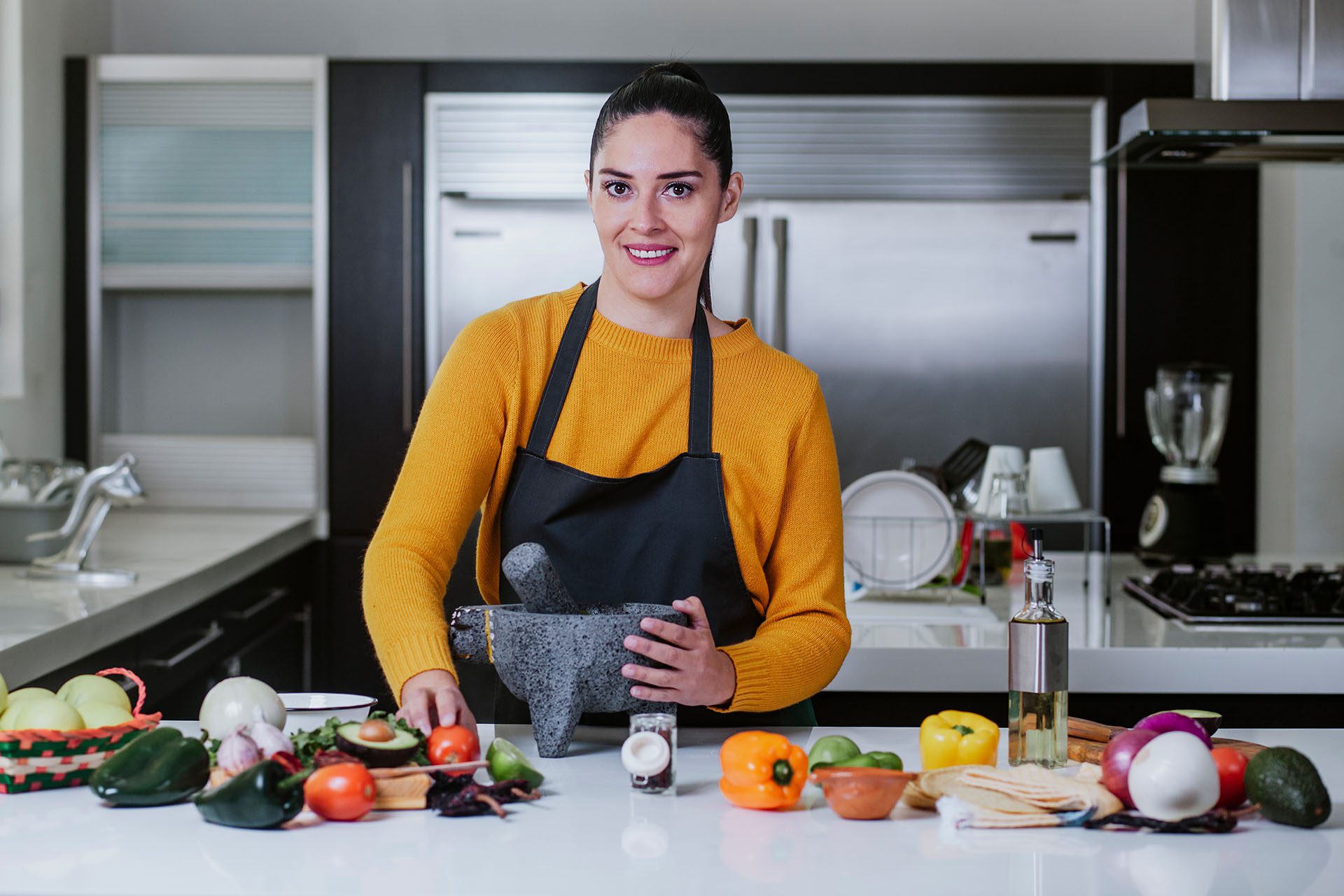
Discover Nutritious Mexican Cuisine in El Paso
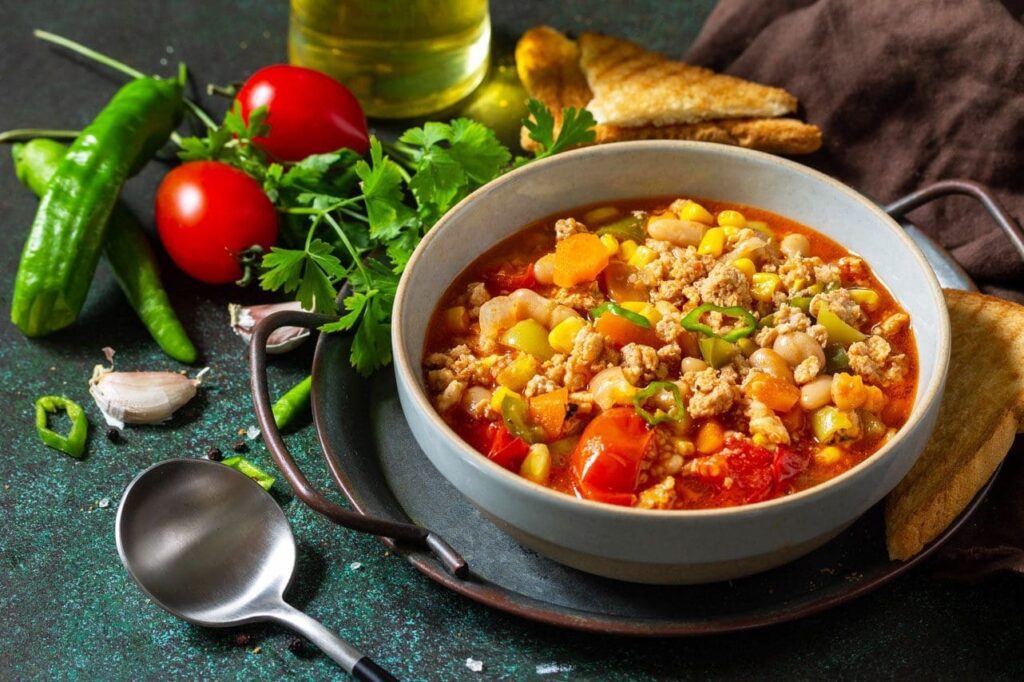
A Guide to Healthy Eating and Holistic Wellness
El Paso, Texas, offers a rich mix of Mexican flavors that can be both tasty and beneficial for your body. Many people think Mexican food is always heavy with fried items and creamy sauces, but that’s not true. You can find options that use fresh ingredients and lean proteins to make meals nutritious. This article explores healthy Mexican dishes available in El Paso. It also connects these food choices to holistic wellness practices, like integrative chiropractic care and the work of nurse practitioners (NPs). These approaches focus on nutrition, reducing inflammation, and keeping your body aligned for better healing. By eating well and getting the right care, you can support your overall health in simple ways.
Healthy eating in Mexican cuisine starts with smart choices at restaurants or when cooking at home. Instead of deep-fried foods like chimichangas or nachos, go for grilled or fresh options. These help you avoid extra calories and unhealthy fats (St. Vincent’s Health System, n.d.). For example, grilled fajitas can be a delicious pick if you skip the cheese and sour cream and add more vegetables like bell peppers and onions. This keeps the meal light and full of vitamins.
Tacos are another popular dish that can be made healthy. Use soft corn or wheat tortillas instead of crispy fried ones. Fill them with lean proteins such as grilled chicken, shrimp, or fish. Top with fresh salsa, avocado, or pico de gallo for flavor without heavy creams. Chicken tortilla soup is a warm, comforting choice that’s often low in calories if made with broth, veggies, and lean chicken. Ceviche, which is fresh fish or shrimp “cooked” in lime juice, is a cool and refreshing option packed with protein, and no cooking oil is needed.
Burrito bowls offer flexibility for healthy eating. Build them with brown rice, beans, veggies, and lean meats. Brown rice has more fiber than white rice, which helps with digestion (Russell Havranek, MD, n.d.). Beans add protein and keep you full longer. Avoid fried shells or extra cheese to keep it nutritious.
Here are some tips for making Mexican meals healthier:
- Choose grilled or baked proteins over fried ones.
- Add plenty of vegetables, such as tomatoes, onions, and cilantro.
- Use herbs and spices for taste instead of salt or fatty sauces.
- Pick whole grains like corn tortillas or brown rice.
- Include healthy fats from avocados or nuts in small amounts.
These changes make Mexican food a smart choice for daily meals. Fresh ingredients like pico de gallo bring bright flavors and nutrients. Ceviche, with its citrus and seafood, supports heart health (Gran Luchito, n.d.). In El Paso, you can find these dishes at many spots that let you customize your order.
Popular destinations in El Paso for nutritious Mexican cuisine include Sabrosa La Vida, known for fresh salads and grilled options. Verde Salad Co. focuses on light, veggie-packed bowls that fit Mexican themes. Timo’s Restaurant offers lean protein choices with plenty of sides like grilled veggies. Other local favorites, like Cattle Baron or The Lunch Box, provide customizable menus where you can pick healthy add-ons (Yelp, n.d.). These places make it easy to enjoy Mexican food without overdoing it on calories.
El Paso’s food scene draws from traditional Mexican elements that are naturally healthy. Ingredients like nopalitos, which are cactus paddles, add fiber and help control blood sugar. Calabacitas, or zucchini, bring vitamins and low calories to dishes. Lean proteins, such as chicken or fish, help balance meals. Beans are a staple, offering plant-based protein and gut-friendly fiber (Russell Havranek, MD, n.d.). Avocado provides healthy fats that support brain health, and corn adds natural sweetness with some fiber.
To break it down, here are the key fresh ingredients in healthy Mexican cuisine:
- Nopalitos: Low in calories, high in antioxidants to fight inflammation.
- Calabacitas: Hydrating and full of vitamin C for immune support.
- Beans: Help with digestion and provide iron for energy.
- Avocado: Good for heart health with its monounsaturated fats.
- Corn: A whole grain that adds texture and B vitamins.
- Pico de gallo: Fresh tomatoes, onions, and cilantro for a burst of flavor and vitamins.
These ingredients make meals colorful and nutritious. For side dishes, try grilled corn on the cob or fava bean soup, both gluten-free and vegan-friendly (Mexico in My Kitchen, n.d.; Cozymeal, n.d.). Skipping rice and beans sometimes and opting for salads can cut carbs if needed (Mattito’s, n.d.). Overall, Mexican food can be very healthy when focused on veggies, fruits like limes, and peppers for spice (Isabel Eats, n.d.).
While enjoying these foods, think about how they tie into broader wellness. Integrative chiropractic care plays a big role in El Paso. Chiropractors like Dr. Alexander Jimenez focus on aligning the spine and body to reduce pain and improve function. This care often includes nutrition advice to lower inflammation, which can come from poor diets (Jimenez, n.d.a). Eating anti-inflammatory foods, such as those in healthy Mexican cuisine, supports this process.
Nurse practitioners (NPs) add to this holistic approach. As advanced nurses, they provide primary care, including dietary guidance and functional medicine. Functional medicine considers the whole person, not just symptoms, to identify the root causes of health issues (Cleveland Clinic, n.d.). In El Paso, NPs work with chiropractors to create plans that combine adjustments with healthy eating.
Dr. Alexander Jimenez, DC, APRN, FNP-BC, is a key figure in this field. With over 30 years of experience, he runs Injury Medical Clinic in El Paso. His clinical observations show that proper nutrition boosts recovery from injuries. For instance, he recommends nutrient-dense diets to support gut health and reduce inflammation, which helps with conditions like back pain or sciatica (Jimenez, n.d.a; Jimenez, n.d.b). He integrates chiropractic adjustments with supplements and meal plans, such as anti-inflammatory drinks and fiber-rich foods, to enhance healing.
In his practice, Dr. Jimenez notes that spinal misalignment can lead to poor digestion or increased stress, underscoring the importance of nutrition. He uses personalized plans, including ketogenic diets or fasting methods, to optimize energy and mobility (Jimenez, n.d.a). For patients with chronic pain, combining manual adjustments with foods rich in vitamins—such as citrus, berries, or peppers—eases inflammation and promotes wellness (Jimenez, 2024).
This team approach between chiropractors and NPs emphasizes prevention. Chiropractic therapy involves hands-on adjustments to the spine, neck, or hips to relieve pain and improve movement (Cigna, n.d.). NPs provide medical oversight, prescribe when needed, but focus on lifestyle changes. Together, they guide patients on eating habits aligned with Mexican traditions, such as using beans for protein or nopalitos for blood sugar control (Reddit, n.d.).
Holistic wellness means treating the body as a whole. Nutrition from healthy Mexican foods reduces inflammation, which is key to healing. Inflammation can cause joint pain or fatigue, but foods like fish in ceviche provide omega-3 fatty acids to help fight it (A Sweet Pea Chef, n.d.). Proper body alignment from chiropractic care allows better nutrient absorption and movement, making daily activities easier.
Dr. Jimenez’s observations highlight how this works in real life. He sees patients recover faster when they eat balanced meals alongside treatments. For example, after an injury, he might suggest probiotics from fermented foods to support gut health, which in turn supports overall recovery (Jimenez, n.d.b). His functional medicine certification allows him to address genetics and environment in plans, often including Mexican-inspired recipes that are simple and nutritious.
In El Paso, this blend is common. Local clinics offer programs that teach healthy cooking with Mexican flavors, along with chiropractic services. Avoiding unhealthy Mexican restaurant items, like queso or refried beans, and choosing grilled options aligns with these wellness goals (Scripps, n.d.; The Takeout, n.d.).
To make it practical, consider these steps for combining food and care:
- Start with a chiropractic assessment to check alignment.
- Get NP nutrition advice tailored to your needs.
- Incorporate healthy Mexican dishes daily, like a burrito bowl with beans and veggies.
- Track inflammation with simple changes, like adding avocado for healthy fats.
- Follow up with adjustments and meal tweaks for long-term health.
This approach also helps with weight management. Mexican food can aid weight loss if you focus on veggies and lean proteins over carbs (Mattito’s, n.d.). Dr. Jimenez’s clinic promotes this through education on macro-friendly meals that fit busy lives.
Overall, nutritious Mexican cuisine in El Paso supports a healthy lifestyle. Places like Sabrosa La Vida make it accessible, while experts like Dr. Jimenez demonstrate how it complements chiropractic and NP care for holistic wellness. By choosing fresh ingredients and getting aligned care, you can feel better every day.
References
Gran Luchito. (n.d.). Healthy Mexican recipes. https://gran.luchito.com/recipes/healthy-mexican/
Jimenez, A. (n.d.a). Injury specialists. https://dralexjimenez.com/