Give us a Call
+1 (915) 412-6680
Send us a Message
[email protected]
Opening Hours
Mon-Thu: 7 AM - 7 PM
Fri - Sun: Closed

Musculoskeletal Health Innovations for Regenerative Medicine

Explore the future of regenerative medicine for musculoskeletal health and its potential to transform recovery and healing.

Abstract

Welcome to an evidence-based exploration of integrative regenerative musculoskeletal care grounded in modern physiology, clinical science, and practical, patient-centered protocols. I am Dr. Alexander Jimenez, DC, APRN, FNP-BC, CFMP, IFMCP, ATN, CCST. In this educational post, I present a unified, first-person narrative synthesizing leading-edge research on orthobiologics, human cellular and tissue products (HCT/Ps), perinatal secretomes, mesenchymal signaling cells, and needleless regenerative modalities, with a clear emphasis on why and how integrative chiropractic care enhances outcomes. I explain the molecular underpinnings of tissue breakdown and repair, immunomodulation, neural sensitization, angiogenesis, collagen remodeling, and tensegrity. I detail practical imaging decision-making, procedural safety, dosing logic, patient psychology, rehabilitation progressions, and functional medicine integration for sustained recovery.
This post introduces our multidisciplinary clinical model at Injury Medical Clinic PA (Mission Plaza Injury Medical Clinic) in El Paso, Texas, where our Medical Director and Collaborative Physician, Dr. Maria Guadalupe Cardenas, MD (Board Certified in Internal Medicine; NPI #1164426749; Texas MD License #J2933), provides medical oversight that aligns internal medicine with chiropractic, functional medicine, personal injury care, rehabilitation, allergy testing and immunotherapy, pelvic floor therapies, and systems-based protocols. Together, we organize care to treat the root causes of pain and dysfunction while restoring movement, reducing inflammation, and building resilient function.
You will learn:

  • Why traditional symptom-focused care often fails in chronic musculoskeletal conditions and how regenerative science reframes healing by shifting the microenvironment from breakdown to repair
  • How mesenchymal signaling cells, exosomes, growth factors, cytokines, hyaluronic acid, and mRNA blueprints orchestrate antifibrotic, immunomodulatory, angiogenic, and neuro-calming cascades
  • Why umbilical cord-derived orthobiologics and perinatal secretomes (including menstrual stem cell secretomes) offer unique, epigenetically youthful signals that complement precise, integrative chiropractic rehabilitation
  • How to build “fertile soil” for regenerative success by correcting biomechanical tensegrity, optimizing neurological function, and sequencing targeted rehabilitation
  • How needleless modalities (shockwave, PEMF, red light therapy, peptides) and lifestyle programs empower healing where injections are not feasible or preferred
  • When and why imaging is essential, how to interpret findings in context, and how to choose ethical, patient-centered plans that prioritize safety and outcomes
  • How pelvic floor HIFEM technology, allergy testing and immunotherapy, and gut-brain axis functional medicine strategies integrate with musculoskeletal care
  • How communication, patient education, and collaborative protocols create certainty, reduce delays, and improve acceptance and adherence for complete solutions.

Introducing Our Multidisciplinary Model: Internal Medicine Oversight Meets Integrative Chiropractic Care

I practice at Injury Medical Clinic PA (Mission Plaza Injury Medical Clinic) in El Paso, Texas, where our multidisciplinary model aligns chiropractic care, internal medicine oversight, functional medicine, personal injury care, rehabilitation, and regenerative adjuncts into coherent clinical pathways. Our Medical Director and Collaborative Physician, Dr. Maria Guadalupe Cardenas, MD, is Board Certified in Internal Medicine (NPI #1164426749; Texas MD License #J2933) with over four decades of experience. She ensures medical direction, safety, diagnostic clarity, and pharmacologic coherence for complex cases, anticoagulation management, oncology histories, systemic inflammatory diseases, infections, and comorbidities.
How we integrate:

  • Chiropractic care (Dr. Jimenez)
  • Biomechanical assessment, spinal and extremity adjustments, proprioceptive retraining, motor control restoration, and movement economy optimization
  • Internal medicine oversight (Dr. Cardenas)
  • Medical evaluation, lab ordering/interpretation, risk stratification, medication reconciliation, imaging pathways, and specialist referral coordination
  • Functional medicine
  • Systems biology for inflammation, insulin resistance, gut dysbiosis, micronutrient deficiencies, sleep disruption, and neuroimmune signaling
  • Personal injury care
  • Documentation, mechanism analysis, rehabilitation staging, return-to-function metrics, and legal/insurance communications
  • Rehabilitation
  • Progressive loading, sensorimotor training, endurance building, balance and proprioception, and functional integration
  • Regenerative modalities
  • Orthobiologics/HCT/Ps where appropriate under medical oversight, plus needleless regenerative tools (shockwave, PEMF, red light therapy) and peptides
  • Allergy testing and immunotherapy
  • Scratch testing workflows, safety protocols, subcutaneous (SCIT) and sublingual (SLIT) immunotherapy, and annual retesting under medical guidance
  • Pelvic floor therapies
  • HIFEM supramaximal contraction protocols, neuromuscular re-education, and integration with chiropractic pelvic-lumbar mechanics
  • Patient education and clinical communication
  • Clear reports of findings, structured options, expectation setting, home programs, lifestyle coaching, and outcome measurements

This multidisciplinary setup is common in integrative or injury care clinics, with an MD providing medical direction alongside a chiropractor to ensure comprehensive, safe, and effective care.

Navigating the Broken Healing Cycle: Why Chronic Pain Persists

Chronic musculoskeletal pain is rarely the result of a single insult. It’s the culmination of intertwined failures across structural, biochemical, neurological, and behavioral domains. To design effective care, I disentangle the drivers and match treatments to physiology.
Key drivers:

  • Tissue damage
  • Microtears, fraying, articular cartilage degeneration, compromised ligament/tendon integrity
  • Chemical irritation
  • Pro-inflammatory cytokines (e.g., TNF-α, IL-1β), acidotic microenvironments, enzymatic degradation of extracellular matrix
  • Mechanical stress
  • Joint instability, aberrant gait or movement patterns, maldistributed forces, shearing and compressive overload
  • Neural sensitization
  • Peripheral nociceptor upregulation, “angry” free nerve endings firing continuously, dorsal horn wind-up, central sensitization increasing pain output
  • Lifestyle and systemic factors
  • Poor sleep, nutrition imbalances, metabolic stress, psychosocial load, smoking, inactivity
  • Age-related decline
  • Reduced native stem cell pool and vigor, decreased reparative signaling, diminished angiogenic responses, slower collagen remodeling
  • Why traditional symptom management often falls short:
  • NSAIDs and steroids
  • Useful for acute severe pain but can impair cartilage health (chondrotoxicity), weaken tendons/ligaments, disrupt gut barrier, and fail to resolve root mechanical and immune drivers
  • One-off procedures
  • Arthroscopic “clean-outs” for degenerative arthritis show limited long-term benefit compared to sham in many cases; they don’t fix ligamentous instability or neuromuscular timing.
  • Over-reliance on per-visit care
  • Transactional care undercuts structured, staged restoration needed to convert short-term relief into durable function

Our approach builds capacity for healing by leveraging orthobiologic mechanisms, optimizing the tissue microenvironment, and restoring biomechanical tensegrity, neuromuscular control, and functional movement.

Orthobiologics and Human Cellular Tissue Products: Re-engineering Repair

I prefer precise terms—orthobiologics, HCT/Ps, mesenchymal signaling cells (MSCs)—to avoid misconceptions about “stem cells” popularized by hype. The core goal is tissue engineering: replace, remodel, or regenerate cells and extracellular matrix to recover function.
What these biologics do:

  • Anti-inflammatory cytokine modulation
  • Lower TNF-α, IL-1β; raise IL-10, IL-1Ra; temper M1 macrophage dominance and promote M2 macrophage healing phenotypes
  • Immunomodulatory effects
  • Reset dysregulated immune loops, recruit and orchestrate reparative cells, reduce chronic demolition signals, and favor reconstruction signals.
  • Neurotrophic benefits
  • Calm hyperexcitable nerve endings, reduce aberrant firing, improve local pain signaling, and enable stable motor recruitment patterns
  • Tissue regeneration and remodeling
  • Five stages:
  • Homing signal (paracrine signaling)
  • Homeostatic signals summon endogenous progenitors from marrow, adipose, and other reservoirs.
  • Proliferation
  • Expand reparative cell pools to handle local demand
  • Differentiation
  • Guide cells via mRNA and paracrine direction into chondrocytes, tenocytes, osteoblasts, or fibroblasts as needed
  • Angiogenesis
  • Establish oxygen/nutrient delivery via new vasculature to support metabolically demanding repair phases.
  • Remodeling
  • Align collagen fibers under graded mechanical load, crosslink for tensile strength, and transition from immature, disorganized matrix to resilient tissue
  • Critical caveat:
  • Time matters
  • Anti-inflammatory pain relief may arrive in weeks, but structural remodeling requires months to a year. Patient education—”feeling good is not equal to being healed”—is vital to prevent premature load surges that disrupt delicate remodeling.

The Power of Youthful Signals: Umbilical Cord Tissue and Perinatal Secretomes

Source matters. Autologous bone marrow or adipose harvesting is viable but constrained by invasiveness and age-related decline in cellular vigor.
Age-related decline (Caplan’s findings):

  • At birth: ~1 in 10,000 marrow cells are MSCs
  • Teen years: ~1 in 100,000
  • Age 50: ~1 in 400,000
  • Age 80: ~1 in 2,000,000
  • Why perinatal sources:
  • Epigenetic youth
  • Day-one signaling vigor supports robust paracrine orchestration
  • Safety and ethics
  • Not fetal tissue; post-full-term birth umbilical cord and placenta otherwise discarded; donors rigorously screened beyond blood standards
  • Rich biologic cocktail
  • MSCs (medicinal signaling cells), growth factors (FGF, PDGF, TGF-β family), anti-inflammatory cytokines (IL-10, IL-1Ra), hyaluronic acid (HA), mRNA blueprints, exosomes, amino acids, peptides, carbohydrates
  • Perinatal secretomes and menstrual stem cell-based secretomes (MenSCs):
  • The endometrium’s antifibrotic program
  • Monthly sterile inflammation, hypoxia, ECM breakdown, and re-epithelialization without scar formation—an intrinsic antifibrotic blueprint
  • Mechanistic insights (Cuenca et al., 2018; Evans et al., 2019)
  • MenSCs show elevated baseline mRNA for elastin (~13x), MMP-3 (~22x), and PDGF (~800x vs. umbilical cord MSCs), converging with superior collagen organization and rapid epithelial closure in wound models
  • Clinical signals in severe intrauterine adhesions (Asherman’s syndrome)
  • Tan et al. (2016) and Ma et al. (2021) found endometrial thickness gains to ~7–7.5 mm and natural pregnancies (~43%) in otherwise refractory populations after intrauterine MenSC infusions (autologous protocols)
  • ARDS trials with cell-free secretomes
  • Double-blind RCT in severe COVID-19 ARDS: intravenous menstrual stem cell secretome improved survival (~57% vs. ~28%) and reduced CRP (~77%)—powerful systemic anti-inflammatory signals consistent with immunomodulatory and macrophage polarization mechanisms
  • Additional domains
  • Ovarian function restoration in premature ovarian failure cohorts; MS intrathecal safety signals without immunologic reactions; preclinical liver antifibrotic benefits; corneal and dermal wound closure acceleration
  • Why integrative chiropractic care matters here:
  • Biomechanics + biology
  • Regenerative signals thrive when biomechanical tensegrity and neurological control reduce pathologic shear, compression, and inflammatory microtrauma. Adjustments, decompression, and targeted rehabilitation prepare “fertile soil” for the “seed” of biologics.
  • References:
  • Adult mesenchymal stem cells for tissue engineering versus regenerative medicine (Caplan, 2007)
  • The MSC: An injury drugstore (Caplan & Correa, 2011)
  • The reparative activities of menstrual-versus-bone marrow-mesenchymal stem cells in experimental cutaneous wounds (Cuenca et al., 2018)
  • The potential of menstrual blood-derived mesenchymal stromal cells in regenerative medicine (Evans et al., 2019)
  • Autologous menstrual blood-derived stromal cells transplantation for severe Asherman’s syndrome (Tan et al., 2016)
  • Efficacy of menstrual blood-derived stromal cell transplantation for restoring endometrial receptivity (Ma et al., 2021)
  • Mechanisms of mesenchymal stem/stromal cell function (Spees et al., 2016)

Building Fertile Soil: Integrative Chiropractic Care, Biomechanics, and Tensegrity

Orthobiologics can lower pain early through immunomodulation, but durable results hinge on restoring structural integrity and neuromuscular control. Chiropractic care sets the biomechanical and neurological stage.
Three pillars:

  • Restoring structural and biomechanical integrity
  • Chiropractic adjustments to normalize joint mechanics across kinetic chains (SI joints, lumbar/thoracic spine, hips, ankles), spinal decompression for discogenic and radicular relief, redistribution of forces to reduce abnormal stress on healing tissues
  • Optimizing neurological function
  • Correcting subluxations to improve afferent signaling and efferent motor control, enhancing proprioception, reflexive stabilization, and sensorimotor integration
  • Targeted rehabilitation and functional movement
  • Strengthen weak links, lengthen tight tissues, re-educate movement patterns, transition from relief to resilience via progressive load and motor learning
  • Why this matters:
  • Cabinet door analogy (joint instability)
  • Loose ligament “hinges” create wobble and destructive shear—chiropractic realigns the door; regenerative injections tighten the hinges; rehab retrains smoother motion to prevent recurrence.
  • Ligamentous instability and soft tissue competence
  • Iliolumbar and SI ligament tenderness often drive “old man noise” stiffness—diagnostic lidocaine challenge can confirm pain generators; prolotherapy/PRP/cellular signals target ligamentous integrity; adjustments “hold” better with stronger connective tissues
  • Knee as a responsive joint
  • Hinged arthrokinematics, superficial accessibility, multi-target injection plans (meniscal tears, MCL laxity, intra-articular inflammation), plus rehab for pes anserine bursa/tendons; adjustments coordinate tibiofemoral kinetics

Needleless Regenerative Strategies: When Injections Are Not Feasible

Not all patients can or wish to undergo injections. Needleless modalities can induce meaningful regenerative signaling through mechanotransduction, bioenergetics, neuromodulation, and tissue remodeling.
Key modalities:

  • Shockwave therapy (radial/focused)
  • Mechanotransduction triggers collagen synthesis, neovascularization, nociceptor modulation; grid mapping and energy titration to tendon footprints; synergistic with eccentrics and progressive loading.
  • Pulsed Electromagnetic Field (PEMF)
  • Influences ion channels, mitochondrial ATP generation, calcium signaling, and inflammatory cascades (NF-κB); supports ligament laxity and post-exertional recovery
  • Red light therapy (photobiomodulation)
  • Cytochrome c oxidase modulation, ATP upregulation, reduced ROS, enhanced microcirculation; complements pain modulation and repair
  • Peptides (e.g., BPC-157, TB-500)
  • Angiogenesis, fibroblast migration, collagen synthesis; actin modulation, cell migration; applied under medical oversight for safety and appropriateness
  • Functional nutrition and anti-inflammatory support
  • Eicosanoid balance, oxidative stress reduction, glycemic control, collagen precursors; integrate micro/macro-nutrient sufficiency for tissue repair
  • Chiropractic care and proprioceptive retraining
  • Adjustments and sensorimotor drills reestablish movement economy, reduce guarding, enhance CNS confidence in motion
  • Reference snapshot:
  • Extracorporeal shockwave therapy review (Cacchio et al., 2021)

Imaging Rationale: Trust the Exam, Use Imaging Wisely

Imaging must answer clinical questions born from history and physical exam. Over-imaging can mislead due to high rates of “abnormal” findings in asymptomatic people.
Guidance:

  • Red flags requiring MRI with and without contrast
  • Rapid unexplained weight loss, drenching night sweats, persistent fevers, known cancer histories with bone metastasis risk; contrast highlights vascularity characteristic of tumors/infections
  • When X-rays and ultrasound suffice
  • Weight-bearing X-rays for degenerative joint space, osteophytes, sclerosis, alignment; musculoskeletal ultrasound for dynamic soft tissue evaluation, ligament laxity, tendinopathy, guided injections
  • Evidence snapshots
  • CT/MRI abnormalities in asymptomatic individuals (Johnson et al., 1994); Classic imaging asymptomatic prevalence (Wiesel et al., 1984)

Practical Guidelines: Concentration, Joint-Specific Strategies, and Post-Surgical Care

  • Treatment strategy:
  • Concentration principle
  • Avoid diluting products below critical therapeutic thresholds; treat one or two areas thoroughly over many areas poorly; better outcomes and trust through quality-focused decisions.
  • Joint insights
  • Knee: responsive hinge dynamics, multi-target plans, careful pes anserine and ligament testing; hip: capsular distention caution, load complexity demands conservative volumes; shoulder: timing and neuromuscular control are key, treat tendon pathology and scapulothoracic rhythms
  • Post-surgical knees
  • Soft tissues generate pain around prostheses; treat ligaments (MCL/LCL), tendon insertions; avoid hardware injection with ultrasound guidance; document images for safety and medicolegal clarity.

Safety, Sedation, and Patient Responsibility

Procedural anxiolytics reduce muscle guarding and pain perception but come with safety obligations.
Points:

  • Anxiolytics
  • Lorazepam 1–2 mg for procedural calm; diazepam 5 mg for significant anxiety/muscle tension; maintain patient feedback capacity.
  • Driving prohibition
  • Cognitive/motor impairment akin to alcohol intoxication; insist on driver escort; pharmacist labeling “Do not operate heavy machinery or motor vehicle” improves safety layers.
  • Communication
  • Explain collaboration during procedures: “We need to manage your pain and anxiety, but you need to feel enough to guide me.”

Personal Narrative: Hope, Limits, and Timing

I share openly with patients: regenerative medicine is powerful but not magic. My own hip degeneration progressed to end-stage osteoarthritis (“bone-on-bone” with large osteophytes). Despite hundreds of millions of cellular inputs over years, structural remodeling limits were reached, and total hip replacement became the correct solution. Today, I am pain-free and active—including Brazilian Jiu-Jitsu.
Lessons:

  • Intervene early
  • Don’t wait for catastrophic structural deformity; earlier regenerative engagement improves odds.
  • Honesty builds trust
  • A surgical referral when appropriate honors patient safety and best outcomes

The Psychology of Delay: Costs of “Waiting to See”

Patients address car “check engine” lights within days but ignore their body’s warning signs for months or years.
Consequences:

  • Mechanical “gremlin” progression
    • Mild ligament laxity cascades into multihinge instability, subluxation, articular damage, and end-stage failure.
  • Financial burden
    • NIH and health economics estimate lifetime cost for degenerative joint management often exceeds ~$110,000 when factoring visits, drugs, imaging, physical therapy, steroid cycles, minor surgeries, DME, lost wages, and eventual joint replacement
  • Invest in solutions, not symptom chasing—regenerative and integrative plans act as prevention against long-term cascade costs.

Tensegrity Explanations: The Cabinet Door and Clinical Mapping

Educational analogies resonate:

  • Loose cabinet door sequence
    • Initial hinge looseness → bottom hinge overload → subluxation → door strikes frame → paint chips/wood splinters (cartilage wear) → osteophyte stabilization → door falls (end-stage failure)
  • Regenerative/Chiropractic approach
    • Inject “inside” joint for cushioning/anti-inflammatory support (e.g., HA, secretome products), inject ligaments around joint (prolotherapy, PRP, cellular signals) to tighten infrastructure; chiropractic realignment sets proper geometry.

Case Studies: Read Images, Know Limits, Target Function

  • Rotator cuff tendinopathy
    • Ultrasound: hypoechoic interstitial tears within an intact scaffold—excellent candidates for targeted regenerative injections; treat subacromial bursa if inflamed; integrate scapular mechanics and thoracic mobility; prognosis strong
  • Complete rotator cuff tear with retraction
    • MRI shows 3 cm medial retraction; not repairable by injections; surgical reattachment required; supportive care can still lower pain and improve function by strengthening other cuff muscles and optimizing glenohumeral mechanics
  • Medial knee pain: meniscus + MCL
    • Ultrasound shows vertical meniscal tear; dynamic stress reveals MCL laxity; injectable plan: meniscus (peripheral vascular zone), MCL along length, intra-articular anti-inflammatory support; integrate rehab to avoid meniscectomy when possible.
  • End-stage hip OA
    • Standing AP pelvis shows complete joint space loss and osteophytes; regeneration unlikely to rebuild surfaces; total hip arthroplasty often definitive; integrative prep improves pre-op function and post-op recovery.

Shoulder Mechanics: Sensorimotor Precision and Rehabilitation

The shoulder’s shallow glenoid and mobile humeral head demand neuromuscular timing to prevent impingement and labral overload.
Exam:

  • Palpation sequence: SC joint → AC joint → long head of biceps → supraspinatus footprint → infraspinatus insertion
  • Provocatives: Hawkins-Kennedy, Empty Can, resisted IR/ER, O’Brien’s test

Care:

  • Shockwave on tendon footprints
  • Scapular control drills (serratus anterior, lower trapezius)
  • Thoracic spine mobilizations
  • Red light therapy/PEMF for pain/inflammation
  • Anticipatory motor timing of humeral head centering
  • Functional nutrition to improve collagen turnover
  • Medical oversight for systemic considerations

Elbow Pain: Annular Ligament + Common Extensor Tendon

Tennis elbow worsens when stabilizers are ignored.
Points:

  • Annular ligament stabilizes radial head; laxity increases load on common extensor tendon; palpate both.
  • Positioning safety
    • Triceps targeting: avoid “tomahawk” angle; forearm pronation keeps radial nerve safer; mark ulnar nerve subluxation risk.
  • Non-needle plan
    • Shockwave (extensor origin + annular ligament), PEMF, eccentrics, forearm mechanics corrections; chiropractic wrist/forearm/cervical-thoracic alignment

Ankle Complexity and Morton’s Neuroma

Ankle articulates with extraordinary proprioceptive burden; energy storage in ligaments acts like a springboard.

  • Morton’s neuroma insights:
    • Steroid reduces perineural inflammation temporarily; transverse metatarsal ligament laxity must be corrected to prevent recurrent compression
  • Non-needle plan
    • Shockwave for ligament remodeling, PEMF for pain modulation, intrinsic foot training, toe splay drills, short-foot exercises, orthotic evaluation, footwear modifications; red light therapy for neuropathic excitability

Hip Joint Realities and AVN Caution

Hip is high-load and polyarticular, making late-stage structural repairs difficult.
Care:

  • Early labral signs: groin pain, clicking; lateral hip pain often gluteal tendon microtears (greater trochanteric pain syndrome) rather than classic bursitis
  • Ultrasound guidance: anterior approach landmarks (ASIS/AIIS, greater trochanter); assessment of quadriceps, iliopsoas, lateral stabilizers
  • Non-needle plan
    • Shockwave to gluteus medius/minimus footprints, IT band; hip stabilization drills, pelvic control; thoracolumbar mobility; PEMF/red light; chiropractic pelvic mechanics and SI balance

SI Joint and Lumbar Spine: High-Yield Non-Needle Targets

SI joint:

  • Positive squeeze tests, PSIS tenderness, flexion asymmetry; treat with stabilization, pelvic mechanics correction

Lumbar facets:

  • Perifacet pain modulation with careful energy dosing; emphasize lateral approaches and depth control; motor retraining for multifidus, diaphragmatic integration, hip hinge mechanics

Posterior spinous ligaments:

  • Supraspinous/interspinous contributions to axial pain; soft-tissue decompression and graded activation reduce guarding

Cervical Spine Safety: Facets, Headaches, Occipital Ridge

Cervical strategy:

  • Avoid injections above C2 due to vertebral artery risk
  • Perifacet targeting: angling plates constrain intra-facet access; perifacet diffusion can suffice
  • Occipital ridge peppering (non-needle modality approach): semispinalis/trapezius/levator attachments; bone as a safe barrier; soft energy settings for osteoporotic patients
  • Identify C7/T1 via palpation; avoid midline deep trajectories; lateral approaches reduce risk

Thoracic Care and Pneumothorax Avoidance

Safety pearls:

  • Under-skin entry, shallow safe angles, slow advancement; emphysematous patients have larger lung volumes—respect margins; conservative vectors prevent events

Anticoagulants, Supplements, and Cancer Histories: Medical Oversight Essentials

Under Dr. Cardenas’s oversight:

  • Anticoagulants
    • Timing windows (e.g., Eliquis) inform scheduling; deep structures carry higher bleeding risk; superficial shoulder targets lower concern.
  • Supplements and medications
    • NSAIDs elevate bleeding risk; prefer acetaminophen as needed; turmeric/curcumin/ashwagandha/omega-3s may interact—review case-by-case
  • Cancer history
    • Consider waiting five years post-recovery for certain biologics; PRP may be viable; MRI to screen for local metastasis before regional biologics; chemo timing preference: ideally two weeks before/after regenerative interventions

Functional Medicine Integration: Systems Biology Meets Mechanics

Functional drivers:

  • Insulin resistance
    • Aggravated collagen crosslinking and stiffened ECM; glycemic control improves repair dynamics.
  • Micronutrients
    • Vitamin D, magnesium, omega-3s influence neuromuscular function and inflammatory signaling.
  • Gut-immune axis
    • Dysbiosis and endotoxemia amplify systemic inflammation and pain sensitivity (gut-brain axis)
  • Sleep/circadian rhythm
    • Deprivation elevates pain perception and reduces GH pulsatility, which is essential for tissue repair.
  • Stress/autonomic balance
    • Chronic sympathetic dominance increases guarding and pain; downregulation improves central modulation

Outcome:

  • Local tissue care accelerates when systemic inflammation and metabolic stress are addressed; movement plus molecular health converts relief to resilience

Pelvic Floor Health: HIFEM Therapy and Integrative Care

Pelvic floor dysfunction affects continence, core stability, and sexual function. Kegels are often misapplied—hypertonic cases deteriorate with more tightening.
HIFEM (High-Intensity Focused Electromagnetic) therapy:

  • Supramaximal contractions
    • Electromagnetic fields depolarize motor neurons directly; recruit deep fibers beyond voluntary capacity; ~28-minute sessions deliver thousands of contractions (quality/depth matters)
  • Remodeling cascade
    • Hypertrophy/hyperplasia, mitochondrial stress adaptation, microtrauma signaling for rebuild, improved neuromuscular control via repeated precise contractions
  • Protocol
    • Six sessions, twice weekly for three weeks; adjust relaxation emphasis for hypertonic patterns; optimize pelvic-lumbar alignment with chiropractic care for balanced load
  • Applications
    • Stress urinary incontinence, postpartum recovery (OB/GYN clearance), post-prostatectomy incontinence and erectile function, chronic low back pain linked to pelvic floor dysfunction

Integrative synergy:

  • Chiropractic pelvic alignment
    • Sacral nutation/counternutation, SI mechanics; neurological optimization via sacral plexus
  • Functional medicine
    • Hormone balance (estrogen), magnesium for relaxation, anti-inflammatory diet; address constipation/straining and cough-related pressure surges
  • Patient experience
    • Non-invasive, fully clothed sessions; adjustable intensity; no downtime; sustainable maintenance via periodic tune-ups

References:

Allergy Testing and Immunotherapy in Integrative Practice

Allergies compound inflammation, sleep disruption, fatigue, and autonomic imbalance—impacting musculoskeletal recovery.
Program components:

  • Scratch testing
    • 15–20 minutes; monitored wheal/flare reactions; documented reporting; medically supervised safety protocols; emergency readiness
  • Immunotherapy options
    • SCIT (in-office injections) with decades of data; SLIT (sublingual at-home) reduces anaphylaxis profile and offers convenience; personalization via annual/every-other-year retesting
  • Clinical rationale
    • Reducing allergen load lowers systemic inflammation; improves sleep (critical for repair), reduces sedating antihistamine burden, and supports rehabilitation adherence.
  • Economics and access
    • Turnkey kits, modest hands-on time; insurance coverage common for scratch testing; patient education onboarding improves uptake

Gut-Brain Axis, Neuroinflammation, and Metabolic Health

Neuroimmune interface:

  • Vagus nerve afferents (gut-to-brain), enteric neurotransmitter production (serotonin), immune cytokines crossing BBB, microbiota metabolites (SCFAs) modulating CNS function
  • Neuroinflammation
    • Microglial activation (TNF-α, IL-1β, IL-6, ROS, glutamate excitotoxicity) drives bystander damage and underpins neurodegenerative disease progression.n
  • Leaky gut/leaky brain
    • Zonulin-regulated tight junction breakdown; LPS endotoxemia activates TLR4, and NF-κB cascades; systemic inflammation disrupts BBB and perpetuates microglial activation
  • Alzheimer’s” “pe 3 Diabetes”
    • Brain insulin resistance impairs synaptic plasticity and amyloid clearance via IDE competition; ketones (BHB) bypass insulin demands, inhibit NLRP3 inflammasome, and enhance mitochondrial efficiency and BDNF

Functional interventions:

  • 5R gut protocol: Remove triggers (gluten, dairy, sugar), Replace digestive support (enzymes, HCL), Reinoculate (probiotics/prebiotics), Repair (L-glutamine, zinc, vitamins A/D, quercetin, curcumin, aloe), Rebalance (stress, sleep)
  • Ketogenic approach and metabolic flexibility where appropriate for cognitive and inflammatory control

References:

Clinical Communication: Certainty, Options, and Ethical Care Plans

Communication is clinical—when I am certain, patients become certain. I avoid pressure and emphasize clarity, education, and choices.
Core elements:

  • Reports of findings that answer:
    • What is the diagnosis? Why does it matter? How serious is it? What are the options? What is my recommendation? How long will it take? What are we measuring? What if care is delayed?
  • Two-option frameworks
    • Acute repair vs. long-term correction; “Do you want a Band-Aid or a real fix?” Choice reframes from “if” to “which path”
  • Ethical care plans
    • Clinically justified, transparent costs and expectations, measurable goals, documented progress, individualized adjustments, informed consent
  • Include family/caregivers when appropriate.
    • Improves support, adherence, home exercise compliance, and lifestyle change adoption

Observations from practice (Chiromed, LinkedIn):

  • Patients improve when they understand the”“wh” behind care
  • Rehabilitation adheres when connected to meaningful life goals
  • Adjustments paired with active motor correction yield fewer flare-ups
  • Sleep and protein sufficiency correlate with faster tendon recovery
  • Imaging guides safety, but the exam drives care decisions
  • Clear education reduces fear-avoidance and delays

References:

Rehabilitation Milestones and Outcome Measurement

Stages:

  • Relief and protection
    • Isometrics reduce tendon pain; gentle mobility; breathing strategies tame sympathetic overdrive.
  • Motor control and stability
    • Multifidus and deep neck flexor activation; proximal control (glute med/min, lower trap, serratus anterior); tempo work and feedback
  • Strength and endurance
    • Progressive resistance; slow eccentrics for tendon remodeling; endurance capacity building
  • Return to function
    • Work/sport-specific drills; rate-of-force development with joint-friendly programming

Measurements:

  • Pain scales (NPRS/VAS)
  • Function indexes (ODI, NDI, KOOS/HOOS, DASH)
  • Range of motion, strength
  • Patient-specific functional scales
  • Sleep metrics, quality-of-life measures

Personal Injury Care: Documentation and Recovery Pathways

For motor vehicle collisions and occupational injuries:

  • Early phase
    • Rule out serious injury, imaging/referrals, vestibular-ocular rehab for CAD injuries where indicated, early activation to prevent deconditioning
  • Subacute phase
    • Joint mobilization/manipulation, soft tissue work, progressive isometrics, motor control stabilization
  • Recovery and return
    • Functional capacity evaluation elements, work hardening principles, ergonomic recommendations
  • Documentation
    • Mechanism of injury, exam findings, imaging rationale, staged care, outcomes, and maximum medical improvement considerations

Safety Protocols: Angles, Nerve Landmarks, and Tool Selection

Trim risk:

  • Lateral approaches for spine/deep targets; avoid midline deep structures; slow seesaw depth testing; withdraw/reorient upon tingling
  • Nerve landmarks
    • Radial nerve (lateral elbow), ulnar nerve (medial elbow), vertebral artery risks (upper cervical)
  • Instrument selection
    • Blunt-tip styles when appropriate; cautious thoracic angles; ultrasound guidance to visualize metallic hardware and avoid contact

Practical Lifestyle and Ergonomic Changes

Small changes accumulate:

  • Desk setup
    • Shoulder-friendly ergonomics, forearm neutral positioning, lumbar support
  • Footwear/orthotics
    • Toe box width, midfoot stability, appropriate insoles
  • Movement snacks
    • Short mobility breaks, posture resets, breath work during day

Clinical Observations: My Integrative Philosophy

From my clinical experience and collaborations:

  • Patients heal faster when their musculoskeletal mechanics, nervous system regulation, and systemic inflammatory status align
  • Chiropractic care emboldens proprioception, enabling more accurate muscle recruitment and better motor learning consolidation
  • Functional medicine reduces systemic”“noi e,” allowing local signals to repair rather than fight persistent inflammation
  • Medical oversight ensures timing safety (anticoagulants, oncology histories), proper referrals, and medication coherence
  • Needleless regenerative modalities expand access and layered support where injections aren’t viable
  • Explore practice insights:

Essential Reading to Support Integrated Perspectives

  • Life Force (Robbins, Diamandis, Hariri, 2022) — patient-accessible exploration of regenerative potential and personal narratives
  • The Pegan Diet (Hyman, 2021) — food-as-medicine frameworks relevant to anti-inflammatory milieus
  • Red Light Therapy: Miracle Medicine (Sloan, 2019) — photobiomodulation fundamentals for home and clinical application
  • The Ozone Miracle (Shallenberger, 2011) — adjunct oxygen utilization and immune modulation perspectives

Conclusion: A Patient-Centered, Evidence-Based Pathway to Healing

This comprehensive post connects modern regenerative science with integrative chiropractic care under internal medicine oversight to create a clear, ethical, and effective path from pain to durable function. At Injury Medical Clinic PA (Mission Plaza Injury Medical Clinic), our multidisciplinary structure with Dr. Maria Guadalupe Cardenas, MD, ensures safety and coherence. We prepare the “soil” of biomechanics, nervous system regulation, and systemic health so that regenerative signals—biologic or needleless—can thrive. We measure outcomes, educate patients, and build certainty through communication.
If your goal is to recover movement, reduce pain, and restore resilience, the journey is multifaceted but navigable. We invite you to engage with this integrative model—one that respects physiology, honors evidence, and focuses relentlessly on your function and quality of life.

References

SEO tags: regenerative medicine, orthobiologics, HCT/Ps, mesenchymal signaling cells, MSC, secretome, exosomes, umbilical cord tissue, menstrual stem cells, antifibrosis, angiogenesis, immunomodulation, chiropractic care, integrative chiropractic, internal medicine medical director, Dr Alexander Jimenez, Dr Maria Guadalupe Cardenas, Injury Medical Clinic PA, Mission Plaza Injury Medical Clinic, El Paso chiropractor, functional medicine, personal injury care, rehabilitation, shockwave therapy, PEMF, photobiomodulation red light, peptides BPC-157 TB-500, knee pain treatment, shoulder tendinopathy, lumbar spine pain, SI joint stabilization, hip labral pain, Morton’s neuroma, pelvic floor HIFEM therapy, allergy testing immunotherapy, gut-brain axis, neuroinflammation, leaky gut, ketogenic therapy, patient communication, ethical care plans, evidence-based chiropractic

Integrative Care Overview for Regenerative Medicine

Learn how regenerative medicine combined with integrative care can support your wellness journey and improve overall health outcomes.

Educational Abstract: Integrative Muse Stem Cell Care with Chiropractic, Functional Medicine, and Medical Oversight

In this educational post, I, Dr. Alexander Jimenez, DC, APRN, FNP-BC, CFMP, IFMCP, ATN, CCST, guide you through a clear, first-person journey on the emerging science and clinical integration of Muse stem cells—multilineage-differentiating stress-enduring cells—within a multidisciplinary care model. I explain what Muse stem cells are, how they differ from standard mesenchymal stem cells, and why their unique stress-endurance and pluripotency matter for complex conditions affecting musculoskeletal, neural, cardiac, hepatic, and dermal tissues. I present how our team at Injury Medical Clinic PA (Mission Plaza Injury Medical Clinic) in El Paso, Texas integrates chiropractic care, functional medicine, regenerative strategies, personal injury care, and rehabilitation under the medical direction of Dr. Maria Guadalupe Cardenas, MD (Board Certified in Internal Medicine, NPI #1164426749, Texas MD License #J2933). This post synthesizes recent findings and mechanisms—homing via S1P2 receptors and SDF-1 gradients, differentiation across all three germ layers, and paracrine signaling—while highlighting evidence-based clinical protocols, safety considerations, and practical applications, including dilution strategies and bio-scaffolding. Throughout, I share clinical observations from my work with patients and collaborating clinicians, leveraging modern, peer-reviewed research methods and transparent verification such as SSEA-3 marker validation.

Evidence-Based Muse Stem Cells: My Clinical Perspective and Team Integration

I have spent my career building integrated care pathways that combine chiropractic biomechanics, functional medicine, and evidence-based regenerative strategies. Over the last nine months, I have been deeply engaged with physicians and researchers who are advancing Muse stem cells—also called multilineage-differentiating stress-enduring cells—in the United States. These cells are garnering attention because they appear to be more resilient under physiological stress and capable of differentiating across all three germ layers, which has implications for multi-organ repair and complex chronic conditions.
Our practice model is multidisciplinary by design. Under the medical direction of Dr. Maria Guadalupe Cardenas, MD—Board Certified in Internal Medicine, NPI #1164426749, Texas MD License #J2933—and in collaboration with my chiropractic and functional medicine teams, we formulate personalized care plans. At Injury Medical Clinic PA (Mission Plaza Injury Medical Clinic) in El Paso, Texas, Dr. Cardenas serves as our Medical Director and Collaborative Physician. This MD-DC collaboration ensures medical oversight of regenerative protocols, safety monitoring, and integration with imaging, labs, and pharmacologic considerations. At the same time, we layer in integrative chiropractic care, neuromusculoskeletal rehabilitation, and functional medicine frameworks. This team-based approach is common in integrated injury care and improves outcomes, compliance, and patient satisfaction.
Key components of our integrated model:

  • Medical oversight for eligibility, safety, and dosing (Dr. Cardenas).
  • Chiropractic biomechanical optimization, spinal and peripheral joint care, soft tissue mobilization, and neurodynamic techniques (Dr. Jimenez).
  • Functional medicine: systems biology assessment, nutrition, sleep, stress, toxin load, microbiome balance, and metabolic optimization.
  • Personal injury care: documentation, objective measures, imaging, and functional capacity tracking.
  • Rehabilitation: graded exercise therapy, proprioceptive retraining, tissue loading plans.
  • Regenerative therapeutics: stem cells, exosomes, secretomes, and bio-scaffolding when appropriate.
  • Continuous outcome tracking: PROMs, pain/function scales, gait analyses, wearable data.

I emphasize comprehensive systems thinking—aligning biomechanics, bioenergetics, inflammation resolution, and tissue repair—to maximize the benefits of any regenerative protocol.

What Are Muse Stem Cells and Why They Matter

Muse stem cells are rare populations naturally present in umbilical cord and bone marrow, typically comprising around 0.3–0.5% of mesenchymal stem cell (MSC) populations. They are identified via the SSEA-3 surface marker (Stage-Specific Embryonic Antigen-3), which serves as a verification checkpoint. In practice, Muse cells are isolated under lethal stress conditions—commonly using heat and glass methodologies—where most standard MSCs are eliminated, and the stress-enduring Muse cells are selected and enriched. This manufacturing rigor ensures that each batch is verified for SSEA-3 positivity, supporting a transparent chain of custody and quality assurance.
Physiological traits that set Muse cells apart:

  • Cell size: Muse cells average 8–15 micrometers; standard MSCs are 15–25 micrometers. Smaller size enables passage through pulmonary capillaries, improving systemic distribution and homing to damaged tissue. The garden hose analogy fits: Muse cells are like pushing a marble through a hose, whereas many MSCs are like a golf ball that gets stuck.
  • Stress endurance: Muse cells withstand hypoxia, oxidative stress, and proteolytic enzymes. This resilience is critical in injury microenvironments characterized by low oxygen, high ROS, and inflammatory proteases that can kill fragile cells. Muse cells are essentially special forces selected by stress—trained for hostile physiology.
  • Differentiation capacity: Muse cells are pluripotent, capable of differentiating across ectoderm, mesoderm, and endoderm, while standard MSCs are primarily multipotent within mesodermal lineages. This expands applicability to neural tissue, myocardium, hepatocytes, skin, and hair follicles—areas where traditional MSCs have limited reach.
  • Immune privilege: Muse cells demonstrate immune-privileged behavior, reducing rejection risk and enabling allogeneic applications. This may reflect lower expression of major histocompatibility complex molecules and immunomodulatory paracrine outputs, though protocols still require medical oversight.

Why these features matter clinically:

  • Smaller cell size reduces first-pass lung trapping, meaning more cells reach targets like myocardial infarct zones or cortical and subcortical neural regions.
  • Stress endurance helps cells survive the harsh niche where they are needed most; if cells cannot survive, they cannot engraft or signal.
  • Pluripotency permits direct tissue replacement in diverse organ systems and complements paracrine signaling that modulates inflammation and supports native repair.
  • Immune privilege facilitates broader access and reduces the need for heavy immunosuppression.

Mechanisms of Action: Homing, Differentiation, and Paracrine Signaling

Muse cells appear to work via a three-engine mechanism, grounded in modern regenerative biology:

  • Targeted homing
    • Damaged tissues release gradients of S1P (sphingosine-1-phosphate) and SDF-1 (stromal cell-derived factor 1, also known as CXCL12). Muse cells express S1P2 receptors, enabling a chemotactic response akin to a heat-seeking mechanism. The SDF-1/CXCR4 axis further stabilizes retention in injured microenvironments.
    • In animal models, IV-administered Muse cells achieved measurable engraftment in cardiac injury sites (reports around ~14.5% in certain models), whereas many MSCs were trapped in the lungs. Homing without external targeting technology is a major advantage, leveraging endogenous biological cues.
  • Direct tissue replacement
    • Muse cells can sense damaged cells, capture local transcription factor signatures, and differentiate into tissue-specific phenotypes: cardiomyocytes, neurons, hepatocytes, and more, often within hours to days. For conditions like stroke or spinal cord injury, this speed may translate to meaningful functional improvements when paired with rehabilitation.
  • Enhanced paracrine signaling
    • Muse cells release anti-inflammatory cytokines, growth factors, chemokines, and exosomes/secretomes that suppress apoptosis, reduce oxidative stress, stimulate angiogenesis, and modulate immune responses. Because they originate from a pluripotent parent cell, their secretome may have broader signaling coverage than standard MSC secretions.

These mechanisms operate synergistically: homing brings cells to the right place; differentiation rebuilds tissue; paracrine signaling stabilizes the microenvironment and supports native stem/progenitor cell activity.

Integrative Chiropractic Care in Regenerative Protocols

My role as a chiropractor and functional medicine practitioner is to ensure the mechanical environment—joint alignment, soft tissue tone, nervous system regulation—and the metabolic environment—nutrient status, glycemic control, mitochondrial support—are optimized so that regenerative therapies like Muse cells can express their full potential.
How chiropractic integrates:

  • Spinal and peripheral joint care: Precise adjustments improve biomechanical loading, reduce nociceptive input, and enhance regional perfusion. Better joint mechanics decrease repetitive microtrauma and create a stable scaffold for regenerating tissues.
  • Soft tissue mobilization and fascial release: Manual therapy reduces adhesions, improves shear, and modulates fibroblast activity. In a regenerative protocol, this can guide collagen remodeling and prevent aberrant scar formation.
  • Neuromuscular reeducation: Targeted exercises improve proprioception, stabilize joints, and coordinate muscle firing patterns. Post-injection, tissue load progression must be graded to prevent overload while encouraging healthy mechanotransduction.
  • Autonomic balance: Breathing techniques, vagal stimulation, and stress reduction dampen sympathetic overdrive, lowering cortisol and catecholamines that can impede healing.
  • Functional medicine synergy: Nutritional support (omega-3s, vitamin D, magnesium, polyphenols), glycemic modulation, sleep optimization, gut health support, and toxin reduction provide raw materials and reduce inhibitors for regeneration.

With Dr. Cardenas’ oversight, our team tailors timing of adjustments, manual therapies, and rehab progressions around regenerative interventions to avoid disrupting early engraftment while preventing immobilization-related deconditioning.

Medical Oversight: Safety, Dosing, Dilution, and Verification

Safety is paramount. Dr. Cardenas and I co-manage patient selection, dosing strategies, and monitoring.
Key medical oversight elements:

  • Eligibility and contraindications: Active infections, uncontrolled autoimmune flares, malignancy concerns, and severe cardiopulmonary instability require careful screening. Medication interactions (anticoagulants, immunosuppressants) are reviewed.
  • Verification: Every batch is SSEA-3 verified, confirming Muse cell identity. Chain-of-custody, tissue bank compliance, sterility testing, and release criteria are documented.
  • Dilution strategies: High concentrations of pure Muse cells may provoke excess inflammation—akin to a localized cytokine surge. Literature and clinical experience suggest buffering Muse cells with mesenchymal stem cells at around a 20% Muse ratio reduces hyperinflammatory responses while preserving efficacy. Pre-diluted products improve standardization and reduce the need for specialized lab equipment (e.g., nano-flow cytometry).
  • Bio-scaffolding: An intra-articular heated Wharton’s Jelly gel provides mechanical bio-scaffolding to retain Muse cells in the target environment, enhancing local adherence and persistence. Although heating can diminish some native matrix bioactivity, the scaffold’s physical retention offers practical benefits for joint applications.
  • Adjunct exosomes and secretomes: Pairing Muse cells with exosomes and secretome components may amplify paracrine signaling, improve anti-inflammatory effects, and coordinate tissue remodeling.
  • Monitoring and follow-up: We track pain scales, functional mobility, neurologic status, imaging findings when indicated, and lab biomarkers of inflammation. If patients experience excessive inflammation or unexpected symptoms, dosing intervals and concentrations are adjusted.

Dr. Cardenas’ internal medicine experience ensures we adhere to evidence-based protocols, navigate comorbidities, and maintain compliant documentation.

Clinical Applications: Musculoskeletal, Neurologic, Cardiac, Hepatic, Dermal, and Hair

Our patients often present with complex multi-system issues. Muse cells’ broad differentiation potential and robust stress endurance open possibilities across conditions:

  • Musculoskeletal recovery
    • Joint degeneration, tendinopathy, ligament injury. Muse cells can home to damaged tissues and contribute to matrix repair while paracrine signaling reduces inflammatory mediators like TNF-α and IL-6.
    • Integration with chiropractic joint rehab stabilizes biomechanics and encourages orderly collagen deposition.
  • Neurologic applications
    • Stroke and spinal cord injury: Rapid differentiation into neurons and supportive glia has been reported in preclinical contexts, with paracrine factors promoting neuroprotection and synaptic plasticity.
    • Peripheral neuropathies: Potential for axonal support; clinical protocols include careful nerve gliding and autonomic balance to improve perfusion.
  • Cardiac repair
    • After myocardial injury, Muse cells can respond to S1P/SDF-1 gradients, engraft, and differentiate toward cardiomyocyte-like phenotypes. Rehab includes cardiac-safe graded activity and autonomic regulation.
  • Hepatic support
    • Differentiation into hepatocyte-like cells and secretome-driven anti-inflammatory actions may support liver regeneration in select cases, paired with functional medicine detoxification pathways and nutrition.
  • Dermal and hair biology
    • Skin and hair applications benefit from ectodermal differentiation and paracrine support of dermal papilla cells and keratinocytes. In patients experiencing hair thinning, including those on GLP-1 agonists, Muse protocols may complement peptide therapy, micronutrient optimization (iron, zinc, biotin when deficient), and scalp microcirculation interventions.
  • Sexual wellness
    • Vascular and neural components of sexual function may benefit from Muse homing and paracrine support. We pair this with pelvic floor rehabilitation and hormone-balancing strategies within functional medicine guardrails.

In all these cases, integrative care ensures we address mechanical, metabolic, and psychosocial domains—because tissue repair is not just a cell injection; it is a coordinated biological process.

Comparisons: Muse Stem Cells vs. Standard MSCs

From my day-to-day observations and the literature:

  • Cell size and trafficking
    • Muse: 8–15 μm, pass pulmonary capillaries; improved homing.
    • MSC: 15–25 μm, higher lung trapping; reduced systemic target reach.
  • Differentiation
    • Muse: Pluripotent, all three germ layers (ectoderm, mesoderm, endoderm).
    • MSC: Multipotent, primarily mesoderm.
  • Stress endurance
    • Muse: High; survive hypoxia, oxidative stress, proteolytic enzymes.
    • MSC: Lower; more vulnerable in hostile microenvironments.
  • Neural tissue
    • Muse: Evidence of crossing into neural repair contexts; potential beyond blood–brain barrier challenges via local delivery or homing.
    • MSC: Minimal direct neural differentiation.
  • Homing
    • Muse: Active homing via S1P2 and SDF-1/CXCR4 axes.
    • MSC: More passive distribution; often retained in lungs.
  • Immune profile
    • Muse: Immune-privileged behavior reported; batch verified via SSEA-3.
    • MSC: Standard immune modulation; SSEA-3 rarely tested.

These distinctions guide our protocol design and patient education.

Practical Protocols: Dosing, Delivery, and Rehabilitation

Our current approach, refined through multidisciplinary collaboration:

  • Patient preparation
    • Anti-inflammatory diet pattern, optimize omega-3 status, vitamin D sufficiency, magnesium, and sleep hygiene.
    • Review anticoagulants and immunosuppressants with Dr. Cardenas; adjust as medically appropriate.
  • Dosing and dilution
    • Avoid undiluted pure Muse to reduce risk of hyperinflammatory responses.
    • Favor pre-diluted products or 20% Muse to 80% MSC buffer. Start conservatively and titrate based on response.
  • Delivery routes
    • IV for systemic or multi-organ targets; monitor for infusion reactions and inflammatory markers.
    • Intra-articular with bio-scaffolding (heated Wharton’s Jelly gel) for joint stabilization and local retention.
    • Peri-neural or targeted tissue when appropriate, with ultrasound guidance and post-procedure stabilization.
  • Rehabilitation timeline
    • Immediate phase (0–72 hours): Gentle mobility, lymphatic flow, avoid aggressive manipulations at injection sites.
    • Early remodeling (days 3–14): Progressive range-of-motion, low-load isometrics, autonomic regulation.
    • Functional strengthening (weeks 2–8): Kinetic chain integration, proprioception, controlled loading.
    • Performance and resilience (beyond 8 weeks): Sport/job-specific conditioning; maintain anti-inflammatory lifestyle.
  • Monitoring outcomes
    • Pain and functional scales, grip strength, gait metrics, neurocognitive screens, and imaging when indicated.
    • Adjust protocols based on objective and subjective responses.

Discovering the Benefits of Chiropractic Care – Video

Clinical Observations and Anecdotes

In my clinical practice and network conversations, the word many colleagues have used to describe initial patient responses is “godsend.” While we maintain appropriate skepticism and adhere to rigorous monitoring, rapid improvements in symptoms—especially in challenging cases that did not respond to PRP, exosomes, or standard MSCs—are drawing attention. Patients with neurologic complaints, degenerative joint disease, and multi-system involvement have reported meaningful functional gains.
An illustrative narrative involved a patient with multiple sclerosis who received IV Muse protocols across multiple sessions; symptom relief—particularly ophthalmologic and neurodegenerative symptoms—was observed, though symptoms required repeat dosing when they returned. These experiences align with the concept that regenerative support may need staged or periodic dosing, combined with comprehensive rehabilitation and metabolic support to sustain gains.
I have also reviewed case reports describing multi-organ biological age changes after paired infusions of Muse stem cells, Muse exosomes, and cord blood plasma—sometimes referred to as the “golden bag.”
Reported changes included decreases in brain epigenetic age and improvements across immune, reproductive, and urinary systems within three months. While these findings are intriguing, our team interprets them through a critical, evidence-based lens, seeking replication, standardized methodologies, and peer-reviewed validation.

Ethics, Regulation, and Research Rigor

We operate within the boundaries of medical oversight and ethical practice:

  • Transparent informed consent with discussion of investigational aspects, expected benefits, and potential risks.
  • Reliance on peer-reviewed literature, PubMed-indexed research, and batch verification with SSEA-3 to ensure identity and quality.
  • Alignment with Good Tissue Practice, sterile technique, and adverse event reporting pathways.
  • Collaboration with research groups when feasible to contribute to multicenter data and quality improvement.

Our philosophy: combine innovation with scientific humility and protect patients through careful selection, monitoring, and integrated support.

Collaborative Care at Injury Medical Clinic PA (Mission Plaza)

This is how we make integrative regenerative care work on the ground in El Paso:

  • Medical Director: Dr. Maria Guadalupe Cardenas, MD, provides medical leadership—eligibility, dosing, monitoring, and multi-morbidity management.
  • Chiropractic and Rehabilitation: I design biomechanical and neuromuscular plans that support engraftment and tissue remodeling, ensuring appropriate loading and stabilization.
  • Functional Medicine: Personalized nutrition, sleep, stress, gut health, and environmental detox strategies reinforce cellular health and repair capacity.
  • Personal Injury Services: Comprehensive documentation, imaging, and functional metrics ensure accountability and clear outcomes for patients and stakeholders.
  • Data-Driven Iteration: We continuously refine protocols based on patient outcomes, research updates, and safety signals.

Our clinic structure reflects a modern integrative model where MDs and DCs collaborate, creating a robust platform for complex care needs.

Frequently Asked Clinical Questions

  • Why use Muse instead of standard MSCs?
    • Smaller size improves systemic reach; stress endurance enhances survival; pluripotency expands application scope beyond mesodermal tissues.
  • Is pure Muse too inflammatory?
    • Clinical experience and reports indicate excess inflammation with high-purity, undiluted Muse. Buffered ratios (e.g., 20% Muse with MSCs) and pre-diluted products help calibrate responses.
  • Do Muse cells replace all regenerative options?
    • No. Muse cells complement PRP, exosomes, peptides, and rehabilitation. We pick the right tool for the right tissue state and patient context.
  • How does chiropractic fit?
    • By optimizing mechanics and neurophysiology, we reduce barriers to regeneration and guide orderly remodeling—crucial for durable outcomes.

My Clinical Commitment and Ongoing Learning

I remain committed to merging mechanical excellence with biological science. As a chiropractor and functional medicine practitioner with advanced nursing training, I see the power of multidisciplinary care daily. With Dr. Cardenas’ medical leadership, we deliver protocols that are both innovative and responsible. We actively monitor the literature and refine our care pathways, sharing insights with colleagues nationwide.
For clinicians and patients interested in this approach, our doors are open. We welcome collaboration, transparent discussion of outcomes, and co-creation of best practices.

References

SEO tags: Muse stem cells, SSEA-3 marker, S1P2 receptors, SDF-1 CXCR4 homing, pluripotent stem cells, integrative chiropractic care, functional medicine, Injury Medical Clinic PA, Mission Plaza Injury Medical Clinic, Dr. Maria Guadalupe Cardenas MD, Dr. Alex Jimenez DC, regenerative medicine, Wharton’s Jelly bio-scaffolding, exosomes, secretomes, musculoskeletal repair, stroke recovery, cardiac regeneration, hair restoration, immune privilege, stress-enduring cells, El Paso Texas

Anti-Inflammatory Nutrition for Chiropractic and Regenerative Recovery

Anti-Inflammatory Nutrition for Chiropractic and Regenerative Recovery

Anti-Inflammatory Nutrition for Chiropractic and Regenerative Recovery
Regenerative Medicine: Natural Non-Surgical Healing

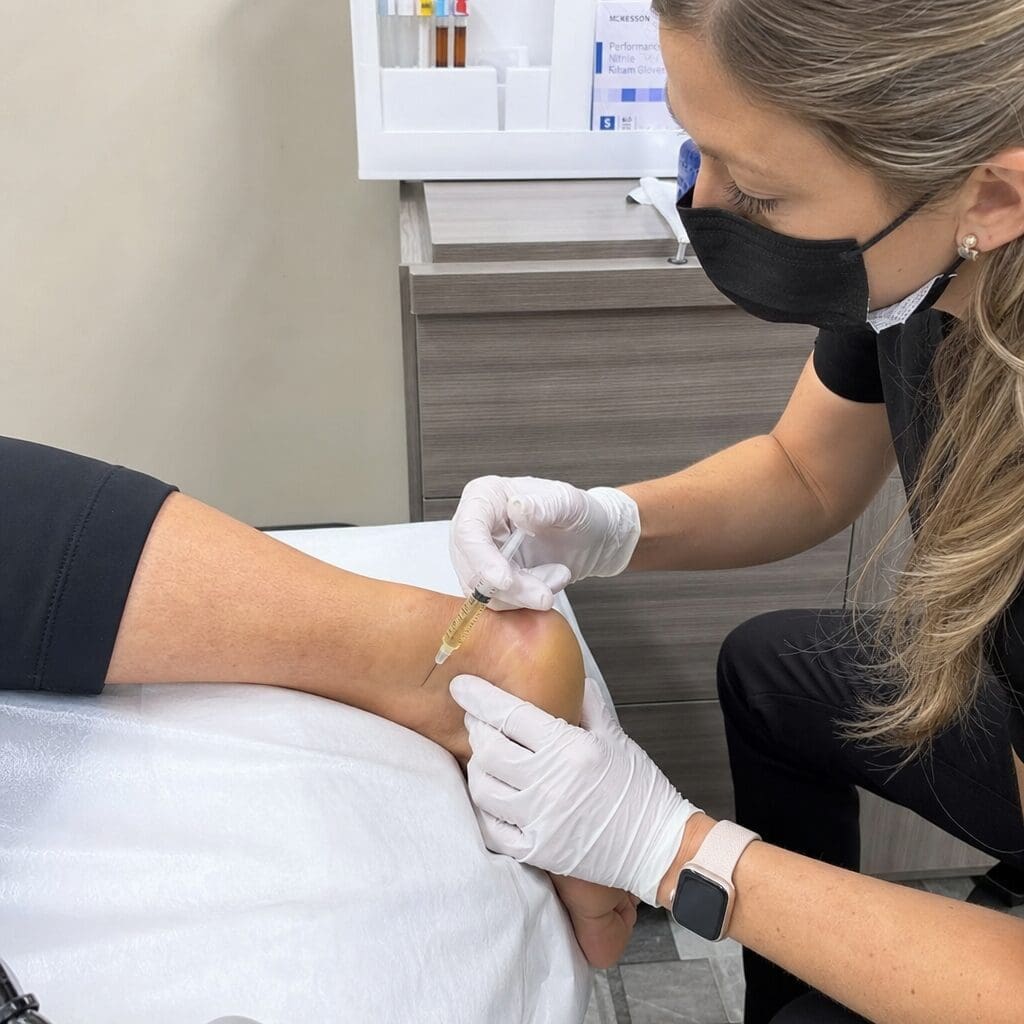
Healing pain. Your body must repair muscles, tendons, ligaments, joints, nerves, and other damaged tissues. This process requires proper movement, enough rest, controlled rehabilitation, and the right nutrients.

At ChiroMed – Integrated Medicine in El Paso, the goal is to connect the mechanical and biological sides of recovery. Chiropractic care can help improve joint motion, spinal alignment, posture, and movement. Rehabilitation can rebuild strength and stability. Regenerative therapies may support the body’s natural repair response. Nutrition supplies the protein, vitamins, minerals, healthy fats, and energy needed to complete that work.

A whole-food, anti-inflammatory diet cannot replace medical care, chiropractic treatment, rehabilitation, or regenerative procedures. However, it can create a healthier internal environment in which these treatments may work together more effectively.

How Food Supports the Healing Process

After an injury, the body enters a series of healing stages. It must control the initial damage, remove injured cells, form new tissue, and strengthen that tissue over time.

Each stage requires nutrients.

Protein provides amino acids used to rebuild muscles, tendons, ligaments, cartilage, and other soft tissues. Vitamin C supports collagen production. Zinc supports cell growth and wound healing. Healthy fats help form cell membranes and support a balanced inflammatory response. Water transports nutrients and oxygen to recovering tissues.

A poor diet may make this work harder. Sugary drinks, fried foods, heavily processed snacks, and refined carbohydrates often replace the nutrient-rich foods the body needs. They may also contribute to blood sugar problems, oxidative stress, and ongoing systemic inflammation (Ascend Chiropractic Integrative Health Center, 2025; New Regeneration Orthopedics, 2025). Acute Inflammation Versus Chronic Inflammation

Inflammation is not always harmful. Short-term inflammation is part of the normal healing process. It helps bring immune cells and repair signals to an injured area.

This is especially important after platelet-rich plasma, or PRP, therapy. PRP is prepared from a patient’s own blood and contains concentrated platelets. These platelets release growth factors that help signal tissue repair.

Mild soreness, swelling, or stiffness may occur after a regenerative procedure. This does not always mean that something has gone wrong. It may be part of the early healing response.

Chronic inflammation is different. It is a long-lasting, body-wide state that may be connected to poor blood sugar control, excess body fat, smoking, heavy alcohol intake, poor sleep, high stress, and a highly processed diet.

An anti-inflammatory nutrition plan is not meant to block every normal healing signal. Its purpose is to reduce unnecessary systemic inflammation while giving the body the materials required for repair.

Some medical professionals recommend avoiding nonsteroidal anti-inflammatory drugs around PRP procedures because these medications may affect platelet activity and the early inflammatory phase. However, patients should never stop aspirin, ibuprofen, naproxen, blood thinners, or prescribed medication without direct instructions from the treating medical professional (Ospina Medical, 2025). With High-Quality Protein

Protein is one of the most important parts of an injury-recovery diet. The body uses protein to repair muscle fibers, produce collagen, support immune activity, and rebuild connective tissue.

Good protein choices include:

  • Fish and seafood
  • Chicken and turkey
  • Lean cuts of beef
  • Eggs
  • Greek yogurt and cottage cheese
  • Beans and lentils
  • Chickpeas
  • Tofu and tempeh
  • Nuts and seeds
  • Quinoa

Try to include a protein source with breakfast, lunch, and dinner. Spreading protein throughout the day gives the body a steady supply of amino acids.

Protein needs may be higher during rehabilitation or recovery from a serious injury. However, the correct amount depends on body weight, activity, age, kidney function, medical conditions, and the type of injury. Patients with kidney disease or other health concerns should receive personalized medical or nutritional guidance before greatly increasing protein intake (Global Stem Cell Care, 2026; New Regeneration Orthopedics, 2025). Fruits and Vegetables in Different Colors

Fruits and vegetables provide antioxidants and plant nutrients that help protect cells from oxidative stress. They also provide fiber, potassium, magnesium, vitamin C, vitamin A, and many other nutrients involved in recovery.

Helpful choices include:

  • Blueberries, strawberries, and cherries
  • Oranges, kiwi, papaya, and grapefruit
  • Spinach, kale, and collard greens
  • Broccoli and cauliflower
  • Bell peppers and tomatoes
  • Carrots, squash, and sweet potatoes
  • Garlic, ginger, and turmeric
  • Beets, onions, and fresh herbs

Vitamin C is especially important because the body uses it to produce collagen. Collagen forms part of tendons, ligaments, cartilage, skin, blood vessels, and other connective tissues that are being repaired.

A simple goal is to fill about half of the plate with vegetables and fruit. Eating several colors each day usually provides a wider range of protective nutrients (Ubie Health, 2026a). e Fats That Support Recovery

Healthy fats provide energy and help the body absorb vitamins A, D, E, and K. Omega-3 fatty acids may also help support a healthier inflammatory balance.

Sources of healthy fats include:

  • Salmon, trout, sardines, and mackerel
  • Extra-virgin olive oil
  • Avocados
  • Walnuts and almonds
  • Pumpkin and sunflower seeds
  • Chia seeds
  • Ground flaxseed

Fried foods, shortening, trans fats, and heavily processed meats should be limited. These foods can add calories without supplying the same range of healing nutrients found in whole foods.

Healthy fats are still high in calories, so portions matter. The goal is not to eat unlimited amounts of fat. The goal is to replace highly processed fats with better-quality choices.

Hydration Is Part of the Treatment Plan

Water supports blood circulation, digestion, joint lubrication, temperature control, and nutrient transport. It is also important when blood is being collected for a PRP procedure.

Patients should drink water regularly throughout the day instead of trying to correct dehydration right before an appointment. Water, broth, unsweetened herbal tea, and low-sugar electrolyte drinks may be useful.

Fluid needs may increase during:

  • Hot El Paso weather
  • Exercise
  • Physical rehabilitation
  • Heavy sweating
  • Illness
  • Travel
  • Outdoor work

Patients with kidney disease, heart failure, liver disease, or medical fluid restrictions should follow their physician’s instructions instead of increasing water on their own (Global Stem Cell Care, 2026; New Regeneration Orthopedics, 2025). Diet Timing Around PRP and Regenerative Procedures

The overall quality of the diet matters more than one special meal. Still, nutrition before and after a procedure may help support energy, comfort, hydration, and recovery.

Two to Four Weeks Before Treatment

Begin building a whole-food diet before the scheduled procedure. Do not wait until the night before.

Focus on:

  • Protein at each meal
  • Colorful vegetables and fruit
  • Healthy fats
  • Whole-food carbohydrates
  • Adequate water
  • Regular meals
  • Reduced alcohol
  • Fewer fried and processed foods
  • Less added sugar

This period may also allow the care team to review blood sugar, vitamin levels, anemia, hydration, medications, and other factors that could influence recovery.

The 48 to 72 Hours Before PRP

PRP comes from the patient’s blood, so hydration and recent health habits may be important.

A practical pre-PRP plan may include:

  • Lean protein
  • Berries and citrus fruit
  • Leafy green vegetables
  • Bell peppers and broccoli
  • Fish, walnuts, or flaxseed
  • Whole grains
  • Water and approved electrolytes

Alcohol, excessive sugar, fried food, and heavily processed meals should generally be limited. Some clinicians also recommend a light meal before PRP rather than a large, greasy one.

Medication instructions must come directly from the treating provider. Do not stop aspirin, blood thinners, anti-inflammatory drugs, or other medications based only on an online nutrition article (Ubie Health, 2026a). r PRP or Another Regenerative Procedure

Continue eating balanced meals after treatment. The body will need protein, vitamin C, zinc, healthy fats, fluids, and enough total energy during the healing period.

A simple meal could include:

  • Grilled salmon, sweet potato, and broccoli
  • Chicken, brown rice, and mixed vegetables
  • Eggs, whole-grain toast, avocado, and berries
  • Lentil soup with a spinach salad
  • Greek yogurt with fruit, walnuts, and seeds

Nutrition supports healing, but it does not protect new tissue from excessive stress. Follow all instructions regarding rest, rehabilitation, lifting, exercise, and returning to normal activity.

Eating Around Chiropractic and Rehabilitation Visits

Most patients do not need a special diet before a chiropractic adjustment or rehabilitation session.

A light meal one to three hours beforehand may help prevent hunger, weakness, or low energy. Good options include:

  • Greek yogurt with berries
  • Eggs with whole-grain toast
  • Chicken with rice and vegetables
  • A banana with peanut butter
  • A low-sugar smoothie with protein and fruit

Avoid very large, greasy meals right before treatment. They may cause discomfort when lying face down, stretching, or performing exercises.

After rehabilitation, choose a meal containing protein, vegetables, and a healthy carbohydrate. This combination helps replace energy and provides building materials for tissue recovery.

Nutrition With MLS Laser and Shockwave Therapy

MLS laser therapy and shockwave therapy may be included in a larger musculoskeletal recovery plan. Nutrition does not change the energy produced by these treatments. Instead, it supports the tissues that are responding to care.

A patient receiving laser or shockwave therapy may still need:

  • Enough protein for tissue repair
  • Vitamin C for collagen production
  • Minerals such as zinc and magnesium
  • Healthy fats
  • Water
  • Controlled rehabilitation
  • Adequate sleep

Treatment works best as part of a coordinated plan. A procedure alone cannot correct poor movement habits, weak muscles, inadequate sleep, or a diet lacking essential nutrients.

Special Instructions Before Epidural Injections

Epidural injection instructions may be very different from the instructions for chiropractic care, laser therapy, or PRP.

When sedation is planned, patients may be instructed to:

  • Stop eating for a set period
  • Limit certain fluids
  • Arrange transportation
  • Adjust diabetes medication
  • Follow special blood-thinner instructions
  • Avoid driving after the procedure

The procedural team’s instructions always take priority over general nutrition advice. Do not eat or drink before an epidural injection until the clinic has confirmed whether fasting is required.

The ChiroMed Multidisciplinary Approach

ChiroMed – Integrated Medicine uses a multidisciplinary model in which different providers and treatments work together instead of creating several disconnected plans.

A coordinated ChiroMed injury-recovery plan may include:

  • Medical assessment and oversight
  • Chiropractic spine and joint care
  • Nurse practitioner services
  • Functional medicine
  • Nutritional guidance
  • Personal injury care
  • Physical rehabilitation
  • Massage and soft-tissue therapy
  • Spinal decompression
  • MLS laser therapy
  • Shockwave therapy
  • Pain-management coordination
  • Regenerative options when appropriate
  • Medical and legal injury documentation

The goal is to guide patients from pain and limited movement toward improved function, strength, mobility, and a safer return to daily activities. Clinical Oversight From Dr. Maria Guadalupe Cardenas

Dr. Maria Guadalupe Cardenas, MD, is Board Certified in Internal Medicine and has more than 40 years of experience as an internist. Clinic materials identify her as Medical Director and Collaborative Physician at Injury Medical Clinic PA.

Her listed professional information includes:

  • NPI: 1164426749
  • Texas MD license: J2933
  • Specialty: Internal medicine
  • Role: Medical Director and Collaborative Physician

Dr. Cardenas provides medical direction alongside Dr. Alex Jimenez, DC. This coordinated structure allows medical and chiropractic professionals to examine different parts of the patient’s health.

Medical oversight may be important when a patient has diabetes, high blood pressure, kidney disease, heart disease, medication concerns, abnormal laboratory findings, or other conditions that could affect healing or procedural safety. cal Observations From Dr. Alexander Jimenez

Dr. Alexander Jimenez, DC, APRN, FNP-BC, CCST, CFMP, IFMCP, ATN, brings together chiropractic care, family nurse practitioner training, functional medicine, rehabilitation, personal injury care, and clinical documentation.

In his clinical observations, Dr. Jimenez emphasizes that an injury should not be viewed as only one painful joint or body part. Recovery may also be affected by:

  • Poor blood sugar control
  • Inadequate protein intake
  • Vitamin or mineral deficiencies
  • Poor sleep
  • High stress
  • Muscle weakness
  • Limited joint motion
  • Poor posture
  • Ongoing systemic inflammation
  • Returning to activity too quickly

A chiropractic adjustment may improve joint movement, but the body still needs nutrients to repair strained tissues. A regenerative procedure may provide repair signals, but rehabilitation is needed to guide the healing tissue. Exercise can rebuild strength, but poor nutrition may slow recovery.

This creates a clear step-by-step approach:

  1. Identify the injured tissues and movement problems.
  2. Review health conditions that may affect recovery.
  3. Reduce pain and irritation.
  4. Support the body with food, water, sleep, and medical care.
  5. Restore motion through chiropractic and rehabilitation.
  6. Rebuild strength and stability.
  7. Return the patient to daily activities at a safe pace.

The ChiroMed model combines chiropractic care, medical oversight, functional medicine, personal injury services, rehabilitation, and regenerative options to support this larger recovery process. A Simple Healing Plate

A healing-focused meal does not need to be complicated.

Use this basic guide:

  • One-quarter protein: Fish, chicken, eggs, beans, lentils, or tofu
  • One-half produce: Leafy greens, vegetables, berries, or fruit
  • One-quarter quality carbohydrates: Brown rice, quinoa, oats, beans, or potatoes
  • A small serving of healthy fat: Olive oil, avocado, nuts, or seeds
  • Water: Drink regularly throughout the day

Supplements may help when a true deficiency is present, but more is not always better. Iron, vitamin D, zinc, omega-3 products, herbs, collagen, and other supplements may interact with medications or affect bleeding.

Patients should review supplements with their healthcare professional before a regenerative procedure, epidural injection, or medication change.

Supporting Healing From the Inside and Outside

Chiropractic care helps address movement, alignment, posture, and joint mechanics. Medical oversight helps identify health risks and manage conditions that may affect recovery. Regenerative therapies may stimulate a repair response. Rehabilitation helps the body regain strength and control.

Nutrition supports all these areas by providing the materials the body needs to heal.

The best recovery diet is not an extreme cleanse, a temporary fast, or a long list of expensive supplements. It is a steady whole-food plan based on protein, vegetables, fruit, healthy fats, quality carbohydrates, and adequate hydration.

At ChiroMed – Integrated Medicine in El Paso, this nutritional foundation can be coordinated with chiropractic care, medical oversight, functional medicine, personal injury care, rehabilitation, and related services. The goal is not only to reduce symptoms. It is to help the patient move better, heal more completely, and build a stronger foundation for long-term health.


References

Ascend Chiropractic Integrative Health Center. (2025, April 23). Eat to heal: How nutrition supports your chiropractic care.

ChiroMed. (n.d.-a). ChiroMed: Integrated medicine and holistic healthcare in El Paso, Texas.

ChiroMed. (n.d.-b). Integrated injury care in El Paso, Texas.

ChiroMed. (n.d.-c). Sciatica relief with regenerative medicine and chiropractic.

Global Stem Cell Care. (2026, June 24). Diet tips for platelet-rich plasma patients.

Herald Square Chiropractic and Sport. (n.d.). How smart diet choices can aid your physical therapy sessions.

Jimenez, A. (n.d.-a). Dr. Alex Jimenez, DC, APRN, FNP-BC.

Jimenez, A. (n.d.-b). Dr. Alex Jimenez professional profile.

Jimenez, A. (2026). Dr. Maria Cardenas, MD: Board-certified internal medicine specialist.

New Regeneration Orthopedics. (2025, April 4). Optimizing recovery: Why nutrition and supplements matter after PRP and bone marrow concentrate procedures.

Ospina Medical. (2025, January 15). Anti-inflammatory medication and PRP recovery: Why patience pays off.

Specialty Spine Care. (n.d.). Regenerative medicine diet and nutrition.

Ubie Health. (2026a, May 6). What to eat before PRP to maximize your growth factors.

Ubie Health. (2026b, May 6). How to fix slow healing: PRP and diet for the best results.

Clinical Application: Weight Management for Success


Find out how weight management techniques in a clinical application can support your journey towards a healthier weight.

Abstract: A Modern, Integrative Approach to Obesity Management

Obesity is a chronic, relapsing, and multifactorial disease that affects a staggering number of individuals worldwide. This educational post delves into the complexities of obesity, moving beyond outdated notions of willpower to explore its deep-seated neurobehavioral, metabolic, and genetic roots. We will examine the latest findings on the pharmacology of weight management, exploring how modern, evidence-based medications such as GLP-1 receptor agonists, GIP/GLP-1 therapies, naltrexone-bupropion, and others can serve as powerful tools in a comprehensive treatment plan. This discussion will highlight the critical need to combat weight bias in healthcare, which significantly hinders patient outcomes. Furthermore, we will explore how an integrative care model that combines advanced chiropractic techniques with internal medicine, functional medicine, and personalized rehabilitation provides a holistic and effective pathway for patients on their journey toward sustainable health. At our clinic, this collaborative approach is championed by Mr. Maria Guadalupe Cardenas, MD, and me, ensuring our patients receive comprehensive, multidisciplinary care.

Our Collaborative and Integrative Care Model in El Paso

At Injury Medical Clinic PA, also known as Mission Plaza Injury Medical Clinic, in El Paso, Texas, we have cultivated a unique and powerful multidisciplinary environment designed to address complex health issues, such as obesity, from multiple angles. I am Dr. Alex Jimenez, and my expertise in chiropractic care, functional medicine, and Family Nurse Practitioner practice is complemented by the invaluable medical oversight of Dr. Maria Guadalupe Cardenas, MD. Dr. Cardenas is Board Certified in Internal Medicine and serves as our Medical Director and Collaborative Physician. With over 40 years of experience as an internist (NPI #1164426749, Texas MD License #J2933), she provides the essential medical framework for our integrative protocols.

This collaborative setup allows us to blend different disciplines for a truly holistic patient experience seamlessly:

  • Medical Oversight (Dr. Cardenas): Dr. Cardenas provides crucial medical direction, overseeing diagnoses and medication management, and ensuring that all treatments align with established medical safety and efficacy standards. Her role is vital, especially when considering pharmacotherapy for obesity and its related comorbidities such as hypertension, type 2 diabetes, and cardiovascular risk.
  • Chiropractic and Functional Medicine (Dr. Jimenez): My role involves focusing on the biomechanical and functional aspects of health. Through advanced chiropractic adjustments, we address musculoskeletal issues such as osteoarthritis, which is often exacerbated by excess weight. Using a functional medicine lens, we investigate the root causes of metabolic dysfunction, from gut health to hormonal imbalances, creating personalized nutritional and lifestyle strategies.
  • Integrated Services: Our team works cohesively to offer a spectrum of care that includes personal injury rehabilitation, physical therapy, and nutritional counseling. This allows us to create a unified treatment plan in which a patient can receive a chiropractic adjustment to alleviate back pain, consult with a provider on evidence-based weight-management medications under medical supervision, and receive a personalized nutrition plan, all within one coordinated system.

This team-based approach ensures that we treat the whole person, not just the symptoms, embodying the principles of modern, patient-centered integrative care. Patients are not isolated body parts; a patient with obesity, diabetes, back pain, and depression needs a coordinated strategy that respects the whole person.

Deconstructing Obesity: A Chronic and Complex Disease

We must begin by framing obesity correctly. It is not a simple matter of choice or a lack of discipline. Obesity is a chronic, progressive, relapsing, and treatable disease. This perspective is fundamental to how we approach patient care. When patients stop their anti-obesity medications, the weight often returns. This is no different than when a patient stops their antihypertensive medication, and their blood pressure rises, or when they stop chemotherapy and a malignancy returns. The condition relapses because it is chronic and deeply embedded in our physiology.

Obesity is profoundly multifactorial. It involves intricate neurobehavioral, neuroendocrine, and metabolic components. The accumulation of excess body fat promotes adipose tissue dysfunction, which is a key driver of the chronic inflammation and metabolic chaos associated with the disease. Obesity affects the body through several overlapping mechanisms:

  • Insulin resistance
  • Chronic low-grade inflammation
  • Leptin resistance
  • Altered appetite regulation
  • Reward pathway dysregulation
  • Mitochondrial dysfunction
  • Reduced skeletal muscle metabolic flexibility
  • Gut-brain signaling changes
  • Sleep disruption and cortisol imbalance
  • Mechanical overload on the spine, hips, knees, and feet

The consequences are far-reaching, impacting every system of the body:

  • Metabolic: Type 2 diabetes, dyslipidemia, hypertension.
  • Biomechanical: Osteoarthritis, back pain, incontinence.
  • Psychosocial: Depression, anxiety, social stigma, and discrimination.

In the United States, the statistics are sobering. 41.9% of the adult population meets the criteria for obesity (BMI ≥ 30), and a startling 9.2% have severe obesity (BMI ≥ 40). These numbers underscore the urgency of developing effective, accessible, and compassionate treatment strategies.

The Social and Environmental Drivers of Obesity

When we consider the roots of this epidemic, we must look beyond the individual to the broader environment. I often refer to the “social determinants of obesity” because factors like socioeconomic status, education, and environment play such a powerful role.

  • Economic Instability: For centuries, poverty was associated with being underweight. Today, the opposite is often true. In many impoverished areas, access to fresh, nutrient-dense food is limited, while calorie-dense, processed foods are cheap and abundant. This creates an environment where metabolic disease can thrive.
  • Neighborhood and Built Environment: If a person lives in a neighborhood where it is unsafe to walk outside, opportunities for regular physical activity are severely limited. The lack of green spaces, sidewalks, and recreational facilities contributes directly to a sedentary lifestyle.
  • Genetic and Hormonal Factors: We are identifying an ever-growing list of genetic and hormonal players that regulate appetite and metabolism, including ghrelin (the “hunger hormone”), GLP-1 (a satiety hormone), and leptin (which signals fullness). Research into the gut microbiota is also revealing how the balance of our intestinal flora can profoundly influence weight.
  • The Modern Environment: The rise of technology has engineered physical activity out of our daily lives. From desk jobs to digital entertainment, we are more sedentary than any previous generation.

Over the last decade, virtually every major medical organization, including the American Medical Association, has officially recognized obesity as a disease. This recognition is a critical step, as it validates the patient’s struggle and opens the door for proper diagnosis, treatment, and insurance coverage.

The Overwhelming Complexity of Appetite Regulation

The regulation of our appetite is an incredibly complex symphony conducted by the brain and a host of hormones. When you look at the intricate network of signals involved, it’s easy to see how a disruption in even one pathway can lead to dysfunction. Hormones like leptin, cortisol, ghrelin, and GLP-1 are in constant communication with the brain’s appetite centers, like the hypothalamus.

For many individuals with obesity, these signaling pathways are dysregulated. They may have leptin resistance, in which the brain doesn’t receive the “I’m full” signal, or ghrelin imbalances that drive persistent hunger. It becomes incredibly difficult for someone to “overpower” these potent neuroendocrine signals through willpower alone. This physiological reality is often overlooked, leading to significant clinical inertia.

Consider this shocking statistic: of the 100 million people with obesity in the United States, less than 1% receive a prescription for an anti-obesity medication. Less than 300,000 undergo bariatric surgery, despite 9.2% of the population having severe obesity. Why is there such a massive gap between the need for treatment and the care being provided? A large part of the answer lies in bias.

Binge Eating Disorder and the Physiology of Loss of Control Eating

A key concept in obesity care is recognizing binge eating disorder (BED). Binge eating disorder is not simply eating too much. It involves eating, within a discrete period of time, an amount of food larger than most people would eat under similar circumstances, combined with a sense of loss of control during the episode.

Clinically, binge eating episodes are often associated with several features:

  • Eating much more rapidly than normal
  • Eating until uncomfortably full
  • Eating large amounts when not physically hungry
  • Eating alone because of embarrassment
  • Feeling disgusted, depressed, guilty, or ashamed afterward
  • Marked distress about binge eating
  • Episodes occurring at least once weekly for at least three months
  • Absence of compensatory behaviors, such as purging, that would suggest bulimia nervosa

In practice, patients may describe getting up at night to eat while family members are asleep, hiding food, eating in the car, or waking up the next morning feeling shame and physical discomfort. I approach these disclosures with compassion because shame worsens the cycle. Patients need an evidence-based treatment plan, not judgment.

The physiology behind binge eating disorder involves dysregulation of:

  • Dopamine reward pathways
  • Impulse control circuits
  • Stress-related cortisol signaling
  • Serotonin and norepinephrine pathways
  • Prefrontal cortex regulation
  • Gut-brain satiety signaling
  • Emotional regulation networks

From a clinical standpoint, binge eating disorder can drive weight gain, worsen insulin resistance, aggravate depression and anxiety, and contribute to musculoskeletal pain because additional body mass increases mechanical load across the spine and joints.

Confronting Weight Bias: The Last Socially Acceptable Discrimination

Weight bias and stigma are perhaps the greatest barriers to effective obesity care. There is a pervasive, often unconscious, belief in our society—and even within the medical community—that obesity is a character flaw, a result of laziness or a lack of willpower. This prejudice is not only hurtful but also dangerous.

Research has shown that patients who experience weight bias have increased complications and mortality, independent of their BMI. The bias itself, through the stress it causes and the lack of care it fosters, becomes a risk factor. What drives this?

  • Lack of Reimbursement: Historically, treatments for obesity, especially medications, have not been well-covered by insurance, discouraging providers from offering them.
  • Time Constraints: Meaningful lifestyle counseling takes time, a luxury many providers in a fee-for-service model do not have.
  • Cultural Stigma: The belief that “people should just try harder” prevents us from treating obesity with the same seriousness as other chronic diseases.

This bias manifests in shocking ways. Imagine if we told patients with schizophrenia to “just stop listening to the voices.” It sounds absurd, yet we often tell patients with obesity to “just eat less and move more,” ignoring the powerful physiological drivers of their condition. We require extensive psychological screening for bariatric surgery patients—a practice not required for equally life-altering procedures like coronary artery bypass grafts—based on the biased assumption that overeating is purely a behavioral problem.

In a landmark Harvard study on implicit bias, weight bias was the only form found to increase over time. As providers, we must be the ones to break this cycle.

Shifting the Conversation: How to Engage Patients Effectively

The first step in combating bias is to change the way we talk to our patients. We need to approach the conversation with empathy, respect, and a genuine desire to help. The 5 A’s model provides a great framework:

  • Ask: “Is it okay if we talk about your weight and its potential effects on your health?” This simple question asks for permission and shows respect for the patient’s autonomy.
  • Assess: Take a detailed history. Understand their weight journey, family history, what they’ve tried in the past, and their understanding of how weight impacts health.
  • Advise: Provide clear, non-judgmental advice. Explain that even a modest weight loss of 3-5% can lead to significant improvements in blood pressure, blood sugar, and cholesterol.
  • Agree: Work with the patient to set realistic, achievable goals. What is a goal weight they feel is sustainable?
  • Arrange/Assist: Connect them with the resources they need. This could be a referral to a dietitian, an exercise program, or a discussion about pharmacotherapy or surgical options.

This approach transforms the conversation from one of judgment to one of partnership. Shared decision-making improves adherence because the patient becomes an active participant rather than a passive recipient.

A Framework for Treatment: Lifestyle, Medication, and Surgery

Our treatment approach is tiered and personalized, based on BMI and the presence of comorbidities (obesity-related health conditions). Current research strongly supports the idea that obesity should be treated as a chronic disease requiring ongoing monitoring, not as a temporary problem solved by short-term dieting. The Endocrine Society, American Gastroenterological Association, and American Diabetes Association emphasize that structured lifestyle therapy, medication when appropriate, and long-term follow-up are essential for improving outcomes (Apovian et al., 2015; American Diabetes Association Professional Practice Committee, 2026; Grunvald et al., 2022).

  • Lifestyle Interventions (BMI ≥ 25 with comorbidities, or ≥ 30): This is the foundation for everyone. It includes healthy eating, regular physical activity, and behavioral therapy. As a chiropractor and functional medicine practitioner, I often begin here, helping patients build a sustainable foundation. We focus on anti-inflammatory food plans, stress management techniques, and personalized exercise regimens that account for any musculoskeletal limitations.
  • Pharmacotherapy (BMI ≥ 27 with comorbidities, or ≥ 30): Medications should be considered for patients who have not reached their goals with lifestyle changes alone. These are not “magic pills” but powerful tools to aid the biological processes of appetite and metabolism.
  • Bariatric Surgery (BMI ≥ 35 with comorbidities, or ≥ 40): For individuals with severe obesity, surgery remains the most effective long-term treatment for significant weight loss and remission of comorbidities. It is a vital option that is tragically underutilized. A shocking 71% of providers never discuss surgical options with eligible patients.

Our goal is typically a 5-10% reduction in total body weight over six months. This level of weight loss is clinically significant and can dramatically reduce health risks.

Why “First, Do No Harm” Matters in Obesity Treatment

One of the most important principles I use in integrative obesity care is “first, do no harm.” Before adding a new medication or supplement, I want to understand whether the patient is already taking medications that may be contributing to weight gain. Common obesogenic medications may include:

  • Antidepressants and Antipsychotics: (e.g., some SSRIs, mirtazapine, olanzapine)
  • Anticonvulsants/Mood Stabilizers: (e.g., valproate, gabapentin)
  • Antidiabetic Agents: (e.g., sulfonylureas, insulin)
  • Corticosteroids: (e.g., prednisone)
  • Certain beta-blockers
  • Certain antihistamines
  • Some hormonal therapies

Shockingly, patients with obesity are often prescribed these medications more frequently. If a patient is on one of these drugs and struggling with their weight, we collaborate with their prescribing physician to see if a weight-neutral or weight-loss-promoting alternative exists. For instance, a patient with diabetes on a sulfonylurea like glyburide might be a candidate for a GLP-1 receptor agonist or an SGLT2 inhibitor, which can aid in weight loss. This is a perfect example of how the collaboration between Dr. Cardenas and me benefits the patient, ensuring patient safety and optimized outcomes.

Modern Pharmacotherapy for Weight Management

The good news is that we now have a growing arsenal of safe and effective long-term medications for obesity. All approved medications are more effective than placebo. A 12-week trial is often sufficient to determine whether a medication is working for a patient. If a patient does not achieve at least a 5% reduction in body weight after approximately 3 months at a therapeutic dose, we reassess the plan.

Here is an overview of some key long-term options:

  • Phentermine/Topiramate (Qsymia): This combination drug pairs a well-known appetite suppressant (phentermine) with an anticonvulsant (topiramate) that also reduces appetite and may lower leptin levels. Because phentermine can stimulate the sympathetic nervous system, increasing heart rate and blood pressure, it requires careful dose titration and monitoring, especially in patients with cardiovascular concerns.
  • Naltrexone/Bupropion (Contrave): This combination works on the brain’s reward and appetite-control centers. Bupropion stimulates the POMC system to reduce appetite, while naltrexone blocks an inhibitory feedback loop, allowing the appetite-suppressing effect to persist. This may be particularly useful for patients with co-occurring depression or reward-driven eating patterns.
  • Orlistat: This medication works by inhibiting gastrointestinal lipases, thereby reducing the absorption of dietary fat. It is a non-stimulant option but can cause gastrointestinal side effects and may interfere with the absorption of fat-soluble vitamins (A, D, E, K), requiring monitoring.
  • Liraglutide (Saxenda): A daily injectable GLP-1 receptor agonist. GLP-1 is a natural gut hormone that slows stomach emptying, promotes feelings of fullness (satiety), and acts on the brain’s appetite centers. It is started at a low dose and titrated up to 3.0 mg daily to manage potential GI side effects like nausea.
  • Semaglutide (Wegovy): A weekly injectable GLP-1 receptor agonist. It works similarly to liraglutide but has a longer half-life, allowing for once-weekly dosing. It has demonstrated even greater weight loss in clinical trials, with an average loss of approximately 15% of body weight (Blundell et al., 2017; Wilding et al., 2021). It is important to note that semaglutide is sold as Ozempic for type 2 diabetes and Wegovy for chronic weight management; they are the same molecule but have different indications and dosing.
  • Tirzepatide (Zepbound): A novel weekly injectable that is a dual GIP/GLP-1 receptor agonist. By targeting two different incretin hormone pathways, it produces a powerful synergistic effect on appetite suppression and glucose control. Clinical trials have shown unprecedented levels of weight loss, with some participants achieving more than a 20% reduction in body weight (Jastreboff et al., 2022). This potent therapy may be particularly appropriate for patients with severe obesity.
  • Lisdexamfetamine (Vyvanse): While not approved for general obesity, this medication is FDA-approved for moderate to severe binge eating disorder (BED). Since BED is a common co-occurring condition in patients with obesity, identifying and treating it can be a critical part of the overall weight management strategy. It works on dopamine and norepinephrine pathways to improve impulse control (McElroy et al., 2015).

Emerging Obesity Medications and Future Directions

The obesity medicine pipeline is advancing quickly. Researchers are studying therapies that may produce even more substantial weight loss while improving metabolic markers. Emerging therapies include:

  • Retatrutide: A triple agonist targeting GLP-1, GIP, and glucagon receptors, which has shown very large weight reduction percentages in trials (Jastreboff et al., 2023).
  • Oral GLP-1 agonists: Medications like orforglipron and danuglipron are being developed to provide an oral alternative to injections.
  • Combination therapies: CagriSema, a combination of cagrilintide and semaglutide, is being studied for its synergistic effects on appetite and metabolism.

Discovering the Benefits of Chiropractic Care- Video


The Role of Integrative Chiropractic Care in Weight Management

So, where does integrative chiropractic care fit into this modern, medical approach? It is a crucial component of our holistic model, addressing the biomechanical consequences of excess weight and enhancing the body’s ability to heal and adapt.

  1. Addressing Biomechanical Pain: Excess weight places tremendous stress on the musculoskeletal system, leading to conditions like osteoarthritis, degenerative disc disease, and chronic back and joint pain. In my clinical observations, I frequently see patients whose weight-related concerns overlap with low back pain, sciatica, and knee pain. This pain creates a vicious cycle: it hurts to move, so the person becomes more sedentary, which can lead to further weight gain. Through precise chiropractic adjustments, spinal decompression, and soft tissue therapies, we can alleviate pain, improve joint function, and restore mobility. This enables patients to engage in the physical activity essential for weight loss.
  2. Improving Neurological Function: The spine houses the central nervous system, which is the master controller of all bodily functions, including metabolism and hormonal regulation. By correcting spinal misalignments (subluxations), we can reduce interference in the nervous system, potentially improving the body’s ability to self-regulate and heal.
  3. Functional Medicine and Lifestyle Coaching: As a practitioner certified in functional medicine, I look beyond the symptoms to find the underlying root causes of dysfunction. We may use advanced testing to assess gut health, hormonal imbalances, or nutrient deficiencies that contribute to weight gain. Based on these findings, we develop highly personalized nutrition plans, stress-reduction protocols, and targeted supplement recommendations to optimize metabolic function from the inside out.
  4. Rehabilitation and Muscle Preservation: A major concern with weight loss, particularly rapid loss, is the loss of lean muscle mass. Muscle is critical for resting metabolic rate, glucose disposal, and long-term weight maintenance. My clinical approach, as reflected on my professional platforms like ChiroMed and my LinkedIn profile, emphasizes a rehabilitation-focused plan that includes progressive resistance training, core stabilization, and balance work to preserve this metabolically active tissue. Movement is metabolic medicine.

By integrating these approaches under the medical direction of Dr. Cardenas, we ensure that the patient is supported on every level—structurally, neurologically, metabolically, and medically.

Final Clinical Takeaway

If there is one concept I want patients and clinicians to remember from this post, it is this: obesity care must be individualized, medically safe, and integrated. Before adding a medication, we must ask whether current medications are worsening weight gain. Before recommending exercise, we must ask whether pain, injury, or joint dysfunction is limiting movement. Before assuming noncompliance, we must ask whether binge eating disorder, depression, anxiety, or sleep apnea are present.

With the collaborative oversight of Dr. Maria Guadalupe Cardenas, MD, and the integrative chiropractic, functional medicine, and rehabilitation services I provide, our El Paso practice model is designed to evaluate the whole patient. Modern obesity medicine is no longer about simply telling people to eat less and move more. It is about understanding physiology, reducing harm, improving function, supporting the nervous and musculoskeletal systems, and applying evidence-based tools with compassion and precision. This is the future of effective and compassionate obesity care.


References


SEO Tags: Obesity Management, Integrative Care, Chiropractic, Functional Medicine, Weight Loss Medication, Semaglutide, Tirzepatide, Weight Bias, Dr. Alex Jimenez, Dr. Maria Guadalupe Cardenas MD, El Paso, TX, Chronic Disease, Pharmacotherapy, Lifestyle Intervention, Adipose Tissue Dysfunction, Appetite Regulation, GLP-1 Agonists, Binge Eating Disorder, Lisdexamfetamine, Collaborative Healthcare, Injury Medical Clinic PA, Mission Plaza Injury Medical Clinic, metabolic health, personal injury rehabilitation, chiropractic weight loss support, prediabetes, type 2 diabetes, obesity treatment, musculoskeletal pain, rehabilitation, internal medicine collaborative care, El Paso Texas healthcare

Regenerative Therapies for Wellness, Exercise, and Fitness

Pain and injuries can make exercise feel difficult or unsafe. A painful knee may change the way you walk. A shoulder injury may prevent you from lifting weights. An irritated spinal nerve may cause pain, numbness, tingling, or weakness that travels into an arm or leg.

At ChiroMed in El Paso, Texas, recovery is viewed as more than simply lowering pain. The goal is to understand why the pain is happening, support injured tissues, restore healthy movement, and help the patient return to exercise, work, sports, and daily activities safely.

Regenerative therapies such as platelet-rich plasma, platelet-free or platelet-poor plasma, and microfragmented adipose tissue may support the body’s natural repair process in carefully selected patients. Epidural spinal injections may help calm inflammation around irritated spinal nerves. IV infusion nutrient therapy may support hydration and correct certain nutritional deficiencies when medically appropriate.

These treatments may work best when combined with chiropractic care, functional medicine, rehabilitation, and tailored exercise. This team-based approach creates an environment where biological repair, structural alignment, cellular nutrition, and physical conditioning work together.

Building a Better Environment for Recovery

An injury can involve several problems at the same time.

A joint may be inflamed. A ligament may be weak. A spinal nerve may be irritated. Nearby muscles may tighten to protect the area. The patient may then stop moving normally because of pain.

Simply covering the pain may not correct these problems.

An integrative recovery plan may address:

  • Tissue irritation and inflammation
  • Joint stiffness or poor alignment
  • Weak or unbalanced muscles
  • Spinal nerve irritation
  • Poor posture or movement habits
  • Dehydration or nutritional deficiencies
  • Reduced strength and physical endurance

At ChiroMed, these factors may be evaluated together rather than treated as unrelated conditions.

The “Seed and Soil” Model of Healing

The “seed and soil” model is a simple way to explain integrative recovery.

Regenerative therapies and epidural spinal injections can be viewed as planting the “seed.” They may support the local healing environment or reduce inflammation around an irritated nerve.

Chiropractic care, functional rehabilitation, nutrition, and exercise prepare the “soil.” These treatments help improve joint motion, posture, muscle control, stability, and physical strength.

A seed may not grow well in unhealthy soil. In the same way, a regenerative procedure may have limited value if the patient continues to move poorly, overloads the injured area, or returns to strenuous exercise too quickly.

The ChiroMed recovery model may include:

  • Reducing pain and inflammation
  • Protecting the injured tissue
  • Improving joint and spinal motion
  • Supporting tissue repair
  • Rebuilding muscle strength
  • Correcting harmful movement patterns
  • Returning gradually to exercise and fitness

This approach does not promise an instant cure. It creates a more organized path toward recovery.

How Platelet-Rich Plasma May Support Healing

Platelet-rich plasma, commonly called PRP, is prepared from the patient’s own blood.

A small blood sample is collected and placed in a centrifuge. The centrifuge separates the blood into different parts. The platelets and plasma are then concentrated and prepared for injection into a selected joint, tendon, ligament, or muscle.

Platelets contain growth factors and signaling proteins that are involved in the body’s natural healing response. PRP may help create a biological environment that supports tissue recovery.

PRP is sometimes considered for conditions such as:

  • Tendon injuries
  • Ligament injuries
  • Knee osteoarthritis
  • Muscle injuries
  • Joint irritation
  • Certain sports injuries

Research suggests that PRP may reduce pain and improve function in some musculoskeletal conditions. However, results depend on the injury, the patient’s health, the way the PRP is prepared, and the rehabilitation plan used after treatment (Thu et al., 2022).

PRP does not automatically create new tissue or cure every injury. Evidence is stronger for some conditions than for others. Patients should receive a complete evaluation before deciding whether PRP is appropriate (Hospital for Special Surgery, 2024).

After PRP, a rehabilitation plan may progress through:

  • Protection and gentle movement
  • Light muscle activation
  • Controlled resistance exercises
  • Balance and stability training
  • Heavier strengthening
  • Sport- or work-specific activities

Exercise should be increased slowly so the healing area is not overloaded.

Understanding PFP Therapy

PFP may stand for platelet-free plasma or platelet-poor plasma. The exact meaning may vary among clinics, laboratories, and treatment protocols.

These plasma products contain fewer platelets than PRP. They may still contain proteins and other biological materials that support certain treatment goals.

PFP should not be described as the same treatment as PRP. Patients should understand what type of plasma product is being used and why it was selected.

Important questions include:

  • Is the product platelet-free or platelet-poor?
  • How is it prepared?
  • What condition is being treated?
  • Is PFP being used alone or with PRP?
  • What research supports its use?
  • Who will perform the procedure?
  • Will ultrasound or other imaging guide the injection?

Research comparing platelet-rich and platelet-poor preparations is still developing. The best option may depend on the tissue, injury, and desired biological response (Raum et al., 2024).

How MFAT May Support Joint Recovery

Microfragmented adipose tissue, also called MFAT, is made from a small amount of the patient’s own fat tissue.

The fat is usually collected through a minor procedure and processed into smaller fragments. The prepared tissue may then be injected into a painful joint or injured soft-tissue area.

MFAT contains structural tissue, blood vessels, signaling cells, and natural biological substances. It may help create a supportive environment around an injured or arthritic joint.

MFAT may be considered for selected patients with:

  • Knee osteoarthritis
  • Joint degeneration
  • Persistent joint pain
  • Certain cartilage injuries
  • Chronic soft-tissue problems

PRP and MFAT are not identical. PRP uses concentrated platelets from the blood. MFAT uses processed adipose tissue with a more complex structural environment.

Early research suggests MFAT may improve pain and function in some patients with mild to moderate osteoarthritis. However, long-term research is still limited, and results are not guaranteed (Parmar et al., 2026).

The U.S. Food and Drug Administration has warned patients that many regenerative products marketed for orthopedic conditions have not been approved to treat arthritis, disc disease, back pain, or tendon injuries. Patients should be cautious of claims that promise a guaranteed “stem-cell cure” (U.S. Food and Drug Administration, 2021).

Epidural Spinal Injections for Nerve Pain

An epidural spinal injection places anti-inflammatory medicine into the epidural space near an irritated spinal nerve.

It may be considered when a patient has pain that travels from the spine into an arm or leg. This type of pain may be caused by:

  • A herniated disc
  • A bulging disc
  • Spinal stenosis
  • Sciatica
  • Cervical radiculopathy
  • Lumbar radiculopathy
  • Degenerative spinal changes

The goal of an epidural injection is to reduce inflammation around the nerve. The treatment does not rebuild a damaged disc or permanently correct spinal alignment.

However, reducing nerve inflammation may create a useful period in which the patient can move, sleep, walk, and participate in rehabilitation with less pain (Cleveland Clinic, 2021).

During this rehabilitation period, the patient may begin:

  • Gentle walking
  • Core-strengthening exercises
  • Hip and leg strengthening
  • Posture training
  • Nerve mobility exercises
  • Safe lifting practice
  • Gradual fitness activities

The epidural injection helps calm the irritated nerve. Chiropractic care and rehabilitation address movement, posture, mobility, and strength.

The Role of IV Infusion Nutrient Therapy

IV infusion therapy delivers fluids and selected nutrients directly into the bloodstream.

It may be medically appropriate for patients with dehydration, certain nutrient deficiencies, absorption problems, or other diagnosed needs.

IV therapy may include:

  • Saline hydration
  • Electrolytes
  • Selected vitamins
  • Certain minerals
  • Amino acids
  • Physician-directed medications

In wellness and fitness settings, IV therapy is often promoted for hydration and recovery. However, IV nutrient therapy should not replace drinking water, eating nutritious foods, sleeping well, or resting after physical activity.

Research does not strongly support routine high-dose vitamin infusions for healthy people who are already well hydrated and have no diagnosed deficiency (Alangari et al., 2025).

IV therapy also carries possible risks, including:

  • Infection
  • Vein irritation
  • Fluid overload
  • Kidney stress
  • Medication interactions
  • Abnormal blood pressure
  • Electrolyte imbalance
  • Heart rhythm changes

A responsible IV program should include a health screening, a clear medical reason for treatment, sterile preparation, accurate dosing, and appropriate monitoring (Mayo Clinic Press, 2024).

At ChiroMed, IV therapy may be considered as one part of a broader wellness plan rather than as a replacement for healthy daily habits.

Chiropractic Care Helps Prepare the Body

Regenerative procedures may support tissues, but the body must still move correctly.

If joints remain stiff, muscles stay weak, or poor movement habits persist, the injured area may continue to experience harmful stress.

Chiropractic and rehabilitative care may include:

  • Spinal adjustments
  • Joint mobilization
  • Soft-tissue therapy
  • Posture correction
  • Mobility exercises
  • Core strengthening
  • Balance training
  • Functional movement exercises

Clinical guidelines support exercise, education, and selected joint mobilization methods as part of conservative low back pain care (George et al., 2021).

At ChiroMed, care is tailored to the patient’s condition. Not every patient receives the same adjustment, injection, therapy, or exercise program.

Returning to Exercise Safely

Feeling less pain does not always mean an injury has fully healed.

Returning to heavy exercise too quickly may cause another injury or increase the original problem. A gradual return-to-fitness plan may move through several stages.

Stage 1: Protect and Calm the Area

The first stage may focus on controlling pain, reducing inflammation, and avoiding movements that worsen symptoms.

Stage 2: Restore Movement

The patient may begin gentle joint motion, stretching, walking, and light muscle activation.

Stage 3: Rebuild Strength

Resistance exercises may be added to improve strength, endurance, balance, and joint stability.

Stage 4: Return to Fitness

The final stage may include heavier lifting, running, sports drills, work tasks, or other goal-specific activities.

Progress should be based on movement quality and function, not only on the amount of time that has passed.

Multidisciplinary Care at ChiroMed

ChiroMed provides a multidisciplinary setting in which chiropractic care, medical oversight, functional medicine, personal injury care, and rehabilitation may work together.

Dr. Alexander Jimenez, DC, APRN, FNP-BC, CCST, CFMP, IFMCP, ATN, combines experience in chiropractic care, advanced practice nursing, functional medicine, and physical rehabilitation.

His clinical observations emphasize that pain and recovery may be influenced by:

  • Spinal and joint movement
  • Muscle weakness
  • Posture
  • Nutrition
  • Inflammation
  • Sleep
  • Stress
  • Metabolic health
  • Previous injuries

Dr. Maria Guadalupe Cardenas, MD, works with Dr. Jimenez as a Medical Director and Collaborative Physician. She is a board-certified internal medicine physician with more than 40 years of clinical experience.

Public provider listings identify Dr. Cardenas under NPI number 1164426748 and Texas medical license J2933.

This professional structure is common in integrative and injury-care clinics. A medical doctor may provide medical direction, health screening, medication review, and oversight while the chiropractor manages structural, musculoskeletal, and rehabilitation concerns.

Dr. Cardenas’s role may include:

  • Reviewing chronic medical conditions
  • Assessing procedure risks
  • Reviewing medications
  • Evaluating laboratory findings
  • Coordinating medical referrals
  • Supporting complex case management

Dr. Jimenez’s role may include:

  • Musculoskeletal evaluation
  • Chiropractic care
  • Functional medicine
  • Personal injury care
  • Exercise rehabilitation
  • Movement correction
  • Nutrition and wellness education

This collaboration allows patients to receive care that considers both general health and physical function.

A Complete Approach to Wellness and Fitness

PRP, PFP, MFAT, epidural spinal injections, IV nutrient therapy, chiropractic care, and rehabilitation each have different purposes.

PRP and MFAT may support the healing environment of selected joints and soft tissues. PFP may be used in certain protocols, but its exact preparation should be explained. Epidural injections may calm spinal nerve inflammation. IV therapy may support patients with real hydration or nutrient needs.

Chiropractic care and tailored exercise help prepare the “soil” by restoring motion, improving posture, and rebuilding strength.

At ChiroMed, the goal is not only to make symptoms quieter. The goal is to help patients move better, become stronger, and return to exercise and daily life with greater confidence.

Long-term recovery usually requires more than one treatment. It may involve medical care, chiropractic care, nutrition, movement, rest, and a progressive exercise plan working together.


References

Alangari, A., et al. (2025). To IV or not to IV: The science behind intravenous vitamin therapy.

Carolina Nonsurgical Orthopedics. (2026). PRP vs. MFAT cell therapy: Which regenerative treatment is right for you?.

Cleveland Clinic. (2021). Lumbar epidural steroid injections: What it is, benefits, risks, and side effects.

George, S. Z., et al. (2021). Interventions for the management of acute and chronic low back pain: Revision 2021. Journal of Orthopaedic & Sports Physical Therapy, 51(11), CPG1-CPG60.

Hospital for Special Surgery. (2024). Platelet-rich plasma injection: How it works.

Jimenez, A. (n.d.). Dr. Alexander Jimenez: Chiropractic and integrative medicine.

Jimenez, A. (n.d.). Dr. Alexander Jimenez, DC, APRN, FNP-BC, IFMCP, CFMP.

Jimenez, A. (2026). How PRP composition influences your healing journey.

Mayo Clinic Press. (2024). IV vitamin therapy: Understanding the lack of proven benefit and potential risks.

Open Wellness PDX. (2025). What is regenerative injection therapy? A complete guide to PRP, prolotherapy, and perineural injection.

Parmar, T., et al. (2026). Microfragmented adipose tissue in orthopedic regeneration.

Raum, G., et al. (2024). Platelet-poor versus platelet-rich plasma for the treatment of muscle injury.

Thu, A. C., et al. (2022). The use of platelet-rich plasma in the management of musculoskeletal pain: A narrative review.

U.S. Food and Drug Administration. (2021). Important patient and consumer information about regenerative medicine therapies.

Integrative Accident and Work Injury Care in El Paso

Integrative Accident and Work Injury Care in El Paso

Integrative Accident and Work Injury Care in El Paso

An auto accident or workplace injury can affect the body in several ways at the same time. A person may experience inflammation, muscle spasms, joint stiffness, ligament damage, nerve irritation, weakness, and poor movement.

Rest may help mild soreness. However, stubborn injuries often need a more complete recovery plan.

At ChiroMed – Integrated Medicine in El Paso, care focuses on the whole injury rather than just covering up pain. An integrative wellness plan may combine chiropractic care, medical assessment, functional medicine, rehabilitation, nutrition, and advanced therapies when appropriate.

The main goals are to:

  • Calm pain and inflammation
  • Identify the injured tissues
  • Restore spinal and joint movement
  • Support natural tissue repair
  • Rebuild strength and stability
  • Help the patient return to work and daily activities
  • Reduce the risk of long-term pain

This layered approach gives patients a clear path from the early stages of an injury to long-term functional recovery.

Why Accident and Work Injuries Need a Complete Plan

Accidents can place great force on the spine, joints, muscles, and connective tissues.

During a car crash, the body may move forward, backward, or sideways before a person has time to react. A seat belt can save a life, but it may also place pressure across the shoulder, chest, or hip. Drivers may grip the steering wheel or brace their arms before impact, which can contribute to shoulder, elbow, wrist, or hand injuries.

Work injuries can happen during:

  • Repeated lifting
  • Pushing or pulling
  • Slips and falls
  • Awkward twisting
  • Repetitive arm movements
  • Long periods of sitting
  • Heavy labor
  • Machinery accidents
  • Poor workstation setup

Common symptoms include neck pain, back pain, headaches, sciatica, joint stiffness, muscle spasms, numbness, tingling, weakness, and reduced range of motion.

Some symptoms begin right away. Others take several hours or days to become noticeable as swelling and muscle guarding increase. For this reason, early evaluation can be important even when the patient believes the injury is minor (El Paso Chiropractor Blog, 2026a, 2026b).

Phase One: Identify the Injury and Reduce Inflammation

The first stage of care begins with a complete evaluation.

The provider asks how the injury happened, which body parts were affected, when symptoms began, and which activities make the pain better or worse. The examination may include posture testing, range-of-motion measurements, orthopedic tests, neurological screening, muscle strength testing, and movement analysis.

Imaging or referral may be needed when the examination suggests:

  • A fracture
  • A major ligament tear
  • Severe joint instability
  • A traumatic brain injury
  • Spinal cord involvement
  • Progressive muscle weakness
  • Loss of bowel or bladder control
  • Infection
  • A medical emergency

The early treatment plan is usually gentle. The goal is not to force a painful area to move. Instead, care may focus on reducing irritation, protecting injured tissues, controlling muscle spasms, and maintaining safe movement.

Early treatment may include:

  • Gentle joint movement
  • Soft-tissue therapy
  • Cold or heat when appropriate
  • Light corrective exercises
  • Activity changes
  • Supportive taping or bracing
  • Nutrition and hydration guidance

A safe plan also considers the patient’s age, medical history, medications, previous injuries, job duties, and overall health.

Phase Two: Restore Spinal and Joint Mechanics

Once the patient can move more safely, treatment may begin addressing restricted joints, poor posture, and abnormal movement patterns.

Chiropractic Care

Chiropractic care focuses on how the spine, joints, muscles, and nervous system work together.

After an accident, muscle guarding may limit normal joint movement. When one area does not move properly, nearby muscles and joints often work harder to compensate for the restriction. This can create a cycle of pain, stiffness, and poor movement.

Carefully selected chiropractic adjustments and joint mobilization may help:

  • Restore joint movement
  • Reduce mechanical stress
  • Improve range of motion
  • Decrease muscle guarding
  • Support better posture
  • Make rehabilitation more comfortable

Chiropractic care does not replace emergency medicine, orthopedic care, or other medically necessary services. It is one part of a coordinated injury-recovery plan.

Research suggests that spinal manipulation may provide modest improvements in pain and function for some patients with neck or back pain. Treatment must be selected according to the patient’s examination, diagnosis, comfort, and risk factors (National Center for Complementary and Integrative Health [NCCIH], n.d.).

Spinal Decompression

Spinal decompression uses controlled traction to gently stretch the spine.

It may be considered for selected patients with:

  • Bulging or herniated discs
  • Sciatica
  • Disc-related neck pain
  • Nerve irritation
  • Spinal stiffness

The goal is to reduce mechanical pressure and make movement more comfortable. Decompression may also be combined with chiropractic care and corrective exercises.

It is not suitable for every patient. People with fractures, severe osteoporosis, tumors, major spinal instability, or certain medical conditions may need a different form of care.

Spinal decompression should not be presented as a stand-alone cure. Long-term improvement usually also requires stronger muscles, better movement patterns, and changes to activities that continue to place stress on the spine (Sciatica Clinic, 2026a).

Phase Three: Address Stubborn Soft-Tissue Injuries

Muscles, tendons, ligaments, cartilage, and spinal discs do not all heal at the same rate.

Some tissues have a limited blood supply. Others continue to face stress from poor posture, joint instability, repetitive work, or abnormal movement. When an injury does not improve with rest and basic conservative care, additional procedures may be discussed.

Platelet-Rich Plasma Therapy

Platelet-rich plasma, or PRP, is prepared from the patient’s own blood. A medical professional processes the blood to create a platelet-rich portion.

Platelets contain proteins and growth factors involved in the body’s normal healing response. PRP may be considered for selected tendon, ligament, muscle, or joint injuries.

PRP does not instantly rebuild damaged tissue. It is designed to support the natural repair process. Results may also depend on:

  • The type and severity of the injury
  • The patient’s health
  • The way the PRP is prepared
  • How accurately it is placed
  • Activity after the procedure
  • The rehabilitation plan
  • Continued mechanical stress on the area

Dr. Alexander Jimenez’s clinical observations emphasize that regenerative procedures should be combined with improved biomechanics. Treating injured tissue without correcting the movement problem that continues to stress it may limit recovery (Jimenez, 2026).

Microfragmented Adipose Tissue

Microfragmented adipose tissue, commonly called MFAT, is prepared from a small amount of the patient’s fat tissue.

The processed tissue contains structural and signaling components that may support selected orthopedic procedures. It may be considered for some joint, cartilage, or complex soft-tissue conditions.

MFAT requires a fat-harvesting procedure and is more involved than a standard blood draw. PRP and MFAT are not the same treatment.

The choice may depend on:

  • The injured structure
  • How long symptoms have been present
  • Imaging findings
  • Previous treatments
  • The patient’s overall health
  • The expected risks and benefits

No regenerative procedure is best for every patient. A qualified medical provider must first determine whether the person is a suitable candidate (Sports Medicine of the Rockies, 2026).

Patients should also be careful with clinics that promise guaranteed tissue regrowth or market unapproved products as cures. Regenerative procedures should be based on a clear diagnosis, realistic expectations, and proper medical screening.

Laser and Shockwave Therapy

Noninvasive technologies may be used to support pain relief and rehabilitation.

Therapeutic Laser

Therapeutic laser treatment uses selected wavelengths of light over the injured area. This process is often called photobiomodulation.

The therapy may influence cellular activity, local circulation, and inflammatory signals. It may be used as a supportive option for muscle pain, joint irritation, or soft-tissue injuries.

Laser treatment does not physically align the spine or replace exercise. Its role is to help reduce discomfort so the patient can participate more comfortably in movement and rehabilitation.

Shockwave Therapy

Extracorporeal shockwave therapy uses acoustic waves to stimulate targeted tissue.

It is often considered for chronic tendon and soft-tissue problems, including:

  • Plantar fasciitis
  • Tennis elbow
  • Achilles tendon pain
  • Calcific shoulder conditions
  • Chronic muscle or tendon pain
  • Areas with long-standing scar tissue

Shockwave therapy may support circulation, collagen activity, and tissue remodeling. Temporary soreness can occur after treatment.

Patients with certain bleeding risks, infections, tumors, or other medical concerns may not be suitable candidates. Screening should take place before treatment begins (Harrington, n.d.).

Phase Four: Support Healing Through Nutrition

The body needs adequate nutrients to repair injured tissues.

Protein supplies amino acids used to maintain and rebuild muscles, tendons, ligaments, and other tissues. Vitamins and minerals support energy production, nerve function, collagen formation, and immune activity.

A recovery-focused nutrition plan may include:

  • Adequate protein
  • Vegetables and fruits
  • Healthy fats
  • Whole-food carbohydrates
  • Enough water
  • Foods containing vitamin C
  • Foods containing magnesium and zinc
  • Stable meal timing
  • Reduced heavily processed food intake

Sleep also matters. The body performs many repair processes during sleep. Poor sleep can increase pain sensitivity, reduce energy, and make it harder to follow a rehabilitation program.

Functional medicine may help identify other issues that can slow recovery, such as poor blood sugar control, nutrient deficiencies, digestive concerns, chronic inflammation, or unhealthy lifestyle habits.

IV Nutrient Support

IV fluids or nutrients may be considered when there is a clear medical reason, such as dehydration, poor absorption, or a documented deficiency.

IV therapy sends fluids and selected nutrients directly into the bloodstream. It must be provided with proper screening, sterile technique, careful dosing, and medical oversight.

IV therapy should not replace:

  • Healthy food
  • Water
  • Sleep
  • Chiropractic care
  • Rehabilitation
  • Necessary medical treatment

It should also not be promoted as a guaranteed way to heal an injury. Evidence for routine high-dose vitamin infusions in otherwise healthy people remains limited. The treatment must match the patient’s individual medical needs (Alangari et al., 2025).

Phase Five: Rebuild Strength and Function

Pain relief is not the final step.

A patient must regain the ability to walk, bend, lift, reach, work, exercise, and safely complete daily activities. This requires functional rehabilitation.

A rehabilitation program may include:

  • Range-of-motion exercises
  • Core strengthening
  • Hip and leg strengthening
  • Shoulder stability exercises
  • Balance training
  • Posture correction
  • Walking or aerobic conditioning
  • Work-specific movements
  • Gradual lifting practice
  • Home exercises

Exercise should progress in stages. Too much activity too soon may irritate healing tissues. Too little movement for too long may lead to stiffness, weakness, and fear of movement.

Progress can be measured through:

  • Improved range of motion
  • Reduced pain
  • Better muscle strength
  • Greater walking tolerance
  • Improved lifting ability
  • Better balance
  • Safer work activity
  • Increased independence

Team-Based Injury Care at ChiroMed

ChiroMed – Integrated Medicine in El Paso uses a multidisciplinary approach to treating accident, work, and sports injuries, as well as chronic musculoskeletal conditions.

The clinic’s services may bring together:

  • Chiropractic care
  • Nurse practitioner services
  • Medical evaluation and oversight
  • Functional medicine
  • Rehabilitation
  • Nutrition counseling
  • Soft-tissue treatment
  • Spinal decompression
  • Therapeutic laser
  • Shockwave therapy
  • Regenerative medicine consultations
  • Personal injury documentation

Dr. Alexander Jimenez, DC, APRN, FNP-BC, CCST, CFMP, IFMCP, ATN, leads chiropractic and integrative clinical care. His combined background in chiropractic, advanced practice nursing, functional medicine, spinal trauma, and rehabilitation allows him to view an injury from several clinical angles.

His clinical observations focus on identifying the cause of ongoing pain rather than treating only the painful area. This includes examining joint mechanics, nerve function, muscle balance, nutrition, inflammation, lifestyle, and the patient’s ability to perform normal activities.

Dr. Maria Guadalupe Cardenas, MD, is board-certified in internal medicine and brings more than 40 years of clinical experience. She serves as Medical Director and Collaborative Physician at Injury Medical Clinic PA.

Her Texas medical license is J2933. Current public provider listings identify her NPI as 1164426748.

Dr. Cardenas provides medical direction alongside Dr. Jimenez’s chiropractic, functional medicine, personal injury, and rehabilitation services. This type of structure is common in multidisciplinary injury clinics.

The chiropractor and rehabilitation team focus on spinal mechanics, joint motion, soft-tissue function, and corrective exercises. The medical physician supports clinical oversight, complex case review, medical safety, and coordination when a patient needs services beyond conservative musculoskeletal care.

A Clearer Path From Injury to Recovery

A complete injury plan is not based on placing every patient into the same treatment program.

The right plan depends on:

  • How the injury happened
  • Which tissues were damaged
  • How severe the symptoms are
  • The patient’s overall health
  • Work and family responsibilities
  • Previous treatments
  • Response to care

At ChiroMed, the recovery process may move from inflammation control to structural care, tissue support, and functional rehabilitation.

Chiropractic care and decompression address mechanical stress. PRP, MFAT, laser, and shockwave therapy may support selected injuries. Nutrition and medically appropriate IV therapy support overall health. Rehabilitation helps the patient regain strength and function.

The purpose is not only to manage pain today. It is to help the patient understand the injury, correct contributing problems, support natural healing, and build a stronger foundation for the future.

To learn more about integrative accident or work injury care in El Paso, visit ChiroMed – Integrated Medicine or call 915-850-0900.


References

Alangari, A., et al. (2025). To IV or not to IV: The science behind intravenous vitamin therapy.

ChiroMed. (n.d.-a). About ChiroMed – Integrated Medicine.

ChiroMed. (n.d.-b). Integrated injury care in El Paso, Texas.

ChiroMed. (n.d.-c). Integrated medicine services in El Paso, Texas.

ChiroMed. (2026). Regenerative therapy for auto accident injury recovery.

El Paso Chiropractor Blog. (2026a). Arm and shoulder injuries after auto accidents.

El Paso Chiropractor Blog. (2026b). Speeding and aggressive driving accidents.

Harrington, P. (n.d.). Comparing Class 4 laser therapy, PEMF, and shockwave treatments in chiropractic care.

Jimenez, A. (2026). How PRP composition influences your healing journey.

National Center for Complementary and Integrative Health. (n.d.). Spinal manipulation: What you need to know.

New Regeneration Orthopedics. (2021). Chiropractors: How to integrate regenerative medicine into your practice the right way.

Sciatica Clinic. (2026). Integrated posture care combining multiple therapies.

Sports Medicine of the Rockies. (2026). Comparing PRP, BMAC, and MFAT: Choosing the right regenerative treatment.

The Neck and Back Clinics. (n.d.). What are your chiropractic treatment options after a car accident?.

Integrative and Regenerative Sports Chiropractic

Integrative and Regenerative Sports Chiropractic

Integrative and Regenerative Sports Chiropractic

Helping Athletes Recover at the Mechanical and Cellular Levels

Sports injuries rarely affect only one part of the body. A painful knee may change how an athlete walks. A shoulder injury may cause the neck and upper back muscles to tighten. An injured spinal disc may affect nearby nerves, muscles, and joints.

This is why sports injury recovery should involve more than simply reducing pain.

At ChiroMed – Integrated Medicine in El Paso, Texas, integrative sports chiropractic focuses on the whole injury. The goal is to address both the mechanical problem and the biological healing process.

A coordinated treatment plan may include:

  • Chiropractic adjustments
  • Spinal decompression
  • Shockwave therapy
  • MLS laser therapy
  • Corrective exercise
  • Functional rehabilitation
  • Nutrition and functional medicine
  • Medical evaluation and oversight
  • Carefully selected regenerative treatments

Each treatment has a different purpose. Chiropractic care may improve joint movement. Spinal decompression may reduce pressure on selected spinal tissues. Shockwave therapy may stimulate healing in stubborn tendon injuries. MLS laser therapy may help control pain and inflammation.

When these methods are used together, the athlete may move beyond short-term symptom control and begin a more active recovery process.

Why Sports Injuries Need a Complete Evaluation

Before treatment begins, the clinical team must understand what was injured and why the problem developed.

Sports injuries may involve:

  • Muscles
  • Tendons
  • Ligaments
  • Joints
  • Spinal discs
  • Nerve roots
  • Connective tissues
  • Poor movement patterns
  • Training errors
  • Weakness or limited mobility

A complete examination may include range-of-motion testing, strength testing, neurological testing, balance testing, posture analysis, and a review of how the injury happened. Imaging may also be ordered when medically necessary.

This evaluation helps the team determine whether conservative care is appropriate. It also helps rule out fractures, serious ligament injuries, severe nerve compression, infections, or other conditions that may require a specialist.

At ChiroMed, the goal is not to give every athlete the same treatment. The goal is to create a care plan based on the athlete’s injury, health history, sport, physical demands, and recovery goals.

Chiropractic Care Restores Mechanical Movement

Chiropractic care addresses the mechanical side of a sports injury.

When a joint becomes painful or stiff, nearby muscles may tighten to protect it. The athlete may begin moving differently to avoid discomfort. Over time, these changes may place more stress on other parts of the body.

A chiropractor may use adjustments or joint mobilization to improve movement in the spine and extremities. Chiropractic treatment may also help reduce stiffness and support better communication between the joints, muscles, and nervous system.

Sports chiropractic care may include:

  • Spinal adjustments
  • Shoulder, hip, knee, or ankle mobilization
  • Soft-tissue treatment
  • Movement correction
  • Stretching
  • Strengthening exercises
  • Balance and stability training
  • Return-to-sport guidance

Research suggests that spinal manipulation may provide modest improvements in pain and physical function for some people with low back pain. It is generally more useful when combined with exercise, education, and active rehabilitation rather than used as a stand-alone treatment (Paige et al., 2017).

At ChiroMed, chiropractic care is one part of a larger recovery plan. Improving joint movement may help the athlete perform rehabilitation exercises with less discomfort and better control.

Spinal Decompression May Reduce Pressure

Spinal decompression is a form of controlled mechanical traction. The athlete lies on a treatment table while gentle pulling forces are applied to selected areas of the spine.

The purpose is to reduce mechanical loading on spinal joints, discs, and irritated nerve roots.

Spinal decompression may be considered for selected patients with:

  • Disc-related neck or back pain
  • Certain disc bulges or herniations
  • Radiating arm or leg pain
  • Sciatica
  • Nerve irritation
  • Pain that improves when spinal pressure is reduced

Supporters of spinal decompression suggest that lowering pressure around a disc may help fluid and nutrients move through the surrounding tissues. This process may create a better environment for recovery.

However, decompression should not be described as a guaranteed way to pull every disc back into position. Results vary, and research on motorized spinal decompression remains limited (Macario et al., 2006).

At ChiroMed, decompression may be used as a supportive treatment when the clinical examination suggests that reducing spinal loading could help. It is normally paired with chiropractic care, exercise, and movement training.

Several clinical resources describe how decompression may be used alongside chiropractic adjustments, laser therapy, and shockwave treatment. Decompression reduces mechanical stress, while the other treatments address joint movement, pain, and irritated soft tissues (Freedom Chiropractic Spine and Injury Center, 2025; Sleppy Chiropractic Family Wellness Center, n.d.).

Shockwave Therapy Stimulates Stubborn Tissues

Shockwave therapy uses controlled acoustic pressure waves. These waves are delivered through the skin into a painful tendon, muscle attachment, or other selected soft tissue.

Shockwave therapy is sometimes described as breaking down scar tissue. However, the healing response is more complex than simply destroying scar tissue.

The acoustic waves may influence:

  • Local blood flow
  • Pain sensitivity
  • Collagen remodeling
  • Cellular signaling
  • Tendon healing
  • The body’s repair response

Shockwave therapy is commonly used for long-lasting conditions such as:

  • Plantar fasciitis
  • Achilles tendinopathy
  • Patellar tendinopathy
  • Tennis elbow
  • Golfer’s elbow
  • Calcific shoulder tendinopathy
  • Rotator cuff pain
  • Chronic muscle and tendon injuries

Research suggests that shockwave therapy may improve pain and function in several tendon conditions. Results depend on the type of injury, the treatment settings, and whether the patient follows a progressive rehabilitation program (Elgendy et al., 2024).

Shockwave therapy does not replace strengthening. Instead, it may reduce pain and stimulate tissue activity, allowing the athlete to perform the exercises needed to rebuild strength more effectively.

At ChiroMed, shockwave treatment may be combined with chiropractic care. The chiropractic adjustment addresses restricted joint movement, while shockwave therapy targets damaged or painful soft tissues around the joint.

MLS Laser Therapy Supports Cellular Activity

MLS laser therapy is a form of photobiomodulation. It uses selected wavelengths of red and near-infrared light to reach injured tissues.

The light interacts with structures inside cells, including the mitochondria. Mitochondria help produce the energy cells need to carry out normal functions.

Photobiomodulation may affect:

  • Cellular energy production
  • Local circulation
  • Inflammatory signals
  • Pain signals
  • Tissue repair activity
  • Muscle recovery

MLS laser therapy may be included in care plans for:

  • Muscle strains
  • Ligament sprains
  • Tendon irritation
  • Joint pain
  • Neck or back pain
  • Some nerve symptoms
  • Post-exercise soreness

Research on laser treatment is promising for certain injuries, but the results are not uniform across all conditions. Treatment success depends on the wavelength, dose, power, treatment time, tissue depth, and diagnosis.

Systematic reviews suggest that photobiomodulation may help reduce pain in some tendon disorders and ankle sprains. However, evidence for swelling, function, and long-term recovery is less certain (Alayat et al., 2024; Tripodi et al., 2021).

At ChiroMed, laser therapy may be used after an adjustment, decompression session, or rehabilitation treatment. Reducing pain and irritation may help the athlete move more comfortably and take part in active recovery.

What About Peptide Therapy?

Peptides are short chains of amino acids. The body naturally uses peptides as signaling molecules. They help control many processes, including hormone activity, inflammation, metabolism, and tissue function.

Some peptide medications are approved by the U.S. Food and Drug Administration for specific medical conditions. However, several peptides promoted online for sports recovery have not been proven safe and effective through large human studies.

Examples often discussed in sports recovery include BPC-157 and TB-500. Most claims about these products come from laboratory or animal research. Strong human evidence remains limited.

Peptide therapy should not be treated like a basic vitamin injection. It requires:

  • A medical evaluation
  • A clear diagnosis
  • Review of the peptide’s approval status
  • Discussion of possible side effects
  • Medication interaction screening
  • Reliable product sourcing
  • Follow-up monitoring
  • Review of sports anti-doping rules

BPC-157 and TB-500 are prohibited for competitive athletes under anti-doping rules. Athletes should check every medication, injection, and supplement before using it (U.S. Anti-Doping Agency, n.d.; World Anti-Doping Agency, 2026).

At ChiroMed, discussions of advanced medical or regenerative treatments should occur under qualified medical oversight. Peptides should never replace proven treatments such as proper diagnosis, rehabilitation, sleep, nutrition, and gradual return to activity.

A Multidisciplinary Team at ChiroMed

ChiroMed’s integrative model brings together different healthcare services rather than treating an injury with a single method.

Dr. Alexander Jimenez, DC, APRN, FNP-BC, CCST, CFMP, IFMCP, ATN, combines his chiropractic background with advanced practice nursing and functional medicine training.

His published clinical observations emphasize that sports injuries often involve connected problems, including:

  • Joint restriction
  • Nerve irritation
  • Muscle guarding
  • Inflammation
  • Weakness
  • Poor movement control
  • Nutrition concerns
  • Sleep problems
  • Metabolic stress

Dr. Jimenez’s clinical approach combines chiropractic care and rehabilitation to address movement issues, while functional and medical evaluations assess the athlete’s broader health needs.

Dr. Maria Guadalupe Cardenas, MD, serves as Medical Director and Collaborative Physician at Injury Medical Clinic PA. She is board-certified in Internal Medicine and has more than 40 years of experience as an internist. Public provider records identify her Texas medical license as J2933 and her NPI as 1164426748.

This type of multidisciplinary setup is common in integrative and injury-care clinics. Dr. Jimenez directs chiropractic, functional, and movement-based care, while Dr. Cardenas provides medical direction for conditions that require physician evaluation or oversight.

The ChiroMed team may coordinate:

  • Chiropractic care
  • Medical evaluation
  • Functional medicine
  • Personal injury care
  • Sports injury treatment
  • Corrective rehabilitation
  • Nutrition support
  • Imaging referrals
  • Specialist referrals
  • Advanced conservative therapies

The main advantage is not simply having more treatments available. The advantage is having professionals communicate and select the right treatment for the right patient.

From Symptom Control to Active Recovery

Pain relief is important, but reduced pain does not always mean the injured tissue is ready for full athletic activity.

An athlete must rebuild the body’s ability to handle force, speed, repetition, and sudden changes in direction.

A complete recovery plan may follow these steps:

  1. Identify the injured tissue.
  2. Rule out serious damage.
  3. Reduce pain and harmful mechanical stress.
  4. Restore joint and spinal movement.
  5. Support irritated muscles, tendons, discs, or nerves.
  6. Begin safe rehabilitation.
  7. Rebuild strength, balance, and endurance.
  8. Correct training and movement errors.
  9. Test sport-specific movements.
  10. Return to activity in stages.

Chiropractic care, decompression, shockwave therapy, and MLS laser therapy may support different parts of this process. Rehabilitation provides the active work needed to restore strength and function.

Advanced medical treatments, including peptides, require careful evaluation because approval status, evidence, safety, and anti-doping rules may vary.

The ChiroMed Approach to Sports Injury Recovery

Integrative sports chiropractic examines both the mechanical and cellular aspects of an injury.

Chiropractic care may restore joint movement. Spinal decompression may reduce pressure in selected patients. Shockwave therapy may stimulate stubborn tendon tissues. MLS laser therapy may help control pain and inflammatory activity. Rehabilitation helps the athlete rebuild strength and movement.

At ChiroMed – Integrated Medicine in El Paso, these treatments may be combined with functional medicine, medical oversight, nutrition, and personalized rehabilitation.

The goal is not a temporary quick fix. The goal is to create a clear path from pain and limited movement toward stronger tissues, improved function, and a safer return to sport.


References

Alayat, M. S., et al. (2024). The effectiveness of photobiomodulation therapy for ankle sprain: A systematic review and meta-analysis.

ChiroMed. (n.d.-a). ChiroMed – Integrated Medicine.

ChiroMed. (n.d.-b). Integrated medicine services in El Paso, TX.

DiGrado, M. (n.d.). Deep tissue laser and chiropractic care: How they work together for faster pain relief.

Elite Performance Health Center. (n.d.). Peptide therapy for spinal disc and joint support.

Elgendy, M. H., et al. (2024). Effectiveness of extracorporeal shockwave therapy in treatment of upper and lower limb tendinopathies: A systematic review and meta-analysis.

Freedom Chiropractic Spine and Injury Center. (2025). What are the benefits of combining chiropractic care with laser and decompression?.

Harrington, P. (n.d.). Comparing Class 4 laser therapy, PEMF, and shockwave treatments in chiropractic care.

HealthWorks. (2025). Combining shockwave therapy and chiropractic: A powerful duo for chronic back pain.

Holistiq. (2025). The power of combining chiropractic treatment and shockwave therapy.

InSpine Chiropractic. (n.d.). Shockwave therapy in chiropractic care.

Jimenez, A. (n.d.-a). Dr. Alex Jimenez: Injury rehabilitation and functional medicine.

Jimenez, A. (n.d.-b). Dr. Alexander Jimenez, DC, APRN, FNP-BC.

Jimenez, A. (n.d.-c). Integrative injury recovery clinical discussion [Instagram reel].

Macario, A., et al. (2006). Systematic literature review of spinal decompression through motorized traction for chronic discogenic low back pain.

Orthopedic Specialty Institute. (2025). Peptide injections versus platelet-rich plasma therapy for musculoskeletal injuries: A review of the evidence.

Paige, N. M., et al. (2017). Association of spinal manipulative therapy with clinical benefit and harm for acute low back pain.

Sleppy Chiropractic Family Wellness Center. (n.d.). Beyond the adjustment: How decompression, shockwave therapy, and laser treatment work together.

The Disc Chiropractic. (n.d.-a). Advancing lower back pain relief through spinal decompression and shockwave therapy.

The Disc Chiropractic. (n.d.-b). Integrating shockwave therapy with chiropractic care for lower back pain relief.

Trinity Advanced Health. (n.d.). How chiropractic care, shockwave therapy, and laser therapy work together for soft-tissue injuries.

Tripodi, N., et al. (2021). The effect of red and near-infrared photobiomodulation on tendinopathy.

U.S. Anti-Doping Agency. (n.d.). BPC-157: Experimental peptide prohibited.

World Anti-Doping Agency. (2026). The 2026 prohibited list.

Speeding and Aggressive Driving Accidents

Speeding and Aggressive Driving Accidents

Speeding and Aggressive Driving Accidents

ChiroMed Injury Recovery Care in El Paso

Speeding and aggressive driving accidents can change a person’s life in seconds. These crashes occur when drivers ignore traffic laws and show little concern for others’ safety. Common behaviors include driving too fast, tailgating, weaving through traffic, running red lights, failing to yield, and making unsafe lane changes.

These actions are dangerous because they reduce reaction time and make crashes more severe. The National Highway Traffic Safety Administration explains that speeding makes it harder for a driver to steer safely around curves or objects, increases stopping distance, and raises the force of impact during a collision (National Highway Traffic Safety Administration [NHTSA], n.d.). Speeding was also involved in nearly one-third of traffic fatalities nationwide, making it one of the most serious crash risks on American roads (NHTSA, n.d.).

At ChiroMed – Integrated Medicine in El Paso, Texas, accident recovery is approached through a multidisciplinary care model. ChiroMed describes its care as a broad service system that includes chiropractic care, nurse practitioner services, naturopathy, rehabilitation, nutrition counseling, and acupuncture (ChiroMed, n.d.-a). This type of integrated model can be especially useful after high-impact crashes, where the body may need structural care, medical oversight, rehabilitation, and tissue-supportive therapies.

What Is Speeding?

Speeding means more than driving over the posted speed limit. A person can also be speeding when driving too fast for road conditions. This can happen during:

  • Heavy rain
  • Night driving
  • Fog
  • Road construction
  • Heavy traffic
  • Curves or hills
  • Poor visibility
  • Wet or damaged roads

A driver may think they are “only going a little fast,” but even a small increase in speed can make a crash more dangerous. At higher speeds, the vehicle needs more distance to stop. The driver also has less time to react. If impact occurs, the body absorbs more force.

The National Safety Council explains that speeding increases crash severity, reduces the effectiveness of safety equipment, and makes roadway safety structures, such as guardrails and barriers, less protective (National Safety Council [NSC], n.d.).

What Is Aggressive Driving?

Aggressive driving is a pattern of unsafe traffic behavior that puts people or property in danger. The Governors Highway Safety Association explains that NHTSA defines aggressive driving as a combination of moving traffic offenses that endanger other people or property (Governors Highway Safety Association [GHSA], 2026).

Aggressive driving may include:

  • Tailgating
  • Speeding through traffic
  • Cutting off other drivers
  • Making sudden lane changes
  • Passing improperly
  • Running red lights
  • Ignoring stop signs
  • Blocking another driver from passing
  • Failing to yield
  • Driving too close behind motorcycles, bicycles, or smaller vehicles

The Texas Department of Insurance lists speeding, tailgating, red-light running, and weaving in and out of traffic as common aggressive driving behaviors (Texas Department of Insurance [TDI], 2020).

Aggressive Driving vs. Road Rage

Aggressive driving and road rage are not the same thing.

Aggressive driving usually involves dangerous driving violations. Road rage is more extreme. It may involve an intentional violent act with a vehicle, weapon, or physical threat.

A simple way to understand the difference is:

  • Speeding: Driving too fast for the law or road conditions
  • Aggressive driving: Committing unsafe driving actions that endanger others
  • Road rage: Using a vehicle, weapon, or threat to intentionally harm or scare another person

Road rage can begin with aggressive driving, but it goes further. This is why safety groups recommend staying calm, avoiding eye contact with angry drivers, not responding to gestures, and creating distance when possible.

Why These Accidents Happen

Speeding and aggressive driving often come from stress, anger, and impatience. Many drivers become aggressive when they are late, stuck in traffic, or frustrated with slower vehicles.

Common triggers include:

  • Traffic congestion
  • Running late
  • Work stress
  • Feeling anonymous inside the car
  • Anger toward another driver
  • Long commutes
  • Construction delays
  • Distracted driving
  • Poor emotional control

The problem is that aggressive choices do not save much time. A driver may only gain a few seconds, but the risk of injury rises sharply. Zero Deaths Maryland notes that the chance of death or serious injury increases as speed rises, and the risk doubles for every 10 mph over 50 mph (Zero Deaths Maryland, n.d.).

Why High-Speed Crashes Cause Serious Injuries

A high-speed crash is not just a “hard bump.” It is a violent transfer of energy into the body. Even with seat belts and airbags, the spine, muscles, ligaments, joints, discs, and nerves may be injured.

Common injuries after speeding and aggressive driving accidents include:

  • Whiplash
  • Neck pain
  • Back pain
  • Herniated discs
  • Sciatica
  • Pinched nerves
  • Shoulder injuries
  • Hip injuries
  • Knee injuries
  • Headaches
  • Muscle strains
  • Ligament sprains
  • Joint stiffness
  • Numbness or tingling
  • Dizziness
  • Fatigue
  • Trouble sleeping

Some symptoms appear right away. Others may take hours or days to show up. This delayed pain can occur because adrenaline initially masks symptoms. Later, inflammation, muscle guarding, and nerve irritation may increase.

ChiroMed’s article on delayed post-accident pain lists symptoms such as neck stiffness, back pain, headaches, shoulder pain, numbness or tingling, dizziness, fatigue, brain fog, irritability, trouble sleeping, and pain that worsens with movement (ChiroMed, n.d.-b).

Why Early Evaluation Matters After a Crash

After an accident, many people say, “I feel fine,” and skip care. This can be risky. Some injuries are not easy to notice at first. A disc injury, ligament sprain, nerve irritation, or soft tissue injury can become more painful as the body reacts to the trauma.

An early evaluation can help identify:

  • Where the pain is coming from
  • Whether nerves are irritated
  • Whether range of motion is limited
  • Whether imaging may be needed
  • Whether symptoms match the crash history
  • Whether conservative care is appropriate
  • Whether medical oversight is needed

For personal injury cases, documentation also matters. Accurate records may help explain the connection between the accident, injuries, symptoms, treatment plan, and recovery progress.

ChiroMed’s Integrated Injury Care Model

ChiroMed – Integrated Medicine in El Paso presents itself as a clinic that integrates multiple forms of care into a single coordinated system. Its website describes services that include chiropractic care, nurse practitioner services, rehabilitation, nutrition counseling, naturopathy, and acupuncture (ChiroMed, n.d.-a).

ChiroMed’s integrated injury care content also states that an integrated injury clinic can provide a clearer recovery path after an auto accident, work injury, sports injury, or fall by combining chiropractic care, medical oversight, rehabilitation, functional medicine, soft tissue therapy, and advanced treatment options (ChiroMed, n.d.-c).

This approach is helpful because crash injuries often affect multiple body systems. A patient may have spinal pain, nerve irritation, inflammation, muscle guarding, poor sleep, fatigue, and reduced mobility simultaneously. A single treatment may not address the full picture.

Dr. Alex Jimenez and Dr. Maria Cardenas

At ChiroMed, Dr. Alexander Jimenez, DC, APRN, FNP-BC, CCST, CFMP, IFMCP, ATN, brings a combined chiropractic and nurse practitioner background to injury recovery and integrative care. ChiroMed’s website identifies Dr. Jimenez as a dual-licensed professional with chiropractic and advanced practice nurse practitioner credentials (ChiroMed, n.d.-d).

Dr. Maria Guadalupe Cardenas, MD, Board Certified in Internal Medicine, serves as Medical Director, Clinical Director, and Collaborative Physician. ChiroMed lists Dr. Cardenas as NPI #1164426749 and Texas MD License #J2933 (ChiroMed, n.d.-e).

This multidisciplinary setup is common in integrative and injury care clinics. An MD provides medical direction and oversight, while chiropractic care, functional medicine, rehabilitation, and personal injury services are coordinated around the patient’s needs.

Chiropractic Care After Speeding and Aggressive Driving Accidents

Chiropractic care focuses on joint motion, spinal alignment, nervous system stress, and body mechanics. After a crash, the spine can become stiff and irritated. Muscles may tighten to protect the injured area. Joints may lose normal motion. Nerves may become inflamed or compressed.

Chiropractic care may help:

  • Restore spinal and joint movement
  • Reduce stiffness
  • Improve range of motion
  • Decrease mechanical stress
  • Support better posture
  • Reduce muscle guarding
  • Improve movement patterns

At ChiroMed, chiropractic care may be combined with rehabilitation, functional medicine, and advanced therapies so the patient is not treated with a one-size-fits-all plan.

Spinal Decompression for Disc and Nerve Pain

Spinal decompression may be used for certain neck and back injuries after a crash. It creates controlled negative pressure in the spine. This may help reduce pressure on compressed discs and irritated nerves.

Spinal decompression may be considered for:

  • Herniated discs
  • Bulging discs
  • Sciatica
  • Neck pain with arm symptoms
  • Low back pain with leg symptoms
  • Pinched nerve symptoms

This therapy is not for every patient. A proper exam is needed first. When appropriate, decompression may help reduce local pain and radiating pain while supporting better spinal motion.

MLS Laser Therapy for Inflammation and Tissue Healing

MLS laser therapy uses light-based photobiomodulation. In simple terms, light energy is directed into injured tissue to support cellular repair, reduce inflammation, and calm pain.

After a high-impact crash, MLS laser therapy may be used for irritated muscles, ligaments, tendons, joints, and soft tissues. It is non-surgical and may fit well into a broader injury recovery plan.

Research on photobiomodulation suggests it may help reduce pain in common musculoskeletal conditions, including neck and low back pain (de Oliveira et al., 2022).

Shockwave Therapy for Scar Tissue and Soft Tissue Pain

Shockwave therapy uses deep acoustic sound waves to stimulate injured tissue. It may help improve blood flow, break up painful scar tissue, and support healing in muscles, tendons, and ligaments.

After an accident, some soft-tissue injuries can become stubborn. Pain may continue even after rest, medication, or basic therapy. ChiroMed’s regenerative auto accident recovery content notes that care may include chiropractic treatment, rehabilitation, shockwave therapy, and regenerative options such as PRP, platelet-poor plasma, plasma-based therapies, and MFAT (ChiroMed, n.d.-f).

Shockwave therapy may be useful when tissues need more stimulation to restart the healing process.

Regenerative Therapies: PRP, PFP, and MFAT

Regenerative therapies are designed to support the body’s natural repair process. They are not magic cures, and they do not replace proper rehabilitation. Instead, they may help create a better healing environment when used for the right patient.

Common regenerative options include:

  • PRP, or Platelet-Rich Plasma: Uses concentrated platelets from the patient’s own blood. Platelets contain growth factors that may support tissue repair.
  • PFP, or Platelet-Poor Plasma: Uses plasma-based proteins that may help support the healing environment.
  • MFAT, or Micro-Fragmented Adipose Tissue: Uses processed fat tissue to provide cushioning and healing signals for certain joint and soft tissue injuries.

A review on platelet-rich plasma explains that PRP uses concentrated autologous platelets and is used in musculoskeletal care to support healing in selected injuries (O’Dowd et al., 2022).

Epidural Spinal Injections for Severe Nerve Inflammation

Some crash injuries cause serious spinal nerve irritation. This may lead to shooting pain, sciatica, numbness, tingling, burning pain, or weakness. When conservative care needs support, epidural spinal injections may be considered under medical guidance.

Epidural injections deliver anti-inflammatory medication near irritated spinal nerves. StatPearls explains that epidural steroid injections are used to reduce inflammation and pain in selected spinal conditions (Patel et al., 2024).

These injections should always be based on a proper diagnosis, medical review, and careful patient selection.

IV Infusion Therapy for Recovery Support

After a serious crash, the body may feel worn down. Pain, inflammation, poor sleep, stress, and reduced movement can drain energy. IV infusion therapy delivers hydration, vitamins, and minerals directly into the bloodstream.

IV therapy may support:

  • Hydration
  • Nutrient balance
  • Fatigue recovery
  • Internal healing support
  • Wellness during rehabilitation

IV therapy does not replace food, rest, medical care, or exercise. It is best used as part of a larger recovery plan when clinically appropriate.

A ChiroMed-Style Recovery Plan

A clear recovery plan after a speeding or aggressive driving accident may include several steps.

Step 1: Evaluation
The team reviews the crash history, symptoms, range of motion, orthopedic findings, neurological signs, and imaging when needed.

Step 2: Pain and inflammation control
Care may begin with gentle therapies that calm pain, reduce swelling, and improve comfort.

Step 3: Restoring movement
Chiropractic care, decompression, mobility work, and rehabilitation may help the spine and joints move better.

Step 4: Supporting tissue healing
MLS laser therapy, shockwave therapy, PRP, PFP, MFAT, or epidural injections may be considered when appropriate.

Step 5: Rehabilitation
Corrective exercises help rebuild strength, balance, posture, flexibility, and function.

Step 6: Long-term wellness support
Functional medicine, nutrition counseling, hydration, sleep support, and lifestyle planning may help reduce the risk of future injury.

Final Thoughts

Speeding and aggressive driving accidents are not simple fender benders. They can create strong forces that injure the spine, joints, muscles, ligaments, discs, and nerves. Pain may start right away or appear days later.

At ChiroMed – Integrated Medicine in El Paso, the goal is to guide patients through a clear and coordinated recovery process. With Dr. Alex Jimenez, DC, APRN, FNP-BC, leading chiropractic and integrative injury care, and Dr. Maria Guadalupe Cardenas, MD, providing medical direction and collaborative oversight, ChiroMed reflects a multidisciplinary model for accident recovery.

The focus is simple: evaluate the injury, reduce pain, calm inflammation, restore movement, support tissue healing, and help the patient return to daily life with better strength, mobility, and confidence.


References

ChiroMed. (n.d.-a). ChiroMed – Integrated Medicine Holistic Healthcare in El Paso.

ChiroMed. (n.d.-b). Post-Accident Pain: Why Symptoms Are Delayed.

ChiroMed. (n.d.-c). Integrated Injury Care in El Paso, TX.

ChiroMed. (n.d.-d). About Us.

ChiroMed. (n.d.-e). Chiropractor El Paso, TX.

ChiroMed. (n.d.-f). Regenerative Therapy for Auto Accident Injury Recovery.

de Oliveira, M. F., Johnson, D. S., Demchak, T., Tomazoni, S. S., & Leal-Junior, E. C. P. (2022). Low-intensity LASER and LED photobiomodulation therapy for pain control of the most common musculoskeletal conditions. European Journal of Physical and Rehabilitation Medicine, 58(2), 282–289.

Governors Highway Safety Association. (2026). Speeding & aggressive driving.

National Highway Traffic Safety Administration. (n.d.). Speeding and aggressive driving prevention.

National Safety Council. (n.d.). Speeding.

O’Dowd, A., Bowles, R., McKenna, L., & Walters, J. (2022). Update on the use of platelet-rich plasma injections in the management of musculoskeletal injuries. Journal of Clinical Orthopaedics and Trauma, 30, 101917.

Patel, K., Upadhyayula, S., & Patel, R. (2024). Epidural steroid injections. StatPearls. StatPearls Publishing.

Texas Department of Insurance. (2020). Aggressive driving fact sheet.

Zero Deaths Maryland. (n.d.). Speed and aggressive driving.

Peptide Therapy, Nutrition, and Integrative Chiropractic Care

Peptide Therapy, Nutrition, and Integrative Chiropractic Care

Peptide Therapy, Nutrition, and Integrative Chiropractic Care

A Whole-Body Approach to Healing in El Paso

Healing is not just about one treatment. The body repairs best when the spine moves well, the nervous system communicates clearly, inflammation is managed, and cells have the nutrients they need. This is why integrative care has become an important option for many people dealing with pain, injury, fatigue, inflammation, or slow recovery.

At ChiroMed – Integrated Medicine in El Paso, the focus is on whole-person care. This means the team looks beyond symptoms. They consider movement, posture, nutrition, inflammation, lifestyle habits, and the body’s natural healing systems. This type of care can be helpful for people recovering from auto accidents, work injuries, sports injuries, back pain, neck pain, sciatica, soft-tissue injuries, and other musculoskeletal problems (ChiroMed, n.d.-a).

Peptide therapy can fit into this type of care when it is used carefully and under proper medical guidance. Peptides are short chains of amino acids. Amino acids are the building blocks of protein. In the body, peptides can act like tiny messengers that help cells communicate. Some peptides help regulate metabolism. Others may support tissue repair, inflammation balance, immune function, or recovery (Holistiq, 2026; Parker Chiropractic & Acupuncture, n.d.).

But peptides are not magic. They are not a cure-all. They work best when paired with the basics: chiropractic care, nutrition, rehabilitation, sleep, hydration, medical oversight, and healthy daily habits.

What Are Peptides?

Peptides are small chains of amino acids. They are naturally found in the body and help guide many important functions. Some act like hormones. Some help with cell repair. Some help regulate appetite, inflammation, or immune response (Holistiq, 2026).

A simple way to understand peptides is to think of them as messages sent to cells. A peptide may tell the body to:

  • Support tissue repair
  • Reduce inflammatory stress
  • Help regulate metabolism
  • Improve recovery after physical strain
  • Support gut and immune balance
  • Help maintain lean muscle during weight-loss care

This is why peptide therapy is often discussed in functional medicine, regenerative medicine, chiropractic care, sports recovery, and metabolic health (ProCredits, 2025).

However, not all peptides are the same. Some have strong medical uses. Others have limited human research. Some are regulated differently depending on how they are made, prescribed, or compounded. For this reason, peptide therapy should be considered only under qualified medical oversight and with a clear care plan (U.S. Food and Drug Administration, 2026).

Why Nutrition Matters During Peptide Therapy

Peptides may send the message, but nutrition supplies the materials.

For example, a tissue-repair peptide may help signal the body to repair a ligament, tendon, muscle, or joint capsule. But if the person does not eat enough protein, the body may not have the amino acids needed to complete that repair. The message is there, but the building blocks are missing.

This is why nutrition and peptide therapy should work together. A strong nutrition plan can provide the body with:

  • Amino acids from protein
  • Vitamins that support tissue repair
  • Minerals that help cells function
  • Healthy fats for hormones and cell membranes
  • Antioxidants from fruits and vegetables
  • Hydration for circulation and recovery

Med Matrix USA explains that nutrition and peptides can support each other, as the body needs adequate nutrients to respond to cellular signals (Med Matrix USA, 2026). Clean Eatz also notes that people using peptide-based weight-loss or recovery plans need enough protein to protect muscle and support metabolism (Clean Eatz, 2026).

Protein: The Body’s Repair Supply

Protein is one of the most important parts of a healing plan. Since peptides are made from amino acids, the body needs protein to repair and rebuild tissue.

Good protein choices may include:

  • Eggs
  • Chicken
  • Turkey
  • Fish
  • Lean beef
  • Greek yogurt
  • Cottage cheese
  • Beans
  • Lentils
  • Protein shakes when appropriate

Protein can support muscle recovery, ligament healing, tendon repair, immune function, and healthy metabolism. It is especially important for people recovering from injury, training hard, or using weight-loss medications that lower appetite.

When a person eats too little protein, healing may slow down. Muscle loss may also become a concern. This is why peptide care should not be separated from a nutrition plan.

Chiropractic Care and the Nervous System

Chiropractic care focuses on the spine, joints, muscles, and nervous system. The nervous system helps control movement, pain, digestion, inflammation response, and healing. When joints are stiff, muscles are guarded, or the spine is not moving well, the body may remain in a state of stress.

Chiropractic adjustments can help improve joint motion and reduce mechanical stress. Rehabilitation can help retrain the body to move with better strength, balance, and control. Nutrition can support the body from the inside. Peptides, when appropriate, may help support cellular signaling.

Together, these tools can create a stronger healing environment.

At ChiroMed, this type of care is especially important for patients with injuries. Many injuries involve more than one tissue. A car accident, for example, may affect the spine, muscles, ligaments, nerves, posture, sleep, stress levels, and daily movement. A complete plan should look at all of these areas.

How Peptides May Support Injury Recovery

Peptide therapy is often discussed as a support option for tissue repair, inflammation balance, metabolic health, and recovery. Some integrative and chiropractic sources describe peptides as helpful tools that may support muscles, tendons, ligaments, joints, and overall healing response (Back to Wellness Chiropractic, 2026; Spectrum Pain Management, 2024).

In an injury-focused setting, peptide therapy may be considered for patients dealing with:

  • Soft-tissue strain
  • Ligament stress
  • Tendon irritation
  • Joint discomfort
  • Slow recovery after injury
  • Metabolic issues that may slow healing
  • Inflammation that does not calm easily
  • Muscle loss during weight-loss care

Meeting Point Health describes peptide therapy as a regenerative support option that may be used alongside other orthopedic and functional medicine strategies (Meeting Point Health, 2024).

Still, patients should understand that healing takes time. Peptides do not replace diagnosis, imaging, chiropractic care, physical rehabilitation, medical care, nutrition, or lifestyle changes. They may support the process, but they do not replace the foundation.

The ChiroMed Model: Integrated Care Under One Roof

ChiroMed’s care model is built around integrated medicine. This means different clinical tools are used together to support the patient’s recovery. The clinic’s services include chiropractic care, nurse practitioner care, nutrition, rehabilitation, naturopathic medicine, and related services (ChiroMed, n.d.-b).

This type of setup is valuable because pain and poor recovery often have multiple causes. A patient may have a spinal restriction, but also poor nutrition. Another patient may have inflammation, muscle weakness, and stress-related sleep problems. Another may have an injury case that needs clear documentation, function testing, and consistent follow-up.

An integrated care model may include:

  • Chiropractic adjustments
  • Functional medicine review
  • Nutrition support
  • Rehabilitation exercises
  • Soft-tissue care
  • Injury documentation
  • Medical oversight
  • Lifestyle coaching
  • Appropriate referrals when needed

This gives the patient a more complete plan instead of a one-size-fits-all approach.

Dr. Alex Jimenez and Dr. Maria Cardenas: A Collaborative Clinical Team

At ChiroMed and Injury Medical Clinic PA in El Paso, Dr. Alexander Jimenez, DC, APRN, FNP-BC, CCST, CFMP, IFMCP, ATN, brings a dual-scope clinical background as both a chiropractor and board-certified family nurse practitioner. His clinical observations often focus on the connection between spine health, functional medicine, inflammation, nutrition, injury recovery, and rehabilitation (Jimenez, n.d.-a; Jimenez, n.d.-b).

Dr. Maria Guadalupe Cardenas, MD, Board Certified in Internal Medicine, serves as Medical Director and Collaborative Physician at Injury Medical Clinic PA. Her listed credentials include NPI #1164426749 and Texas MD License #J2933. She brings more than 40 years of experience as an internist, adding medical direction and internal medicine insight to the clinic’s multidisciplinary model (ChiroMed, n.d.-c; Healthgrades, n.d.).

This setup is common in integrative and injury care clinics. The chiropractor helps evaluate and treat problems with the spine, joints, posture, and movement. The medical doctor provides medical oversight, internal medicine perspective, and collaborative direction. The care team can then support patients through chiropractic care, personal injury care, functional medicine, nutrition, rehabilitation, and related services.

Why Medical Oversight Is Important With Peptides

Peptide therapy should be handled carefully. Some peptides have FDA-approved medical uses. Others may not be FDA-approved for common wellness or injury claims. The FDA has also warned that certain compounded peptide products may raise concerns about impurities, immune reactions, and limited human safety data (U.S. Food and Drug Administration, 2026).

This does not mean every peptide is unsafe. It means peptide therapy should be thoughtful, legal, and medically guided.

Responsible peptide care may include:

  • A full health history
  • Medication review
  • Review of medical conditions
  • Lab testing when appropriate
  • Clear treatment goals
  • Follow-up visits
  • Proper sourcing
  • Safety monitoring
  • A nutrition and lifestyle plan

Patients should avoid buying peptides from unknown online sources. Products sold without proper medical oversight may be mislabeled, contaminated, or used incorrectly.

A Simple Example of Integrated Healing

Imagine a patient with low back pain after a car accident. The patient has tight muscles, poor sleep, inflammation, low protein intake, and reduced movement. A simple pain-relief-only plan may miss the bigger picture.

At an integrated clinic like ChiroMed, the care plan may include:

  • Chiropractic evaluation
  • Range-of-motion testing
  • Soft-tissue treatment
  • Rehabilitation exercises
  • Nutrition guidance
  • Medical oversight
  • Injury documentation
  • Peptide discussion only if appropriate

In this case, chiropractic care may help restore movement. Rehab may rebuild strength. Nutrition may give the body the materials it needs to repair. Medical oversight may improve safety. Peptides may support cellular messaging if they fit the patient’s needs.

The goal is not to chase symptoms. The goal is to help the body recover with structure, support, and a clear plan.

Peptides Are a Catalyst, Not the Whole Plan

Peptides may help support healing signals, but they are only one part of care. A strong recovery plan still depends on the basics.

The foundation should include:

  • Proper diagnosis
  • Chiropractic care when appropriate
  • Targeted rehabilitation
  • Adequate protein
  • Anti-inflammatory nutrition
  • Hydration
  • Sleep support
  • Stress management
  • Safe medical oversight

Elevated Integrative Wellness explains that peptides work best when combined with lifestyle habits such as nutrition, exercise, sleep, and stress control (Elevated Integrative Wellness, n.d.).

That message fits well with ChiroMed’s whole-person approach. Healing is not just about what is injected, adjusted, or prescribed. Healing also depends on what the patient eats, how they move, how they sleep, and how well the nervous system and metabolism are supported.

Final Thoughts: Building a Better Healing Environment

Peptide therapy can be a useful tool when it is used wisely. It may support tissue repair, recovery, inflammation balance, metabolism, and whole-body function. But it should not be treated like a shortcut.

The body needs signals, structure, and supplies.

Peptides may provide signals. Chiropractic care may improve structure and movement. Nutrition provides the supplies. Rehabilitation teaches the body how to move again. Medical oversight helps keep the plan safe and appropriate.

At ChiroMed – Integrated Medicine, the goal is to support recovery through a multidisciplinary model. With Dr. Alex Jimenez, DC, APRN, FNP-BC, leading chiropractic, functional medicine, injury, and rehabilitation care, and Dr. Maria Guadalupe Cardenas, MD, serving as Medical Director and Collaborative Physician, patients have access to a team-based approach that looks at the whole person.

For people in El Paso dealing with injury, pain, inflammation, or slow recovery, this type of integrative care can help create a better environment for healing from the inside out.


References

Back to Wellness Chiropractic. (2026). Peptide therapy: A key to enhanced wellness in Parker, Colorado.

ChiroMed. (n.d.-a). ChiroMed – Integrated Medicine: Holistic healthcare in El Paso, TX.

ChiroMed. (n.d.-b). Integrated medicine services El Paso TX.

ChiroMed. (n.d.-c). Contact us.

Clean Eatz. (2026). This is peptide nutrition 101.

Creekside Wellness. (n.d.). Peptide therapy.

Elevated Integrative Wellness. (n.d.). Peptide therapy.

Healthgrades. (n.d.). Dr. Maria Cardenas, MD: Internist in El Paso, TX.

Holistiq. (2026). What are peptides?.

Integrative Health & Wellness. (n.d.). Peptide therapy.

Integrative Wellness IV. (n.d.). Peptides.

Jimenez, A. (n.d.-a). El Paso, TX chiropractor Dr. Alex Jimenez DC.

Jimenez, A. (n.d.-b). Dr. Alexander Jimenez DC, APRN, FNP-BC, IFMCP, CFMP, ATN.

Meeting Point Health. (2024). Peptide therapy for injury repair: Faster healing with regenerative orthopedic support.

Med Matrix USA. (2026). Nutrition and peptide therapy: How they work together.

Parker Chiropractic & Acupuncture. (n.d.). Peptide therapy.

Pfister Functional Medicine & Chiropractic. (n.d.). Peptides.

ProCredits. (2025). Peptide therapy for chiropractors: Tissue repair and metabolic health.

Spectrum Pain Management. (2024). Unlocking the power of peptides in pain management: A chiropractic perspective.

Total Health Solutions. (n.d.). Total Health Solutions.

U.S. Food and Drug Administration. (2026). Certain bulk drug substances for use in compounding may present significant safety risks.

Integrative Care for Improved Health from Cardiorenal Syndrome


Understand the principles of integrative care for cardiorenal syndrome and its impact on patient wellness and recovery.

Abstract

I am Dr. Alexander Jimenez, DC, APRN, FNP-BC, CFMP, IFMCP, ATN, CCST. In this educational post, I guide you through a clear, evidence-based understanding of the heart–kidney relationship known as cardiorenal syndrome. We will explore how decreased cardiac output, increased preload, and chronic neurohormonal activation—especially the renin–angiotensin–aldosterone system (RAAS) and sympathetic nervous system (SNS)—drive congestion, inflammation, and progressive organ dysfunction. I discuss why venous congestion and right ventricular (RV) mechanics are pivotal, what natriuretic peptides signal, and how splanchnic venous reservoir dynamics and renal tubular injury shape decisions.
You will also see how our multidisciplinary team at Injury Medical Clinic PA (Mission Plaza Injury Medical Clinic) in El Paso, Texas integrates chiropractic care, functional medicine, personal injury care, rehabilitation, and medical oversight to deliver safe, modern cardiorenal care. Our Medical Director and Collaborative Physician, Dr. Maria Guadalupe Cardenas, MD (Board Certified in Internal Medicine; NPI #1164426749; Texas MD License #J2933), provides medical direction as I implement integrative chiropractic and functional strategies. I present practical frameworks for loop diuretic regimens, sequential nephron blockade, guideline-directed medical therapy (GDMT), and when to consider inotropes, ultrafiltration, or mechanical circulatory support. Throughout, I explain how integrative chiropractic fits—via thoracic and diaphragmatic mechanics, autonomic modulation, and postural optimization—to complement medical therapy.

Integrative Cardiorenal Care in El Paso: Our Collaborative Model

Practice within a multidisciplinary structure common to modern integrative and injury care clinics. At Injury Medical Clinic PA (Mission Plaza Injury Medical Clinic), I work alongside Dr. Maria Guadalupe Cardenas, MD, our Medical Director and Collaborative Physician, who is board-certified in Internal Medicine with over 40 years of experience (NPI #1164426749; Texas MD License #J2933). Dr. Cardenas provides comprehensive medical oversight, directing our cardiometabolic and internal medicine pathways and ensuring our care aligns with current standards and safety protocols.
My integrated role combines:

  • Chiropractic and rehabilitative biomechanics to improve mobility, breathing mechanics, and venous return
  • Autonomic and pain modulation techniques to temper sympathetic drive
  • Functional medicine frameworks for inflammation, nutrition, and mitochondrial health
  • Personal injury care and graded rehabilitation for safe return to function
  • Close medical coordination for diagnostics, pharmacology, and escalation pathways

This coordinated model allows us to deliver evidence-based care for complex syndromes like cardiorenal syndrome, chronic kidney disease (CKD), and heart failure, while integrating spine-focused biomechanics and lifestyle interventions under medical supervision.

The Cardiorenal Connection: Heart–Kidney Crosstalk

Cardiorenal syndrome describes the bidirectional relationship in which heart dysfunction worsens kidney injury and kidney dysfunction exacerbates heart failure. To act precisely, we must understand the crosstalk:

  • Natriuretic peptides (ANP, BNP/NT-proBNP, CNP): They promote vasodilation, natriuresis, and reduced preload, signaling the heart’s attempt to counter congestion.
  • RAAS: Renin, angiotensin II, and aldosterone drive vasoconstriction and sodium/water retention—powerful mechanisms that often dominate in chronic heart failure.
  • SNS activation: Increases heart rate and contractility to compensate for low stroke volume; chronically, it amplifies inflammation and oxidative stress.

Why this matters: Chronic low cardiac output and elevated filling pressures tip the endocrine tug-of-war toward RAAS dominance, promoting fluid retention, vascular stiffness, and fibrosis. Over time, this neurohormonal imbalance becomes maladaptive, feeding back into both cardiac and renal decline (American College of Cardiology, n.d.; American Heart Association, n.d.; European Society of Cardiology, n.d.).

Decreased Cardiac Output, Increased Preload, and Maladaptive Responses

Early in heart failure, two key changes dominate:

  • Decreased cardiac output from reduced stroke volume, adverse remodeling, and increased LV wall stress
  • Increased preload with elevated left atrial and central venous pressures

Compensatory responses:

  • RAAS activation stabilizes blood pressure but increases sodium and water retention
  • SNS activation maintains cardiac output (CO = HR × SV) but increases oxidative stress and inflammatory signaling

Short-term benefits can lead to long-term harm: persistent vasoconstriction strains the myocardium; aldosterone drives interstitial fibrosis in the heart and kidney; sustained SNS activity increases reactive oxygen species (ROS), worsening myocardial and tubulointerstitial injury (American College of Cardiology, n.d.; American Heart Association, n.d.).

Renal Pathophysiology: Tubular Injury, Fibrosis, and RAAS Amplification

At the nephron level, chronic inflammation and catecholamine exposure create:

  • Glomerular and interstitial damage leading to sclerosis
  • Renal tubular injury with vacuolization and reduced effective surface area, impairing natriuresis and diuresis
  • Apoptosis and fibrosis that diminish renal reserve
  • Local RAAS amplification from injured renal tissue, compounding systemic signals

Clinical implications:

  • Worsening CKD is both a consequence and driver of advanced heart failure
  • NT-proBNP rises as a counter-regulatory endocrine signal; yet in chronic disease, it is overwhelmed
  • Progressive dysfunction narrows the therapeutic windows for ACEi/ARBs/ARNIs, MRAs, SGLT2 inhibitors, and diuretics, thereby demanding careful dosing and monitoring (European Society of Cardiology, n.d.; Natriuretic peptides and heart failure outcomes, n.d.; RAAS inhibition and cardiorenal protection, n.d.).

Venous Congestion and the Splanchnic Reservoir: Abdominal Physiology in Focus

A frequently under-recognized driver is abdominal (splanchnic) congestion. The liver, spleen, omentum, and mesenteric vasculature form a large venous reservoir. In heart failure:

  • Fluid redistributes early to splanchnic beds, preceding peripheral edema
  • Elevated portal and mesenteric pressures impair gut perfusion and barrier function, contributing to intestinal edema, malabsorption, dysbiosis, and systemic inflammation.
  • Hepatic congestion elevates liver enzymes, lowers albumin, and alters drug metabolism—crucial for dosing loop diuretics and other GDMT agents.

Clinically, splanchnic congestion explains early satiety, bloating, nausea, RUQ discomfort, and variable diuretic responses. Effective care must reduce central venous pressure and consider RV dynamics, not just peripheral edema.

Right Ventricular Hemodynamics: The Hidden Driver of Renal Outcomes

The right ventricle (RV) primes venous return and pulmonary flow. Elevated RV afterload (e.g., pulmonary hypertension) or intrinsic RV dysfunction raises central venous pressure, compressing renal perfusion pressure (mean arterial pressure minus renal venous pressure). Even with preserved systemic BP, renal venous hypertension narrows the filtration gradient, impairing GFR and accelerating tubulointerstitial injury.
Therapeutic implications:

  • RV unloading through oxygenation, judicious pulmonary vasodilators, and careful fluid offloading can improve renal perfusion and diuretic responsiveness
  • Thoracic mobility, diaphragmatic mechanics, and postural optimization—core chiropractic strategies—support venous return and respiratory efficiency, synergizing with cardiology care

Forward Versus Backward Flow: A Modern Hemodynamic Framework

Four decades of hemodynamics reframed heart failure from contractility-centric to congestion-centric:

  • Forward flow is arterial delivery—cardiac output reaching organs
  • Backward flow is venous pressure burden—congestion impeding organ drainage

High venous pressures collapse the transglomerular filtration gradient. The kidney depends on strong arteriolar inflow against low venous outflow. When venous pressures rise, filtration falls—creating cardiorenal and veno-renal states. Effective therapy must preserve forward arterial perfusion while reducing venous congestion (Stevenson, 1999).

The Veno-Renal State: Why Decongestion Restores Filtration

Elevated renal vein pressure increases interstitial and capsular pressures, diminishing net filtration pressure. Renal congestion triggers inflammatory pathways, worsens tubular oxygen demand, and perpetuates sympathetic tone. Decongestion widens renal gradients, improves filtration, and reduces neurohormonal stress. This is why diuretics, volume redistribution, and venous pressure relief can yield renal recovery, even without dramatic increases in forward cardiac output.

Clinical Assessment: How We Characterize Congestion and Risk

Under Dr. Cardenas’s medical direction, we integrate physical exam and testing:

  • Jugular venous pressure (JVP) and hepatojugular reflux
  • Lung auscultation for rales and airflow changes
  • Hepatic size/tenderness, ascites signs, and abdominal wall tension
  • Peripheral edema grading
  • Bioimpedance and segmental composition when available
  • Functional measures: orthopnea, bendopnea, exercise tolerance, and heart rate recovery
  • BNP/NT-proBNP, CMP, urinalysis, albumin–creatinine ratio
  • Echocardiography for LV/RV function and pulmonary pressures
  • IVC ultrasound for collapsibility as a central venous pressure surrogate
  • POCUS for lung B-lines and portal flow; renal Doppler for resistive index when indicated

These findings guide diuretic regimens, fluid targets, and GDMT adjustments, defining whether pulmonary, splanchnic, or peripheral compartments dominate.

Beating the Odds: “Conquering Congestive Heart Failure”- Video

Diuretic Therapy: Thresholds, Ceilings, and Precision Offloading

Loop diuretics are cornerstone therapies for decongestion. Our approach emphasizes pharmacokinetics and physiology:

  • Agent selection:
    • Furosemide: Widely used; variable oral bioavailability; IV preferred in acute decompensation; SQ options in supervised settings
    • Torsemide: High, consistent bioavailability; favorable half-life; potential antifibrotic aldosterone-modulating effects; often preferred in gut edema
    • Bumetanide: Potent, reliable absorption; useful in intestinal edema or furosemide resistance
  • Dosing strategy:
    • Start weight-adjusted doses; escalate based on urine output targets (e.g., 150–200 mL/hour acutely) and daily weight trends
    • Sequential nephron blockade: Add thiazide-like diuretics (e.g., metolazone) or acetazolamide when resistance occurs
    • Consider IV or subcutaneous routes when oral absorption is limited
  • Safety checks:
    • Monitor electrolytes, renal function, blood pressure; anticipate hypokalemia, hyponatremia, metabolic alkalosis
    • Use IVC ultrasound and lung B-lines to avoid over-diuresis and renal hypoperfusion

Physiologic rationale: Targeting nephron segments reduces venous pressures, improves renal perfusion by lowering renal venous hypertension, and reduces splanchnic reservoir volume—improving symptoms and organ function (Felker et al., 2011; Mullens et al., 2022).

Managing Diuretic Resistance: Push vs Drip and Sequential Blockade

When resistance appears, we reassess dose, bioavailability, timing, and add-ons:

  • Bolus vs infusion: Adequate bolus dosing can be comparable to continuous infusion; continuous infusion may aid severe resistance by sustaining tubular drug levels (Felker et al., 2011)
  • Sequential nephron blockade:
    • Add a thiazide (e.g., metolazone) to increase distal blockade
    • Layer MRAs for neurohormonal modulation and sodium balance
    • Consider acetazolamide to augment proximal diuresis in alkalotic patients (Mullens et al., 2022)

Cardiorenal nuance: Patients often have higher thresholds due to renal venous congestion and interstitial edema; higher initial doses of loop diuretics may be required. A modest early rise in creatinine can reflect hemodynamic shifts rather than intrinsic injury—context matters.

Guideline-Directed Medical Therapy: Renal-Safe Sequencing

We tailor GDMT to renal function:

  • ACE inhibitors/ARBs/ARNI: Reduce afterload and RAAS activity; monitor creatinine and potassium, especially in CKD
  • Mineralocorticoid receptor antagonists (MRAs): Counter aldosterone-mediated fibrosis and retention; monitor for hyperkalemia
  • SGLT2 inhibitors: Provide osmotic diuresis, modulate tubuloglomerular feedback, and deliver cardio-renal protection; initiation feasible down to eGFR ≥20 mL/min/1.73 m² in many protocols
  • Beta-blockers: Temper SNS overactivation; we typically initiate after decongestion to avoid acute hemodynamic compromise

Why it works: GDMT attenuates maladaptive RAAS/SNS cascades, reduces fibrosis, improves hemodynamics, and stabilizes renal function when combined with congestion management and lifestyle support (Yancy et al., 2017; McDonagh et al., 2021; McMurray et al., 2019; Heerspink et al., 2020).

Inotropes and Escalation: Milrinone, Dobutamine, Ultrafiltration, and MCS

In refractory oliguria or low-output states:

  • Milrinone: PDE-3 inhibition improves calcium handling, reduces systemic and pulmonary vascular resistance, and unloads the RV—lowering venous pressures and improving renal gradients; renally cleared, so dose cautiously
  • Dobutamine: Beta-1 agonism increases contractility; beta-2 effects can vasodilate; monitor for tachyarrhythmias and ischemia; useful when faster augmentation of output is needed, including RV responsiveness

If diuretics fail:

  • Ultrafiltration/CRRT/hemodialysis: Remove fluid without RAAS activation associated with loops; decompress venous beds to restore renal output; modality choice depends on blood pressure and setting
  • Mechanical circulatory support (MCS):
    • Impella platforms for LV unloading; Impella RP for RV support
    • Protek Duo RVAD systems for right-sided failure
    • VA-ECMO for biventricular support and oxygenation

Early referral to advanced heart failure teams prevents prolonged renal congestion and organ compromise (McDonagh et al., 2021; Yancy et al., 2017).

Integrative Chiropractic Care: Mechanobiology Meets Hemodynamics

Chiropractic care must be thoughtfully integrated into cardiorenal frameworks to support mobility, autonomic balance, and venous return safely. My priorities include:

  • Thoracic spine mobility and rib cage mechanics: Enhancing diaphragmatic excursion improves the respiratory pump, supporting venous return and lymphatic drainage
  • Diaphragmatic training and myofascial release: Reducing abdominal wall tension aids interstitial fluid movement and improves GI motility affected by splanchnic congestion
  • Cervical and upper thoracic autonomic modulation: Gentle techniques that reduce sympathetic tone may improve heart rate variability and sleep quality
  • Postural optimization: Correcting kyphosis and forward head posture improves intrathoracic pressure dynamics and may reduce venous congestion in splanchnic and hepatic beds
  • Safe exercise prescription: Low-intensity, interval-based activity focusing on calf-muscle pump activation mobilizes peripheral venous blood without hemodynamic instability

Clinical guardrails:

  • Coordinate with Dr. Cardenas for patients on high-dose diuretics, vasodilators, or with orthostatic risk
  • Avoid aggressive manipulations in decompensated states; prioritize gentle mobilization, breathing mechanics, and isometrics tailored to stability.
  • Monitor for signs of worsening congestion: new orthopnea, weight gain, increased abdominal girth, escalating fatigue.

Physiologic rationale: Improving respiratory mechanics increases negative intrathoracic pressure and IVC collapsibility, supporting RV preload management. Autonomic balancing reduces catecholamine burden, which otherwise constricts venous capacitance and impairs renal perfusion (Shaffer & Ginsberg, 2017).

Functional Medicine Foundations: Inflammation, Oxidative Stress, and Nutrition

Functional medicine complements GDMT by addressing systemic drivers:

  • Anti-inflammatory nutrition: Emphasize omega-3s, polyphenol-rich plants, and sodium-aware choices tailored to renal function
  • Mitochondrial support: Consider medically supervised supplementation (e.g., CoQ10 in select cases) with lab-guided oversight
  • Gut barrier integrity: Address dysbiosis with dietary fiber, fermented foods when tolerated, and targeted probiotics; splanchnic congestion can impair gut function, heightening systemic inflammation
  • Sleep and stress modulation: Screen for sleep apnea and apply stress-reduction practices to lower SNS activity

Why it helps: Reducing ROS and inflammatory cytokines alleviates endothelial and tubular stress, potentially slowing fibrosis and improving responsiveness to GDMT and diuretics (Heerspink et al., 2020; McMurray et al., 2019; Yancy et al., 2017).

Personal Injury Care and Rehabilitation: Cardiorenal-Aware Protocols

Many patients with heart failure or CKD present with musculoskeletal pain or injuries that limit activity:

  • Tailor rehabilitation to avoid preload spikes and excessive intrathoracic pressure
  • Use graded activity while monitoring heart rate, blood pressure, oxygen saturation, and perceived exertion
  • Emphasize non-opioid pain management and mechanically informed approaches compatible with cardiovascular safety

In trauma-related cases, thoracoabdominal mechanics may be impaired. Post-injury diaphragm dysfunction and altered posture can exacerbate venous congestion. Our protocols restore:

  • Respiratory mechanics via diaphragm training and rib mobility drills
  • Core stability with low-load exercises to improve abdominal wall tone without excessive pressure
  • Graded activity to enhance skeletal muscle pump and lymph flow

Team-Based Care: Medical Oversight and Integrated Delivery

Under Dr.Cardenas’ss direction:

  • We define congestion targets and diuretic protocols with lab and ultrasound monitoring
  • Chiropractic and rehab schedules are synchronized with medical therapy
  • Functional medicine plans are reviewed for renal safety (e.g., potassium and magnesium loads) and medication interactions
  • Fast-track escalation pathways are in place for decompensation—cardiology, nephrology, advanced heart failure programs, or transplant centers when indicated

This structure ensures precision, safety, and continuity across disciplines.

Clinical Observations From My Practice

In my hands-on experience and professional insights:

  • Patients with pronounced abdominal congestion respond better when we combine respiratory mechanics and gentle thoracic mobility with diuretic therapy
  • Torsemide often outperforms oral furosemide in gut edema due to consistent bioavailability; bumetanide is reliable and potent when absorption is uncertain
  • Adjusting diuretic timing (morning and early afternoon) reduces nocturia and fall risk, improving adherence
  • Pairing loops with metolazone for short, closely monitored bursts can break resistance effectively
  • Low-dose milrinone for RV congestion improves urine output within hours by lowering venous backflow
  • Integrative chiropractic rib mobilization and diaphragmatic retraining lessen dyspnea, enhance exercise tolerance, and reduce perceived fatigue

For deeper insight into my approach and clinical perspectives, see my professional pages:

Putting It All Together: A Practical, Stepwise Pathway

  • Assess congestion comprehensively
    • JVP, hepatojugular reflux, IVC ultrasound, lung B-lines, abdominal exam
    • Determine whether pulmonary, splanchnic, or peripheral compartments dominate
  • Initiate or adjust diuretics
    • Choose loop based on bioavailability and potency; set a dosing schedule that minimizes nocturia.
    • Use sequential nephron blockade when necessary; monitor electrolytes and renal function closely.y
  • Implement GDMT with renal consideratio.ns
    • ACEi/ARB/ARNI, MRA, SGLT2 inhibitor, beta-blocker—tailored to ejection fraction and kidney function
    • Sequence therapies to avoid acute hemodynamic compromise
  • Layer integrative chiropractic and rehabilitation
    • Thoracic and rib mobility, diaphragmatic training, postural optimization, autonomic modulation, calf-pump-centric activity
  • Apply functional medicine strategies.
    • Nutrition, sleep optimization, stress reduction, and microbiome support to reduce inflammation and oxidative stress
  • Coordinate under medical oversight
    • Align therapy changes, monitor safety, and escalate promptly when needed

Why this works: Cardiorenal syndrome is a systemic problem in which hemodynamics, endocrine signals, inflammation, and structural changes interlock. Our model reduces maladaptive neurohormonal activation, safely offloads venous congestion, supports autonomic balance and respiratory mechanics, and ensures medical oversight for complex decisions—bridging chiropractic practice with internal medicine standards.

The Initial Workup and Differentiation: Practical Details

When a patient presents with acute decompensation, we assemble the full physiological picture:

  • CBC to assess infection and anemia, which can mimic refractory dyspnea
  • Comprehensive Metabolic Panel (CMP) for electrolytes, BUN/creatinine, and liver enzymes to gauge hepatic congestion
  • NT-proBNP/BNP to quantify cardiac strain and congestion
  • Urinalysis and urinary sodium to evaluate tubular function and diuretic responsiveness
  • Echocardiogram for ejection fraction, RV function, pulmonary pressures, and IVC size/collapsibility
  • Renal ultrasound to rule out post-obstructive processes (e.g., hydronephrosis); neurogenic bladder and strictures can masquerade as intrinsic AKI
  • 12-lead EKG to evaluate ischemia or arrhythmia triggers (e.g., atrial fibrillation)
  • Lactate for perfusion assessment—elevated levels suggest malperfusion, guiding escalation beyond simple diuresis

This workup helps answer whether heart failure drove renal dysfunction or vice versa (Ronco et al., 2008; Stevenson, 1999).

Hemodynamic Profiles and Cardiorenal Types: Guiding Strategy

Categorizing hemodynamic profiles:

  • Warm and wet: Good perfusion, congested—focus on diuresis
  • Cold and wet: Poor perfusion and congested—combine diuretics with inotropic/perfusion support
  • Warm and dry: Stable and compensated
  • Cold and dry: Low output without congestion—consider volume or inotropes, not diuretics

Cardiorenal syndrome types:

  • Type 1: Acute heart failure → acute kidney injury
  • Type 2: Chronic heart failure → progressive CKD
  • Type 3: Acute kidney injury → acute heart dysfunction
  • Type 4: Chronic kidney disease → cardiac hypertrophy and diastolic dysfunction
  • Type 5: Systemic condition (e.g., sepsis, lupus) → both heart and kidney dysfunction (Ronco et al., 2008)

These frameworks refine therapy and escalation plans.

Patient-Centered Communication: Functional Signs That Matter

I listen for specific functional clues:

  • Orthopnea: Difficulty lying flat; ask how many pillows or whether the patient sleeps in a recliner
  • Paroxysmal nocturnal dyspnea (PND): Sudden nighttime dyspnea often described as a panic episode
  • Bendopnea: Shortness of breath when bending; a specific sign pointing to increased intracardiac pressures
  • Dyspnea on exertion (DOE): Probe real-world activities (parking lot walk, vacuuming) rather than abstract distances
  • Early satiety, bloating, weight gain, peripheral edema: Indicators of splanchnic and systemic congestion
  • Fatigue, confusion, low urine output: Signs of malperfusion, corroborated by lactate

These narratives connect laboratory and imaging data to lived physiology, guiding personalized care.

Conclusion: A Modern, Multidisciplinary Path to Cardiorenal Stability

Cardiorenal syndromes require precision medicine anchored in physiology and delivered through integrated care. Diuretics, used with a clear grasp of thresholds, ceilings, and pharmacokinetics, remain foundational for decongestion. Thoughtful GDMT sequencing stabilizes neurohormonal networks. When needed, inotropes, ultrafiltration, and mechanical support provide timely escalation. In our El Paso practice, the co-led model—Dr. Maria Guadalupe Cardenas, M.D., providing internal medicine oversight, and I integrating chiropractic and functional medicine—help patients breathe easier, move better, and regain confidence in daily life.
For more about my clinical observations and approach, visit:

References

SEO tags: cardiorenal syndrome, heart failure, chronic kidney disease, RAAS, sympathetic nervous system, natriuretic peptides, venous congestion, right ventricular dysfunction, splanchnic reservoir, loop diuretics, torsemide, bumetanide, GDMT, SGLT2 inhibitors, mineralocorticoid receptor antagonists, inotropes, ultrafiltration, mechanical circulatory support, integrative chiropractic care, thoracic mobility, diaphragmatic training, functional medicine, El Paso, Injury Medical Clinic PA, Mission Plaza Injury Medical Clinic, Dr. Maria Guadalupe Cardenas MD, Dr. Alex Jimenez DC APRN FNP-BC