Give us a Call
+1 (915) 412-6680
Send us a Message
[email protected]
Opening Hours
Mon-Thu: 7 AM - 7 PM
Fri - Sun: Closed
Slip-and-Fall Injuries: A Guide to Recovery

Slip-and-Fall Injuries: A Guide to Recovery
Slip-and-Fall Injuries: A Guide to Recovery

Abstract

A slip-and-fall accident can seem minor at first, but it may lead to serious injuries involving the spine, joints, muscles, ligaments, nerves, and even the brain. These accidents are also considered personal injury cases when unsafe property conditions contribute to the fall. More specifically, they often fall under premises liability, which means a property owner or business may be responsible if poor maintenance, unsafe flooring, spills, broken steps, or other hazards caused the injury. At ChiroMed – Integrated Medicine in El Paso, the focus is on understanding the full injury picture: what happened, what tissues were damaged, how the spine and joints were affected, and what type of care may help the body recover. ChiroMed describes its model as holistic, patient-centered care that brings together chiropractic care, nurse practitioner services, naturopathy, rehabilitation, nutrition, and acupuncture under one roof.

Why Slip-and-Fall Accidents Are Personal Injury Cases

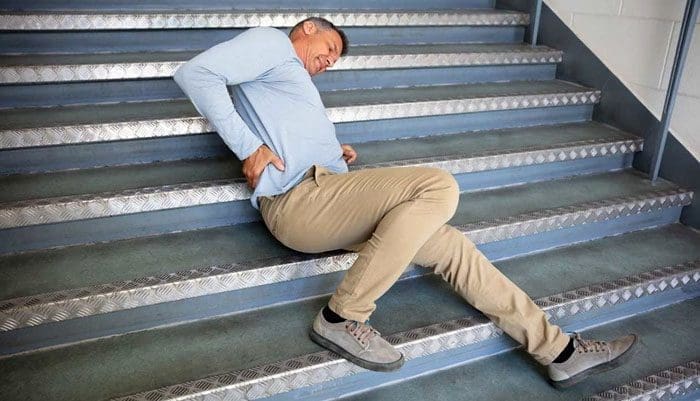
A slip-and-fall accident is usually more than a simple fall. If the accident happens because a property was unsafe, it may become a personal injury claim. In legal terms, this is commonly called a premises liability case.

Premises liability means that a property owner, business, landlord, or another responsible party may have a duty to keep the property reasonably safe. Justia explains that slip-and-fall cases may involve unsafe conditions and that the injured person generally must show a duty, a breach of that duty, causation, and damages.

Common hazards include:

  • Wet or slippery floors
  • Broken stairs
  • Loose rugs or mats
  • Uneven sidewalks
  • Poor lighting
  • Ice, rainwater, or oil on the ground
  • Clutter in walkways
  • Missing handrails
  • Unmarked spills
  • Damaged flooring

Not every fall means someone else is legally responsible. A claim usually depends on whether the property owner knew or should have known about the hazard and failed to correct it or warn people within a reasonable time.

Texas Slip-and-Fall Rules: Why Timing Matters

Slip-and-fall laws are handled by each state. In Texas, personal injury claims generally have a two-year statute of limitations. This means a person usually has two years from the date of the injury to file a lawsuit. Texas Civil Practice and Remedies Code Section 16.003 states that personal injury actions must generally be brought within two years.

Texas also uses a modified comparative fault rule. Under Texas Civil Practice and Remedies Code Section 33.001, a person may not recover damages if their percentage of responsibility is greater than 50 percent.

This matters because the other side may argue that the injured person was partly responsible. They may ask:

  • Were you distracted?
  • Were warning signs posted?
  • Were you looking at your phone?
  • Were your shoes unsafe for the surface?
  • Was the danger easy to see?
  • Did the property owner have enough time to fix the hazard?

For this reason, documentation is important. Photos, incident reports, witness names, medical records, and any shoes or clothing that were saved may help show what happened and how the injury developed.

Why You May Not Feel Pain Right Away

After a fall, many people feel embarrassed, anxious, or rushed. Some stand up quickly and say, “I’m fine.” But the body can hide pain at first. Adrenaline and stress hormones may reduce pain for a short time. Hours or even days later, stiffness, swelling, headaches, back pain, neck pain, numbness, or joint pain may appear.

Mayo Clinic advises seeking emergency medical care when back pain occurs after trauma, such as a bad fall, or when symptoms include bowel or bladder problems, fever, weakness, numbness, tingling, or pain radiating down the legs.

After a slip-and-fall accident, seek medical care right away if you notice:

  • Headache or dizziness
  • Confusion or memory problems
  • Neck pain
  • Back pain
  • Numbness or tingling
  • Weakness in the arms or legs
  • Trouble walking
  • Hip, wrist, ankle, shoulder, or knee pain
  • Loss of balance
  • Bowel or bladder changes
  • Deep bruising or swelling
  • Pain that gets worse after 24 to 72 hours

Even if the pain seems mild, an evaluation can help identify injuries early and create a record that connects the symptoms to the fall.

Common Injuries After a Slip-and-Fall Accident

Slip-and-fall accidents can injure many parts of the body. The force of the fall, the landing position, the surface, the person’s age, and pre-existing health conditions can all affect the injury pattern.

Common injuries include:

  • Wrist fractures from trying to catch the fall
  • Hip fractures from landing on the side
  • Ankle fractures or sprains from twisting
  • Knee sprains or ligament injuries
  • Shoulder injuries
  • Back sprains and strains
  • Neck pain or whiplash-type injuries
  • Herniated or bulging discs
  • Sciatica or nerve irritation
  • Concussions
  • Cuts, bruises, and contusions

Boston Medical Center explains that sprains, strains, and soft-tissue injuries may involve ligaments, muscles, or tendons and may cause pain, swelling, bruising, weakness, or reduced motion.

A fall can also affect the spine. When the body lands suddenly, the spine may compress, twist, or bend too far. This can irritate spinal joints, muscles, discs, and nerves. In some cases, a person may develop pain that travels from the low back into the leg or from the neck into the shoulder, arm, or hand.

The ChiroMed Approach: Looking Beyond the Pain

ChiroMed – Integrated Medicine is geared toward whole-person care. The clinic describes its mission as addressing root causes rather than treating only symptoms, with services including chiropractic care, nurse practitioner services, naturopathy, rehabilitation, nutrition counseling, and acupuncture.

For slip-and-fall injuries, this kind of approach matters because pain may come from several sources at once. For example, a patient may have:

  • A restricted spinal joint
  • A strained muscle
  • An irritated nerve
  • A swollen knee
  • Poor walking mechanics
  • Headaches from neck tension
  • Inflammation from soft-tissue trauma
  • Fear of movement after the fall

Based on the clinical observations of Dr. Alexander Jimenez, DC, APRN, FNP-BC, slip-and-fall recovery should include a careful history, orthopedic and neurological examinations, movement testing, and clinical correlation. His public clinical materials describe care areas involving personal injury, back pain, herniated disc treatment, sciatica, whiplash, nerve injury, imaging, and integrative medical care.

This does not mean every patient needs every treatment. It means the treatment plan should match the diagnosis.

Chiropractic Care After a Fall

Chiropractic care may help when a fall causes spinal joint restriction, muscle guarding, altered posture, or painful movement patterns. A chiropractor may evaluate spinal motion, joint tenderness, nerve signs, muscle tension, posture, gait, and range of motion.

A chiropractic plan may include:

  • Gentle spinal or joint adjustments when safe
  • Soft-tissue therapy
  • Mobility work
  • Corrective exercises
  • Posture guidance
  • Balance and gait retraining
  • Home care instructions
  • Referral for imaging or medical care when needed

Safety comes first. If there are signs of fracture, spinal cord injury, severe neurological symptoms, or major trauma, the patient should receive medical evaluation before manual treatment.

Regenerative Medicine: PRP, PFP, and MFAT

Some slip-and-fall injuries involve tissues that heal slowly, such as ligaments, tendons, cartilage, and joint structures. In selected cases, regenerative medicine may be considered as part of a broader treatment plan.

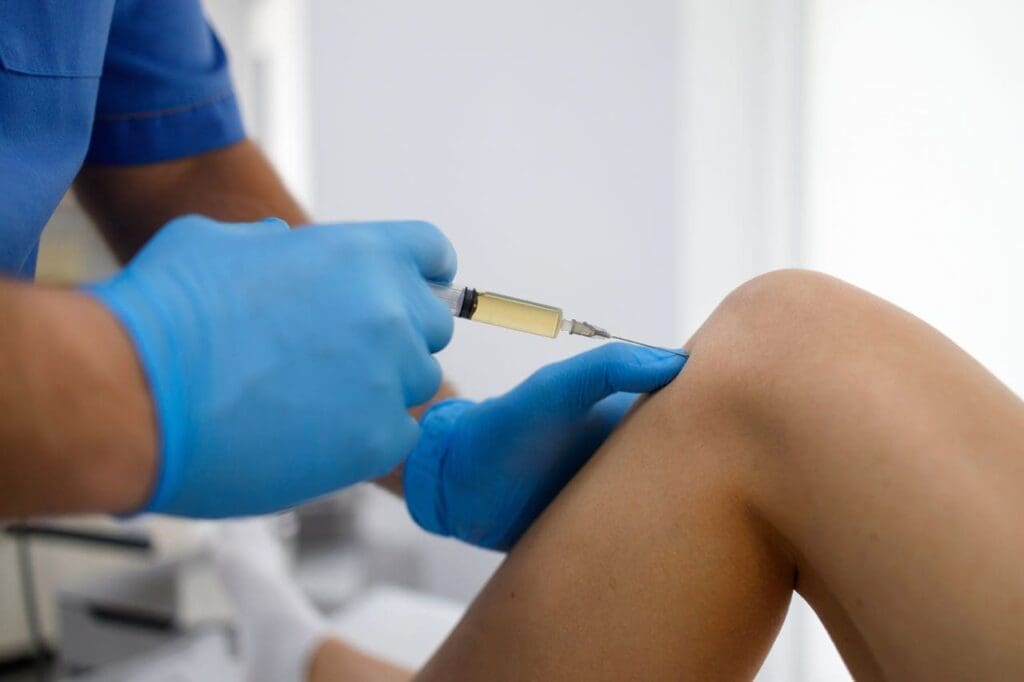
Platelet-rich plasma, or PRP, is made from a patient’s own blood. The American Academy of Orthopaedic Surgeons explains that PRP contains a higher concentration of platelets than normal blood, and platelets contain growth factors that may support the healing process.

Other regenerative options may include platelet-poor plasma, or PFP, and micro-fragmented adipose tissue, or MFAT. These treatments should not be described as guaranteed cures. They may be considered when clinically appropriate, depending on the injury, imaging findings, patient health, and treatment goals.

Regenerative care may be discussed for injuries such as:

  • Tendon irritation
  • Ligament sprains
  • Joint pain
  • Cartilage-related pain
  • Chronic soft-tissue injury
  • Certain sports or fall-related injuries

The goal is to support tissue repair, reduce inflammation, and improve function when conservative care alone is not enough.

Epidural Injections for Severe Nerve Pain

Some falls can irritate spinal nerves. This may happen when a disc bulge, herniated disc, swelling, or spinal inflammation presses on a nerve root. Symptoms may include sharp pain, burning, numbness, tingling, or weakness that travels into an arm or leg.

In some cases, epidural steroid injections may be used to reduce inflammation around irritated spinal nerves. Cleveland Clinic explains that epidural steroid injections can provide temporary pain relief for certain spine-related pain conditions, but they usually do not cure the underlying cause.

This is why injections often work best as part of a complete plan that may also include chiropractic care, rehabilitation, strengthening, posture correction, and medical follow-up.

A Complete Recovery Plan

A strong recovery plan should not only ask, “Where does it hurt?” It should also ask, “Why does it hurt, what tissues were injured, and how can function be restored?”

A ChiroMed-style integrated plan may include:

  • Examination and diagnosis
  • Chiropractic care for joint mechanics
  • Rehabilitation for strength and balance
  • Nutrition support for inflammation and healing
  • Acupuncture for pain modulation when appropriate
  • Regenerative medicine for selected soft-tissue injuries
  • Epidural injections for severe nerve pain when medically indicated
  • Follow-up testing or imaging when needed
  • Care coordination with attorneys, specialists, or other providers when appropriate

The purpose is to treat the whole injury pattern, not just mask symptoms.

What To Do After a Slip-and-Fall Accident

After a fall, simple steps can protect your health and help preserve important details.

Consider the following:

  • Report the fall to the property owner or manager.
  • Ask for an incident report.
  • Take pictures of the hazard.
  • Get witness names and contact information.
  • Save your shoes and clothing.
  • Write down what happened.
  • Seek medical care as soon as possible.
  • Follow your treatment plan.
  • Keep copies of medical records.
  • Speak with a qualified attorney for legal advice.

Early medical care can help rule out serious injury. It can also document the connection between the fall and the symptoms.

Conclusion

Slip-and-fall accidents can cause more than bruises. They may lead to fractures, concussions, spinal misalignments, herniated discs, whiplash, sprains, torn ligaments, and nerve pain. Legally, these accidents may fall under premises liability when unsafe property conditions contribute to the injury. In Texas, timing and fault rules can affect a claim, so documentation matters.

At ChiroMed – Integrated Medicine, the focus is on integrated, patient-centered care. For many patients, recovery may involve chiropractic care, rehabilitation, nutrition, acupuncture, regenerative medicine, or, when appropriate, pain-management injections. The best plan is built around the patient’s injury, symptoms, function, and long-term health goals.

This article is for educational purposes only and is not medical or legal advice. For medical concerns after a fall, seek care from a licensed healthcare professional. For legal questions, speak with a qualified attorney in your state.


References

American Academy of Orthopaedic Surgeons. (n.d.). Platelet-rich plasma (PRP). OrthoInfo.

Boston Medical Center. (n.d.). Sprains, strains & soft-tissue injuries.

ChiroMed – Integrated Medicine. (n.d.). ChiroMed – Integrated Medicine holistic healthcare in El Paso, TX.

Cleveland Clinic. (2021). Epidural steroid injection (ESI): What it is, benefits, risks & results.

Jimenez, A. (n.d.). El Paso, TX chiropractor Dr. Alex Jimenez DC | Personal injury specialist.

Justia. (2025). Slip and fall accident law.

Mayo Clinic. (2024). Back pain: When to see a doctor.

Texas Civil Practice and Remedies Code § 16.003. (2025). Two-year limitations period.

Texas Civil Practice and Remedies Code § 33.001. (2025). Proportionate responsibility.

Platelet-Rich Plasma Therapy Supports Detoxification

Platelet-Rich Plasma Therapy Supports Detoxification

(PRP) Therapy Healing at ChiroMed Integrated Medicine

Platelet-Rich Plasma, or PRP, is a treatment that uses your blood to help your body heal. At ChiroMed Integrated Medicine in El Paso, Texas, doctors draw a small amount of blood, spin it to concentrate the platelets, and inject the plasma into the hurt area. Platelets are small blood cells that help with clotting and carry growth factors. These factors start the body’s repair process. PRP is great for joint pain, tendon issues, and skin problems because it speeds healing without drugs or surgery.

PRP helps with detoxification and cleanup in the body. Detoxification removes waste and damaged parts from tissues. Cleanup removes dead cells and debris to promote new tissue growth. PRP releases growth factors that start healing. It forms new blood vessels, a process known as angiogenesis, to deliver oxygen and nutrients and remove waste. It draws in macrophages to eat up harmful debris and boosts fibroblasts to rebuild cellular support. It also helps control inflammation, preventing long-term swelling. This makes PRP a natural way to balance the body, fitting ChiroMed’s holistic approach.

Studies show PRP’s growth factors promote cell growth and cut swelling, aiding waste removal (Foster et al., 2010). PRP activates paths for new tissue and debris cleanup (Desert Spine and Sports, n.d.).

Key Ways PRP Works for Detox and Repair

PRP boosts the body’s repair system. When injected, platelets release growth factors like Platelet-Derived Growth Factor (PDGF), Transforming Growth Factor-Beta (TGF-β), Vascular Endothelial Growth Factor (VEGF), and Insulin-Like Growth Factor-1 (IGF-1). Each helps clean and rebuild.

Here are the main ways PRP aids detoxification and cleanup:

  • Initiating Angiogenesis: VEGF stimulates the formation of new blood vessels. This boosts blood flow, delivering nutrients and oxygen while flushing metabolic debris, which is junk from hurt cells (Caring Medical, n.d.).
  • Drawing in Macrophages: PDGF attracts macrophages, the cleanup cells. They eat dead cells, bacteria, and damaged tissue via phagocytosis. This clears space for new cells and stops harmful buildup (Hospital for Special Surgery, n.d.).
  • Boosting Fibroblast Work: Fibroblasts produce collagen and help maintain the extracellular matrix, the tissue scaffold. TGF-β and IGF-1 push these cells to repair, removing old scars and adding healthy structure (Sampson et al., 2010).
  • Balancing Inflammation: PRP causes a brief inflammatory response to signal healing, then calms it. This removes debris without extra damage. TGF-β helps prevent chronic swelling, creating a clean regeneration space (Action Medical Center, n.d.).
  • Encouraging Cell Growth: Factors such as Epidermal Growth Factor (EGF) promote cell division and the replacement of old cells. This accelerates waste removal and tissue repair, especially in slow-healing areas such as tendons and cartilage (Desert Spine and Sports, n.d.).

These steps form a healing cascade. PRP is safe, biological, and from your body. It restores homeostasis, aligning with ChiroMed’s focus on natural, integrated care.

PRP Benefits for Tissue Renewal at ChiroMed

At ChiroMed, PRP offers benefits for injuries and chronic conditions. It speeds recovery using your body’s tools, cutting the need for pain pills or big treatments. For knees, PRP eases pain and improves mobility by regenerating cartilage and clearing waste (Integrative Medicine Care, n.d.). It’s also used on the skin to increase collagen for better texture and remove damaged cells (Willow Medical, n.d.).

Benefits include:

  • Quicker Healing: PRP shortens recovery by fast debris removal and growth. It helps wounds, tendons, and arthritis (Mishra et al., 2018).
  • Less Pain: It regulates inflammation and strengthens tissues, easing chronic pain without steroids that just hide symptoms (Washington University Orthopedics, n.d.).
  • Better Movement: New vessels and matrix fixes improve mobility and strength in muscles, ligaments, and joints (Cedars-Sinai, n.d.).
  • Safe and Natural: From your blood, low rejection risk. It boosts resilience through healthy habits, aligning with ChiroMed’s naturopathy and nutrition (Integrative Medicine Care, n.d.).
  • Wide Uses: From sports injuries to degeneration, PRP aids hair growth or scar reduction (Advanced Chiropractic Clinic, n.d.).

PRP enhances ChiroMed’s holistic services for overall health.

Using PRP in ChiroMed’s Integrated Care

ChiroMed Integrated Medicine uses PRP with expert guidance for the best results. Their team, including APRNs and FNPs with CFMP training, provides targeted, image-guided injections and holistic support, such as nutrition for metabolic cleanup (Ultrasound Guided Injections, n.d.). This multidisciplinary method supports PRP’s cleanup and repair, leading to better rejuvenation.

Dr. Alexander Jimenez, DC, APRN, FNP-BC, IFMCP, CFMP, ATN, leads at ChiroMed. With 30+ years of experience, he uses PRP for knee osteoarthritis and injuries, noting reduced inflammation and improved repair with chiropractic and functional medicine (Jimenez, n.d.a; Jimenez, n.d.b). His work shows quicker recovery for sports or auto injuries, focusing on root causes for natural detox. Dr. Jimenez blends PRP with rehab, metabolic support, nutrition, acupuncture, and naturopathy for full healing without surgery.

ChiroMed’s approach combines conventional and alternative medicine for chronic pain, back issues, sciatica, and more. PRP fits their patient-centered plans, using evidence-based methods in a welcoming space.

PRP Limits and Tips

PRP helps, but it isn’t for all. Results depend on health, injury level, and prep. It may not be suitable for severe cases such as advanced cancer or blood disorders (Perfect Drs, n.d.). Rare side effects include swelling or infection. Sessions may be multiple and not always insured (Advanced Chiropractic Clinic, n.d.).

Studies vary due to methods (Sampson et al., 2010). Talk to ChiroMed doctors to check if it fits.

Wrapping Up

PRP therapy uses your body’s power for detox and cleanup at ChiroMed. Concentrated growth factors speed healing, clear debris, and rebuild tissues. From angiogenesis to macrophages, it sets the stage for clean regeneration. ChiroMed, led by Dr. Jimenez, combines PRP with holistic care for optimal outcomes. For pain or injury, PRP at ChiroMed could aid natural recovery.


References

ChiroMed Sports Injury Prevention and Integrated Care

ChiroMed Sports Injury Prevention and Integrated Care

Preventing Sports Injuries through Integrated Care at ChiroMed

In the modern era of health, injury prevention is not just about treating symptoms after they arise—it’s about building systems of resilience, joint integrity, neuromuscular coordination, and metabolic support. At ChiroMed – Integrated Medicine, we believe that preventing sports injuries is as much about holistic wellness as it is about structural adjustments.

In this article, we outline a multifaceted prevention strategy and demonstrate how ChiroMed’s integrated services—chiropractic, acupuncture, nutrition, rehabilitation, naturopathy, and nurse practitioner care—fit into that system.


Why Sports Injuries Occur: A Systems View

Before prescribing prevention strategies, it’s helpful to understand the root drivers behind injuries.

1. Cumulative Micro-Stress & Tissue Fatigue

Most injuries do not occur without warning. They result from repeated microtrauma—small stresses that exceed the tissue’s repair capacity—especially when recovery is neglected.

2. Faulty Movement Mechanics & Compensation

If an athlete has restricted mobility in one joint (say the ankle or hip), that restriction forces neighboring joints to compensate. Over time, those compensations can lead to overloading and injury.

3. Muscle Imbalances and Weak Stabilizers

When primary movers are strong but stabilizing muscles (such as the core, glute medius, and scapular stabilizers) are underdeveloped, the joints become vulnerable during dynamic and unpredictable sports movements.

4. Neuromuscular Control & Proprioception Deficits

Speed, agility, and reaction depend on precise neural feedback. If proprioceptive systems are undertrained, the body may misjudge loads or positions, thereby increasing the risk of injury.

5. Poor Recovery, Inflammation, and Nutritional Gaps

Without adequate rest, sleep, hydration, and nutrition, tissues remain in a vulnerable, low-reserve state. Metabolic stress and inflammation reduce the threshold for injury.


The Core Prevention Framework

Below are the key pillars ChiroMed emphasizes in its injury-prevention model:

Warm-Up, Mobility & Activation

A dynamic warm-up primes the neuromuscular system, enhances joint lubrication, and activates stabilizer muscles. Mobility drills (ankle, hip, thoracic) ensure that joints are ready for the full range of motion before stress.

Technique, Movement Quality & Feedback

ChiroMed clinicians and rehabilitation therapists review and coach movement, including squat mechanics, jump landings, cutting motions, and shoulder throws. Faults (valgus knees, shoulder compensation) are corrected early.

Balanced Strength, Stability & Endurance

Prevention includes training:

  • Local stabilizer muscles (deep core, rotator cuff, hip stabilizers)
  • Global movers (squats, lunges, presses)
  • Endurance and eccentric control
  • Flexibility/mobility maintenance

This balance avoids overdevelopment of one muscle group at the expense of its antagonist.

Periodization, Load Management & Monitoring

ChiroMed advocates for cycling between high-intensity, moderate, and recovery phases. Training loads (volume and intensity) are tracked, and signs of excessive fatigue or stress trigger adjustments to the program.

Recovery, Nutrition & Regenerative Support

Multi-modal recovery matters: sleep hygiene, protein and micronutrient support, hydration, anti-inflammatory diet, metabolic optimization. Interventions such as acupuncture, soft-tissue therapies, and active rest help tissues recover more quickly.


How ChiroMed’s Integrated Services Support Prevention

ChiroMed’s strength lies in bringing multiple modalities under one roof. Here’s how each service can contribute to preventing sports injuries:

Chiropractic & Structural Alignment

Chiropractic adjustments restore joint mobility and alignment, which helps redistribute forces appropriately. When joints move well, soft tissues and neuromuscular systems operate more efficiently.

Acupuncture & Energetic Regulation

By improving blood flow, reducing inflammation, and modulating neural signals, acupuncture helps reduce microtrauma and supports the body’s healing environment.

Naturopathic Medicine & Functional Evaluations

ChiroMed’s naturopathic practitioners assess metabolic, endocrine, and inflammatory markers. Correcting deficiencies, optimizing hormones, and reducing systemic stress form a foundation for strong tissues.

Nutrition Counseling & Metabolic Support

Diet, supplements, and nutritional strategies can enhance collagen synthesis, reduce oxidative stress, and support recovery. ChiroMed’s nutrition services integrate with training cycles to ensure tissues have the necessary building blocks.

Rehabilitation/Physical Therapy

Rehab specialists help correct movement imbalances, deliver proprioceptive training, and prescribe corrective exercise. The structure from chiropractic care and the movement retraining from PT are synergistic.

Nurse Practitioner & Clinical Oversight

Having NP oversight allows ChiroMed to manage systemic health factors—such as sleep, inflammation, hormone balance, and medical conditions—that influence injury risk. This lets care extend beyond biomechanics into whole-body wellness.

Ongoing Monitoring & Preventive Visits

Even when an athlete feels well, periodic evaluations catch small dysfunctions early—before they manifest as pain. Maintenance visits enable ChiroMed to proactively tune the system.


Sample Preventive Protocol at ChiroMed

Here’s a step-by-step sketch of how ChiroMed might implement a prevention plan for athletes or active clients:

  1. Comprehensive Assessment & Baseline Testing
    • Motion analysis, joint screening, and strength asymmetries
    • Lab panels: inflammation markers, vitamin/hormone levels
    • Functional evaluation of posture, gait, and stability
  2. Movement Retraining & Corrective Sequencing
    • Address deficits: hip mobility, glute activation, scapular control
    • Technique refinement for sport-specific movements
  3. Strength & Conditioning Program
    • Phased training with stabilization, power, and endurance
    • Emphasis on symmetry, control, and functional transitions
  4. Scheduled Structural & Maintenance Therapies
    • Chiropractic adjustments, acupuncture, soft-tissue work
    • Infrastructure to restore alignment through training phases
  5. Recovery & Regeneration Modalities
    • Active recovery, contrast therapy, massage, and acupuncture
    • Nutritional support, hydration, sleep strategies
  6. Ongoing Monitoring & Feedback
    • Use biometrics, movement data, and subjective fatigue
    • Adjust training loads, therapies, and rest days accordingly

Over time, the system becomes more robust, with fewer breakdowns, improved performance, and reduced risk.


Why ChiroMed Is Well Positioned for Prevention

  • Comprehensive Care Under One Roof
    Unlike isolated practices, ChiroMed integrates chiropractic, acupuncture, rehab, nutrition, and NP care, making prevention seamless rather than fragmented. chiromed.com+1
  • Local El Paso Presence
    The El Paso branch (11860 Vista Del Sol, Suite 128) means athletes and community members can access integrated care in their backyard. chiromed.com
  • Experienced, Multi-disciplinary Team
    ChiroMed’s model encourages collaboration among chiropractors, therapists, nurses, and nutritionists, working together to reduce injury risk in a holistic manner. chiromed.com
  • Patient-Centered & Root-Cause Focus
    The mission statement of ChiroMed emphasizes addressing root causes, not just symptom suppression. chiromed.com
  • Preventive Philosophy Built In
    Their website already emphasizes preventive care, integrated medicine, and ongoing therapy—not just reactive treatment. chiromed.com

Conclusion

Preventing sports injuries is not about luck or reactive fixes. It demands a structured system: warm-up, movement correction, balanced conditioning, recovery, and structural integrity. ChiroMed’s integrated medicine model offers a powerful platform to deliver exactly that—combining chiropractic, acupuncture, nutrition, rehabilitation, and medical oversight into a cohesive prevention engine.

If you want to stay active, resilient, and injury-free, ChiroMed can be your partner in proactive care. Reach out for a preventive assessment, and let us build your system of resilience together.


References

Bayfront Health. (n.d.). Guide to sports injury prevention.

Children’s Hospital of Philadelphia. (n.d.). Tips to prevent sports injuries in youth athletes.

Dallas Accident & Injury Rehab. (n.d.). Integrating chiropractic expertise and holistic sports medicine for enhanced athletic well-being.

Emery, C. A., & Meeuwisse, W. H. (2008). Injury prevention in young athletes. Clinical Journal of Sport Medicine, 18(2), 102–108. https://pmc.ncbi.nlm.nih.gov/articles/PMC2465167.

Evolved Health Chiropractic. (n.d.). Preventing sports injuries: The role of chiropractic in injury prevention.

First Physio Plus. (n.d.). Preventing sports injuries.

Fremont Chiropractic. (n.d.). Chiropractic approaches to treating sports injuries efficiently.

Garden State Pain. (n.d.). Preventing sports injuries in teens: Tips for a safe and fun season.

Garmon Chiropractic. (n.d.). Chiropractic care for sports injuries: Recovery and prevention.

GPOA. (n.d.). The right gear matters: Choosing equipment to prevent sports injuries.

Hopkins Medicine. (n.d.). Sports safety.

LI Spine Med. (2024). 10 tips for preventing sports injuries.

Mount Sinai. (n.d.). Sports injury prevention.

Nationwide Children’s Hospital. (n.d.). Preventing sports injuries.

Nicklaus Children’s Hospital. (n.d.). Sports injury prevention.

Premier Injury Clinics of DFW. (n.d.). Guide to preventing sports injuries.

PWR Physio. (n.d.). Understanding sports injuries: Prevention and recovery.

Walker Physical Therapy. (n.d.). Preventing sports injuries: Tips from a physical therapist.

Young Chiropractic. (n.d.). The role of chiropractic in sports performance and injury prevention.

ChiroMed’s Approach to Sciatic Nerve Wellness

ChiroMed’s Approach to Sciatic Nerve Wellness

Sciatic Nerve Health at ChiroMed: Integrated Care for Holistic Healing

The sciatic nerve is a vital part of your body’s ability to move and feel. As the largest nerve in the human body, it stretches from your lower back down through your legs, helping you walk, stand, and sense touch or pain. When it becomes irritated or compressed, it can cause sciatica—a condition that brings sharp pain, numbness, or tingling down the leg. At ChiroMed—Integrated Medicine in El Paso, TX, we specialize in helping patients manage sciatic nerve issues through holistic, patient-centered care.

In this article, we’ll explore the sciatic nerve’s structure, which is made up of bundles of nerve fibers called axons wrapped in protective connective tissue. We’ll also explain how ChiroMed’s chiropractic techniques relieve pressure on the nerve and how our integrated care—combining massage, physical therapy, and nutrition—promotes lasting healing. Drawing on the expertise of Dr. Alexander Jimenez, DC, APRN, FNP-C, and our skilled team, we’ll show how ChiroMed treats injuries from work, sports, personal accidents, and motor vehicle crashes (MVAs) to restore health naturally.

Whether you’re dealing with sciatica or aiming to prevent nerve problems, ChiroMed’s approach can help you feel better and live well.

The Sciatic Nerve: A Key Player in Movement

The sciatic nerve begins in the lower spine, where nerve roots from L4 to S3 come together. It travels through the buttocks and down each leg, splitting into smaller nerves that control muscles and carry sensations from the thighs, calves, and feet. When compressed by a herniated disc, tight muscles, or injury, it can trigger sciatica, causing pain that disrupts daily life.

At ChiroMed, we understand how important a healthy sciatic nerve is for staying active. Our goal is to address the root causes of nerve irritation using natural, non-invasive methods that support your body’s healing process.

How the Sciatic Nerve Is Built

The sciatic nerve is like a cable that carries signals for movement and feeling. It’s made of neurons, or nerve cells, each with a long fiber called an axon. These axons are bundled into groups called fascicles, which are held together by layers of connective tissue.

  • Endoneurium: This thin layer wraps each axon, protecting it and its myelin sheath, which speeds up nerve signals.
  • Perineurium: This surrounds each fascicle, acting like a barrier to keep the bundle secure.
  • Epineurium: The outermost layer encases the entire nerve, giving it strength and flexibility.

These layers make up nearly half the nerve’s structure, ensuring it can handle stress while staying pliable. If inflammation or injury affects these tissues, it can pinch the axons, causing pain or numbness. ChiroMed’s treatments focus on keeping these layers healthy to support nerve function.

What Causes Sciatic Nerve Problems?

Sciatica often results from pressure on the nerve. Common causes include:

  • Herniated disks: When spinal disks bulge, they can press on nerve roots.
  • Spinal stenosis: Narrowing of the spinal canal crowds the nerve.
  • Piriformis syndrome occurs when the tight piriformis muscle in the buttocks pinches the nerve.
  • Injuries: Work accidents, sports mishaps, falls, or MVAs can inflame the nerve.

At ChiroMed, we see these issues in patients with repetitive job strains, athletic overuse, or car crash injuries. Identifying the cause is the first step to effective care.

ChiroMed’s Chiropractic Care: Easing Nerve Pressure

Chiropractic care at ChiroMed is a cornerstone of sciatic nerve relief. Our chiropractors, led by Dr. Alexander Jimenez, use gentle adjustments to realign the spine and pelvis. This takes pressure off the sciatic nerve, reducing pain and improving mobility.

For example, a misaligned vertebra can press a disk against a nerve. A precise adjustment corrects this, creating space for the nerve to function. Dr. Jimenez uses advanced imaging, like X-rays or MRIs, to pinpoint the issue. For a warehouse worker with back pain from lifting, he might adjust the lumbar spine and recommend exercises to prevent re-injury.

Our clinic’s approach is backed by evidence showing chiropractic care outperforms medication for chronic pain (Ideal Spine, n.d.). Dr. Jimenez’s dual expertise as a chiropractor and nurse practitioner ensures thorough assessments, blending spinal exams with neurological tests for accurate diagnoses.

Integrated Care at ChiroMed: A Holistic Approach

At ChiroMed, we believe in treating the whole person. Our integrated care combines chiropractic with massage, physical therapy, acupuncture, and nutrition to support sciatic nerve health. This team effort, guided by our Practitioners Network, ensures coordinated, evidence-based care.

  • Massage Therapy: Our licensed therapist, Helen Wilmore, uses deep tissue and trigger point massage to relax muscles like the piriformis, easing nerve compression. Patients feel less tingling and move better after sessions.
  • Physical Therapy: Therapists Kristina Castle and Dr. Jimenez design exercises to strengthen the core and stretch tight hips. Techniques like the McKenzie method reduce leg pain by aligning the spine.
  • Acupuncture: This calms inflammation and boosts natural painkillers like endorphins, complementing chiropractic adjustments.
  • Nutrition Counseling: We guide patients on nerve-friendly foods. Vitamin B12 (found in fish and eggs) supports myelin repair, while alpha-lipoic acid (in spinach) reduces nerve inflammation (RxWellness, n.d.; Verywell Health, n.d.).

This integrative model, inspired by guidelines from the National Center for Complementary and Integrative Health (NCCIH, n.d.), promotes natural healing and prevents long-term issues.

Dr. Jimenez’s Expertise: Treating Diverse Injuries

Dr. Alexander Jimenez, with over 25 years of experience, leads ChiroMed’s mission to heal injuries from work, sports, personal accidents, and MVAs. His dual training as a DC and APRN allows for comprehensive diagnoses using tools like EMG, MRI, and functional assessments.

  • Work Injuries: For a nurse with sciatica from repetitive bending, Dr. Jimenez uses spinal decompression and B-vitamin supplements to repair nerve damage. Ergonomic tips prevent future strain.
  • Sports Injuries: A cyclist with leg numbness gets adjustments and acupuncture to free the nerve, with rehab exercises to restore balance.
  • Personal Injuries: A slip-and-fall patient receives massage and PT to reduce swelling, with detailed legal documentation for insurance claims.
  • MVAs: Car crash victims benefit from full-body scans to link whiplash to sciatica. Dr. Jimenez’s team provides progress reports for legal and medical needs.

His clinic’s approach, detailed on dralexjimenez.com, emphasizes root-cause treatment and patient empowerment through holistic care.

How ChiroMed Supports Legal and Medical Needs

Injury cases often involve insurance or legal claims. ChiroMed excels at providing detailed documentation, from initial X-rays to recovery metrics. For MVAs, we track healing with pain scales and range-of-motion tests, ensuring fair settlements. Our staff works with attorneys to streamline paperwork, letting patients focus on healing.

Preventing Long-Term Nerve Problems

ChiroMed’s integrative care sparks natural healing. Adjustments improve blood flow to axons, while exercises build strength to protect the spine. Nutrition reduces inflammation, and massage clears scar tissue. Regular checkups at our comfortable El Paso clinic prevent chronic pain or arthritis.

Our therapy goals, set with patients, ensure lasting results. By addressing causes such as poor posture or weak muscles, we help you prevent future nerve issues.

Why Choose ChiroMed for Sciatic Nerve Care?

Located at the heart of El Paso, ChiroMed—Integrated Medicine offers a welcoming clinic where licensed professionals deliver personalized care. Our services, from chiropractic to naturopathy, work together to relieve sciatica and enhance wellness. Call us at +1 (915) 412-6680 or email [email protected] to start your healing journey.

With ChiroMed, you’re not just treating pain—you’re building a healthier future.


References

Alliance Orthopedics. (n.d.). Can chiropractic care help with sciatica? https://allianceortho.com/can-chiropractic-care-help-with-sciatica/

Asuta Health. (n.d.). Natural approaches to neuropathic pain relief: Evidence-based strategies for managing nerve pain. https://asutahealth.org/natural-approaches-to-neuropathic-pain-relief-evidence-based-strategies-for-managing-nerve-pain/

Atlas Pain Specialists. (n.d.). Can a chiropractor help with nerve pain? https://atlaspainspecialists.com/can-a-chiropractor-help-with-nerve-pain/

Byju’s. (n.d.). Nerves. https://byjus.com/biology/nerves/

Cleveland Clinic. (n.d.). Nerves. https://my.clevelandclinic.org/health/body/22584-nerves

Enhanced Living Chiropractic. (n.d.). How chiropractic care can help with sciatica. https://www.enhancedlivingchiro.com/blog/1193309-how-chiropractic-care-can-help-with-sciatica

Ideal Spine. (n.d.). Pain, chiropractic care, and the neuromusculoskeletal system. https://idealspine.com/pain-chiropractic-care-and-the-neuromusculoskeletal-system/

Jimenez, A. (n.d.). Dr. Alex Jimenez’s website. https://dralexjimenez.com/

Merck Manuals. (n.d.). Nerves. https://www.merckmanuals.com/home/brain-spinal-cord-and-nerve-disorders/biology-of-the-nervous-system/nerves

NCCIH. (n.d.). Complementary, alternative, or integrative health: What’s in a name? https://www.nccih.nih.gov/health/complementary-alternative-or-integrative-health-whats-in-a-name

RxWellness. (n.d.). Natural therapies for nerve damage: A guide to holistic healing solutions. https://www.rxwellness.net/natural-therapies-for-nerve-damage-a-guide-guide-to-holistic-healing-solutions/

ScienceDirect. (n.d.). Sciatic nerve. https://www.sciencedirect.com/topics/immunology-and-microbiology/sciatic-nerve

SEER Training. (n.d.). Structure of a nerve. https://training.seer.cancer.gov/anatomy/nervous/organization/pns.html

Spine-Health. (n.d.). Sciatic nerve anatomy. https://www.spine-health.com/conditions/spine-anatomy/sciatic-nerve-anatomy

Verywell Health. (n.d.). Supplements for neuropathy. https://www.verywellhealth.com/supplements-for-neuropathy-11693153

Chiropractic Nutrition for Athletes: Boost Performance

Chiropractic Nutrition for Athletes

Transforming Health with Integrated Medicine and Nutrition

Chronic pain, injuries, or wellness goals can feel overwhelming, but a holistic approach combining chiropractic care, functional medicine, and integrative nutrition offers a path to lasting relief and vitality. At ChiroMed—Integrated Medicine in El Paso, TX, we focus on addressing the root causes of health issues through personalized, all-natural treatment plans. Led by Dr. Alexander Jimenez, DC, APRN, FNP-BC, our clinic offers a comprehensive suite of services to support recovery and promote overall well-being, enabling patients to thrive in their active lives.

Why ChiroMed Stands Out

Located in the heart of El Paso, ChiroMed—Integrated Medicine is committed to holistic, patient-centered care. Our team, led by Dr. Jimenez, with over 25 years of experience as a chiropractor and nurse practitioner, offers tailored treatment plans for conditions such as chronic pain, sports injuries, work-related strains, and motor vehicle accident (MVA) trauma. We integrate chiropractic care, nurse practitioner services, naturopathy, rehabilitation, nutrition counseling, and acupuncture to deliver comprehensive solutions (Jimenez, 2023a).

Our clinic offers a comfortable and welcoming environment, collaborating with a network of licensed therapists and healthcare practitioners to provide personalized care. We also offer detailed medical documentation for personal injury cases, supporting patients in legal and insurance matters (Jimenez, 2023b).

References

  • Jimenez, A. (2023a). Clinical observations.
  • Jimenez, A. (2023b). Clinical observations.

Nutrition for Healing and Vitality

At ChiroMed, we believe food is medicine. Our integrative nutrition plans emphasize nutrient-dense, whole foods, such as leafy greens, berries, fatty fish, and nuts, which are rich in antioxidants and omega-3 fatty acids, to reduce inflammation—a key factor in chronic pain and injury recovery (Longevity Stanford, 2023). Studies have shown that a Mediterranean-style diet can accelerate healing and enhance overall health (BBC Good Food, 2023).

Protein from sources like chicken, eggs, or lentils supports tissue repair, while carbohydrates from whole grains and sweet potatoes replenish energy. Healthy fats from avocados and olive oil enhance joint health and endurance (Revista Nutrición, 2023). Paired with chiropractic adjustments to improve spinal alignment and circulation, these dietary strategies help the body heal naturally and efficiently (Chiropractor in Oviedo, 2023).

References

  • BBC Good Food. (2023). What is an anti-inflammatory diet?.
  • Chiropractor in Oviedo. (2023). Chiropractic nutrition.
  • Longevity Stanford. (2023). What should athletes eat to fuel peak performance?.
  • Revista Nutrición. (2023). Optimizing performance nutrition for athletes.

Comprehensive Injury Care

ChiroMed specializes in treating a wide range of injuries, from sports-related sprains to work accidents and MVAs. Dr. Jimenez’s dual expertise as a chiropractor and nurse practitioner allows for a unique approach, combining spinal adjustments, targeted exercises, massage therapy, and acupuncture to address musculoskeletal and neurological issues (Jimenez, 2023c). For example, a patient with neck pain from a car accident might receive adjustments to relieve nerve pressure, alongside a nutrition plan to reduce inflammation.

Our rehabilitation programs focus on restoring mobility and strength, while naturopathic and nutritional counseling address underlying factors such as nutrient deficiencies. This integrated approach ensures faster recovery and prevents long-term complications (Evolved Health Chiropractic, 2023).

References

  • Evolved Health Chiropractic. (2023). Sports nutrition and chiropractic care: Fueling your body for peak performance.
  • Jimenez, A. (2023c). Clinical observations.

Advanced Diagnostics for Precision

Accurate diagnosis is the foundation of effective treatment. At ChiroMed, we utilize advanced diagnostic tools, including blood tests, hormone panels, and imaging techniques (such as MRIs and X-rays), to identify the root causes of health issues, such as inflammation or structural misalignments (Jimenez, 2023d). For instance, a patient with chronic back pain might undergo an MRI to detect a herniated disc, followed by a tailored plan of adjustments and anti-inflammatory nutrition.

This precision ensures treatments target the source of the problem, whether it’s a nutrient deficiency or a musculoskeletal issue. For injury-related cases, our detailed medical records support patients in legal claims, providing clarity for insurance or court proceedings (Jimenez, 2023e).

References

  • Jimenez, A. (2023d). Clinical observations.
  • Jimenez, A. (2023e). Clinical observations.

Holistic Therapies for Lasting Wellness

Our integrative approach combines chiropractic care, massage therapy, acupuncture, and rehabilitation to promote healing and prevent chronic issues. Chiropractic adjustments correct spinal misalignments, improving nerve function and mobility. Massage therapy reduces muscle tension, while acupuncture stimulates natural pain relief through the release of endorphins (PARC of Ontario, 2023). Targeted exercises strengthen supporting muscles, ensuring long-term stability.

These therapies, paired with nutrition counseling, address neuromusculoskeletal health comprehensively. For example, a patient with shoulder pain may receive adjustments, massage, and a diet rich in omega-3 fatty acids to reduce inflammation and support recovery (585 Chiropractor, 2023). This holistic strategy ensures the nervous system, muscles, and skeleton work together for optimal health (Village Chiropractic, 2023).

References

  • 585 Chiropractor. (2023). The role of nutrition in sports injury prevention.
  • PARC of Ontario. (2023). How diet influences your recent chiropractic treatment.
  • Village Chiropractic. (2023). The importance of good nutrition and chiropractic care.

Boosting Performance Through Integrated Care

Whether you’re an athlete or seeking to improve your health, ChiroMed’s approach enhances performance through personalized nutrition and functional medicine. A balanced diet with timed meals—like a post-workout protein-carb combo—supports muscle repair and energy replenishment (Better Health Channel, 2023). Chiropractic adjustments enhance joint mobility and posture, thereby reducing the risk of injury and improving physical efficiency (Atlantic Chiropractic, 2023).

Dr. Jimenez tailors plans to individual needs, considering activity levels and health goals. For example, an athlete with knee pain might receive adjustments to correct alignment, exercises to strengthen supporting muscles, and a diet high in antioxidants to reduce inflammation (National Academy of Sports Medicine [NASM], 2023). This integrated strategy maximizes performance and vitality.

References

  • Atlantic Chiropractic. (2023). Nutrition and chiropractic: How diet impacts spinal health and well-being.
  • Better Health Channel. (2023). Sporting performance and food.
  • National Academy of Sports Medicine [NASM]. (2023). Nutrition for recovery.

Conclusion

At ChiroMed – Integrated Medicine, we combine chiropractic care, functional medicine, and integrative nutrition to address chronic pain, injuries, and wellness goals. By focusing on the root causes of health issues with advanced diagnostics and holistic therapies, we empower patients to achieve lasting vitality. Dr. Alexander Jimenez and our dedicated team in El Paso, TX, are committed to helping you live a pain-free, vibrant life through personalized care. Join us on this journey to optimal health.

References

Chiropractic Care for Car Accident Injuries: A Path to Recovery

Introduction

Motor vehicle accidents (MVAs) affect millions annually, with the National Highway Traffic Safety Administration reporting over three million injuries each year in the U.S. (Novus Spine Center, 2025). These accidents often result in injuries like whiplash, back pain, and nerve damage, which can have delayed symptoms and long-term consequences if untreated. While traditional medical approaches focus on symptom relief, an integrated medicine approach—combining chiropractic care with nurse practitioner services, naturopathy, rehabilitation, nutrition counseling, and acupuncture—offers a holistic solution. This comprehensive care addresses the root causes of injuries, promoting pain relief, restoring mobility, and enhancing overall well-being. By blending conventional and alternative therapies, integrated medicine provides a personalized path to recovery for MVA patients.

Types of Injuries from Motor Vehicle Accidents

MVAs can cause a variety of injuries due to the sudden and forceful impact. Understanding these injuries is essential for effective treatment and preventing long-term complications. Below are the primary types of injuries associated with MVAs:

  • Musculoskeletal Injuries: These include sprains and strains of muscles and tendons, with whiplash being a common example. Whiplash occurs when the head is rapidly jerked, causing neck pain, stiffness, headaches, and restricted movement (Cedar Park Chiropractic & Acupuncture, n.d.).
  • Ligamentous Injuries: Ligaments, which connect bones, can be torn or stretched, leading to joint instability and chronic pain. These injuries often require advanced imaging, such as MRIs, for accurate diagnosis (Meridian Healthcare, n.d.).
  • Back and Neck Pain: MVAs are a significant contributor to back and neck pain, which can affect work, sleep, and overall quality of life. The World Health Organization notes that musculoskeletal conditions are a leading cause of disability globally (World Health Organization, 2020).
  • Nerve Injuries: Sudden movements can compress or irritate nerves, causing numbness, tingling, or weakness. For example, sciatica, characterized by pain radiating along the sciatic nerve, can be triggered by spinal pressure from an MVA (Mayo Clinic, 2021).

Many MVA injuries have delayed symptoms, appearing days or weeks later due to adrenaline-masking pain (Tradition Family Chiropractic, 2025). Early evaluation is crucial in preventing chronic conditions.

Injury TypeDescriptionCommon Symptoms
MusculoskeletalSprains and strains, e.g., whiplash from rapid head movementNeck pain, stiffness, headaches
LigamentousTorn or stretched ligaments causing joint instabilityPain, swelling, reduced joint stability
Back and Neck PainPain from spinal misalignments or herniated discsChronic pain, limited mobility
Nerve InjuriesCompressed or irritated nerves, e.g., sciaticaNumbness, tingling, weakness

References

Role of Chiropractic Care in Treating MVA Injuries

Chiropractic care is a cornerstone of MVA recovery, focusing on the musculoskeletal system, particularly the spine, to restore function and reduce pain without invasive procedures or medications. In an integrated medicine approach, chiropractic care works synergistically with therapies like acupuncture and nutritional counseling to enhance healing and address all aspects of health.

Chiropractors use techniques tailored to each patient’s injuries, including:

  • Spinal Adjustments: Gentle forces to correct spinal misalignments, relieving nerve pressure and reducing pain (American Chiropractic Association, 2021).
  • Soft Tissue Therapies: Massage, myofascial release, and trigger point therapy to reduce inflammation and improve circulation in damaged muscles and ligaments (International Association of Myotherapy, 2020).
  • Rehabilitation Exercises: Customized programs to strengthen muscles, enhance flexibility, and prevent re-injury (Physical Therapy & Rehabilitation Journal, 2019).

Research supports these benefits. A study in the Journal of Manipulative and Physiological Therapeutics found that chiropractic care significantly reduced pain and improved function in patients with whiplash-associated disorders (Blanchfield et al., 2019). Another study reported that 85% of MVA patients saw significant improvement within three months of chiropractic care (Tradition Family Chiropractic, 2025). By integrating chiropractic care with other therapies, healthcare providers can offer a holistic approach that maximizes recovery outcomes.

References

Integrative Medicine and Nurse Practitioners

Integrative medicine combines conventional and alternative therapies to provide holistic care, addressing both physical and emotional aspects of MVA recovery. Nurse practitioners (NPs) play a pivotal role in this model, offering advanced diagnostic and coordination skills to create comprehensive treatment plans.

NPs contribute through:

  • Diagnostic Assessments: Conducting physical exams and ordering tests like X-rays or MRIs to confirm injuries such as herniated discs or nerve damage (American Association of Nurse Practitioners, 2021).
  • Pain Management: Providing non-opioid options like transcutaneous electrical nerve stimulation (TENS) therapy and educating patients on lifestyle changes (Journal of Pain Research, 2020).
  • Care Coordination: Referring patients to specialists, such as neurologists or orthopedists, for complex cases, ensuring seamless treatment (Nurse Practitioner Journal, 2018).

Complementary therapies enhance this approach:

  • Acupuncture: Reduces pain and promotes relaxation, aiding recovery from soft tissue injuries (Metro Health NYC, 2023).
  • Nutritional Counseling: Supports tissue repair and reduces inflammation through evidence-based dietary plans (Dr. Alex Jimenez, n.d.).
  • Naturopathy: Addresses underlying health issues to optimize healing (Johnson et al., 2020).

A study published in the Journal of Alternative and Complementary Medicine found that integrative care improved pain levels and quality of life for patients with MVA compared to standard care alone (Johnson et al., 2020). Clinics offering these services under one roof provide seamless, personalized care, enhancing recovery outcomes.

Integrative ApproachDescriptionBenefits
AcupunctureUses needles to stimulate points, reducing pain and stressPain relief, improved relaxation
Nutritional CounselingPersonalized dietary plans to reduce inflammation and support healingEnhanced tissue repair, reduced inflammation
NaturopathyAddresses underlying health issues to optimize recoveryHolistic health improvement

References

Benefits of Ongoing Chiropractic Care

Ongoing care is critical for MVA patients to ensure complete recovery and prevent long-term complications. In an integrated medicine setting, regular chiropractic adjustments, acupuncture, and nutritional support work together to maintain progress and support overall health.

Key benefits include:

  • Detecting Hidden Injuries: Regular evaluations can identify micro-tears or other subtle injuries, preventing chronic pain (Chiropractor in Oviedo, n.d.).
  • Preventing Long-Term Complications: Maintaining spinal alignment and muscle balance reduces the risk of conditions like degenerative disc disease (Metrowest Spine Clinic, n.d.).
  • Supporting Overall Wellness: Integrated care enhances nervous system function, reduces stress, and boosts immunity, contributing to holistic health (Tradition Family Chiropractic, 2025).

Research indicates that 85% of MVA patients see significant improvement within six weeks of integrated care, with recovery times varying by injury:

  • Whiplash: 2-3 months (92% improvement)
  • Back strain: 6-8 weeks (88% improvement)
  • Neck pain: 4-6 weeks (85% improvement)
  • Joint issues: 3-4 months (79% improvement)
    (Tradition Family Chiropractic, 2025)

Prompt care within 72 hours is critical for optimal outcomes (Tradition Family Chiropractic, 2025).

References

Chiropractors and Nurse Practitioners in Personal Injury Cases

Chiropractors and NPs play a dual role in MVA recovery, providing medical treatment and legal support. Their expertise is crucial for navigating insurance claims and personal injury cases.

  • Providing Documentation: Detailed reports linking injuries to the accident are essential for insurance claims and legal proceedings (Lorfing Law, n.d.).
  • Handling Court Paperwork: Professionals with expertise in both medical and legal documentation ensure accuracy and compliance with insurance requirements (Dr. Alex Jimenez, n.d.).
  • Collaboration with Attorneys: Expert testimony and medical evidence strengthen cases, maximizing compensation for medical expenses and pain (Dominguez Injury Centers, n.d.).

In Texas, Personal Injury Protection (PIP) insurance covers up to $2,500 in medical expenses, including chiropractic care, but requires treatment to be initiated within 14 days (Lorfing Law, n.d.).

Legal AspectDetails
DocumentationDetailed reports linking injuries to the accident
Court PaperworkAccurate records for insurance claims and legal proceedings
Attorney CollaborationExpert testimony and medical evidence to support personal injury cases
Texas PIP RequirementsTreatment within 14 days to access up to $2,500 in medical coverage

References

Case Studies and Research

Research supports the effectiveness of integrated medicine for MVA injuries:

  • A Journal of Chiropractic Medicine study found significant improvements in pain and disability for patients with whiplash who received chiropractic care (Blanchfield et al., 2019).
  • The Journal of Manipulative and Physiological Therapeutics reported that chiropractic treatment reduced the need for surgery and medications in MVA patients (Haldeman et al., 2015).
  • A study cited by Complete Spine Solutions reported 100% treatment satisfaction among 190 whiplash patients who received chiropractic care (Complete Spine Solutions, n.d.).
  • A study published in The Journal of Alternative and Complementary Medicine found that integrative care improved pain and quality of life for patients with MVA (Johnson et al., 2020).

These findings highlight the efficacy of integrated approaches, combining chiropractic care with complementary therapies, for MVA recovery.

References

Conclusion

An integrated medicine approach, combining chiropractic care with nurse practitioner services, naturopathy, rehabilitation, nutrition counseling, and acupuncture, offers a comprehensive solution for recovering from motor vehicle accident injuries. This approach addresses musculoskeletal, ligamentous, and nerve injuries, providing pain relief, restoring mobility, and preventing long-term complications. For MVA patients, seeking care from a clinic that offers integrated services within the first 72 hours can maximize recovery and support insurance claims, ensuring both medical and financial recovery.

References