Care is the cornerstone of our practice

Give us a Call
+1 (915) 412-6680
Send us a Message
support@chiromed.com
Opening Hours
Mon-Thu: 7 AM - 7 PM
Fri - Sun: Closed
Back Extension Machine and Back-Pain Prevention

Back Extension Machine and Back-Pain Prevention

Back Extension Machine and Back-Pain Prevention
A young girl does hyperextension exercises to improve back muscles and core strength

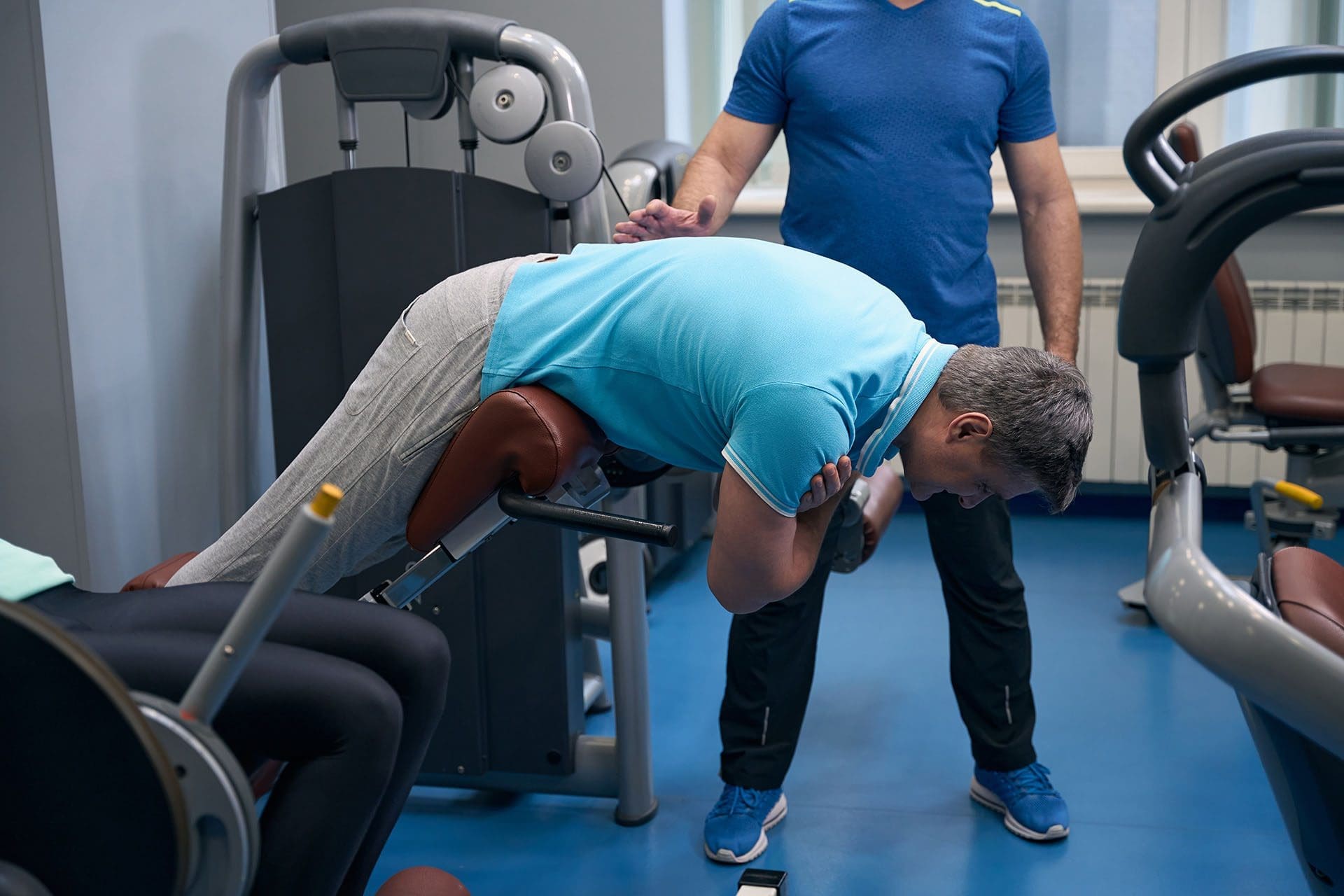
A back extension machine—often called a hyperextension bench or Roman chair—is a common gym tool used to train the posterior chain, meaning the muscles along the back side of your body. When it’s set up correctly and used with controlled form, it can help build core stability, strengthen the erector spinae (the long muscle group that runs along your spine), and support better movement patterns for daily life and training.

This matters because a “strong core” is not only about visible abs. It also includes the muscles that support the spine and help you stay stable while lifting, carrying, bending, and twisting. When the posterior chain is weak or poorly coordinated, people often compensate with poor mechanics, which can lead to recurring discomfort over time.

That said, back extensions are not a “push through pain” exercise. They should feel like muscle work, not sharp pain, pinching, or electric symptoms down the leg. If symptoms feel nerve-like, or if you have a known spine condition, it’s smart to get guidance from a qualified clinician before loading this movement.


What the Back Extension Machine Does (and Why It Works)

Most back extension machines are built so you can hinge at the hips while your feet and lower legs are supported. Your torso lowers forward, then extends back up smoothly and in control. This trains the body to produce force through the hips while the trunk stays braced.

Depending on the style of equipment, you may see:

  • 45-degree hyperextension bench (classic “Roman chair” style)
  • 90-degree Roman chair (more upright torso angle)
  • Seated back extension machine with a weight stack (you sit and extend backward against resistance)

Main muscles trained

Back extensions can activate several important muscles, including:

  • Erector spinae (spinal extensors that help you stay upright)
  • Glutes (hip extension and pelvic support)
  • Hamstrings (assist hip extension and control the lowering phase)
  • Deep core stabilizers (bracing to keep the spine steady)

Some equipment is also designed to be adjustable, so you can change the pad position and body angle. This can shift emphasis slightly between the lower back and hips.


Quick Setup: How to Adjust the Pads and Foot Holds

Good setup is not optional—it’s the difference between a safe hip hinge and an awkward spine bend.

Use these checkpoints:

  • Hip pad height: The top of the pad should sit at or just below the front of your hip bones so your hips can hinge freely.
  • Feet secured: Heels supported and feet locked into the restraints so you feel stable before you move.
  • Body line: At the top position, aim for a straight line from head to tailbone (not a “crunched” posture).
  • Machine adjustability: If you’re using an adjustable unit, choose a setting that fits your leg length and hip position (many benches offer multiple pad angles/heights).

A simple clue: if you feel like you’re bending mostly through the low back instead of hinging through the hips, your setup is probably off.


Step-by-Step: How to Do Back Extensions with Neutral-Spine Form

Below is a clear, repeatable method that works for most healthy lifters using bodyweight or a light load.

Brace before you move

  • Set your feet and hips as described above.
  • Cross your arms over your chest (or put your hands at your sides if you already have strong control).
  • Take a breath and gently brace your midsection like you’re preparing to be bumped.

Hinge down (controlled lowering)

  • Think: “hips back”, not “round forward.”
  • Lower your torso until you feel a strong stretch in the hamstrings and glutes.
  • Keep the neck neutral (eyes looking slightly down).

Drive up with glutes and hamstrings

  • Squeeze your glutes and bring your torso back up.
  • Stop when your body is straight (neutral), not leaning back.

Avoid hyperextension at the top

  • The finish is “tall and braced,” not “arched hard.”
  • If you feel low-back compression at the top, reduce the range or lighten the load.

WebMD also describes back extensions as a movement pattern that should be approached with attention to form and comfort, especially when people use extension-based exercises for their backs.


Common Mistakes (and Easy Fixes)

These are some of the most common issues seen in the gym and in rehab-style strength work.

  • Mistake: Bending through the lower back instead of hinging at the hips
    Fix: Adjust the pad so the hips can hinge freely; keep ribs “down” and brace.
  • Mistake: Swinging or using momentum
    Fix: Slow down the lowering phase (2–3 seconds down) and pause briefly.
  • Mistake: Hyperextending at the top
    Fix: Stop at neutral alignment; think “straight line,” not “lean back.”
  • Mistake: Going too heavy too soon
    Fix: Start with body weight and perfect control, then gradually add load.

Smart Programming: Sets, Reps, and Progression

A back extension machine can be used for strength, stability, or rehab-style rebuilding—depending on how you program it.

Beginner (control + tolerance)

  • 2–3 sets of 8–12 reps
  • Bodyweight only
  • Rest 60–90 seconds

General fitness (posterior chain support)

  • 3 sets of 10–15 reps
  • Add a small plate or dumbbell hugged to the chest if form stays clean

Strength focus (only if form is rock-solid)

  • 3–5 sets of 6–10 reps
  • Heavier load, slower tempo
  • Stop sets before form breaks down

A practical equipment note: many Roman chair benches and back extension units are adjustable to accommodate different body sizes and training angles, helping people find a safer hinge position.


When to Be Careful (Red Flags and Modifications)

Back extensions are not for “everyone, all the time.” Use extra caution or professional guidance if you have:

  • Pain that shoots down the leg, numbness, tingling, or weakness
  • A known disc injury that flares with extension-based movements
  • New or worsening pain after starting the movement
  • History of significant spine trauma

Options that may be safer (depending on the person) include:

  • Shorter range of motion
  • Isometric holds in a neutral position
  • Glute-focused hip extension variations where the spine stays braced

On Dr. Alexander Jimenez’s site, hyperextension is discussed as a movement that can help strengthen muscles but should be matched to the person’s needs, especially when low back pain is involved. The key theme is using exercise alongside appropriate clinical care and progressions.


How Integrative Chiropractic Care and Nurse Practitioners Can Complement Back Extensions

Strength work is powerful—but many people do best with a complete plan, not a single exercise.

Chiropractic care: improving motion and reducing irritation

In an integrative setting, chiropractic care may focus on:

  • Restoring joint motion and spinal mechanics
  • Reducing stiffness that changes hinge patterns
  • Supporting better movement timing between the hips, pelvis, and spine

Some chiropractic sources also describe a whole-person approach that pairs adjustments with movement habits and supportive care.

Nurse practitioner support: whole-body factors that affect pain and healing

Nurse practitioners (NPs) often add value by addressing factors that can keep people “stuck,” such as:

  • Sleep, stress load, and recovery capacity
  • Inflammation drivers and nutrition basics
  • Medication review and safer pain-management planning when appropriate
  • Screening for red flags that require imaging or referral

In other words, exercise strengthens tissue capacity, while clinical oversight helps remove barriers that sustain pain patterns.

The integrative “bridge” between rehab and performance

A practical integrated approach often looks like this:

  • Improve movement quality first (mobility + hinge mechanics)
  • Build strength with controlled exercises (like back extensions)
  • Progress to more demanding patterns (lifting, carrying, athletic training)

This “combined plan” concept—pairing adjustments, targeted exercise, and individualized care—is also described in integrated therapy-style chiropractic articles focused on building a personalized plan that includes spinal work and strengthening.


Clinical Observations from Dr. Alexander Jimenez, DC, APRN, FNP-BC

Across Dr. Jimenez’s educational content, a consistent clinical message is that many back-pain patterns are not solved by a single tool. People tend to do better when they:

  • Restore motion where it is limited
  • Reinforce stability and strength where it is weak
  • Progress exercise choices based on symptoms and tolerance (not ego)
  • Combine training with clinical evaluation when pain persists

His hyperextension-focused series emphasizes how extension-related patterns can connect to low back symptoms and how exercise progressions may support strengthening when used appropriately.

He also discusses core- and squat-related strengthening as part of a broader strategy for back and hip function—important because hip strength and trunk control are major parts of how a back extension machine should be performed (hinge + brace).


Putting It All Together: A Simple, Comprehensive Plan

Here’s a clean way to combine gym training with integrative clinical care.

Step 1: Reset the basics (1–2 weeks)

  • Gentle mobility for hips and mid-back
  • Short-range back extensions (bodyweight only)
  • Focus on bracing and controlled tempo

Step 2: Build capacity (3–6 weeks)

  • Increase back extension reps slowly (example: add 1–2 reps per week)
  • Add glute and hamstring accessories (bridges, hinges, split squats)
  • Add walking or light conditioning for circulation and recovery

Step 3: Progress to real-world strength (ongoing)

  • Add load to back extensions only if the neutral form is automatic
  • Transition strength to compound lifts and carries when appropriate
  • Maintain a weekly “spine hygiene” routine (mobility + stability)

If pain is persistent or complex, the integrative model is often used to evaluate movement, address joint mechanics and irritation, strengthen intelligently, and support recovery systems.


Key Takeaways

  • The back extension machine (Roman chair/hyperextension bench) strengthens the erector spinae, glutes, and hamstrings, supporting core stability when done with control.
  • Proper setup matters: align the pad for a true hip hinge, brace the core, and avoid “cranking” into the low back.
  • The goal is neutral at the top, not hyperextension.
  • Integrative care can help by improving motion, reducing irritation, and guiding progressions—while NPs support recovery, whole-body drivers, and safety screening.

References

Post-Accident Headaches: Fast, Lasting Relief

Post-Accident Headaches: Fast, Lasting Relief

Post-Accident Headaches & Chiropractic Care: A Practical, Patient-First Guide for ChiroMed

Headaches that won’t quit after a car crash are common—and fixable. This guide explains why they linger and how an integrative chiropractic plan at ChiroMed can address the root causes with safe, conservative care.

Why Headaches Linger After Car Accidents

A collision can injure soft tissues (muscles, tendons, and ligaments), upset normal spinal alignment, and irritate nerves in the neck and upper back. Together, these changes create muscle guarding, restricted joint motion, and inflamed pain pathways that keep headaches going—even when ER scans look “normal.” Typical patterns include tension-type headaches, cervicogenic (neck-originating) headaches, post-traumatic migraines, and post-concussive headaches (Cascade Spine & Injury Center, 2023; North Port Chiropractic, 2025; Wellness Chiropractic Care, n.d.). Cascade Spine and Injury Center+2northport-chiropractor.com+2

  • Soft-tissue microtrauma triggers inflammation and protective spasm. Tight suboccipitals, SCMs, scalenes, and upper trapezius muscles can refer pain into the head and behind the eyes (Brookdale Health, n.d.). brookdalehealth.com
  • Spinal misalignments and facet joint irritation alter mechanics in the upper cervical spine and can refer pain toward the skull (North Port Chiropractic, 2025; Dr. Toth Chiropractic, n.d.). northport-chiropractor.com+1
  • Nerve irritation and autonomic upset heighten sensitivity to normal movement and posture, reinforcing headache cycles (Premier Care Chiropractic, 2023/2024). premiercarechiro.com+1
  • Delayed onset is common: symptoms may flare days to weeks after impact as inflammation evolves and compensations set in (Premier Care Chiropractic, 2024; Premier Care Chiropractic, 2023). premiercarechiro.com+1

Important: Seek emergency care first for red flags like severe or worsening headache, repeated vomiting, confusion, weakness/numbness, vision or speech changes, or loss of consciousness (Cascade Spine & Injury Center, 2023; Neuro Injury Care, 2023). Chiropractic care complements—never replaces—urgent medical evaluation. Cascade Spine and Injury Center+1


The Headache Patterns We See Most

Tension-Type Headaches

Why they happen: After a crash, overloaded neck and shoulder muscles develop trigger points that refer pain to the head.
What it feels like: Dull, band-like pressure starting at the neck/base of the skull; worse with stress or screen time.
What helps: Gentle cervical/upper-thoracic adjustments, soft-tissue release, and breathing-based down-regulation (Brookdale Health, n.d.; Wellness Chiropractic Care, n.d.). brookdalehealth.com+1

Cervicogenic Headaches

Why they happen: Pain is generated by cervical joints/soft tissue but felt in the head; often linked to upper-cervical facet irritation and reduced segmental motion.
What it feels like: Unilateral head/neck pain that worsens with neck movement or sustained posture.
What helps: Segment-specific adjustments/mobilization and deep-neck-flexor reconditioning (North Port Chiropractic, 2025; Premier Care Chiropractic, 2023). northport-chiropractor.com+1

Post-Traumatic Migraines

Why they happen: Impact can dysregulate cervical nociception, the trigeminovascular system, and autonomic tone.
What it feels like: Throbbing pain with light/sound sensitivity, nausea; activity or posture may aggravate.
What helps: Improve cervical mechanics and tissue tone, normalize sleep/hydration, pace activity; consider decompression when indicated (My Pinnacle Chiropractic, 2025; Premier Care Chiropractic, 2023). Pinnacle Chiropractic+1

Post-Concussive Headaches

Why they happen: Rapid acceleration/deceleration can injure brain tissues and cervical structures even without a direct head strike.
What it feels like: Headache with dizziness, brain fog, or visual strain; may worsen with exertion.
What helps: Medical clearance first; then a graded plan to restore cervical mobility and strength, guided by symptoms (Cascade Spine & Injury Center, 2023). Cascade Spine and Injury Center


The Mechanics Behind Lingering Pain

  1. Inflammation + Guarding Loop
    Damaged tissues release inflammatory mediators that stimulate pain receptors. The body “guards” by tightening muscles, which compresses joints and perpetuates inflammation (Lutz Chiropractic, 2025; Wellness Chiropractic Care, 2023). lutzchiro.com+1
  2. Joint Fixations & Misalignments
    When cervical segments stop moving well, facet joints and surrounding tissues become irritated, leading to increased referred head pain (North Port Chiropractic, 2025; Dr. Toth Chiropractic, n.d.). northport-chiropractor.com+1
  3. Nerve Sensitization
    Irritated nerve roots and sympathetic fibers elevate sensitivity. Restoring alignment and easing tissue load helps normalize signaling (Premier Care Chiropractic, 2023/2024). premiercarechiro.com+1
  4. Delayed Expression of Symptoms
    Early adrenaline and subtle sprains can mask pain; symptoms may arise days or weeks later as swelling and compensations evolve (Premier Care Chiropractic, 2024; Premier Care Chiropractic, 2023). premiercarechiro.com+1

How Chiropractic Care at ChiroMed Addresses Root Causes

At ChiroMed, your plan is built to treat what’s driving the headache, not just dull symptoms. We combine hands-on care, targeted exercise, and practical self-care so improvement lasts.

1) Spinal Adjustments (Manual or Instrument-Assisted)

Gentle, specific adjustments restore segmental motion, reduce facet irritation, and refine alignment—especially at the upper cervical spine. Patients often report fewer and less intense headaches as mechanics normalize (Dr. Toth Chiropractic, n.d.; North Port Chiropractic, 2025). drtoth.com+1

2) Soft-Tissue Therapy

Myofascial release and trigger-point techniques deactivate common referral sources (suboccipitals, SCM, scalenes, upper traps), reduce guarding, and help adjustments “hold” between visits (Brookdale Health, n.d.). brookdalehealth.com

3) Cervical Traction/Decompression (As Indicated)

For patients with nerve irritation or axial loading, gentle traction can open space, reduce pressure, and improve local circulation—often easing cervicogenic and tension-type triggers (North Port Chiropractic, n.d.). northport-chiropractor.com

4) Corrective Exercise & Postural Retraining

We re-educate deep neck flexors, scapular stabilizers, and thoracic mobility to support healthy mechanics during driving, desk work, and daily life (Premier Care Chiropractic, 2023; Lutz Chiropractic, 2025). premiercarechiro.com+1

5) Education & Prevention

Micro-breaks, workstation tweaks, sleep/hydration routines, and graded activity protect progress and lower flare-ups (Cascade Spine & Injury Center, 2023; Wellness Chiropractic Care, n.d.). Cascade Spine and Injury Center+1

Timing matters. Evaluating within the first 1–2 weeks helps prevent chronic pathways from “setting in” (Premier Care Chiropractic, 2024; Dr. Toth Chiropractic, 2025). premiercarechiro.com+1


What a Visit Looks Like (ChiroMed Process)

  1. History & Red-Flag Screen
    We clarify the mechanism (rear-end, side-impact, headrest position), immediate/delayed symptoms, medications, prior headache history, and job/sport demands. Red flags trigger immediate medical referral (Cascade Spine & Injury Center, 2023; Neuro Injury Care, 2023). Cascade Spine and Injury Center+1
  2. Neuromusculoskeletal Exam
    • Cervical/thoracic ROM and joint end-feel
    • Palpation for segmental tenderness & trigger points
    • Neurologic screen: myotomes, dermatomes, reflexes
    • Headache triggers: posture, screen/drive time, sleep
  3. Advanced Imaging (As Indicated)
    X-ray or MRI/CT is considered for neurological deficits, high-energy trauma, or poor progress after an appropriate trial of care (North Port Chiropractic, 2025; Premier Care Chiropractic, 2023). northport-chiropractor.com+1
  4. Diagnosis & Care Plan
    We identify dominant drivers—such as joint dysfunction, muscle guarding, nerve irritation, migraine physiology, or mixed—and match them with precise interventions (Dr. Toth Chiropractic, n.d.; Brookdale Health, n.d.). drtoth.com+1
  5. Outcome Tracking & Case Coordination
    We document progress (range, strength, disability scores, frequency/intensity of headaches) and coordinate with your PCP, specialists, or, when relevant, legal teams. (Premier Care Chiropractic, 2023; El Paso Chiropractic/Synergy, 2025—exemplar). premiercarechiro.com+1

Complementary Therapies That Pair Well With Chiropractic

  • Massage therapy / myofascial release: Frees restricted tissue and improves circulation (Brookdale Health, n.d.). brookdalehealth.com
  • Heat & cold strategies: Apply heat before mobility to relax tissues; use brief ice after workload spikes (Cascade Spine & Injury Center, 2023). Cascade Spine and Injury Center
  • Ergonomics & driving posture: Headrest height, seat angle, and screen position reduce cervical load (Cascade Spine & Injury Center, 2023). Cascade Spine and Injury Center
  • Graded return to activity: Short walks and gentle mobility boost blood flow without flare-ups (Premier Care Chiropractic, 2023). premiercarechiro.com

Recovery Timeline (Example)

Note: Your plan will be individualized. This timeline illustrates common milestones.

Weeks 0–2: Calm & Restore Motion

  • Tolerance-based cervical/upper-thoracic adjustments
  • Soft-tissue release for suboccipitals, SCMs, scalenes, upper traps
  • Gentle traction/decompression as indicated
  • Heat before movement; brief ice after activity
  • Micro-breaks every 20–30 minutes; sleep/hydration reset
    (Dr. Toth Chiropractic, 2025; Brookdale Health, n.d.). drtoth.com+1

Weeks 2–6: Re-Educate & Strengthen

  • Deep-neck-flexor endurance and scapular stabilization
  • Thoracic mobility drills; desk/driver posture coaching
  • Reassessment: ROM, headache frequency/intensity, disability scores
    (Premier Care Chiropractic, 2023; Lutz Chiropractic, 2025). premiercarechiro.com+1

Weeks 6–12: Stabilize & Prevent

  • Maintain adjustment frequency as needed
  • Progress strength/endurance; add job- or sport-specific tasks
  • Build a prevention toolkit: mobility sequence, ergonomic playbook, flare-control plan
    (Premier Care Chiropractic, 2023). premiercarechiro.com

Frequently Asked Questions

Do “minor” crashes really cause lasting headaches?
Yes. Even low-speed impacts can strain soft tissue and disturb joint mechanics. Symptoms often appear days or weeks later (Premier Care Chiropractic, 2024; Premier Care Chiropractic, 2023). premiercarechiro.com+1

How soon should I see a chiropractor?
Ideally, within 1–2 weeks, or sooner if symptoms escalate (Premier Care Chiropractic, 2024; Dr. Toth Chiropractic, 2025). premiercarechiro.com+1

Will I need imaging?
Not always. Imaging is considered for neurological findings, severe trauma, or poor progress (North Port Chiropractic, 2025; Premier Care Chiropractic, 2023). northport-chiropractor.com+1

Can chiropractic help post-traumatic migraines?
By improving alignment, reducing muscle tension, and normalizing nerve input, many people report fewer and less intense migraine days (My Pinnacle Chiropractic, 2025; Premier Care Chiropractic, 2023). Pinnacle Chiropractic+1

What if symptoms persist beyond 3 months?
That’s often considered chronic and may still respond to a targeted plan; we reassess drivers and adjust care (Premier Care Chiropractic, 2024). premiercarechiro.com


A Brief Clinical Lens on Dual-Scope Care (Exemplar)

While ChiroMed provides chiropractic-centered, integrative care, it’s useful to note how some clinics coordinate chiropractic and medical decision-making under one roof. For example, Dr. Alexander Jimenez, DC, APRN, FNP-BC (El Paso) illustrates a dual-scope model that correlates biomechanical findings with medical drivers, orders advanced neuromusculoskeletal imaging when indicated, and prepares legal-ready documentation for personal-injury cases—all while progressing patients through adjustments, soft-tissue care, decompression, and rehabilitation (Jimenez, 2025a–d; El Paso Chiropractic/Synergy, 2025). This kind of coordination underscores the value of clear diagnosis, structured progression, and consistent documentation in post-accident headache care. Synergy Chiropractic


Practical Home Strategies (Simple & Repeatable)

  1. Screens at eye level: Keep ears over shoulders; set a 20–30-minute micro-break timer (Cascade Spine & Injury Center, 2023). Cascade Spine and Injury Center
  2. Warm before, cool after: Brief heat before mobility to relax tissue; brief ice after workload spikes (Brookdale Health, n.d.). brookdalehealth.com
  3. Hydrate and sleep: Dehydration and poor sleep can amplify headaches, so maintain a steady routine (Premier Care Chiropractic, 2023). premiercarechiro.com
  4. Ease into cardio: Short walks improve circulation without provoking flares (Premier Care Chiropractic, 2023). premiercarechiro.com
  5. Track triggers: Note links between neck posture, stress spikes, and headache intensity; adjust positions accordingly (Cascade Spine & Injury Center, 2023). Cascade Spine and Injury Center

Bottom Line

Post-accident headaches linger because a collision injures soft tissues, disturbs cervical alignment, and irritates nerves. Chiropractic care targets the root causes with precise adjustments, soft-tissue therapy, traction when indicated, and corrective exercise—plus practical coaching to keep gains. At ChiroMed, we design a plan around your exam findings, track measurable progress, and coordinate when imaging or additional consultation is appropriate—so relief is not just fast, but lasting (North Port Chiropractic, 2025; Lutz Chiropractic, 2025; Premier Care Chiropractic, 2023/2024; Cascade Spine & Injury Center, 2023). Cascade Spine and Injury Center+4northport-chiropractor.com+4lutzchiro.com+4


References

Brookdale Health. (n.d.). Auto injury treatment for headaches. brookdalehealth.com

Brookdale Health. (n.d.). How can chiropractic adjustments relieve tension headaches from accidents?. brookdalehealth.com

Cascade Spine & Injury Center. (2023, August 28). Navigating the road of headaches after a car accident. Cascade Spine and Injury Center

Dr. Toth Chiropractic. (n.d.). Headaches after a car accident. drtoth.com

Dr. Toth Chiropractic. (2025, March 21). How long should you see a chiropractor after a car accident?. drtoth.com

El Paso Chiropractic / Synergy Health Solutions. (2025, October 2). Car accident headaches and whiplash: Chiropractic care in El Paso. Synergy Chiropractic

Jimenez, A. (2025a). Safe chiropractic care in El Paso: What to expect.

Jimenez, A. (2025b). Chiropractic performance-based therapy for injury rehab.

Jimenez, A. (2025c). Integrative healing: Hidden injuries after accidents.

Lutz Chiropractic. (2025, September 8). From fender bender to full recovery: How chiropractic care helps after car accidents. lutzchiro.com

My Pinnacle Chiropractic. (2025, August 29). Should I go to a chiropractor after a car accident?. Pinnacle Chiropractic

Neuro Injury Care Institute. (2023, September 22). Why you shouldn’t ignore headaches after a car accident. neuroinjurycare.com

North Port Chiropractic. (2025, February 3). How chiropractic care can help relieve headaches after an auto accident. northport-chiropractor.com

North Port Chiropractic. (n.d.). Auto accident care. northport-chiropractor.com

Premier Care Chiropractic. (2023). Chiropractic treatment for headaches. premiercarechiro.com

Premier Care Chiropractic. (2024). Chronic pain after a car accident. premiercarechiro.com

Premier Care Chiropractic. (2023). How long after a car accident can injuries appear?. premiercarechiro.com

Wellness Chiropractic Care. (n.d.). Headaches FAQs. wellnesschiropracticcare.com

Wellness Chiropractic Care. (2023, March 23). Common airbag and seatbelt injuries. wellnesschiropracticcare.com

Neuropathy Chiropractic Treatment Questions and Answers

A ChiroMed-Style Guide for Safer, Active Recovery

Neuropathy Chiropractic Treatment Questions and Answers

What is peripheral neuropathy?

Peripheral neuropathy refers to the irritation or damage of nerves outside the brain and spinal cord. Common signs include tingling, burning pain, numbness, sensitivity to cold or heat, weakness, cramping, and balance issues. Causes vary: diabetes and prediabetes, spine or joint compression (pinched nerves), vitamin deficiencies, medication effects (including some chemo drugs), autoimmune conditions, infections, alcohol overuse, and trauma from work, sports, or car crashes.

Why this matters: Two people can both have “neuropathy,” but they need very different treatment plans. The first step is a careful assessment to identify likely drivers and eliminate potential red flags.


Can chiropractic care cure neuropathy?

No. Most cases of neuropathy are not “curable.”
However, when combined with active rehabilitation and smart medical co-management, chiropractic care can often reduce symptoms, improve mobility, enhance balance, and support daily functioning. The goal is to alleviate mechanical irritation, enhance joint mobility, and promote safer patterns—while medical teams address glucose control, medication issues, wound care, and other systemic factors.


How a ChiroMed-style program helps

A modern chiropractic program doesn’t rely on one tool. It blends gentle hands-on care with progressive exercise and lifestyle support:

  • Low-force spinal and extremity adjustments to restore motion and reduce local nerve stress.
  • Soft-tissue therapy (myofascial techniques, instrument-assisted work) to ease guarding and improve circulation.
  • Nerve mobility drills (nerve glides) to reduce sensitivity where appropriate.
  • Traction/decompression for select patients with disc or foraminal narrowing.
  • Balance, gait, and strength training to lower fall risk and protect joints.
  • Lifestyle coaching on sleep, stress, ergonomics, and foot care; nutrition support coordinated with your medical team.
  • Acupuncture or electro-acupuncture in clinics that offer it, to modulate pain and sensitivity.

Safety first (and always)

Chiropractic care is generally low-risk when delivered after a thorough interview and physical examination. Your clinician should screen for red flags, adapt techniques to account for bone density and age, adjust for diabetes or chemotherapy history, and co-manage with your primary-care clinician, neurologist, endocrinologist, podiatrist, or pain specialist when necessary.

Call your medical team or urgent care first if you develop:

  • sudden severe weakness or paralysis
  • bowel or bladder changes, groin numbness
  • rapidly worsening numbness with foot wounds or infection
  • unexplained fever, night pain, or weight loss
  • cancer history with new bone pain

How chiropractic integrates with traditional medicine

Think team sport.

  • Diabetic neuropathy: medical teams focus on glucose control, wound/foot care, and medication choices; chiropractic care adds mobility, balance exercises, and joint care to protect walking and daily activities.
  • Spine-related neuropathy (radiculopathy): chiropractors address motion, posture, and stability, while physicians guide imaging, medications if needed, and surgical opinions for non-responders or those with red flags.
  • Post-injury neuropathy (work/sport/MVA): Coordinated plans address soft-tissue strain, scar, and joint mechanics; objective testing and documentation support a safe return to work or sport.

What results should I expect?

Results depend on cause, severity, and time. Some people feel better in weeks; others progress slowly over months. Programs that combine hands-on care, progressive exercise, balance training, and lifestyle steps tend to produce the best long-term function and comfort. Expect regular re-checks with objective measures (sensation, strength, balance, gait, daily tasks).


A sample 12-week roadmap (personalized to your exam)

Weeks 1–4 | Calm & Protect

  • Low-force adjustments and gentle soft-tissue work
  • Basic nerve-glide and mobility drills, tolerance-based
  • Foot-care education and home safety for fall prevention
  • Short walking intervals; sleep and stress routines

Weeks 5–8 | Rebuild

  • Posture, hip/core strength, ankle/foot stability
  • Balance and gait training; ergonomic coaching
  • Consider traction/decompression or acupuncture where indicated
  • Nutrition tweaks (with your medical team) for inflammation and glucose control

Weeks 9–12 | Function & Maintain

  • Job/sport-specific progressions and endurance
  • Outcome re-testing (pain, sensation, gait, strength, functional tasks)
  • Long-term plan: home program + periodic tune-ups

FAQ: Chiropractic Neuropathy Treatment Questions

1) Will I still need medications?
Maybe. Chiropractic is complementary. As movement and sleep improve, some people need fewer pain meds—decisions are made with your prescribing clinician.

2) Are adjustments painful?
Most patients tolerate them well. We can start with very gentle, low-force methods and progress as you gain confidence.

3) How often are visits?
Usually more frequent early on, then fewer as you learn self-care. Re-testing guides when to taper.

4) What about imaging or nerve tests?
If your exam suggests it—or if progress stalls—your team may order X-rays/MRIs, EMGs/NCVs, labs, or vascular studies.

5) What can I start at home?
Daily foot checks, short walks, simple balance drills by a counter, gentle mobility, and a regular sleep routine. For diabetic cases: medical-guided glucose control and protective footwear.

6) Is this safe if I’m older or osteoporotic?
Yes, with proper screening and adapted techniques (instrument-assisted, mobilization, or position-based methods).

7) Does this help after a car crash or work injury?
Yes. Plans target alignment, soft tissue, and movement patterns; clinicians also document objective findings to support authorizations and return-to-work decisions.


What to look for in a clinic

  • Clear explanation of findings and plan, in plain language
  • Customized techniques (not one-size-fits-all)
  • Built-in active rehab (balance, gait, strength)
  • Coordination with your medical team
  • Regular outcome measurements and progress notes
  • Education on home care and prevention

The take-home message

  • Not a cure—but helpful. Modern chiropractic care, combined with active rehabilitation, can help reduce neuropathic pain, improve mobility, and support a safer daily life.
  • Safety and teamwork matter. Screening, personalization, and medical co-management make care smarter and safer.
  • Movement is medicine. Gentle hands-on care plus progressive exercise and healthy habits protect gains and prevent setbacks.

References

Medical Associates of Northwest Arkansas. (n.d.). Chiropractic care for peripheral neuropathy.

DE Integrative Healthcare. (n.d.). Answers to your top 10 questions about chiropractic care.

Antigo Chiropractic. (n.d.). Neuropathy FAQs.

Aventura Wellness & Rehab Center. (n.d.). Nerve renewal: How chiropractic care can help alleviate neuropathic pain.

Waukee Wellness & Chiropractic. (n.d.). Can a chiropractor help with neuropathy?.

Renovation Chiropractic. (n.d.). Common questions about neuropathy.

Vero Health Center. (n.d.). FAQ about neuropathy.

Optimum Wellness Solutions. (n.d.). Neuropathy FAQs.

Cornerstone Chiropractic & Wellness. (n.d.). Neuropathy services.

Ocean Chiropractic & Health. (n.d.). What are the most common questions about chiropractic care?.

Legacy Family Health. (n.d.). Neuropathy overview.

Urteaga Chiropractic. (n.d.). How to use chiropractic care for neuropathy relief: A beginner’s guide.

Pain & Wellness Institute. (n.d.). Can chiropractic care help my neuropathy?.

Knecht Chiropractic Clinic. (n.d.). Can chiropractic care help patients with peripheral neuropathy?.

KB Chiropractic—Hudson. (n.d.). Can chiropractic care help relieve neuropathy symptoms?.

Dr. Leap Chiropractic. (n.d.). 10 answers to frequently asked questions about chiropractic care.

The Well Chiropractic. (n.d.). Neuropathy: What is it and how chiropractic treatment can help.

DeBruin Chiropractic. (n.d.). Can chiropractic care help with neurological conditions?.

Family Chiropractic Plus. (n.d.). Feeling the impact of neuropathy: A caring holistic path to relief.

Lowery Chiropractic. (n.d.). How chiropractic care offers relief from peripheral neuropathy

ChiroMed: Your Path to Holistic Healing in El Paso

ChiroMed: Your Path to Holistic Healing

Welcome to ChiroMed – Integrated Medicine

At ChiroMed – Integrated Medicine in El Paso, TX, we believe in treating the whole person, not just symptoms. Our integrative approach combines chiropractic care with complementary therapies, including acupuncture, massage, and nutrition counseling, to promote natural healing. Led by Dr. Alex Jimenez, DC, APRN, FNP-BC, our team is dedicated to helping you recover from injuries, manage chronic conditions, and enhance overall wellness. This article explores common questions about integrative chiropractic care, its benefits, and how ChiroMed can support your health journey.

What Makes ChiroMed’s Approach Unique?

ChiroMed’s integrative chiropractic care stands out by blending traditional spinal adjustments with complementary therapies. Unlike standard chiropractic care, our focus is on holistic wellness, addressing the root causes of health issues (Integrative Chiropractic Center, n.d.). Dr. Jimenez’s dual expertise as a chiropractor and nurse practitioner allows for comprehensive assessments, using advanced imaging and personalized treatment plans to treat conditions like migraines, chronic pain, and injuries from work, sports, or motor vehicle accidents (MVAs) (Jimenez, n.d.).

What Can You Expect on Your First Visit?

Your first visit to ChiroMed is a step toward better health. Here’s what to expect:

  • Health History Discussion: We review your medical background, injuries, and current symptoms.
  • Physical Assessment: Our team evaluates your posture, mobility, and spinal alignment.
  • Diagnostic Imaging: X-rays or MRIs may be used to pinpoint issues accurately.
  • Personalized Plan: Dr. Jimenez outlines a tailored treatment plan, which may include an initial adjustment or therapy.

The visit typically lasts 30–60 minutes, ensuring a thorough understanding of your needs (Pivotal Chiropractic, n.d.). Our comfortable clinic environment feels like a health and wellness center, making your experience welcoming and stress-free.

What Conditions Can Integrative Chiropractic Treat?

Integrative chiropractic care at ChiroMed goes beyond back and neck pain. It’s effective for:

  • Migraines: A 2019 study showed spinal manipulation reduced migraine frequency and intensity (Healthgrades, 2025).
  • Dizziness: Adjustments improve nervous system function, enhancing balance (ScienceDirect, n.d.).
  • Allergies: While evidence is limited, some patients report relief due to reduced stress and improved immune function (Mile High Spine, n.d.).
  • Chronic Pain: Our approach addresses musculoskeletal issues from injuries or long-term conditions.

Dr. Jimenez’s clinic excels in treating work, sports, personal, and MVA injuries, using a combination of therapies to promote recovery and prevent long-term issues (Jimenez, n.d.).

What Techniques Does ChiroMed Use?

Our integrative approach incorporates a range of techniques tailored to each patient:

  • Spinal Adjustments: Correct misalignments to improve nerve function.
  • Massage Therapy: Relaxes muscles and reduces inflammation.
  • Acupuncture: Stimulates healing and pain relief.
  • Targeted Exercises: Strengthens muscles to support recovery.
  • Nutrition Counseling: Enhances overall health and healing.
  • Naturopathy: Supports natural healing processes.

Dr. Jimenez often uses the Diversified Technique for adjustments, paired with therapies like massage or acupuncture to address specific needs, such as sports injuries or chronic pain (Jimenez, n.d.; DE Integrative Healthcare, n.d.).

Is It Safe for Everyone?

Integrative chiropractic care at ChiroMed is safe for most populations, including children, pregnant women, and older adults, when performed by licensed professionals like our team. For example, chiropractic care has been shown to be safe for migraines during pregnancy, though more research is needed (Medical News Today, n.d.). For older adults, adjustments can improve balance and reduce dizziness (ScienceDirect, n.d.). Dr. Jimenez’s dual training ensures careful assessments, using gentler techniques for patients with conditions like osteoporosis or recent surgeries (Integrative Services, n.d.).

Can It Help with Chronic or Severe Pain?

Yes, ChiroMed’s integrative care is highly effective for chronic and severe pain. A 2019 case study demonstrated significant improvement in chronic migraines and neck pain after chiropractic care (Vertebral Subluxation Research, 2019). Dr. Jimenez uses advanced imaging and dual-scope diagnosis to identify pain causes, combining adjustments, massage, and exercise to reduce inflammation and restore function. This approach is particularly effective for injuries from work, sports, or MVAs, preventing long-term complications (Jimenez, n.d.).

How Much Does Treatment Cost?

Costs at ChiroMed vary based on treatment type and frequency. In El Paso, a single session typically ranges from $50 to $150, with initial visits potentially higher due to diagnostic assessments (DE Integrative Healthcare, n.d.). We offer packages or memberships to make ongoing care affordable. Contact our office at support@chiromed.com or +1 (915) 412-6680 for detailed pricing.

Does ChiroMed Accept Insurance?

ChiroMed accepts many insurance plans, though coverage varies. Chiropractic care for conditions like back pain or injuries is often covered, but integrative therapies like acupuncture may have limited coverage. Our team assists with insurance claims and offers options for uninsured patients. Verify coverage with your provider and contact us for assistance (Integrative Services, n.d.).

Is Treatment Ongoing?

For optimal results, integrative chiropractic care at ChiroMed is often ongoing, especially for chronic conditions or injury recovery. Initial treatment may involve frequent visits, transitioning to maintenance care (e.g., monthly) as you improve. Dr. Jimenez creates long-term plans with exercises and lifestyle advice to prevent re-injury and promote wellness (DE Integrative Healthcare, n.d.).

How to Choose ChiroMed in El Paso

Selecting the right chiropractor is key. Here’s why ChiroMed stands out in El Paso:

  1. Credentials: Dr. Jimenez is a licensed chiropractor and nurse practitioner with extensive experience (Jimenez, n.d.).
  2. Referrals: Ask your doctor or friends for recommendations, or check reviews on platforms like Healthgrades (Healthgrades, n.d.).
  3. Integrative Expertise: Our team offers chiropractic care, naturopathy, rehabilitation, and more.
  4. Patient-Centered Care: We prioritize clear communication and personalized plans.
  5. Insurance Support: We work with your insurance and offer flexible payment options.

Schedule a consultation at ChiroMed to discuss your needs and experience our welcoming clinic (LinkedIn, n.d.).

Dr. Alex Jimenez’s Expertise at ChiroMed

Dr. Alex Jimenez brings a unique dual perspective as a chiropractor and nurse practitioner. His clinical approach includes:

  • Comprehensive Diagnosis: Combining medical and chiropractic assessments for accurate diagnoses.
  • Advanced Imaging: Utilizing X-rays or MRIs to pinpoint the cause of injuries.
  • Personalized Treatments: Blending adjustments, acupuncture, massage, and exercise.
  • Injury Specialization: Treating work, sports, personal, and MVA injuries with thorough documentation for legal or insurance needs.
  • Holistic Focus: Addressing root causes to promote natural healing and prevent chronic issues.

His expertise ensures patients receive tailored care that supports recovery and long-term health (Jimenez, n.d.).

How ChiroMed Treats Injuries

ChiroMed excels in treating injuries from work, sports, personal incidents, or MVAs. Our integrative approach includes:

  • Chiropractic Adjustments: Restore spinal alignment and reduce pain.
  • Massage Therapy: Relieves muscle tension and inflammation.
  • Acupuncture enhances pain relief and promotes healing.
  • Targeted Exercises: Strengthens affected areas to prevent re-injury.
  • Nutrition and Naturopathy: Supports overall recovery.

For MVA cases, we provide detailed documentation to support insurance claims or legal proceedings, ensuring comprehensive care (Jimenez, n.d.).

Why Choose ChiroMed?

ChiroMed – Integrated Medicine in El Paso offers a holistic, patient-centered approach to health. From migraines to chronic pain, our integrative therapies address a wide range of conditions. Dr. Jimenez’s expertise, combined with our skilled team and comfortable clinic, makes us a trusted choice. Contact us at +1 (915) 412-6680 or support@chiromed.com to start your journey to better health.


References

DE Integrative Healthcare. (n.d.). Answers to your top 10 questions about chiropractic care. Retrieved from https://deintegrativehealthcare.com/answers-to-your-top-10-questions-about-chiropractic-care/

Healthgrades. (n.d.). 8 tips for choosing a chiropractor. Retrieved from https://resources.healthgrades.com/right-care/chiropractic-care/8-tips-for-choosing-a-chiropractor

Healthgrades. (2025). Chiropractic care for migraines: Benefits, effectiveness, and more. Retrieved from https://resources.healthgrades.com/right-care/migraine-and-headache/chiropractic-for-migraine-headaches

Integrative Chiropractic Center. (n.d.). What is integrative chiropractic? Retrieved from https://www.integrativechirocenter.com/uncategorized/what-is-integrative-chiropractic/

Integrative Services. (n.d.). FAQ. Retrieved from https://www.integrative.services/faq/

Jimenez, A. (n.d.). Dr. Alexander Jimenez. Retrieved from https://dralexjimenez.com/

LinkedIn. (n.d.). Dr. Alexander Jimenez. Retrieved from https://www.linkedin.com/in/dralexjimenez/

Medical News Today. (n.d.). Chiropractic for migraine: Does it work? Retrieved from https://www.medicalnewstoday.com/articles/chiropractic-for-migraine

Mile High Spine. (n.d.). Frequently asked questions about chiropractic care. Retrieved from https://milehighspine.com/frequently-asked-questions-about-chiropractic-care/

NJ Spine Doc. (n.d.). Common questions about chiropractic care. Retrieved from https://njspinedoc.com/common-questions/

Pivotal Chiropractic. (n.d.). 20 essential questions every patient should ask their chiropractor. Retrieved from https://www.pivotalchiro.com/20-essential-questions-every-patient-should-ask-their-chiropractor/

Reno Spine Care. (n.d.). What to ask your chiropractic doctor. Retrieved from https://www.renospinecare.com/blog/what-to-ask-your-chiropractic-doctor/

ScienceDirect. (n.d.). Chiropractic care for older adults: Effects on balance, dizziness, and chronic pain. Retrieved from https://www.sciencedirect.com/science/article/abs/pii/S0161475411000565

Vertebral Subluxation Research. (2019). Resolution of chronic migraines & neck pain in a 23-year-old female following chiropractic care. Retrieved from https://vertebralsubluxationresearch.com/2019/07/01/resolution-of-chronic-migraines-neck-pain-in-a-23-year-old-female-following-chiropractic-care/

Whole Health Chiropractic. (n.d.). FAQs. Retrieved from https://www.chirowholehealth.com/faqs