
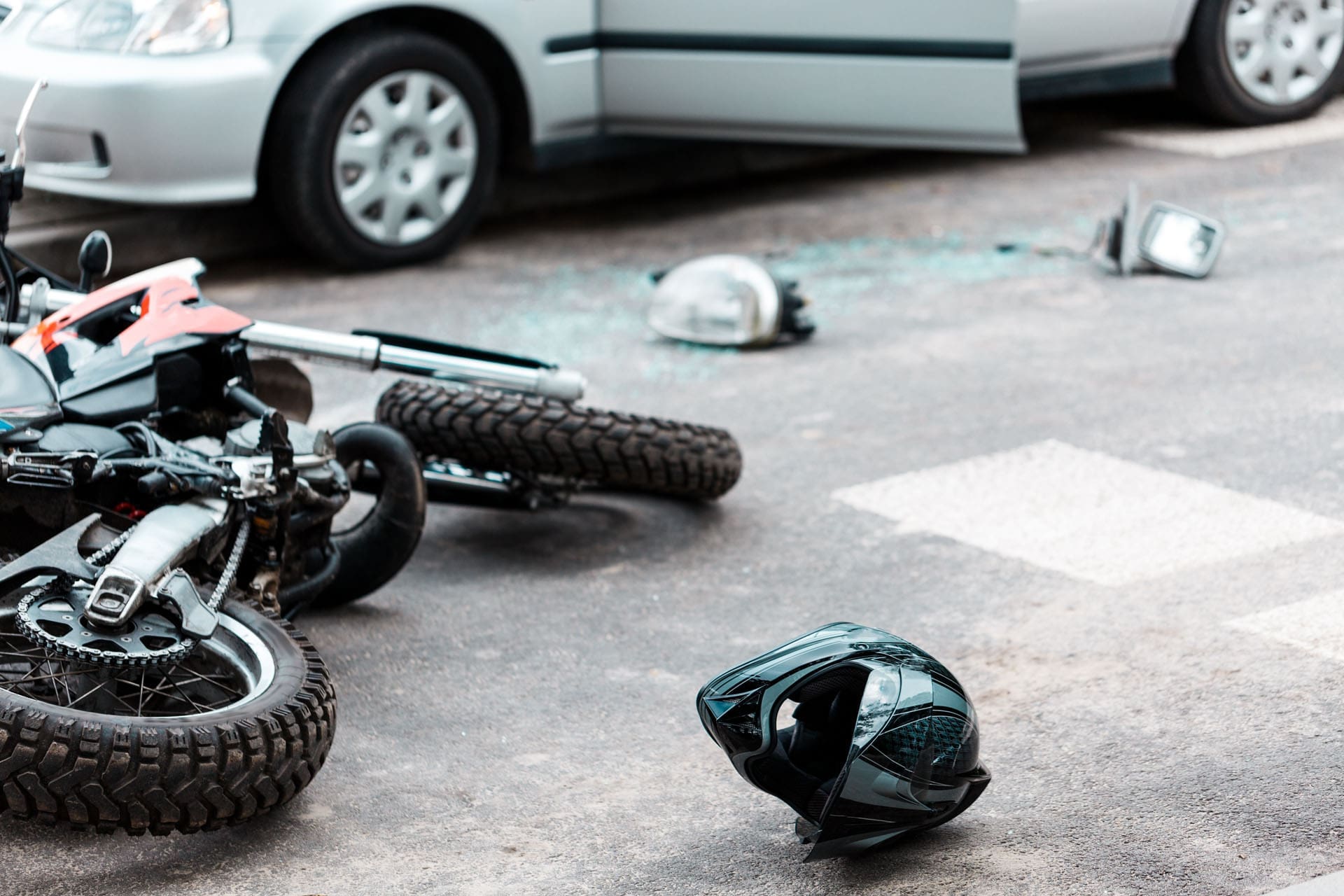
Motorcycle Head Trauma Rehabilitation El Paso, TX
Abstract
A motorcycle helmet can save a life, but it cannot prevent every brain injury. If a rider in El Paso suffers a concussion or traumatic brain injury while wearing a helmet, it often means the crash force was stronger than what the helmet could fully absorb. The helmet may still have prevented a worse injury or death. However, the rider may still need medical care for brain symptoms, whiplash, neck pain, spinal strain, nerve irritation, and soft tissue injuries.
For injured riders, recovery should include two important steps: medical evaluation and legal protection. If another driver caused the crash, the injured rider may still have the right to pursue compensation for medical bills, lost wages, pain, and long-term damages. At ChiroMed – Integrated Medicine in El Paso, the focus is on helping accident patients understand their injuries, obtain proper documentation, and follow a personalized recovery plan that includes chiropractic care, rehabilitation, nurse practitioner support, and integrative therapies.
A Helmet Helps, But It Has Limits
Motorcycle helmets are one of the most important safety tools a rider can wear. The CDC reports that helmets are 37% effective in preventing death for motorcycle operators, 41% effective for passengers, and reduce the risk of head injury by 69% (Centers for Disease Control and Prevention [CDC], 2025).
However, a helmet cannot stop every injury. A serious motorcycle crash can involve several types of force at once:
- Direct impact to the head
- Sudden twisting of the neck
- Rapid forward-and-back movement
- A fall onto the pavement
- Impact with another vehicle
- Secondary impact after being thrown from the bike
A helmet protects the skull and helps absorb impact, but the brain can still move inside the skull. That movement may cause a concussion or traumatic brain injury. Mayo Clinic explains that concussion symptoms can include headaches, memory problems, balance issues, mood changes, and sleep problems (Mayo Clinic, 2024).
What It Means If a Brain Injury Happens While Wearing a Helmet
If a rider suffers a brain injury while wearing a helmet, it does not automatically mean the helmet failed. It may mean the crash was severe enough to exceed the helmet’s design limits. In many cases, the helmet still reduced the force and helped prevent a fatal outcome.
This is important because riders are sometimes blamed unfairly after a crash. Insurance companies may focus on the motorcycle, the helmet, or the rider’s choices instead of asking the most important question: who caused the crash?
A helmeted rider may still suffer:
- Concussion
- Traumatic brain injury
- Whiplash
- Neck sprain or strain
- Cervical disc irritation
- Headaches
- Dizziness
- Shoulder pain
- Low back pain
- Numbness or tingling
- Muscle spasms
- Balance problems
The CDC notes that mild TBI and concussion symptoms can affect how a person feels, thinks, acts, and sleeps. Symptoms may include headaches, dizziness, light sensitivity, nausea, difficulty concentrating, brain fog, irritability, and changes in sleep (CDC, 2025).
Warning Signs That Need Emergency Care
After a motorcycle crash, a rider should seek emergency medical care if there are signs of a serious brain injury. The CDC warns that danger signs may include worsening headache, repeated vomiting, weakness, numbness, seizures, slurred speech, confusion, one pupil larger than the other, or trouble waking up (CDC, 2025).
A rider should not “wait it out” if symptoms are getting worse. Some brain injuries may seem mild at first, but become more serious later. The American Association of Neurological Surgeons explains that blood clots, swelling, or bleeding around the brain can become dangerous and may need urgent medical attention (American Association of Neurological Surgeons, n.d.).
Helmet Use and Legal Rights in Texas
Texas motorcycle helmet law is not always simple. Riders under 21 must wear a helmet. Riders 21 and older may qualify for an exemption if they meet certain requirements, such as completing an approved motorcycle operator training course or having qualifying health insurance coverage. Current Texas motorcycle helmet guidance also notes that helmet status may become part of an injury claim, especially when insurance companies argue about injury severity (Reyes Browne Reilley, 2026).
Texas also follows a proportionate responsibility rule. Under Texas Civil Practice and Remedies Code Section 33.001, a person generally cannot recover damages if their percentage of responsibility is greater than 50% (Texas Civil Practice and Remedies Code, 2026).
That means documentation matters. If another driver caused the motorcycle crash, the injured rider may still have the right to pursue compensation. This may include compensation for:
- Emergency care
- Medical visits
- Imaging
- Chiropractic care
- Rehabilitation
- Lost income
- Pain and suffering
- Long-term disability
- Future medical care
Most Texas personal injury cases also have a two-year deadline to file a lawsuit, although the deadline can vary by case. Texas Law Help explains that personal injury claims are commonly tied to the two-year limitations period under Texas Civil Practice and Remedies Code Section 16.003 (Texas Law Help, 2023).
Why Legal Guidance Matters After a Motorcycle Crash
A motorcycle crash can become legally complicated very quickly. The rider may be hurt, the motorcycle may be damaged, and insurance adjusters may ask questions before the full medical picture is clear.
In El Paso, injured riders may benefit from speaking with a qualified personal injury attorney. Local firms such as the Law Offices of Ruben Ortiz and the Ruhmann Law Firm discuss motorcycle accident claims involving driver negligence, crash investigation, injury documentation, and bias against motorcyclists (Law Offices of Ruben Ortiz, n.d.; Ruhmann Law Firm, n.d.).
A personal injury attorney may help investigate:
- Who had the right of way
- Whether a driver failed to yield
- Whether distracted driving played a role
- Whether speeding was involved
- Whether a driver changed lanes unsafely
- Whether crash video or witness statements exist
- Whether the rider’s medical injuries match the crash forces
This article is not legal advice. Riders should speak with a licensed Texas personal injury attorney for case-specific legal guidance.
The ChiroMed Approach to Motorcycle Accident Recovery
At ChiroMed – Integrated Medicine in El Paso, accident recovery is viewed as more than pain control. The goal is to understand how the crash affected the body, then build a recovery plan that supports movement, function, and long-term healing.
ChiroMed describes its care model as a multidisciplinary approach led by Dr. Alexander Jimenez, DC, APRN, FNP-BC. The clinic focuses on holistic, patient-centered care, including chiropractic care, nurse practitioner services, nutrition, rehabilitation, and integrative medicine services (ChiroMed, 2026).
For motorcycle accident patients, this type of model is helpful because injuries often overlap. A rider may have a concussion, but also have neck trauma, back strain, shoulder injury, hip pain, and nerve symptoms. ChiroMed’s motorcycle injury content notes that motorcycle accidents can cause head and neck trauma, fractures, road rash, whiplash, dizziness, chronic pain, and mobility problems (ChiroMed, n.d.).
Why the Neck and Spine Matter After a Brain Injury
A helmet protects the head, but it does not fully protect the neck. When the body is thrown forward, backward, or sideways, the cervical spine may absorb strong forces. This can lead to whiplash, joint irritation, muscle guarding, ligament strain, and nerve symptoms.
This matters because brain injury symptoms and neck injury symptoms can overlap. A patient may report:
- Headaches
- Dizziness
- Blurred vision
- Neck stiffness
- Shoulder tightness
- Brain fog
- Trouble sleeping
- Numbness or tingling
Some symptoms may come from the concussion. Others may come from the cervical spine, muscles, joints, or nerves. This is why a complete post-crash evaluation should include the head, neck, spine, shoulders, back, and nervous system.
Dr. Jimenez’s dual-scope model uses chiropractic and nurse practitioner training to evaluate spinal misalignments, soft tissue injuries, imaging needs, and functional recovery needs after accident trauma (ChiroMed, 2026).
Integrative Chiropractic Care After Medical Clearance
Chiropractic care does not replace emergency brain injury care. A person with serious brain injury signs should go to the emergency room first. However, after the patient is medically cleared, integrative chiropractic care may support recovery from the musculoskeletal injuries linked to the crash.
Care may include:
- Spinal and posture assessment
- Range-of-motion testing
- Orthopedic and neurological screening
- Gentle chiropractic adjustments when appropriate
- Soft tissue therapy
- Myofascial release
- Corrective exercise
- Balance and coordination training
- Rehabilitation exercises
- Referrals for imaging or specialists when needed
At ChiroMed, treatment planning often focuses on function. That means the care team assesses how the injury affects walking, lifting, head turning, sleeping, working, driving, and returning to daily activities.
Regenerative and Integrative Therapies for Soft Tissue Injury
Some motorcycle accident injuries involve deeper soft tissue damage. Ligaments, tendons, joints, discs, and muscles may remain painful after the first stage of healing. In selected cases, regenerative medicine may be discussed as part of a larger care plan.
Weill Cornell Medicine describes regenerative medicine, also called orthobiologics, as a field that aims to support the body’s repair process in damaged muscles, tendons, ligaments, joints, and related tissues (Weill Cornell Medicine, n.d.).
Regenerative options may include:
- Platelet-rich plasma, also called PRP
- Prolotherapy
- Microfragmented adipose tissue, also called MFAT
- Image-guided injection planning
- Rehabilitation combined with tissue-supportive care
These treatments are not for everyone. They should be considered only after a proper diagnosis and evaluation by a licensed provider. The best results usually come when regenerative care is paired with rehabilitation, nutrition, movement correction, and follow-up monitoring.
Documentation Helps Healing and Injury Claims
Good medical documentation is important after a motorcycle accident. It helps the provider understand what happened, track progress, and connect the injury pattern to the crash. It may also help a personal injury attorney show how the accident affected the rider’s life.
Important documentation may include:
- Crash date and location
- Helmet use
- Helmet damage photos
- Motorcycle damage photos
- Police report
- Emergency room records
- Imaging results
- Concussion symptoms
- Neck and spine findings
- Work restrictions
- Pain levels
- Rehabilitation progress
- Referrals and specialist notes
At ChiroMed, careful documentation is part of the recovery process. It helps connect symptoms, exam findings, diagnostics, treatment, and functional improvement in a clear way.
A Practical Recovery Path for Helmeted Riders in El Paso
A helmeted rider with a suspected brain injury should take recovery seriously. The following steps can help protect health and legal rights:
- Get emergency care for serious symptoms.
- Save the helmet and damaged safety gear.
- Take photos of the motorcycle, helmet, injuries, and crash scene.
- Report the crash and request the police report.
- Avoid signing quick insurance settlements before the diagnosis is complete.
- Follow up for concussion, neck, spine, and nerve symptoms.
- Consult a Texas personal injury attorney if another driver caused the crash.
- Begin chiropractic and rehabilitation care after medical clearance.
- Ask whether regenerative or integrative therapies are appropriate.
- Keep a daily symptom and recovery journal.
Conclusion
A brain injury while wearing a motorcycle helmet does not mean the helmet was useless. It often means the crash was severe. The helmet may have reduced the force, protected the skull, and prevented a worse outcome. However, the rider may still suffer a concussion, whiplash, spinal strain, nerve irritation, and musculoskeletal injuries.
For riders in El Paso and Horizon City, recovery should include both medical and legal support. A qualified personal injury attorney can help investigate fault and protect the rider’s rights. A clinic like ChiroMed – Integrated Medicine can help evaluate the body after trauma, document injuries, and create a personalized care plan that may include chiropractic care, rehabilitation, nurse practitioner support, nutrition, and integrative therapies.
The best recovery plan is clear, coordinated, and patient-centered. After a helmeted motorcycle crash, the goal is not only to treat pain but also to restore function, protect the nervous system, and help the patient move forward with confidence.
References
American Association of Neurological Surgeons. (n.d.). Concussion.
Centers for Disease Control and Prevention. (2025). Motorcycle injury prevention.
Centers for Disease Control and Prevention. (2025). Symptoms of mild TBI and concussion.
ChiroMed. (2026). Integrated medicine services El Paso TX.
ChiroMed. (n.d.). ChiroMed’s comprehensive care for motorcycle injuries.
ChiroMed. (n.d.). Bicycle accident recovery in El Paso: How Dr. Alexander Jimenez can help.
Law Offices of Ruben Ortiz. (n.d.). Motorcycle accident attorney in El Paso.
Mayo Clinic. (2024). Concussion: Symptoms and causes.
Reyes Browne Reilley. (2026). Texas motorcycle helmet laws and your injury claim.
Ruhmann Law Firm. (n.d.). Motorcycle accident attorney El Paso.
Texas Civil Practice and Remedies Code. (2026). Section 33.001: Proportionate responsibility.
Texas Law Help. (2023). Statutes of limitations in civil lawsuits.
Weill Cornell Medicine. (n.d.). Regenerative medicine.

