Martial Arts Head Injuries: Integrative Recovery

Head Injuries in Martial Arts: Risks and Recovery with Integrative Chiropractic Care
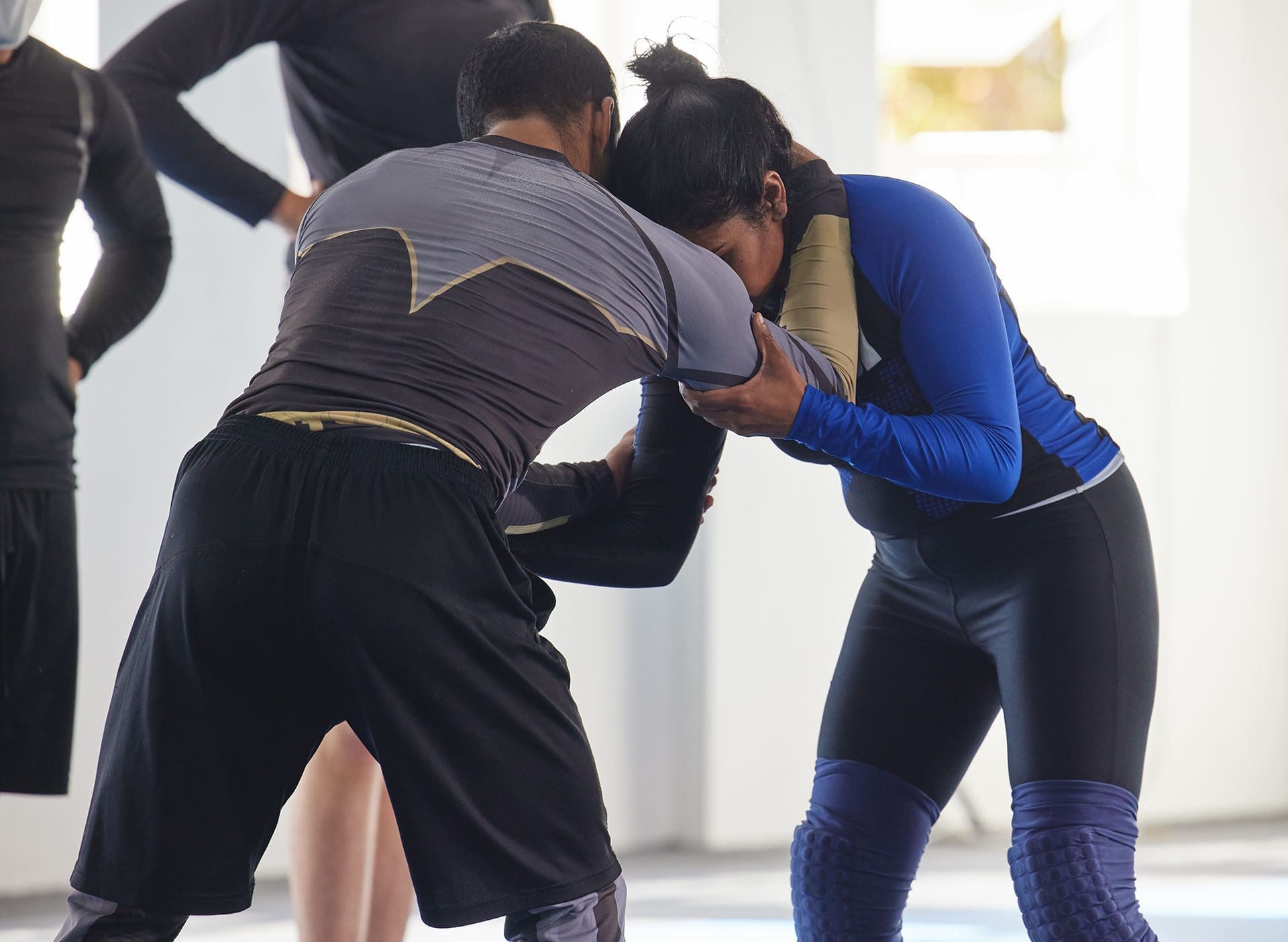
Martial arts, including mixed martial arts (MMA), boxing, and kickboxing, draw millions of people worldwide. These sports build strength, discipline, and skill. However, they also carry risks associated with head impacts. Even small hits to the head can lead to big problems over time. This article examines the impact of repeated head injuries on the brain. It addresses short-term issues such as dizziness and confusion. It also explains long-term dangers, such as memory loss and diseases like chronic traumatic encephalopathy (CTE). Many fighters face these risks without being aware of the full story.
Studies show that head trauma makes up 58% to 78% of all injuries in MMA (Curran-Sills, 2021). In one review of 844 UFC fights from 2006 to 2012, 13% ended in knockouts and 21% in technical knockouts, mostly from head strikes (Eichelberger, 2014). Fighters take about 6.3 head strikes per minute on average (Kiefer et al., 2022). These numbers underscore the importance of brain health in combat sports. Ignoring them can lead to lasting harm.
The brain is soft and floats in a fluid-filled space inside the skull. A hit makes it bounce against the bone. This causes swelling, bleeding, or damage to brain cells. In martial arts, hits come from punches, kicks, and falls. Training sessions often include sparring, where sub-concussive blows—hits that don’t cause a full knockout—add up. One study found that boxers and MMA fighters with more fights have smaller brain regions, such as the thalamus and caudate (Bernick et al., 2015). These changes are linked to slower thinking and poorer memory.
Short-term symptoms appear right after a hit. A fighter might feel dizzy or confused. Other signs include headaches, nausea, and trouble balancing. In a knockout, the brain shakes violently inside the skull. This disrupts signals between brain cells. Consciousness fades for seconds or minutes. After waking, the memory of the event often vanishes. One fighter described it: “Sometimes when I’m training really hard, it’s like I can just feel that I’m dumber… I can’t pull up words as easily” (Chi, 2020a). These effects can last for days or weeks if left untreated.
Women in MMA face similar risks, but data shows differences. Female fighters land more head strikes per minute—about 2.95 significant ones compared to 2.37 for men (Kiefer et al., 2022). Their fights last longer, raising exposure time. Yet, head trauma ends fewer female bouts (23.1% vs. 32.2% for males). Still, both groups risk the same brain changes from repeated hits.
Over time, these injuries accumulate. The brain loses volume, especially in areas for memory and emotion. Research from the Professional Fighters’ Brain Health Study indicates that each year of fighting results in a 1% reduction in caudate volume after five years (Bernick et al., 2013). Processing speed also drops by up to 8.8% in high-exposure fighters (Bernick et al., 2015). This means simple tasks take longer. Fighters notice it in daily life, like forgetting names or stumbling in conversations.
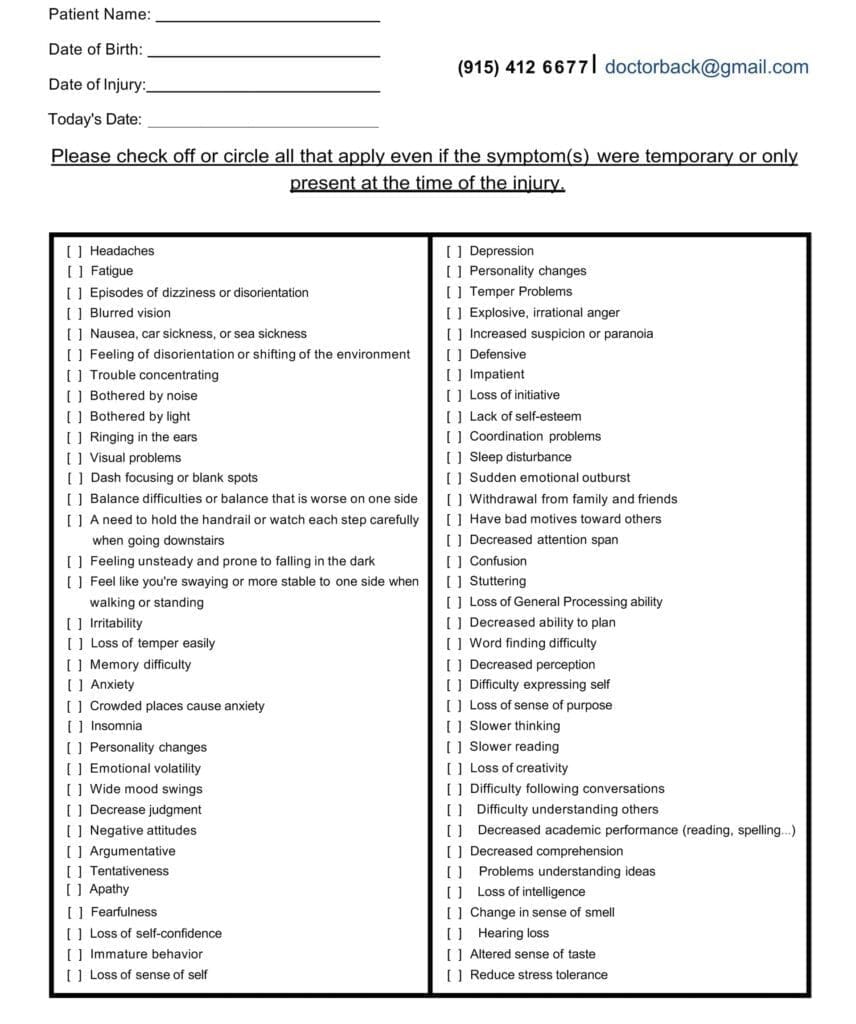
Emotional and behavioral changes creep in next. Anxiety, depression, and irritability become common. One list of symptoms from combat sports includes panic attacks, aggression, and personality shifts (Rezon Diagnostics, n.d.). Physical signs worsen too: chronic headaches, sleep issues, and poor coordination. These match traumatic brain injury (TBI) patterns from the National Institute of Neurological Disorders and Stroke (NINDS, 2023). In severe cases, repeated TBIs lead to post-traumatic dementia or CTE.
CTE is a big worry. It’s a disease from repeated brain trauma. Symptoms start mild but grow: confusion, mood swings, and trouble focusing. Later stages bring dementia-like problems. CTE is commonly found in boxers, football players, and MMA fighters. One postmortem study found it in a retired MMA fighter who had memory loss and aggression (Meehan et al., 2019). The National Institutes of Health now links brain injuries directly to CTE (Benson et al., 2020). In MMA, 67.5% to 79.4% of injuries hit the head, fueling this risk (Meehan et al., 2019).
Why does this happen? Each hit triggers inflammation and protein buildup in the brain. Tau proteins tangle, killing cells. Sub-concussive hits—those without knockout—do the most damage because they happen often. A review notes that MMA has a higher brain injury risk than boxing due to ground strikes and chokes (Eichelberger, 2014). Chokes add oxygen loss, worsening cell death.
Fighters know the dangers. According to a survey, 61.2% of respondents worry about long-term brain damage (Chi, 2020a). Over 21% already feel changes, such as stuttering or low energy. One said, “I can guarantee you something when I do sparring training: I feel it instantly, my memory” (Chi, 2020a). Yet, the sport’s thrill keeps people in. Gyms vary: some cut hard sparring, others don’t.
Prevention starts with rules. Studies suggest that better referee training is needed to prevent fights more effectively (Eichelberger, 2014). Mouthguards offer some protection, but not against full impacts (Kiefer et al., 2022). Medical checks during careers can spot issues early (Curran-Sills, 2021). Younger fighters should limit exposure. The age of first fight matters—starting early increases the odds of CTE (Slobounov et al., 2017).
Even with care, injuries happen. Recovery needs more than rest. That’s where integrative chiropractic care comes in. This approach combines spinal adjustments with other therapeutic modalities. It targets the entire body to support brain health. Chiropractors fix misalignments from hits. These shifts in the spine block nerve signals to the brain.
Dr. Alexander Jimenez, a chiropractor with over 30 years in sports injuries, sees this often. At his El Paso clinic, he treats MMA fighters with non-drug methods. His work focuses on root causes, such as inflammation and nerve pressure. In one podcast, he stresses protocols for concussions: remove from training, monitor symptoms, and return safely (Jimenez, 2020). Dr. Jimenez’s holistic plans include nutrition to fight brain swelling. His patients regain focus and strength faster.
How does it work? A hit jars the neck, misaligning vertebrae. This pinches nerves and slows brain signals. Adjustments realign the spine, easing pressure. One study shows spinal manipulation boosts prefrontal cortex activity—the brain’s control center (Apex Chiropractic, n.d.). This helps with decisions, memory, and mood.
Symptoms like dizziness fade too. Soft tissue work releases tight muscles around the neck. It cuts headaches and nausea. Balance improves with exercises that retrain the inner ear and eyes (Carr Chiropractic Clinic, n.d.). Vision tests can spot hidden issues related to TBIs.
Cerebrospinal fluid (CSF) flow is key. CSF cushions the brain and clears waste. Misalignments block it, causing pressure to build up. Adjustments restore flow, reducing fog and pain (Calibration Chiropractic, n.d.). Better flow means faster healing.
Neuroplasticity is the brain’s superpower. It rewires after damage. Chiropractic care sparks this by challenging the body’s natural balance. Therapies like balance drills build new paths. One clinic notes patients return to work or sports quicker with this (Northwestern Health Sciences University, n.d.). For MMA, it means safer comebacks.
Integrative care teams up with doctors. Chiropractors often collaborate with neurologists for comprehensive evaluations (Carr Chiropractic Clinic, n.d.). Nutrition plans can help reduce inflammation—consider incorporating omega-3s and antioxidants. Laser therapy speeds cell repair.
Take Gary Goodridge, an MMA veteran. He got CTE from years of hits. Early chiropractic might have helped his balance and mood (Meehan et al., 2019). Modern fighters use it proactively. One gym owner said adjustments prevent downtime (Turnersville Chiropractic, n.d.).
Risks don’t vanish, but care lowers them. Start with baseline brain scans. Track symptoms after spars. If you feel dizzy, stop and see a professional. Dr. Jimenez advises: “Don’t shake it off—get checked” (Jimenez, 2020).
In the end, martial arts can be safe with knowledge. Head injuries can lead to both short-term fog and long-term decline. But integrative chiropractic offers hope. It realigns body and brain for better recovery. Fighters deserve that edge.
References
Apex Chiropractic. (n.d.). How chiropractic care can treat a traumatic brain injury. https://apexchiroco.com/updates/how-chiropractic-care-can-treat-a-traumatic-brain-injury/
Bernick, C., Banks, S., Shin, K., & Phillips, M. (2015). Repeated head trauma is associated with smaller thalamic volumes and slower processing speed: The Professional Fighters’ Brain Health Study. British Journal of Sports Medicine, 49(15), 1007–1011. https://doi.org/10.1136/bjsports-2014-094580
Bernick, C., Slobounov, S., Stihl, S., Negrete, G., Svingos, A., & Noble, J. (2013). What boxing tells us about repetitive head trauma and the brain. Frontiers in Neurology, 4, 94. https://doi.org/10.3389/fneur.2013.00094
Benson, B. F., & Cusimano, M. D. (2020). A brief descriptive outline of the rules of mixed martial arts and concussion in mixed martial arts. Journal of Exercise Rehabilitation, 16(6), 486–492. https://doi.org/10.12965/jer.2040686.343
Calibration Chiropractic. (n.d.). How can integrative chiropractic care help with traumatic brain injuries? https://calibrationmansfield.com/how-can-integrative-chiropractic-care-help-with-traumatic-brain-injuries/
Carr Chiropractic Clinic. (n.d.). The role of chiropractic care in concussion management. https://www.carrchiropracticclinic.com/the-role-of-chiropractic-care-in-concussion-management/
Chi, J. (2020a, June 4). For many MMA fighters, CTE fears are already a reality. The Athletic. https://www.nytimes.com/athletic/1854544/2020/06/04/mma-fighters-brain-health-cte-is-reality/
Chi, J. (2020b, September 18). Explained: What happens to a fighter’s brain after suffering a KO? The Athletic. https://www.nytimes.com/athletic/2074911/2020/09/18/explained-what-happens-to-a-fighters-brain-after-suffering-a-ko/
Curran-Sills, G. (2021). Head injury in mixed martial arts: A review of epidemiology, affected brain structures and risks of cognitive decline. Physical Medicine and Rehabilitation Research, 6(1), 1–6. https://doi.org/10.33140/PMRR.06.01.01
Eichelberger, M. (2014, March 5). Study: MMA brain injury risk higher than boxing. ESPN. https://www.espn.com/mma/story/_/id/10690370/study-shows-mma-brain-injury-risk-higher-boxing
Jimenez, A. (2020, [date from video]). Chiropractic care and traumatic brain injuries [Video]. YouTube. https://www.youtube.com/watch?v=Fc5Tva2Z7BU
Kiefer, C. M., Kummer, T. J., & Kofler, M. (2022). Head trauma exposure in mixed martial arts: A comparison of training and competition. Journal of Neurotrauma, 39(23-24), 1621–1631. https://doi.org/10.1089/neu.2022.0017
Meehan, A. S., Chard, K., & McLeod, T. C. V. (2019). Dangers of mixed martial arts in the development of chronic traumatic encephalopathy. Concussion, 4, CNC62. https://doi.org/10.2217/cnc-2018-0010
National Institute of Neurological Disorders and Stroke. (2023). Traumatic brain injury (TBI). https://www.ninds.nih.gov/health-information/disorders/traumatic-brain-injury-tbi
Northwestern Health Sciences University. (n.d.). Reis writes for Chiropractic Economics: Chiropractic and traumatic brain injuries. https://www.nwhealth.edu/news/reis-writes-for-chiropractic-economics-chiropractic-and-traumatic-brain-injuries/
Rezon Diagnostics. (n.d.). Brain injury in combat sports. https://www.rezonwear.com/halos/brain-injury/combat-sports/
Slobounov, S., Zhang, K., & Wu, Y. (2017). Chronic traumatic encephalopathy. Journal of Exercise Rehabilitation, 13(6), 636–642. https://doi.org/10.12965/jer.1735076.538 (Note: Adapted from source)
Turnersville Chiropractic. (n.d.). Consider chiropractic care for mixed martial arts injuries. https://www.turnersvillechiropractic.com/blog/80501-consider-chiropractic-care-for-mixed-martial-arts-injuries