
Regenerative Medicine & IV Therapy for Better Recovery for Musculoskeletal Injuries and Immune Dysfunction
Learn how regenerative medicine combined with IV therapy can support your health and improve recovery times effectively.
Regenerative medicine offers hope for people dealing with pain from injuries or ongoing health issues. This approach uses the body’s own healing powers to fix damaged tissues. One key method is intravenous, or IV, therapy. It delivers beneficial substances directly into the bloodstream. This non-surgical approach can reduce inflammation, ease pain, and accelerate natural repair in areas with poor blood flow. Many times, it helps patients avoid or delay surgery. Success often depends on factors such as the location of a tear, the severity of the damage, and the person’s age. When paired with integrative chiropractic care, these treatments work even better to improve joint mobility, reduce pain, and enhance daily function.
What Is Regenerative Medicine?
Regenerative medicine focuses on replacing or repairing damaged cells, tissues, and organs. It works by stimulating the body’s natural repair systems instead of just covering up symptoms with pills or surgery. For musculoskeletal injuries, which affect muscles, bones, joints, ligaments, and tendons, this field uses techniques such as platelet-rich plasma or growth factors to promote new tissue growth. These methods are especially useful in spots with limited blood supply, where healing happens slowly on its own.
The goal is to lower swelling and pain while promoting true recovery. Unlike traditional options that might involve cutting into the body, regenerative approaches allow tissues to mend from within. This makes them a popular choice for long-term issues like joint wear or soft-tissue damage.
Understanding Intravenous (IV) Therapy
Intravenous therapy, often called IV therapy, is a process where fluids, nutrients, vitamins, or other helpful compounds go directly into a vein through a thin tube. The Cleveland Clinic explains that IV fluids treat dehydration and correct electrolyte imbalances, which occur when the body loses too much water due to illness, injury, or strenuous activity (Cleveland Clinic, n.d.). In a regenerative setting, IV therapy goes beyond basic fluids. It can carry high doses of vitamins, antioxidants, or supportive agents right into the bloodstream for fast results.
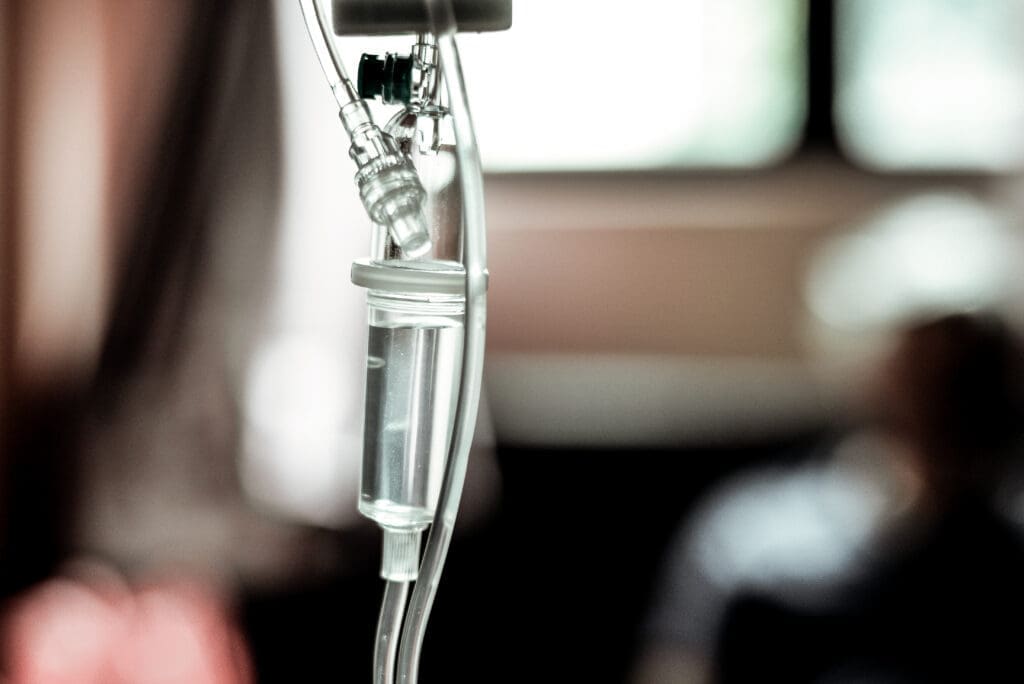
Pills must pass through the stomach and liver first, so much of their strength gets lost. IV delivery skips that step and puts nearly 100 percent of the substance to work right away. This quick action helps the whole body respond faster to injury or immune stress. According to nursing guidelines on IV management, the main purposes include replacing fluids, giving medications, and restoring balance to support overall recovery (Ernstmeyer & Christman, 2021).
- Quick absorption of nutrients without waiting for digestion
- Targeted delivery for faster relief from inflammation
- Reduced side effects on the stomach compared to oral pills
How IV Therapy Helps the Musculoskeletal System
Musculoskeletal injuries often involve tears in tendons, ligaments, or muscles that receive little blood. These poorly vascularized areas heal slowly because nutrients and repair signals take time to arrive. IV therapy changes that by flooding the system with anti-inflammatory compounds and growth-supporting elements. Over time, this reduces pain and swelling while encouraging the body to rebuild damaged tissue.
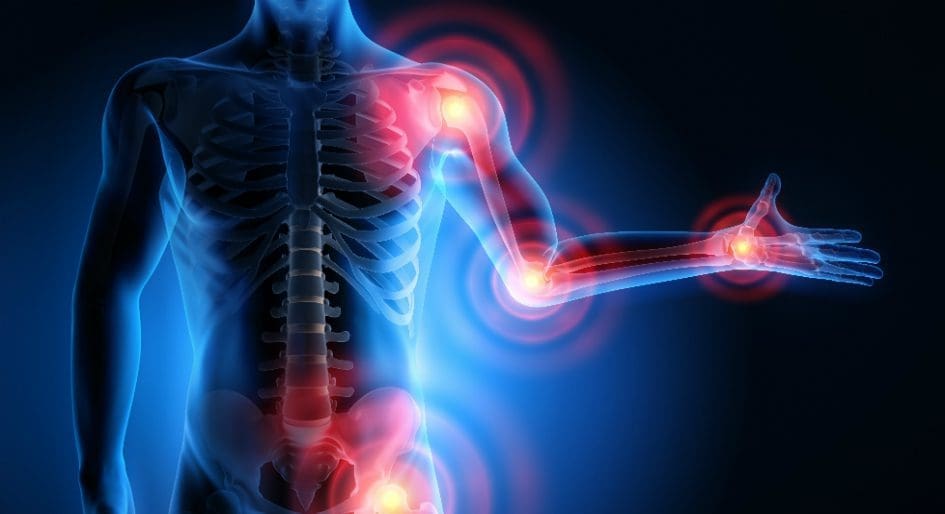
For example, regenerative IV blends can include antioxidants that calm overactive inflammation around a joint or spine. This non-surgical boost often delays the need for operations. A systematic review of non-invasive pain options shows that similar approaches, such as targeted stimulation methods, provide strong evidence for alleviating chronic low back or limb pain without cutting (Xu et al., 2021). IV support fits right in by working system-wide to aid local repair.
Patients notice less stiffness and improved mobility as tissues heal. The process stimulates repair in areas with weak blood flow, making it ideal for sports injuries, wear-and-tear damage, or repetitive strain.
IV Therapy’s Role in Supporting the Immune System
The immune system protects the body from harm, but when it becomes out of balance, it can cause chronic inflammation or attack healthy tissues. IV therapy helps by delivering immune-modulating nutrients straight into circulation. High-dose vitamin mixes or antioxidant formulas can dial down excessive responses and restore calm.
This is useful for immune dysfunction tied to chronic swelling or autoimmune flare-ups. Direct IV delivery ensures the body receives what it needs quickly, supporting white blood cells and reducing oxidative stress, which can worsen problems. One study on natural compounds that regulate inflammatory pathways reports that certain agents reduce key markers, such as cytokines, that drive swelling (Tian et al., 2023). IV versions of similar supportive therapies can achieve comparable effects across the body.
- Calms overactive immune signals to ease chronic inflammation
- Boosts nutrient levels that help fight fatigue and support recovery
- Helps balance the system so the body heals rather than stays in defense mode
Transform Your Body- Video
Integrative Chiropractic Care Enhances Recovery
Integrative chiropractic care adds another layer by focusing on joint and spine alignment. Gentle adjustments improve mechanics, take pressure off nerves, and reduce pain signals. This not only eases discomfort but also helps blood and nutrients flow more effectively to injured areas, making other therapies work more effectively.
When joints move properly, muscles relax, and inflammation drops naturally. Chiropractic care supports overall function, making daily activities easier. Dr. Alexander Jimenez, DC, APRN, FNP-BC, often combines this with regenerative steps. His approach improves mobility and cuts the need for drugs or surgery by restoring balance in the body’s structure and systems (Jimenez, n.d.-a).
Why Combine Regenerative Medicine, IV Therapy, and Chiropractic Care
These treatments shine when used together. Regenerative medicine stimulates tissue growth, IV therapy delivers the raw materials through the bloodstream, and chiropractic care ensures the framework functions smoothly. The result is a full non-surgical plan that tackles pain, swelling, repair, and immune balance all at once.
Patients get faster relief and longer-lasting results. For instance, after an injury, IV nutrients fuel the repair process while chiropractic adjustments keep joints from locking up. This teamwork often replaces surgery for many musculoskeletal cases and lowers immune-related flare-ups. General reviews of IV practices confirm careful use helps avoid complications and supports safe healing (Waitt et al., 2004).
Factors That Influence Treatment Success
Not every case responds the same. Several key elements play a role:
- Tear location – Injuries near a good blood supply heal quicker than those in tight, low-flow zones
- Severity of damage – Mild strains improve faster than complete tears
- Patient age – Younger bodies often regenerate more actively, while older patients may need extra support
Overall health, lifestyle, and the timing of treatment also matter. Doctors check these details to set realistic goals and adjust plans. This personalized view raises the chances of good outcomes without invasive steps.
Clinical Observations from Dr. Alexander Jimenez
Dr. Alexander Jimenez brings over 30 years of hands-on experience to regenerative and integrative care. As a Doctor of Chiropractic and board-certified family nurse practitioner with functional medicine training, he treats patients at his El Paso clinic using a whole-person lens (Jimenez, n.d.-b). His clinical observations indicate that combining IV nutritional therapy with PRP regenerative injections and chiropractic adjustments leads to significant improvements in musculoskeletal pain and immune function.
Many individuals with joint stiffness, back issues, or lingering inflammation report improved mobility and reduced daily discomfort after following these protocols. Dr. Jimenez notes that addressing root causes like poor alignment and nutrient gaps helps the body heal naturally. His patients, from active adults to those with chronic conditions, often avoid surgery and regain function through customized plans that include IV support for inflammation control and tissue repair. He emphasizes teamwork between therapies to boost long-term wellness.
Conclusion
Regenerative medicine, especially through IV therapy, gives people a powerful non-surgical option for musculoskeletal injuries and immune challenges. It reduces inflammation, eases pain, and activates the body’s repair systems, even in hard-to-reach areas. Adding integrative chiropractic care enhances outcomes by improving movement and function. Together, these methods create a well-rounded path to healing that many find effective and gentle. Anyone considering these treatments should talk with a trained provider to determine what best fits their situation. With the right plan, lasting relief and better health are within reach.
References
- Alangari, A. (2025). To IV or not to IV: The science behind intravenous vitamin therapy. https://pmc.ncbi.nlm.nih.gov/articles/PMC12182718/
- Cleveland Clinic. (n.d.). IV fluids (intravenous fluids): Types & uses. https://my.clevelandclinic.org/health/treatments/21635-iv-fluids
- Ernstmeyer, K., & Christman, E. (Eds.). (2021). Nursing skills (Chapter 23: IV therapy management). https://www.ncbi.nlm.nih.gov/books/NBK593209/
- Jimenez, A. (n.d.-a). Injury specialists. https://dralexjimenez.com/
- Jimenez, A. (n.d.-b). Dr. Alexander Jimenez, DC, APRN, FNP-BC, IFMCP, CFMP, ATN. LinkedIn. https://www.linkedin.com/in/dralexjimenez/
- Tian, L., et al. (2023). Astragaloside IV regulates the TL1A and NF-κB signaling pathways to modulate inflammation in necrotizing enterocolitis. PubMed. https://pubmed.ncbi.nlm.nih.gov/37413858/
- Waitt, C., Waitt, P., & Pirmohamed, M. (2004). Intravenous therapy. Clinical Medicine, 4(2), 144–147. https://pmc.ncbi.nlm.nih.gov/articles/PMC1757963/
- Xu, J., et al. (2021). Peripheral nerve stimulation in pain management: A systematic review. Pain Physician, 24(E131–E152). https://pubmed.ncbi.nlm.nih.gov/33740342/
Keywords
regenerative medicine, IV therapy, musculoskeletal injuries, non-surgical healing, immune dysfunction, inflammation reduction, chiropractic care, tissue repair, PRP therapy, natural healing, Dr. Alexander Jimenez, integrative medicine, pain management, joint mechanics, immune support