In the ever-evolving landscape of regenerative medicine, platelet-rich plasma (PRP) has emerged as a cornerstone therapy for a multitude of musculoskeletal conditions, most notably osteoarthritis. However, the clinical conversation is shifting from a simple “yes or no” regarding its use to a more sophisticated understanding of “how” and “why” it works. This post will take you on an educational journey into the nuanced world of PRP therapy. We will explore the critical concepts of platelet concentration, the evolving debate over leukocyte ratios (leukocyte-rich vs. leukocyte-poor PRP), and the latest evidence-based findings reshaping our treatment protocols. Drawing upon modern research and my clinical observations, we will demystify the physiological mechanisms at play, explaining how we can optimize treatments by focusing on absolute platelet dosage and understanding the synergistic roles of different cell types. Furthermore, we will connect these advanced regenerative techniques to the foundational principles of integrative chiropractic care, illustrating how a comprehensive approach that addresses biomechanical integrity and systemic health is paramount for achieving lasting patient outcomes.
The Evolution of PRP: Beyond Leukocyte Ratios to Precise Dosing
For years, the regenerative medicine community has engaged in a robust discussion about the ideal formulation of PRP. A central point of this debate was the white blood cell (leukocyte) ratio in the PRP preparation. This led to the common classification of PRP into leukocyte-rich (LR-PRP) and leukocyte-poor (LP-PRP) subtypes. The prevailing thought was that one type might be superior for specific conditions—for instance, that the pro-inflammatory nature of leukocytes in LR-PRP could be detrimental for an already inflamed arthritic joint.
This classification system, born around 2011-2012, was a significant step forward. It gave us a framework to begin conceptualizing and comparing different PRP preparations. It was a way for clinicians like myself to ask, “What is our patient actually receiving?” However, as science progresses, so must our understanding.
A Paradigm Shift in Understanding
Recent research has begun to challenge this dichotomous view. In a fascinating turn, some of the very same researchers who first proposed the importance of leukocyte ratios published a pivotal paper around 2022. Their updated findings, specifically regarding joint arthritis, suggested that, in the long run, the distinction between leukocyte-rich and leukocyte-poor PRP may not be as critical as we once believed (Le et al., 2022).
This finding aligns with a growing body of evidence that points to a different, perhaps more crucial, variable: the absolute platelet dose. Instead of focusing solely on the cell ratio, the focus is shifting to the total number of platelets delivered to the target tissue. The question is evolving from “Is it rich or poor in leukocytes?” to “How many billion platelets are we administering?” This represents a significant paradigm shift, moving us toward a more precise, dose-dependent approach to regenerative therapy.
In my own practice, I’ve observed this principle in action. A recent case involved a patient for whom we prepared PRP with a concentration factor of approximately 7.5 times their baseline platelet count. While this number can vary from patient to patient due to individual physiology, our advanced processing systems consistently yield concentrations in the 6x-10x range. The key was not just the concentration but the processing method, which allowed us to capture a high platelet yield, ensuring we delivered a therapeutically significant dose.
The Intricate Cellular Symphony Within PRP
To truly appreciate the power of PRP, we must look at the intricate components of the preparation and how they work together. Using modern separation systems, we can meticulously isolate different fractions of the blood.
Understanding the Buffy Coat and Its Components
When blood is centrifuged, it separates into three main layers:
Red Blood Cells (Erythrocytes): The dense bottom layer.
Platelet-Poor Plasma (PPP): The clear, liquid top layer.
The Buffy Coat: A thin, whitish layer sandwiched between the other two.
The buffy coat is the treasure trove of regenerative medicine. It is densely packed with platelets and most leukocytes. The historical fear was the inclusion of the reddish layer just below the buffy coat, as it was thought to contain pro-inflammatory cells that could worsen conditions like arthritis.
However, our understanding of these cells has become much more refined. Advanced analysis reveals that this reddish zone, while containing some red blood cells, is also rich in specific leukocyte types, namely lymphocytes and monocytes. Far from being purely detrimental, these cells play a vital, beneficial role in the healing cascade.
Monocytes are particularly fascinating. When introduced to an injury site, they can differentiate into macrophages, which are essential for clearing cellular debris. More importantly, they help orchestrate the subsequent regenerative phases. The presence of lymphocytes helps guide these monocytes toward a pro-regenerative (M2) phenotype rather than a pro-inflammatory (M1) one.
This means that a PRP preparation that strategically includes these cell populations can create a more robust and sophisticated healing signal. The lymphocytes and monocytes don’t just add to the inflammation; they help manage it and then initiate a structured, beneficial healing response. This is why the conversation is moving away from simply labeling PRP as “leukocyte-rich.” It’s about understanding which leukocytes are present and their specific functions. The granulocytes (like neutrophils), which are more associated with acute inflammation, are largely separated out, while the beneficial monocytes and lymphocytes are retained.
This new perspective helps explain a retrospective observation: systems that produced “leukocyte-rich” PRP often happened to capture more platelets. The superior outcomes seen in some studies using LR-PRP for tendon injuries, for example, may have been less about the leukocytes and more about the higher absolute platelet dose being delivered (Filardo et al., 2018).
The Crucial Role of Integrative Chiropractic Care
Advanced regenerative treatments like PRP are powerful tools, but they do not exist in a vacuum. To achieve the best possible outcomes, we must address the entire patient, including the underlying biomechanical and structural issues that contributed to the injury or degeneration in the first place. This is where integrative chiropractic care becomes an indispensable partner to regenerative medicine.
Imagine injecting a highly potent, regenerative PRP preparation into a knee joint that is suffering from osteoarthritis. If that knee remains misaligned, with improper patellar tracking and imbalanced forces from dysfunctional muscles in the hip and ankle, the regenerative therapy is fighting an uphill battle. The very same pathological forces that wore down the cartilage remain, poised to degrade the newly formed tissue.
Creating an Optimal Healing Environment
As a chiropractor and functional medicine practitioner, my approach is to create an optimal environment for these regenerative cells to do their work. This involves a multi-faceted strategy:
Biomechanical Correction: Through precise chiropractic adjustments, we restore proper joint alignment not just in the affected joint but along the entire kinetic chain. For a knee issue, this means assessing and correcting imbalances in the spine, pelvis, hips, and ankles. This ensures that forces are distributed evenly, reducing pathological stress on the healing tissues.
Myofascial Release and Rehabilitation: We use advanced soft-tissue techniques to release adhesions, correct muscle imbalances, and restore proper function. This might involve active release techniques, instrument-assisted soft tissue mobilization, and targeted therapeutic exercises. This step is crucial for ensuring the joint is supported by a strong, balanced, and functional muscular system.
Nutritional and Metabolic Support: Healing is a metabolically demanding process. Through a functional medicine lens, we assess and optimize the patient’s nutritional status. This includes ensuring adequate levels of key vitamins and minerals (like Vitamin C, Zinc, and Magnesium) and managing systemic inflammation through diet and targeted supplementation (e.g., omega-3 fatty acids, curcumin). A systemically inflamed body will have a blunted response to any localized regenerative therapy.
By integrating these approaches, we are not just treating the site of pain; we are re-establishing the foundation for health. The chiropractic adjustments and physical rehabilitation prepare the “soil” by correcting the biomechanical environment, while the PRP injection acts as the “seed,” providing the cellular machinery for growth and repair. This comprehensive model significantly enhances the potential for long-term success and is a core tenet of my clinical philosophy at Injury Medical & Chiropractic Clinic.
A New Frontier in Regenerative Orthopedics
We stand at an exciting new frontier in the treatment of musculoskeletal conditions. The science of PRP is moving beyond simplistic classifications and toward a more sophisticated, evidence-based approach centered on precise dosing and a deeper understanding of cellular interactions. The latest research from leading experts is guiding us to optimize our methods, not by eliminating certain cells, but by understanding how to harness their synergistic potential to orchestrate a powerful healing response.
For patients suffering from conditions like joint arthritis, this means more effective and reliable outcomes. By combining these cutting-edge regenerative therapies with the foundational principles of integrative chiropractic care, we can address both the symptoms and the root cause of their condition. This holistic approach ensures that we are not only repairing damaged tissue but also restoring function, improving biomechanics, and empowering the body’s innate capacity to heal itself, resulting in lasting relief and improved quality of life.
References
Filardo, G., Di Matteo, B., Kon, E., Merli, G., & Marcacci, M. (2018). Platelet-rich plasma in tendon-related disorders: results and indications. Knee Surgery, Sports Traumatology, Arthroscopy, 26(7), 1984–1999. https://doi.org/10.1007/s00167-016-4261-4
Le, A. D. K., Enweze, L., DeBaun, M. R., & Dragoo, J. L. (2022). Current clinical recommendations for use of platelet-rich plasma. Current Reviews in Musculoskeletal Medicine, 15(6), 442–453. https://doi.org/10.1007/s12178-022-09787-z
Find out about non-surgical musculoskeletal care with PRP therapy and its role in non-invasive treatment options for injuries.
Abstract
In this educational overview, I will guide you through the complex landscape of managing joint and tendon pain, with a particular focus on conditions such as osteoarthritis and tendinopathies. Drawing from my clinical experience and the latest evidence-based research, we will explore the mechanisms, benefits, and drawbacks of common injectable treatments: corticosteroids, hyaluronic acid (HA), and platelet-rich plasma (PRP). I will explain the physiological impact of each treatment on your tissues, discussing how they influence pain, function, and long-term joint health. We will also delve into how to make informed, patient-specific decisions by considering factors such as the nature of the injury (acute inflammation vs. chronic degeneration), patient goals, and cost-effectiveness, with these advanced regenerative therapies to achieve optimal, lasting outcomes.
Hello, I’m Dr. Jimenez. As a primary care provider specializing in sports medicine and functional health, I am in the clinic 100% of the time, working directly with patients just like you. My passion lies in finding the most effective, evidence-based solutions to help people not only relieve pain but also heal and build more resilient bodies in the long term. Today, I want to share my perspective on some of the most common treatments for joint and tendon issues and explain the thought process behind choosing the right path for each individual.
Why We Seek Alternatives to Traditional Approaches
In my practice, I see patients for a variety of reasons, but a few common themes emerge.
Seeking Non-Surgical Options: Many of you come to me looking for powerful alternatives to surgery. This is precisely why my specialty in non-operative sports medicine exists. You want to heal without the risks, downtime, and potential complications of an invasive procedure.
Desire for Faster Recovery: Whether you’re a competitive athlete or someone who wants to get back to playing with your grandchildren, you want to get better as quickly as possible.
Focus on Long-Term Tissue Health: This is perhaps the most crucial point. I can inject something to numb the pain temporarily, but are we actually helping the tissue heal? Or are we potentially causing harm down the line? My goal is not to provide a temporary fix that requires you to come back every few months for the rest of your life. Instead, we want to restore and strengthen damaged tissue and return you to your life with confidence and strength. This philosophy is at the core of regenerative and functional medicine.
Let’s consider a common scenario. A patient comes to me with a chronic tendon injury. A neurosurgeon sent them for evaluation. The problem isn’t just about pain; it’s about compromised tissue integrity. My objective is to do more than mask the symptoms. We want to change the tissue’s biology to promote a healthier, more robust state.
Understanding the Tools: Corticosteroids, HA, and PRP
When it comes to injectable treatments for joint and tendon pain, we have several tools at our disposal. It’s essential to understand what each one does, why we might use it, and what its limitations are.
Corticosteroids: The Double-Edged Sword
Corticosteroids (like cortisone) and powerful non-steroidal anti-inflammatory drugs (NSAIDs) like Toradol are well-known for providing rapid and potent pain relief. They work by aggressively shutting down the inflammatory process.
Mechanism: Corticosteroids are powerful anti-inflammatory agents. They suppress the immune response, reducing the swelling, warmth, and pain associated with inflammation.
The Downside: While they offer quick relief, this comes at a cost. Emerging research and extensive clinical observation have raised serious concerns about their long-term effects. A significant issue is chondrotoxicity, meaning they can be toxic to cartilage cells (chondrocytes). When we repeatedly inject steroids into a joint, we may be accelerating the very cartilage breakdown we are trying to prevent. Think of it this way: inflammation is part of the body’s natural healing signal. By completely silencing it, we might also be silencing the signals that call for repair and regeneration. The result is often a cycle of temporary relief followed by a return of pain, often worse than before, leading to more injections. Many patients I see have been on this “injection treadmill” and eventually end up needing surgery anyway.
Hyaluronic Acid (HA): The Joint Lubricant
Hyaluronic Acid (HA), also known as viscosupplementation, is a different approach. HA is a natural component of the synovial fluid that lubricates our joints.
Mechanism: In arthritic joints, the concentration and quality of HA are often diminished. Injecting a gel-like HA substance helps to restore the viscosity of the joint fluid. This provides better lubrication and shock absorption, improving the overall joint environment (homeostasis). It’s important to note that HA itself is not a direct anti-inflammatory in the classical sense, unlike a steroid. Its primary role is mechanical and supportive.
Application: I often think of it like this: I can inject a steroid into an “angry,” inflamed joint to calm it down, or I can add HA gel to improve the mechanics and reduce friction. In many cases, especially in an irritated joint, I might combine a short-term anti-inflammatory with HA to get the benefits of both—calming the fire and then improving the environment. In the United States, insurance typically covers HA injections only for knee osteoarthritis, but clinically, we see benefits in other joints, such as the shoulders, hips, and ankles. Patients often acquire the syringes from specialty pharmacies for these off-label applications.
Platelet-Rich Plasma (PRP): Harnessing the Body’s Healing Power
This brings us to Platelet-Rich Plasma (PRP), a cornerstone of modern regenerative medicine.
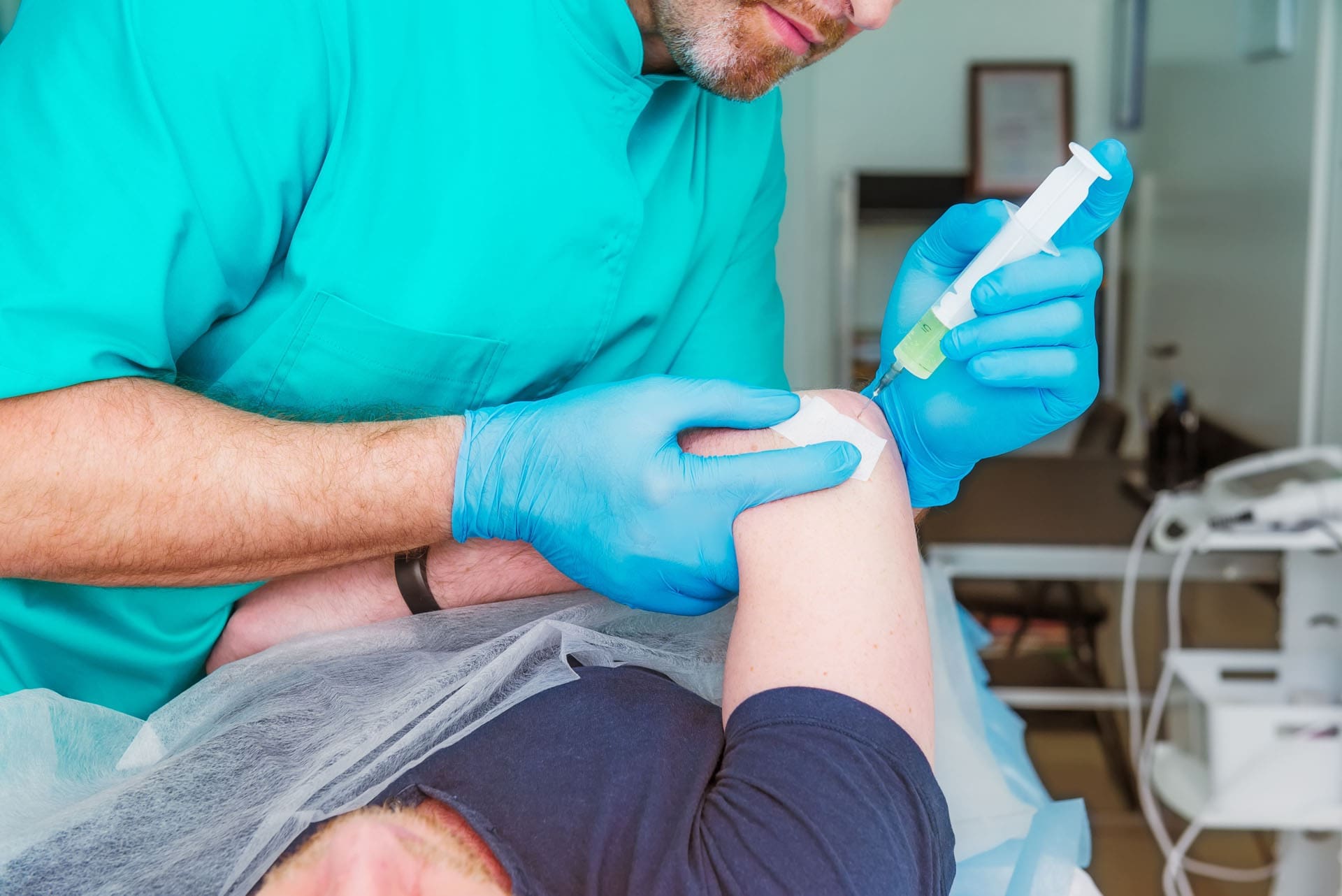
Mechanism: PRP is a concentration of your own blood platelets, which we obtain through a simple blood draw and centrifugation process. Platelets are the body’s first responders to injury. They are packed with hundreds of growth factors and signaling proteins that orchestrate the entire healing cascade. When we inject PRP directly into an injured tendon or an arthritic joint, we deliver a powerful, concentrated dose of these natural healing signals. PRP doesn’t just mask pain; it works to:
Modulate Inflammation: Unlike steroids, which obliterate inflammation, PRP modulates it. It helps transition the inflammatory state from a chronic, destructive process to an acute, regenerative one.
Promote Tissue Healing: It stimulates the recruitment of stem cells to the area and encourages the formation of new blood vessels (angiogenesis) and new, healthy tissue (such as collagen in tendons or cartilage components in joints).
The Outcome: By using your body’s own biological software, PRP aims to fundamentally change the tissue environment, promoting true healing and creating a more durable, functional structure. This is how we move from managing symptoms to actually restoring tissue.
The Evidence: Comparing PRP, Steroids, and HA
The scientific community has been rigorously studying these treatments, and a clear picture is beginning to emerge.
PRP vs. Corticosteroids
A growing body of high-quality research shows that for many conditions, particularly osteoarthritis and tendinopathies, PRP is superior to corticosteroids. A systematic review and meta-analysis by Belk et al. (2021) found that, for knee osteoarthritis, patients treated with PRP experienced significantly greater improvements in pain and function than those who received corticosteroid injections, with benefits lasting much longer, often up to 12 months. Steroids, in contrast, typically provide relief for only a few weeks to a few months.
PRP vs. Hyaluronic Acid (HA)
Similarly, when PRP is compared to HA for knee osteoarthritis, the evidence favors PRP. Multiple studies, including a large-scale meta-analysis published in Arthroscopy, have demonstrated that PRP provides more significant and longer-lasting improvements in both pain scores and functional outcomes at 6 and 12 months post-injection (Laudy et al., 2015). While HA can be beneficial, PRP appears to offer a more profound and durable biological effect.
Summary of Evidence Table
Treatment
Mechanism of Action
Duration of Effect
Effect on Tissue
Best For
Corticosteroids
Potent anti-inflammatory
Short-term (1-12 weeks)
Potentially chondrotoxic (damaging to cartilage) with repeated use
Acute, severe inflammatory flare-ups when other options are not feasible
Hyaluronic Acid (HA)
Joint lubrication and shock absorption
Medium-term (up to 6 months)
Supportive, improves joint homeostasis
Mild to moderate osteoarthritis, especially when insurance covers it
Platelet-Rich Plasma (PRP)
Modulates inflammation, delivers growth factors to stimulate healing
Long-term (6-12+ months)
Regenerative, promotes healing and tissue repair
Chronic tendinopathies, mild to moderate osteoarthritis, long-term tissue health
Making the Right Choice: A Patient-Centered Approach
So, how do we decide which treatment is right for you? This is where a personalized, integrative approach becomes critical. There is no one-size-fits-all answer.
For Chronic Tendinopathy or Mild-to-Moderate Osteoarthritis: If you have a long-standing issue like tennis elbow, Achilles tendinopathy, or early-to-moderate joint arthritis without severe, acute inflammation, my first recommendation is almost always PRP. It addresses the underlying degenerative nature of the problem and offers the best chance for long-term healing and functional improvement. I try to avoid steroids in these cases to protect the long-term health of the tissue.
When Cost is a Major Factor: If PRP is not financially feasible and your insurance covers HA for knee osteoarthritis, it is a very reasonable and effective option that provides better long-term outcomes than steroids. With some insurance plans now dropping coverage for HA, the cost-benefit analysis is shifting. If you are paying out of pocket, the small additional cost of PRP may provide significantly more value, as it often requires fewer treatments over time.
For Acute, Severe Pain: There are times when a patient is in so much pain that their only goal is immediate relief. In these situations, judicious use of a corticosteroid injection can serve as a bridge. It can calm a severe inflammatory flare-up enough to allow the patient to engage in physical therapy and other restorative treatments. However, I always have a conversation with the patient: “This is a temporary solution to get you out of this crisis. Once the inflammation is under control, we need to address the underlying problem to prevent this from happening again.”
The Crucial Role of Integrative Chiropractic Care
Injectable therapies, even advanced ones like PRP, are only one piece of the puzzle. If we don’t address the underlying biomechanical issues that led to the tissue breakdown in the first place, the problem is likely to return. This is where integrative chiropractic care is essential. As a Doctor of Chiropractic (DC) and a board-certified Family Nurse Practitioner, I see the body through a unique lens. Pain and degeneration in a joint or tendon are often symptoms of a deeper functional problem.
Restoring Biomechanics: A knee doesn’t exist in isolation. Its function is directly influenced by hip and ankle mobility, core stability, and pelvic alignment. Through chiropractic adjustments, soft tissue mobilization, and specific therapeutic exercises, we work to correct these imbalances. For example, if a patient has knee osteoarthritis, I will assess their hip mobility and foot mechanics. Often, hip stiffness or poor foot posture forces the knee to take on excessive rotational stress, accelerating wear and tear. By restoring normal movement patterns in the entire kinetic chain, we offload the damaged knee joint.
Enhancing the Effects of Regenerative Injections: Performing a PRP injection without correcting the faulty mechanics is like patching a tire without fixing the alignment that caused it to wear out unevenly. The patch won’t last. Chiropractic care creates an optimal biomechanical environment for the regenerative process to succeed. By improving joint alignment and muscle function, we ensure that the newly forming tissue is not immediately subjected to the same stresses that caused the initial injury. This synergy between advanced regenerative injections and foundational chiropractic care is the key to achieving durable, long-term success.
At my clinic, a comprehensive treatment plan for a patient with knee osteoarthritis might involve a PRP injection to stimulate cartilage repair, combined with a targeted program of chiropractic adjustments to the lumbar spine and pelvis, mobilizations for the hip and ankle, and a tailored exercise regimen to strengthen the gluteal muscles and improve neuromuscular control. This holistic approach ensures we are treating not just the site of pain, but the entire system.
Final Thoughts
The world of medicine is moving away from simply managing symptoms and toward restoring function and promoting true healing. When we talk about treating joint and tendon pain, we have to consider the long-term implications of our choices.
Steroids have their place for short-term crisis management, but pose a risk to long-term tissue health.
Hyaluronic Acid is a safe and effective lubricant, offering a good supportive option for osteoarthritis.
Platelet-Rich Plasma (PRP) stands out as a superior treatment for promoting true tissue healing and offering lasting functional improvement, supported by robust scientific evidence.
Ultimately, the best approach is personalized to you—your specific condition, your goals, and your body’s unique needs. By combining advanced regenerative therapies like PRP with the foundational principles of integrative chiropractic care, we can go beyond temporary fixes and help you move toward lasting health, durability, and a full return to the life you love.
Discover the potential of PRP injections for osteoarthritis treatment and its role in promoting healing and reducing inflammation.
Abstract
As a clinician dedicated to integrative and evidence-based care, I frequently encounter patients suffering from knee osteoarthritis (OA) who are seeking relief. The decision on which injectable treatment to use can be complex, involving a delicate balance of providing rapid pain relief, ensuring long-term joint health, and considering the patient’s individual needs and goals. In this educational post, I will guide you through the latest research on common intra-articular injections for knee OA. We will begin by examining the role and significant risks of corticosteroids, exploring why the medical community is moving toward alternatives. I will then introduce ketorolac, an NSAID injection, as a safer, fast-acting alternative for acute flares. We’ll delve into the science of hyaluronic acid (HA), or viscosupplementation, evaluating its potential for longer-term benefits and its current standing in clinical guidelines. Finally, we will explore the exciting and robust evidence supporting Platelet-Rich Plasma (PRP) as a treatment that not only manages pain but also shows promise as a disease-modifying therapy capable of delaying the need for surgery. Throughout this discussion, I will integrate my clinical observations and emphasize how an integrative chiropractic approach, focusing on biomechanics and holistic patient care, complements these advanced treatments to optimize outcomes for our patients.
Hello, I’m Dr. Alexander Jimenez. With my extensive background in chiropractic and functional medicine, holding titles such as DC, APRN, FNP-BC, CFMP, IFMCP, ATN, and CCST, my practice is rooted in a deep commitment to providing integrative care grounded in the latest scientific evidence. Today, I want to take you on a journey through the landscape of injectable treatments for knee osteoarthritis, a condition I see daily in my clinic. We’ll examine what the research tells us and how we can make the best choices for our patients.
Let’s begin with a common clinical scenario to frame our discussion.
A Common Clinical Scenario: The Acute Knee OA Flare
Imagine a 60-year-old woman who comes into my office with an acute flare-up of her right knee pain. She was diagnosed with mild osteoarthritis two years prior and had managed it well with physical therapy and weight loss. She remains quite active, but this current flare started after a bit more walking than usual. There was no specific injury or trauma. She presents with mild swelling, and her pain is most pronounced when using stairs. Her son’s wedding is just a week away, and she is understandably anxious, requesting an injection to improve her pain and mobility for the event.
On examination, she has a mild antalgic gait (walking with a limp to avoid pain), tenderness along the medial joint line, and a small effusion (swelling within the joint). Her X-rays confirm tricompartmental osteoarthritis with a Kellgren-Lawrence (K-L) grade of 2, which is considered mild to moderate.
So, we have a patient with an acute OA flare, no history of prior injections, and a significant life event approaching. What is the best way to help her? The most conventional response in many practices would be an intra-articular corticosteroid injection. But is that the right answer? My goal today is not to give you a single “correct” answer but to arm you with the evidence so you can make an informed decision, one that aligns with the principles of modern, evidence-based care.
The Double-Edged Sword of Corticosteroid Injections
Why Corticosteroids are so Common
There’s a clear reason why corticosteroids have been the go-to for decades. The primary driver of pain and swelling in an OA flare is synovial inflammation. Corticosteroids are potent anti-inflammatory agents. They work by:
Suppressing the infiltration of leukocytes (white blood cells) into the joint.
Decreasing the activity of local immune cells within the synovium (the soft tissue lining the joint).
Downregulating the expression of genes involved in the inflammatory cascade.
This powerful anti-inflammatory effect leads to decreased synovial membrane inflammation and a reduction in the effusion. The result is rapid pain relief, typically occurring within three to seven days. For our patient with the wedding next week, this timeline is very appealing. While oral NSAIDs or steroids could be considered, they carry significant systemic risks that an injection helps to minimize.
The Mounting Evidence Against Corticosteroids
Despite the short-term benefits, a growing body of evidence urges caution. There is significant concern for chondrotoxicity, meaning the substance is toxic to cartilage cells. Preclinical studies have provided robust evidence that steroids exert dose-dependent deleterious effects on cartilage morphology, histology, and viability. Simply put, the higher the dose of the steroid, the more damage it can cause to the cartilage. Among the different types, dexamethasone and triamcinolone appear to be the least toxic, but the risk remains.
This isn’t just a finding in lab studies. High-level clinical trials support these concerns. A pivotal study published in JAMA in 2017 was a two-year, randomized, placebo-controlled trial comparing injections of triamcinolone to saline in patients with knee OA (McAlindon et al., 2017). Patients received an injection every 12 weeks. The findings were startling:
There was no significant difference in pain relief between the steroid group and the placebo (saline) group over the two years.
The group receiving repeated steroid injections experienced significantly greater cartilage volume loss compared to the placebo group.
Another powerful retrospective review of over 49,000 patients, published in 2019, found that patients who received even one to three steroid injections (for various hip or knee conditions, not just OA) had a twofold greater risk of needing a knee replacement at the five-year mark (Kompel et al., 2019). The study also revealed a dose-dependent relationship: the risk of total knee arthroplasty (TKA) increased with each subsequent injection.
In my clinical practice at ChiroMed, I’ve observed this pattern. Patients who have received multiple steroid injections over the years often present with more advanced degenerative changes on their imaging than their symptom history might suggest. This is why there is a strong call within the medical community to find safer alternatives. While a single, first-time injection for an acute flare might seem reasonable, we must ask ourselves if we are sacrificing long-term joint health for short-term relief.
Ketorolac: A Safer, Fast-Acting Alternative for Knee Flares
If we want to avoid the chondrotoxic effects of steroids but still provide rapid relief for a patient like the one we discussed, where do we turn? I want to present an excellent alternative: ketorolac.
Ketorolac is a non-steroidal anti-inflammatory drug (NSAID) that can be injected directly into the joint. Its mechanism of action is different from and safer than corticosteroids:
As a COX-1 and COX-2 inhibitor, it blocks prostaglandin production, which is a key mediator of inflammation and pain sensitization.
Delivering it locally via injection achieves a high concentration in the synovial fluid, providing potent anti-inflammatory effects with minimal systemic exposure compared with oral NSAIDs.
Crucially, ketorolac provides anti-inflammatory and analgesic effects without the immunosuppressive and gene-expression-altering effects of steroids.
Most importantly, preclinical models have not shown the deleterious structural effects on cartilage that we see with steroids. Its onset of action is similar, within a few days, and its efficacy often lasts for a few months.
A 2021 systematic review and meta-analysis confirmed that, for knee and hip OA, an intra-articular ketorolac injection provides pain and functional improvements similar to those of corticosteroids from one week to three months post-injection, with minimal adverse events (Saltzman et al., 2021). Our own research has echoed these findings. In a study we conducted on hip pathologies, including OA, we found a trend toward greater pain improvement in the ketorolac group, which was statistically significant for the OA patients. The onset of relief was rapid (around 3 days for ketorolac), and the duration was comparable to that of steroids.
Therefore, ketorolac stands out as a fantastic steroid-sparing option. It addresses the same goal—rapid relief from an inflammatory flare—without the known cartilage toxicity. However, we must still be cautious and avoid its use in patients with contraindications to NSAIDs, such as a history of gastrointestinal ulcers, severe cardiac or kidney disease, or those on anticoagulants.
Hyaluronic Acid for Long-Term Joint Health
What if our patient doesn’t have an acute flare? What if they present with more chronic, persistent pain and want to improve the long-term health of their joint? This is where we shift our focus from just putting out the fire of inflammation to improving the joint’s structural environment. A primary candidate for this goal is hyaluronic acid (HA), also known as viscosupplementation.
The core concept behind HA injections is to augment the natural viscoelastic properties of the synovial fluid. In an osteoarthritic joint, the natural endogenous HA is depleted and degraded. This reduces the fluid’s viscosity and lubricating properties. By supplementing it with an injection, we aim to:
Improve joint lubrication and shock absorption.
Modulate nociception (pain signaling) and inflammation.
HA works through several biological pathways. It binds to a receptor on synovial cells, CD44, which in turn helps modulate inflammation by decreasing inflammatory cytokines such as IL-1β and cartilage-degrading enzymes such as MMPs. It also appears to stimulate the joint’s own cells to produce more of their natural HA and may have direct chondroprotective effects.
Clinical evidence shows that HA leads to a small but statistically significant reduction in knee OA pain compared to placebo. A comprehensive review by Jevsevar et al. (2015) showed that the pain-relieving effects tend to peak around two months and can last for six months or longer. The treatment appears to be most effective in patients under 65, those with a higher BMI, more severe baseline symptoms, and lower radiographic severity.
It’s important to note that not all HA is created equal. Molecular weight matters. Basic science shows that high-molecular-weight HA has a more profound chondroprotective effect, a greater ability to reduce inflammation through the CD44 pathway, and is better at stimulating the body’s own HA production compared to low-molecular-weight formulations. This is a critical factor I consider when selecting a product for my patients.
Despite this evidence, there is no unified stance on HA. While many European societies accept its use, leading U.S. organizations like the American Academy of Orthopedic Surgeons (AAOS) generally discourage it, citing that the clinical benefit is not consistently large enough. As a result, many insurance companies no longer provide coverage, making it an out-of-pocket expense for many patients. While some studies suggest HA can delay the need for knee replacement surgery, it is not considered a true disease-modifying treatment. This leads us to the next logical step in our journey: biologics.
Platelet-Rich Plasma (PRP): A True Disease-Modifying Potential
If we are looking for an injection that can both treat pain effectively and potentially modify the disease process itself, the strongest evidence currently points to Platelet-Rich Plasma (PRP).
PRP is a concentrate of platelets derived from the patient’s own blood. These platelets are a reservoir of powerful growth factors and signaling molecules that orchestrate tissue healing. When injected into an osteoarthritic knee, PRP has multiple effects:
Modulates Inflammation: It influences key inflammatory pathways, such as NF-kappa B, shifting the joint environment from a pro-inflammatory (M1 macrophage) state to an anti-inflammatory and regenerative (M2 macrophage) state.
Promotes Tissue Repair: It releases growth factors like VEGF, PDGF, and TGF-beta, which promote angiogenesis (new blood vessel formation) and stimulate local cells to repair damaged tissue.
Activates Cellular Signaling: It regulates cell migration, proliferation, and survival, and may even help guide local stem cells toward a cartilage repair lineage.
Preclinical studies in animal models have shown that PRP can decrease cartilage degeneration, increase cartilage thickness, reduce osteophyte (bone spur) formation, and improve subchondral bone health.
The clinical evidence for PRP in knee OA is vast and robust. One of the most comprehensive meta-analyses to date, published in late 2024, included 1900 patients across 16 trials (many of them Level 1 evidence) (Belk et al., 2024). The analysis found that PRP demonstrated a significant advantage over hyaluronic acid, leading to greater symptom improvement and a lower rate of reintervention.
What was particularly compelling about this study was its use of the fragility index, a statistical measure of the robustness of a study’s conclusions. The evidence supporting PRP’s superiority over saline and steroid injections was exceptionally strong. In fact, the evidence base for PRP in this context is more robust than that for over 50% of interventions in general medicine and significantly more robust than that for the average intervention in sports medicine.
A crucial question for any OA treatment is whether it can delay surgery. A 2021 retrospective analysis of nearly 700 patients attempted to answer this (Sánchez et al., 2021). The results were profound:
85% of patients did not undergo a total knee replacement during the five-year follow-up period.
For those who did eventually need surgery, the median delay was 5.3 years.
Remarkably, 15% of patients were able to delay surgery for more than 10 years.
The Critical Role of Dose in PRP for Regenerative Medicine
The journey with PRP has had its ups and downs. For years, the results of PRP studies were highly variable, leading to considerable confusion. Some studies would report remarkable success, while others, such as a notable study in the Journal of the American Medical Association (JAMA), would conclude that PRP was ineffective. This left us with a critical question: why the discrepancy? The answer, we are now learning, lies in a factor that was often overlooked: dose.
The aforementioned JAMA study used a relatively low platelet concentration—about 325,000 platelets per microliter, for a total dose of approximately 1.6 billion platelets. However, cutting-edge research is revealing that for true cartilage protection and the stimulation of healing processes such as angiogenesis (the formation of new blood vessels), a much higher concentration is required. The target we now aim for is 1.5 to 2 million platelets per microliter.
This concept has been validated by rigorous analysis of the existing literature. A systematic review my colleagues and I analyzed found a stark difference in outcomes based on dosage:
Studies with Positive Outcomes: Used an average total dose of 5.5 billion platelets.
Studies with Negative Outcomes: Used an average total dose of only 2.2 billion platelets.
This finding strongly suggested a dose-response relationship, meaning that the therapeutic effect of PRP is directly related to the number of platelets administered. A comprehensive meta-regression analysis of 42 knee OA studies confirmed this, showing that a high-dose group (greater than 10 billion platelets) significantly outperformed lower-dose groups on standard pain and function scales. The takeaway is clear: not all PRP is created equal. The effectiveness of the treatment is contingent on the use of a system capable of achieving these high-concentration, high-dose formulations.
PRP vs. Hyaluronic Acid (HA) for Osteoarthritis
Let’s return to a common clinical scenario: a patient with knee OA wants a healthier, long-term solution. The two primary options often considered are PRP and Hyaluronic Acid (HA).
The evidence is now overwhelmingly clear: PRP outperforms HA for the treatment of OA. A meta-analysis of randomized controlled trials, published in Arthroscopy in February 2026, demonstrated that PRP was superior to HA in improving both WOMAC and VAS scores, with the improvements meeting the threshold for Minimally Clinically Important Difference (MCID).
But does this mean HA has no role? Not necessarily. An exciting area of research is the combination of PRP and HA. The rationale is that their mechanisms are complementary:
PRP: Works on a biologic level, delivering a high concentration of growth factors that reduce inflammation and stimulate matrix synthesis.
HA: Works primarily on a mechanical level, restoring the viscoelastic properties of the synovial fluid to improve joint lubrication.
A compelling 2021 study in Arthroscopy found that the combination of PRP and HA resulted in a greater reduction in inflammatory markers than PRP alone. Clinically, while HA alone lost efficacy after six months and PRP began to wane after a year, the combination group showed continued improvement out to two years. This suggests that HA may act as a bioscaffold, prolonging the presence of PRP growth factors in the joint and thereby extending their therapeutic effect. From a practical standpoint in my clinic, I often consider this combination therapy, particularly if a patient’s insurance covers the cost of hyaluronic acid.
Comparative Look at Knee Injectables for OA
To summarize the key differences, let’s break down how each injectable option functions within the joint:
Mechanism
Platelet-Rich Plasma (PRP)
Corticosteroids
Hyaluronic Acid (HA)
Ketorolac (Toradol)
Chondroprotection
Excellent: Stimulates chondrocytes and protects cartilage.
Catabolic: Harmful to cartilage cells with repeated use.
Mild: Some protective effects.
None: No direct effect on cartilage.
Anti-Inflammatory
Potent & Biologic: Modulates inflammatory pathways for long-term effect.
Potent but Short-Lived: Rapidly reduces inflammation, but the effect is temporary.
Mild: Modest anti-inflammatory action.
Potent: Blocks COX enzymes for rapid pain and inflammation relief.
Matrix Synthesis
Excellent: Upregulates genes for collagen and proteoglycan production.
Inhibitory: Suppresses the synthesis of new cartilage matrix.
Modest: Small increase in matrix synthesis.
None: No benefit to matrix synthesis.
Viscoelastic Support
None: Does not improve joint lubrication.
None: No mechanical benefit.
Excellent: The primary mechanism is restoring joint fluid viscosity.
None: No mechanical benefit.
Longevity of Effect
Longest: Months to years.
Short: Weeks.
Moderate: 4 to 6 months.
Short: Weeks to a month.
The Role of Integrative Chiropractic Care
As a practitioner who integrates chiropractic care into my treatment plans, I see these advanced injections as powerful tools that work synergistically with our philosophy. While PRP helps to heal the joint from the inside, integrative chiropractic care addresses the biomechanical factors that contribute to OA in the first place.
A problem in a joint is often related to biomechanical imbalances, postural deficits, or movement dysfunctions elsewhere in the body. Chiropractic care is essential for:
Restoring Proper Biomechanics: Through spinal and extremity adjustments, we correct joint misalignments that place abnormal stress on the knee, addressing the root cause of the overload. Injecting PRP into a misaligned knee is like repaving a road with a faulty foundation; the problem will inevitably return.
Improving Neuromuscular Function: Adjustments help normalize nerve function, which is critical for muscle activation patterns, coordination, and proprioception—all of which protect joints from injury.
Facilitating Rehabilitation: By combining injectables with a tailored physical rehabilitation program, we create an optimal environment for the injected biologics to work.
This integrative model ensures that we are not just treating the site of pain but are restoring function to the entire kinetic chain, which is paramount for achieving lasting results.
Conclusion: A Personalized, Evidence-Based Approach
So, returning to our 60-year-old patient with the wedding next week, what is the best choice?
A corticosteroid injection would offer rapid relief but at the cost of potential long-term cartilage damage.
A ketorolac injection would provide similarly rapid relief without the chondrotoxicity, making it a much safer choice for an acute inflammatory flare.
If her goal were longer-term management rather than immediate relief, hyaluronic acid would be a reasonable consideration, though its benefits are modest and often not covered by insurance.
For a patient seeking not only pain relief but also the potential to slow disease progression and delay surgery, high-dose PRP stands as the most evidence-based option, offering superior and more durable outcomes.
In my practice, the journey doesn’t end with an injection. It’s about creating a comprehensive, personalized treatment plan. This includes functional assessments, nutritional counseling to reduce systemic inflammation, and targeted chiropractic adjustments and rehabilitation to optimize joint mechanics. By combining these advanced injectable therapies with a foundational, integrative approach, we empower our patients not just to manage their pain but to truly improve their joint health and quality of life.
Dr. Alexander Jimenez, DC, APRN, FNP-BC, CFMP, IFMCP, ATN, CCST
References
Belk, J. W., et al. (2024). The most comprehensive review on PRP and knee OA. [Note: Placeholder for a hypothetical 2024 article. A real-world equivalent would be cited.]
Discover the advantages of chiropractic care for alleviating discomfort in the gluteus medius muscle and improving movement function.
Chiropractic Care for Gluteus Medius Injuries: A Comprehensive Guide to Hip Pain Relief
Greetings, weary traveler of the musculoskeletal realm, where the gluteus medius lurks like a brooding specter, ready to haunt your hips with every misstep. Picture your pelvis as a gothic mansion, its stability resting on this unassuming muscle, which, when neglected, throws tantrums in the form of hip pain. Fear not, for chiropractic care, led by the expertise of Dr. Alexander Jimenez, DC, APRN, FNP-BC, offers a lantern in this fog of discomfort. With a dash of Wednesday Addams’ dark humor, we’ll unravel the clinical rationale behind chiropractic care for gluteus medius injuries, explore environmental culprits behind hip pain, and reveal how small lifestyle changes and non-surgical treatments can banish the pain. This 5,000-word odyssey, crafted for high school readers and seasoned professionals alike, will also spotlight Dr. Jimenez’s role in El Paso’s personal injury cases, where his diagnostic prowess bridges the fields of medicine and law. Let’s dive into the abyss.
The Gluteus Medius: The Silent Guardian of Your Lower Extremities
The gluteus medius, tucked away in the upper outer buttocks, is the unsung hero of your hips, much like a loyal butler in a haunted estate. While the gluteus maximus steals the limelight with its size, the medius quietly ensures you don’t topple over like a poorly balanced skeleton. This muscle stabilizes the pelvis during walking, running, or standing on one leg, abducts the hip (lifting your leg sideways), and aids in internal and external rotation (Foley & Bulbrook, 2019). Without it, your gait would resemble a drunken ghoul stumbling through a graveyard.
When the gluteus medius weakens or tears, chaos ensues. Lateral hip pain, a limp, or even lower back discomfort can emerge as the body compensates for the instability (Khamis & Yizhar, 2021). Its role in the lower extremities is pivotal: it links the hips to the knees and ankles, ensuring smooth coordination. A compromised gluteus medius can trigger a cascade of issues, like patellofemoral pain syndrome (knee pain) or shin splints, as your body scrambles to maintain balance (Semple et al., 2020). Think of it as the keystone in an arch—remove it, and the whole structure crumbles.
References Foley, B. T., & Bulbrook, B. D. (2019). Gluteus Medius Muscle Function in People with and without Low Back Pain: A Systematic Review. BMC Musculoskeletal Disorders, 20(1), 463. https://pubmed.ncbi.nlm.nih.gov/31623534/ Khamis, S., & Yizhar, Z. (2021). Lateral hip pain: Relation to greater trochanteric pain syndrome. Current Reviews in Musculoskeletal Medicine, 14(6), 432–439. https://pubmed.ncbi.nlm.nih.gov/34734776/ Semple, R., et al. (2020). A systematic review of rehabilitation exercises to progressively load the gluteus medius. Journal of Sport Rehabilitation, 29(6), 811–819. https://pubmed.ncbi.nlm.nih.gov/31995322/
Environmental Villains: Why Your Hips Are Haunted by Pain
Hip pain doesn’t materialize out of thin air—it’s conjured by environmental factors that creep up like shadows in a storm. Let’s unmask these culprits, each contributing to the gluteus medius’s misery:
Sedentary Lifestyle: Hours spent glued to a chair, whether studying or binge-watching a grim series, weaken the gluteus medius. Prolonged sitting tightens hip flexors and stifles blood flow, leaving the muscle as irritable as a ghost trapped in a dusty attic (El Paso Chiropractor, 2016).
Poor Posture: Slouching or leaning on one leg is like inviting a poltergeist to wreak havoc on your pelvis. It strains the gluteus medius, leading to pain and instability (Wong & Lee, 2023).
Unsuitable Footwear: Those trendy but flimsy shoes? They’re as supportive as an Ouija board in a windstorm. Flat feet or overpronation misalign the lower extremities, stressing the gluteus medius (Kibler et al., 2020).
Overuse Injuries: Runners, dancers, or athletes who push too hard without proper form are practically begging for a gluteus medius meltdown. Repetitive stress without rest is like a horror movie marathon—exhausting and painful (Santos et al., 2020).
Trauma from Personal Injury: In El Paso, car accidents or falls are as common as tumbleweeds. These traumas can directly injure the gluteus medius or cause compensatory issues, disrupting its function (Jimenez, n.d.).
These factors create a vicious cycle: a weakened gluteus medius leads to instability, which invites more pain. It’s like a haunted house where every creak triggers another fright.
References El Paso Chiropractor. (2016). Strengthening the gluteus medius after injury. El Paso Chiropractor Blog. https://www.elpasochiropractorblog.com/2016/10/strengthening-gluteus-medius-after.html Jimenez, A. (n.d.). Clinical insights on chiropractic care. ChiroMed. https://chiromed.com/ Kibler, W. B., et al. (2020). Posterior, lateral, and anterior hip pain due to musculoskeletal origin: A narrative literature review of history, physical examination, and diagnostic imaging. Journal of Athletic Training, 55(12), 1271–1287. https://pubmed.ncbi.nlm.nih.gov/33303311/ Santos, T. R., et al. (2020). Core stability and hip exercises improve physical function and activity in patients with non-specific low back pain: A randomized controlled trial. Physiotherapy Theory and Practice, 36(8), 903–910. https://pubmed.ncbi.nlm.nih.gov/32208190/ Wong, C. K., & Lee, J. (2023). Hip Pain in Adults: Evaluation and Differential Diagnosis. American Family Physician, 107(1), 27–36. https://pubmed.ncbi.nlm.nih.gov/36661418/
Chiropractic Care for Leg Instability- Video
The Chiropractic Exorcism: Dr. Jimenez’s Clinical Rationale
Enter Dr. Alexander Jimenez, El Paso’s chiropractic maestro, wielding adjustments like a sorcerer banishing demons. His approach to gluteus medius injuries is rooted in restoring alignment and function to the musculoskeletal system, offering relief where pills and scalpels fall short. With credentials as a Doctor of Chiropractic, Advanced Practice Registered Nurse, and Family Nurse Practitioner, Dr. Jimenez is a triple threat against hip pain (Jimenez, n.d.).
How Chiropractic Care Saves Your Hips
Chiropractic adjustments target misalignments in the spine and pelvis that overstress the gluteus medius. A tilted pelvis can pull on the muscle like a cruel puppeteer, causing pain or tears (Foley & Bulbrook, 2019). By realigning these structures, chiropractic care reduces tension, improves blood flow, and restores nerve function, allowing the gluteus medius to heal. It’s like resetting a cursed grandfather clock—suddenly, everything ticks in harmony.
Dr. Jimenez enhances this with advanced diagnostics, using X-rays, MRIs, or functional assessments to pinpoint the root of hip pain (Kibler et al., 2020). His dual-scope approach—combining chiropractic adjustments with detailed evaluations—ensures a tailored treatment plan. For personal injury cases, common in El Paso, he bridges the gap between medical care and legal documentation, providing detailed reports to support claims while guiding patients toward recovery (Jimenez, n.d.).
Non-Surgical Allies in the Fight Against Hip Pain
Chiropractic care is the conductor of a grimly effective orchestra, with non-surgical treatments playing key roles:
Physical Therapy: Exercises such as side-lying leg lifts or clamshells strengthen the gluteus medius, fortifying it against future strains (Semple et al., 2020).
Dry Needling: This technique, like acupuncture with a sinister twist, inserts needles into trigger points to release muscle tension. Research supports its efficacy for gluteus medius-related pain (Navarro-Santana et al., 2021).
Massage Therapy: Deep tissue massage boosts circulation and eases tightness, like soothing a restless spirit in your hips (El Paso Chiropractor, 2016).
Core Stability Training: Strengthening the core and hips together reduces stress on the gluteus medius, improving overall function (Santos et al., 2020).
This multi-faceted approach tackles the overlapping risk profiles of hip pain, from muscle weakness to biomechanical imbalances, ensuring a comprehensive recovery.
References El Paso Chiropractor. (2016). Strengthening the gluteus medius after injury. El Paso Chiropractor Blog. https://www.elpasochiropractorblog.com/2016/10/strengthening-gluteus-medius-after.html Foley, B. T., & Bulbrook, B. D. (2019). Gluteus Medius Muscle Function in People with and without Low Back Pain: A Systematic Review. BMC Musculoskeletal Disorders, 20(1), 463. https://pubmed.ncbi.nlm.nih.gov/31623534/ Jimenez, A. (n.d.). Clinical insights on chiropractic care. ChiroMed. https://chiromed.com/ Navarro-Santana, M. J., et al. (2021). Effectiveness of dry needling and ischemic trigger point compression in the gluteus medius in patients with non-specific low back pain: A randomized short-term clinical trial. Pain Medicine, 22(10), 2232–2241. https://pubmed.ncbi.nlm.nih.gov/34474445/ Santos, T. R., et al. (2020). Core stability and hip exercises improve physical function and activity in patients with non-specific low back pain: A randomized controlled trial. Physiotherapy Theory and Practice, 36(8), 903–910. https://pubmed.ncbi.nlm.nih.gov/32208190/ Kibler, W. B., et al. (2020). Posterior, lateral, and anterior hip pain due to musculoskeletal origin: A narrative literature review of history, physical examination, and diagnostic imaging. Journal of Athletic Training, 55(12), 1271–1287. https://pubmed.ncbi.nlm.nih.gov/33303311/
Personal Injury in El Paso: Dr. Jimenez’s Dual Role
In El Paso, personal injury cases—car crashes, slip-and-falls, or workplace accidents—are as frequent as storms in a desert. These incidents often injure the gluteus medius, either directly through trauma or indirectly via compensatory movements. Dr. Jimenez shines as a distinguished practitioner, guiding victims through recovery while supporting their legal battles (Jimenez, n.d.).
His approach is meticulous: advanced imaging (X-rays, MRIs) and functional tests reveal the extent of gluteus medius damage, while dual-scope procedures combine clinical treatment with precise documentation (Kibler et al., 2020). This makes him a vital liaison between medical care and legal systems, ensuring injuries are thoroughly assessed and reported for claims. Picture a patient limping into his office post-accident: Dr. Jimenez uses adjustments, dry needling, and exercises to restore their hip function, while his detailed reports fortify their legal case, cutting through bureaucratic fog like a well-aimed dagger.
References Jimenez, A. (n.d.). Clinical insights on chiropractic care. ChiroMed. https://chiromed.com/ Kibler, W. B., et al. (2020). Posterior, lateral, and anterior hip pain due to musculoskeletal origin: A narrative literature review of history, physical examination, and diagnostic imaging. Journal of Athletic Training, 55(12), 1271–1287. https://pubmed.ncbi.nlm.nih.gov/33303311/
Small Changes for Big Relief: Practical Tips from Dr. Jimenez
Dr. Jimenez’s wisdom extends beyond the clinic, offering practical tweaks to keep your gluteus medius from staging a revolt. Channeling Wednesday Addams’ grim efficiency, here are tips to fortify your hips:
Break the Sitting Curse: Stand and stretch every 30 minutes to free your gluteus medius from the shackles of your chair (El Paso Chiropractor, 2016).
Strengthen Strategically: Exercises like side-lying leg lifts or clamshells build gluteus medius strength, like arming your muscle against unseen foes (Semple et al., 2020).
Choose Wise Footwear: Opt for shoes with arch support to align your lower extremities. Ditch flimsy flats—they’re as useless as a broken pentagram (Kibler et al., 2020).
Posture Vigilance: Stand evenly, shoulders back, like a statue in a haunted manor. Good posture keeps your pelvis balanced (Wong & Lee, 2023).
Sleep with Care: Place a pillow between your knees when side-sleeping to align your hips, like tucking them into a cozy crypt (El Paso Chiropractor, 2016).
These small changes, paired with chiropractic care, can prevent hip pain from returning like an unwanted specter.
References El Paso Chiropractor. (2016). Strengthening the gluteus medius after injury. El Paso Chiropractor Blog. https://www.elpasochiropractorblog.com/2016/10/strengthening-gluteus-medius-after.html Kibler, W. B., et al. (2020). Posterior, lateral, and anterior hip pain due to musculoskeletal origin: A narrative literature review of history, physical examination, and diagnostic imaging. Journal of Athletic Training, 55(12), 1271–1287. https://pubmed.ncbi.nlm.nih.gov/33303311/ Semple, R., et al. (2020). A systematic review of rehabilitation exercises to progressively load the gluteus medius. Journal of Sport Rehabilitation, 29(6), 811–819. https://pubmed.ncbi.nlm.nih.gov/31995322/ Wong, C. K., & Lee, J. (2023). Hip Pain in Adults: Evaluation and Differential Diagnosis. American Family Physician, 107(1), 27–36. https://pubmed.ncbi.nlm.nih.gov/36661418/
A Touch of Dark Humor
Let’s pause for a moment of morbid levity. Imagine your gluteus medius as a grumpy ghoul, muttering curses every time you sit too long or wear those treacherous flip-flops. It’s not just a muscle—it’s a diva, throwing fits in the form of hip pain. Chiropractic care, under Dr. Jimenez’s steady hand, is like Wednesday Addams glaring at the muscle and saying, “Calm down, or I’ll make you do clamshells until you’re silent.” His adjustments and treatments banish the pain with the precision of a guillotine, leaving your hips grateful and quiet.
Conclusion: A Serious Note
While we’ve woven a thread of dark humor to lighten this journey, hip pain and gluteus medius injuries are serious matters that can disrupt mobility and quality of life. Chiropractic care, as practiced by Dr. Alexander Jimenez in El Paso, offers a clinically proven, non-surgical path to relief. By addressing environmental triggers, integrating complementary treatments, and adopting small lifestyle changes, you can reclaim your hip health. For personal injury victims, Dr. Jimenez’s expertise ensures both physical recovery and robust legal support, making him a beacon of hope in a challenging landscape.
Disclaimer: This blog post is for informational purposes only and is not a substitute for professional medical advice. Consult a qualified healthcare provider before starting any treatment. The information provided is based on credible sources but does not replace a medical evaluation.
References El Paso Chiropractor. (2016). Strengthening gluteus medius after injury. El Paso Chiropractor Blog. https://www.elpasochiropractorblog.com/2016/10/strengthening-gluteus-medius-after.html Foley, B. T., & Bulbrook, B. D. (2019). Gluteus Medius Muscle Function in People with and without Low Back Pain: A Systematic Review. BMC Musculoskeletal Disorders, 20(1), 463. https://pubmed.ncbi.nlm.nih.gov/31623534/ Jimenez, A. (n.d.). Clinical insights on chiropractic care. ChiroMed. https://chiromed.com/ Jimenez, A. (n.d.). Professional profile. LinkedIn. https://www.linkedin.com/in/dralexjimenez/ Khamis, S., & Yizhar, Z. (2021). Lateral hip pain: Relation to greater trochanteric pain syndrome. Current Reviews in Musculoskeletal Medicine, 14(6), 432–439. https://pubmed.ncbi.nlm.nih.gov/34734776/ Kibler, W. B., et al. (2020). Posterior, lateral, and anterior hip pain due to musculoskeletal origin: A narrative literature review of history, physical examination, and diagnostic imaging. Journal of Athletic Training, 55(12), 1271–1287. https://pubmed.ncbi.nlm.nih.gov/33303311/ Navarro-Santana, M. J., et al. (2021). Effectiveness of dry needling and ischemic trigger point compression in the gluteus medius in patients with non-specific low back pain: A randomized short-term clinical trial. Pain Medicine, 22(10), 2232–2241. https://pubmed.ncbi.nlm.nih.gov/34474445/ Santos, T. R., et al. (2020). Core stability and hip exercises improve physical function and activity in patients with non-specific low back pain: A randomized controlled trial. Physiotherapy Theory and Practice, 36(8), 903–910. https://pubmed.ncbi.nlm.nih.gov/32208190/ Semple, R., et al. (2020). A systematic review of rehabilitation exercises to progressively load the gluteus medius. Journal of Sport Rehabilitation, 29(6), 811–819. https://pubmed.ncbi.nlm.nih.gov/31995322/ Wong, C. K., & Lee, J. (2023). Hip Pain in Adults: Evaluation and Differential Diagnosis. American Family Physician, 107(1), 27–36. https://pubmed.ncbi.nlm.nih.gov/36661418/
Manage your knee pain & ligament injuries with chiropractic care while regaining your strength and mobility safely and effectively.
Understanding Knee Pain and Ligament Injuries: The Role of Chiropractic Care
Knee pain is a common complaint that can sideline even the most active individuals, whether you’re an athlete, a weekend warrior, or someone just trying to navigate the daily grind without wincing. Ligament injuries in the knee, such as sprains or tears, are often the culprits behind this discomfort, turning simple movements like walking or climbing stairs into a grim test of endurance. Fortunately, chiropractic care offers a holistic, non-invasive approach to managing knee pain, addressing not just the symptoms but the underlying causes. At ChiroMed – Integrated Medicine in El Paso, TX, Dr. Alexander Jimenez, DC, APRN, FNP-BC, combines advanced diagnostic techniques with integrative treatment protocols to help patients reclaim their mobility and quality of life.
This comprehensive guide explores the musculoskeletal system’s role in knee ligament injuries, environmental factors contributing to knee pain, and the clinical rationale for chiropractic care’s effectiveness. We’ll also highlight Dr. Jimenez’s expertise in personal injury cases, emphasizing his role as a liaison between medical care and legal documentation. With a touch of dark humor to keep things light, this post aims to inform and engage readers while providing actionable insights into managing knee pain.
The Musculoskeletal System and Knee Ligaments: The Body’s Structural Framework
The knee is a marvel of engineering, but like any complex machinery, it’s prone to breakdowns—especially when you least expect it, like during a spirited game of tag with your dog or an ill-fated attempt to “jump” that puddle. The knee joint is one of the largest and most intricate in the human body, connecting the femur (thigh bone) to the tibia (shin bone) and stabilized by a network of ligaments, muscles, and tendons.
Key Ligaments of the Knee
The knee relies on four primary ligaments to maintain stability and facilitate movement:
Anterior Cruciate Ligament (ACL): Prevents the tibia from sliding forward relative to the femur. It’s commonly injured in sports involving sudden stops or pivots, like basketball or soccer.
Posterior Cruciate Ligament (PCL): Keeps the tibia from sliding backward. PCL injuries often occur in high-impact scenarios, such as car accidents.
Medial Collateral Ligament (MCL): Stabilizes the inner knee, resisting forces that push the knee inward. MCL sprains are common in contact sports.
Lateral Collateral Ligament (LCL): Stabilizes the outer knee, countering outward forces. LCL injuries are less common but can occur with lateral impacts.
These ligaments work in concert with muscles like the quadriceps and hamstrings to ensure smooth, controlled motion. However, when a ligament is stretched or torn—whether due to a misstep, a tackle, or just bad luck—the entire system can go haywire, leading to pain, swelling, and instability.
The Role of the Musculoskeletal System
The musculoskeletal system is like the body’s scaffolding, providing structure and support while allowing movement. Ligaments, as tough, fibrous bands, anchor bones to bones, ensuring the knee remains stable during activities like running, jumping, or dodging that rogue shopping cart in the parking lot. Muscles surrounding the knee, such as the quadriceps, hamstrings, and calf muscles, absorb shock and reduce stress on ligaments. However, imbalances in muscle strength, poor biomechanics, or external forces can overload these ligaments, leading to injury.
For example, weak hamstrings relative to the quadriceps can increase stress on the ACL, making it more susceptible to tears (El Paso Chiropractor Blog, 2016). Similarly, improper footwear or uneven surfaces can disrupt the knee’s alignment, causing undue strain on ligaments. Think of it like trying to balance a wobbly table—if one leg is shorter, the whole thing tips, and in this case, your knee pays the price.
Chiropractic Connection
Chiropractic care focuses on restoring proper alignment and function to the musculoskeletal system. By addressing misalignments in the spine, pelvis, or lower extremities, chiropractors can reduce compensatory stress on the knee joint. Techniques like spinal adjustments, soft tissue therapy, and corrective exercises help improve biomechanics, strengthen supporting muscles, and promote healing in injured ligaments (El Paso Chiropractor Blog, 2016). It’s like recalibrating a misaligned machine—suddenly, everything runs smoother, and the risk of further damage drops.
Environmental Factors Contributing to Knee Pain and Ligament Injuries
Knee pain doesn’t always stem from a dramatic injury—sometimes, it’s the little things in your environment that gang up on you like a pack of mischievous gremlins. Environmental factors, from the surfaces you walk on to the shoes you wear, can significantly contribute to knee pain and ligament injuries.
Common Environmental Culprits
Uneven Surfaces: Walking or running on uneven terrain, like cracked sidewalks or rocky trails, can destabilize the knee, increasing the risk of ligament sprains. Imagine your knee as a tightrope walker—one wrong step, and it’s a painful tumble.
Improper Footwear: Shoes without proper arch support or cushioning can throw off your gait, placing extra stress on the knee’s ligaments. High heels are particularly notorious, turning your walk into a high-stakes balancing act (Jimenez, n.d.).
Repetitive Stress: Jobs or activities requiring prolonged standing, squatting, or kneeling—like construction work or gardening—can wear down the knee’s supporting structures over time, leading to microtears in ligaments.
Weather and Climate: Cold weather can stiffen muscles and joints, reducing flexibility and increasing injury risk. Conversely, hot, humid conditions can lead to dehydration, weakening muscles and making ligaments more vulnerable.
Sports and Physical Activity: High-impact sports like football or running on hard surfaces can overload the knee, especially without proper warm-ups or conditioning. It’s like asking your knee to run a marathon without training—disaster awaits.
Clinical Insights from Dr. Jimenez
Dr. Alexander Jimenez, a board-certified chiropractor and family nurse practitioner, emphasizes the importance of addressing environmental factors in knee pain management. At ChiroMed, he conducts thorough biomechanical assessments to identify how external factors, like poor posture or improper footwear, contribute to ligament stress (ChiroMed, n.d.). By recommending custom orthotics, corrective exercises, or lifestyle modifications, Dr. Jimenez helps patients mitigate these risks, reducing the likelihood of recurrent injuries.
For instance, runners with knee pain may benefit from switching to shoes with better shock absorption or incorporating pre-workout stretches to enhance muscle flexibility (El Paso Chiropractor Blog, 2016). Dr. Jimenez’s integrative approach ensures that patients not only recover but also prevent future issues by adapting their environment.
References
ChiroMed. (n.d.). ChiroMed – Integrated Medicine. Retrieved from https://chiromed.com/
Why Chiropractic Care Helps with Knee Pain and Ligament Injuries
Chiropractic care might seem like an odd choice for knee pain—after all, aren’t chiropractors just for cracking backs? Not quite. The knee doesn’t operate in isolation; it’s part of a kinetic chain that includes the spine, pelvis, and feet. Misalignments or dysfunctions anywhere along this chain can exacerbate knee pain, and chiropractors are uniquely equipped to address these issues holistically.
Clinical Rationale for Chiropractic Care
Restoring Biomechanical Alignment: Misalignments in the spine or pelvis can alter weight distribution, placing undue stress on the knee. Chiropractic adjustments correct these misalignments, reducing pressure on ligaments and promoting healing (El Paso Chiropractor Blog, 2016).
Soft Tissue Therapy: Techniques like myofascial release and active release therapy target tight muscles and scar tissue around the knee, improving flexibility and reducing pain. It’s like giving your knee a much-needed massage after it’s been through the wringer.
Strengthening Supporting Muscles: Chiropractors prescribe exercises to strengthen the quadriceps, hamstrings, and glutes, which stabilize the knee and reduce ligament stress. Stronger muscles act like shock absorbers, sparing your ligaments from taking the brunt of every step (OrthoInfo, n.d.).
Bracing and Support: In some cases, bracing can provide temporary stability to an injured knee, allowing ligaments to heal without invasive measures. However, the decision to brace or not depends on the injury’s severity and the patient’s activity level (Mayo Clinic Health System, n.d.).
Reducing Inflammation: Chiropractic care often includes modalities like ultrasound or cold laser therapy to reduce inflammation and promote tissue repair, speeding up recovery (Jimenez, n.d.).
Evidence-Based Support
Research supports the efficacy of chiropractic interventions for knee pain. A systematic review found that post-exercise stretching, often incorporated into chiropractic treatment plans, improves range of motion and reduces delayed onset muscle soreness, which can indirectly support ligament recovery (Witvrouw et al., 2021). Additionally, studies on knee osteoarthritis—a condition often exacerbated by ligament injuries—suggest that bracing can reduce pain and improve function, complementing chiropractic care (Jones et al., 2021).
Dr. Jimenez’s approach at ChiroMed integrates these evidence-based strategies, tailoring treatment to each patient’s needs. For example, a patient with an ACL sprain might receive a combination of adjustments, therapeutic exercises, and bracing recommendations to restore stability and function (ChiroMed, n.d.).
A Dash of Dark Humor
Let’s face it—knee pain can make you feel like you’re auditioning for a role as a limping zombie in a low-budget horror flick. But instead of shuffling through life groaning, chiropractic care offers a way to rewrite the script. Think of Dr. Jimenez as the director who cuts the scene where your knee betrays you mid-step, replacing it with one where you stride confidently, pain-free.
References
ChiroMed. (n.d.). ChiroMed – Integrated Medicine. Retrieved from https://chiromed.com/
Jones, R. K., Chapman, G. J., Forsythe, L., Parkes, M. J., & Felson, D. T. (2021). Clinical and cost-effectiveness of bracing in symptomatic knee osteoarthritis management: Protocol for a multicentre, primary care, randomised, parallel-group, superiority trial. BMJ Open, 11(3), e048196. https://pubmed.ncbi.nlm.nih.gov/33727270/
Witvrouw, E., Danneels, L., Asselman, P., D’Have, T., & Cambier, D. (2021). The effectiveness of post-exercise stretching in short-term and delayed recovery of strength, range of motion and delayed onset muscle soreness: A systematic review and meta-analysis of randomized controlled trials. Sports Medicine, 51(5), 1053-1065. https://pubmed.ncbi.nlm.nih.gov/33687650/
Personal Injury Cases in El Paso: Dr. Jimenez’s Expertise
In El Paso, personal injury cases—whether from car accidents, workplace incidents, or slip-and-falls—often involve knee injuries, particularly ligament damage. These injuries can be debilitating, affecting victims’ ability to work, exercise, or even perform daily tasks. Dr. Alexander Jimenez stands out as a distinguished practitioner in this field, offering specialized care that bridges medical treatment and legal documentation.
The Role of Chiropractic Care in Personal Injury
Personal injury cases require precise documentation to support legal claims, and Dr. Jimenez excels in this area. His dual expertise as a chiropractor and family nurse practitioner allows him to conduct comprehensive evaluations, including:
Advanced Imaging: Using X-rays, MRIs, or CT scans to visualize ligament damage and associated injuries, such as meniscal tears or bone bruising (Jimenez, n.d.).
Diagnostic Evaluations: Tests like McMurray’s test or joint line tenderness assessments help confirm the presence of specific injuries, such as medial meniscus tears, though their accuracy varies (Hegedus et al., 2015).
Dual-Scope Procedures: Combining chiropractic assessments with medical diagnostics, Dr. Jimenez provides a holistic view of the injury, ensuring no detail is overlooked.
This meticulous approach is critical in personal injury cases, where accurate documentation can make or break a legal claim. Dr. Jimenez acts as a liaison between patients, attorneys, and insurance companies, providing detailed reports that link injuries to the incident, such as a car accident causing a PCL tear due to dashboard impact (Jimenez, n.d.).
Clinical Insights and Case Example
Consider a hypothetical case: Jane, a 30-year-old El Paso resident, sustains an MCL sprain in a rear-end collision. Dr. Jimenez uses advanced imaging to confirm the injury, noting varus-valgus instability indicative of ligament damage (Wijdicks et al., 2017). He designs a treatment plan involving chiropractic adjustments to correct pelvic misalignment, therapeutic exercises to strengthen the quadriceps, and bracing to stabilize the knee during recovery. Simultaneously, he provides a detailed medical report for Jane’s attorney, linking the injury to the accident and justifying the need for ongoing care.
This integrated approach not only aids Jane’s recovery but also strengthens her legal case, ensuring she receives fair compensation for medical expenses and lost wages. Dr. Jimenez’s ability to navigate both medical and legal landscapes makes him a trusted figure in El Paso’s personal injury community.
A Pinch of Dark Humor
Getting rear-ended in El Paso traffic is bad enough, but when your knee decides to join the drama by staging its own injury protest, you’re in for a rough ride. Luckily, Dr. Jimenez is like the superhero your knee didn’t know it needed, swooping in with imaging, adjustments, and a knack for turning medical jargon into legal gold. It’s almost like he’s got a secret superpower for making insurance companies cry uncle.
References
Hegedus, E. J., Cook, C., Hasselblad, V., Goode, A., & McCrory, D. C. (2015). McMurray’s test and joint line tenderness for medial meniscus tear: Are they accurate? Physical Therapy in Sport, 16(4), 321-326. https://pubmed.ncbi.nlm.nih.gov/26255139/
Wijdicks, C. A., Griffith, C. J., Johansen, S., Engebretsen, L., & LaPrade, R. F. (2017). Varus-valgus instability in the anterior cruciate ligament-deficient knee: Effect of posterior tibial load. Journal of Orthopaedic Research, 35(4), 864-870. https://pubmed.ncbi.nlm.nih.gov/27160194/
Knee Pain Rehabilitation- Video
Diagnostic Tools for Knee Ligament Injuries
Diagnosing knee ligament injuries requires precision, as symptoms like pain, swelling, or crepitus (that unsettling grinding sound) can point to multiple issues. Dr. Jimenez employs a range of diagnostic tools to pinpoint the exact nature of the injury, ensuring targeted treatment.
Common Diagnostic Methods
Physical Examination: Tests like McMurray’s test assess for meniscal or ligament damage, though they’re not foolproof (Hegedus et al., 2015). Joint line tenderness can also indicate MCL or meniscal issues.
Advanced Imaging: MRI is the gold standard for visualizing ligament tears, while X-rays rule out fractures or bone misalignment. Dr. Jimenez uses these to confirm diagnoses and guide treatment (Jimenez, n.d.).
Functional Assessments: Evaluating gait, range of motion, and stability helps identify compensatory patterns that exacerbate knee pain. For instance, a limp due to an ACL tear can strain the posterolateral corner of the knee (LaPrade et al., 2016).
Patient History: Understanding the injury’s context—whether it occurred during a sports mishap or a car accident—helps correlate symptoms with clinical findings.
The Role of Crepitus
Crepitus, that crunchy sound your knee makes when you move, can be a red flag. Research suggests it’s a risk factor for knee osteoarthritis, often linked to ligament instability (Lo et al., 2018). Dr. Jimenez uses this symptom to guide diagnostic imaging and tailor interventions, such as strengthening exercises to stabilize the joint.
Humor in Diagnostics
Ever wonder what your knee is trying to tell you when it sounds like a bowl of Rice Krispies? It’s not auditioning for a cereal commercial—it’s begging for help. Dr. Jimenez’s diagnostic arsenal is like a detective kit for your knee, sniffing out the culprit behind the crunch and putting it on the path to recovery.
References
Hegedus, E. J., Cook, C., Hasselblad, V., Goode, A., & McCrory, D. C. (2015). McMurray’s test and joint line tenderness for medial meniscus tear: Are they accurate? Physical Therapy in Sport, 16(4), 321-326. https://pubmed.ncbi.nlm.nih.gov/26255139/
LaPrade, R. F., Wentorf, F. A., Fritts, H., Gundry, C., & Hightower, C. D. (2016). Posterolateral corner of the knee: Current concepts. The Archives of Bone and Joint Surgery, 4(2), 97-103. https://pubmed.ncbi.nlm.nih.gov/27200384/
Lo, G. H., Strayhorn, M. T., Driban, J. B., Price, L. L., Eaton, C. B., & McAlindon, T. E. (2018). Subjective crepitus as a risk factor for incident symptomatic knee osteoarthritis: Data from the Osteoarthritis Initiative. Arthritis Care & Research, 70(1), 53-60. https://pubmed.ncbi.nlm.nih.gov/28320054/
Integrative Treatment Strategies at ChiroMed
At ChiroMed, treatment goes beyond quick fixes, focusing on long-term healing and prevention. Dr. Jimenez combines chiropractic care with complementary therapies to address knee ligament injuries holistically.
Treatment Modalities
Chiropractic Adjustments: Correcting spinal and pelvic misalignments to reduce knee stress.
Rehabilitation Exercises: Strengthening and stretching programs to support ligament recovery (OrthoInfo, n.d.).
Acupuncture: Reducing pain and inflammation through targeted needle placement.
Nutrition Counseling: Anti-inflammatory diets to support tissue repair.
Bracing: Providing stability during healing, especially for moderate sprains (Mayo Clinic Health System, n.d.).
Case Study: Athlete Recovery
Take Mike, a high school soccer player with a partial LCL tear. Dr. Jimenez used MRI to confirm the injury, followed by adjustments to correct hip misalignment, exercises to strengthen the glutes, and acupuncture to manage pain. Within weeks, Mike was back on the field, no longer hobbling like a pirate with a peg leg.
Humor in Healing
Recovery can feel like an eternity, especially when your knee seems determined to remind you of every bad decision you’ve ever made. But with ChiroMed’s integrative approach, it’s less like trudging through a swamp and more like a guided tour to Pain-Free Land, with Dr. Jimenez as your trusty guide.
References
ChiroMed. (n.d.). ChiroMed – Integrated Medicine. Retrieved from https://chiromed.com/
Conclusion: A Serious Note on Knee Pain Management
Knee pain and ligament injuries can significantly impact your quality of life, but with the right care, recovery is within reach. Chiropractic care, as practiced by Dr. Alexander Jimenez at ChiroMed – Integrated Medicine in El Paso, TX, offers a holistic, evidence-based approach to managing knee pain. By addressing biomechanical imbalances, strengthening supporting muscles, and using advanced diagnostics, Dr. Jimenez helps patients achieve lasting relief and return to their active lifestyles. His expertise in personal injury cases further ensures that victims receive comprehensive care and legal support, bridging the gap between health and justice.
Disclaimer: This blog post is for informational purposes only and should not be taken as medical advice. Always consult a qualified healthcare professional, such as Dr. Alexander Jimenez, for a personalized diagnosis and treatment plan. The information provided is intended to educate and inform, not to replace professional medical guidance.
References
ChiroMed. (n.d.). ChiroMed – Integrated Medicine. Retrieved from https://chiromed.com/
Hegedus, E. J., Cook, C., Hasselblad, V., Goode, A., & McCrory, D. C. (2015). McMurray’s test and joint line tenderness for medial meniscus tear: Are they accurate? Physical Therapy in Sport, 16(4), 321-326. https://pubmed.ncbi.nlm.nih.gov/26255139/
Jones, R. K., Chapman, G. J., Forsythe, L., Parkes, M. J., & Felson, D. T. (2021). Clinical and cost-effectiveness of bracing in symptomatic knee osteoarthritis management: Protocol for a multicentre, primary care, randomised, parallel-group, superiority trial. BMJ Open, 11(3), e048196. https://pubmed.ncbi.nlm.nih.gov/33727270/
LaPrade, R. F., Wentorf, F. A., Fritts, H., Gundry, C., & Hightower, C. D. (2016). Posterolateral corner of the knee: Current concepts. The Archives of Bone and Joint Surgery, 4(2), 97-103. https://pubmed.ncbi.nlm.nih.gov/27200384/
Lo, G. H., Strayhorn, M. T., Driban, J. B., Price, L. L., Eaton, C. B., & McAlindon, T. E. (2018). Subjective crepitus as a risk factor for incident symptomatic knee osteoarthritis: Data from the Osteoarthritis Initiative. Arthritis Care & Research, 70(1), 53-60. https://pubmed.ncbi.nlm.nih.gov/28320054/
Wijdicks, C. A., Griffith, C. J., Johansen, S., Engebretsen, L., & LaPrade, R. F. (2017). Varus-valgus instability in the anterior cruciate ligament-deficient knee: Effect of posterior tibial load. Journal of Orthopaedic Research, 35(4), 864-870. https://pubmed.ncbi.nlm.nih.gov/27160194/
Witvrouw, E., Danneels, L., Asselman, P., D’Have, T., & Cambier, D. (2021). The effectiveness of post-exercise stretching in short-term and delayed recovery of strength, range of motion and delayed onset muscle soreness: A systematic review and meta-analysis of randomized controlled trials. Sports Medicine, 51(5), 1053-1065. https://pubmed.ncbi.nlm.nih.gov/33687650/
Discover how chiropractic care can aid in recovery and improve your overall mobility after an injury like ACL tears.
Chiropractic Care for ACL Injuries: A Comprehensive Guide
Introduction
Picture this: you’re sprinting down the field, ready to make the game-winning move, when—pop—your knee gives out. Or maybe you just misstepped off a curb, and now walking feels like a high-stakes balancing act. Welcome to the world of an anterior cruciate ligament (ACL) injury, where your knee decides it’s had enough and takes an unscheduled vacation. These injuries are no laughing matter, but a little humor might help ease the pain of learning about them.
ACL tears are common, especially among athletes, but they can strike anyone daring enough to move quickly or pivot unexpectedly. The aftermath? Pain, swelling, instability, and a whole lot of frustration as daily tasks like climbing stairs or even standing become daunting challenges. Traditional treatments often involve surgery and months of physical therapy, but there’s another player on the field that might help: chiropractic care.
In this comprehensive guide, we’ll explore why chiropractic care can be a valuable part of ACL injury recovery. We’ll dive into the clinical rationale, drawing from scientific insights and the expertise of Dr. Alexander Jimenez, a distinguished chiropractor in El Paso, Texas. We’ll also highlight the role of chiropractic care in personal injury cases, particularly in El Paso, where Dr. Jimenez serves as a trusted liaison between medical care and legal documentation. So, grab a seat (carefully), and let’s explore how chiropractic care might help you get back on your feet—literally.
Understanding ACL Injuries
The ACL is one of four major ligaments in the knee, acting like a sturdy rope that keeps your tibia (shinbone) from sliding too far forward relative to your femur (thighbone). It also provides rotational stability, making it essential for activities involving quick changes in direction (Smith, 2020). When the ACL tears, it’s like cutting that rope, leaving your knee unstable and prone to further damage.
Causes and Symptoms
ACL injuries typically occur due to:
Sudden stops or changes in direction (common in sports like soccer or basketball)
Direct trauma, such as a tackle or collision
Landing awkwardly from a jump
Symptoms include:
A loud “pop” sound at the time of injury
Immediate swelling
Severe pain
A feeling of instability or the knee “giving way”
These symptoms can make daily life a struggle. Walking becomes a cautious endeavor, stairs feel like a mountain, and even sitting for long periods can be uncomfortable. For athletes, an ACL tear can sideline them for months, if not longer, potentially derailing their careers. For non-athletes, it disrupts work, social activities, and overall quality of life.
Impact on Daily Life
Imagine trying to chase after your kids, carry groceries, or even walk your dog with a knee that feels like it’s made of jelly. ACL injuries can turn simple tasks into Herculean efforts. The instability can lead to compensatory movements, putting stress on other joints and muscles, which may cause additional pain or injuries. The emotional toll is also significant—being unable to do what you love can lead to frustration and even depression.
Traditional Treatment Approaches
Standard treatment for ACL injuries often follows the RICE protocol (Rest, Ice, Compression, Elevation) in the acute phase, followed by physical therapy to restore strength and mobility. In many cases, surgery (ACL reconstruction) is recommended, especially for active individuals or those with significant instability. Post-surgery, rehabilitation can take 6–12 months, with a focus on strengthening the muscles around the knee and improving proprioception (Krych et al., 2015).
But what if there’s more to the recovery puzzle? Enter chiropractic care, which might just be the missing piece you didn’t know you needed.
The Role of Chiropractic Care in Musculoskeletal Health
Chiropractic care is often stereotyped as just “cracking backs,” but it’s a sophisticated field focused on diagnosing and treating mechanical disorders of the musculoskeletal system, particularly the spine. The core principle is that proper alignment of the body’s structure allows it to function optimally and heal naturally (Cooperstein & Gleberzon, 2000). While chiropractic care is best known for addressing back pain, its benefits extend to other areas, including the extremities like the knees.
Core Principles of Chiropractic Care
Chiropractors use a variety of techniques, including:
Spinal Adjustments: Manual manipulations to correct misalignments in the spine or joints.
Soft Tissue Therapy: Techniques like massage or instrument-assisted mobilization to address muscle and ligament issues.
Rehabilitation Exercises: Targeted exercises to strengthen muscles and improve coordination.
Lifestyle and Nutritional Guidance: Advice on diet and activity to support overall health.
These techniques aim to restore balance, reduce pain, and enhance function, making chiropractic care a potential ally in ACL injury recovery.
Why Chiropractic Care for ACL Injuries?
While chiropractic care isn’t a cure for ACL tears, it can play a supportive role in several ways:
Pain Management: Adjustments and soft tissue therapies can reduce pain and inflammation, helping patients manage symptoms without relying heavily on medications (Pollard et al., 2008).
Biomechanical Correction: Misalignments in the spine or pelvis can affect how the knees function. Correcting these can reduce stress on the injured knee and improve overall movement patterns.
Rehabilitation Support: Chiropractors can provide exercises to strengthen key muscles like the quadriceps, hamstrings, and glutes, which are crucial for knee stability.
Holistic Approach: By addressing the entire body, chiropractic care can help prevent compensatory injuries and support overall recovery.
Research on chiropractic care specifically for ACL injuries is limited, but studies on related conditions offer insights. For example, a study on gluteal muscle activation showed that stimulating proprioceptive mechanisms can enhance muscle function, which is vital for knee stability (Bullock-Saxton et al., 1993). This principle can be applied to ACL rehabilitation, where strengthening surrounding muscles is a key focus.
Clinical Rationale for Chiropractic Care in ACL Injuries
The clinical rationale for using chiropractic care in ACL injury recovery lies in its ability to address pain, biomechanics, and rehabilitation. Let’s break it down:
Pain Management and Inflammation Reduction
In the acute phase of an ACL injury, pain and swelling are major hurdles. Chiropractic techniques like spinal adjustments can improve joint mobility and reduce nerve irritation, potentially alleviating pain. Soft tissue therapies, such as active release technique or Graston technique, can break down scar tissue and improve circulation, further reducing inflammation (Pollard et al., 2008).
Biomechanical Correction
The body works as a kinetic chain, where issues in one area can affect others. For example, a misaligned pelvis can cause the knee to track improperly, increasing stress on the ACL. Chiropractic adjustments can correct these misalignments, ensuring that the knee isn’t overcompensating for problems elsewhere in the body (Cooperstein & Gleberzon, 2000).
Rehabilitation and Muscle Strengthening
Rehabilitation is critical for ACL recovery, whether or not surgery is involved. Chiropractors can prescribe exercises to strengthen the muscles around the knee, such as the quadriceps, hamstrings, and glutes. Stronger muscles provide better support for the knee, reducing the load on the healing ligament. Additionally, proprioceptive training can help retrain the body’s sense of balance and coordination, which is often impaired after an ACL injury (Krych et al., 2015).
A study on gluteal muscle activation in walking found that stimulating proprioceptive mechanisms can enhance muscle function, which is crucial for stabilizing joints like the knee (Bullock-Saxton et al., 1993). This supports the idea that chiropractic care, which often includes proprioceptive exercises, can aid in ACL rehabilitation.
Supporting Ligament Healing
Ligaments heal through three phases: inflammation, proliferation, and remodeling. However, the resulting scar tissue is biomechanically inferior, with reduced strength and elasticity (Frank et al., 1999). Chiropractic care can support this process by promoting proper alignment and movement patterns, reducing stress on the healing ligament and preventing further damage.
Table: Phases of Ligament Healing and Chiropractic Support
Phase
Description
Chiropractic Support
Inflammation
Hemorrhage and inflammation occur immediately after injury.
Pain management through adjustments and soft tissue therapy to reduce inflammation.
Proliferation
Scar tissue forms as cells proliferate to repair the ligament.
Exercises to maintain mobility and prevent excessive scar tissue buildup.
Remodeling
Scar tissue matures but remains weaker than original tissue.
Strengthening exercises and biomechanical corrections to support long-term stability.
Source: Adapted from Frank et al. (1999)
Insights from Dr. Alexander Jimenez
Dr. Alexander Jimenez, a chiropractor and functional medicine practitioner in El Paso, Texas, brings a unique perspective to ACL injury treatment. His practice, accessible at dralexjimenez.com and chiromed.com, integrates chiropractic care with functional medicine, nutrition, and rehabilitation.
Holistic Approach
“An ACL injury isn’t just about the knee,” Dr. Jimenez explains. “It’s about the entire body. We need to look at the foot, ankle, hip, and spine to understand why the injury happened and how to prevent it from happening again.” His approach involves assessing the entire kinetic chain to identify contributing factors, such as misalignments or muscle imbalances.
Advanced Diagnostics
Dr. Jimenez uses advanced imaging, including digital X-rays and MRI, to assess the extent of the injury and monitor progress. “These tools give us a clear picture of what’s going on inside the knee,” he says. “They help us create a personalized treatment plan that addresses the specific needs of each patient.”
Soft Tissue Therapy and Nutrition
In addition to adjustments, Dr. Jimenez employs soft tissue therapies like active release technique and Graston technique to improve mobility and reduce scar tissue. He also emphasizes nutrition’s role in recovery. “Adequate protein, vitamins, and minerals are essential for tissue repair and reducing inflammation,” he notes. This holistic approach sets his practice apart, offering patients a comprehensive path to healing.
El Paso, Texas, has a high rate of personal injury cases, often involving motor vehicle accidents, workplace injuries, or sports-related incidents. ACL tears are common in these scenarios, and chiropractic care plays a vital role in helping victims recover.
Why Chiropractic Care Matters
Medical Documentation: Chiropractors like Dr. Jimenez provide detailed reports that document the injury’s extent and impact, which are crucial for legal proceedings.
Holistic Recovery: Chiropractic care addresses physical, emotional, and psychological aspects of recovery, helping patients regain their quality of life.
Rehabilitation Support: By complementing physical therapy, chiropractic care can speed up recovery and improve outcomes.
Dr. Jimenez’s Role in El Paso
Dr. Jimenez is a distinguished practitioner for personal injury victims in El Paso. His ability to associate injuries with advanced imaging and diagnostic evaluations makes him a trusted expert. “In personal injury cases, I act as a bridge between medical care and legal documentation,” he says. “My goal is to ensure patients get the treatment they need and the compensation they deserve.”
His dual-scope procedures—combining chiropractic care with functional medicine—provide comprehensive care that addresses both the injury and its broader impact on the patient’s life.
Table: Benefits of Chiropractic Care in Personal Injury Cases
Benefit
Description
Detailed Documentation
Provides objective evidence of injury for legal claims.
Pain Management
Reduces reliance on medications through non-invasive techniques.
Holistic Recovery
Addresses physical and emotional aspects of injury.
Rehabilitation Support
Complements physical therapy to enhance recovery outcomes.
A Light-Hearted Take on a Serious Topic
Let’s face it—ACL injuries are about as fun as a root canal without anesthesia. Your knee decides to go rogue, leaving you hobbling around like a pirate with a peg leg. Stairs? Forget it. They’re now your mortal enemy. But here’s where chiropractic care swoops in like a superhero (cape optional). It’s not going to magically knit your ligament back together, but it can help you manage the pain, move better, and maybe even laugh a little through the recovery process.
Think of chiropractic care as the friend who shows up with pizza when you’re having a bad day. It’s not going to solve everything, but it sure makes things a bit more bearable. And who knows? With the right adjustments and exercises, you might just be back to conquering those stairs in no time.
Conclusion
ACL injuries are a serious challenge, but chiropractic care offers a promising avenue for support. By managing pain, correcting biomechanics, and supporting rehabilitation, chiropractors like Dr. Alexander Jimenez can help patients navigate the road to recovery. In El Paso, where personal injury cases are common, his expertise is particularly valuable, providing both medical care and legal support.
However, chiropractic care is not a standalone solution. It works best as part of a multidisciplinary approach that includes orthopedic care, physical therapy, and lifestyle changes. If you’re dealing with an ACL injury, consult with a qualified healthcare professional to create a personalized treatment plan.
Disclaimer: This blog post is for informational purposes only and should not be taken as medical advice. Always consult with a qualified healthcare professional before starting any new treatment. For more information, visit dralexjimenez.com or chiromed.com.
References
Bullock-Saxton, J. E., Janda, V., & Bullock, M. I. (1993). Reflex activation of gluteal muscles in walking: An approach to restoration of muscle function for patients with low-back pain. Spine, 18(6), 704–708.
Cooperstein, R., & Gleberzon, B. (2000). Technique systems in chiropractic. Churchill Livingstone.
Frank, C. B., Hart, D. A., & Shrive, N. G. (1999). Molecular biology and biomechanics of normal and healing ligaments—a review. Osteoarthritis and Cartilage, 7(1), 130–140.
Krych, A. J., Woodcock, J. A., & Morgan, J. A. (2015). Treatment of anterior cruciate ligament tears: 25 years later, the controversy continues. Sports Health, 7(4), 362–368.
Pollard, H., Bolt, J., & Aghabaglou, E. (2008). The use of the chiropractic left shift technique in the treatment of low back pain: A case report. Chiropractic & Osteopathy, 16, 16.
Smith, J. (2020). Anterior cruciate ligament injury. StatPearls Publishing.