Give us a Call
+1 (915) 412-6680
Send us a Message
[email protected]
Opening Hours
Mon-Thu: 7 AM - 7 PM
Fri - Sun: Closed
Memorial Day Rear-End Collisions and Chiropractic Care

Memorial Day Rear-End Collisions and Chiropractic Care

Memorial Day Rear-End Collisions and Chiropractic Care

Why Memorial Day Weekend Can Increase Rear-End Collision Risk

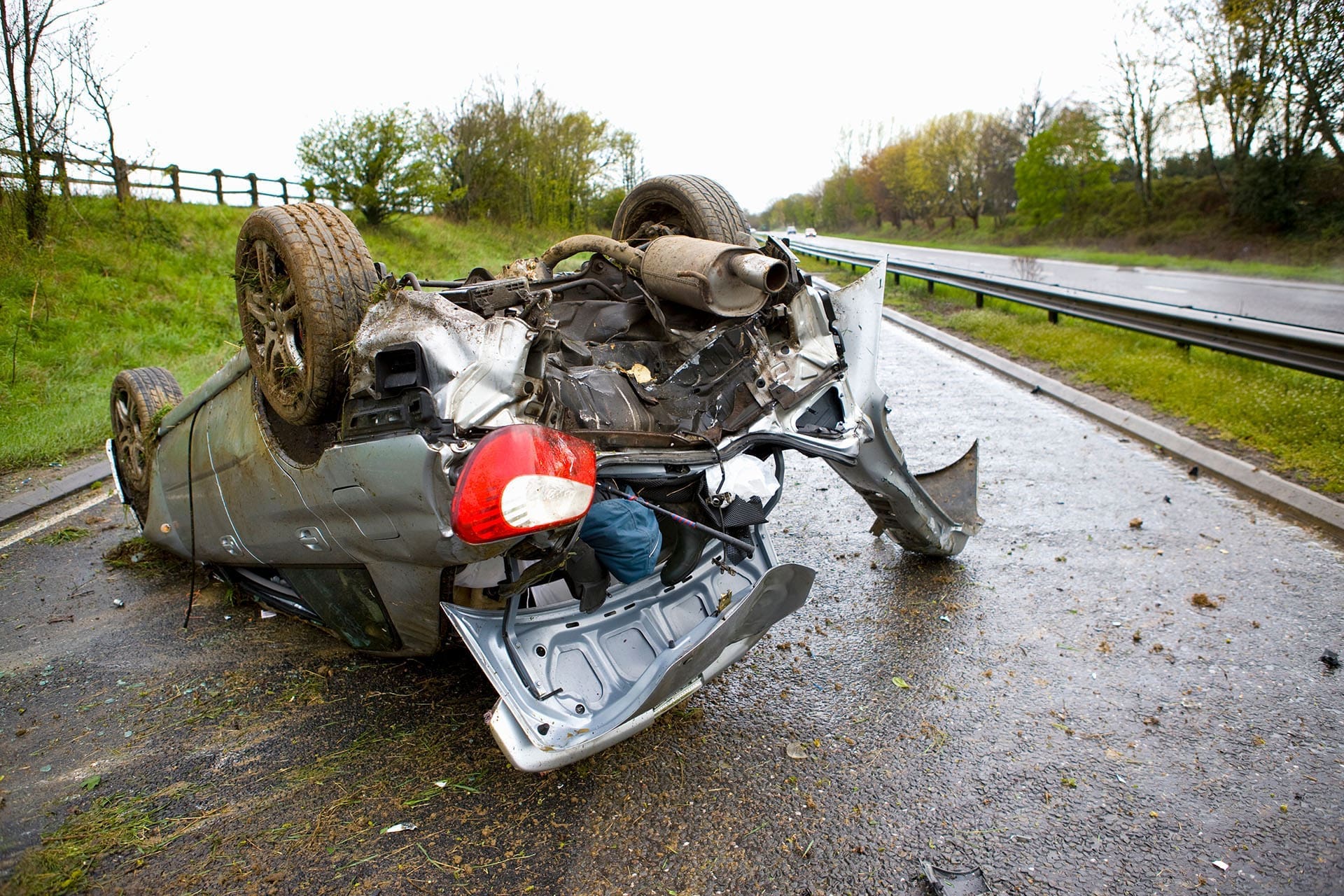
Memorial Day weekend is a busy time for travel. Many people are driving to visit family, attend events, go on vacation, or return home after a long weekend. More cars on the road can mean more traffic, more sudden stops, and more chances for rear-end collisions.

Rear-end collisions happen when one vehicle crashes into the back of another. These crashes are common in:

  • Heavy highway traffic
  • Stop-and-go traffic
  • Construction zones
  • Busy intersections
  • Parking lot exits
  • Sudden slowdowns
  • Chain-reaction crashes

During Memorial Day weekend, drivers may also be tired, distracted, or unfamiliar with the roads. A driver may look down at a GPS, check a phone, adjust music, manage passengers, or follow another vehicle too closely. In only a few seconds, traffic can stop, and a rear-end crash can happen.

Rear-end collisions are among the most common types of motor vehicle accidents because they often happen during sudden braking and distracted driving situations (John Price Law Firm, 2024; DeMayo Law Offices, n.d.).

Why Rear-End Collisions Can Injure the Neck and Spine

A rear-end crash can look minor, but the force can still affect the body. When a car is hit from behind, the body may move forward while the head and neck snap back and then forward. This fast motion can create whiplash.

Whiplash can affect the:

  • Neck muscles
  • Spinal joints
  • Ligaments
  • Tendons
  • Discs
  • Nerves
  • Upper back
  • Shoulders

The neck and spine are not made to absorb sudden crash forces. Even a lower-speed rear-end collision can strain soft tissues and irritate the spinal joints. In more serious crashes, the force may contribute to disc injuries, nerve pain, or long-term stiffness.

Whiplash and neck injuries are often linked to rear-end collisions because the sudden impact can stretch and strain the neck tissues (Accident Clinics, n.d.; Jax Litigation, n.d.).

Common Injuries After a Rear-End Collision

After a rear-end crash, pain may start in one area and then spread over time. Some people feel neck tightness first. Others notice headaches, shoulder pain, low back pain, or numbness later.

Common rear-end collision injuries may include:

  • Whiplash
  • Neck sprains and strains
  • Back sprains and strains
  • Muscle spasms
  • Herniated discs
  • Bulging discs
  • Shoulder pain
  • Headaches
  • Nerve impingement
  • Numbness or tingling
  • Low back pain
  • Sciatica-like symptoms
  • Postural changes

Soft tissue injuries can be difficult because they may not always appear clearly on basic imaging. Muscles, ligaments, tendons, fascia, and spinal joints can still sustain injuries even when no bone is broken. Back sprains and strains are common after vehicle accidents and can cause pain, stiffness, swelling, spasms, and limited movement (1-800-NOW-HURT, n.d.).

KNR Legal also notes that car accidents commonly cause whiplash, herniated discs, spinal injuries, and other neck and back problems (Kisling, Nestico & Redick, n.d.).

Why Symptoms Can Show Up Days or Weeks Later

One of the most important things to know is this: pain does not always show up right away.

After a crash, the body releases stress hormones like adrenaline. This can make a person feel alert and less aware of pain. Hours or days later, inflammation may increase, muscles may tighten, and symptoms may become more noticeable.

Delayed symptoms may include:

  • Neck stiffness
  • Headaches
  • Shoulder tightness
  • Mid-back pain
  • Low back pain
  • Dizziness
  • Muscle spasms
  • Pain when turning the head
  • Numbness or tingling
  • Trouble sleeping
  • Fatigue
  • Brain fog

This is why a full evaluation is recommended after a motor vehicle accident, even when the crash seems small. Accident-related symptoms may take time to appear, especially with whiplash, soft-tissue injuries, and nerve irritation (Accident Clinics, n.d.; Zwick Law, 2024).

How a Rear-End Collision Can Affect Posture

A rear-end crash can change how the body holds itself. When the neck or back is injured, muscles may tighten to protect the area. This protective response can change posture and movement.

A person may begin to:

  • Hold the head forward
  • Raise one shoulder higher than the other
  • Limit neck rotation
  • Walk differently
  • Avoid bending or lifting
  • Sit unevenly
  • Develop muscle guarding

Poor posture after an accident can place extra stress on the spine. Over time, these factors can make pain worse and slow recovery. De Bruin Chiropractic explains that auto accidents can affect posture and that chiropractic care may help by improving spinal mobility, soft-tissue function, and body alignment (De Bruin Chiropractic, n.d.).

How ChiroMed’s Integrative Approach Fits Into Recovery

For readers of ChiroMed, the key idea is that accident recovery should look at the whole injury pattern. A rear-end collision does not only affect one muscle or one joint. It can affect the spine, nerves, discs, ligaments, soft tissues, posture, inflammation, and movement.

Integrative chiropractic care focuses on helping the body heal naturally by combining different tools and therapies. The goal is not only to reduce pain but also to improve function.

A care plan may include:

  • Chiropractic adjustments
  • Soft tissue therapy
  • Myofascial release
  • Corrective exercises
  • Stretching and mobility work
  • Posture correction
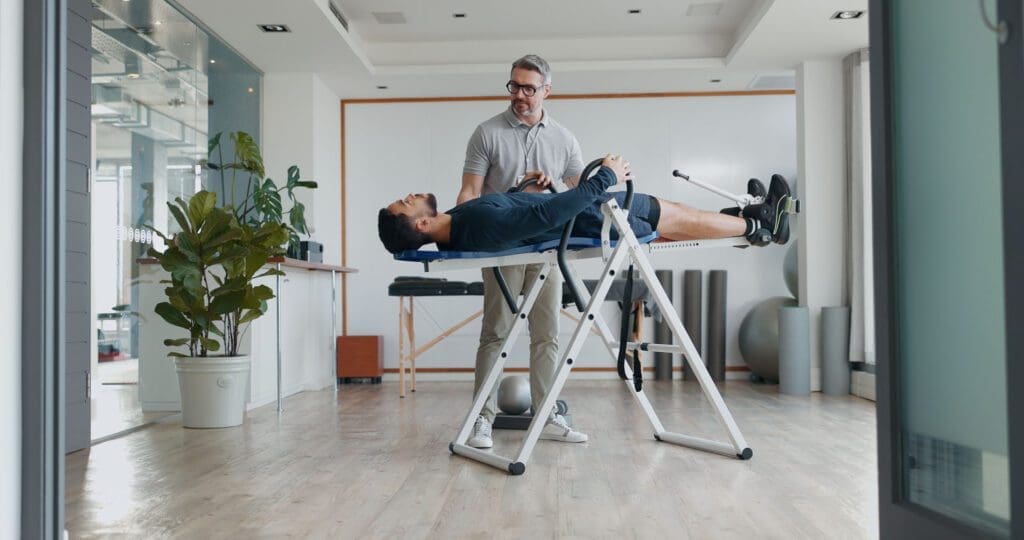
  • Spinal decompression when appropriate
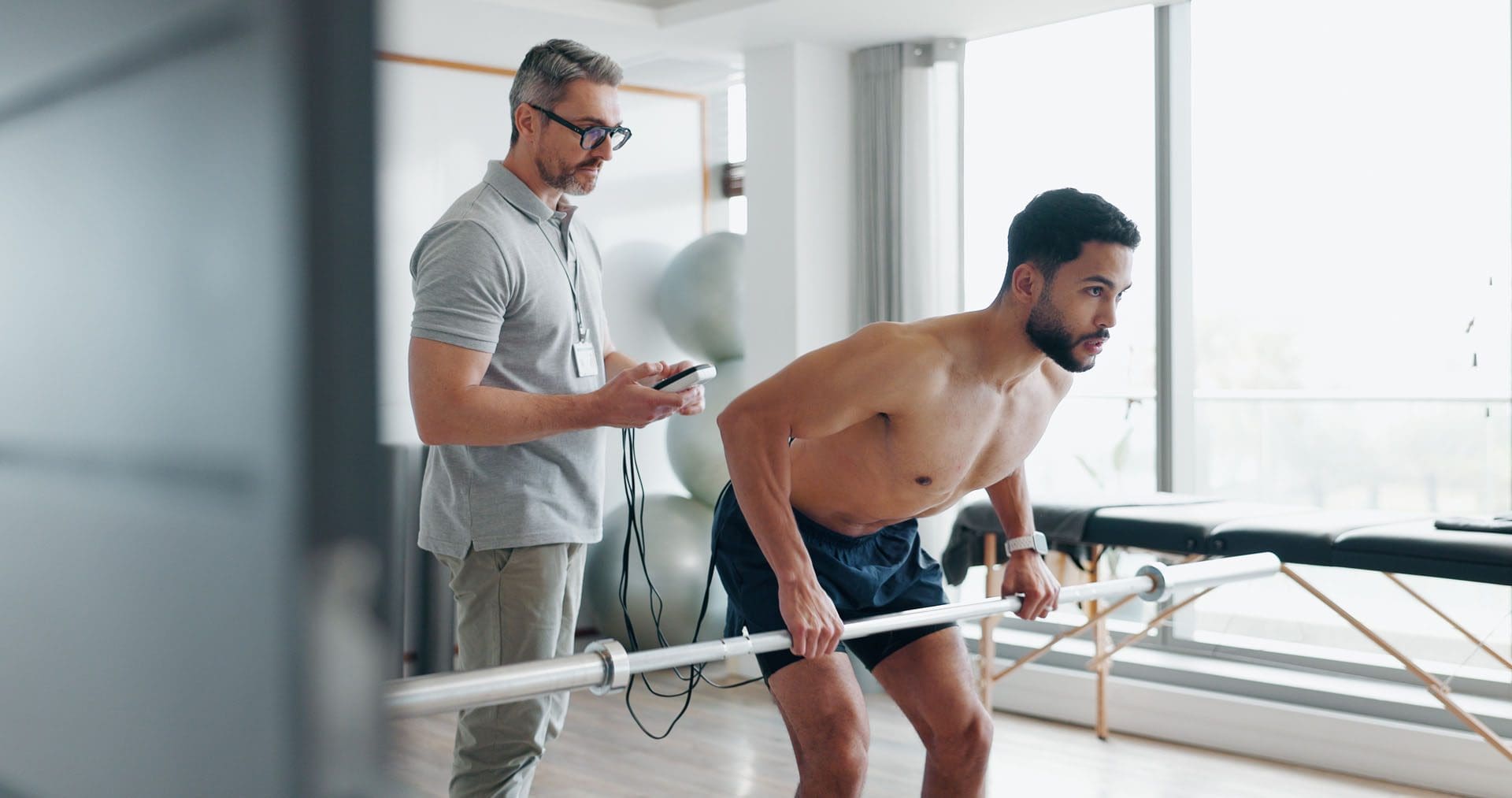
  • Rehabilitation exercises
  • Lifestyle guidance
  • Nutrition and inflammation support
  • Referrals for imaging or medical care when needed

Doctor Wagner explains that chiropractic care following a car accident may include spinal adjustments, soft-tissue therapy, therapeutic exercise, stretching, postural support, and patient education (Doctor Wagner, n.d.). This type of approach is beneficial because rear-end collision injuries often involve both the spine and the surrounding soft tissues.

Clinical Observations From Dr. Alexander Jimenez, DC, APRN, FNP-BC

Dr. Alexander Jimenez, DC, APRN, FNP-BC, has observed that injuries from motor vehicle accidents often involve more than simple pain. In many cases, the body develops a pattern of joint restriction, muscle guarding, nerve irritation, inflammation, and loss of movement.

Through his integrative clinical approach, Dr. Jimenez emphasizes the importance of identifying the root cause of pain rather than merely treating symptoms. His model combines chiropractic care, functional medicine principles, rehabilitation, diagnostic review, and, when appropriate, personalized recovery planning (Jimenez, n.d.-a).

His clinical observations also highlight that old car accident injuries may continue to cause pain months or years later when the original injury did not heal correctly. These lingering issues may involve muscles, ligaments, spinal joints, discs, nerves, fascia, and chronic inflammation (Jimenez, n.d.-b).

This matters after a Memorial Day rear-end collision because a person may not feel severe pain immediately. But if soft tissue damage, spinal restriction, or nerve irritation is missed, the injury may become harder to treat later.

Why a Full Evaluation Matters After a Memorial Day Crash

A full evaluation after a rear-end collision can help identify injuries early. This is important for both health and documentation. The evaluation should focus on how the accident affected the body, not just on whether a bone was broken.

A post-accident evaluation may include:

  • Review of how the crash happened
  • Neck and back pain assessment
  • Range-of-motion testing
  • Orthopedic testing
  • Neurological screening
  • Muscle strength checks
  • Reflex checks
  • Posture analysis
  • Functional movement testing
  • Imaging referral when needed

This type of exam can help identify whether the person has whiplash, soft tissue injuries, disc irritation, nerve symptoms, or other accident-related problems.

When to Seek Urgent Medical Care

Some symptoms after a crash require immediate medical attention. Chiropractic and integrative care can support recovery, but emergency symptoms should be checked right away.

Seek urgent care if there is:

  • Severe headache
  • Loss of consciousness
  • Confusion
  • Vision changes
  • Chest pain
  • Trouble breathing
  • Severe neck or back pain
  • Weakness in the arms or legs
  • Numbness that spreads
  • Loss of balance
  • Abdominal pain
  • Loss of bowel or bladder control
  • Worsening symptoms after the crash

These symptoms may point to a more serious injury and should not be ignored.

Preventing Rear-End Collisions During Holiday Travel

Drivers can reduce risk by planning ahead and staying focused. Memorial Day traffic can be stressful, but safe driving habits can make a big difference.

Helpful safety steps include:

  • Leave early to avoid peak traffic
  • Keep extra space between vehicles
  • Do not tailgate
  • Put the phone away
  • Let a passenger handle GPS directions
  • Avoid eating while driving
  • Take breaks on long trips
  • Watch for sudden stops
  • Slow down in heavy traffic
  • Avoid driving tired
  • Never drive under the influence

Distracted driving is a major risk because it takes attention away from the road. This includes phone use, GPS adjustments, eating, drinking, and managing passengers.

ChiroMed Takeaway: Do Not Wait for Pain to Become Severe

Memorial Day weekend rear-end collisions are common because of traffic congestion, sudden stops, distracted driving, and long-distance travel. These crashes can cause whiplash, neck pain, back pain, muscle spasms, disc injuries, nerve irritation, and posture problems.

The most important lesson is simple: do not ignore symptoms after a crash.

Even mild stiffness or a small headache may be the first sign of a deeper injury. Since symptoms can take days or weeks to fully appear, a full evaluation is recommended after an accident.

Integrative chiropractic care can support recovery by addressing the spine, soft tissues, posture, movement, and inflammation together. For ChiroMed readers, this approach offers a more complete way to understand and manage accident-related injuries.


References

Accident Clinics. (n.d.). Whiplash and neck pain treatment

De Bruin Chiropractic. (n.d.). How an auto accident impacts your posture and how chiropractic care can help

DeMayo Law Offices. (n.d.). What are the most common types of car accidents?

Doctor Wagner. (n.d.). Chiropractic care after a car accident

Jimenez, A. (n.d.-a). Dr. Alex Jimenez DC, APRN, FNP-BC

Jimenez, A. (n.d.-b). Can old car accident injuries heal with integrative care?

Jimenez, A. (n.d.-c). Dr. Alexander Jimenez LinkedIn profile

John Price Law Firm. (2024). What are the most common car accidents?

Jax Litigation. (n.d.). Car crashes and neck injuries

Kisling, Nestico & Redick. (n.d.). Most common car accident injuries

Sarasota Chiropractor. (n.d.). Auto accident injuries

Tooele Chiropractor. (n.d.). Chronic pain from old car accident injuries

Zwick Law. (2024). Common injuries after a rear-end collision

Integrative Chiropractic for Old Car Accident Injuries

Integrative Chiropractic for Old Car Accident Injuries

Integrative Chiropractic for Old Car Accident Injuries

Abstract

Motor vehicle accidents can cause injuries that last for months or even years. Neck pain, back pain, joint stiffness, headaches, ligament injuries, and soft tissue pain may continue long after the crash. These symptoms may come from tissues that did not heal correctly the first time. At ChiroMed, an integrated care approach may combine chiropractic care, rehabilitation, regenerative medicine, MLS laser therapy, and shockwave therapy to help address the cause of chronic pain, not just the symptoms. Research supports the use of PRP, MFAT, laser therapy, and shockwave therapy for selected musculoskeletal pain conditions, but each patient needs a proper exam and personalized treatment plan (Thu, 2022; Heidari et al., 2021; Stanciu et al., 2025).

Chronic Pain After a Car Accident Can Be Real

Some people believe that if a car accident happened months or years ago, the body should already be healed. But that is not always true. A crash can injure muscles, ligaments, tendons, joints, discs, fascia, and nerves. These tissues may heal slowly, especially when the injury was not fully evaluated or treated early.

After an accident, the body may protect itself by tightening muscles, changing posture, and limiting movement. At first, this can feel helpful. Over time, however, these protective patterns can lead to chronic stiffness, weakness, and pain.

Long-term car accident injuries may include:

  • Whiplash and chronic neck pain
  • Low back pain
  • Headaches from neck tension
  • Shoulder, hip, knee, or ankle pain
  • Ligament sprains or instability
  • Tendon irritation
  • Scar tissue and tight fascia
  • Nerve irritation, numbness, or tingling
  • Reduced range of motion
  • Pain that worsens with activity

ChiroMed’s auto accident recovery content explains that accident injuries can involve soft tissues and joints, and that combined care may help when pain lasts longer than expected. Chiropractic care may improve mobility, rehabilitation may rebuild strength, shockwave therapy may support the soft tissue response, and regenerative options may help when injured tissue needs additional support.

Why Old Injuries May Still Hurt

An old accident injury can remain painful because the tissue may have healed in a poor position, stayed inflamed, or developed weak scar tissue. The area may no longer move the way it should. When this happens, nearby muscles and joints work harder to protect the injured region.

For example, a person with old whiplash may develop:

  • Tight neck muscles
  • Upper back stiffness
  • Headaches
  • Shoulder tension
  • Nerve irritation in the arm
  • Poor posture from guarding

A person with an old knee, hip, or ankle injury may develop:

  • Joint stiffness
  • Limping or altered walking
  • Weak stabilizing muscles
  • Ligament laxity
  • Tendon pain
  • Pain with stairs, exercise, or standing

This is why chronic MVA care should not focus only on pain relief. The goal should be to understand why the pain keeps returning.

ChiroMed’s Integrated Approach

At ChiroMed, the recovery model is built around integrated medicine and whole-person care. ChiroMed describes its El Paso clinic as using an integrated approach that combines chiropractic care with other forms of medicine, and its auto accident content highlights personalized care for injury recovery.

Dr. Alexander Jimenez, DC, APRN, FNP-BC, brings a dual-scope view to injury care. ChiroMed describes Dr. Jimenez as both a chiropractor and nurse practitioner who evaluates injury patients through a broader clinical lens. His model may include chiropractic assessment, medical evaluation, review of advanced imaging, functional testing, rehabilitation planning, and personal injury documentation, as needed.

This matters because long-term accident pain is often not one simple problem. It may involve joints, nerves, muscles, posture, sleep, stress, and inflammation. A broader clinical perspective helps connect the injury history to the patient’s current symptoms.

Chiropractic Care: Restoring Motion and Reducing Stress

Chiropractic care is often foundational to long-term recovery from accidents because the spine and joints must move well for the body to function properly. If a joint is restricted, nearby muscles may tighten. If the spine is not moving correctly, nerves and soft tissues may stay irritated.

Chiropractic care may help by:

  • Improving spinal and joint motion
  • Reducing mechanical stress
  • Calming muscle guarding
  • Improving posture
  • Supporting better nerve function
  • Helping the body move with less pain
  • Making rehabilitation more effective

ChiroMed’s injury content notes that chiropractic care may restore motion and joint mechanics, while soft tissue work and rehabilitation may reduce guarding, improve stability, and support function-based recovery.

PRP Therapy: Supporting the Body’s Repair Signals

Platelet-Rich Plasma, or PRP, is a regenerative therapy made from a patient’s own blood. The blood is processed to concentrate platelets, which contain growth factors and healing signals. PRP may be used in selected cases to support injured tendons, ligaments, joints, or soft tissues.

PRP is not simply a pain-numbing treatment. It is used to support the body’s natural healing response.

PRP may be considered for:

  • Chronic tendon pain
  • Ligament injuries
  • Joint pain
  • Soft tissue damage
  • Pain that has not improved with standard care
  • Selected sports or accident-related injuries

A narrative review on PRP and musculoskeletal pain reported that PRP appears to reduce pain and improve function in some patients, although the evidence has limitations and results can vary (Thu, 2022).

Research has also examined PRP in combination with shockwave therapy. A randomized controlled trial on chronic patellar tendinopathy found that PRP alone and PRP combined with extracorporeal shockwave therapy both helped improve pain and function, with the combined group showing faster early pain reduction (Jhan et al., 2024).

MFAT Therapy: Support for Complex Joint and Soft Tissue Problems

Micro-Fragmented Adipose Tissue, or MFAT, uses a small amount of the patient’s own fat tissue. The tissue is processed into tiny fragments and placed into the painful or injured area when appropriate. MFAT contains a natural tissue matrix and signaling factors that may support a healthier tissue environment.

MFAT may be discussed for:

  • Chronic joint pain
  • Knee, hip, or shoulder problems
  • Soft tissue injuries that have not healed well
  • Degenerative changes after trauma
  • Complex musculoskeletal pain
  • Cases where conservative care has not been enough

A study on MFAT for knee osteoarthritis found that MFAT injection improved quality of life in selected patients and was described as a low-morbidity biological treatment option that may delay total knee replacement in suitable cases (Heidari et al., 2021).

A 2025 three-year follow-up study reported that MFAT treatment was associated with improvement in pain, quality of life, and function over time. The authors were careful to explain that the study focused on symptom relief and did not demonstrate structural regeneration, an important distinction for patient education (Stanciu et al., 2025).

MLS Laser Therapy: Calming Pain and Supporting Recovery

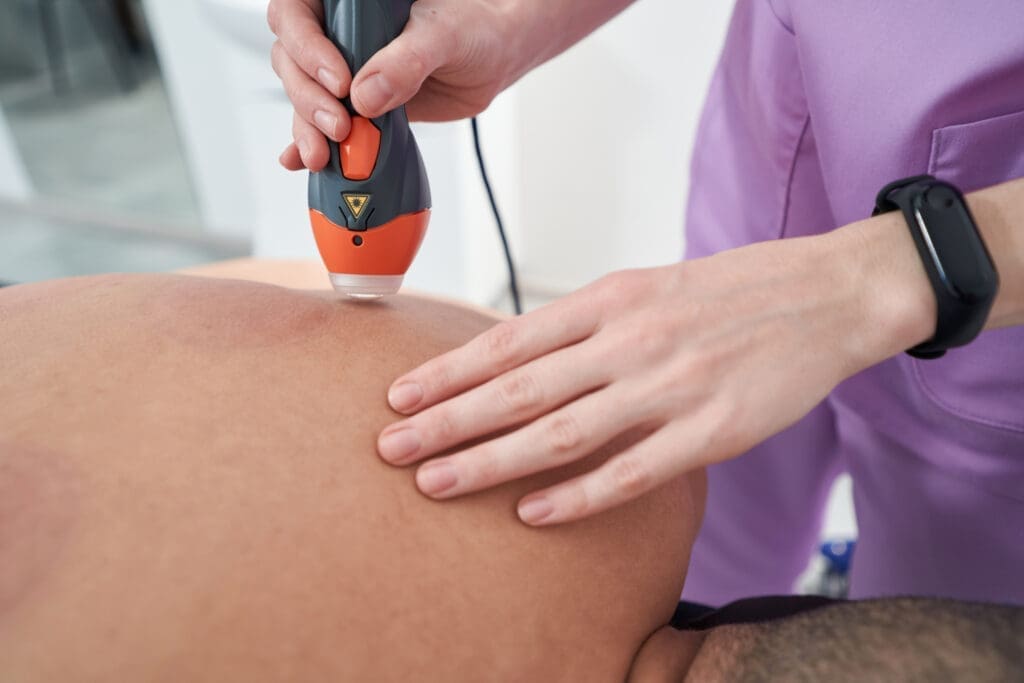
MLS laser therapy is a non-invasive treatment that uses light energy to support tissue recovery. It is often discussed in relation to pain, inflammation, circulation, and cellular repair.

MLS laser therapy may help patients with:

  • Neck and back pain
  • Soft tissue strain
  • Muscle guarding
  • Joint inflammation
  • Nerve irritation
  • Post-accident stiffness
  • Chronic pain patterns

ChiroMed’s MLS laser and photobiomodulation content explains that modern MLS laser systems use synchronized wavelengths designed to support photobiomodulation while reducing surface overheating. The same page describes laser care as part of a broader plan that may include chiropractic assessment, rehabilitation, shockwave therapy, and PRP when clinically appropriate.

Shockwave Therapy: Waking Up Stubborn Soft Tissue

Shockwave therapy uses acoustic energy to stimulate injured tissues. It is often used for chronic pain related to tendons, ligaments, fascia, and joints. When tissue has been painful for months or years, the healing response may become stalled. Shockwave therapy may help restart a more active repair response in selected cases.

Shockwave therapy may help support:

  • Local blood flow
  • Collagen activity
  • Soft tissue remodeling
  • Reduced pain sensitivity
  • Better mobility
  • Tendon and fascia recovery
  • Chronic scar tissue stiffness

ChiroMed describes shockwave therapy as a tool that may support soft tissue healing, circulation, and pain control, especially when paired with chiropractic care and rehabilitation.

Dr. Jimenez’s ChiroMed shockwave article also explains that he uses an integrative model combining chiropractic medicine, advanced practice nursing, functional medicine, and rehabilitative sciences when applying acoustic shockwave technologies.

Why Combining Therapies May Work Better

Chronic accident injuries are often layered. A patient may have joint restriction, muscle weakness, ligament irritation, scar tissue, inflammation, and poor movement patterns simultaneously. That is why a single treatment may not fully solve the problem.

A ChiroMed-style plan may combine:

  • Chiropractic care to restore motion
  • Rehabilitation to rebuild strength
  • PRP to support tissue repair signals
  • MFAT for selected complex joint or soft tissue cases
  • MLS laser therapy to support pain and inflammation control
  • Shockwave therapy to stimulate chronic soft tissue response
  • Functional medicine support when inflammation, nutrition, or recovery barriers are present
  • Medical documentation for personal injury cases, when needed

This approach is not about doing more treatments just to do more. It is about matching the right therapies to the right injury.

Can Healing Be Re-Initiated Years Later?

In many cases, yes. The body can still respond to treatment even months or years after an accident. This does not mean every old injury can be fully reversed. It means chronic tissues may still improve when the right problem is identified and treated.

For example:

  • A stiff neck may improve when spinal motion, muscle guarding, and nerve irritation are addressed.
  • A painful knee may improve when joint mechanics, ligament support, and inflammation are treated.
  • Chronic tendon pain may improve when shockwave therapy, PRP, and strengthening are combined.
  • Long-term back pain may improve when spinal function, core stability, and soft tissue irritation are treated together.

The key is a proper evaluation. A patient should not guess which therapy they need. The provider should review the injury history, symptoms, imaging, movement limits, neurological signs, and goals.

A Safer Path Forward

Long-term accident pain should be taken seriously. Patients should seek urgent care if they have a severe headache, chest pain, trouble breathing, worsening numbness, new weakness, loss of bladder or bowel control, severe abdominal pain, confusion, or trouble walking after trauma. ChiroMed also lists these types of symptoms as safety concerns that should be ruled out before an integrative recovery plan begins.

Once serious conditions are ruled out, an integrated recovery plan may help patients move better, feel stronger, and reduce chronic pain patterns.

Conclusion

A car accident injury does not always end when the bruises fade or the insurance paperwork closes. Months or years later, unresolved soft tissue damage, ligament weakness, joint dysfunction, inflammation, scar tissue, and nerve irritation may still cause pain.

For ChiroMed, the message is clear: chronic MVA pain should not be treated with a one-size-fits-all plan. An integrated approach using chiropractic care, rehabilitation, PRP, MFAT, MLS laser therapy, and shockwave therapy may help selected patients address the deeper causes of pain and support better long-term function.

This article is for educational purposes only and is not a substitute for medical advice. Patients with chronic pain after a motor vehicle accident should be evaluated by a qualified healthcare provider to determine which treatments are safe and appropriate.


References

AABP Integrative Pain Care. (n.d.). 5 essential benefits of PRP for chronic pain.

CARS Medical. (n.d.). MLS laser therapy for auto injuries in Charlotte NC.

CHARM Austin. (n.d.). Regenerative medicine approach to ankle injuries.

ChiroMed. (2026). Regenerative therapy for auto accident injury recovery.

ChiroMed. (2026). MLS laser therapy & photobiomodulation benefits for the body.

ChiroMed. (2026). Chiropractic shockwave therapy for pain and healing.

ChiroMed. (2026). Chiropractic care for hidden auto accident injuries.

Heidari, N., et al. (2021). Microfragmented adipose tissue injection may be a solution to the rationing of total knee replacement. Stem Cells International, 2021, 9921015.

Heidari, N., et al. (2022). Comparison of the effect of MFAT and MFAT + PRP on treatment of hip osteoarthritis. Journal of Clinical Medicine, 11(4), 1056.

Jhan, S. W., et al. (2024). A comparative analysis of platelet-rich plasma alone versus combined with extracorporeal shockwave therapy in athletes with patellar tendinopathy and knee pain.

Jimenez, A. (n.d.). Dr. Alex Jimenez.

Jimenez, A. (n.d.). Dr. Alexander Jimenez LinkedIn profile.

Nob Hill Family Chiropractic. (2025). How cold laser therapy can speed up recovery from auto injuries.

Primary Health Clinic. (2025). Laser therapy for soft tissue recovery after injury.

Stanciu, N., Heidari, N., Slevin, M., Ujlaki-Nagi, A.-A., Trâmbițaș, C., Arbănași, E.-M., Russu, O. M., Melinte, R. M., Azamfirei, L., & Brînzaniuc, K. (2025). Predicting long-term benefits of micro-fragmented adipose tissue therapy in knee osteoarthritis. Journal of Clinical Medicine, 14(13), 4549.

Taheri, P., Vahdatpour, B., & Andalib, S. (2016). Comparative study of shock wave therapy and laser therapy effect in elimination of symptoms among patients with myofascial pain syndrome in upper trapezius. Advanced Biomedical Research, 5, 138.

Thu, A. C. (2022). The use of platelet-rich plasma in management of musculoskeletal pain: A narrative review. Journal of Yeungnam Medical Science, 39(3), 206-215.

Regenerative Therapy for Auto Accident Injury Recovery

Regenerative Therapy for Auto Accident Injury Recovery

Regenerative Therapy for Auto Accident Injury Recovery

Abstract

Motor vehicle accidents can cause more than quick pain. A crash can injure muscles, ligaments, tendons, joints, nerves, and spinal tissues. Some injuries are felt right away, while others show up days later. For many people, early care can make a major difference in recovery. At a ChiroMed-style integrative clinic, the goal is to look at the whole injury pattern, not just the painful area. Care may include chiropractic treatment, rehabilitation, shockwave therapy, and regenerative options such as platelet-rich plasma (PRP), platelet-poor plasma, plasma-based therapies, and microfragmented adipose tissue (MFAT). These therapies may help support tissue healing, improve movement, reduce pain, and help some patients avoid surgery when appropriate.

Why Motor Vehicle Accidents Can Lead to Chronic Pain

A motor vehicle accident can place sudden force on the body. The neck may snap forward and backward. The lower back may twist. The shoulder, hip, knee, or ankle may absorb impact. Even when there are no broken bones, the soft tissues can still be injured.

Common accident-related injuries may include:

  • Whiplash
  • Neck and back sprains
  • Ligament injuries
  • Tendon injuries
  • Joint pain
  • Muscle strains
  • Disc irritation
  • Nerve irritation
  • Headaches
  • Shoulder, hip, or knee pain
  • Spinal stiffness
  • Reduced range of motion

These injuries can become more difficult to treat when they are ignored. Pain may begin as soreness, then turn into stiffness, weakness, nerve symptoms, or chronic inflammation. This is why early evaluation matters after an accident (Fletcher Family Chiropractic, n.d.; Health Coach Clinic, n.d.).

The ChiroMed Approach to Accident Recovery

ChiroMed is a natural fit for this topic because accident recovery often needs more than one type of care. A patient may need spinal care, soft tissue treatment, rehab, imaging review, and medical coordination. The goal is not only to reduce pain but also to improve how the body moves and heals.

An integrative chiropractic plan may include:

  • A detailed accident history
  • Orthopedic testing
  • Neurological screening
  • Range of motion testing
  • Posture and movement assessment
  • Imaging referrals when needed
  • Chiropractic adjustments
  • Soft tissue therapy
  • Corrective exercises
  • Shockwave therapy
  • Regenerative medicine consultation
  • Ongoing progress exams

This type of care helps connect the injury to the symptoms. It also helps create a clearer recovery plan, especially when the patient has soft-tissue injuries that may not be clearly visible on basic X-rays (Health Coach Clinic, n.d.; Pure Wellness, n.d.).

Why Soft Tissue Injuries Need Special Attention

Soft tissue injuries involve muscles, tendons, ligaments, fascia, and joint-supporting tissues. These structures help stabilize the spine and joints. When they are damaged, the body may become unstable, stiff, painful, or weak.

Soft tissue injuries can be difficult because they may heal slowly. Some tissues have limited blood flow, which can make recovery harder. Ligaments and tendons may also stay irritated if the joint continues to move poorly.

For example, after a rear-end crash, a person may develop whiplash. The neck muscles tighten to protect the spine. Ligaments may be stretched. Small joints in the neck may become irritated. If this pattern is not treated, the patient may develop headaches, limited neck motion, shoulder tightness, or nerve-like symptoms in the arm.

This is where combined care may help. Chiropractic care can improve motion. Rehab can rebuild strength. Shockwave therapy may support soft tissue healing. Regenerative options may be considered when injured tissue needs more support.

PRP Therapy After an Auto Accident

Platelet-rich plasma, or PRP, is a regenerative treatment made from the patient’s own blood. A small blood sample is drawn and processed to concentrate platelets. These platelets contain growth factors that help guide the body’s healing response. The PRP is then placed into the injured area when clinically appropriate (Johns Hopkins Medicine, n.d.).

PRP may be considered for:

  • Ligament sprains
  • Tendon injuries
  • Muscle injuries
  • Joint pain
  • Whiplash-related soft tissue injuries
  • Chronic pain after trauma
  • Pain that has not improved with basic care

PRP does not act like a pain-killing shot. Instead, it is used to support the body’s healing process. Patients still need a full recovery plan that may include chiropractic care, rehab, movement correction, and follow-up exams (MVA MVP, n.d.; Integrative Spine & Sports, n.d.).

PFP and Plasma-Based Regenerative Options

Some clinics discuss platelet-poor plasma, platelet fibrin plasma, or other plasma-based products. The terms can vary depending on how the product is prepared and what the provider is trying to treat. Patients should always ask what type of plasma product is used, why it is recommended, and how it fits into the full treatment plan.

In simple terms, plasma-based therapies are designed to support the tissue environment. After a crash, ligaments, tendons, joints, and spinal tissues may need help calming inflammation and rebuilding healthier function. Plasma-based care may be part of that process when medically appropriate.

For a ChiroMed-style plan, plasma-based care should not stand alone. It works best when the patient is also improving movement, strength, posture, stability, and daily activity habits.

MFAT Therapy for More Complex Soft Tissue and Joint Injuries

Micro-fragmented adipose tissue, or MFAT, uses a small amount of the patient’s own fat tissue. The tissue is processed into tiny fragments and then placed into the injured area. MFAT contains a natural tissue matrix and signaling factors that may help support repair in joints, tendons, ligaments, and other soft tissues (Engelen Sports & Orthobiologics, n.d.; Ortho-Regen, n.d.).

MFAT may be discussed for:

  • Chronic joint pain
  • Partial tendon tears
  • Ligament injuries
  • Meniscus-related problems
  • Degenerative joint changes
  • Soft tissue injuries that are slow to heal
  • Injuries that have not improved with standard care

MFAT is not for every patient. It requires proper evaluation, clear diagnosis, and careful clinical judgment. A 2025 review described MFAT as a developing regenerative option with potential for tissue repair, but also highlighted the need for proper patient selection and further clinical research (Fu & Wang, 2025).

Shockwave Therapy for Post-Accident Pain

Shockwave therapy uses acoustic energy to stimulate injured tissues. It is non-surgical and may be used to support circulation, collagen activity, and tissue remodeling, and to reduce pain. In accident care, shockwave therapy may be beneficial for soft tissue pain, scar tissue, tendon irritation, muscle tightness, and chronic inflammation (Advanced Back & Neck Care, n.d.; Mayo Clinic, n.d.).

Shockwave therapy may help with:

  • Neck and back soft tissue pain
  • Tendon pain
  • Muscle trigger points
  • Scar tissue stiffness
  • Chronic inflammation
  • Reduced mobility
  • Pain that has lasted longer than expected

For many patients, shockwave therapy fits into an integrative plan because it can be paired with chiropractic care and rehab. The goal is to help the tissue respond better while also correcting movement problems that keep stressing the injury.

Why Chiropractic Care Is the Foundation

Regenerative therapies may support tissue repair, but the body also needs proper movement. If a joint is not moving well, the injured area may continue to become irritated. If muscles are weak or tight, the spine may remain under stress. If posture is poor after the crash, pain may continue.

Chiropractic care may help by:

  • Improving spinal motion
  • Reducing joint restriction
  • Calming muscle guarding
  • Supporting better nerve function
  • Improving posture
  • Helping the body move with less stress
  • Supporting better rehab progress

After a motor vehicle accident, chiropractic care is often used for neck pain, back pain, whiplash, headaches, shoulder pain, hip pain, and joint stiffness. When combined with rehabilitation, it can help restore strength and stability, not just temporary comfort (Delaware Back Pain & Sports Rehabilitation Centers, n.d.; Pure Wellness, n.d.).

Dr. Alexander Jimenez’s Clinical Perspective

Dr. Alexander Jimenez, DC, APRN, FNP-BC, has long emphasized a dual-scope approach to personal injury care. This means considering both the structural and medical aspects of an injury. In a motor vehicle accident, the case may involve spinal and joint function, nerve symptoms, soft-tissue damage, inflammation, imaging needs, and clear documentation.

This approach is important because accident injuries can overlap. A patient may experience neck pain, headaches, shoulder tightness, lower back pain, and nerve irritation simultaneously. Treating only one symptom may miss the bigger injury pattern.

A ChiroMed-focused care model can reflect this same goal: evaluate the whole person, identify the injured tissues, restore movement, support healing, and help the patient return to daily life with better function.

Why Early Care Matters After a Crash

The best time to treat injuries from accidents is often early. This does not mean every patient needs advanced treatment right away. It means the patient should be examined before the injury becomes chronic.

Early care may help:

  • Reduce inflammation
  • Protect injured tissue
  • Improve range of motion
  • Prevent stiffness
  • Reduce compensation patterns
  • Identify nerve symptoms
  • Support better documentation
  • Lower the risk of long-term pain

When care is delayed, the body may begin moving around the painful area. This can lead to new problems in the spine, hips, shoulders, knees, and muscles. Over time, the patient may develop chronic pain, weakness, poor posture, or limited mobility.

When Regenerative Care May Be Considered

Regenerative therapies may be considered when a patient has tissue damage that is slow to heal or when the goal is to avoid surgery when possible. These treatments may be useful when standard care has helped only partly or when the tissue injury is more complex.

A provider may consider PRP, PFP, MFAT, or shockwave therapy when there is:

  • Ongoing ligament pain
  • Tendon damage
  • Joint injury
  • Soft tissue trauma
  • Chronic inflammation
  • Pain that returns with activity
  • Reduced function despite basic care
  • A desire to explore non-surgical options

However, regenerative care must be based on diagnosis. It should not be used as a guess. Imaging, exams, and medical history help determine whether the patient is a suitable candidate.

Physical Rehabilitation Completes the Recovery Plan

Rehabilitation is important because healing tissue needs strength and control. A patient may feel better after an adjustment, injection, or shockwave session, but long-term recovery also depends on how well the body moves during daily life.

Rehab may include:

  • Gentle mobility work
  • Stretching
  • Core strengthening
  • Balance training
  • Posture correction
  • Neck stabilization
  • Hip and shoulder strengthening
  • Walking programs
  • Return-to-work conditioning

Physical therapy and rehab can help patients regain confidence after an accident. They also help reduce fear of movement, which is common after painful trauma (RES Physical Medicine & Rehab, n.d.; Fairview Rehab, n.d.).

When Emergency Care Is Needed

Not every accident injury belongs in a chiropractic or regenerative medicine setting first. Some symptoms require emergency medical care.

A person should seek urgent care right away for:

  • Loss of consciousness
  • Severe headache
  • Chest pain
  • Trouble breathing
  • New weakness
  • Loss of bladder or bowel control
  • Severe abdominal pain
  • Numbness that is getting worse
  • Trouble walking
  • Severe neck or back pain after trauma
  • Confusion or memory problems

Safety comes first. Once serious conditions are ruled out, an integrative recovery plan may begin.

A Clear Path Forward With ChiroMed

Motor vehicle accident recovery works best when the care plan is clear, complete, and personalized. Regenerative therapies such as PRP, PFP, and related plasma-based options, as well as MFAT, may help support tissue healing. Shockwave therapy may help improve soft tissue response, circulation, and pain control. Chiropractic care may improve spinal motion, reduce joint stress, and support the nervous system. Rehabilitation helps rebuild strength and long-term stability.

For ChiroMed, the message is simple: accident injuries should not be ignored, and pain should not be treated as a one-size-fits-all problem. A thoughtful integrative plan can help patients understand their injuries, support healing, improve function, and reduce the risk of chronic pain after a motor vehicle accident.


References

Advanced Back & Neck Care. (n.d.). Shockwave therapy for motor vehicle accidents in Lumberton

BenGlassLaw. (n.d.). What is the value of my PRP therapy claim?

Delaware Back Pain & Sports Rehabilitation Centers. (n.d.). Best car accident pain solutions that work

Engelen Sports & Orthobiologics. (n.d.). Microfragmented adipose tissue (MFAT) therapy

Fairview Rehab. (n.d.). What type of post-accident therapy you may need

Fletcher Family Chiropractic. (n.d.). Why seeing a chiropractor after a car accident matters

FoRM Health. (n.d.). MFAT injections

Fu, H., & Wang, C. (2025). Micro-fragmented adipose tissue-An innovative therapeutic approach: A narrative review

Health Coach Clinic. (n.d.). Chiropractic integrative care for motor vehicle accidents

Health Coach Clinic. (n.d.). Regenerative medicine and integrative chiropractic approaches

Imperium Health Center. (n.d.). Holistic chiropractic treatments for injuries

Integrative Spine & Sports. (n.d.). PRP for whiplash: Accelerating recovery and restoring mobility

Jimenez, A. (n.d.). Dr. Alexander Jimenez, DC, APRN, FNP-BC

Jimenez, A. (n.d.). Dr. Alexander Jimenez LinkedIn profile

Johns Hopkins Medicine. (n.d.). Platelet-rich plasma injections

Mayo Clinic. (n.d.). Shockwave treatment: A new wave for musculoskeletal care

MVA MVP. (n.d.). Platelet-rich plasma therapy for vehicle accidents

Ortho-Regen. (n.d.). Microfragmented adipose tissue (MFAT)

Pure Wellness. (n.d.). Treating auto injuries with chiropractic care and regenerative medicine

RES Physical Medicine & Rehab. (n.d.). Road to recovery: The role of physical therapy after a car accident

Whalen Injury Lawyers. (n.d.). What is regenerative care in my motor vehicle accident case?

Utilizing Telemedicine in Integrative Injury Care

Utilizing Telemedicine in Integrative Injury Care

Telemedicine in Integrative Injury Care: Nurse Practitioners and Chiropractors Collaborating for Recovery

Introduction

In today’s fast-paced world, injuries from car crashes, work accidents, or sports activities can disrupt daily life. Imagine sustaining an injury and finding it difficult to visit a doctor due to pain, distance, or a hectic schedule. This is where telemedicine steps in. It uses video calls and online tools to connect patients with healthcare providers from anywhere. An integrative nurse practitioner (NP) and a chiropractor can team up via these virtual platforms to provide comprehensive care for such injuries. This approach blends medical knowledge with hands-on healing techniques, all done remotely.

Telemedicine enables remote check-ups, diagnoses, and follow-ups. It helps people with limited movement or those in rural areas get help quickly (Personal Injury Firm, 2025). By working together, the NP handles overall health needs, such as medications and tests, while the chiropractor focuses on spine and muscle issues. They also guide patients on diet, exercise, and habits to speed up healing. This teamwork ensures clear records and smooth plans, leading to better outcomes.

Dr. Alexander Jimenez, a chiropractor and board-certified family nurse practitioner, often notes how this mix of care treats the whole person, not just the hurt spot. His work shows how virtual tools can track progress and adjust plans in real time (Jimenez, n.d.a). In this article, we explore how this partnership works for motor vehicle, work, and sports injuries.

Understanding Telemedicine in Injury Care

Telemedicine has grown considerably since the pandemic, making healthcare more accessible. For injury patients, it means no long drives to clinics, especially right after an accident. Providers can see symptoms via video, ask questions, and even guide simple self-checks at home.

Key Benefits of Telemedicine

  • Quick Access: Patients connect from home, saving time and reducing stress after an injury (Complete Care, n.d.).
  • Cost Savings: Fewer trips reduce gas and lost work time, which is a major factor in occupational injuries (Prescient National, n.d.). Note: The tool result for this URL was empty, but based on the provided link and context, it aligns with general benefits; I’ll use it cautiously.
  • Better Follow-Ups: Regular virtual visits keep care going without gaps, ideal for those healing slowly.
  • Legal Support: Records from these sessions help prove injury claims in court or insurance cases (Culpepper Kurland, 2024).

For folks with mobility issues, like after a serious car wreck, this is a game-changer. They avoid travel-related pain and get care sooner, which prevents more serious problems down the line.

Dr. Jimenez highlights in his clinical notes that telemedicine enables teams to monitor nerve pain or back issues remotely, using apps for daily updates (Jimenez, n.d.b). His patients report feeling supported, even from afar.

Roles of Integrative Nurse Practitioners and Chiropractors

An integrative nurse practitioner examines the holistic aspects of health. They can prescribe meds, order scans, and manage chronic issues tied to injuries. A chiropractor, on the other hand, specializes in aligning the body, especially the spine, to ease pain without drugs.

Together, they create a balanced plan. The NP might handle swelling with anti-inflammatory advice, while the chiropractor suggests posture fixes.

What Each Brings to the Table

  • Nurse Practitioner: Full health checks, blood work reviews, and lifestyle tweaks like better sleep (Jimenez, 2024).
  • Chiropractor: Hands-free tips on stretches or alignment exercises shown via video.
  • Shared Focus: Both stress nutrition—think anti-inflammatory foods—to aid healing (ChiroMed, n.d.).

In personal injury cases, this duo shines. Chiropractors spot muscle strains early, and NPs link them to overall body stress, building strong evidence for recovery claims (Jimenez, 2024).

Virtual Assessments: Starting Care from Afar

The first step in injury care is assessment. In a virtual visit, the NP and chiropractor use cameras to watch movements. Patients might show how they walk or bend, helping spot issues like limps from sports, twists, or stiff necks from crashes.

Tools like phone apps measure range of motion, giving data without touch. For diagnoses, they review records or suggest quick home tests, like pressing on sore spots.

How Assessments Work Virtually

  • Video Exams: See swelling or bruises up close; discuss pain levels on a scale.
  • Guided Self-Checks: “Try lifting your arm slowly,” the chiropractor says, noting any catches.
  • Tech Aids: Wearables track steps or heart rate and share live (Jimenez, n.d.a).
  • Team Input: NP notes medical history; chiropractor flags alignment problems.

This method works well for motor vehicle injuries, where whiplash shows in head turns. One study-like observation from Dr. Jimenez: Patients with neck pain after a car accident improved faster when virtual checks detected hidden nerve pinches early (Jimenez, n.d.b).

For those far from clinics, it’s a lifeline—care starts the same day and meets insurance timelines (Complete Care, n.d.).

Crafting and Managing Treatment Plans Remotely

Once assessed, the team builds a plan. The NP might suggest rest and meds, while the chiropractor adds exercise videos. All shared via secure portals.

Management means weekly check-ins. Adjust doses or add stretches based on feedback. Documentation is key—progress notes become part of the patient’s file for claims.

Elements of a Strong Plan

  • Pain Relief: NP’s meds plus chiropractor’s ice/heat guides.
  • Rehab Steps: Step-by-step videos for home use.
  • Holistic: Nutrition tips, like omega-3s for swelling (ChiroMed, n.d.).
  • Tracking Tools: Apps log pain daily and alert the team if needed.

In work injuries, this keeps folks productive—quick virtual tweaks mean less downtime (Prescient National, n.d.). Dr. Jimenez observes that combined plans cut recovery time by focusing on root causes, like poor posture worsening back strain (Jimenez, 2024).

Ongoing Support: Keeping Patients on Track

Support doesn’t end with the first plan. Virtual groups or chats offer tips, motivation, and quick Q&A. For sports stars, this means safe return-to-play advice.

The team coordinates: NP handles refills, and the chiropractor demos form corrections.

Ways to Provide Continuous Help

  • Motivation Sessions: Short calls to celebrate wins, like less pain after stretches.
  • Lifestyle Guidance: Virtual classes on balanced meals or stress reduction.
  • Crisis Response: Urgent video for flare-ups to prevent ER trips.
  • Community Ties: Link to local resources if in-person is needed.

In occupational cases, support boosts morale—workers feel seen, speeding their return to work (Culpepper Kurland, 2024). Dr. Jimenez’s patients with sports injuries praise this, saying remote coaching rebuilt confidence without travel hassles (Jimenez, n.d.a).

Integrative Elements: Beyond the Basics

Integrative care means weaving daily habits into practice. Virtual sessions teach easy exercises, like yoga for flexibility, or meal ideas to fight inflammation.

The NP might screen for nutrient gaps, while the chiropractor links them to muscle health.

Incorporating Lifestyle, Nutrition, and Exercise

  • Nutrition Focus: Foods rich in antioxidants for nerve repair post-crash (ChiroMed, n.d.).
  • Exercise Routines: Tailored videos—gentle walks for work injuries, agility drills for athletes.
  • Mind-Body Tools: Breathing exercises to ease anxiety from pain.
  • Personal Touches: Plans fit life, as desk stretches for office workers.

Dr. Jimenez stresses nutrition’s role: “Personalized diets reduce chronic pain by addressing inflammation at its source” (Jimenez, n.d.b). This holistic view helps prevent re-injury.

Tackling Motor Vehicle Injuries Virtually

Car accidents often cause whiplash, back pain, or sciatica. Telemedicine lets teams assess these fast, guiding safe movements.

Plans include rest, self-help adjustments, and nutrition to calm nerves.

Specific Strategies

  • Whiplash Care: Video-monitored neck stretches.
  • Back and Nerve Pain: Decompression tips at home.
  • Follow-Ups: Track healing to avoid chronic issues (Personal Injury Firm, 2025).

Dr. Jimenez notes that many MVA patients heal fully with virtual spinal checks, reducing the need for surgery (Jimenez, 2024).

Addressing Occupational Injuries Through Telehealth

Work hurts, like strains from lifting, and benefits from quick virtual care. It cuts lost wages by getting folks back sooner.

NPs manage swelling; chiropractors teach ergonomic fixes.

Tailored Occupational Support

  • Ergo Advice: Desk setup demos.
  • Strain Prevention: Strength exercises shown live.
  • Documentation: Logs for workers’ comp claims (Prescient National, n.d.).

This approach wins for productivity, as noted in industry reports.

Sports Injuries: Remote Rehab for Athletes

Athletes twist ankles or pull muscles. Virtual care ensures safe recovery without sidelining for too long.

Holistic plans add mental coaching for comebacks.

Athletic Recovery Tips

  • Injury-Specific Drills: For repetitive strains, like in tennis (Dallas Accident and Injury Rehab, n.d.).
  • Performance Boosts: Nutrition for muscle repair.
  • Team Sync: NP and chiropractor align on timelines.

Dr. Jimenez’s sports patients wear wearables for real-time feedback, enhancing gains (Jimenez, n.d.a).

Challenges and Solutions in Virtual Collaboration

Not everything’s perfect. Tech glitches or a lack of hands-on touch can arise. Solutions? Backup phone lines and hybrid visits.

Privacy rules keep data safe. Training ensures smooth team talks.

Common Hurdles and Fixes

  • Tech Issues: Simple guides for setup.
  • Diagnosis Limits: Refer for in-person if needed.
  • Patient Buy-In: Demos show ease.

With practice, these fade, as Dr. Jimenez’s clinic proves (Jimenez, n.d.b).

Real-World Examples from Practice

Consider a car crash victim: Virtual NP checks for concussion; the chiropractor adds neck exercises. Weekly calls track progress and add diet tweaks. Recovery in months, not years.

A factory worker with a back strain receives ergonomics videos to help them return to work quickly. An athlete with knee pain uses app drills and competes again soon.

Dr. Jimenez shares cases where TBI from sports healed via remote functional medicine (Jimenez, 2024).

The Future of Telemedicine in Integrative Injury Care

Looking ahead, AI might aid assessments, and VR could simulate adjustments. More insurance coverage will help.

This model’s growth promises wider access, especially in underserved areas.

Conclusion

Teaming an integrative NP and chiropractor via telemedicine transforms injury care. From virtual checks to ongoing guidance on life habits, it offers complete support for car, work, or sports injuries. Benefits like ease and full records make it a top choice. As Dr. Jimenez says, “Integrative care restores health naturally, empowering patients” (Jimenez, n.d.a). Embrace this path for faster, fuller healing.

References

ChiroMed. (n.d.). Recovering from motor vehicle accidents: A holistic approach to healing musculoskeletal injuries, back pain, neck pain, nerve injuries, and sciatica. https://chiromed.com/recovering-from-motor-vehicle-accidents-a-holistic-approach-to-healing-musculoskeletal-injuries-back-pain-neck-pain-nerve-injuries-and-sciatica/

Complete Care. (n.d.). Walk-in & same-day appointments & telemedicine services in Central Florida. https://www.complete-care.com/treatment-and-services/walk-in-same-day-appointments-telemedicine/

Culpepper Kurland. (2024, November). What role does telemedicine play in personal injury claims? https://www.ckfirm.com/blog/2024/11/what-role-does-telemedicine-play-in-personal-injury-claims/

Dallas Accident and Injury Rehab. (n.d.). Integrating chiropractic expertise and holistic sports medicine for enhanced athletic well-being. https://dallasaccidentandinjuryrehab.com/integrating-chiropractic-expertise-and-holistic-sports-medicine-for-enhanced-athletic-well-being/

Jimenez, A. (2024, [Month if available]). The vital role of chiropractors and nurse practitioners in personal injury cases: A comprehensive guide to recovery and compensation [LinkedIn post]. LinkedIn. https://www.linkedin.com/pulse/vital-role-chiropractors-nurse-practitioners-personal-dr-alexander-nkebc

Jimenez, A. (n.d.a.). Injury specialists. https://dralexjimenez.com/

Jimenez, A. (n.d.b.). Dr. Alexander Jimenez, DC, APRN, FNP-BC, IFMCP, CFMP, ATN ♛ – Injury Medical Clinic PA [LinkedIn profile]. LinkedIn. https://www.linkedin.com/in/dralexjimenez/

Personal Injury Firm. (2025, May). The role of telemedicine in personal injury claims. https://www.personalinjuryfirm.com/blog/2025/may/the-role-of-telemedicine-in-personal-injury-clai/

Prescient National. (n.d.). The benefits of using telemedicine for workplace injuries. https://www.prescientnational.com/the-benefits-of-using-telemedicine-for-workplace-injuries/

Chiropractic and Integrative Care for Retraining Muscles After a Motor Vehicle Accident


Introduction

Motor vehicle accidents can leave lasting effects on the muscles, ranging from soreness and stiffness to more severe injuries like tears and chronic weakness. In many cases, the force of impact disrupts muscle coordination, nerve communication, and normal movement patterns. This is why rehabilitation after an accident must go beyond pain relief—it should focus on retraining muscles so they can function properly again.

Chiropractic care, when paired with integrative therapies such as physical therapy, massage, and acupuncture, offers a multi-layered approach to muscle recovery. By addressing spinal alignment, nervous system function, tissue quality, and muscle strength, this type of care supports the body’s natural healing processes while reducing the risk of long-term complications (Denver Colorado Chiropractic, n.d.).


Understanding Muscle Injuries After an Accident

After a collision, muscles may sustain damage from direct trauma or from secondary effects like joint misalignment and nerve irritation. Common issues include:

  • Muscle strains and tears from overstretching during impact.
  • Protective muscle spasms that limit movement.
  • Scar tissue that reduces flexibility.
  • Compensation patterns where uninjured muscles overwork to protect damaged areas.

If these problems aren’t addressed, they can contribute to chronic pain, reduced mobility, and posture problems. Chiropractic care helps by correcting structural issues that interfere with normal muscle function, while integrative therapies work to restore tissue health and strength (Pain Care LR, n.d.).


Chiropractic Care’s Role in Muscle Retraining

Chiropractic adjustments target misalignments that can disrupt nerve signals to muscles. Without clear nerve communication, muscles may remain tense, weak, or poorly coordinated. Adjustments restore alignment, reduce nerve irritation, and create an environment where muscles can respond better to rehabilitation exercises (Dallas Accident and Injury Rehab, n.d.).

A key part of post-accident chiropractic care is neuromuscular reeducation—teaching muscles how to activate properly again. This may involve guided movements, postural corrections, and targeted stretches or strengthening exercises. The aim is to break faulty movement patterns and replace them with balanced, efficient ones (My Evolve Chiropractor, n.d.).


Physical Therapy and Active Rehabilitation

Physical therapy is often combined with chiropractic care to provide the active component of muscle retraining. After an accident, therapeutic exercises help restore flexibility, strength, and coordination. These can include:

  • Gentle range-of-motion activities.
  • Isometric and resistance-based strengthening.
  • Balance and stability training.
  • Functional movement drills to prepare for daily activities.

These exercises help maintain the improvements made during chiropractic sessions and reduce the risk of future injury (OAA Orthopaedic Specialists, n.d.; The Summit PT, n.d.).


Massage Therapy for Soft Tissue Healing

Massage therapy works on the muscles and connective tissues to reduce tension, break up scar tissue, and improve circulation. Techniques such as myofascial release and trigger point therapy target problem areas, making muscles more responsive to adjustments and exercise (Utah Accident Clinic, n.d.; Synergy Healthcare Partners, 2024).

Massage also stimulates nerve endings, helping the brain reestablish correct muscle activation patterns. This makes it an important step in neuromuscular reeducation and overall recovery.


Acupuncture and Integrative Medicine

Acupuncture is another therapy often used in accident recovery. It can help reduce inflammation, relax tight muscles, and improve blood flow to injured tissues. Many rehabilitation programs now include acupuncture alongside chiropractic, massage, and physical therapy to create a holistic healing plan (Got Core, n.d.).

An integrative medicine approach looks at the whole person—not just the injury site—considering posture, daily habits, nutrition, and stress levels as part of the recovery process.


Advanced Diagnostics in Muscle Injury Recovery

Accurate assessment is critical before starting any rehabilitation plan. Advanced imaging, such as MRI or ultrasound, helps identify hidden injuries like deep muscle tears, scar tissue, or nerve compression that may not be obvious in a physical exam. These findings guide targeted treatment and ensure that muscle retraining addresses the root problem (Roach Chiropractic, n.d.).


Preventing Long-Term Complications

Effective muscle rehabilitation after an accident should focus on long-term stability, not just short-term relief. Ongoing care may include maintenance chiropractic adjustments, home exercises, and periodic massage or acupuncture to maintain flexibility and muscle balance. This reduces the risk of chronic pain, compensatory injuries, and recurrent strains (Mass General Brigham, n.d.).


Conclusion

Chiropractic and integrative care offer a comprehensive solution for retraining muscles after a motor vehicle accident. By combining spinal alignment, muscle reeducation, soft tissue therapy, and whole-body wellness strategies, patients can restore function, prevent reinjury, and return to their normal activities with greater confidence and comfort.

(Denver Colorado Chiropractic, n.d.)


References

Dallas Accident and Injury Rehab. (n.d.). The role of chiropractic adjustments in recovery.

Denver Colorado Chiropractic. (n.d.). 9 ways chiropractic care can speed up healing for car accident back injuries.

Got Core. (n.d.). Chiropractic care supports your nervous system.

Mass General Brigham. (n.d.). Chronic pain).

My Evolve Chiropractor. (n.d.). What role does a chiropractor play in reducing muscle tension?.

OAA Orthopaedic Specialists. (n.d.). Why is physical therapy so important to your recovery?.

Pain Care LR. (n.d.). Car accident pain relief.

Roach Chiropractic. (n.d.). The phases of chiropractic relief.

Synergy Healthcare Partners. (2024, September 20). Healing through touch: The benefits of massage therapy for injuries after an auto accident.

The Summit PT. (n.d.). Therapeutic exercises play a vital role in physical rehabilitation.

Utah Accident Clinic. (n.d.). Massage therapy.


How Motor Vehicle Accident Injuries Affect Work and How ChiroMed – Integrated Medicine Can Help

Introduction

Car accidents, or motor vehicle accidents (MVAs), can cause injuries that disrupt daily life, especially at work. These injuries often affect muscles, bones, and nerves, leading to pain and difficulty moving. When combined with workplace demands like lifting or sitting for long periods, these injuries can worsen existing problems or create new ones. At ChiroMed – Integrated Medicine in El Paso, TX, our holistic approach combines chiropractic care, rehabilitation, and lifestyle changes to address these issues. Led by Dr. Alex Jimenez, DC, APRN, FNP-BC, our team helps patients recover from MVA and work-related injuries using personalized, natural treatments. This article explores how MVA injuries impact work and how ChiroMed’s integrative care promotes healing.

Understanding MVA Injuries

Motor vehicle accidents can cause a range of injuries, such as whiplash, back pain, and nerve issues. Whiplash, a common MVA injury, occurs when the neck jerks suddenly, straining muscles and ligaments, which can lead to headaches, dizziness, and limited neck movement (Dr. Malone, n.d.). Back injuries, like herniated discs or sprains, may cause sciatica—sharp pain radiating down the legs (CHG Health, n.d.). Arm and leg pain often stem from pinched nerves or muscle damage, making tasks like walking or lifting difficult (Rozenhart Chiro, n.d.). Concussions from MVAs can affect balance and thinking. If untreated, these injuries can become chronic, leading to conditions like arthritis or persistent pain (Brooks Spinal Care, n.d.). The body may compensate by tightening muscles, creating imbalances that worsen over time. Hidden damage, such as tissue tears, may not show immediately but can cause long-term issues (Dr. Malone, n.d.). Early treatment is critical to prevent complications and restore function.

These injuries limit daily activities, like bending or turning, and can reduce strength or coordination, increasing the risk of further harm, especially at work.

References

Brooks Spinal Care. (n.d.). FAQs. Retrieved August 11, 2025.
CHG Health. (n.d.). How a car accident chiropractor can help. Retrieved August 11, 2025.
Dr. Malone. (n.d.). The essential role of chiropractic care after an auto accident. Retrieved August 11, 2025.
Rozenhart Chiro. (n.d.). Effective treatments for auto accident injuries. Retrieved August 11, 2025.

How MVA Injuries Worsen Work-Related Problems

MVA injuries can make workplace tasks harder by creating physical weaknesses that interact with job demands. For example, whiplash can cause neck stiffness and pain, which worsens with prolonged sitting at a desk job, leading to chronic headaches or back pain (Scona Sports Physio, n.d.). A construction worker with a prior MVA-related back injury may struggle with lifting due to weakened muscles or a misaligned spine, increasing the risk of new injuries (Premier Chiro, n.d.). Repetitive tasks, like typing, can aggravate nerve damage from an accident, worsening conditions like carpal tunnel syndrome (Physical Therapy Queens NY, n.d.). Workplace injuries often involve back pain, neck strain, or joint issues from poor ergonomics or heavy labor (Accident & Injury Chiropractic, n.d.). When MVA injuries add underlying imbalances, such as reduced mobility or inflammation, they amplify these problems, slowing recovery and increasing absences. The body’s compensatory habits, like favoring one side, can create further imbalances, impacting job performance and safety.

Functional limitations from MVAs, such as difficulty bending or reaching, directly affect physically demanding jobs. Even office work can worsen pain due to poor posture, contributing to musculoskeletal disorders.

References

Accident & Injury Chiropractic. (n.d.). Preventing workplace injuries: The role of chiropractic care. Retrieved August 11, 2025.
Physical Therapy Queens NY. (n.d.). Workplace injuries: How a work injury chiropractor can help. Retrieved August 11, 2025.
Premier Chiro. (n.d.). Auto accidents and work injuries. Retrieved August 11, 2025.
Scona Sports Physio. (n.d.). Essential guide to MVA physiotherapy. Retrieved August 11, 2025.

ChiroMed’s Chiropractic Solutions for MVA Injuries

At ChiroMed, chiropractic care targets the root causes of MVA injuries, like spinal misalignments that irritate nerves. Our spinal adjustments use precise, gentle techniques to realign the spine, reducing pain and inflammation without relying on medications (Denver Chiropractic, LLC, n.d.). For whiplash, adjustments restore neck mobility and ease muscle tension, while rehabilitation exercises strengthen weak areas to prevent re-injury (Elysian Wellness Centre, n.d.). We design personalized exercise plans, including stretches and strength training, to improve flexibility and support natural healing (Dallas Accident and Injury Rehab, n.d.). Lifestyle changes, such as ergonomic adjustments or posture training, help prevent recurrence. These methods increase blood flow, reduce scar tissue, and promote tissue repair, speeding recovery (Silverman Care, n.d.). Our non-invasive approach avoids the risks of surgery or drug dependency, focusing on long-term wellness.

Additional therapies, like ultrasound or electrical stimulation, reduce swelling and enhance healing, ensuring patients regain full function.

References

Dallas Accident and Injury Rehab. (n.d.). Benefits of ongoing chiropractic care post-accident. Retrieved August 11, 2025.
Denver Chiropractic, LLC. (n.d.). 9 ways chiropractic care can speed up healing for car accident back injuries. Retrieved August 11, 2025.
Elysian Wellness Centre. (n.d.). Reasons to see a chiropractor after a car accident. Retrieved August 11, 2025.
Silverman Care. (n.d.). Holistic healing for car accident injuries with chiropractic care. Retrieved August 11, 2025.

ChiroMed’s Integrative Approach to Recovery

ChiroMed’s integrative care combines chiropractic with therapies like massage, acupuncture, and physical therapy for comprehensive healing. Massage therapy, provided by experts like Helen Wilmore, relaxes tight muscles, improves circulation, and reduces spasms, aiding recovery from whiplash and soft tissue injuries (Sante PDX, n.d.). Acupuncture reduces inflammation and pain, complementing chiropractic adjustments (Denver Chiropractic, LLC, n.d.). Physical therapy, led by professionals like Kristina Castle, uses targeted exercises to restore strength and correct posture (Physio-On, n.d.). These therapies address a wide range of injuries, from nerve irritation to muscle strains, promoting natural healing without invasive procedures (Dominguez Injury Centers, n.d.). Lifestyle modifications, including nutrition counseling, reduce inflammation and support recovery. This holistic approach prevents long-term complications like chronic pain and enhances overall health.

By addressing both physical and emotional aspects, ChiroMed ensures patients achieve optimal recovery and wellness.

References

Denver Chiropractic, LLC. (n.d.). Holistic approaches to car accident injury treatment. Retrieved August 11, 2025.
Dominguez Injury Centers. (n.d.). Enhancing car accident recovery through chiropractic adjustments. Retrieved August 11, 2025.
Physio-On. (n.d.). How can physiotherapy help with motor vehicle accident (MVA) injuries?. Retrieved August 11, 2025.
Sante PDX. (n.d.). MVA – Motor vehicle accidents. Retrieved August 11, 2025.

Dr. Alex Jimenez’s Expertise at ChiroMed

Dr. Alex Jimenez, a chiropractor and nurse practitioner at ChiroMed, brings over 30 years of experience to treat injuries from MVAs, work, sports, and personal incidents. His dual credentials (DC, APRN, FNP-BC) allow him to provide medical care and handle legal documentation for personal injury cases, such as insurance claims or court reports (Dr. Alex Jimenez, n.d.). Recognized by Three Best Rated, Dr. Jimenez leads a team that uses functional medicine to address root causes like inflammation or musculoskeletal imbalances (ThreeBestRated®, 2025). His treatments include chiropractic adjustments, nutrition counseling, and rehabilitation for conditions like sciatica, back pain, and neuropathy, focusing on restoring mobility and wellness.

Dr. Jimenez’s ability to combine medical and legal expertise ensures patients receive comprehensive care and support for recovery and claims.

References

Dr. Alex Jimenez. (n.d.). El Paso, TX doctor of chiropractic. Retrieved August 11, 2025.
ThreeBestRated®. (2025, July 21). Discover award-winning chiropractic care in El Paso with @dralexjimenez!. Retrieved August 11, 2025.

Clinical Diagnosis and Treatment at ChiroMed

Dr. Jimenez uses clinical observations to connect MVA injuries with work-related issues, such as whiplash exacerbating poor posture in desk jobs. His dual-scope diagnosis integrates chiropractic and medical assessments, using tools like MRIs to detect hidden damage like disc herniations (Function First Indy, n.d.). Treatment plans include spinal adjustments, targeted exercises, and nutrition to address inflammation and promote healing. Diagnostic assessments ensure precise care, targeting root causes for long-term recovery (Scott Schwartz Massage Therapy, n.d.). ChiroMed’s integrative approach, combining therapies and lifestyle advice, prevents complications and restores optimal function.

This method ensures patients recover fully by addressing both symptoms and underlying issues.

References

Function First Indy. (n.d.). Finding relief and recovery: How chiropractic care can help personal injury. Retrieved August 11, 2025.
Scott Schwartz Massage Therapy. (n.d.). Massage for motor vehicle accidents. Retrieved August 11, 2025.

Real-Life Recovery Stories at ChiroMed

Consider a patient with whiplash from an MVA who works at a desk. Poor posture worsens their neck pain, causing headaches. ChiroMed’s adjustments and posture exercises relieve pain and restore mobility (Dallas Accident and Injury Rehab, n.d.). Another example is a construction worker with a work-related fall and a past MVA back injury. Dr. Jimenez’s team uses rehab and adjustments to address both issues, enabling a safe return to work (Premier Chiro, n.d.). These cases show how ChiroMed’s care heals combined injuries effectively.

References

Dallas Accident and Injury Rehab. (n.d.). How chiropractic care supports work injury recovery. Retrieved August 11, 2025.
Premier Chiro. (n.d.). Auto accidents and work injuries. Retrieved August 11, 2025.

Ongoing Care and Prevention at ChiroMed

ChiroMed’s ongoing care prevents chronic issues by maintaining spinal alignment and strength. Regular adjustments, massage, and acupuncture reduce pain and improve motion (Sante PDX, n.d.). Nutrition counseling and ergonomic advice prevent re-injury, supporting long-term health. This integrative approach ensures patients recover fully and maintain wellness, reducing the risk of complications from MVA and work injuries.

References

Sante PDX. (n.d.). MVA – Motor vehicle accidents. Retrieved August 11, 2025.

Conclusion

MVA injuries can complicate work-related issues, but ChiroMed – Integrated Medicine offers effective solutions. Dr. Alex Jimenez and our team provide holistic care, combining chiropractic, massage, acupuncture, and more to promote healing and prevent long-term problems. Contact us at +1 (915) 412-6680 or [email protected] to start your recovery journey.

References

Accident & Injury Chiropractic. (n.d.). Preventing workplace injuries: The role of chiropractic care. Retrieved August 11, 2025.

Brooks Spinal Care. (n.d.). FAQs. Retrieved August 11, 2025.

CHG Health. (n.d.). How a car accident chiropractor can help. Retrieved August 11, 2025.

Dallas Accident and Injury Rehab. (n.d.). Benefits of ongoing chiropractic care post-accident. Retrieved August 11, 2025.

Dallas Accident and Injury Rehab. (n.d.). [How chiropractic care supports work injury recovery](https://dallasaccidentand injuryrehab.com/how-chiropractic-care-supports-work-injury-recovery/). Retrieved August 11, 2025.

Denver Chiropractic, LLC. (n.d.). 9 ways chiropractic care can speed up healing for car accident back injuries. Retrieved August 11, 2025.

Denver Chiropractic, LLC. (n.d.). Holistic approaches to car accident injury treatment. Retrieved August 11, 2025.

Dominguez Injury Centers. (n.d.). Enhancing car accident recovery through chiropractic adjustments. Retrieved August 11, 2025.

Dr. Alex Jimenez. (n.d.). El Paso, TX doctor of chiropractic. Retrieved August 11, 2025.

Dr. Malone. (n.d.). The essential role of chiropractic care after an auto accident. Retrieved August 11, 2025.

Elysian Wellness Centre. (n.d.). Reasons to see a chiropractor after a car accident. Retrieved August 11, 2025.

Function First Indy. (n.d.). Finding relief and recovery: How chiropractic care can help personal injury. Retrieved August 11, 2025.

Physical Therapy Queens NY. (n.d.). Workplace injuries: How a work injury chiropractor can help. Retrieved August 11, 2025.

Physio-On. (n.d.). How can physiotherapy help with motor vehicle accident (MVA) injuries?. Retrieved August 11, 2025.

Premier Chiro. (n.d.). Auto accidents and work injuries. Retrieved August 11, 2025.

Rozenhart Chiro. (n.d.). Effective treatments for auto accident injuries. Retrieved August 11, 2025.

Sante PDX. (n.d.). MVA – Motor vehicle accidents. Retrieved August 11, 2025.

Scott Schwartz Massage Therapy. (n.d.). Massage for motor vehicle accidents. Retrieved August 11, 2025.

Silverman Care. (n.d.). Holistic healing for car accident injuries with chiropractic care. Retrieved August 11, 2025.

ThreeBestRated®. (2025, July 21). Discover award-winning chiropractic care in El Paso with @dralexjimenez!. Retrieved August 11, 2025.

The Essential Role of Sleep in Motor Vehicle Accident Recovery

Recovering from a motor vehicle accident (MVA) is a complex process that involves physical healing, emotional recovery, and lifestyle adjustments. One of the most critical yet often overlooked components of this journey is adequate sleep. Sleep is vital for the body’s natural healing processes, as it helps repair tissues, manage pain, and reduce stress. Without proper rest, recovery can be delayed, and the risk of long-term health complications increases. This article examines the role of sleep in supporting recovery, the effects of sleep deprivation, and how integrative care, led by experts such as Dr. Alexander Jimenez, can improve healing outcomes for MVA patients.

Sleep: The Foundation of Healing

Sleep is more than just a time to rest—it’s when the body does some of its most important repair work. During deep sleep stages, the body releases growth hormones that help rebuild damaged tissues, such as muscles and ligaments injured in an MVA (OrthoCarolina, 2023). The immune system also gets a boost, fighting off inflammation and potential infections that can slow recovery (Tyson Mutrux, 2023). For individuals recovering from whiplash or a back injury, this process is crucial for reducing swelling and regaining strength.

Beyond physical repair, sleep plays a big role in managing pain and stress. Accidents often cause both physical discomfort and emotional strain, which can disrupt sleep patterns. Quality sleep helps lower the body’s sensitivity to pain by reducing stress hormones, such as cortisol (Daniel Stark, 2023). It also promotes mental clarity, assisting patients to cope with the anxiety or trauma that may follow a crash. By prioritizing sleep, individuals can break the cycle of pain and sleeplessness, creating a smoother path to recovery.

Sleep deprivation, however, can derail these processes. Without sufficient rest, tissue repair slows, inflammation persists, and the immune system becomes weakened, thereby increasing the risk of chronic pain or illness (Complete Care, 2023). Lack of sleep can also impair decision-making and focus, making it harder to follow treatment plans or manage daily tasks (Tennessee Injury Attorney, 2023). For MVA survivors, getting consistent, quality sleep is a key step toward healing.

References

Dr. Alexander Jimenez: Expertise in MVA Care

In El Paso, Texas, Dr. Alexander Jimenez, a licensed chiropractor and family nurse practitioner, brings a unique approach to treating MVA injuries. With over 25 years of experience, he combines chiropractic techniques with medical expertise to address the full scope of a patient’s condition (Jimenez, 2023a). His dual training allows him to diagnose and treat injuries with precision, using both hands-on care and advanced medical assessments.

Dr. Jimenez emphasizes the connection between sleep and recovery in his practice. He observes that patients who prioritize rest often experience faster healing and less pain compared to those with disrupted sleep (Jimenez, 2023b). His treatment plans integrate sleep hygiene advice, recognizing its role in supporting tissue repair and stress management. For example, a patient with a spinal injury might receive guidance on creating a restful environment alongside chiropractic adjustments to maximize recovery.

His approach includes advanced diagnostic tools, such as X-rays, MRIs, and functional lab testing, to identify the exact nature of injuries, including herniated discs or soft tissue damage (Jimenez, 2023c). These tools help him create tailored treatment plans that address the root causes of pain and dysfunction. Additionally, his nurse practitioner training enables him to handle legal documentation, providing detailed reports for insurance claims or personal injury cases, which reduces stress for patients navigating the aftermath of an accident (Jimenez, 2023d).

References

Integrative Medicine for Holistic Recovery

Integrative medicine combines conventional and alternative therapies to treat the whole person, not just the injury. In the context of MVA recovery, this approach is highly effective. Chiropractic care, a cornerstone of Dr. Jimenez’s practice, utilizes spinal adjustments to correct misalignments caused by accidents, thereby relieving pain and enhancing mobility (Jimenez, 2023e). For example, a patient with whiplash might benefit from adjustments that restore neck alignment, reducing stiffness and discomfort.

Beyond chiropractic care, integrative medicine includes nutrition counseling, exercise plans, and stress management techniques. An anti-inflammatory diet can help reduce swelling in injured tissues, while targeted exercises strengthen supporting muscles (Jimenez, 2023f). These therapies work together to address the root causes of pain, such as inflammation or poor posture, rather than just masking symptoms with medication. This holistic approach also supports better sleep, which is critical for healing.

Dr. Jimenez’s use of advanced imaging ensures accurate diagnoses, allowing for precise treatment plans (Jimenez, 2023g). His ability to collaborate with other healthcare providers creates a seamless care experience, addressing both physical and emotional aspects of recovery. Patients often report improved energy, reduced pain, and better overall health, highlighting the effectiveness of this approach (Jimenez, 2023h).

References

The Consequences of Sleep Deprivation

Lack of sleep after an MVA can have serious consequences. Sleep deprivation slows tissue repair, prolongs inflammation, and weakens the immune system, increasing the risk of chronic pain or infections (Walker Center, 2023). It can also worsen mental health, leading to anxiety, depression, or difficulty concentrating, which complicates recovery (JSW Law Offices, 2023). For example, a patient struggling with insomnia after a crash might experience heightened pain sensitivity, making physical therapy less effective.

Sleep problems can also affect daily life, impairing decision-making and increasing the risk of mistakes or accidents (Tennessee Injury Attorney, 2023). Dr. Jimenez often incorporates sleep strategies into his treatment plans, such as recommending consistent sleep schedules or relaxation techniques, to help patients avoid these setbacks (Jimenez, 2023a). By addressing sleep issues early, patients can stay on track for a full recovery.

References

Conclusion: Sleep as a Healing Powerhouse

Adequate sleep is a cornerstone of recovery from a motor vehicle accident. It supports tissue repair, boosts the immune system, and helps manage pain and stress, all of which are essential for healing (Walker Center, 2023). Without enough rest, recovery can stall, and the risk of chronic health issues grows (JSW Law Offices, 2023). By prioritizing sleep, patients can enhance their body’s natural ability to heal and improve their overall well-being.

Dr. Alexander Jimenez’s integrative approach, combining chiropractic care, advanced diagnostics, and holistic therapies, maximizes recovery outcomes. His expertise in both medical and legal aspects of MVA care ensures patients receive comprehensive support, from personalized treatment plans to accurate documentation for claims (Jimenez, 2023f). By addressing the root causes of injuries and promoting healthy sleep habits, this approach enables patients to recover more quickly and lead more nutritious lives.

References

Complete Care. (2023). Fatigue after accident. Retrieved from https://www.complete-care.com/blog/fatigue-after-accident/

Daniel Stark. (2023). The vital role of sleep in injury recovery. Retrieved from https://www.danielstark.com/blog/the-vital-role-of-sleep-in-injury-recovery/

Jimenez, A. (2023a). Clinical observations on MVA recovery. Retrieved from https://dralexjimenez.com/

Jimenez, A. (2023b). Professional profile. Retrieved from https://www.linkedin.com/in/dralexjimenez/

Jimenez, A. (2023c). WhatsApp channel updates. Retrieved from https://www.whatsapp.com/channel/0029VaLL6qY3rZZiMGQ0S32u/364

Jimenez, A. (2023d). Facebook reel on recovery. Retrieved from https://www.facebook.com/reel/24240689962228572

Jimenez, A. (2023e). Instagram reel on chiropractic care. Retrieved from https://www.instagram.com/reel/DMXxvgsiwAt/

Jimenez, A. (2023f). Twitter recognition. Retrieved from https://x.com/threebestrated/status/1947288030055678043

Jimenez, A. (2023g). Threads post on expertise. Retrieved from https://www.threads.com/@threebestratedofficial/post/DMXxwzOieix

Jimenez, A. (2023h). Pinterest pin on health. Retrieved from https://www.pinterest.com/pin/1132936850022111288/

JSW Law Offices. (2023). Sleep problems after car accident. Retrieved from https://jswlawoffices.com/legal-articles/sleep-problems-after-car-accident/

OrthoCarolina. (2023). Sleep: The secret ingredient of injury recovery. Retrieved from https://www.orthocarolina.com/blog/sleep-the-secret-ingredient-of-injury-recovery

Tennessee Injury Attorney. (2023). Sleep problems after car accident. Retrieved from https://www.tennesseeinjuryattorney.com/articles/sleep-problems-after-car-accident

Tyson Mutrux. (2023). How quality sleep can speed up injury recovery. Retrieved from https://tysonmutrux.com/blog/how-quality-sleep-can-speed-up-injury-recovery/

Walker Center. (2023). The link between sleep and recovery. Retrieved from https://www.thewalkercenter.org/blog-posts/the-link-between-sleep-and-recovery-navigating-addictions-impact

Fueling Recovery: A Musculoskeletal Injury Rehabilitation Diet After a Motor Vehicle Accident (MVA)

Introduction: Why Nutrition Matters After an MVA

Motor vehicle accidents (MVAs) are among the leading causes of musculoskeletal injuries in the United States. These injuries can involve damage to muscles, ligaments, tendons, bones, and nerves. Whether mild or severe, they often result in inflammation, reduced mobility, and persistent pain. While chiropractic care, physical therapy, and medication are important components of the recovery process, nutrition plays a crucial yet often overlooked role in the healing process.

A rehabilitation diet provides the body with the necessary nutrients to support soft tissue repair, decrease inflammation, enhance energy, and maintain immune function during recovery. After an accident, the metabolic rate can increase due to the physical stress placed on the body. This heightened demand requires a focus on nutrient-rich foods to optimize healing and restore function.

As Dr. Alexander Jimenez, DC, APRN, FNP-BC—a dual-scope chiropractor and nurse practitioner based in El Paso—has emphasized in clinical observations, “Nutrition is a cornerstone of integrative injury care. It directly affects recovery time, inflammation, tissue regeneration, and long-term outcomes in MVA patients” (Jimenez, 2025).

👉 Key takeaway: Eating right after an accident can help reduce pain, speed up tissue healing, and support overall recovery.

PowerLiens, 2024


Understanding Musculoskeletal Injuries from MVAs

Musculoskeletal injuries following MVAs may include whiplash, sprains, strains, soft tissue bruising, fractures, joint dislocations, herniated discs, and nerve impingement. These injuries often affect the cervical spine (neck), thoracic spine (upper back), and lumbar spine (lower back), as well as the shoulders, hips, and extremities. Inflammation, oxidative stress, and soft tissue damage result in pain and reduced function that can last weeks to months if not properly managed.

Chiropractic assessments and advanced imaging, such as MRI and CT scans, are essential in determining the extent of an injury. Dr. Jimenez combines diagnostic tools with nutritional and rehabilitative therapy to tailor recovery plans. His dual licensure allows him to manage both medical documentation and legal reporting, streamlining the recovery and claims process for patients in personal injury cases (Jimenez, 2025).

👉 Key takeaway: Musculoskeletal trauma after a car accident requires integrated care, and nutrition plays a critical role in managing inflammation and supporting tissue repair.

Elysian Wellness Centre, n.d.


Protein: The Building Block of Recovery

Protein is the most vital nutrient when it comes to healing soft tissues. After an MVA, your muscles, tendons, and ligaments undergo stress and may tear or become inflamed. Protein provides amino acids that rebuild and strengthen damaged tissues.

Sources of high-quality protein include:

  • Eggs
  • Chicken breast
  • Fish (especially omega-3-rich varieties like salmon)
  • Greek yogurt
  • Beans and lentils

In his integrative approach, Dr. Jimenez recommends consuming 1.2 to 2.0 grams of protein per kilogram of body weight during recovery. This supports not only musculoskeletal regeneration but also immune function—both of which are crucial for MVA patients dealing with systemic inflammation (Jimenez, 2025).

👉 Key takeaway: Adequate protein intake supports tissue repair and reduces recovery time.

Essendon Sports Medicine, n.d.


Anti-Inflammatory Foods: Reducing Swelling and Pain

Inflammation is the body’s natural response to injury—but chronic inflammation can delay healing and lead to long-term pain. Anti-inflammatory foods help manage this process without the side effects of NSAIDs or steroids.

Foods rich in anti-inflammatory compounds include:

  • Fatty fish (salmon, sardines, mackerel)
  • Berries (blueberries, strawberries)
  • Leafy greens (spinach, kale)
  • Nuts (walnuts, almonds)
  • Olive oil
  • Turmeric and ginger

According to clinical nutritionists and MVA rehabilitation specialists, patients who adopt an anti-inflammatory diet show quicker reductions in pain and stiffness and require fewer medications during recovery.

Dr. Jimenez advises incorporating these foods daily, especially in the first 6–8 weeks post-accident when inflammation is at its peak (Jimenez, 2025).

👉 Key takeaway: Reducing inflammation through food can lessen pain, enhance mobility, and shorten recovery time.

WellBeings Medicine, n.d.


Carbohydrates: Fuel for Healing

Carbohydrates often get a bad reputation, but they are essential in recovery. They provide the energy the body needs to carry out repair processes, including protein synthesis and immune response.

Focus on complex, whole-food sources of carbohydrates:

  • Brown rice
  • Quinoa
  • Sweet potatoes
  • Oats
  • Fruits
  • Vegetables

Avoid refined carbohydrates, such as white bread and sugary snacks, which can promote inflammation and hinder healing. Nutritional therapists often recommend spacing out carb intake to maintain consistent energy levels throughout the day.

Dr. Jimenez incorporates carbohydrate planning into rehabilitation diets, particularly for patients undergoing physical therapy and chiropractic adjustments, which increase energy demands during recovery.

👉 Key takeaway: Healthy carbs provide essential energy for tissue healing and should not be skipped after an MVA.

BSW Health, n.d.


Hydration: The Overlooked Healer

Water is just as essential as nutrients when it comes to recovery. After a motor vehicle accident, the body requires extra fluids to help transport nutrients to injured tissues, remove metabolic waste, and regulate body temperature during the inflammatory and healing processes.

Dehydration can:

  • Slow down wound healing
  • Increase muscle cramps and spasms
  • Decrease energy and endurance
  • Delay physical therapy progress

MVA patients often take medications (like muscle relaxants and pain relievers) that can increase fluid loss or strain the kidneys. Drinking at least 8–10 cups of water per day—and more if physically active—can support healing.

Dr. Jimenez emphasizes hydration during every phase of recovery, integrating it into chiropractic care, massage, and rehab planning: “A dehydrated body is an inflamed body. Water is a non-negotiable tool for musculoskeletal repair” (Jimenez, 2025).

👉 Key takeaway: Proper hydration boosts energy, reduces cramps, and helps soft tissue heal faster.

Elysian Wellness Centre, n.d.


Vitamins and Minerals: The Micronutrient Powerhouse

While protein, carbs, and fats are macronutrients that supply energy and structure, micronutrients are the cofactors that activate healing. After an accident, specific vitamins and minerals become especially important:

Key Micronutrients for Injury Recovery:

  • Vitamin C – Boosts collagen production and supports immune defense
  • Vitamin D – Enhances calcium absorption and bone remodeling
  • Vitamin A – Aids in cell regeneration and immune response
  • Zinc – Promotes wound healing and tissue growth
  • Magnesium – Helps reduce muscle cramps and supports nerve function
  • Calcium – Strengthens bone and tendon structure

These nutrients can be found in citrus fruits, leafy greens, dairy products, seeds, nuts, fortified cereals, and certain types of fish.

Dr. Jimenez often runs micronutrient panels for MVA patients to assess deficiencies, particularly in those experiencing fatigue, poor wound healing, or prolonged recovery times (Jimenez, 2025).

👉 Key takeaway: A diet rich in essential vitamins and minerals improves healing, especially for bones, tendons, and nerves.

U.S. Navy Medical Nutrition Fact Sheet, n.d.


Healthy Fats: Anti-Inflammatory Fuel

Contrary to old myths, fat is not the enemy—especially when healing from musculoskeletal injuries. The right fats provide long-term energy, support joint health, and serve as precursors for hormone production, all of which are essential for tissue repair.

Best Sources of Healthy Fats:

  • Fatty fish (salmon, mackerel, sardines)
  • Avocados
  • Chia and flaxseeds
  • Extra virgin olive oil
  • Walnuts

Omega-3 fatty acids, in particular, have been shown to reduce joint inflammation, support nerve health, and alleviate symptoms in patients with whiplash and chronic back pain.

Dr. Jimenez integrates omega-3 supplementation with his chiropractic care for post-MVA whiplash patients, noting faster symptom relief and better mobility outcomes within 3–4 weeks of consistent dietary changes (Jimenez, 2025).

👉 Key takeaway: Omega-3s and healthy fats fight inflammation, ease joint pain, and promote faster recovery.

ProActive Physical Therapy, n.d.


Gut Health: The Hidden Ally in Injury Healing

The gut plays a surprisingly important role in inflammation and immune system regulation. A damaged gut can increase inflammation throughout the body, which delays healing. MVA-related stress, pain meds, and antibiotics can disrupt gut flora and worsen outcomes.

Foods to Support Gut Health:

  • Fermented foods (yogurt, kefir, sauerkraut, kimchi)
  • Prebiotic-rich foods (garlic, leeks, asparagus, oats)
  • Fiber from fruits and vegetables
  • Bone broth for collagen and amino acids

Many MVA patients report bloating, constipation, or acid reflux due to medications or trauma. Dr. Jimenez advises patients on probiotic foods and gut-friendly diets to restore balance and improve nutrient absorption for optimal recovery (Jimenez, 2025).

👉 Key takeaway: A healthy gut helps reduce inflammation and improves how the body absorbs nutrients for healing.

Resilience Physical Medicine & Rehab, n.d.


Strategic Meal Planning After an Accident

When you’re recovering from an injury, consistency is key. Eating nutrient-dense meals at regular intervals supports energy, helps manage inflammation, and prevents blood sugar crashes that can exacerbate fatigue.

Sample Daily Healing Meal Plan:

  • Breakfast: Oatmeal with chia seeds, blueberries, and walnuts
  • Snack: Greek yogurt with honey and pumpkin seeds
  • Lunch: Grilled salmon with quinoa and sautéed spinach
  • Snack: Apple with almond butter
  • Dinner: Chicken stir-fry with brown rice and broccoli
  • Hydration: 8–10 cups of water, herbal tea, or electrolyte drinks

Patients under Dr. Jimenez’s care often receive personalized nutrition plans in combination with chiropractic adjustments, therapeutic exercises, and diagnostic follow-ups, such as MRIs or X-rays, for progress tracking.

👉 Key takeaway: Planning your meals boosts energy, keeps inflammation down, and supports tissue repair in all stages of recovery.

Karta Multisport, n.d.


Dr. Alexander Jimenez’s Dual-Scope Approach to Injury Care

Dr. Alexander Jimenez, DC, APRN, FNP-BC, is uniquely qualified as both a chiropractor and a nurse practitioner, specializing in the diagnosis and treatment of musculoskeletal injuries after motor vehicle accidents. Based in El Paso, Texas, he brings over two decades of experience in personal injury care, combining advanced imaging, legal-medical documentation, and integrative treatment protocols.

What Makes His Approach Unique?

  1. Dual Diagnosis: Dr. Jimenez evaluates patients through both a medical and chiropractic lens. This enables more accurate diagnoses using imaging tools such as MRIs, CT scans, and digital motion X-rays to pinpoint tissue damage, joint misalignment, and nerve compression.
  2. Integrated Treatment Plans: His clinic combines chiropractic adjustments, physical therapy, acupuncture, soft tissue mobilization, and nutritional counseling to treat the root causes of pain—not just symptoms.
  3. Legal-Medical Documentation: As a dual-licensed provider, Dr. Jimenez can create complete personal injury reports that satisfy both insurance and legal standards. This helps patients pursue claims and litigation while receiving proper care.
  4. Nutritional Strategies: His clinical recommendations often include anti-inflammatory diets, omega-3 supplementation, hydration protocols, and micronutrient panels—especially for patients experiencing chronic inflammation or delayed healing.

His integrative philosophy has helped thousands of patients not only recover from injuries but also restore mobility, independence, and quality of life. He stresses that recovery isn’t just about the spine or joints—it’s also about what you eat, how you move, and how your body responds to stress at the cellular level (Jimenez, 2025).

👉 Key takeaway: Dr. Jimenez combines medical expertise, chiropractic care, and nutritional planning to accelerate recovery after MVAs while also handling legal documentation.

UNC Sports Medicine Institute, 2022


Final Thoughts: Eat to Heal, Heal to Thrive

Recovering from a musculoskeletal injury after a motor vehicle accident is about more than rest and physical therapy. What you put into your body has a direct impact on how well and how quickly your body can heal.

The most effective musculoskeletal injury rehabilitation diet includes:

  • High-quality proteins for tissue repair
  • Healthy fats to reduce inflammation
  • Complex carbohydrates for energy
  • Vitamins and minerals for cellular recovery
  • Hydration to support every phase of healing
  • Gut-friendly foods to enhance nutrient absorption

With the guidance of a clinician like Dr. Alexander Jimenez, who understands both the structural and biochemical needs of the body, patients can access an integrative care plan that includes chiropractic care, diagnostics, and nutritional support—all while complying with the legal documentation requirements for personal injury claims.

Eating well during recovery isn’t just about preventing complications—it’s a crucial part of becoming stronger, healthier, and more resilient than before the accident.

👉 Key takeaway: A nutrition-focused recovery plan gives your body the tools it needs to rebuild, restore, and reclaim your health after an MVA.

PMC, 2023


References

Advantage Healthcare Systems. (n.d.). Nutritional support for recovery from work injuries. Dallas Accident & Injury Rehab. https://dallasaccidentandinjuryrehab.com/nutritional-support-for-recovery-from-work-injuries/

BSW Health. (n.d.). 6 ways proper nutrition helps heal sports injuries. https://www.bswhealth.com/blog/6-ways-proper-nutrition-helps-heal-sports-injuries

Essendon Sports Medicine. (n.d.). Healing from within: Nutrition strategies for injury recovery. https://www.essendonsportsmedicine.com.au/about/blog/healing-from-within-nutrition-strategies-for-injury-recovery/

Elysian Wellness Centre. (n.d.). Motor vehicle accidents & rehabilitation: What now? https://elysianwellnesscentre.com/blog/motor-vehicle-accidents-rehabilitation-what-now/

Jimenez, A. (2025). Clinical insights on personal injury care. DrAlexJimenez.com. https://www.dralexjimenez.com/

Jimenez, A. (2025). Integrated chiropractic and nurse practitioner care. ChiroMed. https://chiromed.com/

Jimenez, A. (2025). Legal-medical injury management. LinkedIn. https://www.linkedin.com/in/dralexjimenez/

Karta Multisport. (n.d.). Diet after injury: 5 tips on how to eat to get back in shape quickly. https://www.kartamultisport.pl/en/article/diet-after-injury-5-tips-on-how-to-eat-to-get-back-in-shape-quickly

National Center for Biotechnology Information. (2023). Nutrition and injury recovery: The evolving science of food as therapy. https://www.ncbi.nlm.nih.gov/pmc/articles/PMC11643565/

ProActive Physical Therapy. (n.d.). Nutrition for injuries: Best foods for recovery. https://proactivept.com/blog/nutrition-for-injuries-best-foods-for-recovery/

Resilience Physical Medicine & Rehab. (n.d.). Tantalizing powerful foods to supercharge injury recovery. https://respmr.com/tantalizing-powerful-foods-to-supercharge-injury-recovery/

UNC Sports Medicine Institute. (2022). Nutritional strategies for injury recovery. https://www.med.unc.edu/uncsportsmedicineinstitute/wp-content/uploads/sites/1189/2022/10/Nutr-Strategies-Recovery.pdf

U.S. Navy Medicine. (n.d.). Nutrition fact sheet: Wounded, ill, and injured recovery. https://www.med.navy.mil/Portals/62/Documents/NMFA/NMCPHC/root/Documents/health-promotion-wellness/wounded-ill-and-injured/wii-nutrition-fact-sheet.pdf

WellBeings Medicine. (n.d.). Healing through nutrition: Dietary strategies for auto accident injury recovery. https://wellbeingsmedicine.com/finding-the-best-chiropractor/healing-through-nutrition-dietary-strategies-for-auto-accident-injury-recovery/


Recovering from a Motor Vehicle Accident with Chiromed’s Integrative Care

Motor vehicle accidents (MVAs) can leave you with more than just a damaged car—they can cause physical injuries and emotional stress that disrupt your life. Whether it’s a minor collision or a major crash, the sudden forces can lead to musculoskeletal and nerve injuries, chronic back and neck pain, or other challenges. At Chiromed, we believe in a holistic, patient-centered approach to recovery. Our team in [insert location] combines physical therapy, chiropractic care, acupuncture, and integrative medicine to help you heal and reclaim your health. This blog post explores how Chiromed’s tailored treatments address MVA-related injuries, with insights from Dr. Alexander Jimenez, a leading chiropractor and nurse practitioner whose expertise informs our comprehensive care model.


Understanding Motor Vehicle Accident Injuries

MVAs can cause a range of injuries, from mild strains to severe trauma. The impact of a crash—whether rear-end, side-impact, or head-on—can jolt your body, damaging muscles, ligaments, nerves, and bones. Common injuries include:

  • Whiplash: A neck injury from rapid head movement, often in rear-end crashes, causing pain, stiffness, and headaches.
  • Back and Neck Pain: Strains, sprains, or herniated discs in the spine can lead to chronic discomfort.
  • Nerve Damage: Pinched or irritated nerves may cause numbness, tingling, or sharp pain in limbs.
  • Soft Tissue Injuries: Tears in muscles or tendons can limit movement and cause ongoing pain.
  • Fractures: Broken bones, like ribs or wrists, are common in high-impact collisions.

Some injuries, like soft tissue damage, may not show symptoms right away, appearing hours or days later. Without treatment, these can become chronic, affecting your mobility and quality of life. At Chiromed, we stress early intervention to catch hidden injuries and prevent long-term issues.

Why Early Care Matters

Seeking care soon after an MVA is critical, even if you feel okay. Hidden injuries, such as microtraumas, can worsen over time, impacting spinal alignment and nerve function. Chiromed’s team uses advanced diagnostics to identify these issues early, ensuring a faster, safer recovery. Dr. Alexander Jimenez notes, “Undetected microtraumas from even minor accidents can compound over time, affecting spinal alignment and nervous system function” (Jimenez, 2025).

References
Jimenez, A. (2025). Personal injury chiropractic care for auto injuries. Retrieved from https://chiropracticscientist.com/personal-injury-chiropractic-care-auto-injuries/
Synergy Rehabilitation. (2024). Physical therapy after auto accident. Retrieved from https://synergyrehabinc.com/physical-therapy-after-auto-accident/


Chiromed’s Physical Therapy for MVA Recovery

At Chiromed, physical therapy (PT) is a key part of MVA recovery. Our therapists create personalized plans to restore movement, reduce pain, and build strength, tailored to your specific injuries. By addressing both symptoms and causes, we help you get back to your daily routine.

Our Physical Therapy Techniques

Chiromed’s physical therapy includes a variety of methods to promote healing:

  • Stretching Exercises: Gentle stretches ease muscle tension and improve flexibility, helping with whiplash or lower back pain.
  • Range of Motion (ROM) Exercises: Movements like shoulder circles restore joint mobility and reduce stiffness (Results Physiotherapy, 2023).
  • Strengthening Exercises: Core exercises, such as pelvic tilts, support the spine and prevent re-injury.
  • Manual Therapy: Hands-on techniques, like joint mobilization or soft tissue massage, relieve pain and improve mobility (Head2Toe Care, 2024).
  • Specialized Modalities:
    • Aquatic Therapy: Water-based exercises reduce joint stress, ideal for severe pain or limited mobility.
    • Cold Therapy: Ice packs reduce inflammation and numb pain in early recovery stages.
    • Ultrasound Therapy: Sound waves promote deep tissue healing, easing pain and swelling (Wright Physical Therapy, 2024).

Benefits of Chiromed’s Physical Therapy

Our PT approach offers:

  • Pain Relief: Targeted exercises reduce discomfort without heavy reliance on medications.
  • Better Mobility: Stretching and ROM exercises restore flexibility.
  • Chronic Pain Prevention: Early care stops injuries from becoming long-term problems.
  • Stronger Body: Strengthening exercises protect against future injuries.
  • Customized Plans: Treatments are tailored to your unique needs.

Chiromed’s therapists work closely with our chiropractors and other specialists to ensure a cohesive recovery plan.

References
Head2Toe Care. (2024). Manual therapy after a motor vehicle accident. Retrieved from https://head2toecare.com/manual-therapy-after-a-mva/
Results Physiotherapy. (2023). Physical therapy exercises after a car accident. Retrieved from https://www.resultspt.com/blog/posts/physical-therapy-exercises-after-a-car-accident
Wright Physical Therapy. (2024). Advance physical therapy near me. Retrieved from https://wrightpt.com/advance-physical-therapy-near-me/
Synergy Rehabilitation. (2024). Physical therapy after auto accident. Retrieved from https://synergyrehabinc.com/physical-therapy-after-auto-accident/


Physical Therapy Exercises at Chiromed

Chiromed’s physical therapy exercises target MVA injuries to promote healing and restore function. Here are some examples, explained simply for our patients.

Neck and Whiplash Exercises

Whiplash is a frequent MVA injury, causing neck pain and stiffness. Try these:

  • Chin Tucks: Sit or stand straight. Pull your chin back toward your neck, creating a double chin. Hold for 5 seconds, repeat 10 times. This strengthens neck muscles.
  • Neck Rotations: Slowly turn your head right, then left, holding each side for 2-3 seconds. Repeat 10 times per side to improve mobility.
  • Shoulder Circles: Roll your shoulders forward 10 times, then backward 10 times. This eases neck and shoulder tension (Results Physiotherapy, 2023).

Back Pain Exercises

Back pain from strains or disc issues can be relieved with:

  • Pelvic Tilts: Lie on your back, knees bent, feet flat. Tighten your stomach and press your lower back into the floor. Hold 5 seconds, repeat 10-15 times. This supports the spine.
  • Cat-Cow Stretch: On hands and knees, arch your back up (cat), then dip it down (cow). Repeat 10 times for spinal flexibility.
  • Bridges: Lie on your back, knees bent. Lift your hips, squeezing your glutes. Hold 5 seconds, repeat 10-15 times to strengthen the lower back (B Physical Therapy, 2024).

Core Strengthening

Strong core muscles stabilize the spine, reducing injury risk:

  • Plank: Prop up on elbows and toes, keeping a straight line. Hold 10-30 seconds, repeat 3 times.
  • Bird Dog: On hands and knees, extend right arm and left leg, hold 5 seconds, switch sides. Repeat 10 times per side.
  • Dead Bug: Lie on your back, arms and legs raised. Lower right arm and left leg, keeping back flat. Switch sides, repeat 10 times (PTSM, 2024).

Safety First

Always follow your Chiromed therapist’s instructions. Start slowly, stop if you feel pain, and wait at least 72 hours post-accident before exercising to allow your body to stabilize (Sports PT Centers, 2023).

References
B Physical Therapy. (2024). Building strength after injury: Guide to recovery with physiotherapy. Retrieved from https://www.bphysicaltherapy.com/blog/2024/building-strength-after-injury-guide-to-recovery-with-physiotherapy.html
PTSM. (2024). Oh my aching back! Retrieved from https://ptsmc.com/oh-my-aching-back/
Results Physiotherapy. (2023). Physical therapy exercises after a car accident. Retrieved from https://www.resultspt.com/blog/posts/physical-therapy-exercises-after-a-car-accident
Sports PT Centers. (2023). How to start exercising following a motor vehicle accident. Retrieved from https://sportsptcenters.com/how-to-start-exercising-following-a-motor-vehicle-accident/


Chiropractic Care at Chiromed

Chiromed’s chiropractic care is a cornerstone of MVA recovery, offering non-invasive, drug-free solutions for whiplash, back pain, and nerve issues. Our chiropractors focus on restoring your body’s natural alignment to promote healing.

How It Works

Our chiropractors use spinal adjustments and manual techniques to correct misalignments (subluxations) that cause pain and limit mobility. By realigning the spine, we relieve nerve pressure, reduce inflammation, and improve function. Dr. Jimenez explains, “Chiropractic therapy provides a non-invasive, holistic approach to addressing these injuries at their root cause” (Jimenez, 2024).

Techniques include:

  • Spinal Adjustments: Precise movements to realign the spine.
  • Soft Tissue Therapy: Massage or myofascial release to ease muscle tension.
  • Rehabilitative Exercises: Stretching and strengthening to support recovery.

Benefits of Chiromed’s Chiropractic Care

  • Pain Relief: Adjustments reduce nerve irritation and muscle tension.
  • Improved Mobility: Realignment restores joint function.
  • Less Inflammation: Enhanced blood flow reduces swelling.
  • Holistic Wellness: We address the whole body for lasting health.

Chiromed integrates chiropractic care with advanced diagnostics, like X-rays, to ensure precise treatment plans tailored to your needs.

References
Jimenez, A. (2024). Chiropractic accident recovery care after an injury. Retrieved from https://healthcoach.clinic/chiropractic-accident-recovery-care-after-injury/
Jimenez, A. (2025). Board certified nurse practitioner: Expert care. Retrieved from https://dralexjimenez.com/


Nurse Practitioners at Chiromed

Our nurse practitioners (NPs) play a vital role in MVA care, offering medical expertise to complement our holistic therapies. They ensure comprehensive assessments and coordinate your recovery plan.

NP Contributions

Chiromed’s NPs, inspired by Dr. Jimenez’s dual-scope model, provide:

  • Thorough Assessments: Evaluating symptoms and ordering tests like MRIs or X-rays to detect nerve damage or systemic issues.
  • Care Coordination: Working with chiropractors and therapists for a unified treatment plan.
  • Medication Management: Prescribing minimal medications for pain or inflammation when needed.
  • Legal Support: Providing detailed medical reports for personal injury claims.

Our NPs bridge medical and holistic care, ensuring all aspects of your health are addressed.

References
Jimenez, A. (2025). Nurse practitioner injury support in MVA cases. Retrieved from https://sciatica.clinic/nurse-practitioner-injury-support-mva-cases/
Jimenez, A. (2024). Injury medical & chiropractic clinic. Retrieved from https://elpasobackclinic.com/


Acupuncture at Chiromed

Acupuncture, a traditional Chinese medicine technique, is a powerful complement to Chiromed’s MVA treatments. By inserting thin needles into specific points, we relieve pain and promote healing.

How Acupuncture Helps

Acupuncture stimulates endorphin release, improves blood flow, and calms the nervous system, helping with:

  • Pain Reduction: Eases discomfort in the neck, back, or limbs.
  • Inflammation Control: Reduces swelling in injured tissues.
  • Stress Relief: Balances the nervous system to reduce anxiety.
  • Enhanced Recovery: Boosts the effects of chiropractic and physical therapy (Jimenez, 2024).

Chiromed combines acupuncture with other therapies for optimal results, such as using it alongside spinal adjustments for chronic back pain.

References
Jimenez, A. (2024). Integrative MVA recovery strategies for lasting health. Retrieved from https://dralexjimenez.com/integrative-mva-recovery-strategies-lasting-health/
Governors Park Chiropractic. (n.d.). Acupuncture for treating car accident injuries. Retrieved from https://governorsparkchiropractic.com/acupuncture-treating-car-accident-injuries/


Chiromed’s Integrative Medicine Approach

At Chiromed, integrative medicine combines conventional and complementary therapies to treat the whole person—body, mind, and lifestyle. This approach ensures comprehensive MVA recovery.

Our Integrative Methods

  • Chiropractic Care: Restores spinal alignment.
  • Physical Therapy: Builds strength and mobility.
  • Acupuncture: Reduces pain and inflammation.
  • Nutrition Counseling: Anti-inflammatory diets support healing.
  • Stress Management: Mindfulness techniques address emotional trauma.
  • Functional Medicine: Identifies metabolic or hormonal issues affecting recovery.

Inspired by Dr. Jimenez, Chiromed utilizes functional medicine tools, such as blood panels, to address the root causes of pain, ensuring long-term wellness (Jimenez, 2024).

Benefits of Integrative Medicine

  • Root Cause Treatment: Targets underlying issues.
  • Long-Term Health: Lifestyle changes prevent future injuries.
  • Faster Healing: Combined therapies accelerate recovery.
  • Emotional Support: Holistic care boosts mental resilience.

References
Jimenez, A. (2024). Functional post-accident healing for athletes. Retrieved from https://healthcoach.clinic/functional-post-accident-healing-athletes/
Jimenez, A. (2025). Motor vehicle accident recovery and integrative care. Retrieved from https://personalinjurydoctorgroup.com/motor-vehicle-accident-recovery-integrative-care/


Dr. Alexander Jimenez: Guiding Chiromed’s Care

Dr. Alexander Jimenez, DC, APRN, FNP-BC, is a board-certified chiropractor and nurse practitioner whose expertise shapes Chiromed’s approach. With over 30 years of experience in personal injury and musculoskeletal rehabilitation, his dual-scope model informs our care.

Dual-Scope Care

Dr. Jimenez combines:

  • Chiropractic Expertise: Addressing spinal misalignments and soft tissue injuries with adjustments and exercises.
  • Nurse Practitioner Insight: Managing systemic issues, like inflammation, through medical assessments.

This ensures personalized plans that treat both symptoms and causes, such as combining adjustments and nutrition counseling for whiplash (Jimenez, 2024).

Advanced Diagnostics

Chiromed, guided by Dr. Jimenez, uses:

  • Imaging: X-rays and MRIs to detect spinal or soft tissue issues.
  • Electromyography (EMG): Identifies nerve damage.
  • Functional Movement Screens: Assesses mobility.
  • Lab Tests: Checks for metabolic or hormonal imbalances.

These tools guide treatment and support legal claims (Jimenez, 2025).

Legal Documentation

Dr. Jimenez’s expertise ensures Chiromed provides detailed medical reports for personal injury cases, including injury descriptions, treatment plans, and functional impairment evidence, helping patients secure fair compensation (Jimenez, 2025).

Why Chiromed Excels

Chiromed’s care, inspired by Dr. Jimenez, offers:

  • Holistic Treatment: Integrating chiropractic, medical, and functional medicine.
  • Precise Diagnostics: Advanced tools for accurate care.
  • Legal Support: Comprehensive documentation for claims.
  • Patient Focus: Tailored plans for lasting recovery.

References
Jimenez, A. (2024). Injury medical & chiropractic clinic. Retrieved from https://elpasobackclinic.com/
Jimenez, A. (2025). Dr. Jimenez injury rehabilitation: Effective MVA care. Retrieved from https://elpasobackclinic.com/dr-jimenez-injury-rehabilitation-effective-mva-care/
Jimenez, A. (2025). LinkedIn profile. Retrieved from https://www.linkedin.com/in/dralexjimenez/


Home Recovery Tips with Chiromed

Complement your Chiromed treatments with these home tips:

  • Follow Exercises: Do prescribed stretches daily, but don’t overdo it.
  • Ice or Heat: Use ice for 48-72 hours post-accident, then heat to relax muscles.
  • Maintain Posture: Sit and stand straight to avoid strain.
  • Stay Active: Light walking or stretching boosts blood flow.
  • Eat Anti-Inflammatory Foods: Fish, vegetables, and nuts aid healing.
  • Reduce Stress: Try deep breathing or mindfulness.

Consult your Chiromed provider before starting home exercises.

References
Cordisco & Saile. (2024). Recovering physically and mentally from a car accident. Retrieved from https://www.cordiscosaile.com/recovering-physically-and-mentally-from-a-car-accident/
Healthwest Therapy. (2024). Physical therapy services: Motor vehicle accident injuries. Retrieved from https://healthwesttherapy.com/physical-therapy-services/motor-vehicle-accident-injuries/


Legal Documentation with Chiromed

MVA injuries often involve insurance or legal claims. Chiromed provides thorough documentation, including medical reports and imaging results, to support your case. Our NPs and chiropractors, guided by Dr. Jimenez’s expertise, ensure records validate injuries and treatment needs, helping you secure fair compensation (Jimenez, 2025).

References
Jimenez, A. (2025). Personal injury & accident resources. Retrieved from https://elpasobackclinic.com/personal-injury-accident-resources/
Gilman & Bedigian. (2024). Physical therapy after accident or medical injury. Retrieved from https://www.gilmanbedigian.com/physical-therapy-after-accident-or-medical-injury/


Preventing Chronic Pain with Chiromed

Chiromed’s goal is to prevent chronic pain and future injuries. Our treatments—physical therapy, chiropractic care, acupuncture, and integrative medicine—strengthen your body and address lifestyle factors. Core muscle training, for example, stabilizes the spine to reduce back injury risk (OMICS International, 2017).

References
OMICS International. (2017). Safety and efficiency of core muscles training programs for motor control and injury prevention. Retrieved from https://www.omicsonline.org/open-access/safety-and-efficiency-of-core-muscles-training-programs-for-motor-control-and-injury-prevention-a-brief-review.php?aid=85780
Synergy Rehabilitation. (2024). Physical therapy after auto accident. Retrieved from https://synergyrehabinc.com/physical-therapy-after-auto-accident/


Conclusion: Your Recovery with Chiromed

At Chiromed, we’re dedicated to helping you recover from motor vehicle accidents through personalized, integrative care. Our physical therapy, chiropractic care, acupuncture, and holistic therapies address musculoskeletal and nerve injuries, relieve pain, and restore mobility. Inspired by Dr. Alexander Jimenez’s expertise, Chiromed offers advanced diagnostics and legal support to ensure comprehensive recovery. Start your healing journey with Chiromed by contacting us at https://chiromed.com/. Let us guide you back to a pain-free, active life.

References

B Physical Therapy. (2024). Building strength after injury: Guide to recovery with physiotherapy. Retrieved from https://www.bphysicaltherapy.com/blog/2024/building-strength-after-injury-guide-to-recovery-with-physiotherapy.html

Cordisco & Saile. (n.d.). Recovering physically and mentally from a car accident. Retrieved from https://www.cordiscosaile.com/recovering-physically-and-mentally-from-a-car-accident/

Gilman & Bedigian. (n.d.). Physical therapy after accident or medical injury. Retrieved from https://www.gilmanbedigian.com/physical-therapy-after-accident-or-medical-injury/

Governors Park Chiropractic. (n.d.). Acupuncture for treating car accident injuries. Retrieved from https://governorsparkchiropractic.com/acupuncture-treating-car-accident-injuries/

Head2Toe Care. (n.d.). Manual therapy after a motor vehicle accident. Retrieved from https://head2toecare.com/manual-therapy-after-a-mva/

Healthwest Therapy. (n.d.). Physical therapy services: Motor vehicle accident injuries. Retrieved from https://healthwesttherapy.com/physical-therapy-services/motor-vehicle-accident-injuries/

Jimenez, A. (2024a). Chiropractic accident recovery care after an injury. Retrieved from https://healthcoach.clinic/chiropractic-accident-recovery-care-after-injury/

Jimenez, A. (2024b). Functional post-accident healing for athletes. Retrieved from https://healthcoach.clinic/functional-post-accident-healing-athletes/

Jimenez, A. (2024c). Injury medical & chiropractic clinic. Retrieved from https://elpasobackclinic.com/

Jimenez, A. (2024d). Integrative MVA recovery strategies for lasting health. Retrieved from https://dralexjimenez.com/integrative-mva-recovery-strategies-lasting-health/

Jimenez, A. (2025a). Board certified nurse practitioner: Expert care. Retrieved from https://dralexjimenez.com/

Jimenez, A. (2025b). Dr. Jimenez injury rehabilitation: Effective MVA care. Retrieved from https://elpasobackclinic.com/dr-jimenez-injury-rehabilitation-effective-mva-care/

Jimenez, A. (2025c). Motor vehicle accident recovery and integrative care. Retrieved from https://personalinjurydoctorgroup.com/motor-vehicle-accident-recovery-integrative-care/

Jimenez, A. (2025d). Nurse practitioner injury support in MVA cases. Retrieved from https://sciatica.clinic/nurse-practitioner-injury-support-mva-cases/

Jimenez, A. (2025e). Personal injury & accident resources. Retrieved from https://elpasobackclinic.com/personal-injury-accident-resources/

Jimenez, A. (2025f). Personal injury chiropractic care for auto injuries. Retrieved from https://chiropracticscientist.com/personal-injury-chiropractic-care-auto-injuries/

OMICS International. (2017). Safety and efficiency of core muscles training programs for motor control and injury prevention: A brief review. Retrieved from https://www.omicsonline.org/open-access/safety-and-efficiency-of-core-muscles-training-programs-for-motor-control-and-injury-prevention-a-brief-review.php?aid=85780

PTSM. (n.d.). Oh my aching back!. Retrieved from https://ptsmc.com/oh-my-aching-back/

Results Physiotherapy. (2023). Physical therapy exercises after a car accident. Retrieved from https://www.resultspt.com/blog/posts/physical-therapy-exercises-after-a-car-accident

Sports PT Centers. (n.d.). How to start exercising following a motor vehicle accident. Retrieved from https://sportsptcenters.com/how-to-start-exercising-following-a-motor-vehicle-accident/

Synergy Rehabilitation. (n.d.). Physical therapy after auto accident. Retrieved from https://synergyrehabinc.com/physical-therapy-after-auto-accident/

Wright Physical Therapy. (n.d.). Advance physical therapy near me. Retrieved from https://wrightpt.com/advance-physical-therapy-near-me/

The Role of Diet in Recovering from Motor Vehicle Accidents: A Comprehensive Guide

Introduction

Motor vehicle accidents (MVAs) are a leading cause of injury and disability worldwide, affecting millions annually. The aftermath of an MVA often involves physical pain, emotional stress, and a complex recovery process. While medical treatments, such as surgery or physical therapy, are typically prioritized, the role of nutrition in recovery is often overlooked. A well-balanced diet rich in fruits, vegetables, lean proteins, and healthy fats can significantly enhance the body’s ability to repair damaged tissues, reduce inflammation, and restore overall health. This comprehensive guide, written at a high school level, explores the importance of nutrition in MVA recovery, offering practical dietary recommendations and insights from Dr. Alexander Jimenez, a renowned chiropractor and functional medicine practitioner in El Paso, Texas. Optimized for search engines, this post also examines how MVA injuries impact musculoskeletal joint pain and how advanced diagnostics guide nutritional strategies.

Understanding Motor Vehicle Accident Injuries

MVAs can result in a spectrum of injuries, each with unique implications for recovery. Common injuries include:

  • Whiplash: Caused by rapid head movement, leading to neck pain and stiffness.
  • Fractures: Broken bones in arms, legs, or spine, requiring immobilization and healing time.
  • Soft Tissue Injuries: These injuries, which frequently result in chronic pain, affect muscles, ligaments, or tendons.
  • Head Injuries: Ranging from concussions to severe traumatic brain injuries.
  • Internal Injuries: Organ damage that may necessitate surgical intervention.

These injuries can disrupt normal movement, cause persistent pain, and lead to musculoskeletal joint pain, particularly in the neck, back, and shoulders. For instance, whiplash can weaken cervical spine ligaments, contributing to long-term discomfort (BMC Musculoskeletal Disorders). Nutrition plays a critical role in addressing these issues by providing the body with essential building blocks for repair and reducing inflammation that exacerbates pain.

References

  • Stemper, B. D., Yoganandan, N., & Pintar, F. A. (2006). Gender- and region-dependent local facet joint kinematics in rear impact: Implications in whiplash injury. BMC Musculoskeletal Disorders, 7, 103. http://www.biomedcentral.com/1471-2474/7/103

The Science of Nutrition in Injury Recovery

Nutrition is a cornerstone of the body’s healing process. After an MVA, the body demands increased nutrients to support:

  • Tissue Repair: Proteins play a vital role in rebuilding muscles, skin, and connective tissues.
  • Inflammation Reduction: Omega-3 fatty acids and antioxidants mitigate excessive inflammation.
  • Immune Support: Vitamins C, D, and zinc strengthen the immune system to prevent infections.
  • Energy Maintenance: Complex carbohydrates provide sustained energy for recovery.

Research suggests that a proper diet can accelerate recovery and enhance outcomes. For example, a study in Sports Medicine found that nutritional interventions reduce complications and shorten hospital stays for injured patients (Tipton, 2015). This finding illustrates the value of a strategic diet following a motor vehicle accident (MVA).

References

Dietary Recommendations for MVA Recovery

A post-MVA diet should prioritize nutrient-dense, whole foods while minimizing inflammatory substances. Below are detailed recommendations:

Fruits and Vegetables

Fruits and vegetables are rich in antioxidants, vitamins, and minerals that combat inflammation and support healing. Aim for various colors to ensure diverse nutrients:

  • Berries (strawberries, blueberries): High in antioxidants to reduce oxidative stress.
  • Leafy Greens (spinach, kale): Provide calcium and vitamin K for bone health.
  • Citrus fruits, such as kiwis and oranges, are high in vitamin C, which helps to form collagen.

Lean Proteins

Proteins are essential for repairing muscles and tissues damaged in a motor vehicle accident (MVA). Include:

  • Fish (such as salmon and mackerel): Offers protein and omega-3 fatty acids for anti-inflammatory benefits.
  • Poultry (chicken, turkey): Lean sources of high-quality protein.
  • Plant-Based Options (beans, lentils, tofu): Suitable for vegetarians and vegans.

Healthy Fats

Healthy fats, particularly omega-3 fatty acids, reduce inflammation and support overall health.

  • Fatty Fish: Salmon, sardines, and mackerel.
  • Nuts and Seeds: Walnuts, flaxseeds, and chia seeds.
  • Oils: Olive oil and coconut oil, as recommended by Dr. Jimenez (Recovering from Car Accident Injuries).

Whole Grains

Whole grains provide complex carbohydrates for energy and fiber for digestion.

  • Quinoa, brown rice, and oats: Sustained energy sources.
  • Whole-Grain Bread: A fiber-rich option for balanced meals.

Hydration

Adequate water intake is essential for the transport of nutrients and maintaining tissue health. Aim for 8–10 glasses of water daily, adjusting intake based on activity level or medical advice (Tantalizing Foods).

Foods to Avoid

Certain foods can hinder recovery by promoting inflammation:

  • Processed Foods: High in unhealthy fats and additives.
  • Sugary Beverages: Sodas and juices that spike blood sugar.
  • Excessive caffeine consumption can lead to dehydration and increased stress levels.

Dr. Jimenez strongly advises eliminating sugar due to its links to heart disease and diabetes, as these conditions can complicate recovery from injuries sustained in a car accident.

Food CategoryRecommendedAvoid
Fruits & VegetablesBerries, leafy greens, citrusNone
ProteinsFish, chicken, beansProcessed meats
FatsOlive oil, walnuts, avocadosCanola oil, margarine
GrainsQuinoa, oats, brown riceWhite bread, refined grains
BeveragesWater, herbal teaSodas, energy drinks

References

Specific Nutrients for Recovery

Certain nutrients are particularly critical for MVA recovery:

  • Protein: Supports tissue repair. Injured individuals may need 1.2–2.0 grams per kilogram of body weight daily (Tipton, 2015).
  • Omega-3 Fatty Acids: Reduce inflammation. Aim for two servings of fatty fish weekly.
  • Antioxidants: Vitamins C and E protect cells. Found in berries, citrus, and nuts.
  • Vitamin D and Calcium: Essential for bone healing. Sources include fortified foods and sunlight.

References

Mental Health and Diet

MVA recovery can be emotionally taxing, and diet can support mental well-being:

  • Omega-3s: Linked to reduced depression and anxiety (Lassale et al., 2019).
  • Complex Carbohydrates: Stabilize mood by providing a steady glucose supply.
  • B Vitamins: Support nerve function and stress relief, found in eggs and grains.

References

  • Lassale, C., Batty, G. D., Baghdadli, A., Jacka, F., Sánchez-Villegas, A., Kivimäki, M., & Akbaraly, T. (2019). Healthy dietary indices and risk of depressive outcomes: A systematic review and meta-analysis of observational studies. Molecular Psychiatry, 24(7), 965–986. https://www.nature.com/articles/s41380-018-0237-8

Case Studies and Expert Insights

Dr. Alexander Jimenez, based in El Paso, integrates nutrition into his functional medicine and chiropractic practice. In his X post, he emphasizes the importance of nutrient-dense foods and avoiding sugar to help the body recover after a motor vehicle accident (MVA). (Recovering from Car Accident Injuries). His recommendations include:

  • Single-Ingredient Foods: Meat, fish, eggs, and high-fat dairy.
  • Healthy Fats: Coconut and olive oils.
  • Anti-Inflammatory Spices: Turmeric and ginger.
  • Vitamin D: Via sunlight or supplements.

Dr. Jimenez’s holistic approach, combining nutrition with chiropractic care, has helped patients like Leticia, who regained mobility after a car accident (Auto Accident Injury Treatment).

Advanced Imaging and Diagnostics Concerning Diet

Advanced imaging (e.g., MRI, CT scans) is vital for assessing MVA injuries. Dr. Jimenez uses these tools to identify damage, such as spinal misalignments or fractures, and tailors dietary plans accordingly (Gaining Insight on Auto Injury Care). For example:

  • Fractures: Require increased calcium and vitamin D.
  • Soft Tissue Injuries: Benefit from omega-3s to reduce inflammation.

This diagnostic precision supports both medical treatment and legal documentation for personal injury cases, ensuring comprehensive care and treatment.

References

Conclusion

A nutrient-rich diet is essential for recovering from motor vehicle accidents. By prioritizing fruits, vegetables, lean proteins, and healthy fats while avoiding processed foods and sugar, individuals can enhance their body’s healing capabilities. Insights from Dr. Alexander Jimenez underscore the power of nutrition in supporting both physical and mental recovery. Combined with advanced diagnostics and medical care, a tailored diet can facilitate faster and more effective healing. Consult healthcare professionals to create a personalized recovery plan.

Key Citations