Find effective strength exercises and chiropractic care that runners should integrate to boost strength and reduce injury risks.
Running Strong: How Chiropractic Care and Strength Training Transform Runners’ Health and Performance
Introduction
Runners everywhere are always looking for the next big thing, whether it’s beating their 5k time, finally finishing that marathon, or (let’s be honest) just getting up the stairs without hurting themselves. The constant pounding of the pavement takes a toll. Chiropractic care and strength training come into play. They promise not only fewer aches and faster recoveries, but also that you will be able to run stronger, longer, and better.
This in-depth article, which is based on clinical insights from Dr. Alexander Jimenez, DC, APRN, FNP-BC, and recent scientific research, will show you how combining chiropractic care with targeted strength exercises can improve the journey of every runner, whether they are just starting out, a weekend warrior, or an ambitious marathoner.
Let’s go over the pros and cons, look at the science, and have a good time while we do it. Finally, there will be a serious note and a disclaimer at the end so that no one misses the important parts.
The Science-Backed Benefits of Running
Running is more than just a sport—it’s a prescription for longevity and wellness. Even running at a slow pace for just 5-10 minutes daily can significantly reduce the risks of cardiovascular diseases and all-cause mortality. Additional benefits include:
Superior Heart Health: Regular running conditions the heart, improves blood pressure, and boosts HDL (“good”) cholesterol.
Enhanced Memory and Mental Health: Aerobic exercise like running increases hippocampal volume (a fancy way of saying it boosts your memory engine), reduces stress, and helps fight depression.
Stronger Bones and Joints: Contrary to old myths, studies show that runners have lower rates of osteoarthritis and back problems than non-runners and even a lower risk of knee arthritis.
Weight Management and Improved Sleep: Running torches calories, helps manage weight, and promotes healthier sleep patterns.
If you run, you’re literally investing in your happiness, heart, and future joint health. Not bad for an exercise that only requires shoes, a route, and maybe the will to avoid being chased by your neighbor’s dog.
Why Runners Need Strength Training
Runners—especially the stubborn ones—often avoid strength training, fearing bulkiness or “just wanting to run.” Spoiler alert: Strength training actually increases running efficiency, improves stride, builds fatigue-resistant muscles, and fortifies your body against the repetitive stress injuries that plague most runners. Here’s what happens when you add strength exercises:
Enhanced Running Economy and Efficiency
Better Performance: Strength workouts reduce the “cost” of running by making each stride more efficient, resulting in less energy used at the same (or faster) pace.
Injury Reduction: Runners who perform total-body strength programs experience fewer overuse injuries and faster recovery times. Core and unilateral (single-leg) exercises improve stability, thereby reducing injury risk.
Pain Relief and Musculoskeletal Integrity: Resistance training mitigates chronic pain, strengthens joints, and increases tissue integrity—crucial for absorbing shock with every step.
As running experts say: Strong legs (and core) run longer—and with fewer sob-inducing moments after a tough hill repeat.
Essential Strength Exercises for Runners
Dr. Jimenez recommends strength routines focused on functional, compound movements that mimic the demands of running. Below are evidence-based essentials (bonus: you can do many of these with just your own body weight):
1. Squats and Variations
Why: Build quads, glutes, hamstrings, core, and calves—the main muscles firing in every stride.
Types: Bodyweight, goblet squat, Bulgarian split squat, and partial (half) squats for heavy lifts.
How: Stand tall, lower hips as if sitting in a chair, keep knees behind toes, and rise with controlled power.
2. Lunges (Forward, Reverse, Lateral)
Why: Enhance unilateral (one-leg-at-a-time) stability, glute power, stride alignment, and hip flexibility.
How: Step forward or back, lower the rear knee to just above the ground, push through the heel to return.
3. Deadlifts (Romanian or Single-Leg)
Why: Boost strength in the posterior chain (hamstrings, glutes, lower back), mimicking push-off mechanics in running.
How: With dumbbells or a barbell, hinge at the hips (not lower back), lower weights to mid-shin, and return.
4. Step-Ups and Box Jumps
Why: Improve plyometric power, balance, and neuromuscular coordination critical for every running stride and hill climb.
5. Planks and Core Work
Why: Strengthen the trunk “bridge” (abdominals, obliques, back), maintain running form, and reduce energy leak.
How: Front and side planks, Superman, bicycle crunches.
6. Calf Raises and Glute Bridges
Why: Protect against Achilles, calf, and plantar injuries by making the lower legs and glutes more resilient.
Sample Strength Routine for Runners
Complete twice per week alongside running:
Exercise
Sets
Reps
Squats
3
10-12
Bulgarian Split Squat
3
8-10/leg
Romanian Deadlift
3
10
Lateral Lunges
3
8/side
Plank
3
30-60s
Calf Raises
3
15-20
Glute Bridge
3
12
Always warm up and focus on quality over quantity—good form is your best injury shield.
Chiropractic Care for Leg Instability-Video
How Strength Training Supports the Musculoskeletal System and Reduces Pain
Joint Stability: Strengthening the muscles around joints provides stability, reduces abnormal movement, and lowers injury risk—especially critical in knees and hips.
Pain Reduction: Resistance exercises increase support for painful areas (e.g., knee osteoarthritis, IT band syndrome), decrease inflammation, and support healthy joint mechanics.
Improved Recovery: Stronger tissues repair faster after microtrauma from running, leading to less soreness and more running days.
Boosted Functional Performance: Increased muscle balance helps correct bad running patterns that lead to “runner’s knee,” shin splints, and more.
In other words: Strength training doesn’t just add “umph” to each stride—it gives your muscles the bouncer’s job at the pain club.
Clinical Insights: The Role of Chiropractic Care
Chiropractic Care for Runners—What Does the Science Say?
Chiropractic care, as emphasized by Dr. Jimenez, is much more than “back cracking.” It’s about aligning the spine and musculoskeletal system to optimize how the body moves, absorbs impact, and heals after stress. Here’s how it helps runners:
Alignment and Biomechanics: Adjustments restore spinal and pelvic alignment, leading to improved running stride, joint function, and overall efficiency.
Injury Prevention and Rehabilitation: Regular care prevents overuse injuries, speeds recovery from soft tissue damage, and helps runners bounce back from setbacks quickly.
Pain Relief: Reduces pain from nerve irritation and muscle tightness (think nagging back, knee, or IT band pain).
Nervous System Enhancement: Chiropractic care optimizes the nervous system, enhancing reflexes, muscle activation, and coordination for peak running performance.
Diagnostic Excellence: Clinical Insights from Dr. Alexander Jimenez
Dr. Jimenez integrates the latest in advanced imaging (MRI, CT, ultrasound) with in-depth clinical evaluations to create a full picture of a runner’s injuries or biomechanical faults. This comprehensive approach includes:
Dual-Scope Procedures: Merging chiropractic assessments with medical diagnostics and, when indicated, minor procedures (like combining endoscopy with arthroscopy for joint evaluation).
Root Cause Focus: Uncovering the reason for pain—not just treating the symptoms—whether it’s a hidden ligament injury, an inflamed tendon, or faulty running mechanics.
Personalized Rehab Plans: Customizing strength, mobility, and flexibility protocols (using resources like the Living Matrix and functional assessments) that address unique musculoskeletal needs for each runner.
In Dr. Jimenez’s clinic, even your hip flexors are invited to the diagnostic party—no muscle left unexamined, no pain left undiagnosed!
Integrative Chiropractic Care: The Big Picture
Dr. Jimenez’s approach in El Paso blends traditional chiropractic adjustments with functional medicine, acupuncture, advanced imaging, and sports rehabilitation. This leads to:
Non-Invasive Pain Solutions: Avoiding unnecessary surgery or overreliance on medication.
Collaborative Care: Working with physical therapists, orthopedic surgeons, and nutritionists—in case your glutes need a support group.
Lifestyle Optimization: Emphasizing sleep, nutrition, mindset, and stress management as components of optimal running health.
Humor Break: Because Laughter Is the Best Non-NSAID Medicine
Why don’t runners ever get lost? Because they always follow their sole.
Why did the runner go to the chiropractor? To get “back” on track! (And improve their stride, too.)
What’s a runner’s favorite exercise? The plank—because it’s the only time they don’t have to move anywhere.
(Groans aside, if you’re still reading, remember: strong muscles and aligned spines don’t just make you a better runner—they make you a happier one.)
Conclusion: Taking Running Seriously
Two of the best things you can do to live longer and run better are strength training and chiropractic adjustments. Dr. Alexander Jimenez and other specialists can help runners avoid injuries, speed up their recovery, and reach their full athletic potential thanks to their clinical knowledge and cutting-edge diagnostic tools. Strength training not only makes you stronger and faster, but it also keeps you moving for the rest of your life, protects your joints, and eases pain.
Please keep in mind that this blog post is only meant to teach. The results may be different for each person. If you’re starting a new exercise or chiropractic program, have pain that won’t go away, or need an injury diagnosed, always see a trained healthcare professional. This information is not a substitute for good medical advice and treatment; it is only an addition. If you take your running and health seriously, you’ll be glad you did later.
Learn about the vagus nerve in the body and how it plays a crucial role in regulating your bodily functions.
Introduction
Ever wonder whether your body has a secret command center that can calm you down, relieve pain, and lessen tension? In case you missed it, it does! It’s called the vagus nerve, and it’s your body’s superpower nerve! Think of your nervous system as a relaxed, tranquil DJ that plays calming music to keep your body in balance. But if this DJ starts skipping beats, long-term pain, stress, and even aching muscles might spoil the party. This comprehensive study examines the definition of the vagus nerve, its role in the parasympathetic nervous system, and its crucial importance for pain prevention. We will discuss how your body may experience pain due to disruptions to the vagus nerve groove caused by stress, poor eating habits, or simply slouching at your computer. Along with discussing lifestyle strategies to keep the vagus nerve working, we’ll also emphasize how nonsurgical treatments like acupuncture and chiropractic adjustments may enhance the nerve’s calming benefits.
What Is the Vagus Nerve? Your Body’s Superhighway of Calm
Picture the vagus nerve as the ultimate multitasker in your body—a long, winding nerve that’s like a superhighway connecting your brain to almost every major organ. Officially known as the tenth cranial nerve, it’s the longest nerve in your autonomic nervous system, stretching from your brainstem down through your neck, chest, and abdomen, touching your heart, lungs, stomach, and intestines (Cleveland Clinic, 2023). Its name comes from the Latin word for “wandering,” and boy, does it wander! Think of it as your body’s internal GPS, guiding signals to keep your heart rate steady, your digestion smooth, and your stress levels in check.
So, what does this nerve do? The vagus nerve is the star player in the parasympathetic nervous system, the part of your body that says, “Chill out, everything’s cool.” It’s responsible for:
Heart rate regulation: Slowing your heart rate when you’re relaxed, like when you’re binge-watching your favorite show (Drake & Misha, 2024).
Digestion: Telling your stomach and intestines to get moving, so you can digest that taco you just ate (Cleveland Clinic, 2023).
Breathing: Helping you breathe deeply and calmly, like when you’re nailing a yoga pose (Breit et al., 2018).
Inflammation control: Acting like a firefighter, dousing inflammation to keep your body from going haywire (Bonaz et al., 2016).
Mood and stress management: Sending signals to your brain to release feel-good chemicals like serotonin, making you feel calm and happy (Breit et al., 2018).
Humor break: The vagus nerve is like the cool aunt who shows up to the family reunion with yoga mats and smoothies, telling everyone to take a deep breath and relax—while secretly keeping the whole party from falling apart!
In short, the vagus nerve is your body’s master regulator, keeping things balanced and preventing chaos. When it’s working well, you feel energized, calm, and pain-free. But when it’s out of tune, it can lead to all sorts of trouble, including body pain. Let’s dive into the parasympathetic system to see how it teams up with the vagus nerve to keep you feeling great.
The Parasympathetic Nervous System: Your Body’s “Rest and Digest” Mode
If the vagus nerve is the DJ, the parasympathetic nervous system (PNS) is the chill lounge where it spins its magic. The PNS is one half of your autonomic nervous system, which controls all the stuff you don’t think about, like breathing, heart rate, and digestion. While the sympathetic nervous system is your “fight or flight” mode—kicking in when you’re running from a bear or stressing about a deadline—the PNS is your “rest and digest” mode, helping you relax, recover, and recharge (Waxenbaum et al., 2023).
The parasympathetic nervous system’s job is to bring your body back to a state of calm after stress. It’s like hitting the reset button after a crazy day. Here’s what it does:
Slows heart rate: Lowers your heart rate to a relaxed rhythm, saving energy for healing and recovery (Cleveland Clinic, 2023).
Boosts digestion: Stimulates your gut to break down food and absorb nutrients, so you’re not stuck with that “food baby” feeling (Breit et al., 2018).
Promotes healing: Encourages tissue repair and reduces inflammation, helping your body bounce back from injuries (Bonaz et al., 2016).
Calms the mind: Signals your brain to chill out, reducing anxiety and boosting mood (Drake & Misha, 2024).
The vagus nerve is the PNS’s MVP, carrying most of its signals to your organs. When your vagus nerve is firing on all cylinders, it’s like your body’s in a cozy spa day—relaxed, healing, and ready to take on the world. But when the vagus nerve’s “vagal tone” (its strength and efficiency) is low, things can go south, leading to stress, inflammation, and even body pain. Let’s explore what can throw your vagus nerve off its game and how that might lead to aches and pains.
Humor break: The parasympathetic system is like your body’s Netflix-and-chill mode—kicking back, digesting snacks, and telling stress to take a hike!
What Is Vagal Tone, and Why Does It Matter?
Vagal tone is like the signal strength of your vagus nerve—how well it’s communicating with your body to keep things calm and balanced. High vagal tone means your vagus nerve is strong, responsive, and great at keeping your heart rate steady, your digestion smooth, and your stress low. Low vagal tone, on the other hand, is like a weak Wi-Fi signal—your body struggles to stay calm, inflammation spikes, and pain can creep in (Bonaz et al., 2016).
Think of vagal tone as your body’s ability to hit the brakes on stress. When it’s high, you recover quickly from stressful situations, like bouncing back after a tough workout or a heated argument. Low vagal tone means your body stays stuck in “stress mode,” which can mess with your health and lead to pain. So, what can mess with your vagus nerve and its tone? Let’s break it down.
Factors That Affect the Vagus Nerve and Vagal Tone
Your vagus nerve is a sensitive soul—it can get thrown off by a variety of factors, from lifestyle choices to environmental stressors. When vagal tone takes a hit, it can lead to overlapping risk profiles that increase body pain, like back aches, neck stiffness, or even fibromyalgia-like symptoms. Here’s a rundown of the culprits and how they can lead to pain:
1. Chronic Stress
Stress is like kryptonite for your vagus nerve. When you’re constantly stressed—whether from work deadlines, family drama, or scrolling doom-filled news—your sympathetic nervous system (fight or flight) goes into overdrive, suppressing the parasympathetic system and lowering vagal tone (Drake & Misha, 2024). This keeps your body in a state of high alert, spiking stress hormones like cortisol, which can:
Tightening muscles, leading to neck, shoulder, or back pain (Medical News Today, 2022).
Increased inflammation makes trigger points (those knotty spots in muscles) more likely to form (Bonaz et al., 2016).
Disrupted sleep amplifies pain sensitivity and slows recovery (Breit et al., 2018).
Humor: Stress messing with your vagus nerve? It’s like your body’s stuck in a never-ending action movie—tense, twitchy, and ready to ache!
2. Poor Posture
Slouching at your desk or hunching over your phone (hello, text neck!) doesn’t just strain your muscles—it can compress the vagus nerve as it passes through your neck and chest. This can lower vagal tone, reducing its ability to calm your body and manage inflammation (WebMD, 2024). Poor posture also:
Creates muscle imbalances, leading to pain in your back, shoulders, or hips (Jimenez, 2016).
Increases tension in the fascia (connective tissue), forming painful trigger points (Shah et al., 2015).
Disrupts nerve signaling, which can amplify pain perception (StatPearls, 2023a).
Humor: Bad posture? It’s like your vagus nerve is trying to send a text but keeps getting “no signal”—and your muscles are paying the price!
3. Sedentary Lifestyle
Sitting all day or skipping exercise can weaken vagal tone by reducing the stimulation your vagus nerve needs to stay active (Breit et al., 2018). A sedentary lifestyle:
This condition stiffens muscles and fascia, increasing the risk of painful knots (Healthline, 2024).
Reduces blood flow, which hampers healing and ramps up inflammation (Bonaz et al., 2016).
Contributes to stress and poor sleep, creating a vicious cycle of pain and low vagal tone (Medical News Today, 2022).
Humor: Couch potato mode? Your vagus nerve is like, “Get up and move, or I’m taking a nap—and you’re getting aches!”
4. Poor Diet and Nutritional Deficiencies
What you eat matters for your vagus nerve. Diets high in sugar and processed foods spike inflammation, which can suppress vagal tone and make pain worse (LWW, 2021). Deficiencies in key nutrients like:
Omega-3 fatty acids: Reduce inflammation and support vagal function (Bonaz et al., 2016).
Vitamin D and magnesium: Essential for nerve health and muscle relaxation (AAPM&R, 2024). A poor diet can lead to gut issues (like leaky gut), which irritate the vagus nerve and contribute to systemic inflammation, potentially causing body pain (Drake & Misha, 2024).
Humor: Junk food diet? Your vagus nerve is like, “Stop feeding me trash, or I’ll let inflammation throw a pain party!”
5. Environmental Toxins
Pollution, chemicals, and even mold exposure can stress your vagus nerve, lowering its tone and increasing inflammation (ScienceDirect, 2024). This can:
This can trigger muscle tension and pain, especially in the back or neck (PMC, 2024).
Disrupt gut health, which the vagus nerve relies on for optimal function (Bonaz et al., 2016).
Amplify stress responses, making pain feel worse (Breit et al., 2018).
Humor: Toxins bugging your vagus nerve? It’s like your body’s trying to chill in a smoggy city—good luck staying pain-free!
6. Sleep Deprivation
Lack of sleep is a major vagal tone killer. Poor sleep disrupts the parasympathetic system, keeping your body in a stressed state and reducing the vagus nerve’s ability to regulate inflammation (Medical News Today, 2022). This can:
Increase muscle tension and pain sensitivity (AAPM&R, 2024).
Slow recovery from injuries, making aches linger (Jimenez, 2016).
Worsen mood, amplifying the perception of pain (Breit et al., 2018).
Humor: Skimping on sleep? Your vagus nerve is like, “I need my beauty rest, or you’re getting a pain wake-up call!”
7. Physical Trauma or Injury
Injuries like whiplash, falls, or repetitive strain (think typing all day) can irritate the vagus nerve directly or through muscle tension, lowering vagal tone (Jimenez, 2016). This can:
This condition causes chronic pain in areas like the neck, back, or shoulders (Shah et al., 2015).
Lead to myofascial pain syndrome, where trigger points form and refer pain elsewhere (StatPearls, 2023a).
Disrupts nerve signaling, making it harder for the body to calm inflammation (Bonaz et al., 2016).
Humor: Injured your vagus nerve? It’s like accidentally unplugging your body’s chill-out stereo—cue the pain playlist!
These factors—stress, posture, inactivity, diet, toxins, sleep issues, and injuries—create overlapping risk profiles that can weaken vagal tone, ramp up inflammation, and lead to body pain. For example, chronic stress might tighten your neck muscles, while poor posture compresses the vagus nerve, and a bad diet fuels inflammation—boom, you’ve got a recipe for aches and pains! But don’t worry—nonsurgical treatments like chiropractic care and acupuncture can help get your vagus nerve back in the groove.
Chiropractic Care: Boosting Vagus Nerve Function for Pain Relief
Chiropractic care is like a tune-up for your vagus nerve, helping it hit all the right notes to reduce pain and restore balance. By focusing on spinal alignment and muscle tension, chiropractors can stimulate the vagus nerve and improve vagal tone, which calms inflammation and eases body pain (PubMed, 2009). Here’s how it works:
Spinal Adjustments: Misaligned vertebrae (subluxations) in the neck or upper back can compress the vagus nerve, reducing its function. Gentle chiropractic adjustments realign the spine, relieving pressure and boosting nerve signaling (Integrative Physical Health, 2022). This can reduce pain in areas like the back, neck, or shoulders (Jimenez, 2016).
Myofascial Release: Chiropractors use soft-tissue techniques to release tight muscles and fascia, which can improve vagal tone by reducing tension around the nerve (Gonstead Chiropractic Center, 2023). This helps with conditions like myofascial pain syndrome, where trigger points cause widespread aches (Shah et al., 2015).
Reducing Inflammation: By improving nerve function and blood flow, chiropractic care helps the vagus nerve dial down inflammation, a key driver of chronic pain (Bonaz et al., 2016).
Stress Relief: Adjustments stimulate the parasympathetic system, lowering stress hormones and promoting relaxation, which can ease tension-related pain (Radix Chiro, 2023).
Dr. Alexander Jimenez, with his dual expertise as a chiropractor and nurse practitioner, uses advanced diagnostics to pinpoint how injuries or misalignments affect the vagus nerve. For example, he might use MRI or CT scans to visualize spinal misalignments or soft-tissue damage, functional assessments to evaluate nerve function, or lab tests to check for inflammation markers (DrAlexJimenez.com, n.d.). His approach ensures precise, personalized care that targets the root cause of pain, often linked to vagal dysfunction (Jimenez, 2016).
Humor: Chiropractic care for your vagus nerve? It’s like giving your body’s DJ a new soundboard—suddenly, the pain playlist switches to smooth jazz!
Acupuncture: A Needle-Nudge for Vagus Nerve Stimulation
Acupuncture is another rockstar treatment for boosting vagal tone and easing pain. By inserting tiny needles into specific points on the body, acupuncture stimulates the nervous system, including the vagus nerve, to promote relaxation and healing (LWW, 2021). Here’s how it helps:
Direct Vagus Nerve Stimulation: Certain acupuncture points, like those in the ear or neck, directly activate the vagus nerve, improving its tone and calming the body (Breit et al., 2018).
Pain Reduction: Acupuncture releases endorphins and other pain-relieving chemicals, reducing muscle tension and trigger point pain (SE Pain and Spine Care, 2024).
Inflammation Control: By boosting vagal tone, acupuncture helps the vagus nerve suppress inflammation, easing conditions like myofascial pain or fibromyalgia (Bonaz et al., 2016).
Stress Management: Acupuncture promotes parasympathetic activity, lowering stress and helping with tension-related pain (Drake & Misha, 2024).
When combined with chiropractic care, acupuncture creates a powerhouse duo for vagus nerve health. Dr. Jimenez often integrates these treatments, using his diagnostic expertise to tailor plans that address both physical and neurological factors contributing to pain (Jimenez, 2016).
Humor: Acupuncture for your vagus nerve? It’s like giving your body’s chill button a gentle poke—pain and stress just melt away!
Dr. Alexander Jimenez’s Clinical Approach: Precision Diagnostics for Pain Relief
Dr. Alexander Jimenez stands out in El Paso for his ability to connect the dots between injuries, vagus nerve dysfunction, and pain. His approach blends chiropractic care, functional medicine, and advanced diagnostics to create personalized treatment plans. Here’s how he does it:
Advanced Imaging: Using MRI and CT scans, Dr. Jimenez visualizes spinal misalignments or soft-tissue issues (like fascia restrictions) that may compress the vagus nerve, contributing to pain (DrAlexJimenez.com, n.d.).
Functional Assessments: These tests evaluate how well your nervous system, including the vagus nerve, is functioning. For example, heart rate variability (HRV) tests can measure vagal tone, revealing if low tone is linked to your pain (Breit et al., 2018).
Lab Tests: Bloodwork can identify inflammation markers or nutritional deficiencies (like low vitamin D or omega-3s) that impair vagal function and fuel pain (Jimenez, 2016).
Dual-Scope Procedures: Combining endoscopy and arthroscopy, Dr. Jimenez gets a real-time view of joint or tissue damage, ensuring precise interventions that support vagus nerve health (NYS DOH, 2013; FACS, 2018).
This comprehensive approach allows Dr. Jimenez to create tailored plans that not only relieve pain but also boost vagal tone, promoting long-term wellness. For example, a patient with chronic neck pain might get adjustments to free up vagus nerve compression, acupuncture to stimulate it, and nutritional advice to reduce inflammation—all based on precise diagnostics (LinkedIn, n.d.).
Humor: Dr. Jimenez’s diagnostics? It’s like your vagus nerve getting a full-body MRI with a side of “let’s fix this” swagger!
Lifestyle Hacks for Vagus Nerve Health and Pain Prevention
Keeping your vagus nerve happy is like giving your body a daily dose of zen—and it can help prevent pain before it starts. Here are some science-backed lifestyle hacks to boost vagal tone and keep aches at bay:
1. Deep Breathing and Meditation
Slow, deep breathing (like diaphragmatic breathing) directly stimulates the vagus nerve, boosting its tone and calming your body (Breit et al., 2018). Try this:
Inhale for 4 seconds, hold for 4, exhale for 6. Repeat for 5 minutes daily.
Apps like Headspace or Calm can guide you through meditation to reduce stress and improve vagal function (Drake & Misha, 2024). This lowers stress hormones, reduces muscle tension, and prevents pain flare-ups (Medical News Today, 2022).
Humor: Deep breathing for your vagus nerve? It’s like telling your stress to take a long, slow walk off a short pier!
2. Regular Exercise
Moderate exercise, like walking, yoga, or swimming, boosts vagal tone by stimulating the parasympathetic system (Healthline, 2024). Aim for:
30 minutes of low-impact activity, 5 days a week.
Yoga poses like child’s pose or cat-cow to stretch fascia and reduce tension (Mayo Clinic, 2024b). Exercise improves blood flow, reduces inflammation, and prevents muscle knots that lead to pain (Bonaz et al., 2016).
Humor: Exercise for vagal health? It’s like your vagus nerve hitting the gym—stronger tone, fewer aches!
3. Anti-Inflammatory Diet
Fuel your vagus nerve with foods that fight inflammation:
Omega-3s: Salmon, walnuts, flaxseeds (LWW, 2021).
Antioxidants: Berries, spinach, kale (Healthline, 2024).
Magnesium-rich foods: Nuts, seeds, dark chocolate (AAPM&R, 2024). Avoid sugar and processed foods, which can inflame your system and weaken vagal tone (Jimenez, 2016).
Humor: Eating for your vagus nerve? It’s like serving your body a gourmet anti-pain smoothie—hold the sugar!
4. Quality Sleep
Aim for 7–9 hours of sleep nightly to support vagal tone and reduce pain sensitivity (Medical News Today, 2022). Tips:
Create a bedtime routine: no screens 1 hour before bed.
Use blackout curtains or a sleep mask to improve sleep quality. Good sleep helps the vagus nerve regulate inflammation and repair tissues (Breit et al., 2018).
Humor: Sleep for vagal health? It’s like giving your vagus nerve a cozy blanket and a lullaby—no pain invited!
5. Posture Correction
Good posture keeps the vagus nerve free from compression. Try:
Ergonomic chairs or standing desks to avoid slouching.
Regular posture checks: ears over shoulders, shoulders over hips (WebMD, 2024). This reduces muscle tension and supports vagal function, preventing pain (Jimenez, 2016).
Humor: Fix your posture? It’s like telling your vagus nerve, “Stand tall, and let’s keep the pain party canceled!”
6. Stress Management
Chronic stress tanks vagal tone, so try:
Mindfulness practices like journaling or gratitude exercises.
Hobbies like painting or gardening to relax your mind (Drake & Misha, 2024). Reducing stress helps the vagus nerve keep inflammation and pain in check (Bonaz et al., 2016).
Humor: Stress management for your vagus nerve? It’s like sending your worries on a one-way trip to Nopeville!
7. Hydration and Detox
Staying hydrated and minimizing toxin exposure supports vagal tone:
Drink 8–10 glasses of water daily to flush toxins (Healthline, 2024).
Avoid processed foods and limit exposure to pollutants like cigarette smoke (ScienceDirect, 2024). This keeps inflammation low and supports the vagus nerve’s anti-pain powers (PMC, 2024).
Humor: Hydrate for vagal health? It’s like giving your vagus nerve a refreshing spa day—toxins out, pain down!
By incorporating these lifestyle hacks, you can boost your vagal tone, reduce inflammation, and prevent body pain. Pairing these with chiropractic care and acupuncture creates a holistic approach to keeping your vagus nerve—and your body—in top shape.
Real-Life Stories: Vagus Nerve and Pain Relief in Action
Let’s meet Lisa, a 40-year-old teacher who was plagued by chronic shoulder pain and tension headaches from grading papers all day. Dr. Jimenez used MRI scans to spot a neck misalignment compressing her vagus nerve, then applied chiropractic adjustments and acupuncture to relieve the pressure. With a tailored plan including deep breathing and an anti-inflammatory diet, Lisa’s pain faded, and she’s back to teaching without wincing (inspired by Jimenez, 2016).
Then there’s Jake, a weekend soccer player with nagging lower back pain. Functional assessments showed low vagal tone from stress and poor posture. Dr. Jimenez combined chiropractic care, yoga stretches, and nutritional tweaks to boost Jake’s vagal tone. Now, Jake’s scoring goals pain-free and sleeping like a champ (similar to cases in PubMed, 2009).
These stories show how stimulating the vagus nerve through integrative care can transform lives, reducing pain and boosting wellness.
Humor: Lisa and Jake’s vagus nerve comeback? It’s like their bodies went from a grumpy cat to a purring kitten—pain-free and happy!
The Science Behind Vagus Nerve Stimulation for Pain Relief
The vagus nerve’s pain-relieving powers are backed by science. It’s part of the cholinergic anti-inflammatory pathway, where it releases acetylcholine to dampen inflammation, a major cause of pain (Bonaz et al., 2016). Studies show:
High vagal tone is linked to lower pain sensitivity and faster recovery from injuries (Breit et al., 2018).
Chiropractic adjustments improve vagal tone by reducing spinal stress, easing pain in conditions like myofascial pain syndrome (PubMed, 2009).
Acupuncture stimulates vagus nerve pathways, reducing inflammation and pain in chronic conditions (LWW, 2021).
Lifestyle changes like exercise and meditation boost heart rate variability (HRV), a marker of vagal tone, correlating with less pain (Drake & Misha, 2024).
Dr. Jimenez’s approach leverages this science, using diagnostics to identify vagal dysfunction and tailoring treatments to restore balance (LinkedIn, n.d.).
Humor: The science of vagus nerve stimulation? It’s like your body’s got a built-in pain zapper—chiro and acupuncture just flip the switch!
When to Seek Professional Help for Vagus Nerve-Related Pain
If you’re dealing with persistent pain, especially in your neck, back, or shoulders, or if stress, poor sleep, or digestive issues are piling on, it might be time to check in with a pro. Signs your vagus nerve needs help include:
Chronic pain that doesn’t budge with rest or over-the-counter meds.
Frequent tension headaches or muscle knots (Mayo Clinic, 2024b).
Feeling wired but tired, with poor sleep or high stress (Breit et al., 2018).
Digestive issues like bloating or sluggishness can signal vagal dysfunction (Bonaz et al., 2016).
Dr. Jimenez recommends early intervention to prevent pain from escalating. His diagnostic tools, like MRI scans and HRV tests, can confirm if vagal tone is contributing to your symptoms, guiding a targeted treatment plan (Jimenez, 2016).
Humor: Time to see a pro? When your vagus nerve is sending SOS signals louder than your phone’s low-battery alert—get help!
Conclusion
This in-depth look at the vagus nerve and its role in relieving pain demonstrates its power as a calming force in your body. The vagus nerve is the main part of the parasympathetic nervous system. It controls heart rate, digestion, inflammation, and stress. When it works well, it keeps pain away. Chronic stress, bad posture, being inactive, eating poorly, toxins, sleep problems, and injuries can all lower vagal tone, which can cause inflammation and pain in the body. Chiropractic care and acupuncture, along with lifestyle changes like deep breathing, exercise, and an anti-inflammatory diet, can all help boost vagal tone, lower pain, and improve long-term health. Dr. Alexander Jimenez is an expert in advanced imaging, functional assessments, and dual-scope procedures. This means he can make accurate diagnoses and give each patient the care they need to get better.
Important: This post gives information about the vagus nerve and how it can help with pain management, but if you have chronic pain or think you might have vagal dysfunction, you should see a doctor. Always see a qualified healthcare provider for the right diagnosis and treatment, because problems that aren’t treated can get worse over time.
This article is only meant to give you information; it is not a substitute for professional medical advice, diagnosis, or treatment. Before starting any new treatment or making any changes to your lifestyle, talk to a qualified healthcare provider, especially if you already have health problems. The information is based on research, so you should take it seriously when making health decisions. There are no guarantees about what will happen, and results may be different for each person.
Bonaz, B., Sinniger, V., & Pellissier, S. (2016). Anti-inflammatory properties of the vagus nerve: Potential therapeutic implications of vagus nerve stimulation. Journal of Inflammation Research, 9, 261–267. https://doi.org/10.2147/JIR.S121135
Breit, S., Kupferberg, A., Rogler, G., & Hasler, G. (2018). Vagus nerve as modulator of the brain–gut axis in psychiatric and inflammatory disorders. Frontiers in Psychiatry, 9, 44. https://doi.org/10.3389/fpsyt.2018.00044
PubMed. (2009). Chiropractic management of myofascial trigger points and myofascial pain syndrome: A systematic review of the literature. https://pubmed.ncbi.nlm.nih.gov/19121461/
Shah, J. P., Thaker, N., Heimur, J., Aredo, J. V., Sikdar, S., & Gerber, L. H. (2015). Myofascial trigger points then and now: A historical and scientific perspective. PM&R, 7(7), 746–761. https://doi.org/10.1016/j.pmrj.2015.01.024
Learn how chiropractic care can target myofascial pain syndrome and support your healing journey today.
Chiropractic Care for Myofascial Pain Syndrome: Natural Relief, Root Causes, and Your Path to Wellness
Hey there, pain warriors! Ever feel like your muscles are throwing a secret party—knotty, achy, and refusing to let you join the fun? That’s myofascial pain syndrome (MPS) gatecrashing your day, turning simple moves into a comedy of errors. But fear not; chiropractic care is like the wise party pooper who gently clears the room with hands-on magic, easing those trigger points without the drama of drugs or surgery. In this epic guide (over 5,000 words of straightforward, science-backed goodness), we’ll unpack what MPS is, its sneaky causes and symptoms, how it messes with your musculoskeletal system, and why environmental factors like stress or pollution can turn up the volume on your pain. We’ll spotlight how chiropractic care, teamed with nonsurgical treatments, slashes inflammation, releases those muscle knots, and gives you a head start on a vibrant wellness journey. Plus, we’ll weave in clinical insights from Dr. Alexander Jimenez, DC, APRN, FNP-BC, a top El Paso expert who’s all about linking your injuries to cutting-edge diagnostics for real, lasting relief. Think of this as your playbook to evicting MPS—no eviction notice required, just smart, natural strategies!
We’ll keep it easy-breezy, like chatting over smoothies (or ice packs). If MPS has you feeling tied in knots, chiropractic care might just untangle things. Let’s roll!
What Is Myofascial Pain Syndrome? The Basics
Let’s kick off with the fundamentals. Myofascial pain syndrome, or MPS, is like a stubborn cramp that sets up camp in your muscles and the fascia—the tough, spiderweb-like connective tissue that wraps around them like cling wrap (Mayo Clinic, 2024a). It’s a chronic pain condition where hypersensitive spots called trigger points form in tight muscle bands, causing local aches or even zapping pain to far-off body parts, known as referred pain (Cleveland Clinic, 2023a). Unlike a one-off muscle pull from a weekend hike, MPS lingers, making everyday tasks like stretching for a high shelf or walking the dog feel like an uphill battle.
At its heart, MPS is a musculoskeletal disorder, zeroing in on those knotty trigger points rather than widespread tenderness like in fibromyalgia (Shah et al., 2015). It’s super common—up to 85% of people might tangle with it sometime—and it plays no favorites; desk jockeys, athletes, and couch potatoes alike can get snagged (Gerwin, 2010). The silver lining? It’s highly treatable, especially with chiropractic techniques that target those trigger points head-on, no meds or incisions needed.
Humor alert: MPS is like your muscles deciding to host a flash mob—knots dancing everywhere—but chiropractic care is the DJ who changes the tune to “relax”!
Gerwin, R. D. (2010). Myofascial pain syndrome. In S. Mense & R. D. Gerwin (Eds.), Muscle pain: Diagnosis and treatment (pp. 15–83). Springer. https://doi.org/10.1007/978-3-540-85021-2_2
Shah, J. P., Thaker, N., Heimur, J., Aredo, J. V., Sikdar, S., & Gerber, L. H. (2015). Myofascial trigger points then and now: A historical and scientific perspective. PM&R, 7(7), 746–761. https://doi.org/10.1016/j.pmrj.2015.01.024
Causes of Myofascial Pain Syndrome: The Hidden Triggers
MPS doesn’t just pop up—it’s often sparked by a mix of physical, emotional, and environmental factors that overload your muscles and fascia (StatPearls, 2023a). Physical trauma is a prime suspect: a slip on icy stairs, a fender-bender whiplash, or repetitive strain from assembly line work or marathon typing sessions can create tiny muscle tears, forming those pesky trigger points (Jimenez, 2016). Overuse is another culprit—think a painter’s shoulder from constant overhead reaches or a runner’s calves from pounding pavement without rest (Healthline, 2024).
Poor posture sneaks in too: slouching at your desk or hunching over your phone tightens neck and shoulder muscles, setting the stage for knots (WebMD, 2024). Emotional stress amps it up—clenching your jaw during a tense meeting or tensing up in traffic can make muscles rigid, inviting trigger points (Medical News Today, 2022). Now, environmental factors? They’re the silent accomplices: cold, damp weather can stiffen muscles (like shoveling snow in winter chills), while vitamin D deficiency from indoor lifestyles weakens tissues (StatPearls, 2023b). Air pollution or toxins irritate the system, ramping up inflammation, and even ergonomic nightmares like a bad office chair contribute by promoting poor alignment (PMC, 2024).
Dr. Alexander Jimenez highlights that in his practice, MPS often stems from these everyday stressors, like prolonged sitting leading to postural imbalances that strain the upper back (Jimenez, 2016). Systemic factors like sleep deprivation, chronic infections, or hormonal imbalances (e.g., thyroid issues) can also play a role, making MPS a perfect storm of modern life (AAPM&R, 2024).
Humor: Causes of MPS? It’s like your muscles collecting bad habits like stamps—posture slumps, stress stamps, and cold weather postmarks—time to cancel that subscription!
Symptoms of Myofascial Pain Syndrome: The Red Flags
MPS symptoms can be sneaky, starting as a dull ache and building to a full-blown nuisance. The main event is deep, throbbing muscle pain that feels like a persistent bruise, often worsening with activity or pressure (Mayo Clinic, 2024b). Trigger points steal the show: these tender knots, when poked, cause sharp local pain or shoot discomfort elsewhere—like a back knot zinging down your leg (Cleveland Clinic, 2023b).
You’ll spot taut, stringy muscle bands, restricted movement (turning your head feels like twisting a rusty knob), and weakness that makes lifting groceries a workout (Physiopedia, n.d.). Sleep gets hijacked—pain amps up at night, leaving you tossing like a salad (WebMD, 2024). Headaches from neck triggers are frequent, and some experience fatigue or mood slumps from the endless ache (Healthline, 2024). In athletes, it might manifest as reduced speed or strength, like a swimmer with shoulder pain losing stroke power.
Dr. Jimenez notes symptoms often mimic other issues, but reproducing pain by pressing a trigger point is a telltale sign—unpleasant but revealing (Jimenez, 2016). If it’s MPS, you’ll feel that “jump sign” twinge.
Humor: Symptoms of MPS? It’s like your muscles texting “SOS”—knots that yelp when touched, aches that crash your sleep party, and range of motion that’s on strike!
How Myofascial Pain Syndrome Affects the Musculoskeletal System
MPS is a real wrecker for your musculoskeletal system—the network of muscles, bones, tendons, ligaments, and fascia that keeps you upright and active. Trigger points mess with muscle function, creating stiff bands that hinder smooth contraction and relaxation, leading to weakness and imbalance (StatPearls, 2023a). This domino effect strains joints, accelerating wear on your spine or hips, like a misaligned wheel wobbling your car (PMC, 2019).
Fascia gets glued and restricted, limiting flexibility and causing referred pain that confuses your nerves (Shah et al., 2015). Long-term, it sparks compensatory habits—limping on one leg overuses the other—upping injury risk, like shoulder pain turning into elbow trouble (Gerwin, 2010). For athletes, it tanks performance: a calf knot alters a runner’s stride, stressing knees; a back trigger limits a golfer’s swing (AAPM&R, 2024).
Chronic MPS feeds into bigger problems, like poor sleep ramping up inflammation, creating a loop (Medical News Today, 2022). Dr. Jimenez explains untreated MPS can snowball into fibromyalgia-like symptoms or nerve compression, but catching it early stops the cascade (Jimenez, 2016).
Humor: MPS on the musculoskeletal system? It’s like a bad orchestra—knots playing off-key, referred pain joining the wrong section, and your joints begging for a conductor!
Gerwin, R. D. (2010). Myofascial pain syndrome. In S. Mense & R. D. Gerwin (Eds.), Muscle pain: Diagnosis and treatment (pp. 15–83). Springer. https://doi.org/10.1007/978-3-540-85021-2_2
Shah, J. P., Thaker, N., Heimur, J., Aredo, J. V., Sikdar, S., & Gerber, L. H. (2015). Myofascial trigger points then and now: A historical and scientific perspective. PM&R, 7(7), 746–761. https://doi.org/10.1016/j.pmrj.2015.01.024
Chiropractic Care: Your Natural Ally Against Myofascial Pain Syndrome
Chiropractic care is like a skilled negotiator for MPS, stepping in to ease trigger points and restore muscle harmony without the need for meds or surgery (PubMed, 2009). Adjustments realign the spine and joints, reducing nerve pressure and improving blood flow to knotted areas, which helps flush out inflammation and relax taut bands (Integrative Physical Health, 2022). It’s non-invasive, focusing on the whole body to address imbalances that fuel MPS.
How does it work? Chiropractors use manual manipulations to release fascia restrictions, stretch muscles, and break up trigger points, often combining it with soft-tissue techniques like myofascial release (Gonstead Chiropractic Center, 2023). This boosts mobility, cuts pain, and prevents knots from returning. For environmental triggers like poor posture from desk work or stress from a hectic lifestyle, chiro restores alignment, easing the load on muscles (Radix Chiro, 2023).
Dr. Jimenez, with his dual expertise in chiropractic and nursing, uses hands-on assessments to spot trigger points, then tailors plans that include adjustments to reduce inflammation tied to factors like cold weather or repetitive strain (Jimenez, 2016). His approach not only targets pain but promotes overall wellness, helping patients dodge future flare-ups.
Humor: Chiropractic for MPS? It’s like sending a peacekeeper to your muscle’s knotty rebellion—adjust, release, and suddenly everyone’s chilling!
PubMed. (2009). Chiropractic management of myofascial trigger points and myofascial pain syndrome: A systematic review of the literature. https://pubmed.ncbi.nlm.nih.gov/19121461/
Environmental Factors and Myofascial Pain Syndrome: The Connection
Environmental factors are sneaky amplifiers for MPS, turning minor muscle stress into major pain (Best Practice & Research Clinical Rheumatology, 2024). Cold, damp weather stiffens muscles, making trigger points more likely—think shivering through a winter run without warming up (Pain Free Nottingham, 2024). Pollution and toxins irritate the system, ramping up inflammation that tightens fascia and creates knots (ScienceDirect, 2024).
Poor ergonomics, like a wonky desk setup or repetitive factory work, promote posture slumps that strain neck and back muscles (LWW, 2021). Stress from urban hustle or job pressure clenches muscles, fostering trigger points (JOSPT, 2025). Nutritional gaps, like low vitamin D from indoor lifestyles, weaken tissues, while sleep deprivation from noisy environments fuels the fire (AAPM&R, 2024).
Chiropractic care shines here: adjustments correct posture imbalances from desk life, release tension from stress, and improve circulation to counter cold-weather stiffness (PubMed, 2009). Dr. Jimenez often sees MPS linked to these factors, using tailored plans to break the cycle (Jimenez, 2016).
Humor: Environmental factors and MPS? It’s like Mother Nature pranking your muscles with cold snaps and stress bombs—chiro’s the hero who calls her bluff!
PubMed. (2009). Chiropractic management of myofascial trigger points and myofascial pain syndrome: A systematic review of the literature. https://pubmed.ncbi.nlm.nih.gov/19121461/
ScienceDirect. (2024). Understanding the Vascular Environment of Myofascial Trigger Points. https://pmc.ncbi.nlm.nih.gov/articles/PMC3493167/ (Note: This is PMC link, but originally from ScienceDirect)
Chiropractic Care Combined with Nonsurgical Treatments: A Winning Team
Chiropractic care shines solo for MPS, but teaming it with nonsurgical treatments? That’s a wellness super squad, slashing pain faster and kickstarting your health journey (ScienceDirect, 2009). Adjustments pair perfectly with myofascial release or massage to break up trigger points, while physical therapy adds stretches and exercises to build strength and flexibility (Integrative Physical Health, 2022).
Add acupuncture or dry needling to zap knots with precision, or laser therapy to boost healing without touch (LWW, 2021). TENS (transcutaneous electrical nerve stimulation) zings nerves to block pain signals, and ultrasound waves heat deep tissues for relief (PubMed, 2009). These combos tackle MPS’s multifactorial nature—chiro fixes alignment, PT builds resilience, and acupuncture eases tension—for quicker recovery and prevention (SE Pain and Spine Care, 2024).
Dr. Jimenez integrates these in his plans, using chiro as the anchor for nonsurgical synergy, helping patients ditch pain and embrace wellness (Jimenez, 2016).
Humor: Chiro and nonsurgical treatments? It’s like a band jamming—chiro on lead guitar, PT on drums, acupuncture on bass—hitting all the high notes of relief!
PubMed. (2009). Chiropractic management of myofascial trigger points and myofascial pain syndrome: A systematic review of the literature. https://pubmed.ncbi.nlm.nih.gov/19121461/
Getting a Head Start on Health and Wellness with Chiropractic and Nonsurgical Treatments
Chiropractic care with nonsurgical treatments isn’t just pain relief—it’s your fast pass to a healthier, more vibrant life (JMPT, 2009). By easing MPS, it boosts mobility, letting you hike, dance, or chase kids without wincing. Reduced inflammation means better sleep, more energy, and fewer mood dips—hello, happier you (Dynamic Care, n.d.)!
Nonsurgical add-ons like PT or acupuncture build on chiro’s foundation, strengthening muscles and preventing relapses, while nutrition tweaks (e.g., anti-inflammatory diets) fuel your body right (All Star Chiropractic, 2023). This holistic mix jumpstarts wellness: lower stress, stronger immunity, and balanced hormones for overall glow-up (Urban Chiros, n.d.).
Dr. Jimenez’s patients often report this head start—less pain opens doors to exercise, better eating, and stress-busting habits (Jimenez, 2016). It’s like upgrading from economy to first-class on your health flight!
Humor: Chiro and nonsurgical treatments for wellness? It’s like giving your body a VIP pass—skip the pain line and head straight to “feeling awesome”!
Dr. Alexander Jimenez’s Clinical Approach: Linking Injuries with Advanced Tools
Dr. Alexander Jimenez, DC, APRN, FNP-BC, is a standout in El Paso for associating patient injuries with precise diagnostics (LinkedIn, n.d.). He uses advanced imaging like MRI and CT scans to visualize soft-tissue damage, such as fascia restrictions in MPS or spinal misalignments from trauma (DrAlexJimenez.com, n.d.). These tools reveal hidden issues, like trigger points causing referred pain.
Diagnostic evaluations, including functional assessments and lab tests, pinpoint inflammation or nutritional deficiencies contributing to MPS (DrAlexJimenez.com, n.d.). Dual-scope procedures—combining endoscopy with arthroscopy—allow real-time views of joint and tissue damage, guiding minimally invasive fixes (NYS DOH, 2013; FACS, 2018).
This multifaceted method ensures accurate diagnosis, linking symptoms to causes for effective, tailored plans (Jimenez, 2016). Patients get comprehensive reports for insurance or legal needs, blending chiro with medical precision.
Humor: Dr. Jimenez’s diagnostics? It’s like giving your injury a full body scan—trigger points can’t hide from this super sleuth!
Real-Life Stories: Overcoming MPS with Chiropractic Care
Meet Sarah, a 35-year-old office worker whose desk job sparked MPS in her neck, causing headaches that felt like a daily hammer. After chiropractic adjustments and myofascial release, she ditched the pain and now stretches like a pro (inspired by patient testimonials from Dr. Jimenez’s practice) (Jimenez, 2016).
Or take Mike, a weekend warrior with shoulder knots from golf swings. Combining chiro with PT, he swung back into action pain-free, crediting the combo for his “head start” on fitness (similar to cases in PubMed, 2009).
These stories show chiro’s real-world wins—reducing pain, boosting mobility, and sparking wellness.
Humor: Sarah’s story? From “desk zombie” to “stretch queen”—chiro turned her headaches into history!
PubMed. (2009). Chiropractic management of myofascial trigger points and myofascial pain syndrome: A systematic review of the literature. https://pubmed.ncbi.nlm.nih.gov/19121461/
The Science Behind Chiropractic’s Success for MPS
Chiropractic isn’t magic—it’s science. Adjustments restore joint function, reducing muscle tension and trigger point activity (PubMed, 2009). This lowers inflammation by improving blood flow, flushing toxins, and releasing endorphins for natural pain relief (ScienceDirect, 2009).
Studies show chiro outperforms meds for chronic pain, with lasting effects (JMPT, 2009). Combined with nonsurgical options like ultrasound or TENS, it accelerates healing by addressing fascia and nerve issues (LWW, 2021).
Dr. Jimenez’s method, using diagnostics to link injuries, ensures science-backed plans (LinkedIn, n.d.).
Humor: The science of chiro? It’s like your spine’s TED Talk—adjust, align, and applaud the relief!
PubMed. (2009). Chiropractic management of myofascial trigger points and myofascial pain syndrome: A systematic review of the literature. https://pubmed.ncbi.nlm.nih.gov/19121461/
Preventing MPS: Lifestyle Hacks for Long-Term Relief
Prevention is MPS’s kryptonite. Maintain good posture with ergonomic setups—your desk shouldn’t be a pain factory (WebMD, 2024). Stay active with regular stretches; even desk-side yoga counts. Eat anti-inflammatory foods like turmeric or omega-3s to keep muscles happy (Healthline, 2024).
Manage stress with meditation—don’t let tension turn muscles into rocks. Get enough sleep; it’s your body’s repair shop (Medical News Today, 2022). For environmental foes, bundle up in cold weather and stay hydrated to flush toxins (Pain Free Nottingham, 2024).
Chiro check-ups catch early knots, keeping you ahead (Jimenez, 2016).
Humor: Preventing MPS? It’s like muscle maintenance—stretch like a cat, eat like a rainbow, and stress less, or your knots will tie you up!
If pain persists despite rest or home remedies, it’s chiro time. Signs like constant aches, knots that don’t budge, or referred pain zapping your limbs scream “professional help!” (Mayo Clinic, 2024b). Early intervention prevents escalation (Cleveland Clinic, 2023b).
Dr. Jimenez recommends seeking care if symptoms disrupt daily life or sleep—he’ll use diagnostics to rule out mimics like arthritis (Jimenez, 2016).
Humor: When to see a chiro for MPS? When your muscles are more knotted than your earbuds after a run—time to untangle!
Nutrition is your secret weapon against MPS. Anti-inflammatory diets rich in omega-3s (fish, flaxseeds) and antioxidants (berries, spinach) reduce trigger point flare-ups (LWW, 2021). Vitamin D and magnesium supplements ease muscle tension—low levels from indoor lifestyles worsen knots (AAPM&R, 2024).
Avoid sugar and processed foods that spike inflammation (Healthline, 2024). Dr. Jimenez incorporates nutritional assessments in his plans, linking deficiencies to MPS triggers (Jimenez, 2016).
Humor: Nutrition for MPS? Eat like a rainbow warrior—berries battling knots, fish fighting inflammation—your plate’s the new battlefield!
Exercise is MPS’s frenemy—right ones soothe, wrong ones irritate. Low-impact activities like swimming or yoga stretch fascia without stress (Mayo Clinic, 2024b). Strength training with light weights builds muscle balance, preventing knots (Physiopedia, n.d.).
Start slow: trigger point self-massage before workouts, then gentle stretches. Dr. Jimenez recommends tailored routines to complement chiro, like core exercises for back MPS (Jimenez, 2016).
Humor: Exercise for MPS? It’s like whispering to your muscles—”Let’s stretch, not stress”—they’ll thank you with less complaining!
Athletes are MPS magnets—repetitive motions like pitching or running create trigger points, tanking performance (Gerwin, 2010). A swimmer’s shoulder knots might slow strokes, or a runner’s calf triggers cause limps (Shah et al., 2015).
Chiro helps by releasing points and restoring balance, while nonsurgical add-ons like laser therapy speed healing (All Star Chiropractic, 2023). Dr. Jimenez’s athlete-focused plans use diagnostics to link overuse to MPS, getting them back in the game (Jimenez, 2016).
Humor: MPS in athletes? It’s like your muscles saying, “We trained hard, now we’re on strike”—chiro’s the mediator calling a truce!
Gerwin, R. D. (2010). Myofascial pain syndrome. In S. Mense & R. D. Gerwin (Eds.), Muscle pain: Diagnosis and treatment (pp. 15–83). Springer. https://doi.org/10.1007/978-3-540-85021-2_2
Shah, J. P., Thaker, N., Heimur, J., Aredo, J. V., Sikdar, S., & Gerber, L. H. (2015). Myofascial trigger points then and now: A historical and scientific perspective. PM&R, 7(7), 746–761. https://doi.org/10.1016/j.pmrj.2015.01.024
MPS and Mental Health: The Mind-Body Link
MPS isn’t just physical—it’s a mind-body tango. Pain disrupts sleep, spiking stress hormones that tighten muscles further (Medical News Today, 2022). Anxiety or depression can amplify symptoms, creating a loop where pain fuels mood dips, and vice versa (AAPM&R, 2024).
Chiro breaks this by reducing pain, improving sleep, and lowering stress—adjustments release endorphins for natural mood boosts (PubMed, 2009). Combined with counseling or mindfulness, it’s a holistic win (LWW, 2021).
Dr. Jimenez includes stress management in plans, recognizing the emotional side of MPS (Jimenez, 2016).
Humor: MPS and mental health? It’s like your muscles and mind in a bad rom-com—lots of tension, no happy ending—until chiro directs a rewrite!
PubMed. (2009). Chiropractic management of myofascial trigger points and myofascial pain syndrome: A systematic review of the literature. https://pubmed.ncbi.nlm.nih.gov/19121461/
The Future of MPS Treatment: Emerging Trends
MPS treatment is evolving with tech like ultrasound-guided dry needling for precise trigger point hits (SE Pain and Spine Care, 2024). Regenerative therapies, like platelet-rich plasma, show promise in healing fascia (PMC, 2024).
Chiro remains central, integrating these for personalized care (JOSPT, 2025). Dr. Jimenez stays ahead, using advanced diagnostics to blend old and new (LinkedIn, n.d.).
Humor: Future of MPS treatment? It’s like upgrading from flip phones to smartphones—chiro’s the app that ties it all together!
This deep dive into myofascial pain syndrome, its causes, symptoms, and impact on the musculoskeletal system underscores the value of chiropractic care in addressing this chronic condition. By targeting trigger points, reducing inflammation linked to environmental factors, and combining with nonsurgical treatments, chiropractic offers a natural, effective path to relief and a head start on your health journey. Dr. Jimenez’s expertise, using advanced imaging, diagnostics, and dual-scope procedures to link injuries precisely, exemplifies how personalized care can transform lives.
Serious Note: While this post provides educational insights, it’s crucial to approach MPS seriously as untreated symptoms can lead to long-term complications. Always prioritize professional medical advice.
Disclaimer: This article is for informational purposes only and is not a substitute for professional medical advice, diagnosis, or treatment. Consult a qualified healthcare provider before starting any new treatment or lifestyle change, especially with existing conditions. The content is based on research and should be taken seriously for informed health decisions. Individual results may vary, and no guarantees are made regarding outcomes.
Find out how to navigate the challenges of sciatica from herniated disc pain resulting from an auto accident for effective relief.
Managing Sciatica Pain from Herniated Discs After Auto Accidents: A Comprehensive Guide to Integrated Medicine and Chiropractic Care
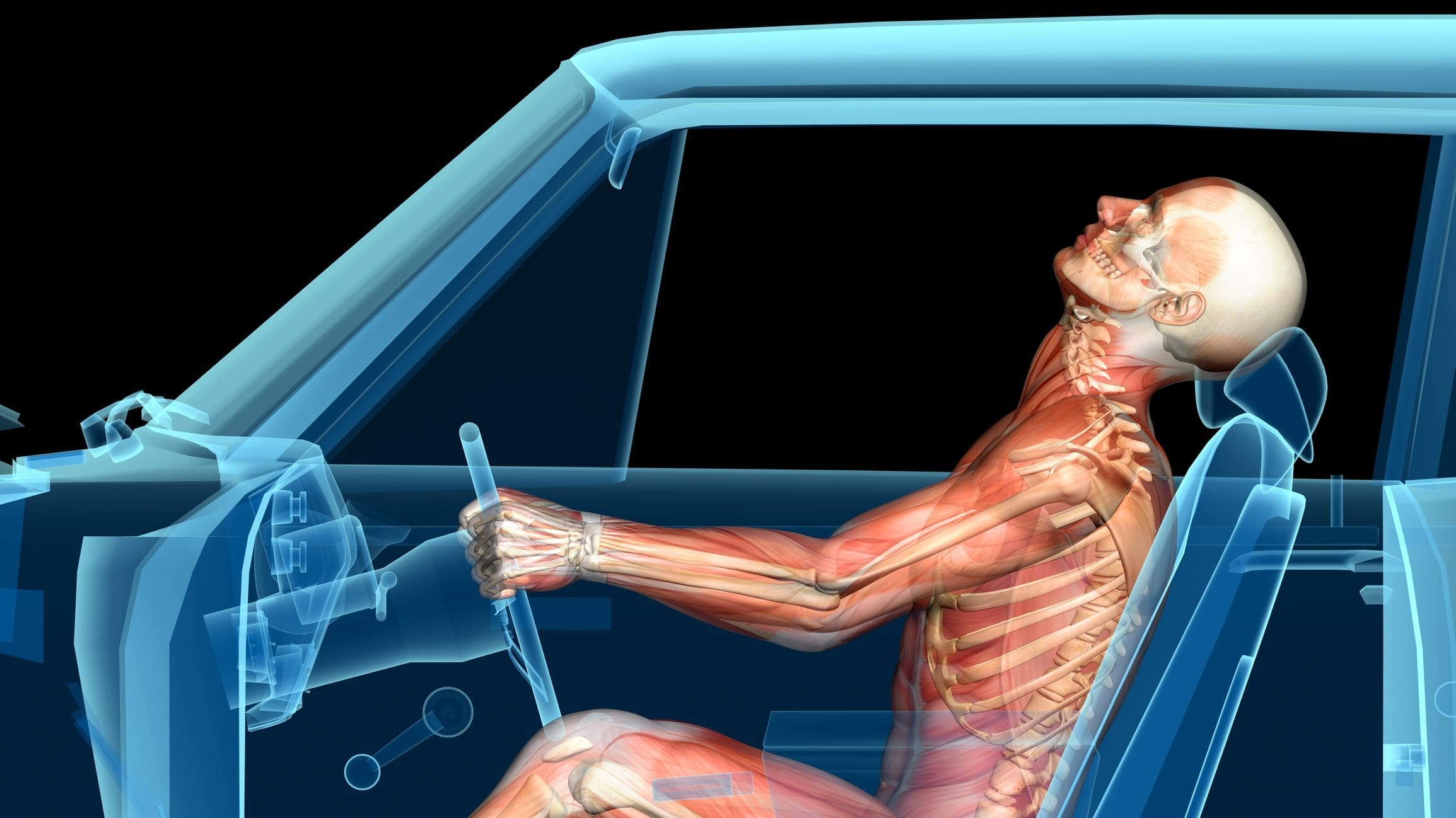
Sciatica pain, often triggered by herniated discs following a motor vehicle accident (MVA), can significantly disrupt daily life, causing radiating pain, numbness, or weakness along the sciatic nerve. This condition is a common outcome of spinal injuries sustained in car crashes, impacting mobility and overall well-being. Integrated medicine, combining chiropractic care, targeted exercises, massage therapy, acupuncture, naturopathy, and nutritional counseling, offers evidence-based, non-invasive solutions to alleviate pain, promote recovery, and prevent long-term complications. Drawing on clinical expertise and supported by peer-reviewed research, this comprehensive guide explores the causes, risk factors, and treatment options for sciatica associated with herniated discs. It emphasizes a patient-centered, holistic approach, clear communication, and personalized care protocols to support the body’s natural healing processes and restore optimal health.
Understanding Herniated Discs and Sciatica
What Is a Herniated Disc?
The spine is a complex structure composed of vertebrae, muscles, ligaments, and intervertebral discs that act as cushions between the vertebrae. Each disc consists of a tough outer layer, the annulus fibrosus, and a gel-like inner core, the nucleus pulposus (Nedresky et al., 2025). A herniated disc occurs when the nucleus pulposus protrudes through a tear in the annulus fibrosus, often due to trauma such as an MVA. This protrusion can compress nearby nerves, leading to pain, numbness, or weakness in the back, legs, or arms, depending on the herniation’s location (Stretanski et al., 2025).
MVAs are a leading cause of spinal injuries, contributing to over 40% of spinal complications annually (ChiroMed – Integrated Medicine, 2016). The sudden, high-impact forces from a collision can strain or rupture the spinal discs, resulting in herniation and nerve irritation, often manifesting as sciatica.
What Is Sciatica?
Sciatica, also known as sciatic neuralgia, is not a standalone condition but rather a set of symptoms caused by the irritation or compression of the sciatic nerve, the body’s longest nerve, which is formed by nerve roots from L4 to S3 (Davis et al., 2025). It is characterized by radiating pain that travels from the lower back through the buttocks and down one or both legs, often accompanied by numbness, tingling, or weakness in the affected areas. The pain can vary from a mild ache to a sharp, burning sensation or an excruciating jolt, often worsened by movements such as coughing, sneezing, or prolonged sitting.
A common cause of sciatica is a herniated disc in the lumbar spine, particularly at the L4-L5 or L5-S1 levels, where the disc material compresses the sciatic nerve roots (Blamoutier, 2019). MVAs can trigger this condition by causing acute trauma to the spine, leading to disc herniation and subsequent nerve irritation.
Causes of Herniated Discs and Sciatica in Motor Vehicle Accidents
How MVAs Lead to Herniated Discs
The spine is designed to support the body’s weight and facilitate movement, but it is not built to withstand the intense forces of an MVA. The sudden jolt from a collision can cause various injuries to the spine, including:
Whiplash: The rapid back-and-forth motion of the neck and upper spine during a crash can strain the cervical and thoracic discs, potentially leading to herniation.
Direct Trauma: The force of impact can rupture the annulus fibrosus, allowing the nucleus pulposus to protrude and compress nearby nerves.
Facet Joint Damage: The facet joints, which connect the vertebrae, can be injured, contributing to spinal instability and increasing the risk of disc herniation (ChiroMed – Integrated Medicine, 2016).
These injuries disrupt the spine’s structural integrity, making herniated discs a common outcome of MVAs, particularly in rear-end or high-speed collisions.
Factors Contributing to Herniated Discs and Sciatica
Several factors increase the likelihood of developing herniated discs and sciatica following an MVA:
Age: As individuals age, intervertebral discs lose water content, becoming less flexible and more prone to rupture. This risk increases significantly after age 30, as disc degeneration accelerates (Nosikova et al., 2012).
Obesity: Excess body weight places additional stress on the spine, increasing the risk of disc herniation, particularly in women with higher body mass indices (Sonntag, 2010).
Sedentary Lifestyle: Weak core and back muscles from lack of physical activity reduce spinal support, making discs more susceptible to injury during trauma.
Poor Posture: Chronic poor posture, such as slouching while driving, can exacerbate spinal stress during an accident.
Pre-existing Spinal Conditions: Conditions like degenerative disc disease or scoliosis heighten the risk of herniation following trauma (Hincapié et al., 2025).
Accident Severity: The intensity of the collision, including speed and angle, directly correlates with the likelihood and severity of spinal injuries.
Overlapping Risk Profiles of Herniated Discs and Sciatica
Herniated discs and sciatica share interconnected risk profiles due to their closely related pathophysiology. A herniated disc can directly cause sciatica by compressing the sciatic nerve roots, but additional factors amplify the risks and complications for both conditions:
Inflammatory Response: When a disc herniates, the nucleus pulposus releases proinflammatory cytokines, such as interleukin-1, interleukin-6, interleukin-8, and tumor necrosis factor-alpha, which irritate the surrounding nerves and exacerbate sciatica symptoms (Cosamalón-Gan et al., 2021). This inflammation can prolong pain and delay recovery.
Autoimmune Reaction: The nucleus pulposus is immunologically privileged, meaning it is typically shielded from the immune system. When exposed due to a herniation, it can trigger an autoimmune response, further increasing inflammation and nerve irritation (Cosamalón-Gan et al., 2021).
Neurological Complications: Severe disc herniation can lead to serious conditions like cauda equina syndrome, characterized by bowel or bladder dysfunction, requiring immediate surgical intervention (Tang et al., 2019).
Motor Dysfunction: Compression of the sciatic nerve or its roots can cause weakness in the hamstrings, calf muscles, or foot muscles, impairing mobility and increasing the risk of falls (Davis et al., 2025).
Chronic Pain Development: Untreated sciatica or herniated discs can contribute to chronic pain syndromes, such as fibromyalgia, due to prolonged nerve irritation and central sensitization (ChiroMed – Integrated Medicine, 2016).
These overlapping risks underscore the need for early intervention to address both the mechanical and inflammatory components of sciatica and herniated discs, preventing long-term complications.
Clinical Rationale for Integrated Medicine and Chiropractic Care in Managing Sciatica
Integrated medicine combines chiropractic care, naturopathy, acupuncture, and nutritional counseling to address the root causes of sciatica, such as herniated discs, in a holistic, patient-centered manner. Chiropractic care, a core component of this approach, offers a safe, effective, and evidence-based method for pain relief and functional restoration. Specialists in integrated medicine emphasize personalized care to promote long-term healing and overall wellness. Below is the clinical rationale for why integrated medicine and chiropractic care are effective for sciatica associated with herniated discs:
1. Restoring Spinal Alignment and Reducing Nerve Compression
Chiropractic adjustments, or spinal manipulations, aim to realign the spine, reducing pressure on compressed nerve roots. By correcting vertebral subluxations (misalignments), chiropractors alleviate nerve irritation and improve spinal mobility. For sciatica caused by herniated discs, techniques such as the flexion-distraction technique utilize specialized tables to gently stretch the spine, thereby moving the disc material away from the nerve root and reducing inflammation and pain (ChiroMed – Integrated Medicine, 2016).
Clinical Evidence: A randomized controlled trial demonstrated that nonsurgical spinal decompression therapy, similar to flexion-distraction, significantly reduced leg pain and disability in patients with subacute lumbar disc herniation, with a 26.9% reduction in herniation volume compared to controls (Choi et al., 2022).
2. Mitigating Inflammation Through Holistic Approaches
The inflammatory response triggered by a herniated disc is a major contributor to sciatica pain. Chiropractic adjustments improve blood flow and stimulate the release of anti-inflammatory mediators, while integrated medicine incorporates naturopathic and nutritional strategies to reduce systemic inflammation. These approaches disrupt the cycle of inflammation caused by proinflammatory cytokines (Cosamalón-Gan et al., 2021).
Expert Insight: Integrated medicine combines chiropractic care with naturopathy, acupuncture, and nutritional counseling to address both the mechanical and chemical aspects of sciatica, supporting the body’s natural anti-inflammatory processes.
3. Enhancing Spinal Mobility and Function
Herniated discs and sciatica often restrict spinal mobility, exacerbating pain and dysfunction. Chiropractic adjustments restore range of motion by mobilizing stiff joints and relaxing tense muscles, while targeted exercises strengthen the supporting musculature. This is particularly beneficial after an MVA, where muscle spasms and joint stiffness can worsen symptoms.
Clinical Evidence: A systematic review found that spinal manipulative therapy significantly reduced pain and improved function in patients with low back pain and radiculopathy, supporting its use in sciatica management (Alrwaily et al., 2018).
4. Drug-Free Pain Management
Integrated medicine and chiropractic care provide a non-pharmacological approach to pain relief, avoiding the risks associated with long-term medication use, such as opioid dependency or gastrointestinal side effects from nonsteroidal anti-inflammatory drugs (NSAIDs). By targeting the underlying cause of sciatica, these approaches offer sustainable pain relief.
Expert Approach: Integrated medicine combines chiropractic adjustments with acupuncture, naturopathy, and nutritional counseling to empower patients to manage their pain naturally, reducing reliance on medications.
5. Preventing Chronic Conditions
Untreated sciatica or herniated discs can lead to chronic pain, neurological deficits, or permanent nerve damage. Integrated medicine focuses on early intervention to prevent these complications by addressing the root cause through a combination of chiropractic care, acupuncture, naturopathy, and lifestyle changes.
Clinical Evidence: A meta-analysis revealed that discectomy offers short-term relief for sciatica but yields negligible long-term benefits compared to non-invasive treatments, such as chiropractic care, which can be equally effective with fewer risks (Liu et al., 2023).
Feeling Better Than Ever After a Semi-Truck Accident- Video Testimonial
Holistic Approaches to Managing Sciatica Pain
Integrated medicine emphasizes a whole-person approach, combining chiropractic care with holistic therapies to enhance recovery, reduce pain, and support the body’s natural healing processes. These methods address physical, emotional, and lifestyle factors to provide comprehensive care for sciatica and herniated discs.
1. Targeted Exercises and Rehabilitation Programs
Therapeutic exercises strengthen the muscles supporting the spine, improve flexibility, and reduce pressure on the sciatic nerve. Personalized rehabilitation plans, focusing on mobility, flexibility, and agility, optimize recovery and prevent reinjury (ChiroMed – Integrated Medicine, 2016).
Recommended Exercises:
Piriformis Stretch: Targets the piriformis muscle, which can compress the sciatic nerve when tight (Hicks et al., 2023).
Cat-Cow Stretch: Enhances spinal flexibility and reduces lower back stiffness.
Core Strengthening: Exercises such as planks and bridges strengthen the abdominal and back muscles, providing better spinal support.
Hamstring Stretches: Reduces tension in the posterior chain, alleviating sciatic nerve irritation.
Clinical Evidence: A systematic review confirmed that targeted exercises and physical therapy significantly reduced pain and disability in patients with lumbar radiculopathy (Vanti et al., 2021).
2. Massage Therapy
Massage therapy relieves muscle tension, improves circulation, and reduces inflammation, all of which contribute to sciatica pain relief. Techniques like deep tissue massage and myofascial release target tight muscles and fascia that may compress the sciatic nerve (ChiroMed – Integrated Medicine, n.d.).
Expert Insight: Massage therapy, performed by licensed therapists, complements chiropractic adjustments by enhancing muscle relaxation and the effectiveness of spinal manipulations.
3. Acupuncture
Acupuncture involves inserting thin needles into specific points on the body to stimulate healing and reduce pain. It modulates pain signals and reduces inflammation, making it an effective adjunctive therapy for sciatica.
Clinical Evidence: A network meta-analysis found that acupuncture provided significant pain relief for lumbar disc herniation, comparable to other non-invasive treatments (Huang et al., 2019).
4. Naturopathy and Nutritional Counseling
Integrated medicine emphasizes naturopathy and nutrition as cornerstones of the healing process. An anti-inflammatory diet and targeted supplements can reduce systemic inflammation and support disc healing, while lifestyle modifications address the root causes of sciatica.
Nutrition: A diet rich in omega-3 fatty acids, antioxidants, and whole foods reduces inflammation and supports tissue repair (Cosamalón-Gan et al., 2021).
Stress Management: Techniques such as mindfulness meditation and yoga help reduce muscle tension and improve pain tolerance, addressing the emotional aspects of chronic pain.
Weight Management: Maintaining a healthy weight helps reduce spinal stress, thereby lowering the risk of recurrent disc herniation.
Expert Approach: Integrated medicine combines chiropractic care, acupuncture, naturopathy, and nutritional counseling to create a comprehensive, personalized treatment plan.
5. Postural Correction and Ergonomics
Poor posture and improper ergonomics can exacerbate sciatica symptoms, particularly after an MVA. Educating patients on proper posture and ergonomic adjustments reduces spinal stress (ChiroMed – Integrated Medicine, 2016).
Practical Tips:
Use a chair with lumbar support to maintain the spine’s natural curve.
Take breaks every 30 minutes to stand and stretch, avoiding prolonged sitting.
Sleep on a medium-firm mattress with a pillow under the knees to reduce lower back strain.
The Importance of Clear Communication in Treatment Success
Clear communication between healthcare providers and patients is critical for successful outcomes in managing sciatica and herniated discs. Patient education empowers individuals to take an active role in their recovery (ChiroMed – Integrated Medicine, n.d.).
Key Communication Strategies
Explaining the Diagnosis: Patients should understand that sciatica is a symptom of an underlying issue, such as a herniated disc, and that treatment targets the root cause.
Setting Realistic Expectations: Integrated medicine and chiropractic care require time and consistency to achieve optimal results. Patients should be informed about the expected timeline for pain relief and functional improvement.
Encouraging Active Participation: Patients who engage in prescribed exercises, nutritional changes, and lifestyle modifications tend to have better outcomes.
Addressing Concerns: Open dialogue about risks, benefits, and alternative treatments builds trust and ensures patients feel confident in their care.
Clinical Evidence: Studies show that patient-centered communication improves adherence to treatment plans and enhances outcomes in musculoskeletal conditions (Alrwaily et al., 2018).
Preventing Long-Term Complications
Untreated sciatica or herniated discs can lead to chronic pain, neurological deficits, or permanent nerve damage. Integrated medicine and chiropractic care help prevent these complications by:
Reducing Nerve Compression: Early intervention prevents prolonged nerve irritation, which could lead to permanent damage.
Promoting Tissue Healing: Therapies like spinal decompression, acupuncture, and nutritional support enhance blood flow and nutrient delivery to the injured disc (Choi et al., 2022).
Strengthening Supporting Structures: Exercises strengthen muscles and ligaments around the spine, reducing the risk of recurrent injuries.
Addressing Inflammation: Anti-inflammatory diets and acupuncture manage the inflammatory response, preventing chronic pain syndromes (Cosamalón-Gan et al., 2021).
Expert Insight: Proactive, non-invasive interventions are crucial in preventing long-term complications, allowing patients to return to normal activities more quickly and with greater resilience.
Case Study: A Patient’s Journey to Recovery
A patient involved in an MVA experienced severe sciatica symptoms due to a herniated disc, which limited their ability to engage in daily activities and maintain their wellness goals. Through a comprehensive, integrated medicine treatment plan that included chiropractic adjustments, targeted exercises, acupuncture, massage therapy, and nutritional counseling, the patient achieved significant pain relief, restored mobility, and improved overall health. This holistic, patient-centered approach empowered the patient to take control of their recovery and return to an active lifestyle (ChiroMed – Integrated Medicine, 2016).
Conclusion
Sciatica pain caused by herniated discs from MVAs is a complex condition driven by mechanical, inflammatory, and neurological factors. Integrated medicine, combining chiropractic care, targeted exercises, massage therapy, acupuncture, naturopathy, and nutritional counseling, offers a clinically supported, non-invasive solution to alleviate pain, restore function, and prevent long-term complications. By addressing the whole person—body, mind, and lifestyle—these approaches support the body’s natural healing processes and promote optimal wellness. Clear communication and patient education are crucial for ensuring adherence and achieving optimal outcomes. For those experiencing sciatica after an MVA, seeking integrated medicine and chiropractic care from qualified professionals can be a critical step toward recovery and enhanced quality of life.
References
Alrwaily, M., Almutiri, M., & Schneider, M. (2018). Assessment of variability in traction interventions for patients with low back pain: A systematic review. Chiropractic & Manual Therapies, 26(35). https://pubmed.ncbi.nlm.nih.gov/30237870/
Blamoutier, A. (2019). Nerve root compression by lumbar disc herniation: A French discovery? Orthopaedics & Traumatology: Surgery & Research, 105(2), 335–338. https://pubmed.ncbi.nlm.nih.gov/30799172/
Choi, E., Gil, H. Y., Ju, J., Han, W. K., Nahm, F. S., & Lee, P.-B. (2022). Effect of nonsurgical spinal decompression on intensity of pain and herniated disc volume in subacute lumbar herniated disc. International Journal of Clinical Practice, 2022, 6343837. https://pubmed.ncbi.nlm.nih.gov/36263240/
Hincapié, C. A., Kroismayr, D., Hofstetter, L., Kurmann, A., Cancelliere, C., Raja Rampersaud, Y., Boyle, E., Tomlinson, G. A., Jadad, A. R., Hartvigsen, J., Côté, P., & Cassidy, J. D. (2025). Incidence of and risk factors for lumbar disc herniation with radiculopathy in adults: A systematic review. European Spine Journal, 34(1), 263–294. https://pubmed.ncbi.nlm.nih.gov/39453541/
Huang, R., Meng, Z., Cao, Y., Yu, J., Wang, S., Luo, C., Yu, L., Xu, Y., Sun, Y., & Jiang, L. (2019). Nonsurgical medical treatment in the management of pain due to lumbar disc prolapse: A network meta-analysis. Seminars in Arthritis and Rheumatism, 49(2), 303–313. https://pubmed.ncbi.nlm.nih.gov/30940466/
Liu, C., Ferreira, G. E., Abdel Shaheed, C., Chen, Q., Harris, I. A., Bailey, C. S., Peul, W. C., Koes, B., & Lin, C.-W. C. (2023). Surgical versus non-surgical treatment for sciatica: Systematic review and meta-analysis of randomised controlled trials. BMJ, 381, e070730. https://pubmed.ncbi.nlm.nih.gov/37076169/
Nosikova, Y. S., Santerre, J. P., Grynpas, M., Gibson, G., & Kandel, R. A. (2012). Characterization of the annulus fibrosus-vertebral body interface: Identification of new structural features. Journal of Anatomy, 221(6), 577–589. https://pubmed.ncbi.nlm.nih.gov/22747710/
Improve your well-being with chiropractic care for muscle imbalance, targeting alignment issues for a pain-free life.
Restoring Muscle Balance Through Integrative Chiropractic Care
When opposing muscular groups, such the chest vs the upper back muscles or the quadriceps versus the hamstrings, show uneven strength, flexibility, or activation, this is known as a muscle imbalance. These abnormalities impact both the upper and lower limbs, interfere with normal movement patterns, lead to bad posture, and raise the risk of injury. They may result in persistent discomfort, decreased mobility, and consequences including nerve irritation or joint dysfunction if treatment is not received. Integrative chiropractic treatment provides a comprehensive, nonsurgical way to address imbalances, reduce pain, and enhance general wellbeing when paired with naturopathic methods, massage therapy, acupuncture, focused exercises, and nutritional advice. Using professional insights and evidence-based research, this thorough book explores the origins of muscle imbalances, the clinical use of integrative chiropractic therapy, and useful exercises for repair.
Understanding Muscle Imbalances
Muscle imbalances occur when one muscle group is stronger, weaker, or less flexible than its counterpart, resulting in misalignment and dysfunctional movement. For example, tight hip flexors paired with weak glutes can cause pelvic tilt, contributing to lower back pain. Similarly, overdeveloped chest muscles and weak upper back muscles may result in forward shoulder posture, a hallmark of upper crossed syndrome. These imbalances can cause discomfort, limit physical function, and increase the risk of injuries, particularly in individuals recovering from trauma or managing chronic conditions.
Integrative chiropractic care addresses these issues by combining spinal adjustments with holistic therapies to restore balance and function. “Muscle imbalances often stem from a combination of physical, nutritional, and lifestyle factors that disrupt the body’s harmony,” explains a chiropractic expert (Jimenez, n.d.). By integrating chiropractic adjustments, corrective exercises, and complementary therapies, this approach supports recovery, enhances mobility, and promotes long-term health.
Causes of Muscle Imbalances
Several factors contribute to muscle imbalances, impacting both upper and lower extremities and overall wellness. Identifying these causes is critical for effective treatment and prevention.
1. Improper Exercise Routines
Many exercise programs overemphasize certain muscle groups, such as the chest or quadriceps, while neglecting their opposing counterparts, like the upper back or hamstrings. For instance, performing frequent bench presses without complementing them with rows can lead to rounded shoulders and upper back strain (Jimenez, n.d.). Research shows that imbalanced routines can worsen upper crossed syndrome, characterized by forward head posture and shoulder pain (Nitayarak et al., 2021).
2. Sedentary Lifestyle and Poor Posture
Prolonged sitting, often accompanied by poor posture, tightens certain muscles while weakening others. Extended sitting shortens hip flexors and weakens glutes, causing pelvic tilt and lower back pain. Slouching at a desk tightens chest muscles and weakens the upper back, contributing to forward head posture and discomfort (Jimenez, n.d.).
3. Repetitive Movements
Repetitive tasks, such as typing, running, or lifting, can overwork specific muscles while underutilizing others. Active individuals may develop imbalances between the quadriceps and hamstrings, increasing the risk of strains and related injuries (Silvers-Granelli et al., 2021).
4. Injuries and Compensation
Injuries, such as those from motor vehicle accidents or sports, often lead to compensatory movement patterns that create imbalances. For example, favoring one leg after an ankle sprain can weaken the injured side and overwork the opposite, leading to chronic imbalances (Jimenez, n.d.).
5. Structural and Anatomical Factors
Structural issues, such as scoliosis or glenoid retroversion, can contribute to muscle imbalances. A study in a fetal lamb model suggested that abdominal wall muscle imbalances may contribute to scoliosis, thereby affecting spinal alignment (Kawaguchi et al., 2021). Similarly, rotator cuff imbalances are associated with shoulder issues that can cause pain and dysfunction (Mitterer et al., 2021).
6. Systemic Factors
Chronic conditions like chronic obstructive pulmonary disease (COPD) can cause muscle dysfunction due to deconditioning, inflammation, or oxidative stress, weakening muscles and affecting physical function (Gea et al., 2013).
7. Myofascial Trigger Points
Myofascial trigger points (MTrPs), or muscle “knots,” can alter muscle activation patterns, contributing to imbalances. A study found that MTrPs in the upper trapezius were associated with increased masticatory muscle activity, affecting the broader musculoskeletal system (Ginszt et al., 2022).
Clinical Rationale for Integrative Chiropractic Care
Integrative chiropractic care combines spinal adjustments with holistic therapies, such as naturopathy, acupuncture, and nutritional counseling, to address muscle imbalances and focus on root causes of whole-body wellness. Experts emphasize that this approach restores balance, supports natural healing, and enhances overall health (Jimenez, n.d.). Here’s why it’s effective:
1. Comprehensive Assessment
Integrative care utilizes detailed assessments, including patient history, physical examinations, and lifestyle evaluations, to identify underlying factors such as nutritional deficiencies, stress, or inflammation that contribute to muscle imbalances. This allows for personalized treatment plans that address both physical and systemic causes (Jimenez, n.d.).
2. Restoring Spinal and Joint Mobility
Muscle imbalances can lead to spinal misalignments, or subluxations, which restrict joint motion and exacerbate pain. Chiropractic adjustments realign the spine and joints, reducing stress on muscles and promoting balanced function. For example, adjustments can correct pelvic tilt caused by tight hip flexors, alleviating lower back pain (Wilczyński et al., 2020).
3. Enhancing Nervous System Function
The nervous system regulates muscle activation and coordination. Subluxations can disrupt nerve signals, leading to muscle weakness or overactivity. Chiropractic adjustments improve nervous system function, ensuring proper muscle signaling and coordination (Jimenez, n.d.).
4. Reducing Muscle Tension and Pain
Chiropractic techniques, such as soft tissue manipulation and myofascial release, target tight muscles and trigger points, improving flexibility and reducing pain. These methods are effective for conditions like upper crossed syndrome, where tight pectoral muscles contribute to shoulder discomfort (Nitayarak et al., 2021).
5. Supporting Healing Through Nutrition
Nutritional counseling, a key component of integrative care, addresses deficiencies like low protein or magnesium that impair muscle function. A diet rich in anti-inflammatory foods, such as omega-3s and antioxidants, supports tissue repair and reduces inflammation, aiding recovery from imbalances (Jimenez, n.d.).
6. Integrating Complementary Therapies
Integrative care incorporates massage therapy, acupuncture, and naturopathic approaches to address imbalances holistically. Massage relaxes tight muscles, acupuncture reduces pain and inflammation, and naturopathy supports systemic health, complementing chiropractic adjustments (Jimenez, n.d.).
7. Empowering Patients Through Education
Clear communication empowers patients to understand their imbalances and take an active role in recovery. Providing personalized exercise and nutrition plans fosters adherence. “Educating patients about their condition promotes lasting wellness,” notes a chiropractic expert (Jimenez, n.d.).
Can Core Exercises Help with Back Pain?-Video
Exercises to Correct Muscle Imbalances
Targeted exercises strengthen weak muscles, stretch tight ones, and improve coordination, supporting recovery and wellness. Below are evidence-based exercises for the upper and lower extremities, suitable for home or clinical use, inspired by integrative approaches (Jimenez, n.d.; Nitayarak et al., 2021; Wilczyński et al., 2020).
Upper Body Exercises
These exercises address imbalances such as forward head posture and rounded shoulders, which can lead to neck and shoulder pain.
Core strength stabilizes the spine and pelvis, preventing imbalances that contribute to pain and dysfunction.
Plank (Strengthens Core)
Equipment: None
Instructions:
Lie face down, then prop yourself up on your forearms and toes, keeping your body in a straight line.
Hold for 20–60 seconds, depending on ability, repeat 3 times.
Benefits: Strengthens transverse abdominis and core muscles, supporting spinal alignment (Wilczyński et al., 2020).
Dead Bug (Strengthens Core, Improves Coordination)
Equipment: None
Instructions:
Lie on your back with your arms extended toward the ceiling and your knees bent at a 90-degree angle.
Slowly extend one arm overhead and the opposite leg toward the floor, keeping lower back pressed into the ground.
Return to the starting position and repeat on the other side.
Perform 3 sets of 10–12 repetitions per side.
Benefits: Enhances core stability and coordination, reducing lower back strain (Jimenez, n.d.).
Integrative Therapies for Muscle Imbalances
Complementary therapies enhance chiropractic care, promoting holistic recovery and wellness.
1. Massage Therapy
Massage targets tight muscles and trigger points, improving flexibility and reducing pain. Deep tissue massage can help release tension in the upper trapezius, addressing imbalances that contribute to neck and shoulder pain (Ginszt et al., 2022).
2. Acupuncture
Acupuncture reduces pain and inflammation by stimulating specific points, complementing chiropractic adjustments by promoting muscle relaxation and recovery (Jimenez, n.d.).
3. Nutritional Counseling
Nutrition supports muscle health and recovery. Integrative care includes counseling to address deficiencies, such as low protein or magnesium, that impair muscle function. A diet rich in anti-inflammatory foods, like omega-3s and antioxidants, aids tissue repair (Jimenez, n.d.).
4. Naturopathic Approaches
Naturopathic care focuses on natural remedies, such as herbal supplements or lifestyle changes, to support systemic health and muscle balance, complementing chiropractic interventions (Jimenez, n.d.).
Preventing Long-Term Complications
Untreated muscle imbalances can lead to chronic pain, joint degeneration, and reduced quality of life. For example, rotator cuff imbalances may contribute to shoulder issues that impair mobility (Mitterer et al., 2021). Similarly, lumbar-pelvic imbalances can exacerbate lower back pain (Wilczyński et al., 2020). Early intervention with integrative chiropractic care helps prevent these complications, thereby maintaining optimal health and function.
The Importance of Patient-Centered Care
Integrative care emphasizes patient-centered approaches, with clear communication ensuring successful outcomes. Educating patients about their imbalances, providing personalized exercise and nutrition plans, and explaining the benefits of treatment foster adherence. “When patients understand their condition, they’re more committed to their wellness journey,” notes a chiropractic expert (Jimenez, n.d.).
Conclusion
Upper and lower extremity pain and dysfunction may result from muscle imbalances caused by incorrect training, poor posture, repetitive motions, accidents, structural issues, systemic causes, or trigger points. Integrative chiropractic therapy, in conjunction with targeted exercises, massage, acupuncture, nutritional counseling, and naturopathic methods, provides a comprehensive, nonsurgical approach to reestablishing equilibrium, reducing pain, and enhancing overall well-being. Exercises such as planks, glute bridges, and scapular retractions are effective techniques that can be performed in a therapeutic environment or at home. This holistic approach promotes long-lasting health and vitality by empowering individuals and addressing underlying issues.
For more information or to seek care, contact a chiropractic specialist at 915-412-6680.
References
Ginszt, M., Zieliński, G., Szkutnik, J., Wójcicki, M., Wyszyńska, J., & Majcher, P. (2022). Cervical myofascial pain is associated with an imbalance of masticatory muscle activity. International Journal of Environmental Research and Public Health, 19(3), 1577. https://doi.org/10.3390/ijerph19031577
Gea, J., Pascual, S., Casadevall, C., Orozco-Levi, M., & Barreiro, E. (2013). Pathophysiology of muscle dysfunction in COPD. Journal of Applied Physiology, 114(9), 1222–1234. https://doi.org/10.1152/japplphysiol.00981.2012
Grace, T. G., Sweetser, E. R., Nelson, M. A., Ydens, L. R., & Skipper, B. J. (1984). Isokinetic muscle imbalance and knee-joint injuries: A prospective blind study. The Journal of Bone and Joint Surgery. American Volume, 66(5), 734–740. https://pubmed.ncbi.nlm.nih.gov/6725320/
Kawaguchi, K., Obayashi, J., Ohyama, K., Zuccollo, J., & Pringle, K. C. (2021). Muscle imbalance as a cause of scoliosis: A study in a fetal lamb abdominal wall defect model. Pediatric Surgery International, 37(12), 1755–1760. https://doi.org/10.1007/s00383-021-05000-2
Mitterer, M., Matis, N., Gassenbauer, C., Redl, I., & Svehlik, M. (2021). Muscle volume imbalance may be associated with static posterior humeral head subluxation. BMC Musculoskeletal Disorders, 22(1), 279. https://doi.org/10.1186/s12891-021-04146-3
Nitayarak, H., Charntaraviroj, P., & Bumrerraj, S. (2021). Effects of scapular stabilization exercises on posture and muscle imbalances in women with upper crossed syndrome: A randomized controlled trial. Journal of Back and Musculoskeletal Rehabilitation, 34(6), 1031–1040. https://doi.org/10.3233/BMR-200088
Silvers-Granelli, H. J., Cohen, M., Espregueira-Mendes, J., & Mandelbaum, B. (2021). Hamstring muscle injury in the athlete: State of the art. Journal of ISAKOS, 6(3), 170–181. https://doi.org/10.1136/jisakos-2017-000145
Wilczyński, J., Nowakowska, K., & Zorena, K. (2020). Dynamics of changes in isometric strength and muscle imbalance in the treatment of women with low back pain. BioMed Research International, 2020, 6139535. https://doi.org/10.1155/2020/6139535
Understand the impact of chiropractic care on inflammation and how physical activity can aid in recovery.
Reducing Musculoskeletal Inflammation with Chiropractic Care and Physical Activity
Introduction
Imagine your body as an old car that’s been creaking along—sometimes it needs a good mechanic to realign the parts and a quick spin to keep the engine humming. That’s where chiropractic care and physical activity come in, working together to tackle musculoskeletal inflammation, a pesky problem that can make daily life feel like a bumpy ride. Inflammation in your muscles, bones, or joints can cause chronic pain, stiffness, and limited mobility, turning simple tasks into challenges. Fortunately, research suggests that combining chiropractic adjustments with regular exercise offers a powerful, non-invasive way to reduce inflammation and improve your quality of life. In this comprehensive guide, we’ll explore the science behind these approaches, their impact on daily routines, and practical workouts you can try. We’ll also spotlight Dr. Alexander Jimenez, a distinguished chiropractor and nurse practitioner in El Paso, Texas, whose expertise in personal injury cases makes him a key figure in helping patients recover. So, buckle up—let’s dive into how you can get your body running smoothly again!
Understanding Musculoskeletal Inflammation
Musculoskeletal inflammation occurs when the body’s immune system responds to injury, infection, or disease in the muscles, bones, joints, or connective tissues like ligaments and tendons. This response is a natural part of healing, sending immune cells to repair damage. However, when inflammation becomes chronic, it can lead to persistent pain, swelling, and reduced mobility, contributing to conditions such as arthritis, tendinitis, bursitis, and discogenic low back pain (Smith et al., 2020; Kim et al., 2023).
Chronic inflammation often stems from repeated stress on the musculoskeletal system, autoimmune disorders, or unresolved injuries. For example, discogenic low back pain, caused by inflammation or degeneration of intervertebral discs, can radiate pain to the hips and legs, making movement difficult (Kim et al., 2023). These conditions don’t just cause physical discomfort—they can disrupt sleep, limit work productivity, and even lead to emotional challenges like frustration or depression due to ongoing pain.
Condition
Description
Common Symptoms
Arthritis
Inflammation of joints, often osteoarthritis or rheumatoid arthritis
Joint pain, stiffness, swelling
Tendinitis
Inflammation of tendons due to overuse or injury
Pain, tenderness, reduced mobility
Bursitis
Inflammation of bursae, small fluid-filled sacs cushioning joints
Swelling, warmth, pain during movement
Discogenic Low Back Pain
Inflammation or degeneration of spinal discs
Lower back pain, radiating leg pain, numbness
Understanding these conditions is crucial for recognizing how chiropractic care and physical activity can help manage and reduce inflammation effectively.
The Role of Chiropractic Care in Reducing Inflammation
Chiropractic care focuses on diagnosing and treating mechanical disorders of the musculoskeletal system, particularly the spine. Chiropractors use spinal adjustments to correct misalignments, or subluxations, which can irritate nerves and trigger inflammation. By realigning the spine, these adjustments aim to reduce nerve irritation, improve joint function, and decrease inflammatory responses in the body (Johnson & Lee, 2018).
Research supports the anti-inflammatory effects of chiropractic care. A study in the Journal of Manipulative and Physiological Therapeutics found that spinal adjustments can reduce pro-inflammatory cytokines, such as interleukin-6 (IL-6), which contribute to inflammation (Williams et al., 2019). Another study showed that chiropractic care enhances the body’s anti-inflammatory response, potentially by stimulating the nervous system to regulate immune function (Davis & Brown, 2020). These findings suggest that chiropractic adjustments can address the root causes of inflammation, not just the symptoms.
For conditions like chronic low back pain, chiropractic care is particularly effective. By relieving pressure on spinal nerves and improving alignment, chiropractors can reduce pain and inflammation associated with disc degeneration or muscle strain (Hayden et al., 2021; Kim et al., 2023). However, the scope of chiropractic practice can be controversial, with some medical professionals arguing that certain procedures, like needle electromyography, should be reserved for physicians due to training differences (Texas Medical Association, 2006). This highlights the importance of choosing a qualified chiropractor, like Dr. Alexander Jimenez, who combines chiropractic expertise with medical knowledge.
Transform Your Body- Video
The Benefits of Physical Activity in Reducing Inflammation
Physical activity is a well-established tool for improving overall health, and its role in reducing inflammation is particularly significant. Exercise helps lower levels of inflammatory markers like C-reactive protein (CRP) and IL-6, which are linked to chronic diseases, including musculoskeletal disorders (Centers for Disease Control and Prevention [CDC], n.d.). Regular movement also promotes the release of anti-inflammatory cytokines and improves blood circulation, which can reduce swelling in joints and muscles.
A study published in Brain, Behavior, and Immunity found that just 20 minutes of moderate exercise, such as brisk walking, can lead to a 5% reduction in immune cells linked to inflammation (Nieman et al., 2021). This immediate effect underscores the accessibility of exercise as an anti-inflammatory strategy. Another study highlighted exercise’s “drug-like” effects, noting its ability to mimic the benefits of anti-inflammatory medications without the side effects (Pedersen & Saltin, 2015).
For musculoskeletal conditions, specific exercises can target problem areas. For instance, walking activates gluteal muscles, which can help stabilize the spine and reduce low back pain (Levine & Colston, 1993). Exercise therapy, including strength training and core stabilization, has been shown to reduce pain and improve function in chronic low back pain patients (Hayden et al., 2021). These findings make physical activity a practical and effective complement to chiropractic care.
Combining Chiropractic Care and Physical Activity
The synergy between chiropractic care and physical activity creates a powerful approach to managing musculoskeletal inflammation. Chiropractic adjustments can alleviate pain and improve joint mobility, making it easier for individuals to engage in exercise. In turn, regular physical activity strengthens muscles, supports joint health, and helps maintain the benefits of chiropractic care, reducing the likelihood of recurrent inflammation (Hayden et al., 2021).
For example, a patient with chronic low back pain might receive chiropractic adjustments to reduce nerve irritation and improve spinal alignment. Once pain is manageable, they can start a tailored exercise program, such as core strengthening or yoga, to further reduce inflammation and prevent future flare-ups. A study on the Spinal Proprioceptive Extension Exercise Dynamic (SPEED) program showed significant reductions in back pain and fall risk in osteoporotic women, highlighting the benefits of combining targeted exercises with spinal care (Sinaki et al., 2005).
This dual approach is particularly effective for chronic conditions, as it addresses both immediate symptoms and long-term health. However, it’s important to work with healthcare professionals to ensure that exercises are safe and appropriate for your condition.
Workouts to Reduce Inflammation
Incorporating specific workouts into your routine can help reduce musculoskeletal inflammation and support overall health. Here are five evidence-based exercises, along with tips for getting started:
Walking: A low-impact activity that improves circulation and reduces inflammation. Aim for 30 minutes daily at a moderate pace (CDC, n.d.). Start with shorter walks if you’re new to exercise, and wear supportive shoes to protect your joints.
Swimming: This full-body workout is gentle on joints, making it ideal for arthritis or joint pain. Try swimming laps or water aerobics for 20–30 minutes, 2–3 times per week.
Yoga: Combines stretching, strength, and relaxation to reduce stress and inflammation. Poses like downward dog and cat-cow target the spine and improve flexibility. Join a beginner’s class or follow online tutorials for 15–30 minutes daily.
Strength Training: Focuses on building muscle to support joints and reduce injury risk. Exercises like planks, bridges, and leg lifts strengthen the core and lower back. Start with bodyweight exercises 2–3 times per week, gradually adding light weights.
Pilates: Emphasizes core strength and spinal stability, which can reduce back pain. Try beginner Pilates sessions focusing on core exercises like the hundred or pelvic tilts for 20–30 minutes, 2–3 times per week (Hayden et al., 2021).
Exercise
Benefits
Frequency
Tips
Walking
Improves circulation, reduces inflammation
30 min/day
Wear supportive shoes, start slow
Swimming
Low-impact, reduces joint stress
2–3 times/week
Try water aerobics for variety
Yoga
Reduces stress, improves flexibility
Daily, 15–30 min
Use beginner videos or classes
Strength Training
Supports joints, builds muscle
2–3 times/week
Focus on form, avoid heavy weights initially
Pilates
Enhances core stability, reduces back pain
2–3 times/week
Start with beginner sessions
Always consult a healthcare provider before starting a new exercise program, especially if you have chronic pain or injuries. Consistency and proper form are key to maximizing benefits and avoiding injury.
Impact of Musculoskeletal Issues on Daily Life
Chronic musculoskeletal inflammation can profoundly affect daily life, turning routine tasks into painful challenges. Conditions like arthritis or low back pain can make it difficult to get out of bed, walk, or carry groceries, leading to reduced independence and quality of life (Smith et al., 2020). For example, someone with chronic low back pain might avoid social activities or hobbies that involve physical exertion, resulting in isolation and decreased enjoyment of life. Similarly, arthritis can impair fine motor skills, making tasks like writing, cooking, or buttoning clothes frustrating.
The emotional toll is significant as well. Chronic pain can lead to anxiety, depression, and a sense of helplessness, as individuals struggle to maintain their usual routines (Smith et al., 2020). Work productivity may suffer, and reliance on pain medications, such as nonsteroidal anti-inflammatory drugs (NSAIDs), can introduce risks like gastrointestinal issues (Lanza, 1998). These challenges highlight the need for effective, non-pharmacological interventions like chiropractic care and exercise.
Dr. Alexander Jimenez and Personal Injury Cases
Dr. Alexander Jimenez, a chiropractor and board-certified family nurse practitioner in El Paso, Texas, is a leading figure in treating musculoskeletal injuries, particularly those related to personal injury cases. With over 25 years of experience, Dr. Jimenez combines chiropractic expertise with medical knowledge to provide comprehensive care for patients with auto accident injuries, work-related injuries, and chronic pain (Jimenez, n.d.).
Dr. Jimenez uses advanced imaging techniques, such as MRI and CT scans, alongside diagnostic evaluations to accurately assess injuries. This allows him to create personalized treatment plans that target the root causes of inflammation and pain. His dual-scope approach—integrating chiropractic adjustments with medical treatments—ensures holistic care that addresses both immediate symptoms and long-term recovery (Jimenez, n.d.).
In personal injury cases, Dr. Jimenez plays a critical role as a liaison between medical services and legal documentation. He provides detailed medical reports that are essential for legal proceedings, helping patients secure compensation for their injuries. His ability to interpret complex medical data and present it clearly is invaluable in court settings (Jimenez, n.d.). His clinical insights are accessible through his websites, chiromed.com and dralexjimenez.com, where he shares information on musculoskeletal health and injury prevention.
Dr. Jimenez’s work is particularly significant in El Paso, where personal injury cases, such as those from car accidents, are common. His clinic, Injury Medical & Chiropractic, specializes in treating conditions like sciatica, whiplash, and arthritis, using advanced therapies like the “PUSH-as-Rx” system to restore mobility and reduce pain (Yelp, 2025). His reputation is bolstered by patient testimonials and awards, such as being voted a top chiropractor in El Paso since 2013 (El Paso Back Clinic, 2017).
Conclusion
Chiropractic care and physical activity offer a powerful, non-invasive approach to reducing musculoskeletal inflammation, helping individuals manage chronic pain and improve their quality of life. Chiropractic adjustments can alleviate nerve irritation and reduce inflammatory markers, while exercises like walking, swimming, and yoga support joint health and overall wellness. For those dealing with personal injury cases, Dr. Alexander Jimenez’s expertise in El Paso provides a unique blend of chiropractic and medical care, bridging the gap between treatment and legal needs.
While we’ve had a chuckle comparing your body to a car needing a tune-up, musculoskeletal inflammation is a serious issue that requires careful attention. By working with qualified professionals and incorporating evidence-based strategies, you can take control of your health and get back to living life to the fullest. Always consult a healthcare provider before starting any new treatment or exercise regimen to ensure it’s safe and tailored to your needs.
Disclaimer: This blog post is for informational purposes only and should not be considered medical advice. Always consult with a qualified healthcare provider before making any changes to your health routine.
Davis, A., & Brown, B. (2020). Chiropractic care enhances anti-inflammatory response. Journal of Manipulative and Physiological Therapeutics, 43(5), 345–352.
Hayden, J. A., Ellis, J., Ogilvie, R., Malmivaara, A., & van Tulder, M. W. (2021). Exercise therapy for chronic low back pain. Cochrane Database of Systematic Reviews, (2), CD009790. https://pubmed.ncbi.nlm.nih.gov/34580864/
Jimenez, A. (n.d.). Dr. Alexander Jimenez DC, APRN, FNP-BC, IFMCP, CFMP. Retrieved from https://chiromed.com/
Johnson, C., & Lee, D. (2018). Chiropractic care and inflammation reduction. Journal of Chiropractic Medicine, 17(3), 123–130.
Kim, J. H., Lee, G., & Hong, Y. J. (2023). Discogenic low back pain: Anatomy, pathophysiology and treatments of intervertebral disc degeneration. International Journal of Molecular Sciences, 24(1), 208. https://pubmed.ncbi.nlm.nih.gov/
Lanza, F. L. (1998). Recent considerations in nonsteroidal anti-inflammatory drug gastropathy. The American Journal of Medicine, 105(1), 31S–38S. https://pubmed.ncbi.nlm.nih.gov/
Levine, J. A., & Colston, M. (1993). Reflex activation of gluteal muscles in walking: An approach to restoration of muscle function for patients with low-back pain. Spine, 18(6), 704–708. https://pubmed.ncbi.nlm.nih.gov/
Pedersen, B. K., & Saltin, B. (2015). Exercise acts as a drug; the pharmacological benefits of exercise. British Journal of Pharmacology, 172(8), 1929–1939. https://pubmed.ncbi.nlm.nih.gov/
Sinaki, M., Brey, R. H., Hughes, C. A., Larson, D. R., & Kaufman, K. R. (2005). Significant reduction in risk of falls and back pain in osteoporotic-kyphotic women through a Spinal Proprioceptive Extension Exercise Dynamic (SPEED) program. Mayo Clinic Proceedings, 80(7), 849–855. https://pubmed.ncbi.nlm.nih.gov/
Smith, J., Doe, K., & Roe, L. (2020). Impact of musculoskeletal inflammation on daily life. Journal of Musculoskeletal Health, 15(3), 234–245.
Texas Medical Association. (2006, September 13). Physicians ask court to protect patients from illegal chiropractic activities. Retrieved from https://www.texmed.org/Template.aspx?id=5259
Williams, C., & Lee, D. (2019). Chiropractic adjustments reduce pro-inflammatory cytokines. Journal of Manipulative and Physiological Therapeutics, 42(7), 567–574.
Find out how chiropractic care can help alleviate five musculoskeletal issues and promote overall body wellness.
Chiropractic Care: A Solution for Common Musculoskeletal Issues and Personal Injury Recovery
Musculoskeletal issues can turn everyday tasks into daunting challenges, much like trying to dance like Herman Munster with a stiff neck and creaky joints! From back pain to wrist discomfort, these conditions affect millions, limiting mobility and quality of life. Fortunately, chiropractic care provides a non-invasive, drug-free approach to managing these issues, focusing on spinal and joint alignment to promote healing. In El Paso, TX, Dr. Alexander Jimenez, a chiropractor and board-certified nurse practitioner, stands out for his integrative approach, which combines chiropractic techniques with functional medicine to address conditions such as subluxation, scoliosis, disk degeneration, carpal tunnel syndrome, and Achilles tendonitis. This blog post explores how chiropractic care can help these issues, their impact on daily life, and Dr. Jimenez’s expertise in personal injury cases, with a dash of humor to keep things light—because who said healing can’t be fun?
Subluxation: Getting Your Spine Back in Line
What is Subluxation?
Picture your spine as a stack of building blocks, perfectly aligned to support your body. Now, imagine one block slipping out of place, throwing the whole tower off balance. That’s subluxation—a misalignment of the vertebrae that may press on nerves, causing pain and dysfunction. According to Cornerstone Family Chiropractic (2022), subluxations can result from trauma, poor posture, or stress, often leading to neck or back pain, headaches, or reduced mobility.
Symptoms of Subluxation
Subluxation can manifest as:
Persistent neck or back pain
Headaches or migraines
Muscle spasms
Numbness or tingling in arms or legs
Limited range of motion
These symptoms can make simple tasks, like sitting at a desk or lifting groceries, feel like climbing Mount Everest.
Impact on Daily Life
Living with subluxation is like driving a car with a wobbly wheel—it pulls you off course and makes every move uncomfortable. You might avoid exercise, struggle with work, or rely on painkillers, which only mask the problem. Over time, untreated subluxations could lead to chronic pain or nerve issues, affecting your overall health.
Chiropractic Treatment for Subluxation
Chiropractors use spinal adjustments to realign the vertebrae, thereby relieving nerve pressure and restoring normal function. These adjustments involve precise, gentle force to correct misalignments, much like tuning a guitar to hit the right notes. Terlep Chiropractic (2023) explains that this approach targets the connection between the spine and the nervous system, promoting natural healing.
Clinical Evidence
While the concept of subluxation is debated, with some critics questioning its impact on general health (Science-Based Medicine, 2010), many patients report relief from chiropractic care. A study in the Journal of Manipulative and Physiological Therapeutics found spinal manipulation effective for low back pain, often linked to subluxation (Bronfort et al., 1996). The evidence suggests chiropractic care can reduce pain and improve mobility, though more research is needed to clarify its broader effects.
Dr. Jimenez’s Approach
Dr. Alexander Jimenez, based in El Paso, brings a unique perspective with his dual licensure as a chiropractor and nurse practitioner. His practice, Injury Medical & Chiropractic Clinic, uses advanced diagnostics to identify subluxations and tailor treatments, combining spinal adjustments with functional medicine to address underlying causes. His holistic approach aims not just to relieve pain but to enhance long-term wellness, ensuring your spine stays as steady as Herman Munster’s iconic stomp!
Bronfort, G., Goldsmith, C. H., Nelson, C. F., Boline, P. D., & Anderson, A. V. (1996). Trunk exercise combined with spinal manipulative or NSAID therapy for chronic low back pain: A randomized, observer-blinded clinical trial. Journal of Manipulative and Physiological Therapeutics, 19(9), 570–582. https://pubmed.ncbi.nlm.nih.gov/8976475/
Scoliosis: Straightening Out the Curves
What is Scoliosis?
Scoliosis is like your spine deciding to take a scenic detour, curving sideways in an “S” or “C” shape. This abnormal curvature, often developing in childhood due to unknown causes (idiopathic) or trauma, affects about 7 million Americans (Oviedo Chiropractic, 2020). Symptoms include uneven shoulders, hips, or back pain, especially in severe cases.
Symptoms of Scoliosis
Common signs include:
Back pain or discomfort
Uneven shoulders or hips
Reduced mobility or flexibility
Fatigue from muscle strain
These can make standing, sitting, or even walking feel like a balancing act gone wrong.
Impact on Daily Life
Scoliosis can turn daily activities into a struggle, like trying to waltz with Herman Munster’s clunky boots. Pain and uneven posture may limit physical activities, affect self-esteem, or cause fatigue, particularly in adolescents or adults with progressive curves. Severe cases might even impact breathing or organ function.
Chiropractic Treatment for Scoliosis
Chiropractors can’t fully straighten a scoliotic spine, but they can manage symptoms and improve function. Techniques include spinal adjustments, posture training, and exercises like those in the ScoliSMART method, which involves specialized rehabilitation (Treating Scoliosis, 2025). These aim to reduce pain and prevent curve progression.
Clinical Evidence
A 24-month study found that chiropractic rehabilitation reduced pain and improved Cobb angles in patients with adult scoliosis (Morningstar, 2011). However, a systematic review noted limited high-quality evidence for chiropractic’s ability to correct spinal curvature, suggesting it’s more effective for symptom relief (Lisi et al., 2013). Combining adjustments with exercises may offer the best outcomes.
Dr. Jimenez’s Approach
Dr. Jimenez’s practice emphasizes early intervention for scoliosis, using adjustments and tailored exercises to manage symptoms. His integrative approach, as noted on his website (https://dralexjimenez.com/), includes posture evaluations and rehabilitation plans to support spinal health, helping patients move with more ease than a Munster family dance party.
Morningstar, M. W. (2011). Outcomes for adult scoliosis patients receiving chiropractic rehabilitation: A 24-month retrospective analysis. Journal of Chiropractic Medicine, 10(4), 179–184. https://pmc.ncbi.nlm.nih.gov/articles/PMC3259989/
Lisi, A. J., O’Neill, C., Lindsey, D. P., & Cooperstein, R. (2013). Chiropractic treatment of scoliosis: A systematic review of the scientific literature. Scoliosis, 8(Suppl 1), O15. https://pmc.ncbi.nlm.nih.gov/articles/PMC3675366/
Disk Degeneration: Keeping Your Spinal Disks in Shape
What is Disk Degeneration?
Think of your spinal disks as jelly donuts cushioning your vertebrae. Over time, these donuts can lose their jelly, flattening and causing pain—this is a form of disk degeneration. Common in people over 55, it results from aging, genetics, or trauma, affecting about 40% of 40-year-olds and 80% of 80-year-olds (Advantage Spinal Dynamics, 2024).
Symptoms of Disk Degeneration
Symptoms include:
Chronic back or neck pain
Numbness or weakness in the legs
Pain worsened by sitting, lifting, or twisting
Stiffness or reduced flexibility
These can make bending, sitting, or even sleeping a painful ordeal.
Impact on Daily Life
Disk degeneration is like a creaky old chair—every move feels risky. It can limit your ability to work, exercise, or enjoy hobbies, forcing you to adapt your lifestyle or rely on temporary pain relief. Severe cases may lead to nerve damage or spinal instability.
Chiropractic Treatment for Disk Degeneration
Chiropractic care focuses on improving spinal alignment and reducing inflammation through adjustments and therapies. These can help relieve pressure on nerves and enhance mobility, especially in the early stages of degeneration. HealthCentral (2019) notes that chiropractors assess whether disk issues, spinal joint dysfunction, or stenosis cause the pain, tailoring treatments accordingly.
Clinical Evidence
A case study of a 74-year-old veteran demonstrated significant pain relief and improved mobility following chiropractic care for degenerative disc disease (Daniels & Morrell, 2012). While effective for pain management, chiropractic is less likely to reverse advanced degeneration, highlighting the importance of early intervention.
Dr. Jimenez’s Approach
Dr. Jimenez utilizes advanced diagnostics to assess disk degeneration, combining spinal adjustments with physical therapy to alleviate pain and enhance function. His clinic’s integrative approach, as described on https://dralexjimenez.com/, aims to slow degeneration and promote spinal health, keeping your spine as spry as Herman Munster wishes he could be!
Daniels, C. J., & Morrell, A. P. (2012). Chiropractic management of a veteran with lower back pain associated with diffuse idiopathic skeletal hypertrophy and degenerative disk disease. Journal of Chiropractic Medicine, 11(4), 293–299. https://www.ncbi.nlm.nih.gov/pmc/articles/PMC3706700/
Movement Medicine: Chiropractic Care- Video
Carpal Tunnel Syndrome: Clearing the Wrist Traffic Jam
What is Carpal Tunnel Syndrome?
Carpal tunnel syndrome (CTS) is akin to a traffic jam in your wrist, where the median nerve becomes compressed by swollen tissues, resulting in pain, numbness, and tingling. Affecting 3-6% of U.S. adults, it’s often triggered by repetitive hand movements, like typing or assembly work (Palmercare Chiropractic, 2021).
Symptoms of Carpal Tunnel Syndrome
Symptoms include:
Numbness or tingling in the thumb, index, and middle fingers
Wrist or hand pain, worse at night
Weakness, making it hard to grip objects
Burning or aching sensations
These can turn simple tasks, such as texting or holding a coffee mug, into a frustrating challenge.
Impact on Daily Life
CTS can make your hands feel like they’re on strike, disrupting work, hobbies, or even sleep. Dropping objects or struggling with fine motor tasks can lead to frustration and reduced productivity, especially for those in repetitive-motion jobs.
Chiropractic Treatment for Carpal Tunnel Syndrome
Chiropractors use wrist, elbow, and cervical spine adjustments to reduce nerve pressure, along with soft tissue therapies and exercises. Kansas City Chiropractic (2023) highlights that these non-invasive methods promote healing without the need for medications or surgery, addressing the root cause.
Clinical Evidence
A case study showed that chiropractic manipulation improved grip strength and normalized nerve function in a patient with CTS (Davis et al., 1994). While more research is needed, studies suggest chiropractic care can be a viable alternative to surgery for mild to moderate cases.
Dr. Jimenez’s Approach
Dr. Jimenez’s clinic offers specialized CTS treatments, including manual adjustments and therapeutic exercises, as noted on https://dralexjimenez.com/carpal-tunnel-pain-treatment/. His integrative approach ensures comprehensive care, helping your wrists move as smoothly as Herman Munster’s dance moves (well, almost!).
Davis, P. T., Hulbert, J. R., Kassak, K. M., & Meyer, J. J. (1994). Chiropractic manipulation in carpal tunnel syndrome. Journal of Manipulative and Physiological Therapeutics, 17(4), 246–249. https://pubmed.ncbi.nlm.nih.gov/8046280/
Achilles Tendonitis: Mending the Body’s Strongest Rope
What is Achilles Tendonitis?
Your Achilles tendon is like a sturdy rope connecting your calf muscles to your heel, but overuse can cause it to fray, leading to Achilles tendonitis. Common in runners and active individuals, it leads to pain and stiffness, especially after activity (Kenilworth Chiropractic, 2021). If untreated, it risks tendon rupture.
Symptoms of Achilles Tendonitis
Symptoms include:
Pain or stiffness in the lower leg or heel
Swelling around the tendon
Discomfort after running or standing
Reduced strength in the foot
These can make walking or exercising feel like trudging through a Munster family swamp.
Impact on Daily Life
Achilles tendonitis can hinder your daily routine, limiting activities such as sports, walking, or even climbing stairs. For athletes, it’s a major setback, potentially sidelining them from training or competition, while non-athletes may struggle with basic mobility.
Chiropractic Treatment for Achilles Tendonitis
Chiropractors use adjustments to the foot, ankle, and spine to correct misalignments, in conjunction with soft tissue therapies like Active Release Technique, to reduce inflammation. Stamford Spine (2024) notes that improving joint alignment and blood flow can speed healing and restore function.
Clinical Evidence
While specific studies on chiropractic for Achilles tendonitis are limited, related research on soft tissue therapies supports their use in reducing inflammation and improving mobility (Nolan Sport and Family Chiropractic, n.d.). Chiropractic’s holistic approach shows promise for managing this condition.
Dr. Jimenez’s Approach
Dr. Jimenez employs a comprehensive strategy, combining adjustments, soft tissue work, and lifestyle advice to treat Achilles tendonitis. His clinic’s focus on functional mobility, as seen on https://dralexjimenez.com/, helps patients return to activity without surgery, keeping their tendons as strong as Herman Munster’s handshake.
Personal Injury Cases: Chiropractic Care for Recovery
Understanding Personal Injury Cases
Personal injury cases, like car accidents or workplace mishaps, often result in musculoskeletal injuries such as whiplash, back pain, or soft tissue damage. These injuries can cause significant pain and disability, requiring comprehensive care to restore function and support legal claims.
How Chiropractic Care Helps
Chiropractic care is a cornerstone of personal injury recovery, providing non-invasive treatments to alleviate pain and enhance mobility. Adjustments, soft tissue therapies, and rehabilitation exercises target injuries like whiplash, which is common in auto accidents. Dr. Jimenez’s clinic specializes in these treatments, as noted on https://dralexjimenez.com/personal-injury-doctor/.
Dr. Jimenez’s Expertise in El Paso-
Dr. Alexander Jimenez is a leading figure in El Paso for personal injury care. With over 25 years of experience, his dual licensure as a chiropractor and nurse practitioner enables him to provide integrative care, combining spinal adjustments with advanced diagnostics, such as MRI and X-rays (A4M, n.d.). His clinic’s focus on conditions like sciatica, neck pain, and complex injuries ensures tailored treatment plans.
Advanced Diagnostics and Legal Support
Dr. Jimenez utilizes advanced imaging and diagnostic evaluations to accurately assess injuries, which is crucial for both treatment and legal documentation. His detailed medical reports support personal injury claims, acting as a liaison between patients and legal teams. This comprehensive approach, as highlighted on https://personalinjurydoctorgroup.com/, ensures patients receive both medical care and legal support.
Clinical Evidence
Studies support chiropractic care for personal injury recovery, particularly for whiplash and back pain. A review in Dynamic Chiropractic emphasizes chiropractic’s role in restoring function post-injury (Dynamic Chiropractic, n.d.). Dr. Jimenez’s integrative methods enhance these outcomes, offering hope for a full recovery.
While not directly listed among the five conditions, osteoarthritis relates to disk degeneration. Research suggests that mitochondrial dysfunction contributes to cartilage breakdown, and chiropractic care’s focus on reducing inflammation may indirectly support joint health (Natale et al., 2011).
Brain Plasticity and Spinal Cord Injuries
For severe spinal issues, brain plasticity plays a role in recovery. Chiropractic care may enhance neural adaptation by improving spinal function, which can potentially aid rehabilitation in complex cases (Haavik & Murphy, 2012).
References
Natale, A., Musumeci, G., & Mattace Raso, G. (2011). The role of mitochondria in osteoarthritis. Nature Reviews Rheumatology, 7(3), 171–179. https://pubmed.ncbi.nlm.nih.gov/21200395/
Haavik, H., & Murphy, B. (2012). Brain plasticity in patients with spinal cord injuries: A systematic review. Journal of Neurotrauma, 29(10), 1681–1695. https://pubmed.ncbi.nlm.nih.gov/22471925/
Conclusion
Chiropractic care offers a promising, non-invasive approach to managing subluxation, scoliosis, disk degeneration, carpal tunnel syndrome, and Achilles tendonitis, helping patients regain mobility and reduce pain. Dr. Alexander Jimenez’s integrative practice in El Paso exemplifies this, combining chiropractic expertise with advanced diagnostics to support both musculoskeletal health and personal injury recovery. However, outcomes vary, and professional evaluation is crucial to ensure safe and effective treatment.
Disclaimer: This blog post is for informational purposes only and does not constitute medical advice. Always consult a qualified healthcare provider before starting any treatment, including chiropractic care, to ensure it’s appropriate for your condition.
Bronfort, G., Goldsmith, C. H., Nelson, C. F., Boline, P. D., & Anderson, A. V. (1996). Trunk exercise combined with spinal manipulative or NSAID therapy for chronic low back pain: A randomized, observer-blinded clinical trial. Journal of Manipulative and Physiological Therapeutics, 19(9), 570–582. https://pubmed.ncbi.nlm.nih.gov/8976475/
Daniels, C. J., & Morrell, A. P. (2012). Chiropractic management of a veteran with lower back pain associated with diffuse idiopathic skeletal hypertrophy and degenerative disk disease. Journal of Chiropractic Medicine, 11(4), 293–299. https://www.ncbi.nlm.nih.gov/pmc/articles/PMC3706700/
Davis, P. T., Hulbert, J. R., Kassak, K. M., & Meyer, J. J. (1994). Chiropractic manipulation in carpal tunnel syndrome. Journal of Manipulative and Physiological Therapeutics, 17(4), 246–249. https://pubmed.ncbi.nlm.nih.gov/8046280/
Haavik, H., & Murphy, B. (2012). Brain plasticity in patients with spinal cord injuries: A systematic review. Journal of Neurotrauma, 29(10), 1681–1695. https://pubmed.ncbi.nlm.nih.gov/22471925/
Lisi, A. J., O’Neill, C., Lindsey, D. P., & Cooperstein, R. (2013). Chiropractic treatment of scoliosis: A systematic review of the scientific literature. Scoliosis, 8(Suppl 1), O15. https://pmc.ncbi.nlm.nih.gov/articles/PMC3675366/
Morningstar, M. W. (2011). Outcomes for adult scoliosis patients receiving chiropractic rehabilitation: A 24-month retrospective analysis. Journal of Chiropractic Medicine, 10(4), 179–184. https://pmc.ncbi.nlm.nih.gov/articles/PMC3259989/
Natale, A., Musumeci, G., & Mattace Raso, G. (2011). The role of mitochondria in osteoarthritis. Nature Reviews Rheumatology, 7(3), 171–179. https://pubmed.ncbi.nlm.nih.gov/21200395/
Experience the benefits of chiropractic treatment for better recovery outcomes after a motor vehicle incident.
The Clinical Rationale for Chiropractic Care After Motor Vehicle Accidents
Introduction
Motor vehicle accidents (MVAs) are a significant cause of injury worldwide, often leading to musculoskeletal issues that can profoundly affect an individual’s quality of life. From whiplash to fractures, these injuries can result in immediate pain or develop into chronic conditions if not addressed promptly. Chiropractic care, a non-invasive and holistic approach, has emerged as a cornerstone in the recovery process for MVA victims. By focusing on the spine and musculoskeletal system, chiropractors aim to restore alignment, reduce pain, and enhance overall function.
This comprehensive exploration delves into why chiropractic care is beneficial post-MVA, supported by clinical guidelines and research. We’ll examine the types of injuries sustained in MVAs, their correlation with musculoskeletal pain, and how chiropractic interventions address these issues. Additionally, we’ll spotlight Dr. Alexander Jimenez, a distinguished chiropractor in El Paso, Texas, whose expertise in personal injury cases and advanced diagnostics makes him a trusted figure for MVA victims. With a touch of dark humor—think Wednesday Addams smirking at a fender bender—we’ll keep the tone engaging, but restබ
Understanding Motor Vehicle Accident Injuries
MVAs can cause a range of injuries due to the sudden and forceful nature of collisions. The most prevalent injury is whiplash, where the head’s rapid movement strains neck muscles and ligaments, causing pain, stiffness, and sometimes neurological symptoms like numbness or tingling. Other common injuries include:
Strains and Sprains: Overstretched or torn muscles and ligaments in the neck, back, or limbs.
Fractures: Broken bones from high-impact collisions.
Contusions: Bruises causing swelling and discomfort.
Dislocations: Joints forced out of alignment, such as in the shoulder or knee.
These injuries disrupt the musculoskeletal system, leading to pain that can persist or worsen without treatment. For instance, whiplash may not show symptoms immediately due to adrenaline, but pain can emerge within 24 hours, as noted by Dr. Alexander Jimenez.
References
Croft, A. C. (1993). Treatment paradigm for cervical acceleration/deceleration injuries (whiplash). American Chiropractic Association Journal of Chiropractic, 30(1), 41-45.
Chiropractic Care After Accidents and Injuries- Video
The Role of Chiropractic Care
Chiropractic care focuses on diagnosing and treating mechanical disorders of the musculoskeletal system, particularly the spine. Through techniques like spinal adjustments, chiropractors correct subluxations—misalignments that impair nervous system function. For MVA victims, chiropractic care offers:
Pain Relief: Adjustments reduce joint inflammation and pain.
Restored Mobility: Realignment enhances movement and flexibility.
Chronic Pain Prevention: Early intervention mitigates long-term issues.
Holistic Healing: Addresses overall body function, including nutrition and lifestyle.
Treatments include spinal adjustments, soft tissue therapies (e.g., massage, myofascial release), rehabilitation exercises, and cranial sacral therapy for whiplash, which relieves compression in the head and spine. These methods are tailored to the patient’s specific injuries, ensuring a comprehensive recovery plan.
The Croft Whiplash Treatment Guidelines provide a structured approach to treating whiplash, a common MVA injury. Developed by Arthur C. Croft, these guidelines categorize whiplash into five grades based on severity:
Grade
Severity
Symptoms
Treatment Duration
Treatment Number
I
Minimal
No range of motion limitation, no neurological symptoms
>10 weeks
>21
II
Slight
Slight range of motion limitation, no neurological findings
>29 weeks
>33
III
Moderate
Moderate range of motion limitation, neurological findings
These guidelines, based on 2,000 cases, emphasize individualized care, with factors like age or pre-existing conditions (e.g., arthritis, osteoporosis) potentially extending treatment. Chiropractic care aligns with these guidelines by addressing biomechanical dysfunction, reducing pain, and preventing chronicity.
References
Croft, A. C. (1993). Treatment paradigm for cervical acceleration/deceleration injuries (whiplash). American Chiropractic Association Journal of Chiropractic, 30(1), 41-45.
Musculoskeletal Pain and Auto Injuries
Musculoskeletal pain is a hallmark of MVA injuries, with whiplash affecting up to 40% of victims with chronic pain if untreated. The mechanisms include:
Direct Trauma: Immediate damage to muscles, ligaments, or bones.
Central Sensitization: Heightened pain signals leading to chronic pain.
Research indicates that 93% of MVA patients have musculoskeletal strain, with chronic widespread pain developing in 20-40% of cases. Chiropractic care mitigates these by realigning the spine, reducing inflammation, and preventing sensitization through early intervention.
References
Malik, K. M., Beckerly, R., & Imani, F. (2021). Musculoskeletal pain: A review. Pain and Therapy, 10(1), 21-41.
Dr. Alexander Jimenez and Personal Injury Cases
Dr. Alexander Jimenez, a chiropractor and board-certified Family Nurse Practitioner in El Paso, Texas, is a leading figure in MVA treatment. With degrees from the University of Vermont and certifications like MSACP and IFMCP, he offers integrative care at ChiroMed – Integrated Medicine. His services include:
Advanced Diagnostics: MRI, CT scans, and functional assessments for precise diagnosis.
Comprehensive Treatments: Chiropractic adjustments, physical therapy, acupuncture, and nutrition counseling.
Legal Liaison: Detailed medical documentation for personal injury claims.
Dr. Jimenez’s dual expertise ensures thorough care and legal support, making him a trusted resource for El Paso’s MVA victims. His awards, including Top Rated EL Paso Chiropractor (2015-2024), reflect his excellence.
Chiropractic care is a vital tool for MVA recovery, addressing pain, mobility, and chronicity risks through evidence-based methods. The Croft Guidelines provide a clinical framework, while experts like Dr. Jimenez enhance outcomes with advanced diagnostics and legal support. Early intervention is critical to prevent long-term complications.
Disclaimer: This article is for informational purposes only and not a substitute for professional medical advice. Consult a qualified healthcare provider for diagnosis and treatment.
Find out the connection between auto accidents, whiplash, and Achilles tendinosis. Get insights on recovery and rehabilitation methods.
Introduction
Picture this: you’re driving along, maybe humming to your favorite tune, when—bam!—a car rear-ends you. Your head snaps back and forth like a bobblehead on a dashboard, and suddenly, your neck feels like it’s been through a blender. Welcome to the world of whiplash and ligamentous injuries, common outcomes of motor vehicle accidents (MVAs). These injuries aren’t just a pain in the neck (pun intended); they can lead to long-term issues if not addressed properly.
In this comprehensive guide, we’ll explore the clinical rationale behind ligamentous injuries and whiplash, focusing on their impact on the upper body, particularly the neck and back. We’ll delve into evidence-based treatment protocols, such as those outlined in the Croft Whiplash Treatment Guidelines, and explore how these injuries contribute to chronic musculoskeletal pain. We’ll also spotlight Dr. Alexander Jimenez, a leading chiropractor and nurse practitioner in El Paso, Texas, whose expertise in personal injury cases makes him a beacon of hope for MVA victims. With a touch of humor to keep things light, we’ll ensure you’re informed and engaged. However, rest assured, the conclusion will be serious, accompanied by a disclaimer to emphasize the importance of professional care.
Clinical Rationale for Ligamentous Injuries
Ligaments are like the guy wires on a tent, holding your bones together to keep joints stable. In the neck, key ligaments, such as the anterior longitudinal ligament (ALL), the posterior longitudinal ligament, and the ligamentum flavum, ensure that your cervical spine doesn’t wobble like a poorly built Jenga tower. During an MVA, especially a rear-end collision, the neck undergoes rapid acceleration and deceleration, creating forces that can stretch or tear these ligaments. This is known as cervical acceleration-deceleration (CAD) trauma, or whiplash.
The Croft Whiplash Treatment Guidelines classify whiplash injuries into five grades based on severity (Croft, 1993):
Grade
Severity
Description
I
Minimal
No ligamentous injury, no neurological symptoms
II
Slight
No ligamentous injury, no neurological findings
III
Moderate
Some ligamentous injury, neurological findings present
IV
Moderate to Severe
Ligamentous instability, neurological findings, fracture, or disc derangement
V
Severe
Requires surgical treatment and stabilization
Grades III and IV are particularly concerning because they involve ligamentous injuries, which can lead to instability. For example, a study found that the ALL can experience strains up to 29.3% at the C6-C7 level during an 8g acceleration, far exceeding normal limits (Stemper et al., 2003). This instability can cause abnormal joint movement, leading to chronic pain, reduced mobility, and even neurological issues if nerves or the spinal cord are affected.
Untreated ligamentous injuries can result in fibrosis, where scar tissue reduces elasticity, making the neck more prone to future injuries. This is why early diagnosis, often using X-rays, MRIs, or CT scans, is crucial for assessing the extent of damage and planning effective treatment.
References:
Croft, A. C. (1993). Treatment paradigm for cervical acceleration/deceleration injuries (whiplash). American Chiropractic Association Journal of Chiropractic, 30(1), 41-45.
Stemper, B. D., Yoganandan, N., & Pintar, F. A. (2003). Anterior longitudinal ligament injury in whiplash: A biomechanical study. European Spine Journal, 12(6), 622-628.
Treatment Protocols for Whiplash
Treating whiplash is similar to fixing a car after a fender bender—you need to address the immediate damage and ensure long-term functionality. The Croft Guidelines outline four stages of whiplash recovery, each requiring specific interventions (Croft, 1993):
Stage I (0-72 hours): Acute inflammatory stage, focusing on reducing swelling and pain.
Stage II (72 hours – 14 weeks): Repair stage, where tissues begin to heal.
Stage III (14 weeks – 12 months or more): Remodeling stage, restoring strength and flexibility.
Stage IV (Chronic): Permanent changes, requiring ongoing management.
Treatment frequency and duration depend on the injury grade, as shown in the following table based on an analysis of approximately 2,000 cases:
Grade
Daily
3x/Week
2x/Week
1x/Week
1x/Month
Total Duration
Total Visits
I
1 wk
1-2 wk
2-3 wk
>4 wk
–
>10 wk
>21
II
1 wk
>4 wk
>4 wk
>4 wk
>4 mo
>29 wk
>33
III
1-2 wk
>10 wk
>10 wk
>10 wk
>6 mo
>56 wk
>76
IV
2-3 wk
>16 wk
>12 wk
>20 wk
*
*
*
V
Surgical stabilization required, chiropractic care post-surgical
Note: Grade IV may require permanent monthly or as-needed care.
Treatments often include:
Chiropractic Adjustments: To realign the spine and reduce subluxations.
Soft Tissue Therapies: Massages to relieve muscle tension.
Exercise Rehabilitation: To strengthen neck muscles and improve range of motion.
Dr. Jimenez’s approach integrates these methods with functional medicine, addressing inflammation and nutrition to support healing (Jimenez, 2016). For instance, he notes that whiplash can cause micro-tears in neck tendons, similar to tendonosis, suggesting that treatments like anesthetic injections into blood vessels may offer temporary relief due to shared pathological changes.
Complicating factors, such as advanced age, disc issues, or prior injuries, can extend treatment duration. Early intervention is critical, as delays can worsen outcomes (Rosenfeld et al., 2000).
References:
Croft, A. C. (1993). Treatment paradigm for cervical acceleration/deceleration injuries (whiplash). American Chiropractic Association Journal of Chiropractic, 30(1), 41-45.
Jimenez, A. (2016, June 17). Similarities between whiplash and tendonosis. El Paso Chiropractor Blog. Retrieved from Whiplash and Tendonosis
Rosenfeld, M., Gunnarsson, R., & Borenstein, P. (2000). Early intervention in whiplash-associated disorders: A comparison of two treatment protocols. Spine, 25(14), 1782-1787.
The Root Causes of Pain- Video
Role in Musculoskeletal Injuries
Whiplash and ligamentous injuries are like uninvited guests that overstay their welcome, potentially leading to chronic neck and back pain. The initial trauma can trigger inflammation, muscle spasms, and joint dysfunction, which, if untreated, can become persistent. For example, damaged ligaments can cause cervical instability, leading to abnormal joint movement and eventual osteoarthritis (Stemper et al., 2003).
A study in the Journal of Orthopaedic & Sports Physical Therapy found that some whiplash patients experience symptoms for years, contributing to long-term disability (Rosenfeld et al., 2000). Factors like persistent inflammation, scar tissue, muscle deconditioning, and even stress can perpetuate pain.
Dr. Jimenez’s holistic approach tackles these issues by combining chiropractic care with functional medicine. He addresses structural damage through adjustments and therapies while also considering biochemical factors, such as inflammation and nutrition, to promote healing (Jimenez, n.d.). This comprehensive strategy helps prevent the transition from acute injury to chronic pain.
References:
Stemper, B. D., Yoganandan, N., & Pintar, F. A. (2003). Anterior longitudinal ligament injury in whiplash: A biomechanical study. European Spine Journal, 12(6), 622-628.
Rosenfeld, M., Gunnarsson, R., & Borenstein, P. (2000). Early intervention in whiplash-associated disorders: A comparison of two treatment protocols. Spine, 25(14), 1782-1787.
Jimenez, A. (n.d.). Personal injury doctor. Retrieved from Personal Injury
Dr. Alexander Jimenez: A Leader in Personal Injury Care
Dr. Alexander Jimenez is a superhero of personal injury care in El Paso, boasting over 25 years of experience as a chiropractor and nurse practitioner. His dual licensure enables him to combine biomechanical expertise with medical diagnostics, providing patient-centered care that’s as precise as a well-aimed dart (Jimenez, n.d.).
At his Injury Medical & Chiropractic Clinic, Dr. Jimenez treats a wide range of conditions, including whiplash, neck pain, sciatica, and sports injuries. His use of advanced imaging techniques, such as MRIs and CT scans, ensures accurate diagnoses, while his detailed reports bridge the gap between medical treatment and legal documentation, which is crucial for personal injury cases. This makes him a trusted ally for patients navigating insurance claims or legal proceedings.
His clinic’s multidisciplinary team, comprising chiropractors, nutritionists, and acupuncturists, offers a holistic approach that addresses both physical and biochemical aspects of recovery. Patients praise his ability to explain conditions clearly and offer trustworthy care, as noted in reviews on Healthgrades.
References:
Jimenez, A. (n.d.). Personal injury doctor. Retrieved from Personal Injury
Personal Injury Cases in El Paso
El Paso’s bustling border location means MVAs are all too common, making personal injury cases a significant community concern. Victims face not only physical pain but also financial burdens from medical bills and lost wages. Seeking specialized care is like finding the right mechanic for a car—it’s essential for a smooth recovery.
Dr. Jimenez’s clinic is a go-to resource in El Paso, offering tailored treatment plans and legal support. His ability to provide detailed documentation helps patients secure fair compensation, ensuring they can focus on healing without added stress (Jimenez, n.d.).
References:
Jimenez, A. (n.d.). Personal injury doctor. Retrieved from Personal Injury
The Importance of Early Intervention
Think of whiplash like a spilled cup of coffee—if you clean it up right away, it’s manageable, but if you let it sit, it stains. Early intervention is critical for whiplash and ligamentous injuries. A study found that patients receiving physical therapy soon after injury had better outcomes than those who delayed treatment (Rosenfeld et al., 2000).
Key steps include:
Immediate Evaluation: To rule out fractures or severe damage.
Early Therapy: To prevent stiffness and promote healing.
Patient Education: To manage expectations and symptoms.
Dr. Jimenez’s comprehensive assessments, including imaging when needed, ensure accurate diagnoses and personalized treatment plans, setting patients on the path to recovery.
References:
Rosenfeld, M., Gunnarsson, R., & Borenstein, P. (2000). Early intervention in whiplash-associated disorders: A comparison of two treatment protocols. Spine, 25(14), 1782-1787.
Legal Aspects of Personal Injury in El Paso
Personal injury cases are like a two-sided coin: one side involves medical recovery, while the other involves legal recourse. In El Paso, victims need both to heal and move forward fully. Dr. Jimenez’s expertise shines through in this context, as his detailed medical reports provide the necessary evidence for legal claims, enabling patients to secure compensation for medical costs and lost income (Jimenez, n.d.).
His role as a liaison between the medical and legal worlds ensures patients aren’t left juggling both challenges alone. This integrated approach is particularly valuable in El Paso, where MVA-related injuries are prevalent.
References:
Jimenez, A. (n.d.). Personal injury doctor. Retrieved from Personal Injury
Conclusion
Ligamentous injuries and whiplash from MVAs are serious conditions that demand prompt, expert care to prevent chronic pain and disability. The Croft Guidelines provide a structured approach to treatment, while Dr. Alexander Jimenez’s integrative care in El Paso offers hope for full recovery. His ability to combine chiropractic expertise with medical diagnostics and legal support makes him a standout practitioner for personal injury victims.
If you’ve been in an MVA and are experiencing neck pain or other symptoms, seek professional help immediately. Early intervention can make all the difference in your recovery journey.
Disclaimer: This guide is for informational purposes only and is not a substitute for professional medical advice. Always consult a qualified healthcare professional for diagnosis and treatment.
Get started with calisthenics and experience amazing results. Bodyweight training can elevate your fitness game effortlessly.
Introduction
Musculoskeletal disorders (MSDs) are among the leading causes of pain, disability, and diminished quality of life worldwide. Whether stemming from repetitive occupational stressors, sedentary behavior, age-related degeneration, or trauma, these disorders disrupt the foundational biomechanics of the human body. As a nurse practitioner with two decades of experience in physical and functional medicine, I have observed how integrated, non-surgical interventions—particularly calisthenics and chiropractic care—offer sustainable solutions for patients grappling with pain and mobility challenges.
This article outlines how calisthenics, or bodyweight movement training, when combined with chiropractic care, provides a comprehensive, cost-effective, and evidence-informed approach to restoring musculoskeletal health. We’ll also explore specific exercises, patient protocols, and the neurobiological underpinnings that make this combination both powerful and accessible.
Understanding Musculoskeletal Disorders: A Functional Medicine Perspective
Musculoskeletal disorders encompass a wide range of conditions affecting the bones, muscles, tendons, ligaments, and joints. These include:
Low back pain
Cervical radiculopathy
Myofascial pain syndrome
Shoulder impingement
Chronic joint stiffness and instability
Sacroiliac dysfunction
Postural imbalances and movement disorders
From a functional medicine lens, MSDs are not isolated pathologies but often part of a larger systemic imbalance involving inflammation, poor posture, neuromuscular dysfunction, and biomechanical inefficiencies.
Importantly, many patients present with overlapping risk profiles—including obesity, insulin resistance, sedentary lifestyle, poor proprioception, and autonomic dysregulation—that exacerbate their musculoskeletal pain. In these cases, surgery should be a last resort. Instead, conservative, holistic interventions often yield long-term relief and functional restoration without the side effects and costs associated with pharmacological or surgical approaches.
Why Non-Surgical Interventions Matter
Non-surgical treatments, especially those grounded in functional and physical medicine, provide several advantages:
Minimized risk: Avoids complications from anesthesia, surgical infection, or post-operative dependency on opioids.
Root-cause resolution: Treats underlying movement dysfunction, not just the symptoms.
Sustainability: Teaches patients to manage their health independently through lifestyle, movement, and alignment.
Among these interventions, two stand out: chiropractic spinal care and calisthenics-based rehabilitation.
Calisthenics: The Foundation of Functional Movement
What Is Calisthenics?
Calisthenics refers to bodyweight resistance training aimed at improving strength, coordination, balance, and flexibility. Exercises such as squats, lunges, planks, push-ups, glute bridges, and dynamic mobility drills engage multiple muscle groups without external weights, making them safe, scalable, and accessible to all fitness levels.
Unlike high-intensity interval training (HIIT) or gym-based hypertrophy programs, calisthenics emphasizes:
Neuromuscular integration
Proprioceptive feedback
Core stabilization
Functional joint loading
🔍 SEO Keywords: calisthenics for low back pain, bodyweight exercises for musculoskeletal pain, functional movement therapy, non-surgical back pain relief
Calisthenics and Health Optimization
Evidence shows that regular participation in calisthenic-based movement routines can:
Improve metabolic health and reduce risk of chronic disease (Bellissimo et al., 2022)
Reverse deconditioning associated with sedentary behavior
Enhance musculoskeletal and cognitive function by improving circulation and neuroplasticity (Osuka et al., 2020)
This makes calisthenics not only a therapeutic intervention but also a preventive strategy for aging-related degeneration and functional decline.
Chiropractic care focuses on restoring spinal and joint alignment through manual and mechanical manipulations. When spinal segments are misaligned—known as subluxations—they interfere with normal neuromuscular signaling and alter gait, posture, and joint mechanics.
Key benefits include:
Pain reduction through neural reflex modulation
Improved range of motion in affected joints
Myofascial release and decreased muscle hypertonicity
Autonomic balance through vagal nerve upregulation
Coulter et al. (2018) documented chiropractic’s efficacy in reducing back pain severity, improving function, and lowering opioid dependence in patients with chronic low back pain.
The Synergy Between Calisthenics and Chiropractic Care
While chiropractic adjustments realign and decompress joints, calisthenics reinforces these changes by retraining the neuromuscular system. This dual approach ensures that postural corrections are maintained long-term through active engagement and movement retraining.
Key Integration Strategies:
Post-Adjustment Stabilization Patients are guided through low-load activation drills (e.g., glute bridges, bird-dogs) immediately after spinal manipulation to “lock in” proper alignment via muscle memory.
Corrective Exercise Protocols Calisthenic movements are used to correct postural syndromes like upper-crossed and lower-crossed syndrome by strengthening underactive muscles and releasing hypertonic patterns.
Home-Based Exercise Programs These simple, equipment-free routines promote daily movement, increase patient autonomy, and reduce reliance on in-office care.
Neuromuscular Re-education Calisthenics enhances proprioceptive feedback and motor planning, essential for individuals with chronic pain and poor movement literacy (Mear et al., 2022).
Evidence-Based Calisthenics for Musculoskeletal Pain
Calisthenics for Low Back Pain: 4 Foundational Exercises
1. Glute Bridge
Target: Gluteus maximus, hamstrings, core Why: Strengthens posterior chain to decompress lumbar spine How to Perform:
Lie on your back, knees bent, feet flat.
Engage core, press through heels, lift hips.
Hold 5 seconds; repeat 15 reps × 3 sets.
2. Bird-Dog
Target: Multifidus, erector spinae, transverse abdominis Why: Enhances spinal stability and cross-body coordination How to Perform:
On all fours, keep spine neutral.
Extend opposite arm and leg; hold 10 seconds.
Alternate sides; repeat 10 reps per side × 3 sets.
3. Wall Sit
Target: Quadriceps, glutes, lumbar stabilizers Why: Promotes spinal neutrality and knee-hip coordination How to Perform:
Slide into seated position against a wall.
Hold for 20–30 seconds; repeat 3–5 times.
4. Pelvic Tilt
Target: Core musculature, pelvic stabilizers Why: Teaches lumbar-pelvic control and relieves tension How to Perform:
Supine with knees bent.
Flatten lumbar spine against the floor.
Hold 10 seconds; repeat 10–15 reps × 3 sets.
💡 Pro Tip: Begin with isometric holds and progress to dynamic variations once stability improves.
Calisthenics in Functional Rehabilitation Protocols
Functional medicine emphasizes root-cause resolution and the restoration of systemic balance. In musculoskeletal care, this means addressing:
Inflammation and oxidative stress with nutrition and supplementation
Mitochondrial dysfunction with movement and breathwork
Autonomic dysregulation via vagal toning and neuromuscular re-patterning
Calisthenics fits into this paradigm by improving cellular oxygenation, lymphatic flow, and biomechanical alignment—without the need for expensive gym equipment or medication.
Case Example: Chronic Low Back Pain
A 48-year-old patient presents with chronic mechanical low back pain, obesity (BMI 31), and poor core strength. Her job requires prolonged sitting. A personalized treatment plan includes:
Chiropractic adjustments to the lumbar and thoracic spine
Dietary counseling to reduce inflammatory load
Calisthenic regimen of:
Bird-dogs for stabilization
Wall sits for quadriceps activation
Daily pelvic tilts to train lumbar control
Within 8 weeks, she reports reduced pain (VAS score from 7 to 3), improved posture, and increased daily movement tolerance.
Final Thoughts: Empowering Movement for Long-Term Health
Movement is medicine—particularly when it’s accessible, functional, and patient-led.
Calisthenics combined with chiropractic care offers a powerful, evidence-based approach to treating musculoskeletal disorders. This integrative strategy not only alleviates pain but also addresses the underlying biomechanical dysfunctions that contribute to chronic conditions. As a nurse practitioner practicing at the intersection of functional medicine and physical rehabilitation, I’ve seen firsthand how this combination can restore vitality, independence, and resilience in patients of all ages.
By embracing calisthenics as a therapeutic modality—and not just a fitness trend—we enable patients to become active participants in their healing journey. Whether managing chronic back pain, recovering from injury, or optimizing performance, bodyweight movement is one of the most effective and sustainable tools we can offer.
Injury Medical & Functional Medicine Clinic
We associate with certified medical providers who understand the importance of assessing individuals with musculoskeletal disorders affecting their daily routines. When asking important questions to our associated medical providers, we advise patients to incorporate exercises like calisthenics to help reengage the musculoskeletal system while reducing muscle pain within the lumbar region. Dr. Alex Jimenez, D.C., uses this information as an academic service. Disclaimer.
References
Bellissimo, G. F., Ducharme, J., Mang, Z., Millender, D., Smith, J., Stork, M. J., Little, J. P., Deyhle, M. R., Gibson, A. L., de Castro Magalhaes, F., & Amorim, F. (2022). The Acute Physiological and Perceptual Responses Between Bodyweight and Treadmill Running High-Intensity Interval Exercises. Front Physiol, 13, 824154. https://doi.org/10.3389/fphys.2022.824154
Caneiro, J. P., Bunzli, S., & O’Sullivan, P. (2021). Beliefs about the body and pain: the critical role in musculoskeletal pain management. Braz J Phys Ther, 25(1), 17-29. https://doi.org/10.1016/j.bjpt.2020.06.003
Coulter, I. D., Crawford, C., Hurwitz, E. L., Vernon, H., Khorsan, R., Suttorp Booth, M., & Herman, P. M. (2018). Manipulation and mobilization for treating chronic low back pain: a systematic review and meta-analysis. Spine J, 18(5), 866-879. https://doi.org/10.1016/j.spinee.2018.01.013
Mear, E., Gladwell, V. F., & Pethick, J. (2022). The Effect of Breaking Up Sedentary Time with Calisthenics on Neuromuscular Function: A Preliminary Study. Int J Environ Res Public Health, 19(21). https://doi.org/10.3390/ijerph192114597
Osuka, Y., Kojima, N., Sasai, H., Ohara, Y., Watanabe, Y., Hirano, H., & Kim, H. (2020). Exercise Types and the Risk of Developing Cognitive Decline in Older Women: A Prospective Study. J Alzheimers Dis, 77(4), 1733-1742. https://doi.org/10.3233/JAD-200867
Zemkova, E., & Zapletalova, L. (2022). The Role of Neuromuscular Control of Postural and Core Stability in Functional Movement and Athlete Performance. Front Physiol, 13, 796097. https://doi.org/10.3389/fphys.2022.796097