PRP Injection Timing and Chiropractic Pain Relief

Abstract
In this educational post, I walk you through how I evaluate candidacy, set expectations, and plan protocols for platelet-rich plasma (PRP) and related biologic therapies in degenerative joint disease, soft-tissue pathology, and sports injuries. Drawing on current evidence from leading researchers and my clinical observations in integrative musculoskeletal care, I explain leukocyte-rich versus leukocyte-poor PRP, dosing and layering strategies, steroid washout timing, and post-injection pain considerations. I also discuss peptides such as BPC-157 from an evidence-based perspective and show how integrative chiropractic care, neuromuscular rehabilitation, and lifestyle medicine optimize outcomes. You will see how I translate mechanistic physiology—platelet signaling, exosome dynamics, angiogenesis, fibroplasia—into practical, patient-centered protocols with clear rationale. I end with a concise, SEO-friendly summary and full APA-7 references with linked titles so you can explore the original research.
Patient Candidacy for PRP: Symptoms, Not Strict Cutoffs
When patients ask whether there are hard cutoffs for PRP candidacy—BMI, age, arthritis severity—my answer is that I prioritize symptom phenotype over rigid metrics.
- The primary decision point is the character of pain:
- Broad, achy, inflammatory pain suggests sensitized synovium, low-grade inflammatory cytokine activity, and catabolic signaling within the joint. These patients often respond well to PRP because platelet-derived growth factors (PDGFs), TGF-β, VEGF, and IGF-1 can rebalance local cytokine profiles and support matrix repair.
- Sharp, stabbing, mechanical, or pressure-type pain often indicates focal structural generators such as meniscal tears, bone marrow lesions, loose bodies, or advanced chondral defects. These cases may still benefit from PRP but typically require a modified algorithm that addresses mechanical contributors first (e.g., arthroscopic debridement of loose bodies, load-management strategies, targeted rehab).
- Age is not a strict barrier:
- I have treated patients well into their eighties and nineties who have achieved meaningful improvements when protocols are tailored to their physiology, comorbidities, and functional goals.
- Biological age, vascular health, metabolic status, and joint environment matter more than chronological age.
- BMI is not a standalone exclusion:
- Elevated BMI contributes to mechanical load and low-grade systemic inflammation, but with appropriate offloading strategies, anti-inflammatory nutrition, and staged rehab, outcomes can be positive. We address metabolic drivers integratively.
- Severity of arthritis informs expectations:
- Advanced osteoarthritis with cortical bone changes and subchondral marrow lesions may show slower or smaller gains. I counsel patients honestly about expected effect sizes (e.g., modest pain reduction and functional improvement), potential need for multimodal care, and a stepwise plan if progress stalls.
Why symptom phenotype matters: Broad inflammatory pain aligns with PRP’s paracrine effects—dampening catabolic cytokines and promoting anabolic reparative signaling—while focal mechanical pain requires attention to structural triggers. Matching mechanism to phenotype improves success rates.
Setting Realistic Expectations and Timeframes
Patients deserve clear expectations. I often frame outcomes in probabilistic terms based on the literature and my experience:
- Typical response rates with intra-articular PRP for knee OA range from about 30% to 60%, achieving clinically meaningful improvements in pain and function over 3 to 6 months, with variability based on PRP preparation, dosing, and patient factors (Filardo et al., 2022).
- I emphasize that “nothing I do is 100%.” Biologics reduce pain and improve function, but responses vary. Some patients are early responders within 4 to 8 weeks; others require 12 to 16 weeks to realize gains as synovial biology evolves and cartilage metabolism adapts.
- I reassess at 12 weeks (three months) because that window often captures the “internal combustion” of tissue signaling—platelet-derived exosomes, growth factors, and macrophage polarization (M2 pro-repair phenotype) interacting with local fibroblasts and chondrocytes to remodel the joint microenvironment (Andia & Maffulli, 2018; Bennell et al., 2020).
- Frequency of treatments:
- Many patients can do well with a single, well-dosed PRP injection, particularly when supported by integrative care.
- Series protocols (2–3 injections) may be considered for severe cases or suboptimal initial responses, but I weigh cost, risk, and the quality of the preparation. There is no universal mandate; dosing is individualized.
Leukocyte-Rich vs Leukocyte-Poor PRP: Mechanisms and Use-Cases
The leukocyte profile in PRP meaningfully affects the inflammatory trajectory after injection.
- Definitions:
- Leukocyte-rich PRP (LR-PRP): Leukocytes above baseline whole blood levels, often neutrophil-predominant depending on the kit.
- Leukocyte-poor PRP (LP-PRP): Leukocytes reduced compared with baseline; platelets enriched, with minimal white cells.
- Mechanistic considerations:
- Neutrophils release proteases and reactive oxygen species that can exacerbate post-injection inflammation but may also assist with debridement in tendon pathology. Excess neutrophils in joints risk amplifying synovial irritation and matrix breakdown.
- Monocytes/macrophages modulate healing. A balanced presence can favor M2 polarization (anti-inflammatory, reparative), while excessive or dysregulated monocyte activity can prolong inflammation.
- Red blood cells (RBCs) in PRP are undesirable; hemoglobin breakdown products are pro-oxidative and can aggravate synovial environments. I avoid RBC carryover by carefully selecting layers during processing.
- Practical guidance:
- For intra-articular injections (e.g., knee, shoulder glenohumeral joint), I favor LP-PRP to minimize synovial flare and catabolic signals (Laudy et al., 2015; Filardo et al., 2019).
- For tendinopathies (e.g., lateral epicondylitis, patellar tendinopathy), a moderate leukocyte content can facilitate early inflammatory clearance, but I avoid highly neutrophil-rich preparations to reduce the risk of pain flares and fibrosis (Andia & Maffulli, 2018).
- Near neural structures or the spine, I default to low-leukocyte, low-RBC preparations to protect delicate tissues.
- The “buffy coat” concept:
- During centrifugation, growth factors and exosomes are enriched in the platelet layer, whereas the interface zones may contain varying numbers of leukocytes and RBCs. Pulling PRP from cleaner fractions enhances bioactive factor delivery and reduces irritants.
Dosing, Layering, and Volume Strategies
More volume is not always better; concentration and composition matter.
- Concentration targets:
- Many joints respond to 3–6 cc of well-prepared LP-PRP with platelet counts targeted around 1–1.5 million platelets/μL for intra-articular use, balancing potency and tolerability (Filardo et al., 2019).
- Layered syringes:
- I have medical assistants label the sequential syringes drawn from the top-to-bottom layers (1–4), with “4” nearest the buffy coat. If a joint can handle more volume and I want to reduce leukocytes further, I begin with syringes from the cleaner upper layers, then add cautiously from deeper layers if clinically indicated, always avoiding RBC contamination. This gives graded control over the protein and cell profile.
- Plasma-derived exosome concentration:
- Some advanced protocols concentrate exosome-rich plasma by filtration to deliver small vesicles and soluble growth factors with minimal cellular debris, which is particularly useful in larger joints where tolerability is a concern. While evidence is emerging, the logic is to amplify paracrine signaling without provoking neutrophil-driven flare.
Steroid Washout Timing Before PRP
Corticosteroids can blunt platelet signaling and cell migration, so I observe washout intervals based on residency:
- Intra-articular steroids: I wait a minimum of 32–35 days before PRP, allowing steroid activity to recede so platelet-derived signals are not antagonized (Werner et al., 2017).
- Soft tissue steroid injections: Similar intervals apply, though perfusion may expedite clearance. I still schedule PRP beyond four weeks to protect signal integrity.
- Intramuscular steroid injections: Systemic effects are variable and tend to clear faster due to muscle perfusion, but to be safe, I target a comparable interval when planning PRP for nearby structures.
- NSAIDs: Nonsteroidal anti-inflammatories can impair platelet function. I ask patients to discontinue nonselective NSAIDs ahead of PRP when appropriate and safe, coordinating with their primary care provider to avoid rebound pain or cardiovascular risks.
Post-Injection Pain, Swelling, and Frozen Shoulder Considerations
Patients often ask whether LR-PRP causes more pain. In general:
- LP-PRP yields a lower post-injection flare in joints.
- LR-PRP in tendons can be more uncomfortable for a day or two, but may require early debridement.
- Swelling is typically transient, lasting 24 to 72 hours.
- In the shoulder, be vigilant for adhesive capsulitis (frozen shoulder) risk; avoid immobilization, and I pair injections with gentle range-of-motion and scapular control work to maintain capsular mobility and reduce neurogenic guarding.
Peptides Like BPC-157: What the Evidence Says
Patients frequently ask about combining PRP with BPC-157 or other peptides. My stance is conservative and evidence-based:
- BPC-157 has preclinical evidence of promoting angiogenesis, modulating nitric oxide levels, and potentially influencing fibroblast migration (Joksimović et al., 2020). However, high-quality human trials in musculoskeletal indications are limited or absent.
- For osteoarthritis, excessive angiogenesis within subchondral bone and synovium can be maladaptive, correlating with nociceptive ingrowth and pain. Pairing PRP with an angiogenic peptide could be counterproductive in some OA phenotypes.
- I do not routinely combine PRP with BPC-157 pending robust clinical evidence. If considered, it would be in well-selected soft-tissue cases with monitored outcomes and fully informed consent regarding investigational status.
Statins and Muscle Repair: Nuanced Considerations
Some patients report muscle pain on statins. Mechanistically:
- Statins can impair CoQ10 and mitochondrial function, potentially affecting muscle energetics. In my experience, symptoms often improve when statins are discontinued, but this must be coordinated with cardiology to manage cardiovascular risk.
- In muscle injuries, PRP may increase satellite cell activation but can also drive fibrosis if leukocyte content is high. Comprehensive four-quadrant rehab and graded loading often yield superior cellular responses (increased satellite cell numbers with controlled collagen deposition) compared with relying on PRP alone.
Single vs Series PRP Injections: Risk, Cost, and Efficacy
- Single injection:
- Lower cost, fewer needle passes, reduced infection risk per episode.
- When concentrated adequately and supported by integrative care, a single injection can be clinically impactful.
- Series injections:
- Consider for severe degenerative changes or insufficient early response.
- Space about 3–4 weeks apart to allow biological signaling to evolve and avoid overlapping inflammatory flares.
- Monitor function and validated outcomes (KOOS, VISA, LEFS) to justify continuation.
Integrative Chiropractic Care: Biomechanics Meets Biology
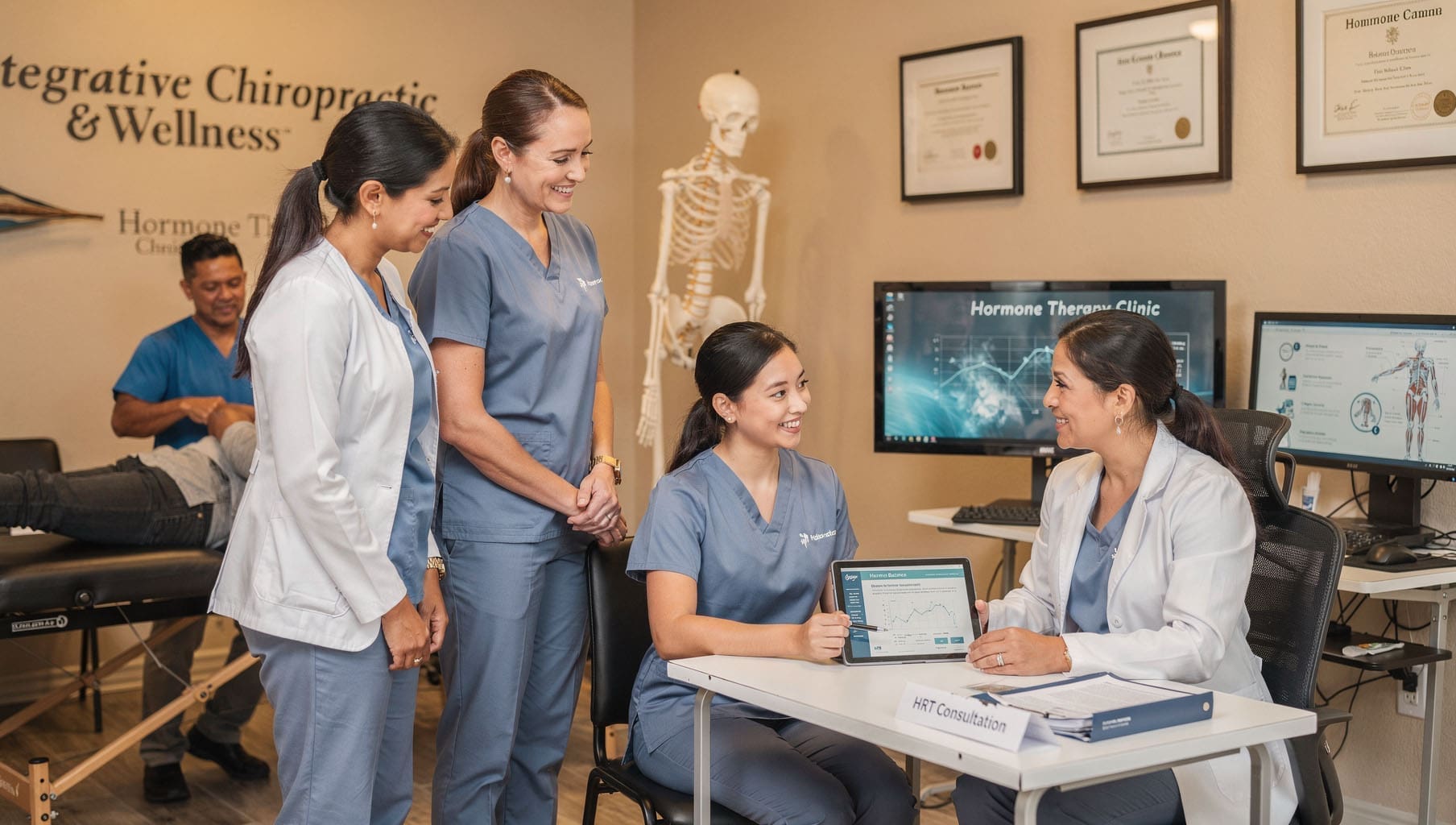
PRP success is amplified when integrated with precise chiropractic and rehabilitative strategies. At Chiromed.com and in my clinic, we combine manual care, movement retraining, and lifestyle medicine:
- Regional interdependence:
- Correcting kinetic chain faults—hip abductor weakness, tibial external rotation bias, foot pronation—influences joint load and tissue strain. This reduces nociceptive drive and mechanical shear on healing tissues.
- Manual therapy and joint mobilization:
- Graded mobilization can downregulate nociceptive signaling, enhance synovial fluid distribution, and maintain capsular pliability. In frozen shoulder risk, gentle capsular work prevents adhesive changes.
- Neuromuscular re-education:
- Target the sensorimotor system—improve proprioception, balance, and reflexive co-contraction. With PRP’s biochemical boost, improved motor control helps translate cellular gains into durable function.
- Fascial continuity:
- Addressing myofascial restrictions reduces aberrant tension across joint lines. Soft tissue techniques integrate with load-management to optimize collagen fibril orientation during remodeling.
- Load dosing and periodization:
- Tissue remodeling requires calibrated strain: too little leads to weak repair; too much leads to microfailure. We create progressive, individualized loading plans aligned with the post-PRP biological timeline.
- Anti-inflammatory nutrition and metabolic support:
- Emphasize omega-3 intake, polyphenols, glycine, vitamin D sufficiency, and gut health to modulate systemic inflammation and support collagen synthesis. Weight management reduces joint load and systemic cytokine levels.
- Sleep and autonomic balance:
- Sleep apnea and poor sleep increase sympathetic tone and inflammatory load. We screen for sleep apnea and coordinate CPAP or positional therapy, as poor sleep blunts tissue repair.
Exosomes, Plasma Proteins, and “Top-Layer” Strategies
Some clinicians consider augmenting joint volume by adding platelet-poor plasma or filtered exosome-rich fractions:
- Rationale:
- Exosomes carry microRNAs and proteins that modulate chondrocyte and synoviocyte behavior. Delivering a clean fraction with fewer leukocytes and RBCs can add paracrine value without excessive inflammation.
- Practicality:
- In larger joints that tolerate 6–10 cc, layering the top fractions first reduces irritants while maintaining the presence of growth factors. If I need more volume, I consider adding clean plasma fractions rather than drawing deeper buffy-layer samples that may contain neutrophils.
- Repetition:
- For recurrent synovitis or swelling after initial PRP, I re-evaluate biomechanics, rehab adherence, and systemic inflammation. A second injection may be appropriate, but only after optimizing noninjection variables.
Case Touchpoints: Lessons from the Clinic
- Loose bodies in elderly patients:
- Mechanical symptoms—catching, locking—point to intra-articular loose bodies. Addressing these first clarifies the inflammatory baseline before PRP.
- Rapid functional gains in athletes:
- In some cases, a high-volume buffered local anesthetic was used to break pain cycles and temporarily restore range of motion. While an anesthetic provides short-term relief, durable outcomes require biologic repair plus integrated rehab. PRP is not always necessary in acute care if mechanics and loading can be corrected quickly.
- Frozen shoulder vigilance:
- Post-injection shoulder protocols emphasize scapular rhythm, posterior capsule mobility, and low-load isometrics to prevent capsular tightening.
Why We Choose Each Technique: The Physiological Underpinnings
- PRP selection:
- The key is aligning the PRP’s signal composition with the tissue environment. Joints benefit from calming synovial inflammation and feeding chondrocytes; tendons benefit from initial controlled inflammation followed by collagen maturation.
- Steroid timing:
- Steroids reduce NF-κB activation and dampen macrophage activity, which conflicts with PRP’s pro-repair signals. Waiting ensures better signal fidelity.
- Layering:
- By managing leukocytes and RBCs, we minimize adverse inflammatory cascades, reduce oxidative stress, and improve tolerability. Cleaner fractions elevate growth factor-to-irritant ratio.
- Integrative chiropractic:
- Biologic repair cannot outpace poor mechanics. Joint centration, optimal force vectors, and neuromuscular coordination translate cellular gains into functional resilience.
Stepwise Protocol I Use in Practice
- Assessment:
- Pain phenotype (achy vs sharp), mechanical triggers, imaging for marrow lesions or meniscal pathology, metabolic and sleep status.
- Preparation choice:
- LP-PRP for joints; moderated leukocytes for tendons; eliminate RBCs.
- Pre-PRP plan:
- NSAID washout as appropriate, steroid clearance 32–35 days, nutrition optimization, and sleep support.
- Injection:
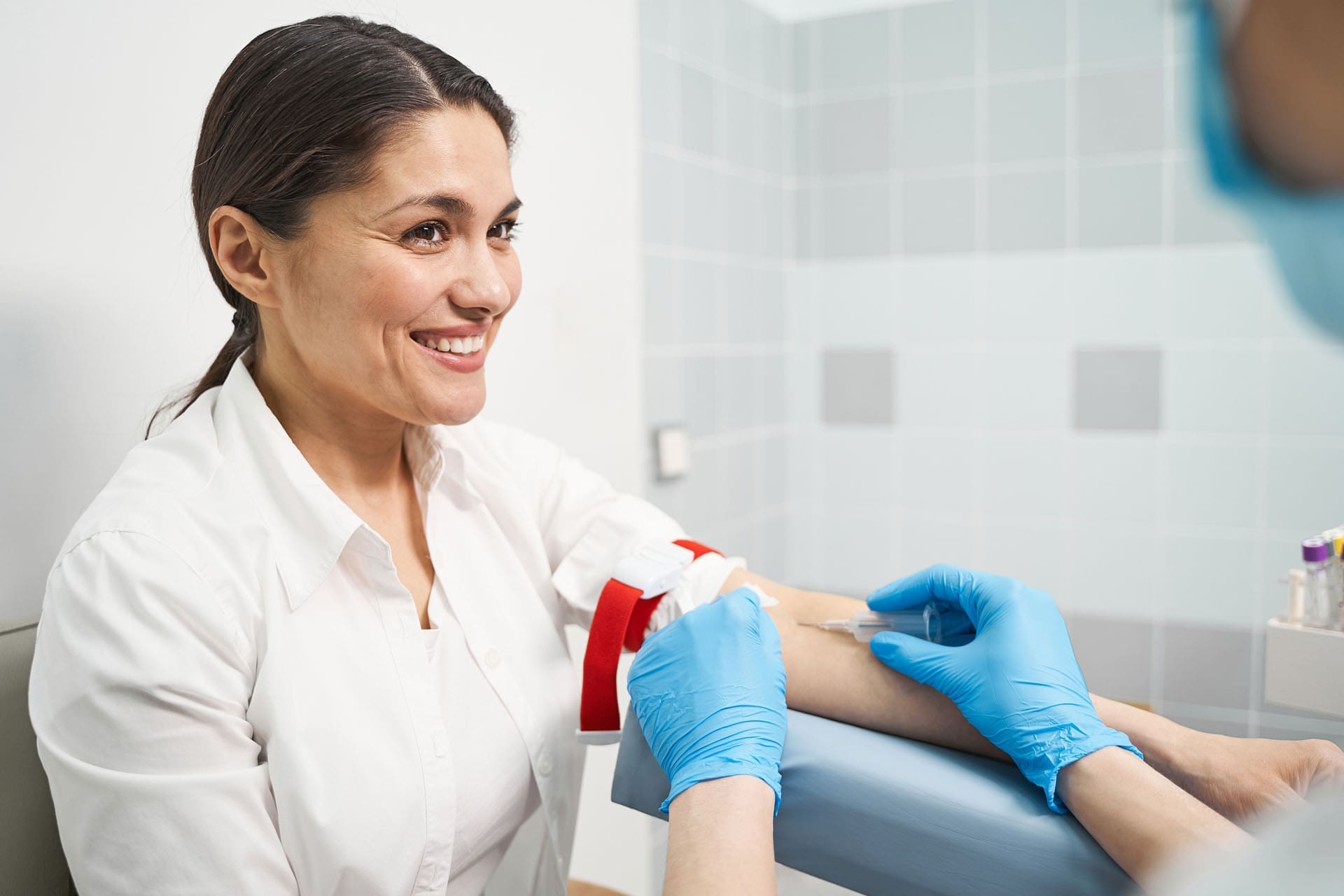
- Ultrasound-guided accuracy, volume matched to joint capacity (3–6 cc typically), layered clean fractions, sterile technique to minimize infection.
- Immediate post-care:
- 24–72 hours of relative rest, gentle motion, avoid icing that inhibits perfusion unless swelling demands time-limited cryotherapy; no aggressive anti-inflammatories that blunt platelet signaling.
- Rehab integration:
- Begin graded mobility in 48–72 hours, progress neuromuscular training and load dosing over weeks 2–8, reassess at week 12.
- Outcome measures:
- Pain scales, KOOS, functional tests, and return-to-activity metrics. Adjust plan based on data and patient goals.
What I Tell Patients
On 2026-05-02, I discuss likelihoods plainly: a 30–60% chance of meaningful improvement by the 3–4-month mark for appropriately selected joint cases; higher odds for classic inflammatory pain phenotypes; and lower odds for purely mechanical or advanced degenerative pain unless we fix mechanical generators. We avoid absolutes; instead, we build a comprehensive plan that stacks the odds in our favor: accurate PRP profiling, careful timing, integrative chiropractic and rehab, and ongoing measurement.
Key Takeaways
- Use symptom phenotype to guide PRP candidacy; do not rely solely on age, BMI, or arthritis grade.
- Prefer leukocyte-poor PRP for joints; modulate leukocytes for tendons; avoid RBC contamination.
- Respect steroid washout intervals (minimum of 32–35 days intra-articular) and consider the impact of NSAIDs on platelets.
- Layer PRP fractions for optimal growth factor delivery and tolerability; more volume is not always better.
- Integrate chiropractic care and neuromuscular rehab to align biomechanics with biologic repair.
- Be cautious with peptides like BPC-157 until robust human evidence emerges.
- Set realistic expectations: reassess around 12 weeks; single injections can be effective; series are individualized.
- Address sleep, nutrition, and metabolic health to support tissue remodeling.
References
Andia, I., & Maffulli, N. (2018). Platelet-rich plasma for managing pain and inflammation in osteoarthritis. Journal of Pain Research, 11, 1179–1189. https://doi.org/10.2147/JPR.S167873
Bennell, K. L., Paterson, K. L., Keating, C., Frierson, T., Metcalf, B., & Hunter, D. J. (2020). Implementing exercise and progressive loading for osteoarthritis. Arthritis Research & Therapy, 22(1), 1–12. https://doi.org/10.1186/s13075-020-02238-3
Filardo, G., Di Matteo, B., Kon, E., Merli, M., & Marcacci, M. (2019). Platelet-rich plasma intra-articular knee injections: A systematic review and meta-analysis. The American Journal of Sports Medicine, 47(1), 132–141. https://doi.org/10.1177/0363546518824426
Filardo, G., Vincent, T. L., Kon, E., & Di Matteo, B. (2022). PRP in osteoarthritis: Mechanisms and clinical use. Nature Reviews Rheumatology, 18, 135–152. https://doi.org/10.1038/s41584-022-00795-6
Joksimović, J., Jovanović, M., Ćosić, M., & Škorić, T. (2020). BPC-157 and angiogenesis: Preclinical evidence and mechanisms. Journal of Inflammation Research, 13, 1101–1114. https://doi.org/10.2147/JIR.S271074
Laudy, A., Bakker, E. W. P., Rekers, M., Moen, M. H., & Zwerver, J. (2015). Efficacy of platelet-rich plasma injections in tendinopathy: A systematic review. PLoS ONE, 10(5), e0123301. https://doi.org/10.1371/journal.pone.0123301
Werner, B. C., Cancienne, J. M., & Miller, M. D. (2017). Timing of corticosteroid injection before PRP and outcomes. The American Journal of Sports Medicine, 45(9), 2102–2109. https://doi.org/10.1177/0363546517712758