
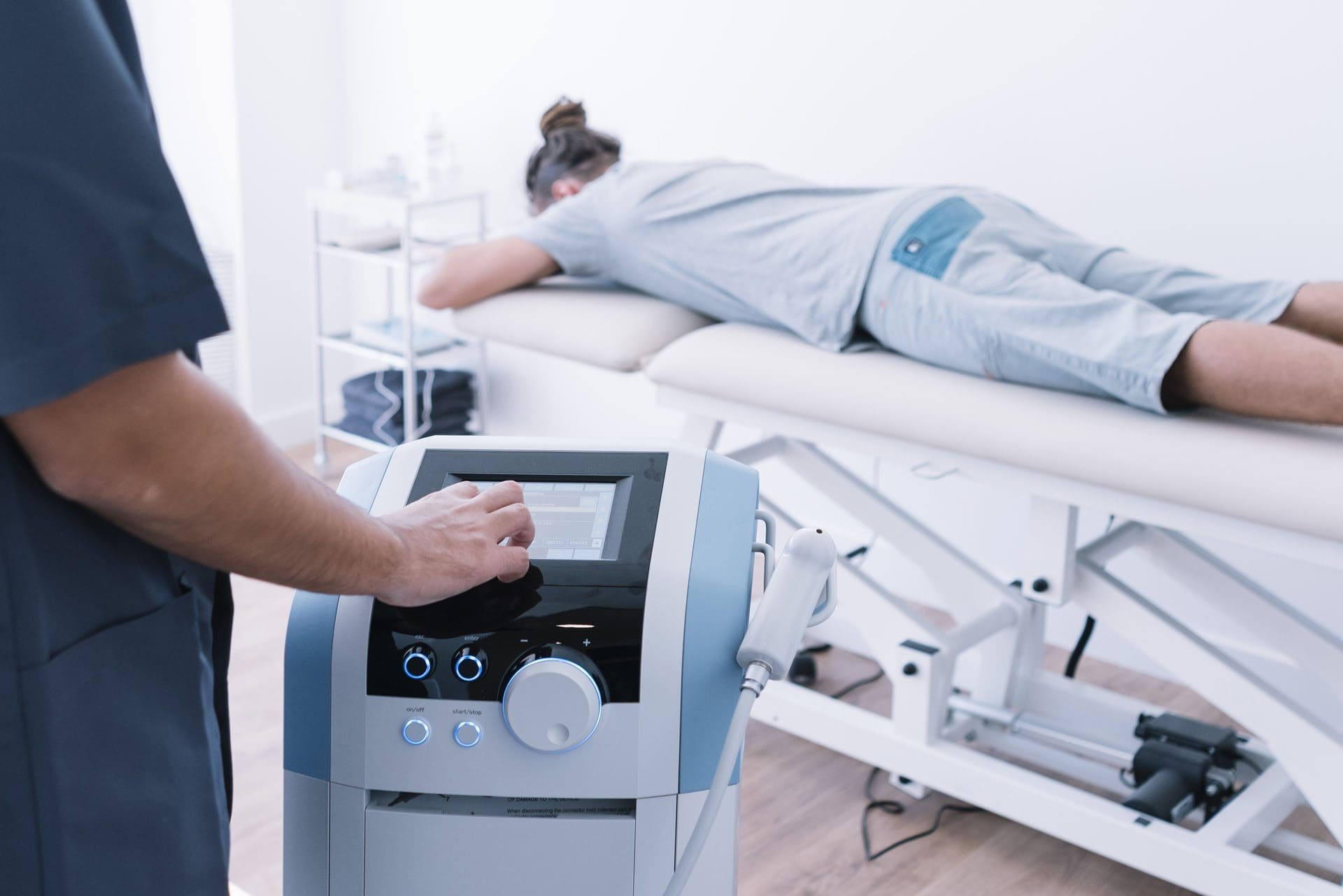
Advancements in Sciatica Treatment in 2026
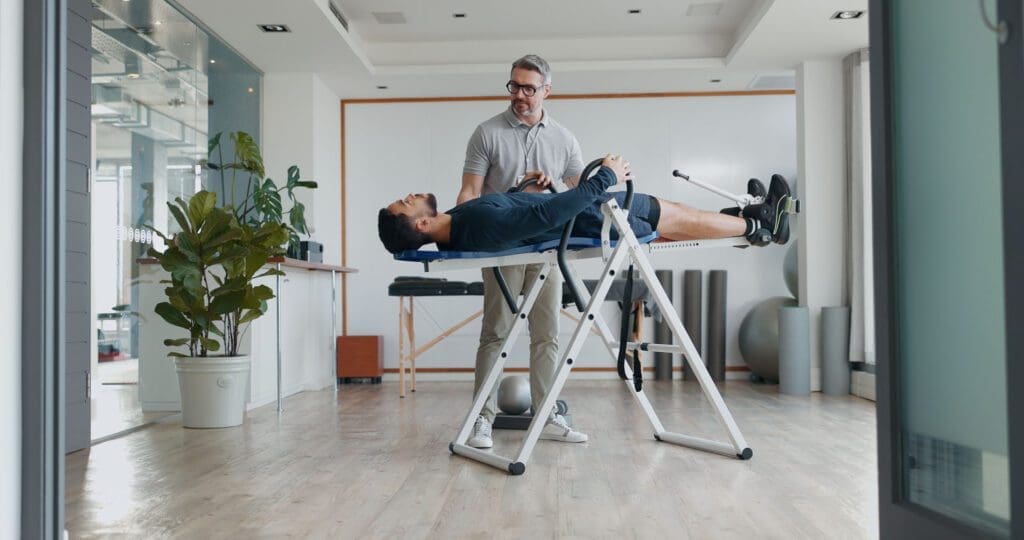
Sciatica is not a diagnosis by itself—it’s a symptom pattern. It usually feels like burning, sharp, or electric pain that starts in the lower back or buttocks and travels down the leg. Some people also get tingling, numbness, or weakness.
In 2026, the biggest shift in sciatica care is this: more targeted, less invasive options—and better teamwork across providers—so more people can improve without rushing into surgery or staying on long-term medication. Major spine centers highlight precise diagnosis, noninvasive care when possible, and team-based planning to match the right treatment to the cause. Stanford Health Care+1
Below is a clear, practical look at what’s advancing in 2026—written in a way you can actually use—and how ChiroMed’s integrated chiropractic + nurse practitioner model fits these modern trends. ChiroMed+2ChiroMed+2
What’s driving “better sciatica care” in 2026?
In 2026 sciatica improvements are happening in three big areas:
- Better targeting (pinpointing the real pain generator)
- Less-invasive relief options (nerve blocks, radiofrequency ablation, stimulation options, regenerative injections) apollospineandpain.com+1
- Whole-person plans (movement, weight-bearing tolerance, sleep, stress, and return-to-work strategies)
This matters because “sciatica” can stem from different root causes—such as a disc herniation, spinal stenosis, joint irritation, or muscle and movement imbalances. That’s why many leading programs emphasize precise imaging and coordinated care instead of “one-size-fits-all.” Stanford Health Care+1
Advancement 1: More precise diagnostics (so treatment matches the real cause)
In 2026, improved imaging and assessment are a major theme. Stanford’s sciatica information highlights precise diagnosis options using the latest imaging technology and team-based treatment planning across specialties. Stanford Health Care
What this looks like in real life
A more modern sciatica workup often includes:
- A focused history (what makes pain better/worse, walking tolerance, sitting tolerance, sleep disruption)
- A neurologic screen (strength, reflexes, sensation)
- Orthopedic testing (to narrow down likely sources)
- When needed, advanced imaging to confirm what’s happening structurally Stanford Health Care
Why this is a big deal
When you know the likely driver, you can be smarter about treatment:
- A disc-related pattern may respond best to specific rehab + inflammation control.
- Stenosis-like patterns often need walking-based strategies and posture-based loading changes.
- Mechanical patterns may improve most with mobility + stability work and hands-on care.
ChiroMed fit: ChiroMed’s approach emphasizes practical, functional evaluation and a plan that matches the individual (not just the MRI). ChiroMed+1
Advancement 2: Smarter, minimally invasive pain procedures (targeted relief with less downtime)
One of the most visible 2026 trends is growth in interventional pain options that aim to interrupt pain signals or reduce inflammation without major surgery.
A 2026-focused pain-management roundup highlights several commonly discussed options:
- Radiofrequency ablation (RFA) (heat-based disruption of nerve transmissions)
- Nerve blocks (medication placed near specific nerves to reduce pain signals)
- Spinal cord stimulation (SCS) (electrical impulses that can change pain perception) apollospineandpain.com
A separate sciatica-focused interventional page also lists options like nerve blocks, injections, radiofrequency ablation, and PRP therapy as part of a personalized plan. apollospineandpain.com
Quick plain-English explanation of the main options
Nerve blocks
- Goal: calm pain signals and help confirm the pain source
- Why 2026 cares: more targeted placement and better treatment matching are a big theme apollospineandpain.com+1
Radiofrequency ablation (RFA)
- Goal: reduce certain pain signals (often used when pain becomes persistent)
- Why 2026 cares: it’s less invasive than surgery and can be part of a step-wise plan apollospineandpain.com+1
Spinal cord stimulation (SCS)
- Goal: change how pain is processed so pain feels quieter
- Why 2026 cares: neuromodulation is a growing tool for chronic pain patterns apollospineandpain.com+1
Important note: These are not “magic.” They work best when paired with a movement plan, lifestyle support, and a clear diagnosis.
Advancement 3: Regenerative options (PRP and related strategies) are expanding—carefully
Regenerative medicine is one of the most talked-about areas in 2026 sciatica care. Many clinics discuss platelet-rich plasma (PRP), in which a concentrated portion of your blood is injected to support healing.
An interventional sciatica page describes PRP as drawing blood, isolating platelets and growth factors, and injecting the concentrate into the painful area—highlighting potential benefits like reducing inflammation and supporting tissue repair, with the note that results may be more long-term than immediate. apollospineandpain.com
A 2025 review in Bioengineering discusses regenerative approaches and notes PRP and electrical stimulation as areas of interest, while also emphasizing that human evidence and safety/efficacy questions remain important. CBS News
What “regenerative” really means (simple version)
Regenerative care aims to help the body shift from “irritated and inflamed” to “repair and rebuild,” especially when pain has become chronic. That said, not everyone is a candidate, and PRP quality and protocols vary.
ChiroMed fit: ChiroMed’s style of care often involves combining conservative mechanical care and rehab strategies first, then considering more advanced options when appropriate. ChiroMed+1
Advancement 4: Personalized rehab is getting more specific (and more consistent)
In 2026, exercise is not just “doing some stretches.” It’s becoming more personalized and nerve-specific, especially for sciatica.
A key 2026 concept: “nerve mobility” work (nerve flossing)
Nerve flossing (also called neural gliding) is commonly discussed as a technique to improve tolerance to movement and reduce nerve sensitivity when used appropriately. Dr. Alexander Jimenez highlights the steps for sciatic nerve flossing and provides patient education on how to do it safely.
What good rehab tends to include
A modern sciatica plan often uses:
- Walking or graded activity (small wins, consistent progress)
- Hip mobility + core and glute strength
- Nerve mobility drills (when appropriate)
- Posture and load strategies (how you sit, lift, train, and recover)
- Return-to-sport or return-to-work progressions
Big idea: you’re not just chasing pain relief—you’re rebuilding confidence and capacity.
Advancement 5: Telehealth support is becoming normal (better follow-through)
In 2026, telemedicine isn’t just about convenience—it’s also about consistency: check-ins, progressions, form reviews, and plan updates.
A 2026 pain-management article highlights telemedicine, which uses video calls and remote monitoring, so patients can consult from home, making care easier to keep up with. apollospineandpain.com
ChiroMed also offers telemedicine visits as part of care access and follow-up support. ChiroMed
Advancement 6: More integrated care to reduce over-reliance on opioids
One reason multidisciplinary care is growing is the ongoing effort to reduce opioid exposure when possible.
A PLOS ONE study reported an association between chiropractic spinal manipulative therapy and reduced odds of opioid use disorder among patients with sciatica (observational data, not proof of causation—but still meaningful for care planning). PMC
This supports a 2026 trend: build a plan that relies on drug-free, function-first options while using medical management when needed.
What “integrated care” looks like at ChiroMed
ChiroMed describes an approach that blends chiropractic care with medical co-management so patients can get both:
- Hands-on mechanical care (mobility, joint mechanics, soft tissue strategies)
- Medical-level evaluation and coordination when red flags, imaging needs, or medication decisions come up ChiroMed+1
This combination can be especially useful for:
- Chronic sciatica patterns
- Recurring flare-ups
- Patients with complex health factors (sleep issues, weight changes, diabetes risk, high stress)
- Post-accident back and leg pain patterns that require careful documentation and step-wise care
What ChiroMed’s “2026-ready” sciatica plan can look like
Here’s a realistic, modern flow that matches current trends (and keeps decisions step-by-step):
Step 1: Confirm the pattern
- Is this true nerve root irritation?
- Or is it referral pain, hip involvement, SI joint irritation, or muscular guarding?
Step 2: Calm the system
- Reduce aggravating loads
- Gentle movement “snacks” through the day
- Sleep positioning and inflammation-support basics
Step 3: Restore movement capacity
- Mobility where needed (hips, thoracic spine)
- Strength where needed (glutes, core stabilizers)
- Nerve mobility drills when appropriate
Step 4: Escalate only if needed
If progress stalls, modern options can include:
- Targeted nerve blocks or other interventional steps apollospineandpain.com+1
- Considering regenerative discussions like PRP (case-by-case) CBS News+1
- Considering neuromodulation pathways for persistent chronic pain patterns arXiv+1
Red flags: when sciatica is an emergency
Most cases of sciatica are not dangerous, but some patterns require urgent evaluation. Seek urgent care if you have:
- New bowel or bladder control problems
- Saddle anesthesia (numbness in the groin area)
- Rapidly worsening leg weakness
- Fever with severe back pain, or unexplained weight loss with progressive symptoms
The “bottom line” for 2026 sciatica care
In 2026, the direction is clear:
- Better diagnosis
- More non-surgical options
- More targeted minimally invasive tools
- More regenerative research
- Better rehab personalization
- Integrated, multidisciplinary care to improve outcomes and reduce opioid reliance Stanford Health Care+2apollospineandpain.com+2
For many patients, the winning strategy is not one single procedure—it’s the right sequence of care.
And that’s where ChiroMed’s model fits perfectly: combine chiropractic biomechanics and movement-focused care with nurse-practitioner-level co-management so the plan stays both conservative and medically grounded, step by step. ChiroMed+2El Paso, TX Doctor Of Chiropractic+2
References
- Apollo Spine & Pain Center. (2025, December 28). Pain Management Breakthroughs to Watch in 2026. apollospineandpain.com
- Apollo Spine & Pain Center. (n.d.). Overcome Sciatica Pain with Interventional Pain Management. apollospineandpain.com
- ChiroMed. (2025). Telemedicine Appointments (Virtual Visits). ChiroMed
- ChiroMed. (2025). Sciatic Nerve Wellness. El Paso, TX Doctor Of Chiropractic
- Grand View Research. (n.d.). Sciatica Treatment Market Size, Share | Industry Report, 2033. Grand View Research
- IMARC Group. (n.d.). Sciatica Market Size, Epidemiology, In-Market Drugs Sales, Pipeline Therapies, and Regional Outlook 2025–2035. IMARC Group
- Jimenez, A. (n.d.). Sciatic Nerve Flossing: Effective Techniques for Pain Relief.
- Kumar, V., et al. (2025). Association between chiropractic spinal manipulative therapy and opioid use disorder among patients with sciatica: A retrospective cohort study. PLOS ONE. PMC
- Matar, R. N., & Ali, M. S. (2025). Regenerative approaches to sciatica: Platelet-rich plasma and electrical stimulation therapies. Bioengineering. CBS News
- Stanford Health Care. (n.d.). Sciatica. Stanford Health Care
- Stanford Health Care. (n.d.). Diagnosis and Treatment Planning for Sciatica. Stanford Health Care
- BioSpace (IMARC Group). (2025, February 19). Sciatica Market Size to Reach USD 3.4 Billion by 2035, Impelled by Advancements in Regenerative Therapies. BioSpace