Neuropathies Explained and Integrative Care
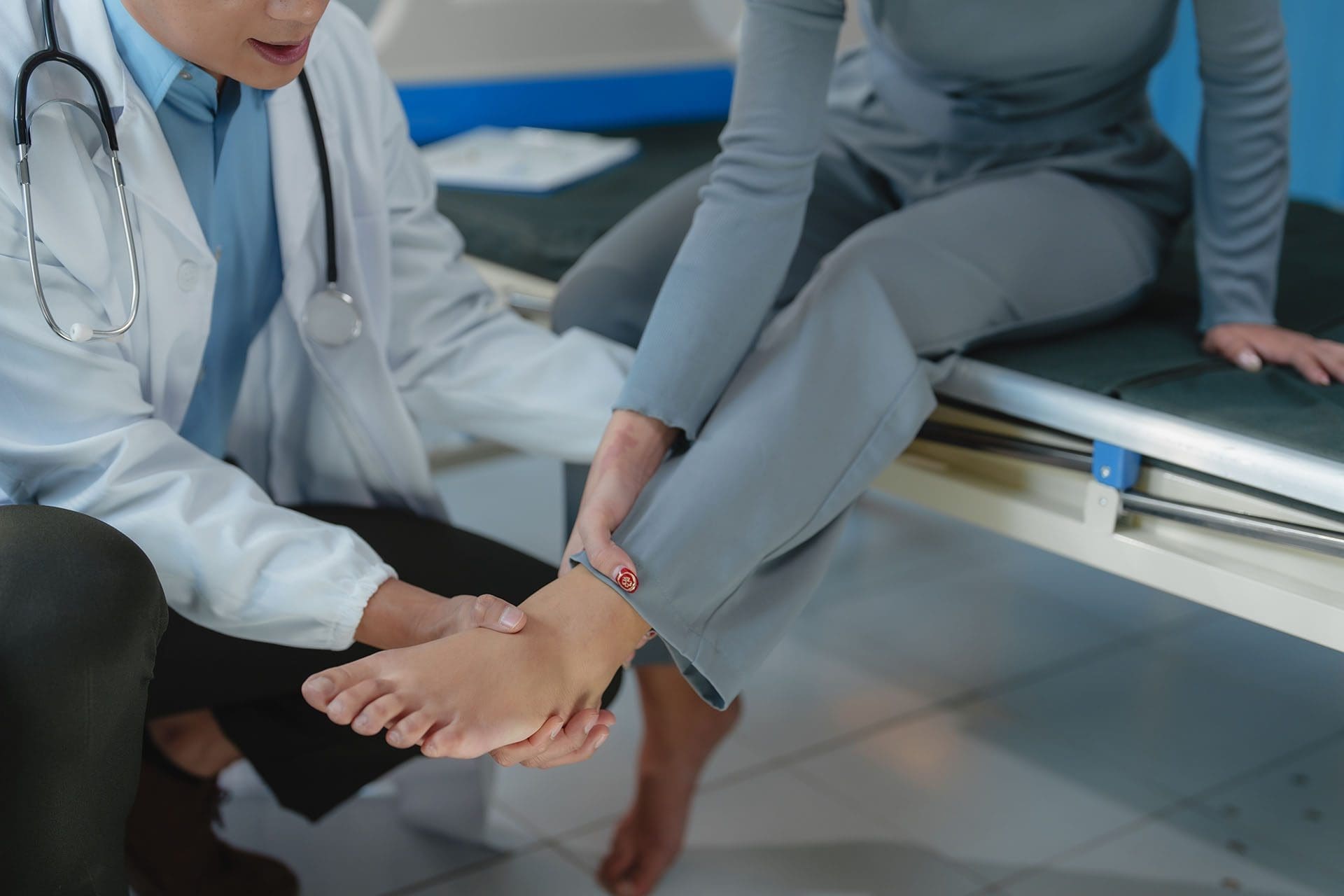
Neuropathy is a term for nerve damage. It most often affects nerves outside the brain and spinal cord, especially in the hands, feet, legs, and arms, but it can also affect internal organs and specific nerve pathways. Common symptoms include tingling, burning pain, numbness, weakness, balance problems, and reduced feeling in the affected area. Mayo Clinic, Yale Medicine, and the American Diabetes Association explain that neuropathy is not one single disease. Instead, it is a group of nerve disorders that can have many causes, including diabetes, infections, autoimmune diseases, vitamin deficiencies, toxins, injuries, and certain medications.
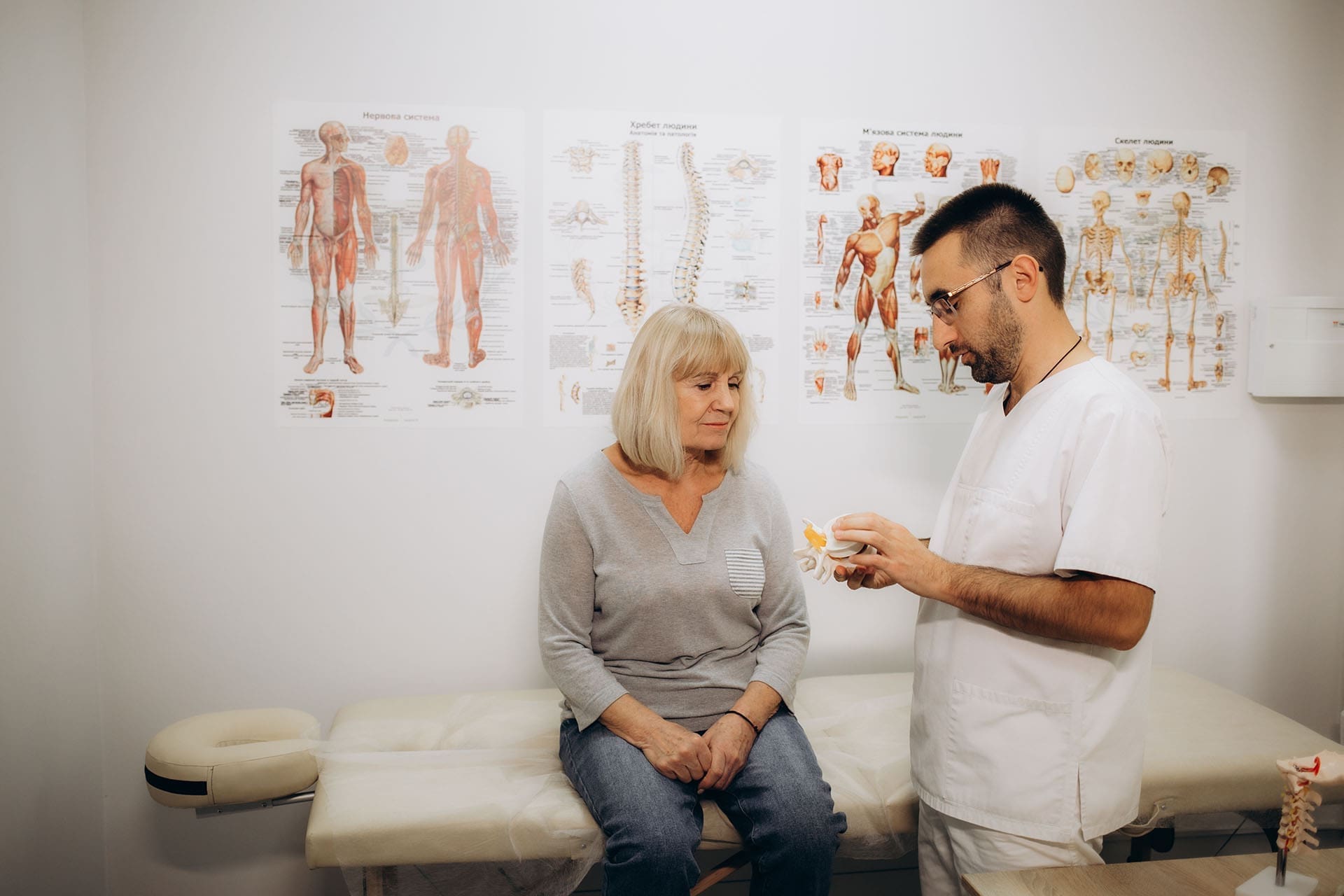
ChiroMed prioritizes integrated, patient-focused care. The clinic describes its mission as addressing root causes rather than only covering up symptoms, and it highlights a collaborative model that brings together chiropractors, nurse practitioners, naturopaths, rehabilitation specialists, nutritionists, and acupuncturists. That kind of setting can be useful for people with neuropathy because nerve problems often involve multiple issues at once, such as blood sugar imbalance, inflammation, reduced mobility, nutritional stress, and musculoskeletal strain.
What Neuropathy Means
Nerves are like the body’s wiring system. They carry messages from the brain to the muscles, skin, blood vessels, and organs. When nerves are damaged, those signals do not move correctly. That is why neuropathy can cause pain, loss of feeling, weakness, and even problems with digestion, bladder control, blood pressure, or sweating. Mayo Clinic notes that symptoms depend on which nerves are injured and how severe the damage is.
Some neuropathies are mild and slow-moving. Others come on quickly and interfere with daily life. A person may first notice numb toes, burning feet at night, weakness in the legs, or trouble keeping balance. In other cases, the main complaint may be digestive symptoms or dizziness when standing.
The Four Main Types of Neuropathy
A simple way to understand neuropathy is to divide it into four main types.
Peripheral neuropathy
Peripheral neuropathy is the most common type. It usually affects the feet and hands first. People may feel numbness, tingling, burning pain, stabbing pain, sensitivity to touch, or muscle weakness. Because it often starts in the toes and moves upward, some people do not realize how much feeling they have lost until they begin having balance trouble or foot injuries. ChiroMed’s neuropathy material also describes burning, tingling, numbness, and weakness as common signs.
Autonomic neuropathy
Autonomic neuropathy affects nerves that control automatic body functions. These include digestion, bowel and bladder function, blood pressure, sweating, and sexual function. Symptoms may include constipation, diarrhea, nausea, vomiting, dizziness when standing, or bladder problems. Because these signs can seem unrelated to “nerve pain,” this type is sometimes missed at first.
Focal neuropathy
Focal neuropathy affects one nerve or a small nerve group. Symptoms are usually more sudden and localized. A person may feel sharp pain, weakness, facial symptoms, or nerve compression problems in one area. This type can interfere with daily tasks, depending on which nerve is involved, making it difficult to walk or perform activities that require use of the affected limbs.
Proximal neuropathy
Proximal neuropathy usually affects the hips, buttocks, or thighs. It can cause deep pain and later weakness in the legs. This type may make it difficult to stand, walk, or climb stairs. Although it is less common than peripheral neuropathy, it can be very disruptive.
Common Causes of Neuropathy
Neuropathy has many possible causes, which is why proper evaluation matters. Common causes include:
- Diabetes and long-term high blood sugar
- Vitamin deficiencies, especially B12-related problems
- Autoimmune disease
- Infections
- Alcohol overuse
- Toxins
- Medication side effects
- Physical injury or nerve compression
- Inherited nerve disorders
- Kidney disease and other metabolic problems
Diabetes is one of the most common causes. Over time, high blood sugar can damage nerves and the tiny blood vessels that support them. That is why blood sugar control is such an important part of neuropathy care for many patients.
Another important point is that not every case is permanent. Some neuropathies can improve when the cause is found and treated early. For example, some cases linked to vitamin deficiency, infection, or medication effects may improve if the underlying problem is corrected.
Common Symptoms to Watch For
Neuropathy symptoms can feel different from person to person, but common warning signs include:
- Tingling or “pins and needles”
- Burning pain
- Numbness
- Sharp or electric-like pain
- Muscle weakness
- Reduced balance
- Trouble sensing heat, cold, or pain
- Cramping or twitching
- Digestive or bladder changes in autonomic cases
People should take these symptoms seriously, especially if they are getting worse. Numb feet can raise the risk of falls and unnoticed injuries. Weakness can affect walking and daily function. Organ-related symptoms may indicate autonomic nerve involvement and warrant medical review.
Can Neuropathy Be Reversed?
This is one of the most common questions people ask. The best answer is that it depends on the cause, the amount of nerve damage, and how early treatment begins.
Some neuropathies can improve or partially reverse, especially when they are linked to treatable causes like nutrient deficiency, infection, or medication-related irritation. Other forms are chronic and need ongoing care to reduce pain, protect function, and slow progression. ChiroMed’s own neuropathy content is careful on this point. It states that chiropractic care does not cure most cases of neuropathy, but it may help reduce symptoms, improve mobility and balance, and support daily functioning when used with rehabilitation and medical co-management.
That is an important distinction. Honest neuropathy care should focus on:
- Finding the cause
- Treating what can be treated
- Reducing nerve irritation
- Protecting the feet and limbs
- Improving strength and balance
- Supporting long-term quality of life
How ChiroMed’s Integrative Model Fits Neuropathy Care
ChiroMed presents itself as an integrated medicine clinic in El Paso that looks at the whole person, not just the painful body part. Its website says the clinic addresses root causes and uses a collaborative care model. For neuropathy, that kind of model can make sense because nerve pain is often influenced by both systemic and mechanical factors.
For example, a person with neuropathy may have:
- Poor blood sugar control
- Vitamin gaps
- Inflammation
- Gait changes
- Weakness and loss of balance
- Chronic back or neck stress
- Nerve compression patterns
- Reduced circulation
- Fear of movement because of pain
A multidisciplinary clinic can look at several of those factors at once. ChiroMed’s neuropathy and nerve pain pages describe a combined approach that may include chiropractic adjustments, rehabilitation exercises, nutrition counseling, acupuncture, cold laser therapy, and TENS-based support, while also encouraging medical co-management when appropriate.
Chiropractic Care and Neuropathy
Chiropractic care is not a cure for nerve damage, but in the right patient, it may help reduce mechanical stress on the spine and surrounding joints, improve movement, and support better function. ChiroMed’s neuropathy pages describe chiropractic care as one part of a broader plan meant to improve mobility, reduce pain, and help patients move more safely. The site also stresses the importance of screening and personalization.
This is especially important when neuropathy overlaps with back pain, posture problems, limited motion, or muscle imbalance. In those cases, hands-on care and movement-based therapy may help patients move more comfortably and stay active.
Nutrition, Blood Sugar, and Functional Support
Nutrition is another major piece of neuropathy care. ChiroMed’s nerve pain content specifically mentions nutrition counseling to address inflammation and vitamin gaps. That matters because nerve health depends on the body’s metabolic environment. When blood sugar is high, nutrients are low, or inflammation stays elevated, nerves may be under more stress.
Nutrition-focused care may include:
- Better blood sugar control
- Reviewing sugar and processed food intake
- Looking for vitamin deficiencies
- Encouraging balanced meals with protein, fiber, and healthy fats
- Reducing alcohol if it is contributing to nerve damage
- Supporting healthy weight and metabolic function
This is where nurse practitioner and functional-style assessments can add value. ChiroMed highlights nurse practitioner services and an evidence-based integrative medicine approach, which can support a broader review of symptoms, labs, medications, and lifestyle factors.
Rehabilitation and Active Recovery
Movement matters in neuropathy care. ChiroMed’s neuropathy content emphasizes active rehabilitation, exercise, and safer movement patterns. This is important because nerve pain often leads people to move less, and moving less can worsen weakness, stiffness, poor balance, and fear of walking.
A rehabilitation plan may help with:
- Balance training
- Gait work
- Lower-body strength
- Foot and ankle stability
- Flexibility
- Confidence with movement
- Fall prevention
When to Seek Prompt Medical Attention
Even though some neuropathy symptoms come on slowly, there are times when people should not wait. Seek medical evaluation if there is:
- Rapidly worsening weakness
- New severe numbness
- Repeated falls
- Foot wounds that are not healing
- Major balance loss
- Bladder or bowel changes
- Dizziness with standing
- Sudden nerve symptoms in one area
A careful diagnosis matters because the right treatment depends on the real cause. Treating nerve pain without determining why it is happening may delay more effective care, potentially leading to worsening symptoms or complications if the underlying condition is not addressed.
Final Thoughts
Neuropathy is nerve damage, but it is not all the same. The four main types, peripheral, autonomic, focal, and proximal, affect different parts of the body and create different symptoms. Causes can range from diabetes and vitamin deficiency to infection, autoimmune disease, trauma, and medication side effects. Some forms can improve with early treatment, while others require long-term symptom management and functional support.
For a ChiroMed-focused article, the clinic’s integrated model is its biggest strength. Its website consistently presents neuropathy care as a team-based effort that may combine chiropractic care, rehabilitation, nutrition support, nurse practitioner evaluation, and medical co-management. That is a practical and realistic message because neuropathy usually responds best when the underlying cause, movement problems, and whole-body health are addressed together.
References
- ChiroMed. (n.d.). About Us.
- ChiroMed. (n.d.). ChiroMed – Integrated Medicine Holistic Healthcare in El Paso.
- ChiroMed. (n.d.). Chiropractor El Paso, TX.
- ChiroMed. (n.d.). El Paso holistic nerve pain clinic.
- ChiroMed. (n.d.). Neuropathy chiropractic treatment questions and answers.
- ChiroMed. (n.d.). Neuropathy pain relief in El Paso: Best medications.
- ChiroMed. (n.d.). Tag: Neuropathy symptoms.
- ChiroMed. (n.d.). Understanding nerve conduction velocity in health care.
- ChiroMed. (n.d.). Advanced chiropractic care for back and nerve pain.
- ChiroMed. (n.d.). Nurse Practioner El Paso, TX.