
Give us a Call
+1 (915) 412-6680
Send us a Message
[email protected]
Opening Hours
Mon-Thu: 7 AM - 7 PM
Fri - Sun: Closed
How PRP Concentration Impacts Tissue Healing

How PRP Concentration Impacts Tissue Healing
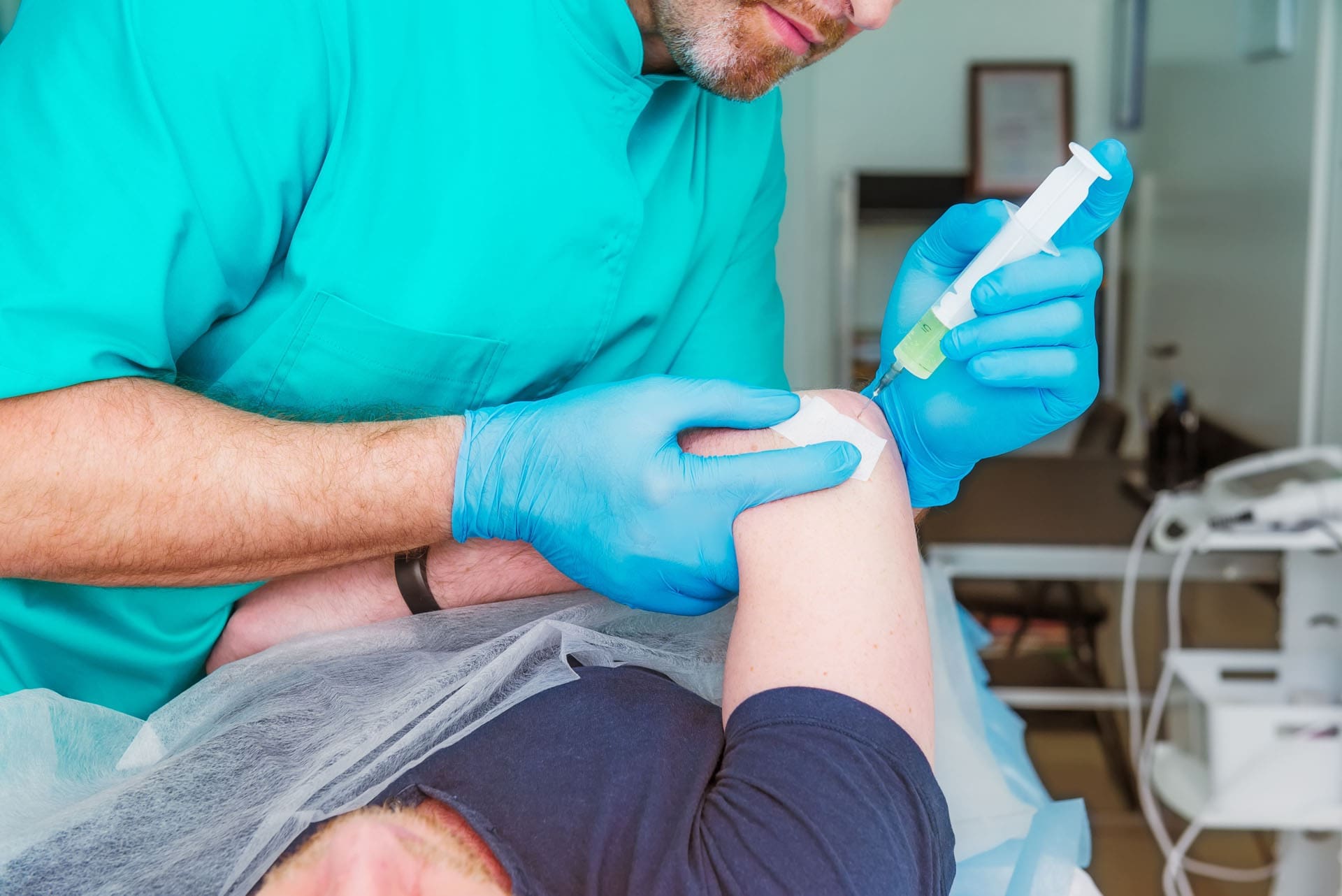
How PRP Concentration Impacts Tissue Healing

Abstract

In the ever-evolving landscape of regenerative medicine, platelet-rich plasma (PRP) has emerged as a cornerstone therapy for a multitude of musculoskeletal conditions, most notably osteoarthritis. However, the clinical conversation is shifting from a simple “yes or no” regarding its use to a more sophisticated understanding of “how” and “why” it works. This post will take you on an educational journey into the nuanced world of PRP therapy. We will explore the critical concepts of platelet concentration, the evolving debate over leukocyte ratios (leukocyte-rich vs. leukocyte-poor PRP), and the latest evidence-based findings reshaping our treatment protocols. Drawing upon modern research and my clinical observations, we will demystify the physiological mechanisms at play, explaining how we can optimize treatments by focusing on absolute platelet dosage and understanding the synergistic roles of different cell types. Furthermore, we will connect these advanced regenerative techniques to the foundational principles of integrative chiropractic care, illustrating how a comprehensive approach that addresses biomechanical integrity and systemic health is paramount for achieving lasting patient outcomes.


The Evolution of PRP: Beyond Leukocyte Ratios to Precise Dosing

For years, the regenerative medicine community has engaged in a robust discussion about the ideal formulation of PRP. A central point of this debate was the white blood cell (leukocyte) ratio in the PRP preparation. This led to the common classification of PRP into leukocyte-rich (LR-PRP) and leukocyte-poor (LP-PRP) subtypes. The prevailing thought was that one type might be superior for specific conditions—for instance, that the pro-inflammatory nature of leukocytes in LR-PRP could be detrimental for an already inflamed arthritic joint.

This classification system, born around 2011-2012, was a significant step forward. It gave us a framework to begin conceptualizing and comparing different PRP preparations. It was a way for clinicians like myself to ask, “What is our patient actually receiving?” However, as science progresses, so must our understanding.

A Paradigm Shift in Understanding

Recent research has begun to challenge this dichotomous view. In a fascinating turn, some of the very same researchers who first proposed the importance of leukocyte ratios published a pivotal paper around 2022. Their updated findings, specifically regarding joint arthritis, suggested that, in the long run, the distinction between leukocyte-rich and leukocyte-poor PRP may not be as critical as we once believed (Le et al., 2022).

This finding aligns with a growing body of evidence that points to a different, perhaps more crucial, variable: the absolute platelet dose. Instead of focusing solely on the cell ratio, the focus is shifting to the total number of platelets delivered to the target tissue. The question is evolving from “Is it rich or poor in leukocytes?” to “How many billion platelets are we administering?” This represents a significant paradigm shift, moving us toward a more precise, dose-dependent approach to regenerative therapy.

In my own practice, I’ve observed this principle in action. A recent case involved a patient for whom we prepared PRP with a concentration factor of approximately 7.5 times their baseline platelet count. While this number can vary from patient to patient due to individual physiology, our advanced processing systems consistently yield concentrations in the 6x-10x range. The key was not just the concentration but the processing method, which allowed us to capture a high platelet yield, ensuring we delivered a therapeutically significant dose.

The Intricate Cellular Symphony Within PRP

To truly appreciate the power of PRP, we must look at the intricate components of the preparation and how they work together. Using modern separation systems, we can meticulously isolate different fractions of the blood.

Understanding the Buffy Coat and Its Components

When blood is centrifuged, it separates into three main layers:

  • Red Blood Cells (Erythrocytes): The dense bottom layer.
  • Platelet-Poor Plasma (PPP): The clear, liquid top layer.
  • The Buffy Coat: A thin, whitish layer sandwiched between the other two.

The buffy coat is the treasure trove of regenerative medicine. It is densely packed with platelets and most leukocytes. The historical fear was the inclusion of the reddish layer just below the buffy coat, as it was thought to contain pro-inflammatory cells that could worsen conditions like arthritis.

However, our understanding of these cells has become much more refined. Advanced analysis reveals that this reddish zone, while containing some red blood cells, is also rich in specific leukocyte types, namely lymphocytes and monocytes. Far from being purely detrimental, these cells play a vital, beneficial role in the healing cascade.

  • Monocytes are particularly fascinating. When introduced to an injury site, they can differentiate into macrophages, which are essential for clearing cellular debris. More importantly, they help orchestrate the subsequent regenerative phases. The presence of lymphocytes helps guide these monocytes toward a pro-regenerative (M2) phenotype rather than a pro-inflammatory (M1) one.

This means that a PRP preparation that strategically includes these cell populations can create a more robust and sophisticated healing signal. The lymphocytes and monocytes don’t just add to the inflammation; they help manage it and then initiate a structured, beneficial healing response. This is why the conversation is moving away from simply labeling PRP as “leukocyte-rich.” It’s about understanding which leukocytes are present and their specific functions. The granulocytes (like neutrophils), which are more associated with acute inflammation, are largely separated out, while the beneficial monocytes and lymphocytes are retained.

This new perspective helps explain a retrospective observation: systems that produced “leukocyte-rich” PRP often happened to capture more platelets. The superior outcomes seen in some studies using LR-PRP for tendon injuries, for example, may have been less about the leukocytes and more about the higher absolute platelet dose being delivered (Filardo et al., 2018).

The Crucial Role of Integrative Chiropractic Care

Advanced regenerative treatments like PRP are powerful tools, but they do not exist in a vacuum. To achieve the best possible outcomes, we must address the entire patient, including the underlying biomechanical and structural issues that contributed to the injury or degeneration in the first place. This is where integrative chiropractic care becomes an indispensable partner to regenerative medicine.

Imagine injecting a highly potent, regenerative PRP preparation into a knee joint that is suffering from osteoarthritis. If that knee remains misaligned, with improper patellar tracking and imbalanced forces from dysfunctional muscles in the hip and ankle, the regenerative therapy is fighting an uphill battle. The very same pathological forces that wore down the cartilage remain, poised to degrade the newly formed tissue.

Creating an Optimal Healing Environment

As a chiropractor and functional medicine practitioner, my approach is to create an optimal environment for these regenerative cells to do their work. This involves a multi-faceted strategy:

  • Biomechanical Correction: Through precise chiropractic adjustments, we restore proper joint alignment not just in the affected joint but along the entire kinetic chain. For a knee issue, this means assessing and correcting imbalances in the spine, pelvis, hips, and ankles. This ensures that forces are distributed evenly, reducing pathological stress on the healing tissues.
  • Myofascial Release and Rehabilitation: We use advanced soft-tissue techniques to release adhesions, correct muscle imbalances, and restore proper function. This might involve active release techniques, instrument-assisted soft tissue mobilization, and targeted therapeutic exercises. This step is crucial for ensuring the joint is supported by a strong, balanced, and functional muscular system.
  • Nutritional and Metabolic Support: Healing is a metabolically demanding process. Through a functional medicine lens, we assess and optimize the patient’s nutritional status. This includes ensuring adequate levels of key vitamins and minerals (like Vitamin C, Zinc, and Magnesium) and managing systemic inflammation through diet and targeted supplementation (e.g., omega-3 fatty acids, curcumin). A systemically inflamed body will have a blunted response to any localized regenerative therapy.

By integrating these approaches, we are not just treating the site of pain; we are re-establishing the foundation for health. The chiropractic adjustments and physical rehabilitation prepare the “soil” by correcting the biomechanical environment, while the PRP injection acts as the “seed,” providing the cellular machinery for growth and repair. This comprehensive model significantly enhances the potential for long-term success and is a core tenet of my clinical philosophy at Injury Medical & Chiropractic Clinic.

A New Frontier in Regenerative Orthopedics

We stand at an exciting new frontier in the treatment of musculoskeletal conditions. The science of PRP is moving beyond simplistic classifications and toward a more sophisticated, evidence-based approach centered on precise dosing and a deeper understanding of cellular interactions. The latest research from leading experts is guiding us to optimize our methods, not by eliminating certain cells, but by understanding how to harness their synergistic potential to orchestrate a powerful healing response.

For patients suffering from conditions like joint arthritis, this means more effective and reliable outcomes. By combining these cutting-edge regenerative therapies with the foundational principles of integrative chiropractic care, we can address both the symptoms and the root cause of their condition. This holistic approach ensures that we are not only repairing damaged tissue but also restoring function, improving biomechanics, and empowering the body’s innate capacity to heal itself, resulting in lasting relief and improved quality of life.


References

Filardo, G., Di Matteo, B., Kon, E., Merli, G., & Marcacci, M. (2018). Platelet-rich plasma in tendon-related disorders: results and indications. Knee Surgery, Sports Traumatology, Arthroscopy, 26(7), 1984–1999. https://doi.org/10.1007/s00167-016-4261-4

Le, A. D. K., Enweze, L., DeBaun, M. R., & Dragoo, J. L. (2022). Current clinical recommendations for use of platelet-rich plasma. Current Reviews in Musculoskeletal Medicine, 15(6), 442–453. https://doi.org/10.1007/s12178-022-09787-z


PRP Therapy Overview for Non-Surgical Musculoskeletal Care

Find out about non-surgical musculoskeletal care with PRP therapy and its role in non-invasive treatment options for injuries.

Abstract

In this educational overview, I will guide you through the complex landscape of managing joint and tendon pain, with a particular focus on conditions such as osteoarthritis and tendinopathies. Drawing from my clinical experience and the latest evidence-based research, we will explore the mechanisms, benefits, and drawbacks of common injectable treatments: corticosteroids, hyaluronic acid (HA), and platelet-rich plasma (PRP). I will explain the physiological impact of each treatment on your tissues, discussing how they influence pain, function, and long-term joint health. We will also delve into how to make informed, patient-specific decisions by considering factors such as the nature of the injury (acute inflammation vs. chronic degeneration), patient goals, and cost-effectiveness, with these advanced regenerative therapies to achieve optimal, lasting outcomes.

Hello, I’m Dr. Jimenez. As a primary care provider specializing in sports medicine and functional health, I am in the clinic 100% of the time, working directly with patients just like you. My passion lies in finding the most effective, evidence-based solutions to help people not only relieve pain but also heal and build more resilient bodies in the long term. Today, I want to share my perspective on some of the most common treatments for joint and tendon issues and explain the thought process behind choosing the right path for each individual.

Why We Seek Alternatives to Traditional Approaches

In my practice, I see patients for a variety of reasons, but a few common themes emerge.

  • Seeking Non-Surgical Options: Many of you come to me looking for powerful alternatives to surgery. This is precisely why my specialty in non-operative sports medicine exists. You want to heal without the risks, downtime, and potential complications of an invasive procedure.
  • Desire for Faster Recovery: Whether you’re a competitive athlete or someone who wants to get back to playing with your grandchildren, you want to get better as quickly as possible.
  • Focus on Long-Term Tissue Health: This is perhaps the most crucial point. I can inject something to numb the pain temporarily, but are we actually helping the tissue heal? Or are we potentially causing harm down the line? My goal is not to provide a temporary fix that requires you to come back every few months for the rest of your life. Instead, we want to restore and strengthen damaged tissue and return you to your life with confidence and strength. This philosophy is at the core of regenerative and functional medicine.

Let’s consider a common scenario. A patient comes to me with a chronic tendon injury. A neurosurgeon sent them for evaluation. The problem isn’t just about pain; it’s about compromised tissue integrity. My objective is to do more than mask the symptoms. We want to change the tissue’s biology to promote a healthier, more robust state.

Understanding the Tools: Corticosteroids, HA, and PRP

When it comes to injectable treatments for joint and tendon pain, we have several tools at our disposal. It’s essential to understand what each one does, why we might use it, and what its limitations are.

Corticosteroids: The Double-Edged Sword

Corticosteroids (like cortisone) and powerful non-steroidal anti-inflammatory drugs (NSAIDs) like Toradol are well-known for providing rapid and potent pain relief. They work by aggressively shutting down the inflammatory process.

  • Mechanism: Corticosteroids are powerful anti-inflammatory agents. They suppress the immune response, reducing the swelling, warmth, and pain associated with inflammation.
  • The Downside: While they offer quick relief, this comes at a cost. Emerging research and extensive clinical observation have raised serious concerns about their long-term effects. A significant issue is chondrotoxicity, meaning they can be toxic to cartilage cells (chondrocytes). When we repeatedly inject steroids into a joint, we may be accelerating the very cartilage breakdown we are trying to prevent. Think of it this way: inflammation is part of the body’s natural healing signal. By completely silencing it, we might also be silencing the signals that call for repair and regeneration. The result is often a cycle of temporary relief followed by a return of pain, often worse than before, leading to more injections. Many patients I see have been on this “injection treadmill” and eventually end up needing surgery anyway.

Hyaluronic Acid (HA): The Joint Lubricant

Hyaluronic Acid (HA), also known as viscosupplementation, is a different approach. HA is a natural component of the synovial fluid that lubricates our joints.

  • Mechanism: In arthritic joints, the concentration and quality of HA are often diminished. Injecting a gel-like HA substance helps to restore the viscosity of the joint fluid. This provides better lubrication and shock absorption, improving the overall joint environment (homeostasis). It’s important to note that HA itself is not a direct anti-inflammatory in the classical sense, unlike a steroid. Its primary role is mechanical and supportive.
  • Application: I often think of it like this: I can inject a steroid into an “angry,” inflamed joint to calm it down, or I can add HA gel to improve the mechanics and reduce friction. In many cases, especially in an irritated joint, I might combine a short-term anti-inflammatory with HA to get the benefits of both—calming the fire and then improving the environment. In the United States, insurance typically covers HA injections only for knee osteoarthritis, but clinically, we see benefits in other joints, such as the shoulders, hips, and ankles. Patients often acquire the syringes from specialty pharmacies for these off-label applications.

Platelet-Rich Plasma (PRP): Harnessing the Body’s Healing Power

This brings us to Platelet-Rich Plasma (PRP), a cornerstone of modern regenerative medicine.

  • Mechanism: PRP is a concentration of your own blood platelets, which we obtain through a simple blood draw and centrifugation process. Platelets are the body’s first responders to injury. They are packed with hundreds of growth factors and signaling proteins that orchestrate the entire healing cascade. When we inject PRP directly into an injured tendon or an arthritic joint, we deliver a powerful, concentrated dose of these natural healing signals. PRP doesn’t just mask pain; it works to:
    • Modulate Inflammation: Unlike steroids, which obliterate inflammation, PRP modulates it. It helps transition the inflammatory state from a chronic, destructive process to an acute, regenerative one.
    • Promote Tissue Healing: It stimulates the recruitment of stem cells to the area and encourages the formation of new blood vessels (angiogenesis) and new, healthy tissue (such as collagen in tendons or cartilage components in joints).
  • The Outcome: By using your body’s own biological software, PRP aims to fundamentally change the tissue environment, promoting true healing and creating a more durable, functional structure. This is how we move from managing symptoms to actually restoring tissue.

The Evidence: Comparing PRP, Steroids, and HA

The scientific community has been rigorously studying these treatments, and a clear picture is beginning to emerge.

PRP vs. Corticosteroids

A growing body of high-quality research shows that for many conditions, particularly osteoarthritis and tendinopathies, PRP is superior to corticosteroids. A systematic review and meta-analysis by Belk et al. (2021) found that, for knee osteoarthritis, patients treated with PRP experienced significantly greater improvements in pain and function than those who received corticosteroid injections, with benefits lasting much longer, often up to 12 months. Steroids, in contrast, typically provide relief for only a few weeks to a few months.

PRP vs. Hyaluronic Acid (HA)

Similarly, when PRP is compared to HA for knee osteoarthritis, the evidence favors PRP. Multiple studies, including a large-scale meta-analysis published in Arthroscopy, have demonstrated that PRP provides more significant and longer-lasting improvements in both pain scores and functional outcomes at 6 and 12 months post-injection (Laudy et al., 2015). While HA can be beneficial, PRP appears to offer a more profound and durable biological effect.

Summary of Evidence Table

TreatmentMechanism of ActionDuration of EffectEffect on TissueBest For
CorticosteroidsPotent anti-inflammatoryShort-term (1-12 weeks)Potentially chondrotoxic (damaging to cartilage) with repeated useAcute, severe inflammatory flare-ups when other options are not feasible
Hyaluronic Acid (HA)Joint lubrication and shock absorptionMedium-term (up to 6 months)Supportive, improves joint homeostasisMild to moderate osteoarthritis, especially when insurance covers it
Platelet-Rich Plasma (PRP)Modulates inflammation, delivers growth factors to stimulate healingLong-term (6-12+ months)Regenerative, promotes healing and tissue repairChronic tendinopathies, mild to moderate osteoarthritis, long-term tissue health

Making the Right Choice: A Patient-Centered Approach

So, how do we decide which treatment is right for you? This is where a personalized, integrative approach becomes critical. There is no one-size-fits-all answer.

  • For Chronic Tendinopathy or Mild-to-Moderate Osteoarthritis: If you have a long-standing issue like tennis elbow, Achilles tendinopathy, or early-to-moderate joint arthritis without severe, acute inflammation, my first recommendation is almost always PRP. It addresses the underlying degenerative nature of the problem and offers the best chance for long-term healing and functional improvement. I try to avoid steroids in these cases to protect the long-term health of the tissue.
  • When Cost is a Major Factor: If PRP is not financially feasible and your insurance covers HA for knee osteoarthritis, it is a very reasonable and effective option that provides better long-term outcomes than steroids. With some insurance plans now dropping coverage for HA, the cost-benefit analysis is shifting. If you are paying out of pocket, the small additional cost of PRP may provide significantly more value, as it often requires fewer treatments over time.
  • For Acute, Severe Pain: There are times when a patient is in so much pain that their only goal is immediate relief. In these situations, judicious use of a corticosteroid injection can serve as a bridge. It can calm a severe inflammatory flare-up enough to allow the patient to engage in physical therapy and other restorative treatments. However, I always have a conversation with the patient: “This is a temporary solution to get you out of this crisis. Once the inflammation is under control, we need to address the underlying problem to prevent this from happening again.”

The Crucial Role of Integrative Chiropractic Care

Injectable therapies, even advanced ones like PRP, are only one piece of the puzzle. If we don’t address the underlying biomechanical issues that led to the tissue breakdown in the first place, the problem is likely to return. This is where integrative chiropractic care is essential.
As a Doctor of Chiropractic (DC) and a board-certified Family Nurse Practitioner, I see the body through a unique lens. Pain and degeneration in a joint or tendon are often symptoms of a deeper functional problem.

  • Restoring Biomechanics: A knee doesn’t exist in isolation. Its function is directly influenced by hip and ankle mobility, core stability, and pelvic alignment. Through chiropractic adjustments, soft tissue mobilization, and specific therapeutic exercises, we work to correct these imbalances. For example, if a patient has knee osteoarthritis, I will assess their hip mobility and foot mechanics. Often, hip stiffness or poor foot posture forces the knee to take on excessive rotational stress, accelerating wear and tear. By restoring normal movement patterns in the entire kinetic chain, we offload the damaged knee joint.
  • Enhancing the Effects of Regenerative Injections: Performing a PRP injection without correcting the faulty mechanics is like patching a tire without fixing the alignment that caused it to wear out unevenly. The patch won’t last. Chiropractic care creates an optimal biomechanical environment for the regenerative process to succeed. By improving joint alignment and muscle function, we ensure that the newly forming tissue is not immediately subjected to the same stresses that caused the initial injury. This synergy between advanced regenerative injections and foundational chiropractic care is the key to achieving durable, long-term success.

At my clinic, a comprehensive treatment plan for a patient with knee osteoarthritis might involve a PRP injection to stimulate cartilage repair, combined with a targeted program of chiropractic adjustments to the lumbar spine and pelvis, mobilizations for the hip and ankle, and a tailored exercise regimen to strengthen the gluteal muscles and improve neuromuscular control. This holistic approach ensures we are treating not just the site of pain, but the entire system.

Final Thoughts

The world of medicine is moving away from simply managing symptoms and toward restoring function and promoting true healing. When we talk about treating joint and tendon pain, we have to consider the long-term implications of our choices.

  • Steroids have their place for short-term crisis management, but pose a risk to long-term tissue health.
  • Hyaluronic Acid is a safe and effective lubricant, offering a good supportive option for osteoarthritis.
  • Platelet-Rich Plasma (PRP) stands out as a superior treatment for promoting true tissue healing and offering lasting functional improvement, supported by robust scientific evidence.

Ultimately, the best approach is personalized to you—your specific condition, your goals, and your body’s unique needs. By combining advanced regenerative therapies like PRP with the foundational principles of integrative chiropractic care, we can go beyond temporary fixes and help you move toward lasting health, durability, and a full return to the life you love.

References

SEO Tags: Joint Pain, Osteoarthritis Treatment, PRP Therapy, Platelet-Rich Plasma, Hyaluronic Acid, Cortisone Injections, Regenerative Medicine, Integrative Chiropractic Care, Sports Medicine, Tendinopathy, Knee Pain, Non-Surgical Treatment, Dr. Alexander Jimenez, El Paso, TX, Functional Medicine

Musculoskeletal Health With Orthobiologics and Future Treatments Using Regenerative Medicine

Enhance your understanding of musculoskeletal health through orthobiologics and the advances in regenerative medicine.

Abstract

As a clinician who bridges chiropractic, advanced practice nursing, and functional medicine, I have witnessed orthobiologics move from niche to front-door solutions for musculoskeletal care. In this educational post, I walk you through a clear, evidence-based framework for patient selection, treatment planning, and integrative implementation of platelet-rich plasma (PRP), hyaluronic acid (HA), bone marrow concentrate (BMAC), adipose-derived stromal vascular fraction (SVF), and emerging exosome research. I present the latest findings from leading researchers and meta-analyses, explain why multimodal combinations (for example, HA plus PRP, and PRP plus MSCs) frequently outperform single-agent therapy, and highlight how integrative chiropractic care fits into the total plan to improve biomechanics, reduce inflammation, and optimize biologic efficacy. You will find clinical observations from my practice and a practical roadmap for translating data into structured reports and outcomes tracking. Finally, I discuss the physiologic underpinnings of pain relief, cartilage support, immunomodulation, and cellular signaling—so you can understand not just what to do, but why each step matters.

Orthobiologics Are Now a Front Door in Care

I am Dr. Alexander Jimenez, DC, APRN, FNP-BC, CFMP, IFMCP, ATN, CCST. In musculoskeletal medicine, the burden of disease is massive—over 1.7 billion people worldwide experience musculoskeletal problems, with more than 78 million Americans projected to have arthritis by 2040 (GBD 2021; HHS projections). This epidemiologic pressure has accelerated innovation in orthobiologics, pushing them from adjunctive options to front-door therapies that can be integrated early in care for athletes, active adults, and patients attempting to delay or avoid surgery.
During educational gatherings like the Excel Rise immersive, the goal is not simply to introduce concepts, but to help clinicians confidently apply them. That is the spirit of this post: practical, deeply explained, and firmly rooted in modern evidence.

Five Core Modalities and Two Biological Lenses

We can view the orthobiologic landscape through two lenses:

  • Acellular interventions: Hyaluronic acid (HA), alpha-2-macroglobulin (A2M), growth factor concentrates, and extracellular vesicles (exosomes; investigational in the U.S.).
  • Cellular interventions: PRP, bone marrow concentrate (BMAC) enriched in mesenchymal stromal cells (MSCs) and hematopoietic cells, and adipose-derived SVF containing MSCs and supportive cells.

Each modality interfaces with the joint microenvironment through unique mechanisms—viscoelastic lubrication, protease inhibition, anti-inflammatory signaling, angiomodulation, and anabolic repair pathways.

The Market and Momentum: What Growth Tells Us About Clinical Use

Global market trends mirror clinical adoption. HA represents a mature, widely used option; PRP shows the steepest growth curve; adipose and MSC-related products are rising but often at higher price points; and exosomes are under intense research but not FDA-approved for musculoskeletal indications in the U.S. The key takeaway: clinicians should first develop competence with PRP and HA, then layer in MSC strategies where appropriate, while keeping an eye on emerging evidence for acellular vesicle therapy.

  • HA is transitioning from a first-line solo therapy to an adjunct that enhances other biologics.
  • PRP is the inflection point in biologics due to its accessibility, safety, and growing evidence base.
  • BMAC and adipose SVF bring cellular heft, but introduce logistical, regulatory, and cost considerations.
  • Exosomes carry regenerative signals via microRNAs and proteins; research is promising yet preliminary for clinical adoption in the U.S.

Evidence Landscape: What the Literature Actually Shows

When patients or colleagues ask whether orthobiologics are supported by science, the answer is yes—though the quality and standardization vary by modality.

  • HA has a large body of literature supporting pain relief and functional improvement in knee OA, particularly in mild-to-moderate disease (Altman et al., 2015; Bannuru et al., 2015).
  • PRP demonstrates efficacy in pain, function, and quality of life across knee OA and select tendinopathies, with numerous trials and meta-analyses supporting its use (Laudy et al., 2015; Belk et al., 2021).
  • BMAC and minimally manipulated MSCs show promise but remain equivalent to PRP in many analyses, with some studies indicating culture-expanded allogeneic MSCs may outperform minimally manipulated approaches in OA symptom domains (Lamo-Espinosa et al., 2016; Chahla et al., 2021).
  • Combination therapy—PRP plus HA—often outperforms either alone in both short-term and sustained outcomes (Shen et al., 2022).
  • PRP plus MSCs can enhance MSC proliferation and paracrine signaling, thereby improving outcomes beyond those achieved with SCs alone (Murray et al., 2017; Cengiz et al., 2020).

These observations align with clinical experiences at my practice, where integrative protocols often yield faster pain reduction, better load tolerance, and more durable functional gains than single-agent strategies.

Physiologic Underpinnings: Why These Therapies Work

Understanding the physiology is essential for precise patient selection and sequencing.

Hyaluronic Acid: Lubrication and Mechanotransduction

  • Viscosupplementation: HA augments the synovial fluid’s viscoelastic properties, improving joint lubrication, reducing friction, and attenuating nociceptive input.
  • Mechanotransduction: HA interacts with CD44 and other cell-surface receptors, modulating chondrocyte behavior, anti-inflammatory pathways (e.g., NF-κB), and extracellular matrix synthesis (E.g., Aggrecan, Type II collagen).
  • Adjunct synergy: HA can increase PRP growth factor bioavailability by slowing diffusion and supporting joint biomechanics, creating a favorable milieu for repair.

Platelet-Rich Plasma: Growth Factors and Immunomodulation

  • Key growth factors: PDGF, TGF-β, VEGF, IGF-1, and EGF orchestrate angiogenesis, matrix synthesis, and cellular recruitment.
  • Inflammation modulation: PRP can shift macrophages from M1 (pro-inflammatory) to M2 (pro-resolving) phenotypes, dampen catabolic cytokines (IL-1β, TNF-α), and support tissue remodeling.
  • Leukocyte content: High- vs. low-leukocyte PRP shows equipoise in many OA outcomes. Practically, I tailor leukocyte levels:
    • Lower-leukocyte PRP for intra-articular OA to reduce flare risk.
    • Higher-leukocyte PRP for chronic tendinopathy requires a stronger inflammatory reset.

Bone Marrow Concentrate (BMAC): MSCs, HSCs, and Trophic Support

  • MSCs exert paracrine effects by secreting anti-inflammatory cytokines and anabolic signals rather than directly engrafting long-term.
  • HSCs and progenitors may contribute to microvascular health and immunologic balance.
  • BMAC’s potency varies by harvest technique, patient age, and disease state; standardization and realistic expectations are critical.

Adipose-Derived SVF: Cell Diversity and Immunologic Balance

  • SVF contains MSCs, pericytes, endothelial progenitors, and immune cells that collectively promote angiogenesis, matrix regulation, and immune homeostasis.
  • Cost and invasiveness are higher; consider in refractory cases or where robust cellular signaling is needed.

Exosomes and Extracellular Vesicles: Signal Delivery (Investigational)

  • Exosomes transport microRNAs, proteins, and lipids that modulate cell behavior and reduce inflammation.
  • Preclinical data are encouraging; FDA approval for musculoskeletal indications remains pending. Clinicians should follow the developing guidance closely.

The Multimodal Rationale: Orchestration and Synergy

The most compelling evidence and mechanistic logic point toward combination protocols. Think of biologics as instruments in an orchestra:

  • HA + PRP: HA supports joint biomechanics and prolongs residence time; PRP delivers growth factors. Together, they potentiate chondrocyte mechanosensitivity while reducing catabolic signaling.
  • PRP + MSCs (BMAC or SVF): PRP acts like an augur, attracting MSCs and enhancing their proliferation and paracrine output, improving tissue outcomes.
  • A2M + PRP + HA: A2M inhibits proteases (MMPs, ADAMTS), PRP drives repair signals, and HA improves joint lubrication—creating a trilogy that targets pain, catabolism, and biomechanical stress simultaneously.

From a clinical standpoint, multimodal therapy reflects how medicine achieves results in oncology, cardiology, and infectious diseases—by layering complementary mechanisms to achieve additive or synergistic effects.

Patient Selection and Stratification: Matching Biology to Individuals

A central pillar of modern orthobiologics is patient stratification. Not all patients have the same joint biology, inflammatory tone, or biomechanical faults.

  • Disease stage:
    • Early-to-mid OA responds best to PRP, HA, or PRP + HA.
    • Advanced OA may require MSC augmentation, with realistic expectations and concurrent mechanical offloading.
  • Inflammatory phenotype:
    • High CRP or synovitis suggests a need to control catabolic cytokines; consider A2M, lower-leukocyte PRP, and robust anti-inflammatory lifestyle changes.
  • Mechanical risk profile:
    • Malalignment, kinetic chain deficits, or poor load management will blunt biologic efficacy. This is where integrative chiropractic care becomes central.
  • Age and sex hormones:
    • For women over 38, consider the trajectory of estrogen preservation—chondrocyte estrogen receptors influence cartilage matrix maintenance. Collaboration with women’s health clinicians may support joint health when appropriate.

Integrative Chiropractic Care: The Biomechanical Foundation

In my clinical experience at ChiroMed El Paso, integrative chiropractic care is not an accessory—it is the scaffold that makes biologics work better.

  • Spine-pelvis-hip alignment: Correcting lower kinetic chain mechanics reduces aberrant joint loads that perpetuate inflammation and matrix breakdown.
  • Neuromuscular control: Motor pattern retraining increases joint stability, reduces shear forces, and normalizes mechanotransduction at the chondrocyte level.
  • Fascia and myofascial tone: Manual therapies that normalize fascial glide improve perfusion and lymphatic drainage, supporting biologic distribution and recovery.
  • Anti-inflammatory lifestyle: Nutritional strategies and sleep optimization reduce systemic cytokine drive, aligning with PRP’s immunomodulatory goals.

Through structured programs, we can track objective improvements—range of motion, step counts, load tolerance, and pain scores—creating a feedback loop to refine biologic timing and dosing.

Structured Reports: Turning Data Into Decisions

Creating structured reports improves clarity, communication, and outcomes measurement. Here’s a practical approach:

  • Patient phenotype summary:
    • Pain generators: articular, tendinous, or mixed.
    • Inflammatory markers: CRP, ESR, and synovitis on ultrasound.
    • Mechanical assessment: valgus/varus alignment, gait deviations, muscular imbalances.
  • Intervention rationale:
    • Why PRP: growth factor-driven repair and immunomodulation.
    • Why HA: lubrication, mechanosensitive chondrocyte support.
    • Why MSC adjunct: paracrine potency in advanced cases.
    • Why A2M: protease inhibition to protect cartilage matrix.
  • Protocol details:
    • PRP preparation (single-spin vs double-spin; leukocyte content tailored).
    • HA formulation (molecular weight; crosslinked vs non-crosslinked).
    • Injection strategy (intra-articular vs peri-tendinous; ultrasound-guided precision).
  • Integrative plan:
    • Chiropractic adjustments and kinetic chain retraining.
    • Targeted strengthening and flexibility work.
    • Nutrition and sleep prescriptions to lower inflammatory load.
  • Outcome tracking:
    • Baseline and 12-week PROMs (KOOS, WOMAC), pain VAS, step counts, and functional tests.
    • Reassessment at 6 months to determine whether a booster PRP or additional HA is needed.

Practical Protocols: Stepwise Implementation

Here is how I typically structure care for knee OA patients:

  • Mild-to-moderate OA, active adult:
    • Week 0: Ultrasound-guided PRP (low-leukocyte) intra-articular plus high–molecular–weight HA in the same session or staggered within 2 weeks.
    • Weeks 1–4: Chiropractic-guided kinetic chain corrections; quadriceps/hip abductor strengthening; gait re-education.
    • Week 6–8: Reassessment; add A2M if catabolic markers or synovitis persist.
  • Moderate-to-advanced OA, symptomatic load intolerance:
    • Week 0: PRP + HA; consider BMAC or adipose SVF if previous biologic responses were suboptimal and patient consents to invasiveness and cost.
    • Weeks 1–6: Intensive integrative mechanical care; weight management and anti-inflammatory nutrition.
    • Week 12: Outcomes review; booster PRP if functional gains plateau.

For tendinopathy (patellar, Achilles):

  • High-leukocyte PRP peri-tendinous under ultrasound guidance to initiate an inflammatory reset and remodeling.
  • Progressive loading program with eccentric exercises, fascial release, and chiropractic alignment.

Special Considerations: Hormones, Senescence, and Emerging Agents

  • Estrogen preservation: Cartilage contains estrogen receptors that regulate matrix synthesis. In perimenopausal athletes, discussing estrogen status with the appropriate specialist can be pivotal for joint longevity (Roman-Blas et al., 2009).
  • Senolytics: Cellular senescence contributes to OA progression. Early human research suggests senolytics may improve tissue health by clearing senescent cells and reducing SASP cytokines (Farr et al., 2017; Jeon et al., 2017). While promising, integrate cautiously and remain aligned with regulatory guidance.
  • Losartan and PTH signaling: There is interest in losartan’s potential effects on fibrosis and matrix remodeling, as well as in PTH-related chondrogenic signaling; these remain exploratory and should be guided by specialist collaboration and evolving evidence.

Clinical Observations from My Practice

From my day-to-day work, several patterns consistently emerge:

  • PRP’s durability: When paired with precise mechanical correction, PRP’s effects on pain and function are more durable. Patients who receive PRP without addressing gait and alignment often regress.
  • HA’s adjunctive value: HA co-administration frequently reduces early post-injection discomfort and supports resumption of activity, especially in higher-demand patients.
  • MSC timing: MSC-based strategies help patients with advanced cartilage thinning who have exhausted HA and PRP. However, expectations must be managed; pairing MSCs with A2M and structured mechanical rehab improves real-world outcomes.
  • Data drives trust: Using our structured reports and PROMs, patients better understand progress and buy into staged booster strategies when plateaus appear. This transparency reduces overuse and aligns care with goals.

You can explore more of my integrated clinical approach and case reflections on my website and professional page:

Safety, Regulation, and Ethics

  • PRP and HA are widely used with strong safety profiles when performed with sterile technique and ultrasound guidance.
  • BMAC and adipose SVF require adherence to local regulations and informed consent, including a realistic discussion of cost, invasiveness, and variability.
  • Exosomes remain investigational for musculoskeletal care in the U.S.; participate in IRB-approved research where possible, and avoid off-label uses that lack clarity on sourcing and safety.
  • Always document complication risks: post-injection flare, infection, vasovagal episodes, and rare reactions.

Putting It All Together: A Clinician’s Roadmap

Here is a simple roadmap you can adapt:

  • Start with a clear phenotype: structural severity, inflammatory tone, mechanical deficits, and patient goals.
  • Use PRP as a core for OA and tendinopathy; tailor leukocyte content.
  • Layer HA to enhance lubrication and mechano-biologic signaling.
  • Add A2M when catabolic protease activity seems pronounced.
  • Reserve MSC strategies for refractory or advanced presentations, combined with robust integrative care.
  • Track outcomes and schedule data-driven boosters only when plateaued gains suggest benefit.
  • Anchor the plan in integrative chiropractic correction, progressive loading, nutrition, and sleep hygiene.

Conclusion: From Foundation to Mastery

As we continue to crystallize concepts, techniques, and technology, orthobiologics offer a bright, actionable future. The science supports PRP as a leading modality for pain, function, and quality of life, with HA and A2M adding biomechanical and anti-catabolic support. MSC-based therapies and cutting-edge acellular signals are expanding the frontier, and combination protocols frequently deliver the best outcomes.
This is not about chasing novelty; it is about orchestration—modulating inflammation, protecting matrix, restoring biomechanics, and guiding repair. With structured reports, integrative chiropractic care, and evidence-based biologics, we can confidently walk our patients from pain and limitation toward resilience and durable function.

Key Takeaways

  • Combine PRP + HA for enhanced joint lubrication and repair signaling.
  • Consider A2M when protease-driven matrix loss is suspected.
  • Use PRP + MSCs in advanced cases for synergistic paracrine effects.
  • Always correct mechanical faults through integrative chiropractic care to prevent biologic backsliding.
  • Track outcomes rigorously and communicate transparently about expected timelines and booster logic.

References

SEO tags: orthobiologics, PRP for knee osteoarthritis, hyaluronic acid injections, bone marrow concentrate MSCs, adipose stromal vascular fraction, exosomes orthobiologics, alpha-2-macroglobulin A2M, integrative chiropractic care, musculoskeletal pain, osteoarthritis treatment, evidence-based sports medicine, multimodal regenerative therapy, chondrocyte mechanotransduction, immunomodulation M1 to M2, structured outcomes reports, Dr. Alexander Jimenez