Give us a Call
+1 (915) 412-6680
Send us a Message
[email protected]
Opening Hours
Mon-Thu: 7 AM - 7 PM
Fri - Sun: Closed
PRP Injection Timing and Chiropractic Pain Relief

PRP Injection Timing and Chiropractic Pain Relief

PRP Injection Timing and Chiropractic Pain Relief

Abstract

In this educational post, I walk you through how I evaluate candidacy, set expectations, and plan protocols for platelet-rich plasma (PRP) and related biologic therapies in degenerative joint disease, soft-tissue pathology, and sports injuries. Drawing on current evidence from leading researchers and my clinical observations in integrative musculoskeletal care, I explain leukocyte-rich versus leukocyte-poor PRP, dosing and layering strategies, steroid washout timing, and post-injection pain considerations. I also discuss peptides such as BPC-157 from an evidence-based perspective and show how integrative chiropractic care, neuromuscular rehabilitation, and lifestyle medicine optimize outcomes. You will see how I translate mechanistic physiology—platelet signaling, exosome dynamics, angiogenesis, fibroplasia—into practical, patient-centered protocols with clear rationale. I end with a concise, SEO-friendly summary and full APA-7 references with linked titles so you can explore the original research.

Patient Candidacy for PRP: Symptoms, Not Strict Cutoffs

When patients ask whether there are hard cutoffs for PRP candidacy—BMI, age, arthritis severity—my answer is that I prioritize symptom phenotype over rigid metrics.

  • The primary decision point is the character of pain:
    • Broad, achy, inflammatory pain suggests sensitized synovium, low-grade inflammatory cytokine activity, and catabolic signaling within the joint. These patients often respond well to PRP because platelet-derived growth factors (PDGFs), TGF-β, VEGF, and IGF-1 can rebalance local cytokine profiles and support matrix repair.
    • Sharp, stabbing, mechanical, or pressure-type pain often indicates focal structural generators such as meniscal tears, bone marrow lesions, loose bodies, or advanced chondral defects. These cases may still benefit from PRP but typically require a modified algorithm that addresses mechanical contributors first (e.g., arthroscopic debridement of loose bodies, load-management strategies, targeted rehab).
  • Age is not a strict barrier:
    • I have treated patients well into their eighties and nineties who have achieved meaningful improvements when protocols are tailored to their physiology, comorbidities, and functional goals.
    • Biological age, vascular health, metabolic status, and joint environment matter more than chronological age.
  • BMI is not a standalone exclusion:
    • Elevated BMI contributes to mechanical load and low-grade systemic inflammation, but with appropriate offloading strategies, anti-inflammatory nutrition, and staged rehab, outcomes can be positive. We address metabolic drivers integratively.
  • Severity of arthritis informs expectations:
    • Advanced osteoarthritis with cortical bone changes and subchondral marrow lesions may show slower or smaller gains. I counsel patients honestly about expected effect sizes (e.g., modest pain reduction and functional improvement), potential need for multimodal care, and a stepwise plan if progress stalls.

Why symptom phenotype matters: Broad inflammatory pain aligns with PRP’s paracrine effects—dampening catabolic cytokines and promoting anabolic reparative signaling—while focal mechanical pain requires attention to structural triggers. Matching mechanism to phenotype improves success rates.

Setting Realistic Expectations and Timeframes

Patients deserve clear expectations. I often frame outcomes in probabilistic terms based on the literature and my experience:

  • Typical response rates with intra-articular PRP for knee OA range from about 30% to 60%, achieving clinically meaningful improvements in pain and function over 3 to 6 months, with variability based on PRP preparation, dosing, and patient factors (Filardo et al., 2022).
  • I emphasize that “nothing I do is 100%.” Biologics reduce pain and improve function, but responses vary. Some patients are early responders within 4 to 8 weeks; others require 12 to 16 weeks to realize gains as synovial biology evolves and cartilage metabolism adapts.
  • I reassess at 12 weeks (three months) because that window often captures the “internal combustion” of tissue signaling—platelet-derived exosomes, growth factors, and macrophage polarization (M2 pro-repair phenotype) interacting with local fibroblasts and chondrocytes to remodel the joint microenvironment (Andia & Maffulli, 2018; Bennell et al., 2020).
  • Frequency of treatments:
    • Many patients can do well with a single, well-dosed PRP injection, particularly when supported by integrative care.
    • Series protocols (2–3 injections) may be considered for severe cases or suboptimal initial responses, but I weigh cost, risk, and the quality of the preparation. There is no universal mandate; dosing is individualized.

Leukocyte-Rich vs Leukocyte-Poor PRP: Mechanisms and Use-Cases

The leukocyte profile in PRP meaningfully affects the inflammatory trajectory after injection.

  • Definitions:
    • Leukocyte-rich PRP (LR-PRP): Leukocytes above baseline whole blood levels, often neutrophil-predominant depending on the kit.
    • Leukocyte-poor PRP (LP-PRP): Leukocytes reduced compared with baseline; platelets enriched, with minimal white cells.
  • Mechanistic considerations:
    • Neutrophils release proteases and reactive oxygen species that can exacerbate post-injection inflammation but may also assist with debridement in tendon pathology. Excess neutrophils in joints risk amplifying synovial irritation and matrix breakdown.
    • Monocytes/macrophages modulate healing. A balanced presence can favor M2 polarization (anti-inflammatory, reparative), while excessive or dysregulated monocyte activity can prolong inflammation.
    • Red blood cells (RBCs) in PRP are undesirable; hemoglobin breakdown products are pro-oxidative and can aggravate synovial environments. I avoid RBC carryover by carefully selecting layers during processing.
  • Practical guidance:
    • For intra-articular injections (e.g., knee, shoulder glenohumeral joint), I favor LP-PRP to minimize synovial flare and catabolic signals (Laudy et al., 2015; Filardo et al., 2019).
    • For tendinopathies (e.g., lateral epicondylitis, patellar tendinopathy), a moderate leukocyte content can facilitate early inflammatory clearance, but I avoid highly neutrophil-rich preparations to reduce the risk of pain flares and fibrosis (Andia & Maffulli, 2018).
    • Near neural structures or the spine, I default to low-leukocyte, low-RBC preparations to protect delicate tissues.
  • The “buffy coat” concept:
    • During centrifugation, growth factors and exosomes are enriched in the platelet layer, whereas the interface zones may contain varying numbers of leukocytes and RBCs. Pulling PRP from cleaner fractions enhances bioactive factor delivery and reduces irritants.

Dosing, Layering, and Volume Strategies

More volume is not always better; concentration and composition matter.

  • Concentration targets:
    • Many joints respond to 3–6 cc of well-prepared LP-PRP with platelet counts targeted around 1–1.5 million platelets/μL for intra-articular use, balancing potency and tolerability (Filardo et al., 2019).
  • Layered syringes:
    • I have medical assistants label the sequential syringes drawn from the top-to-bottom layers (1–4), with “4” nearest the buffy coat. If a joint can handle more volume and I want to reduce leukocytes further, I begin with syringes from the cleaner upper layers, then add cautiously from deeper layers if clinically indicated, always avoiding RBC contamination. This gives graded control over the protein and cell profile.
  • Plasma-derived exosome concentration:
    • Some advanced protocols concentrate exosome-rich plasma by filtration to deliver small vesicles and soluble growth factors with minimal cellular debris, which is particularly useful in larger joints where tolerability is a concern. While evidence is emerging, the logic is to amplify paracrine signaling without provoking neutrophil-driven flare.

Steroid Washout Timing Before PRP

Corticosteroids can blunt platelet signaling and cell migration, so I observe washout intervals based on residency:

  • Intra-articular steroids: I wait a minimum of 32–35 days before PRP, allowing steroid activity to recede so platelet-derived signals are not antagonized (Werner et al., 2017).
  • Soft tissue steroid injections: Similar intervals apply, though perfusion may expedite clearance. I still schedule PRP beyond four weeks to protect signal integrity.
  • Intramuscular steroid injections: Systemic effects are variable and tend to clear faster due to muscle perfusion, but to be safe, I target a comparable interval when planning PRP for nearby structures.
  • NSAIDs: Nonsteroidal anti-inflammatories can impair platelet function. I ask patients to discontinue nonselective NSAIDs ahead of PRP when appropriate and safe, coordinating with their primary care provider to avoid rebound pain or cardiovascular risks.

Post-Injection Pain, Swelling, and Frozen Shoulder Considerations

Patients often ask whether LR-PRP causes more pain. In general:

  • LP-PRP yields a lower post-injection flare in joints.
  • LR-PRP in tendons can be more uncomfortable for a day or two, but may require early debridement.
  • Swelling is typically transient, lasting 24 to 72 hours.
  • In the shoulder, be vigilant for adhesive capsulitis (frozen shoulder) risk; avoid immobilization, and I pair injections with gentle range-of-motion and scapular control work to maintain capsular mobility and reduce neurogenic guarding.

Peptides Like BPC-157: What the Evidence Says

Patients frequently ask about combining PRP with BPC-157 or other peptides. My stance is conservative and evidence-based:

  • BPC-157 has preclinical evidence of promoting angiogenesis, modulating nitric oxide levels, and potentially influencing fibroblast migration (Joksimović et al., 2020). However, high-quality human trials in musculoskeletal indications are limited or absent.
  • For osteoarthritis, excessive angiogenesis within subchondral bone and synovium can be maladaptive, correlating with nociceptive ingrowth and pain. Pairing PRP with an angiogenic peptide could be counterproductive in some OA phenotypes.
  • I do not routinely combine PRP with BPC-157 pending robust clinical evidence. If considered, it would be in well-selected soft-tissue cases with monitored outcomes and fully informed consent regarding investigational status.

Statins and Muscle Repair: Nuanced Considerations

Some patients report muscle pain on statins. Mechanistically:

  • Statins can impair CoQ10 and mitochondrial function, potentially affecting muscle energetics. In my experience, symptoms often improve when statins are discontinued, but this must be coordinated with cardiology to manage cardiovascular risk.
  • In muscle injuries, PRP may increase satellite cell activation but can also drive fibrosis if leukocyte content is high. Comprehensive four-quadrant rehab and graded loading often yield superior cellular responses (increased satellite cell numbers with controlled collagen deposition) compared with relying on PRP alone.

Single vs Series PRP Injections: Risk, Cost, and Efficacy

  • Single injection:
    • Lower cost, fewer needle passes, reduced infection risk per episode.
    • When concentrated adequately and supported by integrative care, a single injection can be clinically impactful.
  • Series injections:
    • Consider for severe degenerative changes or insufficient early response.
    • Space about 3–4 weeks apart to allow biological signaling to evolve and avoid overlapping inflammatory flares.
    • Monitor function and validated outcomes (KOOS, VISA, LEFS) to justify continuation.

Integrative Chiropractic Care: Biomechanics Meets Biology

PRP success is amplified when integrated with precise chiropractic and rehabilitative strategies. At Chiromed.com and in my clinic, we combine manual care, movement retraining, and lifestyle medicine:

  • Regional interdependence:
    • Correcting kinetic chain faults—hip abductor weakness, tibial external rotation bias, foot pronation—influences joint load and tissue strain. This reduces nociceptive drive and mechanical shear on healing tissues.
  • Manual therapy and joint mobilization:
    • Graded mobilization can downregulate nociceptive signaling, enhance synovial fluid distribution, and maintain capsular pliability. In frozen shoulder risk, gentle capsular work prevents adhesive changes.
  • Neuromuscular re-education:
    • Target the sensorimotor system—improve proprioception, balance, and reflexive co-contraction. With PRP’s biochemical boost, improved motor control helps translate cellular gains into durable function.
  • Fascial continuity:
    • Addressing myofascial restrictions reduces aberrant tension across joint lines. Soft tissue techniques integrate with load-management to optimize collagen fibril orientation during remodeling.
  • Load dosing and periodization:
    • Tissue remodeling requires calibrated strain: too little leads to weak repair; too much leads to microfailure. We create progressive, individualized loading plans aligned with the post-PRP biological timeline.
  • Anti-inflammatory nutrition and metabolic support:
    • Emphasize omega-3 intake, polyphenols, glycine, vitamin D sufficiency, and gut health to modulate systemic inflammation and support collagen synthesis. Weight management reduces joint load and systemic cytokine levels.
  • Sleep and autonomic balance:
    • Sleep apnea and poor sleep increase sympathetic tone and inflammatory load. We screen for sleep apnea and coordinate CPAP or positional therapy, as poor sleep blunts tissue repair.

Exosomes, Plasma Proteins, and “Top-Layer” Strategies

Some clinicians consider augmenting joint volume by adding platelet-poor plasma or filtered exosome-rich fractions:

  • Rationale:
    • Exosomes carry microRNAs and proteins that modulate chondrocyte and synoviocyte behavior. Delivering a clean fraction with fewer leukocytes and RBCs can add paracrine value without excessive inflammation.
  • Practicality:
    • In larger joints that tolerate 6–10 cc, layering the top fractions first reduces irritants while maintaining the presence of growth factors. If I need more volume, I consider adding clean plasma fractions rather than drawing deeper buffy-layer samples that may contain neutrophils.
  • Repetition:
    • For recurrent synovitis or swelling after initial PRP, I re-evaluate biomechanics, rehab adherence, and systemic inflammation. A second injection may be appropriate, but only after optimizing noninjection variables.

Case Touchpoints: Lessons from the Clinic

  • Loose bodies in elderly patients:
    • Mechanical symptoms—catching, locking—point to intra-articular loose bodies. Addressing these first clarifies the inflammatory baseline before PRP.
  • Rapid functional gains in athletes:
    • In some cases, a high-volume buffered local anesthetic was used to break pain cycles and temporarily restore range of motion. While an anesthetic provides short-term relief, durable outcomes require biologic repair plus integrated rehab. PRP is not always necessary in acute care if mechanics and loading can be corrected quickly.
  • Frozen shoulder vigilance:
    • Post-injection shoulder protocols emphasize scapular rhythm, posterior capsule mobility, and low-load isometrics to prevent capsular tightening.

Why We Choose Each Technique: The Physiological Underpinnings

  • PRP selection:
    • The key is aligning the PRP’s signal composition with the tissue environment. Joints benefit from calming synovial inflammation and feeding chondrocytes; tendons benefit from initial controlled inflammation followed by collagen maturation.
  • Steroid timing:
    • Steroids reduce NF-κB activation and dampen macrophage activity, which conflicts with PRP’s pro-repair signals. Waiting ensures better signal fidelity.
  • Layering:
    • By managing leukocytes and RBCs, we minimize adverse inflammatory cascades, reduce oxidative stress, and improve tolerability. Cleaner fractions elevate growth factor-to-irritant ratio.
  • Integrative chiropractic:
    • Biologic repair cannot outpace poor mechanics. Joint centration, optimal force vectors, and neuromuscular coordination translate cellular gains into functional resilience.

Stepwise Protocol I Use in Practice

  • Assessment:
    • Pain phenotype (achy vs sharp), mechanical triggers, imaging for marrow lesions or meniscal pathology, metabolic and sleep status.
  • Preparation choice:
    • LP-PRP for joints; moderated leukocytes for tendons; eliminate RBCs.
  • Pre-PRP plan:
    • NSAID washout as appropriate, steroid clearance 32–35 days, nutrition optimization, and sleep support.
  • Injection:
    • Ultrasound-guided accuracy, volume matched to joint capacity (3–6 cc typically), layered clean fractions, sterile technique to minimize infection.
  • Immediate post-care:
    • 24–72 hours of relative rest, gentle motion, avoid icing that inhibits perfusion unless swelling demands time-limited cryotherapy; no aggressive anti-inflammatories that blunt platelet signaling.
  • Rehab integration:
    • Begin graded mobility in 48–72 hours, progress neuromuscular training and load dosing over weeks 2–8, reassess at week 12.
  • Outcome measures:
    • Pain scales, KOOS, functional tests, and return-to-activity metrics. Adjust plan based on data and patient goals.

What I Tell Patients

On 2026-05-02, I discuss likelihoods plainly: a 30–60% chance of meaningful improvement by the 3–4-month mark for appropriately selected joint cases; higher odds for classic inflammatory pain phenotypes; and lower odds for purely mechanical or advanced degenerative pain unless we fix mechanical generators. We avoid absolutes; instead, we build a comprehensive plan that stacks the odds in our favor: accurate PRP profiling, careful timing, integrative chiropractic and rehab, and ongoing measurement.

Key Takeaways

  • Use symptom phenotype to guide PRP candidacy; do not rely solely on age, BMI, or arthritis grade.
  • Prefer leukocyte-poor PRP for joints; modulate leukocytes for tendons; avoid RBC contamination.
  • Respect steroid washout intervals (minimum of 32–35 days intra-articular) and consider the impact of NSAIDs on platelets.
  • Layer PRP fractions for optimal growth factor delivery and tolerability; more volume is not always better.
  • Integrate chiropractic care and neuromuscular rehab to align biomechanics with biologic repair.
  • Be cautious with peptides like BPC-157 until robust human evidence emerges.
  • Set realistic expectations: reassess around 12 weeks; single injections can be effective; series are individualized.
  • Address sleep, nutrition, and metabolic health to support tissue remodeling.

References

Andia, I., & Maffulli, N. (2018). Platelet-rich plasma for managing pain and inflammation in osteoarthritis. Journal of Pain Research, 11, 1179–1189. https://doi.org/10.2147/JPR.S167873

Bennell, K. L., Paterson, K. L., Keating, C., Frierson, T., Metcalf, B., & Hunter, D. J. (2020). Implementing exercise and progressive loading for osteoarthritis. Arthritis Research & Therapy, 22(1), 1–12. https://doi.org/10.1186/s13075-020-02238-3

Filardo, G., Di Matteo, B., Kon, E., Merli, M., & Marcacci, M. (2019). Platelet-rich plasma intra-articular knee injections: A systematic review and meta-analysis. The American Journal of Sports Medicine, 47(1), 132–141. https://doi.org/10.1177/0363546518824426

Filardo, G., Vincent, T. L., Kon, E., & Di Matteo, B. (2022). PRP in osteoarthritis: Mechanisms and clinical use. Nature Reviews Rheumatology, 18, 135–152. https://doi.org/10.1038/s41584-022-00795-6

Joksimović, J., Jovanović, M., Ćosić, M., & Škorić, T. (2020). BPC-157 and angiogenesis: Preclinical evidence and mechanisms. Journal of Inflammation Research, 13, 1101–1114. https://doi.org/10.2147/JIR.S271074

Laudy, A., Bakker, E. W. P., Rekers, M., Moen, M. H., & Zwerver, J. (2015). Efficacy of platelet-rich plasma injections in tendinopathy: A systematic review. PLoS ONE, 10(5), e0123301. https://doi.org/10.1371/journal.pone.0123301

Werner, B. C., Cancienne, J. M., & Miller, M. D. (2017). Timing of corticosteroid injection before PRP and outcomes. The American Journal of Sports Medicine, 45(9), 2102–2109. https://doi.org/10.1177/0363546517712758

FDA Clarifications for PRP and Chiropractic Practice

FDA Clarifications for PRP and Chiropractic Practice

FDA Clarifications for PRP and Chiropractic Practice
A doctor in a wellness center performs a diagnostic procedure using a special device

Abstract

In this educational post, I share clear, first-person guidance on platelet-rich plasma (PRP) therapy—what it is, how the FDA views it, and how to talk about it with patients who ask about approval, safety, and consent. I explain why PRP devices can be FDA-cleared while the PRP itself is not FDA-approved, and why that distinction matters clinically and ethically. I also walk through practical ways to optimize PRP quality, including evidence-informed recommendations on exercise, diet, and NSAID use, and I discuss what we do and do not yet know from current research. Finally, I outline how integrative chiropractic care fits into PRP treatment, detailing biomechanics, neuromuscular coordination, fascial dynamics, and nociceptive modulation, and I provide stepwise protocols that I use in practice. My goal is to give clinicians and patients a structured, research-grounded path from confusion to confidence.

Introduction: Why Patients Ask About PRP Approval and Why Clinicians Need Clarity

When patients ask me whether PRP is “FDA approved,” they are really asking, “Is this safe?” Is it legitimate?” Does it work? As a clinician working across musculoskeletal medicine and integrative chiropractic care, I’ve learned that the best results come from blending transparent communication with rigorously applied, evidence-based protocols. I want to clarify the regulatory language and connect it to what we can do today to improve clinic outcomes.

I’ll start by clarifying the difference between FDA device clearance and drug approval. Then I’ll outline practical steps to enhance PRP quality, including timing of NSAIDs, diet strategies, and targeted high-intensity exercise. I’ll also share how integrative chiropractic care and functional rehabilitation synergize with PRP, based on physiological mechanisms and clinical observations I’ve discussed widely in my practice and professional communications.

FDA Status of PRP: What “Cleared” Means and Why PRP Itself Is Not Approved

Here’s the core regulatory truth: PRP kits and centrifuges—medical devices used to prepare platelet-rich plasma—can be and often are FDA 510(k)-cleared. This means the device is substantially equivalent to a legally marketed device and is cleared for specific indications, such as the separation of blood components. By contrast, the PRP itself—your plasma enriched with platelets—is an autologous biologic, not a manufactured drug. Under current rules, PRP is not “FDA approved” as a drug to treat a specific disease (like knee osteoarthritis), because it doesn’t fit the drug pathway that requires large-scale, expensive clinical trials and a manufacturer-controlled product.

Key points I share with patients:

  • Devices used to prepare PRP are often FDA 510(k)-cleared for blood processing.
  • PRP, as a biologic derived from the patient’s own blood, is not a drug and therefore does not undergo FDA drug approval.
  • The FDA does not “approve procedures.” It regulates products (drugs, devices, biologics) and claims. Procedures—like autologous PRP injection—are governed by the standard of care, state scope of practice, and ethical informed consent.
  • Clinically, we rely on peer-reviewed evidence demonstrating the benefits of PRP for certain musculoskeletal conditions, while being honest about variability and the need for individualized protocols.

Why this matters:

  • Patients sometimes assume a lack of “approval” means experimental. I clarify that “not FDA approved” for a biologic like PRP is a category distinction, not a verdict on quality or usefulness. We build confidence by presenting the data and setting expectations.

Informed Consent and Ethical Language: How I Explain PRP Status

In consent discussions, I use language that respects both science and patient autonomy:

  • I state that the device used is FDA-cleared for blood component preparation.
  • I explain that PRP injections are a procedure using the patient’s own blood, and the FDA does not approve procedures.
  • I review the evidence base: what conditions PRP has been shown to help, where results are mixed, and what factors influence outcomes.
  • I discuss risks, benefits, alternatives (including conservative care, physical therapy, and integrative chiropractic strategies), and the inherent uncertainty of biologic therapies.

Clinically, this avoids the misleading frame of “waiting for FDA approval.” An autologous PRP product is not a drug, and there is no drug-approval pathway for it. Instead, I emphasize the quality of evidence, the care team’s experience, and the patient’s goals.

Optimizing PRP Quality: Exercise, Diet, and NSAIDs

One of the most practical parts of PRP care is preparing the patient’s physiology for the blood draw and injection. Several modifiable factors can influence platelet count, platelet activation, and growth factor release.

High-Intensity Exercise Before Draw

  • What we know: Short-term high-intensity exercise can transiently increase platelet count and alter platelet activation dynamics, likely via catecholamines (epinephrine, norepinephrine), hemoconcentration, and shear stress–mediated endothelial interactions. Acute bouts (e.g., 10–20 minutes of cycling intervals) may nudge platelet counts and potentially the concentration yields of PRP during processing.
  • Mechanisms: Intense exercise drives sympathetic activation, raises circulating catecholamines, mobilizes platelets from the splenic reservoir, and increases shear stress, which can prime platelets. It also activates the AMPK and PGC-1α pathways in muscle, thereby shaping an anti-inflammatory milieu and beneficial epigenetic signatures in immune cells.
  • Practical protocol: I often have patients perform a 15–20-minute high-intensity interval bike session (if medically appropriate) shortly before a blood draw. We monitor vitals and avoid overexertion. For those unable to do intervals, brisk cycling or supervised calisthenics (e.g., jumping jacks, step-ups) can be used as alternatives.
  • Why I use it: The potential to increase platelet availability and enhance growth factor profiles is attractive, with low risk when supervised. While individual responses vary, the cost-benefit is favorable.

NSAIDs Before and After PRP

  • What we know: NSAIDs can inhibit cyclooxygenase (COX-1/COX-2) pathways, reducing thromboxane A2 synthesis, which is pivotal for platelet aggregation. In vitro, NSAIDs can disaggregate platelets and blunt activation-dependent granule release (alpha and dense granules), potentially diminishing the orchestrated regenerative signaling PRP relies upon.
  • Evidence is mixed regarding clinical impact. However, given PRP’s mechanism—relying on controlled platelet activation, fibrin scaffold formation, and paracrine signaling (PDGF, TGF-β, VEGF)—I recommend caution.
  • Practical protocol: I advise patients to avoid NSAIDs 10–14 days pre-procedure and for a similar window post-procedure unless medically necessary. We substitute with acetaminophen for analgesia and consider topical NSAIDs later if needed, depending on the anatomical site and vascular exposure.
  • Why I use it: It aligns with platelet physiology and avoids dampening the critical aggregation and growth factor release that PRP is intended to elicit.

Anti-Inflammatory Diet and Hydration

  • What we know: Nutritional status influences systemic inflammation, endothelial function, and platelet reactivity. A diet rich in omega-3 fatty acids, polyphenols (berries, green tea), and magnesium supports a balanced inflammatory tone and vascular health. Adequate hydration improves plasma volume, facilitating venipuncture and consistent processing.
  • Mechanisms: Omega-3s (EPA/DHA) can integrate into platelet membranes, modulating eicosanoid profiles and dampening excessive aggregation. Polyphenols influence NF-κB signaling and antioxidant capacity. Stable insulin dynamics reduce pro-inflammatory cytokines (IL-6, TNF-α).
  • Practical protocol: In the week leading up to PRP, I recommend:
    • Emphasize omega-3-rich foods (wild-caught fish, flax, chia) or supplementation if appropriate.
    • Increase colorful vegetables and polyphenol-rich fruits.
    • Maintain adequate hydration; limit alcohol.
    • Avoid ultra-processed foods and excessive sugar to minimize postprandial inflammation.
  • Why I use it: It’s low-risk, supports vascular and immune function, and aligns with regenerative goals.

Blood Flow Restriction (BFR) and Pre-Draw Conditioning

  • What we know: Emerging data on blood flow restriction training suggest anabolic signaling via mTOR, local hypoxia-inducible factors (HIF-1α), and increased growth hormone responses. Direct evidence on improving PRP yields is limited and mixed. Some centers incorporate brief cycling or calisthenics. A few studies suggest that BFR may modulate local platelet dynamics, but consistency has not been established.
  • Practical stance: I consider BFR as an adjunct for rehabilitation phases post-PRP rather than a pre-draw tool. If used pre-draw, it should be clinician-supervised and patient-specific.
  • Why I use it selectively: The uncertainty on PRP yield benefits doesn’t outweigh the clear rehab benefits of BFR for strength gains at low loads, which is valuable after injection.

What Counts Most: Dose, Product, and Indication

In my experience, the “core principles” are:

  • Using the right PRP preparation (leukocyte-poor vs. leukocyte-rich) matched to the condition.
  • Achieving the proper platelet concentration (often 3–7x baseline) without reaching the inhibitory threshold, where excessive concentration can paradoxically reduce efficacy.
  • Matching the indication: Tendinopathies and certain joint conditions respond differently. Accurate diagnosis, imaging guidance, and tissue targeting matter more than marginal gains from pre-draw hacks.

Physiological Underpinnings: Why PRP Works and Where It Struggles

PRP’s promise rests on the biological choreography of platelet activation and paracrine signaling:

  • Upon activation, platelets release PDGF, TGF-β, VEGF, IGF-1, and FGF, orchestrating chemotaxis, angiogenesis, fibroblast proliferation, and extracellular matrix remodeling.
  • The fibrin scaffold forms a localized matrix for cell migration and sustained growth factor presentation.
  • Leukocyte content modulates cytokine milieu. In tendinopathy, excess leukocytes may increase catabolic cytokines; in some wounds, leukocytes assist antimicrobial defense and clean-up. This is why product phenotyping matters.

Where PRP struggles:

  • In advanced osteoarthritis with severe cartilage loss and bone marrow lesions, PRP’s signals may be insufficient without concurrent biomechanical unloading and metabolic support.
  • Poor systemic health—uncontrolled diabetes, high systemic inflammation, or active smoking—can blunt regenerative signaling.

Integrative Chiropractic Care: Synergy With PRP for Musculoskeletal Healing

This is where integrative chiropractic care plays a crucial role. PRP sets the biochemical stage; chiropractic and functional rehabilitation shape the mechanical and neuromuscular context in which tissues attempt to heal.

Key domains I harmonize:

  • Biomechanical Alignment and Load Distribution
    • Why it matters: Joint mechanics determine stress concentration zones. Malalignment increases shear forces, aggravates tendons and articular cartilage, and perpetuates nociceptive signaling.
    • Protocols: After PRP injections, I use gentle segmental mobilization and targeted soft-tissue release to normalize joint play and reduce fascial adhesions. As pain reduces, we transition to closed-chain stability exercises to retrain load-bearing patterns.
    • Physiological rationale: By reducing aberrant shear and restoring arthrokinematics, we lower catabolic signals (MMPs) and allow PRP-mediated anabolism to proceed.
  • Fascial Dynamics and Neuromuscular Coordination
    • Why it matters: The fascia is richly innervated and responsive to tension. Dysregulated fascial tone contributes to pain and dysfunctional movement patterns. PRP benefits when we reduce myofascial guarding and improve proprioception.
    • Protocols: I apply instrument-assisted myofascial release, PNF stretching, and breath-coordinated mobilizations. We integrate sensorimotor retraining (balance work, reactive drills) to refine neuromuscular timing.
    • Physiological rationale: Improved afferent input from fascia and joint receptors recalibrates motor outputs via the spinal cord and cerebellum, reducing overuse of compensatory muscles. Better coordination reduces re-injury and supports collagen remodeling directed by PRP signals.
  • Nociceptive Modulation and Central Sensitization
    • Why it matters: Persistent pain can upregulate central sensitization, magnifying nociception. PRP’s local effects need systemic support to downshift neural gain.
    • Protocols: Gentle manual therapy, graded exposure, and breathing techniques (slow diaphragmatic breathing to enhance vagal tone) help reduce sympathetic overdrive. Sleep optimization and stress modulation are included.
    • Physiological rationale: Enhancing parasympathetic activity reduces inflammatory cytokine release via the cholinergic anti-inflammatory pathway, improving recovery conditions.
  • Strength and Conditioning With Joint Protection
    • Why it matters: Improved tissue quality is wasted without robust, well-coordinated musculature. Strength protects joints by distributing loads and stabilizing movement.
    • Protocols: We progress from isometrics to eccentrics, then to controlled concentrics. For tendinopathy, eccentric loading programs remain foundational. If appropriate, BFR training enables hypertrophy at low loads during early phases.
    • Physiological rationale: Mechanical loading stimulates tenocyte and chondrocyte anabolic activity via integrin signaling and mechanotransduction pathways (FAK, MAPK), synergizing with PRP’s growth factor environment.

Stepwise Integrated Protocol: From Consultation to Recovery

I use a structured approach that patients appreciate because it turns complexity into clarity:

  • Step 1: Medical and Functional Assessment
    • Comprehensive history, medications, NSAID review, and comorbidities.
    • Functional movement screening and targeted imaging, if needed.
    • Discussion of goals and setting realistic expectations.
  • Step 2: Pre-PRP Preparation
    • NSAIDs: Hold for 10–14 days pre-procedure if possible.
    • Nutrition: Emphasize omega-3s, polyphenols, and hydration.
    • Exercise: 15–20 minutes high-intensity intervals prior to blood draw (if safe).
    • Sleep and stress: Reinforce sleep hygiene to optimize hormonal and immune balance.
  • Step 3: PRP Collection and Processing
    • Use an FDA 510(k)-cleared device appropriate for the indication.
    • Decide on leukocyte-poor vs. leukocyte-rich PRP based on target tissue and current evidence.
    • Ultrasound guidance for precise placement when indicated.
  • Step 4: Immediate Post-Injection Care
    • Avoid NSAIDs for another 10–14 days; use acetaminophen judiciously.
    • Gentle mobility, protection of the injected area, and no aggressive stretching in the acute phase.
    • Education on expected soreness and timelines.
  • Step 5: Integrative Chiropractic and Rehab Progression
    • Week 1–2: Pain-modulated manual therapy, gentle mobilization, and isometrics.
    • Week 3–6: Progressive eccentrics and proprioceptive training; address gait, posture, and ergonomic loads.
    • Week 6+: Strength, power (if appropriate), and return-to-sport mechanics.
    • Consider BFR selectively for low-load hypertrophy.
  • Step 6: Monitoring and Outcomes
    • Reassess pain, function, and movement patterns at set intervals.
    • Adjust programming based on tissue response and patient goals.
    • Consider repeat PRP only when clinically justified and after biomechanical deficits are addressed.

Clinical Observations From My Practice

Across my work in El Paso and in conversations shared through my clinic’s educational platforms, I consistently observe:

  • Patients who follow NSAID guidance, nutrition support, and pre-draw exercise tend to have more predictable recoveries.
  • Matching the PRP product phenotype to the indication greatly influences outcomes. For example, leukocyte-poor PRP is often suitable for intra-articular injections, while some tendon cases benefit from a carefully titrated leukocyte content.
  • Integrative chiropractic interventions lower re-injury rates by correcting movement faults and fascial restrictions that would otherwise undermine PRP’s benefits.
  • Stress, sleep deprivation, and deconditioning are silent saboteurs. Coaching patients on these areas is as important as the injection itself.

What We Still Don’t Know—And How We Manage Uncertainty

The field continues to evolve:

  • The precise weighting of factors such as NSAID timing, specific exercise protocols, and BFR effects on PRP yield remains under investigation.
  • Ideal dosing regimens (single vs. series of injections), optimal intervals, and cross-comparisons with other orthobiologics (BMAC, microfragmented adipose tissue) are active areas of research.
  • Insurance coverage remains inconsistent, and large-scale trials are costly, which slows standardization.

How I navigate this:

  • I rely on longitudinal patient tracking, functional metrics, and imaging when needed.
  • I apply the precautionary principle where physiology suggests potential interference (e.g., NSAIDs).
  • I tailor protocols to patient-specific biomechanics and goals, integrating chiropractic care to create a favorable mechanical environment for biologic healing.

Communicating With Patients: Clear, Confident, and Compassionate

When patients ask, “Is PRP FDA approved?” I answer:

  • The device we use to prepare your PRP is FDA-cleared for that purpose.
  • Your PRP is your blood product; it is not a drug, and the FDA does not approve procedures.
  • We base our recommendation on studies showing benefits for your condition, our clinical experience, and a protocol designed to maximize your body’s healing response.

When they ask: “Is this experimental?”

  • I explain that while PRP is not “approved” like a drug, it is widely used, supported by modern studies for specific indications, and integrated into an evidence-informed care plan. We will review risks, benefits, and alternatives so you can make an informed decision.

Conclusion: A Practical, Ethical Path Forward for PRP

PRP is a powerful tool when used thoughtfully. By clarifying the distinction between FDA clearance and approval, optimizing platelet physiology through exercise, diet, and NSAID management, and embedding PRP within a comprehensive integrative chiropractic plan, we provide patients the best chance for meaningful recovery. While some variables remain under study, our responsibility is to apply the strongest available evidence, monitor outcomes, and continually refine care.

I invite patients and clinicians to adopt this structured approach and engage with our team as we continue to advance protocols grounded in science and compassionate care.


References

PRP Therapy for Pain Relief, Healing, and Recovery

PRP Therapy for Pain Relief, Healing, and Recovery

PRP Therapy for Pain Relief, Healing, and Recovery

Abstract

Welcome to an in-depth exploration of Platelet-Rich Plasma (PRP), a cornerstone of modern regenerative medicine. We will delve into the very essence of platelets, exploring the powerful growth factors, cytokines, and other bioactive molecules they release. Drawing from the latest findings of leading researchers, we’ll examine how these components orchestrate the body’s natural healing and anti-inflammatory processes. I will explain the critical concept of PRP dosing, the importance of different platelet types, and how specific growth factors such as PDGF, TGF-β, and FGF contribute to tissue repair and regeneration. Finally, we’ll connect these principles to clinical practice, showing how integrative chiropractic care can be synergistically combined with PRP therapy to optimize patient outcomes, reduce pain, and restore function by addressing both the biochemical and biomechanical aspects of healing.


The Cellular Orchestra: Understanding the Power Within Your Blood

For over a decade, my clinical practice has been deeply rooted in the principles of functional and regenerative medicine. A recurring theme in helping patients overcome chronic pain and injury is the quest to harness the body’s innate ability to heal itself. One of the most powerful tools we have in this endeavor is Platelet-Rich Plasma (PRP). While many have heard the term, the true depth of what’s happening at a cellular level is often misunderstood. Today, I want to take you on a journey into the microscopic world of PRP, moving beyond the buzzwords to appreciate the sophisticated biological symphony it conducts.

When we talk about PRP, we’re focusing on concentrating a specific component of your blood: the platelets, also known as thrombocytes. While red blood cells and white blood cells play their own roles, it’s the platelets that act as the master conductors of tissue repair. The therapeutic magic of PRP lies in the wealth of bioactive components housed within these tiny cell fragments. These include:

  • Growth Factors: Proteins that signal cells to grow, proliferate, and differentiate.
  • Cytokines: Small proteins that are crucial in controlling the growth and activity of other immune system cells and blood cells.
  • Anti-inflammatory Molecules: Compounds that help modulate and resolve inflammation, which is a key barrier to healing.

The fundamental idea is that by concentrating these platelets, we can deliver a supraphysiological dose of these healing molecules directly to an injured area, amplifying the body’s natural repair signals and creating an optimal environment for regeneration.

Inside the Platelet: A Treasure Trove of Healing Granules

To truly grasp how PRP works, we need to look inside the platelet itself. Think of a platelet as a microscopic delivery vehicle packed with different types of cargo containers, or granules. The main therapeutic benefit we seek comes from the contents of these granules, which are released upon activation at the site of injury.

The three primary types of granules are:

  • Alpha Granules: These are the most abundant and arguably the most important for regeneration. Each platelet contains about 50 to 80 alpha granules, which are filled with a vast array of powerful growth factors. When a platelet is activated—for instance, by contact with exposed collagen in damaged tissue—it undergoes a process called degranulation, releasing growth factors into the surrounding environment. This is the primary event that initiates the healing cascade.
  • Dense Granules (or Delta Granules): These granules contain small molecules, including ADP, ATP, serotonin, and calcium. Their role is to amplify the healing response. They enhance platelet aggregation (helping form a stable scaffold) and vasoconstriction (controlling bleeding), and they also modulate the local immune response.
  • Lysosomes: These act as the cleanup crew. They release enzymes that help break down and remove damaged tissue and cellular debris from the injury site. This process, known as enzymatic debridement, clears the way for new, healthy tissue to form and also contributes to antimicrobial defense.

Recent research, including studies on platelet biology, highlights that over 280 distinct proteins are involved in this process, underscoring the incredible complexity of this “orchestra” of molecules working in concert (Golebiewska & Poole, 2015).

The Significance of Platelet Quality and “Dosing”

A critical concept that has emerged from evidence-based research is that not all PRP is created equal. The effectiveness of a treatment depends heavily on both the concentration and quality of the platelets. This is where the idea of PRP dosing becomes paramount. Simply put, the more functional platelets we can deliver to a target tissue, the greater the concentration of bioactive molecules we release, and potentially, the more robust the healing response.

Furthermore, we are learning about the importance of reticulated platelets. These are essentially “younger,” more robust platelets, recently released from the bone marrow (typically within the last 24-72 hours). They are denser and contain more alpha granules than their older counterparts. This means they are packed with more growth factors and have a greater regenerative potential. In our clinical processing, we use advanced techniques to preferentially harvest these denser, more potent reticulated platelets, ensuring that the PRP we inject is of the highest possible quality and biological activity.

The Key Players: A Closer Look at Essential Growth Factors

While hundreds of proteins are released, a few key growth factors are the primary drivers of the regenerative effects seen with PRP. Understanding their specific roles helps us appreciate why this therapy is so effective for a range of musculoskeletal conditions.

Platelet-Derived Growth Factor (PDGF)

As its name implies, PDGF was first discovered in platelets, but it’s also produced by other cells involved in healing. Think of PDGF as the “first responder” or the primary chemoattractant. It sends out a powerful signal that calls other crucial healing cells to the site of injury. Most importantly, it recruits Mesenchymal Stem Cells (MSCs)—the body’s own master repair cells—to the area. While PRP itself does not contain stem cells, it potently signals the body’s resident stem cells to migrate to the site, proliferate (make copies of themselves), and differentiate into the specific cell types needed for repair (e.g., cartilage, tendon, or bone cells). The PDGF-BB isoform is recognized as the most biologically active and is a major focus of current research for its potent role in initiating this cascade.

Transforming Growth Factor-Beta (TGF-β)

TGF-β is a master regulator of tissue regeneration. Its primary functions include:

  • Stimulating Collagen Synthesis: It powerfully enhances the production of type I collagen, the fundamental building block of tendons, ligaments, and the matrix of our bones and cartilage. This is essential for rebuilding the structural integrity of injured tissue.
  • Promoting Angiogenesis: the formation of new blood vessels. A healthy blood supply is critical for delivering oxygen and nutrients to the healing tissue and removing waste products.
  • Coordinating with Other Growth Factors: TGF-β works synergistically with PDGF to enhance endothelial cell proliferation and capillary sprouting, leading to a robust network of new blood vessels (neovascularization) that supports long-term tissue health.

The effect of PRP on angiogenesis is dose-dependent. Studies, such as those published in the Journal of Orthopedic Research, suggest that a platelet concentration of approximately 1.5 billion platelets per milliliter is required to achieve a significant pro-angiogenic effect (Mazzocca et al., 2012). This underscores the importance of precise processing and quantification to achieve optimal clinical results.

Fibroblast Growth Factor (FGF)

FGF is one of the most potent mitogens released by platelets, meaning it is exceptionally effective at stimulating cell division. It acts on a wide variety of cell types, including MSCs, chondrocytes (cartilage cells), and osteoblasts (bone-forming cells). By promoting the rapid proliferation of these essential repair cells, FGF accelerates tissue regeneration.

The Anti-Inflammatory Power of PRP

Chronic, unresolved inflammation is a major culprit behind persistent pain and tissue degradation, especially in conditions like osteoarthritis. While PRP initiates an acute, controlled inflammatory response to jumpstart healing, one of its most profound long-term benefits is its ability to modulate and resolve chronic inflammation.

This is achieved through several mechanisms:

  1. Leukocyte Interaction: The concentrated platelets in PRP interact with white blood cells (leukocytes) at the injury site. This interaction can shift the behavior of these immune cells, prompting them to release anti-inflammatory cytokines like IL-10 and IL-4, which actively suppress chronic inflammation.
  2. Macrophage Polarization: PRP can influence macrophage behavior, a type of white blood cell. It promotes a shift from the pro-inflammatory (M1) phenotype to an anti-inflammatory and pro-reparative (M2) phenotype. M2 macrophages are critical for cleaning up debris, resolving inflammation, and secreting factors that promote tissue remodeling and regeneration.
  3. Chemokine Secretion: Platelets release chemokines that not only recruit healing cells but also act as survival factors for monocytes, preventing their premature death and promoting their differentiation into beneficial M2 macrophages.

In essence, PRP acts as a biological “reset button,” transforming a chronically inflamed, degenerative environment into one that is actively anti-inflammatory and pro-regenerative.

Integrating Chiropractic Care for a Holistic Healing Approach

As a Doctor of Chiropractic, I view the body through both biomechanical and biochemical lenses. A successful outcome depends on addressing both the “parts” and the “system.” This is where the synergy between PRP therapy and integrative chiropractic care becomes so powerful.

Imagine a patient with chronic knee osteoarthritis. The PRP injection will address the biochemical problem inside the joint—reducing inflammation, signaling cartilage repair, and improving the quality of the synovial fluid. However, if the patient’s knee pain is also caused or exacerbated by poor biomechanics—such as a misaligned pelvis, muscle imbalances in the leg, or improper gait—the joint will remain under abnormal stress. This persistent mechanical strain can hinder the regenerative process initiated by the PRP and lead to a recurrence of symptoms.

This is why our integrative approach includes:

  • Chiropractic Adjustments: We perform precise adjustments to the spine and extremities to restore proper alignment and mobility of the joints. Correcting pelvic alignment, for example, can ensure that forces are distributed evenly through the knees, reducing abnormal wear and tear.
  • Myofascial Release and Soft Tissue Work: We address muscle imbalances, trigger points, and fascial restrictions that contribute to faulty movement patterns. This ensures that the muscles supporting the joint are functioning optimally.
  • Customized Rehabilitation: We design targeted exercise programs to strengthen weak muscles, stretch tight ones, and retrain proper movement patterns (neuromuscular re-education). This stabilizes the joint and protects it from future injury.

By combining the powerful biochemical signaling of PRP with the essential biomechanical corrections of chiropractic care, we create a comprehensive healing environment. The PRP rebuilds tissue from the inside out, while chiropractic care ensures the entire musculoskeletal system functions correctly to support and protect the newly regenerated tissue. In my clinical experience, this holistic strategy is the key to achieving durable, long-term pain relief and true restoration of function for my patients.


References

A Comprehensive Guide to Facet Arthropathy

Can individuals managing facet arthropathy treat the condition with over-the-counter pain relievers, prescription muscle relaxers, exercise, and chiropractic spinal manipulation?

Facet Arthropathy

Blog Image  Facet Joint Arthritis

Facet arthropathy, or facet osteoarthritis, is arthritis that affects the facet joints in the spine. It causes pain and stiffness due to cartilage degeneration within these joints, often resulting from wear and tear associated with aging. Essentially, it occurs when the small joints in the back of the spine become arthritic and rub against each other painfully.

  • It affects the bony protrusions, called facet joints, that connect the spine’s bones.
  • Symptoms include neck and back pain that can worsen with standing, bending, or twisting.
  • Facet arthropathy is diagnosed using X-rays and other imaging studies.
  • Severe cases may require surgery.

Facet Joints

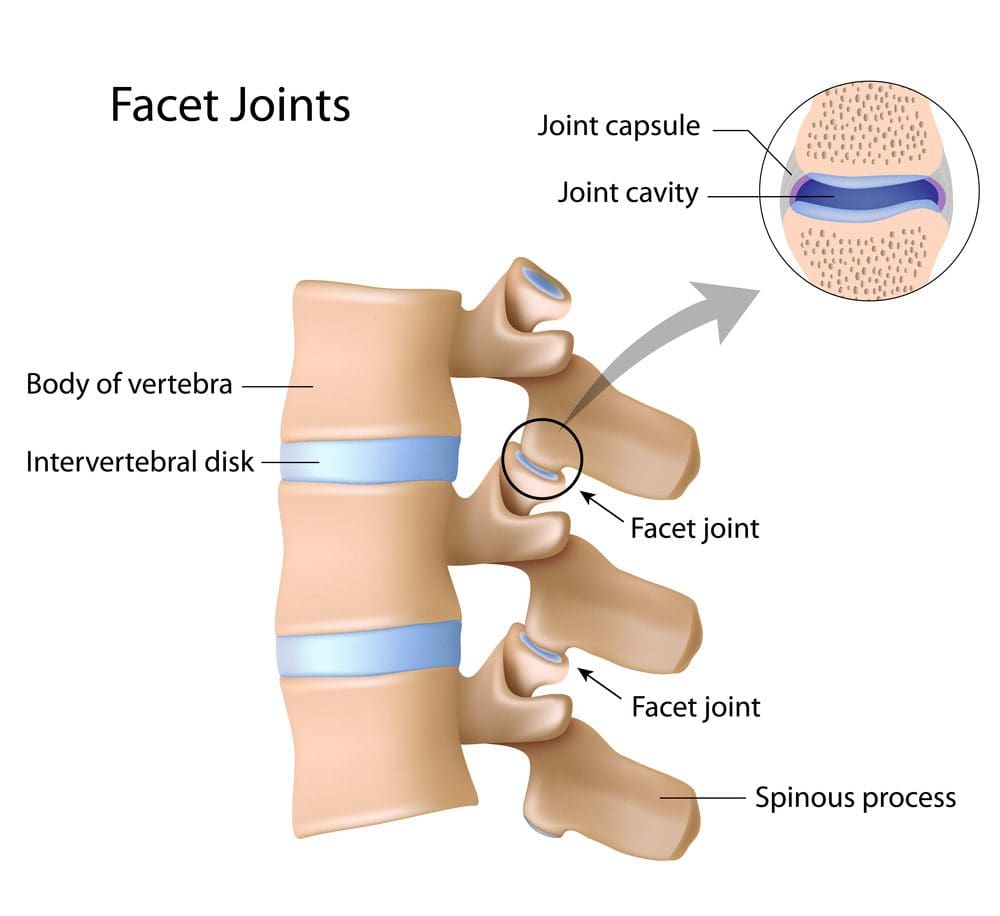
Twenty-four vertebrae form the spine, with two facet joints between each. Facet joints are small joints located at the back of each vertebra in the spine. They allow movement and stability, help maintain the alignment of the spinal bones/vertebrae, and limit excessive motion. The joints and the cushioning intervertebral disc form a three-joint complex between each vertebra.

  • The three-joint complex allows the spine to move, including bending, rotating, and extending.
  • Synovial fluid lubricates the joints so they can move.
  • The intervertebral disc provides flexibility and dissipates compressive loads.
  • The facet joints stabilize the spine by constraining rotation and bending.

Symptoms

Arthropathy refers to any disease affecting a joint, including arthritis. Osteoarthritis, also known as arthrosis, is a specific type of arthropathy. It is a non-inflammatory, degenerative arthritis. Pain is the main symptom that is typically worse in the morning when awakening, and in the evening, the pain can also get worse when twisting or bending backward. The symptoms can vary based on the part of the affected spine. Low back pain is the most common, a condition referred to as lumbar facet arthropathy because it affects the lumbar spine of the lower back. (Perolat R. et al., 2018) Common Symptoms include:

  • Muscle spasms or cramps.
  • Pain that may come in periodic flare-ups
  • Pain that worsens with standing or inactivity.
  • Dull pain on both sides of the spine.
  • Aching pain on both sides of the spine.
  • Pain in the lower back, buttocks, shoulders, or back of the skull
  • Radiating pain to the buttocks and legs.
  • Pain that improves with sitting, leaning forward, or changing positions.
  • Pins-and-needles sensations in the hands or feet.
  • Clicking sounds when moving the spine.
  • Catching sensations when moving the spine.
  • Muscle weakness.

Causes

Facet arthropathy causes progressive damage to the spine. Spinal osteoarthritis, aka spondylosis, is the most common cause, but it can also occur with a severe form of spinal arthritis known as ankylosing spondylitis. It is primarily due to age-related wear and tear, but injuries or repetitive stress on the spine can also cause it. Arthritis in the facet joints can develop due to:

  • Aging-related wear and tear
  • Disc problems
  • A previous back injury
  • Torn ligaments
  • Spinal fractures

Deterioration of facet joints can also cause bony overgrowths called osteophytes or bone spurs, which can cause radiating pain and restrict the spine’s range of motion.

Degeneration

  • The facet joints and intervertebral discs degenerate due to age-related wear and tear.
  • The cartilage in the facet joints can dry out, crack, and wear down.
  • The joint capsule and synovial membrane can inflame or tear, affecting synovial fluid production.
  • The loss of cartilage can lead to hypermobility, and the joint can stiffen over time.

Diagnosis

Imaging studies are important to the diagnosis. Several types confirm the diagnosis and also characterize the nature and severity of the condition:

  • X-rays provide a plain, black-and-white image of the spinal column.
  • CT scan composites multiple X-rays to create a three-dimensional image of the spinal column.
  • MRI uses magnetic and radio waves to generate images of soft tissues like ligaments and cartilage.

To confirm the diagnosis, a diagnostic block, which is a small amount of local anesthetic, is injected into a facet joint. The needle placement is directed either with an ultrasound or a CT scan. Facet arthroplasty is confirmed if the injection provides immediate relief (American Academy of Orthopaedic Surgeons, 2022). The healthcare provider will want to exclude other possible causes as part of the differential diagnosis. Conditions that mimic facet arthropathy include:

  • Herniated disc
  • Psoriatic arthritis
  • Reactive arthritis
  • Spinal gout
  • Spinal compression fracture

Treatment

The treatment varies based on its location and severity. Generally, conservative treatments are used before more invasive procedures are considered.

Lifestyle Changes

  • Initially, a healthcare provider may recommend rest and avoiding aggravating movements, including any activity that involves bending or twisting.
  • Activities that take the weight off the facet joint, such as sitting, leaning forward, or changing positions, may help ease the pain.
  • Patients may also be advised to adjust their sleep positions to take the pressure off facet joints.
  • Options included curling up on your side or lying on your back with the knees supported with pillows.

Medications

If a diagnostic block is used, a patient may not need medications immediately. However, as the anesthetic starts to wear off, the patient may be prescribed over-the-counter or prescription pain relievers based on the severity of the pain. These can include:

  • Analgesics like Tylenol
  • Nonsteroidal anti-inflammatory drugs like Advil or Aleve
  • Muscle relaxants like Lloresal for acute back pain
  • Antidepressants like Cymbalta for chronic back pain

Physical Therapy

Physical therapy is a major part of the treatment of lower back pain. The treatment plan will include personalized exercises to strengthen the core muscles and avoid stress on the spine. Examples include:

  • Mechanical traction and non-surgical to decompress the spine.
  • Knee-to-chest stretches, hugging your knees for 30 to 60 seconds.
  • Walking 10 to 20 minutes per day.
  • Aquatic therapy to alleviate pressure on the spine.

Surgery

If conservative measures don’t work or provide sufficient relief, a healthcare provider may recommend specialist procedures or surgeries that include:

  • Lumbar intra-articular injections deliver an anesthetic or corticosteroid into the spine for longer-lasting pain relief.
  • Sinuvertebral nerve ablation destroys spinal nerves with a strong electrical current.
  • Extracorporeal shockwave therapy ESWT delivers low- or high-energy electrical pulses to help ease pain.
  • Spinal fusion surgery involves fusing two or more vertebrae to eliminate movement and pain in the facet joints.
  • Facet rhizotomy is a surgical procedure used to sever one of the nerves supplying the facet joint.
  • Stem cell regeneration is an experimental procedure in which stem cells are harvested and injected into damaged joints to restore function.

Injury Medical Chiropractic and Functional Medicine Clinic

Injury Medical Chiropractic and Functional Medicine Clinic works with primary healthcare providers and specialists to build optimal health and wellness solutions. We focus on what works for you to relieve pain, restore function, prevent injury, and help mitigate issues through adjustments that help the body realign itself. They can also work with other medical professionals to integrate a treatment plan to resolve musculoskeletal problems.


Facet Syndrome Pain Treatment


References

Perolat, R., Kastler, A., Nicot, B., Pellat, J. M., Tahon, F., Attye, A., Heck, O., Boubagra, K., Grand, S., & Krainik, A. (2018). Facet joint syndrome: from diagnosis to interventional management. Insights into imaging, 9(5), 773–789. https://doi.org/10.1007/s13244-018-0638-x

American Academy of Orthopaedic Surgeons. (2022). Spinal injections. https://orthoinfo.aaos.org/en/treatment/spinal-injections/