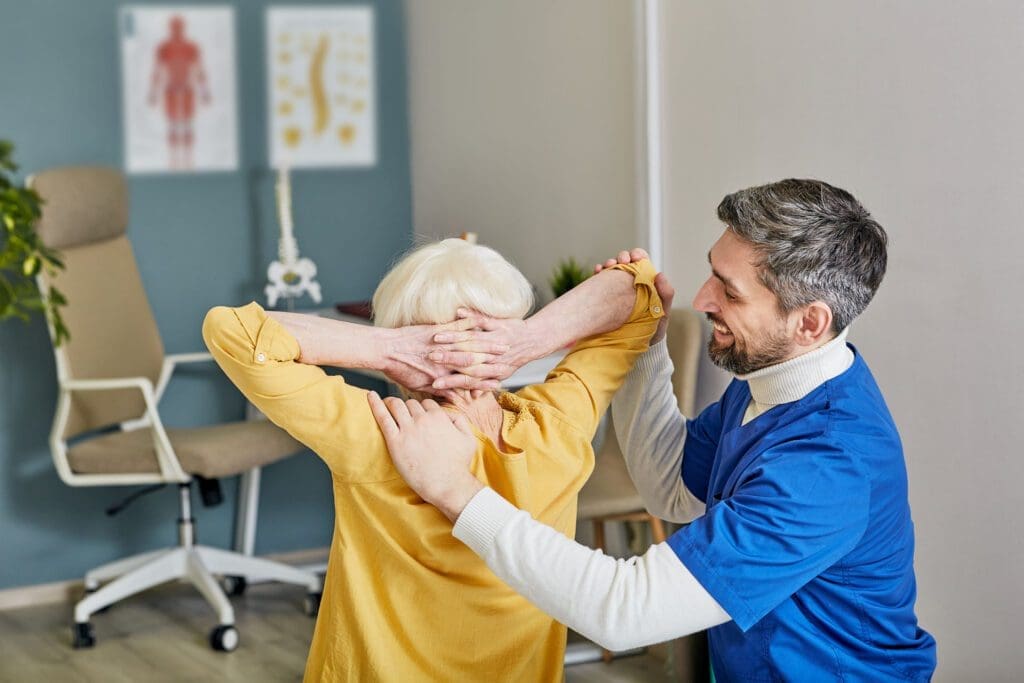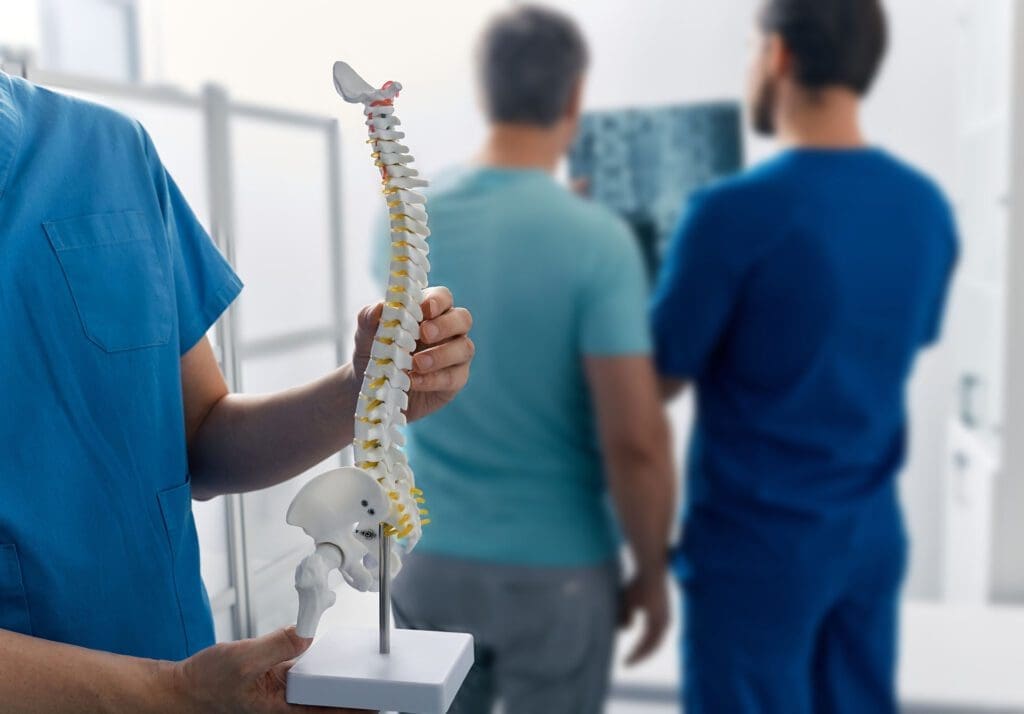
Care is the cornerstone of our practice

Give us a Call
+1 (915) 412-6680
Send us a Message
support@chiromed.com
Opening Hours
Mon-Thu: 7 AM - 7 PM
Fri - Sun: Closed

Clinical Approach Solutions to Manage Opioid Use Disorder


Unveil the clinical approach to opioid use disorder and learn about evidence-based methods for effective treatment.

Overcoming Barriers in Managing Opioid Use Disorder: Strategies for Effective Care

A lot of people today have opioid use disorder (OUD), which is a serious health problem. It falls under the larger group of substance use disorders (SUD). Treating OUD can be difficult because everyone has their own set of problems, like pain or other health issues. Doctors and other healthcare professionals must make plans that are specific to each patient. They also need to stay up to date on laws, ethics, and ways to protect patient information. The Health Insurance Portability and Accountability Act (HIPAA) of 1996 covers all patients, but those getting treatment for drug or alcohol abuse have to follow more rules.

In this tutorial, we talk about how to get around problems with OUD administration. We look at stigma, team-based approaches, ways to talk to patients, treatment that puts the patient first, and legal issues. Health care workers can help patients get better by using these methods. Keywords like “opioid use disorder management,” “overcoming stigma in OUD,” and “patient-centered care for SUD” highlight important ideas to help people understand better and find what they’re looking for.

Learning Objectives

  • Explain treatment planning methods that use patient-focused choices and proven ways to talk.
  • Name the three kinds of stigma and how they affect people with mental health issues, SUD, and especially OUD.
  • Talk about legal, ethical, and privacy concerns in caring for people with OUD.

Effective Treatment Planning with Patient-Centered Decisions

People with complex issues, like mental health problems, SUD, and pain, need special care. Each person shows up differently, so health systems are now focusing on care that puts the patient first.

Patient-centered care means building teams with doctors, patients, and families. They work together to plan, give, and check health care. This way ensures the patient’s needs are met, and their wishes, likes, and family situations are respected. It focuses on shared choices about treatments while seeing the patient as a whole person in their daily life (Dwamena et al., 2012; Bokhour et al., 2018).

Studies show key steps for a good patient-centered plan:

  • Take a full patient history and a check-up, reviewing old and new treatments.
  • Find all available drug and non-drug options.
  • Check the patient’s current health, recent changes, and patterns.
  • Look at risks for misusing or abusing opioids.

If starting opioids or if the patient is already on them, think about opioid stewardship. This means checking harms, benefits, risks, side effects, pain control, daily function, drug tests, stop plans, and ways to spot OUD. These programs, sometimes called analgesia stewardship, help manage opioids safely (Harle et al., 2019; Coffin et al., 2022). Guides exist to set them up (American Hospital Association, n.d.; Shrestha et al., 2023).

Integrative chiropractic care can play a big role here. It uses spinal adjustments and targeted exercises to get proper spinal alignment. This helps reduce pain without relying only on drugs, making it a good fit for OUD patients with pain. For example, adjustments fix spine issues that cause pain, and exercises strengthen muscles to keep alignment right.

A Nurse Practitioner (NP) adds full management and ergonomic advice. They look at work setups to prevent pain, such as how to sit or lift. NPs coordinate care by reviewing options such as therapy, meds, and lifestyle changes, ensuring everything works together.

Dr. Alexander Jimenez, DC, APRN, FNP-BC, with over 30 years in chiropractic and as a family nurse practitioner, observes that blending these methods cuts opioid use. At his El Paso clinic, he uses functional medicine to address root causes through nutrition and non-invasive treatments. He notes that poor posture from modern life worsens pain, leading to OUD risks. His teams help patients with self-massage and VR for recovery, reducing drug needs (Jimenez, n.d.a; Jimenez, n.d.b).

Evidence-Based Ways to Communicate

Good talking skills are key to building a patient-centered plan (Schaefer & Block, 2009). There are proven methods for starting conversations and getting patients involved.

One method is BATHE:

  • Background: Ask, “How have things been since your last visit?”
  • Affect: Ask, “How does this make you feel?”
  • Trouble: Ask, “What bothers you most?”
  • Handling: Ask, “How are you coping?”
  • Empathy: Say, “That sounds hard.”

This uses open questions to let patients lead and feel supported (Stuart & Lieberman, 2018; Thomas et al., 2019).

Another is GREAT:

  • Greetings/Goals: Start with hello and set aims.
  • Rapport: Build trust.
  • Evaluation/Expectation/Examination/Explanation: Check and explain.
  • Ask/Answer/Acknowledge: Listen and respond.
  • Tacit agreement/Thanks: Agree and thank.

This guide talks well (Brindley et al., 2014).

Motivational interviewing is also useful. It’s a team-style talk to boost a patient’s desire to change. Build a bond, focus on the issue, spark a desire for change, and plan steps (Frost et al., 2018).

These methods emphasize listening, clear communication, and a structured approach to planning. For OUD patients with pain or mental issues, mix techniques for the best results.

Dr. Jimenez shares that in his practice, these talks help patients see non-drug options, such as chiropractic adjustments. He finds that empathy reduces stigma and fear, encouraging openness about OUD (Jimenez, n.d.a).

Understanding Stigma in Mental Health and Substance Use Disorders

Stigma blocks good talk for many with mental health or SUD. It’s attitudes, beliefs, actions, and systems that lead to unfair views and bad treatment (Cheetham et al., 2022).

Studies show stigmas like linking mental illness to violence (Perry, 2011). Media on shootings with mentally ill people strengthens this (McGinty et al., 2014; McGinty et al., 2016; Schomerus et al., 2022). For SUD, people think they’re more dangerous than those with schizophrenia or depression (Schomerus et al., 2011). Society blames people with SUDs more and avoids them (McGinty et al., 2015; Corrigan et al., 2012).

Views come from knowledge, contact with affected people, and the media. Public ideas are tied to norms on causes, blame, and danger. Race, ethnicity, and culture shape attitudes too (Giacco et al., 2014).

Health workers have biases. A survey of VA mental health providers showed awareness of race issues but avoidance of talks, using codes like “urban,” and thinking training stops racism (McMaster et al., 2021).

There are three stigma types:

  • Structural Stigma: The ways Society and institutions keep prejudice. In health, it’s worse care, less access to behavioral health. Less funding for mental vs. physical issues (National Academies of Sciences, Engineering, and Medicine, 2016).
  • Public Stigma: General or group attitudes, like police or church norms. Laws reinforce it, like broad mental illness rules implying all are unfit (Corrigan & Shapiro, 2010).
  • Self-Stigma: When people internalize stigmas, it leads to low self-worth and shame. “Why try” affects independent living (Corrigan et al., 2009; Clement et al., 2015).

Dr. Jimenez observes that stigma makes OUD patients hide symptoms, delaying care. In his integrative work, he addresses this through education on holistic options, showing that recovery is possible without judgment (Jimenez, n.d.b).

Overcoming Stigma and Addressing Social Factors

To fight stigma, use education, behavior changes, and better care. Laws like the ADA and MHPAEA help ensure equal coverage and prevent discrimination (U.S. Congress, 2009; U.S. Congress, 2008; U.S. Department of Health and Human Services, n.d.; Busch & Barry, 2008; Haffajee et al., 2019).

These address social determinants of health (SDOH), such as coverage, access, quality, education, and stability (Centers for Disease Control and Prevention, n.d.).

Community programs help too:

  • West Virginia’s Jobs and Hope: Training, jobs, education, transport, skills, record clearing for SUD people (Jobs and Hope, n.d.).
  • Belden’s Pathway: Rehab for failed drug tests, leading to jobs (Belden, n.d.).

Education boosts provider confidence in OUD meds, reducing barriers (Adzrago et al., 2022; Hooker et al., 2023; Campbell et al., 2021).

Overcoming stigma is key to success in mental health and SUD.

Interprofessional Team Work

Teams improve outcomes for patients with chronic pain and mental health or SUD (Joypaul et al., 2019; Gauthier et al., 2019).

Teams include doctors, nurses, NPs, pharmacists, PAs, social workers, PTs, therapists, SUD experts, and case managers.

Each helps uniquely:

  • Pharmacists watch meds, spot interactions.
  • Case managers link specialists, find resources, and support families (Sortedahl et al., 2018).
  • Teams set goals, max non-opioid treatments (Liossi et al., 2019).

Integrative chiropractic care includes adjustments and exercises for alignment, easing pain naturally.

NPs give full care, ergonomic tips to avoid pain triggers, and coordinate options.

Dr. Jimenez’s clinic shows this. As a DC and FNP-BC, he leads teams with therapists, nutritionists, and coaches. He observes interprofessional work cuts opioid use by addressing the roots with functional medicine, VR, and nutrition. For OUD, he blends chiropractic care for pain, NP coordination for plans, and stigma-fighting through team support (Jimenez, n.d.a; Jimenez, n.d.b).

The Power of Chiropractic Care in Injury Rehabilitation-Video

Legal and Ethical Issues in SUD Care

Providers must know laws and ethics for mental/SUD patients, like discrimination, aid, and privacy (Center for Substance Abuse Treatment, 2000).

Key Federal laws:

  • Americans with Disabilities Act (ADA) of 1990.
  • Rehabilitation Act of 1973.
  • Workforce Investment Act of 1998.
  • Drug-Free Workplace Act of 1988.

ADA and Rehabilitation ban discrimination in government and in business services like hotels, shops, and hospitals. Protect those with impairments limiting life activities (U.S. Department of Health and Human Services, n.d.).

Provisions:

  • Protect “qualified” people who meet the requirements.
  • Reasonable accommodations for jobs.
  • No hire/retain if there is a direct threat.
  • No denial of benefits, access, or jobs in funded places.

For SUD: Alcohol users are protected if qualified, no threat. Ex-drug users in rehab are the same. Current illegal drug users are protected for health/rehab, not others. Programs can deny if used during.

Workforce Act centralizes job programs; no refusal to SUD people (U.S. Congress, 1998).

Drug-Free Act requires drug-free policies for federal funds/contracts: statements, awareness, actions on violations (U.S. Code, n.d.).

States have their own laws; check the local laws.

Public Aid laws:

  • Contract with America Act (1996): No SSI/DI if SUD key factor (U.S. Congress, 1996).
  • Adoption Act (1997): 15-month foster reunification limit (U.S. Congress, 1997).
  • Personal Responsibility Act (1996): Work after 2 years of aid, drug screens (U.S. Department of Health and Human Services, 1996).

These push work, sobriety.

Dr. Jimenez notes that legal awareness helps his practice by ensuring holistic plans comply and by reducing OUD risks through a non-drug focus (Jimenez, n.d.a).

Keeping Patient Info Private

Privacy is vital. Laws include:

  • HIPAA (1996): Protects PHI, sets use/disclosure rules (U.S. Department of Health and Human Services, n.d.).
  • 42 CFR Part 2: Extra for SUD records. No disclosure of name or status without consent. Fines for breaks. Applies to federal-aided programs (Substance Abuse and Mental Health Services Administration, n.d.).

Consent needs: program name, receiver, patient name, purpose, info type, revoke note, expire date, signature, and date.

This fights discrimination fears, encouraging treatment (Center for Substance Abuse Treatment, 2000).

Wrapping Up

As we deal with the ongoing problems of opioid use disorder (OUD), it’s clear that the best way to handle them is through a multi-faceted approach that puts the health of the patient first instead of quick fixes. Healthcare providers are essential to changing lives. They do this by supporting patient-centered decision-making and evidence-based communication, and by breaking down the three types of stigma—structural, public, and self—that make it harder for people to get better. Legal and ethical frameworks, such as HIPAA and 42 CFR Part 2 privacy protections, make sure that people who need help can get it without worrying about being treated unfairly. Interprofessional teams also help make sure that everyone receives the care they need.

Chiropractic care, which focuses on spinal adjustments and specific exercises to help with proper alignment, is a non-invasive way to ease pain and cut down on the need for opioids. Nurse Practitioners (NPs) improve this by offering comprehensive care, ergonomic advice to avoid injury, and the coordination of various treatment options, including therapy and lifestyle changes. Dr. Alexander Jimenez, DC, APRN, FNP-BC, stresses in his clinical practice that these integrative methods not only help with physical symptoms but also give patients the tools they need to make educated decisions and follow personalized plans. This leads to long-term recovery and less use of opioids (Jimenez, n.d.a; Jimenez, n.d.b).

Recent developments in OUD treatment as of 2025 indicate a transition towards more individualized and accessible alternatives. For example:

  • FDA-approved drugs like methadone, buprenorphine, and naltrexone are still the mainstays of treatment for OUD. They help reduce cravings and withdrawal symptoms while also assisting people to stay stable over the long term.
  • Precision medicine goes beyond one-size-fits-all approaches by tailoring treatments to each person’s genetic, psychological, and social factors. This should lead to better results.
  • New Guideline: The World Health Organization’s 2025 updates emphasize the importance of psychosocial support alongside drug treatments. They also focus on preventing overdoses in the community and making care more widely available.
  • Declining Trends: The number of deaths involving opioids dropped for the first time in 2023 since 2018, which is a good sign that ongoing efforts in policy, education, and treatment are having an effect.

We can create a future where OUD is not a life sentence but a condition that can be managed by combining these new ideas with reducing stigma and working together to care for people. Healthcare professionals, communities, and policymakers must continue to push for fair access to care so that everyone gets the compassionate, evidence-based help they need. In the end, overcoming the obstacles to managing OUD isn’t just about treatment; it’s also about restoring hope, respect, and a better quality of life.

References

Pain Management Explained for Opioid Therapy in a Clinical Approach


Understand the role of opioid therapy in a clinical approach to pain management and its impact on treatment strategies.

Key Points on Safe Pain Management with Opioids

  • Pain Affects Many People: Research suggests that about 100 million adults in the U.S. deal with pain, and this number might grow due to aging, more health issues like diabetes, and better survival from injuries. It’s important to address pain early to prevent it from becoming long-term (Institute of Medicine, 2011).
  • Non-Opioid Options First: Evidence leans toward starting with treatments like exercise, therapy, or over-the-counter meds before opioids, as they can be just as effective for common pains like backaches or headaches, with fewer risks (National Academies of Sciences, Engineering, and Medicine, 2019).
  • Team-Based Care Works Best: Studies show teams of doctors, nurses, and therapists can improve pain relief and daily life, though results vary. This approach seems likely to help more than solo care, especially for ongoing pain (Gauthier et al., 2019).
  • Opioids When Needed, But Carefully: Guidelines recommend low doses, short times, and regular check-ins to balance relief with risks like addiction. It’s complex, so talk openly with your doctor (Centers for Disease Control and Prevention, 2022).
  • Alternatives Like Chiropractic and NP Support: Integrative methods, such as chiropractic adjustments for spine alignment and ergonomic tips from nurse practitioners, can reduce reliance on meds. Clinical observations from experts like Dr. Alexander Jimenez highlight non-invasive approaches to managing pain effectively.

Understanding Pain Types

Pain can be short-term (acute), medium-term (subacute), or long-lasting (chronic). Acute pain often lasts less than three months and comes from injuries. If not treated well, it might turn chronic, affecting daily activities. Always respect someone’s pain experience—it’s personal and influenced by life factors (Raja et al., 2020).

Assessing Pain Simply

Doctors use tools like questions about when pain started, what makes it worse, and how it feels. Scales help rate it, from numbers (0-10) to faces showing discomfort. For kids or elders, special tools watch for signs like faster heartbeats (Wong-Baker FACES Foundation, 2022).

Treatment Basics

Start with non-drug options like rest, ice, or physical therapy. For chronic pain, meds like acetaminophen or therapies like yoga help. Opioids are for severe cases but come with risks—use them wisely (Agency for Healthcare Research and Quality, n.d.).

Role of Experts

According to clinical observations by Dr. Alexander Jimenez, DC, APRN, FNP-BC, who runs a multidisciplinary practice in El Paso, Texas (https://dralexjimenez.com/), combining chiropractic care with exercises targets root causes, such as misaligned spines, reducing opioid needs. As a nurse practitioner, he coordinates care and offers ergonomic advice to prevent pain from daily habits (LinkedIn Profile).


Comprehensive Guide to Safe and Effective Pain Management Using Opioid Therapy

Pain is a common problem that affects millions of people and can affect everything from work to hobbies. It’s important to find safe ways to deal with pain, whether it’s coming from an injury that happened suddenly or one that keeps coming back. This detailed guide goes over how to assess pain, the different treatment options available, and how to use opioids safely. We’ll talk about alternatives to opioids, team-based care, and advice from experts like Dr. Alexander Jimenez, who stresses the importance of a whole-person approach. There are words like “pain management strategies,” “opioid therapy guidelines,” and “non-opioid pain relief” that are mixed in to help you find good information online.

Introduction to Pain in America

The Institute of Medicine estimates that around 100 million American adults face acute or chronic pain daily. This number is expected to climb due to an aging population, rising rates of conditions like diabetes, heart disease, arthritis, and cancer, plus better survival from serious injuries and more surgeries that can lead to post-op pain (Institute of Medicine, 2011).

As people learn more about pain relief options and gain better access through laws like the Affordable Care Act (ACA), more folks—especially older ones—seek help. Passed in 2010, the ACA requires insurers to cover essential pain management benefits, including prescription drugs, chronic disease care, mental health support, and emergency services (111th Congress, 2009-2010). To use these effectively, healthcare providers need a solid grasp of pain assessment, classification, and treatment.

What Is Pain?

The International Association for the Study of Pain defines it as an unpleasant feeling associated with real or potential tissue damage. It’s subjective, shaped by biology, emotions, and social life. People learn about pain through experiences—some seek help right away, others try home remedies first. Respect their stories (Raja et al., 2020).

Pain falls into three main types, though definitions overlap:

  • Acute Pain: Lasts less than 3 months, or 1 day to 12 weeks; often limits daily activities for a month or less.
  • Subacute Pain: Sometimes seen as part of acute, or separate; lasts 1-3 months, or 6-12 weeks.
  • Chronic Pain: Persists over 3 months, or limits activities for more than 12 weeks (Banerjee & Argáez, 2019).

Poorly managed short-term pain can become chronic, so early action is important (Marin et al., 2017).

Assessing Pain Thoroughly

Pain is complex, influenced by body, mind, and environment. A full check includes history, physical exam, pain details, other health issues, and mental states like anxiety.

Basic pain evaluation covers:

  • When it started (date/time).
  • What caused it (injury?).
  • How does it feel (sharp, dull?)?
  • How bad it is.
  • Where is it?
  • How long does it last?
  • What worsens it (moving?).
  • What helps it?
  • Related signs (swelling?).
  • Impact on daily life.

Mnemonics help remember these. Here’s a table comparing common ones:

MnemonicBreakdown
COLDERRACharacteristics, Onset, Location, Duration, Exacerbation, Radiation, Relief, Associated signs
OLDCARTOnset, Location, Duration, Characterization, Aggravating factors, Radiation, Treatment
PQRSTProvoked, Quality, Region/Radiation, Severity, Timing

Pain scales provide information but aren’t diagnoses because they’re subjective. Single-dimensional ones focus on intensity:

  • Verbal: Mild, moderate, severe.
  • Numeric: 0 (none) to 10 (worst).
  • Visual: Like Wong-Baker FACES®, using faces for kids, adults, or those with barriers (Wong-Baker FACES Foundation, 2022). An emoji version works for surgery patients (Li et al., 2023).

Multi-dimensional scales check intensity plus life impact. The McGill Pain Questionnaire uses words like “dull” to rate sensory, emotional, and overall effects; shorter versions exist (Melzack, 1975; Main, 2016). For nerve pain, PainDETECT helps (König et al., 2021). Brief Pain Inventory scores severity and interference with mood/life (Poquet & Lin, 2016).

For babies, watch heart rate, oxygen, and breathing. Tools like CRIES rate crying, oxygen need, vitals, expression, sleep (Castagno et al., 2022). FLACC for ages 2 months-7 years checks face, legs, activity, cry, consolability (Crellin et al., 2015). Older kids use Varni-Thompson or draw pain maps (Sawyer et al., 2004; Jacob et al., 2014).

Elders face barriers like hearing loss or dementia. PAINAD assesses breathing, sounds, face, body, and consolability on a 0-10 scale (Malara et al., 2016).

The Joint Commission sets standards across various settings, which affect tool choice (The Joint Commission, n.d.).

Building Treatment Plans

Plans depend on pain type, cause, severity, and patient traits. For acute: meds, distraction, psych therapies, rest, heat/ice, massage, activity, meditation, stimulation, blocks, injections (National Academies of Sciences, Engineering, and Medicine, 2019).

Re-check ongoing acute pain to avoid chronic shift. Goals: control pain, prevent long-term opioids. Barriers: access to docs/pharmacies, costs, follow-ups.

For chronic: meds, anesthesia, surgery, psych, rehab, CAM. Non-opioids include:

  • Oral Meds:
    • Acetaminophen.
    • NSAIDs (celecoxib, etc.).
    • Antidepressants (SNRIs like duloxetine; TCAs like amitriptyline).
    • Anticonvulsants (gabapentin, etc.).
    • Muscle relaxers (cyclobenzaprine).
    • Memantine.
  • Topical: Diclofenac, capsaicin, lidocaine.
  • Cannabis: Medical (inhaled/oral/topical); phytocannabinoids (THC/CBD); synthetics (dronabinol) (Agency for Healthcare Research and Quality, n.d.).

Opioid use has risen, raising concerns (National Academies of Sciences, Engineering, and Medicine, 2019).

Key plan elements:

  • Quick recognition/treatment.
  • Address barriers.
  • Involve patients/families.
  • Reassess/adjust.
  • Coordinate transitions.
  • Monitor processes/outcomes.
  • Assess outpatient failure risk.
  • Check opioid misuse (Wells et al., 2008; Society of Hospital Medicine, n.d.).

Team Approach to Pain

Studies support the use of interprofessional teams for better results (Gauthier et al., 2019). Teams include docs, nurses, NPs, pharmacists, PAs, social workers, PTs, behavioral therapists, and abuse experts.

A 2017 report showed that teams improved pain/function from baseline, though not always compared with controls (Banerjee & Argáez, 2017). A meta-analysis found that teams were better at reducing pain after 1 month and sustained benefits at 12 months (Liossi et al., 2019).

Integrative chiropractic care fits here. It involves spinal adjustments—gentle manipulations to correct misalignments—and targeted exercises, such as core strengthening, to maintain alignment and reduce pressure on nerves/muscles. Dr. Alexander Jimenez observes that this helps sciatica/back pain without opioids, using tools like decompression (dralexjimenez.com).

Nurse Practitioners (NPs) provide comprehensive management, including ergonomic advice (e.g., better sitting postures) to prevent strain. They coordinate by reviewing options, referring to specialists, and overseeing plans, as seen in Dr. Jimenez’s practice, where his FNP-BC role includes telemedicine for holistic care (LinkedIn, n.d.).


Beyond Adjustments: Chiropractic and Integrative Healthcare- Video


Managing Opioids Safely

CDC’s 2022 guidelines cover starting opioids, dosing, duration, and risks (Centers for Disease Control and Prevention, 2022).

1. Starting Opioids:

Maximize non-opioids first—they match opioids for many acute pains (back, neck, etc.). Discuss benefits/risks (Recommendation 1, Category B, Type 3).

Evaluate/confirm diagnosis. Non-drug examples:

  • Back: Exercise, PT.
  • Low back: Psych, manipulation, laser, massage, yoga, acupuncture.
  • Knee OA: Exercise, weight loss.
  • Hip OA: Exercise, manuals.
  • Neck: Yoga, massage, acupuncture.
  • Fibromyalgia: Exercise, CBT, massage, tai chi.
  • Tension headache: Manipulation.

Review labels, use the lowest dose/shortest time. Set goals, exit strategy. For ongoing, optimize non-opioids (Recommendation 2, A, 2).

2. Choosing/Dosing Opioids:

Immediate-release (hydromorphone, etc.) over ER/LA (methadone, etc.). Studies show no edge for ER/LA; avoid for acute/intermittent (Recommendation 3, A, 4).

No rigid thresholds—guideposts. Risks rise with dose; avoid high if benefits dim (Recommendation 4, A, 3).

Taper slowly to avoid withdrawal (anxiety, etc.). Collaborate on plans; use Teams. If there is disagreement, empathize and avoid abandonment (Recommendation 5, B, 4).

3. Duration/Follow-Up:

For acute, prescribe just enough—often 3 days or less. Evaluate every 2 weeks. Taper if used for days. Avoid unintended long-term (Recommendation 6, A, 4).

Follow-up 1-4 weeks after start/escalation; closer for high-risk (Recommendation 7, A, 4).

4. Risks/Harms:

Screen for SUD/OUD. Offer naloxone for overdose risk (Recommendation 8, A, 4).

Check PDMPs for scripts/combos (Recommendation 9, B, 4).

Toxicology tests are performed annually to assess interactions (Recommendation 10, B, 4).

Caution with benzodiazepines (Recommendation 11, B, 3).

For OUD, use DSM-5 (2+ criteria/year); offer meds like buprenorphine (Recommendation 12, A, 1) (Hasin et al., 2013; American Psychiatric Association, 2013).

OUD signs: Larger amounts, failed cuts, time spent, cravings, role failures, social issues, activity loss, hazardous use, continued despite problems, tolerance, withdrawal.

Treatment: Meds, counseling, groups. Coordinate with specialists.

Conclusion

In conclusion, you don’t have to rely only on opioids to manage pain well. We can help millions of people live better lives by putting non-opioid options first, like acetaminophen, physical therapy, or mindfulness, and only using opioids when necessary and with close monitoring. Doctors, nurses, pharmacists, and specialists like chiropractors work together in teams to make plans that are right for each person. This lowers the risk of things like addiction. Integrative chiropractic care, which focuses on spinal adjustments and specific exercises, is a big part of getting your body back in line and relieving pain naturally, which often means you don’t need to take medicine. Nurse practitioners are valuable because they provide comprehensive management, ergonomic advice to prevent problems, and coordination of treatments for better overall results.

Experts like Dr. Alexander Jimenez explain how these methods promote long-term health by treating the root causes with functional medicine and non-invasive procedures. The future looks better for safer pain relief as new technologies and drugs that don’t contain opioids are approved by the FDA. In the end, getting patients involved in decisions and keeping them up to date gives everyone the tools they need to manage pain directly, which improves daily tasks and overall health. Talk to your doctor to find out what works best for you. Early assessment and balanced care are important.


References

ChiroMed’s Adaptive Exercises for Senior Health

ChiroMed's Adaptive Exercises for Senior Health

Best Exercises for Seniors at ChiroMed – Integrated Medicine

At ChiroMed – Integrated Medicine in El Paso, TX, we believe that staying active is key to a healthy, independent life, especially for seniors or those with limited mobility. Our integrative approach combines chiropractic care, nurse practitioner services, and complementary therapies like acupuncture and massage to create personalized, low-impact exercise plans. These exercises are designed to improve flexibility, balance, and strength while supporting spinal health, managing pain, and reducing fall risks. Led by Dr. Alexander Jimenez, DC, APRN, FNP-BC, our team uses advanced diagnostic tools and holistic methods to help patients recover from injuries and enhance their well-being. This article examines the most effective exercises for seniors, specifically designed to complement ChiroMed’s integrative care model.

Why Choose ChiroMed for Integrative Care?

Located in the heart of El Paso, ChiroMed – Integrated Medicine offers a unique blend of chiropractic adjustments, naturopathy, rehabilitation, nutrition counseling, and acupuncture. Our mission is to address the root causes of health issues, not just the symptoms, through patient-centered care (ChiroMed, 2025). For seniors or those with limited mobility, our team creates customized treatment plans that integrate gentle exercises with spinal adjustments to promote natural healing and long-term wellness.

Dr. Alexander Jimenez, a board-certified chiropractor and family nurse practitioner, brings a dual-scope approach to care. With expertise in treating injuries from work, sports, personal incidents, and motor vehicle accidents (MVAs), he uses advanced neuromusculoskeletal imaging, such as X-rays and MRIs, to diagnose conditions accurately (Jimenez, 2025). This allows ChiroMed to design exercise programs that align with chiropractic adjustments, ensuring safe and effective outcomes for seniors.

The Importance of Low-Impact, Adaptive Exercises

Low-impact exercises are ideal for seniors because they minimize stress on joints and muscles while improving strength, flexibility, and balance. These movements are especially helpful for those with arthritis, osteoporosis, or post-injury limitations, as they reduce the risk of further injury (Atlas Senior Living, 2024). At ChiroMed, our adaptive exercises are modified to suit individual abilities, making them accessible to patients who use walkers, wheelchairs, or other mobility aids (Live2BHealthy, 2024). These exercises support our chiropractic adjustments by enhancing spinal alignment, reducing pain, and improving mobility.

Dr. Jimenez’s clinical approach emphasizes personalized care. For example, patients recovering from MVAs may have soft tissue damage or spinal misalignments, which are assessed using diagnostic tools and treated with tailored exercises, adjustments, and therapies like massage or acupuncture (Jimenez, 2025). This holistic method ensures that seniors can stay active while addressing their specific health challenges.

Top Exercises at ChiroMed for Seniors

ChiroMed’s exercise programs are designed to complement our integrative care model. Below are some of the best low-impact, adaptive exercises we recommend for seniors or those with limited mobility, all tailored to support chiropractic treatment and overall health.

1. Chair-Based Exercises

Chair exercises are safe and effective for seniors with balance issues or mobility limitations. Performed seated, these movements improve strength, flexibility, and circulation while reducing fall risks (BLHC, 2023).

  • Seated Marches: Sit in a sturdy chair with feet flat on the floor. Lift one knee toward your chest, then lower it, alternating legs like marching. Do 10–15 repetitions per leg. This strengthens leg muscles and supports hip alignment, complementing pelvic adjustments at ChiroMed (Comfort Keepers, 2024).
  • Seated Leg Extensions: Extend one leg straight out, hold for 3–5 seconds, then lower slowly. Repeat 10 times per leg. This builds quadriceps strength, aiding knee stability and mobility (Lakehouse Three Rivers, 2024).
  • Arm Raises: Hold light weights or water bottles, raise arms to shoulder level, and lower slowly. Perform 10–12 repetitions. This improves shoulder mobility and supports upper spine health, aligning with ChiroMed’s thoracic adjustments (Olive Elder Care, 2025).

2. Stretching Exercises

Stretching keeps muscles and joints flexible, reduces tension, and enhances circulation, supporting ChiroMed’s chiropractic adjustments (Eaton Chiropractic, 2024).

  • Neck Tilts: Gently tilt your head to one side, bringing your ear toward your shoulder, and hold for 10–15 seconds. Repeat on the other side. This relieves cervical spine tension, a focus of ChiroMed’s adjustments (Care Indeed, 2024).
  • Shoulder Shrugs: Lift your shoulders toward your ears, hold for 3 seconds, then release. Repeat 10 times. This loosens the upper back, reducing strain on the thoracic spine (Village Green Retirement, 2024).
  • Ankle Circles: Lift one foot slightly and rotate your ankle in circles, 10 times each direction. This improves ankle mobility, supporting lower body stability (McCarthy & Stone, 2024).

3. Core Strengthening Exercises

A strong core supports the spine, reduces misalignment risks, and enhances posture, all key goals of ChiroMed’s chiropractic care (Erie Chiropractic, 2024).

  • Seated Cat-Cow Stretch: Sit upright, arch your back slightly while lifting your chest (cow), then round your back while tucking your chin (cat). Repeat 8–10 times. This enhances spinal flexibility, supporting lumbar adjustments (Elevate to Life, 2024).
  • Pelvic Tilts: Sit or lie down, tighten your abdominal muscles, and tilt your pelvis upward. Hold for 5 seconds, repeat 10 times. This strengthens the lower back, aligning with ChiroMed’s spinal health focus (Best Grand Rapids Chiropractor, 2024).
  • Seated Crunches: Cross your arms over your chest, engage your core, and lean forward slightly, then return upright. Do 10–15 repetitions. This builds core strength safely (Olive Elder Care, 2025).

4. Balance Exercises

Balance exercises are vital for preventing falls, a major concern for seniors. At ChiroMed, these movements are integrated with chiropractic care to improve coordination and stability (Rush Chiropractic, 2024).

  • Heel-to-Toe Walking: Hold onto a wall or chair for support and walk by placing one foot directly in front of the other, heel touching toe. Take 10–15 steps. This strengthens leg muscles and improves balance (Village Green Retirement, 2024).
  • Single-Leg Stand: Hold a chair, lift one foot slightly, and maintain the position for 10–20 seconds. Switch sides. This enhances ankle stability, supporting ChiroMed’s lower body adjustments (McCarthy & Stone, 2024).
  • Chair Squats: Stand in front of a chair, lower your body as if sitting, then stand up without fully sitting. Repeat 8–10 times. This strengthens legs and core, aiding posture (Peregrine Crossgate, 2024).

5. Water-Based Exercises

Aquatic exercises, recommended by ChiroMed, use water’s buoyancy to reduce joint stress while building strength and mobility (Live2BHealthy, 2024).

  • Water Walking: Walk in waist-deep water for 10–15 minutes, swinging arms naturally. This boosts cardiovascular health and leg strength, supporting overall mobility (Atlas Senior Living, 2024).
  • Aquatic Arm Lifts: In chest-deep water, raise arms to shoulder level, then lower slowly. Repeat 10–12 times. This strengthens the upper body, complementing shoulder adjustments (Lakehouse Three Rivers, 2024).
  • Leg Swings: Hold the pool edge and swing one leg forward and backward gently, 10 times per leg. This improves hip mobility, aligning with pelvic adjustments (Cordia Westmont, 2024).

6. Tai Chi and Yoga

ChiroMed incorporates mind-body exercises like Tai Chi and yoga to promote balance, flexibility, and relaxation, enhancing chiropractic outcomes (Baxter Senior Living, 2023).

  • Chair Yoga: Sit in a chair, inhale while raising arms overhead, exhale while twisting gently to one side. Hold for 10 seconds, switch sides. This improves spinal flexibility (Health with Nargis, 2025).
  • Tai Chi Flow: Perform slow movements like “wave hands like clouds” for 10 minutes. This enhances balance and coordination, supporting neuromusculoskeletal health (Be On The Move, 2025).
  • Seated Sun Salutations: Modify sun salutations with seated arm and torso movements. Repeat 5–8 cycles. This boosts flexibility and circulation (Life in Lines, 2024).

Dr. Alexander Jimenez’s Expertise at ChiroMed

Dr. Alexander Jimenez leads ChiroMed with a dual-scope approach, combining chiropractic and nurse practitioner expertise. His clinic specializes in treating injuries from work, sports, personal incidents, and MVAs, using advanced imaging like MRIs and CT scans to diagnose conditions accurately (Jimenez, 2025). For seniors, this means tailored exercise plans that address specific limitations, such as arthritis or post-injury mobility issues, while promoting natural healing.

In MVA cases, Dr. Jimenez’s team provides comprehensive medical care and legal documentation, ensuring accurate records for insurance or legal needs. For example, they assess soft tissue injuries, spinal misalignments, and neurological impacts, then create plans with exercises, adjustments, and therapies like massage or acupuncture (Dallas Accident and Injury Rehab, 2024). At ChiroMed, massage therapy relaxes muscles before adjustments, while acupuncture reduces inflammation, enhancing exercise effectiveness (Integra Health, 2024).

Benefits of ChiroMed’s Exercise Programs

ChiroMed’s integrative exercise programs offer numerous benefits for seniors:

  • Enhanced Spinal Health: Exercises like cat-cow stretches support spinal flexibility and alignment, reinforcing adjustments (Elevate to Life, 2024).
  • Pain Relief: Low-impact movements reduce joint and muscle pain, especially for arthritis, by improving circulation (Chiro Health KC, 2024).
  • Fall Prevention: Balance exercises like single-leg stands strengthen stabilizing muscles, reducing fall risks (Fall Prevention Foundation, 2024).
  • Improved Strength and Flexibility: Stretching and strength exercises maintain muscle mass and joint mobility, supporting daily activities (Comfort Keepers, 2024).
  • Better Mental Health: Mind-body exercises like Tai Chi release endorphins, reducing stress and boosting mood (Baxter Senior Living, 2023).

Safety Tips at ChiroMed

Before starting exercises, ChiroMed conducts thorough assessments to ensure safety, especially for seniors with chronic conditions or recent injuries. Dr. Jimenez’s diagnostic approach customizes plans to avoid overexertion (Jimenez, 2025). Safety tips include:

  • Use supportive equipment like chairs or pool railings.
  • Start with short sessions (5–10 minutes) and increase gradually.
  • Stop if pain occurs and consult ChiroMed’s team.
  • Exercise in a well-lit, stable environment with non-slip shoes (Baxter Senior Living, 2023).

Conclusion

ChiroMed – Integrated Medicine in El Paso, TX, offers seniors and those with limited mobility a holistic path to better health through low-impact, adaptive exercises. Under Dr. Alexander Jimenez’s leadership, our integrative approach combines chiropractic adjustments, personalized exercises, and therapies like massage and acupuncture to support spinal health, manage pain, and prevent falls. By addressing injury causes with advanced diagnostics and tailored care, ChiroMed helps patients stay active and independent. Visit us at ChiroMed to experience personalized, holistic care that prioritizes your well-being.

References

Atlas Senior Living. (2024, February 21). What safe and accessible exercises benefit seniors with restricted mobility?

Baxter Senior Living. (2023, September 17). Exercise routines for senior adults with limited mobility.

Best Grand Rapids Chiropractor. (2024). Corrective exercises for chiropractic patients.

BLHC. (2023). Home care: The best exercises for seniors who have limited mobility.

Chiro Health KC. (2024). Age 55 or over? See your chiropractor for exercise options.

Chirocare Fairlawn. (2024). Therapeutic exercises.

ChiroMed. (2025). Integrated Medicine Holistic Healthcare in El Paso, TX.

Comfort Keepers. (2024). Exercise for seniors with limited abilities.

Cordia Westmont. (2024). Beginner-friendly low-impact exercises for seniors.

Dallas Accident and Injury Rehab. (2024). The role of chiropractic care in older adults.

Eaton Chiropractic. (2024). 8 stretching & balancing exercises for older adults.

Elevate to Life. (2024). Top 7 exercises to support your chiropractic treatment.

Erie Chiropractic. (2024). The role of exercise in maintaining chiropractic adjustments.

Fall Prevention Foundation. (2024). Chair exercises for seniors with limited mobility: A comprehensive guide.

Health with Nargis. (2025, February 2). 10 best low-impact exercises for seniors over 60.

Integra Health. (2024). Chiropractic for ankle pain.

Jimenez, A. (2025). Clinical observations and treatment approaches.

Lakehouse Three Rivers. (2024). Effective low-impact exercises for seniors to boost mobility.

Live2BHealthy. (2024). Adaptive fitness: Exercise modifications for seniors with mobility issues.

McCarthy & Stone. (2024). Balance exercises for seniors at home.

Peregrine Crossgate. (2024). The best exercises for seniors to stay fit & active.

Rush Chiropractic. (2024). Safe and effective exercise for seniors under chiropractic care.

Team Chiro. (2024). Chiropractic care for seniors.

The Joint Chiropractic. (2024, March 20). Chiropractic care for those with limited mobility.

UNC Health Talk. (2024). How to exercise with limited mobility.

Village Green Retirement. (2024). Low-impact exercises for seniors.

The Essential Role of Sleep in Motor Vehicle Accident Recovery

Recovering from a motor vehicle accident (MVA) is a complex process that involves physical healing, emotional recovery, and lifestyle adjustments. One of the most critical yet often overlooked components of this journey is adequate sleep. Sleep is vital for the body’s natural healing processes, as it helps repair tissues, manage pain, and reduce stress. Without proper rest, recovery can be delayed, and the risk of long-term health complications increases. This article examines the role of sleep in supporting recovery, the effects of sleep deprivation, and how integrative care, led by experts such as Dr. Alexander Jimenez, can improve healing outcomes for MVA patients.

Sleep: The Foundation of Healing

Sleep is more than just a time to rest—it’s when the body does some of its most important repair work. During deep sleep stages, the body releases growth hormones that help rebuild damaged tissues, such as muscles and ligaments injured in an MVA (OrthoCarolina, 2023). The immune system also gets a boost, fighting off inflammation and potential infections that can slow recovery (Tyson Mutrux, 2023). For individuals recovering from whiplash or a back injury, this process is crucial for reducing swelling and regaining strength.

Beyond physical repair, sleep plays a big role in managing pain and stress. Accidents often cause both physical discomfort and emotional strain, which can disrupt sleep patterns. Quality sleep helps lower the body’s sensitivity to pain by reducing stress hormones, such as cortisol (Daniel Stark, 2023). It also promotes mental clarity, assisting patients to cope with the anxiety or trauma that may follow a crash. By prioritizing sleep, individuals can break the cycle of pain and sleeplessness, creating a smoother path to recovery.

Sleep deprivation, however, can derail these processes. Without sufficient rest, tissue repair slows, inflammation persists, and the immune system becomes weakened, thereby increasing the risk of chronic pain or illness (Complete Care, 2023). Lack of sleep can also impair decision-making and focus, making it harder to follow treatment plans or manage daily tasks (Tennessee Injury Attorney, 2023). For MVA survivors, getting consistent, quality sleep is a key step toward healing.

References

Dr. Alexander Jimenez: Expertise in MVA Care

In El Paso, Texas, Dr. Alexander Jimenez, a licensed chiropractor and family nurse practitioner, brings a unique approach to treating MVA injuries. With over 25 years of experience, he combines chiropractic techniques with medical expertise to address the full scope of a patient’s condition (Jimenez, 2023a). His dual training allows him to diagnose and treat injuries with precision, using both hands-on care and advanced medical assessments.

Dr. Jimenez emphasizes the connection between sleep and recovery in his practice. He observes that patients who prioritize rest often experience faster healing and less pain compared to those with disrupted sleep (Jimenez, 2023b). His treatment plans integrate sleep hygiene advice, recognizing its role in supporting tissue repair and stress management. For example, a patient with a spinal injury might receive guidance on creating a restful environment alongside chiropractic adjustments to maximize recovery.

His approach includes advanced diagnostic tools, such as X-rays, MRIs, and functional lab testing, to identify the exact nature of injuries, including herniated discs or soft tissue damage (Jimenez, 2023c). These tools help him create tailored treatment plans that address the root causes of pain and dysfunction. Additionally, his nurse practitioner training enables him to handle legal documentation, providing detailed reports for insurance claims or personal injury cases, which reduces stress for patients navigating the aftermath of an accident (Jimenez, 2023d).

References

Integrative Medicine for Holistic Recovery

Integrative medicine combines conventional and alternative therapies to treat the whole person, not just the injury. In the context of MVA recovery, this approach is highly effective. Chiropractic care, a cornerstone of Dr. Jimenez’s practice, utilizes spinal adjustments to correct misalignments caused by accidents, thereby relieving pain and enhancing mobility (Jimenez, 2023e). For example, a patient with whiplash might benefit from adjustments that restore neck alignment, reducing stiffness and discomfort.

Beyond chiropractic care, integrative medicine includes nutrition counseling, exercise plans, and stress management techniques. An anti-inflammatory diet can help reduce swelling in injured tissues, while targeted exercises strengthen supporting muscles (Jimenez, 2023f). These therapies work together to address the root causes of pain, such as inflammation or poor posture, rather than just masking symptoms with medication. This holistic approach also supports better sleep, which is critical for healing.

Dr. Jimenez’s use of advanced imaging ensures accurate diagnoses, allowing for precise treatment plans (Jimenez, 2023g). His ability to collaborate with other healthcare providers creates a seamless care experience, addressing both physical and emotional aspects of recovery. Patients often report improved energy, reduced pain, and better overall health, highlighting the effectiveness of this approach (Jimenez, 2023h).

References

The Consequences of Sleep Deprivation

Lack of sleep after an MVA can have serious consequences. Sleep deprivation slows tissue repair, prolongs inflammation, and weakens the immune system, increasing the risk of chronic pain or infections (Walker Center, 2023). It can also worsen mental health, leading to anxiety, depression, or difficulty concentrating, which complicates recovery (JSW Law Offices, 2023). For example, a patient struggling with insomnia after a crash might experience heightened pain sensitivity, making physical therapy less effective.

Sleep problems can also affect daily life, impairing decision-making and increasing the risk of mistakes or accidents (Tennessee Injury Attorney, 2023). Dr. Jimenez often incorporates sleep strategies into his treatment plans, such as recommending consistent sleep schedules or relaxation techniques, to help patients avoid these setbacks (Jimenez, 2023a). By addressing sleep issues early, patients can stay on track for a full recovery.

References

Conclusion: Sleep as a Healing Powerhouse

Adequate sleep is a cornerstone of recovery from a motor vehicle accident. It supports tissue repair, boosts the immune system, and helps manage pain and stress, all of which are essential for healing (Walker Center, 2023). Without enough rest, recovery can stall, and the risk of chronic health issues grows (JSW Law Offices, 2023). By prioritizing sleep, patients can enhance their body’s natural ability to heal and improve their overall well-being.

Dr. Alexander Jimenez’s integrative approach, combining chiropractic care, advanced diagnostics, and holistic therapies, maximizes recovery outcomes. His expertise in both medical and legal aspects of MVA care ensures patients receive comprehensive support, from personalized treatment plans to accurate documentation for claims (Jimenez, 2023f). By addressing the root causes of injuries and promoting healthy sleep habits, this approach enables patients to recover more quickly and lead more nutritious lives.

References

Complete Care. (2023). Fatigue after accident. Retrieved from https://www.complete-care.com/blog/fatigue-after-accident/

Daniel Stark. (2023). The vital role of sleep in injury recovery. Retrieved from https://www.danielstark.com/blog/the-vital-role-of-sleep-in-injury-recovery/

Jimenez, A. (2023a). Clinical observations on MVA recovery. Retrieved from https://dralexjimenez.com/

Jimenez, A. (2023b). Professional profile. Retrieved from https://www.linkedin.com/in/dralexjimenez/

Jimenez, A. (2023c). WhatsApp channel updates. Retrieved from https://www.whatsapp.com/channel/0029VaLL6qY3rZZiMGQ0S32u/364

Jimenez, A. (2023d). Facebook reel on recovery. Retrieved from https://www.facebook.com/reel/24240689962228572

Jimenez, A. (2023e). Instagram reel on chiropractic care. Retrieved from https://www.instagram.com/reel/DMXxvgsiwAt/

Jimenez, A. (2023f). Twitter recognition. Retrieved from https://x.com/threebestrated/status/1947288030055678043

Jimenez, A. (2023g). Threads post on expertise. Retrieved from https://www.threads.com/@threebestratedofficial/post/DMXxwzOieix

Jimenez, A. (2023h). Pinterest pin on health. Retrieved from https://www.pinterest.com/pin/1132936850022111288/

JSW Law Offices. (2023). Sleep problems after car accident. Retrieved from https://jswlawoffices.com/legal-articles/sleep-problems-after-car-accident/

OrthoCarolina. (2023). Sleep: The secret ingredient of injury recovery. Retrieved from https://www.orthocarolina.com/blog/sleep-the-secret-ingredient-of-injury-recovery

Tennessee Injury Attorney. (2023). Sleep problems after car accident. Retrieved from https://www.tennesseeinjuryattorney.com/articles/sleep-problems-after-car-accident

Tyson Mutrux. (2023). How quality sleep can speed up injury recovery. Retrieved from https://tysonmutrux.com/blog/how-quality-sleep-can-speed-up-injury-recovery/

Walker Center. (2023). The link between sleep and recovery. Retrieved from https://www.thewalkercenter.org/blog-posts/the-link-between-sleep-and-recovery-navigating-addictions-impact

Recovering from Motor Vehicle Accidents: A Holistic Approach to Healing Musculoskeletal Injuries, Back Pain, Neck Pain, Nerve Injuries, and Sciatica

Post MVA Complex examination and treatment of back pain with examination and MRI of spine in the neurological spine disorders clinic

Motor vehicle accidents (MVAs) can be life-altering events, often resulting in a range of injuries that affect physical and emotional well-being. From musculoskeletal damage to nerve injuries like sciatica, the impact of a car crash can linger long after the incident. Fortunately, combining the expertise of nurse practitioners, chiropractic care, and integrative medicine offers a comprehensive path to recovery. This blog post examines how MVAs lead to injuries such as back pain, neck pain, and sciatica, and how professionals like Dr. Alexander Jimenez in El Paso, Texas, employ evidence-based, holistic strategies to aid patients in their recovery. Written for a high school reading level, this article aims to educate and empower those affected by auto accidents to take charge of their recovery.

Understanding Motor Vehicle Accident Injuries

How MVAs Cause Musculoskeletal and Nerve Injuries

Car accidents often involve sudden, forceful movements that put immense stress on the body. When a vehicle collides, the spine, muscles, ligaments, and nerves can be jolted out of alignment or damaged. Common injuries include:

  • Whiplash: A rapid back-and-forth motion of the neck, often causing muscle strain, ligament sprains, and spinal misalignments.
  • Herniated Discs: The impact can cause spinal discs to rupture, pressing on nearby nerves and triggering pain.
  • Spinal Misalignments: Also known as subluxations, these occur when vertebrae shift out of their normal position, potentially compressing the nerves.
  • Sciatica: Compression of the sciatic nerve, often due to a herniated disc or misaligned spine, leads to radiating pain, numbness, or tingling down the leg.

According to research, MVAs are a significant cause of musculoskeletal injuries, with spinal misalignments and nerve compression being common outcomes (Team Allied Physical Therapy & Wellness, n.d.). These injuries may not always show immediate symptoms, making early evaluation critical to prevent chronic pain (Team Allied Physical Therapy & Wellness, n.d.).

The Connection Between MVAs and Sciatica

Sciatica occurs when the sciatic nerve, which runs from the lower back through the hips and down each leg, becomes irritated or compressed. A car accident can trigger this condition in several ways:

  • Disc Injuries: A herniated or bulging disc can press on the sciatic nerve, causing sharp, shooting pain.
  • Pelvic Misalignment: The force of a crash can cause the pelvis to shift, potentially aggravating nerve compression.
  • Inflammation: Trauma from an accident can lead to inflammation around the spine, further irritating the sciatic nerve (Portland Urgent Care, n.d.).

Studies show that car accidents can directly contribute to sciatica by damaging spinal structures or connective tissues (Hodes & Menard, n.d.). Left untreated, these issues can lead to chronic pain and reduced mobility.

Why Early Intervention Matters

After an MVA, some people feel fine initially, only to experience pain days or weeks later. Hidden injuries, like soft tissue damage or minor spinal misalignments, can worsen over time if not addressed. Seeking care from professionals like chiropractors and nurse practitioners early on can prevent long-term complications and promote faster healing (Illumin8 Chiropractic, 2024).

References
Hodes, M., & Menard, J. (n.d.). Can a car accident cause sciatica? What to look for. HM Attorneys. https://www.hm-attorneys.com/can-a-car-accident-cause-sciatica-what-to-look-for/
Illumin8 Chiropractic. (2024, October 24). Car accident injuries & whiplash. https://illumin8chiro.com
Portland Urgent Care. (n.d.). Can a car accident cause sciatica pain? https://www.portlandurgentcare.com/blog/can-a-car-accident-cause-sciatica-pain
Team Allied Physical Therapy & Wellness. (n.d.). Why spinal misalignments after an auto accident shouldn’t be ignored. https://teamalliedpw.com/why-spinal-misalignments-after-an-auto-accident-shouldnt-be-ignored/

The Role of Chiropractic Care in MVA Recovery

What Is Chiropractic Care?

Chiropractic care focuses on diagnosing and treating musculoskeletal disorders, particularly those involving the spine. Chiropractors use hands-on techniques, such as spinal adjustments, to correct misalignments, reduce nerve pressure, and restore proper function. This approach is non-invasive and drug-free, making it a safe option for many MVA patients (The Neck and Back Clinics, n.d.).

How Chiropractic Care Helps MVA Injuries

Chiropractic techniques are highly effective for addressing common MVA injuries:

  • Spinal Adjustments: By realigning the spine, chiropractors relieve pressure on nerves, reducing pain and improving mobility. A 2020 study found that spinal manipulative therapy significantly reduces pain and disability in patients with chronic low back pain (Rubinstein et al., 2020, as cited in El Paso Back Clinic, 2025).
  • Spinal Decompression: This non-surgical therapy relieves pressure on spinal discs, helping to treat conditions such as herniated discs and sciatica (El Paso Back Clinic, 2025).
  • Soft Tissue Therapy: Techniques such as massage or myofascial release reduce muscle tension and promote the healing of strained ligaments.

For sciatica specifically, chiropractic adjustments can correct pelvic or spinal misalignments that compress the sciatic nerve, alleviating pain and restoring function (OC Spinal Care, n.d.). Patients often report immediate relief after adjustments, with continued improvement over time (Mission Village Chiropractic, n.d.).

Benefits of Chiropractic Care

  • Pain Relief Without Medication: Chiropractic care reduces reliance on painkillers, which can have addictive side effects.
  • Improved Mobility: Adjustments and therapies restore range of motion, enabling patients to return to their daily activities.
  • Holistic Approach: Chiropractors often provide guidance on exercise, posture, and nutrition to support overall recovery (Mission Village Chiropractic, n.d.).

References
El Paso Back Clinic. (2025, May 23). Why choose Dr. Alex Jimenez for your care. https://elpasobackclinic.com
Mission Village Chiropractic. (n.d.). How chiropractors work with auto injury patients. https://missionvillagechiropractic.com/blog/how-chiropractors-work-with-auto-injury-patients.html
OC Spinal Care. (n.d.). Combining spinal decompression with chiropractic adjustments: A comprehensive approach to pain relief. https://www.ocspinalcare.com/blog/combining-spinal-decompression-with-chiropractic-adjustments-a-comprehensive-approach-to-pain-relief.html
The Neck and Back Clinics. (n.d.). How chiropractic care may alleviate neck and back pain from auto and work-related accidents. https://theneckandbackclinics.com/how-chiropractic-care-may-alleviate-neck-and-back-pain-from-auto-and-work-related-accidents/

Nurse Practitioners: Comprehensive Care for MVA Patients

The Role of Nurse Practitioners

Nurse practitioners (NPs) are advanced practice registered nurses with extensive training in diagnosing and managing health conditions. In the context of MVAs, NPs play a vital role in:

  • Assessing Injuries: NPs conduct thorough physical exams and order diagnostic tests, such as X-rays or MRIs, to identify injuries.
  • Managing Pain: They prescribe medications, recommend therapies, and coordinate care with other specialists.
  • Holistic Care: NPs address the patient’s overall health, including mental and emotional well-being, which can be affected by the trauma of an accident (Physicians Group, LLC, n.d.).

How NPs Collaborate with Chiropractors

The combination of NP and chiropractic care is particularly powerful for MVA recovery. While chiropractors focus on spinal alignment and nerve function, NPs provide medical oversight, ensuring all aspects of the patient’s health are addressed. For example:

  • Pain Management: NPs may prescribe anti-inflammatory medications to complement chiropractic adjustments, reducing inflammation more effectively.
  • Diagnostic Support: NPs interpret imaging results, helping chiropractors tailor their adjustments to the patient’s specific injuries.
  • Long-Term Care Plans: NPs develop comprehensive treatment plans that integrate chiropractic care, physical therapy, and lifestyle changes (Jimenez, 2024).

This collaborative approach ensures that both the immediate symptoms and underlying causes of MVA injuries are treated, leading to better outcomes (Physicians Group, LLC, n.d.).

Benefits of NP Involvement

  • Personalized Care: NPs tailor treatment plans to each patient’s unique needs, considering factors such as age, health history, and injury severity.
  • Coordination with Specialists: NPs refer patients to orthopedists, neurologists, or pain management specialists when needed.
  • Patient Education: NPs empower patients with knowledge about their injuries and recovery process, improving adherence to treatment plans.

References
Jimenez, A. (2024, October 24). Strategies for pain management following motor vehicle accidents. LinkedIn. https://www.linkedin.com/pulse/strategies-pain-management-following-motor-vehicle-dr-alexander-vouuc
Physicians Group, LLC. (n.d.). The role of nurse practitioners in managing auto injuries. https://physiciansgroupllc.com/the-role-of-nurse-practitioners-in-managing-auto-injuries/

Integrative Medicine: A Holistic Approach to Healing

What Is Integrative Medicine?

Integrative medicine combines conventional medical treatments with complementary therapies, such as chiropractic care, nutrition, and health coaching. This approach focuses on treating the whole person—body, mind, and spirit—rather than just the symptoms of an injury (Charleston Chiropractic Studio, n.d.).

Key Components of Integrative Medicine for MVA Recovery

Integrative medicine offers several strategies to support recovery from MVA injuries:

  • Nutritional Therapy: Anti-inflammatory diets rich in omega-3 fatty acids and antioxidants can reduce inflammation and support spinal health. A 2020 study found that dietary interventions help reduce chronic pain (Kaushik et al., 2020, as cited in El Paso Back Clinic, 2025).
  • Health Coaching: Coaches guide patients in making lifestyle changes, such as improving posture, managing stress, and staying active, to prevent the recurrence of injuries.
  • Mind-Body Techniques: Practices like meditation and yoga can reduce stress and improve mental health, which is crucial for recovery from traumatic events like MVAs.

Dr. Alexander Jimenez, a chiropractor and nurse practitioner in El Paso, emphasizes the importance of integrative medicine in addressing the root causes of motor vehicle accident (MVA) injuries, such as spinal misalignments and nerve compression (Jimenez, n.d.).

Benefits of Integrative Medicine

  • Addresses Underlying Causes: By targeting inflammation, hormonal imbalances, and lifestyle factors, integrative medicine promotes long-term healing.
  • Enhances Overall Well-Being: Patients often report improved energy, mood, and quality of life.
  • Prevents Chronic Conditions: Early intervention with integrative therapies can help prevent acute injuries from developing into chronic conditions.

References
Charleston Chiropractic Studio. (n.d.). Diagnosis & chiropractic pain. https://charlestonchirostudio.com/blog/diagnosis-chiropractic-pain/
El Paso Back Clinic. (2025, May 23). Why choose Dr. Alex Jimenez for your care. https://elpasobackclinic.com
Jimenez, A. (n.d.). Clinical observations. https://dralexjimenez.com/

Dr. Alexander Jimenez: A Leader in MVA Recovery

Who Is Dr. Alexander Jimenez?

Dr. Alexander Jimenez, DC, APRN, FNP-BC, is a board-certified chiropractor and family nurse practitioner based in El Paso, Texas. With over 25 years of experience, he is recognized for his expertise in treating injuries related to motor vehicle accidents (MVAs), including sciatica, back pain, and neck pain. Dr. Jimenez holds dual licensure as a chiropractor and nurse practitioner, allowing him to bridge the gap between biomechanical and medical care (El Paso Back Clinic, 2025).

Dr. Jimenez’s Approach to MVA Injuries

Dr. Jimenez’s practice, Injury Medical & Chiropractic Clinic, integrates chiropractic care, functional medicine, and advanced diagnostics to create personalized treatment plans. His clinical observations highlight the following:

  • Enhanced Imaging: Dr. Jimenez uses X-rays, MRIs, and other imaging techniques to accurately diagnose spinal misalignments, disc injuries, and nerve compression. This ensures treatments target the precise source of pain (Jimenez, n.d.).
  • Dual-Scope Procedures: As both a chiropractor and a nurse practitioner (NP), Dr. Jimenez combines spinal adjustments with medical interventions, such as anti-inflammatory medications or nutritional therapy, for comprehensive care.
  • Diagnostic Evaluations: He conducts thorough assessments, including neurological and musculoskeletal exams, to identify all injury-related issues, from soft tissue damage to hormonal imbalances caused by chronic stress (Jimenez, n.d.).

Unique Qualities of Dr. Jimenez

Dr. Jimenez’s dual expertise sets him apart in the field of MVA recovery:

  • Medical and Legal Documentation: His background as an NP allows him to provide detailed medical records that support legal claims in personal injury cases, ensuring patients receive fair compensation.
  • Holistic Philosophy: Dr. Jimenez incorporates integrative medicine principles, such as nutrition and lifestyle coaching, to address the root causes of injuries and promote long-term wellness.
  • Patient-Centered Care: His practice emphasizes education, empowering patients to understand their injuries and actively participate in their recovery (El Paso Back Clinic, 2025).

Case Studies from El Paso

Dr. Jimenez has successfully treated numerous MVA victims in El Paso. For example, a patient named Manuel Lozano, who suffered from sciatica and back pain after a car accident, experienced significant improvement through Dr. Jimenez’s chiropractic adjustments and integrative therapies. Such cases demonstrate the effectiveness of his approach in restoring mobility and reducing pain (El Paso Back Clinic, 2019).

References
El Paso Back Clinic. (2019, May 16). Chiropractic sciatica care El Paso, TX. https://personalinjurydoctorgroup.com
El Paso Back Clinic. (2025, May 23). Why choose Dr. Alex Jimenez for your care. https://elpasobackclinic.com
Jimenez, A. (n.d.). Clinical observations. https://dralexjimenez.com/

Combining Chiropractic Care, NP Expertise, and Integrative Medicine

A Synergistic Approach

The collaboration between chiropractors, nurse practitioners, and integrative medicine practitioners creates a powerful framework for MVA recovery. Each professional brings unique skills to the table:

  • Chiropractors: Correct spinal misalignments and relieve nerve compression, addressing the biomechanical aspects of injuries.
  • Nurse Practitioners: Provide medical oversight, pain management, and coordination with other specialists.
  • Integrative Medicine Practitioners: Offer nutritional therapy, health coaching, and mind-body techniques to support overall healing.

This multidisciplinary approach ensures that all facets of a patient’s health are addressed, from physical injuries to emotional trauma (Thrive VB, n.d.).

Practical Steps for MVA Recovery

If you’ve been in a car accident, follow these steps to maximize your recovery:

  1. Seek Immediate Care: Visit a chiropractor or NP for a thorough evaluation, even if you feel fine initially.
  2. Follow a Treatment Plan: Adhere to recommended therapies, including spinal adjustments, physical therapy, and nutritional changes.
  3. Stay Active: Engage in gentle exercises as advised by your healthcare provider to maintain mobility.
  4. Monitor Symptoms: Report any new or worsening symptoms, such as numbness or radiating pain, to your care team.
  5. Prioritize Self-Care: Practice stress management techniques and follow a healthy diet to support healing.

Long-Term Benefits

Patients who combine chiropractic care, NP expertise, and integrative medicine often experience:

  • Faster Recovery: Addressing both symptoms and underlying causes accelerates the healing process.
  • Reduced Risk of Chronic Pain: Early intervention helps prevent acute injuries from developing into long-term issues.
  • Improved Quality of Life: Holistic care enhances physical, mental, and emotional well-being.

References
Thrive VB. (n.d.). How chiropractors and physical therapists work together for the good of your health. https://thrivevb.com/how-chiropractors-and-physical-therapists-work-together-for-the-good-of-your-health/

Conclusion

Motor vehicle accidents can cause a range of injuries, from musculoskeletal damage to sciatica, but recovery is possible with the right care. By combining chiropractic adjustments, nurse practitioner expertise, and integrative medicine, patients can address both the symptoms and root causes of their injuries. Professionals like Dr. Alexander Jimenez in El Paso exemplify this approach, utilizing advanced diagnostics, dual-scope procedures, and holistic therapies to aid patients in their recovery. If you’ve been in an MVA, don’t wait to seek care—early intervention can make all the difference in achieving a full recovery.

References

Charleston Chiropractic Studio. (n.d.). Diagnosis & chiropractic pain. https://charlestonchirostudio.com/blog/diagnosis-chiropractic-pain/

El Paso Back Clinic. (2019, May 16). Chiropractic sciatica care El Paso, TX. https://personalinjurydoctorgroup.com

El Paso Back Clinic. (2025, May 23). Why choose Dr. Alex Jimenez for your care. https://elpasobackclinic.com

Hodes, M., & Menard, J. (n.d.). Can a car accident cause sciatica? What to look for. HM Attorneys. https://www.hm-attorneys.com/can-a-car-accident-cause-sciatica-what-to-look-for/

Illumin8 Chiropractic. (2024, October 24). Car accident injuries & whiplash. https://illumin8chiro.com

Jimenez, A. (n.d.). Clinical observations. https://dralexjimenez.com/

Jimenez, A. (2024, October 24). Strategies for pain management following motor vehicle accidents. LinkedIn. https://www.linkedin.com/pulse/strategies-pain-management-following-motor-vehicle-dr-alexander-vouuc

Mission Village Chiropractic. (n.d.). How chiropractors work with auto injury patients. https://missionvillagechiropractic.com/blog/how-chiropractors-work-with-auto-injury-patients.html

OC Spinal Care. (n.d.). Combining spinal decompression with chiropractic adjustments: A comprehensive approach to pain relief. https://www.ocspinalcare.com/blog/combining-spinal-decompression-with-chiropractic-adjustments-a-comprehensive-approach-to-pain-relief.html

Physicians Group, LLC. (n.d.). The role of nurse practitioners in managing auto injuries. https://physiciansgroupllc.com/the-role-of-nurse-practitioners-in-managing-auto-injuries/

Portland Urgent Care. (n.d.). Can a car accident cause sciatica pain? https://www.portlandurgentcare.com/blog/can-a-car-accident-cause-sciatica-pain

Team Allied Physical Therapy & Wellness. (n.d.). Why spinal misalignments after an auto accident shouldn’t be ignored. https://teamalliedpw.com/why-spinal-misalignments-after-an-auto-accident-shouldnt-be-ignored/

The Neck and Back Clinics. (n.d.). How chiropractic care may alleviate neck and back pain from auto and work-related accidents. https://theneckandbackclinics.com/how-chiropractic-care-may-alleviate-neck-and-back-pain-from-auto-and-work-related-accidents/

Thrive VB. (n.d.). How chiropractors and physical therapists work together for the good of your health. https://thrivevb.com/how-chiropractors-and-physical-therapists-work-together-for-the-good-of-your-health/