Give us a Call
+1 (915) 412-6680
Send us a Message
[email protected]
Opening Hours
Mon-Thu: 7 AM - 7 PM
Fri - Sun: Closed
Slip-and-Fall Injuries: A Guide to Recovery

Slip-and-Fall Injuries: A Guide to Recovery
Slip-and-Fall Injuries: A Guide to Recovery

Abstract

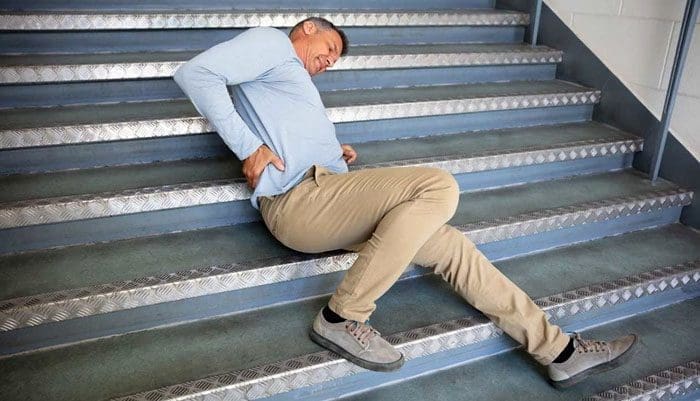
A slip-and-fall accident can seem minor at first, but it may lead to serious injuries involving the spine, joints, muscles, ligaments, nerves, and even the brain. These accidents are also considered personal injury cases when unsafe property conditions contribute to the fall. More specifically, they often fall under premises liability, which means a property owner or business may be responsible if poor maintenance, unsafe flooring, spills, broken steps, or other hazards caused the injury. At ChiroMed – Integrated Medicine in El Paso, the focus is on understanding the full injury picture: what happened, what tissues were damaged, how the spine and joints were affected, and what type of care may help the body recover. ChiroMed describes its model as holistic, patient-centered care that brings together chiropractic care, nurse practitioner services, naturopathy, rehabilitation, nutrition, and acupuncture under one roof.

Why Slip-and-Fall Accidents Are Personal Injury Cases

A slip-and-fall accident is usually more than a simple fall. If the accident happens because a property was unsafe, it may become a personal injury claim. In legal terms, this is commonly called a premises liability case.

Premises liability means that a property owner, business, landlord, or another responsible party may have a duty to keep the property reasonably safe. Justia explains that slip-and-fall cases may involve unsafe conditions and that the injured person generally must show a duty, a breach of that duty, causation, and damages.

Common hazards include:

  • Wet or slippery floors
  • Broken stairs
  • Loose rugs or mats
  • Uneven sidewalks
  • Poor lighting
  • Ice, rainwater, or oil on the ground
  • Clutter in walkways
  • Missing handrails
  • Unmarked spills
  • Damaged flooring

Not every fall means someone else is legally responsible. A claim usually depends on whether the property owner knew or should have known about the hazard and failed to correct it or warn people within a reasonable time.

Texas Slip-and-Fall Rules: Why Timing Matters

Slip-and-fall laws are handled by each state. In Texas, personal injury claims generally have a two-year statute of limitations. This means a person usually has two years from the date of the injury to file a lawsuit. Texas Civil Practice and Remedies Code Section 16.003 states that personal injury actions must generally be brought within two years.

Texas also uses a modified comparative fault rule. Under Texas Civil Practice and Remedies Code Section 33.001, a person may not recover damages if their percentage of responsibility is greater than 50 percent.

This matters because the other side may argue that the injured person was partly responsible. They may ask:

  • Were you distracted?
  • Were warning signs posted?
  • Were you looking at your phone?
  • Were your shoes unsafe for the surface?
  • Was the danger easy to see?
  • Did the property owner have enough time to fix the hazard?

For this reason, documentation is important. Photos, incident reports, witness names, medical records, and any shoes or clothing that were saved may help show what happened and how the injury developed.

Why You May Not Feel Pain Right Away

After a fall, many people feel embarrassed, anxious, or rushed. Some stand up quickly and say, “I’m fine.” But the body can hide pain at first. Adrenaline and stress hormones may reduce pain for a short time. Hours or even days later, stiffness, swelling, headaches, back pain, neck pain, numbness, or joint pain may appear.

Mayo Clinic advises seeking emergency medical care when back pain occurs after trauma, such as a bad fall, or when symptoms include bowel or bladder problems, fever, weakness, numbness, tingling, or pain radiating down the legs.

After a slip-and-fall accident, seek medical care right away if you notice:

  • Headache or dizziness
  • Confusion or memory problems
  • Neck pain
  • Back pain
  • Numbness or tingling
  • Weakness in the arms or legs
  • Trouble walking
  • Hip, wrist, ankle, shoulder, or knee pain
  • Loss of balance
  • Bowel or bladder changes
  • Deep bruising or swelling
  • Pain that gets worse after 24 to 72 hours

Even if the pain seems mild, an evaluation can help identify injuries early and create a record that connects the symptoms to the fall.

Common Injuries After a Slip-and-Fall Accident

Slip-and-fall accidents can injure many parts of the body. The force of the fall, the landing position, the surface, the person’s age, and pre-existing health conditions can all affect the injury pattern.

Common injuries include:

  • Wrist fractures from trying to catch the fall
  • Hip fractures from landing on the side
  • Ankle fractures or sprains from twisting
  • Knee sprains or ligament injuries
  • Shoulder injuries
  • Back sprains and strains
  • Neck pain or whiplash-type injuries
  • Herniated or bulging discs
  • Sciatica or nerve irritation
  • Concussions
  • Cuts, bruises, and contusions

Boston Medical Center explains that sprains, strains, and soft-tissue injuries may involve ligaments, muscles, or tendons and may cause pain, swelling, bruising, weakness, or reduced motion.

A fall can also affect the spine. When the body lands suddenly, the spine may compress, twist, or bend too far. This can irritate spinal joints, muscles, discs, and nerves. In some cases, a person may develop pain that travels from the low back into the leg or from the neck into the shoulder, arm, or hand.

The ChiroMed Approach: Looking Beyond the Pain

ChiroMed – Integrated Medicine is geared toward whole-person care. The clinic describes its mission as addressing root causes rather than treating only symptoms, with services including chiropractic care, nurse practitioner services, naturopathy, rehabilitation, nutrition counseling, and acupuncture.

For slip-and-fall injuries, this kind of approach matters because pain may come from several sources at once. For example, a patient may have:

  • A restricted spinal joint
  • A strained muscle
  • An irritated nerve
  • A swollen knee
  • Poor walking mechanics
  • Headaches from neck tension
  • Inflammation from soft-tissue trauma
  • Fear of movement after the fall

Based on the clinical observations of Dr. Alexander Jimenez, DC, APRN, FNP-BC, slip-and-fall recovery should include a careful history, orthopedic and neurological examinations, movement testing, and clinical correlation. His public clinical materials describe care areas involving personal injury, back pain, herniated disc treatment, sciatica, whiplash, nerve injury, imaging, and integrative medical care.

This does not mean every patient needs every treatment. It means the treatment plan should match the diagnosis.

Chiropractic Care After a Fall

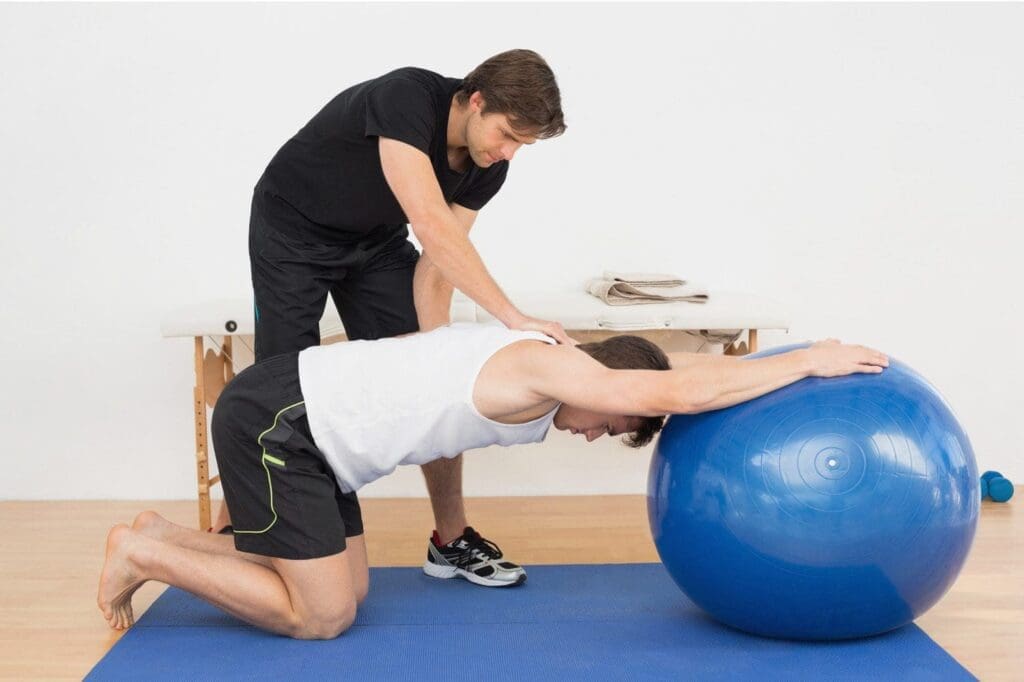
Chiropractic care may help when a fall causes spinal joint restriction, muscle guarding, altered posture, or painful movement patterns. A chiropractor may evaluate spinal motion, joint tenderness, nerve signs, muscle tension, posture, gait, and range of motion.

A chiropractic plan may include:

  • Gentle spinal or joint adjustments when safe
  • Soft-tissue therapy
  • Mobility work
  • Corrective exercises
  • Posture guidance
  • Balance and gait retraining
  • Home care instructions
  • Referral for imaging or medical care when needed

Safety comes first. If there are signs of fracture, spinal cord injury, severe neurological symptoms, or major trauma, the patient should receive medical evaluation before manual treatment.

Regenerative Medicine: PRP, PFP, and MFAT

Some slip-and-fall injuries involve tissues that heal slowly, such as ligaments, tendons, cartilage, and joint structures. In selected cases, regenerative medicine may be considered as part of a broader treatment plan.

Platelet-rich plasma, or PRP, is made from a patient’s own blood. The American Academy of Orthopaedic Surgeons explains that PRP contains a higher concentration of platelets than normal blood, and platelets contain growth factors that may support the healing process.

Other regenerative options may include platelet-poor plasma, or PFP, and micro-fragmented adipose tissue, or MFAT. These treatments should not be described as guaranteed cures. They may be considered when clinically appropriate, depending on the injury, imaging findings, patient health, and treatment goals.

Regenerative care may be discussed for injuries such as:

  • Tendon irritation
  • Ligament sprains
  • Joint pain
  • Cartilage-related pain
  • Chronic soft-tissue injury
  • Certain sports or fall-related injuries

The goal is to support tissue repair, reduce inflammation, and improve function when conservative care alone is not enough.

Epidural Injections for Severe Nerve Pain

Some falls can irritate spinal nerves. This may happen when a disc bulge, herniated disc, swelling, or spinal inflammation presses on a nerve root. Symptoms may include sharp pain, burning, numbness, tingling, or weakness that travels into an arm or leg.

In some cases, epidural steroid injections may be used to reduce inflammation around irritated spinal nerves. Cleveland Clinic explains that epidural steroid injections can provide temporary pain relief for certain spine-related pain conditions, but they usually do not cure the underlying cause.

This is why injections often work best as part of a complete plan that may also include chiropractic care, rehabilitation, strengthening, posture correction, and medical follow-up.

A Complete Recovery Plan

A strong recovery plan should not only ask, “Where does it hurt?” It should also ask, “Why does it hurt, what tissues were injured, and how can function be restored?”

A ChiroMed-style integrated plan may include:

  • Examination and diagnosis
  • Chiropractic care for joint mechanics
  • Rehabilitation for strength and balance
  • Nutrition support for inflammation and healing
  • Acupuncture for pain modulation when appropriate
  • Regenerative medicine for selected soft-tissue injuries
  • Epidural injections for severe nerve pain when medically indicated
  • Follow-up testing or imaging when needed
  • Care coordination with attorneys, specialists, or other providers when appropriate

The purpose is to treat the whole injury pattern, not just mask symptoms.

What To Do After a Slip-and-Fall Accident

After a fall, simple steps can protect your health and help preserve important details.

Consider the following:

  • Report the fall to the property owner or manager.
  • Ask for an incident report.
  • Take pictures of the hazard.
  • Get witness names and contact information.
  • Save your shoes and clothing.
  • Write down what happened.
  • Seek medical care as soon as possible.
  • Follow your treatment plan.
  • Keep copies of medical records.
  • Speak with a qualified attorney for legal advice.

Early medical care can help rule out serious injury. It can also document the connection between the fall and the symptoms.

Conclusion

Slip-and-fall accidents can cause more than bruises. They may lead to fractures, concussions, spinal misalignments, herniated discs, whiplash, sprains, torn ligaments, and nerve pain. Legally, these accidents may fall under premises liability when unsafe property conditions contribute to the injury. In Texas, timing and fault rules can affect a claim, so documentation matters.

At ChiroMed – Integrated Medicine, the focus is on integrated, patient-centered care. For many patients, recovery may involve chiropractic care, rehabilitation, nutrition, acupuncture, regenerative medicine, or, when appropriate, pain-management injections. The best plan is built around the patient’s injury, symptoms, function, and long-term health goals.

This article is for educational purposes only and is not medical or legal advice. For medical concerns after a fall, seek care from a licensed healthcare professional. For legal questions, speak with a qualified attorney in your state.


References

American Academy of Orthopaedic Surgeons. (n.d.). Platelet-rich plasma (PRP). OrthoInfo.

Boston Medical Center. (n.d.). Sprains, strains & soft-tissue injuries.

ChiroMed – Integrated Medicine. (n.d.). ChiroMed – Integrated Medicine holistic healthcare in El Paso, TX.

Cleveland Clinic. (2021). Epidural steroid injection (ESI): What it is, benefits, risks & results.

Jimenez, A. (n.d.). El Paso, TX chiropractor Dr. Alex Jimenez DC | Personal injury specialist.

Justia. (2025). Slip and fall accident law.

Mayo Clinic. (2024). Back pain: When to see a doctor.

Texas Civil Practice and Remedies Code § 16.003. (2025). Two-year limitations period.

Texas Civil Practice and Remedies Code § 33.001. (2025). Proportionate responsibility.

Dr. Jimenez’s Guide to Spine and Gut Health

Dr. Jimenez’s Guide to Spine and Gut Health

Boost Your Spine and Gut Health: Simple Exercises and Expert Insights from Dr. Alex Jimenez

Many people deal with back pain or tummy troubles every day. Did you know that your spine and gut are connected in ways that affect your whole body? Taking care of both can lead to feeling better overall. In this article, we’ll look at easy exercises that help your spine stay strong and flexible while also improving how your gut works. We’ll talk about walking, yoga poses like cat-cow and child’s pose, and other moves like planks and bird-dog. Plus, we’ll share how experts like Dr. Alex Jimenez use these ideas in real treatments for injuries.

The gut and spine link comes from how your body moves and relaxes. When your spine is healthy, it supports good posture, which helps your organs work properly. Stress or poor movement can slow digestion, leading to issues like bloating or constipation. Exercises can help alleviate this by boosting blood flow, reducing stress, and gently massaging internal organs.

The Connection Between Spine Health and Gut Function

Your spine is like the main support beam of your body. It holds you up and protects nerves that control everything, including digestion. A stiff or weak spine can cause pain that makes it hard to move, and that can affect your digestive system. For example, bad posture from sitting too much tightens muscles around your belly, slowing down food processing.

On the flip side, gut problems can affect your spine. Bloating or gas might make you slouch, putting extra pressure on your back. Experts say regular movement keeps both areas healthy. Brisk walking, for instance, gets your heart pumping and helps prevent back pain by keeping your spine flexible.

Walking is a simple way to start. It improves blood flow to your spine and gut, helping nutrients reach where they need to go. Studies show that activities like this reduce stiffness and support better digestion by keeping things moving in your intestines.

Yoga poses add another layer. They stretch your back while gently compressing your abdominal organs, much like a natural massage. This can ease constipation and improve spinal mobility. Strength moves build core muscles that hold your spine steady, preventing injuries.

Breathing deeply ties it all together. It calms your mind, lowers stress hormones that slow digestion, and helps your diaphragm work better, which aids gut motility.

Now, let’s dive into specific exercises and how they help.

Aerobic Exercises: Walking for Better Digestion and Spine Support

Walking is one of the easiest ways to care for your spine and gut. It’s low-impact, meaning it doesn’t jar your body, but it still gets results. Regular brisk walking strengthens your back muscles and improves posture, which takes pressure off your spine. This can prevent pain and keep your spine aligned.

For gut health, walking boosts digestion by stimulating the muscles in your intestines. This helps food move through faster, reducing the chances of constipation or bloating. Aim for 30 minutes a day, five days a week. You don’t need fancy gear—just comfortable shoes and a safe path.

Start slow if you’re new to it. Walk at a pace where you can talk but not sing easily. This gets your heart rate up, improving circulation to your gut. Better blood flow means more oxygen and nutrients for digestion.

One tip: Walk after meals to help with acid reflux or gas. It’s gentle and effective. Combining walking with healthy habits like drinking water makes it even better for your gut.

Experts recommend this for everyone, from busy adults to those recovering from injuries. It’s a foundation for other exercises we’ll discuss.

Yoga Poses: Cat-Cow, Child’s Pose, Knee-to-Chest, and Seated Twists

Yoga is great because it combines stretching, strength, and breathing. Poses like cat-cow improve spinal mobility by gently bending your back in both directions. This loosens tight muscles and increases flexibility, reducing the risk of back pain.

For the gut, cat-cow massages your abdomen as you arch and round your back. This stimulates organs, helping with motility—the way your intestines push food along. To do it: Start on hands and knees. Inhale, drop your belly, and lift your head (cow). Exhale, round your back, and tuck your chin (cat). Repeat 10 times.

Child’s pose is a restful stretch. Kneel, sit back on your heels, and fold forward with arms out. It relaxes your lower back, easing tension. For digestion, it compresses your belly gently, aiding in bloating relief. Hold for 30 seconds, breathing deeply.

Knee-to-chest is simple but powerful. Lie on your back, pull one knee to your chest, hold for five seconds, then switch. Do both knees together, too. This stretches your lower back, relieving pain, and presses on your abdomen to help gas pass and improve bowel movements. Repeat 2-3 times daily.

Seated twists target both areas well. Sit cross-legged, twist your torso one way, hold, then switch. This stretches out your spine for improved mobility and squeezes your abdominal organs, enhancing blood flow and waste removal. Hold each side for five breaths.

These poses manage stress too, which is key since stress can worsen gut issues like IBS. Deep breathing in yoga activates your “rest and digest” system, calming nerves that control digestion.

Mix them into your routine 3-4 times a week. Start slow to avoid strain.

Strength Moves: Planks and Bird-Dog for Core and Stability

A strong core is essential for spine health. It acts like a natural belt, supporting your back during daily activities. Planks build this strength without much movement, making them safe for beginners.

To plank: Lie face down, rise on forearms and toes, keep body straight. Hold 20-30 seconds. It strengthens the abs, back, and sides, improving posture and reducing lower back pain. For gut health, a strong core helps with posture, which aids digestion by keeping organs in place.

Side planks add variety: Lie on one side, lift your hips up on your elbow and feet. This targets obliques, further stabilizing your spine.

Bird-dog challenges balance. On hands and knees, extend one arm forward and the opposite leg back. Hold, then switch. It builds spinal stability by engaging core and back muscles. This prevents injuries and supports good posture, which helps gut function.

Do 10-12 reps per side. It’s great for pain relief in areas like L5-S1, a common spot for back trouble.

These moves also improve endurance, allowing your spine to stay supported for longer periods during the day.

Breathing Techniques: Diaphragmatic Breathing for Stress and Digestion

Breathwork is underrated but powerful. Diaphragmatic breathing involves breathing deeply into your belly, rather than shallowly in your chest. Inhale through the nose, let the stomach rise; exhale through the mouth.

This reduces stress, which can slow digestion. Lower stress leads to improved gut motility and reduced IBS symptoms. It also oxygenates your body, helping intestinal health.

Practice 5-10 minutes daily. It’s like yoga’s breath component, enhancing the benefits of the poses.

Combine with exercises for best results.

Dr. Alex Jimenez: Expert Care for Injuries and Overall Health

Dr. Alexander Jimenez, DC, APRN, FNP-BC, is a leading expert in El Paso, Texas. He’s a chiropractor and nurse practitioner with over 30 years of experience. His clinic focuses on holistic care, blending chiropractic with functional medicine.

Dr. Jimenez treats injuries from work, sports, personal life, and car accidents. For work injuries, he addresses strains and back issues with non-invasive plans. Sports injuries get rehab to restore performance. Personal injuries vary, but he uses tailored protocols to address each case. For motor vehicle accidents, he handles cases involving whiplash and soft tissue injuries.

In personal injury cases, he manages medical care and legal documents. His clinic works with insurance providers and provides reports to support claims. This ensures patients get care without hassle.

Chiropractic and integrative medicine are key. He uses adjustments, acupuncture, massage, and exercises to treat root causes. This promotes natural healing and prevents long-term issues, such as chronic pain.

His clinical approach links injuries to diagnoses and treatments. He uses assessments, imaging, and functional tests for dual-scope diagnosis, encompassing both chiropractic and medical approaches. This covers neuromusculoskeletal issues.

For example, in back pain, he correlates symptoms to spine misalignment, then uses targeted exercises like the bird-dog. Massage relaxes muscles, acupuncture reduces inflammation, and nutrition supports healing.

Patients benefit from pain-free living. His awards, including Top Chiropractor 2015-2024, demonstrate his impact.

Integrating Exercises into Daily Life

Start small: add walking daily and yoga twice a week. Listen to your body—if in pain, consult experts like Dr. Jimenez.

These habits prevent issues and enhance health.

Conclusion

Exercises such as walking, cat-cow, and planks support both spine and gut health. Combined with Dr. Jimenez’s expertise, they offer a path to wellness.

References

How Motor Vehicle Accident Injuries Affect Work and How ChiroMed – Integrated Medicine Can Help

Introduction

Car accidents, or motor vehicle accidents (MVAs), can cause injuries that disrupt daily life, especially at work. These injuries often affect muscles, bones, and nerves, leading to pain and difficulty moving. When combined with workplace demands like lifting or sitting for long periods, these injuries can worsen existing problems or create new ones. At ChiroMed – Integrated Medicine in El Paso, TX, our holistic approach combines chiropractic care, rehabilitation, and lifestyle changes to address these issues. Led by Dr. Alex Jimenez, DC, APRN, FNP-BC, our team helps patients recover from MVA and work-related injuries using personalized, natural treatments. This article explores how MVA injuries impact work and how ChiroMed’s integrative care promotes healing.

Understanding MVA Injuries

Motor vehicle accidents can cause a range of injuries, such as whiplash, back pain, and nerve issues. Whiplash, a common MVA injury, occurs when the neck jerks suddenly, straining muscles and ligaments, which can lead to headaches, dizziness, and limited neck movement (Dr. Malone, n.d.). Back injuries, like herniated discs or sprains, may cause sciatica—sharp pain radiating down the legs (CHG Health, n.d.). Arm and leg pain often stem from pinched nerves or muscle damage, making tasks like walking or lifting difficult (Rozenhart Chiro, n.d.). Concussions from MVAs can affect balance and thinking. If untreated, these injuries can become chronic, leading to conditions like arthritis or persistent pain (Brooks Spinal Care, n.d.). The body may compensate by tightening muscles, creating imbalances that worsen over time. Hidden damage, such as tissue tears, may not show immediately but can cause long-term issues (Dr. Malone, n.d.). Early treatment is critical to prevent complications and restore function.

These injuries limit daily activities, like bending or turning, and can reduce strength or coordination, increasing the risk of further harm, especially at work.

References

Brooks Spinal Care. (n.d.). FAQs. Retrieved August 11, 2025.
CHG Health. (n.d.). How a car accident chiropractor can help. Retrieved August 11, 2025.
Dr. Malone. (n.d.). The essential role of chiropractic care after an auto accident. Retrieved August 11, 2025.
Rozenhart Chiro. (n.d.). Effective treatments for auto accident injuries. Retrieved August 11, 2025.

How MVA Injuries Worsen Work-Related Problems

MVA injuries can make workplace tasks harder by creating physical weaknesses that interact with job demands. For example, whiplash can cause neck stiffness and pain, which worsens with prolonged sitting at a desk job, leading to chronic headaches or back pain (Scona Sports Physio, n.d.). A construction worker with a prior MVA-related back injury may struggle with lifting due to weakened muscles or a misaligned spine, increasing the risk of new injuries (Premier Chiro, n.d.). Repetitive tasks, like typing, can aggravate nerve damage from an accident, worsening conditions like carpal tunnel syndrome (Physical Therapy Queens NY, n.d.). Workplace injuries often involve back pain, neck strain, or joint issues from poor ergonomics or heavy labor (Accident & Injury Chiropractic, n.d.). When MVA injuries add underlying imbalances, such as reduced mobility or inflammation, they amplify these problems, slowing recovery and increasing absences. The body’s compensatory habits, like favoring one side, can create further imbalances, impacting job performance and safety.

Functional limitations from MVAs, such as difficulty bending or reaching, directly affect physically demanding jobs. Even office work can worsen pain due to poor posture, contributing to musculoskeletal disorders.

References

Accident & Injury Chiropractic. (n.d.). Preventing workplace injuries: The role of chiropractic care. Retrieved August 11, 2025.
Physical Therapy Queens NY. (n.d.). Workplace injuries: How a work injury chiropractor can help. Retrieved August 11, 2025.
Premier Chiro. (n.d.). Auto accidents and work injuries. Retrieved August 11, 2025.
Scona Sports Physio. (n.d.). Essential guide to MVA physiotherapy. Retrieved August 11, 2025.

ChiroMed’s Chiropractic Solutions for MVA Injuries

At ChiroMed, chiropractic care targets the root causes of MVA injuries, like spinal misalignments that irritate nerves. Our spinal adjustments use precise, gentle techniques to realign the spine, reducing pain and inflammation without relying on medications (Denver Chiropractic, LLC, n.d.). For whiplash, adjustments restore neck mobility and ease muscle tension, while rehabilitation exercises strengthen weak areas to prevent re-injury (Elysian Wellness Centre, n.d.). We design personalized exercise plans, including stretches and strength training, to improve flexibility and support natural healing (Dallas Accident and Injury Rehab, n.d.). Lifestyle changes, such as ergonomic adjustments or posture training, help prevent recurrence. These methods increase blood flow, reduce scar tissue, and promote tissue repair, speeding recovery (Silverman Care, n.d.). Our non-invasive approach avoids the risks of surgery or drug dependency, focusing on long-term wellness.

Additional therapies, like ultrasound or electrical stimulation, reduce swelling and enhance healing, ensuring patients regain full function.

References

Dallas Accident and Injury Rehab. (n.d.). Benefits of ongoing chiropractic care post-accident. Retrieved August 11, 2025.
Denver Chiropractic, LLC. (n.d.). 9 ways chiropractic care can speed up healing for car accident back injuries. Retrieved August 11, 2025.
Elysian Wellness Centre. (n.d.). Reasons to see a chiropractor after a car accident. Retrieved August 11, 2025.
Silverman Care. (n.d.). Holistic healing for car accident injuries with chiropractic care. Retrieved August 11, 2025.

ChiroMed’s Integrative Approach to Recovery

ChiroMed’s integrative care combines chiropractic with therapies like massage, acupuncture, and physical therapy for comprehensive healing. Massage therapy, provided by experts like Helen Wilmore, relaxes tight muscles, improves circulation, and reduces spasms, aiding recovery from whiplash and soft tissue injuries (Sante PDX, n.d.). Acupuncture reduces inflammation and pain, complementing chiropractic adjustments (Denver Chiropractic, LLC, n.d.). Physical therapy, led by professionals like Kristina Castle, uses targeted exercises to restore strength and correct posture (Physio-On, n.d.). These therapies address a wide range of injuries, from nerve irritation to muscle strains, promoting natural healing without invasive procedures (Dominguez Injury Centers, n.d.). Lifestyle modifications, including nutrition counseling, reduce inflammation and support recovery. This holistic approach prevents long-term complications like chronic pain and enhances overall health.

By addressing both physical and emotional aspects, ChiroMed ensures patients achieve optimal recovery and wellness.

References

Denver Chiropractic, LLC. (n.d.). Holistic approaches to car accident injury treatment. Retrieved August 11, 2025.
Dominguez Injury Centers. (n.d.). Enhancing car accident recovery through chiropractic adjustments. Retrieved August 11, 2025.
Physio-On. (n.d.). How can physiotherapy help with motor vehicle accident (MVA) injuries?. Retrieved August 11, 2025.
Sante PDX. (n.d.). MVA – Motor vehicle accidents. Retrieved August 11, 2025.

Dr. Alex Jimenez’s Expertise at ChiroMed

Dr. Alex Jimenez, a chiropractor and nurse practitioner at ChiroMed, brings over 30 years of experience to treat injuries from MVAs, work, sports, and personal incidents. His dual credentials (DC, APRN, FNP-BC) allow him to provide medical care and handle legal documentation for personal injury cases, such as insurance claims or court reports (Dr. Alex Jimenez, n.d.). Recognized by Three Best Rated, Dr. Jimenez leads a team that uses functional medicine to address root causes like inflammation or musculoskeletal imbalances (ThreeBestRated®, 2025). His treatments include chiropractic adjustments, nutrition counseling, and rehabilitation for conditions like sciatica, back pain, and neuropathy, focusing on restoring mobility and wellness.

Dr. Jimenez’s ability to combine medical and legal expertise ensures patients receive comprehensive care and support for recovery and claims.

References

Dr. Alex Jimenez. (n.d.). El Paso, TX doctor of chiropractic. Retrieved August 11, 2025.
ThreeBestRated®. (2025, July 21). Discover award-winning chiropractic care in El Paso with @dralexjimenez!. Retrieved August 11, 2025.

Clinical Diagnosis and Treatment at ChiroMed

Dr. Jimenez uses clinical observations to connect MVA injuries with work-related issues, such as whiplash exacerbating poor posture in desk jobs. His dual-scope diagnosis integrates chiropractic and medical assessments, using tools like MRIs to detect hidden damage like disc herniations (Function First Indy, n.d.). Treatment plans include spinal adjustments, targeted exercises, and nutrition to address inflammation and promote healing. Diagnostic assessments ensure precise care, targeting root causes for long-term recovery (Scott Schwartz Massage Therapy, n.d.). ChiroMed’s integrative approach, combining therapies and lifestyle advice, prevents complications and restores optimal function.

This method ensures patients recover fully by addressing both symptoms and underlying issues.

References

Function First Indy. (n.d.). Finding relief and recovery: How chiropractic care can help personal injury. Retrieved August 11, 2025.
Scott Schwartz Massage Therapy. (n.d.). Massage for motor vehicle accidents. Retrieved August 11, 2025.

Real-Life Recovery Stories at ChiroMed

Consider a patient with whiplash from an MVA who works at a desk. Poor posture worsens their neck pain, causing headaches. ChiroMed’s adjustments and posture exercises relieve pain and restore mobility (Dallas Accident and Injury Rehab, n.d.). Another example is a construction worker with a work-related fall and a past MVA back injury. Dr. Jimenez’s team uses rehab and adjustments to address both issues, enabling a safe return to work (Premier Chiro, n.d.). These cases show how ChiroMed’s care heals combined injuries effectively.

References

Dallas Accident and Injury Rehab. (n.d.). How chiropractic care supports work injury recovery. Retrieved August 11, 2025.
Premier Chiro. (n.d.). Auto accidents and work injuries. Retrieved August 11, 2025.

Ongoing Care and Prevention at ChiroMed

ChiroMed’s ongoing care prevents chronic issues by maintaining spinal alignment and strength. Regular adjustments, massage, and acupuncture reduce pain and improve motion (Sante PDX, n.d.). Nutrition counseling and ergonomic advice prevent re-injury, supporting long-term health. This integrative approach ensures patients recover fully and maintain wellness, reducing the risk of complications from MVA and work injuries.

References

Sante PDX. (n.d.). MVA – Motor vehicle accidents. Retrieved August 11, 2025.

Conclusion

MVA injuries can complicate work-related issues, but ChiroMed – Integrated Medicine offers effective solutions. Dr. Alex Jimenez and our team provide holistic care, combining chiropractic, massage, acupuncture, and more to promote healing and prevent long-term problems. Contact us at +1 (915) 412-6680 or [email protected] to start your recovery journey.

References

Accident & Injury Chiropractic. (n.d.). Preventing workplace injuries: The role of chiropractic care. Retrieved August 11, 2025.

Brooks Spinal Care. (n.d.). FAQs. Retrieved August 11, 2025.

CHG Health. (n.d.). How a car accident chiropractor can help. Retrieved August 11, 2025.

Dallas Accident and Injury Rehab. (n.d.). Benefits of ongoing chiropractic care post-accident. Retrieved August 11, 2025.

Dallas Accident and Injury Rehab. (n.d.). [How chiropractic care supports work injury recovery](https://dallasaccidentand injuryrehab.com/how-chiropractic-care-supports-work-injury-recovery/). Retrieved August 11, 2025.

Denver Chiropractic, LLC. (n.d.). 9 ways chiropractic care can speed up healing for car accident back injuries. Retrieved August 11, 2025.

Denver Chiropractic, LLC. (n.d.). Holistic approaches to car accident injury treatment. Retrieved August 11, 2025.

Dominguez Injury Centers. (n.d.). Enhancing car accident recovery through chiropractic adjustments. Retrieved August 11, 2025.

Dr. Alex Jimenez. (n.d.). El Paso, TX doctor of chiropractic. Retrieved August 11, 2025.

Dr. Malone. (n.d.). The essential role of chiropractic care after an auto accident. Retrieved August 11, 2025.

Elysian Wellness Centre. (n.d.). Reasons to see a chiropractor after a car accident. Retrieved August 11, 2025.

Function First Indy. (n.d.). Finding relief and recovery: How chiropractic care can help personal injury. Retrieved August 11, 2025.

Physical Therapy Queens NY. (n.d.). Workplace injuries: How a work injury chiropractor can help. Retrieved August 11, 2025.

Physio-On. (n.d.). How can physiotherapy help with motor vehicle accident (MVA) injuries?. Retrieved August 11, 2025.

Premier Chiro. (n.d.). Auto accidents and work injuries. Retrieved August 11, 2025.

Rozenhart Chiro. (n.d.). Effective treatments for auto accident injuries. Retrieved August 11, 2025.

Sante PDX. (n.d.). MVA – Motor vehicle accidents. Retrieved August 11, 2025.

Scott Schwartz Massage Therapy. (n.d.). Massage for motor vehicle accidents. Retrieved August 11, 2025.

Silverman Care. (n.d.). Holistic healing for car accident injuries with chiropractic care. Retrieved August 11, 2025.

ThreeBestRated®. (2025, July 21). Discover award-winning chiropractic care in El Paso with @dralexjimenez!. Retrieved August 11, 2025.