
Give us a Call
+1 (915) 412-6680
Send us a Message
[email protected]
Opening Hours
Mon-Thu: 7 AM - 7 PM
Fri - Sun: Closed

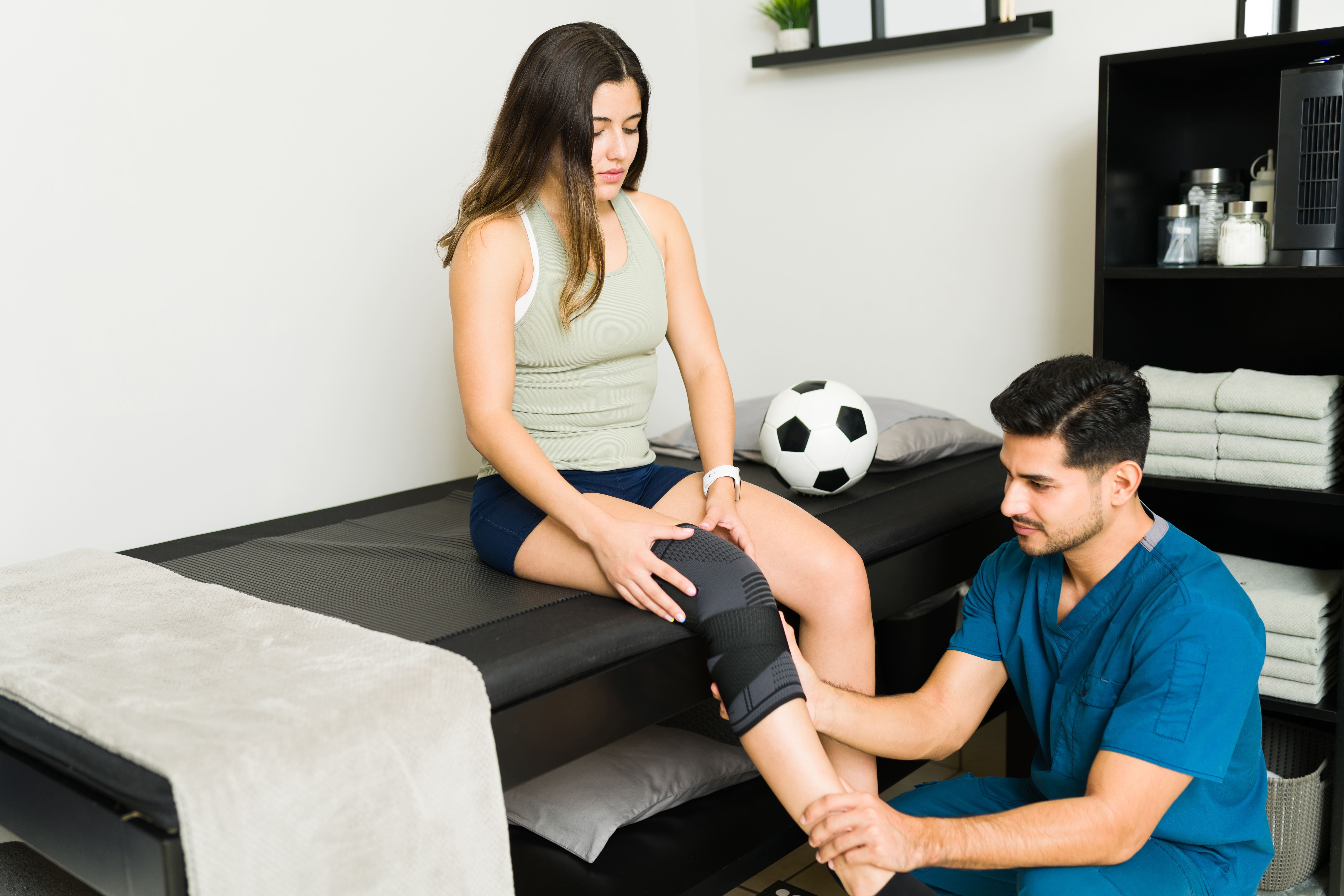
Sports Medicine and Its Potential Benefits in PRP Therapy

Explore the role of PRP therapy in sports medicine in speeding up recovery and supporting athletes in peak condition.

PRP and Protein Concentrate Therapy

As a clinician deeply invested in integrative medicine, I, Dr. Alexander Jimenez, am constantly exploring innovative, evidence-based therapies to enhance patient outcomes. My work across various disciplines—including as a Doctor of Chiropractic (DC), Advanced Practice Registered Nurse (APRN), and Board-Certified Family Nurse Practitioner (FNP-BC)—has shown me the profound need for comprehensive treatment strategies. Today, I want to share insights into a powerful combination therapy that is changing the landscape of sports medicine and regenerative care: Platelet-Rich Plasma (PRP) enhanced with Protein Concentrate (PC). This approach represents a significant step forward, offering more than just temporary relief by addressing the underlying biochemical environment of an injury. We will delve into the science, explore the clinical applications, and discuss how this therapy, when integrated with chiropractic care and structured rehabilitation, can create superior, long-lasting results for our patients.

Abstract: Enhancing Regenerative Outcomes

This post explores the synergistic use of Platelet-Rich Plasma (PRP) and Protein Concentrate (PC) in managing musculoskeletal conditions. We will begin by defining Protein Concentrate, a derivative of platelet-poor plasma, and detailing its key anti-inflammatory and regenerative components, such as Alpha-2-Macroglobulin (A2M) and various growth factors. I will present the scientific rationale for combining these therapies, highlighting how the anti-catabolic properties of PC complement the anabolic effects of PRP. We will examine compelling research, including a pivotal study demonstrating long-term benefits for knee osteoarthritis, and discuss how to apply these findings in a clinical setting. This educational journey will cover patient selection, specific injection protocols for joints such as the knee and shoulder, and the critical role of data collection in refining our practice. Finally, I will explain how this advanced regenerative approach integrates seamlessly with a comprehensive care model that includes chiropractic adjustments, targeted rehabilitation, and other modalities to optimize healing and differentiate a practice within the competitive healthcare landscape.

Understanding Protein Concentrate: The Other Half of the Equation

In my practice, I frequently use Platelet-Rich Plasma (PRP), a therapy well-known for its healing properties. PRP is derived from a patient’s own blood and contains a high concentration of platelets, which release growth factors that stimulate tissue repair. But what about the other part of the blood that is separated during this process—the platelet-poor plasma (PPP)? For a long time, this component was often discarded. However, leading researchers have shown us that PPP is a treasure trove of beneficial molecules.
When we run platelet-poor plasma through a specialized filtration system, we obtain what is known as Protein Concentrate (PC). This process isolates and concentrates powerful proteins that play a crucial role in modulating the joint environment.

Key Components of Protein Concentrate

So, what makes Protein Concentrate so valuable? It’s all about its molecular makeup. The key players include:
Alpha-2-Macroglobulin (A2M): This is the star of the show. A2M is a very large protein (around 720 kilodaltons) that acts as a powerful protease inhibitor. In an inflamed or arthritic joint, destructive enzymes called proteases are overactive, breaking down cartilage and perpetuating a cycle of degradation and pain. When injected into a joint, A2M acts like a molecular trap, irreversibly binding to these proteases and neutralizing their destructive activity. This has a profound anti-catabolic effect, essentially stopping the breakdown process in its tracks.
Interleukin-1 Receptor Antagonist (IL-1Ra): Interleukin-1 (IL-1) is a potent inflammatory cytokine that drives pain, swelling, and cartilage degradation in conditions like osteoarthritis. PC is rich in IL-1Ra, a naturally occurring protein that blocks IL-1 receptor signaling. By preventing IL-1 from binding to its receptor, IL-1Ra effectively shuts down this major inflammatory pathway, leading to significant symptom relief.
Growth Factors: While PRP is the primary source of growth factors, PC also contains beneficial ones, including:
Vascular Endothelial Growth Factor (VEGF): Promotes the formation of new blood vessels, which is essential for delivering nutrients and oxygen to healing tissues.
Epidermal Growth Factor (EGF): Stimulates our own adult mesenchymal stem cells, encouraging them to participate in the repair process.
Platelet-Derived Growth Factor (PDGF-BB): Another powerful stimulant for mesenchymal stem cell activity.
By combining the anabolic (tissue-building) signals from PRP with the anti-catabolic (breakdown-blocking) and anti-inflammatory power of PC, we create a much more comprehensive and synergistic treatment environment within the joint.

The Clinical & Economic Case for Combining PRP and Protein Concentrate

In today’s healthcare market, especially for cash-based services like regenerative medicine, it’s not enough to offer a standard treatment. Patients are discerning; they want the best possible outcomes and are willing to invest in treatments that provide superior, lasting value. This is where offering a combination of PRP and Protein Concentrate becomes a powerful practice differentiator.
Think of it in terms of a “good, better, best” model:
Good: A standard PRP injection. This is effective and offered by many practitioners.
Better/Best: A combined PRP + PC injection. This premium service is justified by its enhanced mechanism of action—it doesn’t just stimulate repair; it actively protects the joint from further damage. This provides faster comfort, improved longevity, and a stronger rationale for a premium price point.
From my clinical observations, patients who opt for the combined therapy often experience more rapid pain relief and a more durable outcome. When we further stack the deck in the patient’s favor by integrating this with a full rehabilitation program—including chiropractic care, laser therapy, or shockwave therapy—we create a system designed for success. As a practitioner, this allows you to build a reputation on superior results, the ultimate differentiator.
The economics are also compelling. While adding PC to a PRP procedure increases the patient’s fee, the incremental cost of goods for the PC filter is relatively low. This results in a significantly higher profit margin for the procedure, allowing a practice to thrive while delivering a top-tier service.

Sports Injury Rehabilitation- Video

Evidence-Based Success: Long-Term Results for Knee Osteoarthritis

We must ground our clinical decisions in solid evidence. One of the most compelling pieces of research in this area comes from a 2017 paper by M.S. Mautner, K., & Colberg, R. E. (2017). They conducted a study on 82 knees with moderate-to-severe (Grades II, III, and IV) osteoarthritis. These were not “cherry-picked” easy cases; they represented the real-world challenges we see in our clinics.
The patients were treated with what the study termed “autologous protein solution,” which is essentially the Protein Concentrate we are discussing. The results were remarkable:
Patients showed statistically significant improvements in pain and function at three months.
Most impressively, these positive results were sustained for up to three years after a single injection.
This is a game-changer. We know from other research, such as Mei-Dan et al. (2012), that the benefits of PRP alone for knee osteoarthritis typically last around 12 to 18 months. The Mautner study suggests that adding the anti-catabolic and anti-inflammatory power of PC can potentially double the duration of effect. This provides immense value to the patient, who is looking for a long-term solution, not just a temporary fix. While the best results were seen in patients with Grade II and III osteoarthritis, even those with “bone-on-bone” Grade IV arthritis saw benefits.
Of course, science is never unanimous. Other studies have shown more mixed results, and it’s our responsibility as clinicians to present a balanced view. Transparency builds trust. I tell my patients that while the evidence is strong and my clinical experience is positive, no single therapy is a cure-all. This honest, evidence-informed approach enhances our credibility and strengthens the doctor-patient relationship.

Clinical Application: Protocols and Patient Selection

Knowing the “what” and “why” is crucial, but the “how” is what makes the difference in practice. Proper patient selection and meticulous technique are paramount.

Patient Selection and Preparation

Ideal Candidates: Patients with mild-to-moderate (Grade II-III) knee osteoarthritis are often the best candidates. We also see excellent results in chronic tendinopathies and certain shoulder conditions.
Pre-Injection Aspiration: If a joint, particularly the knee, has a significant effusion (excess fluid), it is critical to aspirate it before injecting. This “sludge” is filled with inflammatory cytokines and proteases. Removing it cleans the slate, allowing the PRP and PC to work in a less hostile environment.

Injection Volume and Technique

It’s important to understand the volume capacity of different joints. Research presented at conferences has shown that the knee can hold a surprisingly large volume, close to 100 mL, before intra-articular pressure rises dangerously. Therefore, a 10 mL injection (e.g., 5 mL of PRP and 5 mL of PC) is very safe and well-tolerated. Patients might feel a sense of fullness, but it is not harmful.
My general volume protocols are:
Knees & Shoulders: These are larger-volume joints. I typically use a 1:1 ratio of PRP to PC. For example, 5 mL of PRP combined with 5 mL of PC for a total of 10 mL injection.
Hips, Ankles & Wrists: These are lower-volume joints. I adjust the ratio to prioritize the anabolic signal of PRP while still getting the anti-catabolic benefit of PC. For a hip, I might use a 3:1 ratio, such as 3-4 mL of PRP and 1 mL of PC.

Specific Conditions

Chronic Tendinopathy (e.g., Achilles, Patellar): For these conditions, I perform an intratendinous injection of PRP to stimulate healing within the damaged tendon fibers. I then bathe the surrounding area (the paratenon) with Protein Concentrate to quell the local inflammation that is often a major source of pain.
Adhesive Capsulitis (Frozen Shoulder): This is one of my favorite applications. The traditional treatment often involves a corticosteroid injection to reduce pain enough for physical therapy to be tolerated. However, we can achieve a better, safer outcome. The protocol involves performing a hydrodilation—stretching the contracted shoulder capsule with sterile saline—followed by an intra-articular injection of Protein Concentrate. The PC’s potent anti-inflammatory effects, especially IL-1Ra, dramatically reduce the inflammation driving the condition, providing a window for effective, less painful rehabilitation.

The Indispensable Role of Chiropractic Care and Rehabilitation

A regenerative injection, no matter how advanced, is only one piece of the puzzle. At my clinic, we are staunch advocates for a holistic approach. Simply performing an injection and sending the patient on their way is what I call “drive-through” medicine, and it’s a disservice to the patient. True healing requires a comprehensive strategy.
This is where integrative chiropractic care becomes essential.
Restoring Biomechanics: An injury or degenerative condition doesn’t happen in a vacuum. It is almost always associated with or exacerbated by underlying biomechanical faults—poor joint alignment, muscle imbalances, and dysfunctional movement patterns. Chiropractic adjustments are crucial for restoring proper joint mechanics in the spine and extremities. If we inject a knee but fail to address the pelvic imbalances or foot pronation that caused the abnormal stress on that knee, the problem will inevitably return.
Improving Neurological Function: Adjustments also have a profound effect on the nervous system, improving proprioception (the body’s sense of its position in space) and normalizing nerve signaling to the muscles that support the joint. This creates a more stable and functional environment for the healing tissues.
Targeted Rehabilitation: Following the injection, a structured rehabilitation program is non-negotiable. This must include specific exercises to strengthen supporting muscles, stretch tight structures, and retrain proper movement patterns. The injection creates the optimal biochemical environment for healing, but the physical work of rehab provides the necessary mechanical stimuli to guide tissue remodeling.

Data Collection: The Key to Clinical Excellence

How do you know if your treatments are working? How can you confidently tell a patient what to expect? The answer is data. In my practice, we collect outcome data on every single regenerative procedure. Whether you use a simple spreadsheet or a sophisticated registry service, the act of collecting data is what transforms you from a practitioner who is guessing into one who knows.
My own data comparing PRP-only treatments to PRP + PC treatments for knee osteoarthritis show a clear advantage for the combination therapy. Patients in the PRP + PC cohort demonstrate a greater reduction in pain scores and a faster return to function. For example, we can tell a patient that on average, they can expect a 24-point improvement on a specific outcome score by a certain time point. This is powerful. It allows you to:
Set realistic patient expectations.
Refine and improve your protocols.
Leverage your own results during patient consultations to build immense confidence and trust.
When I sit with a patient, I can show them our clinic’s data for patients with their exact condition. This is infinitely more valuable than citing a study done by someone else in a different setting. Without your own data, you are flying blind.

Final Thoughts: Delivering a Superior Standard of Care

In a world where PRP is becoming a commodity, you can set your practice apart by delivering a structured, evidence-informed, and comprehensive system of care. Combining the anabolic power of PRP with the anti-catabolic and anti-inflammatory protection of Protein Concentrate creates a synergistic therapy with the potential for significantly better and longer-lasting outcomes.
This is not just about an injection. It is about an integrated protocol that you have developed, tested, and proven with your own data. It’s about understanding biomechanics through a chiropractor’s eye, guiding rehabilitation with a therapist’s knowledge, and managing biology with cutting-edge regenerative techniques. This distinction—delivering an integrated system of excellence rather than just a single product—is the foundation of a premium practice and, most importantly, the key to achieving the best possible results for the patients who place their trust in us.

References

SEO Tags: Protein Concentrate, PRP Therapy, Integrative Chiropractic Care, Knee Osteoarthritis, Regenerative Medicine, Alpha-2-Macroglobulin, A2M, Sports Medicine, Dr. Alexander Jimenez, Functional Medicine, Chronic Tendinopathy, Adhesive Capsulitis, Evidence-Based Practice, Patient Outcomes, Joint Pain Treatment, Non-Surgical Treatment
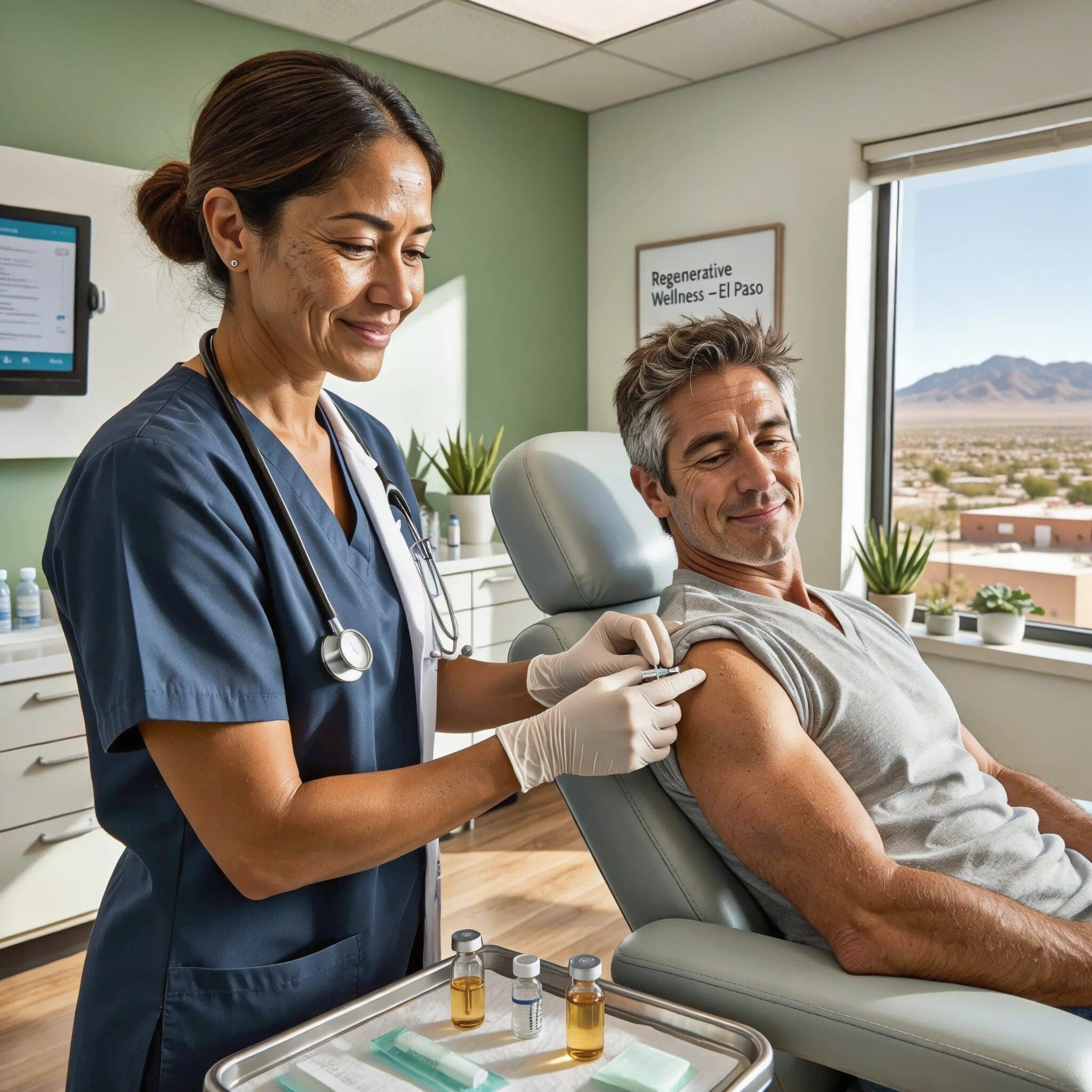
Autologous Platelet Therapy Benefits for Musculoskeletal Care

Learn about the innovative approaches in musculoskeletal care with autologous platelet therapy and how it benefits patient recovery.

Abstract

In this educational post, I, Dr. Alexander Jimenez, DC, APRN, FNP-BC, CFMP, IFMCP, ATN, CCST, share a practical, step-by-step roadmap for preparing and using modern autologous biologics—specifically platelet-rich plasma (PRP) and protein concentrate (PC)—to treat musculoskeletal pain, tendinopathies, and knee osteoarthritis. I explain, in plain language, how anticoagulants like ACD-A, centrifugation parameters (RCF and time), and careful buffy coat handling determine platelet integrity, leukocyte content, and clinical performance. I also show how integrative chiropractic care—spinal and extremity adjustments, myofascial work, shockwave therapy, laser photobiomodulation, and graded loading—creates the mechanical and neurophysiological context that enables PRP and PC to deliver durable results. Drawing on rigorous, peer-reviewed research and my own clinical observations from practice in El Paso and collaborative networks, I present safety protocols, dosing logic, workflow checklists, and return-to-function pathways that patients and clinicians can use immediately.

Why PRP And PC Belong In Modern Musculoskeletal Care

As a clinician at the intersection of chiropractic medicine, advanced practice nursing, and functional medicine, my goal is to accelerate tissue repair while safeguarding joint integrity and long-term function. Over the past decade, PRP has matured from a promising concept to a therapy with growing support for specific indications, notably chronic tendinopathy and early-to-moderate knee osteoarthritis when protocols are standardized and paired with rehabilitation (Fitzpatrick et al., 2017; Murray et al., 2020). In our El Paso clinic, I increasingly integrate PRP with protein concentrate (PC)—a concentrated fraction derived from platelet-poor plasma—to enhance anti-inflammatory protein density and complement PRP’s growth factor payload.
What PRP does: Platelets deliver a coordinated set of bioactive signals—PDGF, TGF-β, VEGF, IGF-1, and others—that recruit reparative cells, modulate inflammation, stimulate angiogenesis, and upregulate extracellular matrix synthesis in tendons, ligaments, and cartilage (Murray et al., 2020).
What PC adds: By removing water from PPP through a controlled filtration step (typically with ~15 kDa cut-off membranes), we enrich proteins like albumin, fibronectin, and alpha-2-macroglobulin (A2M). This can increase injectate viscosity, potentially inhibit catabolic proteases, and support symptom modulation in degenerative joints—complementing PRP’s anabolic signaling.
Most importantly, biologics work best when the body’s mechanics and neuroimmune balance support healing. This is where integrative chiropractic care amplifies outcomes: restoring joint motion, optimizing load distribution, calming nociceptive drive, and guiding collagen remodeling through progressive, tissue-specific loading.

The Physiology Of PRP: Why Anticoagulants And Spin Settings Matter

Platelets are not just clotting cells; they are mobile drug-delivery systems. Their alpha-granules house the growth factors and cytokines that direct early inflammation, angiogenesis, and matrix deposition. To preserve this potential:
We use ACD-A (acid-citrate-dextrose solution A) to chelate calcium and prevent premature clotting. The acidic environment keeps platelets quiescent, preserving membrane integrity and the kinetics of growth factor release upon tissue exposure (Textor & Taber, 2020).
We standardize centrifugation using RCF (g) rather than rpm because rotor radius affects the rpm-to-g translation. Targeting validated RCF bands yields consistent separation of RBCs, the buffy coat, and PPP. It allows us to choose leukocyte-rich (LR-PRP) or leukocyte-poor (LP-PRP) profiles based on the indication (Chahla et al., 2020).
Why precision is non-negotiable:
Too much g-force or time can pre-activate platelets, spilling growth factors in the tube rather than the tissue.
Too little separation results in an under-concentrated product that may not meet dose thresholds associated with better outcomes (Fitzpatrick et al., 2017).
Leukocyte content shapes the inflammatory milieu. LR-PRP can be helpful for chronic tendinopathy; LP-PRP is often favored for intra-articular administration to reduce synovial flares (Mathesul et al., 2022; Chahla et al., 2020).

Step-By-Step PRP Workflow: From Venous Draw To Final Injectate

I design our workflow to be reproducible in a busy clinic and gentle on the biologic product.
Preparation
Confirm kit integrity, lot numbers, and expiration dates.
Preload ACD-A into the collection system (for example, 5–6 cc in a 60-cc draw, when feasible).
Set up a sterile field and label everything before the draw.
Phlebotomy and Handling
Prefer an 18-gauge or appropriately sized needle to ensure a steady flow without excessive shear.
Mix blood with ACD-A via gentle inversion (5–10 times). Avoid shaking or rapid aspiration that can activate platelets or hemolyze cells.
If venous access is challenging, hydrate the patient in advance and consider a butterfly set with ultrasound guidance.
Centrifugation
Balance paired tubes within 1 gram to limit vibration and shear. Imbalance increases oscillatory forces that can damage platelets.
Use a validated protocol. For many musculoskeletal uses, a single spin at a defined RCF for 10 minutes yields a clean separation into RBCs, a visible buffy coat, and PPP. Systems differ; always standardize by RCF.
If the clinical goal requires a higher concentration or specific leukocyte tailoring, a double-spin protocol can be used judiciously, with activation risk in mind.
Harvesting The Buffy Coat
After spin, the buffy coat is the platelet-rich layer at the RBC-plasma interface. Using a 10 cc syringe, harvest with minimal RBC contamination. A faint salmon hue is acceptable; frank red is not.
For LR-PRP (tendons), dip slightly deeper toward the interface; for LP-PRP (joints), harvest more superficially from the plasma side.
Protein Concentrate From PPP
Process PPP through a pre-moistened filter with a ~15-kDa cut-off. Pre-moistening minimizes nonspecific protein adsorption.
Gently remove ~70–75% of the water content using controlled push-pull through the filter, thereby increasing the relative concentration of beneficial proteins, including A2M and fibronectin.
The resulting PC provides additional injectate volume and a protein-rich milieu that can modulate inflammation and lubricate articular surfaces.
Final Assembly
Decide whether to inject PRP and PC separately or gently homogenize measured volumes using a sterile connector. Mix slowly to avoid shear.
Use ultrasound guidance for precise placement—tendon hypoechoic zones, paratenon planes, or intra-articular spaces.
Clinical reasoning behind each step:
Anticoagulation preserves growth factor payload until the tissue triggers platelet activation.
Centrifuge balance and appropriate RCF protect platelet morphology and reduce unwanted leukocyte shifts.
Leukocyte tailoring aligns the biologic with the tissue’s inflammatory tolerance and remodeling needs.
PC complements PRP by inhibiting proteases and improving the rheology of the injectate, which is especially useful in early OA phenotypes.

Matching PRP Formulation To Pathology: LR-PRP Versus LP-PRP

Deciding between leukocyte-rich and leukocyte-poor PRP is a clinical fulcrum point.
LR-PRP for chronic tendinopathy
Rationale: A brief, targeted inflammatory spark can restart stalled healing, recruit macrophages, and stimulate tenocytes to produce new matrix (Fitzpatrick et al., 2017).
Application: Lateral epicondylalgia, patellar tendinopathy, proximal hamstring tendinopathy, and Achilles tendinopathy in non-irritable phases.
Caveats: Expect more post-injection soreness during days 1–3; plan analgesia and loading accordingly.
LP-PRP for intra-articular applications
Rationale: Minimizes synovial irritation while delivering anabolic signals that support chondrocyte activity and symptom relief (Mathesul et al., 2022).
Application: Knee osteoarthritis and other joints prone to inflammatory flares.
Synergy: LP-PRP + PC can offer additional symptom control via protease inhibition and improved viscoelastic properties.

Protein Concentrate: Extending The Therapeutic Window

After PRP separation, we convert PPP into a protein concentrate to increase the per-injection protein density of albumin, fibronectin, and alpha-2-macroglobulin. Why this matters:
Protease modulation: In osteoarthritic joints, catabolic enzymes degrade the matrix. A2M acts as a broad-spectrum protease inhibitor, potentially shifting the balance toward repair.
Matrix support: Fibronectin aids cell adhesion and matrix assembly, supporting collagen alignment under load.
Symptom modulation: Concentrated proteins can improve injectate lubrication and reduce irritative symptoms between PRP rounds.
In my practice, PC serves as a versatile adjunct—expanding injectable volume for multi-site care without diluting the platelet dose and providing a biologically supportive environment for tissue remodeling.

Patient Preparation, Safety, And Vasovagal Readiness


Real clinics treat real people—some are needle-averse, and a subset are prone to vasovagal syncope. We normalize and prepare:
Screening: Ask explicitly about a history of fainting. If a patient says, “I am a fainter,” we believe them and plan.
Positioning: Supine or semi-recumbent for draws and injections when indicated, with leg elevation available.
Hydration and nutrition: Encourage hydration 24 hours before, unless contraindicated. This improves venous access and stabilizes layers during spin.
Medication review: Avoid NSAIDs and aspirin pre- and post-procedure when clinically appropriate to preserve platelet function (Patrono & Rocca, 2008). Acetaminophen and topical measures are preferred for pain in the early window.
Calm environment: Dim lights, paced breathing, and gentle narration reduce sympathetic spikes and post-episode fatigue.
A smooth experience supports adherence throughout the 6–12-week remodeling arc, which is essential for functional gains.

Integrative Chiropractic Care: The Biomechanical Force Multiplier

Biologics supply the biochemical instructions; movement and alignment tell tissues how to read them. I integrate chiropractic care before and after injections to align cellular and mechanical healing.
Spinal and extremity adjustments
Goal: Restore joint play, reduce aberrant loading, and normalize afferent input. Better arthrokinematics reduce paratenon friction and focal tendon stress.
Physiology: Optimized mechanics improve mechanotransduction, allowing tenocytes and chondrocytes to interpret growth factor signals under appropriate strain (Khan & Scott, 2009).
Myofascial and neurodynamic work
Goal: Restore fascial glide and reduce neural mechanosensitivity that perpetuates guarding and pain.
Payoff: Reduces nociceptive noise and central sensitization, smoothing the early inflammatory-to-proliferative transition post-PRP.
Shockwave therapy
Evidence: Shockwave improves tenocyte activity, neovascularization, and nociceptive modulation in chronic tendinopathy (Laudy et al., 2015).
Timing: Often introduced after the initial inflammatory window, it can reinforce matrix turnover initiated by PRP.
Photobiomodulation (high-intensity laser)
Mechanism: Red/NIR light can enhance mitochondrial respiration via cytochrome c oxidase, improve perfusion, and modulate oxidative stress.
Role: Supports energy demands and pain control during weeks 1–2 when tissues are transitioning into proliferation.
Graded loading and neuromuscular re-education
Sequence: Isometrics for early analgesia, then eccentrics to organize collagen, followed by concentric and plyometric phases as tolerated (Khan & Scott, 2009).
Principle: Tissues remodel along lines of stress. We give them the right stress at the right time.
From my clinic observations at ChiroMed and collaborations documented on my professional channels, patients who receive PRP plus a coherent chiropractic-guided loading plan routinely achieve faster, more durable gains than those who receive injection alone. See clinical updates and case patterns at my practice website and professional profile (Jimenez, n.d.-a; Jimenez, n.d.-b).

Dosing, Volumes, And Timing: Making Every Platelet Count

Does precision matter more than any single concentration number? From a 60 mL whole blood draw, many systems yield roughly 6–7 mL of PRP and an additional 2–4 mL of PC after filtration—enough for a focused tendon program or a knee joint plus peritendinous adjuncts.
Platelet dose: The literature supports aiming for a platelet count threshold associated with improved outcomes in tendinopathy and knee OA, acknowledging system variability (Fitzpatrick et al., 2017; Rabago & Nourani, 2017).
Intervals: Joints commonly respond to 1–3 PRP sessions spaced 4–8 weeks apart, especially when integrated with mechanical correction and strengthening. Symptom relief in knee OA can extend 6–12 months in responders (Saltzman et al., 2016).
PC timing: PC can help maintain symptom control between PRP rounds, particularly in active patients, targeting return-to-play milestones in 4–6 weeks, when mechanics and loading are well controlled.
When a smaller draw (35–40 mL) is all a patient can tolerate, I prioritize the most symptomatic target, amplify the mechanical program, and carefully allocate injectate volume to where it will be most impactful.

Chiropractic Solutions for Osteoarthritis-Video

Post-Procedure Roadmap: From Inflammation To Remodeling

Healing unfolds in phases that we respect and leverage.
Days 0–3: Inflammatory
Expected: Fullness, ache, mild swelling as platelets degranulate.
Plan: Protect the site; avoid NSAIDs unless medically necessary; consider acetaminophen and topical care. Use light mobility and breathing to downshift sympathetic tone.
Days 3–10: Early proliferative
Introduce: Isometrics for tendon analgesia, gentle joint mobilizations as indicated, and low-load tissue exposure.
Weeks 2–6: Proliferative
Progress: Eccentrics and tempo-controlled loading. Add shockwave and manual therapy to restore fascial gliding and reinforce collagen organization.
Weeks 6–12: Remodeling
Integrate: Concentric and energy-storage drills for tendons. Restore kinetic-chain control—hip abductors for knee, scapular control for shoulder, foot intrinsics for Achilles.
Beyond 12 weeks
Return to sport or high-demand tasks with periodic reassessment. Consider a PC boost to modulate symptoms in select OA phenotypes.
This framework capitalizes on PRP’s early signaling and aligns tissue loading with collagen maturation and alignment.

Safety, Ultrasound Guidance, And Documentation

Safety is the floor, not the ceiling.
Aseptic technique: Single-use kits, sterile fields, and ultrasound-guided placement are standard in our clinic.
Ultrasound guidance: Increases accuracy, reduces off-target irritation, and ensures injectate reaches hypoechoic degenerative zones or joint spaces precisely.
Compliance and traceability: We document consent, kit lots, spin parameters (RCF/time), volumes at each stage, and injection details in the EHR. This supports quality assurance and continuous improvement.

Clinical Observations From My Practice

Across my patient panels and collaborative work:
Knee OA with valgus collapse: LP-PRP plus PC fares far better when we also correct foot-ankle mechanics, mobilize the hip, and retrain frontal-plane control. Durable symptom relief tracks with durable biomechanical correction.
Chronic Achilles tendinopathy: Respect tissue irritability. Avoid aggressive stretching immediately post-PRP. Use isometrics for analgesia, progress to heavy-slow resistance, and add plyometrics after week 6, guided by reactivity. Outcomes improve when we follow this cadence.
Desk-bound lateral epicondylalgia: Ergonomics, cervicothoracic mobility, and local tendon loading paired with LR-PRP produce stronger, more durable pain relief than injection alone.
For ongoing case narratives and data-informed reflections, see my clinic resources and professional updates (Jimenez, n.d.-a; Jimenez, n.d.-b).

Troubleshooting And Practical Pearls

Difficult venipuncture: Warm compress, dependent positioning, and ultrasound assistance. Reschedule rather than force a hemolyzing draw.
Clotting in tube: Ensure prompt, gentle mixing with ACD-A; minimize dwell time before spin.
Low platelet yield: Reassess RCF calibration, balance, and harvest technique. Consider double-spin if indicated by protocol.
Patient anxiety: Supine positioning, vibration distraction near the site, and paced breathing reduce sympathetic surges and improve tolerance.
Each solution maps to a physiologic principle: protecting platelet integrity, maintaining layer purity, and stabilizing autonomic balance.

Evidence Snapshot: What Leading Researchers Show

PRP improves pain and function in chronic tendinopathy and offers advantages over comparators in selected knee OA cohorts when properly formulated and delivered with rehab (Fitzpatrick et al., 2017; Saltzman et al., 2016; Rabago & Nourani, 2017).
Leukocyte tailoring matters: LP-PRP generally outperforms or is better tolerated when administered intra-articularly, whereas LR-PRP can benefit recalcitrant tendon pathology (Chahla et al., 2020; Mathesul et al., 2022; Filardo et al., 2018).
Multimodal care—shockwave, photobiomodulation, and structured loading—enhances outcomes beyond injection alone (Laudy et al., 2015; Tumilty et al., 2010; Khan & Scott, 2009).
Standardization is key. Reporting RCF, leukocyte, and platelet counts, and activation status makes methods reproducible and results translatable from clinic to clinic (Chahla et al., 2019).

Putting It All Together: A Patient-Centered, Systems Approach

Our integrative pathway is simple in concept and precise in execution:
Use PRP to catalyze anabolic signaling.
Add PC to concentrate protective proteins and support joint microenvironments.
Deploy ultrasound-guided injections for precision.
Align biomechanics with spinal and extremity adjustments, fascial work, and neurodynamics.
Guide collagen remodeling with staged isometric-to-eccentric-to-plyometric loading.
Support cellular energy and recovery with photobiomodulation, sleep optimization, hydration, and protein-forward nutrition.
When these elements synchronize, I consistently see faster pain relief, stronger functional gains, and longer-lasting results.

References

SEO tags

platelet-rich plasma, PRP, protein concentrate, PPP, ACD-A, leukocyte-poor PRP, leukocyte-rich PRP, centrifugation RCF, buffy coat, ultrasound-guided injection, chiropractic integration, mechanotransduction, shockwave therapy, photobiomodulation, tendon healing, knee osteoarthritis, regenerative medicine, functional rehabilitation, El Paso chiropractor, Dr. Alexander Jimenez