Give us a Call
+1 (915) 412-6680
Send us a Message
[email protected]
Opening Hours
Mon-Thu: 7 AM - 7 PM
Fri - Sun: Closed

Regenerative Medicine Best Practices for Patient Optimization

Understand the importance of patient optimization in regenerative medicine and its role in modern healthcare advancements.

Abstract

Hello, I’m Dr. Alex Jimenez. With my extensive background in integrative and functional medicine, holding titles including DC, APRN, FNP-BC, CFMP, IFMCP, ATN, and CCST, I’ve dedicated my career to optimizing patient health from every angle. In this educational post, we will journey through the critical yet often overlooked phase of preparing the body for orthobiologic and regenerative therapies. I believe that optimizing the patient’s internal environment—their personal “pharmacy”—is just as crucial as the biologic treatment itself. We will explore the six pillars of lifestyle medicine: diet, exercise, sleep, stress mitigation, social connectedness, and the avoidance of risky substances. Drawing on the latest evidence-based research, we’ll discuss how conditions such as obesity, chronic low-grade inflammation, sarcopenia, and gut dysbiosis can significantly affect the success of regenerative procedures. I will provide a comprehensive framework for assessing and enhancing a patient’s metabolic health, including specific dietary recommendations, exercise protocols, and screening tools. We will also delve into how integrative chiropractic care complements this process by addressing the biomechanical and neurological factors that influence healing, ensuring a truly holistic approach to recovery and long-term wellness.

The Foundation of Healing: Why Patient Optimization is Non-Negotiable

As a practitioner deeply invested in both chiropractic and functional medicine, my perspective is uniquely shaped by a diverse background that includes public health and a passion for holistic wellness. When a patient comes to me for an orthobiologic procedure, my focus isn’t just on the treatment itself. It extends to a fundamental question: Is this patient’s body prepared to heal? I am passionate about making sure every patient is as metabolically optimized as possible before we proceed.

Think of it this way: the biologics we use, whether platelet-rich plasma (PRP) or cellular therapies, are catalysts. But the real work of healing happens within the patient’s own body. We are, in essence, optimizing their internal pharmacy. By improving their metabolic health, we are ensuring that the “raw materials” for regeneration are abundant and that the environment is conducive to repair rather than breakdown. This concept is the cornerstone of my practice and is supported by a growing body of research highlighting the profound connection between lifestyle and regenerative potential.

The Six Pillars of Lifestyle Medicine in Regenerative Care

To structure this optimization process, I use the framework of lifestyle medicine. This evidence-based approach focuses on six key areas that collectively determine our overall health. When we improve these pillars, we achieve maximum metabolic optimization, creating the ideal conditions for regenerative treatments to succeed. While we have few, if any, large-scale randomized controlled trials (RCTs) directly linking these pillars to biologic outcomes, a wealth of data from other fields allows us to extrapolate and apply these principles with confidence. We know, for instance, that dietary interventions can improve platelet function and that exercise can enhance cellular activity (Paolucci et al., 2023).

Here are the six pillars we focus on:

  • Diet and Nutrition: Fueling the body for repair.
  • Physical Activity: Moving to enhance cellular function.
  • Restorative Sleep: The non-negotiable recovery phase.
  • Stress Management: Taming the silent saboteur of healing.
  • Social Connection: The powerful influence of community on health.
  • Avoidance of Risky Substances: Eliminating toxins that hinder regeneration.

Identifying and Addressing Key Barriers to Healing

A pivotal review article has identified six specific aspects of health that can significantly influence the outcomes of our procedures (Centeno et al., 2023). Our goal is to ensure that patients walk away from our care not just with temporary relief but with a profound, lasting improvement in their quality of life. By addressing these factors, we build a reputation for excellence.

These six critical aspects are:

  1. Obesity: Excess weight doesn’t just add mechanical stress to joints. For every pound of weight lost around the midsection, there’s a roughly four-fold decrease in the load on the knee joint. But beyond the mechanics, obesity is a state of metabolic dysregulation, characterized by adipokines—inflammatory molecules secreted by fat cells—that create a hostile environment for healing.
  2. Chronic Low-Grade Inflammation: This isn’t the acute, beneficial inflammation that initiates healing after an injury. This is a persistent, systemic inflammation that slowly degrades tissues and impairs regenerative processes.
  3. Sarcopenia: the age-related loss of muscle mass and function. Muscle is a metabolic powerhouse, and its decline compromises the body’s ability to heal and maintain stability.
  4. Gut Dysbiosis: This term describes an imbalance in your gut microbiota—the trillions of microorganisms living in your digestive tract. When these communities are out of balance, they can produce toxic byproducts that leak into the bloodstream, driving systemic inflammation and disrupting immune function.
  5. Sleep Deprivation: Anyone with a child understands how crucial sleep is. Lack of sleep dysregulates key hormones like cortisol, impairs immune function, and heightens pain sensitivity.
  6. Unhealthy Lifestyle Behaviors: A patient might be a marathon runner, but if they are also smoking heavily, the toxic exposure will negate many of the benefits. We must look at the patient’s life in its entirety.

Fueling Regeneration: The Power of an Anti-Inflammatory Diet

Your diet is one of the most powerful tools for influencing your body’s internal environment. We know that conditions like obesity and insulin resistance are detrimental, leading to impaired cellular function and a reduced capacity for healing. This is because high blood sugar and insulin levels create a pro-inflammatory state hostile to the very regeneration we aim to stimulate.

The gut-body connection is another critical piece of the puzzle. An imbalanced gut microbiome, or gut dysbiosis, can directly contribute to systemic inflammation, sabotaging our efforts. I believe we are only scratching the surface of how the gut impacts musculoskeletal health, and future research will undoubtedly reinforce this link.

Proposed Dietary Approach

My recommendation for patients is to adopt an anti-inflammatory diet. This isn’t a fad; it’s a dietary pattern that has been used successfully for years in rheumatology to manage inflammatory arthritis. The principles are simple and effective:

  • Increase Fiber and Leafy Greens: These feed beneficial gut bacteria and are rich in phytonutrients that help combat inflammation.
  • Boost Omega-3 Fatty Acids: Found in fatty fish, flaxseeds, and walnuts, these fats are precursors to powerful anti-inflammatory molecules.
  • Focus on Low-Glycemic-Index Foods: Choose whole grains, legumes, and non-starchy vegetables to help stabilize blood sugar and insulin levels.
  • Ensure Adequate Protein Intake: Protein provides the essential amino acids needed for tissue repair and collagen synthesis.
  • Avoid Processed Foods and Refined Sugars: These are primary drivers of inflammation and metabolic dysfunction.

Do We Need Supplements?

For a patient eating a varied, whole-foods diet, supplementation is often unnecessary. However, if there are concerns about nutritional gaps, certain nutrients can be particularly helpful:

  • Vitamin C: Essential for collagen synthesis, the primary protein in our connective tissues.
  • Vitamin D & Magnesium: Crucial for muscle function, bone health, and immune regulation.
  • Zinc & Copper: These minerals are cofactors in numerous enzymatic reactions vital for tissue repair.
  • Probiotics: Can help restore balance to the gut microbiome, potentially reducing systemic inflammation.

It’s important to note that the evidence regarding supplementation in relation to orthobiologic procedures is mixed. Some studies may suggest discontinuing certain supplements before a procedure, so it is always best to work with a knowledgeable provider to create a personalized plan.

Movement as Medicine: Exercise Protocols for Enhanced Healing

Exercise is a potent medicine that positively impacts every barrier to healing we’ve discussed. It combats obesity and insulin resistance, lowers chronic inflammation, improves sleep quality, and reverses sarcopenia.

From an orthobiologic perspective, the benefits are even more direct:

  • Optimize Cellular Quality: Exercise can increase platelet counts and even enhance growth factor concentrations within platelets.
  • Improve Tissue Responsiveness: Regular physical activity makes your tissues more receptive to the growth signals initiated by regenerative treatments.
  • Limit Cellular Senescence: Exercise helps clear out old, dysfunctional “zombie” cells and improves the function, replication, and differentiation capacity of your own mesenchymal stem cells (MSCs).

Exercise Recommendations

As part of my intake, I use what’s called an “exercise vital sign,” a quick two-question screen to gauge a patient’s activity level. The goal is to meet or exceed the following recommendations:

  • Aerobic Exercise: At least 150 minutes per week of moderate-intensity activity (e.g., brisk walking, cycling). I often tell my patients that while this is the ideal, any movement toward this goal is a step in the right direction.
  • High-Intensity Interval Training (HIIT): Incorporating short bursts of intense effort followed by recovery periods is particularly effective at improving endothelial function—the health of your blood vessel lining—which is critical for delivering nutrients and healing factors to tissues.
  • Resistance Training: Aim for at least two sessions per week. Building and maintaining muscle is metabolically protective and provides crucial support for our joints.
  • Pre-Procedure Exercise: Intriguing research suggests that an acute bout of high-intensity exercise immediately before a PRP blood draw can temporarily increase circulating platelet levels (Liao et al., 2021). This is a simple strategy I often incorporate, having patients perform a short workout at a nearby gym just before their appointment.

The Healing Diet: Combat Inflammation, Embrace Wellness- Video

The Critical Role of Restorative Sleep

Sleep is when the body’s most important repair processes occur. The standard recommendation of seven to nine hours per night is not arbitrary; it’s a biological necessity. Inadequate sleep disrupts the delicate balance of our endocrine system, particularly affecting cortisol regulation. While often vilified, cortisol plays a vital role in managing inflammation, but chronically elevated levels due to poor sleep suppress the very pro-inflammatory signals needed to kickstart healing.

Furthermore, poor sleep significantly impacts central pain modulation. A sleep-deprived patient will perceive more pain from the procedure and during recovery. In my clinical observations at our clinics, patients who prioritize sleep hygiene consistently report better pain control and smoother recoveries. Special attention should be paid to conditions like obstructive sleep apnea (OSA), which can cause endothelial dysfunction due to intermittent hypoxia (low oxygen levels). I routinely screen for OSA, and it’s not uncommon for this screening to lead to a new diagnosis and life-changing treatment for a patient.

Eliminating Toxic Burdens: Tobacco and Alcohol

I am very direct with my patients about this: tobacco and alcohol are Group 1 carcinogens, meaning they are definitively known to cause cancer. Their negative impact on healing is just as definitive.

  • Tobacco: Nicotine is directly cytotoxic to MSCs (your stem cells) and causes abnormal platelet aggregation. It constricts blood vessels, starving tissues of the oxygen and nutrients they desperately need to heal.
  • Alcohol: Extensive surgical data shows that alcohol consumption increases the risk of post-procedure infection and impairs wound healing. It also directly damages MSCs and depletes key nutrients.

My approach is to counsel patients frankly about these risks and connect them with resources such as quit lines, pharmacotherapy, or a referral back to their primary care provider to develop a cessation strategy. A regenerative procedure is a significant investment of time, money, and hope—it makes no sense to undermine it with toxic exposures.

The Biopsychosocial Model: Stress, Social Connection, and Pain

The mind-body connection is not a new-age concept; it is a biological reality. Chronic stress leads to elevated cortisol levels, which, as we’ve discussed, impair tissue healing, suppress beneficial inflammation, and restrict the proliferation and differentiation of MSCs.

Conversely, strong social connections and effective stress management techniques are powerful buffers. Much of the data in this area revolves around pain mitigation. Patients who feel supported, understood, and emotionally resilient experience less pain and have better functional outcomes. This is why I advocate for a biopsychosocial evaluation, where we assess for stress, anxiety, and depression. It is crucial, however, that if you screen for these conditions, you must have the resources in place to provide or refer for appropriate support, such as behavioral health counseling. You can’t just ask the question and leave the patient hanging.

The Role of Integrative Chiropractic Care

This is where the principles of integrative chiropractic care fit seamlessly into the patient optimization plan. While functional medicine addresses the body’s biochemistry, chiropractic care focuses on its biomechanics and neurology. The two are inextricably linked.

  • Restoring Biomechanical Function: A misaligned joint or dysfunctional movement pattern places abnormal stress on tissues. This chronic mechanical strain can perpetuate inflammation and create a “stuck” point that resists healing, even with biologics. Through precise spinal and extremity adjustments, we restore proper joint mechanics, unload compromised tissues, and create a better environment for regenerative cells to work.
  • Improving Neurological Input: Chiropractic adjustments have a profound effect on the nervous system. By stimulating mechanoreceptors in the joints and soft tissues, we can downregulate pain signals (nociception) and improve proprioception (the body’s sense of its position in space). This helps break the chronic pain cycles that often accompany degenerative conditions and can improve a patient’s tolerance for rehabilitative exercise.
  • Enhancing Blood Flow and Fluid Dynamics: Proper movement is essential for pumping blood and lymphatic fluid, which deliver nutrients and remove waste products. Chiropractic care, combined with soft-tissue modalities, helps release restrictions and improve circulation in the target area, ensuring that regenerative therapies are delivered where they are needed most.

By integrating chiropractic adjustments, we are not just treating the site of injury; we are optimizing the entire kinetic chain and the neurological signaling that governs it. This ensures the patient’s body is mechanically and neurologically receptive to healing.

A Practical Approach to Pre-Procedure Assessment

So, how do we put all this into practice? It starts with a thorough assessment. If a patient’s recent medical records (within the last six months) are available and appear to be in good condition, extensive new testing may not be needed. However, I typically start with some simple point-of-care measurements.

Initial Screening:

  • Vitals: Height, weight, blood pressure, and waist circumference (a key indicator for metabolic syndrome).
  • Point-of-Care Labs: A fasting glucose and a lipid panel can quickly identify or rule out metabolic syndrome. Key markers are triglycerides and HDL cholesterol.
  • Further Labs (if indicated): Based on the initial screen and patient history, I might order a Hemoglobin A1c (to assess long-term blood sugar control), C-Reactive Protein (CRP, a marker of inflammation), or a renal function panel.

Screening Questionnaires:

Validated questionnaires are an efficient way to gather crucial information:

  • Lifestyle: Simple screens for tobacco/alcohol use, exercise, and diet.
  • Sleep: Questionnaires like the STOP-BANG can screen for sleep apnea risk.
  • Mental Health: Tools to assess for stress, anxiety, and depression (e.g., PHQ-9, GAD-7).

Creating an Optimization Plan

Based on this comprehensive assessment, I classify a patient’s metabolic risk as low, moderate, or high.

  • Low Risk: A patient with no signs of metabolic syndrome.
  • High Risk: A patient presenting with, for example, a Hemoglobin A1c of 11% and uncontrolled hypertension.

For a patient with moderate-to-high metabolic risk who is otherwise a good candidate for a biologic procedure (e.g., rotator cuff tendinopathy), this is the perfect opportunity to intervene. I present them with the information, we establish baseline markers, and we collaboratively set a timeline—often 8 to 12 weeks—to focus on optimization. We then repeat the key markers to track progress. This process of shared decision-making empowers the patient and dramatically increases their chances of a successful outcome.

The optimization “prescription” might include:

  • Specific Exercise Goals: “You need to achieve 150 minutes of brisk walking per week.”
  • Dietary Counseling: Providing clear guidelines or referring to a registered dietitian.
  • Sleep Hygiene Strategies.
  • Stress Mitigation Techniques: Recommending mindfulness apps, deep breathing exercises, or a referral for counseling.
  • Cessation Support: For tobacco and alcohol use.

This pre-habilitation period is an investment that pays dividends long after the procedure, fostering lifestyle changes that promote lifelong health. Thank you for joining me on this exploration of patient optimization.


References


SEO Tags: regenerative medicine, orthobiologics, patient optimization, lifestyle medicine, integrative chiropractic, platelet-rich plasma, PRP, stem cell therapy, metabolic health, anti-inflammatory diet, gut dysbiosis, sarcopenia, chronic inflammation, exercise physiology, sleep hygiene, stress management, functional medicine, Dr. Alex Jimenez, chiropractic care, holistic healing


Slip-and-Fall Injuries: A Guide to Recovery

Slip-and-Fall Injuries: A Guide to Recovery

Slip-and-Fall Injuries: A Guide to Recovery

Abstract

A slip-and-fall accident can seem minor at first, but it may lead to serious injuries involving the spine, joints, muscles, ligaments, nerves, and even the brain. These accidents are also considered personal injury cases when unsafe property conditions contribute to the fall. More specifically, they often fall under premises liability, which means a property owner or business may be responsible if poor maintenance, unsafe flooring, spills, broken steps, or other hazards caused the injury. At ChiroMed – Integrated Medicine in El Paso, the focus is on understanding the full injury picture: what happened, what tissues were damaged, how the spine and joints were affected, and what type of care may help the body recover. ChiroMed describes its model as holistic, patient-centered care that brings together chiropractic care, nurse practitioner services, naturopathy, rehabilitation, nutrition, and acupuncture under one roof.

Why Slip-and-Fall Accidents Are Personal Injury Cases

A slip-and-fall accident is usually more than a simple fall. If the accident happens because a property was unsafe, it may become a personal injury claim. In legal terms, this is commonly called a premises liability case.

Premises liability means that a property owner, business, landlord, or another responsible party may have a duty to keep the property reasonably safe. Justia explains that slip-and-fall cases may involve unsafe conditions and that the injured person generally must show a duty, a breach of that duty, causation, and damages.

Common hazards include:

  • Wet or slippery floors
  • Broken stairs
  • Loose rugs or mats
  • Uneven sidewalks
  • Poor lighting
  • Ice, rainwater, or oil on the ground
  • Clutter in walkways
  • Missing handrails
  • Unmarked spills
  • Damaged flooring

Not every fall means someone else is legally responsible. A claim usually depends on whether the property owner knew or should have known about the hazard and failed to correct it or warn people within a reasonable time.

Texas Slip-and-Fall Rules: Why Timing Matters

Slip-and-fall laws are handled by each state. In Texas, personal injury claims generally have a two-year statute of limitations. This means a person usually has two years from the date of the injury to file a lawsuit. Texas Civil Practice and Remedies Code Section 16.003 states that personal injury actions must generally be brought within two years.

Texas also uses a modified comparative fault rule. Under Texas Civil Practice and Remedies Code Section 33.001, a person may not recover damages if their percentage of responsibility is greater than 50 percent.

This matters because the other side may argue that the injured person was partly responsible. They may ask:

  • Were you distracted?
  • Were warning signs posted?
  • Were you looking at your phone?
  • Were your shoes unsafe for the surface?
  • Was the danger easy to see?
  • Did the property owner have enough time to fix the hazard?

For this reason, documentation is important. Photos, incident reports, witness names, medical records, and any shoes or clothing that were saved may help show what happened and how the injury developed.

Why You May Not Feel Pain Right Away

After a fall, many people feel embarrassed, anxious, or rushed. Some stand up quickly and say, “I’m fine.” But the body can hide pain at first. Adrenaline and stress hormones may reduce pain for a short time. Hours or even days later, stiffness, swelling, headaches, back pain, neck pain, numbness, or joint pain may appear.

Mayo Clinic advises seeking emergency medical care when back pain occurs after trauma, such as a bad fall, or when symptoms include bowel or bladder problems, fever, weakness, numbness, tingling, or pain radiating down the legs.

After a slip-and-fall accident, seek medical care right away if you notice:

  • Headache or dizziness
  • Confusion or memory problems
  • Neck pain
  • Back pain
  • Numbness or tingling
  • Weakness in the arms or legs
  • Trouble walking
  • Hip, wrist, ankle, shoulder, or knee pain
  • Loss of balance
  • Bowel or bladder changes
  • Deep bruising or swelling
  • Pain that gets worse after 24 to 72 hours

Even if the pain seems mild, an evaluation can help identify injuries early and create a record that connects the symptoms to the fall.

Common Injuries After a Slip-and-Fall Accident

Slip-and-fall accidents can injure many parts of the body. The force of the fall, the landing position, the surface, the person’s age, and pre-existing health conditions can all affect the injury pattern.

Common injuries include:

  • Wrist fractures from trying to catch the fall
  • Hip fractures from landing on the side
  • Ankle fractures or sprains from twisting
  • Knee sprains or ligament injuries
  • Shoulder injuries
  • Back sprains and strains
  • Neck pain or whiplash-type injuries
  • Herniated or bulging discs
  • Sciatica or nerve irritation
  • Concussions
  • Cuts, bruises, and contusions

Boston Medical Center explains that sprains, strains, and soft-tissue injuries may involve ligaments, muscles, or tendons and may cause pain, swelling, bruising, weakness, or reduced motion.

A fall can also affect the spine. When the body lands suddenly, the spine may compress, twist, or bend too far. This can irritate spinal joints, muscles, discs, and nerves. In some cases, a person may develop pain that travels from the low back into the leg or from the neck into the shoulder, arm, or hand.

The ChiroMed Approach: Looking Beyond the Pain

ChiroMed – Integrated Medicine is geared toward whole-person care. The clinic describes its mission as addressing root causes rather than treating only symptoms, with services including chiropractic care, nurse practitioner services, naturopathy, rehabilitation, nutrition counseling, and acupuncture.

For slip-and-fall injuries, this kind of approach matters because pain may come from several sources at once. For example, a patient may have:

  • A restricted spinal joint
  • A strained muscle
  • An irritated nerve
  • A swollen knee
  • Poor walking mechanics
  • Headaches from neck tension
  • Inflammation from soft-tissue trauma
  • Fear of movement after the fall

Based on the clinical observations of Dr. Alexander Jimenez, DC, APRN, FNP-BC, slip-and-fall recovery should include a careful history, orthopedic and neurological examinations, movement testing, and clinical correlation. His public clinical materials describe care areas involving personal injury, back pain, herniated disc treatment, sciatica, whiplash, nerve injury, imaging, and integrative medical care.

This does not mean every patient needs every treatment. It means the treatment plan should match the diagnosis.

Chiropractic Care After a Fall

Chiropractic care may help when a fall causes spinal joint restriction, muscle guarding, altered posture, or painful movement patterns. A chiropractor may evaluate spinal motion, joint tenderness, nerve signs, muscle tension, posture, gait, and range of motion.

A chiropractic plan may include:

  • Gentle spinal or joint adjustments when safe
  • Soft-tissue therapy
  • Mobility work
  • Corrective exercises
  • Posture guidance
  • Balance and gait retraining
  • Home care instructions
  • Referral for imaging or medical care when needed

Safety comes first. If there are signs of fracture, spinal cord injury, severe neurological symptoms, or major trauma, the patient should receive medical evaluation before manual treatment.

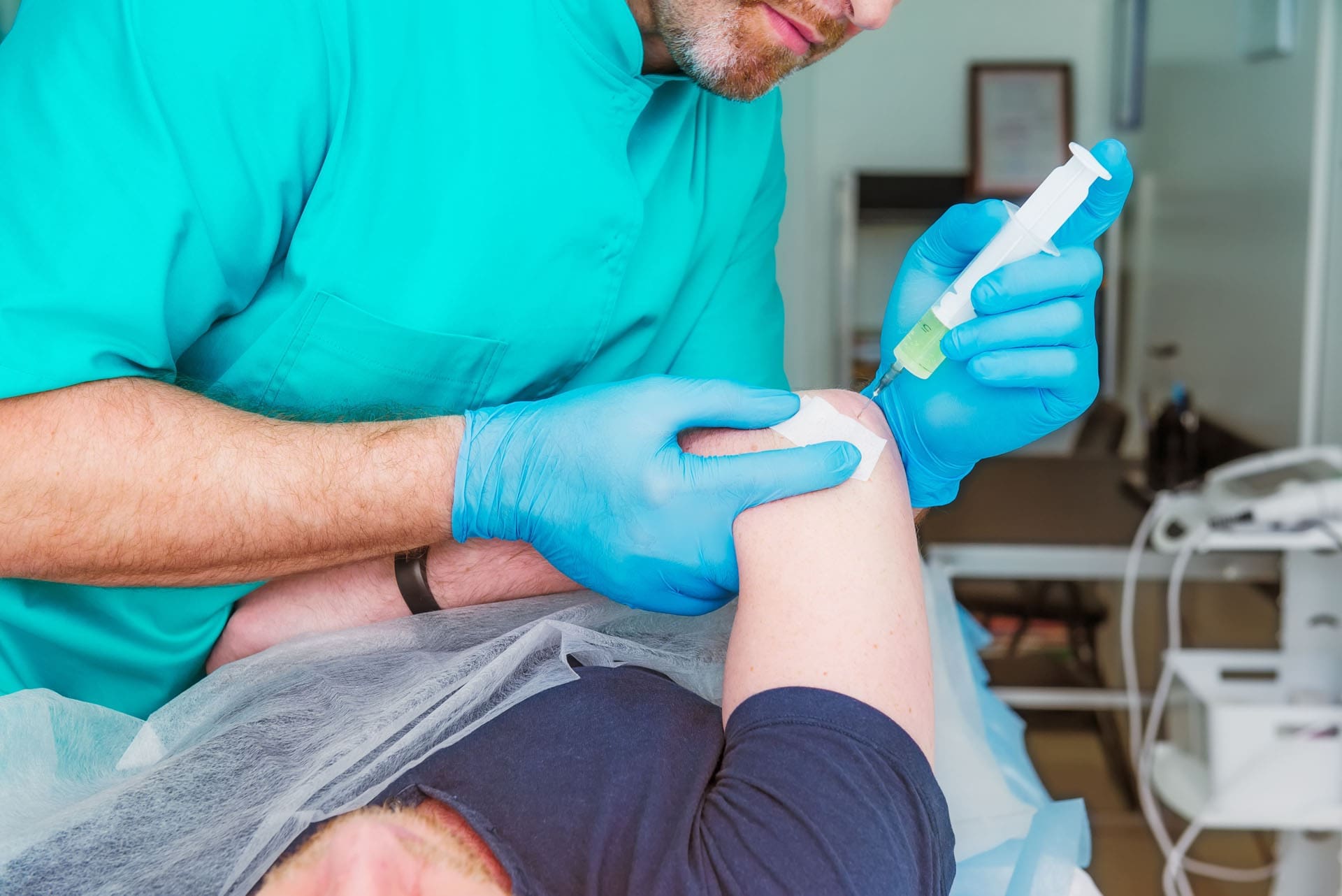
Regenerative Medicine: PRP, PFP, and MFAT

Some slip-and-fall injuries involve tissues that heal slowly, such as ligaments, tendons, cartilage, and joint structures. In selected cases, regenerative medicine may be considered as part of a broader treatment plan.

Platelet-rich plasma, or PRP, is made from a patient’s own blood. The American Academy of Orthopaedic Surgeons explains that PRP contains a higher concentration of platelets than normal blood, and platelets contain growth factors that may support the healing process.

Other regenerative options may include platelet-poor plasma, or PFP, and micro-fragmented adipose tissue, or MFAT. These treatments should not be described as guaranteed cures. They may be considered when clinically appropriate, depending on the injury, imaging findings, patient health, and treatment goals.

Regenerative care may be discussed for injuries such as:

  • Tendon irritation
  • Ligament sprains
  • Joint pain
  • Cartilage-related pain
  • Chronic soft-tissue injury
  • Certain sports or fall-related injuries

The goal is to support tissue repair, reduce inflammation, and improve function when conservative care alone is not enough.

Epidural Injections for Severe Nerve Pain

Some falls can irritate spinal nerves. This may happen when a disc bulge, herniated disc, swelling, or spinal inflammation presses on a nerve root. Symptoms may include sharp pain, burning, numbness, tingling, or weakness that travels into an arm or leg.

In some cases, epidural steroid injections may be used to reduce inflammation around irritated spinal nerves. Cleveland Clinic explains that epidural steroid injections can provide temporary pain relief for certain spine-related pain conditions, but they usually do not cure the underlying cause.

This is why injections often work best as part of a complete plan that may also include chiropractic care, rehabilitation, strengthening, posture correction, and medical follow-up.

A Complete Recovery Plan

A strong recovery plan should not only ask, “Where does it hurt?” It should also ask, “Why does it hurt, what tissues were injured, and how can function be restored?”

A ChiroMed-style integrated plan may include:

  • Examination and diagnosis
  • Chiropractic care for joint mechanics
  • Rehabilitation for strength and balance
  • Nutrition support for inflammation and healing
  • Acupuncture for pain modulation when appropriate
  • Regenerative medicine for selected soft-tissue injuries
  • Epidural injections for severe nerve pain when medically indicated
  • Follow-up testing or imaging when needed
  • Care coordination with attorneys, specialists, or other providers when appropriate

The purpose is to treat the whole injury pattern, not just mask symptoms.

What To Do After a Slip-and-Fall Accident

After a fall, simple steps can protect your health and help preserve important details.

Consider the following:

  • Report the fall to the property owner or manager.
  • Ask for an incident report.
  • Take pictures of the hazard.
  • Get witness names and contact information.
  • Save your shoes and clothing.
  • Write down what happened.
  • Seek medical care as soon as possible.
  • Follow your treatment plan.
  • Keep copies of medical records.
  • Speak with a qualified attorney for legal advice.

Early medical care can help rule out serious injury. It can also document the connection between the fall and the symptoms.

Conclusion

Slip-and-fall accidents can cause more than bruises. They may lead to fractures, concussions, spinal misalignments, herniated discs, whiplash, sprains, torn ligaments, and nerve pain. Legally, these accidents may fall under premises liability when unsafe property conditions contribute to the injury. In Texas, timing and fault rules can affect a claim, so documentation matters.

At ChiroMed – Integrated Medicine, the focus is on integrated, patient-centered care. For many patients, recovery may involve chiropractic care, rehabilitation, nutrition, acupuncture, regenerative medicine, or, when appropriate, pain-management injections. The best plan is built around the patient’s injury, symptoms, function, and long-term health goals.

This article is for educational purposes only and is not medical or legal advice. For medical concerns after a fall, seek care from a licensed healthcare professional. For legal questions, speak with a qualified attorney in your state.


References

American Academy of Orthopaedic Surgeons. (n.d.). Platelet-rich plasma (PRP). OrthoInfo.

Boston Medical Center. (n.d.). Sprains, strains & soft-tissue injuries.

ChiroMed – Integrated Medicine. (n.d.). ChiroMed – Integrated Medicine holistic healthcare in El Paso, TX.

Cleveland Clinic. (2021). Epidural steroid injection (ESI): What it is, benefits, risks & results.

Jimenez, A. (n.d.). El Paso, TX chiropractor Dr. Alex Jimenez DC | Personal injury specialist.

Justia. (2025). Slip and fall accident law.

Mayo Clinic. (2024). Back pain: When to see a doctor.

Texas Civil Practice and Remedies Code § 16.003. (2025). Two-year limitations period.

Texas Civil Practice and Remedies Code § 33.001. (2025). Proportionate responsibility.

How PRP Concentration Impacts Tissue Healing

How PRP Concentration Impacts Tissue Healing

How PRP Concentration Impacts Tissue Healing

Abstract

In the ever-evolving landscape of regenerative medicine, platelet-rich plasma (PRP) has emerged as a cornerstone therapy for a multitude of musculoskeletal conditions, most notably osteoarthritis. However, the clinical conversation is shifting from a simple “yes or no” regarding its use to a more sophisticated understanding of “how” and “why” it works. This post will take you on an educational journey into the nuanced world of PRP therapy. We will explore the critical concepts of platelet concentration, the evolving debate over leukocyte ratios (leukocyte-rich vs. leukocyte-poor PRP), and the latest evidence-based findings reshaping our treatment protocols. Drawing upon modern research and my clinical observations, we will demystify the physiological mechanisms at play, explaining how we can optimize treatments by focusing on absolute platelet dosage and understanding the synergistic roles of different cell types. Furthermore, we will connect these advanced regenerative techniques to the foundational principles of integrative chiropractic care, illustrating how a comprehensive approach that addresses biomechanical integrity and systemic health is paramount for achieving lasting patient outcomes.


The Evolution of PRP: Beyond Leukocyte Ratios to Precise Dosing

For years, the regenerative medicine community has engaged in a robust discussion about the ideal formulation of PRP. A central point of this debate was the white blood cell (leukocyte) ratio in the PRP preparation. This led to the common classification of PRP into leukocyte-rich (LR-PRP) and leukocyte-poor (LP-PRP) subtypes. The prevailing thought was that one type might be superior for specific conditions—for instance, that the pro-inflammatory nature of leukocytes in LR-PRP could be detrimental for an already inflamed arthritic joint.

This classification system, born around 2011-2012, was a significant step forward. It gave us a framework to begin conceptualizing and comparing different PRP preparations. It was a way for clinicians like myself to ask, “What is our patient actually receiving?” However, as science progresses, so must our understanding.

A Paradigm Shift in Understanding

Recent research has begun to challenge this dichotomous view. In a fascinating turn, some of the very same researchers who first proposed the importance of leukocyte ratios published a pivotal paper around 2022. Their updated findings, specifically regarding joint arthritis, suggested that, in the long run, the distinction between leukocyte-rich and leukocyte-poor PRP may not be as critical as we once believed (Le et al., 2022).

This finding aligns with a growing body of evidence that points to a different, perhaps more crucial, variable: the absolute platelet dose. Instead of focusing solely on the cell ratio, the focus is shifting to the total number of platelets delivered to the target tissue. The question is evolving from “Is it rich or poor in leukocytes?” to “How many billion platelets are we administering?” This represents a significant paradigm shift, moving us toward a more precise, dose-dependent approach to regenerative therapy.

In my own practice, I’ve observed this principle in action. A recent case involved a patient for whom we prepared PRP with a concentration factor of approximately 7.5 times their baseline platelet count. While this number can vary from patient to patient due to individual physiology, our advanced processing systems consistently yield concentrations in the 6x-10x range. The key was not just the concentration but the processing method, which allowed us to capture a high platelet yield, ensuring we delivered a therapeutically significant dose.

The Intricate Cellular Symphony Within PRP

To truly appreciate the power of PRP, we must look at the intricate components of the preparation and how they work together. Using modern separation systems, we can meticulously isolate different fractions of the blood.

Understanding the Buffy Coat and Its Components

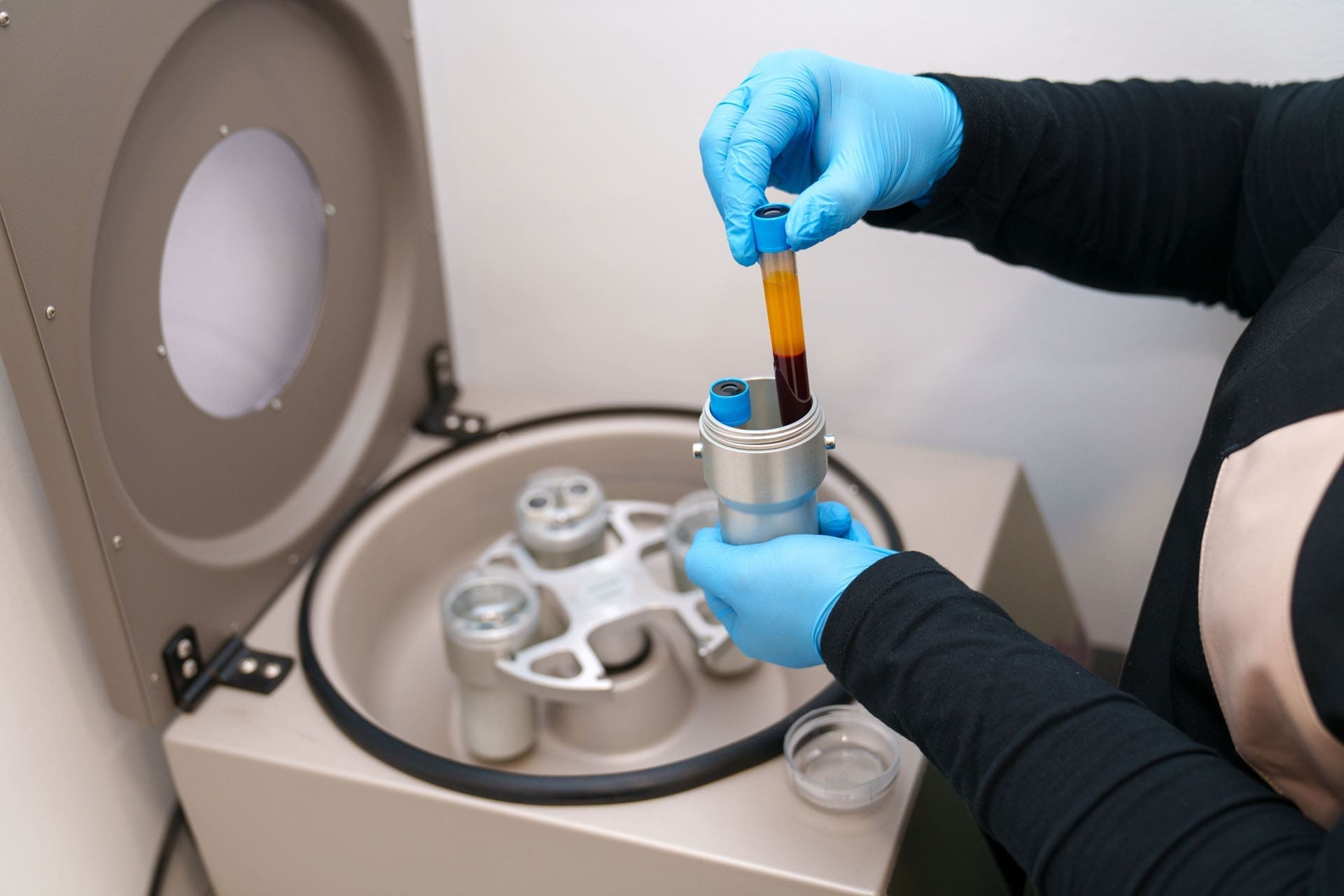
When blood is centrifuged, it separates into three main layers:

  • Red Blood Cells (Erythrocytes): The dense bottom layer.
  • Platelet-Poor Plasma (PPP): The clear, liquid top layer.
  • The Buffy Coat: A thin, whitish layer sandwiched between the other two.

The buffy coat is the treasure trove of regenerative medicine. It is densely packed with platelets and most leukocytes. The historical fear was the inclusion of the reddish layer just below the buffy coat, as it was thought to contain pro-inflammatory cells that could worsen conditions like arthritis.

However, our understanding of these cells has become much more refined. Advanced analysis reveals that this reddish zone, while containing some red blood cells, is also rich in specific leukocyte types, namely lymphocytes and monocytes. Far from being purely detrimental, these cells play a vital, beneficial role in the healing cascade.

  • Monocytes are particularly fascinating. When introduced to an injury site, they can differentiate into macrophages, which are essential for clearing cellular debris. More importantly, they help orchestrate the subsequent regenerative phases. The presence of lymphocytes helps guide these monocytes toward a pro-regenerative (M2) phenotype rather than a pro-inflammatory (M1) one.

This means that a PRP preparation that strategically includes these cell populations can create a more robust and sophisticated healing signal. The lymphocytes and monocytes don’t just add to the inflammation; they help manage it and then initiate a structured, beneficial healing response. This is why the conversation is moving away from simply labeling PRP as “leukocyte-rich.” It’s about understanding which leukocytes are present and their specific functions. The granulocytes (like neutrophils), which are more associated with acute inflammation, are largely separated out, while the beneficial monocytes and lymphocytes are retained.

This new perspective helps explain a retrospective observation: systems that produced “leukocyte-rich” PRP often happened to capture more platelets. The superior outcomes seen in some studies using LR-PRP for tendon injuries, for example, may have been less about the leukocytes and more about the higher absolute platelet dose being delivered (Filardo et al., 2018).

The Crucial Role of Integrative Chiropractic Care

Advanced regenerative treatments like PRP are powerful tools, but they do not exist in a vacuum. To achieve the best possible outcomes, we must address the entire patient, including the underlying biomechanical and structural issues that contributed to the injury or degeneration in the first place. This is where integrative chiropractic care becomes an indispensable partner to regenerative medicine.

Imagine injecting a highly potent, regenerative PRP preparation into a knee joint that is suffering from osteoarthritis. If that knee remains misaligned, with improper patellar tracking and imbalanced forces from dysfunctional muscles in the hip and ankle, the regenerative therapy is fighting an uphill battle. The very same pathological forces that wore down the cartilage remain, poised to degrade the newly formed tissue.

Creating an Optimal Healing Environment

As a chiropractor and functional medicine practitioner, my approach is to create an optimal environment for these regenerative cells to do their work. This involves a multi-faceted strategy:

  • Biomechanical Correction: Through precise chiropractic adjustments, we restore proper joint alignment not just in the affected joint but along the entire kinetic chain. For a knee issue, this means assessing and correcting imbalances in the spine, pelvis, hips, and ankles. This ensures that forces are distributed evenly, reducing pathological stress on the healing tissues.
  • Myofascial Release and Rehabilitation: We use advanced soft-tissue techniques to release adhesions, correct muscle imbalances, and restore proper function. This might involve active release techniques, instrument-assisted soft tissue mobilization, and targeted therapeutic exercises. This step is crucial for ensuring the joint is supported by a strong, balanced, and functional muscular system.
  • Nutritional and Metabolic Support: Healing is a metabolically demanding process. Through a functional medicine lens, we assess and optimize the patient’s nutritional status. This includes ensuring adequate levels of key vitamins and minerals (like Vitamin C, Zinc, and Magnesium) and managing systemic inflammation through diet and targeted supplementation (e.g., omega-3 fatty acids, curcumin). A systemically inflamed body will have a blunted response to any localized regenerative therapy.

By integrating these approaches, we are not just treating the site of pain; we are re-establishing the foundation for health. The chiropractic adjustments and physical rehabilitation prepare the “soil” by correcting the biomechanical environment, while the PRP injection acts as the “seed,” providing the cellular machinery for growth and repair. This comprehensive model significantly enhances the potential for long-term success and is a core tenet of my clinical philosophy at Injury Medical & Chiropractic Clinic.

A New Frontier in Regenerative Orthopedics

We stand at an exciting new frontier in the treatment of musculoskeletal conditions. The science of PRP is moving beyond simplistic classifications and toward a more sophisticated, evidence-based approach centered on precise dosing and a deeper understanding of cellular interactions. The latest research from leading experts is guiding us to optimize our methods, not by eliminating certain cells, but by understanding how to harness their synergistic potential to orchestrate a powerful healing response.

For patients suffering from conditions like joint arthritis, this means more effective and reliable outcomes. By combining these cutting-edge regenerative therapies with the foundational principles of integrative chiropractic care, we can address both the symptoms and the root cause of their condition. This holistic approach ensures that we are not only repairing damaged tissue but also restoring function, improving biomechanics, and empowering the body’s innate capacity to heal itself, resulting in lasting relief and improved quality of life.


References

Filardo, G., Di Matteo, B., Kon, E., Merli, G., & Marcacci, M. (2018). Platelet-rich plasma in tendon-related disorders: results and indications. Knee Surgery, Sports Traumatology, Arthroscopy, 26(7), 1984–1999. https://doi.org/10.1007/s00167-016-4261-4

Le, A. D. K., Enweze, L., DeBaun, M. R., & Dragoo, J. L. (2022). Current clinical recommendations for use of platelet-rich plasma. Current Reviews in Musculoskeletal Medicine, 15(6), 442–453. https://doi.org/10.1007/s12178-022-09787-z

Sports Medicine and Its Potential Benefits in PRP Therapy

Explore the role of PRP therapy in sports medicine in speeding up recovery and supporting athletes in peak condition.

PRP and Protein Concentrate Therapy

As a clinician deeply invested in integrative medicine, I, Dr. Alexander Jimenez, am constantly exploring innovative, evidence-based therapies to enhance patient outcomes. My work across various disciplines—including as a Doctor of Chiropractic (DC), Advanced Practice Registered Nurse (APRN), and Board-Certified Family Nurse Practitioner (FNP-BC)—has shown me the profound need for comprehensive treatment strategies. Today, I want to share insights into a powerful combination therapy that is changing the landscape of sports medicine and regenerative care: Platelet-Rich Plasma (PRP) enhanced with Protein Concentrate (PC). This approach represents a significant step forward, offering more than just temporary relief by addressing the underlying biochemical environment of an injury. We will delve into the science, explore the clinical applications, and discuss how this therapy, when integrated with chiropractic care and structured rehabilitation, can create superior, long-lasting results for our patients.

Abstract: Enhancing Regenerative Outcomes

This post explores the synergistic use of Platelet-Rich Plasma (PRP) and Protein Concentrate (PC) in managing musculoskeletal conditions. We will begin by defining Protein Concentrate, a derivative of platelet-poor plasma, and detailing its key anti-inflammatory and regenerative components, such as Alpha-2-Macroglobulin (A2M) and various growth factors. I will present the scientific rationale for combining these therapies, highlighting how the anti-catabolic properties of PC complement the anabolic effects of PRP. We will examine compelling research, including a pivotal study demonstrating long-term benefits for knee osteoarthritis, and discuss how to apply these findings in a clinical setting. This educational journey will cover patient selection, specific injection protocols for joints such as the knee and shoulder, and the critical role of data collection in refining our practice. Finally, I will explain how this advanced regenerative approach integrates seamlessly with a comprehensive care model that includes chiropractic adjustments, targeted rehabilitation, and other modalities to optimize healing and differentiate a practice within the competitive healthcare landscape.

Understanding Protein Concentrate: The Other Half of the Equation

In my practice, I frequently use Platelet-Rich Plasma (PRP), a therapy well-known for its healing properties. PRP is derived from a patient’s own blood and contains a high concentration of platelets, which release growth factors that stimulate tissue repair. But what about the other part of the blood that is separated during this process—the platelet-poor plasma (PPP)? For a long time, this component was often discarded. However, leading researchers have shown us that PPP is a treasure trove of beneficial molecules.
When we run platelet-poor plasma through a specialized filtration system, we obtain what is known as Protein Concentrate (PC). This process isolates and concentrates powerful proteins that play a crucial role in modulating the joint environment.

Key Components of Protein Concentrate

So, what makes Protein Concentrate so valuable? It’s all about its molecular makeup. The key players include:
Alpha-2-Macroglobulin (A2M): This is the star of the show. A2M is a very large protein (around 720 kilodaltons) that acts as a powerful protease inhibitor. In an inflamed or arthritic joint, destructive enzymes called proteases are overactive, breaking down cartilage and perpetuating a cycle of degradation and pain. When injected into a joint, A2M acts like a molecular trap, irreversibly binding to these proteases and neutralizing their destructive activity. This has a profound anti-catabolic effect, essentially stopping the breakdown process in its tracks.
Interleukin-1 Receptor Antagonist (IL-1Ra): Interleukin-1 (IL-1) is a potent inflammatory cytokine that drives pain, swelling, and cartilage degradation in conditions like osteoarthritis. PC is rich in IL-1Ra, a naturally occurring protein that blocks IL-1 receptor signaling. By preventing IL-1 from binding to its receptor, IL-1Ra effectively shuts down this major inflammatory pathway, leading to significant symptom relief.
Growth Factors: While PRP is the primary source of growth factors, PC also contains beneficial ones, including:
Vascular Endothelial Growth Factor (VEGF): Promotes the formation of new blood vessels, which is essential for delivering nutrients and oxygen to healing tissues.
Epidermal Growth Factor (EGF): Stimulates our own adult mesenchymal stem cells, encouraging them to participate in the repair process.
Platelet-Derived Growth Factor (PDGF-BB): Another powerful stimulant for mesenchymal stem cell activity.
By combining the anabolic (tissue-building) signals from PRP with the anti-catabolic (breakdown-blocking) and anti-inflammatory power of PC, we create a much more comprehensive and synergistic treatment environment within the joint.

The Clinical & Economic Case for Combining PRP and Protein Concentrate

In today’s healthcare market, especially for cash-based services like regenerative medicine, it’s not enough to offer a standard treatment. Patients are discerning; they want the best possible outcomes and are willing to invest in treatments that provide superior, lasting value. This is where offering a combination of PRP and Protein Concentrate becomes a powerful practice differentiator.
Think of it in terms of a “good, better, best” model:
Good: A standard PRP injection. This is effective and offered by many practitioners.
Better/Best: A combined PRP + PC injection. This premium service is justified by its enhanced mechanism of action—it doesn’t just stimulate repair; it actively protects the joint from further damage. This provides faster comfort, improved longevity, and a stronger rationale for a premium price point.
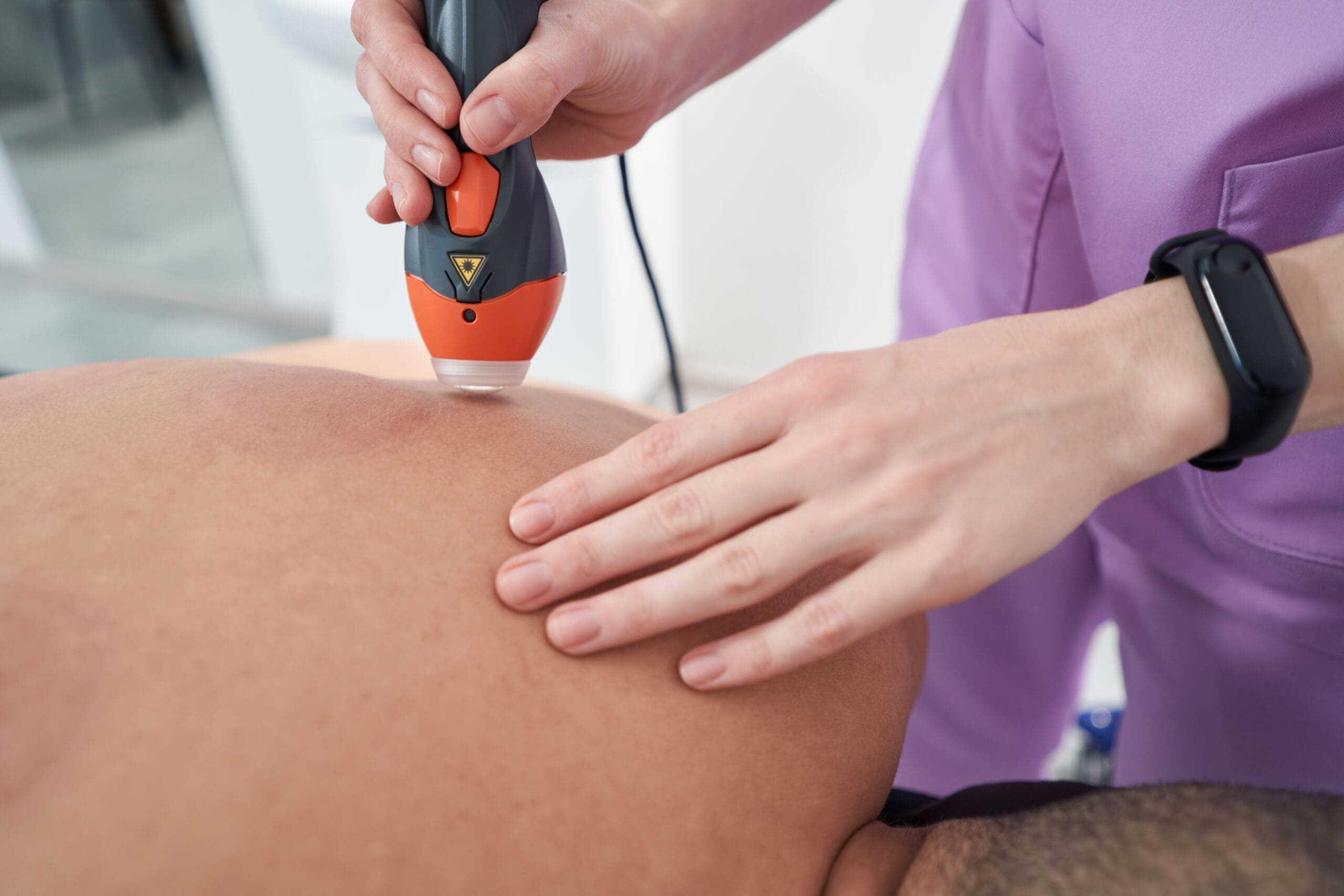
From my clinical observations, patients who opt for the combined therapy often experience more rapid pain relief and a more durable outcome. When we further stack the deck in the patient’s favor by integrating this with a full rehabilitation program—including chiropractic care, laser therapy, or shockwave therapy—we create a system designed for success. As a practitioner, this allows you to build a reputation on superior results, the ultimate differentiator.
The economics are also compelling. While adding PC to a PRP procedure increases the patient’s fee, the incremental cost of goods for the PC filter is relatively low. This results in a significantly higher profit margin for the procedure, allowing a practice to thrive while delivering a top-tier service.

Sports Injury Rehabilitation- Video

Evidence-Based Success: Long-Term Results for Knee Osteoarthritis

We must ground our clinical decisions in solid evidence. One of the most compelling pieces of research in this area comes from a 2017 paper by M.S. Mautner, K., & Colberg, R. E. (2017). They conducted a study on 82 knees with moderate-to-severe (Grades II, III, and IV) osteoarthritis. These were not “cherry-picked” easy cases; they represented the real-world challenges we see in our clinics.
The patients were treated with what the study termed “autologous protein solution,” which is essentially the Protein Concentrate we are discussing. The results were remarkable:
Patients showed statistically significant improvements in pain and function at three months.
Most impressively, these positive results were sustained for up to three years after a single injection.
This is a game-changer. We know from other research, such as Mei-Dan et al. (2012), that the benefits of PRP alone for knee osteoarthritis typically last around 12 to 18 months. The Mautner study suggests that adding the anti-catabolic and anti-inflammatory power of PC can potentially double the duration of effect. This provides immense value to the patient, who is looking for a long-term solution, not just a temporary fix. While the best results were seen in patients with Grade II and III osteoarthritis, even those with “bone-on-bone” Grade IV arthritis saw benefits.
Of course, science is never unanimous. Other studies have shown more mixed results, and it’s our responsibility as clinicians to present a balanced view. Transparency builds trust. I tell my patients that while the evidence is strong and my clinical experience is positive, no single therapy is a cure-all. This honest, evidence-informed approach enhances our credibility and strengthens the doctor-patient relationship.

Clinical Application: Protocols and Patient Selection

Knowing the “what” and “why” is crucial, but the “how” is what makes the difference in practice. Proper patient selection and meticulous technique are paramount.

Patient Selection and Preparation

Ideal Candidates: Patients with mild-to-moderate (Grade II-III) knee osteoarthritis are often the best candidates. We also see excellent results in chronic tendinopathies and certain shoulder conditions.
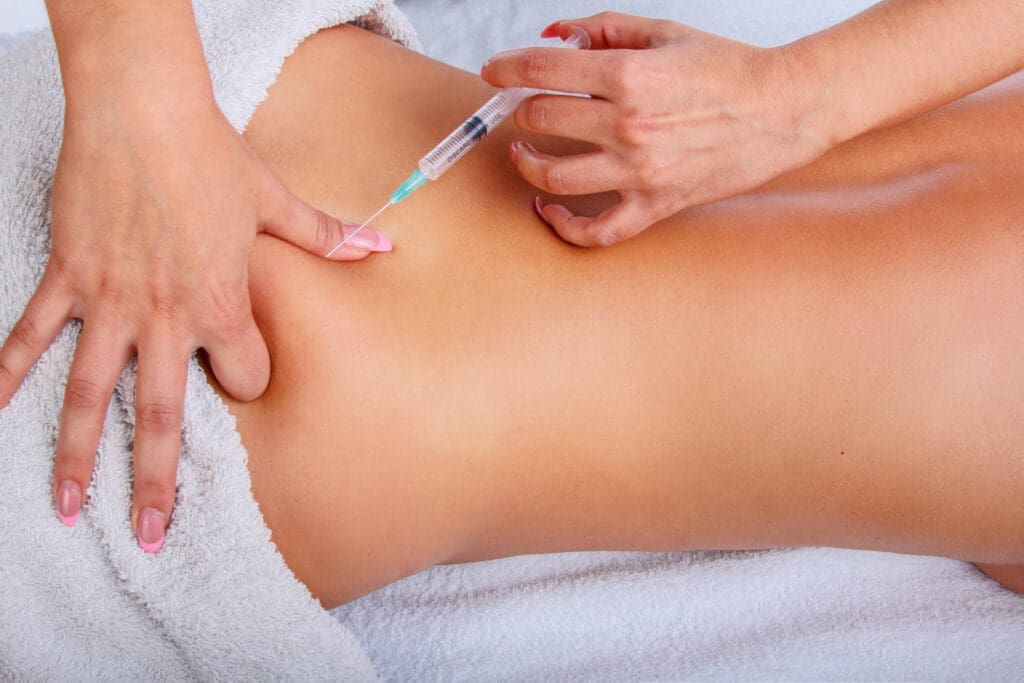
Pre-Injection Aspiration: If a joint, particularly the knee, has a significant effusion (excess fluid), it is critical to aspirate it before injecting. This “sludge” is filled with inflammatory cytokines and proteases. Removing it cleans the slate, allowing the PRP and PC to work in a less hostile environment.

Injection Volume and Technique

It’s important to understand the volume capacity of different joints. Research presented at conferences has shown that the knee can hold a surprisingly large volume, close to 100 mL, before intra-articular pressure rises dangerously. Therefore, a 10 mL injection (e.g., 5 mL of PRP and 5 mL of PC) is very safe and well-tolerated. Patients might feel a sense of fullness, but it is not harmful.
My general volume protocols are:
Knees & Shoulders: These are larger-volume joints. I typically use a 1:1 ratio of PRP to PC. For example, 5 mL of PRP combined with 5 mL of PC for a total of 10 mL injection.
Hips, Ankles & Wrists: These are lower-volume joints. I adjust the ratio to prioritize the anabolic signal of PRP while still getting the anti-catabolic benefit of PC. For a hip, I might use a 3:1 ratio, such as 3-4 mL of PRP and 1 mL of PC.

Specific Conditions

Chronic Tendinopathy (e.g., Achilles, Patellar): For these conditions, I perform an intratendinous injection of PRP to stimulate healing within the damaged tendon fibers. I then bathe the surrounding area (the paratenon) with Protein Concentrate to quell the local inflammation that is often a major source of pain.
Adhesive Capsulitis (Frozen Shoulder): This is one of my favorite applications. The traditional treatment often involves a corticosteroid injection to reduce pain enough for physical therapy to be tolerated. However, we can achieve a better, safer outcome. The protocol involves performing a hydrodilation—stretching the contracted shoulder capsule with sterile saline—followed by an intra-articular injection of Protein Concentrate. The PC’s potent anti-inflammatory effects, especially IL-1Ra, dramatically reduce the inflammation driving the condition, providing a window for effective, less painful rehabilitation.

The Indispensable Role of Chiropractic Care and Rehabilitation

A regenerative injection, no matter how advanced, is only one piece of the puzzle. At my clinic, we are staunch advocates for a holistic approach. Simply performing an injection and sending the patient on their way is what I call “drive-through” medicine, and it’s a disservice to the patient. True healing requires a comprehensive strategy.
This is where integrative chiropractic care becomes essential.
Restoring Biomechanics: An injury or degenerative condition doesn’t happen in a vacuum. It is almost always associated with or exacerbated by underlying biomechanical faults—poor joint alignment, muscle imbalances, and dysfunctional movement patterns. Chiropractic adjustments are crucial for restoring proper joint mechanics in the spine and extremities. If we inject a knee but fail to address the pelvic imbalances or foot pronation that caused the abnormal stress on that knee, the problem will inevitably return.
Improving Neurological Function: Adjustments also have a profound effect on the nervous system, improving proprioception (the body’s sense of its position in space) and normalizing nerve signaling to the muscles that support the joint. This creates a more stable and functional environment for the healing tissues.
Targeted Rehabilitation: Following the injection, a structured rehabilitation program is non-negotiable. This must include specific exercises to strengthen supporting muscles, stretch tight structures, and retrain proper movement patterns. The injection creates the optimal biochemical environment for healing, but the physical work of rehab provides the necessary mechanical stimuli to guide tissue remodeling.

Data Collection: The Key to Clinical Excellence

How do you know if your treatments are working? How can you confidently tell a patient what to expect? The answer is data. In my practice, we collect outcome data on every single regenerative procedure. Whether you use a simple spreadsheet or a sophisticated registry service, the act of collecting data is what transforms you from a practitioner who is guessing into one who knows.
My own data comparing PRP-only treatments to PRP + PC treatments for knee osteoarthritis show a clear advantage for the combination therapy. Patients in the PRP + PC cohort demonstrate a greater reduction in pain scores and a faster return to function. For example, we can tell a patient that on average, they can expect a 24-point improvement on a specific outcome score by a certain time point. This is powerful. It allows you to:
Set realistic patient expectations.
Refine and improve your protocols.
Leverage your own results during patient consultations to build immense confidence and trust.
When I sit with a patient, I can show them our clinic’s data for patients with their exact condition. This is infinitely more valuable than citing a study done by someone else in a different setting. Without your own data, you are flying blind.

Final Thoughts: Delivering a Superior Standard of Care

In a world where PRP is becoming a commodity, you can set your practice apart by delivering a structured, evidence-informed, and comprehensive system of care. Combining the anabolic power of PRP with the anti-catabolic and anti-inflammatory protection of Protein Concentrate creates a synergistic therapy with the potential for significantly better and longer-lasting outcomes.
This is not just about an injection. It is about an integrated protocol that you have developed, tested, and proven with your own data. It’s about understanding biomechanics through a chiropractor’s eye, guiding rehabilitation with a therapist’s knowledge, and managing biology with cutting-edge regenerative techniques. This distinction—delivering an integrated system of excellence rather than just a single product—is the foundation of a premium practice and, most importantly, the key to achieving the best possible results for the patients who place their trust in us.

References

SEO Tags: Protein Concentrate, PRP Therapy, Integrative Chiropractic Care, Knee Osteoarthritis, Regenerative Medicine, Alpha-2-Macroglobulin, A2M, Sports Medicine, Dr. Alexander Jimenez, Functional Medicine, Chronic Tendinopathy, Adhesive Capsulitis, Evidence-Based Practice, Patient Outcomes, Joint Pain Treatment, Non-Surgical Treatment

Platelet-Rich Plasma PRP Therapy Guide for Recovery

Platelet-Rich Plasma PRP Therapy Guide for Recovery

Platelet-Rich Plasma PRP Therapy Guide for Recovery
Integrative Chiropractic Improves Movement and Health

Abstract

Welcome to this in-depth exploration of Platelet-Rich Plasma (PRP) therapy. My name is Dr. Alexander Jimenez, and in this educational post, we will journey together through the intricate world of regenerative medicine. We will unravel the complexities of PRP, moving beyond the surface-level understanding to explore the crucial details that determine its success. I will guide you through the latest findings from leading researchers, breaking down concepts like platelet dosing, the composition of the biologic product, and why not all PRP is created equal. We will discuss the physiological underpinnings of PRP, from the cellular level to its effects on tissues such as tendons and joints. A significant focus will be on the importance of achieving a specific therapeutic dose to elicit a healing response, particularly in conditions like osteoarthritis (OA) and soft tissue injuries. We will also examine how factors like patient age and the specific preparation system used can dramatically influence outcomes. Furthermore, I will explain how integrative chiropractic care plays a vital supportive role in this process, enhancing recovery and optimizing the body’s response to treatment. This post is designed to provide you with a comprehensive, evidence-based understanding of PRP therapy, empowering you to make informed decisions about your health.


As a clinician with a diverse background spanning chiropractic (DC), advanced practice nursing (APRN, FNP-BC), and functional medicine (CFMP, IFMCP), my goal is to bridge gaps across healthcare fields to provide a truly holistic and effective treatment model. My clinical experience, available at chiromed.com and detailed on my LinkedIn profile, has consistently shown me the power of combining advanced biologic treatments with foundational care. Let’s begin our journey into the science of PRP.

What Is a Platelet and Why Does It Matter?

To truly grasp the power of PRP, we have to go back to a fundamental concept from our early science education: what is a platelet? Many of us remember them as tiny components of our blood that help with clotting. But they are so much more than that.

Platelets are small, anucleated (meaning they lack a nucleus) cell fragments that are essentially little packets filled with a treasure trove of proteins. These proteins include powerful growth factors and cytokines, which are signaling molecules that orchestrate the body’s natural healing and repair processes.

  • Key Characteristics of Platelets:
    • They have a lifespan of about 7 to 10 days. This is a critical piece of information. When I advise patients to avoid anti-inflammatory medications like NSAIDs before a PRP procedure, it’s because these drugs can inhibit platelet function, and we need their full healing potential for the therapy to be effective.
    • A normal platelet count in the blood ranges from about 150,000 to 400,000 per microliter.
    • The FDA’s definition of PRP is simply a platelet concentration that is “above baseline.” This vague definition is partly why there is so much variability in the PRP products available today.

The core principle of PRP therapy is to concentrate these powerful healing cells and their associated growth factors and then deliver them with precision to an area of injury or degeneration. The goal is to amplify the body’s natural healing cascade, transforming a chronic, non-healing state into an active, acute healing phase.

The Problem of Variability in PRP Preparations

A significant challenge in the field of regenerative medicine is the immense variability among different PRP systems. This is a critical point that both patients and practitioners must understand. The idea that “PRP is PRP” is a dangerous oversimplification.

A compelling study by Jaewoo Pak and his colleagues highlighted this issue perfectly. They analyzed five different commercial PRP systems and found dramatic differences in both the final platelet concentration and the white blood cell (WBC) count in the final product (Pak et al., 2017).

I often show my patients a slide from a presentation by Dr. Gerben van de Meijden that drives this point home. It shows the blood of a single patient processed through four different systems. The resulting PRP products are all different colors—from light yellow to deep red—each representing a unique cellular makeup. This isn’t just an aesthetic difference; it signifies a profound variability in the biologic drug we are creating. The “dose” and “formulation” are completely different, which inevitably leads to different clinical outcomes.

The Evidence for PRP: A Growing Body of Research

Despite the variability, the evidence supporting PRP therapy, particularly for certain conditions, is robust and growing. When colleagues or patients ask about the evidence, I point out a fascinating fact: there are now more patients enrolled in high-quality clinical trials for PRP in knee osteoarthritis (OA) than for hyaluronic acid injections, a long-standing and widely accepted treatment.

This wealth of data, as highlighted in a meta-analysis by Meheux et al. (2016), generally shows that PRP therapy tends to outperform hyaluronic acid, especially for medium- to long-term pain relief and functional improvement. This suggests that PRP is not just a temporary fix but may have a more lasting biological effect.

How We Create Your Personalized PRP Treatment in Our Clinic

So, how do we go from a simple blood draw to a powerful healing injectate? Let me walk you through the process we use in our clinic, which is designed for precision and quality.

  1. Blood Draw: We begin by drawing a specific volume of your blood. This is not a one-size-fits-all step. The amount of blood we draw is a strategic decision based on the target dose we need to achieve. A larger blood volume allows us to harvest a greater total number of platelets.
  2. First Centrifugation: The blood is placed into a sterile, closed-system kit. This kit is then placed in a centrifuge, a machine that spins at high speeds. This first “hard spin” uses centrifugal force to separate the blood into its different components based on their density. The heavier red blood cells are forced to the bottom, the lighter plasma rises to the top, and a thin, precious layer forms in the middle. This is the “buffy coat.”
  3. Isolating the Buffy Coat: The buffy coat is where the magic is. It’s incredibly rich in platelets and white blood cells. The plasma above it, known as platelet-poor plasma (PPP), is carefully removed.
  4. Second Centrifugation & Concentration: We are then left with the buffy coat and a small amount of plasma. In some systems, a second, slower spin is used to further concentrate the platelets. The key is understanding exactly where the platelets reside within the tube. In the system I often use, about 85% of the platelets are concentrated within a tiny 2-millimeter layer. This allows us to create a high concentration of platelets in a very small, precise volume.

Understanding the specific mechanics of the system you use is paramount. It’s the only way to reliably create a therapeutic product and move away from guesswork.

The Critical Concept of PRP Dosing

I encourage my patients and colleagues to think of PRP not as a generic “procedure” but as a biologic drug. And like any drug, it has a dose-response relationship. There is a minimum dose—a therapeutic threshold—that must be reached to trigger a significant biological effect. If the dose is too low (subtherapeutic), the treatment is likely to fail.

So, what is the right clinical dose of PRP? This is the million-dollar question, and the answer is slowly being pieced together by dedicated researchers. The optimal dose likely varies by the type of tissue being treated (e.g., tendon vs. cartilage) and the specific pathology.

Dosing for Tendons and Soft Tissues

Early research in cell cultures provided the first clues. Studies have shown that a specific platelet concentration stimulates the proliferation of tenocytes (tendon cells). However, if the concentration became too high, it had an inhibitory effect, slowing cell growth. This established the concept of an optimal therapeutic window.

A landmark study from Dr. Peter Everts’ group provided crucial clinical insight (Everts et al., 2020). They analyzed numerous studies on soft-tissue applications of PRP and plotted the results on a graph. They found a clear dividing line.

  • Studies that used a total platelet dose of less than approximately 3.5 billion platelets were overwhelmingly negative; the treatment didn’t work.
  • Studies that used a dose above 3.5 billion platelets were overwhelmingly positive.

This gives us a tangible target. If a PRP system produces only 1.5 billion platelets, it’s likely to be subtherapeutic for many soft-tissue applications. We need to aim for a dose within that effective range to give our patients the best chance of success.

How Patient Age Impacts Dosing

Here is where personalized medicine becomes essential. We know that a patient’s biology changes with age. As we get older, our baseline platelet count may decrease, and the concentration of growth factors within those platelets may also decline. This means that to achieve the same therapeutic dose of 5 billion platelets, an older patient may require a larger initial blood draw than a younger patient. In my practice, I often err on the side of drawing a larger volume of blood from my older patients to ensure we can formulate a sufficiently potent biologic product to stimulate a robust healing response. We are still in the early days of understanding these nuances, but it’s a critical consideration for candidacy and treatment planning.

Dosing for Knee Osteoarthritis (OA)

The knee is perhaps the area where we have the most data on PRP dosing. A widely cited study, the RESTORE trial, published in JAMA, concluded that PRP was no better than a saline placebo for knee OA (Bennell et al., 2021). However, a critical look at the study’s methodology reveals the flaw. They used a low-dose PRP system that delivered only 1.6 billion platelets. Based on our dose-response curve, we now understand this was a subtherapeutic dose, so a negative result was predictable. This study, while well-executed, taught us a valuable lesson about the importance of dose.

In stark contrast, another major study from Dr. Van der Weegen’s group used a dose of 10 billion platelets (van der Weegen et al., 2016). In these patients, they observed not only significant improvements in pain and function but also MRI evidence that PRP may have slowed the progression of cartilage loss. This suggests a potential disease-modifying effect at the right dose.

So, for knee OA, the evidence points to a target dose of 5 to 10 billion platelets to achieve both symptom relief and potential structural benefits.

Beyond Platelets: The Role of White and Red Blood Cells

While platelets are the star players, they are not the only cells in the PRP formulation. We must also consider the other cellular components, particularly white blood cells (WBCs) and red blood cells (RBCs).

The two main types of WBCs we are concerned with are neutrophils and monocytes. They seem to have very different effects.

  • Neutrophils are highly pro-inflammatory. A PRP product rich in neutrophils (leukocyte-rich PRP, or LR-PRP) often causes a more intense post-injection inflammatory reaction, with greater pain and swelling. In some cases, this intense inflammatory signal may be desirable to “kick-start” healing in a very chronic, stagnant tissue. However, there are concerns that enzymes released by neutrophils could damage certain tissues, such as articular cartilage.
  • Monocytes are considered more “anabolic” or constructive. They play a key role in transitioning from the inflammatory phase to the proliferative, or rebuilding, phase of healing.

The debate between leukocyte-rich (LR-PRP) and leukocyte-poor (LP-PRP) is ongoing. Much of the European data suggests that for a condition like knee OA, there may not be a significant clinical difference in the long run. However, the initial patient experience is often different, with LP-PRP typically being better tolerated. In my practice, the choice between LR-PRP and LP-PRP is a clinical decision based on the specific tissue, the chronicity of the injury, and the individual patient.

The Integral Role of Chiropractic Care and Rehabilitation

A PRP injection is not a magic bullet; it is a catalyst. To fully realize its potential, it must be supported by a comprehensive treatment plan. This is where integrative chiropractic care becomes a cornerstone of success.

1. Precision and Guidance: The biologic product must be delivered to the exact site of injury. If you are treating a rotator cuff tear, the PRP must be placed directly into the defect within the tendon. If it’s injected into the surrounding bursal space, it cannot perform its function of forming a biological scaffold and stimulating repair. This is why ultrasound guidance is non-negotiable for these procedures. It ensures that this precious biologic drug gets to its target.

2. Optimizing Biomechanics: As a chiropractor, my focus is on function and structure. If a patient has knee OA due to poor hip mechanics or foot overpronation, simply injecting the knee only addresses the symptom. Chiropractic adjustments, soft tissue mobilization, and corrective exercises are crucial for addressing the underlying biomechanical faults that led to the joint breakdown in the first place. This creates a better environment for the PRP to work and helps prevent recurrence of the injury.

3. Guided Rehabilitation: The post-injection period is critical. PRP triggers an inflammatory and proliferative process that takes time. I tell my patients not to expect immediate results. The true benefits unfold over three to six months. The rehabilitation protocol must be tailored to this biological timeline.

  • Initial Rest Phase: Following the injection, a short period of relative rest allows the platelet clot to form and the initial inflammatory cascade to begin.
  • Protected Mobilization: We then gradually introduce a gentle range-of-motion exercise to prevent stiffness.
  • Progressive Loading: As the tissue begins to repair and remodel, we introduce progressive, controlled loading through specific exercises. This mechanical stimulation is essential for guiding the new collagen fibers to align properly, creating a strong, functional, and resilient tissue. This is a journey we guide the patient through, ensuring they do the right things at the right time to support the healing initiated by PRP.

Key Takeaways for Patients and Practitioners

My goal in this post is to emphasize that successful regenerative medicine requires a deep understanding of the product you deliver. We must move beyond generic labels and focus on the specifics.

  • Dose Matters: Think of PRP as a drug. A subtherapeutic dose will not work. We must aim for a specific dose tailored to the tissue and condition, with current evidence suggesting a target of >3.5 billion platelets for soft tissues and 5-10 billion platelets for knee OA.
  • Not All PRP Is Equal: The preparation system dictates the final product. Understand your system’s capabilities and limitations to ensure you can create a therapeutic dose.
  • It’s a Biological Process: Healing takes time. PRP initiates a cascade that unfolds over months. Patient education and managing expectations are key.
  • Integrative Care is Crucial: The best outcomes are achieved when PRP is combined with precision guidance, biomechanical correction, and a structured, biology-based rehabilitation program.

By embracing this evidence-based, detailed, and integrative approach, we can truly harness the remarkable healing potential of PRP and offer our patients lasting solutions for pain and dysfunction.


References

Bennell, K. L., Paterson, K. L., Metcalf, B. R., Duong, V., Emsley, R., Hinman, R. S., … & Harris, A. (2021). Effect of intra-articular platelet-rich plasma vs placebo on pain, function, and structural change in patients with knee osteoarthritis: The RESTORE randomized clinical trial. JAMA, 326(20), 2021-2030. https://doi.org/10.1001/jama.2021.19415

Everts, P., Onishi, K., Jayaram, P., Lana, J. F., & Mautner, K. (2020). Platelet-rich plasma: new performance understandings and therapeutic considerations in 2020. International Journal of Molecular Sciences, 21(20), 7794. https://doi.org/10.3390/ijms21207794

Meheux, C. J., McCulloch, P. C., Lintner, D. M., Varner, K. E., & Harris, J. D. (2016). Efficacy of intra-articular platelet-rich plasma injections in knee osteoarthritis: a systematic review. Arthroscopy: The Journal of Arthroscopic & Related Surgery, 32(3), 495-505. https://doi.org/10.1016/j.arthro.2015.08.005

Pak, J., Lee, J. H., & Lee, S. H. (2017). A novel protocol of platelet-rich plasma application for musculoskeletal medicine: a preliminary report. Journal of Prolotherapy, 9(1), e971-e979.

van der Weegen, W., van Drumpt, R., & de Sèze, P. B. (2016). The use of platelet rich plasma in knee osteoarthritis: a literature review and clinical interpretation. Bio-Orthopaedics Journal, 1(1).

PRP Therapy Overview for Non-Surgical Musculoskeletal Care

Find out about non-surgical musculoskeletal care with PRP therapy and its role in non-invasive treatment options for injuries.

Abstract

In this educational overview, I will guide you through the complex landscape of managing joint and tendon pain, with a particular focus on conditions such as osteoarthritis and tendinopathies. Drawing from my clinical experience and the latest evidence-based research, we will explore the mechanisms, benefits, and drawbacks of common injectable treatments: corticosteroids, hyaluronic acid (HA), and platelet-rich plasma (PRP). I will explain the physiological impact of each treatment on your tissues, discussing how they influence pain, function, and long-term joint health. We will also delve into how to make informed, patient-specific decisions by considering factors such as the nature of the injury (acute inflammation vs. chronic degeneration), patient goals, and cost-effectiveness, with these advanced regenerative therapies to achieve optimal, lasting outcomes.

Hello, I’m Dr. Jimenez. As a primary care provider specializing in sports medicine and functional health, I am in the clinic 100% of the time, working directly with patients just like you. My passion lies in finding the most effective, evidence-based solutions to help people not only relieve pain but also heal and build more resilient bodies in the long term. Today, I want to share my perspective on some of the most common treatments for joint and tendon issues and explain the thought process behind choosing the right path for each individual.

Why We Seek Alternatives to Traditional Approaches

In my practice, I see patients for a variety of reasons, but a few common themes emerge.

  • Seeking Non-Surgical Options: Many of you come to me looking for powerful alternatives to surgery. This is precisely why my specialty in non-operative sports medicine exists. You want to heal without the risks, downtime, and potential complications of an invasive procedure.
  • Desire for Faster Recovery: Whether you’re a competitive athlete or someone who wants to get back to playing with your grandchildren, you want to get better as quickly as possible.
  • Focus on Long-Term Tissue Health: This is perhaps the most crucial point. I can inject something to numb the pain temporarily, but are we actually helping the tissue heal? Or are we potentially causing harm down the line? My goal is not to provide a temporary fix that requires you to come back every few months for the rest of your life. Instead, we want to restore and strengthen damaged tissue and return you to your life with confidence and strength. This philosophy is at the core of regenerative and functional medicine.

Let’s consider a common scenario. A patient comes to me with a chronic tendon injury. A neurosurgeon sent them for evaluation. The problem isn’t just about pain; it’s about compromised tissue integrity. My objective is to do more than mask the symptoms. We want to change the tissue’s biology to promote a healthier, more robust state.

Understanding the Tools: Corticosteroids, HA, and PRP

When it comes to injectable treatments for joint and tendon pain, we have several tools at our disposal. It’s essential to understand what each one does, why we might use it, and what its limitations are.

Corticosteroids: The Double-Edged Sword

Corticosteroids (like cortisone) and powerful non-steroidal anti-inflammatory drugs (NSAIDs) like Toradol are well-known for providing rapid and potent pain relief. They work by aggressively shutting down the inflammatory process.

  • Mechanism: Corticosteroids are powerful anti-inflammatory agents. They suppress the immune response, reducing the swelling, warmth, and pain associated with inflammation.
  • The Downside: While they offer quick relief, this comes at a cost. Emerging research and extensive clinical observation have raised serious concerns about their long-term effects. A significant issue is chondrotoxicity, meaning they can be toxic to cartilage cells (chondrocytes). When we repeatedly inject steroids into a joint, we may be accelerating the very cartilage breakdown we are trying to prevent. Think of it this way: inflammation is part of the body’s natural healing signal. By completely silencing it, we might also be silencing the signals that call for repair and regeneration. The result is often a cycle of temporary relief followed by a return of pain, often worse than before, leading to more injections. Many patients I see have been on this “injection treadmill” and eventually end up needing surgery anyway.

Hyaluronic Acid (HA): The Joint Lubricant

Hyaluronic Acid (HA), also known as viscosupplementation, is a different approach. HA is a natural component of the synovial fluid that lubricates our joints.

  • Mechanism: In arthritic joints, the concentration and quality of HA are often diminished. Injecting a gel-like HA substance helps to restore the viscosity of the joint fluid. This provides better lubrication and shock absorption, improving the overall joint environment (homeostasis). It’s important to note that HA itself is not a direct anti-inflammatory in the classical sense, unlike a steroid. Its primary role is mechanical and supportive.
  • Application: I often think of it like this: I can inject a steroid into an “angry,” inflamed joint to calm it down, or I can add HA gel to improve the mechanics and reduce friction. In many cases, especially in an irritated joint, I might combine a short-term anti-inflammatory with HA to get the benefits of both—calming the fire and then improving the environment. In the United States, insurance typically covers HA injections only for knee osteoarthritis, but clinically, we see benefits in other joints, such as the shoulders, hips, and ankles. Patients often acquire the syringes from specialty pharmacies for these off-label applications.

Platelet-Rich Plasma (PRP): Harnessing the Body’s Healing Power

This brings us to Platelet-Rich Plasma (PRP), a cornerstone of modern regenerative medicine.

  • Mechanism: PRP is a concentration of your own blood platelets, which we obtain through a simple blood draw and centrifugation process. Platelets are the body’s first responders to injury. They are packed with hundreds of growth factors and signaling proteins that orchestrate the entire healing cascade. When we inject PRP directly into an injured tendon or an arthritic joint, we deliver a powerful, concentrated dose of these natural healing signals. PRP doesn’t just mask pain; it works to:
    • Modulate Inflammation: Unlike steroids, which obliterate inflammation, PRP modulates it. It helps transition the inflammatory state from a chronic, destructive process to an acute, regenerative one.
    • Promote Tissue Healing: It stimulates the recruitment of stem cells to the area and encourages the formation of new blood vessels (angiogenesis) and new, healthy tissue (such as collagen in tendons or cartilage components in joints).
  • The Outcome: By using your body’s own biological software, PRP aims to fundamentally change the tissue environment, promoting true healing and creating a more durable, functional structure. This is how we move from managing symptoms to actually restoring tissue.

The Evidence: Comparing PRP, Steroids, and HA

The scientific community has been rigorously studying these treatments, and a clear picture is beginning to emerge.

PRP vs. Corticosteroids

A growing body of high-quality research shows that for many conditions, particularly osteoarthritis and tendinopathies, PRP is superior to corticosteroids. A systematic review and meta-analysis by Belk et al. (2021) found that, for knee osteoarthritis, patients treated with PRP experienced significantly greater improvements in pain and function than those who received corticosteroid injections, with benefits lasting much longer, often up to 12 months. Steroids, in contrast, typically provide relief for only a few weeks to a few months.

PRP vs. Hyaluronic Acid (HA)

Similarly, when PRP is compared to HA for knee osteoarthritis, the evidence favors PRP. Multiple studies, including a large-scale meta-analysis published in Arthroscopy, have demonstrated that PRP provides more significant and longer-lasting improvements in both pain scores and functional outcomes at 6 and 12 months post-injection (Laudy et al., 2015). While HA can be beneficial, PRP appears to offer a more profound and durable biological effect.

Summary of Evidence Table

TreatmentMechanism of ActionDuration of EffectEffect on TissueBest For
CorticosteroidsPotent anti-inflammatoryShort-term (1-12 weeks)Potentially chondrotoxic (damaging to cartilage) with repeated useAcute, severe inflammatory flare-ups when other options are not feasible
Hyaluronic Acid (HA)Joint lubrication and shock absorptionMedium-term (up to 6 months)Supportive, improves joint homeostasisMild to moderate osteoarthritis, especially when insurance covers it
Platelet-Rich Plasma (PRP)Modulates inflammation, delivers growth factors to stimulate healingLong-term (6-12+ months)Regenerative, promotes healing and tissue repairChronic tendinopathies, mild to moderate osteoarthritis, long-term tissue health

Making the Right Choice: A Patient-Centered Approach

So, how do we decide which treatment is right for you? This is where a personalized, integrative approach becomes critical. There is no one-size-fits-all answer.

  • For Chronic Tendinopathy or Mild-to-Moderate Osteoarthritis: If you have a long-standing issue like tennis elbow, Achilles tendinopathy, or early-to-moderate joint arthritis without severe, acute inflammation, my first recommendation is almost always PRP. It addresses the underlying degenerative nature of the problem and offers the best chance for long-term healing and functional improvement. I try to avoid steroids in these cases to protect the long-term health of the tissue.
  • When Cost is a Major Factor: If PRP is not financially feasible and your insurance covers HA for knee osteoarthritis, it is a very reasonable and effective option that provides better long-term outcomes than steroids. With some insurance plans now dropping coverage for HA, the cost-benefit analysis is shifting. If you are paying out of pocket, the small additional cost of PRP may provide significantly more value, as it often requires fewer treatments over time.
  • For Acute, Severe Pain: There are times when a patient is in so much pain that their only goal is immediate relief. In these situations, judicious use of a corticosteroid injection can serve as a bridge. It can calm a severe inflammatory flare-up enough to allow the patient to engage in physical therapy and other restorative treatments. However, I always have a conversation with the patient: “This is a temporary solution to get you out of this crisis. Once the inflammation is under control, we need to address the underlying problem to prevent this from happening again.”

The Crucial Role of Integrative Chiropractic Care

Injectable therapies, even advanced ones like PRP, are only one piece of the puzzle. If we don’t address the underlying biomechanical issues that led to the tissue breakdown in the first place, the problem is likely to return. This is where integrative chiropractic care is essential.
As a Doctor of Chiropractic (DC) and a board-certified Family Nurse Practitioner, I see the body through a unique lens. Pain and degeneration in a joint or tendon are often symptoms of a deeper functional problem.

  • Restoring Biomechanics: A knee doesn’t exist in isolation. Its function is directly influenced by hip and ankle mobility, core stability, and pelvic alignment. Through chiropractic adjustments, soft tissue mobilization, and specific therapeutic exercises, we work to correct these imbalances. For example, if a patient has knee osteoarthritis, I will assess their hip mobility and foot mechanics. Often, hip stiffness or poor foot posture forces the knee to take on excessive rotational stress, accelerating wear and tear. By restoring normal movement patterns in the entire kinetic chain, we offload the damaged knee joint.
  • Enhancing the Effects of Regenerative Injections: Performing a PRP injection without correcting the faulty mechanics is like patching a tire without fixing the alignment that caused it to wear out unevenly. The patch won’t last. Chiropractic care creates an optimal biomechanical environment for the regenerative process to succeed. By improving joint alignment and muscle function, we ensure that the newly forming tissue is not immediately subjected to the same stresses that caused the initial injury. This synergy between advanced regenerative injections and foundational chiropractic care is the key to achieving durable, long-term success.

At my clinic, a comprehensive treatment plan for a patient with knee osteoarthritis might involve a PRP injection to stimulate cartilage repair, combined with a targeted program of chiropractic adjustments to the lumbar spine and pelvis, mobilizations for the hip and ankle, and a tailored exercise regimen to strengthen the gluteal muscles and improve neuromuscular control. This holistic approach ensures we are treating not just the site of pain, but the entire system.

Final Thoughts

The world of medicine is moving away from simply managing symptoms and toward restoring function and promoting true healing. When we talk about treating joint and tendon pain, we have to consider the long-term implications of our choices.

  • Steroids have their place for short-term crisis management, but pose a risk to long-term tissue health.
  • Hyaluronic Acid is a safe and effective lubricant, offering a good supportive option for osteoarthritis.
  • Platelet-Rich Plasma (PRP) stands out as a superior treatment for promoting true tissue healing and offering lasting functional improvement, supported by robust scientific evidence.

Ultimately, the best approach is personalized to you—your specific condition, your goals, and your body’s unique needs. By combining advanced regenerative therapies like PRP with the foundational principles of integrative chiropractic care, we can go beyond temporary fixes and help you move toward lasting health, durability, and a full return to the life you love.

References

SEO Tags: Joint Pain, Osteoarthritis Treatment, PRP Therapy, Platelet-Rich Plasma, Hyaluronic Acid, Cortisone Injections, Regenerative Medicine, Integrative Chiropractic Care, Sports Medicine, Tendinopathy, Knee Pain, Non-Surgical Treatment, Dr. Alexander Jimenez, El Paso, TX, Functional Medicine

PRP Therapy for Pain Relief, Healing, and Recovery

PRP Therapy for Pain Relief, Healing, and Recovery

PRP Therapy for Pain Relief, Healing, and Recovery

Abstract

Welcome to an in-depth exploration of Platelet-Rich Plasma (PRP), a cornerstone of modern regenerative medicine. We will delve into the very essence of platelets, exploring the powerful growth factors, cytokines, and other bioactive molecules they release. Drawing from the latest findings of leading researchers, we’ll examine how these components orchestrate the body’s natural healing and anti-inflammatory processes. I will explain the critical concept of PRP dosing, the importance of different platelet types, and how specific growth factors such as PDGF, TGF-β, and FGF contribute to tissue repair and regeneration. Finally, we’ll connect these principles to clinical practice, showing how integrative chiropractic care can be synergistically combined with PRP therapy to optimize patient outcomes, reduce pain, and restore function by addressing both the biochemical and biomechanical aspects of healing.


The Cellular Orchestra: Understanding the Power Within Your Blood

For over a decade, my clinical practice has been deeply rooted in the principles of functional and regenerative medicine. A recurring theme in helping patients overcome chronic pain and injury is the quest to harness the body’s innate ability to heal itself. One of the most powerful tools we have in this endeavor is Platelet-Rich Plasma (PRP). While many have heard the term, the true depth of what’s happening at a cellular level is often misunderstood. Today, I want to take you on a journey into the microscopic world of PRP, moving beyond the buzzwords to appreciate the sophisticated biological symphony it conducts.

When we talk about PRP, we’re focusing on concentrating a specific component of your blood: the platelets, also known as thrombocytes. While red blood cells and white blood cells play their own roles, it’s the platelets that act as the master conductors of tissue repair. The therapeutic magic of PRP lies in the wealth of bioactive components housed within these tiny cell fragments. These include:

  • Growth Factors: Proteins that signal cells to grow, proliferate, and differentiate.
  • Cytokines: Small proteins that are crucial in controlling the growth and activity of other immune system cells and blood cells.
  • Anti-inflammatory Molecules: Compounds that help modulate and resolve inflammation, which is a key barrier to healing.

The fundamental idea is that by concentrating these platelets, we can deliver a supraphysiological dose of these healing molecules directly to an injured area, amplifying the body’s natural repair signals and creating an optimal environment for regeneration.

Inside the Platelet: A Treasure Trove of Healing Granules

To truly grasp how PRP works, we need to look inside the platelet itself. Think of a platelet as a microscopic delivery vehicle packed with different types of cargo containers, or granules. The main therapeutic benefit we seek comes from the contents of these granules, which are released upon activation at the site of injury.

The three primary types of granules are:

  • Alpha Granules: These are the most abundant and arguably the most important for regeneration. Each platelet contains about 50 to 80 alpha granules, which are filled with a vast array of powerful growth factors. When a platelet is activated—for instance, by contact with exposed collagen in damaged tissue—it undergoes a process called degranulation, releasing growth factors into the surrounding environment. This is the primary event that initiates the healing cascade.
  • Dense Granules (or Delta Granules): These granules contain small molecules, including ADP, ATP, serotonin, and calcium. Their role is to amplify the healing response. They enhance platelet aggregation (helping form a stable scaffold) and vasoconstriction (controlling bleeding), and they also modulate the local immune response.
  • Lysosomes: These act as the cleanup crew. They release enzymes that help break down and remove damaged tissue and cellular debris from the injury site. This process, known as enzymatic debridement, clears the way for new, healthy tissue to form and also contributes to antimicrobial defense.

Recent research, including studies on platelet biology, highlights that over 280 distinct proteins are involved in this process, underscoring the incredible complexity of this “orchestra” of molecules working in concert (Golebiewska & Poole, 2015).

The Significance of Platelet Quality and “Dosing”

A critical concept that has emerged from evidence-based research is that not all PRP is created equal. The effectiveness of a treatment depends heavily on both the concentration and quality of the platelets. This is where the idea of PRP dosing becomes paramount. Simply put, the more functional platelets we can deliver to a target tissue, the greater the concentration of bioactive molecules we release, and potentially, the more robust the healing response.

Furthermore, we are learning about the importance of reticulated platelets. These are essentially “younger,” more robust platelets, recently released from the bone marrow (typically within the last 24-72 hours). They are denser and contain more alpha granules than their older counterparts. This means they are packed with more growth factors and have a greater regenerative potential. In our clinical processing, we use advanced techniques to preferentially harvest these denser, more potent reticulated platelets, ensuring that the PRP we inject is of the highest possible quality and biological activity.

The Key Players: A Closer Look at Essential Growth Factors

While hundreds of proteins are released, a few key growth factors are the primary drivers of the regenerative effects seen with PRP. Understanding their specific roles helps us appreciate why this therapy is so effective for a range of musculoskeletal conditions.

Platelet-Derived Growth Factor (PDGF)

As its name implies, PDGF was first discovered in platelets, but it’s also produced by other cells involved in healing. Think of PDGF as the “first responder” or the primary chemoattractant. It sends out a powerful signal that calls other crucial healing cells to the site of injury. Most importantly, it recruits Mesenchymal Stem Cells (MSCs)—the body’s own master repair cells—to the area. While PRP itself does not contain stem cells, it potently signals the body’s resident stem cells to migrate to the site, proliferate (make copies of themselves), and differentiate into the specific cell types needed for repair (e.g., cartilage, tendon, or bone cells). The PDGF-BB isoform is recognized as the most biologically active and is a major focus of current research for its potent role in initiating this cascade.

Transforming Growth Factor-Beta (TGF-β)

TGF-β is a master regulator of tissue regeneration. Its primary functions include:

  • Stimulating Collagen Synthesis: It powerfully enhances the production of type I collagen, the fundamental building block of tendons, ligaments, and the matrix of our bones and cartilage. This is essential for rebuilding the structural integrity of injured tissue.
  • Promoting Angiogenesis: the formation of new blood vessels. A healthy blood supply is critical for delivering oxygen and nutrients to the healing tissue and removing waste products.
  • Coordinating with Other Growth Factors: TGF-β works synergistically with PDGF to enhance endothelial cell proliferation and capillary sprouting, leading to a robust network of new blood vessels (neovascularization) that supports long-term tissue health.

The effect of PRP on angiogenesis is dose-dependent. Studies, such as those published in the Journal of Orthopedic Research, suggest that a platelet concentration of approximately 1.5 billion platelets per milliliter is required to achieve a significant pro-angiogenic effect (Mazzocca et al., 2012). This underscores the importance of precise processing and quantification to achieve optimal clinical results.

Fibroblast Growth Factor (FGF)

FGF is one of the most potent mitogens released by platelets, meaning it is exceptionally effective at stimulating cell division. It acts on a wide variety of cell types, including MSCs, chondrocytes (cartilage cells), and osteoblasts (bone-forming cells). By promoting the rapid proliferation of these essential repair cells, FGF accelerates tissue regeneration.

The Anti-Inflammatory Power of PRP

Chronic, unresolved inflammation is a major culprit behind persistent pain and tissue degradation, especially in conditions like osteoarthritis. While PRP initiates an acute, controlled inflammatory response to jumpstart healing, one of its most profound long-term benefits is its ability to modulate and resolve chronic inflammation.

This is achieved through several mechanisms:

  1. Leukocyte Interaction: The concentrated platelets in PRP interact with white blood cells (leukocytes) at the injury site. This interaction can shift the behavior of these immune cells, prompting them to release anti-inflammatory cytokines like IL-10 and IL-4, which actively suppress chronic inflammation.
  2. Macrophage Polarization: PRP can influence macrophage behavior, a type of white blood cell. It promotes a shift from the pro-inflammatory (M1) phenotype to an anti-inflammatory and pro-reparative (M2) phenotype. M2 macrophages are critical for cleaning up debris, resolving inflammation, and secreting factors that promote tissue remodeling and regeneration.
  3. Chemokine Secretion: Platelets release chemokines that not only recruit healing cells but also act as survival factors for monocytes, preventing their premature death and promoting their differentiation into beneficial M2 macrophages.

In essence, PRP acts as a biological “reset button,” transforming a chronically inflamed, degenerative environment into one that is actively anti-inflammatory and pro-regenerative.

Integrating Chiropractic Care for a Holistic Healing Approach

As a Doctor of Chiropractic, I view the body through both biomechanical and biochemical lenses. A successful outcome depends on addressing both the “parts” and the “system.” This is where the synergy between PRP therapy and integrative chiropractic care becomes so powerful.

Imagine a patient with chronic knee osteoarthritis. The PRP injection will address the biochemical problem inside the joint—reducing inflammation, signaling cartilage repair, and improving the quality of the synovial fluid. However, if the patient’s knee pain is also caused or exacerbated by poor biomechanics—such as a misaligned pelvis, muscle imbalances in the leg, or improper gait—the joint will remain under abnormal stress. This persistent mechanical strain can hinder the regenerative process initiated by the PRP and lead to a recurrence of symptoms.

This is why our integrative approach includes:

  • Chiropractic Adjustments: We perform precise adjustments to the spine and extremities to restore proper alignment and mobility of the joints. Correcting pelvic alignment, for example, can ensure that forces are distributed evenly through the knees, reducing abnormal wear and tear.
  • Myofascial Release and Soft Tissue Work: We address muscle imbalances, trigger points, and fascial restrictions that contribute to faulty movement patterns. This ensures that the muscles supporting the joint are functioning optimally.
  • Customized Rehabilitation: We design targeted exercise programs to strengthen weak muscles, stretch tight ones, and retrain proper movement patterns (neuromuscular re-education). This stabilizes the joint and protects it from future injury.

By combining the powerful biochemical signaling of PRP with the essential biomechanical corrections of chiropractic care, we create a comprehensive healing environment. The PRP rebuilds tissue from the inside out, while chiropractic care ensures the entire musculoskeletal system functions correctly to support and protect the newly regenerated tissue. In my clinical experience, this holistic strategy is the key to achieving durable, long-term pain relief and true restoration of function for my patients.


References

MLS Laser Therapy & Photobiomodulation Benefits for the Body

Find out how MLS laser therapy for photobiomodulation can improve your quality of life and accelerate healing processes.

Abstract

In this educational post, I share a clear, first-person journey through modern laser therapy and photobiomodulation as I apply it in integrative practice. You will learn what laser therapy is, why the patented MLS multiwave locked system matters, how wavelength, power, and emission modes influence safety and clinical impact, and where these technologies fit within regenerative medicine, orthobiologics, and sports care. I explain the cellular physiology behind mitochondrial activation, photochemical and photothermal responses, and how true pulsed emission reduces thermal risk while enhancing photon density and depth of action. I also describe practical dosing, point-by-point vs. scanning techniques, and the benefits of robotic, hands-free delivery for consistent outcomes. Finally, I illustrate how integrative chiropractic care coordinates laser therapy with manual interventions, shockwave, neuromusculoskeletal assessment, and functional medicine principles to improve pain, function, and long-term recovery. References to leading researchers, randomized trials, and real-world registry data are included, along with my clinical observations from practice.

Introduction: My Perspective on Photobiomodulation in Modern Care

As Dr. Alexander Jimenez, DC, APRN, FNP-BC, CFMP, IFMCP, ATN, CCST, I have spent years helping patients navigate complex musculoskeletal pain, neuropathy, and recovery from orthopedic and sports injuries. When I first stepped into Apex’s new education and learning facility on 2026-05-02, I felt the resonance of a well-designed environment dedicated to cutting-edge modalities. The enthusiasm from colleagues, including leaders from OrthoLaser and technology innovators in MLS robotic therapy lasers, underscored the transformation underway in regenerative medicine: energy devices like lasers and shockwave are now merging seamlessly with orthobiologics to promote true tissue repair rather than merely manage symptoms.
In this post, I distill the science and clinical practicality behind photobiomodulation—laser therapy—so you can confidently understand how it works, why the MLS approach is unique, and how integrative chiropractic care amplifies patient outcomes. My goal is to guide you through the essential concepts and then show you how to integrate them in a real clinical workflow.

Modern Laser Therapy Basics: The Four Tissue Interactions

Laser-tissue interaction determines clinical results. Four fundamental phenomena occur when laser light meets biological tissue:
Reflection
Transmission
Scattering
Absorption
Among these, absorption is the therapeutic linchpin. Chromophores must absorb laser photons to initiate biologically meaningful change. Reflection and scattering represent energy loss; transmission is the passage of energy through tissue without interaction. Effective therapy maximizes absorption while controlling the other interactions—by choosing appropriate wavelengths, power, emission modalities, and delivery methods.

Key Laser Concepts: Source, Power Class, Emission Mode, Wavelength

To make laser therapy intuitive, I break it into four key concepts:
Source
Power class
Emission modality
Wavelength
Each element shapes clinical effect, depth of action, safety, and dosing.

Understanding Laser Sources

A laser source is defined by the active material that emits photons when excited. In surgical contexts, CO2 gas lasers interact with water to cut tissue via micro-explosions—excellent for incisions, not for healing. Therapeutic lasers most often use diodes. MLS laser systems are diode-based and sourced from high-precision Italian manufacturing, which matters for reliability, calibration integrity, and diode stability over time. Stable sources translate into reproducible clinical dosimetry and consistent patient outcomes.

Power Class: Class 3 vs. Class 4 and Why It Matters

Therapeutic lasers commonly fall into Class 3 (≤0.5 W) and Class 4 (>0.5 W). Marketing labels like low-level laser (LLLT), cold laser, high-intensity laser, and hot laser can be confusing; what matters is the interaction between power and emission mode. Class 4 systems can shorten treatment times and improve photon density in deeper tissues, but poorly controlled continuous delivery may lead to thermal accumulation.
MLS laser therapy is technically Class 4, yet its patented emission design delivers the efficacy profile of Class 4 while maintaining the safety characteristics of Class 3. That combination reduces liability concerns and broadens indications, enabling point-by-point dosing without burning tissue—crucial for precise joint-space work and peri-implant care.

Emission Modality: Continuous, Chopped, and True Pulsed

Emission modality is the heartbeat of laser safety and effectiveness:
Continuous emission delivers uninterrupted light. If held stationary too long with high power, tissue temperatures can exceed the thermal damage threshold (~45°C).
Continuous chopped (or interrupted) uses mechanical means to block a continuous beam in microseconds. This delays heating but does not fully prevent thermal accumulation because the source never truly turns off.
True pulsed emission turns the source off in nanosecond intervals, creating genuine rest periods. Tissue can absorb photons and then cool between pulses, preventing temperature from creeping above therapeutic ranges. Therapeutic photobiomodulation aims to avoid sustained temperatures above ~43°C, where biological reactions can be inhibited rather than stimulated.

Wavelength: The “Prescription” for Depth and Targeting

Therapeutic photobiomodulation generally uses wavelengths in the 600–1200 nm window because of the absorption spectra of melanin, hemoglobin, and water. MLS systems specifically employ synchronized 808 nm (continuous) and 905 nm (pulsed) wavelengths. The 808 nm band offers strong penetration for photochemical activation, while 905 nm provides deeper penetration with high-peak-power pulses, enhancing photon density in target tissues without thermal risk.

Why the MLS Multiwave Locked System Is Unique

The Multiwave Locked System (MLS) synchronizes multiple wavelengths so they arrive simultaneously, reinforcing each other’s effects. This synchronization creates homogeneous energy distribution across superficial and deeper targets—like switching from a scattershot meteor shower to a uniform wavefront that saturates the tissue volume. In practice:
808 nm (continuous) supports mitochondrial activation and local circulation.
905 nm (true pulsed) delivers high-peak-power bursts with cooling intervals, increasing photon density for deeper tissues while preventing thermal buildup.
The physiologic result is a balanced combination of photochemical activation (ATP synthesis), photothermal modulation (controlled vasodilation and lymphatic flow), and photomechanical signaling (ECM deformation and mechanotransduction) that collectively accelerates tissue repair without suppressing necessary early inflammation.

Safety Profile: Why Heat Sensation Is Not Performance

Patients often equate “feeling heat” with effective treatment; however, high thermal effects do not equal high performance in photobiomodulation. The goal is cellular signaling, not cooking tissue. MLS’s true pulsed pattern keeps tissue below inhibitory temperature ranges and far below damage thresholds, ensuring that biological cascades proceed unimpeded. This distinction is vital around implants, tattoos, and bone surfaces, which can reflect energy and concentrate heat with non-pulsed devices.

Depth of Action: Wavelength, Emission, Power Density, and Time

Reaching target tissues requires the right combination of:
Wavelength (primary determinant of penetration).
Emission mode (true pulsed allows higher peak power without heat accumulation).
Power density (mW/cm² at tissue).
Exposure time (J/cm² dose).
The relationship between peak power and photon density matters: more photons per unit time and area increase the likelihood that chromophores such as cytochrome c oxidase will be activated, thereby driving ATP production and redox signaling. With MLS, true pulsed 905 nm delivery increases peak power in bursts, raising photon density at depth while tissue cools between pulses.

Clinical Delivery: Point-by-Point vs. Scanning

There are two practical methods:
Point-by-point dosing: stationary application over the target for a prescribed duration and energy dose. This maximizes absorption, minimizes dispersion, and grants precise dosing—ideal for joint spaces, tendon origins, and small neuropathic focal points.
Scanning: moving the applicator across a region. This can be effective for broader fields but is operator-dependent. Variability in speed, overlap, and distance can lead to inconsistent dosing.
MLS robotic platforms overcome scanning variability by delivering hands-free, precisely programmed energy maps, ensuring consistent dosing across operators and visits. In my clinic, that consistency translates into more reliable outcomes, smoother workflows, and the ability to combine laser with manual therapies simultaneously.

Robotic and Hands-Free Advantages

The MLS robotic arm ensures:
Consistent energy delivery across sessions and staff.
Safety via locked synchronization and true pulsed control.
Workflow efficiency: hands-free operation allows clinicians to perform soft-tissue release, joint mobilization, neuromuscular re-education, or percussion therapy while the laser runs—maximizing appointment value without sacrificing precision.
For field settings and athletic trainers, portable MLS units with straps enable targeted dosing at the sideline or in the training room, extending therapy beyond the clinic walls.

Physiological Underpinnings: Photochemical, Photothermal, and Photomechanical Effects

Laser therapy’s mechanisms can be organized into three complementary pathways:
Photochemical Activation
Mitochondrial stimulation via cytochrome c oxidase increases ATP production, shifts cellular redox states, and promotes the activity of transcription factors associated with growth and repair.
This accelerates fibroblast activity, collagen synthesis, and angiogenesis, while modulating oxidative stress.
Photothermal Modulation
Controlled vasodilation improves perfusion, oxygenation, and nutrient delivery.
Lymphatic enhancement reduces edema, supports waste clearance, and decreases inflammatory exudate.
In MLS systems, photothermal effects are therapeutic without crossing inhibitory thresholds; tissue temperature remains within a range favorable to enzymatic reactions and signaling cascades.
Photomechanical Signaling
Rapid pulses create temporary deformation of the extracellular matrix (ECM) and cell membranes, activating mechanosensitive pathways.
This facilitates cytoskeletal reorganization, influences integrin-mediated signaling, and augments tissue repair sequences.

Inflammation Modulation vs. Suppression

It is critical to note that MLS therapy does not suppress inflammation as NSAIDs do. It modulates inflammatory processes—upregulating anti-inflammatory proteins and downregulating pro-inflammatory cytokines—while respecting the acute phase needed for proper healing. This is why MLS pairs well with orthobiologics; rather than blunting early inflammation (which supports cell recruitment and initial repair), MLS normalizes and supports the cascade, reducing excessive pain and swelling while protecting regenerative intent.

Clinical Indications and Dosing Framework

Common indications include:
Musculoskeletal pain: plantar fasciitis, knee osteoarthritis, neck pain, tendinopathies, myofascial pain.
Post-surgical healing: incisions, soft-tissue repair, peri-implant recovery.
Wound care: diabetic ulcers, traumatic and infected wounds, burns.
Sports medicine: delayed onset muscle soreness, acute muscle strain, ligament sprain.
Neuropathic pain: diabetic neuropathy, compressive neuropathies, small fiber pain.
Dosing principles in my practice:
Session length: typically 6–12 minutes, depending on area size and target depth; anterior-posterior or dual-field approaches may extend the time accordingly.
Packages: acute conditions often 4–6 sessions; chronic conditions 8–12 sessions. This cumulative dosing approach allows progressive improvements in pain and function.
Frequency: ideally 2–3 times per week. In acute flares, daily sessions can be considered for brief periods; practicality and access may guide scheduling.
Point-by-point dosing for focal structures; robotic scanning for consistent energy distribution over broader fields.

Clinical Images and Observations

Wound- and burn-healing examples demonstrate why safety matters. Treating burns with a laser may seem paradoxical until you understand MLS’s non-heating, pulsed profile. In my clinical observations, combining MLS laser therapy with compression, offloading, and nutritional cofactors (e.g., protein sufficiency, vitamin C, zinc) accelerates closure rates in diabetic ulcers. It reduces the risk of infection, particularly when paired with meticulous debridement and glycemic control.
Peri-implant treatment is another area where MLS stands out. Patients with knee replacements or hardware often fear laser near implants; MLS’s synchronized wavelengths and pulsed control minimize conductive heat accumulation, allowing safe application to surrounding soft tissues. In my experience, postoperative stiffness and peripatellar pain respond well to a protocol integrating MLS laser therapy, joint mobilization, instrument-assisted soft-tissue mobilization (IASTM), and graded activity.

Neuropathic Pain and the MLS MIS Platform

Emerging devices geared to neuropathic pain (e.g., MIS systems) target parameters tuned for nerve repair and dysesthesia reduction. European MDR clearance has recognized neuropathic indications, and similar approvals are progressing domestically. In my practice, patients with diabetic neuropathy or post-chemotherapy neuropathies benefit from MLS laser combined with glycemic optimization, B-vitamin sufficiency (especially methylated B12 and folate where appropriate), alpha-lipoic acid, and foot intrinsic strengthening. The laser’s modulation of neuroinflammation and microcirculation complements metabolic correction.

Evidence Base: Trials and Registry Data

Modern photobiomodulation has matured beyond anecdote. Randomized controlled trials and real-world registries corroborate benefits across pain and function domains. Combining orthobiologics with MLS laser therapy shows synergistic improvements:
Faster numeric pain rating reductions in the first month and sustained gains out to 24 months.
Greater improvements in worst pain scores and desired functionality markers.
Higher overall patient satisfaction in combined protocols.
These data support a shift from symptom management to cellular health optimization, marrying biologic inputs (PRP, BMAC, growth factor-rich preparations) with photonic signals that improve mitochondrial function, microvascular flow, and ECM remodeling.

Integrative Chiropractic Care: Where Laser Therapy Fits

From a chiropractic and functional medicine viewpoint, MLS laser therapy is most powerful when embedded in a coordinated plan:
Assessment and Diagnosis
Thorough neuromusculoskeletal examination: joint mobility, muscle tone, proprioception, gait, and regional interdependence.
Functional lab insights per case: inflammation markers, glycemic status, micronutrient sufficiency.
Manual and Movement Foundations
Spinal and extremity adjustments to restore joint mechanics and reduce nociceptive input.
Soft-tissue release (IASTM, myofascial techniques) to normalize tone and improve tissue gliding.
Neuromuscular re-education and graded loading to reintegrate function and resilience.
Energy Devices and Orthobiologics
MLS laser therapy to modulate inflammation, energize mitochondria, and support microcirculation.
Shockwave therapy for mechanotransduction and neovascularization when indicated.
Orthobiologics (e.g., PRP) for biologic scaffolding and cellular inputs; MLS supports the early healing milieu without suppressing beneficial inflammation.
Metabolic and Lifestyle
Nutritional optimization for collagen synthesis and tissue repair.
Sleep and stress modulation to enhance autonomic balance and recovery capacity.
Progress Monitoring
Standardized pain and function scales (NPRS, ODI, KOOS, FAAM).
Imaging or ultrasound, where appropriate.
Consistent MLS dosing via robotic delivery and careful parameter documentation.

Why Each Technique Is Used

Adjustments reduce mechanical stress and abnormal joint signaling, making downstream laser effects more efficient by removing barriers to perfusion and nerve function.
Soft-tissue mobilization breaks adhesions and improves ECM pliability—laser photomechanical signaling benefits from tissues primed to respond.
Shockwave induces regenerative signals and vascular remodeling; laser complements by reducing inflammatory load and energizing mitochondrial repair.
Orthobiologics provide biological substrates and cellular signals; laser therapy supports their integration by improving the microenvironment (oxygenation, edema reduction).
MLS laser specifically balances deep photon delivery with safety—its synchronized wavelengths and true pulsed mode prevent heat accumulation while maximizing cellular activation.

Clinical Workflow Example: Knee Osteoarthritis

Visit 1–2: Assessment, set goals, baseline NPRS and function scales, initial MLS laser point-by-point dosing to medial and lateral joint lines, posterior capsule, peri-patellar soft tissue; gentle mobilizations; home exercises for quads, hips, and ankle mobility.
Visit 3–6: Robotic MLS scanning over the knee for consistent dosing; introduce shockwave localized to tendinous attachments if appropriate; progress strength and motor control drills.
Visit 7–12: Consider PRP for refractory cases; maintain MLS sessions around biologic injection timelines to modulate inflammation and improve circulation; recheck metrics and adjust as needed.
Outcome: Reduced pain scores, improved stair descent, better stance stability; long-term maintenance via periodic MLS sessions and continued exercise.

Clinical Workflow Example: Plantar Fasciitis

Acute phase: MLS point-by-point over proximal plantar fascia insertion; calf and posterior chain soft-tissue release; intrinsic foot activation; load management.
Subacute: Robotic MLS coverage of plantar arch and heel; introduce shockwave to stimulate local regeneration if needed; progressive loading.
Chronic: Consider orthobiologics for degenerative fascial changes; maintain MLS to reduce pain and enhance functional durability.

Addressing Safety: Implants, Tattoos, and Bone

Implants: MLS’s synchronized, pulsed pattern allows safe peri-implant dosing without heating risks associated with continuous high-power systems.
Tattoos: Pigment absorption can concentrate energy; MLS mitigates this via true pulsed delivery, enabling comfortable treatment over tattooed skin.
Bone Reflection: Bone can reflect >90% of incident Class 4 energy; MLS protocols emphasize proper patient positioning and joint-window targeting to maximize soft-tissue absorption.

Why Robot-Assisted Consistency Matters

Consistency is an outcome multiplier. Different operators inevitably vary in distance, speed, overlap, and timing when scanning by hand. The robotic MLS platform standardizes all of this, producing repeatable dosing that tightens the variance band around results. In my clinic, that translates to more predictable timelines, fewer setbacks, and better communication with patients about expected improvements.

My Clinical Observations in Practice

From my experience:
Combining MLS laser therapy with shockwave and targeted manual therapies reduces time-to-improvement in tendinopathies, especially in high-load athletes.
In diabetic neuropathy, adding MLS to metabolic care (glycemic control, micronutrient support) reduces burning pain and enhances light-touch discrimination sooner than metabolic care alone.
Postoperative patients benefit from MLS’s ability to modulate edema and restore movement tolerance, especially when coupled with gentle mobilization and progressive rehab.
In chronic myofascial pain, point-by-point MLS over trigger points followed by percussion therapy and motor control exercises often breaks stubborn cycles of pain and guarding.

A Practical Protocol Rationale

Early-phase: Photobiomodulation targets mitochondrial function and reduces pain enough to allow patients to move; movement restores joint mechanics, circulation, and neuromuscular coordination.
Mid-phase: Shockwave and loading recondition tissues; MLS continues to optimize the microenvironment.
Late-phase: Orthobiologics may be layered in for degenerative changes; MLS supports integration and reduces flare risk.
Maintenance: Periodic MLS and functional exercise maintain gains, reduce relapse, and support aging athletes or individuals with persistent risk factors.

Closing Thoughts: From Symptom Relief to Cellular Optimization

The integrative future of musculoskeletal medicine is already here. By aligning MLS laser therapy with chiropractic care, shockwave, and orthobiologics, we move beyond symptom suppression toward genuine cellular optimization. True pulsed, synchronized wavelengths create a therapeutic environment that respects physiology while accelerating recovery. In my practice, the most gratifying moments are when patients realize their improvement is not a temporary pain mask—it is a deeper shift in function, resilience, and quality of life.

References

In-text citations: (Hamblin, 2018; Chung et al., 2012; Leal Junior et al., 2014; Barolet & Christiaens, 2018; Franco et al., 2019; Schmitz et al., 2018; DataBiologics, 2026)

Author and Clinical Resources

Dr. Alexander Jimenez, DC, APRN, FNP-BC, CFMP, IFMCP, ATN, CCST
Clinical observations and integrative practice insights: https://chiromed.com/
Professional profile: https://www.linkedin.com/in/dralexjimenez/

SEO tags: photobiomodulation, MLS laser therapy, integrative chiropractic care, regenerative medicine, orthobiologics, sports medicine laser, true pulsed emission, mitochondrial activation, pain modulation, robotic laser therapy, shockwave synergy, neuropathic pain laser, peri-implant laser safety, functional medicine musculoskeletal, evidence-based laser therapy

PRP Injections and Their Benefits for Osteoarthritis

Discover the potential of PRP injections for osteoarthritis treatment and its role in promoting healing and reducing inflammation.

Abstract

As a clinician dedicated to integrative and evidence-based care, I frequently encounter patients suffering from knee osteoarthritis (OA) who are seeking relief. The decision on which injectable treatment to use can be complex, involving a delicate balance of providing rapid pain relief, ensuring long-term joint health, and considering the patient’s individual needs and goals. In this educational post, I will guide you through the latest research on common intra-articular injections for knee OA. We will begin by examining the role and significant risks of corticosteroids, exploring why the medical community is moving toward alternatives. I will then introduce ketorolac, an NSAID injection, as a safer, fast-acting alternative for acute flares. We’ll delve into the science of hyaluronic acid (HA), or viscosupplementation, evaluating its potential for longer-term benefits and its current standing in clinical guidelines. Finally, we will explore the exciting and robust evidence supporting Platelet-Rich Plasma (PRP) as a treatment that not only manages pain but also shows promise as a disease-modifying therapy capable of delaying the need for surgery. Throughout this discussion, I will integrate my clinical observations and emphasize how an integrative chiropractic approach, focusing on biomechanics and holistic patient care, complements these advanced treatments to optimize outcomes for our patients.


Hello, I’m Dr. Alexander Jimenez. With my extensive background in chiropractic and functional medicine, holding titles such as DC, APRN, FNP-BC, CFMP, IFMCP, ATN, and CCST, my practice is rooted in a deep commitment to providing integrative care grounded in the latest scientific evidence. Today, I want to take you on a journey through the landscape of injectable treatments for knee osteoarthritis, a condition I see daily in my clinic. We’ll examine what the research tells us and how we can make the best choices for our patients.

Let’s begin with a common clinical scenario to frame our discussion.

A Common Clinical Scenario: The Acute Knee OA Flare

Imagine a 60-year-old woman who comes into my office with an acute flare-up of her right knee pain. She was diagnosed with mild osteoarthritis two years prior and had managed it well with physical therapy and weight loss. She remains quite active, but this current flare started after a bit more walking than usual. There was no specific injury or trauma. She presents with mild swelling, and her pain is most pronounced when using stairs. Her son’s wedding is just a week away, and she is understandably anxious, requesting an injection to improve her pain and mobility for the event.

On examination, she has a mild antalgic gait (walking with a limp to avoid pain), tenderness along the medial joint line, and a small effusion (swelling within the joint). Her X-rays confirm tricompartmental osteoarthritis with a Kellgren-Lawrence (K-L) grade of 2, which is considered mild to moderate.

So, we have a patient with an acute OA flare, no history of prior injections, and a significant life event approaching. What is the best way to help her? The most conventional response in many practices would be an intra-articular corticosteroid injection. But is that the right answer? My goal today is not to give you a single “correct” answer but to arm you with the evidence so you can make an informed decision, one that aligns with the principles of modern, evidence-based care.

The Double-Edged Sword of Corticosteroid Injections

Why Corticosteroids are so Common

There’s a clear reason why corticosteroids have been the go-to for decades. The primary driver of pain and swelling in an OA flare is synovial inflammation. Corticosteroids are potent anti-inflammatory agents. They work by:

  • Suppressing the infiltration of leukocytes (white blood cells) into the joint.
  • Decreasing the activity of local immune cells within the synovium (the soft tissue lining the joint).
  • Downregulating the expression of genes involved in the inflammatory cascade.

This powerful anti-inflammatory effect leads to decreased synovial membrane inflammation and a reduction in the effusion. The result is rapid pain relief, typically occurring within three to seven days. For our patient with the wedding next week, this timeline is very appealing. While oral NSAIDs or steroids could be considered, they carry significant systemic risks that an injection helps to minimize.

The Mounting Evidence Against Corticosteroids

Despite the short-term benefits, a growing body of evidence urges caution. There is significant concern for chondrotoxicity, meaning the substance is toxic to cartilage cells. Preclinical studies have provided robust evidence that steroids exert dose-dependent deleterious effects on cartilage morphology, histology, and viability. Simply put, the higher the dose of the steroid, the more damage it can cause to the cartilage. Among the different types, dexamethasone and triamcinolone appear to be the least toxic, but the risk remains.

This isn’t just a finding in lab studies. High-level clinical trials support these concerns. A pivotal study published in JAMA in 2017 was a two-year, randomized, placebo-controlled trial comparing injections of triamcinolone to saline in patients with knee OA (McAlindon et al., 2017). Patients received an injection every 12 weeks. The findings were startling:

  • There was no significant difference in pain relief between the steroid group and the placebo (saline) group over the two years.
  • The group receiving repeated steroid injections experienced significantly greater cartilage volume loss compared to the placebo group.

Another powerful retrospective review of over 49,000 patients, published in 2019, found that patients who received even one to three steroid injections (for various hip or knee conditions, not just OA) had a twofold greater risk of needing a knee replacement at the five-year mark (Kompel et al., 2019). The study also revealed a dose-dependent relationship: the risk of total knee arthroplasty (TKA) increased with each subsequent injection.

In my clinical practice at ChiroMed, I’ve observed this pattern. Patients who have received multiple steroid injections over the years often present with more advanced degenerative changes on their imaging than their symptom history might suggest. This is why there is a strong call within the medical community to find safer alternatives. While a single, first-time injection for an acute flare might seem reasonable, we must ask ourselves if we are sacrificing long-term joint health for short-term relief.

Ketorolac: A Safer, Fast-Acting Alternative for Knee Flares

If we want to avoid the chondrotoxic effects of steroids but still provide rapid relief for a patient like the one we discussed, where do we turn? I want to present an excellent alternative: ketorolac.

Ketorolac is a non-steroidal anti-inflammatory drug (NSAID) that can be injected directly into the joint. Its mechanism of action is different from and safer than corticosteroids:

  • As a COX-1 and COX-2 inhibitor, it blocks prostaglandin production, which is a key mediator of inflammation and pain sensitization.
  • Delivering it locally via injection achieves a high concentration in the synovial fluid, providing potent anti-inflammatory effects with minimal systemic exposure compared with oral NSAIDs.
  • Crucially, ketorolac provides anti-inflammatory and analgesic effects without the immunosuppressive and gene-expression-altering effects of steroids.

Most importantly, preclinical models have not shown the deleterious structural effects on cartilage that we see with steroids. Its onset of action is similar, within a few days, and its efficacy often lasts for a few months.

A 2021 systematic review and meta-analysis confirmed that, for knee and hip OA, an intra-articular ketorolac injection provides pain and functional improvements similar to those of corticosteroids from one week to three months post-injection, with minimal adverse events (Saltzman et al., 2021). Our own research has echoed these findings. In a study we conducted on hip pathologies, including OA, we found a trend toward greater pain improvement in the ketorolac group, which was statistically significant for the OA patients. The onset of relief was rapid (around 3 days for ketorolac), and the duration was comparable to that of steroids.

Therefore, ketorolac stands out as a fantastic steroid-sparing option. It addresses the same goal—rapid relief from an inflammatory flare—without the known cartilage toxicity. However, we must still be cautious and avoid its use in patients with contraindications to NSAIDs, such as a history of gastrointestinal ulcers, severe cardiac or kidney disease, or those on anticoagulants.

Hyaluronic Acid for Long-Term Joint Health

What if our patient doesn’t have an acute flare? What if they present with more chronic, persistent pain and want to improve the long-term health of their joint? This is where we shift our focus from just putting out the fire of inflammation to improving the joint’s structural environment. A primary candidate for this goal is hyaluronic acid (HA), also known as viscosupplementation.

The core concept behind HA injections is to augment the natural viscoelastic properties of the synovial fluid. In an osteoarthritic joint, the natural endogenous HA is depleted and degraded. This reduces the fluid’s viscosity and lubricating properties. By supplementing it with an injection, we aim to:

  • Improve joint lubrication and shock absorption.
  • Modulate nociception (pain signaling) and inflammation.

HA works through several biological pathways. It binds to a receptor on synovial cells, CD44, which in turn helps modulate inflammation by decreasing inflammatory cytokines such as IL-1β and cartilage-degrading enzymes such as MMPs. It also appears to stimulate the joint’s own cells to produce more of their natural HA and may have direct chondroprotective effects.

Clinical evidence shows that HA leads to a small but statistically significant reduction in knee OA pain compared to placebo. A comprehensive review by Jevsevar et al. (2015) showed that the pain-relieving effects tend to peak around two months and can last for six months or longer. The treatment appears to be most effective in patients under 65, those with a higher BMI, more severe baseline symptoms, and lower radiographic severity.

It’s important to note that not all HA is created equal. Molecular weight matters. Basic science shows that high-molecular-weight HA has a more profound chondroprotective effect, a greater ability to reduce inflammation through the CD44 pathway, and is better at stimulating the body’s own HA production compared to low-molecular-weight formulations. This is a critical factor I consider when selecting a product for my patients.

Despite this evidence, there is no unified stance on HA. While many European societies accept its use, leading U.S. organizations like the American Academy of Orthopedic Surgeons (AAOS) generally discourage it, citing that the clinical benefit is not consistently large enough. As a result, many insurance companies no longer provide coverage, making it an out-of-pocket expense for many patients. While some studies suggest HA can delay the need for knee replacement surgery, it is not considered a true disease-modifying treatment. This leads us to the next logical step in our journey: biologics.

Platelet-Rich Plasma (PRP): A True Disease-Modifying Potential

If we are looking for an injection that can both treat pain effectively and potentially modify the disease process itself, the strongest evidence currently points to Platelet-Rich Plasma (PRP).

PRP is a concentrate of platelets derived from the patient’s own blood. These platelets are a reservoir of powerful growth factors and signaling molecules that orchestrate tissue healing. When injected into an osteoarthritic knee, PRP has multiple effects:

  • Modulates Inflammation: It influences key inflammatory pathways, such as NF-kappa B, shifting the joint environment from a pro-inflammatory (M1 macrophage) state to an anti-inflammatory and regenerative (M2 macrophage) state.
  • Promotes Tissue Repair: It releases growth factors like VEGF, PDGF, and TGF-beta, which promote angiogenesis (new blood vessel formation) and stimulate local cells to repair damaged tissue.
  • Activates Cellular Signaling: It regulates cell migration, proliferation, and survival, and may even help guide local stem cells toward a cartilage repair lineage.

Preclinical studies in animal models have shown that PRP can decrease cartilage degeneration, increase cartilage thickness, reduce osteophyte (bone spur) formation, and improve subchondral bone health.

The clinical evidence for PRP in knee OA is vast and robust. One of the most comprehensive meta-analyses to date, published in late 2024, included 1900 patients across 16 trials (many of them Level 1 evidence) (Belk et al., 2024). The analysis found that PRP demonstrated a significant advantage over hyaluronic acid, leading to greater symptom improvement and a lower rate of reintervention.

What was particularly compelling about this study was its use of the fragility index, a statistical measure of the robustness of a study’s conclusions. The evidence supporting PRP’s superiority over saline and steroid injections was exceptionally strong. In fact, the evidence base for PRP in this context is more robust than that for over 50% of interventions in general medicine and significantly more robust than that for the average intervention in sports medicine.

A crucial question for any OA treatment is whether it can delay surgery. A 2021 retrospective analysis of nearly 700 patients attempted to answer this (Sánchez et al., 2021). The results were profound:

  • 85% of patients did not undergo a total knee replacement during the five-year follow-up period.
  • For those who did eventually need surgery, the median delay was 5.3 years.
  • Remarkably, 15% of patients were able to delay surgery for more than 10 years.

The Critical Role of Dose in PRP for Regenerative Medicine

The journey with PRP has had its ups and downs. For years, the results of PRP studies were highly variable, leading to considerable confusion. Some studies would report remarkable success, while others, such as a notable study in the Journal of the American Medical Association (JAMA), would conclude that PRP was ineffective. This left us with a critical question: why the discrepancy? The answer, we are now learning, lies in a factor that was often overlooked: dose.

The aforementioned JAMA study used a relatively low platelet concentration—about 325,000 platelets per microliter, for a total dose of approximately 1.6 billion platelets. However, cutting-edge research is revealing that for true cartilage protection and the stimulation of healing processes such as angiogenesis (the formation of new blood vessels), a much higher concentration is required. The target we now aim for is 1.5 to 2 million platelets per microliter.

This concept has been validated by rigorous analysis of the existing literature. A systematic review my colleagues and I analyzed found a stark difference in outcomes based on dosage:

  • Studies with Positive Outcomes: Used an average total dose of 5.5 billion platelets.
  • Studies with Negative Outcomes: Used an average total dose of only 2.2 billion platelets.

This finding strongly suggested a dose-response relationship, meaning that the therapeutic effect of PRP is directly related to the number of platelets administered. A comprehensive meta-regression analysis of 42 knee OA studies confirmed this, showing that a high-dose group (greater than 10 billion platelets) significantly outperformed lower-dose groups on standard pain and function scales. The takeaway is clear: not all PRP is created equal. The effectiveness of the treatment is contingent on the use of a system capable of achieving these high-concentration, high-dose formulations.

PRP vs. Hyaluronic Acid (HA) for Osteoarthritis

Let’s return to a common clinical scenario: a patient with knee OA wants a healthier, long-term solution. The two primary options often considered are PRP and Hyaluronic Acid (HA).

The evidence is now overwhelmingly clear: PRP outperforms HA for the treatment of OA. A meta-analysis of randomized controlled trials, published in Arthroscopy in February 2026, demonstrated that PRP was superior to HA in improving both WOMAC and VAS scores, with the improvements meeting the threshold for Minimally Clinically Important Difference (MCID).

But does this mean HA has no role? Not necessarily. An exciting area of research is the combination of PRP and HA. The rationale is that their mechanisms are complementary:

  • PRP: Works on a biologic level, delivering a high concentration of growth factors that reduce inflammation and stimulate matrix synthesis.
  • HA: Works primarily on a mechanical level, restoring the viscoelastic properties of the synovial fluid to improve joint lubrication.

A compelling 2021 study in Arthroscopy found that the combination of PRP and HA resulted in a greater reduction in inflammatory markers than PRP alone. Clinically, while HA alone lost efficacy after six months and PRP began to wane after a year, the combination group showed continued improvement out to two years. This suggests that HA may act as a bioscaffold, prolonging the presence of PRP growth factors in the joint and thereby extending their therapeutic effect. From a practical standpoint in my clinic, I often consider this combination therapy, particularly if a patient’s insurance covers the cost of hyaluronic acid.

Comparative Look at Knee Injectables for OA

To summarize the key differences, let’s break down how each injectable option functions within the joint:

MechanismPlatelet-Rich Plasma (PRP)CorticosteroidsHyaluronic Acid (HA)Ketorolac (Toradol)
ChondroprotectionExcellent: Stimulates chondrocytes and protects cartilage.Catabolic: Harmful to cartilage cells with repeated use.Mild: Some protective effects.None: No direct effect on cartilage.
Anti-InflammatoryPotent & Biologic: Modulates inflammatory pathways for long-term effect.Potent but Short-Lived: Rapidly reduces inflammation, but the effect is temporary.Mild: Modest anti-inflammatory action.Potent: Blocks COX enzymes for rapid pain and inflammation relief.
Matrix SynthesisExcellent: Upregulates genes for collagen and proteoglycan production.Inhibitory: Suppresses the synthesis of new cartilage matrix.Modest: Small increase in matrix synthesis.None: No benefit to matrix synthesis.
Viscoelastic SupportNone: Does not improve joint lubrication.None: No mechanical benefit.Excellent: The primary mechanism is restoring joint fluid viscosity.None: No mechanical benefit.
Longevity of EffectLongest: Months to years.Short: Weeks.Moderate: 4 to 6 months.Short: Weeks to a month.

The Role of Integrative Chiropractic Care

As a practitioner who integrates chiropractic care into my treatment plans, I see these advanced injections as powerful tools that work synergistically with our philosophy. While PRP helps to heal the joint from the inside, integrative chiropractic care addresses the biomechanical factors that contribute to OA in the first place.

A problem in a joint is often related to biomechanical imbalances, postural deficits, or movement dysfunctions elsewhere in the body. Chiropractic care is essential for:

  • Restoring Proper Biomechanics: Through spinal and extremity adjustments, we correct joint misalignments that place abnormal stress on the knee, addressing the root cause of the overload. Injecting PRP into a misaligned knee is like repaving a road with a faulty foundation; the problem will inevitably return.
  • Improving Neuromuscular Function: Adjustments help normalize nerve function, which is critical for muscle activation patterns, coordination, and proprioception—all of which protect joints from injury.
  • Facilitating Rehabilitation: By combining injectables with a tailored physical rehabilitation program, we create an optimal environment for the injected biologics to work.

This integrative model ensures that we are not just treating the site of pain but are restoring function to the entire kinetic chain, which is paramount for achieving lasting results.

Conclusion: A Personalized, Evidence-Based Approach

So, returning to our 60-year-old patient with the wedding next week, what is the best choice?

  • A corticosteroid injection would offer rapid relief but at the cost of potential long-term cartilage damage.
  • A ketorolac injection would provide similarly rapid relief without the chondrotoxicity, making it a much safer choice for an acute inflammatory flare.
  • If her goal were longer-term management rather than immediate relief, hyaluronic acid would be a reasonable consideration, though its benefits are modest and often not covered by insurance.
  • For a patient seeking not only pain relief but also the potential to slow disease progression and delay surgery, high-dose PRP stands as the most evidence-based option, offering superior and more durable outcomes.

In my practice, the journey doesn’t end with an injection. It’s about creating a comprehensive, personalized treatment plan. This includes functional assessments, nutritional counseling to reduce systemic inflammation, and targeted chiropractic adjustments and rehabilitation to optimize joint mechanics. By combining these advanced injectable therapies with a foundational, integrative approach, we empower our patients not just to manage their pain but to truly improve their joint health and quality of life.


Dr. Alexander Jimenez, DC, APRN, FNP-BC, CFMP, IFMCP, ATN, CCST

References


SEO Tags: knee osteoarthritis, knee pain, intra-articular injections, corticosteroid, chondrotoxicity, ketorolac, hyaluronic acid, viscosupplementation, PRP, platelet-rich plasma, regenerative medicine, integrative chiropractic, Dr. Alexander Jimenez, knee OA treatment, PRP dose, high-dose PRP, non-surgical knee treatment, evidence-based medicine, functional medicine, joint health, cartilage protection

Autologous Platelet Therapy Benefits for Musculoskeletal Care

Learn about the innovative approaches in musculoskeletal care with autologous platelet therapy and how it benefits patient recovery.

Abstract

In this educational post, I, Dr. Alexander Jimenez, DC, APRN, FNP-BC, CFMP, IFMCP, ATN, CCST, share a practical, step-by-step roadmap for preparing and using modern autologous biologics—specifically platelet-rich plasma (PRP) and protein concentrate (PC)—to treat musculoskeletal pain, tendinopathies, and knee osteoarthritis. I explain, in plain language, how anticoagulants like ACD-A, centrifugation parameters (RCF and time), and careful buffy coat handling determine platelet integrity, leukocyte content, and clinical performance. I also show how integrative chiropractic care—spinal and extremity adjustments, myofascial work, shockwave therapy, laser photobiomodulation, and graded loading—creates the mechanical and neurophysiological context that enables PRP and PC to deliver durable results. Drawing on rigorous, peer-reviewed research and my own clinical observations from practice in El Paso and collaborative networks, I present safety protocols, dosing logic, workflow checklists, and return-to-function pathways that patients and clinicians can use immediately.

Why PRP And PC Belong In Modern Musculoskeletal Care

As a clinician at the intersection of chiropractic medicine, advanced practice nursing, and functional medicine, my goal is to accelerate tissue repair while safeguarding joint integrity and long-term function. Over the past decade, PRP has matured from a promising concept to a therapy with growing support for specific indications, notably chronic tendinopathy and early-to-moderate knee osteoarthritis when protocols are standardized and paired with rehabilitation (Fitzpatrick et al., 2017; Murray et al., 2020). In our El Paso clinic, I increasingly integrate PRP with protein concentrate (PC)—a concentrated fraction derived from platelet-poor plasma—to enhance anti-inflammatory protein density and complement PRP’s growth factor payload.
What PRP does: Platelets deliver a coordinated set of bioactive signals—PDGF, TGF-β, VEGF, IGF-1, and others—that recruit reparative cells, modulate inflammation, stimulate angiogenesis, and upregulate extracellular matrix synthesis in tendons, ligaments, and cartilage (Murray et al., 2020).
What PC adds: By removing water from PPP through a controlled filtration step (typically with ~15 kDa cut-off membranes), we enrich proteins like albumin, fibronectin, and alpha-2-macroglobulin (A2M). This can increase injectate viscosity, potentially inhibit catabolic proteases, and support symptom modulation in degenerative joints—complementing PRP’s anabolic signaling.
Most importantly, biologics work best when the body’s mechanics and neuroimmune balance support healing. This is where integrative chiropractic care amplifies outcomes: restoring joint motion, optimizing load distribution, calming nociceptive drive, and guiding collagen remodeling through progressive, tissue-specific loading.

The Physiology Of PRP: Why Anticoagulants And Spin Settings Matter

Platelets are not just clotting cells; they are mobile drug-delivery systems. Their alpha-granules house the growth factors and cytokines that direct early inflammation, angiogenesis, and matrix deposition. To preserve this potential:
We use ACD-A (acid-citrate-dextrose solution A) to chelate calcium and prevent premature clotting. The acidic environment keeps platelets quiescent, preserving membrane integrity and the kinetics of growth factor release upon tissue exposure (Textor & Taber, 2020).
We standardize centrifugation using RCF (g) rather than rpm because rotor radius affects the rpm-to-g translation. Targeting validated RCF bands yields consistent separation of RBCs, the buffy coat, and PPP. It allows us to choose leukocyte-rich (LR-PRP) or leukocyte-poor (LP-PRP) profiles based on the indication (Chahla et al., 2020).
Why precision is non-negotiable:
Too much g-force or time can pre-activate platelets, spilling growth factors in the tube rather than the tissue.
Too little separation results in an under-concentrated product that may not meet dose thresholds associated with better outcomes (Fitzpatrick et al., 2017).
Leukocyte content shapes the inflammatory milieu. LR-PRP can be helpful for chronic tendinopathy; LP-PRP is often favored for intra-articular administration to reduce synovial flares (Mathesul et al., 2022; Chahla et al., 2020).

Step-By-Step PRP Workflow: From Venous Draw To Final Injectate

I design our workflow to be reproducible in a busy clinic and gentle on the biologic product.
Preparation
Confirm kit integrity, lot numbers, and expiration dates.
Preload ACD-A into the collection system (for example, 5–6 cc in a 60-cc draw, when feasible).
Set up a sterile field and label everything before the draw.
Phlebotomy and Handling
Prefer an 18-gauge or appropriately sized needle to ensure a steady flow without excessive shear.
Mix blood with ACD-A via gentle inversion (5–10 times). Avoid shaking or rapid aspiration that can activate platelets or hemolyze cells.
If venous access is challenging, hydrate the patient in advance and consider a butterfly set with ultrasound guidance.
Centrifugation
Balance paired tubes within 1 gram to limit vibration and shear. Imbalance increases oscillatory forces that can damage platelets.
Use a validated protocol. For many musculoskeletal uses, a single spin at a defined RCF for 10 minutes yields a clean separation into RBCs, a visible buffy coat, and PPP. Systems differ; always standardize by RCF.
If the clinical goal requires a higher concentration or specific leukocyte tailoring, a double-spin protocol can be used judiciously, with activation risk in mind.
Harvesting The Buffy Coat
After spin, the buffy coat is the platelet-rich layer at the RBC-plasma interface. Using a 10 cc syringe, harvest with minimal RBC contamination. A faint salmon hue is acceptable; frank red is not.
For LR-PRP (tendons), dip slightly deeper toward the interface; for LP-PRP (joints), harvest more superficially from the plasma side.
Protein Concentrate From PPP
Process PPP through a pre-moistened filter with a ~15-kDa cut-off. Pre-moistening minimizes nonspecific protein adsorption.
Gently remove ~70–75% of the water content using controlled push-pull through the filter, thereby increasing the relative concentration of beneficial proteins, including A2M and fibronectin.
The resulting PC provides additional injectate volume and a protein-rich milieu that can modulate inflammation and lubricate articular surfaces.
Final Assembly
Decide whether to inject PRP and PC separately or gently homogenize measured volumes using a sterile connector. Mix slowly to avoid shear.
Use ultrasound guidance for precise placement—tendon hypoechoic zones, paratenon planes, or intra-articular spaces.
Clinical reasoning behind each step:
Anticoagulation preserves growth factor payload until the tissue triggers platelet activation.
Centrifuge balance and appropriate RCF protect platelet morphology and reduce unwanted leukocyte shifts.
Leukocyte tailoring aligns the biologic with the tissue’s inflammatory tolerance and remodeling needs.
PC complements PRP by inhibiting proteases and improving the rheology of the injectate, which is especially useful in early OA phenotypes.

Matching PRP Formulation To Pathology: LR-PRP Versus LP-PRP

Deciding between leukocyte-rich and leukocyte-poor PRP is a clinical fulcrum point.
LR-PRP for chronic tendinopathy
Rationale: A brief, targeted inflammatory spark can restart stalled healing, recruit macrophages, and stimulate tenocytes to produce new matrix (Fitzpatrick et al., 2017).
Application: Lateral epicondylalgia, patellar tendinopathy, proximal hamstring tendinopathy, and Achilles tendinopathy in non-irritable phases.
Caveats: Expect more post-injection soreness during days 1–3; plan analgesia and loading accordingly.
LP-PRP for intra-articular applications
Rationale: Minimizes synovial irritation while delivering anabolic signals that support chondrocyte activity and symptom relief (Mathesul et al., 2022).
Application: Knee osteoarthritis and other joints prone to inflammatory flares.
Synergy: LP-PRP + PC can offer additional symptom control via protease inhibition and improved viscoelastic properties.

Protein Concentrate: Extending The Therapeutic Window

After PRP separation, we convert PPP into a protein concentrate to increase the per-injection protein density of albumin, fibronectin, and alpha-2-macroglobulin. Why this matters:
Protease modulation: In osteoarthritic joints, catabolic enzymes degrade the matrix. A2M acts as a broad-spectrum protease inhibitor, potentially shifting the balance toward repair.
Matrix support: Fibronectin aids cell adhesion and matrix assembly, supporting collagen alignment under load.
Symptom modulation: Concentrated proteins can improve injectate lubrication and reduce irritative symptoms between PRP rounds.
In my practice, PC serves as a versatile adjunct—expanding injectable volume for multi-site care without diluting the platelet dose and providing a biologically supportive environment for tissue remodeling.

Patient Preparation, Safety, And Vasovagal Readiness


Real clinics treat real people—some are needle-averse, and a subset are prone to vasovagal syncope. We normalize and prepare:
Screening: Ask explicitly about a history of fainting. If a patient says, “I am a fainter,” we believe them and plan.
Positioning: Supine or semi-recumbent for draws and injections when indicated, with leg elevation available.
Hydration and nutrition: Encourage hydration 24 hours before, unless contraindicated. This improves venous access and stabilizes layers during spin.
Medication review: Avoid NSAIDs and aspirin pre- and post-procedure when clinically appropriate to preserve platelet function (Patrono & Rocca, 2008). Acetaminophen and topical measures are preferred for pain in the early window.
Calm environment: Dim lights, paced breathing, and gentle narration reduce sympathetic spikes and post-episode fatigue.
A smooth experience supports adherence throughout the 6–12-week remodeling arc, which is essential for functional gains.

Integrative Chiropractic Care: The Biomechanical Force Multiplier

Biologics supply the biochemical instructions; movement and alignment tell tissues how to read them. I integrate chiropractic care before and after injections to align cellular and mechanical healing.
Spinal and extremity adjustments
Goal: Restore joint play, reduce aberrant loading, and normalize afferent input. Better arthrokinematics reduce paratenon friction and focal tendon stress.
Physiology: Optimized mechanics improve mechanotransduction, allowing tenocytes and chondrocytes to interpret growth factor signals under appropriate strain (Khan & Scott, 2009).
Myofascial and neurodynamic work
Goal: Restore fascial glide and reduce neural mechanosensitivity that perpetuates guarding and pain.
Payoff: Reduces nociceptive noise and central sensitization, smoothing the early inflammatory-to-proliferative transition post-PRP.
Shockwave therapy
Evidence: Shockwave improves tenocyte activity, neovascularization, and nociceptive modulation in chronic tendinopathy (Laudy et al., 2015).
Timing: Often introduced after the initial inflammatory window, it can reinforce matrix turnover initiated by PRP.
Photobiomodulation (high-intensity laser)
Mechanism: Red/NIR light can enhance mitochondrial respiration via cytochrome c oxidase, improve perfusion, and modulate oxidative stress.
Role: Supports energy demands and pain control during weeks 1–2 when tissues are transitioning into proliferation.
Graded loading and neuromuscular re-education
Sequence: Isometrics for early analgesia, then eccentrics to organize collagen, followed by concentric and plyometric phases as tolerated (Khan & Scott, 2009).
Principle: Tissues remodel along lines of stress. We give them the right stress at the right time.
From my clinic observations at ChiroMed and collaborations documented on my professional channels, patients who receive PRP plus a coherent chiropractic-guided loading plan routinely achieve faster, more durable gains than those who receive injection alone. See clinical updates and case patterns at my practice website and professional profile (Jimenez, n.d.-a; Jimenez, n.d.-b).

Dosing, Volumes, And Timing: Making Every Platelet Count

Does precision matter more than any single concentration number? From a 60 mL whole blood draw, many systems yield roughly 6–7 mL of PRP and an additional 2–4 mL of PC after filtration—enough for a focused tendon program or a knee joint plus peritendinous adjuncts.
Platelet dose: The literature supports aiming for a platelet count threshold associated with improved outcomes in tendinopathy and knee OA, acknowledging system variability (Fitzpatrick et al., 2017; Rabago & Nourani, 2017).
Intervals: Joints commonly respond to 1–3 PRP sessions spaced 4–8 weeks apart, especially when integrated with mechanical correction and strengthening. Symptom relief in knee OA can extend 6–12 months in responders (Saltzman et al., 2016).
PC timing: PC can help maintain symptom control between PRP rounds, particularly in active patients, targeting return-to-play milestones in 4–6 weeks, when mechanics and loading are well controlled.
When a smaller draw (35–40 mL) is all a patient can tolerate, I prioritize the most symptomatic target, amplify the mechanical program, and carefully allocate injectate volume to where it will be most impactful.

Chiropractic Solutions for Osteoarthritis-Video

Post-Procedure Roadmap: From Inflammation To Remodeling

Healing unfolds in phases that we respect and leverage.
Days 0–3: Inflammatory
Expected: Fullness, ache, mild swelling as platelets degranulate.
Plan: Protect the site; avoid NSAIDs unless medically necessary; consider acetaminophen and topical care. Use light mobility and breathing to downshift sympathetic tone.
Days 3–10: Early proliferative
Introduce: Isometrics for tendon analgesia, gentle joint mobilizations as indicated, and low-load tissue exposure.
Weeks 2–6: Proliferative
Progress: Eccentrics and tempo-controlled loading. Add shockwave and manual therapy to restore fascial gliding and reinforce collagen organization.
Weeks 6–12: Remodeling
Integrate: Concentric and energy-storage drills for tendons. Restore kinetic-chain control—hip abductors for knee, scapular control for shoulder, foot intrinsics for Achilles.
Beyond 12 weeks
Return to sport or high-demand tasks with periodic reassessment. Consider a PC boost to modulate symptoms in select OA phenotypes.
This framework capitalizes on PRP’s early signaling and aligns tissue loading with collagen maturation and alignment.

Safety, Ultrasound Guidance, And Documentation

Safety is the floor, not the ceiling.
Aseptic technique: Single-use kits, sterile fields, and ultrasound-guided placement are standard in our clinic.
Ultrasound guidance: Increases accuracy, reduces off-target irritation, and ensures injectate reaches hypoechoic degenerative zones or joint spaces precisely.
Compliance and traceability: We document consent, kit lots, spin parameters (RCF/time), volumes at each stage, and injection details in the EHR. This supports quality assurance and continuous improvement.

Clinical Observations From My Practice

Across my patient panels and collaborative work:
Knee OA with valgus collapse: LP-PRP plus PC fares far better when we also correct foot-ankle mechanics, mobilize the hip, and retrain frontal-plane control. Durable symptom relief tracks with durable biomechanical correction.
Chronic Achilles tendinopathy: Respect tissue irritability. Avoid aggressive stretching immediately post-PRP. Use isometrics for analgesia, progress to heavy-slow resistance, and add plyometrics after week 6, guided by reactivity. Outcomes improve when we follow this cadence.
Desk-bound lateral epicondylalgia: Ergonomics, cervicothoracic mobility, and local tendon loading paired with LR-PRP produce stronger, more durable pain relief than injection alone.
For ongoing case narratives and data-informed reflections, see my clinic resources and professional updates (Jimenez, n.d.-a; Jimenez, n.d.-b).

Troubleshooting And Practical Pearls

Difficult venipuncture: Warm compress, dependent positioning, and ultrasound assistance. Reschedule rather than force a hemolyzing draw.
Clotting in tube: Ensure prompt, gentle mixing with ACD-A; minimize dwell time before spin.
Low platelet yield: Reassess RCF calibration, balance, and harvest technique. Consider double-spin if indicated by protocol.
Patient anxiety: Supine positioning, vibration distraction near the site, and paced breathing reduce sympathetic surges and improve tolerance.
Each solution maps to a physiologic principle: protecting platelet integrity, maintaining layer purity, and stabilizing autonomic balance.

Evidence Snapshot: What Leading Researchers Show

PRP improves pain and function in chronic tendinopathy and offers advantages over comparators in selected knee OA cohorts when properly formulated and delivered with rehab (Fitzpatrick et al., 2017; Saltzman et al., 2016; Rabago & Nourani, 2017).
Leukocyte tailoring matters: LP-PRP generally outperforms or is better tolerated when administered intra-articularly, whereas LR-PRP can benefit recalcitrant tendon pathology (Chahla et al., 2020; Mathesul et al., 2022; Filardo et al., 2018).
Multimodal care—shockwave, photobiomodulation, and structured loading—enhances outcomes beyond injection alone (Laudy et al., 2015; Tumilty et al., 2010; Khan & Scott, 2009).
Standardization is key. Reporting RCF, leukocyte, and platelet counts, and activation status makes methods reproducible and results translatable from clinic to clinic (Chahla et al., 2019).

Putting It All Together: A Patient-Centered, Systems Approach

Our integrative pathway is simple in concept and precise in execution:
Use PRP to catalyze anabolic signaling.
Add PC to concentrate protective proteins and support joint microenvironments.
Deploy ultrasound-guided injections for precision.
Align biomechanics with spinal and extremity adjustments, fascial work, and neurodynamics.
Guide collagen remodeling with staged isometric-to-eccentric-to-plyometric loading.
Support cellular energy and recovery with photobiomodulation, sleep optimization, hydration, and protein-forward nutrition.
When these elements synchronize, I consistently see faster pain relief, stronger functional gains, and longer-lasting results.

References

SEO tags

platelet-rich plasma, PRP, protein concentrate, PPP, ACD-A, leukocyte-poor PRP, leukocyte-rich PRP, centrifugation RCF, buffy coat, ultrasound-guided injection, chiropractic integration, mechanotransduction, shockwave therapy, photobiomodulation, tendon healing, knee osteoarthritis, regenerative medicine, functional rehabilitation, El Paso chiropractor, Dr. Alexander Jimenez