Why Gut Pain Can Continue Even When You Eat “Healthy”

An Integrative Medicine Perspective
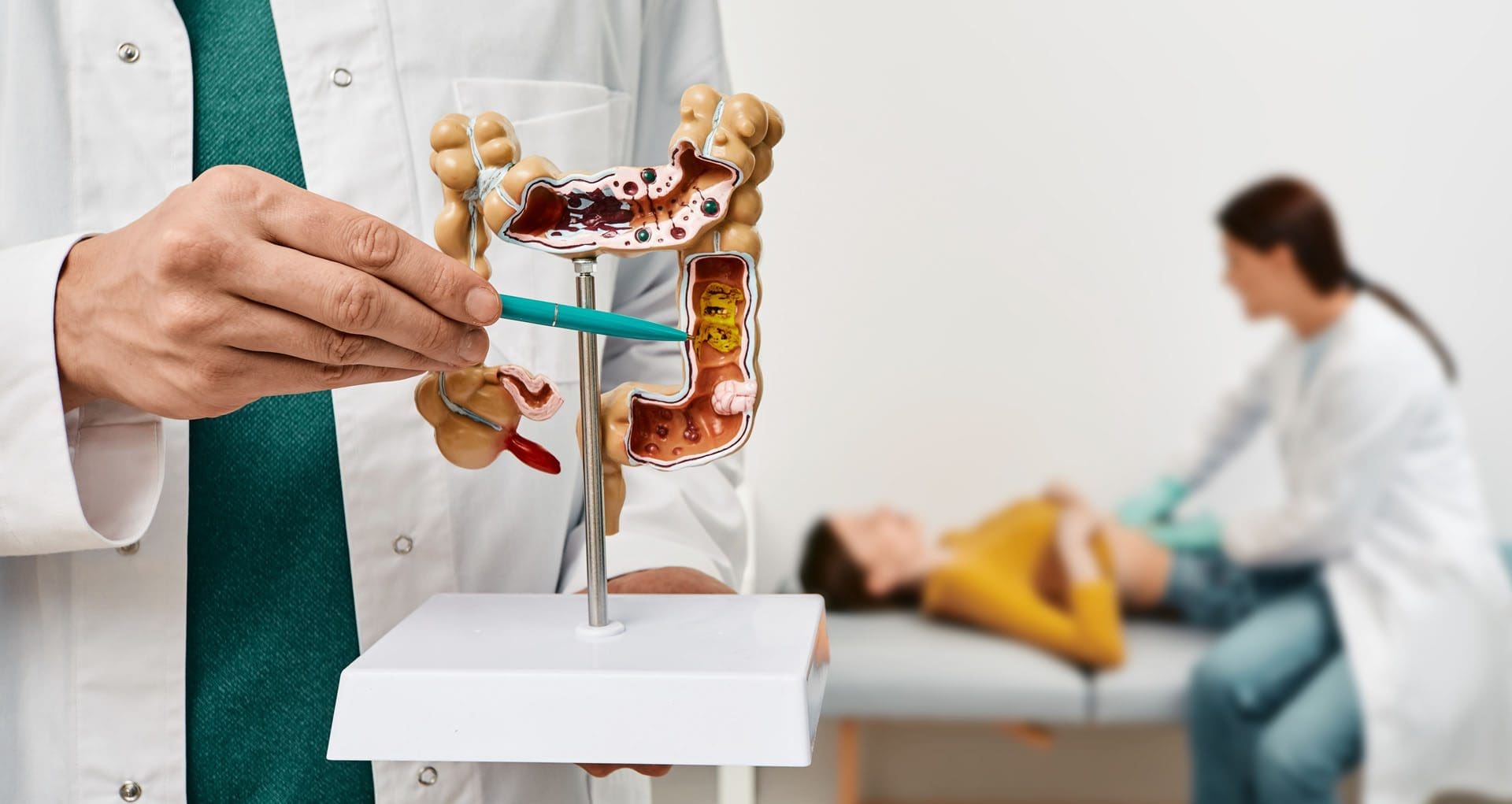
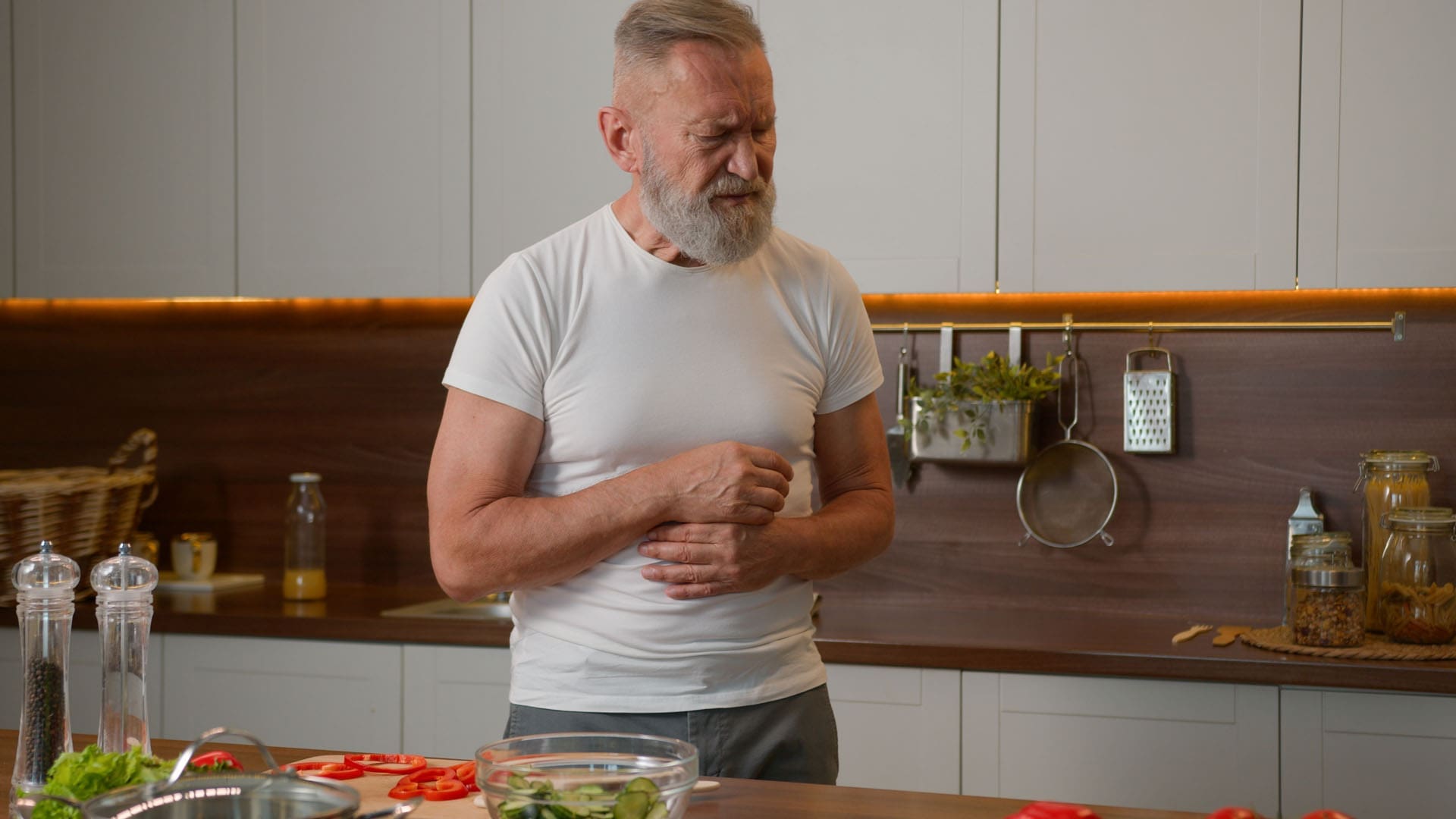
Many people feel frustrated when they clean up their diet but still deal with bloating, cramping, gas, reflux, constipation, loose stools, or stomach pain. They may cut out fast food, drink more water, eat more vegetables, and choose “healthy” meals, yet their gut still does not feel right. That happens because healthy eating is important, but it does not always solve the deeper problem. Sometimes the real issue is not just what you eat. It is how your digestive system is working, how your nervous system is responding to stress, and whether hidden gut problems are still active (Fasano, 2012; Sorathia, 2023).
At ChiroMed, the goal is not just to quiet symptoms for a few days. The goal is to understand why your body keeps reacting in the first place. ChiroMed describes its mission as patient-centered, root-cause care that brings together chiropractic, nurse practitioner services, nutrition, rehabilitation, acupuncture, and other supportive therapies under one roof. That whole-person model fits well with chronic gut complaints because persistent digestive symptoms often have multiple causes simultaneously (ChiroMed, n.d.).
Healthy food can still cause symptoms when the gut is not functioning well
A person can eat grilled chicken, vegetables, smoothies, soups, fruit, and clean snacks and still feel miserable. That does not always mean the food is unhealthy. It may mean the digestive system is irritated or not functioning properly. For example, some people have trouble breaking down food due to low stomach acid, low digestive enzyme levels, poor bile flow, altered gut motility, or an imbalanced microbiome. In that situation, even nutritious foods can lead to pressure, bloating, or discomfort (Segersten, 2025; Dukowicz et al., 2007).
This is why ChiroMed’s integrated care approach matters. The clinic emphasizes personalized treatment plans instead of one-size-fits-all advice. That is important in digestive health because two people can have the same symptom but entirely different causes. One person may have hidden food sensitivities. Another may have dysbiosis. Another may be stuck in chronic stress mode, which changes digestion from the top down (ChiroMed, n.d.; The Well House, n.d.).
Leaky gut may be one reason symptoms continue
A healthy intestinal lining works like a protective filter. It is supposed to allow nutrients to pass through while helping block toxins, bacteria, and large food particles from moving across too easily. Fasano explains that intestinal permeability is controlled by structures called tight junctions, and when this regulation breaks down, it can contribute to inflammation and immune dysfunction (Fasano, 2012).
This is the idea behind what many people call “leaky gut.” Whole Health Chicago explains that when the gut barrier becomes overly permeable, unwanted substances can pass through more easily, triggering irritation or immune reactions. The article also notes that possible contributors include irritating foods, alcohol, certain medications such as NSAIDs, parasites, Candida, and poor dietary patterns (Whole Health Chicago, 2023).
Leaky gut is not the answer for every digestive complaint, but it is one important piece of the puzzle. In a root-cause setting like ChiroMed, increased intestinal permeability would not be treated as a trendy buzzword. It would be considered one possible reason why symptoms persist even after a person starts eating better.
Hidden food sensitivities can be easy to miss
Some people assume that if they are not eating fried food, sugar, or processed snacks, then food cannot be causing their symptoms. But the issue may not be “bad food.” It may be a food that is not working well for that individual’s body. Common triggers include dairy, wheat, eggs, soy, corn, and other foods that seem healthy in many situations but may still cause inflammation or irritation in certain people (Whole Health Chicago, 2023).
A study in Frontiers in Nutrition found associations between food-specific IgG antibodies and biomarkers of intestinal permeability. The authors noted links involving common foods such as wheat, dairy, and eggs, though they also stressed that the topic remains debated and that these findings do not, by themselves, establish causation (Vita et al., 2022). This is important because it shows why guessing is not enough.
A careful, guided process is better than randomly cutting out foods. At ChiroMed, a personalized care model makes more sense than handing every patient the same food list. The best plan is to look at symptom timing, food patterns, overall inflammation, stress, and other digestive factors before deciding what needs to change.
Low stomach acid and low digestive enzymes may be part of the problem
Digestive discomfort is not always about food sensitivity. Sometimes it is about poor digestion. The body needs sufficient stomach acid, digestive enzymes, bile, chewing, and proper gut motility to break food down properly. When these functions are weak, food may sit too long, ferment, and create gas, fullness, and pain (Segersten, 2025).
StatPearls notes that the small intestine normally has relatively low bacterial levels, partly because stomach acid and intestinal movement help control bacterial growth. When those defenses weaken, bacterial overgrowth becomes more likely (Sorathia, 2023). A broader review on SIBO states that low stomach acid and reduced motility are important risk factors for bacterial overgrowth in the small intestine (Dukowicz et al., 2007).
That means a patient may believe they are reacting to healthy food, when the deeper problem is incomplete digestion. In an integrative setting, it makes sense to ask:
- Is the stomach producing enough acid?
- Are digestive enzymes doing their job?
- Is the person eating too fast or under stress?
- Is there bacterial overgrowth or poor motility?
- Is the gut ready to handle high-fiber foods yet?
These questions are more useful than simply saying, “Stop eating this food forever.”
Dysbiosis and SIBO may make healthy foods feel worse
Dysbiosis means the gut microbiome is out of balance. SIBO, or small intestinal bacterial overgrowth, is one form of that imbalance. It can cause bloating, abdominal pain, diarrhea, gas, and poor nutrient absorption (Sorathia, 2023). For some people, symptoms worsen after eating foods that are normally healthy, especially fermentable carbohydrates found in onions, garlic, beans, some fruits, and certain vegetables.
That does not mean those foods are “bad.” It means the gut environment may not be handling them correctly right now. A person with SIBO may react strongly to foods that would normally support good health in someone else. This is why personal evaluation matters. ChiroMed’s integrated model is especially helpful here because persistent symptoms may need a combination of nutrition guidance, medical evaluation, nervous system support, and follow-up care rather than a simple list of foods to avoid (ChiroMed, n.d.).
Chronic stress can keep the gut inflamed
Stress is one of the biggest reasons digestive problems do not fully calm down. When the body stays in fight-or-flight mode, digestion becomes less efficient. Blood flow, stomach acid, and enzyme production can decline; gut motility can become abnormal; and the intestinal barrier may become more vulnerable (Segersten, 2025).
Carolina Total Wellness also explains that chronic stress can weaken protective immune defenses in the gut, including secretory IgA, which helps support intestinal health (Carolina Total Wellness, n.d.). In simple terms, stress can make the gut more reactive and less protected.
This is one reason chiropractic and integrative care may be valuable for people with ongoing digestive symptoms. Chiropractic care alone is not a cure for every gut condition, but an integrative chiropractor often considers how pain, posture, stress, sleep, nervous system overload, and muscle tension may affect digestive function. ChiroMed’s site emphasizes that its services are designed to work in harmony. That kind of team-based care is useful when gut symptoms are connected to both physical stress and metabolic stress (ChiroMed, n.d.).
Why professional guidance is better than guessing
Many people keep trying new diets, supplements, and online advice, but never get lasting relief. That is often because they are treating symptoms in a general way rather than identifying the real trigger. One functional medicine source explains that the more important goal is to find the cause of the irritated state in the intestines rather than merely reacting to symptoms after they show up (Ask Dr. Olsen, n.d.).
A professional evaluation may help uncover issues such as:
- Hidden food sensitivities
- Poor digestion from low stomach acid or low enzymes
- Dysbiosis or SIBO
- Chronic stress and nervous system overload
- Medication-related irritation
- Poor meal timing or eating habits
- Inflammation tied to sleep, pain, or lifestyle patterns
At ChiroMed, this type of evaluation fits the clinic’s personalized, multidisciplinary care style. The clinic already highlights chiropractic care, nurse practitioner services, nutrition, rehabilitation, acupuncture, and patient-specific plans as core components of its model. That makes it a strong setting for people who need more than generic diet advice (ChiroMed, n.d.).
What a root-cause gut healing plan may include
A gut-healing program should be built around the individual, not copied from an online trend. Depending on the cause, an integrative plan may include:
- Temporary removal of known trigger foods
- Careful reintroduction of foods instead of permanent restriction
- Support for stomach acid, enzymes, or bile when appropriate
- Stress reduction and nervous system regulation
- Better meal habits, such as slower eating and improved chewing
- Support for dysbiosis or SIBO when indicated
- Nutrition changes that match the person’s actual tolerance level
- Referral for additional testing when symptoms suggest a more serious condition
This kind of plan lines up well with ChiroMed’s philosophy of addressing root causes and creating individualized treatment strategies. It also reflects the kind of integrative clinical reasoning that Dr. Alexander Jimenez, DC, APRN, FNP-BC, often discusses in his broader functional and multidisciplinary work, in which digestive symptoms are viewed in relation to inflammation, stress, nutrition, and overall body function (Jimenez, n.d.).
Final thoughts
If your gut still hurts even though you are eating “healthy,” that does not mean you are doing everything wrong. It may simply mean that food quality is only one part of the picture. Problems like leaky gut, hidden food sensitivities, low stomach acid, poor enzyme output, dysbiosis, SIBO, and chronic stress can all continue to drive symptoms. Real progress usually comes from finding the specific cause, not from trying harder to follow a general healthy diet (Fasano, 2012; Sorathia, 2023).
ChiroMed’s integrated medicine model is built for this kind of bigger-picture thinking. Instead of only asking what you are eating, the better question is why your body is still reacting. When care is personalized and root-cause focused, people often have a better chance of understanding their triggers, calming inflammation, and supporting lasting digestive health.
References
- Ask Dr. Olsen. (n.d.). Leaky gut – Finding the cause.
- Carolina Total Wellness. (n.d.). Gut health.
- ChiroMed. (n.d.). ChiroMed – Integrated Medicine holistic healthcare in El Paso, TX.
- Dukowicz, A. C., Lacy, B. E., & Levine, G. M. (2007). Small intestinal bacterial overgrowth: A comprehensive review. Gastroenterology & Hepatology.
- Fasano, A. (2012). Intestinal permeability and its regulation by zonulin: Diagnostic and therapeutic implications. Clinical Gastroenterology and Hepatology.
- Jimenez, A. (n.d.). Dr. Alex Jimenez.
- Segersten, A. (2025, April 7). Digestive health, food sensitivities, and the role of the nervous system. Nourishing Meals.
- Sorathia, S. J. (2023). Small intestinal bacterial overgrowth. StatPearls.
- The Well House. (n.d.). Functional nutrition 101: Heal from the inside out for lasting wellness.
- Vita, A. A., Zwickey, H., & Bradley, R. (2022). Associations between food-specific IgG antibodies and intestinal permeability biomarkers. Frontiers in Nutrition, 9, 962093.
- Whole Health Chicago. (2023, November 13). Leaky gut syndrome.