Why Memorial Day Weekend Can Increase Rear-End Collision Risk
Memorial Day weekend is a busy time for travel. Many people are driving to visit family, attend events, go on vacation, or return home after a long weekend. More cars on the road can mean more traffic, more sudden stops, and more chances for rear-end collisions.
Rear-end collisions happen when one vehicle crashes into the back of another. These crashes are common in:
Heavy highway traffic
Stop-and-go traffic
Construction zones
Busy intersections
Parking lot exits
Sudden slowdowns
Chain-reaction crashes
During Memorial Day weekend, drivers may also be tired, distracted, or unfamiliar with the roads. A driver may look down at a GPS, check a phone, adjust music, manage passengers, or follow another vehicle too closely. In only a few seconds, traffic can stop, and a rear-end crash can happen.
Rear-end collisions are among the most common types of motor vehicle accidents because they often happen during sudden braking and distracted driving situations (John Price Law Firm, 2024; DeMayo Law Offices, n.d.).
Why Rear-End Collisions Can Injure the Neck and Spine
A rear-end crash can look minor, but the force can still affect the body. When a car is hit from behind, the body may move forward while the head and neck snap back and then forward. This fast motion can create whiplash.
Whiplash can affect the:
Neck muscles
Spinal joints
Ligaments
Tendons
Discs
Nerves
Upper back
Shoulders
The neck and spine are not made to absorb sudden crash forces. Even a lower-speed rear-end collision can strain soft tissues and irritate the spinal joints. In more serious crashes, the force may contribute to disc injuries, nerve pain, or long-term stiffness.
Whiplash and neck injuries are often linked to rear-end collisions because the sudden impact can stretch and strain the neck tissues (Accident Clinics, n.d.; Jax Litigation, n.d.).
Common Injuries After a Rear-End Collision
After a rear-end crash, pain may start in one area and then spread over time. Some people feel neck tightness first. Others notice headaches, shoulder pain, low back pain, or numbness later.
Common rear-end collision injuries may include:
Whiplash
Neck sprains and strains
Back sprains and strains
Muscle spasms
Herniated discs
Bulging discs
Shoulder pain
Headaches
Nerve impingement
Numbness or tingling
Low back pain
Sciatica-like symptoms
Postural changes
Soft tissue injuries can be difficult because they may not always appear clearly on basic imaging. Muscles, ligaments, tendons, fascia, and spinal joints can still sustain injuries even when no bone is broken. Back sprains and strains are common after vehicle accidents and can cause pain, stiffness, swelling, spasms, and limited movement (1-800-NOW-HURT, n.d.).
KNR Legal also notes that car accidents commonly cause whiplash, herniated discs, spinal injuries, and other neck and back problems (Kisling, Nestico & Redick, n.d.).
Why Symptoms Can Show Up Days or Weeks Later
One of the most important things to know is this: pain does not always show up right away.
After a crash, the body releases stress hormones like adrenaline. This can make a person feel alert and less aware of pain. Hours or days later, inflammation may increase, muscles may tighten, and symptoms may become more noticeable.
Delayed symptoms may include:
Neck stiffness
Headaches
Shoulder tightness
Mid-back pain
Low back pain
Dizziness
Muscle spasms
Pain when turning the head
Numbness or tingling
Trouble sleeping
Fatigue
Brain fog
This is why a full evaluation is recommended after a motor vehicle accident, even when the crash seems small. Accident-related symptoms may take time to appear, especially with whiplash, soft-tissue injuries, and nerve irritation (Accident Clinics, n.d.; Zwick Law, 2024).
How a Rear-End Collision Can Affect Posture
A rear-end crash can change how the body holds itself. When the neck or back is injured, muscles may tighten to protect the area. This protective response can change posture and movement.
A person may begin to:
Hold the head forward
Raise one shoulder higher than the other
Limit neck rotation
Walk differently
Avoid bending or lifting
Sit unevenly
Develop muscle guarding
Poor posture after an accident can place extra stress on the spine. Over time, these factors can make pain worse and slow recovery. De Bruin Chiropractic explains that auto accidents can affect posture and that chiropractic care may help by improving spinal mobility, soft-tissue function, and body alignment (De Bruin Chiropractic, n.d.).
How ChiroMed’s Integrative Approach Fits Into Recovery
For readers of ChiroMed, the key idea is that accident recovery should look at the whole injury pattern. A rear-end collision does not only affect one muscle or one joint. It can affect the spine, nerves, discs, ligaments, soft tissues, posture, inflammation, and movement.
Integrative chiropractic care focuses on helping the body heal naturally by combining different tools and therapies. The goal is not only to reduce pain but also to improve function.
A care plan may include:
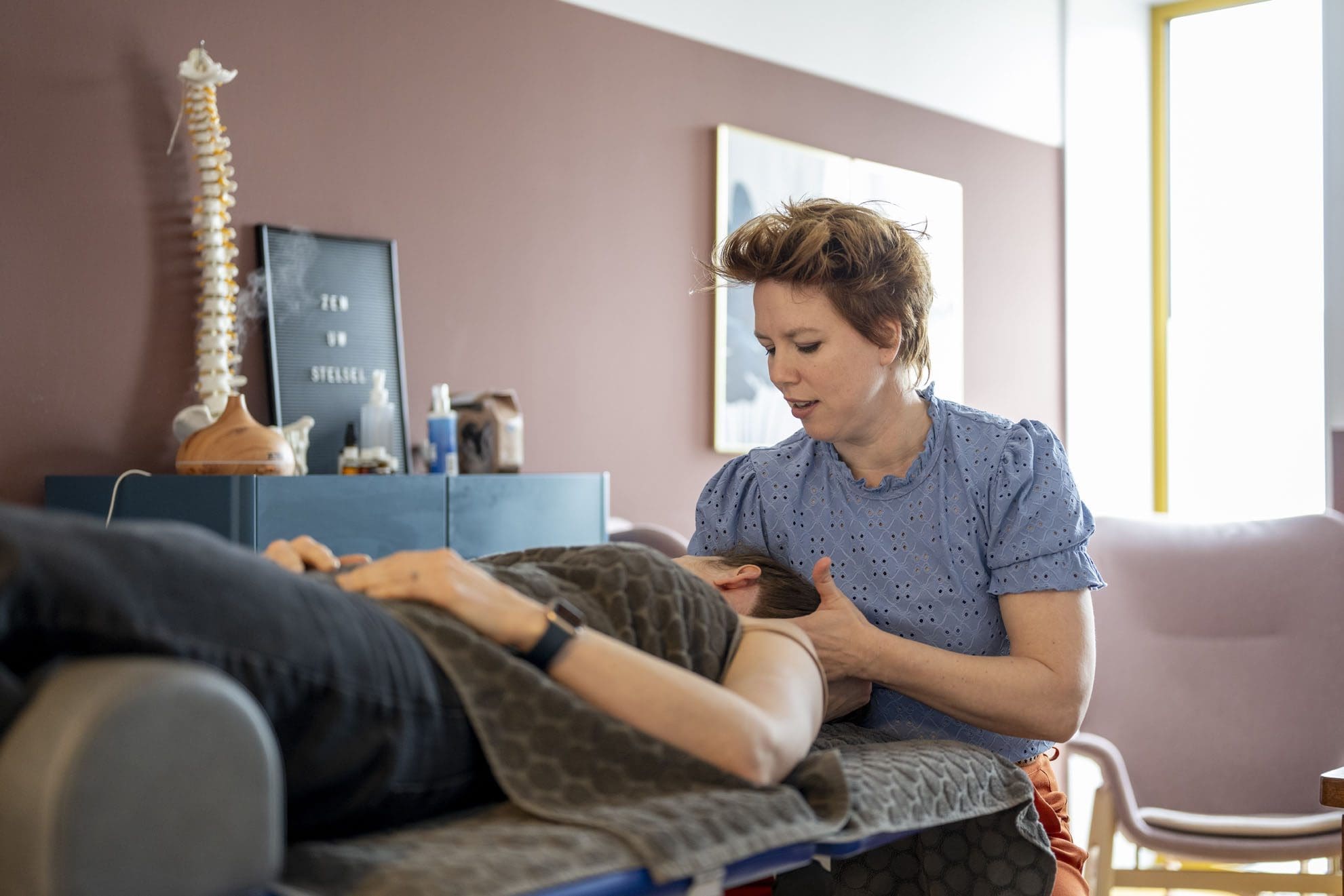
Chiropractic adjustments
Soft tissue therapy
Myofascial release
Corrective exercises
Stretching and mobility work
Posture correction
Spinal decompression when appropriate
Rehabilitation exercises
Lifestyle guidance
Nutrition and inflammation support
Referrals for imaging or medical care when needed
Doctor Wagner explains that chiropractic care following a car accident may include spinal adjustments, soft-tissue therapy, therapeutic exercise, stretching, postural support, and patient education (Doctor Wagner, n.d.). This type of approach is beneficial because rear-end collision injuries often involve both the spine and the surrounding soft tissues.
Clinical Observations From Dr. Alexander Jimenez, DC, APRN, FNP-BC
Dr. Alexander Jimenez, DC, APRN, FNP-BC, has observed that injuries from motor vehicle accidents often involve more than simple pain. In many cases, the body develops a pattern of joint restriction, muscle guarding, nerve irritation, inflammation, and loss of movement.
Through his integrative clinical approach, Dr. Jimenez emphasizes the importance of identifying the root cause of pain rather than merely treating symptoms. His model combines chiropractic care, functional medicine principles, rehabilitation, diagnostic review, and, when appropriate, personalized recovery planning (Jimenez, n.d.-a).
His clinical observations also highlight that old car accident injuries may continue to cause pain months or years later when the original injury did not heal correctly. These lingering issues may involve muscles, ligaments, spinal joints, discs, nerves, fascia, and chronic inflammation (Jimenez, n.d.-b).
This matters after a Memorial Day rear-end collision because a person may not feel severe pain immediately. But if soft tissue damage, spinal restriction, or nerve irritation is missed, the injury may become harder to treat later.
Why a Full Evaluation Matters After a Memorial Day Crash
A full evaluation after a rear-end collision can help identify injuries early. This is important for both health and documentation. The evaluation should focus on how the accident affected the body, not just on whether a bone was broken.
A post-accident evaluation may include:
Review of how the crash happened
Neck and back pain assessment
Range-of-motion testing
Orthopedic testing
Neurological screening
Muscle strength checks
Reflex checks
Posture analysis
Functional movement testing
Imaging referral when needed
This type of exam can help identify whether the person has whiplash, soft tissue injuries, disc irritation, nerve symptoms, or other accident-related problems.
When to Seek Urgent Medical Care
Some symptoms after a crash require immediate medical attention. Chiropractic and integrative care can support recovery, but emergency symptoms should be checked right away.
Seek urgent care if there is:
Severe headache
Loss of consciousness
Confusion
Vision changes
Chest pain
Trouble breathing
Severe neck or back pain
Weakness in the arms or legs
Numbness that spreads
Loss of balance
Abdominal pain
Loss of bowel or bladder control
Worsening symptoms after the crash
These symptoms may point to a more serious injury and should not be ignored.
Preventing Rear-End Collisions During Holiday Travel
Drivers can reduce risk by planning ahead and staying focused. Memorial Day traffic can be stressful, but safe driving habits can make a big difference.
Helpful safety steps include:
Leave early to avoid peak traffic
Keep extra space between vehicles
Do not tailgate
Put the phone away
Let a passenger handle GPS directions
Avoid eating while driving
Take breaks on long trips
Watch for sudden stops
Slow down in heavy traffic
Avoid driving tired
Never drive under the influence
Distracted driving is a major risk because it takes attention away from the road. This includes phone use, GPS adjustments, eating, drinking, and managing passengers.
ChiroMed Takeaway: Do Not Wait for Pain to Become Severe
Memorial Day weekend rear-end collisions are common because of traffic congestion, sudden stops, distracted driving, and long-distance travel. These crashes can cause whiplash, neck pain, back pain, muscle spasms, disc injuries, nerve irritation, and posture problems.
The most important lesson is simple: do not ignore symptoms after a crash.
Even mild stiffness or a small headache may be the first sign of a deeper injury. Since symptoms can take days or weeks to fully appear, a full evaluation is recommended after an accident.
Integrative chiropractic care can support recovery by addressing the spine, soft tissues, posture, movement, and inflammation together. For ChiroMed readers, this approach offers a more complete way to understand and manage accident-related injuries.
Rainy weather can make driving tricky, increasing the chances of minor car accidents. These accidents, while not always severe, can lead to injuries like spinal misalignment that affect your health. This article examines how rain contributes to hazardous driving conditions, increases the risk of minor collisions, and leads to soft tissue injuries that can affect spinal health. We’ll also examine how Dr. Alexander Jimenez, a chiropractor and nurse practitioner, utilizes his expertise to assist individuals in recovering from these injuries through a combination of chiropractic care, medical treatment, and legal support.
How Rainy Weather Increases Accident Risks
Rainy weather creates a chain reaction that makes roads more dangerous. When it rains, water covers the pavement, reducing tire traction and making it harder for drivers to control their vehicles. This can lead to skidding or hydroplaning, where tires lose grip on wet surfaces, causing drivers to lose control (Chicago Lawyer, n.d.). Wet roads also increase stopping distances, meaning it takes longer for a car to come to a complete stop, which can result in rear-end collisions or other minor accidents (South Sound Law Group, n.d.).
Rain also reduces visibility. Heavy rain can make it difficult for drivers to see other vehicles, road signs, or pedestrians, especially if windshield wipers aren’t working well (Lawyer Schwartz, n.d.). Fog often accompanies rain, further limiting visibility and increasing the chance of accidents (Knowles Law Firm, n.d.). Drivers may not see obstacles or other cars in time to react, leading to low-speed crashes that are still dangerous enough to cause injuries.
Another factor is driver behavior. In rainy conditions, some drivers fail to adjust their speed or keep a safe distance from other vehicles. For example, speeding on wet roads can make it impossible to stop in time to avoid a collision (Salinas Trial Law, n.d.). The Federal Highway Administration reports that about 21% of all vehicle crashes each year—roughly 1.2 million—are weather-related, with 46% happening during rainfall (Cotto Law Group, 2024). These statistics illustrate the prevalence of rain-related accidents and highlight the importance of drivers being extra cautious.
Even minor car accidents, like fender-benders, can cause soft tissue injuries that affect muscles, ligaments, and tendons. These injuries often occur due to the sudden jolt or impact during a collision, especially in rear-end crashes that are common on wet roads (Joyce & MacDonald, n.d.). Soft tissue injuries, including whiplash, strains, and sprains, can lead to pain, stiffness, and reduced mobility.
Whiplash is one of the most common injuries in low-speed collisions. It happens when the head and neck are suddenly jerked forward and backward, straining the muscles and ligaments in the neck (Chicago Lawyer, n.d.). This can cause spinal misalignment, where the vertebrae in the spine shift out of their normal position, leading to pain and discomfort. Other injuries, like muscle strains or ligament sprains, can also disrupt spinal alignment, affecting posture and overall health (Springs Auto, n.d.).
Rain-related accidents increase the risk of these injuries because wet roads lead to sudden stops or skids, which create the kind of abrupt movements that cause soft tissue damage. For example, hydroplaning can cause a driver to slam on the brakes, leading to a rear-end collision that jolts passengers (Because You Want to Win, n.d.). These injuries may not be apparent immediately, but they can lead to long-term problems if not properly treated.
Spinal misalignment, also known as subluxation, occurs when the vertebrae in the spine are not properly aligned. This can occur after a minor car accident due to the force of the impact, even at low speeds. Misalignment can put pressure on nerves, causing pain, numbness, or tingling in the back, neck, or limbs (Jimenez, n.d.-a). It can also affect the body’s ability to function properly, leading to headaches, fatigue, or even digestive issues.
Soft tissue injuries from rain-related accidents can worsen spinal misalignment. For example, whiplash can strain the neck muscles, causing the cervical spine to become misaligned. Over time, this can lead to chronic pain or reduced range of motion if not addressed (Jimenez, n.d.-b). The spine is the body’s central support structure, so any misalignment can impact overall health, making it harder to stay active or perform daily tasks.
Rainy weather indirectly contributes to these issues by increasing the likelihood of accidents that cause these injuries. The combination of slippery roads, reduced visibility, and sudden stops creates a perfect storm for minor collisions that lead to spinal problems (Texas Department of Insurance, n.d.). Proper treatment is essential to prevent long-term complications.
Dr. Alexander Jimenez, a chiropractor and nurse practitioner in El Paso, Texas, specializes in treating injuries resulting from auto accidents. His unique combination of chiropractic and medical training allows him to address both the physical and legal aspects of personal injury cases. Dr. Jimenez uses a dual diagnosis approach, meaning he looks at both the physical injuries (like spinal misalignment) and any underlying health issues that might affect recovery (Jimenez, n.d.-c).
Dual Diagnosis and Treatment
Dr. Jimenez begins by thoroughly assessing patients to identify all injuries and their underlying causes. For example, a patient with whiplash might also have muscle tension or nerve irritation that contributes to their pain. He utilizes diagnostic tools such as X-rays, MRIs, and other advanced imaging techniques to obtain a clear picture of the spine and surrounding soft tissues (Jimenez, n.d.-a). These tools help him pinpoint misalignments or damage that might not be visible through a physical exam alone.
Once he understands the injuries, Dr. Jimenez creates a personalized treatment plan tailored to each patient’s specific needs. This may include chiropractic adjustments to correct spinal misalignments, physical therapy to strengthen muscles, or pain management techniques such as massage or acupuncture. His integrative approach combines chiropractic care with medical treatments to address the whole body, not just the injury (Jimenez, n.d.-b). This helps patients recover more quickly and reduces the risk of developing chronic pain.
Chiropractic and Integrative Medicine
Chiropractic care focuses on restoring the spine’s alignment to improve overall health. Dr. Jimenez uses gentle adjustments to realign vertebrae, relieve nerve pressure, and reduce pain (Jimenez, n.d.-a). This is especially effective for soft tissue injuries like whiplash, which often cause spinal misalignment. Integrative medicine incorporates additional treatments, such as nutrition counseling or exercise plans, to support recovery and enhance long-term health.
For example, after a rain-related accident, a patient may experience neck pain from whiplash and poor posture due to muscle strain. Dr. Jimenez would adjust the spine to fix the misalignment, recommend exercises to strengthen the neck, and suggest dietary changes to reduce inflammation (Jimenez, n.d.-c). This holistic approach addresses the root causes of injuries, helping patients return to their normal activities.
Medical and Legal Expertise
As a nurse practitioner, Dr. Jimenez can diagnose and treat medical conditions, prescribe medications if needed, and coordinate care with other healthcare providers. This is important for auto accident victims who may have complex injuries requiring both medical and chiropractic care. His medical training also enables him to prepare detailed reports for legal cases, which are crucial for personal injury claims (Jimenez, n.d.).
In accident cases, proving the extent of injuries is key to getting fair compensation. Dr. Jimenez’s reports include diagnostic results, treatment plans, and evidence of how the accident caused the injuries. His experience with legal paperwork ensures that insurance companies and attorneys have the necessary information to support the patient’s claim (Jimenez, n.d.-b).
To reduce the risk of rain-related accidents and injuries, drivers should follow these safety tips:
Slow Down: Reduce speed on wet roads to maintain control and avoid hydroplaning (HSI, n.d.).
Increase Following Distance: Leave extra space between your car and the one in front to allow more time to stop (Texas Department of Insurance, n.d.).
Use Headlights: Turn on headlights in heavy rain or fog to improve visibility (Knowles Law Firm, n.d.).
Check Wipers and Tires: Ensure the windshield wipers are functioning properly and the tires have sufficient tread for optimal traction (Lawyer Schwartz, n.d.).
Avoid Sudden Moves: Don’t brake or turn sharply, as this can cause skids on slippery roads (Salinas Trial Law, n.d.).
By driving cautiously, you can reduce the likelihood of a minor accident that could result in spinal injuries.
Rainy weather increases the risk of minor car accidents by making roads slippery and reducing visibility. These accidents can lead to soft tissue injuries like whiplash, which may cause spinal misalignment and affect overall health. Dr. Alexander Jimenez’s expertise as a chiropractor and nurse practitioner allows him to treat these injuries effectively using a combination of chiropractic adjustments, medical care, and integrative medicine. His ability to handle both medical and legal aspects of personal injury cases helps patients recover physically and secure fair compensation. By driving safely in rainy conditions and seeking prompt medical attention after an accident, you can protect your health and minimize the risk of long-term complications.
Motor vehicle collisions (MVCs) can leave you shaken, sore, and struggling to get back to normal. From whiplash to fractures, these accidents often cause a range of injuries that affect your muscles, bones, ligaments, and nerves. The pain and stiffness can make everyday tasks feel impossible, and if left untreated, these issues may turn into chronic problems. Fortunately, integrative care—combining chiropractic adjustments, acupuncture, massage therapy, and nurse practitioner expertise—offers a holistic way to treat both the symptoms and root causes of these injuries. This approach not only relieves pain but also promotes long-term healing and overall wellness.
In this blog post, we’ll explore the common injuries caused by MVCs, such as nerve damage, musculoskeletal issues, ligament injuries, and back and neck pain. We’ll dive into how integrative treatments, led by experts like Dr. Alexander Jimenez, DC, APRN, FNP-BC, in El Paso, Texas, can help you recover. You’ll learn about the science behind these therapies, Dr. Jimenez’s unique dual-scope approach, and why combining chiropractic care with acupuncture, massage, and nurse practitioner support is so effective. Whether you’re dealing with a recent accident or lingering pain, this guide will show you how to take charge of your recovery.
Common Injuries from Motor Vehicle Collisions
Motor vehicle collisions generate intense forces that can wreak havoc on your body. Even low-speed crashes can cause significant damage because of the sudden jolts and impacts. Below are the most common injuries associated with MVCs, based on clinical research and expert observations.
Whiplash and Neck Pain
Whiplash is one of the most frequent injuries in car accidents, especially rear-end collisions. It happens when your head is suddenly jerked forward and backward, straining the muscles, ligaments, and tendons in your neck. Symptoms include neck pain, stiffness, headaches, and sometimes dizziness or tingling in the arms. If untreated, whiplash can lead to chronic pain or cervical spine issues (Hogan Chiropractic, 2024).
Soft Tissue Injuries
Soft tissue injuries affect muscles, tendons, and ligaments. Sprains (stretched or torn ligaments) and strains (overstretched muscles or tendons) are common after MVCs. These injuries cause pain, swelling, and limited mobility. For example, a sudden stop in a crash can strain the lower back muscles or tear shoulder ligaments (Sterling Medical Group, n.d.).
Fractures
High-impact collisions, like rollovers, can cause broken bones. Common fracture sites include the arms, legs, ribs, and spine. Fractures often require immobilization or surgery, and recovery can be a slow process. Even minor fractures can lead to long-term complications if not properly treated (Siegfried & Jensen, n.d.).
Nerve Injuries
Nerve damage is a serious but often overlooked consequence of MVCs. The sudden force of a crash can compress or stretch nerves, resulting in symptoms such as numbness, tingling, or weakness. For instance, a herniated disc in the spine can press on nearby nerves, causing sciatica—pain that radiates down the leg (Lispine Medical, 2022). Brachial plexus injuries, which affect the nerves in the shoulder and arm, are also common in high-impact crashes (University of Michigan Medicine, n.d.).
Back Pain and Spinal Injuries
Back pain is a hallmark of MVC-related injuries, often stemming from spinal misalignments, herniated discs, or soft tissue damage. The lower back (lumbar spine) and neck (cervical spine) are particularly vulnerable. Rollover accidents, for example, can cause spinal soft tissue damage or even vertebral fractures, leading to chronic pain if untreated (Oklahoma Lawyer, n.d.).
These injuries vary in severity, but they all disrupt your body’s natural alignment and function. Without proper care, minor issues can develop into chronic problems, significantly impacting your quality of life. Integrative care addresses these problems by targeting both symptoms and underlying causes.
Integrative care combines multiple treatment methods to address the physical, emotional, and systemic effects of MVC injuries. By blending chiropractic care, acupuncture, massage therapy, and nurse practitioner expertise, this approach promotes faster recovery and long-term health. Let’s explore each component and its contribution to healing.
Chiropractic Care: Restoring Alignment and Function
Chiropractic care focuses on correcting spinal misalignments (subluxations) caused by MVCs. These misalignments can irritate nerves, strain muscles, and cause pain. Chiropractors use manual adjustments—gentle, controlled movements—to realign the spine and joints. This reduces nerve pressure, improves mobility, and promotes natural healing.
For example, whiplash often causes cervical spine misalignments, leading to neck pain and headaches. A chiropractor can adjust the neck to restore proper alignment, relieving tension and improving range of motion (Cedar Park Chiropractic, n.d.). Studies show that chiropractic adjustments significantly reduce pain and disability in patients with chronic low back pain, a common MVC injury (Rubinstein et al., 2020).
Dr. Alexander Jimenez, a chiropractor and nurse practitioner in El Paso, takes chiropractic care to the next level. With over 25 years of experience, he utilizes advanced diagnostic tools, including MRI, CT scans, and digital motion X-rays (DMX), to accurately pinpoint injuries. His dual licensure enables him to correlate imaging findings with symptoms, allowing for the creation of precise treatment plans. For instance, if a patient has a herniated disc pressing on a nerve, Dr. Jimenez can use spinal adjustments to relieve pressure while addressing related inflammation through functional medicine (Jimenez, 2024).
Acupuncture: Relieving Pain and Promoting Relaxation
Acupuncture involves inserting thin needles into specific points on the body to stimulate the body’s natural healing process. It’s particularly effective for reducing pain and inflammation after MVCs. By improving blood flow and triggering the release of endorphins (the body’s natural painkillers), acupuncture helps ease muscle tension and nerve pain.
For example, patients with whiplash may experience chronic neck pain due to inflamed soft tissues. Acupuncture can target trigger points in the neck, reducing stiffness and promoting relaxation (Governors Park Chiropractic, n.d.). When combined with chiropractic care, acupuncture can enhance pain relief and accelerate recovery (MGF Chiropractic, n.d.).
Massage Therapy: Soothing Muscles and Improving Circulation
Massage therapy complements chiropractic care by addressing soft tissue injuries and promoting overall well-being. It helps reduce muscle tension, improve circulation, and break down scar tissue. After an MVC, muscles often become tight and inflamed, which can limit mobility. Massage therapists employ techniques such as deep tissue massage or myofascial release to relax muscles and restore flexibility.
For athletes or active individuals recovering from muscle strains, massage therapy enhances chiropractic adjustments by preparing muscles for proper alignment. It also reduces stress, which can exacerbate pain (Evolved Health Chiropractic, n.d.). A study found that massage therapy, when combined with other treatments, significantly improves pain and function in patients with musculoskeletal injuries (Fleetwood Surrey Physiotherapy, n.d.).
Nurse Practitioners: Coordinating Comprehensive Care
Nurse practitioners (NPs) play a vital role in integrative care by providing medical oversight and coordinating treatment plans to ensure comprehensive patient care. They can assess injuries, order diagnostic tests, prescribe medications if needed, and educate patients on self-care. In MVC cases, NPs ensure that all aspects of a patient’s health—physical, emotional, and systemic—are addressed.
For example, an NP might identify signs of nerve damage through a neurologic exam and order an electromyography (EMG) test to confirm the diagnosis. They can then collaborate with chiropractors and acupuncturists to create a tailored recovery plan. NPs also guide patients on nutrition and lifestyle changes to support healing, such as adopting an anti-inflammatory diet (Physicians Group LLC, n.d.).
Dr. Jimenez’s role as a board-certified family nurse practitioner gives him a unique edge. He combines medical diagnostics with chiropractic expertise, allowing him to address both biomechanical and systemic issues. His ability to interpret advanced imaging and perform functional movement screens ensures accurate diagnoses, which are critical for effective treatment and legal documentation in personal injury cases (Jimenez, 2024).
Dr. Alexander Jimenez: A Leader in Integrative Care
Dr. Alexander Jimenez stands out as a pioneer in treating MVC injuries. His dual licensure as a chiropractor and nurse practitioner, combined with over 25 years of experience, enables him to provide comprehensive care that bridges the biomechanical and medical perspectives. Based in El Paso, Texas, Dr. Jimenez operates the Injury Medical & Chiropractic Clinic, where he specializes in personal injury cases, including those involving auto accidents.
Dual-Scope Diagnosis and Treatment
Dr. Jimenez’s clinical approach is rooted in his ability to integrate chiropractic and medical diagnostics. He utilizes advanced imaging techniques, including MRI, CT scans, and digital motion X-rays, to accurately identify injuries such as ligament tears, disc herniations, and nerve compression. These tools are crucial because standard X-rays often fail to detect soft tissue damage or subtle spinal instability (Jimenez, 2024).
For example, a patient with neck pain after an MVC might have normal X-ray results but still experience severe symptoms. Dr. Jimenez might order a functional MRI (fMRI) to visualize soft tissue damage or a digital motion X-ray to assess neck movement. These diagnostics allow him to correlate symptoms with objective findings, ensuring accurate treatment plans (El Paso Back Clinic, 2025).
His dual licensure also enables him to address systemic issues, such as inflammation or metabolic imbalances, that can slow recovery. He incorporates functional medicine principles, like nutritional guidance and stress management, to support healing. This holistic approach ensures that patients recover physically and emotionally.
Handling Medical and Legal Aspects
Personal injury cases often involve complex legal issues, including insurance claims and court proceedings. Dr. Jimenez’s expertise as a nurse practitioner allows him to provide detailed medical documentation that supports these cases. He utilizes diagnostic tests, such as electromyography (EMG) and functional movement screens, to validate injuries for attorneys and insurance companies. This documentation is critical for ensuring patients receive fair compensation (Chiropractic Scientist, 2025).
For instance, if a patient has nerve damage from a crash, Dr. Jimenez can perform an EMG to measure nerve function and provide a report that links the injury to the accident. His ability to navigate both medical and legal realms makes him a trusted provider for MVC victims.
Clinical Reasoning and Patient-Centered Care
Dr. Jimenez’s clinical reasoning is grounded in evidence-based practices and integrative medicine. He emphasizes personalized care, tailoring treatments to each patient’s unique injuries and health profile. His approach includes:
Chiropractic Adjustments: To correct spinal misalignments and reduce nerve pressure.
Spinal Decompression: A non-surgical therapy to relieve pressure on spinal discs, ideal for herniated discs or sciatica.
Functional Medicine: Nutritional plans and lifestyle changes to reduce inflammation and support recovery.
Collaborative Care: Partnerships with acupuncturists, massage therapists, and other specialists to provide comprehensive treatment.
His clinic accepts major insurances, making care accessible to a wide range of patients. By combining advanced diagnostics with hands-on therapies, Dr. Jimenez helps patients recover faster and avoid long-term complications (A4M, n.d.).
References A4M. (n.d.). Injury Medical & Chiropractic Clinic – Alex Jimenez, DC, APRN, FNP-BC. https://www.a4m.com Chiropractic Scientist. (2025). Post-car accident physical therapy approaches to recovery. https://chiropracticscientist.com El Paso Back Clinic. (2025). PTSD: Essential insights on auto accidents and severe whiplash. https://elpasobackclinic.com Jimenez, A. (2024). Injury medical & chiropractic clinic. https://elpasobackclinic.com/
How Integrative Care Promotes Long-Term Health
Integrative care doesn’t just treat injuries—it improves overall health by addressing the root causes of pain and dysfunction. Here’s how each component contributes to long-term wellness.
Chiropractic Care: Preventing Chronic Pain
Chiropractic adjustments restore spinal alignment, which is crucial for preventing chronic pain. Misaligned vertebrae can irritate nerves and strain muscles, leading to persistent discomfort. Regular adjustments maintain proper alignment, improve posture, and enhance nervous system function. This is especially important after MVCs, as untreated misalignments can lead to conditions like degenerative disc disease (PhysMed, n.d.).
Acupuncture: Balancing the Body
Acupuncture promotes balance in the body by stimulating energy flow (known as “qi” in traditional Chinese medicine). It reduces stress, improves sleep, and supports the immune system —all of which are crucial for recovery. For MVC patients, acupuncture can prevent chronic pain syndromes by addressing inflammation early (Dr. Mills Chiropractic, n.d.).
Massage Therapy: Enhancing Mobility
Massage therapy improves blood flow and reduces scar tissue, which can limit mobility after an injury. Keeping muscles flexible and relaxed supports chiropractic adjustments and helps prevent reinjury. Regular massage also helps reduce stress hormones, promoting both mental and physical well-being (Robert F. Mancuso, MD, n.d.).
Nurse Practitioners: Guiding Recovery
NPs provide ongoing support by monitoring progress and adjusting treatment plans as needed. They educate patients on exercises, nutrition, and ergonomic adjustments to prevent future injuries. For example, an NP might recommend core-strengthening exercises to support the spine or an anti-inflammatory diet to reduce pain (ChiroMed, n.d.).
Dr. Jimenez’s Integrative Model
Dr. Jimenez’s approach exemplifies the power of integrative care. By combining chiropractic adjustments, acupuncture, massage therapy, and nurse practitioner oversight, he addresses the full spectrum of MVC injuries. His use of advanced diagnostics ensures that no injury goes undetected, while his functional medicine strategies promote systemic health. This model not only heals injuries but also empowers patients to lead healthier lives.
Recovering from an MVC requires patience and a proactive approach. Here are some practical tips to support your healing journey:
Seek Care Immediately: Visit a chiropractor, NP, or integrative care provider as soon as possible after an accident, even if you feel fine. Hidden injuries, such as soft tissue damage, may not exhibit symptoms immediately (BlueQ Health, n.d.).
Follow Your Treatment Plan: Stick to your prescribed therapies, whether it’s chiropractic adjustments, acupuncture sessions, or home exercises. Consistency is key to recovery.
Practice Self-Care: Eat a diet rich in anti-inflammatory foods, such as fruits, vegetables, and omega-3 fatty acids. Stay hydrated and get plenty of rest to support healing.
Stay Active: Gentle exercises, such as walking or stretching, can help prevent stiffness and improve circulation. Follow your provider’s guidance to avoid overexertion.
Manage Stress: MVCs can be traumatic, both physically and emotionally. Techniques like meditation, deep breathing, or counseling can help you cope.
By combining professional care with these self-care strategies, you can optimize your recovery and minimize the risk of long-term issues.
Motor vehicle collisions can cause a wide range of injuries, from whiplash and fractures to nerve damage and chronic back pain. These injuries disrupt your body’s natural balance, but integrative care offers a powerful solution. By combining chiropractic adjustments, acupuncture, massage therapy, and nurse practitioner expertise, this approach targets both the symptoms and root causes of pain. Dr. Alexander Jimenez, with his dual licensure and advanced diagnostic skills, exemplifies how integrative care can transform the recovery process. His ability to bridge medical and legal aspects ensures that patients not only heal but also navigate personal injury cases with confidence.
Whether you’re dealing with acute pain or lingering symptoms, integrative care can help you reclaim your health. Seek out a qualified provider, like Dr. Jimenez, and commit to a personalized treatment plan. With the right care, you can move past the pain of an MVC and build a stronger, healthier future.
References
A4M. (n.d.). Injury Medical & Chiropractic Clinic – Alex Jimenez, DC, APRN, FNP-BC. American Academy of Anti-Aging Medicine. https://www.a4m.com
Rubinstein, S. M., de Zoete, A., van Middelkoop, M., Assendelft, W. J. J., de Boer, M. R., & van Tulder, M. W. (2020). Spinal manipulative therapy for chronic low-back pain. Spine Journal, 20(8), 1234–1246. https://doi.org/10.1016/j.spinee.2020.03.015