Give us a Call
+1 (915) 412-6680
Send us a Message
[email protected]
Opening Hours
Mon-Thu: 7 AM - 7 PM
Fri - Sun: Closed
Slip-and-Fall Injuries: A Guide to Recovery

Slip-and-Fall Injuries: A Guide to Recovery
Slip-and-Fall Injuries: A Guide to Recovery

Abstract

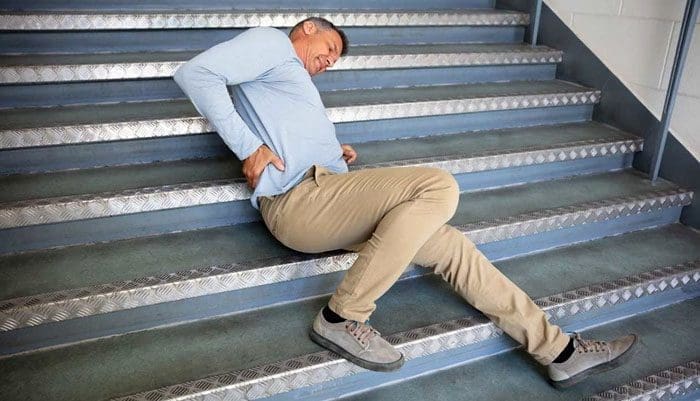
A slip-and-fall accident can seem minor at first, but it may lead to serious injuries involving the spine, joints, muscles, ligaments, nerves, and even the brain. These accidents are also considered personal injury cases when unsafe property conditions contribute to the fall. More specifically, they often fall under premises liability, which means a property owner or business may be responsible if poor maintenance, unsafe flooring, spills, broken steps, or other hazards caused the injury. At ChiroMed – Integrated Medicine in El Paso, the focus is on understanding the full injury picture: what happened, what tissues were damaged, how the spine and joints were affected, and what type of care may help the body recover. ChiroMed describes its model as holistic, patient-centered care that brings together chiropractic care, nurse practitioner services, naturopathy, rehabilitation, nutrition, and acupuncture under one roof.

Why Slip-and-Fall Accidents Are Personal Injury Cases

A slip-and-fall accident is usually more than a simple fall. If the accident happens because a property was unsafe, it may become a personal injury claim. In legal terms, this is commonly called a premises liability case.

Premises liability means that a property owner, business, landlord, or another responsible party may have a duty to keep the property reasonably safe. Justia explains that slip-and-fall cases may involve unsafe conditions and that the injured person generally must show a duty, a breach of that duty, causation, and damages.

Common hazards include:

  • Wet or slippery floors
  • Broken stairs
  • Loose rugs or mats
  • Uneven sidewalks
  • Poor lighting
  • Ice, rainwater, or oil on the ground
  • Clutter in walkways
  • Missing handrails
  • Unmarked spills
  • Damaged flooring

Not every fall means someone else is legally responsible. A claim usually depends on whether the property owner knew or should have known about the hazard and failed to correct it or warn people within a reasonable time.

Texas Slip-and-Fall Rules: Why Timing Matters

Slip-and-fall laws are handled by each state. In Texas, personal injury claims generally have a two-year statute of limitations. This means a person usually has two years from the date of the injury to file a lawsuit. Texas Civil Practice and Remedies Code Section 16.003 states that personal injury actions must generally be brought within two years.

Texas also uses a modified comparative fault rule. Under Texas Civil Practice and Remedies Code Section 33.001, a person may not recover damages if their percentage of responsibility is greater than 50 percent.

This matters because the other side may argue that the injured person was partly responsible. They may ask:

  • Were you distracted?
  • Were warning signs posted?
  • Were you looking at your phone?
  • Were your shoes unsafe for the surface?
  • Was the danger easy to see?
  • Did the property owner have enough time to fix the hazard?

For this reason, documentation is important. Photos, incident reports, witness names, medical records, and any shoes or clothing that were saved may help show what happened and how the injury developed.

Why You May Not Feel Pain Right Away

After a fall, many people feel embarrassed, anxious, or rushed. Some stand up quickly and say, “I’m fine.” But the body can hide pain at first. Adrenaline and stress hormones may reduce pain for a short time. Hours or even days later, stiffness, swelling, headaches, back pain, neck pain, numbness, or joint pain may appear.

Mayo Clinic advises seeking emergency medical care when back pain occurs after trauma, such as a bad fall, or when symptoms include bowel or bladder problems, fever, weakness, numbness, tingling, or pain radiating down the legs.

After a slip-and-fall accident, seek medical care right away if you notice:

  • Headache or dizziness
  • Confusion or memory problems
  • Neck pain
  • Back pain
  • Numbness or tingling
  • Weakness in the arms or legs
  • Trouble walking
  • Hip, wrist, ankle, shoulder, or knee pain
  • Loss of balance
  • Bowel or bladder changes
  • Deep bruising or swelling
  • Pain that gets worse after 24 to 72 hours

Even if the pain seems mild, an evaluation can help identify injuries early and create a record that connects the symptoms to the fall.

Common Injuries After a Slip-and-Fall Accident

Slip-and-fall accidents can injure many parts of the body. The force of the fall, the landing position, the surface, the person’s age, and pre-existing health conditions can all affect the injury pattern.

Common injuries include:

  • Wrist fractures from trying to catch the fall
  • Hip fractures from landing on the side
  • Ankle fractures or sprains from twisting
  • Knee sprains or ligament injuries
  • Shoulder injuries
  • Back sprains and strains
  • Neck pain or whiplash-type injuries
  • Herniated or bulging discs
  • Sciatica or nerve irritation
  • Concussions
  • Cuts, bruises, and contusions

Boston Medical Center explains that sprains, strains, and soft-tissue injuries may involve ligaments, muscles, or tendons and may cause pain, swelling, bruising, weakness, or reduced motion.

A fall can also affect the spine. When the body lands suddenly, the spine may compress, twist, or bend too far. This can irritate spinal joints, muscles, discs, and nerves. In some cases, a person may develop pain that travels from the low back into the leg or from the neck into the shoulder, arm, or hand.

The ChiroMed Approach: Looking Beyond the Pain

ChiroMed – Integrated Medicine is geared toward whole-person care. The clinic describes its mission as addressing root causes rather than treating only symptoms, with services including chiropractic care, nurse practitioner services, naturopathy, rehabilitation, nutrition counseling, and acupuncture.

For slip-and-fall injuries, this kind of approach matters because pain may come from several sources at once. For example, a patient may have:

  • A restricted spinal joint
  • A strained muscle
  • An irritated nerve
  • A swollen knee
  • Poor walking mechanics
  • Headaches from neck tension
  • Inflammation from soft-tissue trauma
  • Fear of movement after the fall

Based on the clinical observations of Dr. Alexander Jimenez, DC, APRN, FNP-BC, slip-and-fall recovery should include a careful history, orthopedic and neurological examinations, movement testing, and clinical correlation. His public clinical materials describe care areas involving personal injury, back pain, herniated disc treatment, sciatica, whiplash, nerve injury, imaging, and integrative medical care.

This does not mean every patient needs every treatment. It means the treatment plan should match the diagnosis.

Chiropractic Care After a Fall

Chiropractic care may help when a fall causes spinal joint restriction, muscle guarding, altered posture, or painful movement patterns. A chiropractor may evaluate spinal motion, joint tenderness, nerve signs, muscle tension, posture, gait, and range of motion.

A chiropractic plan may include:

  • Gentle spinal or joint adjustments when safe
  • Soft-tissue therapy
  • Mobility work
  • Corrective exercises
  • Posture guidance
  • Balance and gait retraining
  • Home care instructions
  • Referral for imaging or medical care when needed

Safety comes first. If there are signs of fracture, spinal cord injury, severe neurological symptoms, or major trauma, the patient should receive medical evaluation before manual treatment.

Regenerative Medicine: PRP, PFP, and MFAT

Some slip-and-fall injuries involve tissues that heal slowly, such as ligaments, tendons, cartilage, and joint structures. In selected cases, regenerative medicine may be considered as part of a broader treatment plan.

Platelet-rich plasma, or PRP, is made from a patient’s own blood. The American Academy of Orthopaedic Surgeons explains that PRP contains a higher concentration of platelets than normal blood, and platelets contain growth factors that may support the healing process.

Other regenerative options may include platelet-poor plasma, or PFP, and micro-fragmented adipose tissue, or MFAT. These treatments should not be described as guaranteed cures. They may be considered when clinically appropriate, depending on the injury, imaging findings, patient health, and treatment goals.

Regenerative care may be discussed for injuries such as:

  • Tendon irritation
  • Ligament sprains
  • Joint pain
  • Cartilage-related pain
  • Chronic soft-tissue injury
  • Certain sports or fall-related injuries

The goal is to support tissue repair, reduce inflammation, and improve function when conservative care alone is not enough.

Epidural Injections for Severe Nerve Pain

Some falls can irritate spinal nerves. This may happen when a disc bulge, herniated disc, swelling, or spinal inflammation presses on a nerve root. Symptoms may include sharp pain, burning, numbness, tingling, or weakness that travels into an arm or leg.

In some cases, epidural steroid injections may be used to reduce inflammation around irritated spinal nerves. Cleveland Clinic explains that epidural steroid injections can provide temporary pain relief for certain spine-related pain conditions, but they usually do not cure the underlying cause.

This is why injections often work best as part of a complete plan that may also include chiropractic care, rehabilitation, strengthening, posture correction, and medical follow-up.

A Complete Recovery Plan

A strong recovery plan should not only ask, “Where does it hurt?” It should also ask, “Why does it hurt, what tissues were injured, and how can function be restored?”

A ChiroMed-style integrated plan may include:

  • Examination and diagnosis
  • Chiropractic care for joint mechanics
  • Rehabilitation for strength and balance
  • Nutrition support for inflammation and healing
  • Acupuncture for pain modulation when appropriate
  • Regenerative medicine for selected soft-tissue injuries
  • Epidural injections for severe nerve pain when medically indicated
  • Follow-up testing or imaging when needed
  • Care coordination with attorneys, specialists, or other providers when appropriate

The purpose is to treat the whole injury pattern, not just mask symptoms.

What To Do After a Slip-and-Fall Accident

After a fall, simple steps can protect your health and help preserve important details.

Consider the following:

  • Report the fall to the property owner or manager.
  • Ask for an incident report.
  • Take pictures of the hazard.
  • Get witness names and contact information.
  • Save your shoes and clothing.
  • Write down what happened.
  • Seek medical care as soon as possible.
  • Follow your treatment plan.
  • Keep copies of medical records.
  • Speak with a qualified attorney for legal advice.

Early medical care can help rule out serious injury. It can also document the connection between the fall and the symptoms.

Conclusion

Slip-and-fall accidents can cause more than bruises. They may lead to fractures, concussions, spinal misalignments, herniated discs, whiplash, sprains, torn ligaments, and nerve pain. Legally, these accidents may fall under premises liability when unsafe property conditions contribute to the injury. In Texas, timing and fault rules can affect a claim, so documentation matters.

At ChiroMed – Integrated Medicine, the focus is on integrated, patient-centered care. For many patients, recovery may involve chiropractic care, rehabilitation, nutrition, acupuncture, regenerative medicine, or, when appropriate, pain-management injections. The best plan is built around the patient’s injury, symptoms, function, and long-term health goals.

This article is for educational purposes only and is not medical or legal advice. For medical concerns after a fall, seek care from a licensed healthcare professional. For legal questions, speak with a qualified attorney in your state.


References

American Academy of Orthopaedic Surgeons. (n.d.). Platelet-rich plasma (PRP). OrthoInfo.

Boston Medical Center. (n.d.). Sprains, strains & soft-tissue injuries.

ChiroMed – Integrated Medicine. (n.d.). ChiroMed – Integrated Medicine holistic healthcare in El Paso, TX.

Cleveland Clinic. (2021). Epidural steroid injection (ESI): What it is, benefits, risks & results.

Jimenez, A. (n.d.). El Paso, TX chiropractor Dr. Alex Jimenez DC | Personal injury specialist.

Justia. (2025). Slip and fall accident law.

Mayo Clinic. (2024). Back pain: When to see a doctor.

Texas Civil Practice and Remedies Code § 16.003. (2025). Two-year limitations period.

Texas Civil Practice and Remedies Code § 33.001. (2025). Proportionate responsibility.
Ultrasound Therapy Benefits and Uses For The Musculoskeletal System

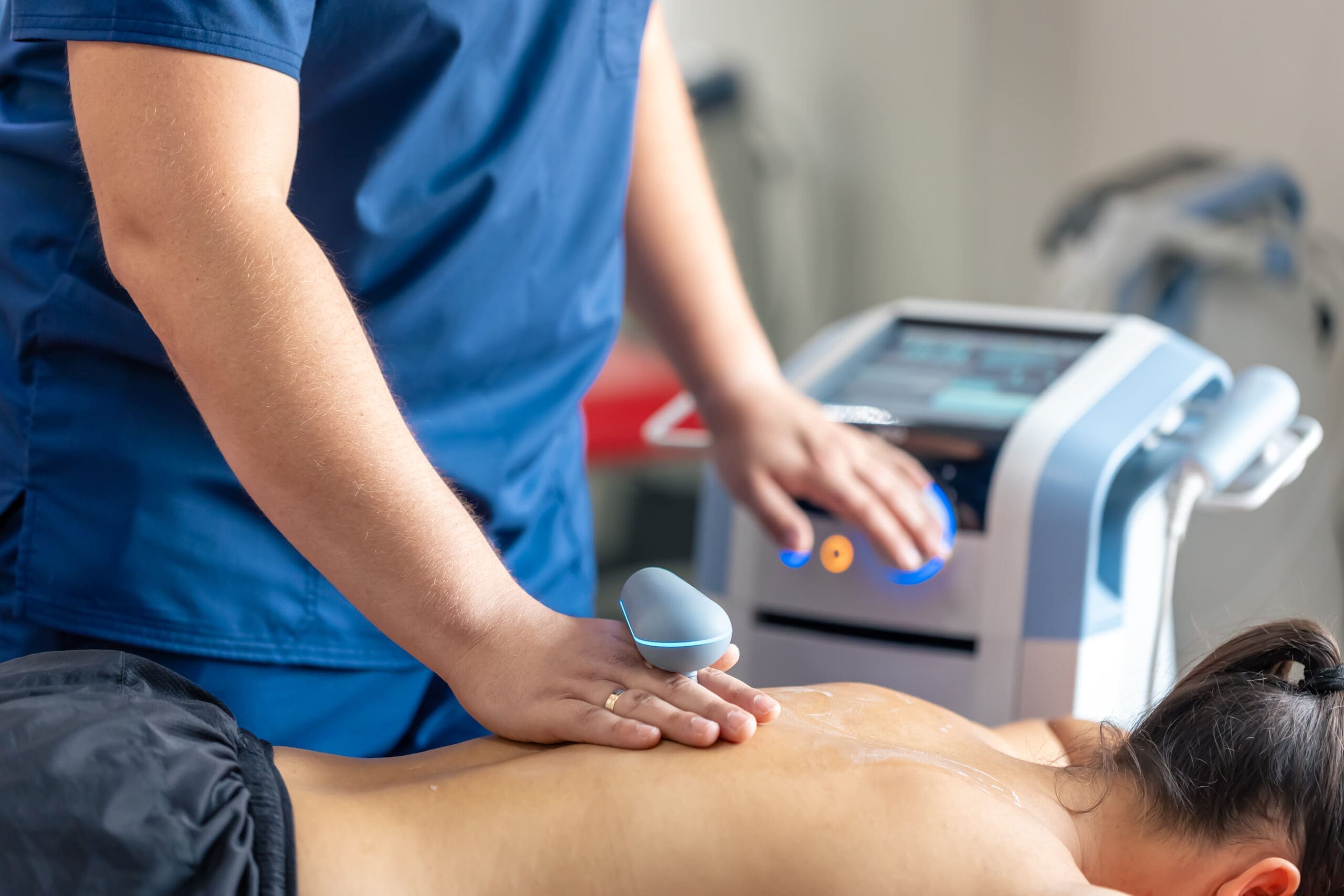
Find out how ultrasound therapy provides effective solutions for chronic musculoskeletal pain and joint issues.

Abstract

As a clinician with a diverse background in chiropractic, nursing, and functional medicine, I have dedicated my career to integrating the most advanced, evidence-based tools into patient care. This post explores the transformative role of musculoskeletal ultrasound (MSKUS), a powerful, real-time imaging modality that has revolutionized the way we diagnose and treat soft-tissue injuries. We will embark on a journey through the sonographic appearance of various tissues—tendons, muscles, cartilage, ligaments, and nerves—understanding their unique visual signatures. I will share insights from leading researchers and practical clinical pearls from my own practice on interpreting these images, including the critical concept of anisotropy. Furthermore, we will delve into proper probe handling techniques for both diagnostic and procedural applications, emphasizing methods that set clinicians up for success. Finally, I will explain how these advanced diagnostic capabilities integrate with a holistic, integrative chiropractic approach, enabling more precise, effective, and patient-centered treatment plans that support true healing.


Understanding the Language of Ultrasound: Echogenicity Explained

In my practice, I often refer to musculoskeletal ultrasound as a “glorified flashlight” that allows us to peer directly into the body’s anatomy in real time. But to understand what we’re seeing, we must first learn its language. The fundamental concept is echogenicity, which describes how tissues reflect ultrasound waves.

  • Hyperechoic: Tissues that appear bright white on the screen. These structures, like bone, are dense and reflect most ultrasound waves to the probe.
  • Hypochoic: Tissues that appear dark gray. These structures, like muscle or fluid, absorb more ultrasound waves and reflect fewer.
  • Anechoic: Tissues that appear completely black. These are typically fluid-filled structures, such as cysts or bursae, that transmit almost all sound waves.
  • Isoechoic: Tissues that have a similar brightness or echotexture to adjacent structures.

Pattern recognition is the cornerstone of interpreting ultrasound images. Each tissue type has an expected appearance, and deviations from this norm can signal pathology.

Sonographic Signatures of Key Musculoskeletal Tissues

Let’s explore what healthy tissues look like under the lens of an ultrasound probe.

Tendons: The Body’s Strong Cords

Tendons are the strong, fibrous cords that connect muscle to bone. On ultrasound, a healthy tendon has a classic appearance: it’s hyperechoic (bright) and displays a distinct fibrillar pattern—think of it as a tightly packed bundle of cables or parallel stripes.

For example, when we look at the patellar tendon in a long-axis view (aligned with the tendon), we expect to see a bright, organized, striped pattern. Beneath it, we can identify other structures, such as the infrapatellar fat pad (which has a more wavy, less organized appearance) and the hyperechoic surfaces of the patella and tibia. Recognizing this norma, fibrillar architecture is crucial because when a tendon is injured (tendinosis or a tear), it loses this organization, thickens, and appears more hypoechoic (darker).

Muscles: The Engines of Movement

Muscle tissue presents a more complex, mixed-echogenicity pattern. It is generally hypoechoic compared to the bright white of bone. However, within the muscle belly, you’ll see hyperechoic strands of connective tissue, known as the perimysium, which encase the muscle fascicles. This gives healthy muscle a “marbled” or “feathery” appearance.

When viewing a muscle like the bicep or deltoid over the humerus, you can see the dark muscle tissue contrasted against the bright cortical line of the bone. You can even appreciate its structure, tapering towards its tendinous insertion. This visual information helps us identify muscle strains, tears, or atrophy.

Cartilage: Smooth Surfaces and Tough Cushions

Cartilage is a critical tissue, and ultrasound helps us differentiate between its two main types:

  • Hyaline Cartilage: This is the smooth, glassy cartilage that covers the ends of bones within a joint, allowing for low-friction movement. On ultrasound, it appears as a distinct, thin, hypoechoic (dark) line sitting directly on the bright, hyperechoic bone surface. A great example is viewing the posterior aspect of the humeral head in the shoulder joint.
  • Fibrocartilage: This is a tougher, more fibrous type of cartilage found in structures like the meniscus of the knee or the labrum of the shoulder and hip. Unlike hyaline cartilage, fibrocartilage is hyperechoic (brighter) and has a more triangular or wedge-shaped appearance. On the shoulder, you can clearly distinguish the bright, triangular labrum from the dark, linear hyaline cartilage on the humeral head.

Ligaments: The Stabilizers

Ligaments, which connect bone to bone, look very similar to tendons on ultrasound. They are also hyperechoic and have a fibrillar, striated pattern. The key difference is that ligaments are typically more compact and densely packed than tendons.

The true power of ultrasound in evaluating ligaments comes from its real-time, dynamic capabilities. The best way to confirm you are looking at a ligament is to trace it from one bony attachment to another. If it originates from or inserts into a muscle, it’s a tendon. With ligaments such as the Medial Collateral Ligament (MCL) of the knee, we can perform a stress test under direct visualization. By applying a valgus force to the knee, we can watch the ligament in real time to see if there is any “gapping” or separation of its fibers.

A report might read: “The linear probe was placed over the medial aspect of the knee, and the MCL was visualized in a long-axis view. Upon real-time valgus stress, there was observable gapping of the mid-substance fibers with surrounding hypoechoic fluid, consistent with a grade 2 sprain.” This level of detail is impossible with a static MRI.

Nerves: The Body’s Electrical Wiring

Nerves have a unique and fascinating appearance on ultrasound, often described as a honeycomb” in short-axis (cross-section) view. This pattern is created by the hypochoic nerve fascicles (the bundles of nerve fibers) surrounded by the hyperechoic epineurium (the connective tissue sheath).

In a long-axis view, the nerve can look like a bundle of parallel “railroad tracks,” though this view is often less distinct than the honeycomb cross-section. A clinical pearl I share with my students is that nerves are often easier to spot when you scan. The distinct honeycomb pattern moves through the surrounding tissue, catching your eye more readily than the linear patterns of tendons or muscles. The carpal tunnel is the classic location to visualize this, as the median nerve’s honeycomb structure stands out clearly against the adjacent flexor tendons in the forearm.


The Challenge of Anisotropy: A Critical Pitfall to Avoid

One of the most important concepts in MSKUS is anisotropy. This phenomenon occurs when the ultrasound beam is not perfectly perpendicular (at a 90-degree angle) to the structure being imaged, particularly tendons and ligaments. When the beam hits the tissue at an angle, the sound waves are reflected away from the probe instead of back to it. This lack of returning signal causes the normally bright, hyperechoic tissue to appear artifactually hypochoic, or dark.

Why is this so critical? Because a tendon tear also appears as a hypoechoic defect. Anisotropy can mimic pathology, leading to a false-positive diagnosis.

Here’s how we differentiate:

  1. Prove the Pathology: If you see a dark spot in a tendon, like the supraspinatus tendon at its insertion on the humerus, you must prove it’s real.
  2. Toggle the Probe: Carefully “heel-toe” or “toggle” the probe to ensure you are perfectly perpendicular to the tendon fibers at that exact spot.
  3. Observe the Change: If the dark spot disappears and brightens when you adjust the probe angle, it indicates anisotropy. If the dark spot remains dark no matter how you angle the probe, it is more likely to be true pathology, such as tendinosis or a tear.

In my practice, I live by the mantra taught in orthopedic surgery: “One view is no view.” I always confirm a suspected finding from multiple angles, in both long and short-axis views, and correlate it with a dynamic assessment and the patient’s physical exam. This meticulous approach is what separates a novice from an expert operator and ensures diagnostic accuracy.

Mastering the Tool: Proper Probe Handling Techniques

Ultrasound is operator-dependent. Your skill in handling the probe directly impacts the quality of your images and the accuracy of your diagnosis.

The Tripod Grip for Diagnostic Scanning

For diagnostic imaging, stability and fine control are paramount. The “death grip,” where you wrap your whole hand around the probe, is unstable and limits fine motor control. Instead, we use the tripod technique.

  • Hold the probe like a pencil, using your thumb and index finger for control.
  • Brace your remaining fingers (pinky, ring, and/or middle finger) on the patient’s skin.
  • This creates a stable base, allowing subtle, precise movements such as sliding, toggling (heel-toe), and rotating to remain perpendicular to curved structures and eliminate anisotropy.

Your hand should be in contact with the patient. This is a more connected, controlled experience that allows you to feel the anatomy as you visualize it.

Modifying the Grip for Procedural Guidance

When performing an ultrasound-guided injection, the grip must change. Holding the probe with your fingers wrapped around it can physically block your needle’s path. For this reason, I advocate for holding the probe by its edges, which keeps your fingers clear of the sterile field and the needle’s intended path.

  • In-Plane Technique: For this approach, in which the needle is inserted parallel to the probe’s long axis and visualized along its entire length, a pencil-like grip is often effective.
  • Out-of-Plane Technique: In this approach, where the needle is inserted perpendicular to the probe and appears as a bright dot in cross-section, holding the probe by its edges provides the necessary space.

The key is to be facile, comfortable moving the probe in different ways for different tasks. Pre-planning your procedure is essential. My protocol is simple:

  1. Find the Target: Use your scanning skills to locate the exact anatomical target.
  2. Stay Perpendicular: Position the probe directly over the target, perpendicular to the skin. This simplifies your needle trajectory.
  3. Bring Tip to Target: Once you have a clear, stable view of your target, you can confidently guide your needle tip precisely where it needs to go.

This methodical approach minimizes “searching” for the needle or the target, making procedures faster, safer, and more successful.

Integrative Chiropractic Care and Ultrasound Synergy

So, how does this high-tech imaging fit into a chiropractic and functional medicine framework? Perfectly.

At our clinic, we don’t just treat symptoms; we seek to understand and correct the underlying biomechanical and physiological dysfunction. MSKUS is an invaluable tool in this process.

  • Precision Diagnosis: Before I perform a chiropractic adjustment or recommend a course of rehabilitative exercise, I want to know exactly what tissue is injured. Is that shoulder pain from a rotator cuff tear, biceps tendinopathy, or bursitis? Ultrasound tells me instantly, allowing me to tailor my treatment. For instance, if I identify a partial tear in the supraspinatus tendon, I can modify my spinal and extremity adjustments to avoid stressing the injured tissue and instead focus on improving scapular mechanics to offload the tendon.
  • Guiding Soft Tissue Therapies: Many of our treatments involve soft-tissue mobilization, such as Active Release Technique (ART) or the Graston Technique. Ultrasound allows me to visualize fibrotic adhesions or scar tissue and specifically target these areas, making the treatment more efficient and effective.
  • Monitoring Healing: Ultrasound provides objective evidence of tissue healing. We can track the reduction of inflammation, the reorganization of collagen fibers in a healing tendon, or the decrease in fluid within a bursa over time. This helps us advance the patient’s rehabilitation protocol based on actual tissue physiology rather than just subjective pain reports.
  • Patient Education: Showing a patient a real-time image of their injury is incredibly powerful. When they can see the inflamed bursa or the tear in their tendon, it enhances their understanding and improves their adherence to the treatment plan. It transforms the abstract concept of their injury into something tangible.

Ultimately, musculoskeletal ultrasound elevates the practice of integrative chiropractic care. It bridges the gap between a physical exam and a definitive diagnosis, allowing a level of precision previously unattainable in clinical settings. It helps us create highly specific, evidence-based treatment plans that address the root cause of a patient’s pain and dysfunction, accelerating their path back to optimal health and function.

As of May 2nd, 2026, the technology continues to evolve, but its core value remains: it is a safe, dynamic, and profoundly insightful tool that, in the hands of a skilled operator, can truly transform patient outcomes.


References

Jacobson, J. A. (2017). Fundamentals of Musculoskeletal Ultrasound (3rd ed.). Elsevier.

McNally, E. G. (2014). Practical Musculoskeletal Ultrasound (2nd ed.). Elsevier.

The Ultrasound Site. (n.d.). Musculoskeletal Ultrasound. Retrieved from https://www.theultrasoundsite.co.uk/

Ultrasound For Movement Disorders. (n.d.). MSK Resources. Retrieved from https://www.ultrasoundformovementdisorders.com/


SEO Tags: Musculoskeletal Ultrasound, MSKUS, Integrative Chiropractic, Dr. Alexander Jimenez, Echogenicity, Anisotropy, Tendinopathy, Ligament Sprain, Nerve Entrapment, Ultrasound-Guided Injections, Functional Medicine, Chiropractic Care, Sports Medicine, Diagnostic Imaging, Soft Tissue Injury, El Paso Chiropractor, Probe Handling

Parking Lot Accident Injuries in El Paso, TX

Parking Lot Accident Injuries in El Paso, TX

Parking Lot Accident Injuries in El Paso, TX

How ChiroMed Supports Safer Recovery

Abstract

Parking lot motor vehicle accidents in El Paso, TX, can look minor, but they can still cause painful injuries. Even at low speeds, a sudden hit can strain the neck, back, shoulders, hips, and soft tissues. Parking lots are risky because drivers, pedestrians, shopping carts, tight spaces, blind spots, poor lighting, and distracted driving all come together in one area. The National Safety Council reports that parking lots and garages experience tens of thousands of crashes each year, resulting in many injuries and hundreds of deaths (National Safety Council [NSC], n.d.).

At ChiroMed – Integrated Medicine in El Paso, patients can receive a patient-centered approach that may include chiropractic care, nurse practitioner services, naturopathy, rehabilitation, nutrition counseling, and acupuncture (ChiroMed, 2026). This type of integrated care can help victims of parking lot accidents address hidden injuries, reduce pain, restore mobility, and support long-term recovery.

Why Parking Lot Accidents Are a Real Concern in El Paso

Many people think parking lot crashes are “small accidents.” The cars may not be moving fast, and the damage may look minor. But the human body can still absorb a sudden force. A quick jolt can cause the head, neck, and spine to move in ways they were not prepared for.

Parking lots can be risky because they are full of activity:

  • Drivers backing out of spaces
  • Pedestrians walking between cars
  • Children, strollers, and shopping carts
  • Drivers looking for open parking spaces
  • Large vehicles blocking the view
  • Distracted drivers using phones
  • Poor lighting or faded parking lines
  • Cars cutting across rows instead of staying in lanes

The National Safety Council states that slow speeds do not automatically make parking lots safe. Drivers still need to stay in lanes, drive slowly, use signals, watch for pedestrians, and be careful when backing out (NSC, n.d.).

This matters in El Paso because local traffic risk is already a concern. KFOX14/CBS4 reported that El Paso ranked 20th on a Forbes list of the worst drivers among the 50 most populated U.S. cities. The ranking examined crashes, fatal crashes, distracted driving, drunk driving, and speeding (Pittock, 2024).

How Parking Lot Crashes Commonly Happen

Parking lot accidents can happen in many ways. Some are simple rear-end crashes. Others involve backing, sideswipes, pedestrians, or unclear right-of-way.

Common parking lot crash patterns include:

  • A driver backs out and hits another vehicle.
  • Two drivers back out at the same time.
  • A car hits a pedestrian walking between vehicles.
  • A driver turns too sharply and sideswipes a parked car.
  • A vehicle cuts across parking rows and hits cross traffic.
  • A driver speeds through the lot and cannot stop in time.
  • A large truck, SUV, or van blocks another driver’s view.

Backing accidents are especially dangerous because blind spots can hide people and vehicles. Backup cameras help, but they are not perfect. The National Safety Council recommends that drivers perform a 360-degree walk-around when possible, look over their shoulders, use mirrors, and avoid relying solely on cameras (NSC, n.d.).

Distracted Driving in Parking Lots

Many drivers relax in parking lots and may start using their phones. That can be a serious mistake. The National Safety Council reported that in one poll, many drivers admitted they would use their phones or other devices while driving through parking lots. This included making calls, programming GPS, texting, using social media, sending emails, and taking photos or videos (NSC, n.d.).

Distraction is dangerous because parking lots change quickly. A child can step out from behind a car. A vehicle can reverse. A pedestrian can cross outside a marked walkway. A driver may only look away for a few seconds, but that can be enough time to cause a crash.

Why Low-Speed Parking Lot Crashes Can Still Cause Pain

A parking lot crash may happen at a lower speed than a highway crash, but the body can still be injured. When a vehicle is hit, the body may twist, bend, brace, or snap forward and backward. This can strain muscles, ligaments, joints, discs, and nerves.

Common injuries after parking lot accidents include:

  • Whiplash
  • Neck pain
  • Low back pain
  • Shoulder pain
  • Hip pain
  • Headaches
  • Muscle spasms
  • Stiffness
  • Tingling or numbness
  • Reduced range of motion
  • Soft-tissue sprains and strains
  • Spinal joint irritation

These injuries may not appear right away. Stress hormones can hide pain after a crash. Some people feel “fine” at the scene, then wake up the next day with stiffness, headaches, or back pain.

Delayed Symptoms After a Parking Lot Accident

Delayed pain is common after car accidents. The body may protect itself by tightening muscles. Over time, that tightness can lead to pain, limited movement, poor sleep, and headaches.

Symptoms to watch for include:

  • Neck stiffness
  • Back tightness
  • Headaches
  • Pain between the shoulder blades
  • Dizziness
  • Numbness or tingling
  • Pain that spreads into the arm or leg
  • Difficulty turning the head
  • Hip or pelvic pain
  • Trouble sitting, standing, or walking normally

If symptoms become severe, or if there is chest pain, trouble breathing, confusion, loss of consciousness, severe headache, weakness, or loss of bladder or bowel control, emergency medical care is needed.

Why Parking Lot Accident Claims Can Be Complicated

Parking lot accidents can be confusing because many happen on private property. This can affect police response, insurance claims, and the review of fault. Universal Law Group notes that officers may not always file reports for private-property accidents unless serious injuries are involved (Universal Law Group, 2025).

Insurance companies may also argue that fault is shared. For example, they may claim both drivers were backing out, both failed to yield, or both were not watching carefully. Texas uses proportionate responsibility rules. Under Texas Civil Practice and Remedies Code § 33.001, a claimant may not recover damages if that person’s percentage of responsibility is greater than 50% (Texas Civil Practice and Remedies Code § 33.001, 2025).

Because of this, documentation is important.

After a parking lot crash, it may help to:

  • Take photos of the vehicles
  • Take photos of the parking lot layout
  • Photograph signs, arrows, lighting, and parking lines
  • Get witness names and phone numbers
  • Ask whether security video exists
  • Report the accident to the property manager
  • Exchange insurance information
  • Seek medical evaluation if pain or symptoms appear
  • Keep a daily pain and activity journal

A clear medical record can help connect the crash to the symptoms and care plan.

How ChiroMed’s Integrated Approach Can Help

ChiroMed – Integrated Medicine in El Paso describes its care model as holistic and patient-centered, offering services such as chiropractic care, nurse practitioner services, naturopathy, rehabilitation, nutrition counseling, and acupuncture (ChiroMed, 2026). This approach can be helpful after a parking lot accident because injuries often affect more than one area of the body.

For example, a person with neck pain may also have:

  • Shoulder tension
  • Mid-back stiffness
  • Headaches
  • Jaw tightness
  • Poor posture
  • Trouble sleeping
  • Nerve irritation

An integrated care plan examines how these problems are connected. Instead of only treating pain, the goal is to improve movement, reduce inflammation, support healing, and help the patient return to normal daily activities.

Clinical Observations From Dr. Alexander Jimenez

Dr. Alexander Jimenez, DC, APRN, FNP-BC, has a dual-scope background that blends chiropractic care with nurse practitioner training. ChiroMed describes Dr. Jimenez as a dual-licensed professional who leads a multidisciplinary team focused on holistic, patient-centered care (ChiroMed, 2026).

In parking-lot accident cases, Dr. Jimenez’s clinical approach focuses on identifying hidden injury patterns. A low-speed crash can still create spinal stress, joint restriction, muscle guarding, nerve irritation, and soft-tissue inflammation. These problems may not always show up as major vehicle damage, but they can affect how the patient moves and feels.

A careful evaluation may include:

  • Health history
  • Accident history
  • Pain location
  • Range-of-motion testing
  • Orthopedic and neurological checks when needed
  • Posture and movement assessment
  • Referral for imaging when red flags are present
  • A treatment plan based on the patient’s findings

This type of care can help connect the patient’s symptoms to the mechanics of the crash.

Chiropractic Care for Whiplash and Spinal Misalignment

Whiplash can happen when the neck moves quickly forward and backward or twists during impact. In a parking lot crash, this can occur when the driver is hit while turning, backing, or looking over the shoulder.

Chiropractic care may help by improving joint motion, reducing muscle tension, and supporting better spinal alignment. Depending on the patient’s condition, care may include:

  • Gentle spinal adjustments
  • Soft-tissue therapy
  • Stretching
  • Corrective exercises
  • Posture training
  • Neck and back mobility work
  • Home care instructions

The goal is not only pain relief. The goal is also better function. Patients often want to turn their neck again, walk without stiffness, sleep better, drive more comfortably, and return to work or daily duties.

Rehabilitation After a Parking Lot Accident

Rehabilitation is important because pain can cause the body to move differently. A person may guard one side, avoid turning the neck, walk with a stiff back, or sit in poor posture to avoid discomfort. Over time, these habits may create more pain.

A rehab plan may include:

  • Gentle range-of-motion exercises
  • Core stability training
  • Hip and shoulder mobility
  • Balance and coordination work
  • Strengthening exercises
  • Guided return-to-activity steps

Rehabilitation helps the body relearn healthy movement. This may lower the risk of chronic pain and repeated flare-ups.

Acupuncture, Nutrition, and Whole-Body Support

Because ChiroMed uses an integrated model, care may also include supportive therapies such as acupuncture, nutrition counseling, and wellness guidance when appropriate. These services may help support pain control, inflammation balance, stress recovery, and overall healing.

After an accident, many patients deal with more than pain. They may also feel tense, anxious, tired, or frustrated. A whole-body approach can help patients feel supported while they recover.

Why Early Evaluation Matters

Early care after a parking lot accident can make a major difference. Waiting too long may allow stiffness, inflammation, and movement problems to worsen. Early evaluation also helps create a clear record of symptoms soon after the crash.

Early care may help:

  • Reduce inflammation
  • Improve range of motion
  • Decrease muscle guarding
  • Identify hidden injuries
  • Support better posture
  • Improve daily movement
  • Reduce the risk of chronic pain
  • Document the injury pattern

Even if the crash seemed minor, pain that lasts more than a short time should not be ignored.

Safety Tips for El Paso Parking Lots

Parking lot accidents are not always preventable, but safer habits can reduce risk.

Helpful tips include:

  • Drive slowly.
  • Stay in marked lanes.
  • Avoid cutting across parking rows.
  • Use turn signals.
  • Look for pedestrians before backing.
  • Do not text or scroll while driving.
  • Watch for children and strollers.
  • Park in well-lit areas.
  • Check mirrors and blind spots.
  • Pull through a parking space when safe and allowed.
  • Do not rely only on backup cameras.
  • Watch for potholes, debris, puddles, and faded lines.

The National Safety Council also warns that poor pavement striping, potholes, cracks, a lack of signs, debris, and poor lighting can increase the risk of injuries in parking lots (NSC, n.d.).

Conclusion

Parking lot accidents in El Paso, TX, should be taken seriously. Even though these crashes often happen at lower speeds, they can still cause whiplash, back pain, neck pain, headaches, soft-tissue injuries, joint stiffness, and reduced mobility. They can also become complicated when the crash happens on private property and insurance companies try to assign shared fault.

ChiroMed – Integrated Medicine offers a patient-centered model that brings together chiropractic care, rehabilitation, nurse practitioner services, nutrition, naturopathy, and acupuncture. For victims of parking lot accidents, this integrated approach can help uncover hidden injuries, restore mobility, reduce pain, and support long-term recovery.

The safest step after a parking lot crash is to pay attention to symptoms, document what happened, and seek an early evaluation when pain, stiffness, headaches, numbness, or reduced movement appear.


References

Angel Reyes & Associates. (n.d.). Parking lot accidents in Texas: Rules & rights

Buckingham & Vega Law Firm. (2021). How common are parking lot accidents?

ChiroMed. (2026). ChiroMed – Integrated Medicine Holistic Healthcare in El Paso, TX

El Paso Back Clinic. (n.d.). Chiropractor for auto injuries? El Paso, TX

El Paso Back Clinic. (n.d.). Integrated chiropractic accident treatment for recovery

El Paso Back Clinic. (n.d.). Integrative chiropractic care benefits in El Paso

El Paso Doctors of Chiropractic. (2025). Chiropractic care in El Paso: How it helps after an accident

Health First Chiropractic. (n.d.). Car accident chiropractor

National Safety Council. (n.d.). Parking lots & distracted driving

Orihuela, J. (2023). Parking lot accidents: Who’s at fault?

Pittock, D. (2024). El Paso ranks 20th on Forbes’ list of U.S. cities with worst drivers

Ruhmann Law Firm. (n.d.). Parking lot injury lawyers in El Paso & Las Cruces

Schilling & Esposito PLLC. (2019). The dangers of parking lot and garage accidents

Synergy Chiropractic. (n.d.). Car accident chiropractic care in El Paso

Texas Civil Practice and Remedies Code § 33.001. (2025). Proportionate responsibility

Texas Municipal Police Association. (2018). Parking and backing basics fact sheet

Universal Law Group. (2025). Don’t get parked: Your guide to Texas parking lot accidents

Post-Accident Headaches: Fast, Lasting Relief

Post-Accident Headaches: Fast, Lasting Relief

Post-Accident Headaches & Chiropractic Care: A Practical, Patient-First Guide for ChiroMed

Headaches that won’t quit after a car crash are common—and fixable. This guide explains why they linger and how an integrative chiropractic plan at ChiroMed can address the root causes with safe, conservative care.

Why Headaches Linger After Car Accidents

A collision can injure soft tissues (muscles, tendons, and ligaments), upset normal spinal alignment, and irritate nerves in the neck and upper back. Together, these changes create muscle guarding, restricted joint motion, and inflamed pain pathways that keep headaches going—even when ER scans look “normal.” Typical patterns include tension-type headaches, cervicogenic (neck-originating) headaches, post-traumatic migraines, and post-concussive headaches (Cascade Spine & Injury Center, 2023; North Port Chiropractic, 2025; Wellness Chiropractic Care, n.d.). Cascade Spine and Injury Center+2northport-chiropractor.com+2

  • Soft-tissue microtrauma triggers inflammation and protective spasm. Tight suboccipitals, SCMs, scalenes, and upper trapezius muscles can refer pain into the head and behind the eyes (Brookdale Health, n.d.). brookdalehealth.com
  • Spinal misalignments and facet joint irritation alter mechanics in the upper cervical spine and can refer pain toward the skull (North Port Chiropractic, 2025; Dr. Toth Chiropractic, n.d.). northport-chiropractor.com+1
  • Nerve irritation and autonomic upset heighten sensitivity to normal movement and posture, reinforcing headache cycles (Premier Care Chiropractic, 2023/2024). premiercarechiro.com+1
  • Delayed onset is common: symptoms may flare days to weeks after impact as inflammation evolves and compensations set in (Premier Care Chiropractic, 2024; Premier Care Chiropractic, 2023). premiercarechiro.com+1

Important: Seek emergency care first for red flags like severe or worsening headache, repeated vomiting, confusion, weakness/numbness, vision or speech changes, or loss of consciousness (Cascade Spine & Injury Center, 2023; Neuro Injury Care, 2023). Chiropractic care complements—never replaces—urgent medical evaluation. Cascade Spine and Injury Center+1


The Headache Patterns We See Most

Tension-Type Headaches

Why they happen: After a crash, overloaded neck and shoulder muscles develop trigger points that refer pain to the head.
What it feels like: Dull, band-like pressure starting at the neck/base of the skull; worse with stress or screen time.
What helps: Gentle cervical/upper-thoracic adjustments, soft-tissue release, and breathing-based down-regulation (Brookdale Health, n.d.; Wellness Chiropractic Care, n.d.). brookdalehealth.com+1

Cervicogenic Headaches

Why they happen: Pain is generated by cervical joints/soft tissue but felt in the head; often linked to upper-cervical facet irritation and reduced segmental motion.
What it feels like: Unilateral head/neck pain that worsens with neck movement or sustained posture.
What helps: Segment-specific adjustments/mobilization and deep-neck-flexor reconditioning (North Port Chiropractic, 2025; Premier Care Chiropractic, 2023). northport-chiropractor.com+1

Post-Traumatic Migraines

Why they happen: Impact can dysregulate cervical nociception, the trigeminovascular system, and autonomic tone.
What it feels like: Throbbing pain with light/sound sensitivity, nausea; activity or posture may aggravate.
What helps: Improve cervical mechanics and tissue tone, normalize sleep/hydration, pace activity; consider decompression when indicated (My Pinnacle Chiropractic, 2025; Premier Care Chiropractic, 2023). Pinnacle Chiropractic+1

Post-Concussive Headaches

Why they happen: Rapid acceleration/deceleration can injure brain tissues and cervical structures even without a direct head strike.
What it feels like: Headache with dizziness, brain fog, or visual strain; may worsen with exertion.
What helps: Medical clearance first; then a graded plan to restore cervical mobility and strength, guided by symptoms (Cascade Spine & Injury Center, 2023). Cascade Spine and Injury Center


The Mechanics Behind Lingering Pain

  1. Inflammation + Guarding Loop
    Damaged tissues release inflammatory mediators that stimulate pain receptors. The body “guards” by tightening muscles, which compresses joints and perpetuates inflammation (Lutz Chiropractic, 2025; Wellness Chiropractic Care, 2023). lutzchiro.com+1
  2. Joint Fixations & Misalignments
    When cervical segments stop moving well, facet joints and surrounding tissues become irritated, leading to increased referred head pain (North Port Chiropractic, 2025; Dr. Toth Chiropractic, n.d.). northport-chiropractor.com+1
  3. Nerve Sensitization
    Irritated nerve roots and sympathetic fibers elevate sensitivity. Restoring alignment and easing tissue load helps normalize signaling (Premier Care Chiropractic, 2023/2024). premiercarechiro.com+1
  4. Delayed Expression of Symptoms
    Early adrenaline and subtle sprains can mask pain; symptoms may arise days or weeks later as swelling and compensations evolve (Premier Care Chiropractic, 2024; Premier Care Chiropractic, 2023). premiercarechiro.com+1

How Chiropractic Care at ChiroMed Addresses Root Causes

At ChiroMed, your plan is built to treat what’s driving the headache, not just dull symptoms. We combine hands-on care, targeted exercise, and practical self-care so improvement lasts.

1) Spinal Adjustments (Manual or Instrument-Assisted)

Gentle, specific adjustments restore segmental motion, reduce facet irritation, and refine alignment—especially at the upper cervical spine. Patients often report fewer and less intense headaches as mechanics normalize (Dr. Toth Chiropractic, n.d.; North Port Chiropractic, 2025). drtoth.com+1

2) Soft-Tissue Therapy

Myofascial release and trigger-point techniques deactivate common referral sources (suboccipitals, SCM, scalenes, upper traps), reduce guarding, and help adjustments “hold” between visits (Brookdale Health, n.d.). brookdalehealth.com

3) Cervical Traction/Decompression (As Indicated)

For patients with nerve irritation or axial loading, gentle traction can open space, reduce pressure, and improve local circulation—often easing cervicogenic and tension-type triggers (North Port Chiropractic, n.d.). northport-chiropractor.com

4) Corrective Exercise & Postural Retraining

We re-educate deep neck flexors, scapular stabilizers, and thoracic mobility to support healthy mechanics during driving, desk work, and daily life (Premier Care Chiropractic, 2023; Lutz Chiropractic, 2025). premiercarechiro.com+1

5) Education & Prevention

Micro-breaks, workstation tweaks, sleep/hydration routines, and graded activity protect progress and lower flare-ups (Cascade Spine & Injury Center, 2023; Wellness Chiropractic Care, n.d.). Cascade Spine and Injury Center+1

Timing matters. Evaluating within the first 1–2 weeks helps prevent chronic pathways from “setting in” (Premier Care Chiropractic, 2024; Dr. Toth Chiropractic, 2025). premiercarechiro.com+1


What a Visit Looks Like (ChiroMed Process)

  1. History & Red-Flag Screen
    We clarify the mechanism (rear-end, side-impact, headrest position), immediate/delayed symptoms, medications, prior headache history, and job/sport demands. Red flags trigger immediate medical referral (Cascade Spine & Injury Center, 2023; Neuro Injury Care, 2023). Cascade Spine and Injury Center+1
  2. Neuromusculoskeletal Exam
    • Cervical/thoracic ROM and joint end-feel
    • Palpation for segmental tenderness & trigger points
    • Neurologic screen: myotomes, dermatomes, reflexes
    • Headache triggers: posture, screen/drive time, sleep
  3. Advanced Imaging (As Indicated)
    X-ray or MRI/CT is considered for neurological deficits, high-energy trauma, or poor progress after an appropriate trial of care (North Port Chiropractic, 2025; Premier Care Chiropractic, 2023). northport-chiropractor.com+1
  4. Diagnosis & Care Plan
    We identify dominant drivers—such as joint dysfunction, muscle guarding, nerve irritation, migraine physiology, or mixed—and match them with precise interventions (Dr. Toth Chiropractic, n.d.; Brookdale Health, n.d.). drtoth.com+1
  5. Outcome Tracking & Case Coordination
    We document progress (range, strength, disability scores, frequency/intensity of headaches) and coordinate with your PCP, specialists, or, when relevant, legal teams. (Premier Care Chiropractic, 2023; El Paso Chiropractic/Synergy, 2025—exemplar). premiercarechiro.com+1

Complementary Therapies That Pair Well With Chiropractic

  • Massage therapy / myofascial release: Frees restricted tissue and improves circulation (Brookdale Health, n.d.). brookdalehealth.com
  • Heat & cold strategies: Apply heat before mobility to relax tissues; use brief ice after workload spikes (Cascade Spine & Injury Center, 2023). Cascade Spine and Injury Center
  • Ergonomics & driving posture: Headrest height, seat angle, and screen position reduce cervical load (Cascade Spine & Injury Center, 2023). Cascade Spine and Injury Center
  • Graded return to activity: Short walks and gentle mobility boost blood flow without flare-ups (Premier Care Chiropractic, 2023). premiercarechiro.com

Recovery Timeline (Example)

Note: Your plan will be individualized. This timeline illustrates common milestones.

Weeks 0–2: Calm & Restore Motion

  • Tolerance-based cervical/upper-thoracic adjustments
  • Soft-tissue release for suboccipitals, SCMs, scalenes, upper traps
  • Gentle traction/decompression as indicated
  • Heat before movement; brief ice after activity
  • Micro-breaks every 20–30 minutes; sleep/hydration reset
    (Dr. Toth Chiropractic, 2025; Brookdale Health, n.d.). drtoth.com+1

Weeks 2–6: Re-Educate & Strengthen

  • Deep-neck-flexor endurance and scapular stabilization
  • Thoracic mobility drills; desk/driver posture coaching
  • Reassessment: ROM, headache frequency/intensity, disability scores
    (Premier Care Chiropractic, 2023; Lutz Chiropractic, 2025). premiercarechiro.com+1

Weeks 6–12: Stabilize & Prevent

  • Maintain adjustment frequency as needed
  • Progress strength/endurance; add job- or sport-specific tasks
  • Build a prevention toolkit: mobility sequence, ergonomic playbook, flare-control plan
    (Premier Care Chiropractic, 2023). premiercarechiro.com

Frequently Asked Questions

Do “minor” crashes really cause lasting headaches?
Yes. Even low-speed impacts can strain soft tissue and disturb joint mechanics. Symptoms often appear days or weeks later (Premier Care Chiropractic, 2024; Premier Care Chiropractic, 2023). premiercarechiro.com+1

How soon should I see a chiropractor?
Ideally, within 1–2 weeks, or sooner if symptoms escalate (Premier Care Chiropractic, 2024; Dr. Toth Chiropractic, 2025). premiercarechiro.com+1

Will I need imaging?
Not always. Imaging is considered for neurological findings, severe trauma, or poor progress (North Port Chiropractic, 2025; Premier Care Chiropractic, 2023). northport-chiropractor.com+1

Can chiropractic help post-traumatic migraines?
By improving alignment, reducing muscle tension, and normalizing nerve input, many people report fewer and less intense migraine days (My Pinnacle Chiropractic, 2025; Premier Care Chiropractic, 2023). Pinnacle Chiropractic+1

What if symptoms persist beyond 3 months?
That’s often considered chronic and may still respond to a targeted plan; we reassess drivers and adjust care (Premier Care Chiropractic, 2024). premiercarechiro.com


A Brief Clinical Lens on Dual-Scope Care (Exemplar)

While ChiroMed provides chiropractic-centered, integrative care, it’s useful to note how some clinics coordinate chiropractic and medical decision-making under one roof. For example, Dr. Alexander Jimenez, DC, APRN, FNP-BC (El Paso) illustrates a dual-scope model that correlates biomechanical findings with medical drivers, orders advanced neuromusculoskeletal imaging when indicated, and prepares legal-ready documentation for personal-injury cases—all while progressing patients through adjustments, soft-tissue care, decompression, and rehabilitation (Jimenez, 2025a–d; El Paso Chiropractic/Synergy, 2025). This kind of coordination underscores the value of clear diagnosis, structured progression, and consistent documentation in post-accident headache care. Synergy Chiropractic


Practical Home Strategies (Simple & Repeatable)

  1. Screens at eye level: Keep ears over shoulders; set a 20–30-minute micro-break timer (Cascade Spine & Injury Center, 2023). Cascade Spine and Injury Center
  2. Warm before, cool after: Brief heat before mobility to relax tissue; brief ice after workload spikes (Brookdale Health, n.d.). brookdalehealth.com
  3. Hydrate and sleep: Dehydration and poor sleep can amplify headaches, so maintain a steady routine (Premier Care Chiropractic, 2023). premiercarechiro.com
  4. Ease into cardio: Short walks improve circulation without provoking flares (Premier Care Chiropractic, 2023). premiercarechiro.com
  5. Track triggers: Note links between neck posture, stress spikes, and headache intensity; adjust positions accordingly (Cascade Spine & Injury Center, 2023). Cascade Spine and Injury Center

Bottom Line

Post-accident headaches linger because a collision injures soft tissues, disturbs cervical alignment, and irritates nerves. Chiropractic care targets the root causes with precise adjustments, soft-tissue therapy, traction when indicated, and corrective exercise—plus practical coaching to keep gains. At ChiroMed, we design a plan around your exam findings, track measurable progress, and coordinate when imaging or additional consultation is appropriate—so relief is not just fast, but lasting (North Port Chiropractic, 2025; Lutz Chiropractic, 2025; Premier Care Chiropractic, 2023/2024; Cascade Spine & Injury Center, 2023). Cascade Spine and Injury Center+4northport-chiropractor.com+4lutzchiro.com+4


References

Brookdale Health. (n.d.). Auto injury treatment for headaches. brookdalehealth.com

Brookdale Health. (n.d.). How can chiropractic adjustments relieve tension headaches from accidents?. brookdalehealth.com

Cascade Spine & Injury Center. (2023, August 28). Navigating the road of headaches after a car accident. Cascade Spine and Injury Center

Dr. Toth Chiropractic. (n.d.). Headaches after a car accident. drtoth.com

Dr. Toth Chiropractic. (2025, March 21). How long should you see a chiropractor after a car accident?. drtoth.com

El Paso Chiropractic / Synergy Health Solutions. (2025, October 2). Car accident headaches and whiplash: Chiropractic care in El Paso. Synergy Chiropractic

Jimenez, A. (2025a). Safe chiropractic care in El Paso: What to expect.

Jimenez, A. (2025b). Chiropractic performance-based therapy for injury rehab.

Jimenez, A. (2025c). Integrative healing: Hidden injuries after accidents.

Lutz Chiropractic. (2025, September 8). From fender bender to full recovery: How chiropractic care helps after car accidents. lutzchiro.com

My Pinnacle Chiropractic. (2025, August 29). Should I go to a chiropractor after a car accident?. Pinnacle Chiropractic

Neuro Injury Care Institute. (2023, September 22). Why you shouldn’t ignore headaches after a car accident. neuroinjurycare.com

North Port Chiropractic. (2025, February 3). How chiropractic care can help relieve headaches after an auto accident. northport-chiropractor.com

North Port Chiropractic. (n.d.). Auto accident care. northport-chiropractor.com

Premier Care Chiropractic. (2023). Chiropractic treatment for headaches. premiercarechiro.com

Premier Care Chiropractic. (2024). Chronic pain after a car accident. premiercarechiro.com

Premier Care Chiropractic. (2023). How long after a car accident can injuries appear?. premiercarechiro.com

Wellness Chiropractic Care. (n.d.). Headaches FAQs. wellnesschiropracticcare.com

Wellness Chiropractic Care. (2023, March 23). Common airbag and seatbelt injuries. wellnesschiropracticcare.com