Give us a Call
+1 (915) 412-6680
Send us a Message
[email protected]
Opening Hours
Mon-Thu: 7 AM - 7 PM
Fri - Sun: Closed
How PRP Concentration Impacts Tissue Healing

How PRP Concentration Impacts Tissue Healing
How PRP Concentration Impacts Tissue Healing

Abstract

In the ever-evolving landscape of regenerative medicine, platelet-rich plasma (PRP) has emerged as a cornerstone therapy for a multitude of musculoskeletal conditions, most notably osteoarthritis. However, the clinical conversation is shifting from a simple “yes or no” regarding its use to a more sophisticated understanding of “how” and “why” it works. This post will take you on an educational journey into the nuanced world of PRP therapy. We will explore the critical concepts of platelet concentration, the evolving debate over leukocyte ratios (leukocyte-rich vs. leukocyte-poor PRP), and the latest evidence-based findings reshaping our treatment protocols. Drawing upon modern research and my clinical observations, we will demystify the physiological mechanisms at play, explaining how we can optimize treatments by focusing on absolute platelet dosage and understanding the synergistic roles of different cell types. Furthermore, we will connect these advanced regenerative techniques to the foundational principles of integrative chiropractic care, illustrating how a comprehensive approach that addresses biomechanical integrity and systemic health is paramount for achieving lasting patient outcomes.


The Evolution of PRP: Beyond Leukocyte Ratios to Precise Dosing

For years, the regenerative medicine community has engaged in a robust discussion about the ideal formulation of PRP. A central point of this debate was the white blood cell (leukocyte) ratio in the PRP preparation. This led to the common classification of PRP into leukocyte-rich (LR-PRP) and leukocyte-poor (LP-PRP) subtypes. The prevailing thought was that one type might be superior for specific conditions—for instance, that the pro-inflammatory nature of leukocytes in LR-PRP could be detrimental for an already inflamed arthritic joint.

This classification system, born around 2011-2012, was a significant step forward. It gave us a framework to begin conceptualizing and comparing different PRP preparations. It was a way for clinicians like myself to ask, “What is our patient actually receiving?” However, as science progresses, so must our understanding.

A Paradigm Shift in Understanding

Recent research has begun to challenge this dichotomous view. In a fascinating turn, some of the very same researchers who first proposed the importance of leukocyte ratios published a pivotal paper around 2022. Their updated findings, specifically regarding joint arthritis, suggested that, in the long run, the distinction between leukocyte-rich and leukocyte-poor PRP may not be as critical as we once believed (Le et al., 2022).

This finding aligns with a growing body of evidence that points to a different, perhaps more crucial, variable: the absolute platelet dose. Instead of focusing solely on the cell ratio, the focus is shifting to the total number of platelets delivered to the target tissue. The question is evolving from “Is it rich or poor in leukocytes?” to “How many billion platelets are we administering?” This represents a significant paradigm shift, moving us toward a more precise, dose-dependent approach to regenerative therapy.

In my own practice, I’ve observed this principle in action. A recent case involved a patient for whom we prepared PRP with a concentration factor of approximately 7.5 times their baseline platelet count. While this number can vary from patient to patient due to individual physiology, our advanced processing systems consistently yield concentrations in the 6x-10x range. The key was not just the concentration but the processing method, which allowed us to capture a high platelet yield, ensuring we delivered a therapeutically significant dose.

The Intricate Cellular Symphony Within PRP

To truly appreciate the power of PRP, we must look at the intricate components of the preparation and how they work together. Using modern separation systems, we can meticulously isolate different fractions of the blood.

Understanding the Buffy Coat and Its Components

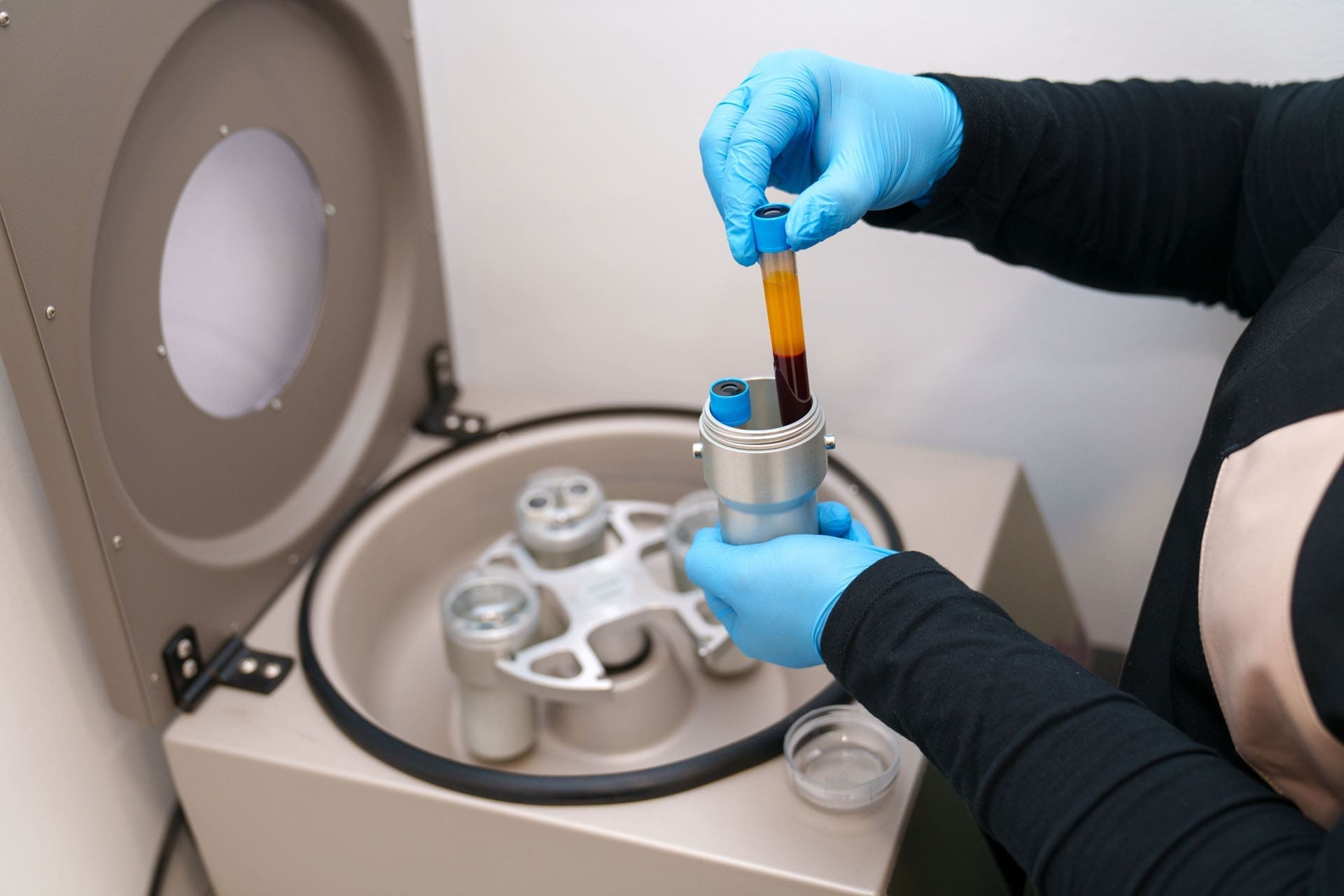
When blood is centrifuged, it separates into three main layers:

  • Red Blood Cells (Erythrocytes): The dense bottom layer.
  • Platelet-Poor Plasma (PPP): The clear, liquid top layer.
  • The Buffy Coat: A thin, whitish layer sandwiched between the other two.

The buffy coat is the treasure trove of regenerative medicine. It is densely packed with platelets and most leukocytes. The historical fear was the inclusion of the reddish layer just below the buffy coat, as it was thought to contain pro-inflammatory cells that could worsen conditions like arthritis.

However, our understanding of these cells has become much more refined. Advanced analysis reveals that this reddish zone, while containing some red blood cells, is also rich in specific leukocyte types, namely lymphocytes and monocytes. Far from being purely detrimental, these cells play a vital, beneficial role in the healing cascade.

  • Monocytes are particularly fascinating. When introduced to an injury site, they can differentiate into macrophages, which are essential for clearing cellular debris. More importantly, they help orchestrate the subsequent regenerative phases. The presence of lymphocytes helps guide these monocytes toward a pro-regenerative (M2) phenotype rather than a pro-inflammatory (M1) one.

This means that a PRP preparation that strategically includes these cell populations can create a more robust and sophisticated healing signal. The lymphocytes and monocytes don’t just add to the inflammation; they help manage it and then initiate a structured, beneficial healing response. This is why the conversation is moving away from simply labeling PRP as “leukocyte-rich.” It’s about understanding which leukocytes are present and their specific functions. The granulocytes (like neutrophils), which are more associated with acute inflammation, are largely separated out, while the beneficial monocytes and lymphocytes are retained.

This new perspective helps explain a retrospective observation: systems that produced “leukocyte-rich” PRP often happened to capture more platelets. The superior outcomes seen in some studies using LR-PRP for tendon injuries, for example, may have been less about the leukocytes and more about the higher absolute platelet dose being delivered (Filardo et al., 2018).

The Crucial Role of Integrative Chiropractic Care

Advanced regenerative treatments like PRP are powerful tools, but they do not exist in a vacuum. To achieve the best possible outcomes, we must address the entire patient, including the underlying biomechanical and structural issues that contributed to the injury or degeneration in the first place. This is where integrative chiropractic care becomes an indispensable partner to regenerative medicine.

Imagine injecting a highly potent, regenerative PRP preparation into a knee joint that is suffering from osteoarthritis. If that knee remains misaligned, with improper patellar tracking and imbalanced forces from dysfunctional muscles in the hip and ankle, the regenerative therapy is fighting an uphill battle. The very same pathological forces that wore down the cartilage remain, poised to degrade the newly formed tissue.

Creating an Optimal Healing Environment

As a chiropractor and functional medicine practitioner, my approach is to create an optimal environment for these regenerative cells to do their work. This involves a multi-faceted strategy:

  • Biomechanical Correction: Through precise chiropractic adjustments, we restore proper joint alignment not just in the affected joint but along the entire kinetic chain. For a knee issue, this means assessing and correcting imbalances in the spine, pelvis, hips, and ankles. This ensures that forces are distributed evenly, reducing pathological stress on the healing tissues.
  • Myofascial Release and Rehabilitation: We use advanced soft-tissue techniques to release adhesions, correct muscle imbalances, and restore proper function. This might involve active release techniques, instrument-assisted soft tissue mobilization, and targeted therapeutic exercises. This step is crucial for ensuring the joint is supported by a strong, balanced, and functional muscular system.
  • Nutritional and Metabolic Support: Healing is a metabolically demanding process. Through a functional medicine lens, we assess and optimize the patient’s nutritional status. This includes ensuring adequate levels of key vitamins and minerals (like Vitamin C, Zinc, and Magnesium) and managing systemic inflammation through diet and targeted supplementation (e.g., omega-3 fatty acids, curcumin). A systemically inflamed body will have a blunted response to any localized regenerative therapy.

By integrating these approaches, we are not just treating the site of pain; we are re-establishing the foundation for health. The chiropractic adjustments and physical rehabilitation prepare the “soil” by correcting the biomechanical environment, while the PRP injection acts as the “seed,” providing the cellular machinery for growth and repair. This comprehensive model significantly enhances the potential for long-term success and is a core tenet of my clinical philosophy at Injury Medical & Chiropractic Clinic.

A New Frontier in Regenerative Orthopedics

We stand at an exciting new frontier in the treatment of musculoskeletal conditions. The science of PRP is moving beyond simplistic classifications and toward a more sophisticated, evidence-based approach centered on precise dosing and a deeper understanding of cellular interactions. The latest research from leading experts is guiding us to optimize our methods, not by eliminating certain cells, but by understanding how to harness their synergistic potential to orchestrate a powerful healing response.

For patients suffering from conditions like joint arthritis, this means more effective and reliable outcomes. By combining these cutting-edge regenerative therapies with the foundational principles of integrative chiropractic care, we can address both the symptoms and the root cause of their condition. This holistic approach ensures that we are not only repairing damaged tissue but also restoring function, improving biomechanics, and empowering the body’s innate capacity to heal itself, resulting in lasting relief and improved quality of life.


References

Filardo, G., Di Matteo, B., Kon, E., Merli, G., & Marcacci, M. (2018). Platelet-rich plasma in tendon-related disorders: results and indications. Knee Surgery, Sports Traumatology, Arthroscopy, 26(7), 1984–1999. https://doi.org/10.1007/s00167-016-4261-4

Le, A. D. K., Enweze, L., DeBaun, M. R., & Dragoo, J. L. (2022). Current clinical recommendations for use of platelet-rich plasma. Current Reviews in Musculoskeletal Medicine, 15(6), 442–453. https://doi.org/10.1007/s12178-022-09787-z

Platelet-Rich Plasma PRP Therapy Guide for Recovery

Platelet-Rich Plasma PRP Therapy Guide for Recovery

Platelet-Rich Plasma PRP Therapy Guide for Recovery
Integrative Chiropractic Improves Movement and Health

Abstract

Welcome to this in-depth exploration of Platelet-Rich Plasma (PRP) therapy. My name is Dr. Alexander Jimenez, and in this educational post, we will journey together through the intricate world of regenerative medicine. We will unravel the complexities of PRP, moving beyond the surface-level understanding to explore the crucial details that determine its success. I will guide you through the latest findings from leading researchers, breaking down concepts like platelet dosing, the composition of the biologic product, and why not all PRP is created equal. We will discuss the physiological underpinnings of PRP, from the cellular level to its effects on tissues such as tendons and joints. A significant focus will be on the importance of achieving a specific therapeutic dose to elicit a healing response, particularly in conditions like osteoarthritis (OA) and soft tissue injuries. We will also examine how factors like patient age and the specific preparation system used can dramatically influence outcomes. Furthermore, I will explain how integrative chiropractic care plays a vital supportive role in this process, enhancing recovery and optimizing the body’s response to treatment. This post is designed to provide you with a comprehensive, evidence-based understanding of PRP therapy, empowering you to make informed decisions about your health.


As a clinician with a diverse background spanning chiropractic (DC), advanced practice nursing (APRN, FNP-BC), and functional medicine (CFMP, IFMCP), my goal is to bridge gaps across healthcare fields to provide a truly holistic and effective treatment model. My clinical experience, available at chiromed.com and detailed on my LinkedIn profile, has consistently shown me the power of combining advanced biologic treatments with foundational care. Let’s begin our journey into the science of PRP.

What Is a Platelet and Why Does It Matter?

To truly grasp the power of PRP, we have to go back to a fundamental concept from our early science education: what is a platelet? Many of us remember them as tiny components of our blood that help with clotting. But they are so much more than that.

Platelets are small, anucleated (meaning they lack a nucleus) cell fragments that are essentially little packets filled with a treasure trove of proteins. These proteins include powerful growth factors and cytokines, which are signaling molecules that orchestrate the body’s natural healing and repair processes.

  • Key Characteristics of Platelets:
    • They have a lifespan of about 7 to 10 days. This is a critical piece of information. When I advise patients to avoid anti-inflammatory medications like NSAIDs before a PRP procedure, it’s because these drugs can inhibit platelet function, and we need their full healing potential for the therapy to be effective.
    • A normal platelet count in the blood ranges from about 150,000 to 400,000 per microliter.
    • The FDA’s definition of PRP is simply a platelet concentration that is “above baseline.” This vague definition is partly why there is so much variability in the PRP products available today.

The core principle of PRP therapy is to concentrate these powerful healing cells and their associated growth factors and then deliver them with precision to an area of injury or degeneration. The goal is to amplify the body’s natural healing cascade, transforming a chronic, non-healing state into an active, acute healing phase.

The Problem of Variability in PRP Preparations

A significant challenge in the field of regenerative medicine is the immense variability among different PRP systems. This is a critical point that both patients and practitioners must understand. The idea that “PRP is PRP” is a dangerous oversimplification.

A compelling study by Jaewoo Pak and his colleagues highlighted this issue perfectly. They analyzed five different commercial PRP systems and found dramatic differences in both the final platelet concentration and the white blood cell (WBC) count in the final product (Pak et al., 2017).

I often show my patients a slide from a presentation by Dr. Gerben van de Meijden that drives this point home. It shows the blood of a single patient processed through four different systems. The resulting PRP products are all different colors—from light yellow to deep red—each representing a unique cellular makeup. This isn’t just an aesthetic difference; it signifies a profound variability in the biologic drug we are creating. The “dose” and “formulation” are completely different, which inevitably leads to different clinical outcomes.

The Evidence for PRP: A Growing Body of Research

Despite the variability, the evidence supporting PRP therapy, particularly for certain conditions, is robust and growing. When colleagues or patients ask about the evidence, I point out a fascinating fact: there are now more patients enrolled in high-quality clinical trials for PRP in knee osteoarthritis (OA) than for hyaluronic acid injections, a long-standing and widely accepted treatment.

This wealth of data, as highlighted in a meta-analysis by Meheux et al. (2016), generally shows that PRP therapy tends to outperform hyaluronic acid, especially for medium- to long-term pain relief and functional improvement. This suggests that PRP is not just a temporary fix but may have a more lasting biological effect.

How We Create Your Personalized PRP Treatment in Our Clinic

So, how do we go from a simple blood draw to a powerful healing injectate? Let me walk you through the process we use in our clinic, which is designed for precision and quality.

  1. Blood Draw: We begin by drawing a specific volume of your blood. This is not a one-size-fits-all step. The amount of blood we draw is a strategic decision based on the target dose we need to achieve. A larger blood volume allows us to harvest a greater total number of platelets.
  2. First Centrifugation: The blood is placed into a sterile, closed-system kit. This kit is then placed in a centrifuge, a machine that spins at high speeds. This first “hard spin” uses centrifugal force to separate the blood into its different components based on their density. The heavier red blood cells are forced to the bottom, the lighter plasma rises to the top, and a thin, precious layer forms in the middle. This is the “buffy coat.”
  3. Isolating the Buffy Coat: The buffy coat is where the magic is. It’s incredibly rich in platelets and white blood cells. The plasma above it, known as platelet-poor plasma (PPP), is carefully removed.
  4. Second Centrifugation & Concentration: We are then left with the buffy coat and a small amount of plasma. In some systems, a second, slower spin is used to further concentrate the platelets. The key is understanding exactly where the platelets reside within the tube. In the system I often use, about 85% of the platelets are concentrated within a tiny 2-millimeter layer. This allows us to create a high concentration of platelets in a very small, precise volume.

Understanding the specific mechanics of the system you use is paramount. It’s the only way to reliably create a therapeutic product and move away from guesswork.

The Critical Concept of PRP Dosing

I encourage my patients and colleagues to think of PRP not as a generic “procedure” but as a biologic drug. And like any drug, it has a dose-response relationship. There is a minimum dose—a therapeutic threshold—that must be reached to trigger a significant biological effect. If the dose is too low (subtherapeutic), the treatment is likely to fail.

So, what is the right clinical dose of PRP? This is the million-dollar question, and the answer is slowly being pieced together by dedicated researchers. The optimal dose likely varies by the type of tissue being treated (e.g., tendon vs. cartilage) and the specific pathology.

Dosing for Tendons and Soft Tissues

Early research in cell cultures provided the first clues. Studies have shown that a specific platelet concentration stimulates the proliferation of tenocytes (tendon cells). However, if the concentration became too high, it had an inhibitory effect, slowing cell growth. This established the concept of an optimal therapeutic window.

A landmark study from Dr. Peter Everts’ group provided crucial clinical insight (Everts et al., 2020). They analyzed numerous studies on soft-tissue applications of PRP and plotted the results on a graph. They found a clear dividing line.

  • Studies that used a total platelet dose of less than approximately 3.5 billion platelets were overwhelmingly negative; the treatment didn’t work.
  • Studies that used a dose above 3.5 billion platelets were overwhelmingly positive.

This gives us a tangible target. If a PRP system produces only 1.5 billion platelets, it’s likely to be subtherapeutic for many soft-tissue applications. We need to aim for a dose within that effective range to give our patients the best chance of success.

How Patient Age Impacts Dosing

Here is where personalized medicine becomes essential. We know that a patient’s biology changes with age. As we get older, our baseline platelet count may decrease, and the concentration of growth factors within those platelets may also decline. This means that to achieve the same therapeutic dose of 5 billion platelets, an older patient may require a larger initial blood draw than a younger patient. In my practice, I often err on the side of drawing a larger volume of blood from my older patients to ensure we can formulate a sufficiently potent biologic product to stimulate a robust healing response. We are still in the early days of understanding these nuances, but it’s a critical consideration for candidacy and treatment planning.

Dosing for Knee Osteoarthritis (OA)

The knee is perhaps the area where we have the most data on PRP dosing. A widely cited study, the RESTORE trial, published in JAMA, concluded that PRP was no better than a saline placebo for knee OA (Bennell et al., 2021). However, a critical look at the study’s methodology reveals the flaw. They used a low-dose PRP system that delivered only 1.6 billion platelets. Based on our dose-response curve, we now understand this was a subtherapeutic dose, so a negative result was predictable. This study, while well-executed, taught us a valuable lesson about the importance of dose.

In stark contrast, another major study from Dr. Van der Weegen’s group used a dose of 10 billion platelets (van der Weegen et al., 2016). In these patients, they observed not only significant improvements in pain and function but also MRI evidence that PRP may have slowed the progression of cartilage loss. This suggests a potential disease-modifying effect at the right dose.

So, for knee OA, the evidence points to a target dose of 5 to 10 billion platelets to achieve both symptom relief and potential structural benefits.

Beyond Platelets: The Role of White and Red Blood Cells

While platelets are the star players, they are not the only cells in the PRP formulation. We must also consider the other cellular components, particularly white blood cells (WBCs) and red blood cells (RBCs).

The two main types of WBCs we are concerned with are neutrophils and monocytes. They seem to have very different effects.

  • Neutrophils are highly pro-inflammatory. A PRP product rich in neutrophils (leukocyte-rich PRP, or LR-PRP) often causes a more intense post-injection inflammatory reaction, with greater pain and swelling. In some cases, this intense inflammatory signal may be desirable to “kick-start” healing in a very chronic, stagnant tissue. However, there are concerns that enzymes released by neutrophils could damage certain tissues, such as articular cartilage.
  • Monocytes are considered more “anabolic” or constructive. They play a key role in transitioning from the inflammatory phase to the proliferative, or rebuilding, phase of healing.

The debate between leukocyte-rich (LR-PRP) and leukocyte-poor (LP-PRP) is ongoing. Much of the European data suggests that for a condition like knee OA, there may not be a significant clinical difference in the long run. However, the initial patient experience is often different, with LP-PRP typically being better tolerated. In my practice, the choice between LR-PRP and LP-PRP is a clinical decision based on the specific tissue, the chronicity of the injury, and the individual patient.

The Integral Role of Chiropractic Care and Rehabilitation

A PRP injection is not a magic bullet; it is a catalyst. To fully realize its potential, it must be supported by a comprehensive treatment plan. This is where integrative chiropractic care becomes a cornerstone of success.

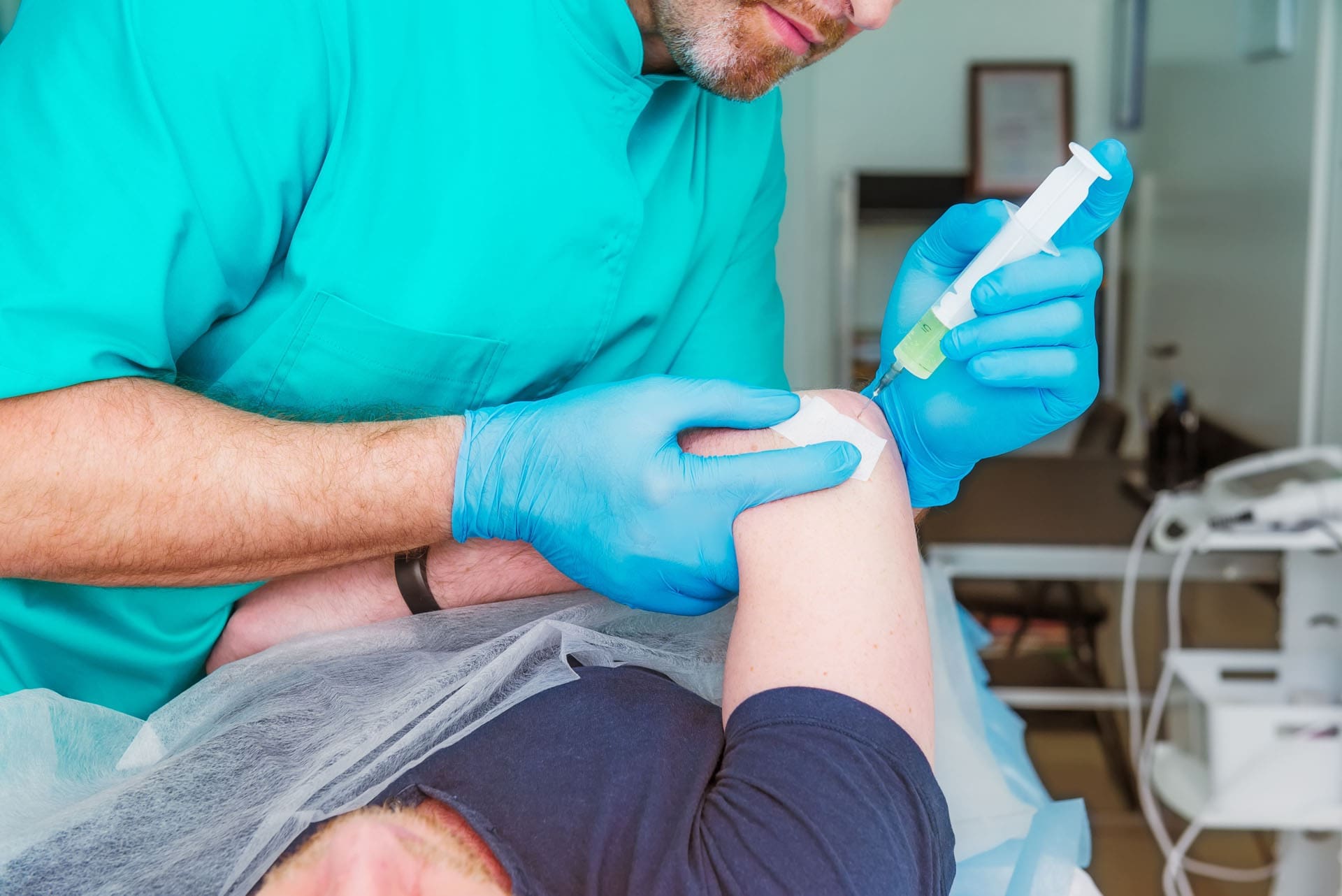
1. Precision and Guidance: The biologic product must be delivered to the exact site of injury. If you are treating a rotator cuff tear, the PRP must be placed directly into the defect within the tendon. If it’s injected into the surrounding bursal space, it cannot perform its function of forming a biological scaffold and stimulating repair. This is why ultrasound guidance is non-negotiable for these procedures. It ensures that this precious biologic drug gets to its target.

2. Optimizing Biomechanics: As a chiropractor, my focus is on function and structure. If a patient has knee OA due to poor hip mechanics or foot overpronation, simply injecting the knee only addresses the symptom. Chiropractic adjustments, soft tissue mobilization, and corrective exercises are crucial for addressing the underlying biomechanical faults that led to the joint breakdown in the first place. This creates a better environment for the PRP to work and helps prevent recurrence of the injury.

3. Guided Rehabilitation: The post-injection period is critical. PRP triggers an inflammatory and proliferative process that takes time. I tell my patients not to expect immediate results. The true benefits unfold over three to six months. The rehabilitation protocol must be tailored to this biological timeline.

  • Initial Rest Phase: Following the injection, a short period of relative rest allows the platelet clot to form and the initial inflammatory cascade to begin.
  • Protected Mobilization: We then gradually introduce a gentle range-of-motion exercise to prevent stiffness.
  • Progressive Loading: As the tissue begins to repair and remodel, we introduce progressive, controlled loading through specific exercises. This mechanical stimulation is essential for guiding the new collagen fibers to align properly, creating a strong, functional, and resilient tissue. This is a journey we guide the patient through, ensuring they do the right things at the right time to support the healing initiated by PRP.

Key Takeaways for Patients and Practitioners

My goal in this post is to emphasize that successful regenerative medicine requires a deep understanding of the product you deliver. We must move beyond generic labels and focus on the specifics.

  • Dose Matters: Think of PRP as a drug. A subtherapeutic dose will not work. We must aim for a specific dose tailored to the tissue and condition, with current evidence suggesting a target of >3.5 billion platelets for soft tissues and 5-10 billion platelets for knee OA.
  • Not All PRP Is Equal: The preparation system dictates the final product. Understand your system’s capabilities and limitations to ensure you can create a therapeutic dose.
  • It’s a Biological Process: Healing takes time. PRP initiates a cascade that unfolds over months. Patient education and managing expectations are key.
  • Integrative Care is Crucial: The best outcomes are achieved when PRP is combined with precision guidance, biomechanical correction, and a structured, biology-based rehabilitation program.

By embracing this evidence-based, detailed, and integrative approach, we can truly harness the remarkable healing potential of PRP and offer our patients lasting solutions for pain and dysfunction.


References

Bennell, K. L., Paterson, K. L., Metcalf, B. R., Duong, V., Emsley, R., Hinman, R. S., … & Harris, A. (2021). Effect of intra-articular platelet-rich plasma vs placebo on pain, function, and structural change in patients with knee osteoarthritis: The RESTORE randomized clinical trial. JAMA, 326(20), 2021-2030. https://doi.org/10.1001/jama.2021.19415

Everts, P., Onishi, K., Jayaram, P., Lana, J. F., & Mautner, K. (2020). Platelet-rich plasma: new performance understandings and therapeutic considerations in 2020. International Journal of Molecular Sciences, 21(20), 7794. https://doi.org/10.3390/ijms21207794

Meheux, C. J., McCulloch, P. C., Lintner, D. M., Varner, K. E., & Harris, J. D. (2016). Efficacy of intra-articular platelet-rich plasma injections in knee osteoarthritis: a systematic review. Arthroscopy: The Journal of Arthroscopic & Related Surgery, 32(3), 495-505. https://doi.org/10.1016/j.arthro.2015.08.005

Pak, J., Lee, J. H., & Lee, S. H. (2017). A novel protocol of platelet-rich plasma application for musculoskeletal medicine: a preliminary report. Journal of Prolotherapy, 9(1), e971-e979.

van der Weegen, W., van Drumpt, R., & de Sèze, P. B. (2016). The use of platelet rich plasma in knee osteoarthritis: a literature review and clinical interpretation. Bio-Orthopaedics Journal, 1(1).

PRP Therapy for Pain Relief, Healing, and Recovery

PRP Therapy for Pain Relief, Healing, and Recovery

PRP Therapy for Pain Relief, Healing, and Recovery

Abstract

Welcome to an in-depth exploration of Platelet-Rich Plasma (PRP), a cornerstone of modern regenerative medicine. We will delve into the very essence of platelets, exploring the powerful growth factors, cytokines, and other bioactive molecules they release. Drawing from the latest findings of leading researchers, we’ll examine how these components orchestrate the body’s natural healing and anti-inflammatory processes. I will explain the critical concept of PRP dosing, the importance of different platelet types, and how specific growth factors such as PDGF, TGF-β, and FGF contribute to tissue repair and regeneration. Finally, we’ll connect these principles to clinical practice, showing how integrative chiropractic care can be synergistically combined with PRP therapy to optimize patient outcomes, reduce pain, and restore function by addressing both the biochemical and biomechanical aspects of healing.


The Cellular Orchestra: Understanding the Power Within Your Blood

For over a decade, my clinical practice has been deeply rooted in the principles of functional and regenerative medicine. A recurring theme in helping patients overcome chronic pain and injury is the quest to harness the body’s innate ability to heal itself. One of the most powerful tools we have in this endeavor is Platelet-Rich Plasma (PRP). While many have heard the term, the true depth of what’s happening at a cellular level is often misunderstood. Today, I want to take you on a journey into the microscopic world of PRP, moving beyond the buzzwords to appreciate the sophisticated biological symphony it conducts.

When we talk about PRP, we’re focusing on concentrating a specific component of your blood: the platelets, also known as thrombocytes. While red blood cells and white blood cells play their own roles, it’s the platelets that act as the master conductors of tissue repair. The therapeutic magic of PRP lies in the wealth of bioactive components housed within these tiny cell fragments. These include:

  • Growth Factors: Proteins that signal cells to grow, proliferate, and differentiate.
  • Cytokines: Small proteins that are crucial in controlling the growth and activity of other immune system cells and blood cells.
  • Anti-inflammatory Molecules: Compounds that help modulate and resolve inflammation, which is a key barrier to healing.

The fundamental idea is that by concentrating these platelets, we can deliver a supraphysiological dose of these healing molecules directly to an injured area, amplifying the body’s natural repair signals and creating an optimal environment for regeneration.

Inside the Platelet: A Treasure Trove of Healing Granules

To truly grasp how PRP works, we need to look inside the platelet itself. Think of a platelet as a microscopic delivery vehicle packed with different types of cargo containers, or granules. The main therapeutic benefit we seek comes from the contents of these granules, which are released upon activation at the site of injury.

The three primary types of granules are:

  • Alpha Granules: These are the most abundant and arguably the most important for regeneration. Each platelet contains about 50 to 80 alpha granules, which are filled with a vast array of powerful growth factors. When a platelet is activated—for instance, by contact with exposed collagen in damaged tissue—it undergoes a process called degranulation, releasing growth factors into the surrounding environment. This is the primary event that initiates the healing cascade.
  • Dense Granules (or Delta Granules): These granules contain small molecules, including ADP, ATP, serotonin, and calcium. Their role is to amplify the healing response. They enhance platelet aggregation (helping form a stable scaffold) and vasoconstriction (controlling bleeding), and they also modulate the local immune response.
  • Lysosomes: These act as the cleanup crew. They release enzymes that help break down and remove damaged tissue and cellular debris from the injury site. This process, known as enzymatic debridement, clears the way for new, healthy tissue to form and also contributes to antimicrobial defense.

Recent research, including studies on platelet biology, highlights that over 280 distinct proteins are involved in this process, underscoring the incredible complexity of this “orchestra” of molecules working in concert (Golebiewska & Poole, 2015).

The Significance of Platelet Quality and “Dosing”

A critical concept that has emerged from evidence-based research is that not all PRP is created equal. The effectiveness of a treatment depends heavily on both the concentration and quality of the platelets. This is where the idea of PRP dosing becomes paramount. Simply put, the more functional platelets we can deliver to a target tissue, the greater the concentration of bioactive molecules we release, and potentially, the more robust the healing response.

Furthermore, we are learning about the importance of reticulated platelets. These are essentially “younger,” more robust platelets, recently released from the bone marrow (typically within the last 24-72 hours). They are denser and contain more alpha granules than their older counterparts. This means they are packed with more growth factors and have a greater regenerative potential. In our clinical processing, we use advanced techniques to preferentially harvest these denser, more potent reticulated platelets, ensuring that the PRP we inject is of the highest possible quality and biological activity.

The Key Players: A Closer Look at Essential Growth Factors

While hundreds of proteins are released, a few key growth factors are the primary drivers of the regenerative effects seen with PRP. Understanding their specific roles helps us appreciate why this therapy is so effective for a range of musculoskeletal conditions.

Platelet-Derived Growth Factor (PDGF)

As its name implies, PDGF was first discovered in platelets, but it’s also produced by other cells involved in healing. Think of PDGF as the “first responder” or the primary chemoattractant. It sends out a powerful signal that calls other crucial healing cells to the site of injury. Most importantly, it recruits Mesenchymal Stem Cells (MSCs)—the body’s own master repair cells—to the area. While PRP itself does not contain stem cells, it potently signals the body’s resident stem cells to migrate to the site, proliferate (make copies of themselves), and differentiate into the specific cell types needed for repair (e.g., cartilage, tendon, or bone cells). The PDGF-BB isoform is recognized as the most biologically active and is a major focus of current research for its potent role in initiating this cascade.

Transforming Growth Factor-Beta (TGF-β)

TGF-β is a master regulator of tissue regeneration. Its primary functions include:

  • Stimulating Collagen Synthesis: It powerfully enhances the production of type I collagen, the fundamental building block of tendons, ligaments, and the matrix of our bones and cartilage. This is essential for rebuilding the structural integrity of injured tissue.
  • Promoting Angiogenesis: the formation of new blood vessels. A healthy blood supply is critical for delivering oxygen and nutrients to the healing tissue and removing waste products.
  • Coordinating with Other Growth Factors: TGF-β works synergistically with PDGF to enhance endothelial cell proliferation and capillary sprouting, leading to a robust network of new blood vessels (neovascularization) that supports long-term tissue health.

The effect of PRP on angiogenesis is dose-dependent. Studies, such as those published in the Journal of Orthopedic Research, suggest that a platelet concentration of approximately 1.5 billion platelets per milliliter is required to achieve a significant pro-angiogenic effect (Mazzocca et al., 2012). This underscores the importance of precise processing and quantification to achieve optimal clinical results.

Fibroblast Growth Factor (FGF)

FGF is one of the most potent mitogens released by platelets, meaning it is exceptionally effective at stimulating cell division. It acts on a wide variety of cell types, including MSCs, chondrocytes (cartilage cells), and osteoblasts (bone-forming cells). By promoting the rapid proliferation of these essential repair cells, FGF accelerates tissue regeneration.

The Anti-Inflammatory Power of PRP

Chronic, unresolved inflammation is a major culprit behind persistent pain and tissue degradation, especially in conditions like osteoarthritis. While PRP initiates an acute, controlled inflammatory response to jumpstart healing, one of its most profound long-term benefits is its ability to modulate and resolve chronic inflammation.

This is achieved through several mechanisms:

  1. Leukocyte Interaction: The concentrated platelets in PRP interact with white blood cells (leukocytes) at the injury site. This interaction can shift the behavior of these immune cells, prompting them to release anti-inflammatory cytokines like IL-10 and IL-4, which actively suppress chronic inflammation.
  2. Macrophage Polarization: PRP can influence macrophage behavior, a type of white blood cell. It promotes a shift from the pro-inflammatory (M1) phenotype to an anti-inflammatory and pro-reparative (M2) phenotype. M2 macrophages are critical for cleaning up debris, resolving inflammation, and secreting factors that promote tissue remodeling and regeneration.
  3. Chemokine Secretion: Platelets release chemokines that not only recruit healing cells but also act as survival factors for monocytes, preventing their premature death and promoting their differentiation into beneficial M2 macrophages.

In essence, PRP acts as a biological “reset button,” transforming a chronically inflamed, degenerative environment into one that is actively anti-inflammatory and pro-regenerative.

Integrating Chiropractic Care for a Holistic Healing Approach

As a Doctor of Chiropractic, I view the body through both biomechanical and biochemical lenses. A successful outcome depends on addressing both the “parts” and the “system.” This is where the synergy between PRP therapy and integrative chiropractic care becomes so powerful.

Imagine a patient with chronic knee osteoarthritis. The PRP injection will address the biochemical problem inside the joint—reducing inflammation, signaling cartilage repair, and improving the quality of the synovial fluid. However, if the patient’s knee pain is also caused or exacerbated by poor biomechanics—such as a misaligned pelvis, muscle imbalances in the leg, or improper gait—the joint will remain under abnormal stress. This persistent mechanical strain can hinder the regenerative process initiated by the PRP and lead to a recurrence of symptoms.

This is why our integrative approach includes:

  • Chiropractic Adjustments: We perform precise adjustments to the spine and extremities to restore proper alignment and mobility of the joints. Correcting pelvic alignment, for example, can ensure that forces are distributed evenly through the knees, reducing abnormal wear and tear.
  • Myofascial Release and Soft Tissue Work: We address muscle imbalances, trigger points, and fascial restrictions that contribute to faulty movement patterns. This ensures that the muscles supporting the joint are functioning optimally.
  • Customized Rehabilitation: We design targeted exercise programs to strengthen weak muscles, stretch tight ones, and retrain proper movement patterns (neuromuscular re-education). This stabilizes the joint and protects it from future injury.

By combining the powerful biochemical signaling of PRP with the essential biomechanical corrections of chiropractic care, we create a comprehensive healing environment. The PRP rebuilds tissue from the inside out, while chiropractic care ensures the entire musculoskeletal system functions correctly to support and protect the newly regenerated tissue. In my clinical experience, this holistic strategy is the key to achieving durable, long-term pain relief and true restoration of function for my patients.


References