Give us a Call
+1 (915) 412-6680
Send us a Message
[email protected]
Opening Hours
Mon-Thu: 7 AM - 7 PM
Fri - Sun: Closed
FDA Clarifications for PRP and Chiropractic Practice

FDA Clarifications for PRP and Chiropractic Practice
FDA Clarifications for PRP and Chiropractic Practice
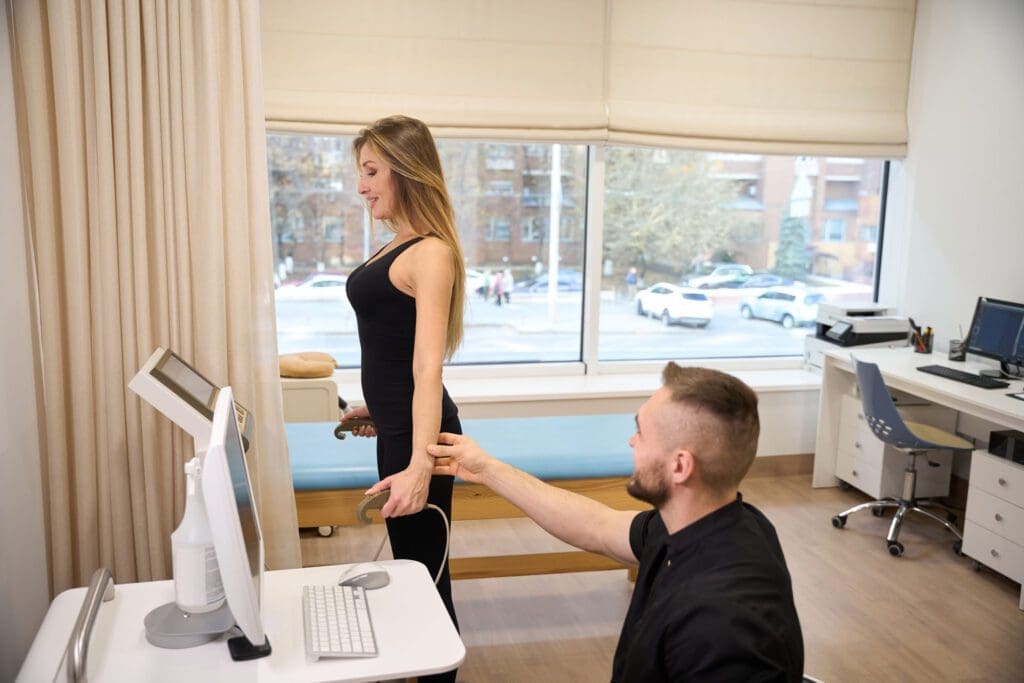
A doctor in a wellness center performs a diagnostic procedure using a special device

Abstract

In this educational post, I share clear, first-person guidance on platelet-rich plasma (PRP) therapy—what it is, how the FDA views it, and how to talk about it with patients who ask about approval, safety, and consent. I explain why PRP devices can be FDA-cleared while the PRP itself is not FDA-approved, and why that distinction matters clinically and ethically. I also walk through practical ways to optimize PRP quality, including evidence-informed recommendations on exercise, diet, and NSAID use, and I discuss what we do and do not yet know from current research. Finally, I outline how integrative chiropractic care fits into PRP treatment, detailing biomechanics, neuromuscular coordination, fascial dynamics, and nociceptive modulation, and I provide stepwise protocols that I use in practice. My goal is to give clinicians and patients a structured, research-grounded path from confusion to confidence.

Introduction: Why Patients Ask About PRP Approval and Why Clinicians Need Clarity

When patients ask me whether PRP is “FDA approved,” they are really asking, “Is this safe?” Is it legitimate?” Does it work? As a clinician working across musculoskeletal medicine and integrative chiropractic care, I’ve learned that the best results come from blending transparent communication with rigorously applied, evidence-based protocols. I want to clarify the regulatory language and connect it to what we can do today to improve clinic outcomes.

I’ll start by clarifying the difference between FDA device clearance and drug approval. Then I’ll outline practical steps to enhance PRP quality, including timing of NSAIDs, diet strategies, and targeted high-intensity exercise. I’ll also share how integrative chiropractic care and functional rehabilitation synergize with PRP, based on physiological mechanisms and clinical observations I’ve discussed widely in my practice and professional communications.

FDA Status of PRP: What “Cleared” Means and Why PRP Itself Is Not Approved

Here’s the core regulatory truth: PRP kits and centrifuges—medical devices used to prepare platelet-rich plasma—can be and often are FDA 510(k)-cleared. This means the device is substantially equivalent to a legally marketed device and is cleared for specific indications, such as the separation of blood components. By contrast, the PRP itself—your plasma enriched with platelets—is an autologous biologic, not a manufactured drug. Under current rules, PRP is not “FDA approved” as a drug to treat a specific disease (like knee osteoarthritis), because it doesn’t fit the drug pathway that requires large-scale, expensive clinical trials and a manufacturer-controlled product.

Key points I share with patients:

  • Devices used to prepare PRP are often FDA 510(k)-cleared for blood processing.
  • PRP, as a biologic derived from the patient’s own blood, is not a drug and therefore does not undergo FDA drug approval.
  • The FDA does not “approve procedures.” It regulates products (drugs, devices, biologics) and claims. Procedures—like autologous PRP injection—are governed by the standard of care, state scope of practice, and ethical informed consent.
  • Clinically, we rely on peer-reviewed evidence demonstrating the benefits of PRP for certain musculoskeletal conditions, while being honest about variability and the need for individualized protocols.

Why this matters:

  • Patients sometimes assume a lack of “approval” means experimental. I clarify that “not FDA approved” for a biologic like PRP is a category distinction, not a verdict on quality or usefulness. We build confidence by presenting the data and setting expectations.

Informed Consent and Ethical Language: How I Explain PRP Status

In consent discussions, I use language that respects both science and patient autonomy:

  • I state that the device used is FDA-cleared for blood component preparation.
  • I explain that PRP injections are a procedure using the patient’s own blood, and the FDA does not approve procedures.
  • I review the evidence base: what conditions PRP has been shown to help, where results are mixed, and what factors influence outcomes.
  • I discuss risks, benefits, alternatives (including conservative care, physical therapy, and integrative chiropractic strategies), and the inherent uncertainty of biologic therapies.

Clinically, this avoids the misleading frame of “waiting for FDA approval.” An autologous PRP product is not a drug, and there is no drug-approval pathway for it. Instead, I emphasize the quality of evidence, the care team’s experience, and the patient’s goals.

Optimizing PRP Quality: Exercise, Diet, and NSAIDs

One of the most practical parts of PRP care is preparing the patient’s physiology for the blood draw and injection. Several modifiable factors can influence platelet count, platelet activation, and growth factor release.

High-Intensity Exercise Before Draw

  • What we know: Short-term high-intensity exercise can transiently increase platelet count and alter platelet activation dynamics, likely via catecholamines (epinephrine, norepinephrine), hemoconcentration, and shear stress–mediated endothelial interactions. Acute bouts (e.g., 10–20 minutes of cycling intervals) may nudge platelet counts and potentially the concentration yields of PRP during processing.
  • Mechanisms: Intense exercise drives sympathetic activation, raises circulating catecholamines, mobilizes platelets from the splenic reservoir, and increases shear stress, which can prime platelets. It also activates the AMPK and PGC-1α pathways in muscle, thereby shaping an anti-inflammatory milieu and beneficial epigenetic signatures in immune cells.
  • Practical protocol: I often have patients perform a 15–20-minute high-intensity interval bike session (if medically appropriate) shortly before a blood draw. We monitor vitals and avoid overexertion. For those unable to do intervals, brisk cycling or supervised calisthenics (e.g., jumping jacks, step-ups) can be used as alternatives.
  • Why I use it: The potential to increase platelet availability and enhance growth factor profiles is attractive, with low risk when supervised. While individual responses vary, the cost-benefit is favorable.

NSAIDs Before and After PRP

  • What we know: NSAIDs can inhibit cyclooxygenase (COX-1/COX-2) pathways, reducing thromboxane A2 synthesis, which is pivotal for platelet aggregation. In vitro, NSAIDs can disaggregate platelets and blunt activation-dependent granule release (alpha and dense granules), potentially diminishing the orchestrated regenerative signaling PRP relies upon.
  • Evidence is mixed regarding clinical impact. However, given PRP’s mechanism—relying on controlled platelet activation, fibrin scaffold formation, and paracrine signaling (PDGF, TGF-β, VEGF)—I recommend caution.
  • Practical protocol: I advise patients to avoid NSAIDs 10–14 days pre-procedure and for a similar window post-procedure unless medically necessary. We substitute with acetaminophen for analgesia and consider topical NSAIDs later if needed, depending on the anatomical site and vascular exposure.
  • Why I use it: It aligns with platelet physiology and avoids dampening the critical aggregation and growth factor release that PRP is intended to elicit.

Anti-Inflammatory Diet and Hydration

  • What we know: Nutritional status influences systemic inflammation, endothelial function, and platelet reactivity. A diet rich in omega-3 fatty acids, polyphenols (berries, green tea), and magnesium supports a balanced inflammatory tone and vascular health. Adequate hydration improves plasma volume, facilitating venipuncture and consistent processing.
  • Mechanisms: Omega-3s (EPA/DHA) can integrate into platelet membranes, modulating eicosanoid profiles and dampening excessive aggregation. Polyphenols influence NF-κB signaling and antioxidant capacity. Stable insulin dynamics reduce pro-inflammatory cytokines (IL-6, TNF-α).
  • Practical protocol: In the week leading up to PRP, I recommend:
    • Emphasize omega-3-rich foods (wild-caught fish, flax, chia) or supplementation if appropriate.
    • Increase colorful vegetables and polyphenol-rich fruits.
    • Maintain adequate hydration; limit alcohol.
    • Avoid ultra-processed foods and excessive sugar to minimize postprandial inflammation.
  • Why I use it: It’s low-risk, supports vascular and immune function, and aligns with regenerative goals.

Blood Flow Restriction (BFR) and Pre-Draw Conditioning

  • What we know: Emerging data on blood flow restriction training suggest anabolic signaling via mTOR, local hypoxia-inducible factors (HIF-1α), and increased growth hormone responses. Direct evidence on improving PRP yields is limited and mixed. Some centers incorporate brief cycling or calisthenics. A few studies suggest that BFR may modulate local platelet dynamics, but consistency has not been established.
  • Practical stance: I consider BFR as an adjunct for rehabilitation phases post-PRP rather than a pre-draw tool. If used pre-draw, it should be clinician-supervised and patient-specific.
  • Why I use it selectively: The uncertainty on PRP yield benefits doesn’t outweigh the clear rehab benefits of BFR for strength gains at low loads, which is valuable after injection.

What Counts Most: Dose, Product, and Indication

In my experience, the “core principles” are:

  • Using the right PRP preparation (leukocyte-poor vs. leukocyte-rich) matched to the condition.
  • Achieving the proper platelet concentration (often 3–7x baseline) without reaching the inhibitory threshold, where excessive concentration can paradoxically reduce efficacy.
  • Matching the indication: Tendinopathies and certain joint conditions respond differently. Accurate diagnosis, imaging guidance, and tissue targeting matter more than marginal gains from pre-draw hacks.

Physiological Underpinnings: Why PRP Works and Where It Struggles

PRP’s promise rests on the biological choreography of platelet activation and paracrine signaling:

  • Upon activation, platelets release PDGF, TGF-β, VEGF, IGF-1, and FGF, orchestrating chemotaxis, angiogenesis, fibroblast proliferation, and extracellular matrix remodeling.
  • The fibrin scaffold forms a localized matrix for cell migration and sustained growth factor presentation.
  • Leukocyte content modulates cytokine milieu. In tendinopathy, excess leukocytes may increase catabolic cytokines; in some wounds, leukocytes assist antimicrobial defense and clean-up. This is why product phenotyping matters.

Where PRP struggles:

  • In advanced osteoarthritis with severe cartilage loss and bone marrow lesions, PRP’s signals may be insufficient without concurrent biomechanical unloading and metabolic support.
  • Poor systemic health—uncontrolled diabetes, high systemic inflammation, or active smoking—can blunt regenerative signaling.

Integrative Chiropractic Care: Synergy With PRP for Musculoskeletal Healing

This is where integrative chiropractic care plays a crucial role. PRP sets the biochemical stage; chiropractic and functional rehabilitation shape the mechanical and neuromuscular context in which tissues attempt to heal.

Key domains I harmonize:

  • Biomechanical Alignment and Load Distribution
    • Why it matters: Joint mechanics determine stress concentration zones. Malalignment increases shear forces, aggravates tendons and articular cartilage, and perpetuates nociceptive signaling.
    • Protocols: After PRP injections, I use gentle segmental mobilization and targeted soft-tissue release to normalize joint play and reduce fascial adhesions. As pain reduces, we transition to closed-chain stability exercises to retrain load-bearing patterns.
    • Physiological rationale: By reducing aberrant shear and restoring arthrokinematics, we lower catabolic signals (MMPs) and allow PRP-mediated anabolism to proceed.
  • Fascial Dynamics and Neuromuscular Coordination
    • Why it matters: The fascia is richly innervated and responsive to tension. Dysregulated fascial tone contributes to pain and dysfunctional movement patterns. PRP benefits when we reduce myofascial guarding and improve proprioception.
    • Protocols: I apply instrument-assisted myofascial release, PNF stretching, and breath-coordinated mobilizations. We integrate sensorimotor retraining (balance work, reactive drills) to refine neuromuscular timing.
    • Physiological rationale: Improved afferent input from fascia and joint receptors recalibrates motor outputs via the spinal cord and cerebellum, reducing overuse of compensatory muscles. Better coordination reduces re-injury and supports collagen remodeling directed by PRP signals.
  • Nociceptive Modulation and Central Sensitization
    • Why it matters: Persistent pain can upregulate central sensitization, magnifying nociception. PRP’s local effects need systemic support to downshift neural gain.
    • Protocols: Gentle manual therapy, graded exposure, and breathing techniques (slow diaphragmatic breathing to enhance vagal tone) help reduce sympathetic overdrive. Sleep optimization and stress modulation are included.
    • Physiological rationale: Enhancing parasympathetic activity reduces inflammatory cytokine release via the cholinergic anti-inflammatory pathway, improving recovery conditions.
  • Strength and Conditioning With Joint Protection
    • Why it matters: Improved tissue quality is wasted without robust, well-coordinated musculature. Strength protects joints by distributing loads and stabilizing movement.
    • Protocols: We progress from isometrics to eccentrics, then to controlled concentrics. For tendinopathy, eccentric loading programs remain foundational. If appropriate, BFR training enables hypertrophy at low loads during early phases.
    • Physiological rationale: Mechanical loading stimulates tenocyte and chondrocyte anabolic activity via integrin signaling and mechanotransduction pathways (FAK, MAPK), synergizing with PRP’s growth factor environment.

Stepwise Integrated Protocol: From Consultation to Recovery

I use a structured approach that patients appreciate because it turns complexity into clarity:

  • Step 1: Medical and Functional Assessment
    • Comprehensive history, medications, NSAID review, and comorbidities.
    • Functional movement screening and targeted imaging, if needed.
    • Discussion of goals and setting realistic expectations.
  • Step 2: Pre-PRP Preparation
    • NSAIDs: Hold for 10–14 days pre-procedure if possible.
    • Nutrition: Emphasize omega-3s, polyphenols, and hydration.
    • Exercise: 15–20 minutes high-intensity intervals prior to blood draw (if safe).
    • Sleep and stress: Reinforce sleep hygiene to optimize hormonal and immune balance.
  • Step 3: PRP Collection and Processing
    • Use an FDA 510(k)-cleared device appropriate for the indication.
    • Decide on leukocyte-poor vs. leukocyte-rich PRP based on target tissue and current evidence.
    • Ultrasound guidance for precise placement when indicated.
  • Step 4: Immediate Post-Injection Care
    • Avoid NSAIDs for another 10–14 days; use acetaminophen judiciously.
    • Gentle mobility, protection of the injected area, and no aggressive stretching in the acute phase.
    • Education on expected soreness and timelines.
  • Step 5: Integrative Chiropractic and Rehab Progression
    • Week 1–2: Pain-modulated manual therapy, gentle mobilization, and isometrics.
    • Week 3–6: Progressive eccentrics and proprioceptive training; address gait, posture, and ergonomic loads.
    • Week 6+: Strength, power (if appropriate), and return-to-sport mechanics.
    • Consider BFR selectively for low-load hypertrophy.
  • Step 6: Monitoring and Outcomes
    • Reassess pain, function, and movement patterns at set intervals.
    • Adjust programming based on tissue response and patient goals.
    • Consider repeat PRP only when clinically justified and after biomechanical deficits are addressed.

Clinical Observations From My Practice

Across my work in El Paso and in conversations shared through my clinic’s educational platforms, I consistently observe:

  • Patients who follow NSAID guidance, nutrition support, and pre-draw exercise tend to have more predictable recoveries.
  • Matching the PRP product phenotype to the indication greatly influences outcomes. For example, leukocyte-poor PRP is often suitable for intra-articular injections, while some tendon cases benefit from a carefully titrated leukocyte content.
  • Integrative chiropractic interventions lower re-injury rates by correcting movement faults and fascial restrictions that would otherwise undermine PRP’s benefits.
  • Stress, sleep deprivation, and deconditioning are silent saboteurs. Coaching patients on these areas is as important as the injection itself.

What We Still Don’t Know—And How We Manage Uncertainty

The field continues to evolve:

  • The precise weighting of factors such as NSAID timing, specific exercise protocols, and BFR effects on PRP yield remains under investigation.
  • Ideal dosing regimens (single vs. series of injections), optimal intervals, and cross-comparisons with other orthobiologics (BMAC, microfragmented adipose tissue) are active areas of research.
  • Insurance coverage remains inconsistent, and large-scale trials are costly, which slows standardization.

How I navigate this:

  • I rely on longitudinal patient tracking, functional metrics, and imaging when needed.
  • I apply the precautionary principle where physiology suggests potential interference (e.g., NSAIDs).
  • I tailor protocols to patient-specific biomechanics and goals, integrating chiropractic care to create a favorable mechanical environment for biologic healing.

Communicating With Patients: Clear, Confident, and Compassionate

When patients ask, “Is PRP FDA approved?” I answer:

  • The device we use to prepare your PRP is FDA-cleared for that purpose.
  • Your PRP is your blood product; it is not a drug, and the FDA does not approve procedures.
  • We base our recommendation on studies showing benefits for your condition, our clinical experience, and a protocol designed to maximize your body’s healing response.

When they ask: “Is this experimental?”

  • I explain that while PRP is not “approved” like a drug, it is widely used, supported by modern studies for specific indications, and integrated into an evidence-informed care plan. We will review risks, benefits, and alternatives so you can make an informed decision.

Conclusion: A Practical, Ethical Path Forward for PRP

PRP is a powerful tool when used thoughtfully. By clarifying the distinction between FDA clearance and approval, optimizing platelet physiology through exercise, diet, and NSAID management, and embedding PRP within a comprehensive integrative chiropractic plan, we provide patients the best chance for meaningful recovery. While some variables remain under study, our responsibility is to apply the strongest available evidence, monitor outcomes, and continually refine care.

I invite patients and clinicians to adopt this structured approach and engage with our team as we continue to advance protocols grounded in science and compassionate care.


References

Autologous Platelet Therapy Benefits for Musculoskeletal Care

Learn about the innovative approaches in musculoskeletal care with autologous platelet therapy and how it benefits patient recovery.

Abstract

In this educational post, I, Dr. Alexander Jimenez, DC, APRN, FNP-BC, CFMP, IFMCP, ATN, CCST, share a practical, step-by-step roadmap for preparing and using modern autologous biologics—specifically platelet-rich plasma (PRP) and protein concentrate (PC)—to treat musculoskeletal pain, tendinopathies, and knee osteoarthritis. I explain, in plain language, how anticoagulants like ACD-A, centrifugation parameters (RCF and time), and careful buffy coat handling determine platelet integrity, leukocyte content, and clinical performance. I also show how integrative chiropractic care—spinal and extremity adjustments, myofascial work, shockwave therapy, laser photobiomodulation, and graded loading—creates the mechanical and neurophysiological context that enables PRP and PC to deliver durable results. Drawing on rigorous, peer-reviewed research and my own clinical observations from practice in El Paso and collaborative networks, I present safety protocols, dosing logic, workflow checklists, and return-to-function pathways that patients and clinicians can use immediately.

Why PRP And PC Belong In Modern Musculoskeletal Care

As a clinician at the intersection of chiropractic medicine, advanced practice nursing, and functional medicine, my goal is to accelerate tissue repair while safeguarding joint integrity and long-term function. Over the past decade, PRP has matured from a promising concept to a therapy with growing support for specific indications, notably chronic tendinopathy and early-to-moderate knee osteoarthritis when protocols are standardized and paired with rehabilitation (Fitzpatrick et al., 2017; Murray et al., 2020). In our El Paso clinic, I increasingly integrate PRP with protein concentrate (PC)—a concentrated fraction derived from platelet-poor plasma—to enhance anti-inflammatory protein density and complement PRP’s growth factor payload.
What PRP does: Platelets deliver a coordinated set of bioactive signals—PDGF, TGF-β, VEGF, IGF-1, and others—that recruit reparative cells, modulate inflammation, stimulate angiogenesis, and upregulate extracellular matrix synthesis in tendons, ligaments, and cartilage (Murray et al., 2020).
What PC adds: By removing water from PPP through a controlled filtration step (typically with ~15 kDa cut-off membranes), we enrich proteins like albumin, fibronectin, and alpha-2-macroglobulin (A2M). This can increase injectate viscosity, potentially inhibit catabolic proteases, and support symptom modulation in degenerative joints—complementing PRP’s anabolic signaling.
Most importantly, biologics work best when the body’s mechanics and neuroimmune balance support healing. This is where integrative chiropractic care amplifies outcomes: restoring joint motion, optimizing load distribution, calming nociceptive drive, and guiding collagen remodeling through progressive, tissue-specific loading.

The Physiology Of PRP: Why Anticoagulants And Spin Settings Matter

Platelets are not just clotting cells; they are mobile drug-delivery systems. Their alpha-granules house the growth factors and cytokines that direct early inflammation, angiogenesis, and matrix deposition. To preserve this potential:
We use ACD-A (acid-citrate-dextrose solution A) to chelate calcium and prevent premature clotting. The acidic environment keeps platelets quiescent, preserving membrane integrity and the kinetics of growth factor release upon tissue exposure (Textor & Taber, 2020).
We standardize centrifugation using RCF (g) rather than rpm because rotor radius affects the rpm-to-g translation. Targeting validated RCF bands yields consistent separation of RBCs, the buffy coat, and PPP. It allows us to choose leukocyte-rich (LR-PRP) or leukocyte-poor (LP-PRP) profiles based on the indication (Chahla et al., 2020).
Why precision is non-negotiable:
Too much g-force or time can pre-activate platelets, spilling growth factors in the tube rather than the tissue.
Too little separation results in an under-concentrated product that may not meet dose thresholds associated with better outcomes (Fitzpatrick et al., 2017).
Leukocyte content shapes the inflammatory milieu. LR-PRP can be helpful for chronic tendinopathy; LP-PRP is often favored for intra-articular administration to reduce synovial flares (Mathesul et al., 2022; Chahla et al., 2020).

Step-By-Step PRP Workflow: From Venous Draw To Final Injectate

I design our workflow to be reproducible in a busy clinic and gentle on the biologic product.
Preparation
Confirm kit integrity, lot numbers, and expiration dates.
Preload ACD-A into the collection system (for example, 5–6 cc in a 60-cc draw, when feasible).
Set up a sterile field and label everything before the draw.
Phlebotomy and Handling
Prefer an 18-gauge or appropriately sized needle to ensure a steady flow without excessive shear.
Mix blood with ACD-A via gentle inversion (5–10 times). Avoid shaking or rapid aspiration that can activate platelets or hemolyze cells.
If venous access is challenging, hydrate the patient in advance and consider a butterfly set with ultrasound guidance.
Centrifugation
Balance paired tubes within 1 gram to limit vibration and shear. Imbalance increases oscillatory forces that can damage platelets.
Use a validated protocol. For many musculoskeletal uses, a single spin at a defined RCF for 10 minutes yields a clean separation into RBCs, a visible buffy coat, and PPP. Systems differ; always standardize by RCF.
If the clinical goal requires a higher concentration or specific leukocyte tailoring, a double-spin protocol can be used judiciously, with activation risk in mind.
Harvesting The Buffy Coat
After spin, the buffy coat is the platelet-rich layer at the RBC-plasma interface. Using a 10 cc syringe, harvest with minimal RBC contamination. A faint salmon hue is acceptable; frank red is not.
For LR-PRP (tendons), dip slightly deeper toward the interface; for LP-PRP (joints), harvest more superficially from the plasma side.
Protein Concentrate From PPP
Process PPP through a pre-moistened filter with a ~15-kDa cut-off. Pre-moistening minimizes nonspecific protein adsorption.
Gently remove ~70–75% of the water content using controlled push-pull through the filter, thereby increasing the relative concentration of beneficial proteins, including A2M and fibronectin.
The resulting PC provides additional injectate volume and a protein-rich milieu that can modulate inflammation and lubricate articular surfaces.
Final Assembly
Decide whether to inject PRP and PC separately or gently homogenize measured volumes using a sterile connector. Mix slowly to avoid shear.
Use ultrasound guidance for precise placement—tendon hypoechoic zones, paratenon planes, or intra-articular spaces.
Clinical reasoning behind each step:
Anticoagulation preserves growth factor payload until the tissue triggers platelet activation.
Centrifuge balance and appropriate RCF protect platelet morphology and reduce unwanted leukocyte shifts.
Leukocyte tailoring aligns the biologic with the tissue’s inflammatory tolerance and remodeling needs.
PC complements PRP by inhibiting proteases and improving the rheology of the injectate, which is especially useful in early OA phenotypes.

Matching PRP Formulation To Pathology: LR-PRP Versus LP-PRP

Deciding between leukocyte-rich and leukocyte-poor PRP is a clinical fulcrum point.
LR-PRP for chronic tendinopathy
Rationale: A brief, targeted inflammatory spark can restart stalled healing, recruit macrophages, and stimulate tenocytes to produce new matrix (Fitzpatrick et al., 2017).
Application: Lateral epicondylalgia, patellar tendinopathy, proximal hamstring tendinopathy, and Achilles tendinopathy in non-irritable phases.
Caveats: Expect more post-injection soreness during days 1–3; plan analgesia and loading accordingly.
LP-PRP for intra-articular applications
Rationale: Minimizes synovial irritation while delivering anabolic signals that support chondrocyte activity and symptom relief (Mathesul et al., 2022).
Application: Knee osteoarthritis and other joints prone to inflammatory flares.
Synergy: LP-PRP + PC can offer additional symptom control via protease inhibition and improved viscoelastic properties.

Protein Concentrate: Extending The Therapeutic Window

After PRP separation, we convert PPP into a protein concentrate to increase the per-injection protein density of albumin, fibronectin, and alpha-2-macroglobulin. Why this matters:
Protease modulation: In osteoarthritic joints, catabolic enzymes degrade the matrix. A2M acts as a broad-spectrum protease inhibitor, potentially shifting the balance toward repair.
Matrix support: Fibronectin aids cell adhesion and matrix assembly, supporting collagen alignment under load.
Symptom modulation: Concentrated proteins can improve injectate lubrication and reduce irritative symptoms between PRP rounds.
In my practice, PC serves as a versatile adjunct—expanding injectable volume for multi-site care without diluting the platelet dose and providing a biologically supportive environment for tissue remodeling.

Patient Preparation, Safety, And Vasovagal Readiness


Real clinics treat real people—some are needle-averse, and a subset are prone to vasovagal syncope. We normalize and prepare:
Screening: Ask explicitly about a history of fainting. If a patient says, “I am a fainter,” we believe them and plan.
Positioning: Supine or semi-recumbent for draws and injections when indicated, with leg elevation available.
Hydration and nutrition: Encourage hydration 24 hours before, unless contraindicated. This improves venous access and stabilizes layers during spin.
Medication review: Avoid NSAIDs and aspirin pre- and post-procedure when clinically appropriate to preserve platelet function (Patrono & Rocca, 2008). Acetaminophen and topical measures are preferred for pain in the early window.
Calm environment: Dim lights, paced breathing, and gentle narration reduce sympathetic spikes and post-episode fatigue.
A smooth experience supports adherence throughout the 6–12-week remodeling arc, which is essential for functional gains.

Integrative Chiropractic Care: The Biomechanical Force Multiplier

Biologics supply the biochemical instructions; movement and alignment tell tissues how to read them. I integrate chiropractic care before and after injections to align cellular and mechanical healing.
Spinal and extremity adjustments
Goal: Restore joint play, reduce aberrant loading, and normalize afferent input. Better arthrokinematics reduce paratenon friction and focal tendon stress.
Physiology: Optimized mechanics improve mechanotransduction, allowing tenocytes and chondrocytes to interpret growth factor signals under appropriate strain (Khan & Scott, 2009).
Myofascial and neurodynamic work
Goal: Restore fascial glide and reduce neural mechanosensitivity that perpetuates guarding and pain.
Payoff: Reduces nociceptive noise and central sensitization, smoothing the early inflammatory-to-proliferative transition post-PRP.
Shockwave therapy
Evidence: Shockwave improves tenocyte activity, neovascularization, and nociceptive modulation in chronic tendinopathy (Laudy et al., 2015).
Timing: Often introduced after the initial inflammatory window, it can reinforce matrix turnover initiated by PRP.
Photobiomodulation (high-intensity laser)
Mechanism: Red/NIR light can enhance mitochondrial respiration via cytochrome c oxidase, improve perfusion, and modulate oxidative stress.
Role: Supports energy demands and pain control during weeks 1–2 when tissues are transitioning into proliferation.
Graded loading and neuromuscular re-education
Sequence: Isometrics for early analgesia, then eccentrics to organize collagen, followed by concentric and plyometric phases as tolerated (Khan & Scott, 2009).
Principle: Tissues remodel along lines of stress. We give them the right stress at the right time.
From my clinic observations at ChiroMed and collaborations documented on my professional channels, patients who receive PRP plus a coherent chiropractic-guided loading plan routinely achieve faster, more durable gains than those who receive injection alone. See clinical updates and case patterns at my practice website and professional profile (Jimenez, n.d.-a; Jimenez, n.d.-b).

Dosing, Volumes, And Timing: Making Every Platelet Count

Does precision matter more than any single concentration number? From a 60 mL whole blood draw, many systems yield roughly 6–7 mL of PRP and an additional 2–4 mL of PC after filtration—enough for a focused tendon program or a knee joint plus peritendinous adjuncts.
Platelet dose: The literature supports aiming for a platelet count threshold associated with improved outcomes in tendinopathy and knee OA, acknowledging system variability (Fitzpatrick et al., 2017; Rabago & Nourani, 2017).
Intervals: Joints commonly respond to 1–3 PRP sessions spaced 4–8 weeks apart, especially when integrated with mechanical correction and strengthening. Symptom relief in knee OA can extend 6–12 months in responders (Saltzman et al., 2016).
PC timing: PC can help maintain symptom control between PRP rounds, particularly in active patients, targeting return-to-play milestones in 4–6 weeks, when mechanics and loading are well controlled.
When a smaller draw (35–40 mL) is all a patient can tolerate, I prioritize the most symptomatic target, amplify the mechanical program, and carefully allocate injectate volume to where it will be most impactful.

Chiropractic Solutions for Osteoarthritis-Video

Post-Procedure Roadmap: From Inflammation To Remodeling

Healing unfolds in phases that we respect and leverage.
Days 0–3: Inflammatory
Expected: Fullness, ache, mild swelling as platelets degranulate.
Plan: Protect the site; avoid NSAIDs unless medically necessary; consider acetaminophen and topical care. Use light mobility and breathing to downshift sympathetic tone.
Days 3–10: Early proliferative
Introduce: Isometrics for tendon analgesia, gentle joint mobilizations as indicated, and low-load tissue exposure.
Weeks 2–6: Proliferative
Progress: Eccentrics and tempo-controlled loading. Add shockwave and manual therapy to restore fascial gliding and reinforce collagen organization.
Weeks 6–12: Remodeling
Integrate: Concentric and energy-storage drills for tendons. Restore kinetic-chain control—hip abductors for knee, scapular control for shoulder, foot intrinsics for Achilles.
Beyond 12 weeks
Return to sport or high-demand tasks with periodic reassessment. Consider a PC boost to modulate symptoms in select OA phenotypes.
This framework capitalizes on PRP’s early signaling and aligns tissue loading with collagen maturation and alignment.

Safety, Ultrasound Guidance, And Documentation

Safety is the floor, not the ceiling.
Aseptic technique: Single-use kits, sterile fields, and ultrasound-guided placement are standard in our clinic.
Ultrasound guidance: Increases accuracy, reduces off-target irritation, and ensures injectate reaches hypoechoic degenerative zones or joint spaces precisely.
Compliance and traceability: We document consent, kit lots, spin parameters (RCF/time), volumes at each stage, and injection details in the EHR. This supports quality assurance and continuous improvement.

Clinical Observations From My Practice

Across my patient panels and collaborative work:
Knee OA with valgus collapse: LP-PRP plus PC fares far better when we also correct foot-ankle mechanics, mobilize the hip, and retrain frontal-plane control. Durable symptom relief tracks with durable biomechanical correction.
Chronic Achilles tendinopathy: Respect tissue irritability. Avoid aggressive stretching immediately post-PRP. Use isometrics for analgesia, progress to heavy-slow resistance, and add plyometrics after week 6, guided by reactivity. Outcomes improve when we follow this cadence.
Desk-bound lateral epicondylalgia: Ergonomics, cervicothoracic mobility, and local tendon loading paired with LR-PRP produce stronger, more durable pain relief than injection alone.
For ongoing case narratives and data-informed reflections, see my clinic resources and professional updates (Jimenez, n.d.-a; Jimenez, n.d.-b).

Troubleshooting And Practical Pearls

Difficult venipuncture: Warm compress, dependent positioning, and ultrasound assistance. Reschedule rather than force a hemolyzing draw.
Clotting in tube: Ensure prompt, gentle mixing with ACD-A; minimize dwell time before spin.
Low platelet yield: Reassess RCF calibration, balance, and harvest technique. Consider double-spin if indicated by protocol.
Patient anxiety: Supine positioning, vibration distraction near the site, and paced breathing reduce sympathetic surges and improve tolerance.
Each solution maps to a physiologic principle: protecting platelet integrity, maintaining layer purity, and stabilizing autonomic balance.

Evidence Snapshot: What Leading Researchers Show

PRP improves pain and function in chronic tendinopathy and offers advantages over comparators in selected knee OA cohorts when properly formulated and delivered with rehab (Fitzpatrick et al., 2017; Saltzman et al., 2016; Rabago & Nourani, 2017).
Leukocyte tailoring matters: LP-PRP generally outperforms or is better tolerated when administered intra-articularly, whereas LR-PRP can benefit recalcitrant tendon pathology (Chahla et al., 2020; Mathesul et al., 2022; Filardo et al., 2018).
Multimodal care—shockwave, photobiomodulation, and structured loading—enhances outcomes beyond injection alone (Laudy et al., 2015; Tumilty et al., 2010; Khan & Scott, 2009).
Standardization is key. Reporting RCF, leukocyte, and platelet counts, and activation status makes methods reproducible and results translatable from clinic to clinic (Chahla et al., 2019).

Putting It All Together: A Patient-Centered, Systems Approach

Our integrative pathway is simple in concept and precise in execution:
Use PRP to catalyze anabolic signaling.
Add PC to concentrate protective proteins and support joint microenvironments.
Deploy ultrasound-guided injections for precision.
Align biomechanics with spinal and extremity adjustments, fascial work, and neurodynamics.
Guide collagen remodeling with staged isometric-to-eccentric-to-plyometric loading.
Support cellular energy and recovery with photobiomodulation, sleep optimization, hydration, and protein-forward nutrition.
When these elements synchronize, I consistently see faster pain relief, stronger functional gains, and longer-lasting results.

References

SEO tags

platelet-rich plasma, PRP, protein concentrate, PPP, ACD-A, leukocyte-poor PRP, leukocyte-rich PRP, centrifugation RCF, buffy coat, ultrasound-guided injection, chiropractic integration, mechanotransduction, shockwave therapy, photobiomodulation, tendon healing, knee osteoarthritis, regenerative medicine, functional rehabilitation, El Paso chiropractor, Dr. Alexander Jimenez

What You Should Know About PRP Therapy for Knee Osteoarthritis

Learn the benefits of PRP therapy for osteoarthritis for better mobility and reduced discomfort in your knee joints.

Abstract

In this educational post, I present a comprehensive, first-person overview of how I integrate platelet-rich plasma (PRP) therapy into care plans for patients with symptomatic knee osteoarthritis (OA). Drawing on modern, evidence-based research and my clinical observations as Dr. Alexander Jimenez, DC, APRN, FNP-BC, CFMP, IFMCP, ATN, CCST, I explain why PRP often outperforms corticosteroid and hyaluronic acid injections in pain, function, and potentially in cartilage preservation. I outline how PRP interacts with joint biology, the cellular signaling that underpins its therapeutic effects, and the integrative chiropractic strategies that optimize outcomes—covering biomechanics, neuromuscular control, functional nutrition, and lifestyle medicine. This piece synthesizes findings from leading researchers and aligns them with an integrated clinical protocol focused on measurable outcomes, safety, and long-term joint health.

Why I Use Platelet-Rich Plasma for Symptomatic Knee Osteoarthritis

As a clinician working daily with musculoskeletal conditions, I have witnessed how knee osteoarthritis impacts quality of life—pain, stiffness, loss of mobility, and reduced confidence in movement. Over years of clinical practice and continual review of the literature, platelet-rich plasma (PRP) has become a central part of my integrative treatment approach when patients present with symptomatic knee OA.
Here is why PRP often earns a place in my treatment plans:

  • Evidence favors PRP over corticosteroids and hyaluronic acid for pain and functional outcomes in many patient populations with knee OA.
  • Mechanistic plausibility: PRP delivers concentrated growth factors that can modulate inflammation, encourage matrix synthesis, and potentially support chondrocyte resilience.
  • Safety profile: Autologous biologic with relatively low risk when processed and delivered under rigorous protocols.
  • Synergy with integrative chiropractic care: Biologic modulation is most effective when combined with biomechanical alignment, neuromuscular training, and lifestyle interventions that reduce joint load and support metabolic health.

In practice, I find PRP excels for patients who are struggling with persistent symptoms despite conservative care, who are hesitant to rely on corticosteroid cycles, or who want to explore joint-preserving options alongside manual therapy and functional rehab.

Understanding Platelet-Rich Plasma: What It Is and How It Works

PRP is an autologous blood product derived from the patient’s own venous sample. After centrifugation, we isolate a plasma fraction with an elevated platelet concentration, typically ranging from 3x to 7x baseline, depending on the preparation. The platelets carry alpha granules packed with bioactive proteins that can influence joint microenvironments.
Key bioactive mediators in PRP include:

  • Platelet-derived growth factor (PDGF): Stimulates cell proliferation, chemotaxis, and angiogenesis.
  • Transforming growth factor-beta (TGF-β): Modulates matrix synthesis and can influence chondrocyte phenotype.
  • Insulin-like growth factor-1 (IGF-1): Supports cartilage matrix synthesis and cellular survival.
  • Vascular endothelial growth factor (VEGF): Angiogenic signaling with context-dependent roles in tissue repair.
  • Epidermal growth factor (EGF) and fibroblast growth factors (FGFs): Promote cellular activity relevant to tissue recovery.

When introduced into the osteoarthritic knee, these mediators can:

  • Modulate inflammation: Downregulate pro-inflammatory cytokines such as IL-1β and TNF-α while promoting anti-inflammatory signaling.
  • Support extracellular matrix homeostasis: Encourage anabolic pathways (e.g., collagen II, aggrecan synthesis) and potentially reduce catabolic enzyme activity (MMPs, ADAMTS).
  • Influence chondrocyte behavior: Support survival, reduce apoptosis in hostile joint environments, and promote a more regenerative phenotype.
  • Impact synovial environment: Improve synovial fluid characteristics and reduce synovitis, thereby decreasing nociceptive drive.

This physiologic rationale aligns with reported clinical outcomes—reduced pain, improved function, and, in some studies, signals that PRP may exert chondroprotective effects.

Comparing PRP With Corticosteroids and Hyaluronic Acid: What the Data Shows

Corticosteroids and hyaluronic acid (HA) have established roles in knee OA, but their mechanisms and durability differ from PRP:

  • Corticosteroids: Potent anti-inflammatory effects via genomic and non-genomic pathways that reduce prostaglandins and cytokines. Benefits tend to be short-lived, and repeated injections may have deleterious effects on cartilage metabolism. I reserve corticosteroids for acute synovitis flare-ups when rapid control is essential (e.g., severe swelling impeding rehab).
  • Hyaluronic acid (viscosupplementation): Aims to restore viscoelastic properties of synovial fluid and interact with CD44 receptors to modulate inflammation and joint mechanics. Responses vary, and HA alone may not match PRP’s performance in many trials.
  • PRP: Offers biologic signaling that can shift the joint toward repair and better matrix dynamics. Clinical benefits can last longer than those of steroids in many cohorts and often outperform HA alone on functional indices.

The literature has increasingly focused on head-to-head comparisons:

  • Multiple meta-analyses and randomized trials report greater pain reduction and functional improvement with PRP than with placebo, corticosteroids, or HA at mid-term follow-up, especially in mild-to-moderate OA phenotypes (e.g., Kellgren-Lawrence II–III) (see references below).
  • Dose and product characteristics matter: Leukocyte-poor PRP generally demonstrates better tolerability in the joint with lower post-injection flare rates than leukocyte-rich formulations for OA applications. Platelet concentration in a moderate range tends to be optimal; excessively high concentrations may increase catabolic signaling.
  • Repeat dosing strategies (e.g., series of 2–3 injections spaced 2–4 weeks apart) often yield more durable outcomes than single injections, likely reflecting cumulative biologic conditioning of the synovial and cartilage microenvironments.

These lines of evidence help me set patient expectations and tailor protocols to the OA phenotype they present with.

Chondroprotection: Can PRP Help Preserve Cartilage?

One of the most exciting themes in the recent literature is chondroprotection—the idea that PRP might help maintain cartilage integrity or slow degenerative processes. Mechanistically, PRP may:

  • Reduce catabolic enzyme activity: Suppress matrix metalloproteinases (MMP-1, MMP-3, MMP-13) and aggrecanases (ADAMTS-4/5).
  • Enhance anabolic signaling: Promote the synthesis of type II collagen and aggrecan by modulating IGF-1 and TGF-β.
  • Improve subchondral crosstalk: Alter inflammatory signaling between cartilage, synovium, and subchondral bone marrow lesions.
  • Dampen oxidative stress: Increase antioxidant capacity, which supports chondrocyte survival and reduces apoptosis.

While ongoing studies continue to refine estimates of the magnitude and consistency of these effects, the convergence of mechanistic and clinical data supports the potential of PRP to be chondroprotective in appropriately selected patients. This has meaningful implications for delaying progression, prolonging function, and deferring invasive interventions.

How Integrative Chiropractic Care Enhances PRP Outcomes

PRP works best inside a systems approach. As a chiropractor and advanced practice provider, I integrate manual therapy, neuromuscular re-education, biomechanical correction, functional nutrition, and lifestyle medicine to amplify PRP’s benefits.
Key pillars of my integrative care:

  • Spinal and lower-extremity alignment: Targeting pelvic tilt, sacroiliac mechanics, and tibiofemoral/ patellofemoral tracking reduces aberrant joint loading. Precise chiropractic adjustments, mobilizations, and soft-tissue releases help normalize kinetic-chain function.
  • Neuromuscular control: Focused training for gluteus medius/maximus, vastus medialis obliquus (VMO), hamstrings, and calf complex improves dynamic valgus control and reduces medial compartment stress. We use progressive closed-chain drills that restore proprioception and joint stability.
  • Gait and movement retraining: Patients learn load-management strategies—such as cadence optimization, stride mechanics, and foot placement—to reduce peak joint forces. We frequently pair this with orthotic support or footwear interventions.
  • Functional nutrition: Anti-inflammatory dietary patterns (Mediterranean-style, low-glycemic-load), adequate protein intake, omega-3 fatty acids, and micronutrients (vitamin D, magnesium) support cartilage metabolism and systemic recovery.
  • Weight management: Even modest reductions in body mass can translate to significant decreases in knee joint compressive forces per step. We implement structured plans for sustainable change.
  • Sleep and stress modulation: Optimizing sleep architecture and stress resilience (via HRV-guided practices and mindfulness) supports hormonal balance and reduces systemic inflammation, which influences joint pain perception.

This integrated framework enables PRP’s biologic signals to operate in an environment with optimized mechanics and metabolism, often resulting in faster symptom relief and more durable function.

Patient Selection and Personalized Protocols

Not every knee OA patient is an ideal candidate for PRP. Success starts with phenotyping and individualized planning.
I consider:

  • OA severity: PRP tends to perform best in mild-to-moderate OA. In advanced (Kellgren-Lawrence IV) cases, expectations may shift toward pain control and function rather than structural change.
  • Inflammatory burden: Synovitis on ultrasound or exam can guide timing and adjuvant therapies. Short-course anti-inflammatories or a single corticosteroid injection may be considered to quiet a severe flare before PRP.
  • Metabolic health: Insulin resistance, vitamin D deficiency, and obesity hinder repair. Addressing these factors improves outcomes.
  • Biomechanics: Valgus/varus alignment, foot mechanics, and hip control inform specific chiropractic and rehab priorities.
  • Activity goals: Tailoring protocols to sports, occupation, or daily living tasks ensures the plan is relevant and sustainable.

Typical PRP protocol elements:

  • Preparation: Hydration, avoidance of NSAIDs for a specified window (often 5–7 days) to minimize interference with platelet function.
  • Product selection: I prefer leukocyte-poor PRP for intra-articular knee OA due to better tolerability and reduced post-injection inflammatory flares.
  • Dosing strategy: A series of 2–3 injections spaced 2–4 weeks apart is common. Some cases respond well to a single injection; we decide based on response and phenotype.
  • Guidance: Ultrasound-guided intra-articular injection improves accuracy and consistency.
  • Post-procedure: Relative rest for 24–48 hours, then graded return to activity with a structured rehab emphasizing alignment and neuromuscular control. Heat or cold as indicated; avoid NSAIDs in the early window.
  • Follow-up metrics: We use validated outcome measures (e.g., WOMAC, KOOS) and functional tests to track progress.

Physiologic Rationale: From Synovial Biology to Pain Relief

Pain in knee OA is multifactorial:

  • Synovitis: Inflamed synovial tissue releases cytokines that sensitize nociceptors.
  • Cartilage degeneration: Loss of smooth articulation increases mechanical stress and generates pro-algesic debris.
  • Subchondral bone changes: Bone marrow lesions and altered microarchitecture amplify pain signaling.
  • Peripheral and central sensitization: Chronic input leads to heightened pain response.

PRP can address several of these contributors:

  • Anti-inflammatory modulation: Growth factors and cytokine interplay reduce drivers of synovial pain.
  • Cartilage matrix support: Enhanced anabolic signals promote smoother gliding surfaces, reducing mechanical irritation.
  • Improved joint homeostasis: A better synovial fluid environment reduces friction and improves lubrication.
  • Neuroimmune effects: Biologic shifts in cytokine milieu may reduce peripheral sensitization.

When paired with chiropractic alignment and neuromuscular strategies, we also reduce aberrant load transfer, which diminishes local tissue stress and pain generation.

How I Integrate PRP With Manual Therapy and Rehab

The timing and sequencing of care are crucial. My approach:

  • Pre-injection priming:
    • Educate the patient on expectations and activity pacing.
    • Begin gentle mobility work to reduce capsular stiffness and improve movement quality.
    • Initiate low-grade isometrics to maintain neuromuscular tone without provoking pain.
  • Injection day and immediate post-care:
    • Ultrasound-guided PRP injection.
    • Relative rest for 24–48 hours; avoid NSAIDs; use acetaminophen if needed.
  • Week 1–2:
    • Gradual reintroduction of manual therapy: targeted mobilizations for tibiofemoral and patellofemoral joints, soft-tissue release of quadriceps, hamstrings, IT band.
    • Begin closed-chain stability drills: mini-squats to a pain-free range, step-downs, hip abduction work, and balance drills.
  • Week 3–6:
    • Progress to eccentric strengthening for quads and glutes, dynamic valgus control drills, and controlled plyometrics where appropriate.
    • Gait retraining with cadence adjustments (often a 5–10% increase reduces peak joint load).
  • Beyond 6 weeks:
    • Higher-level functional training aligned with patient goals (hiking, recreational sports).
    • Maintenance care: periodic manual therapy tune-ups and home program updates.

This cohesive plan ensures the biologic effects of PRP translate into functional gains.

My Clinical Observations in Integrative PRP Care

From daily practice at my clinic and years of collaborative care, certain patterns consistently emerge:

  • Patients who combine PRP with precise chiropractic adjustments and neuromuscular re-education show faster improvements in gait symmetry and stair negotiation than those receiving injections alone.
  • Leukocyte-poor PRP produces fewer short-term flares; when flares occur, they typically resolve within 48–72 hours with conservative measures.
  • Metabolic optimization (vitamin D sufficiency, omega-3 intake, glycemic control) correlates with better mid-term outcomes.
  • Commitment to movement retraining—especially hip-centric control—reduces medial compartment loading and improves pain scores.
  • A series approach (2–3 injections) yields more stable 6–12 month outcomes than single injections in moderate OA phenotypes.

You can learn more about my approach and patient outcomes at:

Knee Injury Rehabilitation Story- Video

Practical Tips for Patients Considering PRP

When I counsel patients on PRP for knee OA, I emphasize:

  • Set goals clearly: Pain reduction, functional improvement, and joint preservation are achievable, but individual responses vary.
  • Commit to the full program: PRP works best with integrative care—alignment, strength, gait, and nutrition.
  • Expect some post-injection soreness: This is usually self-limited and part of the healing arc.
  • Track progress: Use standardized tools and functional milestones (stairs, walking distance, sit-to-stand ease).
  • Maintenance plan: Keep gains through ongoing exercise, weight management, and periodic tune-ups.

Safety, Contraindications, and Quality Control

PRP is generally safe, but appropriate screening and technique are essential:

  • Contraindications: Active infection, severe uncontrolled systemic disease, bleeding disorders, anticoagulation that cannot be paused, platelet dysfunction syndromes.
  • Relative considerations: Poorly controlled diabetes, significant anemia, severe vitamin D deficiency, or systemic inflammatory states—optimize first.
  • Quality control: Sterile technique, validated kits, clearly defined platelet concentration targets, and ultrasound guidance reduce variability.
  • Adverse events: Transient pain or swelling; rare complications include infection or hemarthrosis. We provide clear aftercare instructions and prompt follow-up.

The Future of Orthobiologics in Knee OA

The orthobiologic field is evolving rapidly:

  • Standardization: Outcome reporting and PRP characterization (platelet count, leukocyte status) are improving, enabling better meta-analytic clarity.
  • Combination therapies: PRP with hyaluronic acid or microfragmented adipose tissue are under investigation to achieve synergistic effects for certain phenotypes.
  • Imaging biomarkers: Advanced MRI and ultrasound can help track cartilage and synovial changes, refining patient selection and timing.
  • Personalized medicine: Matching biologic profiles and biomechanical signatures to specific orthobiologic strategies will enhance precision care.

As data quality increases, PRP’s role in knee OA management is likely to expand—particularly in integrated settings that marry biologic, mechanical, and behavioral strategies.

Why PRP Fits Naturally Into Integrative Chiropractic Care

Integrative chiropractic care is built on restoring function, alignment, and resilience. PRP complements this philosophy by offering biologic support that enhances the tissue environment while we correct load, movement, and systemic contributors. In my practice, this synergy helps patients:

  • Reduce pain more quickly and sustain improvements.
  • Restore confidence in movement and return to meaningful activities.
  • Delay or avoid more invasive interventions.
  • Take a proactive, evidence-based approach to joint health.

This is why, for many of my patients with symptomatic knee OA, PRP has become a high-value option integrated into a comprehensive, individualized plan.

Key Takeaways

  • PRP provides concentrated biologic signals that modulate inflammation, support matrix synthesis, and may offer chondroprotective benefits in knee OA.
  • Evidence often shows PRP outperforms corticosteroids and hyaluronic acid for pain and function, particularly in mild-to-moderate OA.
  • Leukocyte-poor PRP with series dosing and ultrasound guidance optimizes outcomes.
  • Integrative chiropractic care—alignment, neuromuscular control, gait retraining, nutrition, and lifestyle—amplifies PRP benefits and durability.
  • Careful patient selection and personalized protocols drive success and safety.
  • Continuous research and standardized reporting are strengthening PRP’s place in modern, evidence-based musculoskeletal medicine.

References

SEO tags: platelet rich plasma, PRP for knee osteoarthritis, integrative chiropractic care, chondroprotection, orthobiologics, knee pain treatment, leukocyte-poor PRP, functional rehabilitation, biomechanics, neuromuscular training, ultrasound-guided injection, evidence-based musculoskeletal medicine