Platelet-Rich Plasma PRP Therapy Guide for Recovery
Abstract
Welcome to this in-depth exploration of Platelet-Rich Plasma (PRP) therapy. My name is Dr. Alexander Jimenez, and in this educational post, we will journey together through the intricate world of regenerative medicine. We will unravel the complexities of PRP, moving beyond the surface-level understanding to explore the crucial details that determine its success. I will guide you through the latest findings from leading researchers, breaking down concepts like platelet dosing, the composition of the biologic product, and why not all PRP is created equal. We will discuss the physiological underpinnings of PRP, from the cellular level to its effects on tissues such as tendons and joints. A significant focus will be on the importance of achieving a specific therapeutic dose to elicit a healing response, particularly in conditions like osteoarthritis (OA) and soft tissue injuries. We will also examine how factors like patient age and the specific preparation system used can dramatically influence outcomes. Furthermore, I will explain how integrative chiropractic care plays a vital supportive role in this process, enhancing recovery and optimizing the body’s response to treatment. This post is designed to provide you with a comprehensive, evidence-based understanding of PRP therapy, empowering you to make informed decisions about your health.
As a clinician with a diverse background spanning chiropractic (DC), advanced practice nursing (APRN, FNP-BC), and functional medicine (CFMP, IFMCP), my goal is to bridge gaps across healthcare fields to provide a truly holistic and effective treatment model. My clinical experience, available at chiromed.com and detailed on my LinkedIn profile, has consistently shown me the power of combining advanced biologic treatments with foundational care. Let’s begin our journey into the science of PRP.
What Is a Platelet and Why Does It Matter?
To truly grasp the power of PRP, we have to go back to a fundamental concept from our early science education: what is a platelet? Many of us remember them as tiny components of our blood that help with clotting. But they are so much more than that.
Platelets are small, anucleated (meaning they lack a nucleus) cell fragments that are essentially little packets filled with a treasure trove of proteins. These proteins include powerful growth factors and cytokines, which are signaling molecules that orchestrate the body’s natural healing and repair processes.
- Key Characteristics of Platelets:
- They have a lifespan of about 7 to 10 days. This is a critical piece of information. When I advise patients to avoid anti-inflammatory medications like NSAIDs before a PRP procedure, it’s because these drugs can inhibit platelet function, and we need their full healing potential for the therapy to be effective.
- A normal platelet count in the blood ranges from about 150,000 to 400,000 per microliter.
- The FDA’s definition of PRP is simply a platelet concentration that is “above baseline.” This vague definition is partly why there is so much variability in the PRP products available today.
The core principle of PRP therapy is to concentrate these powerful healing cells and their associated growth factors and then deliver them with precision to an area of injury or degeneration. The goal is to amplify the body’s natural healing cascade, transforming a chronic, non-healing state into an active, acute healing phase.
The Problem of Variability in PRP Preparations
A significant challenge in the field of regenerative medicine is the immense variability among different PRP systems. This is a critical point that both patients and practitioners must understand. The idea that “PRP is PRP” is a dangerous oversimplification.
A compelling study by Jaewoo Pak and his colleagues highlighted this issue perfectly. They analyzed five different commercial PRP systems and found dramatic differences in both the final platelet concentration and the white blood cell (WBC) count in the final product (Pak et al., 2017).
I often show my patients a slide from a presentation by Dr. Gerben van de Meijden that drives this point home. It shows the blood of a single patient processed through four different systems. The resulting PRP products are all different colors—from light yellow to deep red—each representing a unique cellular makeup. This isn’t just an aesthetic difference; it signifies a profound variability in the biologic drug we are creating. The “dose” and “formulation” are completely different, which inevitably leads to different clinical outcomes.
The Evidence for PRP: A Growing Body of Research
Despite the variability, the evidence supporting PRP therapy, particularly for certain conditions, is robust and growing. When colleagues or patients ask about the evidence, I point out a fascinating fact: there are now more patients enrolled in high-quality clinical trials for PRP in knee osteoarthritis (OA) than for hyaluronic acid injections, a long-standing and widely accepted treatment.
This wealth of data, as highlighted in a meta-analysis by Meheux et al. (2016), generally shows that PRP therapy tends to outperform hyaluronic acid, especially for medium- to long-term pain relief and functional improvement. This suggests that PRP is not just a temporary fix but may have a more lasting biological effect.
How We Create Your Personalized PRP Treatment in Our Clinic
So, how do we go from a simple blood draw to a powerful healing injectate? Let me walk you through the process we use in our clinic, which is designed for precision and quality.
- Blood Draw: We begin by drawing a specific volume of your blood. This is not a one-size-fits-all step. The amount of blood we draw is a strategic decision based on the target dose we need to achieve. A larger blood volume allows us to harvest a greater total number of platelets.
- First Centrifugation: The blood is placed into a sterile, closed-system kit. This kit is then placed in a centrifuge, a machine that spins at high speeds. This first “hard spin” uses centrifugal force to separate the blood into its different components based on their density. The heavier red blood cells are forced to the bottom, the lighter plasma rises to the top, and a thin, precious layer forms in the middle. This is the “buffy coat.”
- Isolating the Buffy Coat: The buffy coat is where the magic is. It’s incredibly rich in platelets and white blood cells. The plasma above it, known as platelet-poor plasma (PPP), is carefully removed.
- Second Centrifugation & Concentration: We are then left with the buffy coat and a small amount of plasma. In some systems, a second, slower spin is used to further concentrate the platelets. The key is understanding exactly where the platelets reside within the tube. In the system I often use, about 85% of the platelets are concentrated within a tiny 2-millimeter layer. This allows us to create a high concentration of platelets in a very small, precise volume.
Understanding the specific mechanics of the system you use is paramount. It’s the only way to reliably create a therapeutic product and move away from guesswork.
The Critical Concept of PRP Dosing
I encourage my patients and colleagues to think of PRP not as a generic “procedure” but as a biologic drug. And like any drug, it has a dose-response relationship. There is a minimum dose—a therapeutic threshold—that must be reached to trigger a significant biological effect. If the dose is too low (subtherapeutic), the treatment is likely to fail.
So, what is the right clinical dose of PRP? This is the million-dollar question, and the answer is slowly being pieced together by dedicated researchers. The optimal dose likely varies by the type of tissue being treated (e.g., tendon vs. cartilage) and the specific pathology.
Dosing for Tendons and Soft Tissues
Early research in cell cultures provided the first clues. Studies have shown that a specific platelet concentration stimulates the proliferation of tenocytes (tendon cells). However, if the concentration became too high, it had an inhibitory effect, slowing cell growth. This established the concept of an optimal therapeutic window.
A landmark study from Dr. Peter Everts’ group provided crucial clinical insight (Everts et al., 2020). They analyzed numerous studies on soft-tissue applications of PRP and plotted the results on a graph. They found a clear dividing line.
- Studies that used a total platelet dose of less than approximately 3.5 billion platelets were overwhelmingly negative; the treatment didn’t work.
- Studies that used a dose above 3.5 billion platelets were overwhelmingly positive.
This gives us a tangible target. If a PRP system produces only 1.5 billion platelets, it’s likely to be subtherapeutic for many soft-tissue applications. We need to aim for a dose within that effective range to give our patients the best chance of success.
How Patient Age Impacts Dosing
Here is where personalized medicine becomes essential. We know that a patient’s biology changes with age. As we get older, our baseline platelet count may decrease, and the concentration of growth factors within those platelets may also decline. This means that to achieve the same therapeutic dose of 5 billion platelets, an older patient may require a larger initial blood draw than a younger patient. In my practice, I often err on the side of drawing a larger volume of blood from my older patients to ensure we can formulate a sufficiently potent biologic product to stimulate a robust healing response. We are still in the early days of understanding these nuances, but it’s a critical consideration for candidacy and treatment planning.
Dosing for Knee Osteoarthritis (OA)
The knee is perhaps the area where we have the most data on PRP dosing. A widely cited study, the RESTORE trial, published in JAMA, concluded that PRP was no better than a saline placebo for knee OA (Bennell et al., 2021). However, a critical look at the study’s methodology reveals the flaw. They used a low-dose PRP system that delivered only 1.6 billion platelets. Based on our dose-response curve, we now understand this was a subtherapeutic dose, so a negative result was predictable. This study, while well-executed, taught us a valuable lesson about the importance of dose.
In stark contrast, another major study from Dr. Van der Weegen’s group used a dose of 10 billion platelets (van der Weegen et al., 2016). In these patients, they observed not only significant improvements in pain and function but also MRI evidence that PRP may have slowed the progression of cartilage loss. This suggests a potential disease-modifying effect at the right dose.
So, for knee OA, the evidence points to a target dose of 5 to 10 billion platelets to achieve both symptom relief and potential structural benefits.
Beyond Platelets: The Role of White and Red Blood Cells
While platelets are the star players, they are not the only cells in the PRP formulation. We must also consider the other cellular components, particularly white blood cells (WBCs) and red blood cells (RBCs).
The two main types of WBCs we are concerned with are neutrophils and monocytes. They seem to have very different effects.
- Neutrophils are highly pro-inflammatory. A PRP product rich in neutrophils (leukocyte-rich PRP, or LR-PRP) often causes a more intense post-injection inflammatory reaction, with greater pain and swelling. In some cases, this intense inflammatory signal may be desirable to “kick-start” healing in a very chronic, stagnant tissue. However, there are concerns that enzymes released by neutrophils could damage certain tissues, such as articular cartilage.
- Monocytes are considered more “anabolic” or constructive. They play a key role in transitioning from the inflammatory phase to the proliferative, or rebuilding, phase of healing.
The debate between leukocyte-rich (LR-PRP) and leukocyte-poor (LP-PRP) is ongoing. Much of the European data suggests that for a condition like knee OA, there may not be a significant clinical difference in the long run. However, the initial patient experience is often different, with LP-PRP typically being better tolerated. In my practice, the choice between LR-PRP and LP-PRP is a clinical decision based on the specific tissue, the chronicity of the injury, and the individual patient.
The Integral Role of Chiropractic Care and Rehabilitation
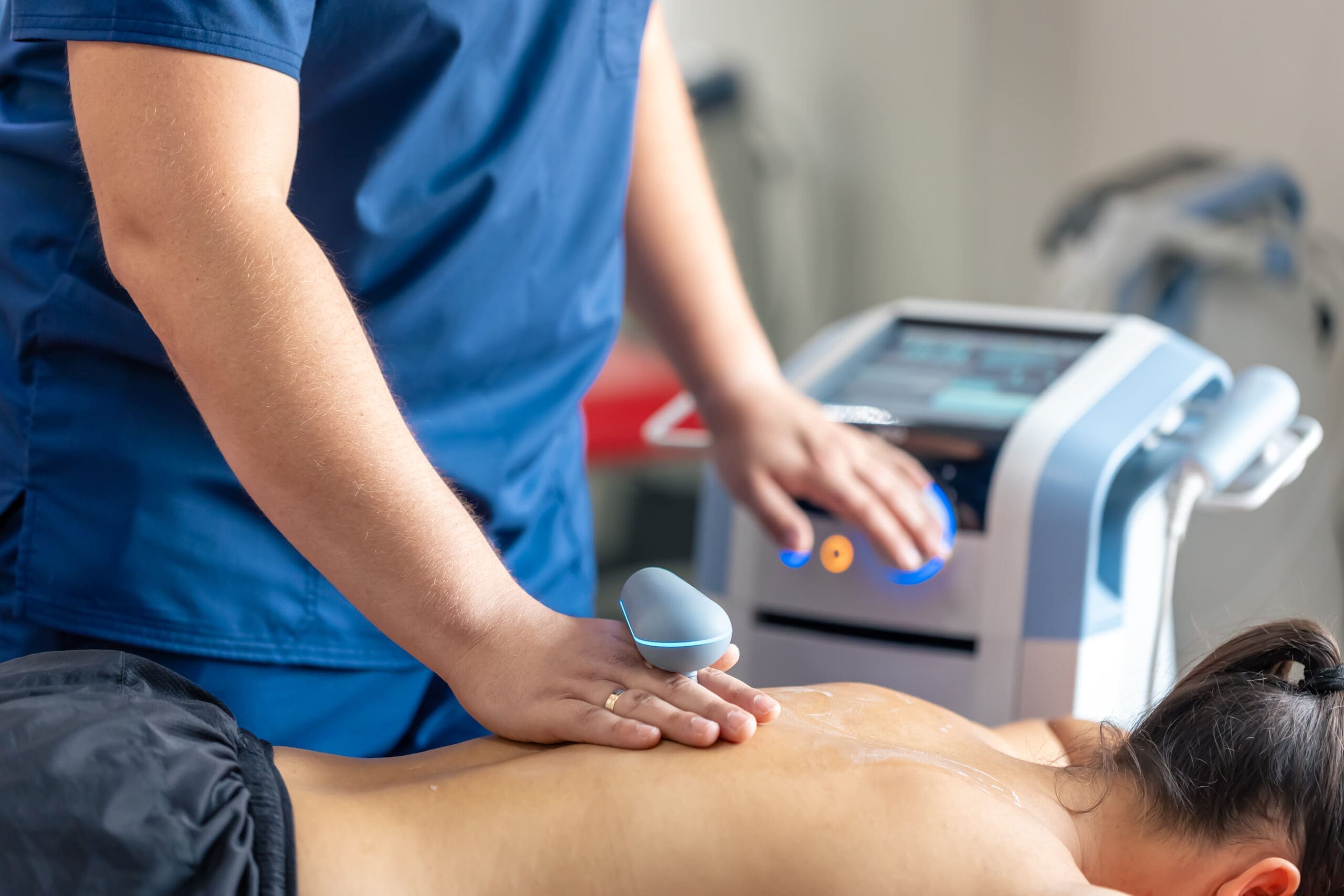
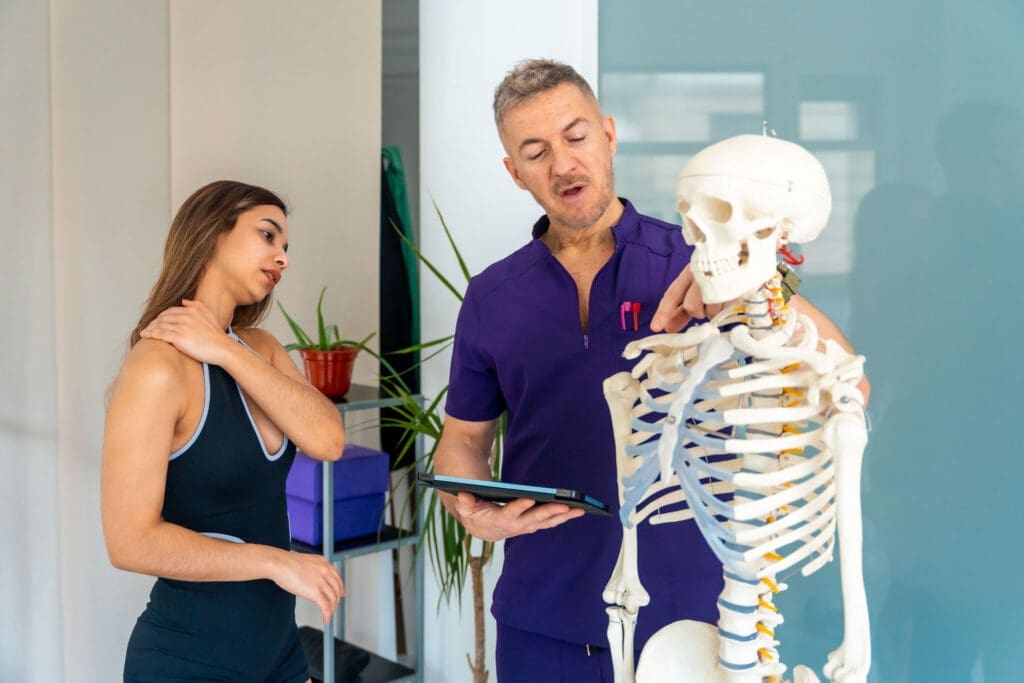
A PRP injection is not a magic bullet; it is a catalyst. To fully realize its potential, it must be supported by a comprehensive treatment plan. This is where integrative chiropractic care becomes a cornerstone of success.
1. Precision and Guidance: The biologic product must be delivered to the exact site of injury. If you are treating a rotator cuff tear, the PRP must be placed directly into the defect within the tendon. If it’s injected into the surrounding bursal space, it cannot perform its function of forming a biological scaffold and stimulating repair. This is why ultrasound guidance is non-negotiable for these procedures. It ensures that this precious biologic drug gets to its target.
2. Optimizing Biomechanics: As a chiropractor, my focus is on function and structure. If a patient has knee OA due to poor hip mechanics or foot overpronation, simply injecting the knee only addresses the symptom. Chiropractic adjustments, soft tissue mobilization, and corrective exercises are crucial for addressing the underlying biomechanical faults that led to the joint breakdown in the first place. This creates a better environment for the PRP to work and helps prevent recurrence of the injury.
3. Guided Rehabilitation: The post-injection period is critical. PRP triggers an inflammatory and proliferative process that takes time. I tell my patients not to expect immediate results. The true benefits unfold over three to six months. The rehabilitation protocol must be tailored to this biological timeline.
- Initial Rest Phase: Following the injection, a short period of relative rest allows the platelet clot to form and the initial inflammatory cascade to begin.
- Protected Mobilization: We then gradually introduce a gentle range-of-motion exercise to prevent stiffness.
- Progressive Loading: As the tissue begins to repair and remodel, we introduce progressive, controlled loading through specific exercises. This mechanical stimulation is essential for guiding the new collagen fibers to align properly, creating a strong, functional, and resilient tissue. This is a journey we guide the patient through, ensuring they do the right things at the right time to support the healing initiated by PRP.
Key Takeaways for Patients and Practitioners
My goal in this post is to emphasize that successful regenerative medicine requires a deep understanding of the product you deliver. We must move beyond generic labels and focus on the specifics.
- Dose Matters: Think of PRP as a drug. A subtherapeutic dose will not work. We must aim for a specific dose tailored to the tissue and condition, with current evidence suggesting a target of >3.5 billion platelets for soft tissues and 5-10 billion platelets for knee OA.
- Not All PRP Is Equal: The preparation system dictates the final product. Understand your system’s capabilities and limitations to ensure you can create a therapeutic dose.
- It’s a Biological Process: Healing takes time. PRP initiates a cascade that unfolds over months. Patient education and managing expectations are key.
- Integrative Care is Crucial: The best outcomes are achieved when PRP is combined with precision guidance, biomechanical correction, and a structured, biology-based rehabilitation program.
By embracing this evidence-based, detailed, and integrative approach, we can truly harness the remarkable healing potential of PRP and offer our patients lasting solutions for pain and dysfunction.
References
Bennell, K. L., Paterson, K. L., Metcalf, B. R., Duong, V., Emsley, R., Hinman, R. S., … & Harris, A. (2021). Effect of intra-articular platelet-rich plasma vs placebo on pain, function, and structural change in patients with knee osteoarthritis: The RESTORE randomized clinical trial. JAMA, 326(20), 2021-2030. https://doi.org/10.1001/jama.2021.19415
Everts, P., Onishi, K., Jayaram, P., Lana, J. F., & Mautner, K. (2020). Platelet-rich plasma: new performance understandings and therapeutic considerations in 2020. International Journal of Molecular Sciences, 21(20), 7794. https://doi.org/10.3390/ijms21207794
Meheux, C. J., McCulloch, P. C., Lintner, D. M., Varner, K. E., & Harris, J. D. (2016). Efficacy of intra-articular platelet-rich plasma injections in knee osteoarthritis: a systematic review. Arthroscopy: The Journal of Arthroscopic & Related Surgery, 32(3), 495-505. https://doi.org/10.1016/j.arthro.2015.08.005
Pak, J., Lee, J. H., & Lee, S. H. (2017). A novel protocol of platelet-rich plasma application for musculoskeletal medicine: a preliminary report. Journal of Prolotherapy, 9(1), e971-e979.
van der Weegen, W., van Drumpt, R., & de Sèze, P. B. (2016). The use of platelet rich plasma in knee osteoarthritis: a literature review and clinical interpretation. Bio-Orthopaedics Journal, 1(1).